 Pulmonary artery
 Bronchial artery
 Lymphatic circulation
 Two left and one right
 From descending aorta
 Contributes to a physiological shunt
 Thin walled , distensible , large compliance
 Low pressure , low resistance , high
capacitance system
 Pul capillaries are larger and have more
anastamosis
 Helps in gas exchange
 Serves as a filter
 Metabolic functuions
 Serves as a blood reservoir
 PVR falls with increased pulmonary
arterial pressure
› Occurs because of two reasons
› Recruitment
› Increased capillary distension
 Importance :- prevents pulmonary edema
reduces velocity
 Vessels contain 600 ml of blood at rest
 Increases and decreases according to
posture and pathological conditions
Pressure Pulmonary system Systemic vasculature
Ventricular pressure RV- 25 (systolic) LV- 120 systolic
Pulmonary artery 25 sys
8 diastolic
120 sys
80 dias
MAP 15 mm/hg 100
Pulse pressure 17 40
atrial pressure LA – 5 RA - 0
Pressure gradient Pp= MAP- MVP= 15-5
=5
100
 Mean value is 10 mmHg
 Is less than colloid osmotic pressure
25mmHg
 So a net suction force of 15mmHg is
keeping the alveoli dry
 However if hydrostatic pressure raises
more than 25mmHg then pulmonary
edema ensures
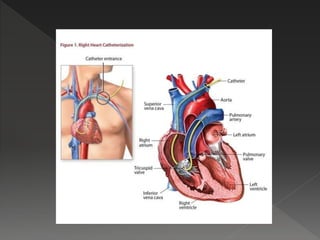
 Is measured to give the LAP
 Direct measurement of LAP is difficult
 So indirect measurement is done
 LAP corresponds to PCWP
 Measures by swans gans catheter
 Catheter is wedged in the tip of the small
branch of pulmonary artery
 Stops flow of blood in that
 Same as the CO or LV output
 Effect of gravity :-
› in supine position MAP is same allover the
lungs so uniform perfusion
› Gravity changes the hydrostatic pressure
› Zero reference plane is at the level of RA
› Which is approximately at the middle of the
lung or hilum
 In a 30cm height lung
 In the middle pressure is 15mmHg
 In the apex its 11 mmHg less ie 4mmHg
 In the base its 26mmHg
 Depends upon three pressure
› PA - alveolar pressure
› Pa – pulmonary arterial pressure
› Pv – pulmonary venous pressure
 Divided into three zones in erect
posture – 1, 2, 3
 Area of zero perfusion
 Does not exist in normal lungs
 Occurs when Pul arterial pressure
becomes less than alveolar pressure
 Pulmonary capillaries become collapsed
 Flow becomes zero
 Ex- pulmonary embolism , shock ,
obstructive lung diseases ,
 Region of intermittent blood flow
 This occurs during systole when the pul
arterial pressure raises more than PA
 In normal lungs this zone occurs from
apex to hilum of the lungs
 Systolic pa pressure is 25 and diastolic is 8
 In a 30cm height lung
 In the middle pressure is 15mmHg
 In the apex its 11 mmHg less ie 4mmHg
 In the base its 26mmHg
 This zone has continues high blood flow
 Here pa is greater than PA during the
entire cardiac cycle
 this region occurs in from the middle
zone of lungs to bottom
 Blood flow increases 4- 7 times
 Near base its 2-3 times
 In apex its 8 times
 So whole lungs becomes zone 3
 Possible because of two reasons
› Recruitment
› Distensibility
 Ability of lungs to accommodate large
blood serve two purpose
 Reduces rt heart work and prevents
pulmonary edema
 Pulmonary transit time 4sec
 Net filtration pressure
› Net outward forces :-
 Interstitial oncotic pressure = 14mmHg
 Intersttial hydrostatic pressure = -8
 Capillary hydroststic pressure = 7
 Total = 29mmHg
› Net inward pressure:-
 Plasma oncotic pressure = 28mmHg
 NFP = 29-28= 1
 Neural regulation is not very effective
 Chemical control is major regulatory
mechanism
Pulmonary circulation

Pulmonary circulation

  • 2.
     Pulmonary artery Bronchial artery  Lymphatic circulation
  • 5.
     Two leftand one right  From descending aorta  Contributes to a physiological shunt
  • 6.
     Thin walled, distensible , large compliance  Low pressure , low resistance , high capacitance system  Pul capillaries are larger and have more anastamosis  Helps in gas exchange  Serves as a filter  Metabolic functuions  Serves as a blood reservoir
  • 7.
     PVR fallswith increased pulmonary arterial pressure › Occurs because of two reasons › Recruitment › Increased capillary distension  Importance :- prevents pulmonary edema reduces velocity
  • 8.
     Vessels contain600 ml of blood at rest  Increases and decreases according to posture and pathological conditions
  • 9.
    Pressure Pulmonary systemSystemic vasculature Ventricular pressure RV- 25 (systolic) LV- 120 systolic Pulmonary artery 25 sys 8 diastolic 120 sys 80 dias MAP 15 mm/hg 100 Pulse pressure 17 40 atrial pressure LA – 5 RA - 0 Pressure gradient Pp= MAP- MVP= 15-5 =5 100
  • 10.
     Mean valueis 10 mmHg  Is less than colloid osmotic pressure 25mmHg  So a net suction force of 15mmHg is keeping the alveoli dry  However if hydrostatic pressure raises more than 25mmHg then pulmonary edema ensures
  • 11.
     Is measuredto give the LAP  Direct measurement of LAP is difficult  So indirect measurement is done  LAP corresponds to PCWP  Measures by swans gans catheter  Catheter is wedged in the tip of the small branch of pulmonary artery  Stops flow of blood in that
  • 14.
     Same asthe CO or LV output  Effect of gravity :- › in supine position MAP is same allover the lungs so uniform perfusion › Gravity changes the hydrostatic pressure › Zero reference plane is at the level of RA › Which is approximately at the middle of the lung or hilum
  • 15.
     In a30cm height lung  In the middle pressure is 15mmHg  In the apex its 11 mmHg less ie 4mmHg  In the base its 26mmHg
  • 16.
     Depends uponthree pressure › PA - alveolar pressure › Pa – pulmonary arterial pressure › Pv – pulmonary venous pressure  Divided into three zones in erect posture – 1, 2, 3
  • 17.
     Area ofzero perfusion  Does not exist in normal lungs  Occurs when Pul arterial pressure becomes less than alveolar pressure  Pulmonary capillaries become collapsed  Flow becomes zero  Ex- pulmonary embolism , shock , obstructive lung diseases ,
  • 18.
     Region ofintermittent blood flow  This occurs during systole when the pul arterial pressure raises more than PA  In normal lungs this zone occurs from apex to hilum of the lungs  Systolic pa pressure is 25 and diastolic is 8
  • 19.
     In a30cm height lung  In the middle pressure is 15mmHg  In the apex its 11 mmHg less ie 4mmHg  In the base its 26mmHg
  • 20.
     This zonehas continues high blood flow  Here pa is greater than PA during the entire cardiac cycle  this region occurs in from the middle zone of lungs to bottom
  • 21.
     Blood flowincreases 4- 7 times  Near base its 2-3 times  In apex its 8 times  So whole lungs becomes zone 3  Possible because of two reasons › Recruitment › Distensibility  Ability of lungs to accommodate large blood serve two purpose  Reduces rt heart work and prevents pulmonary edema
  • 22.
     Pulmonary transittime 4sec  Net filtration pressure › Net outward forces :-  Interstitial oncotic pressure = 14mmHg  Intersttial hydrostatic pressure = -8  Capillary hydroststic pressure = 7  Total = 29mmHg › Net inward pressure:-  Plasma oncotic pressure = 28mmHg  NFP = 29-28= 1
  • 23.
     Neural regulationis not very effective  Chemical control is major regulatory mechanism