Using the Project-based Learning 
Multimedia as a Teaching- 
Learning Strategy 
•Project-based multimedia learning is a 
method of teaching in which students 
acquire new knowledge and skills in the 
course of designing, planning, and 
producing a multimedia product.
The effective use of multimedia 
learning project requires: 
• Clarifying goals and objectives 
• Determining how much time is 
needed 
• Extent of students’ involvement 
in decision making 
• Setting up forms of 
collaboration 
• Identifying and determining 
what resources are needed
To trim down time devoted to a multi-media 
project, Simkins et al (2002) 
suggest the following: 
◘ Use technology students already 
know. 
◘ Use time outside of class 
wherever possible. 
◘ Assign skills, practice, as 
homework. 
◘ Use “special” classes as extra 
time. 
◘ Let students compose text and
VARIOUS 
PHASES OF THE 
PROJECT
☺BEFORE THE PROJECT STARTS 
Create project description and 
milestones. 
• Identify what is your project all about 
and describe it in a forty (40) words or less. 
• Include the project components students 
will be responsible for and their due date.
Stage Estimated Time 
Before the project starts 2 weeks 
Introducing the project 1-2 days 
Learning the technology 1-3 days 
Preliminary research and planning 3 days – 3 weeks 
Concept design and storyboarding 3-5 days 
First draft production 1-3 weeks 
Assessing, testing, and finalizing 
1-3 weeks 
presentations 
Concluding activities 1-3 days 
Total class time 5-13 weeks
Work with Real 
If you have people outside the 
classroom involved as evaluators work 
with them to make an appropriate 
schedule and include their ideas for 
activities.
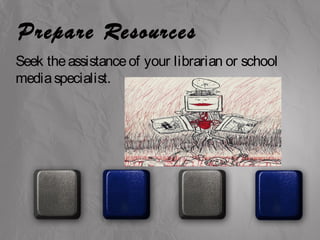
Prepare Resources 
Seek the assistance of your librarian or school 
media specialist.
Prepare software and peripherals 
such as microphones 
Ask the help of technical people.
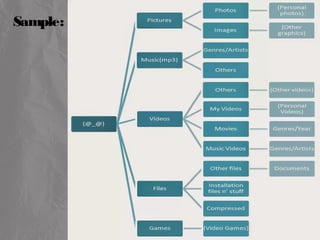
Organize Computer Files 
Finding files eats most of your time if you 
are not organized. Naming files and 
folders after their file type and section title 
helps to keep things organized and makes 
it easier to merge elements later on.
Sample:
Prepare the Classroom 
Organize books, printed papers and any 
other resources so students can access them 
independently. 
Make bulletin boards in the room for 
hanging printouts of student work, schedules, 
and organizational charts.
☺ introducing the project 
Help the students develop a “big picture” to 
understand the work ahead. Make sure what they 
will be making, who their audience will be and 
what you expect them to learn and demonstrate in 
terms of the RBEC.
1. Review project documents 
You can ask students to work with the 
project documents you have produced. 
Encourage your students to ask questions about 
the project to clarify what you have written.
2. Perform pre-assessments 
Your students can write pre-assessment 
questions based on your learning goals to further 
clarify expectations.
3. Perform relevant activities 
You can show students anything you can find 
that is similar to what they will be producing such 
as Website or your own mini-project you did to 
learn the technology. You can also brainstorm for 
topics, organizational ideas, and design ideas.
4. Group students 
Form small student groups from three to 
five students per group. Here are some 
grouping strategies: 
• By topic interest 
• By student talents and expertise 
• By student choice 
• Randomly
5. Organize materials 
Give each group a folder that stays 
in the classroom. All their group work 
such as storyboards, group journals, and 
research notes goes in that folder.
☺Learning the technoLogy 
Give a chance for the students to work with 
whatever software and technology they will be using. If 
some students are already familiar with the tools and 
processes, ask them to help you train the others. If 
students are new to multimedia, then begin with lesson 
that involve using the different media types. Remember, 
you and your students are colearners and you both learn 
as you go.
☺ PreLiminary research and 
PLanning 
At this stage, students should immerse 
themselves in the content or subject matter they need to 
understand to create their presentations.
☺ ConCept design and storyboarding 
Process of organizing a presentation that is 
useful to the audience. 
Storyboard: is a paper-and-pencil sketch of the 
entire presentation, screen by screen, or in the 
case of video, shot by shot.
Here are a few design tips to keep in mind 
throughout storyboarding and production: 
• Use scanned, handmade artwork to make a 
project look personal and to manage scary 
technology resources. 
• Keep navigation 
• Organize information similarity throughout so 
users can find what they are looking for. 
• Care for collaboration 
• Organize manageable steps 
• Check and assess often
☻assessing, testing, and finalizing 
presentations 
Two kinds of testing: 
• Functional Testing 
• User testing 
Assessment: 
Assessment means critical evaluation 
of your presentation.
☻ ConCluding aCtivities 
Way of presenting the project to the 
audiences.

Project-based Learning Multimedia as a Teaching-Learning Strategy

  • 1.
    Using the Project-basedLearning Multimedia as a Teaching- Learning Strategy •Project-based multimedia learning is a method of teaching in which students acquire new knowledge and skills in the course of designing, planning, and producing a multimedia product.
  • 2.
    The effective useof multimedia learning project requires: • Clarifying goals and objectives • Determining how much time is needed • Extent of students’ involvement in decision making • Setting up forms of collaboration • Identifying and determining what resources are needed
  • 3.
    To trim downtime devoted to a multi-media project, Simkins et al (2002) suggest the following: ◘ Use technology students already know. ◘ Use time outside of class wherever possible. ◘ Assign skills, practice, as homework. ◘ Use “special” classes as extra time. ◘ Let students compose text and
  • 4.
    VARIOUS PHASES OFTHE PROJECT
  • 5.
    ☺BEFORE THE PROJECTSTARTS Create project description and milestones. • Identify what is your project all about and describe it in a forty (40) words or less. • Include the project components students will be responsible for and their due date.
  • 6.
    Stage Estimated Time Before the project starts 2 weeks Introducing the project 1-2 days Learning the technology 1-3 days Preliminary research and planning 3 days – 3 weeks Concept design and storyboarding 3-5 days First draft production 1-3 weeks Assessing, testing, and finalizing 1-3 weeks presentations Concluding activities 1-3 days Total class time 5-13 weeks
  • 7.
    Work with Real If you have people outside the classroom involved as evaluators work with them to make an appropriate schedule and include their ideas for activities.
  • 8.
    Prepare Resources Seekthe assistance of your librarian or school media specialist.
  • 9.
    Prepare software andperipherals such as microphones Ask the help of technical people.
  • 10.
    Organize Computer Files Finding files eats most of your time if you are not organized. Naming files and folders after their file type and section title helps to keep things organized and makes it easier to merge elements later on.
  • 11.
  • 12.
    Prepare the Classroom Organize books, printed papers and any other resources so students can access them independently. Make bulletin boards in the room for hanging printouts of student work, schedules, and organizational charts.
  • 14.
    ☺ introducing theproject Help the students develop a “big picture” to understand the work ahead. Make sure what they will be making, who their audience will be and what you expect them to learn and demonstrate in terms of the RBEC.
  • 15.
    1. Review projectdocuments You can ask students to work with the project documents you have produced. Encourage your students to ask questions about the project to clarify what you have written.
  • 16.
    2. Perform pre-assessments Your students can write pre-assessment questions based on your learning goals to further clarify expectations.
  • 17.
    3. Perform relevantactivities You can show students anything you can find that is similar to what they will be producing such as Website or your own mini-project you did to learn the technology. You can also brainstorm for topics, organizational ideas, and design ideas.
  • 18.
    4. Group students Form small student groups from three to five students per group. Here are some grouping strategies: • By topic interest • By student talents and expertise • By student choice • Randomly
  • 19.
    5. Organize materials Give each group a folder that stays in the classroom. All their group work such as storyboards, group journals, and research notes goes in that folder.
  • 20.
    ☺Learning the technoLogy Give a chance for the students to work with whatever software and technology they will be using. If some students are already familiar with the tools and processes, ask them to help you train the others. If students are new to multimedia, then begin with lesson that involve using the different media types. Remember, you and your students are colearners and you both learn as you go.
  • 21.
    ☺ PreLiminary researchand PLanning At this stage, students should immerse themselves in the content or subject matter they need to understand to create their presentations.
  • 22.
    ☺ ConCept designand storyboarding Process of organizing a presentation that is useful to the audience. Storyboard: is a paper-and-pencil sketch of the entire presentation, screen by screen, or in the case of video, shot by shot.
  • 23.
    Here are afew design tips to keep in mind throughout storyboarding and production: • Use scanned, handmade artwork to make a project look personal and to manage scary technology resources. • Keep navigation • Organize information similarity throughout so users can find what they are looking for. • Care for collaboration • Organize manageable steps • Check and assess often
  • 24.
    ☻assessing, testing, andfinalizing presentations Two kinds of testing: • Functional Testing • User testing Assessment: Assessment means critical evaluation of your presentation.
  • 25.
    ☻ ConCluding aCtivities Way of presenting the project to the audiences.