

Principles and Methods of Heart Rate Variability Biofeedback
The document provides an overview of heart rate variability biofeedback (HRVB), detailing its definition, methods, and benefits. HRVB is a technique that helps individuals alter physiological responses through feedback mechanisms, promoting mental and physical well-being. Key components include biofeedback systems, protocols for training, and the physiological importance of heart rate variability in regulating stress and health outcomes.
Principles and Methods of Heart Rate Variability Biofeedback
1.
Principles and Methodsof Heart Rate
Variability Biofeedback (HRVB)
Presenter : Dr. Saran A K
Preceptors : Fourth Unit Faculty
DM Seminar | 04 April 2024
1
DEPT. OF PHYSIOLOGY, AIIMS PATNA
Biofeedback is definedas a process that enables an individual to
learn how to change physiologic activity for the purposes of
improving health and performance.
DEPT. OF PHYSIOLOGY, AIIMS PATNA 4
5.
• Precise instrumentsmeasure physiologic activity such as
brainwaves, heart function, breathing, muscle activity, and skin
temperature.
• Rapidly and accurately feed back information to the user.
• In conjunction with changes in thinking, emotions, and
behavior—supports desired physiologic changes.
• Over time, desired changes without continued use of an
instrument.
DEPT. OF PHYSIOLOGY, AIIMS PATNA 5
6.
• The mostprominent use of biofeedback is to train individuals in
physiologic relaxation and stress reduction.
• It long has been known that yogis and others who practice
eastern mind–body techniques can induce a state of relaxation
sufficient to greatly slow their heart rate and influence other
autonomic processes.
DEPT. OF PHYSIOLOGY, AIIMS PATNA 6
7.
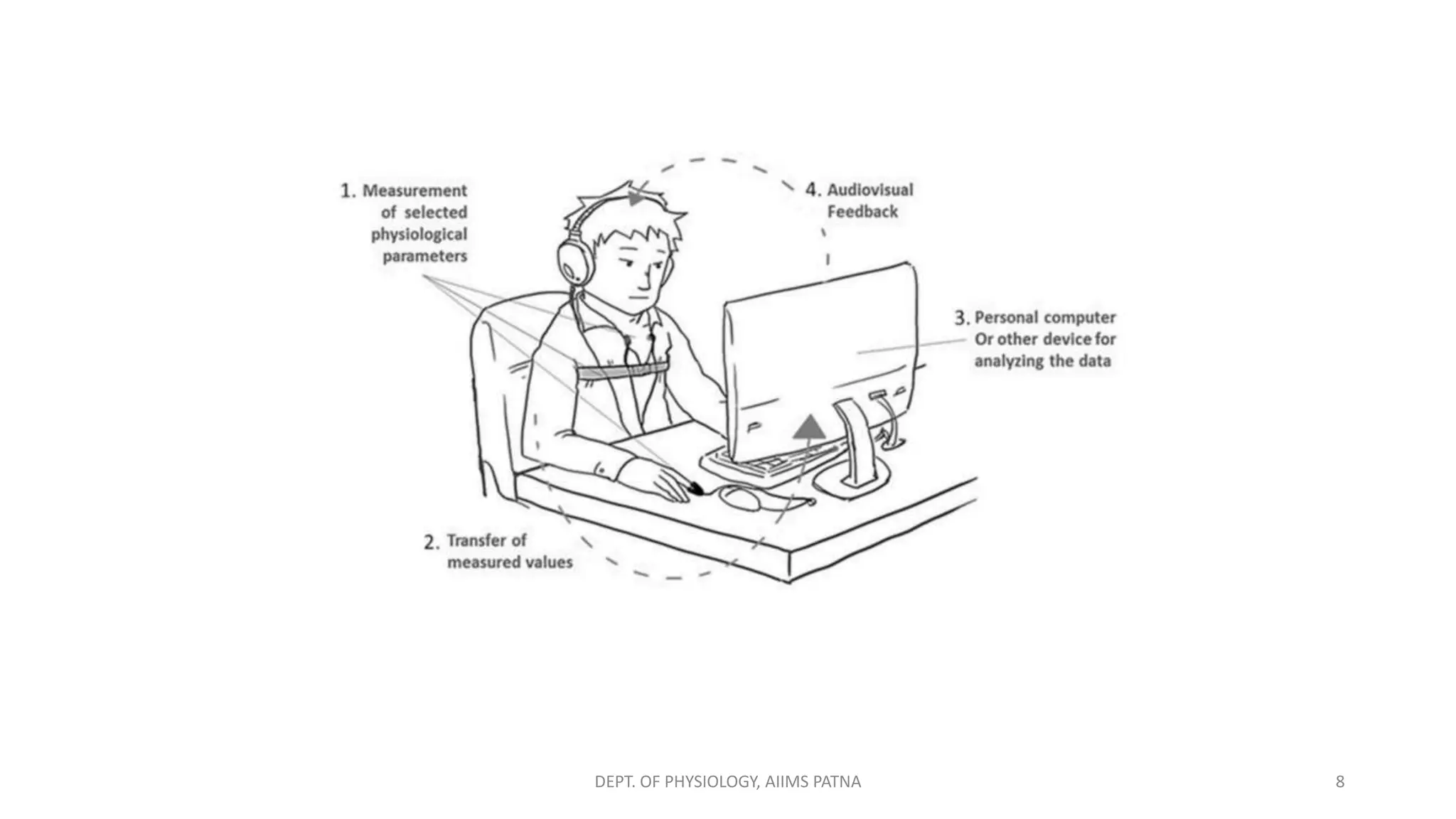
A biofeedback systemis composed of
• input physiological information and
• output sensorial stimuli information
in a real time closed-loop process that allows patients to
modulate target physiological (dys)function.
7
Components of a Biofeedback System
DEPT. OF PHYSIOLOGY, AIIMS PATNA
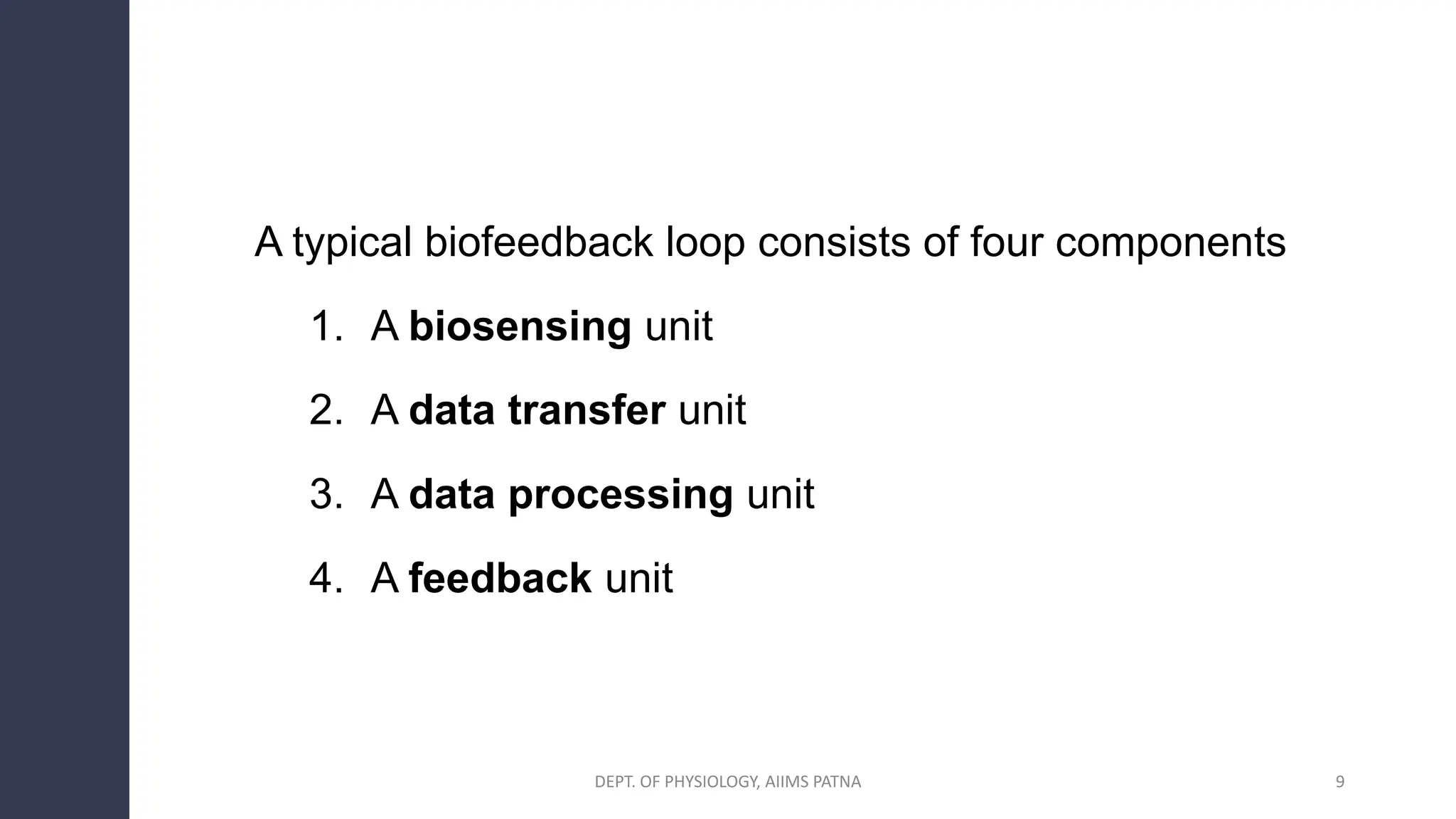
A typical biofeedbackloop consists of four components
1. A biosensing unit
2. A data transfer unit
3. A data processing unit
4. A feedback unit
9
DEPT. OF PHYSIOLOGY, AIIMS PATNA
10.
Biofeedback information canbe classified into two types:
• that reflecting a physiological process designed to assist in
self regulation (performance feedback)
• and that indicating the results of self-regulation training
(result indices).
10
DEPT. OF PHYSIOLOGY, AIIMS PATNA
11.
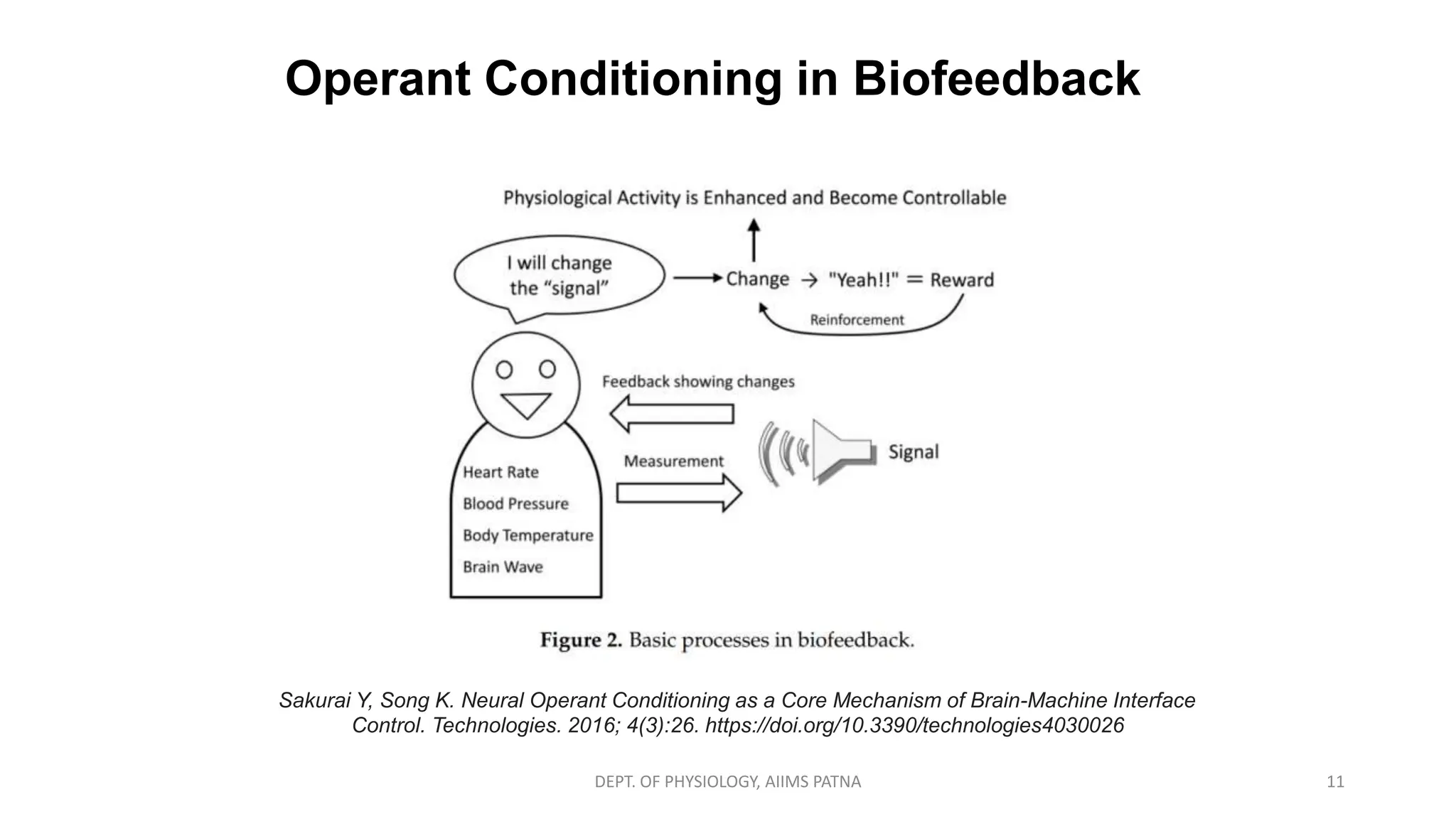
Sakurai Y, SongK. Neural Operant Conditioning as a Core Mechanism of Brain-Machine Interface
Control. Technologies. 2016; 4(3):26. https://doi.org/10.3390/technologies4030026
Operant Conditioning in Biofeedback
DEPT. OF PHYSIOLOGY, AIIMS PATNA 11
12.
Goals of Biofeedback
1.Patient education regarding connections between symptoms and his/ her
physiology
2. Specific skills training in changing biofeedback signals corresponding to
physiologic processes
3. Development of awareness of the internal states that are linked to the arousal
and relaxation
4. Application of the skills training to include carry-over without the aid of
instrumentation
5. Development of an overall sense of self-efficacy and empowerment for
contributing to health and well being
DEPT. OF PHYSIOLOGY, AIIMS PATNA 12
• A healthyheart is not a metronome.
• Heart rate variability (HRV) consists of changes in the time intervals
between consecutive heartbeats called interbeat intervals (IBIs).
• Allow the cardiovascular system to rapidly adjust to sudden physical
and psychological challenges.
• Depends on the balance between sympathetic and parasympathetic
drives to myocardium.
DEPT. OF PHYSIOLOGY, AIIMS PATNA 15
Heart Rate Variability
16.
Generation of HRV
•HRV has a complex structure, often referred to as “chaotic”
• Involves various superimposed oscillation frequencies, non-
linearly related to each other.
• Some are known reflexes, modulatory functions, often
controlled by different autonomic pathways.
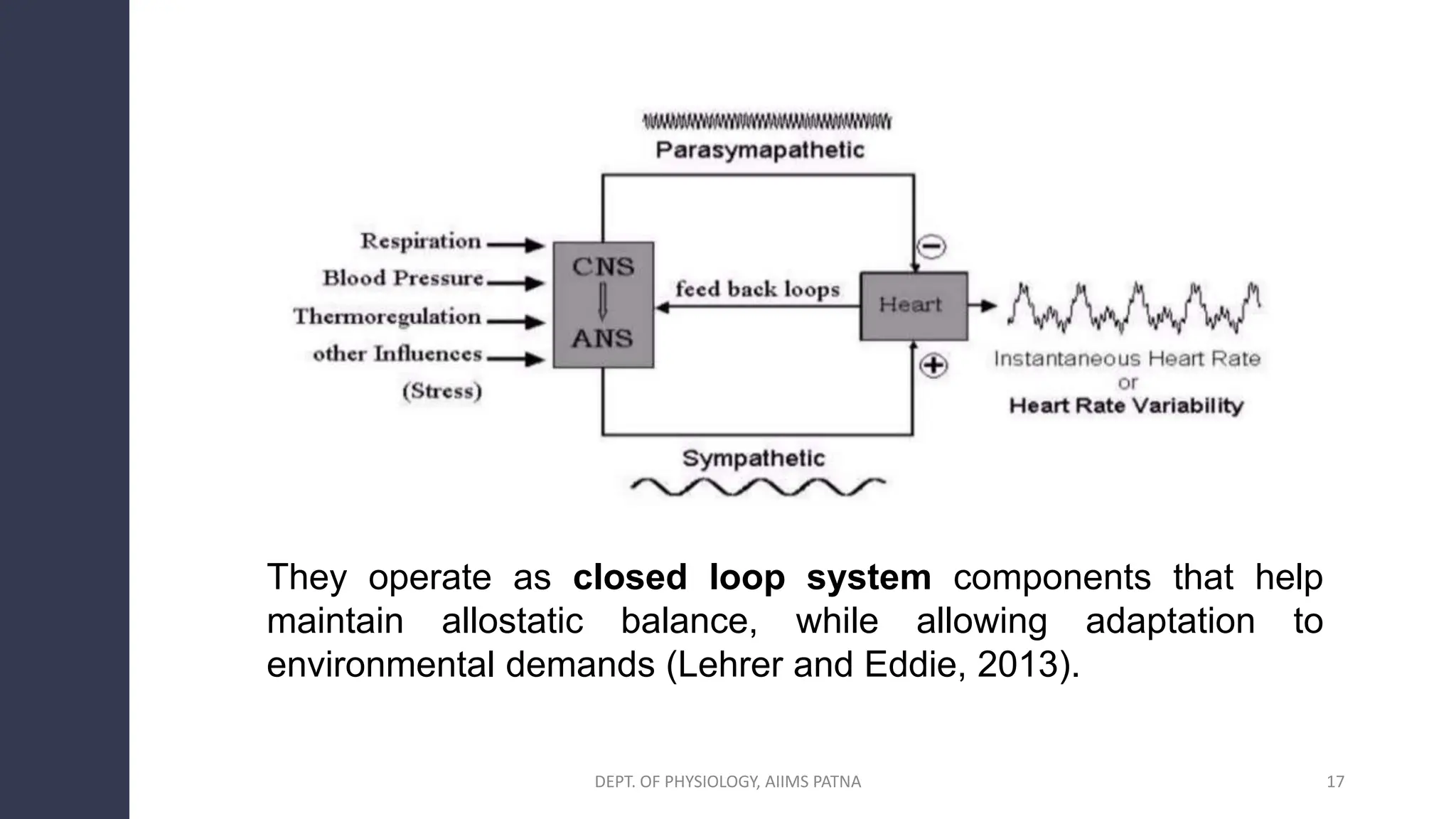
• Described as “negative feedback loops,”
16
DEPT. OF PHYSIOLOGY, AIIMS PATNA
17.
DEPT. OF PHYSIOLOGY,AIIMS PATNA 17
They operate as closed loop system components that help
maintain allostatic balance, while allowing adaptation to
environmental demands (Lehrer and Eddie, 2013).
18.
• HRV ismainly under the control of the vagal parasympathetic
nervous system, given that the sympathetic outflow on the
heart is too slow to elicit beat-to-beat changes
• A higher vmHRV was found to be associated with higher life
expectancy, greater cognitive flexibility, resilience to stress or
resistance to temptation in dietary challenges
• vmHRV is a relevant marker positively related to health,
wellbeing, and self-regulation.
18
DEPT. OF PHYSIOLOGY, AIIMS PATNA
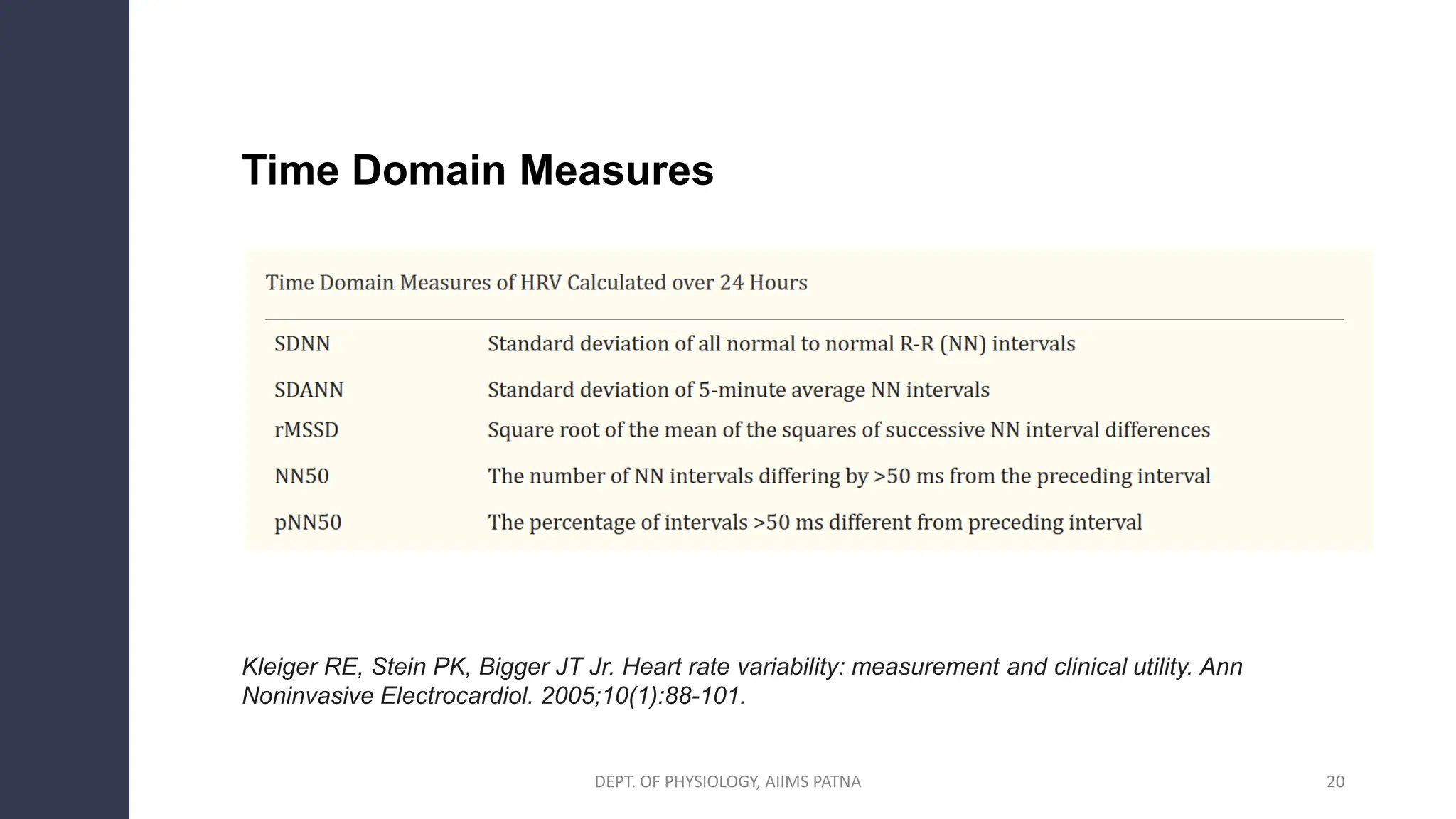
Time Domain Measures
DEPT.OF PHYSIOLOGY, AIIMS PATNA 20
Kleiger RE, Stein PK, Bigger JT Jr. Heart rate variability: measurement and clinical utility. Ann
Noninvasive Electrocardiol. 2005;10(1):88-101.
HRV Biofeedback
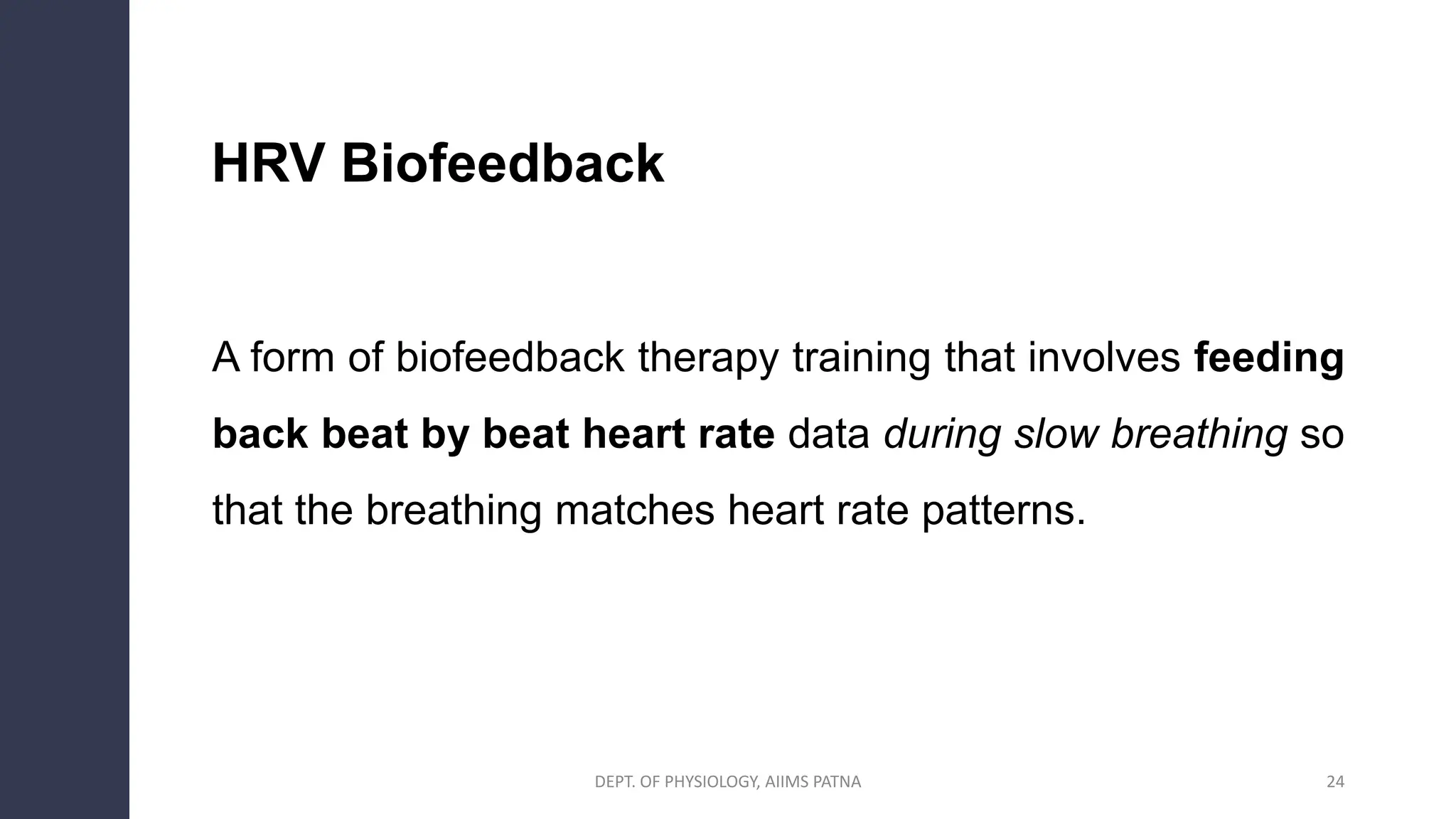
A formof biofeedback therapy training that involves feeding
back beat by beat heart rate data during slow breathing so
that the breathing matches heart rate patterns.
24
DEPT. OF PHYSIOLOGY, AIIMS PATNA
25.
25
DEPT. OF PHYSIOLOGY,AIIMS PATNA
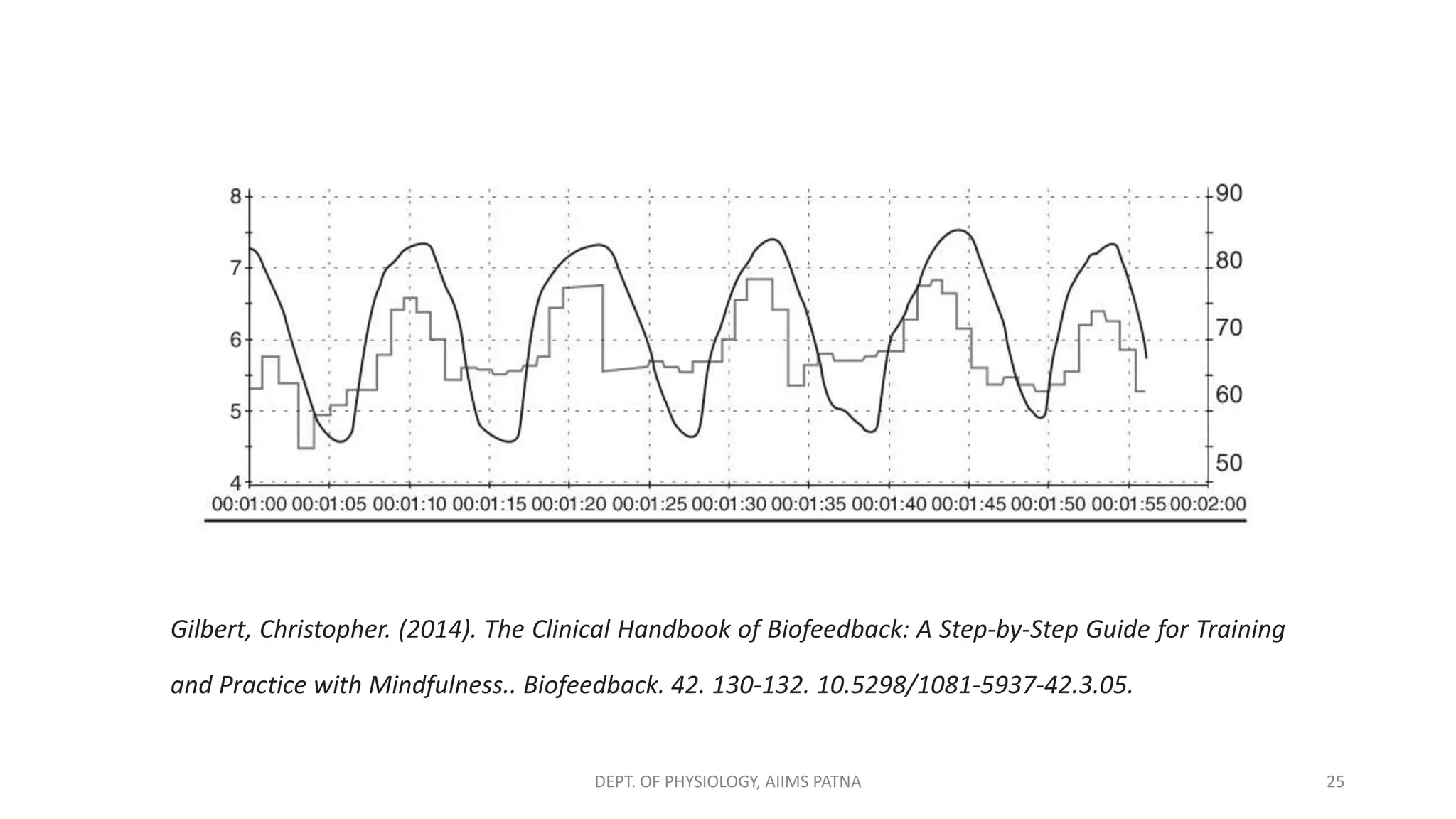
Gilbert, Christopher. (2014). The Clinical Handbook of Biofeedback: A Step-by-Step Guide for Training
and Practice with Mindfulness.. Biofeedback. 42. 130-132. 10.5298/1081-5937-42.3.05.
26.
• Heart ratevariability (HRV) biofeedback is the most
common single-modal biofeedback technique for stress
management.
• Depression and anxiety, Asthma, Cardiovascular
diseases, Hypertension, Fibromyalgia, Musculoskeletal
pain disorders.
26
DEPT. OF PHYSIOLOGY, AIIMS PATNA
Principle of HRVBiofeedback
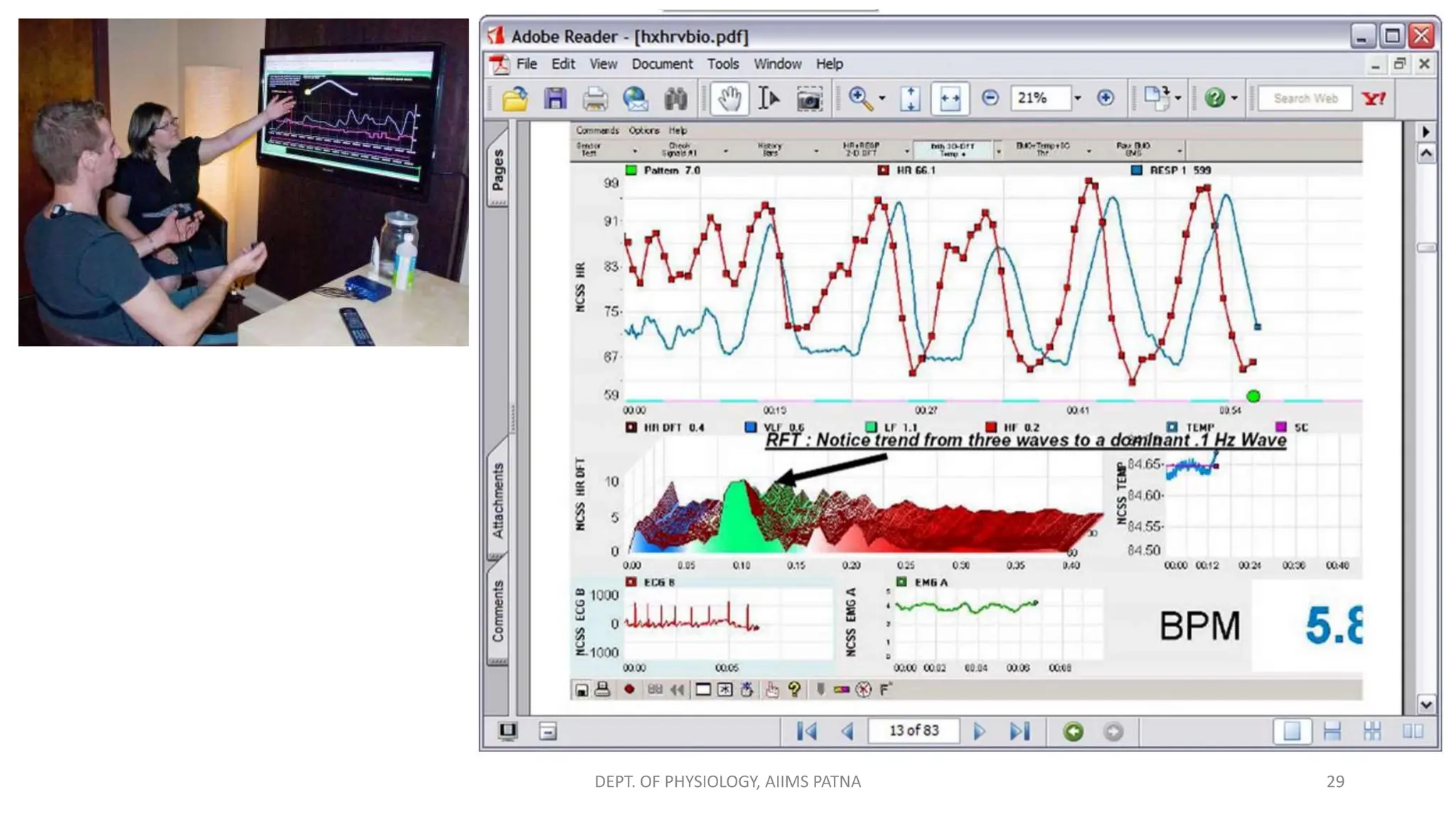
• The procedure consists of feeding back beat by beat heart rate data
during slow breathing maneuvers.
• The participant tries to maximize Respiratory Sinus Arrhythmia
(RSA), create a sine wave like curve of peaks and valleys, and
match RSA to heart rate patterns.
• Maximizing HRV via Feedback
• The participant uses a feedback or a breath pacing device to
produce characteristic maximized RSA.
28
DEPT. OF PHYSIOLOGY, AIIMS PATNA
Mechanisms of maximizingHRV during Biofeedback
• During HRV biofeedback, the amplitude of heart rate oscillations
grows to many times the amplitude at rest, while the pattern
becomes simple and sinusoidal.
• Temporal coherence of phases between respiratory, blood
pressure, and cardiac oscillations, at the specific so-called
resonant frequency.
30
DEPT. OF PHYSIOLOGY, AIIMS PATNA
31.
The mechanism forthis effect lies in a confluence of
processes:
1. Phase relationships between heart rate oscillations and
breathing at specific frequencies
2. Phase relationships between heart rate and blood
pressure oscillations at specific frequencies
3. Activity of the baroreflex
4. Resonance characteristics of the cardiovascular system
31
DEPT. OF PHYSIOLOGY, AIIMS PATNA
32.
1. Phase Relationshipbetween heart rate
oscillations and breathing at specific frequencies
• Normal Spontaneous Breathing happens at a frequency of 0.15 and
0.4Hz or 9 to 24 breaths per minute.
• Influences the SA Node resulting in Respiratory Sinus Arrythmia
(RSA)
• Spectral amplitude of HRV within 0.15-0.4 Hz (HF Band) - index of
RSA.
• At resting respiratory rates, the phase relationship between breathing
and HR is asynchronous.
32
DEPT. OF PHYSIOLOGY, AIIMS PATNA
33.
Respiratory Sinus Arrythmia
Servesimportant regulatory functions.
1. Regulates rate of gas exchange at the alveoli
• The partial out-of-phase relationship between heart rate and
breathing is not the most efficient pattern for gas exchange.
• Maximization of RSA improves gas exchange efficiency.
33
DEPT. OF PHYSIOLOGY, AIIMS PATNA
34.
2. Reflection ofvagal activity
• RSA is entirely controlled by vagus
• Vagus acts only during exhalation
• Greater vagal activity- greater RSA amplitude
• HF HRV reflects cardiac vagal tone
34
DEPT. OF PHYSIOLOGY, AIIMS PATNA
35.
• Studies thatexplored relationships between breathing and heart
rate done using transfer functional analysis found out that
maximum heart rate oscillations occur at the breathing frequency
of 0 .1 Hz
• At this frequency the heart rate oscillation is perfectly in phase
with breathing
• Thus highest amplitude of RSA is produced and falls in the range
of LF band of HRV.
35
DEPT. OF PHYSIOLOGY, AIIMS PATNA
36.
2. Phase relationshipsbetween heart rate
and blood pressure
• Studies on the heart rate changes per unit change in blood pressure –
showed that highest change occurred at 0.1 Hz
• At this frequency, heart rate and blood pressure oscillated in a 180◦
phase relationship
• Suggests that the mechanism for heart rate oscillations with blood
pressure is Baroreflex mechanism
• The blood pressure oscillations with respiration are called as Traube
Hering oscillations
36
DEPT. OF PHYSIOLOGY, AIIMS PATNA
37.
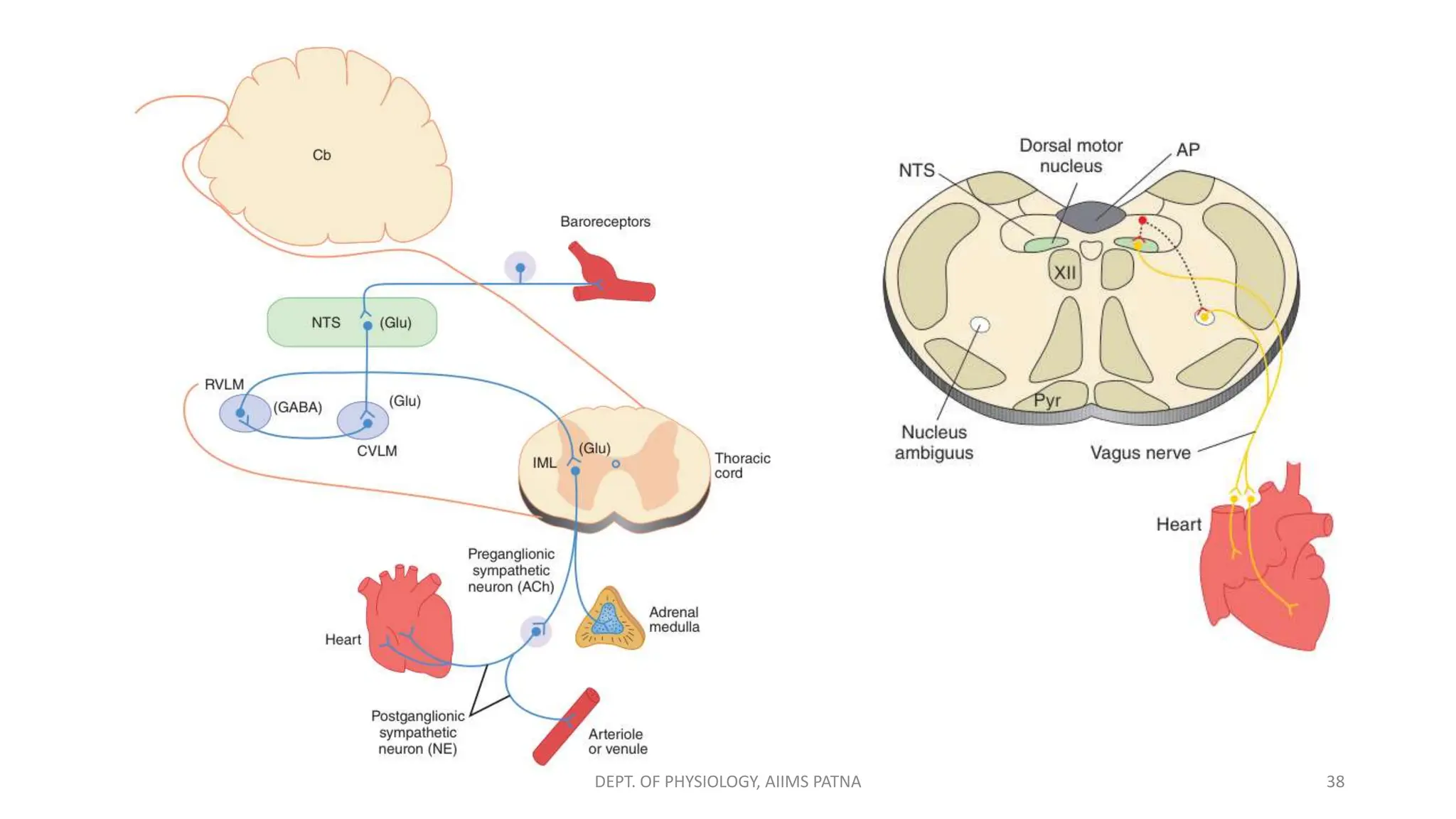
3. Activity ofthe Baroreflex
• Aortic and carotid pressure sensors – modulate pressure changes
• When BP increases – baroreflex causes immediate decrease in
heart rate and vice versa
37
DEPT. OF PHYSIOLOGY, AIIMS PATNA
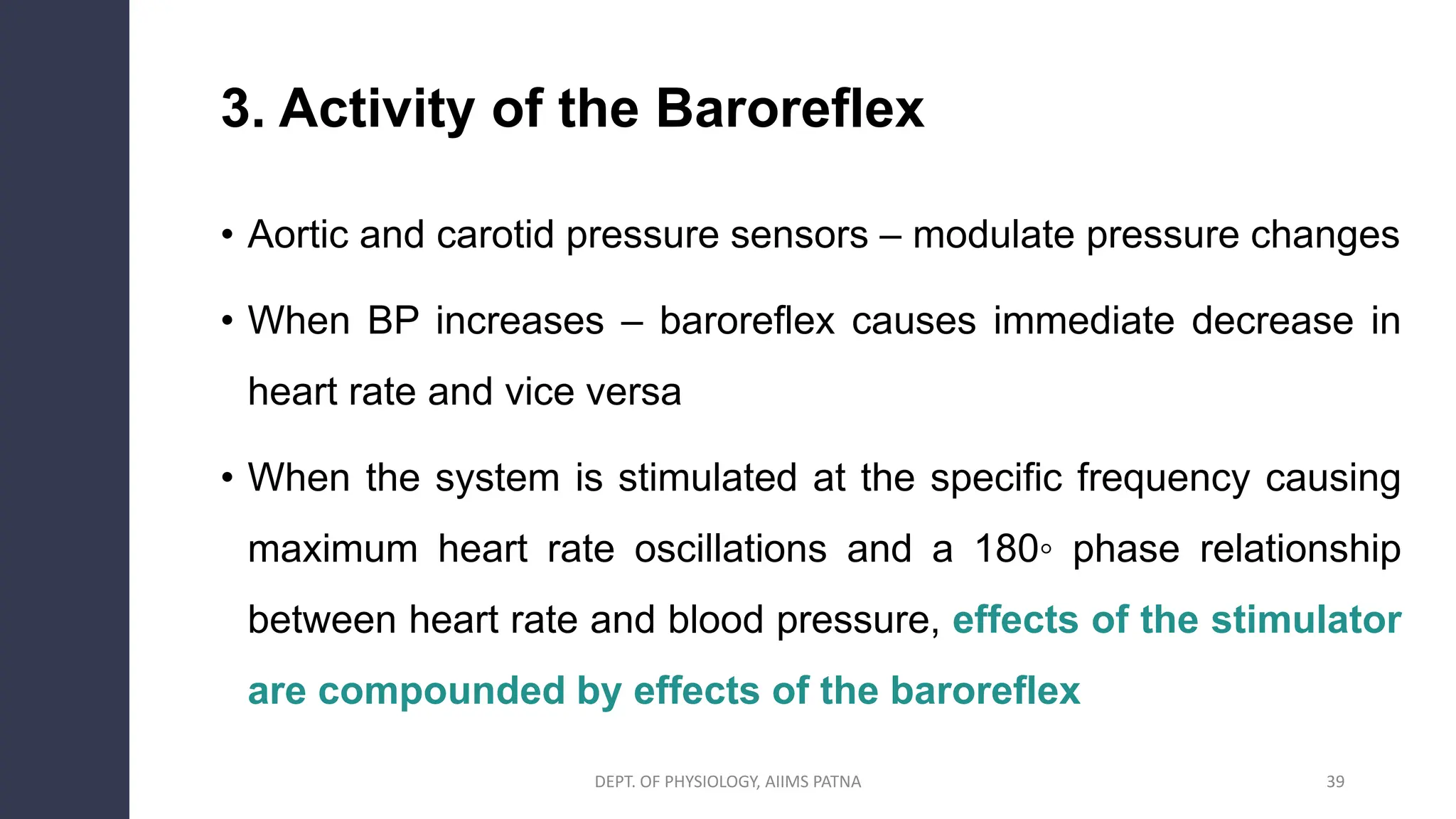
3. Activity ofthe Baroreflex
• Aortic and carotid pressure sensors – modulate pressure changes
• When BP increases – baroreflex causes immediate decrease in
heart rate and vice versa
• When the system is stimulated at the specific frequency causing
maximum heart rate oscillations and a 180◦ phase relationship
between heart rate and blood pressure, effects of the stimulator
are compounded by effects of the baroreflex
39
DEPT. OF PHYSIOLOGY, AIIMS PATNA
40.
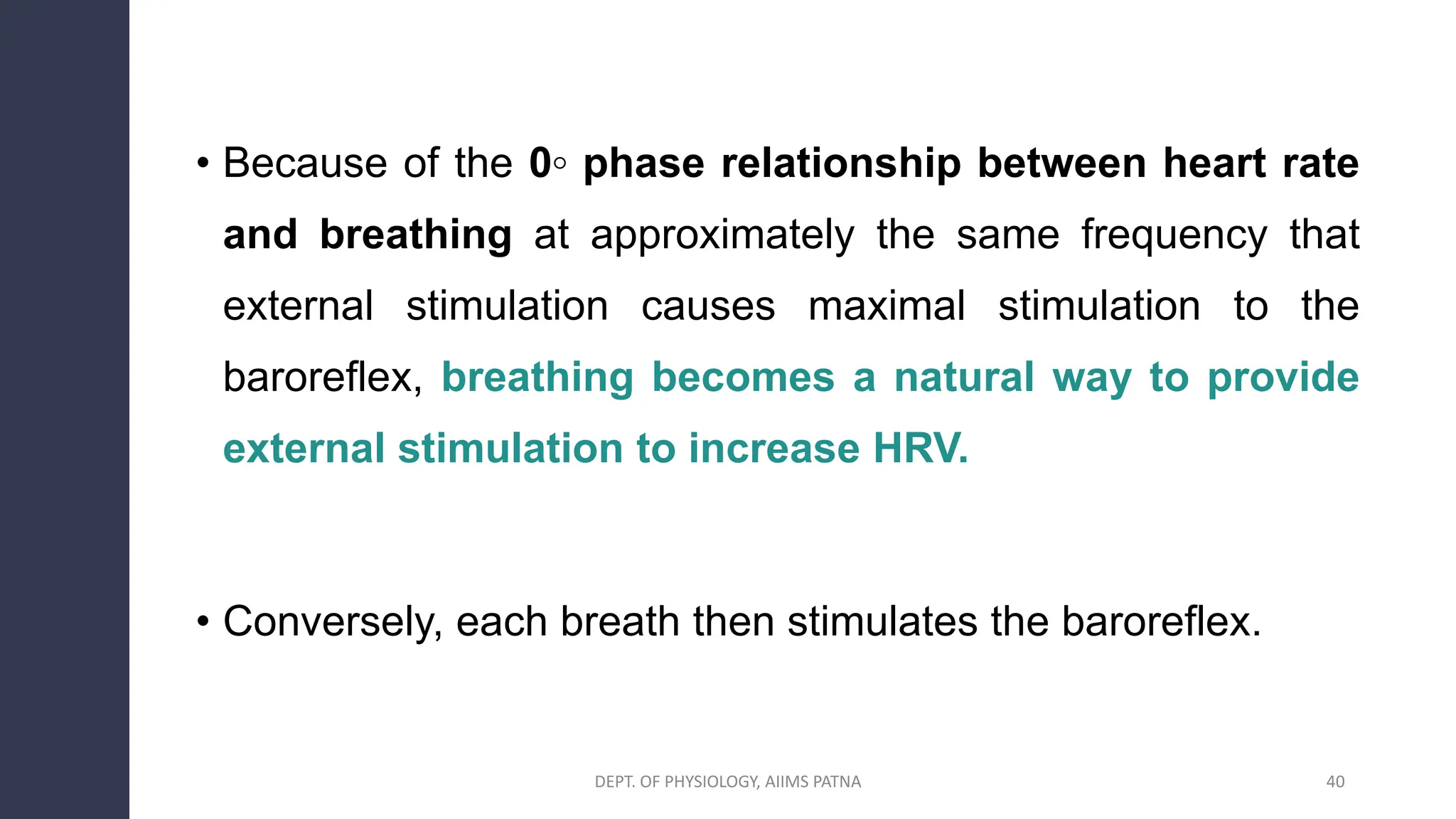
• Because ofthe 0◦ phase relationship between heart rate
and breathing at approximately the same frequency that
external stimulation causes maximal stimulation to the
baroreflex, breathing becomes a natural way to provide
external stimulation to increase HRV.
• Conversely, each breath then stimulates the baroreflex.
40
DEPT. OF PHYSIOLOGY, AIIMS PATNA
41.
41
DEPT. OF PHYSIOLOGY,AIIMS PATNA
Spontaneous Breathing Slow Paced Breathing
Sevoz-Couche C, Laborde S. Heart rate variability and slow-paced breathing:when
coherence meets resonance. Neurosci Biobehav Rev. 2022 Apr;135:104576. doi:
10.1016/j.neubiorev.2022.104576. Epub 2022 Feb 12. PMID: 35167847.
42.
4. Concept ofBaroreflex resonance
All oscillating feedback systems with a constant delay have
the characteristic of resonance.
42
DEPT. OF PHYSIOLOGY, AIIMS PATNA
43.
• A resonantsystem when stimulated, produces high-amplitude
oscillations at a single frequency, recruiting or overshadowing
other frequencies, to produce a sine wave oscillation with
very high-amplitude
• In the cardiovascular system – the constant delay appears to
be caused by amount of blood (inertia) and flexibility and
diameter of the blood vessels
43
DEPT. OF PHYSIOLOGY, AIIMS PATNA
44.
• Due toinertia – any change in heart rate is followed by change in
blood pressure after 5 s
• Differs slightly across individuals and ranges between 4 and 6.5
s - dependent on height (lower in taller men) due to an effect on
vascular inertia, but not age or weight
• Therefore it is important to estimate the individual “baroreflex
resonance” frequency using HRV-biofeedback (called HRV-BF)
before training
44
DEPT. OF PHYSIOLOGY, AIIMS PATNA
46
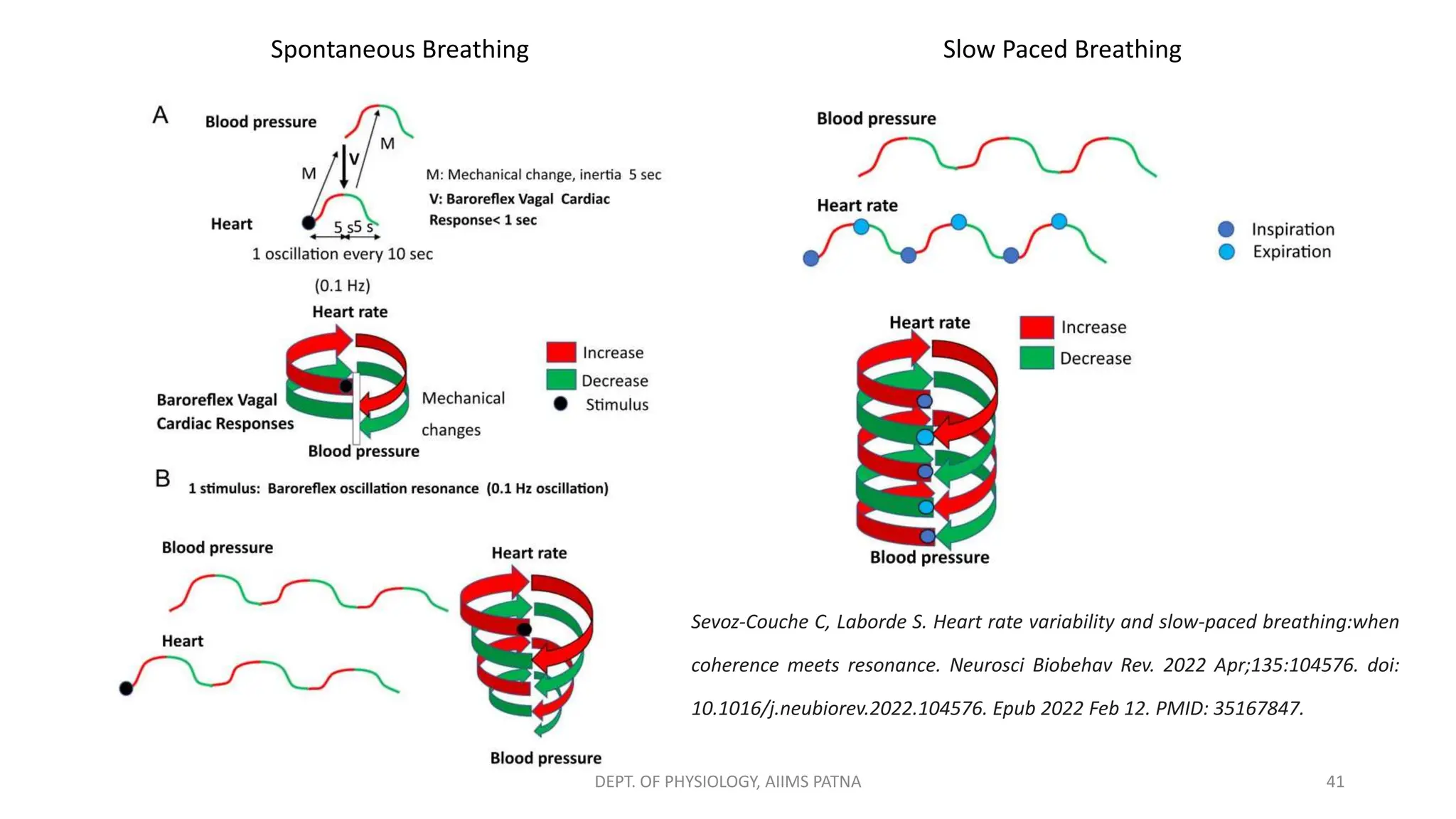
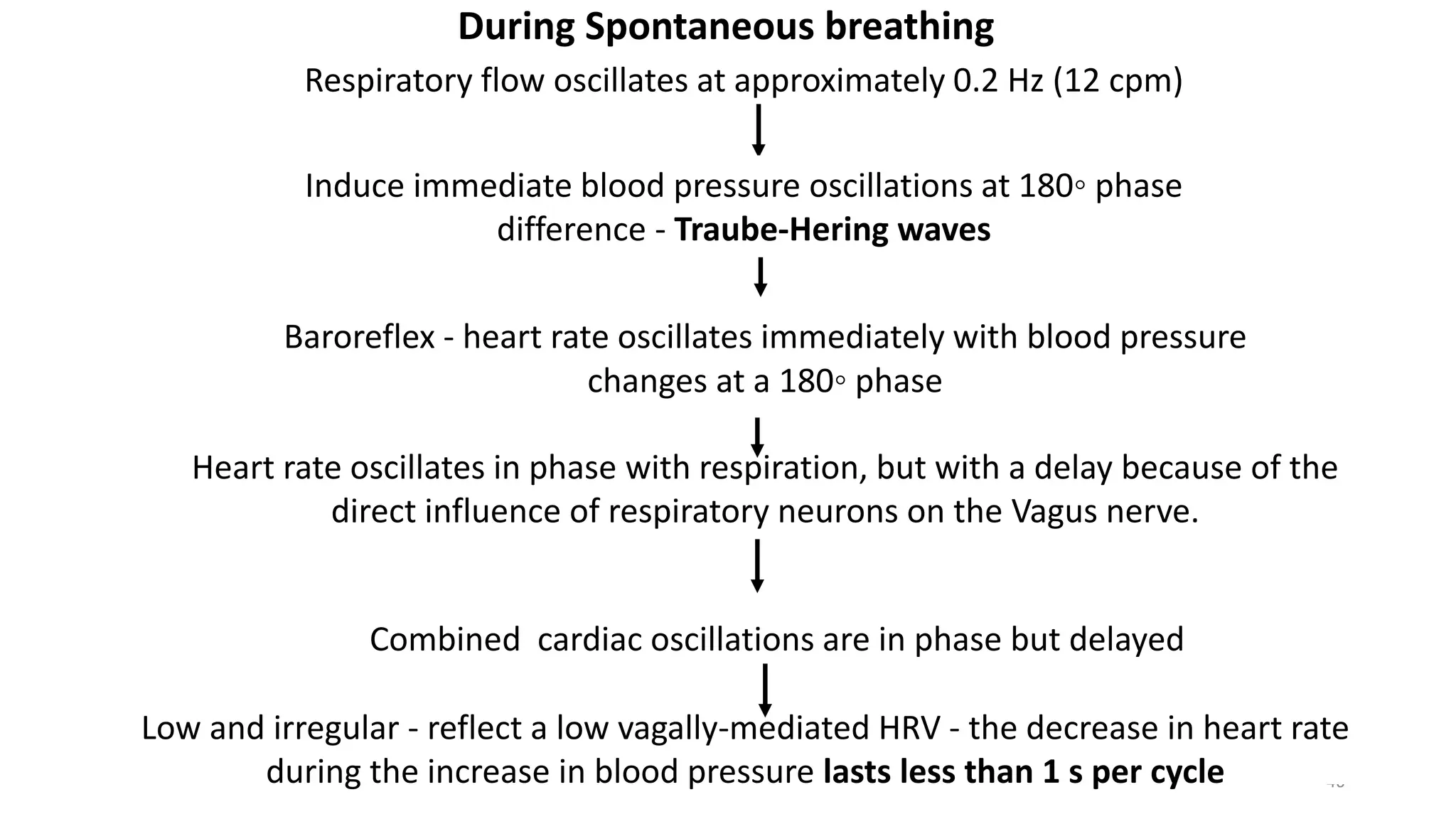
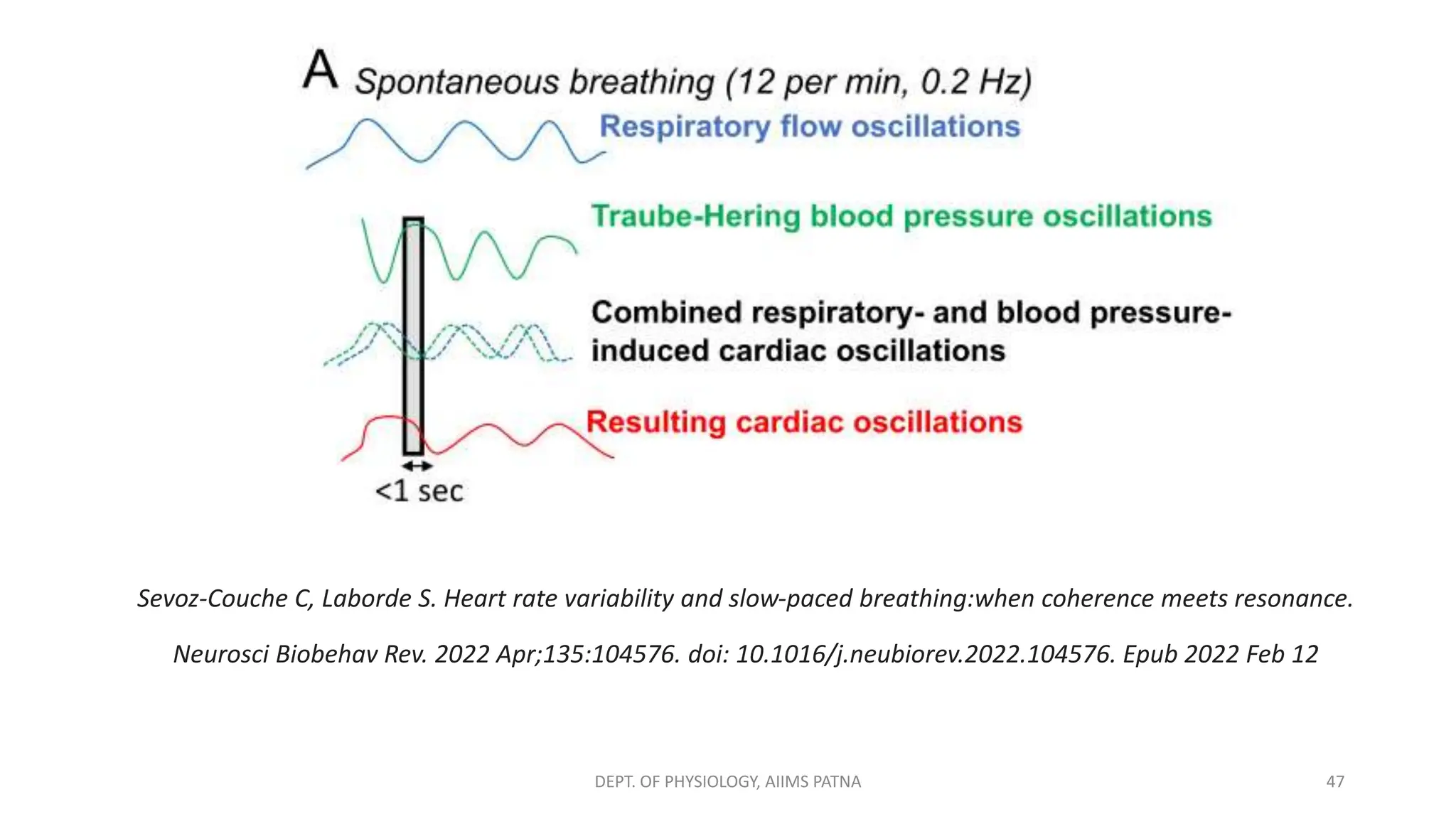
Respiratory flow oscillatesat approximately 0.2 Hz (12 cpm)
During Spontaneous breathing
Induce immediate blood pressure oscillations at 180◦ phase
difference - Traube-Hering waves
Baroreflex - heart rate oscillates immediately with blood pressure
changes at a 180◦ phase
Heart rate oscillates in phase with respiration, but with a delay because of the
direct influence of respiratory neurons on the Vagus nerve.
Combined cardiac oscillations are in phase but delayed
Low and irregular - reflect a low vagally-mediated HRV - the decrease in heart rate
during the increase in blood pressure lasts less than 1 s per cycle
47.
47
DEPT. OF PHYSIOLOGY,AIIMS PATNA
Sevoz-Couche C, Laborde S. Heart rate variability and slow-paced breathing:when coherence meets resonance.
Neurosci Biobehav Rev. 2022 Apr;135:104576. doi: 10.1016/j.neubiorev.2022.104576. Epub 2022 Feb 12
48.
48
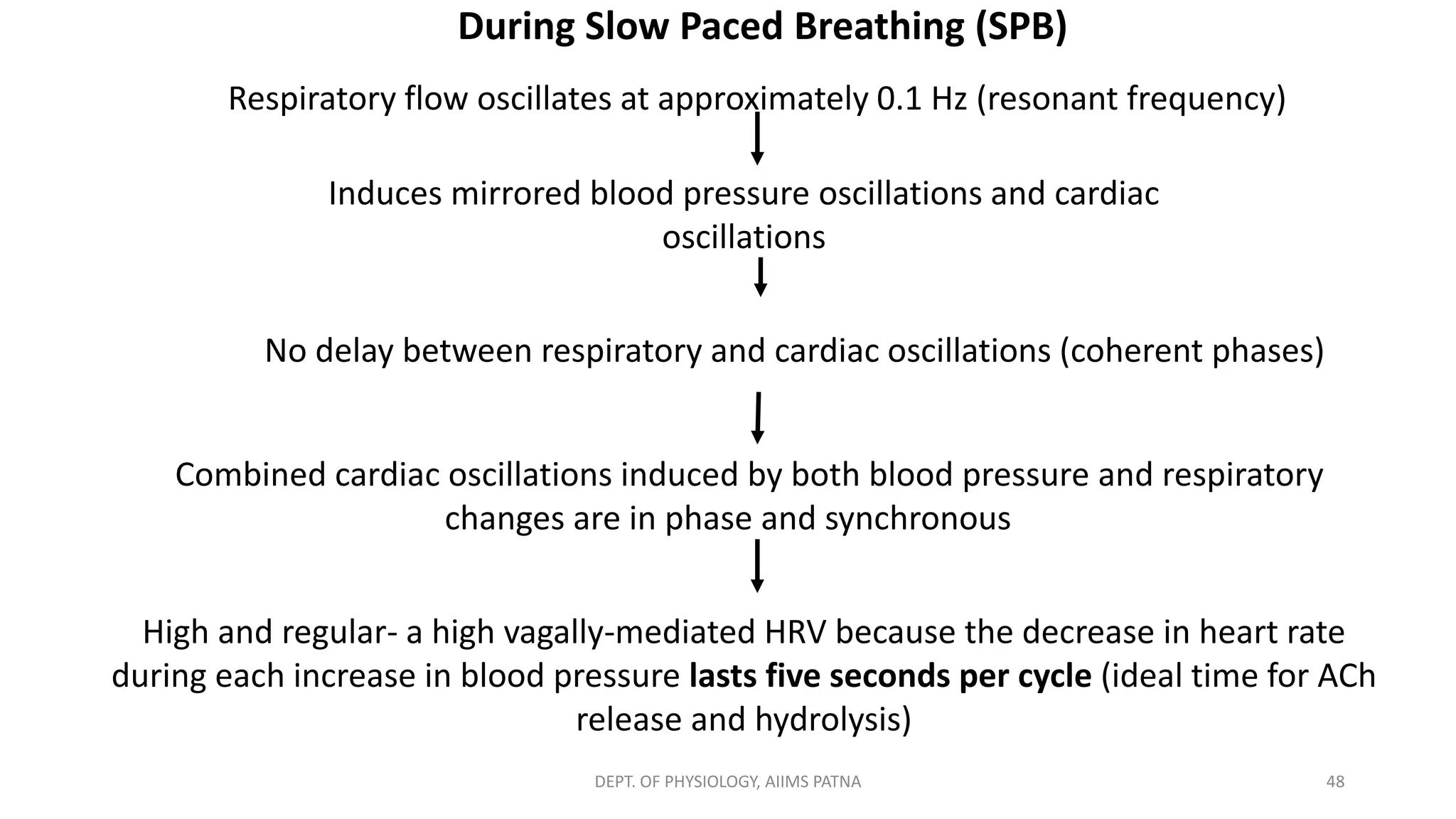
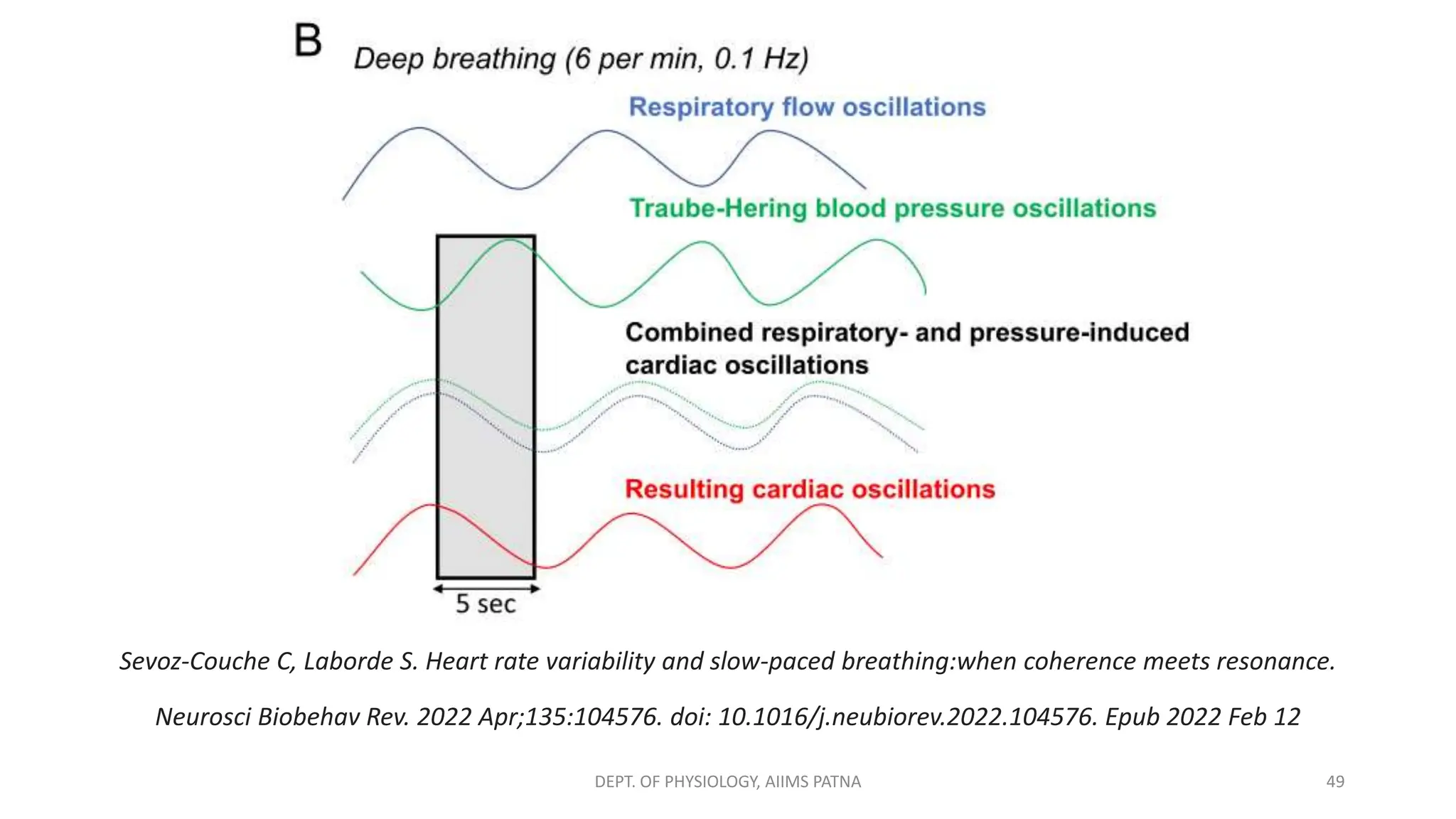
Respiratory flow oscillatesat approximately 0.1 Hz (resonant frequency)
During Slow Paced Breathing (SPB)
Induces mirrored blood pressure oscillations and cardiac
oscillations
No delay between respiratory and cardiac oscillations (coherent phases)
so Combined cardiac oscillations induced by both blood pressure and respiratory
changes are in phase and synchronous
High and regular- a high vagally-mediated HRV because the decrease in heart rate
during each increase in blood pressure lasts five seconds per cycle (ideal time for ACh
release and hydrolysis)
DEPT. OF PHYSIOLOGY, AIIMS PATNA
49.
49
DEPT. OF PHYSIOLOGY,AIIMS PATNA
Sevoz-Couche C, Laborde S. Heart rate variability and slow-paced breathing:when coherence meets resonance.
Neurosci Biobehav Rev. 2022 Apr;135:104576. doi: 10.1016/j.neubiorev.2022.104576. Epub 2022 Feb 12
50.
There is alarge amount of evidence that people are more
resilient – physically and emotionally – when HRV oscillation
amplitudes are higher and more complex.
50
DEPT. OF PHYSIOLOGY, AIIMS PATNA
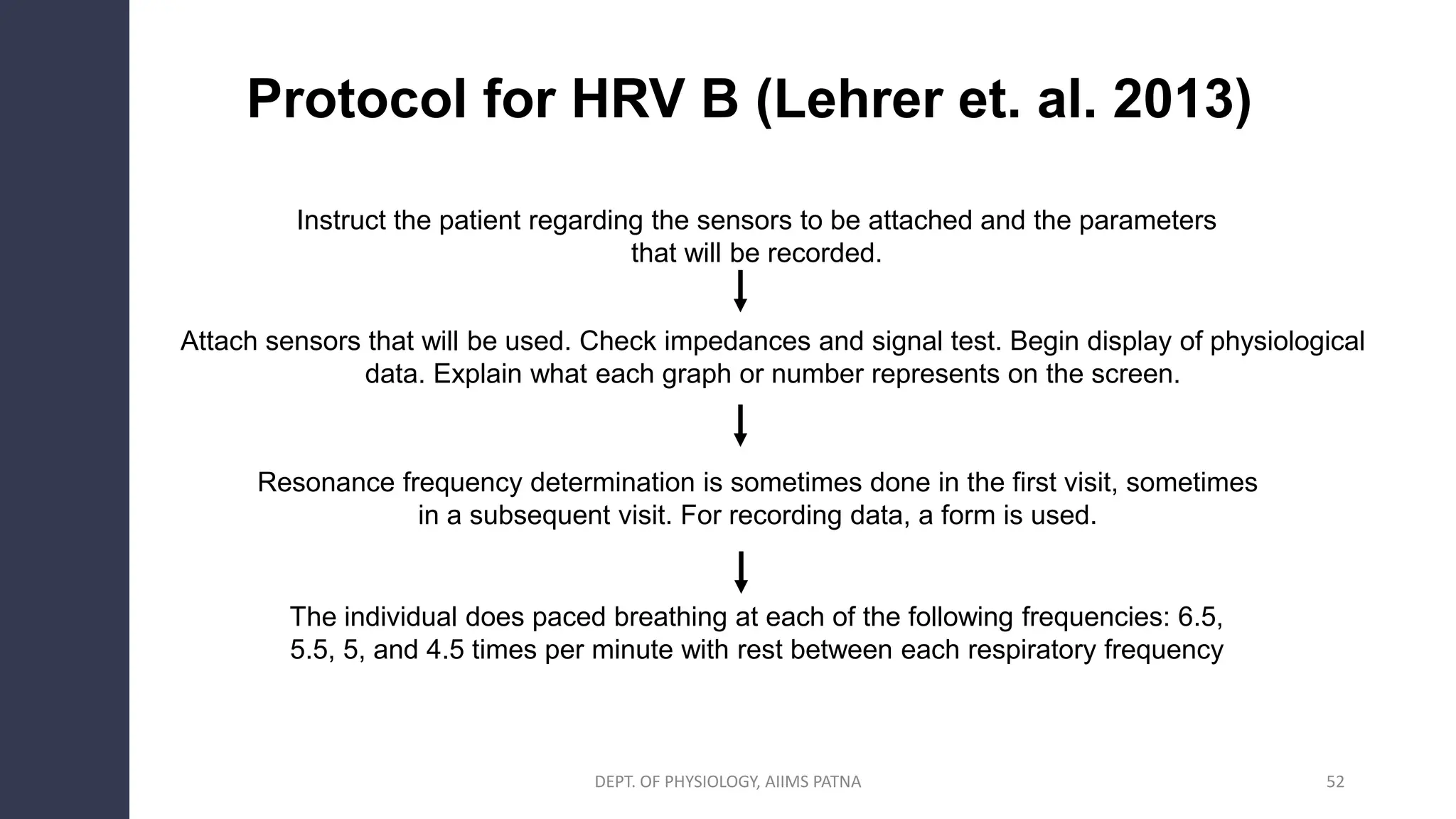
Protocol for HRVB (Lehrer et. al. 2013)
Instruct the patient regarding the sensors to be attached and the parameters
that will be recorded.
Attach sensors that will be used. Check impedances and signal test. Begin display of physiological
data. Explain what each graph or number represents on the screen.
Resonance frequency determination is sometimes done in the first visit, sometimes
in a subsequent visit. For recording data, a form is used.
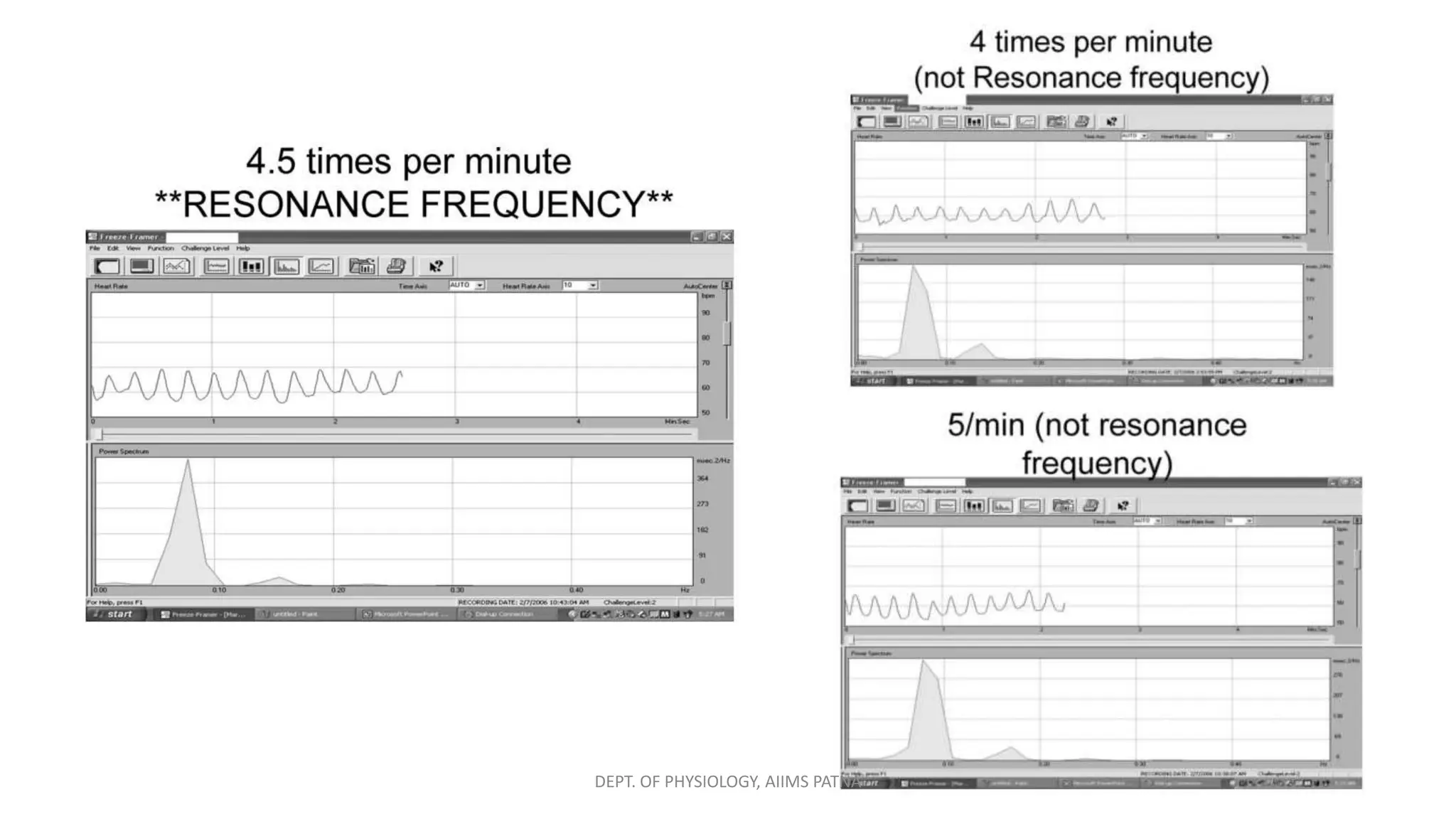
The individual does paced breathing at each of the following frequencies: 6.5,
5.5, 5, and 4.5 times per minute with rest between each respiratory frequency
DEPT. OF PHYSIOLOGY, AIIMS PATNA 52
53.
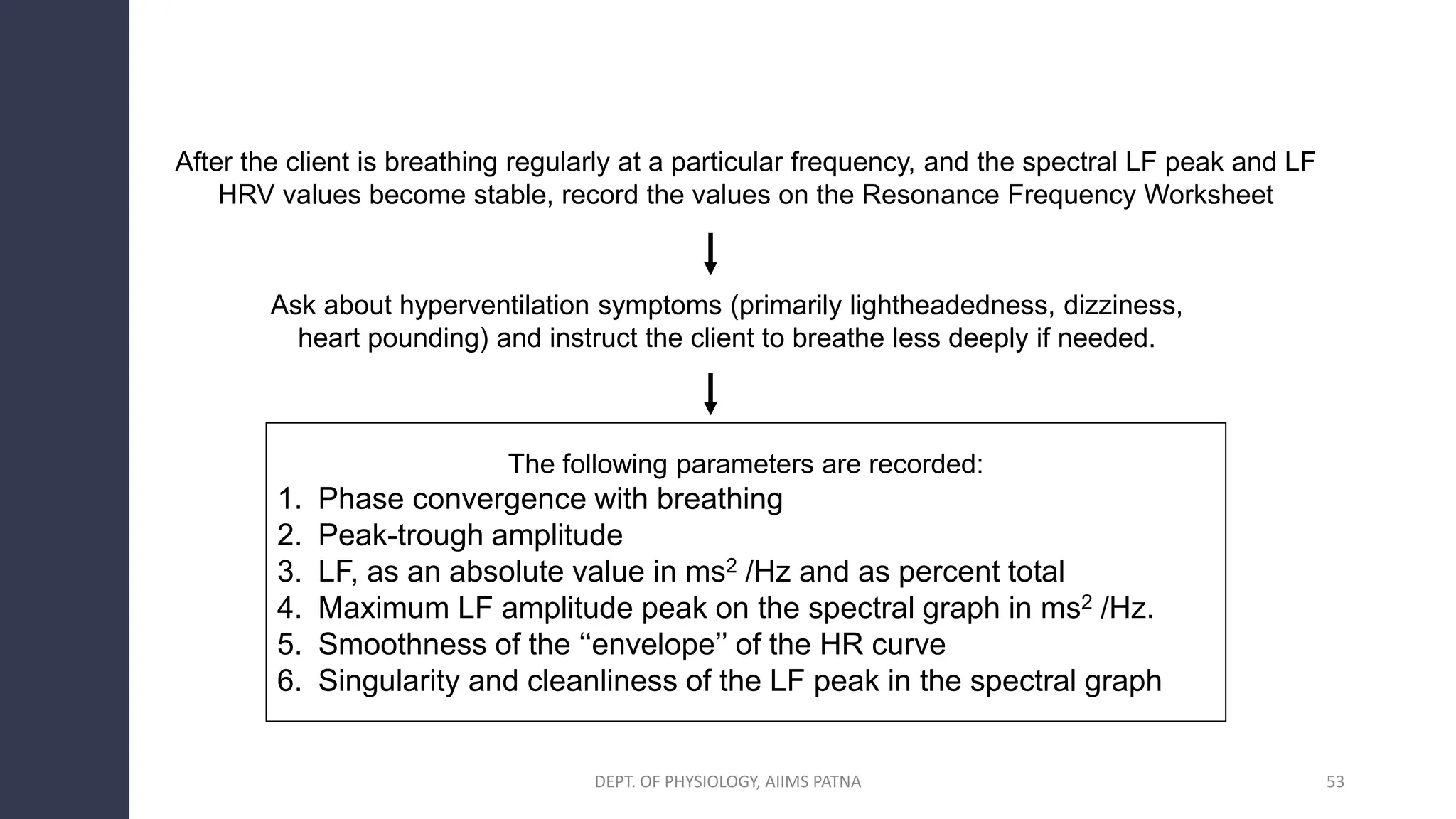
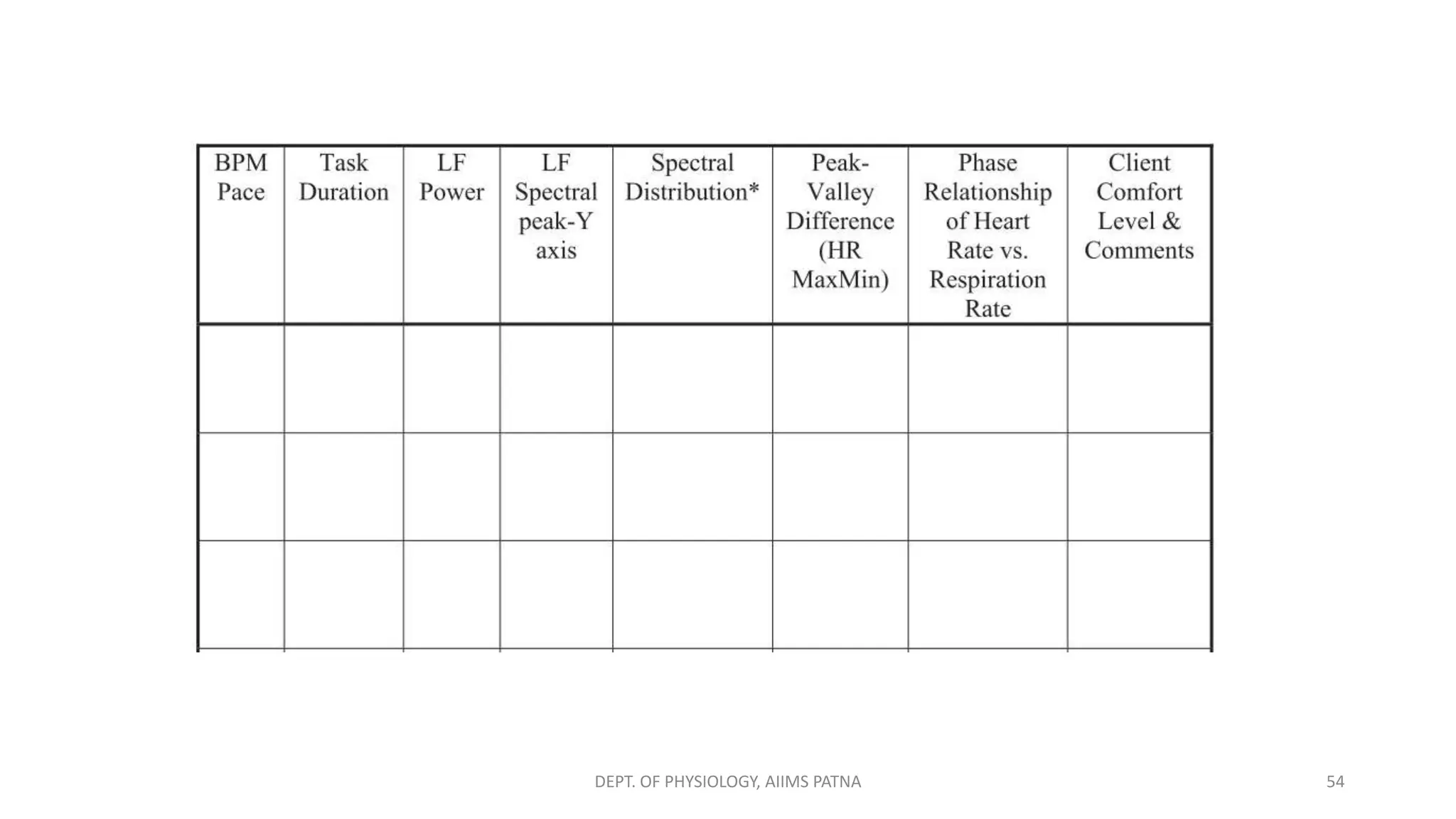
After the clientis breathing regularly at a particular frequency, and the spectral LF peak and LF
HRV values become stable, record the values on the Resonance Frequency Worksheet
Ask about hyperventilation symptoms (primarily lightheadedness, dizziness,
heart pounding) and instruct the client to breathe less deeply if needed.
The following parameters are recorded:
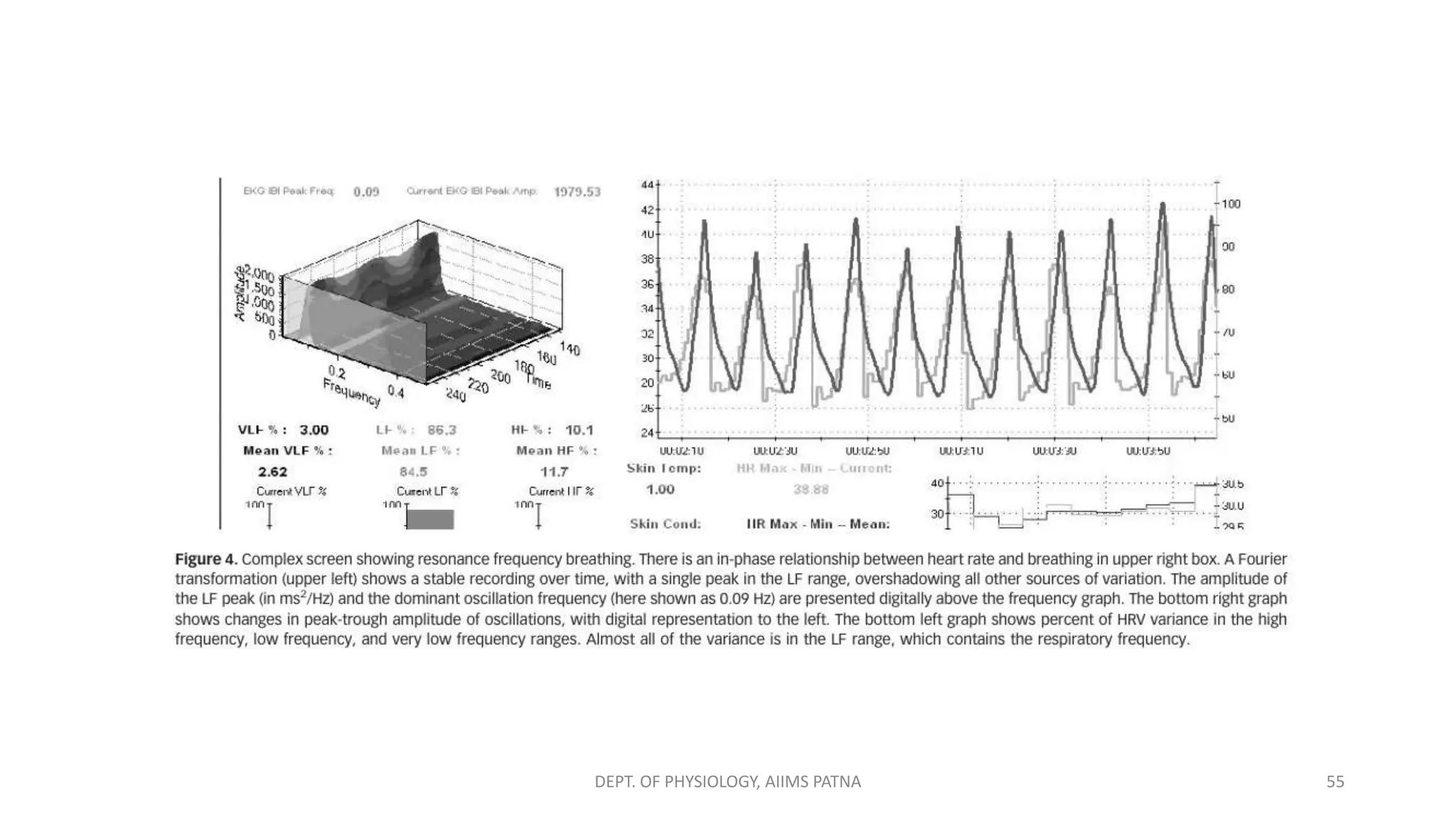
1. Phase convergence with breathing
2. Peak-trough amplitude
3. LF, as an absolute value in ms2 /Hz and as percent total
4. Maximum LF amplitude peak on the spectral graph in ms2 /Hz.
5. Smoothness of the ‘‘envelope’’ of the HR curve
6. Singularity and cleanliness of the LF peak in the spectral graph
DEPT. OF PHYSIOLOGY, AIIMS PATNA 53
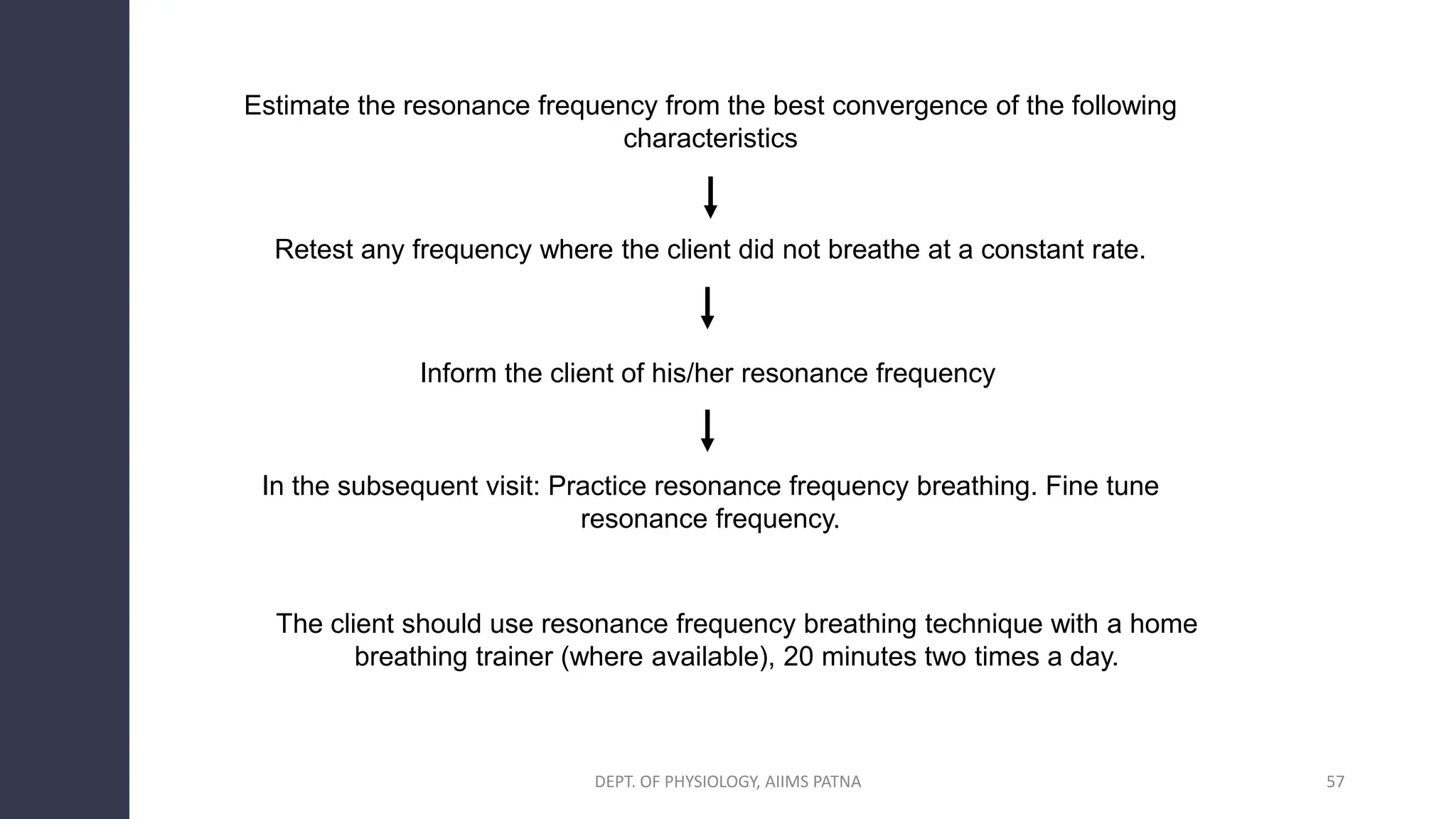
Estimate the resonancefrequency from the best convergence of the following
characteristics
Retest any frequency where the client did not breathe at a constant rate.
Inform the client of his/her resonance frequency
The client should use resonance frequency breathing technique with a home
breathing trainer (where available), 20 minutes two times a day.
In the subsequent visit: Practice resonance frequency breathing. Fine tune
resonance frequency.
DEPT. OF PHYSIOLOGY, AIIMS PATNA 57
Benefits of HRVbiofeedback
1. Effects through vagal efferents
2. Increased gas exchange efficiency
3. Cardiovascular benefits
4. Exercise performance
5. Muscle strength, oxidative stress, and inflammation
6. Central benefits
DEPT. OF PHYSIOLOGY, AIIMS PATNA 59
60.
1. Effect throughVagal efferents
• Stimulation of parasympathetic reflexes by HRV biofeedback
may produce body autonomic activity characteristic of
relaxation, and thus directly counter stress effects
• Under normal physiological conditions, abrupt parasympathetic
stimulation will inhibit tonic sympathetic activation and its effects
at rest and during exercise. This response is known as
‘accentuated antagonism’
DEPT. OF PHYSIOLOGY, AIIMS PATNA 60
61.
• Raises eosophgealpain threshold in response to acid –
immediately
• Myofascial trigger points –reduces sympathetic flow
61
DEPT. OF PHYSIOLOGY, AIIMS PATNA
62.
2. Increased GasExchange efficiency
• 0◦ phase relationship between breathing and heart rate during
resonance frequency breathing
• Improved gas exchange – good in respiratory diseases
• Decrease respiratory drive in people with stress-induced
hyperventilatory reactions
• Mechanical stretching of airways – reduced reactivity to
methacholine in asthmatic
DEPT. OF PHYSIOLOGY, AIIMS PATNA 62
63.
3. Cardiovascular benefits
•Improves heart rhythm, blood pressure, and oxygen saturation
• Under temporal coherence between all waves, during each
individual deep expiration, the heart immediately responds (no
delay) to blood pressure increases by stark decreases in heart
rate and increase in vagal baroreflex sensitivity
• A study done in Indian women with premature ventricular
contractions – showed benefit with SPB
DEPT. OF PHYSIOLOGY, AIIMS PATNA 63
64.
• Can helplower blood pressures in hypertensive patients
• Large increases in baroreflex gain -number of beats change
in heart rate per 1 mm Hg change in blood pressure - occurs
during HRV biofeedback
• When practiced twice daily for about a 3 month period -
increase in resting baroreflex gain
• Indicates Neuroplasticity in the baroreflex.
64
Anti hypertensive effect
DEPT. OF PHYSIOLOGY, AIIMS PATNA
65.
4. Exercise performance
•Increased Exercise capacity and increased VO2 max
• SPB may impact VO2max
• due to the activation of pre-ganglionic parasympathetic vagal
neurons in the medulla,
• provoking an augmented contractile response to sympathetic
stimulation during exercise through the downregulation of G
Protein-Coupled Receptor Kinase 2 (GRK2 gene)
DEPT. OF PHYSIOLOGY, AIIMS PATNA 65
66.
5. Muscle strength,oxidative stress, and
inflammation
• Skeletal muscle fatigue or dysfunction correlated with
inflammation and oxidative stress in the diaphragm muscle in
chronic obstructive pneumopathy disease (COPD)
• 4 weeks of SPB in COPD – improved peak inspiratory
pressure and 6 MWD along with reduction in TAC and IL-6
DEPT. OF PHYSIOLOGY, AIIMS PATNA 66
67.
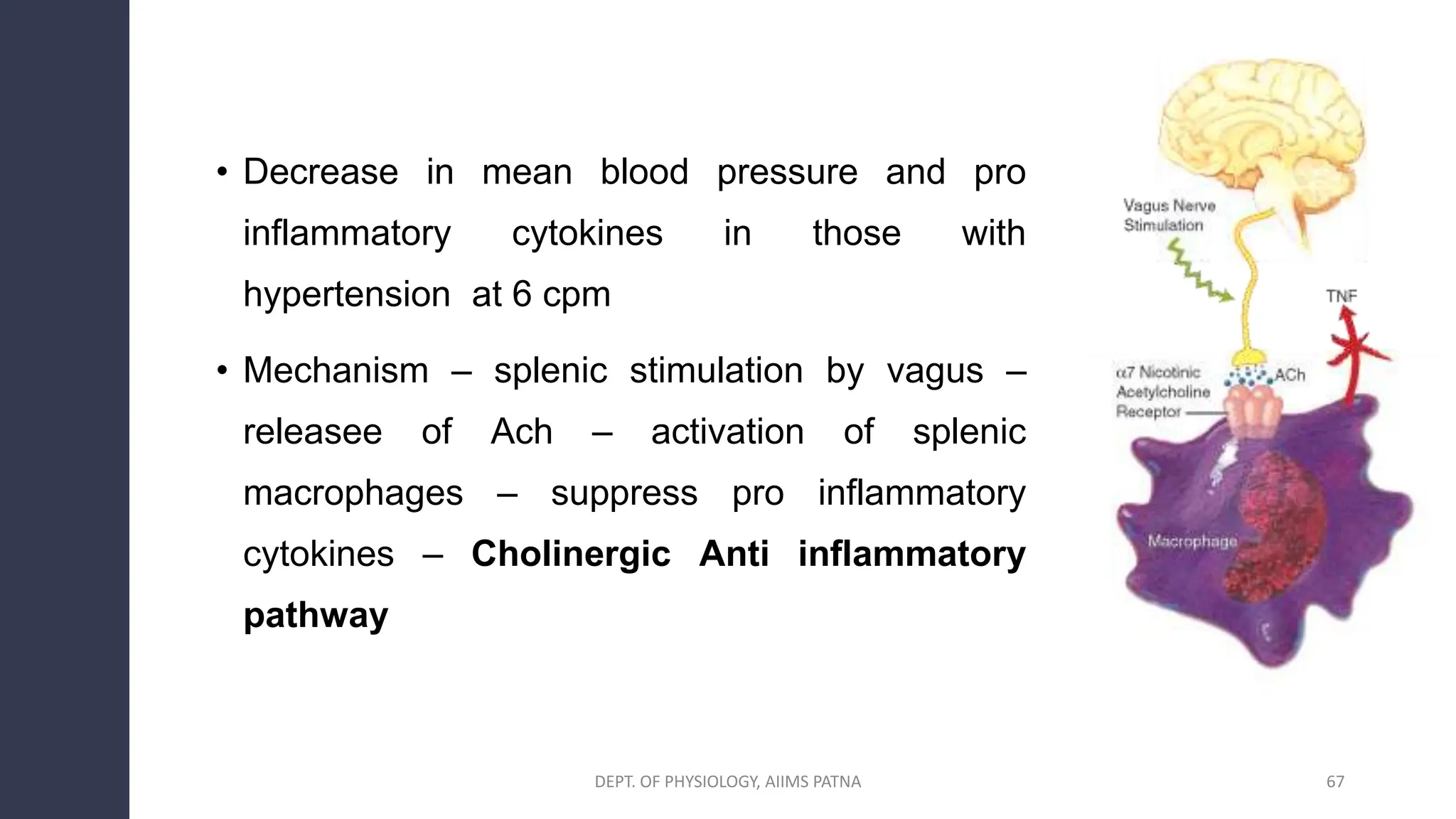
• Decrease inmean blood pressure and pro
inflammatory cytokines in those with
hypertension at 6 cpm
• Mechanism – splenic stimulation by vagus –
releasee of Ach – activation of splenic
macrophages – suppress pro inflammatory
cytokines – Cholinergic Anti inflammatory
pathway
67
DEPT. OF PHYSIOLOGY, AIIMS PATNA
68.
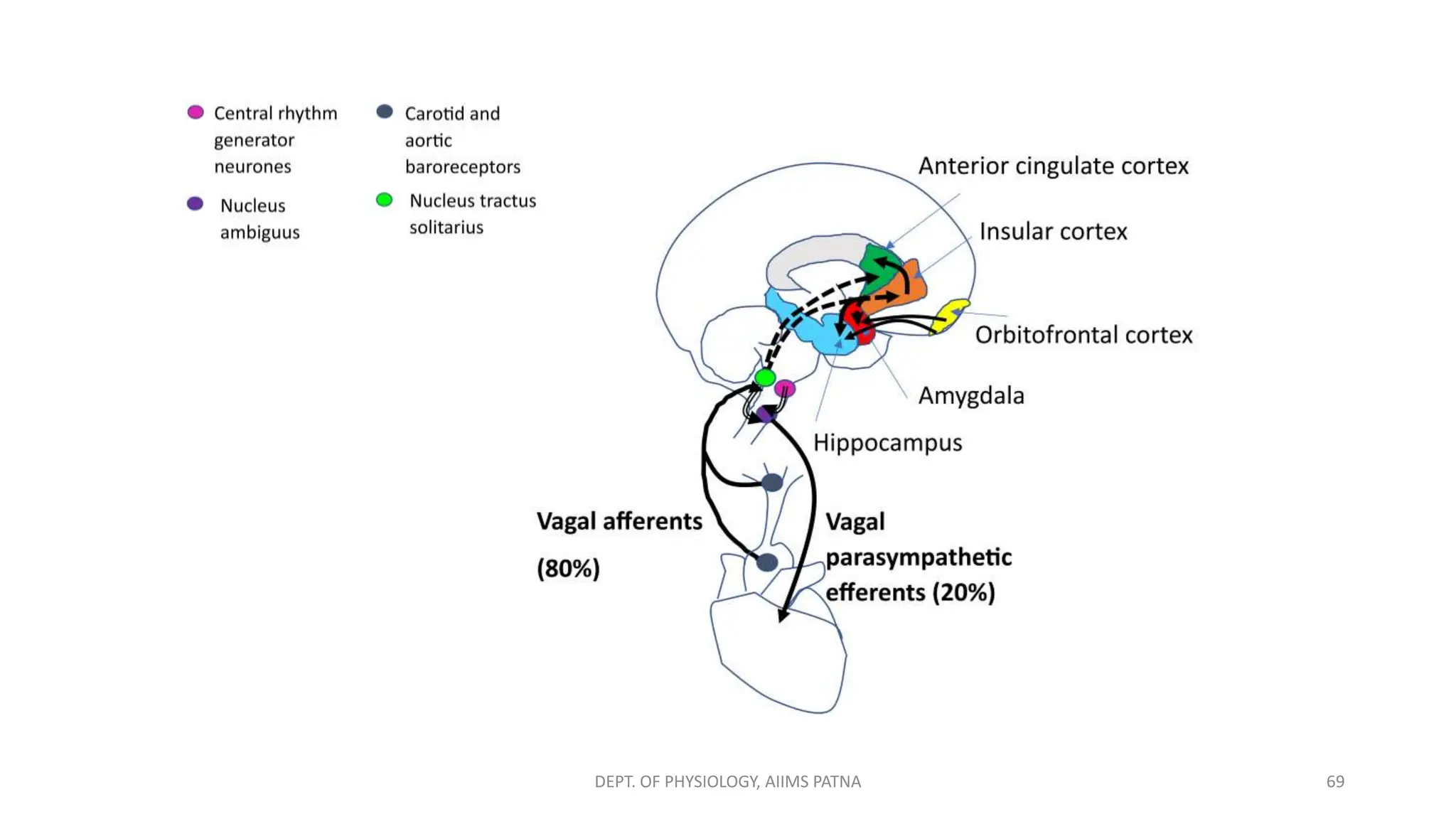
6. Central benefits
•SPB – Associated with increase in vagal inputs to brain due
large amplitude changes in blood pressure every 5 s
• Leads to baroreceptor activation and large amounts of
vagal inputs to the brain –leading to activation
• Activate diverse regions of the prefrontal cortex in the left
hemisphere, including the insula and cingulate cortex, as
well as limbic regions - increases connectivity
DEPT. OF PHYSIOLOGY, AIIMS PATNA 68
a. Cognition
• Higherlevels of self-control in decision making were correlated
positively with vmHRV – ACC, involved in decision-making
• Acute SPB increases the learning and retention of motor skills,
improves executive function.
• Breathing through one’s nose synchronizes oscillations in the
olfactory piriform cortex and secondary in the hippocampus
through direct connections
70
DEPT. OF PHYSIOLOGY, AIIMS PATNA
71.
b. Meditation effect
Heartrate variability biofeedback involves paying close
attention to nuances in breathing. This is very similar to
what is done in mindfulness meditation exercises.
DEPT. OF PHYSIOLOGY, AIIMS PATNA 71
72.
c. Addiction, stressand anxiety
• The increase in interoceptive regions during SPB -positive
effects on uncontrolled impulsivity and substance abuse
• Anxiety is a result of an increased anticipatory response to a
potential aversive event, which manifests itself in enhanced
right anterior insular cortex processing - SPB may increase
activation in the left interoceptive areas to counterbalance
• HRV BF – 4 weeks training – reduced anxiety, depression
DEPT. OF PHYSIOLOGY, AIIMS PATNA 72
73.
d. Fibromyalgia
• SPBand HRV-BF were effective in reducing perceived pain in
veterans those with fibromyalgia
• Mechanism – vagal activation, activation of the peri
aqueductal gray, increased activation in the left mid-insula
and the left anterior cingulate - to counterbalance the acute
activation in the right anterior insula involved in pain processing
DEPT. OF PHYSIOLOGY, AIIMS PATNA 73
Summary
• Biofeedback isa type of therapy that teaches a person to change
and control physiological processes through practice.
• Heart Rate Variability is a specific type of biofeedback that
noninvasively measures harmony of autonomic nervous system.
• Stress, anxiety, and maladaptive thought patterns result in
incoherence.
DEPT. OF PHYSIOLOGY, AIIMS PATNA 75
76.
• With practiceand guided exercises, individuals can utilize
techniques to improve self-regulation and psychosocial
functioning.
• Empowers patient to be their own agent for change.
76
DEPT. OF PHYSIOLOGY, AIIMS PATNA
77.
References
1. Lehrer PM,Gevirtz R. Heart rate variability biofeedback: how and why does it work? Front Psychol. 2014 Jul 21;5:756.
doi: 10.3389/fpsyg.2014.00756. PMID: 25101026; PMCID: PMC4104929.
2. Lalanza, J.F., Lorente, S., Bullich, R. et al. Methods for Heart Rate Variability Biofeedback (HRVB): A Systematic
Review and Guidelines. Appl Psychophysiol Biofeedback 48, 275–297 (2023). https://doi.org/10.1007/s10484-023-
09582-6
3. Lehrer, Paul & Vaschillo, Bronya & Zucker, Terri & Graves, Jessica & Katsamanis, Maria & Aviles, Milisyaris &
Wamboldt, Frederick. (2013). Protocol for Heart Rate Variability Biofeedback Training. Biofeedback. 41. 98-109.
10.5298/1081-5937-41.3.08.
4. Sevoz-Couche C, Laborde S. Heart rate variability and slow-paced breathing:when coherence meets resonance.
Neurosci Biobehav Rev. 2022 Apr;135:104576. doi: 10.1016/j.neubiorev.2022.104576. Epub 2022 Feb 12. PMID:
35167847.
5. Gilbert, Christopher. (2014). The Clinical Handbook of Biofeedback: A Step-by-Step Guide for Training and Practice
with Mindfulness.. Biofeedback. 42. 130-132. 10.5298/1081-5937-42.3.05.
77
DEPT. OF PHYSIOLOGY, AIIMS PATNA
#3 Biofeedback can be used as a “mirror” to improve self-awareness about internal states, but also as a learning tool to acquire specific self-regulation skills
#8 Biofeedback protocols are based on the premise that it is possible to learn how to self modulate specific aspects of the body’s physiological activity.
#10
The biosensors monitor specific activities, and immediately present related information back to the user with an external audiovisual display.
#11 The presentation of biofeedback information may affect the perception and interpretation of information and also the user experience. Based on the studies reviewed, graphic user interfaces (GUI) are most commonly used to present information in a clear and precise manner
#16 Healthy biological systems exhibit complex patterns of variability.
Non-invasive method of detecting early autonomic impairment of heart.
#19 Over the past few decades, the importance of vagally-mediated HRV (vmHRV) has steadily increased
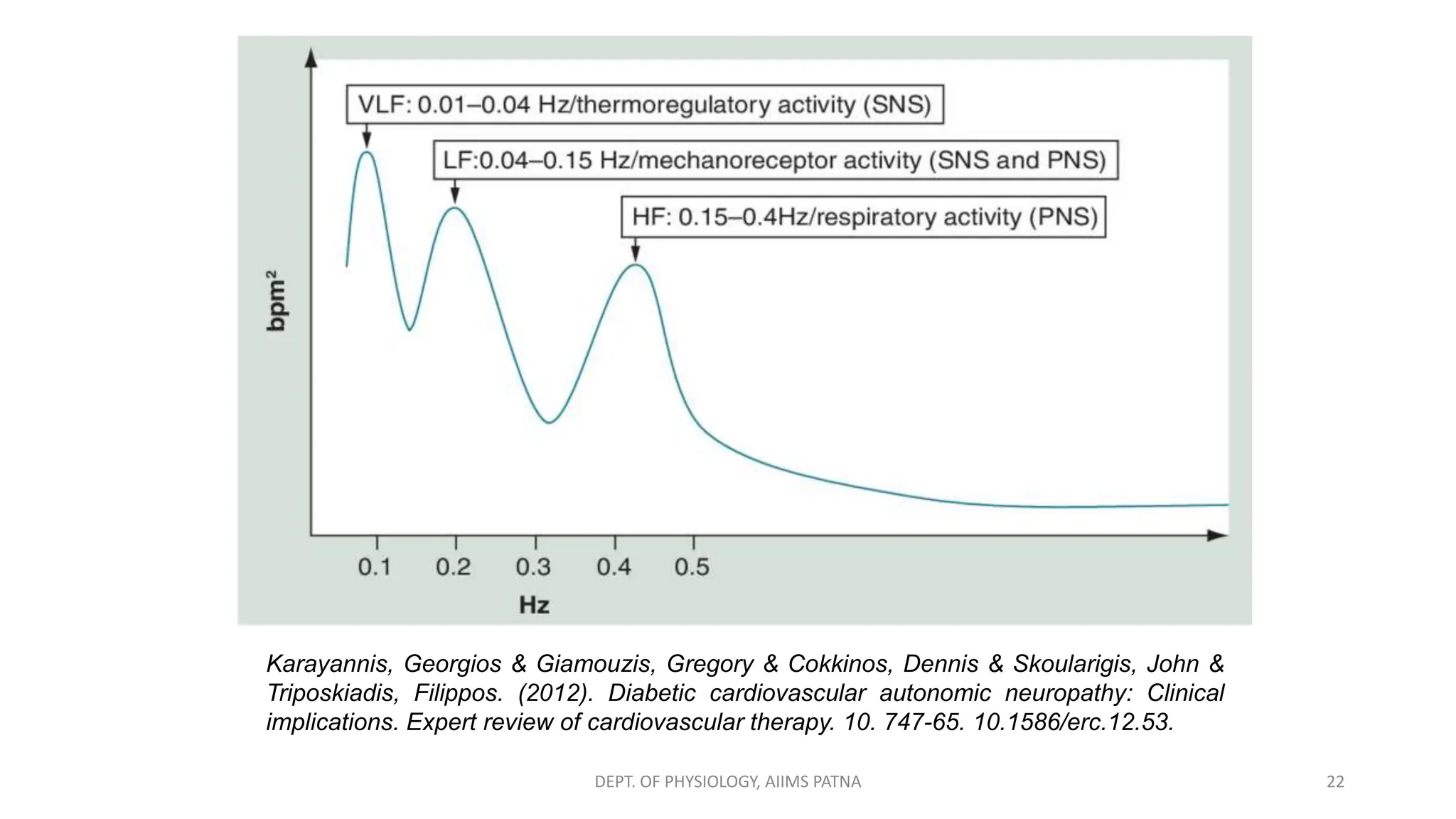
#22 The VLF band (0.0033–0.04 Hz) requires a recording period of at least 5 min, but may be best monitored over 24 h. Within a 5-min sample, there are about 0–12 complete periods of oscillation
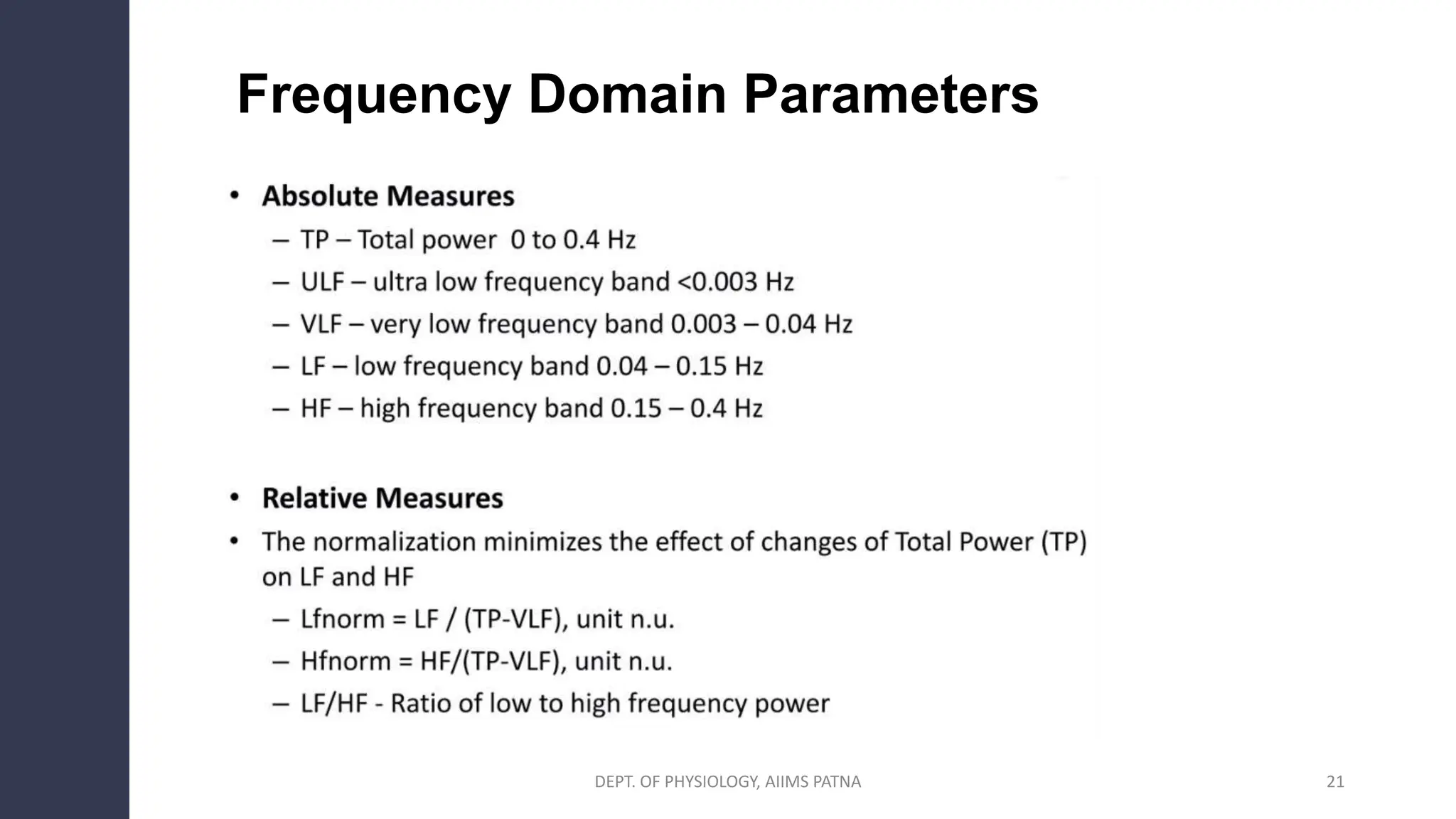
The ULF band (≤0.003 Hz) indexes fluctuations in IBIs with a period from 5 min to 24 h and is measured using 24 h recordings (10). The VLF band (0.0033–0.04 Hz) is comprised of rhythms with periods between 25 and 300 s. The LF band (0.04–0.15 Hz) is comprised of rhythms with periods between 7 and 25 s and is affected by breathing from ~3 to 9 bpm. Within a 5 min sample, there are 12–45 complete periods of oscillation (9). The HF or respiratory band (0.15–0.40 Hz) is influenced by breathing from 9 to 24 bpm (11). The ratio of LF to HF power (LF/HF ratio) may estimate the ratio between sympathetic nervous system (SNS) and parasympathetic nervous system (PNS) activity under controlled conditions. Total power is the sum of the energy in the ULF, VLF, LF, and HF bands for 24 h and the VLF, LF, and HF bands for short-term recordings
#23 The analysis of the low frequency band was previously thought to be a pure estimation of sympathetic activity.
It appears that restricting the sympathetic frequency band to 0.05 Hz and 0.1 Hz results in the best sympathetic indicator. While the frequency range of 0.10–0.15 Hz has a significant negative correlation with heart rate, suggesting a stronger parasympathetic influence in this range (Jaffe et al., 1994).
A phenomenon called “baroreflex resonance” accounts for the vagal influence in this range, at approximately 0.1 Hz (Kromenacker et al., 2018; Vaschillo et al., 2002, 2006), and is described as a ‘‘negative feedback’’ system with a constant delay
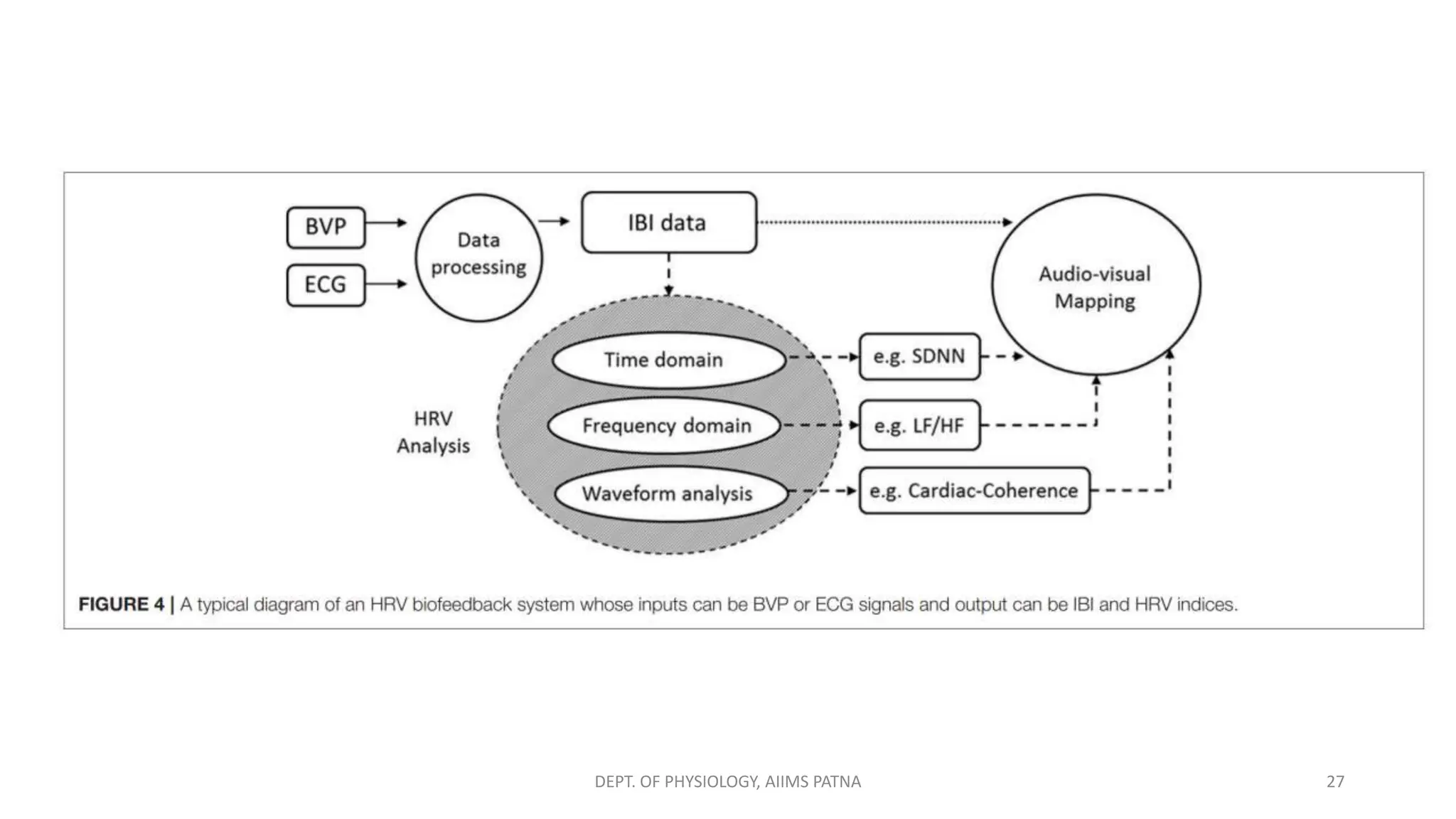
#28 The input can be Electrocardiogram (ECG) signals or Blood Volume Pulse (BVP) signals.
The content of feedback can be grouped as three types: IBI data, HRV indices, and a combination of both.
#34 The heart rate tends to be higher when air in the lung is richest in oxygen, and exhalation occurs when carbon dioxide in the lung is highest.
#43 any source of rhythmic stimulation that affects the cardiovascular system should produce the same effect. This has, in fact, been found for rhythmic muscle tension (Lehrer et al., 2009; Vaschillo et al., 2011), and rhythmical presentation of emotion-inducing pictures (Vaschillo et al., 2008).
#64 in the group of animals associated with persistent low vagal temporal and frequential parameters in HRV, psychosocial stress leads to a vulnerability to persistent autonomic dysfunction, cardiac hypertrophy, and ventricular ectopic beats - This supports the potential beneficial effects of SPB on cardiac events during stress episodes, with a better balance in autonomic innervation.
#65 It also suggested that various conditions affected by blood pressure lability and baroreflex control may be affected by HRV biofeedback.