



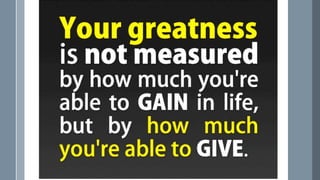


Primary
Greatness
Life is a journey,
create a legacy along the way!
Prof.Dr.Aung Tun Thet
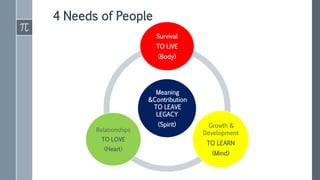
4 Needs of People
Meaning
&Contribution
TO LEAVE
LEGACY
(Spirit)
Survival
TO LIVE
(Body)
Growth &
Development
TO LEARN
(Mind)
Relationships
TO LOVE
(Heart)
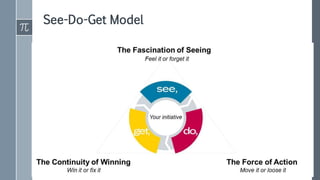
See-Do-Get Model
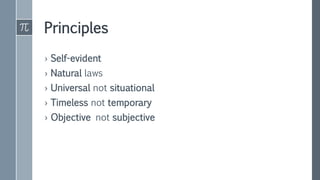
Principles
Govern
Principles
› Self-evident
› Natural laws
› Universal not situational
› Timeless not temporary
› Objective not subjective
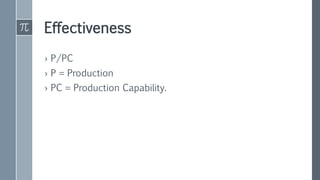
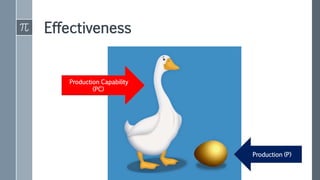
Effectiveness
› P/PC
› P = Production
› PC = Production Capability.
Effectiveness
Production (P)
Production Capability
(PC)
Effectiveness
› Getting superb results today (production)
› Get results over and over again (production capability)
› P/PC Balance
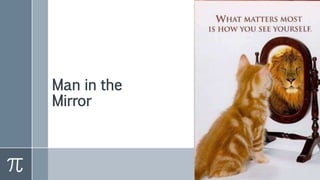
Man in the
Mirror
Personal Bank Account
› Keeping promises
› Doing small acts of kindness
› Being gentle when you make mistakes
› Being honest with yourself and others
› Renewing yourself
› Tapping into your talents and developing them
Personal Bank Account
› Make deposits and withdrawals everyday
› Balance give self-confidence and trust
Be Proactive
› Take responsibility
› Anticipate situations
› Image responses
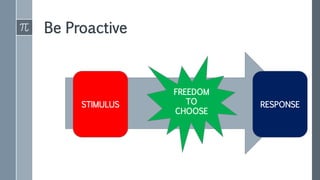
Be Proactive
STIMULUS RESPONSE
FREEDOM
TO
CHOOSE
Reactive People
› Outside influences (moods, feelings, and circumstances)
control response
› Not think about response or desired outcome
Proactive People
› Choose response based on principles
› Freedom to choose expands
› “Quick to listen
› Slow to speak
› Slow to become angry"
Listen to yourself speak!
› Remote control
› Reactive: When someone pushes right buttons your mood
or attitude changes
› Proactive: Put remote control into your hands; choose
freely what channel you want
Reactive Language
› I'll try
› That's just the way I am
› There's nothing I can do
› I have to
› I can't
› Victims - "victimitis virus”
› Whining, blaming others, get angry, excuses
Proactive Language
› I'll do it
› I can do better than that
› Let's look at all our options
› I choose to
Proactive People
› Not easily offended
› Take responsibility for choices
› Think before they act
› Bounce back when something bad happens
› Focus on what they can do
› Do not worry about things they do not have control over
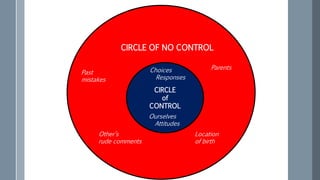
CIRCLE
of
CONTROL
Choices
Responses
Ourselves
Attitudes
CIRCLE OF NO CONTROL
Past
mistakes
Weather
Parents
Location
of birth
Other’s
rude comments
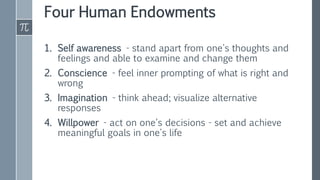
Four Human Endowments
1. Self awareness - stand apart from one's thoughts and
feelings and able to examine and change them
2. Conscience - feel inner prompting of what is right and
wrong
3. Imagination - think ahead; visualize alternative
responses
4. Willpower - act on one's decisions - set and achieve
meaningful goals in one's life
Beginning
with End
in Mind
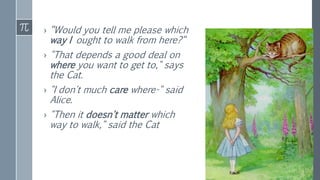
› “Would you tell me please which
way I ought to walk from here?“
› "That depends a good deal on
where you want to get to," says
the Cat.
› "I don't much care where-" said
Alice.
› "Then it doesn't matter which
way to walk," said the Cat
Control your own destiny
› Clear picture of:
› Who you want to be
› What you want to do in life
Visualize yourself a year from now!
› What have you done with your life over the past year
› How do you feel inside?
› What do you look like?
› What have you accomplished?
› What characteristics do you possess?
Putting
First
Things
First
Putting First Things First
› Prioritize
› Manage time
› First things not neglected
› Intentionally pursued
Putting First Things First
› Overcome obstacles
› Develop
› Will-power (ability to say yes to most important things)
› Won't-power (strength to say no less important things
and to peer pressure)
Putting First Things First
› Important moments
› Most important things
› Activities contribute to mission and goals
› Urgent moment
› Pressing things
› In-your-face things,
› Activities demand immediate attention
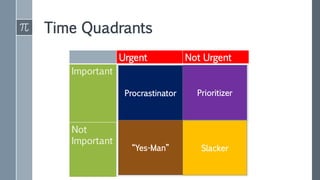
Time Quadrants
Urgent Not Urgent
Important
Not
Important
Procrastinator Prioritizer
Slacker“Yes-Man”
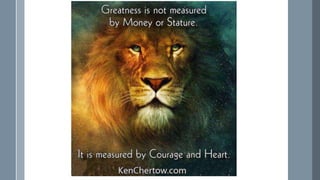
Greatness
› Busyness essence of management
› Creativity essence of leadership
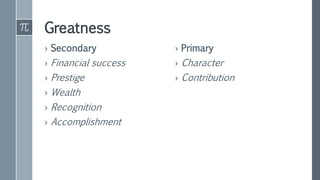
Greatness
› Secondary
› Financial success
› Prestige
› Wealth
› Recognition
› Accomplishment
› Primary
› Character
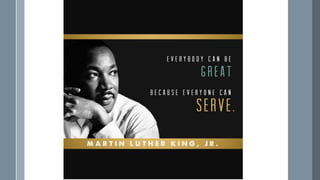
› Contribution
Primary Greatness
› What are you doing to make difference in
the world?
› Do you live truly by your values?
› Do you have total integrity in all relationships?
Bringing Back Character Ethic
› Integrity
› Humility
› Courage
› Patience
› Golden Rule
Bringing Back Character Ethic
› Moved away from character ethic toward personality ethic
- personality, technique, appearance, positive mental
attitude
› Personality ethic secondary to character
ethic
Finding Your Voice and Inspiring
Others to Do the Same
› Affirm people's worth and potential
› Come to see it in themselves
› Access to higher levels of genius and motivation
Finding Your Voice and Inspiring
Others to Do the Same
› Leadership based on helping other people
› Inspiring them to find their voices
› Reputation for trustworthiness
Deming Prize
› Economic performance over time
› Top executives spend at least 60 % of time on true
priorities:
› Things important but not necessarily urgent: preparation,
prevention, mission building, planning, relationship
building, creation, recreation, and empowerment
› Other companies executives spend 50 or 60% of time
doing things urgent but not important
Best Companies
› Focus on things matter most
› Don’t define importance as urgency
› Slaves to ‘tyranny’ of urgent
Keep internal yes burning inside
› Easier to say no to urgent and unimportant
› Burning yes to occupy you
› Say no courteously with smile free of shame
› Distinguish between important and unimportant
Operate in both highly independent
and highly interdependent mode
› Maturity Continuum
› Moving from dependence to independence to
interdependence
› Team compensate for weaknesses
› Let you do what you do best
› “Build on strengths
› Organize to make weaknesses irrelevant.”
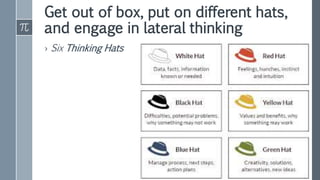
Get out of box, put on different hats,
and engage in lateral thinking
› Six Thinking Hats
Get out of box, put on different hats,
and engage in lateral thinking
› Thinking creatively without thinking critically
› Escaping from usual patterns of thought
› New patterns to generate new ideas
› Break out of conceptual prisons
Primary Greatness
› INSIDE of person
› Character
› Self-worth not based on accomplishments or outward
action
Conclusion
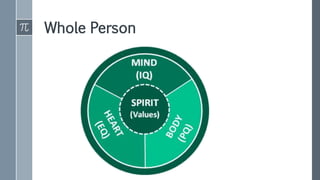
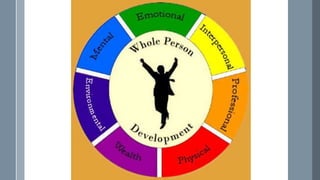
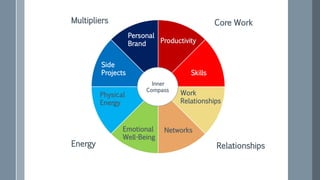
Whole Person
Productivity
Skills
Work
Relationships
NetworksEmotional
Well-Being
Physical
Energy
Inner
Compass
Core Work
Relationships
Side
Projects
Personal
Brand
Energy
Multipliers
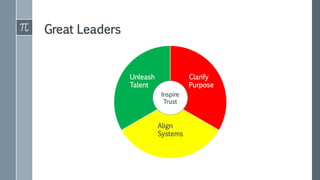
Great Leaders
Clarify
Purpose
Align
Systems
Unleash
Talent
Inspire
Trust
Thank
You!

BFBM(10-2016) Primary Greatness (Prof. Dr. Aung Tun Thet)

  • 1.
    Primary Greatness Life is ajourney, create a legacy along the way! Prof.Dr.Aung Tun Thet
  • 2.
    4 Needs ofPeople Meaning &Contribution TO LEAVE LEGACY (Spirit) Survival TO LIVE (Body) Growth & Development TO LEARN (Mind) Relationships TO LOVE (Heart)
  • 5.
  • 6.
  • 7.
    Principles › Self-evident › Naturallaws › Universal not situational › Timeless not temporary › Objective not subjective
  • 8.
    Effectiveness › P/PC › P= Production › PC = Production Capability.
  • 9.
  • 10.
    Effectiveness › Getting superbresults today (production) › Get results over and over again (production capability) › P/PC Balance
  • 11.
  • 12.
    Personal Bank Account ›Keeping promises › Doing small acts of kindness › Being gentle when you make mistakes › Being honest with yourself and others › Renewing yourself › Tapping into your talents and developing them
  • 13.
    Personal Bank Account ›Make deposits and withdrawals everyday › Balance give self-confidence and trust
  • 14.
    Be Proactive › Takeresponsibility › Anticipate situations › Image responses
  • 15.
  • 16.
    Reactive People › Outsideinfluences (moods, feelings, and circumstances) control response › Not think about response or desired outcome
  • 17.
    Proactive People › Chooseresponse based on principles › Freedom to choose expands › “Quick to listen › Slow to speak › Slow to become angry"
  • 18.
    Listen to yourselfspeak! › Remote control › Reactive: When someone pushes right buttons your mood or attitude changes › Proactive: Put remote control into your hands; choose freely what channel you want
  • 19.
    Reactive Language › I'lltry › That's just the way I am › There's nothing I can do › I have to › I can't › Victims - "victimitis virus” › Whining, blaming others, get angry, excuses
  • 20.
    Proactive Language › I'lldo it › I can do better than that › Let's look at all our options › I choose to
  • 21.
    Proactive People › Noteasily offended › Take responsibility for choices › Think before they act › Bounce back when something bad happens › Focus on what they can do › Do not worry about things they do not have control over
  • 22.
    CIRCLE of CONTROL Choices Responses Ourselves Attitudes CIRCLE OF NOCONTROL Past mistakes Weather Parents Location of birth Other’s rude comments
  • 23.
    Four Human Endowments 1.Self awareness - stand apart from one's thoughts and feelings and able to examine and change them 2. Conscience - feel inner prompting of what is right and wrong 3. Imagination - think ahead; visualize alternative responses 4. Willpower - act on one's decisions - set and achieve meaningful goals in one's life
  • 24.
  • 25.
    › “Would youtell me please which way I ought to walk from here?“ › "That depends a good deal on where you want to get to," says the Cat. › "I don't much care where-" said Alice. › "Then it doesn't matter which way to walk," said the Cat
  • 26.
    Control your owndestiny › Clear picture of: › Who you want to be › What you want to do in life
  • 27.
    Visualize yourself ayear from now! › What have you done with your life over the past year › How do you feel inside? › What do you look like? › What have you accomplished? › What characteristics do you possess?
  • 28.
  • 29.
    Putting First ThingsFirst › Prioritize › Manage time › First things not neglected › Intentionally pursued
  • 30.
    Putting First ThingsFirst › Overcome obstacles › Develop › Will-power (ability to say yes to most important things) › Won't-power (strength to say no less important things and to peer pressure)
  • 31.
    Putting First ThingsFirst › Important moments › Most important things › Activities contribute to mission and goals › Urgent moment › Pressing things › In-your-face things, › Activities demand immediate attention
  • 32.
    Time Quadrants Urgent NotUrgent Important Not Important Procrastinator Prioritizer Slacker“Yes-Man”
  • 33.
  • 37.
    › Busyness essenceof management › Creativity essence of leadership
  • 38.
    Greatness › Secondary › Financialsuccess › Prestige › Wealth › Recognition › Accomplishment › Primary › Character › Contribution
  • 39.
    Primary Greatness › Whatare you doing to make difference in the world? › Do you live truly by your values? › Do you have total integrity in all relationships?
  • 40.
    Bringing Back CharacterEthic › Integrity › Humility › Courage › Patience › Golden Rule
  • 41.
    Bringing Back CharacterEthic › Moved away from character ethic toward personality ethic - personality, technique, appearance, positive mental attitude › Personality ethic secondary to character ethic
  • 42.
    Finding Your Voiceand Inspiring Others to Do the Same › Affirm people's worth and potential › Come to see it in themselves › Access to higher levels of genius and motivation
  • 43.
    Finding Your Voiceand Inspiring Others to Do the Same › Leadership based on helping other people › Inspiring them to find their voices › Reputation for trustworthiness
  • 44.
    Deming Prize › Economicperformance over time › Top executives spend at least 60 % of time on true priorities: › Things important but not necessarily urgent: preparation, prevention, mission building, planning, relationship building, creation, recreation, and empowerment › Other companies executives spend 50 or 60% of time doing things urgent but not important
  • 45.
    Best Companies › Focuson things matter most › Don’t define importance as urgency › Slaves to ‘tyranny’ of urgent
  • 46.
    Keep internal yesburning inside › Easier to say no to urgent and unimportant › Burning yes to occupy you › Say no courteously with smile free of shame › Distinguish between important and unimportant
  • 47.
    Operate in bothhighly independent and highly interdependent mode › Maturity Continuum › Moving from dependence to independence to interdependence › Team compensate for weaknesses › Let you do what you do best › “Build on strengths › Organize to make weaknesses irrelevant.”
  • 48.
    Get out ofbox, put on different hats, and engage in lateral thinking › Six Thinking Hats
  • 49.
    Get out ofbox, put on different hats, and engage in lateral thinking › Thinking creatively without thinking critically › Escaping from usual patterns of thought › New patterns to generate new ideas › Break out of conceptual prisons
  • 50.
    Primary Greatness › INSIDEof person › Character › Self-worth not based on accomplishments or outward action
  • 51.
  • 53.
  • 55.
  • 56.
  • 58.