PotatoSolanumTuberosum
What is a Potato?
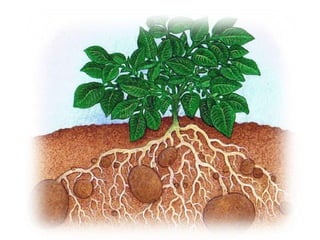
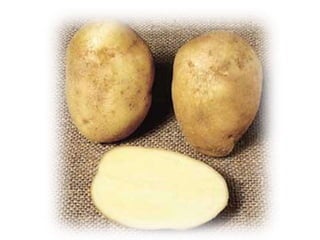
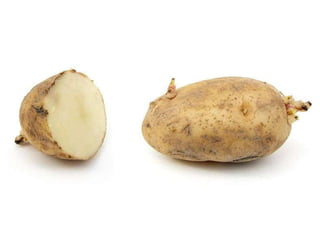
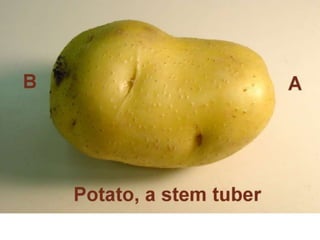
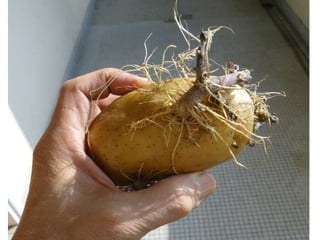
A potato has TWO sides, A and B.
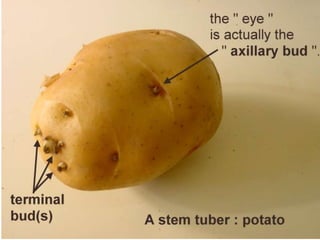
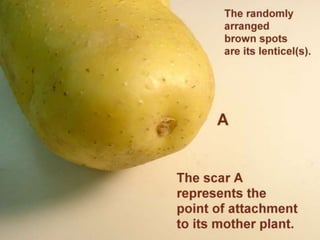
Side A originally connects to its mother plant.
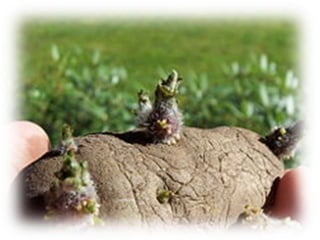
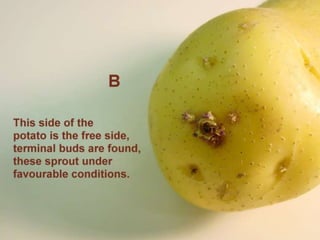
Side B  develops terminal buds.
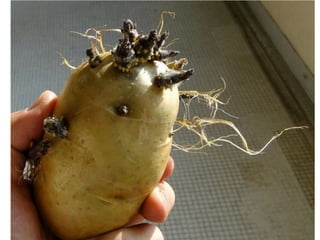
Its roots are adventitious (because they are not developed from the seed radicle).The offsprings are produced asexually
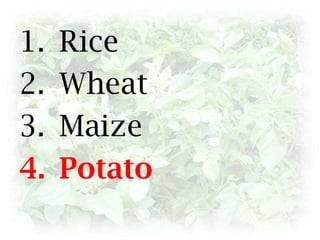
Rice WheatMaizePotato
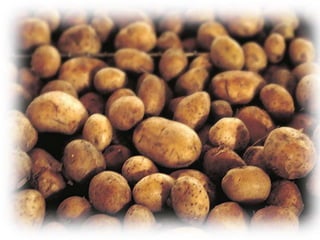
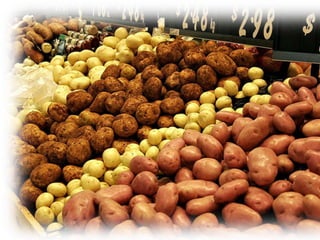
Potatoes are the world's most widely grown tuber crop
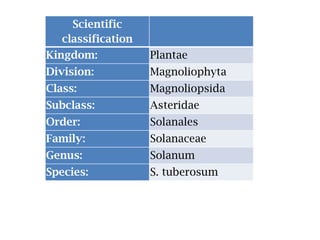
Botanical Description
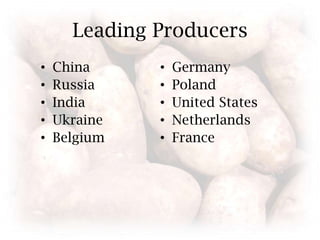
Leading ProducersChinaRussiaIndiaUkraineBelgiumGermanyPolandUnited StatesNetherlandsFrance
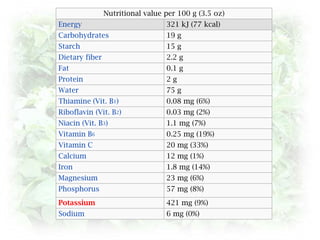
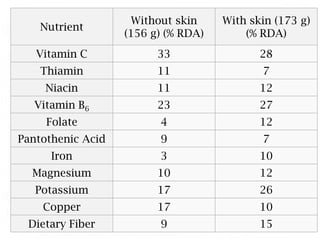
Freshly harvested potatoes retain more Vitamin C than stored potatoes. The cooking method used can significantly impact the nutrient availability of the potato.
Potato can be very toxic
Potatoes contain glycoalkaloidsGlycoalkaloidsmay cause headaches, diarrhea, and cramps, migraines, coma and death can occur.
Potato is beneficial to health
	Raw potato juice can be used as a calmative and to relieve gastric ulcers. 	Potato is used to treat inflammations, sunburn and other burns, and cracked skin. 

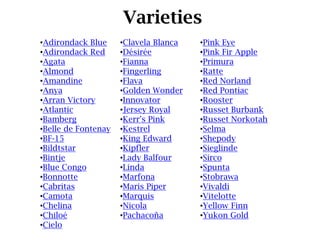
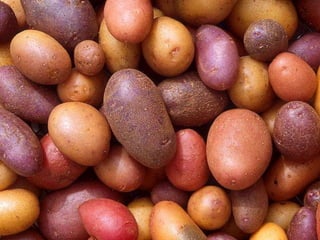
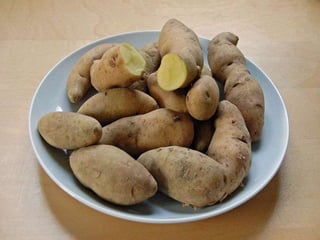
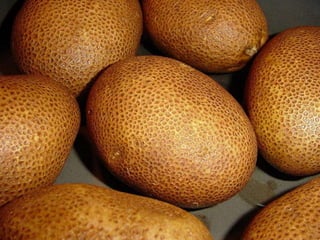
Varieties
Uses of Potato
Used to brew alcoholic beverages such as vodka, potcheen, or akvavit.Used as food for domestic animals.Used in the food industry (thickeners and binders of soups and sauces)
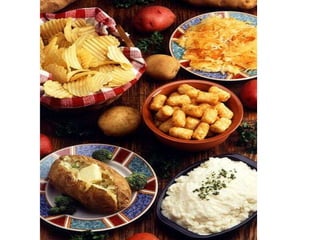
Used in the textile industry (adhesives)For the manufacturing of papers and boardsUsed in culinary purposes (mashed potatoes, French-fried potatoes or chips, whole baked potatoes, Rösti or potato pancakes, grated and formed into dumplings)Used for medicinal purposes
Cultural Management Practices
Pests and Diseases
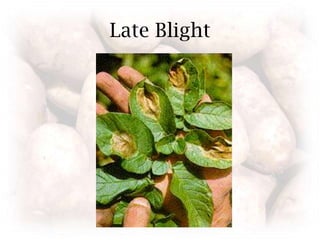
Diseases:Phytophthorainfestans (late blight)Rhizoctonia Sclerotinia black leg powdery mildew powdery scab leafroll virus  purple topPotato Brown Rot
PestsColorado potato beetle  potato tuber moth green peach aphid (Myzuspersicae) potato aphidFlea Beetleleafhoppers thrips mites potato root nematode a microscopic worm that thrives on the roots, thus causing the potato plants to wilt. Since its eggs can survive in the soil for several years, crop rotation is recommended.
Pest and Disease ControlPlant certified seed potatoes (healthy tubers only)Spray fungicides (Chlorothalonil or Bordeaux)
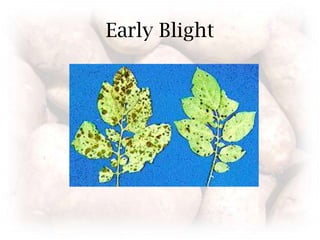
Early Blight
Late Blight
HarvestingTubers should be handled as gently as possible at all times with minimal drops. Harvesters should be adjusted and operated so that all chains are full. Carry enough soil over the primary digger chain to adequately cushion potatoes. Maintaining full chains will minimize bruising. Proper harvester operation calls for skillfully balancing ground speed with blade depth and proper chain speed.
Avoid harvesting when soil temperature is below about 45o F at tuber depth. Cold tubers are very susceptible to shatter bruise and mechanical injury. During cold weather, harvest later in the day and continue into early evening when soils are warmest. Avoid wet, muddy situations when possible. Wet or mechanically damaged tubers tend to store poorly.
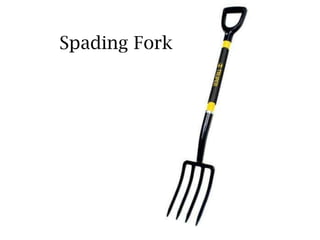
Gardeners usually dig up potatoes with: long-handled, three-prong "graip" (spading fork)
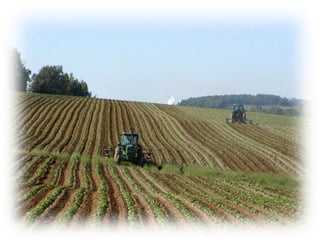
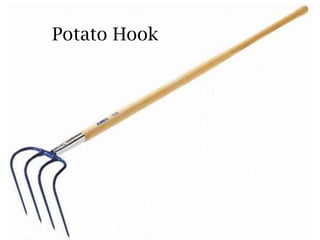
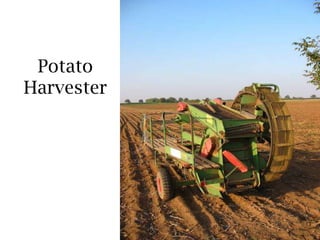
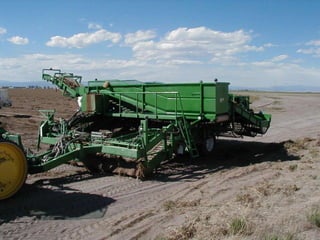
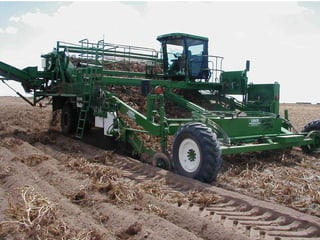
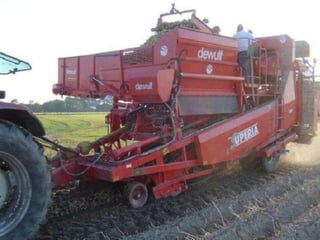
a potato hook, which is similar to the graip but with tines at a 90 degree angle to the handle. In larger plots, the plow is the fastest implement for unearthing potatoes.Commercial harvesting is typically done with large potato harvesters, which scoop up the plant and surrounding earth.
Spading Fork
Potato Hook
Potato Harvester
CuringSkin-set: the skin of the potato becomes resistant to skinning damage. Curing:done after harvest to improve skin setallows the skin to fully set and any wounds to heal. normally done at relatively warm temperatures 50 °C (122 °F) to 60 °C (140 °F) with high humidity and good gas-exchange if at all possibleprevents infection and water-loss from the tubers during storage.
StorageThe storage area is dark, well ventilated and for long-term storage maintained at temperatures near 4 °C. For short-term storage before cooking, temperatures of about 7 °C to 10 °C are preferred.Potatoes can be stored for up to ten to twelve months
A potato storage should have adequate insulation, outside waterproofing, inside vapor proofing, ventilation, air distribution, adequate humidification, and properly designed controls for precisely maintaining the storage atmosphere.Potatoes can be stored in pallet boxes for short periods.Store at 40 to 42 F with 95% relative humidity
Cultivation and Weed Control
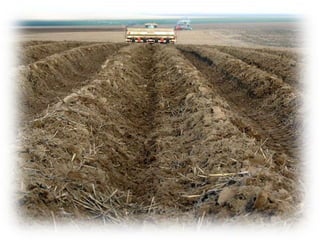
Control weeds by shallow and frequent cultivation. Deep cultivation may cut potato roots and slow growth. When plants are 6 to 8 inches tall, begin to mound soil around the bases of the plants to start forming a ridge or hill.
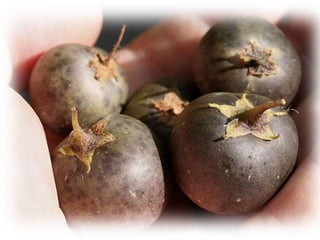
Seed SelectionUse only certified disease-free seed. The potato seed is not a true seed, but modified stem tissue known as a tuber.The true seed of the potato occurs in the small, inedible orange fruit the plant produces during mid-season.Some feed and garden stores sell B-size seed-small tubers weighing 1-1/2 to 2 ounces. These tubers should not be cut before planting. If 4 to 6 ounce or larger tubers are used, cut them so that each piece is block shaped, contains at least one good eye or bud and weighs about 1-1/2 ounces. Plant immediately after cutting.
Soil RequirementsA well drained, fine sandy loam soil, high in organic matter, is preferred.Potatoes need a moist, acidic soil with a pH of less than 6. Soils with a higher pH tend to harbor potato scab, a fungal disease that lives in the soil for many years.
Temperature RequirementThey prefer COOL weather (higher than 28 F but lower than 90 F)
PlantingPlant the seed in shallow trenches 3-1/2 to 4-1/2 inches deep and cover with an inch or two of soil.The seed pieces should be spaced 9 to 12 inches apart in rows 28 to 34 inches apart. Nine to 12 pounds of seed will be needed for each 100 feet of row when 1-1/2 to 2 ounce seed pieces are planted 12 inches apart. Plant your seed potatoes (sprouted tubers) after the risk of frost
Fertilizer PracticesLiberal amounts of fertilizer are required for large yields of potatoes. Potatoes usually respond to band applications of P.Potatoes require high levels of K and SToo much fertilizer, especially nitrogen, can over stimulate vine growth and delay tuber set and maturity.
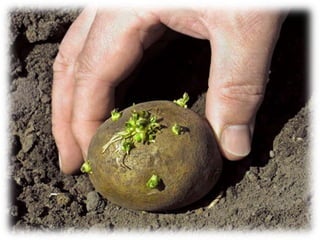
Growth and Cultivation1st Phase:  Sprouts emerge and root growth begins.2nd Phase: Photosynthesis begins as the plant develops leaves and branches.3rd Phase: New tubers develop4th Phase: Tuber bulking5th Phase: Maturation
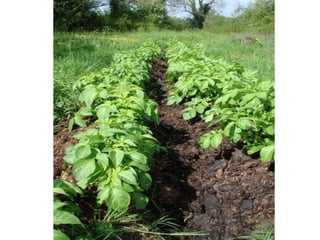
HillingPotato cultivation and ridging or "hilling" are performed simultaneously. Ridging provides a number of advantages including reduced sungreening, improved weed control within the rows, and improved harvest conditions. Ridges are typically broad and 8 or 10 inches tall.Ridging or hilling: piling additional soil around the base of the plant as it grows

Potato (Agricultural Science)

  • 1.
  • 2.
    What is aPotato?
  • 17.
    A potato has TWOsides, A and B.
  • 19.
    Side A originally connectsto its mother plant.
  • 21.
    Side B  developsterminal buds.
  • 23.
    Its roots are adventitious (becausethey are not developed from the seed radicle).The offsprings are produced asexually
  • 27.
  • 28.
    Potatoes are theworld's most widely grown tuber crop
  • 29.
  • 31.
  • 35.
    Freshly harvested potatoesretain more Vitamin C than stored potatoes. The cooking method used can significantly impact the nutrient availability of the potato.
  • 36.
    Potato can bevery toxic
  • 37.
    Potatoes contain glycoalkaloidsGlycoalkaloidsmaycause headaches, diarrhea, and cramps, migraines, coma and death can occur.
  • 39.
  • 40.
    Raw potato juicecan be used as a calmative and to relieve gastric ulcers. Potato is used to treat inflammations, sunburn and other burns, and cracked skin. 

  • 41.
  • 45.
  • 46.
    Used to brewalcoholic beverages such as vodka, potcheen, or akvavit.Used as food for domestic animals.Used in the food industry (thickeners and binders of soups and sauces)
  • 47.
    Used in thetextile industry (adhesives)For the manufacturing of papers and boardsUsed in culinary purposes (mashed potatoes, French-fried potatoes or chips, whole baked potatoes, Rösti or potato pancakes, grated and formed into dumplings)Used for medicinal purposes
  • 49.
  • 50.
  • 51.
    Diseases:Phytophthorainfestans (late blight)Rhizoctonia Sclerotinia black leg powderymildew powdery scab leafroll virus  purple topPotato Brown Rot
  • 52.
    PestsColorado potato beetle potato tuber moth green peach aphid (Myzuspersicae) potato aphidFlea Beetleleafhoppers thrips mites potato root nematode a microscopic worm that thrives on the roots, thus causing the potato plants to wilt. Since its eggs can survive in the soil for several years, crop rotation is recommended.
  • 53.
    Pest and DiseaseControlPlant certified seed potatoes (healthy tubers only)Spray fungicides (Chlorothalonil or Bordeaux)
  • 54.
  • 55.
  • 58.
    HarvestingTubers should behandled as gently as possible at all times with minimal drops. Harvesters should be adjusted and operated so that all chains are full. Carry enough soil over the primary digger chain to adequately cushion potatoes. Maintaining full chains will minimize bruising. Proper harvester operation calls for skillfully balancing ground speed with blade depth and proper chain speed.
  • 59.
    Avoid harvesting whensoil temperature is below about 45o F at tuber depth. Cold tubers are very susceptible to shatter bruise and mechanical injury. During cold weather, harvest later in the day and continue into early evening when soils are warmest. Avoid wet, muddy situations when possible. Wet or mechanically damaged tubers tend to store poorly.
  • 60.
    Gardeners usually digup potatoes with: long-handled, three-prong "graip" (spading fork)
  • 61.
    a potato hook,which is similar to the graip but with tines at a 90 degree angle to the handle. In larger plots, the plow is the fastest implement for unearthing potatoes.Commercial harvesting is typically done with large potato harvesters, which scoop up the plant and surrounding earth.
  • 62.
  • 63.
  • 64.
  • 68.
    CuringSkin-set: the skinof the potato becomes resistant to skinning damage. Curing:done after harvest to improve skin setallows the skin to fully set and any wounds to heal. normally done at relatively warm temperatures 50 °C (122 °F) to 60 °C (140 °F) with high humidity and good gas-exchange if at all possibleprevents infection and water-loss from the tubers during storage.
  • 69.
    StorageThe storage areais dark, well ventilated and for long-term storage maintained at temperatures near 4 °C. For short-term storage before cooking, temperatures of about 7 °C to 10 °C are preferred.Potatoes can be stored for up to ten to twelve months
  • 70.
    A potato storageshould have adequate insulation, outside waterproofing, inside vapor proofing, ventilation, air distribution, adequate humidification, and properly designed controls for precisely maintaining the storage atmosphere.Potatoes can be stored in pallet boxes for short periods.Store at 40 to 42 F with 95% relative humidity
  • 71.
  • 72.
    Control weeds byshallow and frequent cultivation. Deep cultivation may cut potato roots and slow growth. When plants are 6 to 8 inches tall, begin to mound soil around the bases of the plants to start forming a ridge or hill.
  • 73.
    Seed SelectionUse onlycertified disease-free seed. The potato seed is not a true seed, but modified stem tissue known as a tuber.The true seed of the potato occurs in the small, inedible orange fruit the plant produces during mid-season.Some feed and garden stores sell B-size seed-small tubers weighing 1-1/2 to 2 ounces. These tubers should not be cut before planting. If 4 to 6 ounce or larger tubers are used, cut them so that each piece is block shaped, contains at least one good eye or bud and weighs about 1-1/2 ounces. Plant immediately after cutting.
  • 74.
    Soil RequirementsA welldrained, fine sandy loam soil, high in organic matter, is preferred.Potatoes need a moist, acidic soil with a pH of less than 6. Soils with a higher pH tend to harbor potato scab, a fungal disease that lives in the soil for many years.
  • 75.
    Temperature RequirementThey preferCOOL weather (higher than 28 F but lower than 90 F)
  • 76.
    PlantingPlant the seedin shallow trenches 3-1/2 to 4-1/2 inches deep and cover with an inch or two of soil.The seed pieces should be spaced 9 to 12 inches apart in rows 28 to 34 inches apart. Nine to 12 pounds of seed will be needed for each 100 feet of row when 1-1/2 to 2 ounce seed pieces are planted 12 inches apart. Plant your seed potatoes (sprouted tubers) after the risk of frost
  • 77.
    Fertilizer PracticesLiberal amountsof fertilizer are required for large yields of potatoes. Potatoes usually respond to band applications of P.Potatoes require high levels of K and SToo much fertilizer, especially nitrogen, can over stimulate vine growth and delay tuber set and maturity.
  • 78.
    Growth and Cultivation1stPhase:  Sprouts emerge and root growth begins.2nd Phase: Photosynthesis begins as the plant develops leaves and branches.3rd Phase: New tubers develop4th Phase: Tuber bulking5th Phase: Maturation
  • 79.
    HillingPotato cultivation andridging or "hilling" are performed simultaneously. Ridging provides a number of advantages including reduced sungreening, improved weed control within the rows, and improved harvest conditions. Ridges are typically broad and 8 or 10 inches tall.Ridging or hilling: piling additional soil around the base of the plant as it grows