An ICRISAT groundnut variety resists drought and diseases,
has good fodder quality and replaces varieties grown for more
than 60 years, bringing hope to millions of poor farmers
Drought-Tolerant Groundnuts
July 2012
The former Chief Minister of Andhra Pradesh, late Dr YS Rajasekhara Reddy
hands over the ICGV 91114 seeds to Anantapur farmers on 1 June 2006.
He is flanked by Director General Dar (on his right), and Mr N Raghuveera
Reddy, Agriculture Minister.
Overview
Anantapur is a drought-prone district
in the rain shadow area of Andhra
Pradesh, India. Despite frequent
droughts and crop failures, over 70% of
the cultivated area in the district (~1.0
million ha) is sown to groundnut each
year (Figure 1). Smallholdings (<3.0 ha)
dominate 60% of the district, the largest
groundnut growing area in the world.
Soils are light textured, gravelly, shallow
Alfisols, low in nutrients. Rainfall is
erratic with prolonged dry spells of 45–
50 days, Annual rainfall is 522 mm.
Groundnut yield in the district is highly
variable (Figure 2) and determined by
rainfall. Nevertheless, groundnut can
survive long dry spells and is a valuable
source of fodder during dry years.
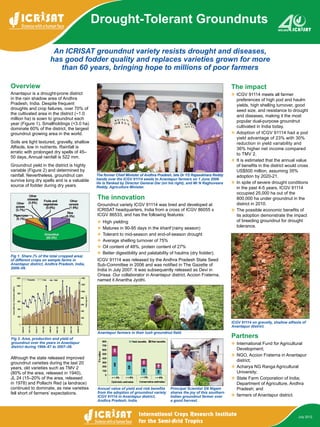
Fig 1. Share (% of the total cropped area)
of different crops on sample farms in
Anantapur district, Andhra Pradesh, India,
2008–09.
ICGV 91114 on gravelly, shallow alfisols of
Anantapur district.
Anantapur farmers in their lush groundnut field.
Fig 2. Area, production and yield of
groundnut over the years in Anantapur
district during 1966–67 to 2007–08.
Although the state released improved
groundnut varieties during the last 20
years, old varieties such as TMV 2
(80% of the area, released in 1940),
JL 24 (15–20% of the area, released
in 1978) and Pollachi Red (a landrace)
continued to dominate, as new varieties
fell short of farmers’ expectations.
The innovation
Groundnut variety ICGV 91114 was bred and developed at
ICRISAT headquarters, India from a cross of ICGV 86055 x
ICGV 86533, and has the following features:
❖❖ High yielding
❖❖ Matures in 90-95 days in the kharif (rainy season)
❖❖ Tolerant to mid-season and end-of-season drought
❖❖ Average shelling turnover of 75%
❖❖ Oil content of 48%, protein content of 27%
❖❖ Better digestibility and palatability of haulms (dry fodder).
ICGV 91114 was released by the Andhra Pradesh State Seed
Sub-Committee in 2006 and was notified in The Gazette of
India in July 2007. It was subsequently released as Devi in
Orissa. Our collaborator in Anantapur district, Accion Fraterna,
named it Anantha Jyothi.
The impact
❖❖ ICGV 91114 meets all farmer
preferences of high pod and haulm
yields, high shelling turnover, good
seed size, and resistance to drought
and diseases, making it the most
popular dual-purpose groundnut
cultivated in India today.
❖❖ Adoption of ICGV 91114 had a pod
yield advantage of 23% with 30%
reduction in yield variability and
36% higher net income compared
to TMV 2.
❖❖ It is estimated that the annual value
of benefits in the district would cross
US$500 million, assuming 35%
adoption by 2020-21.
❖❖ In spite of severe drought conditions
in the past 4-5 years, ICGV 91114
occupied 25,000 ha out of the
800,000 ha under groundnut in the
district in 2010.
❖❖ The possible economic benefits of
its adoption demonstrate the impact
of breeding groundnut for drought
tolerance.
Annual value of yield and risk benefits
from the adoption of groundnut variety
ICGV 91114 in Anantapur district,
Andhra Pradesh, India.
Principal Scientist SN Nigam
shares the joy of this southern
Indian groundnut farmer over
a good harvest.
Partners
❖❖ International Fund for Agricultural
Development;
❖❖ NGO, Accion Fraterna in Anantapur
district;
❖❖ Acharya NG Ranga Agricultural
University;
❖❖ State Farm Corporation of India;
Department of Agriculture, Andhra
Pradesh; and
❖❖ farmers of Anantapur district.

Drought tolerant groundnut

  • 1.
    An ICRISAT groundnutvariety resists drought and diseases, has good fodder quality and replaces varieties grown for more than 60 years, bringing hope to millions of poor farmers Drought-Tolerant Groundnuts July 2012 The former Chief Minister of Andhra Pradesh, late Dr YS Rajasekhara Reddy hands over the ICGV 91114 seeds to Anantapur farmers on 1 June 2006. He is flanked by Director General Dar (on his right), and Mr N Raghuveera Reddy, Agriculture Minister. Overview Anantapur is a drought-prone district in the rain shadow area of Andhra Pradesh, India. Despite frequent droughts and crop failures, over 70% of the cultivated area in the district (~1.0 million ha) is sown to groundnut each year (Figure 1). Smallholdings (<3.0 ha) dominate 60% of the district, the largest groundnut growing area in the world. Soils are light textured, gravelly, shallow Alfisols, low in nutrients. Rainfall is erratic with prolonged dry spells of 45– 50 days, Annual rainfall is 522 mm. Groundnut yield in the district is highly variable (Figure 2) and determined by rainfall. Nevertheless, groundnut can survive long dry spells and is a valuable source of fodder during dry years. Fig 1. Share (% of the total cropped area) of different crops on sample farms in Anantapur district, Andhra Pradesh, India, 2008–09. ICGV 91114 on gravelly, shallow alfisols of Anantapur district. Anantapur farmers in their lush groundnut field. Fig 2. Area, production and yield of groundnut over the years in Anantapur district during 1966–67 to 2007–08. Although the state released improved groundnut varieties during the last 20 years, old varieties such as TMV 2 (80% of the area, released in 1940), JL 24 (15–20% of the area, released in 1978) and Pollachi Red (a landrace) continued to dominate, as new varieties fell short of farmers’ expectations. The innovation Groundnut variety ICGV 91114 was bred and developed at ICRISAT headquarters, India from a cross of ICGV 86055 x ICGV 86533, and has the following features: ❖❖ High yielding ❖❖ Matures in 90-95 days in the kharif (rainy season) ❖❖ Tolerant to mid-season and end-of-season drought ❖❖ Average shelling turnover of 75% ❖❖ Oil content of 48%, protein content of 27% ❖❖ Better digestibility and palatability of haulms (dry fodder). ICGV 91114 was released by the Andhra Pradesh State Seed Sub-Committee in 2006 and was notified in The Gazette of India in July 2007. It was subsequently released as Devi in Orissa. Our collaborator in Anantapur district, Accion Fraterna, named it Anantha Jyothi. The impact ❖❖ ICGV 91114 meets all farmer preferences of high pod and haulm yields, high shelling turnover, good seed size, and resistance to drought and diseases, making it the most popular dual-purpose groundnut cultivated in India today. ❖❖ Adoption of ICGV 91114 had a pod yield advantage of 23% with 30% reduction in yield variability and 36% higher net income compared to TMV 2. ❖❖ It is estimated that the annual value of benefits in the district would cross US$500 million, assuming 35% adoption by 2020-21. ❖❖ In spite of severe drought conditions in the past 4-5 years, ICGV 91114 occupied 25,000 ha out of the 800,000 ha under groundnut in the district in 2010. ❖❖ The possible economic benefits of its adoption demonstrate the impact of breeding groundnut for drought tolerance. Annual value of yield and risk benefits from the adoption of groundnut variety ICGV 91114 in Anantapur district, Andhra Pradesh, India. Principal Scientist SN Nigam shares the joy of this southern Indian groundnut farmer over a good harvest. Partners ❖❖ International Fund for Agricultural Development; ❖❖ NGO, Accion Fraterna in Anantapur district; ❖❖ Acharya NG Ranga Agricultural University; ❖❖ State Farm Corporation of India; Department of Agriculture, Andhra Pradesh; and ❖❖ farmers of Anantapur district.