Pharmacogenetics and individual
variation of drug response
G Vijay Narasimha Kumar
Asst. Professor,
Dept.of. Pharmacology
Sri Padmavathi school of Pharmacy
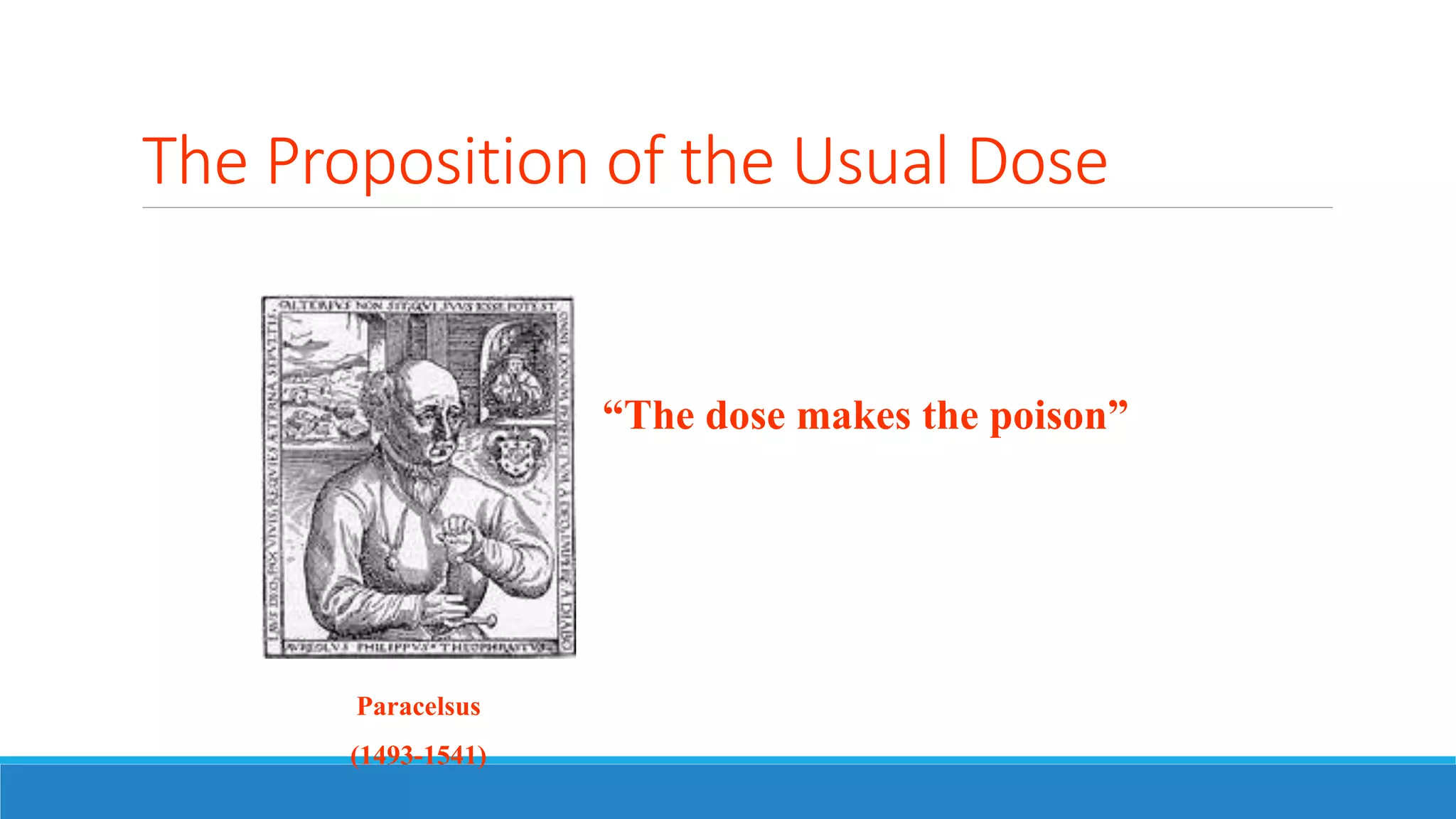
The Proposition of the Usual Dose
Paracelsus
(1493-1541)
“The dose makes the poison”
Background
Three discoveries in the 1950s gave rise to the discipline of
Pharmacogenetics.
 Primaquine (G-6-PD deficiency)
 Isoniazid metabolism of (acetylation polymorphism)
 Atypical plasma cholinesterase: succinylcholine
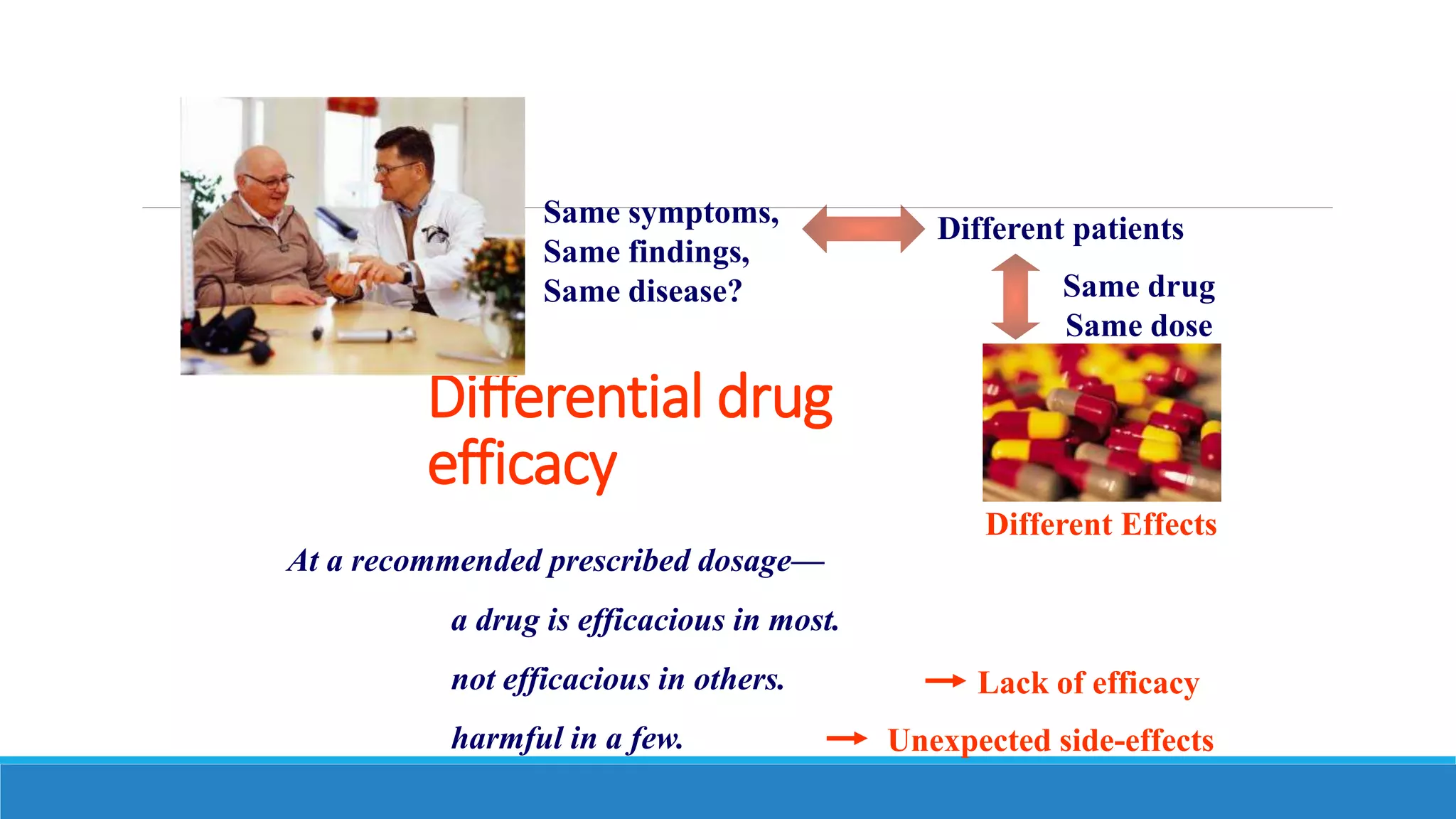
Differential drug
efficacy
Same symptoms,
Same findings,
Same disease? Same drug
Same dose
Different Effects
Different patients
At a recommended prescribed dosage—
a drug is efficacious in most.
not efficacious in others.
harmful in a few.
Lack of efficacy
Unexpected side-effects
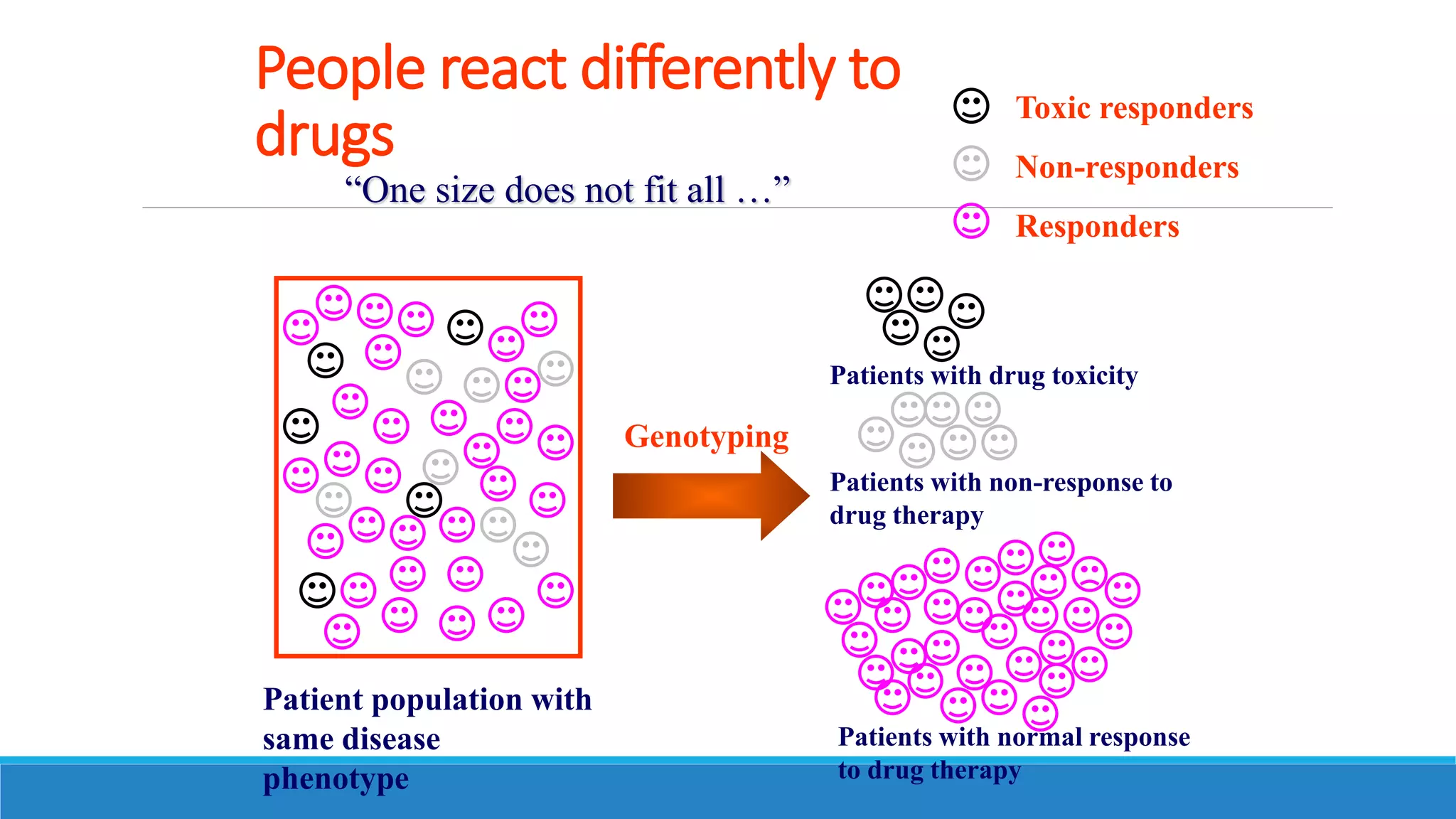
Patient population with
same disease
phenotype
Patients with normal response
to drug therapy
Patients with non-response to
drug therapy
Patients with drug toxicity
Genotyping
Toxic responders
Non-responders
Responders
People react differently to
drugs
“One size does not fit all …”
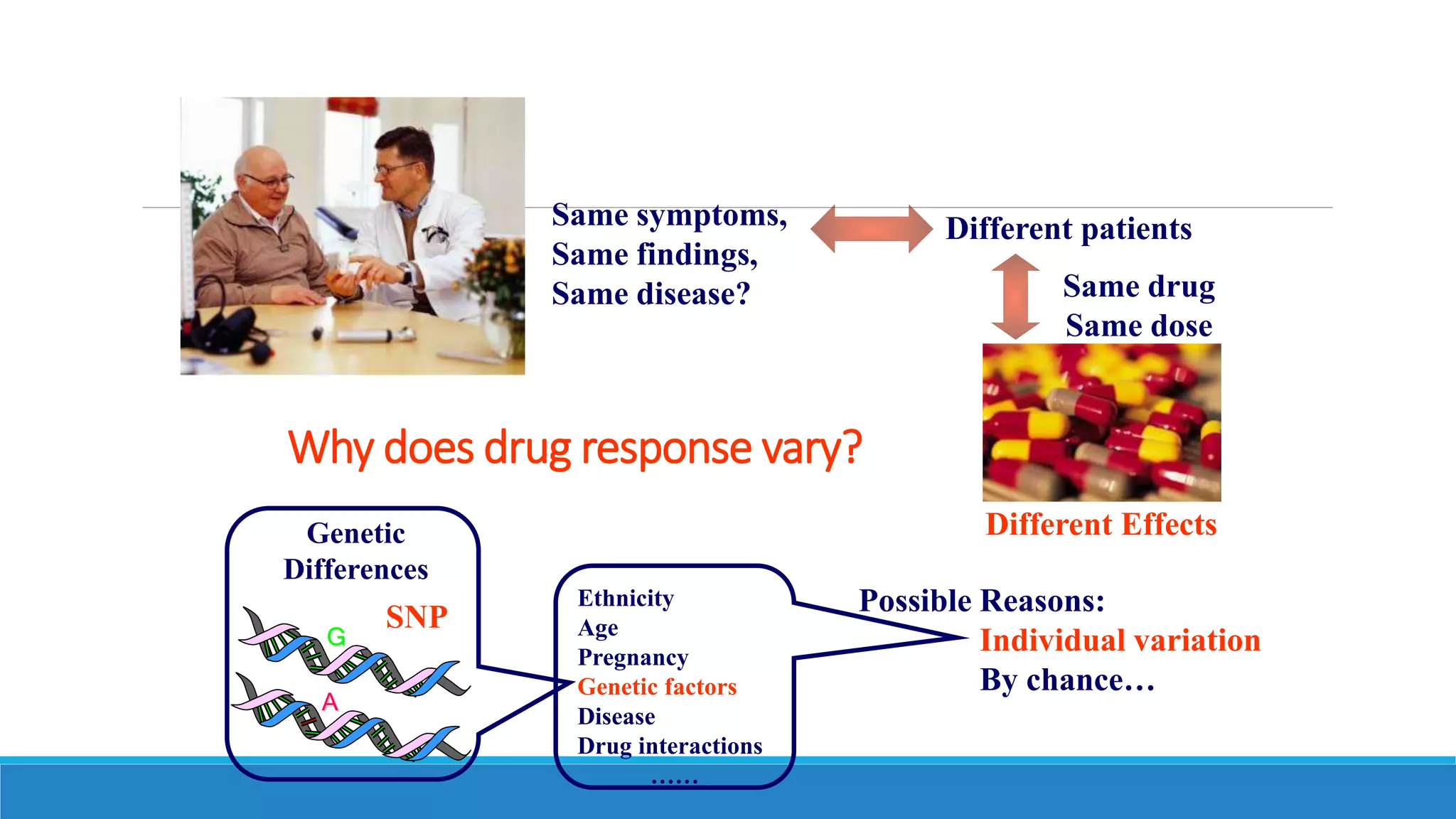
Why does drug response vary?
Same symptoms,
Same findings,
Same disease? Same drug
Same dose
Different Effects
Possible Reasons:
Individual variation
By chance…
Different patients
Ethnicity
Age
Pregnancy
Genetic factors
Disease
Drug interactions
……
Genetic
Differences
A
G
SNP
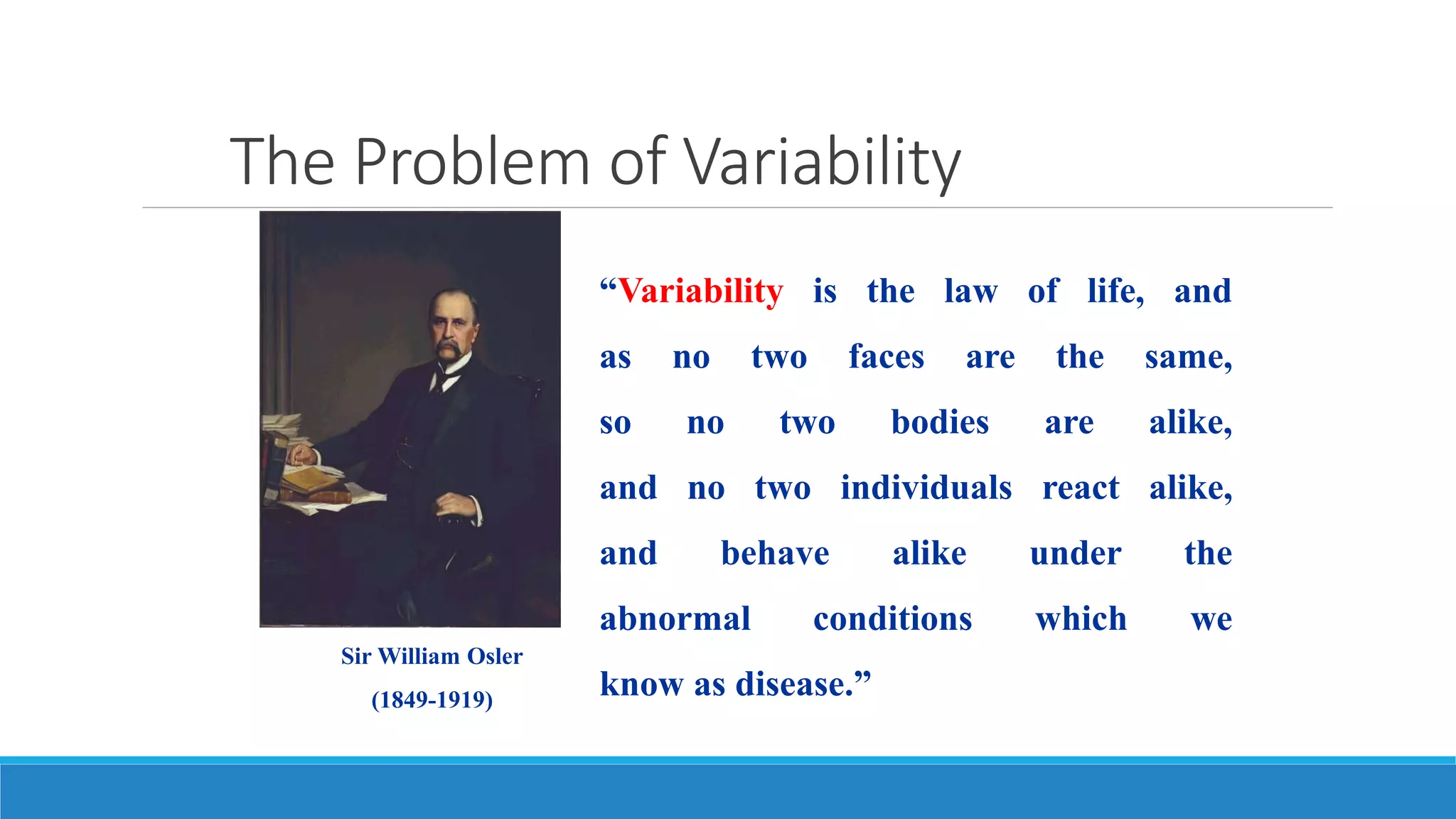
The Problem of Variability
“Variability is the law of life, and
as no two faces are the same,
so no two bodies are alike,
and no two individuals react alike,
and behave alike under the
abnormal conditions which we
know as disease.”
Sir William Osler
(1849-1919)
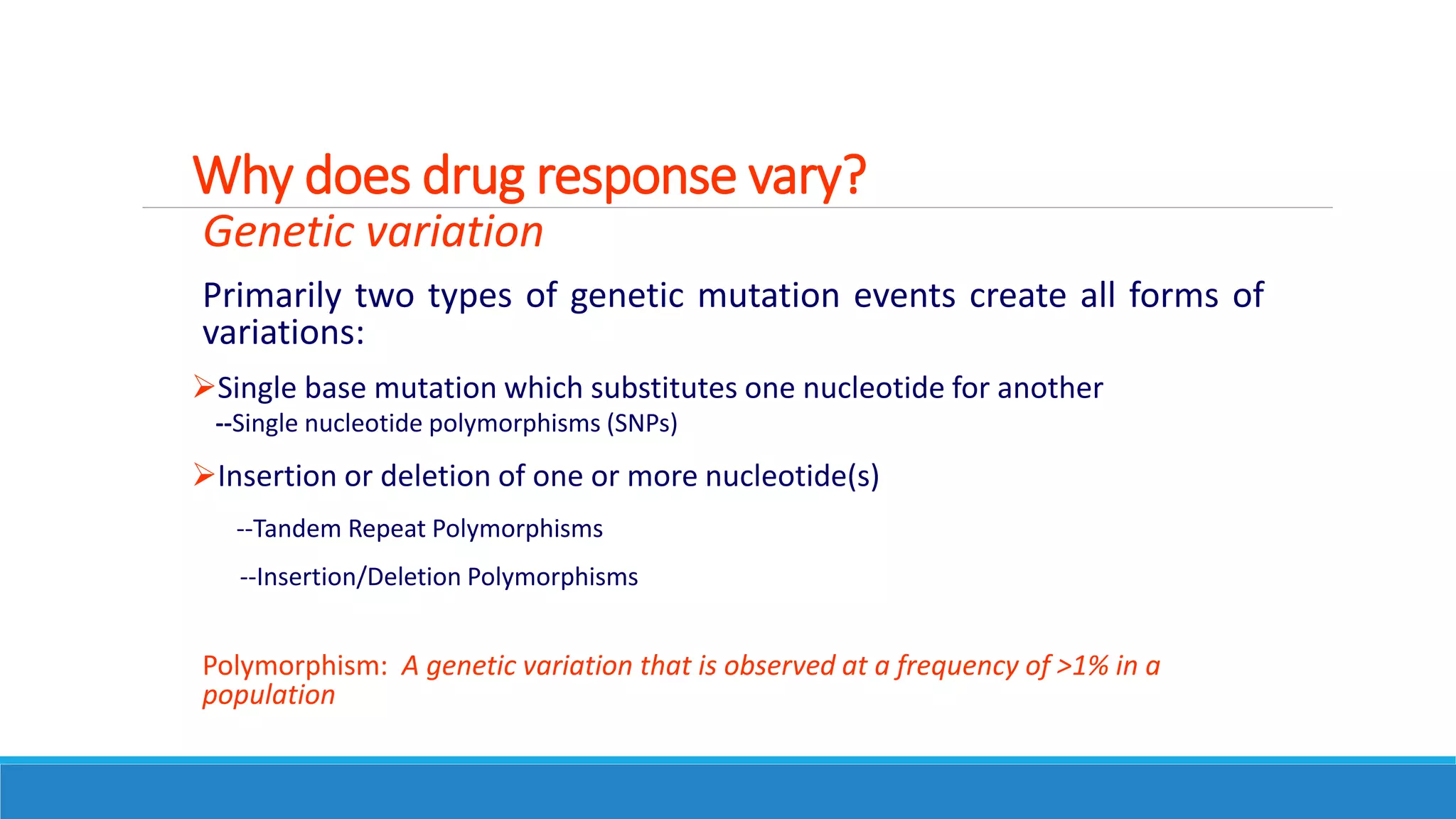
Why does drug response vary?
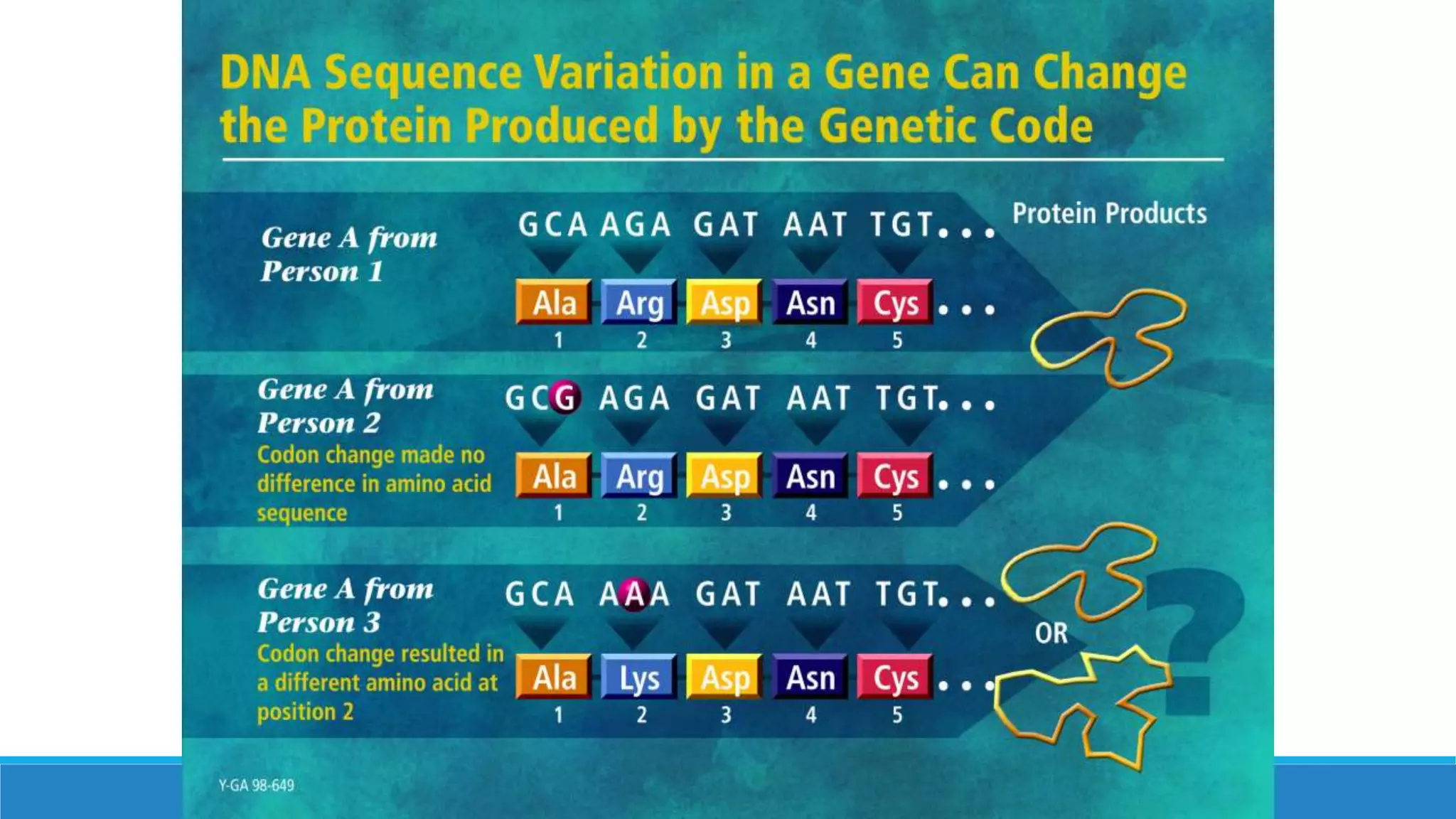
Genetic variation
Primarily two types of genetic mutation events create all forms of
variations:
Single base mutation which substitutes one nucleotide for another
--Single nucleotide polymorphisms (SNPs)
Insertion or deletion of one or more nucleotide(s)
--Tandem Repeat Polymorphisms
--Insertion/Deletion Polymorphisms
Polymorphism: A genetic variation that is observed at a frequency of >1% in a
population
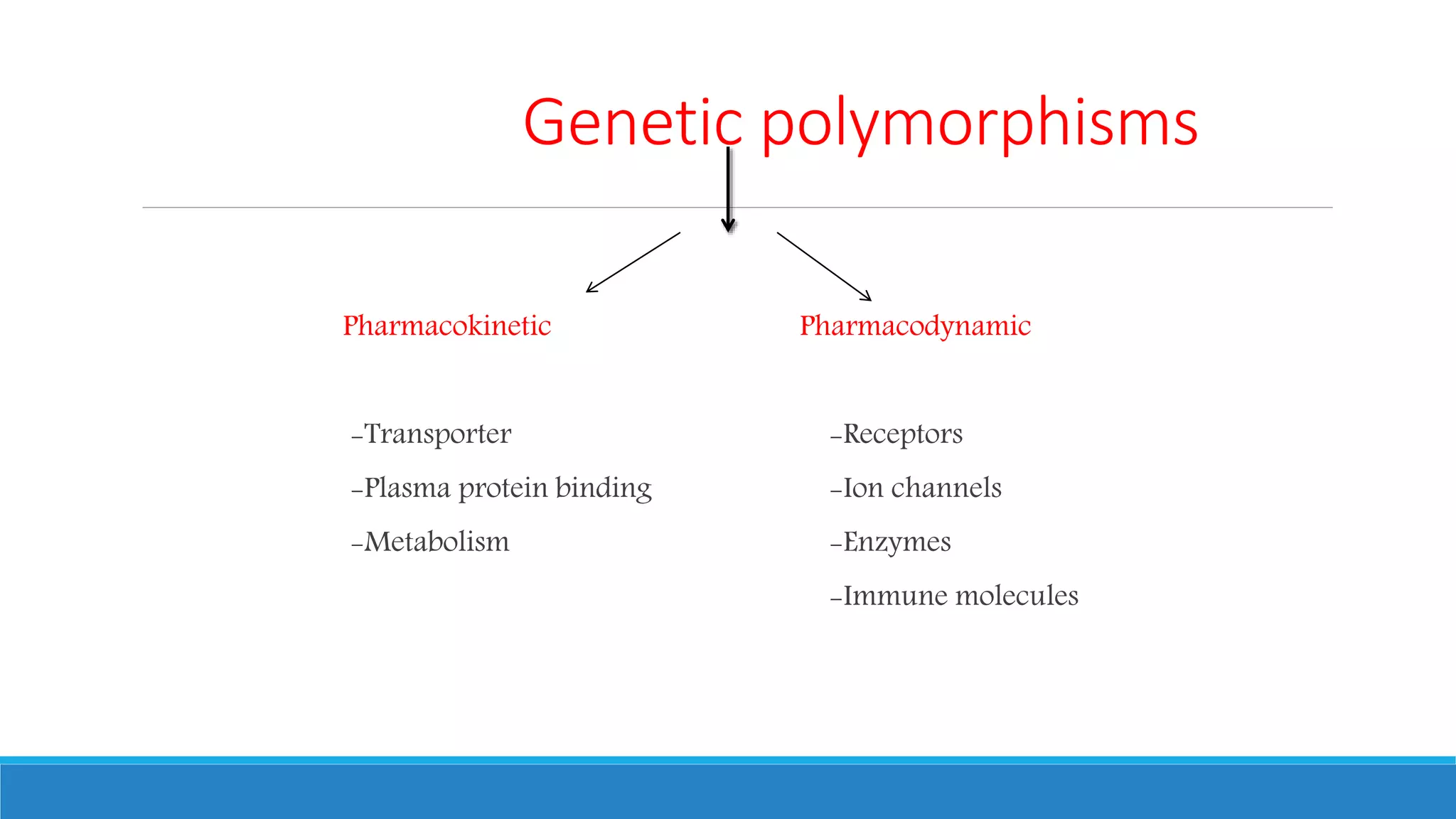
Genetic polymorphisms
Pharmacokinetic
-Transporter
-Plasma protein binding
-Metabolism
Pharmacodynamic
-Receptors
-Ion channels
-Enzymes
-Immune molecules
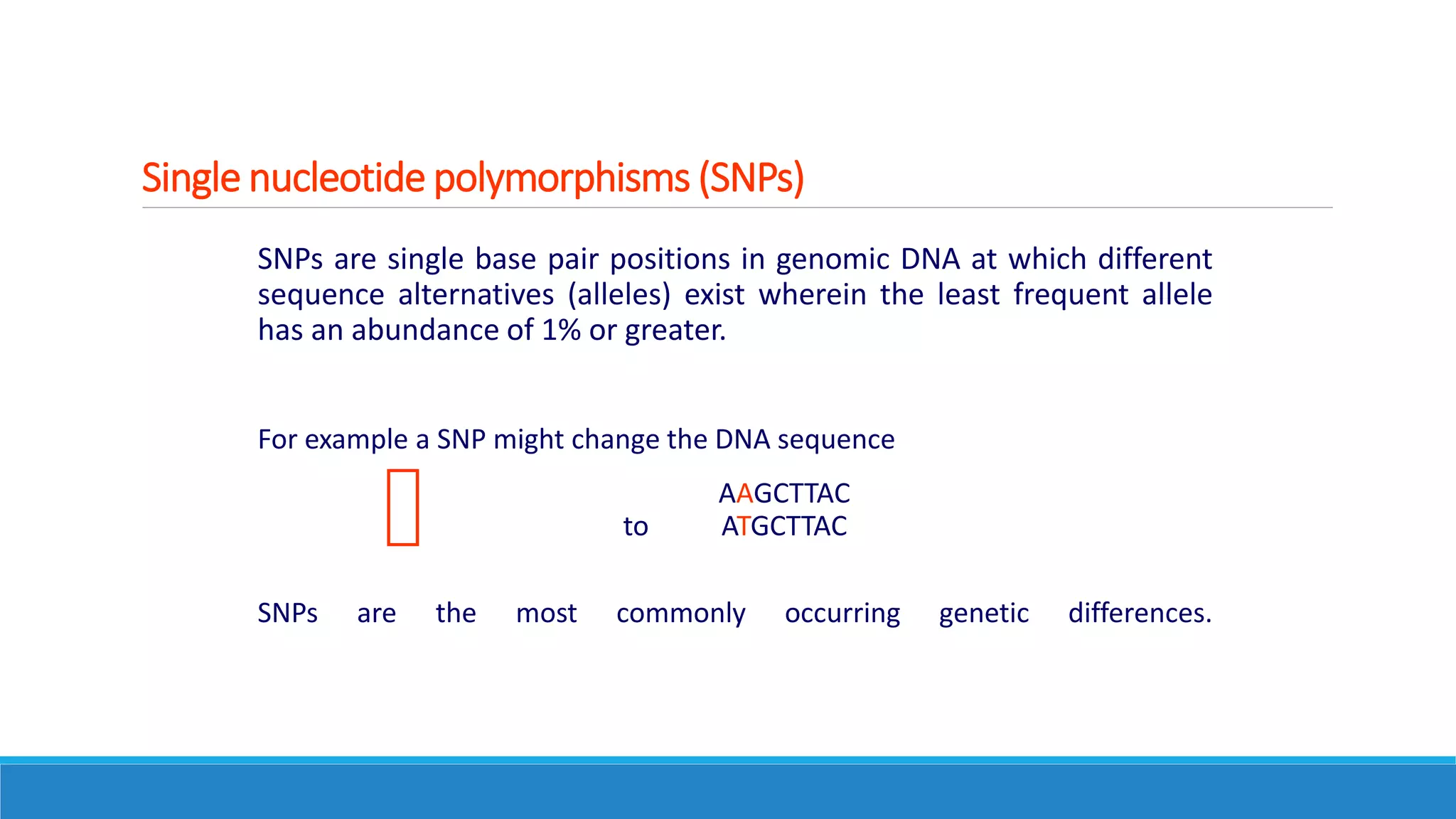
Single nucleotide polymorphisms (SNPs)
SNPs are single base pair positions in genomic DNA at which different
sequence alternatives (alleles) exist wherein the least frequent allele
has an abundance of 1% or greater.
For example a SNP might change the DNA sequence
AAGCTTAC
to ATGCTTAC
SNPs are the most commonly occurring genetic differences.
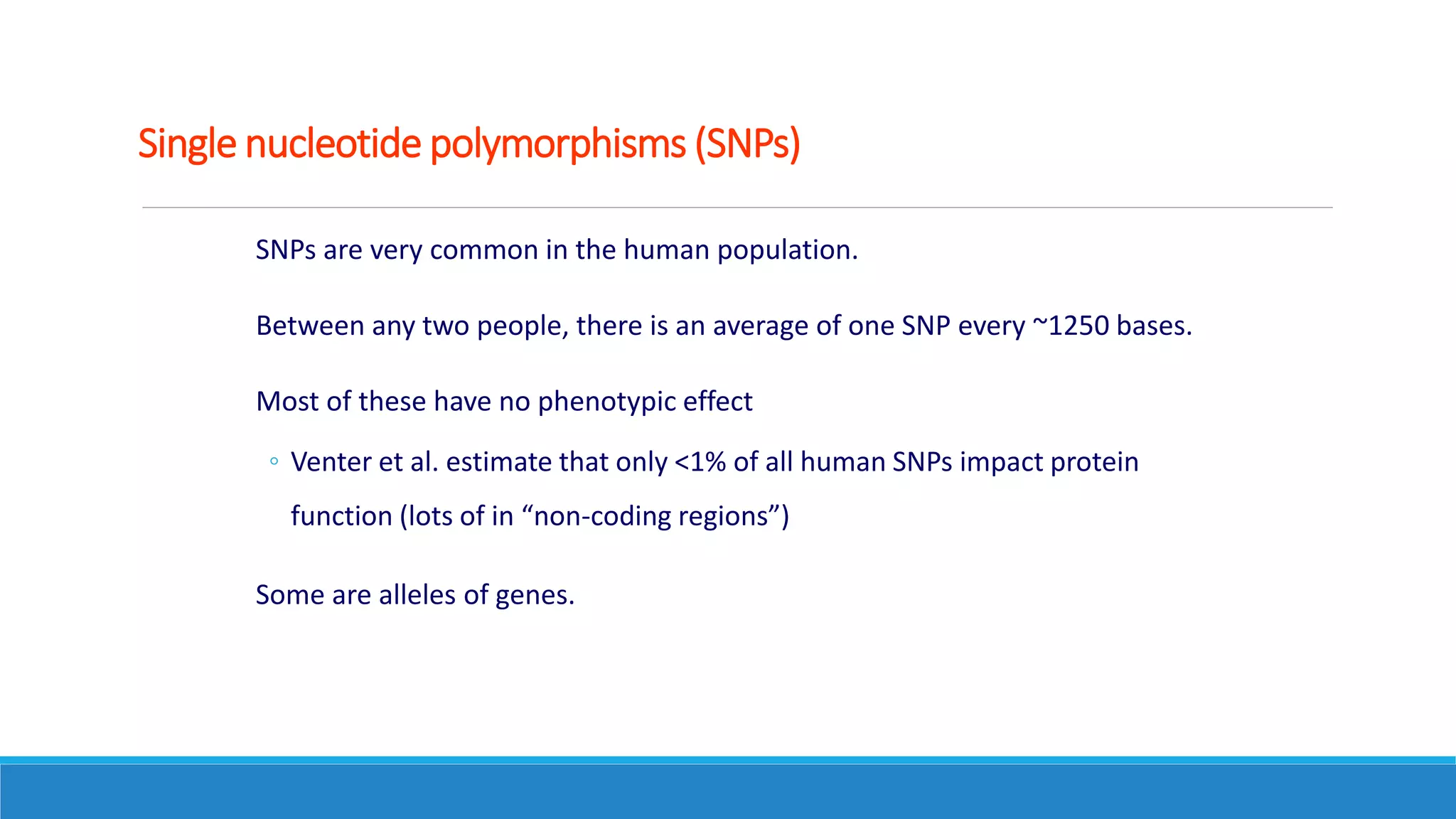
Single nucleotide polymorphisms (SNPs)
SNPs are very common in the human population.
Between any two people, there is an average of one SNP every ~1250 bases.
Most of these have no phenotypic effect
◦ Venter et al. estimate that only <1% of all human SNPs impact protein
function (lots of in “non-coding regions”)
Some are alleles of genes.
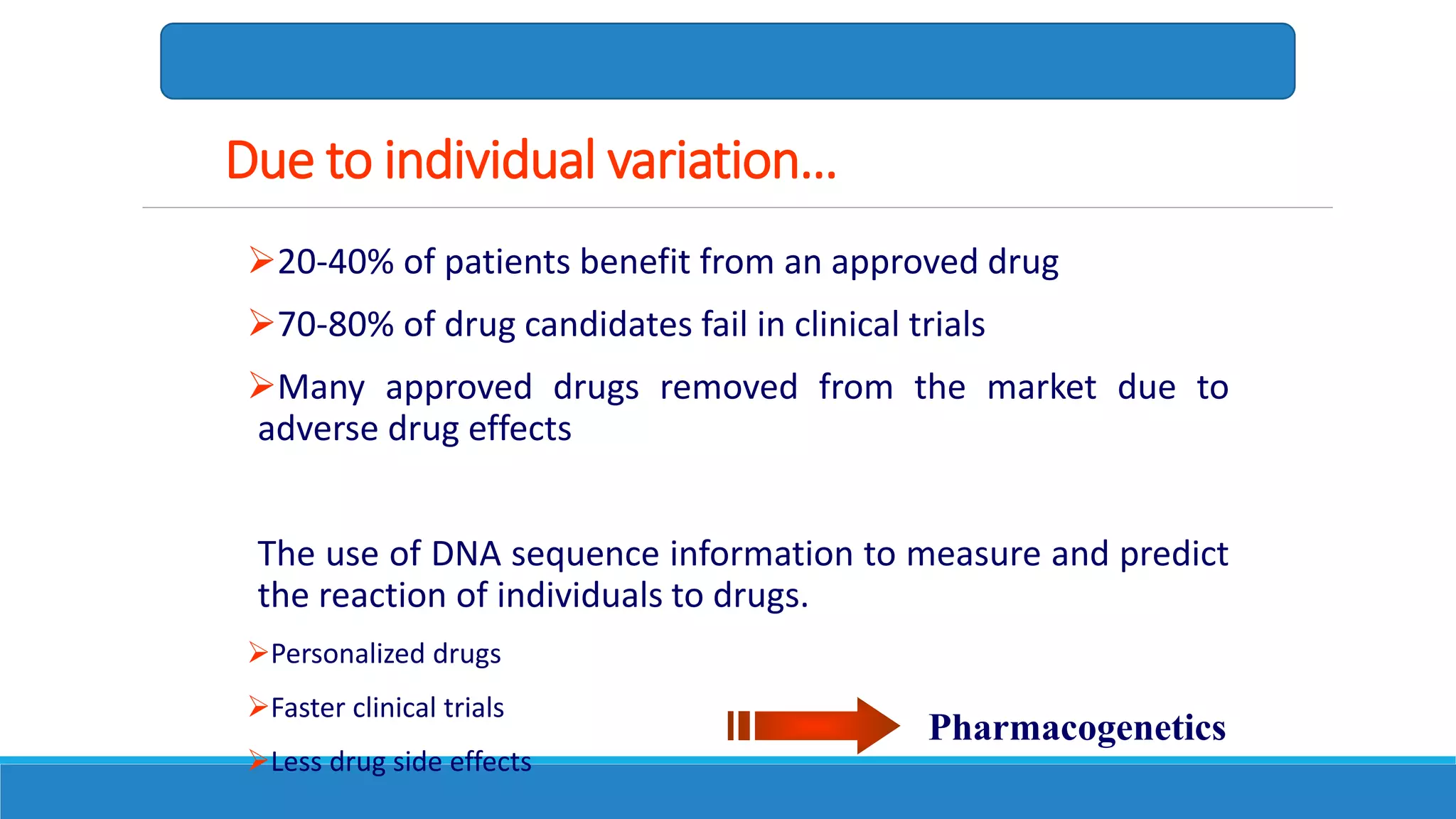
Due to individual variation…
20-40% of patients benefit from an approved drug
70-80% of drug candidates fail in clinical trials
Many approved drugs removed from the market due to
adverse drug effects
The use of DNA sequence information to measure and predict
the reaction of individuals to drugs.
Personalized drugs
Faster clinical trials
Less drug side effects
Pharmacogenetics
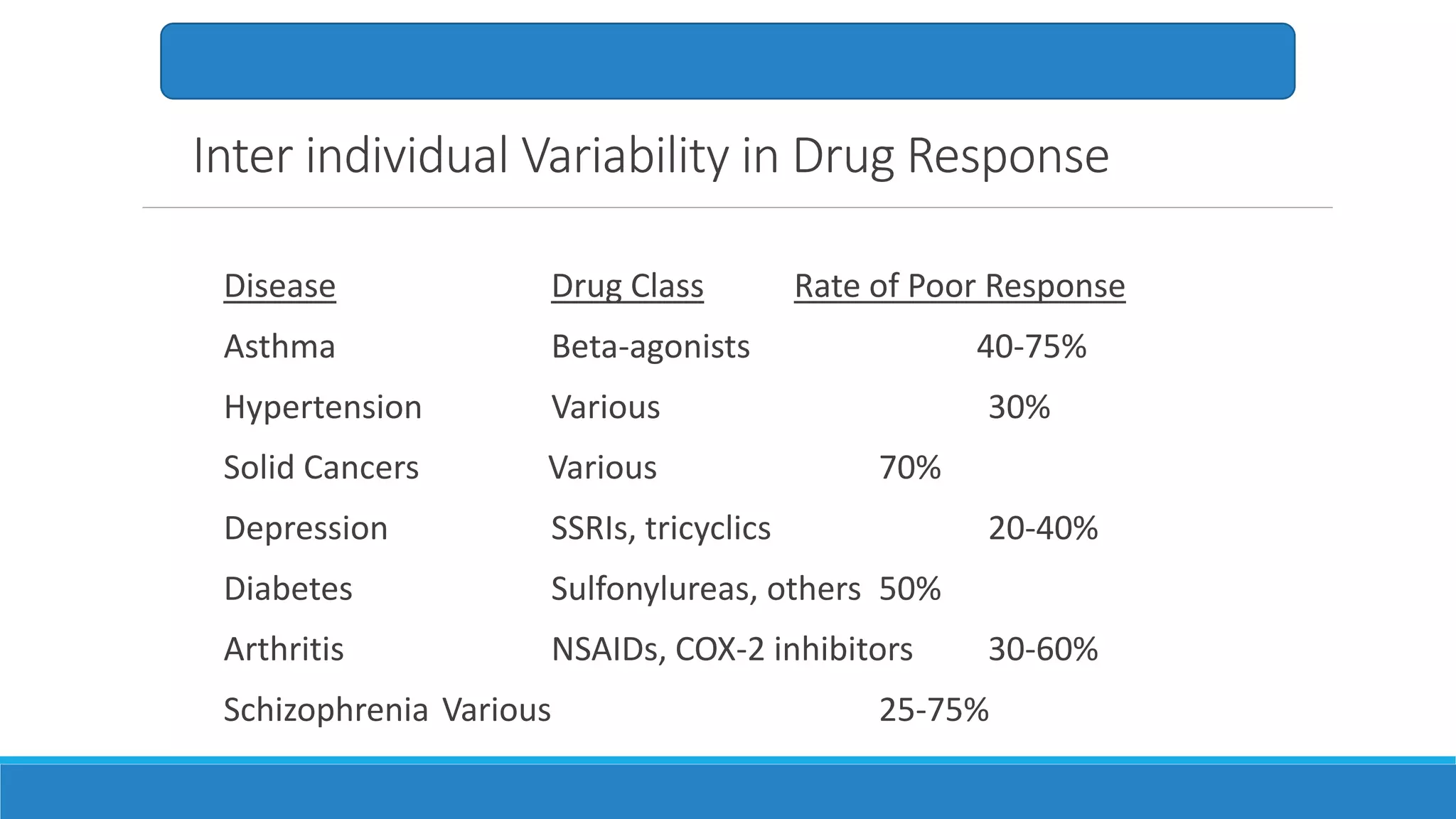
Inter individual Variability in Drug Response
Disease Drug Class Rate of Poor Response
Asthma Beta-agonists 40-75%
Hypertension Various 30%
Solid Cancers Various 70%
Depression SSRIs, tricyclics 20-40%
Diabetes Sulfonylureas, others 50%
Arthritis NSAIDs, COX-2 inhibitors 30-60%
Schizophrenia Various 25-75%
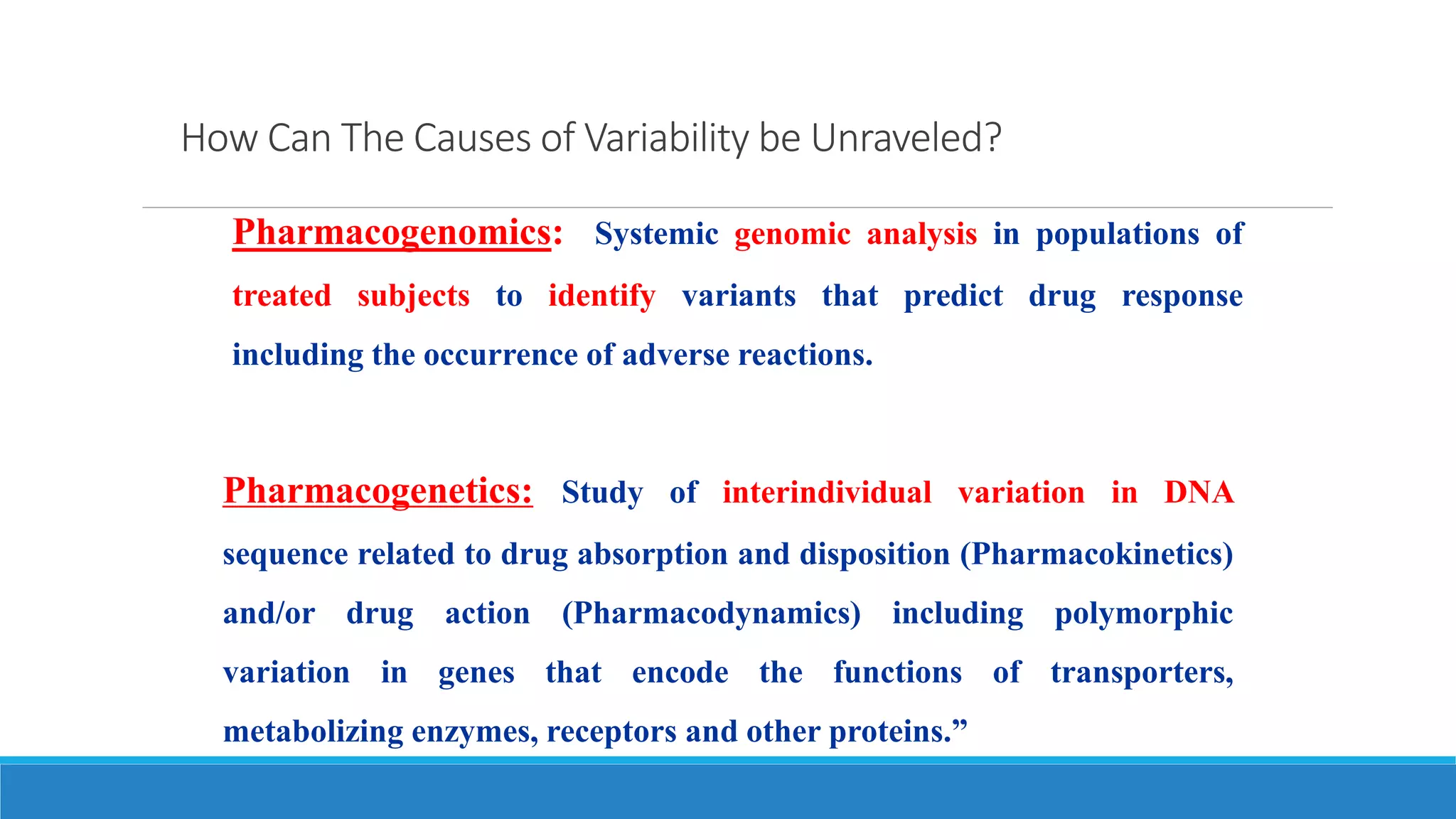
How Can The Causes of Variability be Unraveled?
Pharmacogenetics: Study of interindividual variation in DNA
sequence related to drug absorption and disposition (Pharmacokinetics)
and/or drug action (Pharmacodynamics) including polymorphic
variation in genes that encode the functions of transporters,
metabolizing enzymes, receptors and other proteins.”
Pharmacogenomics: Systemic genomic analysis in populations of
treated subjects to identify variants that predict drug response
including the occurrence of adverse reactions.
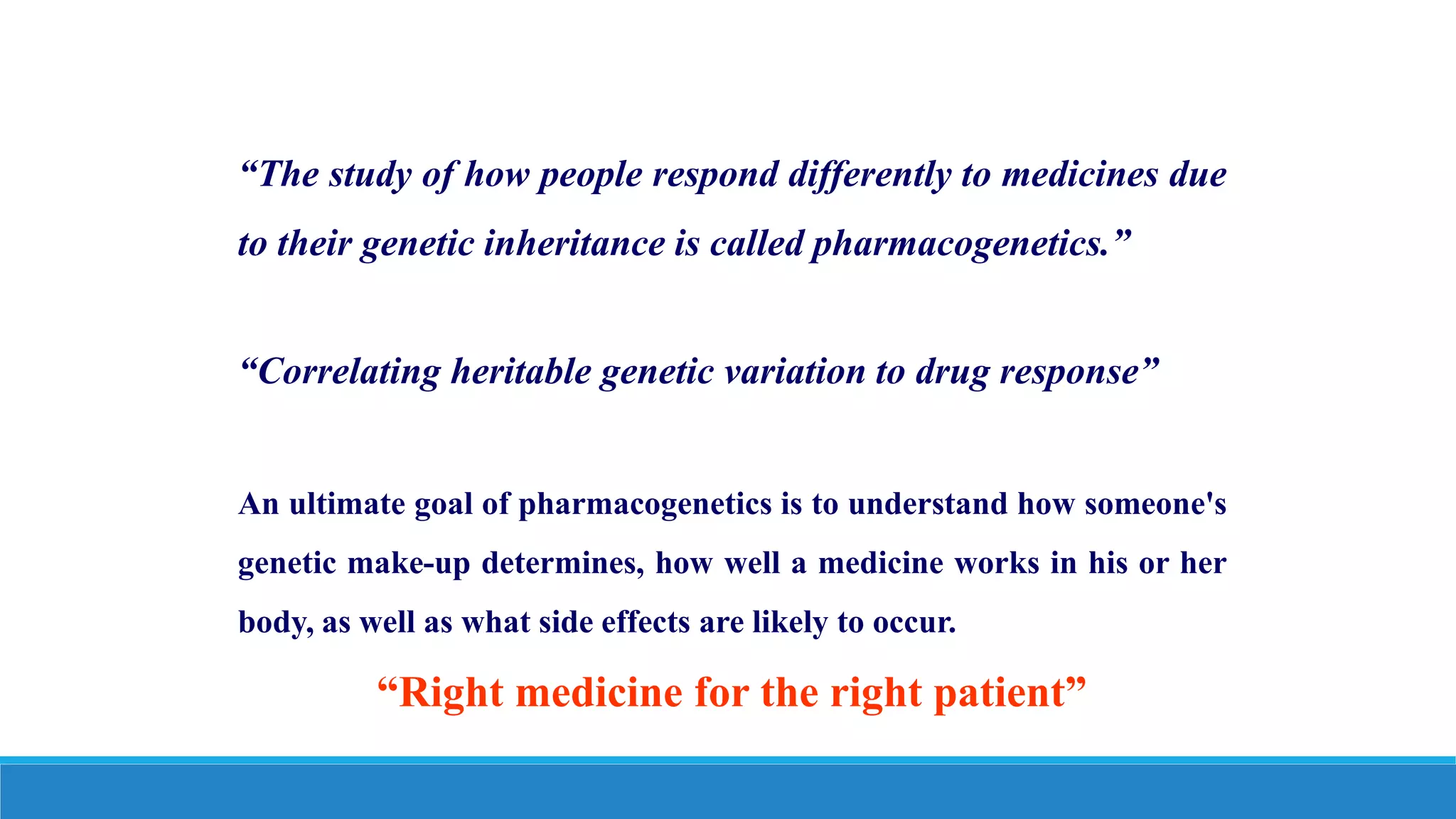
“The study of how people respond differently to medicines due
to their genetic inheritance is called pharmacogenetics.”
“Correlating heritable genetic variation to drug response”
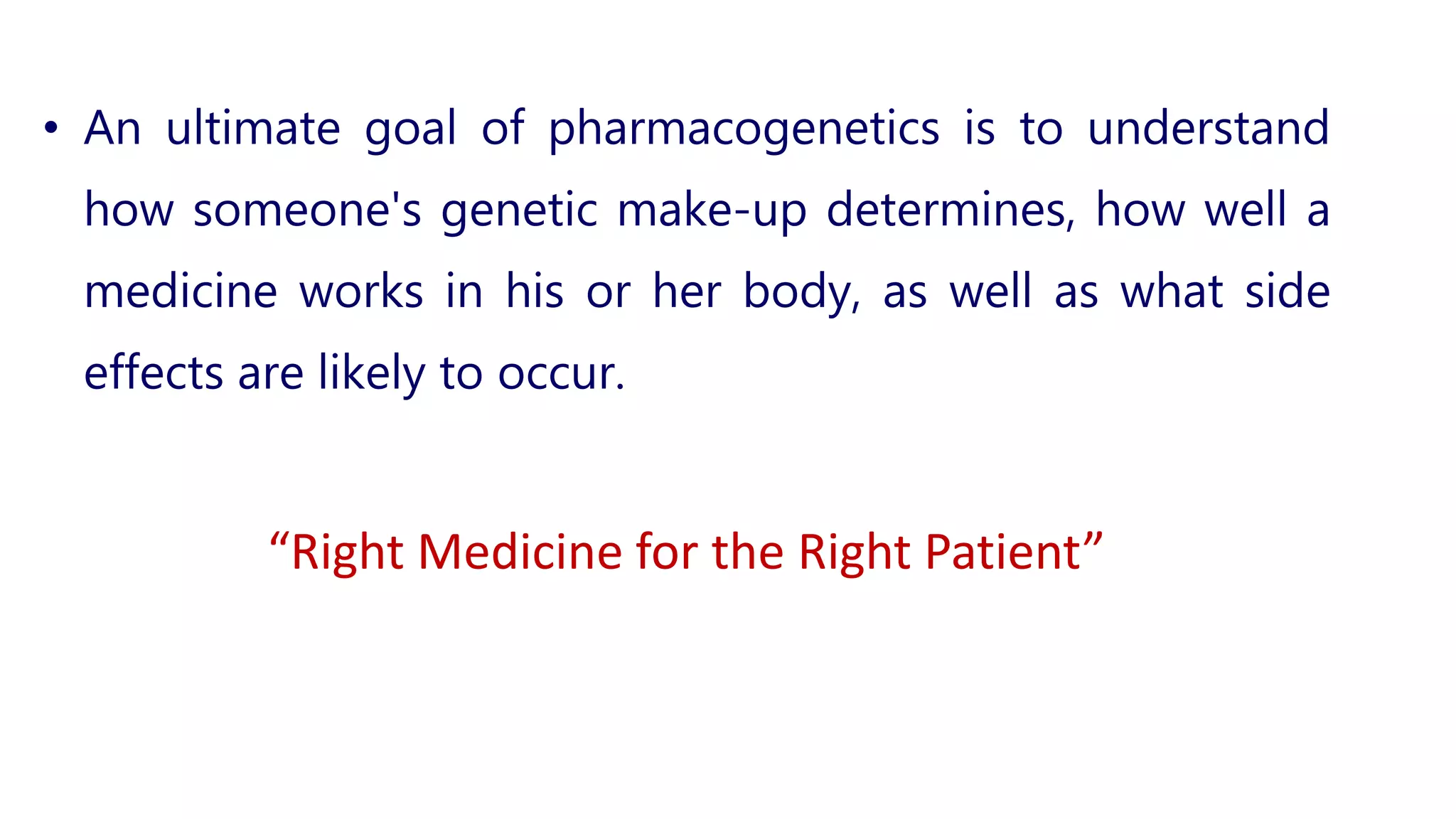
An ultimate goal of pharmacogenetics is to understand how someone's
genetic make-up determines, how well a medicine works in his or her
body, as well as what side effects are likely to occur.
“Right medicine for the right patient”
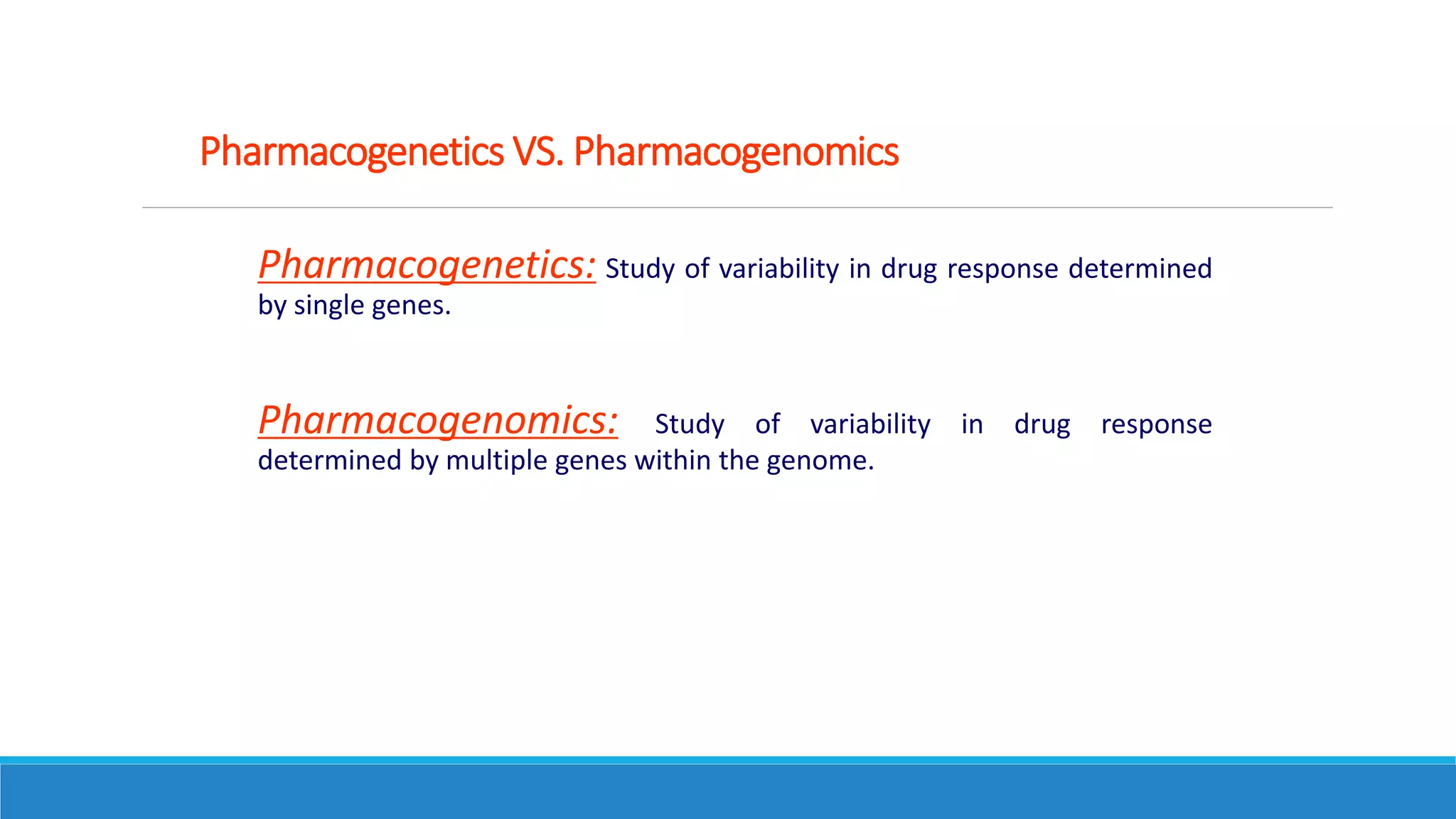
Pharmacogenetics VS. Pharmacogenomics
Pharmacogenetics: Study of variability in drug response determined
by single genes.
Pharmacogenomics: Study of variability in drug response
determined by multiple genes within the genome.
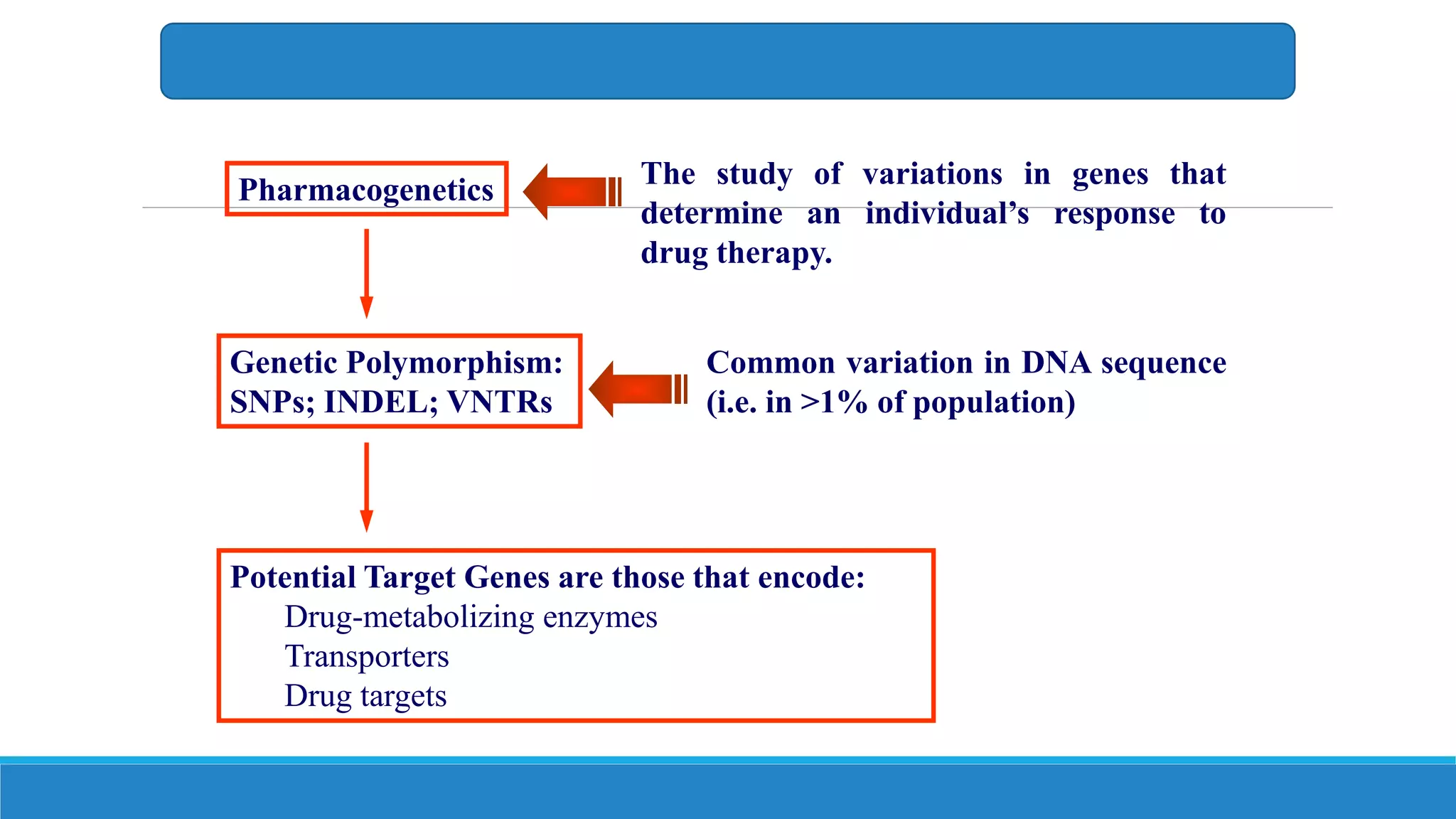
Pharmacogenetics The study of variations in genes that
determine an individual’s response to
drug therapy.
Common variation in DNA sequence
(i.e. in >1% of population)
Genetic Polymorphism:
SNPs; INDEL; VNTRs
Potential Target Genes are those that encode:
Drug-metabolizing enzymes
Transporters
Drug targets
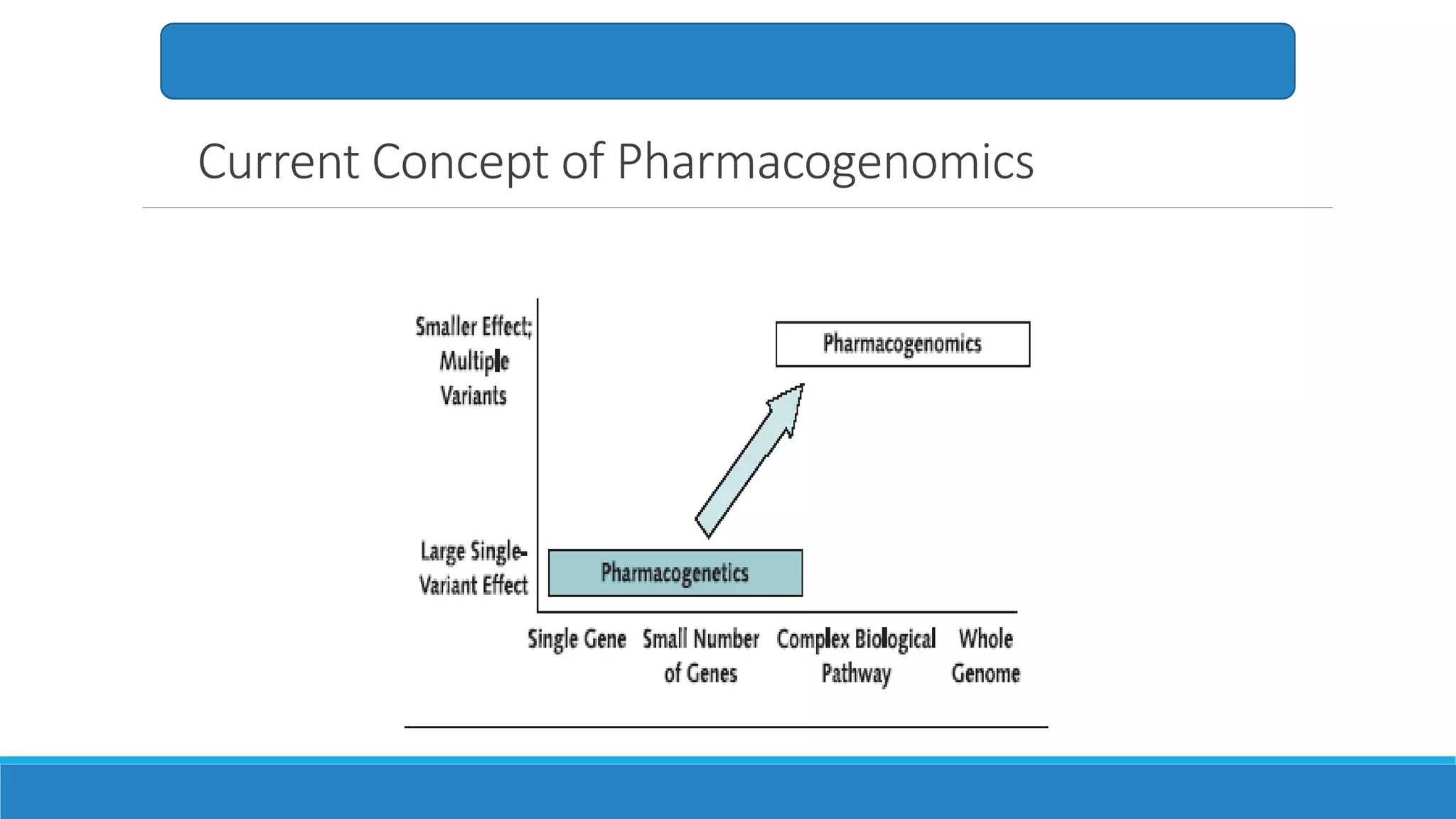
Current Concept of Pharmacogenomics
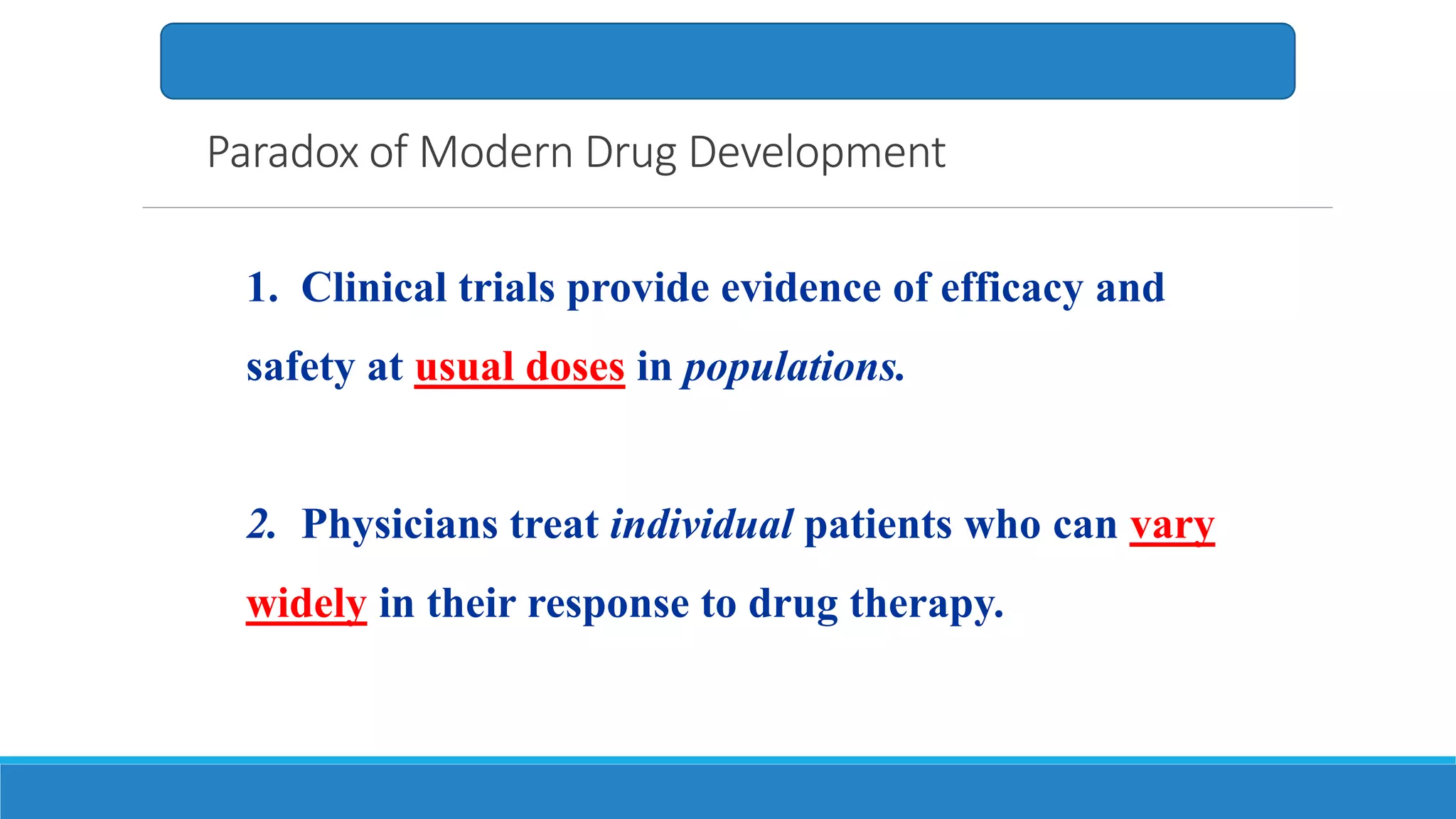
Paradox of Modern Drug Development
1. Clinical trials provide evidence of efficacy and
safety at usual doses in populations.
2. Physicians treat individual patients who can vary
widely in their response to drug therapy.
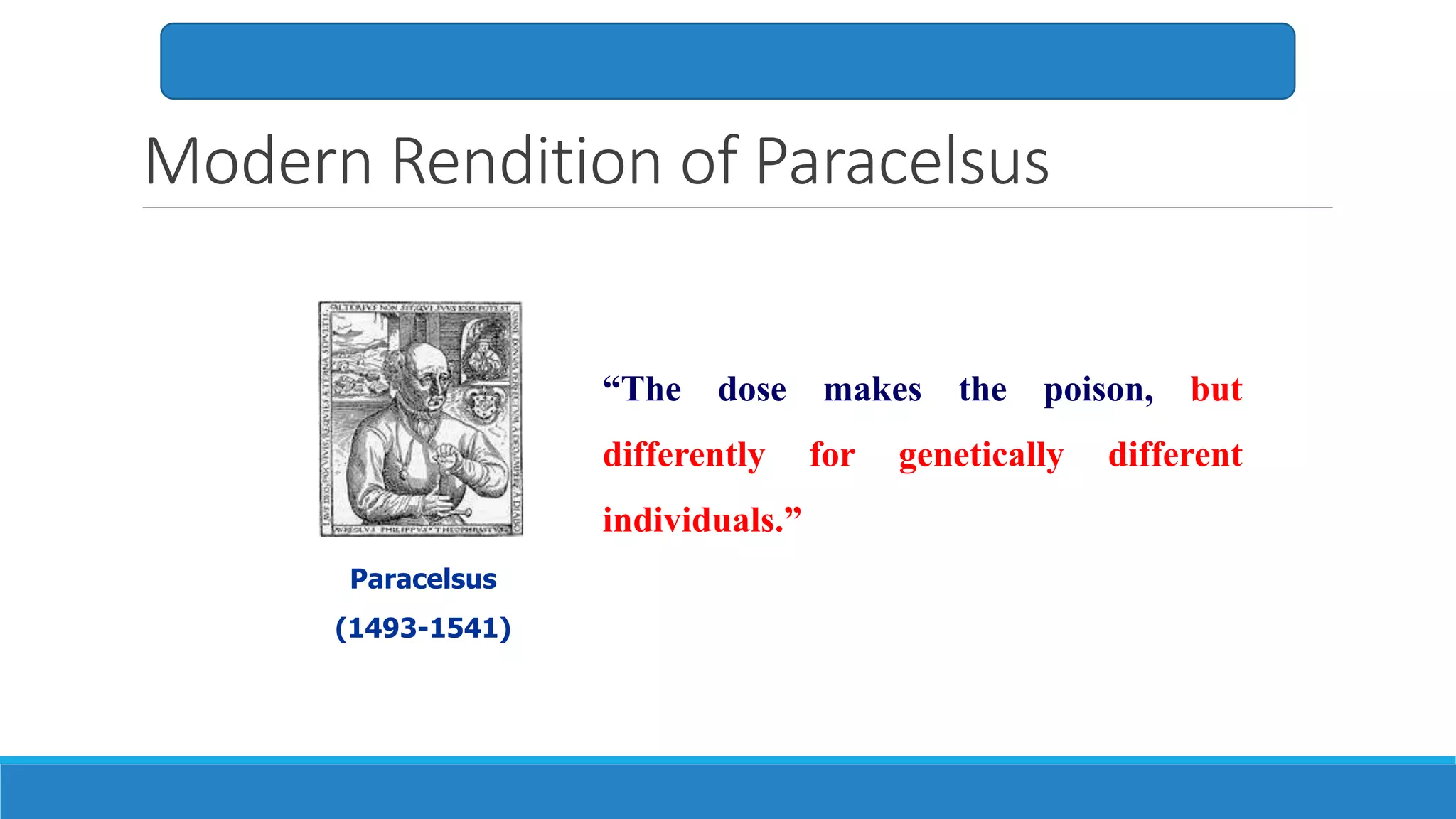
Modern Rendition of Paracelsus
Paracelsus
(1493-1541)
“The dose makes the poison, but
differently for genetically different
individuals.”
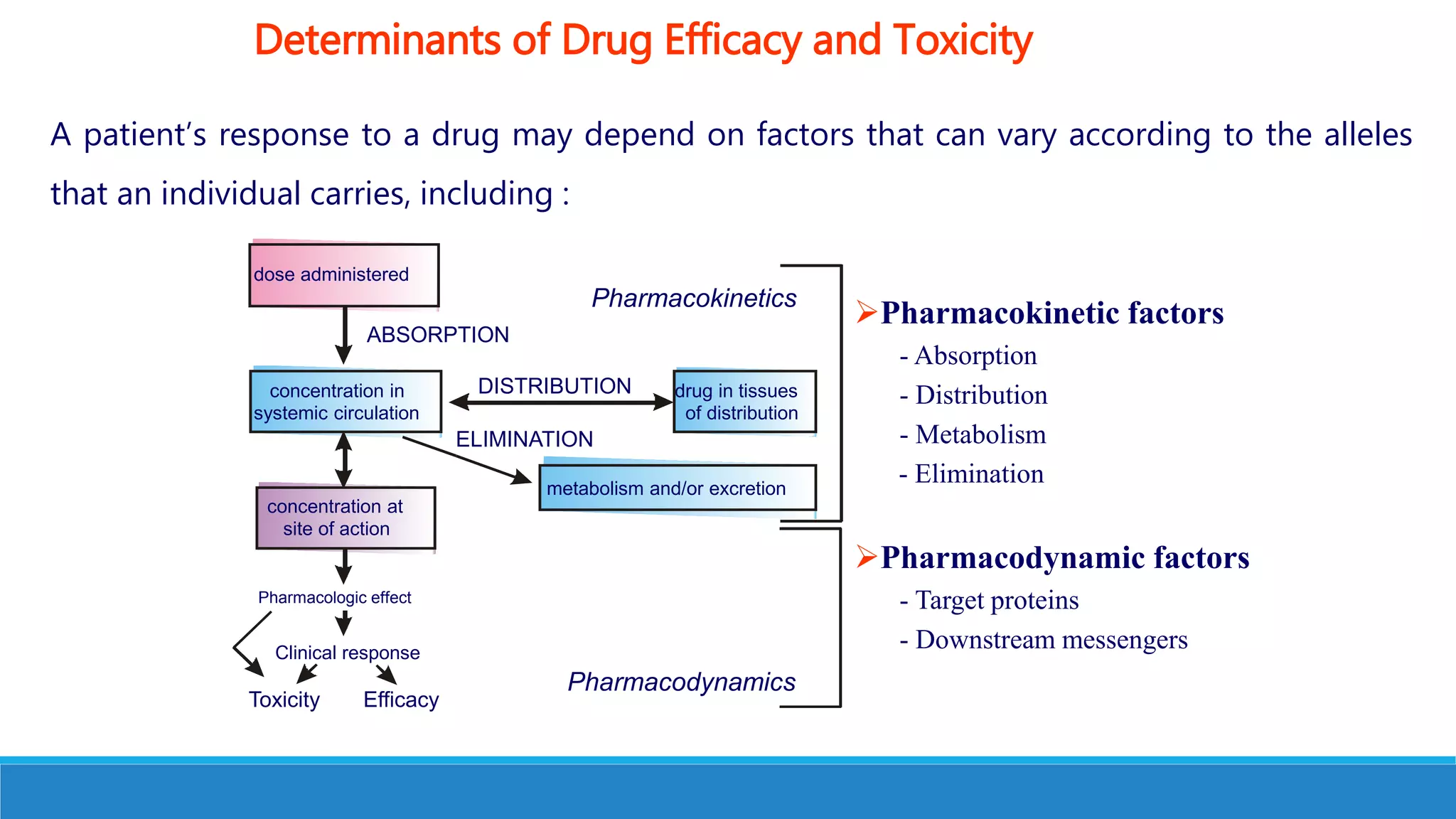
Pharmacologic effect
Clinical response
Toxicity Efficacy
DISTRIBUTION
ABSORPTION
ELIMINATION
Pharmacokinetics
Pharmacodynamics
dose administered
drug in tissues
of distribution
concentration in
systemic circulation
concentration at
site of action
metabolism and/or excretion
Pharmacokinetic factors
- Absorption
- Distribution
- Metabolism
- Elimination
Pharmacodynamic factors
- Target proteins
- Downstream messengers
Determinants of Drug Efficacy and Toxicity
A patient’s response to a drug may depend on factors that can vary according to the alleles
that an individual carries, including :
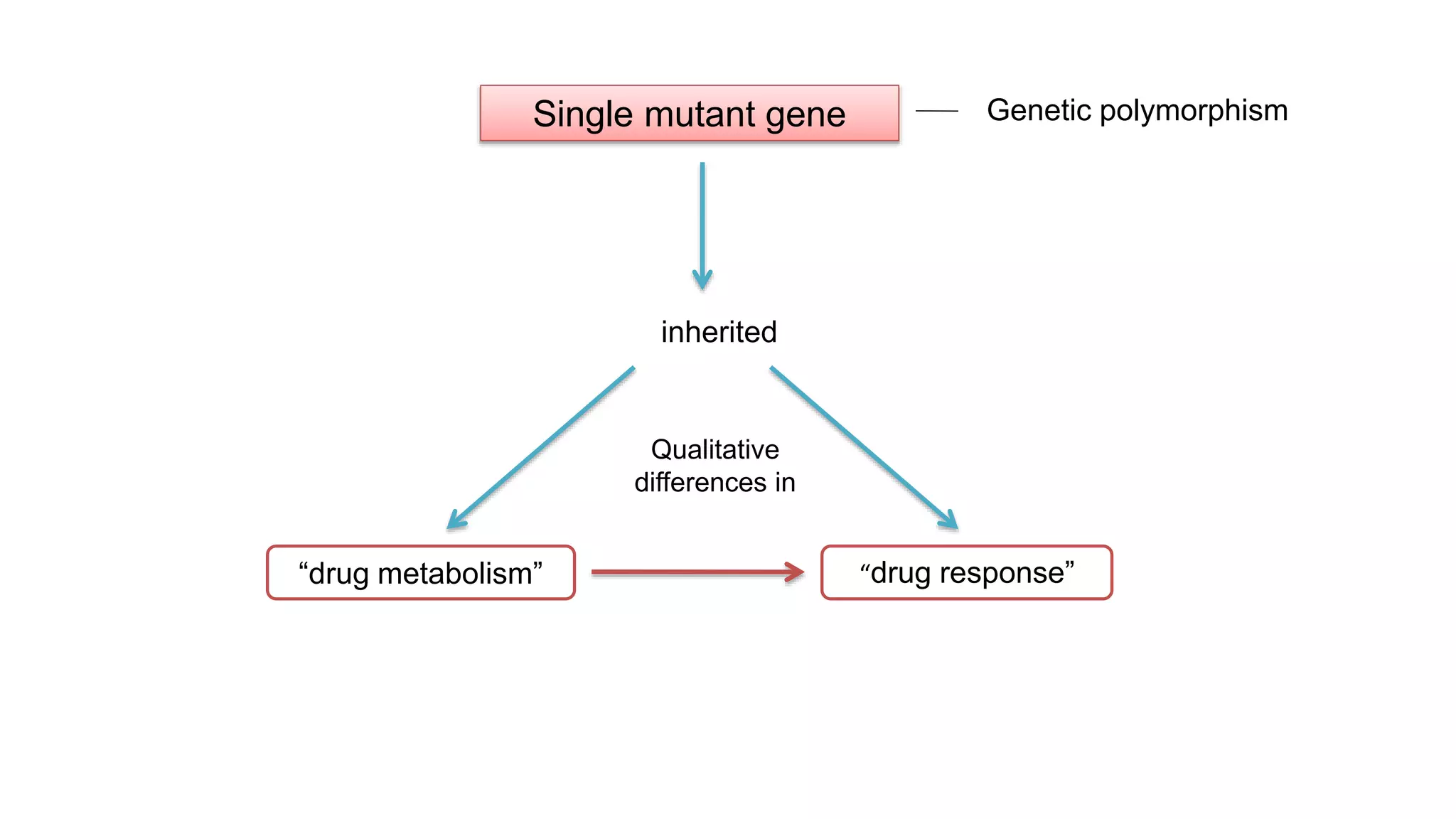
Single mutant gene
inherited
“drug metabolism” “drug response”
Qualitative
differences in
Genetic polymorphism
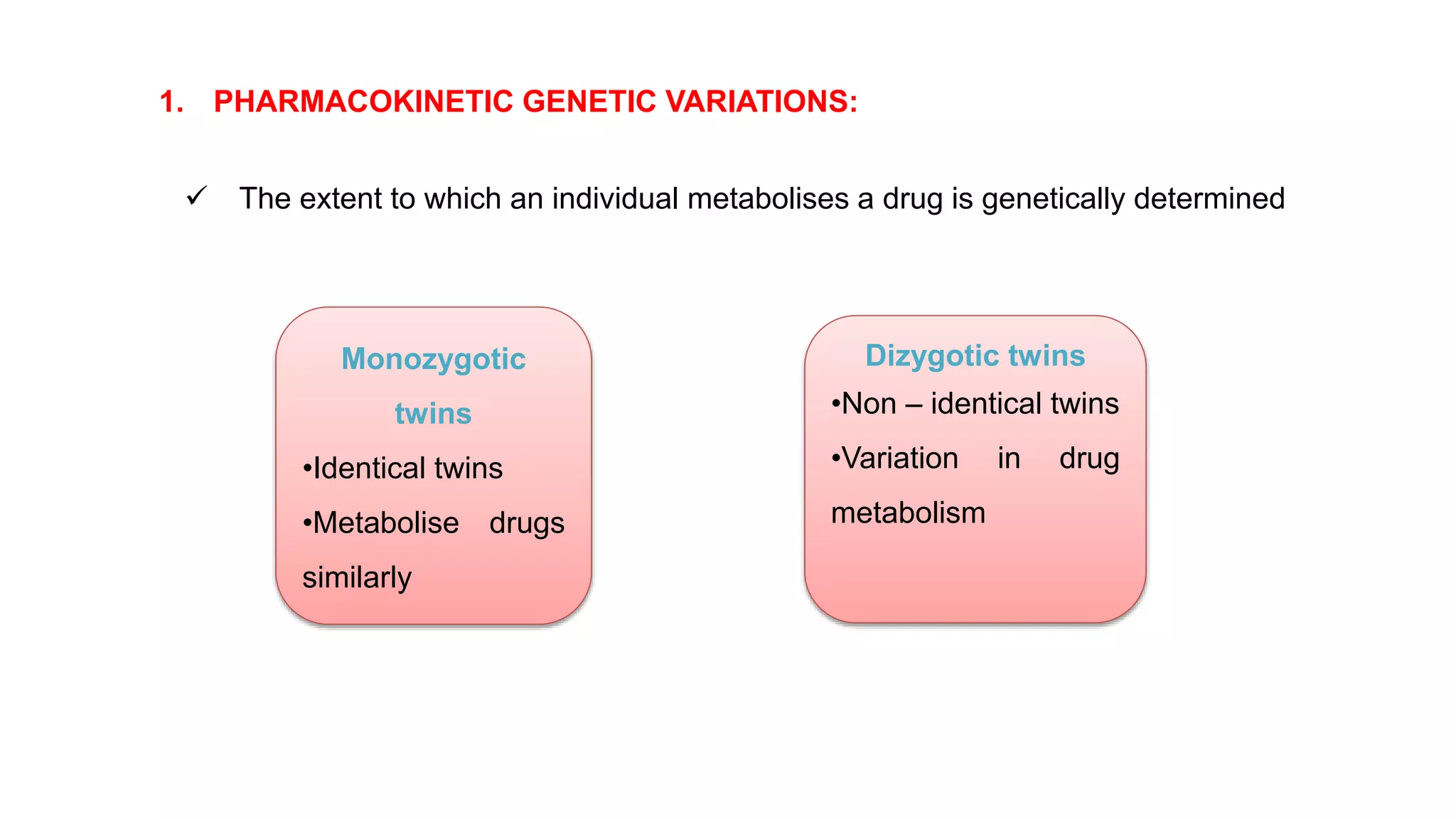
1. PHARMACOKINETIC GENETIC VARIATIONS:
 The extent to which an individual metabolises a drug is genetically determined
Monozygotic
twins
•Identical twins
•Metabolise drugs
similarly
Dizygotic twins
•Non – identical twins
•Variation in drug
metabolism
PHARMACOGENETIC VARIATIONS IN PHASE – 1 DRUG METABOLISM:
Example 1: Presence of atypical pseudo choline esterase:
incidence of presence of atypical pseudo choline esterase is 1:2500 in population.
“Autosomal recessive inheritance” “Trait”
Acts on
Succinyl choline
Action terminated in “5 minutes”
“Atypical” pseudo choline esterase
Succinyl choline
“normal” pseudo choline esterase
Requires 1- 2 hours for
termination of action
Respiratory failure
Cannot/slowly hydrolyses
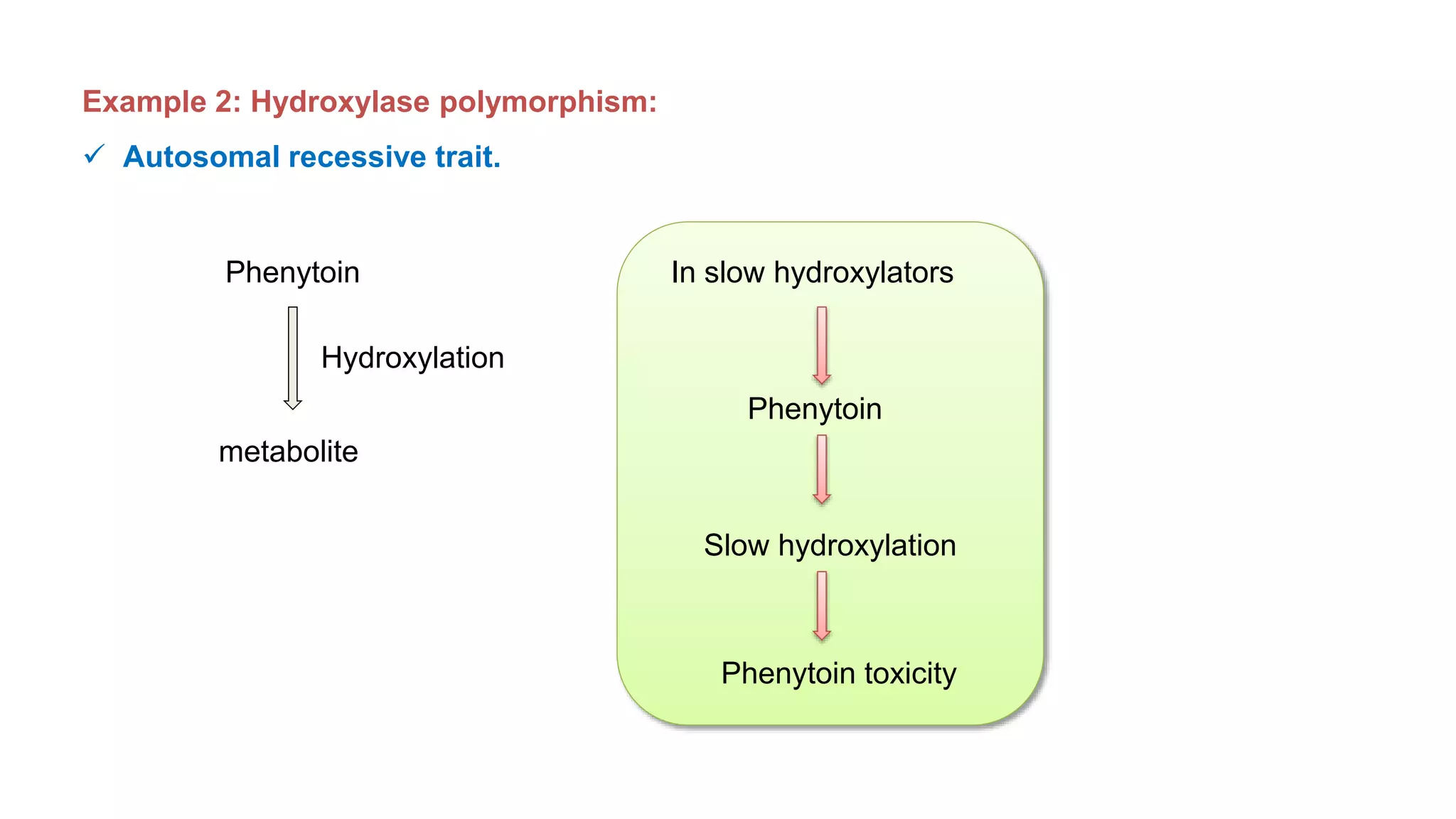
Example 2: Hydroxylase polymorphism:
 Autosomal recessive trait.
Phenytoin
metabolite
In slow hydroxylators
Phenytoin
Slow hydroxylation
Phenytoin toxicity
Hydroxylation
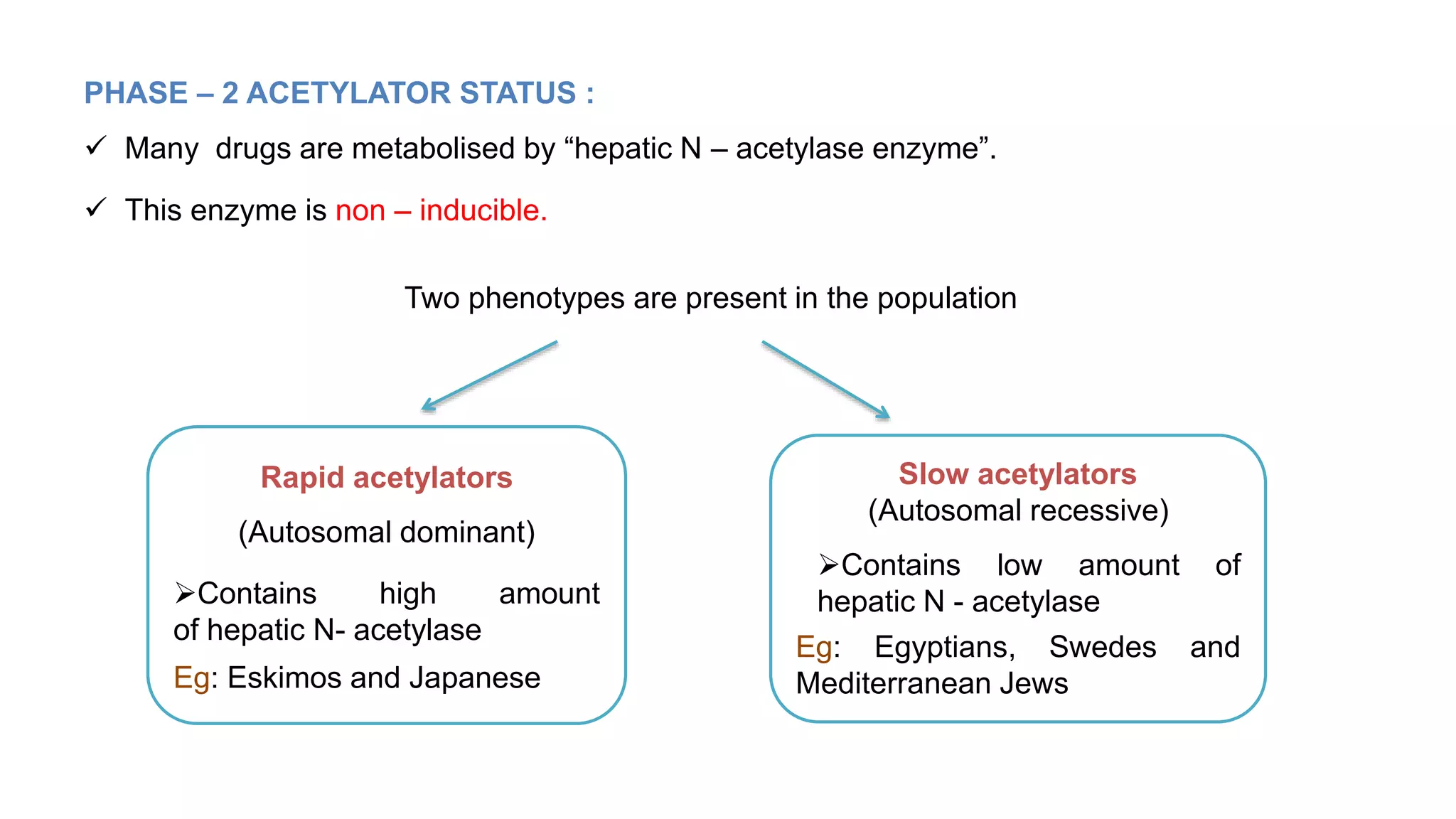
PHASE – 2 ACETYLATOR STATUS :
 Many drugs are metabolised by “hepatic N – acetylase enzyme”.
 This enzyme is non – inducible.
Two phenotypes are present in the population
Rapid acetylators
(Autosomal dominant)
Contains high amount
of hepatic N- acetylase
Eg: Eskimos and Japanese
Slow acetylators
(Autosomal recessive)
Contains low amount of
hepatic N - acetylase
Eg: Egyptians, Swedes and
Mediterranean Jews
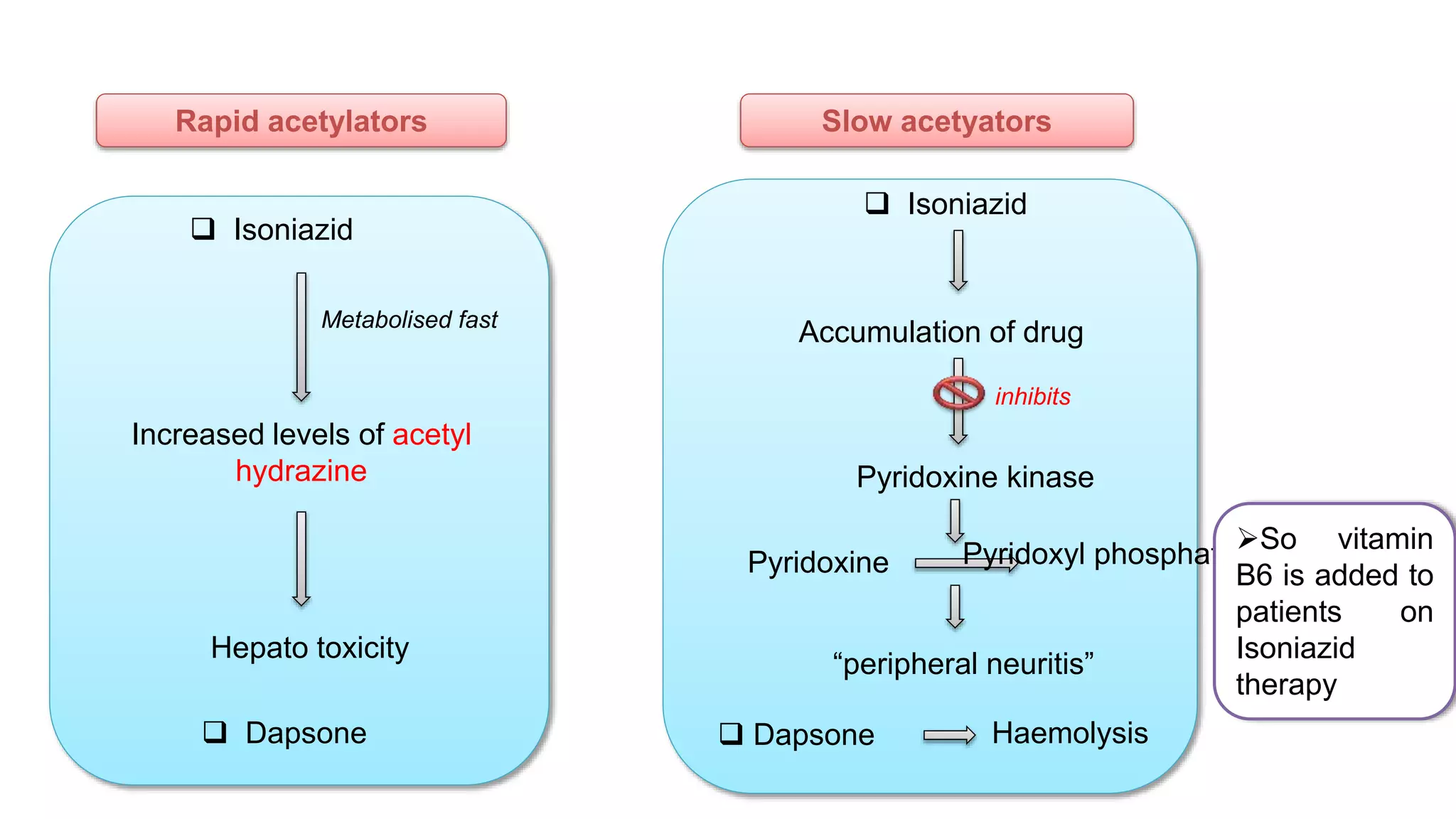
Rapid acetylators
 Isoniazid
Increased levels of acetyl
hydrazine
Hepato toxicity
Metabolised fast
Slow acetyators
 Isoniazid
Accumulation of drug
Pyridoxine kinase
Pyridoxine Pyridoxyl phosphate
“peripheral neuritis”
So vitamin
B6 is added to
patients on
Isoniazid
therapy
inhibits
 Dapsone  Dapsone Haemolysis
2.
PORPHYRI
A: Some types are autosomal dominant, some are autosomal recessive and some are X
– linked.
Mechanisms of drug induced attacks of Porphyria:
Succinyl CO A
+
glycine
ALA synthase
8 – Amino laevulinic
acid(ALA)
PorphobilinogenPorphyrinsHeame
Cytokines
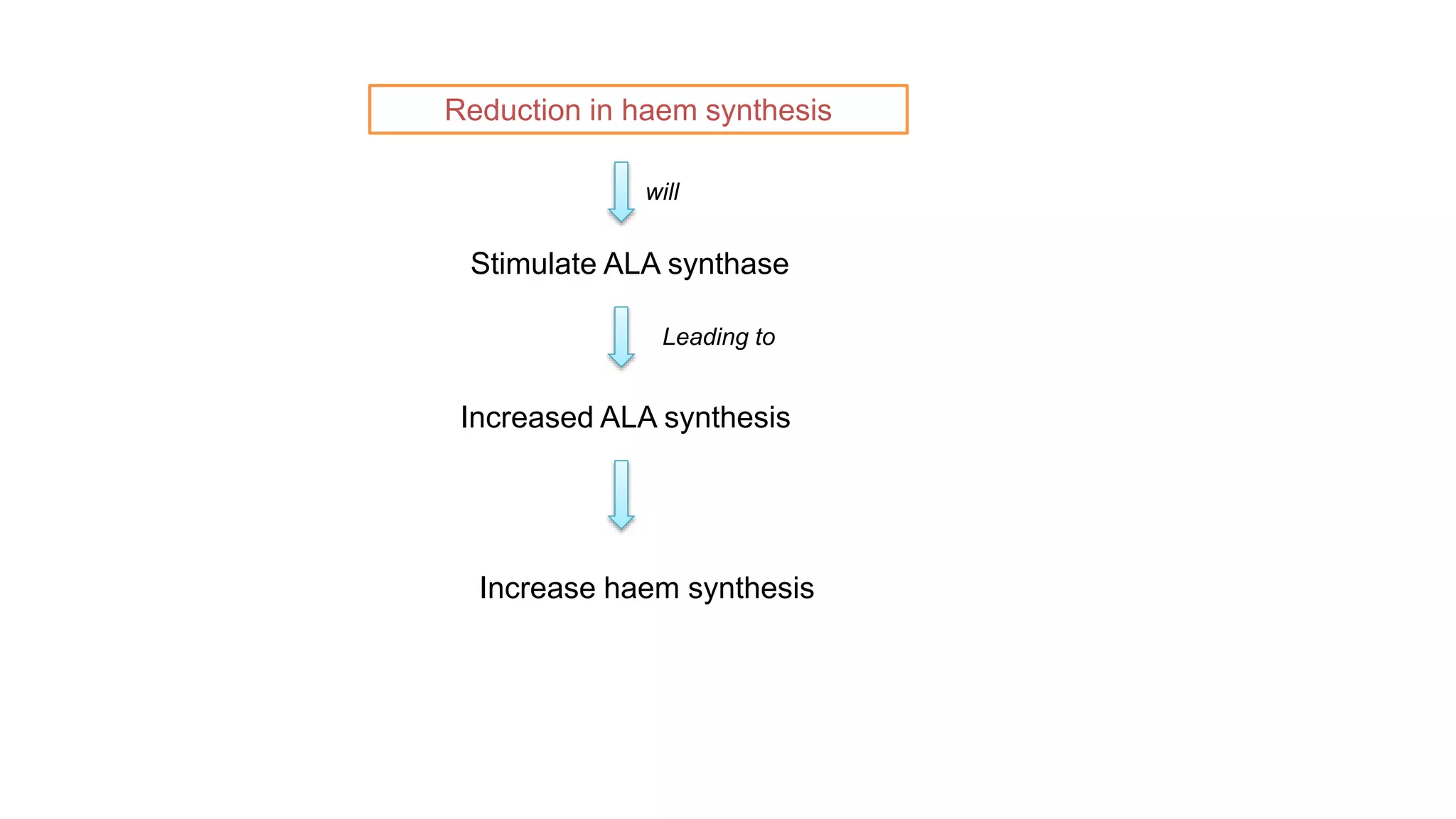
Reduction in haem synthesis
Stimulate ALA synthase
Increased ALA synthesis
Increase haem synthesis
will
Leading to
Enzyme inducing drugs
Increased levels of cytochromes
Increased heam demand
Stimulation of ALA synthase
Increased ALA production
But due to defect in enzymes involved in porphyrin synthesis
Continued..
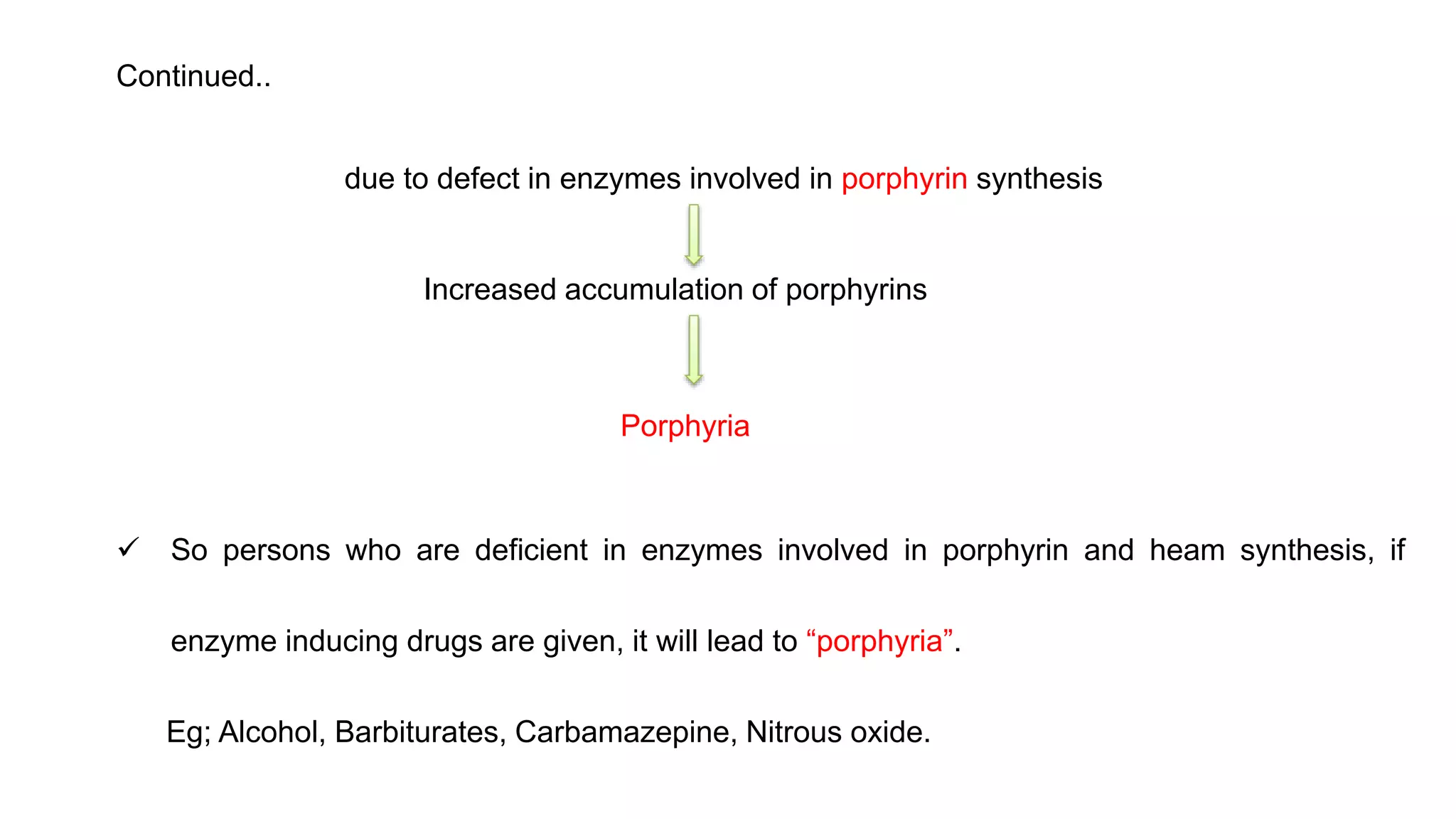
due to defect in enzymes involved in porphyrin synthesis
Increased accumulation of porphyrins
Porphyria
 So persons who are deficient in enzymes involved in porphyrin and heam synthesis, if
enzyme inducing drugs are given, it will lead to “porphyria”.
Eg; Alcohol, Barbiturates, Carbamazepine, Nitrous oxide.
• Management of acute attack of porphyria:
 No specific measures
 High intake of carbohydrates inhibits ALA synthase activity and a high carbohydrate diet will
not do any harm.
 Haematin has been used as a specific therapy, which increases the free pool of heam in the
liver.
Examples of genetic polymorphism influencing pharmacokinetics
Gene product Drugs Response affected
CYP2C9 Tolbutamide,warfarin,phenytoin,NSAIDs Anticoagulant effect of warfarin
CYP2C19 Mephenytoin, omeprazole, hexobarbital, mephobarbital,
propranolol, proguanil, phenytoin,clopidogrel
Peptic ulcer response to omeprazole,
CVS events after clopidogrel
CYP2D6 B-blockers, antidepressants, antipsychotics, codeine,
debrisoquine etc
Tardive dyskinesia from antipsychotics,
narcotic side effects, codeine efficacy,
imipramine dose requirement,B-
blocker effect
CYP3A4/3A5/3A7 Macrolides, cyclosporine, tacrolimus, Ca2+ channel
blockers, midazolam, steroids.etc
Efficacy of immunosuppressive effects
of tacrolimus
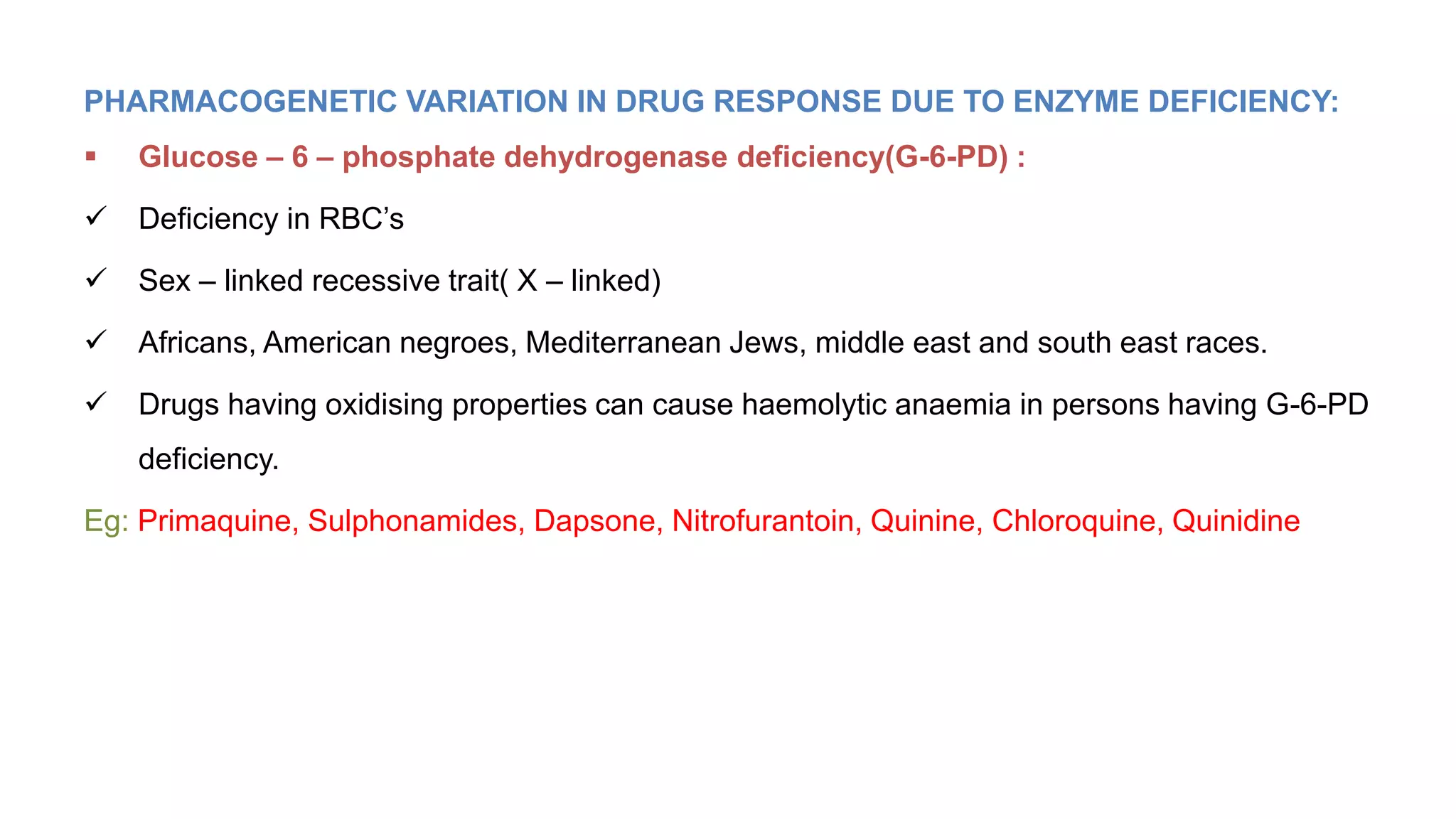
PHARMACOGENETIC VARIATION IN DRUG RESPONSE DUE TO ENZYME DEFICIENCY:
 Glucose – 6 – phosphate dehydrogenase deficiency(G-6-PD) :
 Deficiency in RBC’s
 Sex – linked recessive trait( X – linked)
 Africans, American negroes, Mediterranean Jews, middle east and south east races.
 Drugs having oxidising properties can cause haemolytic anaemia in persons having G-6-PD
deficiency.
Eg: Primaquine, Sulphonamides, Dapsone, Nitrofurantoin, Quinine, Chloroquine, Quinidine
Pentose phosphate pathway in RBC:
glucose
Glucose 6
phosphate
6 – phosphoglucolactone
NADP+ NADPH + H+
Gluta thione reductase
Oxidised
glutathione
Reduced
glutathione
(GSH)
Hydrogen
peroxides
H2O
 Only source of NADPH
in RBC is pentose
phosphate path way
Decreased
oxidative stress
 So new RBC’s have
reduced glutathione but
as they become older
the enzyme level
decreases
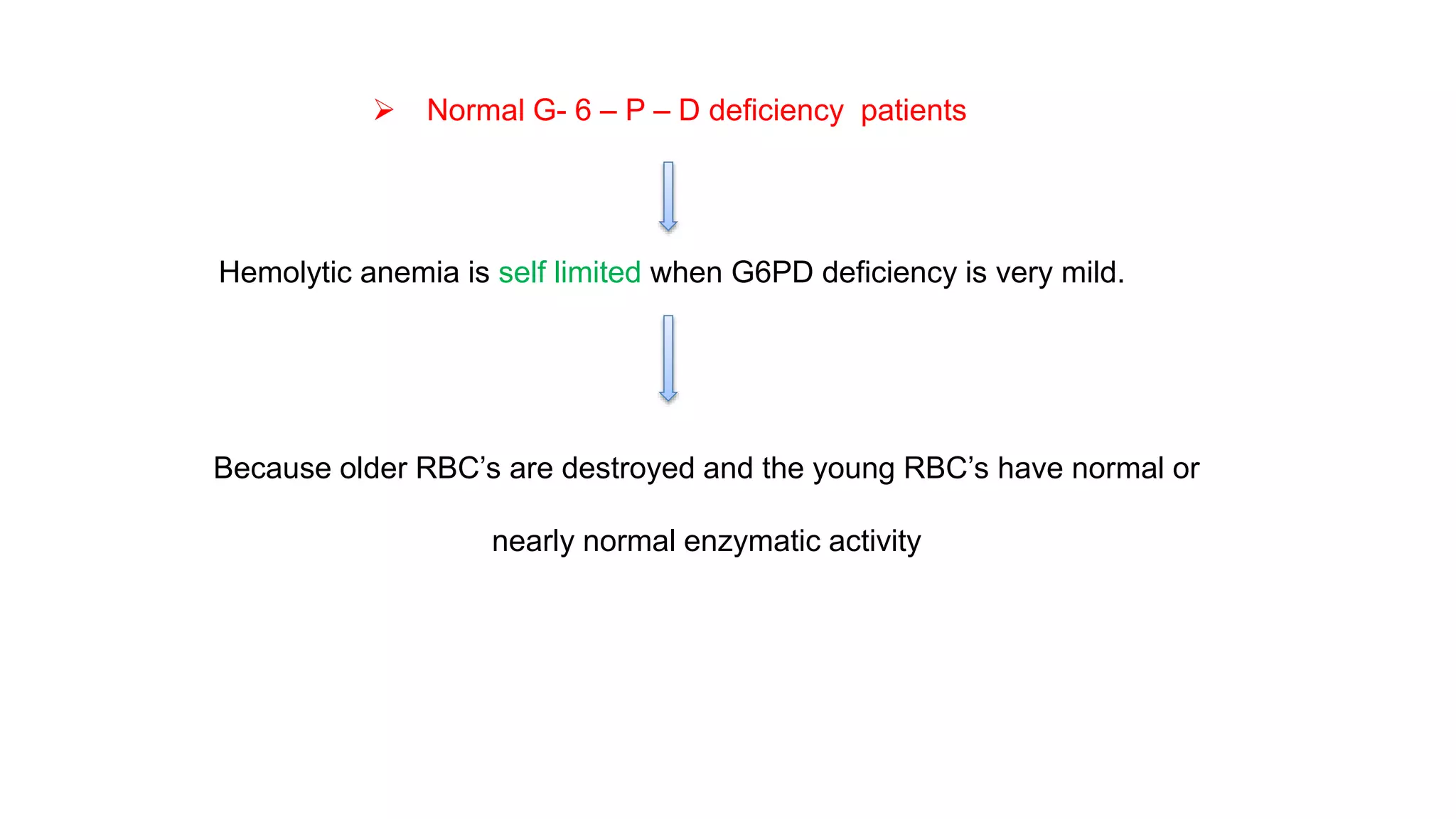
 Normal G- 6 – P – D deficiency patients
Hemolytic anemia is self limited when G6PD deficiency is very mild.
Because older RBC’s are destroyed and the young RBC’s have normal or
nearly normal enzymatic activity
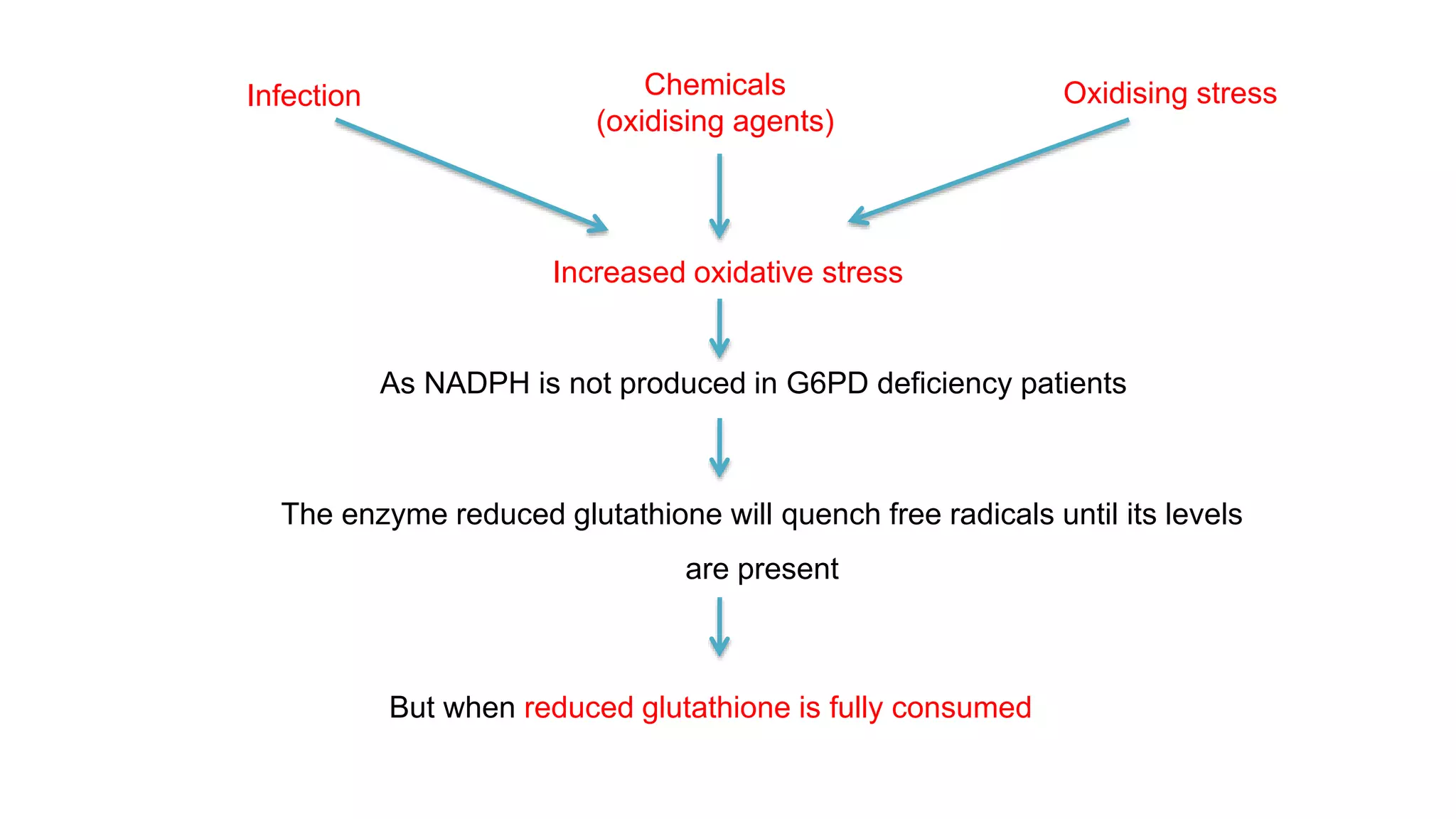
Infection Chemicals
(oxidising agents)
Oxidising stress
Increased oxidative stress
As NADPH is not produced in G6PD deficiency patients
The enzyme reduced glutathione will quench free radicals until its levels
are present
But when reduced glutathione is fully consumed
Continued..
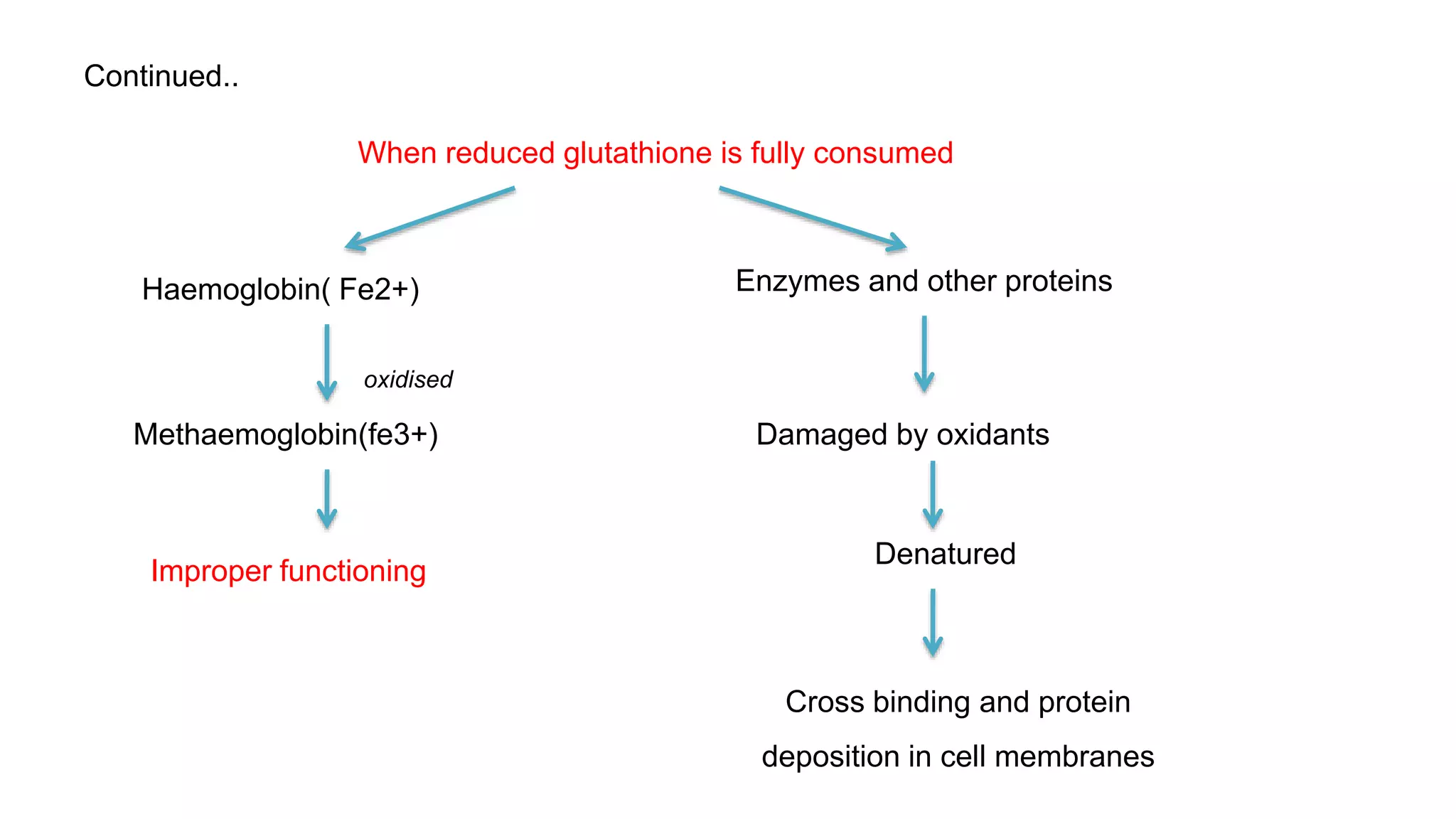
When reduced glutathione is fully consumed
Haemoglobin( Fe2+)
Methaemoglobin(fe3+)
Improper functioning
Enzymes and other proteins
Damaged by oxidants
Denatured
Cross binding and protein
deposition in cell membranes
oxidised
Continued..
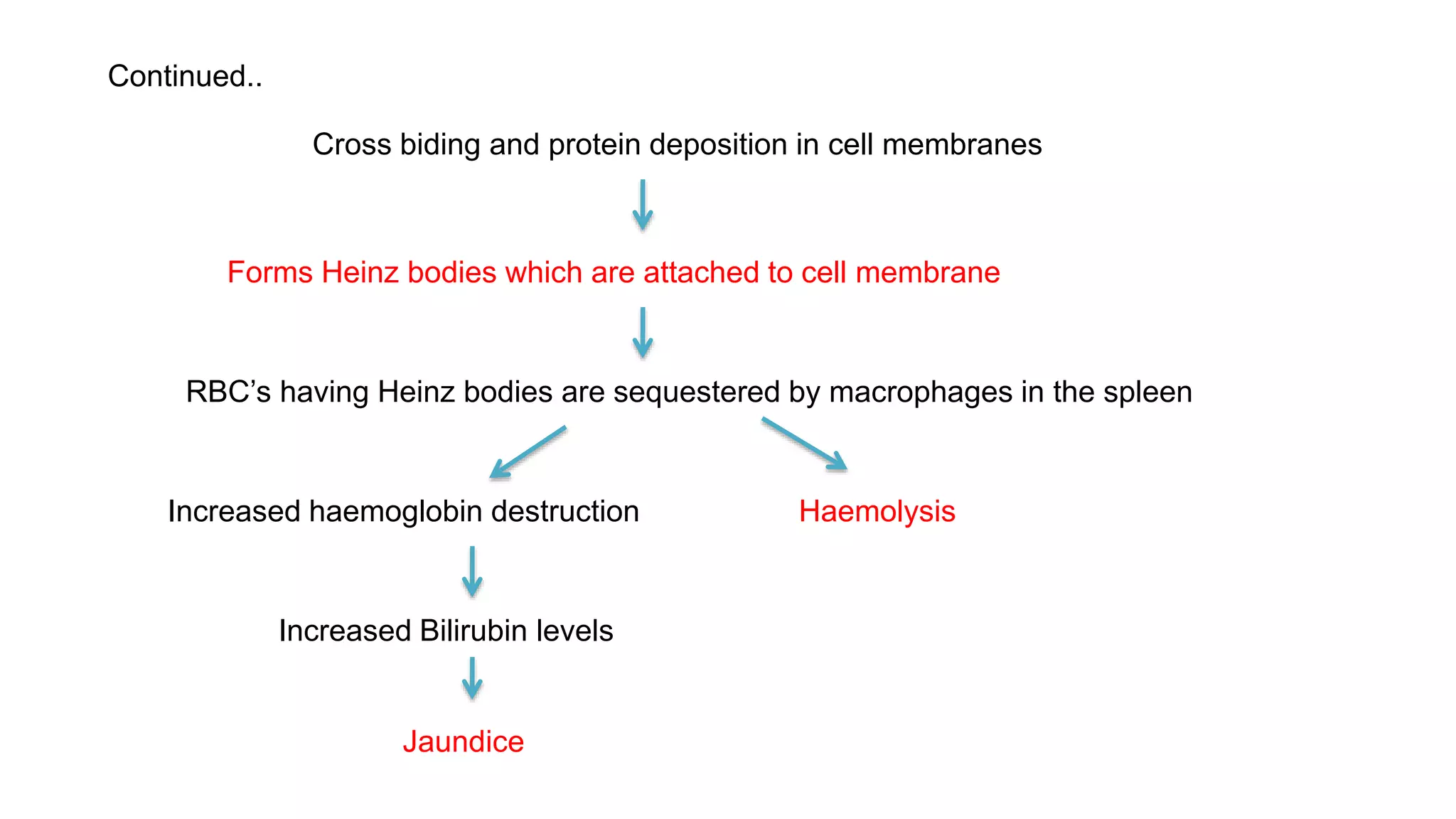
Cross biding and protein deposition in cell membranes
Forms Heinz bodies which are attached to cell membrane
RBC’s having Heinz bodies are sequestered by macrophages in the spleen
Increased haemoglobin destruction
Increased Bilirubin levels
Jaundice
Haemolysis
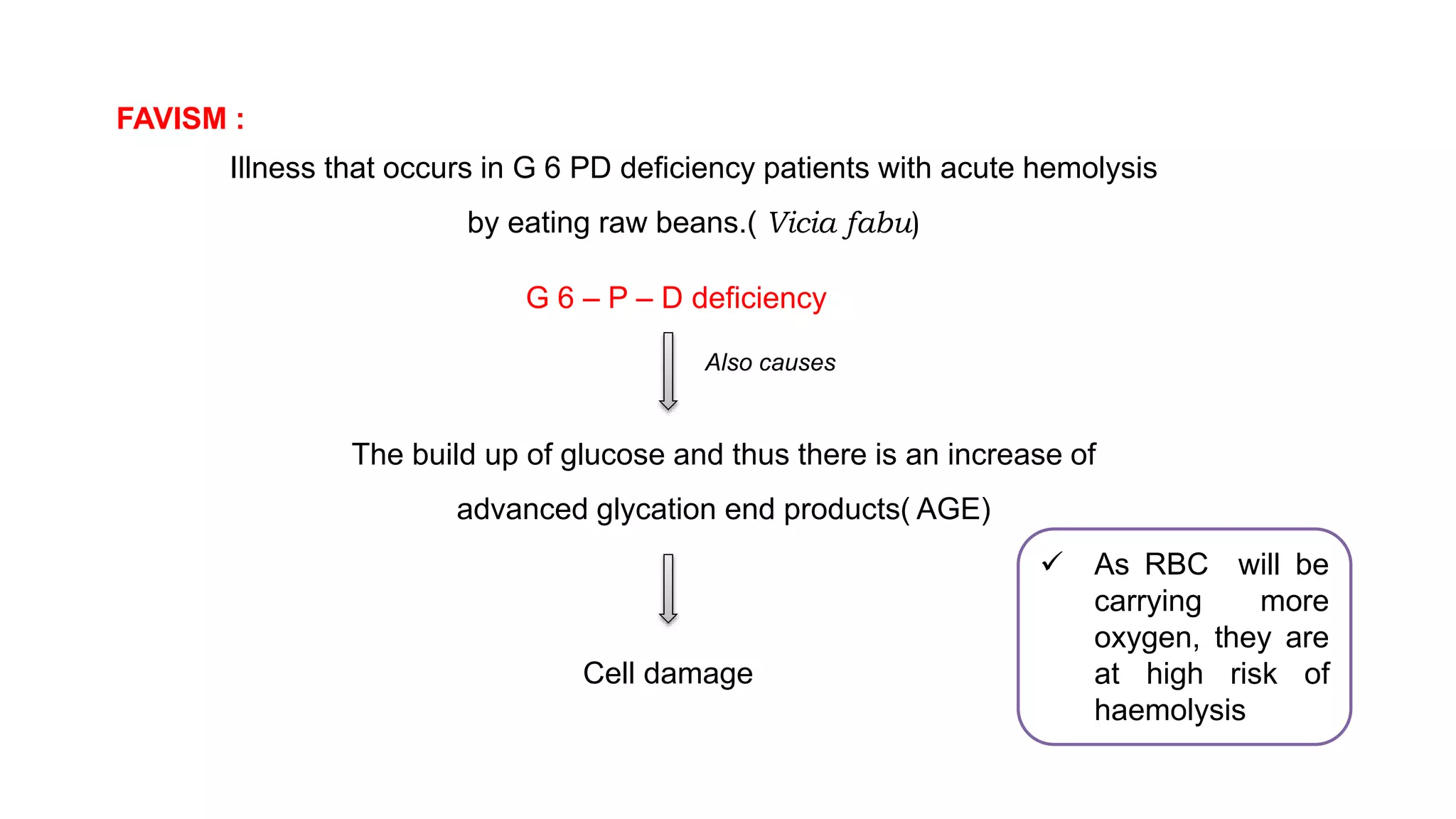
FAVISM :
Illness that occurs in G 6 PD deficiency patients with acute hemolysis
by eating raw beans.( Vicia fabu)
G 6 – P – D deficiency
Also causes
The build up of glucose and thus there is an increase of
advanced glycation end products( AGE)
Cell damage
 As RBC will be
carrying more
oxygen, they are
at high risk of
haemolysis
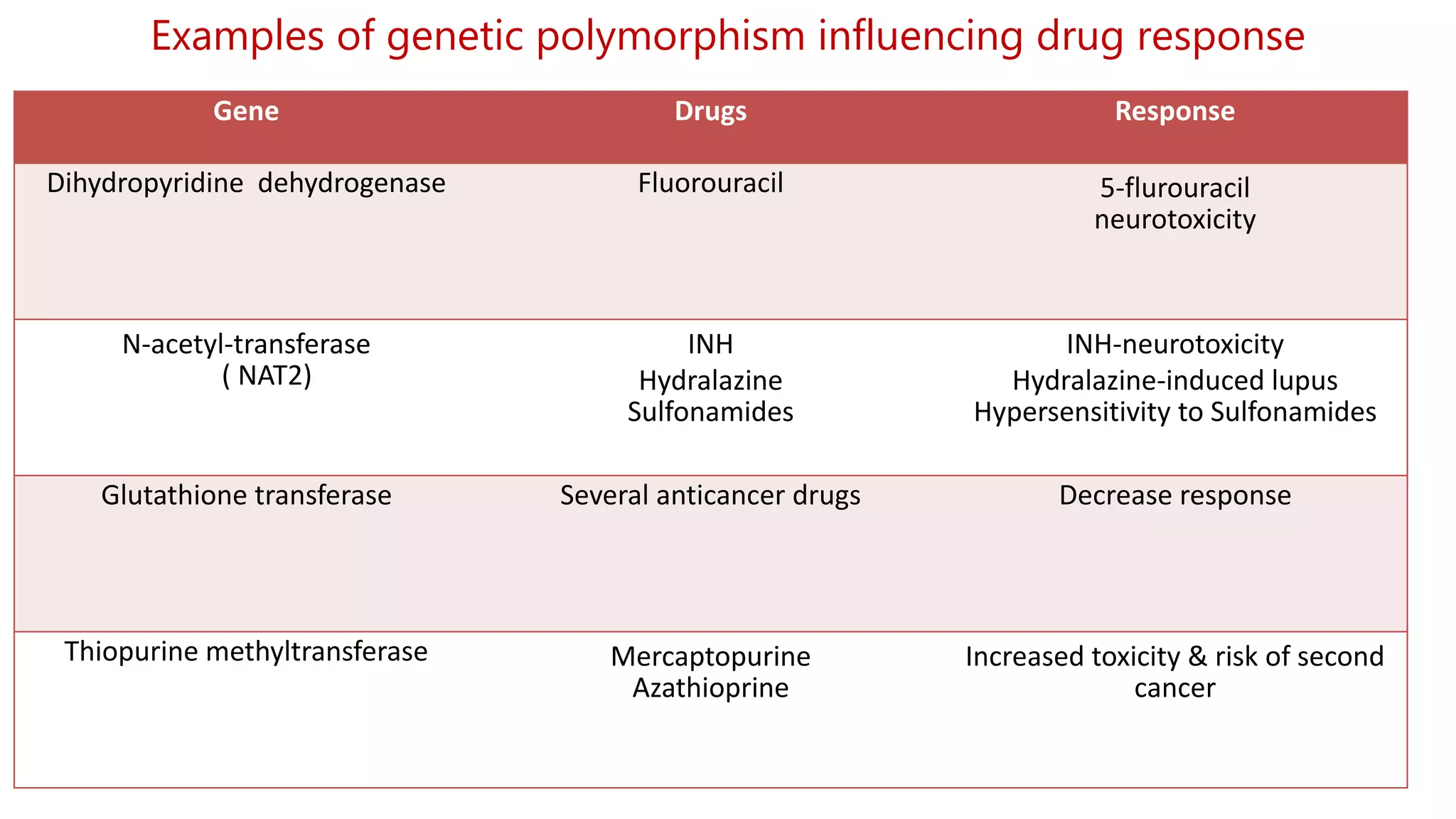
Examples of genetic polymorphism influencing drug response
Gene Drugs Response
Dihydropyridine dehydrogenase Fluorouracil 5-flurouracil
neurotoxicity
N-acetyl-transferase
( NAT2)
INH
Hydralazine
Sulfonamides
INH-neurotoxicity
Hydralazine-induced lupus
Hypersensitivity to Sulfonamides
Glutathione transferase Several anticancer drugs Decrease response
Thiopurine methyltransferase Mercaptopurine
Azathioprine
Increased toxicity & risk of second
cancer
• An ultimate goal of pharmacogenetics is to understand
how someone's genetic make-up determines, how well a
medicine works in his or her body, as well as what side
effects are likely to occur.
“Right Medicine for the Right Patient”
Personalized medicine
 Develop drugs that target Persons of specific genotypes
 Prescribe existing drugs tailored to specific genotypes
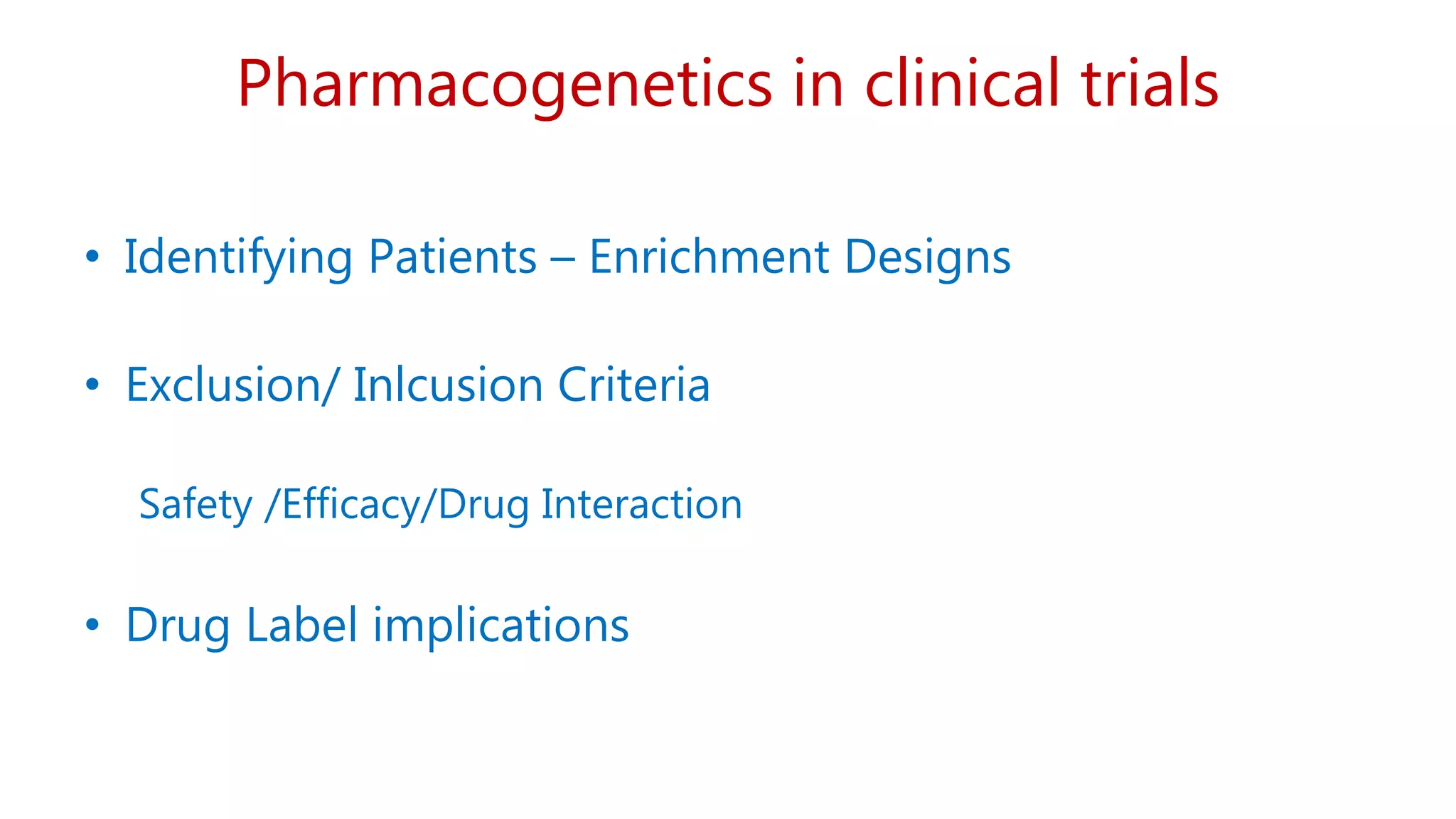
Pharmacogenetics in clinical trials
• Identifying Patients – Enrichment Designs
• Exclusion/ Inlcusion Criteria
Safety /Efficacy/Drug Interaction
• Drug Label implications
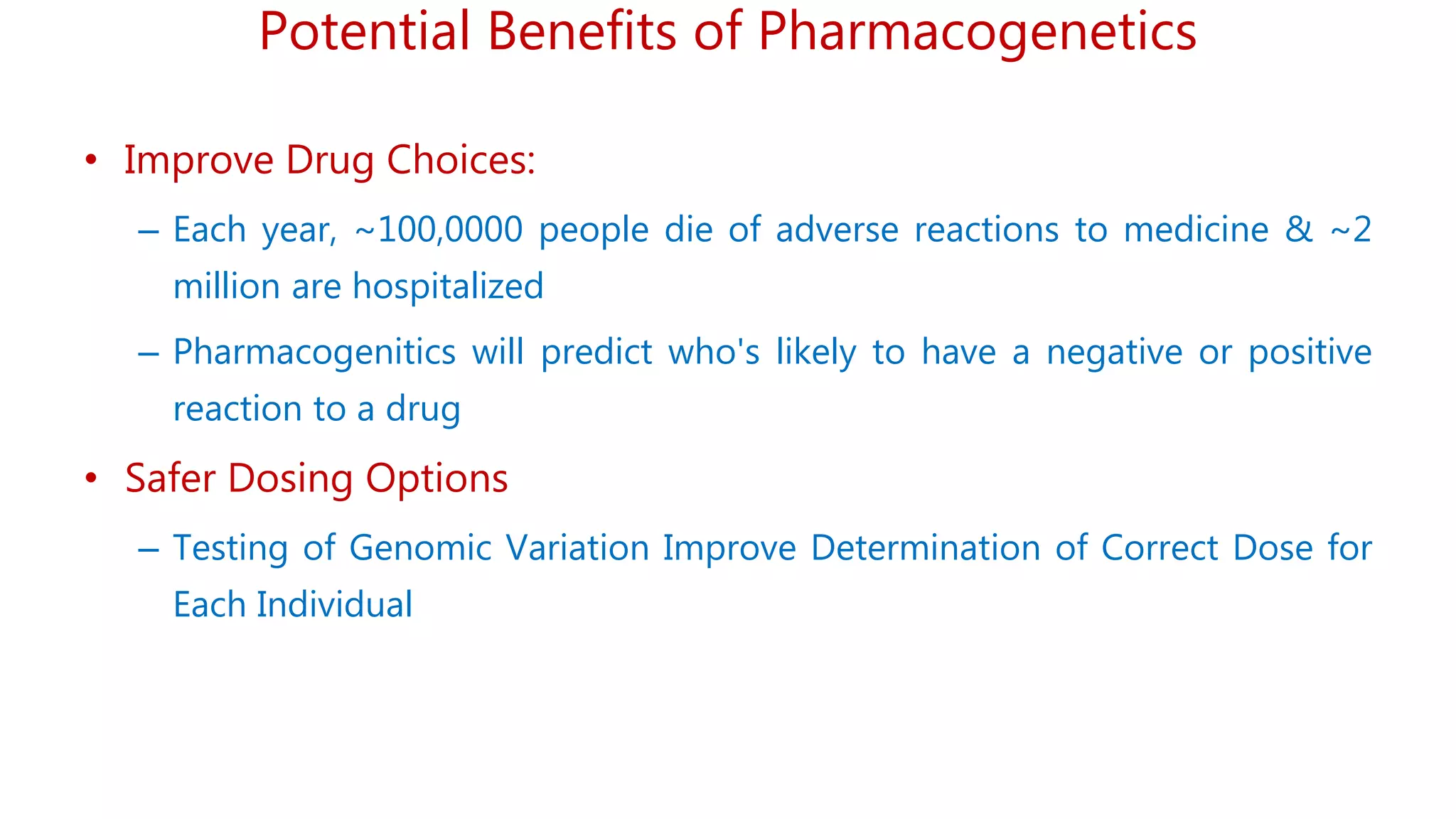
Potential Benefits of Pharmacogenetics
• Improve Drug Choices:
– Each year, ~100,0000 people die of adverse reactions to medicine & ~2
million are hospitalized
– Pharmacogenitics will predict who's likely to have a negative or positive
reaction to a drug
• Safer Dosing Options
– Testing of Genomic Variation Improve Determination of Correct Dose for
Each Individual
• Improvement in Drug Development:
– Permit pharmaceutical companies to determine in which populations new drugs
will be effective
• Decrease Health Care Costs
– Reduce number of deaths & hospitalizations due to adverse drug reactions
– Reduce purchase of drugs which are ineffective in certain individuals due to
genetic variations
• Speed Up Clinical Trials for New Drugs
Potential Benefits of Pharmacogenetics
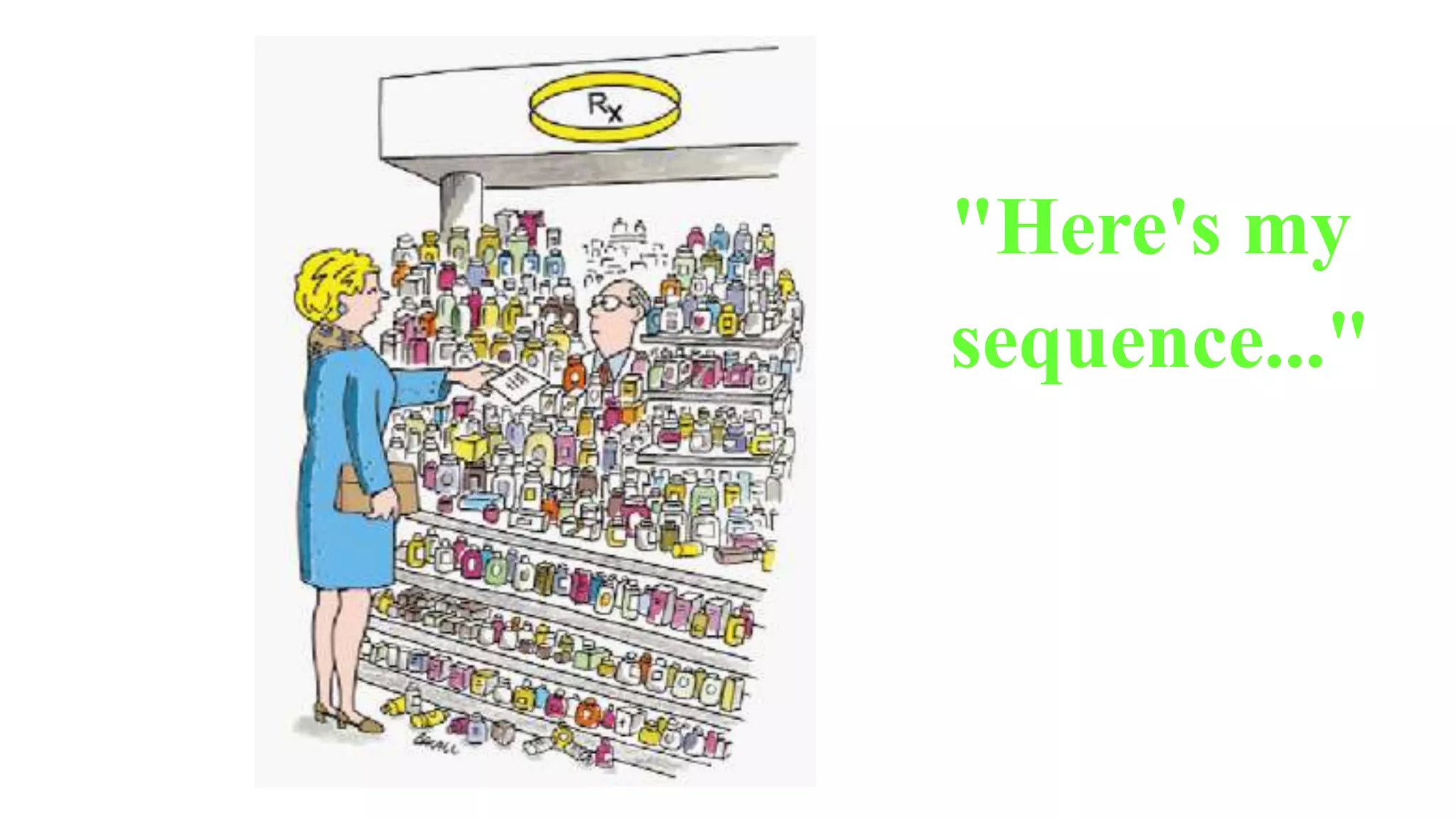
"Here's my
sequence..."
The New Yorker

Pharmacogenetics and individual variation of drug response

  • 1.
    Pharmacogenetics and individual variationof drug response G Vijay Narasimha Kumar Asst. Professor, Dept.of. Pharmacology Sri Padmavathi school of Pharmacy
  • 2.
    The Proposition ofthe Usual Dose Paracelsus (1493-1541) “The dose makes the poison”
  • 3.
    Background Three discoveries inthe 1950s gave rise to the discipline of Pharmacogenetics.  Primaquine (G-6-PD deficiency)  Isoniazid metabolism of (acetylation polymorphism)  Atypical plasma cholinesterase: succinylcholine
  • 4.
    Differential drug efficacy Same symptoms, Samefindings, Same disease? Same drug Same dose Different Effects Different patients At a recommended prescribed dosage— a drug is efficacious in most. not efficacious in others. harmful in a few. Lack of efficacy Unexpected side-effects
  • 5.
    Patient population with samedisease phenotype Patients with normal response to drug therapy Patients with non-response to drug therapy Patients with drug toxicity Genotyping Toxic responders Non-responders Responders People react differently to drugs “One size does not fit all …”
  • 6.
    Why does drugresponse vary? Same symptoms, Same findings, Same disease? Same drug Same dose Different Effects Possible Reasons: Individual variation By chance… Different patients Ethnicity Age Pregnancy Genetic factors Disease Drug interactions …… Genetic Differences A G SNP
  • 7.
    The Problem ofVariability “Variability is the law of life, and as no two faces are the same, so no two bodies are alike, and no two individuals react alike, and behave alike under the abnormal conditions which we know as disease.” Sir William Osler (1849-1919)
  • 8.
    Why does drugresponse vary? Genetic variation Primarily two types of genetic mutation events create all forms of variations: Single base mutation which substitutes one nucleotide for another --Single nucleotide polymorphisms (SNPs) Insertion or deletion of one or more nucleotide(s) --Tandem Repeat Polymorphisms --Insertion/Deletion Polymorphisms Polymorphism: A genetic variation that is observed at a frequency of >1% in a population
  • 9.
    Genetic polymorphisms Pharmacokinetic -Transporter -Plasma proteinbinding -Metabolism Pharmacodynamic -Receptors -Ion channels -Enzymes -Immune molecules
  • 10.
    Single nucleotide polymorphisms(SNPs) SNPs are single base pair positions in genomic DNA at which different sequence alternatives (alleles) exist wherein the least frequent allele has an abundance of 1% or greater. For example a SNP might change the DNA sequence AAGCTTAC to ATGCTTAC SNPs are the most commonly occurring genetic differences.
  • 11.
    Single nucleotide polymorphisms(SNPs) SNPs are very common in the human population. Between any two people, there is an average of one SNP every ~1250 bases. Most of these have no phenotypic effect ◦ Venter et al. estimate that only <1% of all human SNPs impact protein function (lots of in “non-coding regions”) Some are alleles of genes.
  • 13.
    Due to individualvariation… 20-40% of patients benefit from an approved drug 70-80% of drug candidates fail in clinical trials Many approved drugs removed from the market due to adverse drug effects The use of DNA sequence information to measure and predict the reaction of individuals to drugs. Personalized drugs Faster clinical trials Less drug side effects Pharmacogenetics
  • 14.
    Inter individual Variabilityin Drug Response Disease Drug Class Rate of Poor Response Asthma Beta-agonists 40-75% Hypertension Various 30% Solid Cancers Various 70% Depression SSRIs, tricyclics 20-40% Diabetes Sulfonylureas, others 50% Arthritis NSAIDs, COX-2 inhibitors 30-60% Schizophrenia Various 25-75%
  • 15.
    How Can TheCauses of Variability be Unraveled? Pharmacogenetics: Study of interindividual variation in DNA sequence related to drug absorption and disposition (Pharmacokinetics) and/or drug action (Pharmacodynamics) including polymorphic variation in genes that encode the functions of transporters, metabolizing enzymes, receptors and other proteins.” Pharmacogenomics: Systemic genomic analysis in populations of treated subjects to identify variants that predict drug response including the occurrence of adverse reactions.
  • 16.
    “The study ofhow people respond differently to medicines due to their genetic inheritance is called pharmacogenetics.” “Correlating heritable genetic variation to drug response” An ultimate goal of pharmacogenetics is to understand how someone's genetic make-up determines, how well a medicine works in his or her body, as well as what side effects are likely to occur. “Right medicine for the right patient”
  • 17.
    Pharmacogenetics VS. Pharmacogenomics Pharmacogenetics:Study of variability in drug response determined by single genes. Pharmacogenomics: Study of variability in drug response determined by multiple genes within the genome.
  • 18.
    Pharmacogenetics The studyof variations in genes that determine an individual’s response to drug therapy. Common variation in DNA sequence (i.e. in >1% of population) Genetic Polymorphism: SNPs; INDEL; VNTRs Potential Target Genes are those that encode: Drug-metabolizing enzymes Transporters Drug targets
  • 19.
    Current Concept ofPharmacogenomics
  • 20.
    Paradox of ModernDrug Development 1. Clinical trials provide evidence of efficacy and safety at usual doses in populations. 2. Physicians treat individual patients who can vary widely in their response to drug therapy.
  • 21.
    Modern Rendition ofParacelsus Paracelsus (1493-1541) “The dose makes the poison, but differently for genetically different individuals.”
  • 22.
    Pharmacologic effect Clinical response ToxicityEfficacy DISTRIBUTION ABSORPTION ELIMINATION Pharmacokinetics Pharmacodynamics dose administered drug in tissues of distribution concentration in systemic circulation concentration at site of action metabolism and/or excretion Pharmacokinetic factors - Absorption - Distribution - Metabolism - Elimination Pharmacodynamic factors - Target proteins - Downstream messengers Determinants of Drug Efficacy and Toxicity A patient’s response to a drug may depend on factors that can vary according to the alleles that an individual carries, including :
  • 23.
    Single mutant gene inherited “drugmetabolism” “drug response” Qualitative differences in Genetic polymorphism
  • 24.
    1. PHARMACOKINETIC GENETICVARIATIONS:  The extent to which an individual metabolises a drug is genetically determined Monozygotic twins •Identical twins •Metabolise drugs similarly Dizygotic twins •Non – identical twins •Variation in drug metabolism
  • 25.
    PHARMACOGENETIC VARIATIONS INPHASE – 1 DRUG METABOLISM: Example 1: Presence of atypical pseudo choline esterase: incidence of presence of atypical pseudo choline esterase is 1:2500 in population. “Autosomal recessive inheritance” “Trait” Acts on Succinyl choline Action terminated in “5 minutes” “Atypical” pseudo choline esterase Succinyl choline “normal” pseudo choline esterase Requires 1- 2 hours for termination of action Respiratory failure Cannot/slowly hydrolyses
  • 26.
    Example 2: Hydroxylasepolymorphism:  Autosomal recessive trait. Phenytoin metabolite In slow hydroxylators Phenytoin Slow hydroxylation Phenytoin toxicity Hydroxylation
  • 27.
    PHASE – 2ACETYLATOR STATUS :  Many drugs are metabolised by “hepatic N – acetylase enzyme”.  This enzyme is non – inducible. Two phenotypes are present in the population Rapid acetylators (Autosomal dominant) Contains high amount of hepatic N- acetylase Eg: Eskimos and Japanese Slow acetylators (Autosomal recessive) Contains low amount of hepatic N - acetylase Eg: Egyptians, Swedes and Mediterranean Jews
  • 28.
    Rapid acetylators  Isoniazid Increasedlevels of acetyl hydrazine Hepato toxicity Metabolised fast Slow acetyators  Isoniazid Accumulation of drug Pyridoxine kinase Pyridoxine Pyridoxyl phosphate “peripheral neuritis” So vitamin B6 is added to patients on Isoniazid therapy inhibits  Dapsone  Dapsone Haemolysis
  • 29.
    2. PORPHYRI A: Some typesare autosomal dominant, some are autosomal recessive and some are X – linked. Mechanisms of drug induced attacks of Porphyria: Succinyl CO A + glycine ALA synthase 8 – Amino laevulinic acid(ALA) PorphobilinogenPorphyrinsHeame Cytokines
  • 30.
    Reduction in haemsynthesis Stimulate ALA synthase Increased ALA synthesis Increase haem synthesis will Leading to
  • 31.
    Enzyme inducing drugs Increasedlevels of cytochromes Increased heam demand Stimulation of ALA synthase Increased ALA production But due to defect in enzymes involved in porphyrin synthesis
  • 32.
    Continued.. due to defectin enzymes involved in porphyrin synthesis Increased accumulation of porphyrins Porphyria  So persons who are deficient in enzymes involved in porphyrin and heam synthesis, if enzyme inducing drugs are given, it will lead to “porphyria”. Eg; Alcohol, Barbiturates, Carbamazepine, Nitrous oxide.
  • 33.
    • Management ofacute attack of porphyria:  No specific measures  High intake of carbohydrates inhibits ALA synthase activity and a high carbohydrate diet will not do any harm.  Haematin has been used as a specific therapy, which increases the free pool of heam in the liver.
  • 34.
    Examples of geneticpolymorphism influencing pharmacokinetics Gene product Drugs Response affected CYP2C9 Tolbutamide,warfarin,phenytoin,NSAIDs Anticoagulant effect of warfarin CYP2C19 Mephenytoin, omeprazole, hexobarbital, mephobarbital, propranolol, proguanil, phenytoin,clopidogrel Peptic ulcer response to omeprazole, CVS events after clopidogrel CYP2D6 B-blockers, antidepressants, antipsychotics, codeine, debrisoquine etc Tardive dyskinesia from antipsychotics, narcotic side effects, codeine efficacy, imipramine dose requirement,B- blocker effect CYP3A4/3A5/3A7 Macrolides, cyclosporine, tacrolimus, Ca2+ channel blockers, midazolam, steroids.etc Efficacy of immunosuppressive effects of tacrolimus
  • 35.
    PHARMACOGENETIC VARIATION INDRUG RESPONSE DUE TO ENZYME DEFICIENCY:  Glucose – 6 – phosphate dehydrogenase deficiency(G-6-PD) :  Deficiency in RBC’s  Sex – linked recessive trait( X – linked)  Africans, American negroes, Mediterranean Jews, middle east and south east races.  Drugs having oxidising properties can cause haemolytic anaemia in persons having G-6-PD deficiency. Eg: Primaquine, Sulphonamides, Dapsone, Nitrofurantoin, Quinine, Chloroquine, Quinidine
  • 36.
    Pentose phosphate pathwayin RBC: glucose Glucose 6 phosphate 6 – phosphoglucolactone NADP+ NADPH + H+ Gluta thione reductase Oxidised glutathione Reduced glutathione (GSH) Hydrogen peroxides H2O  Only source of NADPH in RBC is pentose phosphate path way Decreased oxidative stress  So new RBC’s have reduced glutathione but as they become older the enzyme level decreases
  • 37.
     Normal G-6 – P – D deficiency patients Hemolytic anemia is self limited when G6PD deficiency is very mild. Because older RBC’s are destroyed and the young RBC’s have normal or nearly normal enzymatic activity
  • 38.
    Infection Chemicals (oxidising agents) Oxidisingstress Increased oxidative stress As NADPH is not produced in G6PD deficiency patients The enzyme reduced glutathione will quench free radicals until its levels are present But when reduced glutathione is fully consumed
  • 39.
    Continued.. When reduced glutathioneis fully consumed Haemoglobin( Fe2+) Methaemoglobin(fe3+) Improper functioning Enzymes and other proteins Damaged by oxidants Denatured Cross binding and protein deposition in cell membranes oxidised
  • 40.
    Continued.. Cross biding andprotein deposition in cell membranes Forms Heinz bodies which are attached to cell membrane RBC’s having Heinz bodies are sequestered by macrophages in the spleen Increased haemoglobin destruction Increased Bilirubin levels Jaundice Haemolysis
  • 41.
    FAVISM : Illness thatoccurs in G 6 PD deficiency patients with acute hemolysis by eating raw beans.( Vicia fabu) G 6 – P – D deficiency Also causes The build up of glucose and thus there is an increase of advanced glycation end products( AGE) Cell damage  As RBC will be carrying more oxygen, they are at high risk of haemolysis
  • 42.
    Examples of geneticpolymorphism influencing drug response Gene Drugs Response Dihydropyridine dehydrogenase Fluorouracil 5-flurouracil neurotoxicity N-acetyl-transferase ( NAT2) INH Hydralazine Sulfonamides INH-neurotoxicity Hydralazine-induced lupus Hypersensitivity to Sulfonamides Glutathione transferase Several anticancer drugs Decrease response Thiopurine methyltransferase Mercaptopurine Azathioprine Increased toxicity & risk of second cancer
  • 43.
    • An ultimategoal of pharmacogenetics is to understand how someone's genetic make-up determines, how well a medicine works in his or her body, as well as what side effects are likely to occur. “Right Medicine for the Right Patient”
  • 44.
    Personalized medicine  Developdrugs that target Persons of specific genotypes  Prescribe existing drugs tailored to specific genotypes
  • 45.
    Pharmacogenetics in clinicaltrials • Identifying Patients – Enrichment Designs • Exclusion/ Inlcusion Criteria Safety /Efficacy/Drug Interaction • Drug Label implications
  • 46.
    Potential Benefits ofPharmacogenetics • Improve Drug Choices: – Each year, ~100,0000 people die of adverse reactions to medicine & ~2 million are hospitalized – Pharmacogenitics will predict who's likely to have a negative or positive reaction to a drug • Safer Dosing Options – Testing of Genomic Variation Improve Determination of Correct Dose for Each Individual
  • 47.
    • Improvement inDrug Development: – Permit pharmaceutical companies to determine in which populations new drugs will be effective • Decrease Health Care Costs – Reduce number of deaths & hospitalizations due to adverse drug reactions – Reduce purchase of drugs which are ineffective in certain individuals due to genetic variations • Speed Up Clinical Trials for New Drugs Potential Benefits of Pharmacogenetics
  • 48.