Mahmood AL_Haddabi
R2 Family Medicine
Acute and Chronic Paronychia
 inflammation of the fingers or toes in one or
more of the three nail folds .
 acute paronychia is one of the most common
hand infections in the United States.
 three times more common in women
 Acute paronychia :
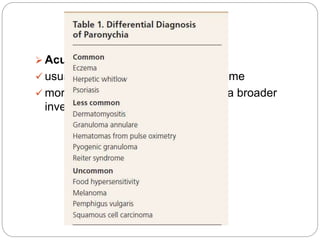
 usually involves only one digit at a time
 more widespread disease warrants a broader
investigation for systemic issues.
 Chronic paronychia :
 involves multiple digits
Acute Paronychia
 result of a disruption of the protective barrier of
the nail folds .
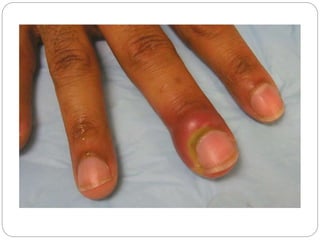
 typically present with rapid onset of an acute,
inflamed nail fold and accompanying pain
TREATMENT
 based on the severity of inflammation and the
presence of an abscess .
 mild inflammation :
 warm soaks.
 topical antibiotics
 +/- topical steroids,
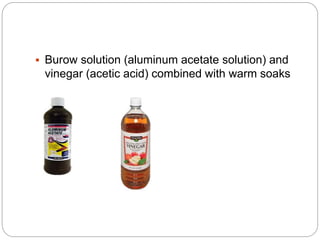
 Burow solution (aluminum acetate solution) and
vinegar (acetic acid) combined with warm soaks
 1% acetic acid effective for treating multidrug-
resistant pseudomonal wound infections
 Topical antibiotics :
 mupirocin (Bactroban).
 gentamicin,
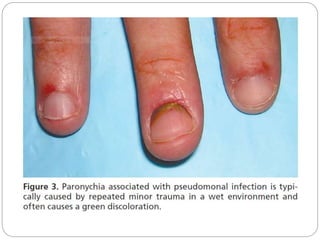
 fluoroquinolone if pseudomonal infection is
suspected
 If an abscess is present, it should be opened
to facilitate drainage
 overt cellulitis and possibly
immunocompromised or severely ill may
warrant oral antibiotics
Chronic Paronychia
 results from irritant dermatitis rather than an
infection.
 Common irritants include acids, alkalis, or
other
 diagnosed clinically based on :
 symptom duration of at least six weeks.
 a positive exposure history.
 clinical findings consistent with nail dystrophy
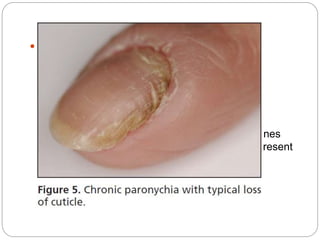
 The cuticle may be totally absent, and Beau lines
(deep side-to-side grooves in the nail that represent
interruption of nail matrix maturation) may be
present
 If only a single digit is affected, the possibility of
malignancy, such as squamous cell cancer, must
be considered
TREATMENT
 consists of :
stopping the source of irritation.
controlling inflammation.
 restoring the natural protective
barrier
 Topical anti-inflammatory agents,
steroids, or calcineurin inhibitors are the
mainstay of therapy.
 In a randomized, unblinded,
comparative study, tacrolimus 0.1%
(Protopic) was more effective than
betamethasone 17-valerate 0.1%.
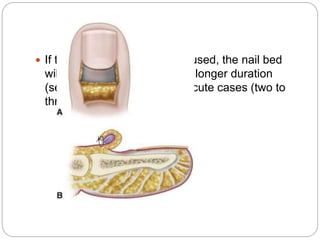
 If the Swiss roll technique is used, the nail bed
will need to be exposed for a longer duration
(seven to 14 days) than for acute cases (two to
three days)
 Doxycycline has been found effective for
treatment of paronychia caused by
antiepidermal growth factor receptor
antibodies.
 Zinc deficiency is known to cause nail plate
abnormalities and chronic paronychia .
 20 mg of supplemental zinc per day is helpful.
 process can take weeks to months to
restore the natural barrier.
References
 American Family Physician www.aafp.org/afp
Volume 96, Number 1 ◆ July 1, 2017 .
 http://www.fpnotebook.com/Derm/Nails/ActPrnych
.htm

Paronychia

  • 1.
    Mahmood AL_Haddabi R2 FamilyMedicine Acute and Chronic Paronychia
  • 2.
     inflammation ofthe fingers or toes in one or more of the three nail folds .  acute paronychia is one of the most common hand infections in the United States.  three times more common in women
  • 3.
     Acute paronychia:  usually involves only one digit at a time  more widespread disease warrants a broader investigation for systemic issues.
  • 4.
     Chronic paronychia:  involves multiple digits
  • 6.
    Acute Paronychia  resultof a disruption of the protective barrier of the nail folds .
  • 7.
     typically presentwith rapid onset of an acute, inflamed nail fold and accompanying pain
  • 11.
    TREATMENT  based onthe severity of inflammation and the presence of an abscess .  mild inflammation :  warm soaks.  topical antibiotics  +/- topical steroids,
  • 12.
     Burow solution(aluminum acetate solution) and vinegar (acetic acid) combined with warm soaks
  • 13.
     1% aceticacid effective for treating multidrug- resistant pseudomonal wound infections  Topical antibiotics :  mupirocin (Bactroban).  gentamicin,  fluoroquinolone if pseudomonal infection is suspected
  • 14.
     If anabscess is present, it should be opened to facilitate drainage
  • 17.
     overt cellulitisand possibly immunocompromised or severely ill may warrant oral antibiotics
  • 18.
    Chronic Paronychia  resultsfrom irritant dermatitis rather than an infection.  Common irritants include acids, alkalis, or other
  • 19.
     diagnosed clinicallybased on :  symptom duration of at least six weeks.  a positive exposure history.  clinical findings consistent with nail dystrophy  The cuticle may be totally absent, and Beau lines (deep side-to-side grooves in the nail that represent interruption of nail matrix maturation) may be present
  • 20.
     If onlya single digit is affected, the possibility of malignancy, such as squamous cell cancer, must be considered
  • 21.
    TREATMENT  consists of: stopping the source of irritation. controlling inflammation.  restoring the natural protective barrier
  • 22.
     Topical anti-inflammatoryagents, steroids, or calcineurin inhibitors are the mainstay of therapy.  In a randomized, unblinded, comparative study, tacrolimus 0.1% (Protopic) was more effective than betamethasone 17-valerate 0.1%.
  • 23.
     If theSwiss roll technique is used, the nail bed will need to be exposed for a longer duration (seven to 14 days) than for acute cases (two to three days)
  • 24.
     Doxycycline hasbeen found effective for treatment of paronychia caused by antiepidermal growth factor receptor antibodies.
  • 25.
     Zinc deficiencyis known to cause nail plate abnormalities and chronic paronychia .  20 mg of supplemental zinc per day is helpful.
  • 26.
     process cantake weeks to months to restore the natural barrier.
  • 27.
    References  American FamilyPhysician www.aafp.org/afp Volume 96, Number 1 ◆ July 1, 2017 .  http://www.fpnotebook.com/Derm/Nails/ActPrnych .htm

Editor's Notes

  • #8 The diagnosis is clinical, but imaging may be useful if a deeper infection is suspected.6 It is not helpful to send expressed fluid for culture because the results are often nondiagnostic and do not affect management.7,8 In a study of patients requiring hospitalization for paronychia who underwent incision and drainage with culture, only 4% of the cultures were positive, with a polymicrobial predominance of bacteria.
  • #10 The differential diagnosis of acute paronychia includes a felon, which is an infection in the finger pad or pulp.1,2 Although acute paronychia can lead to felons, they are differentiated by the site of the infection.
  • #12 The addition of topical steroids decreases the time to symptom resolution without additional risks
  • #14 Neomycin-containing compounds are discouraged because of the risk of allergic reaction (approximately 10%)
  • #15 If an abscess is present, it should be opened to facilitate drainage. Soaking combined with other topical therapies can be tried, but if no improvement is noted after two to three days or if symptoms are severe, the abscess must be mechanically drain