Otitis media
with effusion
in children
Dr. Prathyusha PG
ENT
Narayana Medical
Introduction
• Otitis media with effusion in a child differs
significantly from that of adults in terms of
• Presentation
• Diagnosis
• Management
• Follow up
• A more comprehensive approach and judicious
management is required in children
DEFINITION
• Otitis media with effusion (OME) is characterized by
a nonpurulent effusion of the middle ear that may be
either mucoid or serous
• Serous otitis media is a specific type of otitis media
with effusion caused by transudate formation due to
rapid decrease in middle ear pressure relative to the
atmospheric pressure.
• The fluid in this case is watery and clear.
• Otitis media with effusion (OME) can occur during
the resolution of acute otitis media (AOM) once the
acute inflammation has resolved.
• Among children who have had an episode of acute
otitis media, as many as 45% have persistent effusion
after 1 month
• but this number decreases to 10% after 3 months
PATHOPHYSIOLOGY OF OME
• Eustachian dysfunction theory
• Reflux theory
• Gene regulation theory
• Oxidative stress theory
ET DYSFUNCTION THEORY
• ET has 3 main functions:
• Equilibration of pressure between the middle and
external ears,
• Clearance of secretions
• Protection of the middle ear
ET DYSFUNCTION THEORY
• If ET dysfunction is persistent,
• A negative pressure sets in middle ear due to diffusion of
N2 and O2 into the middle ear mucosal cells
• If it persists it elicits a transudate from the mucosa, causing
serous effusion.
REFLUX THEORY
• Presence of reflux proven by radiography
• Presence of pepsin A in the middle ear
Bluestone CD, Beery QC, Andrus WS. Mechanics of the eustachian tube as it
influences susceptibility to and persistence of middle ear effusions in
children. Ann Otol Rhinol Laryngol. 1974 Mar-Apr. 83:Suppl 11:27-34.
Crapko M, Kerschner JE, Syring M, Johnston N. Role of extra-esophageal
reflux in chronic otitis media with effusion. Laryngoscope. 2007 Jun 20.
GENE REGULATION THEORY
• Upregulation of mucin genes secondary to bacterial
antigen challenge.
• Production of a mucin-rich effusion
OXIDATIVE STRESS THEORY
• Significant changes in oxidative stress in patients with
otitis media with effusion
• Significantly improved but not normalized level of
oxidants following the placement of ventilation tubes.

• However, the role of antioxidants in the treatment of
OME has yet to be fully investigated.
Yilmaz T, Koçan EG, Besler HT, Yilmaz G, Gürsel B. The role of
oxidants and antioxidants in otitis media with effusion in
children. Otolaryngol Head Neck Surg. 2004 Dec. 131(6):797-
PREDISPOSING FACTORS
• Infections
• Age
• Eustachian tube dysfunction
• Craniofacial abnormalities
• Diet
• Racial and sex differences
• Seasonal variations
• Others
ETIOLOGY AND PREDISPOSING
FACTORS FOR OME
• The same flora found in ASOM can be isolated in OME
• In OME the inflammatory process is less and volume of
bacteria is less
• S pneumoniae is found in 35%
• H influenzae is found in 20%
• M catarrhalis is found in 4-13%
• Streptococcus pyogenes, Staphylococcus aureus, gram-
negative enteric bacteria, and anaerobes.
• Pseudomonas species predominate.( long standing)
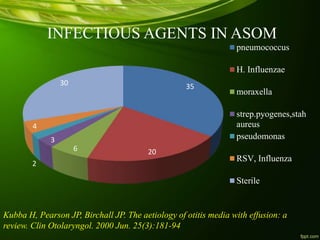
35
206
3
2
4
30
INFECTIOUS AGENTS IN ASOM
pneumococcus
H. Influenzae
moraxella
strep.pyogenes,stah
aureus
pseudomonas
RSV, Influenza
Sterile
Kubba H, Pearson JP, Birchall JP. The aetiology of otitis media with effusion: a
review. Clin Otolaryngol. 2000 Jun. 25(3):181-94
8
3
7 1
15
66
INFECTIOUS AGENTS IN OME
pneumococcus
H influenzae
Branhamella
Strep. Pyogenes
others
Negative Culture
Jero J, Karma P. Bacteriological findings and persistence of middle ear effusion in
otitis media with effusion. Acta Otolaryngologica. 1997; 529: 22-6.
AGE
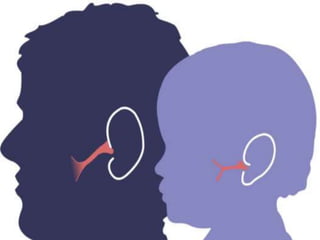
• In infants, the eustachian tube has a nearly horizontal
orientation
• Develops the 45° angle (as in adults) after several
years.
• Size and shape of the eustachian tube at birth, unlike
adults, are unfavourable for ventilation
ET DYSFUNCTION
• Respiratory tract has ciliated, pseudostratified columnar
epithelium
• Extends up to ET and anterior part of the middle ear
• Along with goblet cells they produce mucus
• In OME inflammation of this epithelium in the Eustachian
tube and hypotympanum.
• Flat cuboidal middle ear and mastoid mucosa is patchily
ET DYSFUNCTION
• The ciliary lining would appear to be less efficient
• The submucosa is oedematous and inflamed with
dilated blood vessels and an increased number of
• Macrophages
• Plasma cells
• Lymphocytes
CRANIOFACIAL ABNORMALITIES
• Cleft palate (even if repaired) have deficient palatine
muscles and resultant poor ET function
• Down syndrome
• Turner syndrome more likely to have OME,
• Bifid uvula do not appear to have a higher incidence
of OME
DIET
• high-fat diet proven risk factor
• Body mass index category
• Protein
• Water
• Sodium intake
• distribution of carbohydrate intake
Choi HG, Sim S, Kim SY, Lee HJ. A high-fat diet is associated with otitis
media with effusion. Int J Pediatr Otorhinolaryngol. 2015 Dec. 79
(12):2327-31
NOT
RACIAL AND SEX DIFFERENCE
• OME is higher in Native Americans
• NO difference in prevalence rates between white and
black populations exists.
• Males may have a slightly higher preponderence (not
statistically significant)
EFFECT OF SEASONAL VARIATION
• Twice an amount of children were diagnosed in
winter with OME when compared with summer.
• Probable reason could be due to increased URTIs in
winter
Tos M, Holm-Jensen S, Sorensen CH, Mogensen C. Spontaneous course
and frequency of secretory otitis in 4-year-old children. Archives of
Otolaryngology. 1982; 108: 4-10
OTHER PREDISPOSING FACTORS
• bottle feeding,
• feeding while supine,
• having a sibling with otitis media,
• attending day care,
• having allergies to common environmental entities,
• having a lower socioeconomic status,
• living in a home in which people smoke,
• having a parental history of otitis media with effusion.
Erdivanli OC, Coskun ZO, Kazikdas KC, Demirci M. Prevalence of
Otitis Media with Effusion among Primary School Children in
Eastern Black Sea, in Turkey
The Effect of Smoking in the Development of Otitis Media with
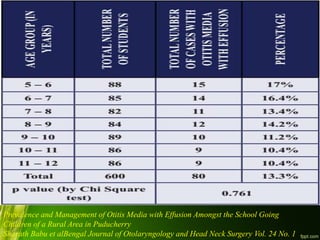
Prevalence and Management of Otitis Media with Effusion Amongst the School Going
Children of a Rural Area in Puducherry
Sharath Babu et alBengal Journal of Otolaryngology and Head Neck Surgery Vol. 24 No. 1
HISTORY
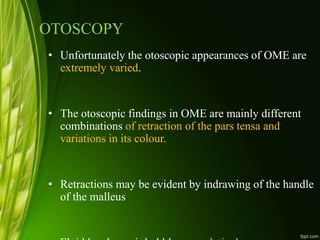
• very unreliable and cannot be a pointer to OME
• decreased hearing
• history of ear problems
• recurrent upper respiratory infections
• mouth breathing and snoring,
• Stewart MG, Friedman EM, Sulek 1t1, Duncan 110, Fernandez AD,
Bautista MH. Is parental perception an accurate predictor of childhood
hearing loss? A prospective study. Otolaryngology and Head and Neck
Surgery. 1999; 120: 340-4
ALL THESE TO BE
EXAMINED
OTOSCOPY
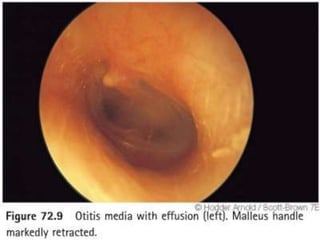
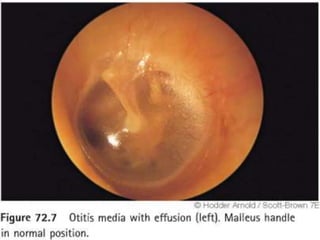
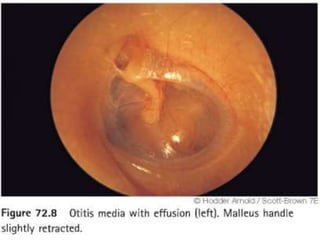
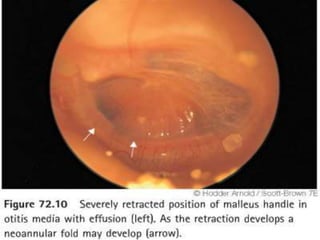
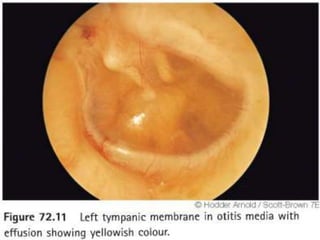
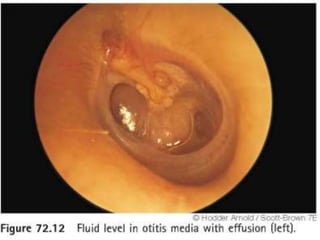
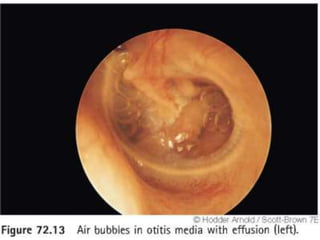
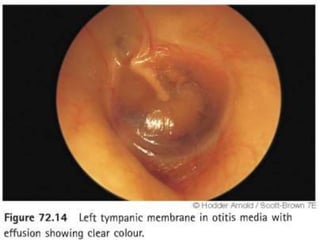
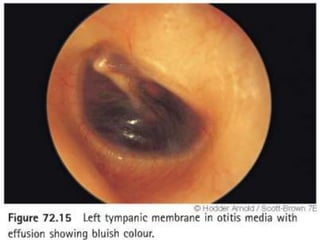
• Unfortunately the otoscopic appearances of OME are
extremely varied.
• The otoscopic findings in OME are mainly different
combinations of retraction of the pars tensa and
variations in its colour.
• Retractions may be evident by indrawing of the handle
of the malleus
OTHER FEATURES
• Tonsillar hypertrophy
• Adenoid hypertrophy
• Turbinate bogginess
• Postnasal drip,
• Rhinorrhea
• Watery or erythematous eyes consistent with a concurrent URTI
PNEUMATIC OTOSCOPY AND VIDEO
OTOSCOPY
• American Clinical Practice Guidelines have
strongly advocated the use of pneumatic otoscopy
as the primary diagnostic method for OME
• Video recordings of otoscopy ( video otoscopy),
used to monitor changes with time.
Clinical Practice Guideline: Otitis Media with Effusion (Update)
Otolaryngology–Head and Neck Surgery 2016, Vol. 154(1S) S1–S41
TYMPANOMETRY
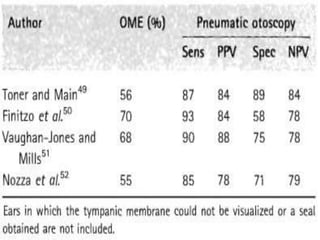
Type B tympanogram is most of the times associated
with OME
Type A is infrequently associated with OME
T type C falls in between
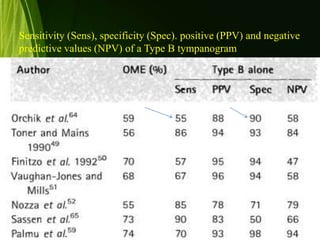
Sensitivity (Sens), specificity (Spec). positive (PPV) and negative
predictive values (NPV) of a Type B tympanogram
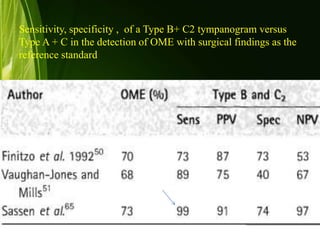
Sensitivity, specificity , of a Type B+ C2 tympanogram versus
Type A + C in the detection of OME with surgical findings as the
reference standard
ACOUSTIC REFLECTOMETRY
• Hand-held acoustic otoscope that does not require a
seal
• Unfortunately, the sensitivity and specificity of the
test is poorer than tympanometry
AUDIOMETRY
• Audiometry is mandatory in all children with a
suspected hearing impairment
• Irrespective as to whether OME is diagnosed at the
time.
• Routine audiometric testing of the hearing of every
child with OME seen at secondary care is
recommended
• Hearing impairment can vary enormously from
COMPREHENSIVE ASSESMENT OF
CHILD
• Needs to be skilfully done with the assistance of
• ENT Surgeon
• Audiologist
• Pediatrician
• Pediatric psychiatrist/psychologist
• Nursing staff/personel trained in developmental
pediatrics
COMPREHENSIVE ASSESMENT
• SPEECH AND LANGUAGE
• COGNITION
• BALANCE
• BEHAVIOUR
SPEECH AND LANGUAGE
• Including speech reception
• Speech and sound production
• Expressive language and cognitive understanding.
• Compare with standard mile stones
• Example: Thus, at 18 months they would be expected to have a
vocabulary of ten words with meaning.
BALANCE
• 30% of children with OME are report by parents
that they are
• Clumsy,
• imbalanced and can fall.
• May be due to vestibular dysfunction that settles with
time
BEHAVIOR
• Rutter score (antisocial, neurotic, hyperactive and
inattentive behaviour)
• The MRC Behaviour Questionnaire (aggressive, social
immaturity)
• Behaviour scores in children Of 3 to 7 yrs with B/L
deafness of 20dB HL are poorer
• At 15 yrs still have poorer behaviour than non-OME
children, (inattentive and hyperactive aspects)
MANAGEMENT
• Medical
• Surgical
NASAL TOPICAL STEROIDS
• Systematic reviews of the RCT s have found NO ROLE
of topical nasal steroids versus placebo
• Another study which gave antibiotics in addition to
nasal steroids also found NO difference.
Butler CC, van der Voort JH, Oral or topical nasal steroids for hearing loss
associated with otitis media with effusion. Cochrane Database of Systematic
Reviews. 2002:
Tracy.lM, Demain JG, Hoffman KM, Goetz OW. Intranasal beclomethasone as an
SYSTEMIC STEROIDS
• NO evidence to suggest that oral steroids are effective
for longer or short term with 0r without antibiotics.
• Systemic steroids CANNOT be recommended at
present for childhood OME.
Mandel EM, Casselbrant Ml, Rockette HE, Fireman P, KursLasky
M, Bluestone CD. Sytemic steroid for chronic otitis media with
effusion in children. Pediatrics. 2002; 110: 1071-80.
Thomas Cl, Simpson S, Butler CC, van der Voort .IH. Oral or
ANTIBIOTICS
• Multiple RCT s have shown NO role of antibiotics
beyond 2 weeks of antibiotics
• 6 weeks of antibiotics have NO benefit
Rosenfeld RM, Post JC. Meta-analysis of antibiotics for the treatment of
otitis media with effusion. Otolaryngology and Head and Neck Surgery.
1992; 106: 378-86
Williams Rl, Chalmers TC, Stange KC, Chalmers FT, Bowlin SJ. Use of
antibiotics in preventing recurrent .
NASAL DECONGESTANTS
• meta-analysis of four trials found that
antihistamine/decongestants had NO effect on
OME
• Nasal decongestants are NOT recommended for
use in childhood OME.
Griffin GH, Flynn C, Bailey RE, Schultz .IK. Antihistamines
MUCOLYTICS
• Systematic review of six RCT s of S-
Carboxyrnethylcysteine published before 1993 had NO
effect.
• Later trials added NO significant effect.
Pignataro 0, Pignataro lD, Gallus G, Calori G, Cordaro CI. Otitis media with
effusion and S-carboxymethylcysteine and/or its lysine salt: a critical overview.
AUTO INFLATION
• Metanalysis of the three studies indicated that children with
autoinflation were 3.5 times more likely to improve
• Ability to autoinflate with the balloon is a particular
problem in younger children (hence NOT recommended)
• During a period of watchful waiting, it has strongest
evidence of efficacy for older children.
Williamson I. Otitis media with effusion. Clinical Evidence Concise. 2006; 16:
245-7
HOMEOPATHY
• NO randomized controlled trials have been identified.
• A small, non blinded study DID NOT show
homeopathy to be of benefit.
MYRINGOTOMY AND ASPIRATION
• From three trials, myringotomy with aspiration has
NOT been shown to be effective in restoring the
hearing levels in children with OME.
• Freemantle N, Sheldon TA, Song F, long A. The treatment of
persistent glue ear in children. Effective Health Care Bulletin
No.4. York: University of York, NHS Centre for Reviews and
VENTILATION TUBES
• Introduced in 1954 by Armstrong
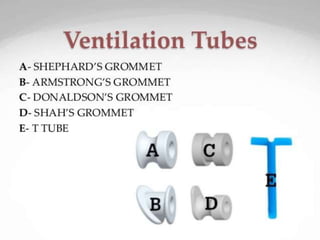
• Pressure equalization tubes (grommets)are available
in a variety of sizes, shapes,
• Teflon,silicone, titanium, gold and be coated with
materials such as silver oxide.
• Permit ventilation of the middle ear and mastoid
system.
• Prolonged aeration of the middle ear has been shown
to reverse the mucosal hyperplasia and metaplasia that
accompany otitis media with effusion.
HOW LONG
• Ventilation tubes are classified as short, or long term,
• Data are lacking on 'duration of tube function'
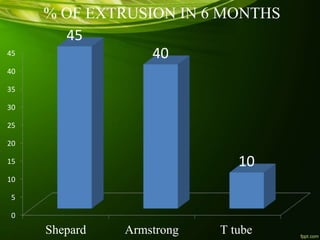
• Relied upon less relevant 'duration till extrusion
• Self extrude from 6 to 12 months
0
5
10
15
20
25
30
35
40
45
Shepard Armstrong T tube
45
40
10
% OF EXTRUSION IN 6 MONTHS
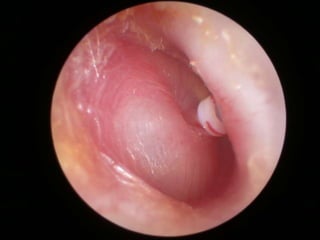
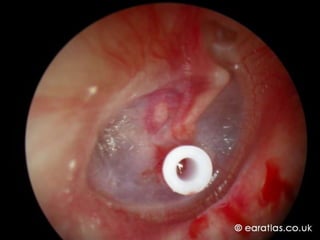
INSERTION SITE
• Anterosuperior or anteroinferior outcomes are SIMILAR
• Posterosuperiorly is NOT done as it can damage the
ossicular chain.
• Radial or circumferential, extrusion rates are SIMILAR
Heaton .1M, Bingham BJG, Osbourne J. A comparison of performance of
Shepard and Sheehy collar button ventilation tubes. Journal of Laryngology and
Otology. 1991; 105: 896-8
Guttenplan MD, Tom WC, DeVito MA, Handler SO, Radial versus
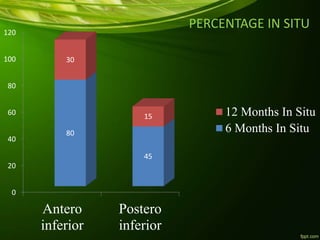
PERCENTAGE IN SITU
0
20
40
60
80
100
120
Antero
inferior
Postero
inferior
80
45
30
15 12 Months In Situ
6 Months In Situ
ASSOCIATED ASPIRATION
• Common practice to aspirate fluid before inserting a
ventilation tube
• NO evidence that this is required.
• The hearing levels three months following insertion of a
ventilation tube was NO DIFFERENT in ears that were
aspirated compared with those that were not aspirated
HEARING FOLLOWING VT
INSERTION
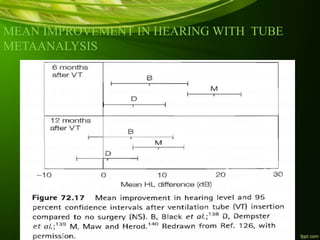
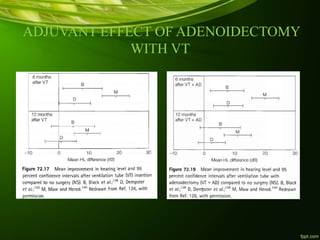
• Ventilation tubes alone will improve the hearing level by
9dB at 6 months,
6dB at 12 months
4 dB at 24 months. (persistent decrease in improvement is
due to non functioning VT over a period of time)
• Children randomized to have VT had a marked
improvement three months following surgery of 12 dB
compared with the nonsurgical group.
• The younger children at day care those with binaural
hearing thresholds poorer than 25 dB HL and persistent over
at least 12 weeks will benefit most
Rovers MM, Black N, Browning GG, Maw R, Zielhius GA, Haggard MP.
MEAN IMPROVEMENT IN HEARING WITH TUBE
METAANALYSIS
SPEECH AND LANGUAGE
• 3 RCTs assesed speech abd language post VT at
different intervals
• VT are not indicated to aid speech and language
development in children three years and younger.
COMPLICATIONS OF VT TUBE
• Dislodgement
• Blockage ( 9% without antibiotics and 1% with
antibiotics)
• Otorrohoea
• acute otorrhoea 9%
• Recurrent otorhoea 7%
• Chronic otorrhoea 3%
COMPLICATIONS OF VT
CONTINUED……….
• Perforation
• Short term incidence 2%
• Long term incidence 17%
TYMPANOSCLEROSIS, PARS TENSA
ATROPHY
• Localized white patches or plaques of
tympanosclerosis occur with OME
• With VT it increases dramatically
• Short term 3 dB
• Long term ( 18 yrs) 5 to 10 dB
• More tubes, more impairment
• Pars tensa atrophy occurs with OME and increases
with VT
• NOT significant
ADENOIDECTOMY
• Mechanism unclear (? source of infection ?? Physical
obstruction to ET )
• Prior to VT Adenoidectomy alone was the surgical
management for many years
• Metanalysis showed e overall effect at 6 months on the
hearing of adenoidectomy was 8 dB and 12 dB for VT.
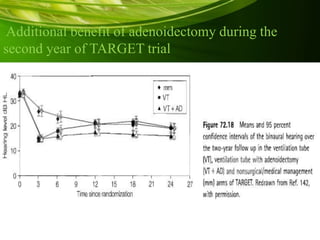
• Current practice is to do adenoidectomy as an adjunct to
ADENOIDECTOMY
• Blind curettage. ( risk of bleeding)
• Suction diathermy ablation (less risk)
• Selective removal of adenoid tissue and avoiding
palatopharyngeal incompetence by leaving an inferior pad
of tissue. (preferred)
• Microdebriders have also been advocated as allowing more
selective removal of tissue.
ADJUVANT EFFECT OF ADENOIDECTOMY
WITH VT
Additional benefit of adenoidectomy during the
second year of TARGET trial
HEARING AIDS
• Their use as the preferred initial management has not been
extensively reported
• Improvement is at least in the same range as expected of
ventilation tubes.
• Main concern is potential noise trauma if the aid continues
to be worn after the OME has resolved
• BAHA® (bone anchored hearing aid) offers advantage
over hearing aid in a head-band as it avoids noise trauma
RECOMMEND
ATIONS
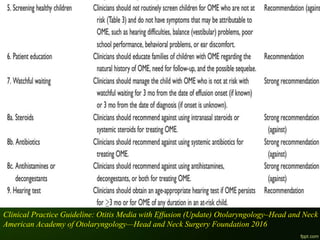
Slide Title
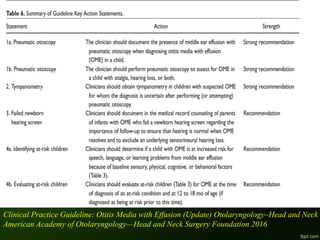
Clinical Practice Guideline: Otitis Media with Effusion (Update) Otolaryngology–Head and Neck S
American Academy of Otolaryngology—Head and Neck Surgery Foundation 2016
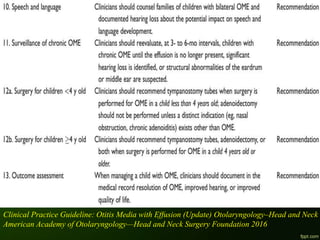
Slide Title
•
Clinical Practice Guideline: Otitis Media with Effusion (Update) Otolaryngology–Head and Neck S
American Academy of Otolaryngology—Head and Neck Surgery Foundation 2016
Slide Title
•
Clinical Practice Guideline: Otitis Media with Effusion (Update) Otolaryngology–Head and Neck S
American Academy of Otolaryngology—Head and Neck Surgery Foundation 2016
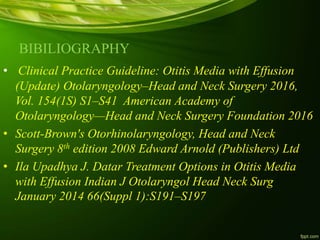
BIBILIOGRAPHY
• Clinical Practice Guideline: Otitis Media with Effusion
(Update) Otolaryngology–Head and Neck Surgery 2016,
Vol. 154(1S) S1–S41 American Academy of
Otolaryngology—Head and Neck Surgery Foundation 2016
• Scott-Brown's Otorhinolaryngology, Head and Neck
Surgery 8th edition 2008 Edward Arnold (Publishers) Ltd
• Ila Upadhya J. Datar Treatment Options in Otitis Media
with Effusion Indian J Otolaryngol Head Neck Surg
January 2014 66(Suppl 1):S191–S197
Slide Title
•

Otitis media with effusion in children

  • 1.
    Otitis media with effusion inchildren Dr. Prathyusha PG ENT Narayana Medical
  • 2.
    Introduction • Otitis mediawith effusion in a child differs significantly from that of adults in terms of • Presentation • Diagnosis • Management • Follow up • A more comprehensive approach and judicious management is required in children
  • 3.
    DEFINITION • Otitis mediawith effusion (OME) is characterized by a nonpurulent effusion of the middle ear that may be either mucoid or serous • Serous otitis media is a specific type of otitis media with effusion caused by transudate formation due to rapid decrease in middle ear pressure relative to the atmospheric pressure. • The fluid in this case is watery and clear.
  • 4.
    • Otitis mediawith effusion (OME) can occur during the resolution of acute otitis media (AOM) once the acute inflammation has resolved. • Among children who have had an episode of acute otitis media, as many as 45% have persistent effusion after 1 month • but this number decreases to 10% after 3 months
  • 5.
    PATHOPHYSIOLOGY OF OME •Eustachian dysfunction theory • Reflux theory • Gene regulation theory • Oxidative stress theory
  • 6.
    ET DYSFUNCTION THEORY •ET has 3 main functions: • Equilibration of pressure between the middle and external ears, • Clearance of secretions • Protection of the middle ear
  • 7.
    ET DYSFUNCTION THEORY •If ET dysfunction is persistent, • A negative pressure sets in middle ear due to diffusion of N2 and O2 into the middle ear mucosal cells • If it persists it elicits a transudate from the mucosa, causing serous effusion.
  • 8.
    REFLUX THEORY • Presenceof reflux proven by radiography • Presence of pepsin A in the middle ear Bluestone CD, Beery QC, Andrus WS. Mechanics of the eustachian tube as it influences susceptibility to and persistence of middle ear effusions in children. Ann Otol Rhinol Laryngol. 1974 Mar-Apr. 83:Suppl 11:27-34. Crapko M, Kerschner JE, Syring M, Johnston N. Role of extra-esophageal reflux in chronic otitis media with effusion. Laryngoscope. 2007 Jun 20.
  • 9.
    GENE REGULATION THEORY •Upregulation of mucin genes secondary to bacterial antigen challenge. • Production of a mucin-rich effusion
  • 10.
    OXIDATIVE STRESS THEORY •Significant changes in oxidative stress in patients with otitis media with effusion • Significantly improved but not normalized level of oxidants following the placement of ventilation tubes. • However, the role of antioxidants in the treatment of OME has yet to be fully investigated. Yilmaz T, Koçan EG, Besler HT, Yilmaz G, Gürsel B. The role of oxidants and antioxidants in otitis media with effusion in children. Otolaryngol Head Neck Surg. 2004 Dec. 131(6):797-
  • 11.
  • 12.
    • Infections • Age •Eustachian tube dysfunction • Craniofacial abnormalities • Diet • Racial and sex differences • Seasonal variations • Others
  • 13.
    ETIOLOGY AND PREDISPOSING FACTORSFOR OME • The same flora found in ASOM can be isolated in OME • In OME the inflammatory process is less and volume of bacteria is less • S pneumoniae is found in 35% • H influenzae is found in 20% • M catarrhalis is found in 4-13% • Streptococcus pyogenes, Staphylococcus aureus, gram- negative enteric bacteria, and anaerobes. • Pseudomonas species predominate.( long standing)
  • 14.
    35 206 3 2 4 30 INFECTIOUS AGENTS INASOM pneumococcus H. Influenzae moraxella strep.pyogenes,stah aureus pseudomonas RSV, Influenza Sterile Kubba H, Pearson JP, Birchall JP. The aetiology of otitis media with effusion: a review. Clin Otolaryngol. 2000 Jun. 25(3):181-94
  • 15.
    8 3 7 1 15 66 INFECTIOUS AGENTSIN OME pneumococcus H influenzae Branhamella Strep. Pyogenes others Negative Culture Jero J, Karma P. Bacteriological findings and persistence of middle ear effusion in otitis media with effusion. Acta Otolaryngologica. 1997; 529: 22-6.
  • 16.
    AGE • In infants,the eustachian tube has a nearly horizontal orientation • Develops the 45° angle (as in adults) after several years. • Size and shape of the eustachian tube at birth, unlike adults, are unfavourable for ventilation
  • 18.
    ET DYSFUNCTION • Respiratorytract has ciliated, pseudostratified columnar epithelium • Extends up to ET and anterior part of the middle ear • Along with goblet cells they produce mucus • In OME inflammation of this epithelium in the Eustachian tube and hypotympanum. • Flat cuboidal middle ear and mastoid mucosa is patchily
  • 19.
    ET DYSFUNCTION • Theciliary lining would appear to be less efficient • The submucosa is oedematous and inflamed with dilated blood vessels and an increased number of • Macrophages • Plasma cells • Lymphocytes
  • 20.
    CRANIOFACIAL ABNORMALITIES • Cleftpalate (even if repaired) have deficient palatine muscles and resultant poor ET function • Down syndrome • Turner syndrome more likely to have OME, • Bifid uvula do not appear to have a higher incidence of OME
  • 21.
    DIET • high-fat dietproven risk factor • Body mass index category • Protein • Water • Sodium intake • distribution of carbohydrate intake Choi HG, Sim S, Kim SY, Lee HJ. A high-fat diet is associated with otitis media with effusion. Int J Pediatr Otorhinolaryngol. 2015 Dec. 79 (12):2327-31 NOT
  • 22.
    RACIAL AND SEXDIFFERENCE • OME is higher in Native Americans • NO difference in prevalence rates between white and black populations exists. • Males may have a slightly higher preponderence (not statistically significant)
  • 23.
    EFFECT OF SEASONALVARIATION • Twice an amount of children were diagnosed in winter with OME when compared with summer. • Probable reason could be due to increased URTIs in winter Tos M, Holm-Jensen S, Sorensen CH, Mogensen C. Spontaneous course and frequency of secretory otitis in 4-year-old children. Archives of Otolaryngology. 1982; 108: 4-10
  • 24.
    OTHER PREDISPOSING FACTORS •bottle feeding, • feeding while supine, • having a sibling with otitis media, • attending day care, • having allergies to common environmental entities, • having a lower socioeconomic status, • living in a home in which people smoke, • having a parental history of otitis media with effusion. Erdivanli OC, Coskun ZO, Kazikdas KC, Demirci M. Prevalence of Otitis Media with Effusion among Primary School Children in Eastern Black Sea, in Turkey The Effect of Smoking in the Development of Otitis Media with
  • 25.
    Prevalence and Managementof Otitis Media with Effusion Amongst the School Going Children of a Rural Area in Puducherry Sharath Babu et alBengal Journal of Otolaryngology and Head Neck Surgery Vol. 24 No. 1
  • 26.
    HISTORY • very unreliableand cannot be a pointer to OME • decreased hearing • history of ear problems • recurrent upper respiratory infections • mouth breathing and snoring, • Stewart MG, Friedman EM, Sulek 1t1, Duncan 110, Fernandez AD, Bautista MH. Is parental perception an accurate predictor of childhood hearing loss? A prospective study. Otolaryngology and Head and Neck Surgery. 1999; 120: 340-4 ALL THESE TO BE EXAMINED
  • 27.
    OTOSCOPY • Unfortunately theotoscopic appearances of OME are extremely varied. • The otoscopic findings in OME are mainly different combinations of retraction of the pars tensa and variations in its colour. • Retractions may be evident by indrawing of the handle of the malleus
  • 37.
    OTHER FEATURES • Tonsillarhypertrophy • Adenoid hypertrophy • Turbinate bogginess • Postnasal drip, • Rhinorrhea • Watery or erythematous eyes consistent with a concurrent URTI
  • 38.
    PNEUMATIC OTOSCOPY ANDVIDEO OTOSCOPY • American Clinical Practice Guidelines have strongly advocated the use of pneumatic otoscopy as the primary diagnostic method for OME • Video recordings of otoscopy ( video otoscopy), used to monitor changes with time. Clinical Practice Guideline: Otitis Media with Effusion (Update) Otolaryngology–Head and Neck Surgery 2016, Vol. 154(1S) S1–S41
  • 40.
    TYMPANOMETRY Type B tympanogramis most of the times associated with OME Type A is infrequently associated with OME T type C falls in between
  • 41.
    Sensitivity (Sens), specificity(Spec). positive (PPV) and negative predictive values (NPV) of a Type B tympanogram
  • 42.
    Sensitivity, specificity ,of a Type B+ C2 tympanogram versus Type A + C in the detection of OME with surgical findings as the reference standard
  • 43.
    ACOUSTIC REFLECTOMETRY • Hand-heldacoustic otoscope that does not require a seal • Unfortunately, the sensitivity and specificity of the test is poorer than tympanometry
  • 44.
    AUDIOMETRY • Audiometry ismandatory in all children with a suspected hearing impairment • Irrespective as to whether OME is diagnosed at the time. • Routine audiometric testing of the hearing of every child with OME seen at secondary care is recommended • Hearing impairment can vary enormously from
  • 45.
    COMPREHENSIVE ASSESMENT OF CHILD •Needs to be skilfully done with the assistance of • ENT Surgeon • Audiologist • Pediatrician • Pediatric psychiatrist/psychologist • Nursing staff/personel trained in developmental pediatrics
  • 46.
    COMPREHENSIVE ASSESMENT • SPEECHAND LANGUAGE • COGNITION • BALANCE • BEHAVIOUR
  • 47.
    SPEECH AND LANGUAGE •Including speech reception • Speech and sound production • Expressive language and cognitive understanding. • Compare with standard mile stones • Example: Thus, at 18 months they would be expected to have a vocabulary of ten words with meaning.
  • 48.
    BALANCE • 30% ofchildren with OME are report by parents that they are • Clumsy, • imbalanced and can fall. • May be due to vestibular dysfunction that settles with time
  • 49.
    BEHAVIOR • Rutter score(antisocial, neurotic, hyperactive and inattentive behaviour) • The MRC Behaviour Questionnaire (aggressive, social immaturity) • Behaviour scores in children Of 3 to 7 yrs with B/L deafness of 20dB HL are poorer • At 15 yrs still have poorer behaviour than non-OME children, (inattentive and hyperactive aspects)
  • 50.
  • 51.
    NASAL TOPICAL STEROIDS •Systematic reviews of the RCT s have found NO ROLE of topical nasal steroids versus placebo • Another study which gave antibiotics in addition to nasal steroids also found NO difference. Butler CC, van der Voort JH, Oral or topical nasal steroids for hearing loss associated with otitis media with effusion. Cochrane Database of Systematic Reviews. 2002: Tracy.lM, Demain JG, Hoffman KM, Goetz OW. Intranasal beclomethasone as an
  • 52.
    SYSTEMIC STEROIDS • NOevidence to suggest that oral steroids are effective for longer or short term with 0r without antibiotics. • Systemic steroids CANNOT be recommended at present for childhood OME. Mandel EM, Casselbrant Ml, Rockette HE, Fireman P, KursLasky M, Bluestone CD. Sytemic steroid for chronic otitis media with effusion in children. Pediatrics. 2002; 110: 1071-80. Thomas Cl, Simpson S, Butler CC, van der Voort .IH. Oral or
  • 53.
    ANTIBIOTICS • Multiple RCTs have shown NO role of antibiotics beyond 2 weeks of antibiotics • 6 weeks of antibiotics have NO benefit Rosenfeld RM, Post JC. Meta-analysis of antibiotics for the treatment of otitis media with effusion. Otolaryngology and Head and Neck Surgery. 1992; 106: 378-86 Williams Rl, Chalmers TC, Stange KC, Chalmers FT, Bowlin SJ. Use of antibiotics in preventing recurrent .
  • 54.
    NASAL DECONGESTANTS • meta-analysisof four trials found that antihistamine/decongestants had NO effect on OME • Nasal decongestants are NOT recommended for use in childhood OME. Griffin GH, Flynn C, Bailey RE, Schultz .IK. Antihistamines
  • 55.
    MUCOLYTICS • Systematic reviewof six RCT s of S- Carboxyrnethylcysteine published before 1993 had NO effect. • Later trials added NO significant effect. Pignataro 0, Pignataro lD, Gallus G, Calori G, Cordaro CI. Otitis media with effusion and S-carboxymethylcysteine and/or its lysine salt: a critical overview.
  • 56.
    AUTO INFLATION • Metanalysisof the three studies indicated that children with autoinflation were 3.5 times more likely to improve • Ability to autoinflate with the balloon is a particular problem in younger children (hence NOT recommended) • During a period of watchful waiting, it has strongest evidence of efficacy for older children. Williamson I. Otitis media with effusion. Clinical Evidence Concise. 2006; 16: 245-7
  • 57.
    HOMEOPATHY • NO randomizedcontrolled trials have been identified. • A small, non blinded study DID NOT show homeopathy to be of benefit.
  • 58.
    MYRINGOTOMY AND ASPIRATION •From three trials, myringotomy with aspiration has NOT been shown to be effective in restoring the hearing levels in children with OME. • Freemantle N, Sheldon TA, Song F, long A. The treatment of persistent glue ear in children. Effective Health Care Bulletin No.4. York: University of York, NHS Centre for Reviews and
  • 59.
    VENTILATION TUBES • Introducedin 1954 by Armstrong • Pressure equalization tubes (grommets)are available in a variety of sizes, shapes, • Teflon,silicone, titanium, gold and be coated with materials such as silver oxide. • Permit ventilation of the middle ear and mastoid system. • Prolonged aeration of the middle ear has been shown to reverse the mucosal hyperplasia and metaplasia that accompany otitis media with effusion.
  • 61.
    HOW LONG • Ventilationtubes are classified as short, or long term, • Data are lacking on 'duration of tube function' • Relied upon less relevant 'duration till extrusion • Self extrude from 6 to 12 months
  • 62.
    0 5 10 15 20 25 30 35 40 45 Shepard Armstrong Ttube 45 40 10 % OF EXTRUSION IN 6 MONTHS
  • 63.
    INSERTION SITE • Anterosuperioror anteroinferior outcomes are SIMILAR • Posterosuperiorly is NOT done as it can damage the ossicular chain. • Radial or circumferential, extrusion rates are SIMILAR Heaton .1M, Bingham BJG, Osbourne J. A comparison of performance of Shepard and Sheehy collar button ventilation tubes. Journal of Laryngology and Otology. 1991; 105: 896-8 Guttenplan MD, Tom WC, DeVito MA, Handler SO, Radial versus
  • 66.
  • 67.
    ASSOCIATED ASPIRATION • Commonpractice to aspirate fluid before inserting a ventilation tube • NO evidence that this is required. • The hearing levels three months following insertion of a ventilation tube was NO DIFFERENT in ears that were aspirated compared with those that were not aspirated
  • 68.
    HEARING FOLLOWING VT INSERTION •Ventilation tubes alone will improve the hearing level by 9dB at 6 months, 6dB at 12 months 4 dB at 24 months. (persistent decrease in improvement is due to non functioning VT over a period of time) • Children randomized to have VT had a marked improvement three months following surgery of 12 dB compared with the nonsurgical group. • The younger children at day care those with binaural hearing thresholds poorer than 25 dB HL and persistent over at least 12 weeks will benefit most Rovers MM, Black N, Browning GG, Maw R, Zielhius GA, Haggard MP.
  • 69.
    MEAN IMPROVEMENT INHEARING WITH TUBE METAANALYSIS
  • 70.
    SPEECH AND LANGUAGE •3 RCTs assesed speech abd language post VT at different intervals • VT are not indicated to aid speech and language development in children three years and younger.
  • 71.
    COMPLICATIONS OF VTTUBE • Dislodgement • Blockage ( 9% without antibiotics and 1% with antibiotics) • Otorrohoea • acute otorrhoea 9% • Recurrent otorhoea 7% • Chronic otorrhoea 3%
  • 72.
    COMPLICATIONS OF VT CONTINUED………. •Perforation • Short term incidence 2% • Long term incidence 17%
  • 73.
    TYMPANOSCLEROSIS, PARS TENSA ATROPHY •Localized white patches or plaques of tympanosclerosis occur with OME • With VT it increases dramatically • Short term 3 dB • Long term ( 18 yrs) 5 to 10 dB • More tubes, more impairment • Pars tensa atrophy occurs with OME and increases with VT • NOT significant
  • 74.
    ADENOIDECTOMY • Mechanism unclear(? source of infection ?? Physical obstruction to ET ) • Prior to VT Adenoidectomy alone was the surgical management for many years • Metanalysis showed e overall effect at 6 months on the hearing of adenoidectomy was 8 dB and 12 dB for VT. • Current practice is to do adenoidectomy as an adjunct to
  • 75.
    ADENOIDECTOMY • Blind curettage.( risk of bleeding) • Suction diathermy ablation (less risk) • Selective removal of adenoid tissue and avoiding palatopharyngeal incompetence by leaving an inferior pad of tissue. (preferred) • Microdebriders have also been advocated as allowing more selective removal of tissue.
  • 76.
    ADJUVANT EFFECT OFADENOIDECTOMY WITH VT
  • 77.
    Additional benefit ofadenoidectomy during the second year of TARGET trial
  • 78.
    HEARING AIDS • Theiruse as the preferred initial management has not been extensively reported • Improvement is at least in the same range as expected of ventilation tubes. • Main concern is potential noise trauma if the aid continues to be worn after the OME has resolved • BAHA® (bone anchored hearing aid) offers advantage over hearing aid in a head-band as it avoids noise trauma
  • 79.
  • 80.
    Slide Title Clinical PracticeGuideline: Otitis Media with Effusion (Update) Otolaryngology–Head and Neck S American Academy of Otolaryngology—Head and Neck Surgery Foundation 2016
  • 81.
    Slide Title • Clinical PracticeGuideline: Otitis Media with Effusion (Update) Otolaryngology–Head and Neck S American Academy of Otolaryngology—Head and Neck Surgery Foundation 2016
  • 82.
    Slide Title • Clinical PracticeGuideline: Otitis Media with Effusion (Update) Otolaryngology–Head and Neck S American Academy of Otolaryngology—Head and Neck Surgery Foundation 2016
  • 83.
    BIBILIOGRAPHY • Clinical PracticeGuideline: Otitis Media with Effusion (Update) Otolaryngology–Head and Neck Surgery 2016, Vol. 154(1S) S1–S41 American Academy of Otolaryngology—Head and Neck Surgery Foundation 2016 • Scott-Brown's Otorhinolaryngology, Head and Neck Surgery 8th edition 2008 Edward Arnold (Publishers) Ltd • Ila Upadhya J. Datar Treatment Options in Otitis Media with Effusion Indian J Otolaryngol Head Neck Surg January 2014 66(Suppl 1):S191–S197
  • 84.