How employees cheat
a little at work
And how punishing them can be counterproductive
Alix Kesselman
Felix Garcia
Sarah Pons
Shihao Tang
Introduction
 People cheat at work for a number of reason
Employee feels frustrated or dissatisfied
The work itself is most strongly correlated
to job satisfaction for most people
Introduction
 People cheat at work for a number of reason
Employee feels burnt out due to stressors
Stressors include:
Role Ambiguity
Time Pressure
Work-family conflict
Financial uncertainty
Introduction
 Organizations have the task of
diminishing those cases
 We want to guide you through
what, we believe, is the most
beneficial outcome
Cheating in
one aspect
in life leads
to cheating
in other
aspects as
well.
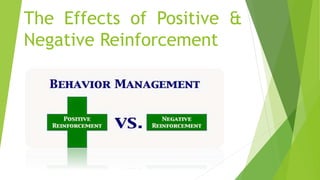
The Effects of Positive &
Negative Reinforcement
Good Behavior 
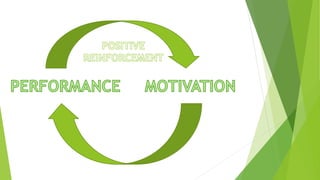
Positive Reinforcement
Rewards & Incentives
Motivate Your Workers
Encourage Your Workers
Guide them to meet levels of expectation
OUTCOMES
Heightened Job Performance
Maintains Employee Morale
Creates Sustained Behavior
Expectations Fulfilled
Conditioned & Strengthened Employees
Poor Behavior 
Negative Reinforcement
Management tool
Motivate employees and
control their behaviors
by getting rid of unfavorable conditions as
long as the employees continue to perform
as expected.
Unpleasant Condition Removed
Encourages Employees to Perform Better
Reaching Positive Desired Behavior
Examples
Random Drug Testing
Removing Weekly Meetings
Close Monitoring
Adjusting Hours
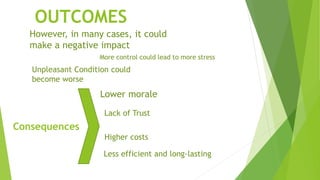
OUTCOMES
Unpleasant Condition could
become worse
More control could lead to more stress
However, in many cases, it could
make a negative impact
Consequences
Higher costs
Lack of Trust
Lower morale
OUTCOMES
Less efficient and long-lasting
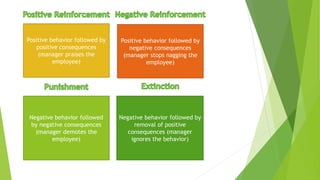
Positive behavior followed by
positive consequences
(manager praises the
employee)
Positive behavior followed by
negative consequences
(manager stops nagging the
employee)
Negative behavior followed by
removal of positive
consequences (manager
ignores the behavior)
Negative behavior followed
by negative consequences
(manager demotes the
employee)
Possibilities of Positive
Reinforcement
How to make people commit with the organization, in order to avoid
cheating.
How to do it?
Actual Benefit
 Help developing employees’ continuance commitment to the organization, as
well as affective commitment.
 Advantage direct and effective.
 Disadvantage Expensive.
Actual Benefit - Example
 Corporate Welfare: Increasing employees’ commitment by
concerning their daily life.
 Example: Company restaurant, shuttle bus, gym, employee discount etc.
Actual Benefit
 Reward By awarding outstanding employees and hard-workers to praise
their performance and also encourage others.
 Share the cake For upper managers, binding their interest with the
organization by giving an amount of company shares.
Relationship Building
 Developing employees’ commitment by building a friendly, close relationship
with their peers, supervisors and organization as a whole.
 Advantage effective and less costly.
 Disadvantage Time-consuming
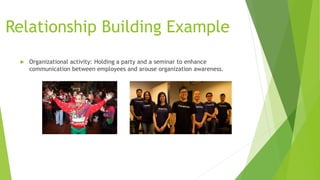
Relationship Building Example
 Organizational activity: Holding a party and a seminar to enhance
communication between employees and arouse organization awareness.
Relationship Building Example
 Daily supervision Building
closer working relationship
between employees and managers.
Let supervisor be a part of the
group. Avoiding cheating with
closer supervision.
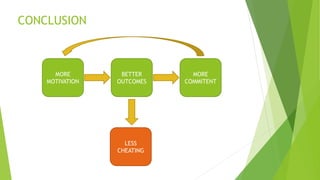
CONCLUSION
MORE
MOTIVATION
MORE
COMMITENT
BETTER
OUTCOMES
LESS
CHEATING
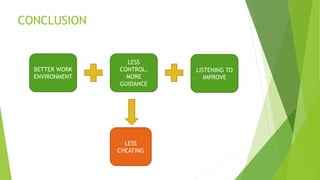
CONCLUSION
LESS
CHEATING
BETTER WORK
ENVIRONMENT
LESS
CONTROL,
MORE
GUIDANCE
LISTENING TO
IMPROVE
“
”
While a person who cheats at
work may get the money, they are
really cheating themselves out of
what could be a great experience
Ben Michaelis, PHD
Huffington Post

Organizational behavior midterm

  • 1.
    How employees cheat alittle at work And how punishing them can be counterproductive Alix Kesselman Felix Garcia Sarah Pons Shihao Tang
  • 2.
    Introduction  People cheatat work for a number of reason Employee feels frustrated or dissatisfied The work itself is most strongly correlated to job satisfaction for most people
  • 3.
    Introduction  People cheatat work for a number of reason Employee feels burnt out due to stressors Stressors include: Role Ambiguity Time Pressure Work-family conflict Financial uncertainty
  • 4.
    Introduction  Organizations havethe task of diminishing those cases  We want to guide you through what, we believe, is the most beneficial outcome Cheating in one aspect in life leads to cheating in other aspects as well.
  • 5.
    The Effects ofPositive & Negative Reinforcement
  • 6.
    Good Behavior  PositiveReinforcement Rewards & Incentives Motivate Your Workers Encourage Your Workers Guide them to meet levels of expectation
  • 8.
    OUTCOMES Heightened Job Performance MaintainsEmployee Morale Creates Sustained Behavior Expectations Fulfilled Conditioned & Strengthened Employees
  • 9.
    Poor Behavior  NegativeReinforcement Management tool Motivate employees and control their behaviors by getting rid of unfavorable conditions as long as the employees continue to perform as expected.
  • 10.
    Unpleasant Condition Removed EncouragesEmployees to Perform Better Reaching Positive Desired Behavior Examples Random Drug Testing Removing Weekly Meetings Close Monitoring Adjusting Hours OUTCOMES
  • 11.
    Unpleasant Condition could becomeworse More control could lead to more stress However, in many cases, it could make a negative impact Consequences Higher costs Lack of Trust Lower morale OUTCOMES Less efficient and long-lasting
  • 12.
    Positive behavior followedby positive consequences (manager praises the employee) Positive behavior followed by negative consequences (manager stops nagging the employee) Negative behavior followed by removal of positive consequences (manager ignores the behavior) Negative behavior followed by negative consequences (manager demotes the employee)
  • 13.
    Possibilities of Positive Reinforcement Howto make people commit with the organization, in order to avoid cheating.
  • 14.
  • 15.
    Actual Benefit  Helpdeveloping employees’ continuance commitment to the organization, as well as affective commitment.  Advantage direct and effective.  Disadvantage Expensive.
  • 16.
    Actual Benefit -Example  Corporate Welfare: Increasing employees’ commitment by concerning their daily life.  Example: Company restaurant, shuttle bus, gym, employee discount etc.
  • 17.
    Actual Benefit  RewardBy awarding outstanding employees and hard-workers to praise their performance and also encourage others.  Share the cake For upper managers, binding their interest with the organization by giving an amount of company shares.
  • 18.
    Relationship Building  Developingemployees’ commitment by building a friendly, close relationship with their peers, supervisors and organization as a whole.  Advantage effective and less costly.  Disadvantage Time-consuming
  • 19.
    Relationship Building Example Organizational activity: Holding a party and a seminar to enhance communication between employees and arouse organization awareness.
  • 20.
    Relationship Building Example Daily supervision Building closer working relationship between employees and managers. Let supervisor be a part of the group. Avoiding cheating with closer supervision.
  • 21.
  • 22.
  • 23.
    “ ” While a personwho cheats at work may get the money, they are really cheating themselves out of what could be a great experience Ben Michaelis, PHD Huffington Post