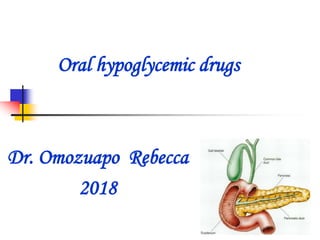
Oral hypoglycemic drugs
Dr. Omozuapo Rebecca
2018
Antidiabetic Drugs
 Drugs used to control diabetes mellitus - a chronic
disease that affects carbohydrate metabolism
 2 groups of antidiabetic agents: Insulin & oral
hypoglycemic agents
- Oral hypoglycemic agents = synthetic
preparations that stimulate insulin release or alter
metabolic response to hyperglycemia
- Insulin = a protein secreted from the beta cells
of the pancreas - necessary for carbo metabolism
& an important role in protein & fat metabolism
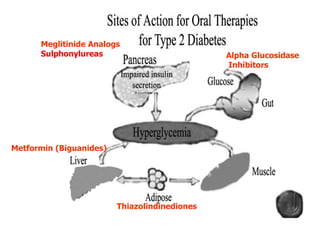
Meglitinide Analogs
Sulphonylureas
Thiazolindinediones
Metformin (Biguanides)
Alpha Glucosidase
Inhibitors
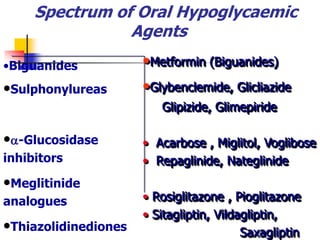
•Metformin (Biguanides)
•Glybenclemide, Glicliazide
Glipizide, Glimepiride
• Acarbose , Miglitol, Voglibose
• Repaglinide, Nateglinide
• Rosiglitazone , Pioglitazone
• Sitagliptin, Vildagliptin,
Saxagliptin
Spectrum of Oral Hypoglycaemic
Agents
•Biguanides
•Sulphonylureas
•-Glucosidase
inhibitors
•Meglitinide
analogues
•Thiazolidinediones
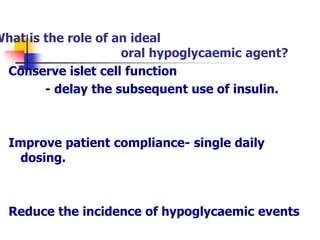
What is the role of an ideal
oral hypoglycaemic agent?
Conserve islet cell function
- delay the subsequent use of insulin.
Improve patient compliance- single daily
dosing.
Reduce the incidence of hypoglycaemic events
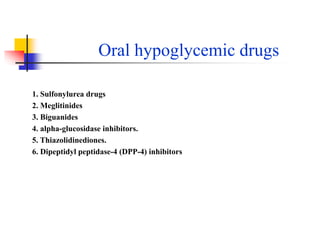
Oral hypoglycemic drugs
1. Sulfonylurea drugs
2. Meglitinides
3. Biguanides
4. alpha-glucosidase inhibitors.
5. Thiazolidinediones.
6. Dipeptidyl peptidase-4 (DPP-4) inhibitors
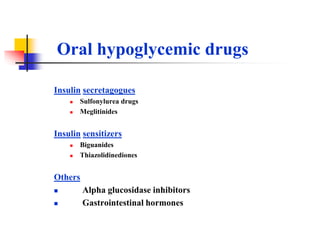
Insulin secretagogues
 Sulfonylurea drugs
 Meglitinides
Insulin sensitizers
 Biguanides
 Thiazolidinediones
Others
 Alpha glucosidase inhibitors
 Gastrointestinal hormones
Oral hypoglycemic drugs
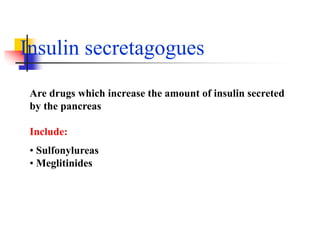
Insulin secretagogues
Are drugs which increase the amount of insulin secreted
by the pancreas
Include:
• Sulfonylureas
• Meglitinides
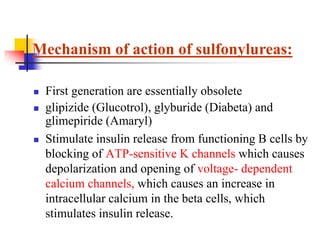
 First generation are essentially obsolete
 glipizide (Glucotrol), glyburide (Diabeta) and
glimepiride (Amaryl)
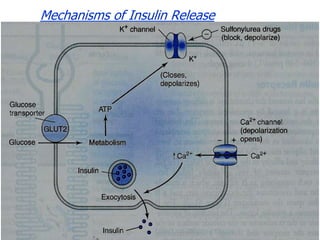
 Stimulate insulin release from functioning B cells by
blocking of ATP-sensitive K channels which causes
depolarization and opening of voltage- dependent
calcium channels, which causes an increase in
intracellular calcium in the beta cells, which
stimulates insulin release.
Mechanism of action of sulfonylureas:
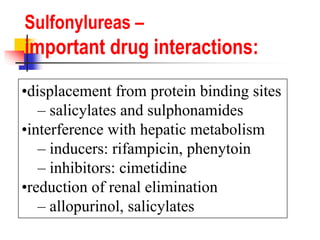
•displacement from protein binding sites
– salicylates and sulphonamides
•interference with hepatic metabolism
– inducers: rifampicin, phenytoin
– inhibitors: cimetidine
•reduction of renal elimination
– allopurinol, salicylates
Sulfonylureas –
important drug interactions:
Mechanisms of Insulin Release
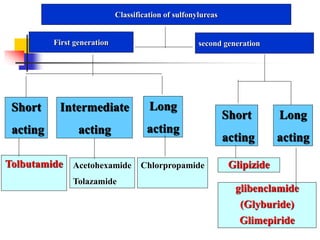
Classification of sulfonylureas
Tolbutamide Acetohexamide
Tolazamide
Chlorpropamide Glipizide
glibenclamide
(Glyburide)
Glimepiride
First generation
Long
acting
Short
acting
second generation
Short
acting
Intermediate
acting
Long
acting
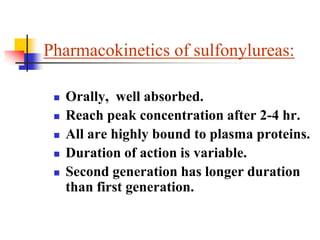
Pharmacokinetics of sulfonylureas:
 Orally, well absorbed.
 Reach peak concentration after 2-4 hr.
 All are highly bound to plasma proteins.
 Duration of action is variable.
 Second generation has longer duration
than first generation.
 Metabolized in liver
 excreted in urine (elderly and renal disease)
Pharmacokinetics of sulfonylureas:
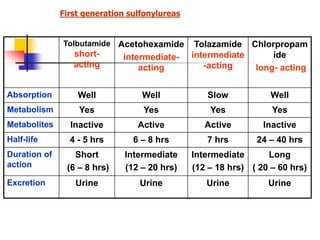
Tolbutamide
short-
acting
Acetohexamide
intermediate-
acting
Tolazamide
intermediate
-acting
Chlorpropam
ide
long- acting
Absorption Well Well Slow Well
Metabolism Yes Yes Yes Yes
Metabolites Inactive Active Active Inactive
Half-life 4 - 5 hrs 6 – 8 hrs 7 hrs 24 – 40 hrs
Duration of
action
Short
(6 – 8 hrs)
Intermediate
(12 – 20 hrs)
Intermediate
(12 – 18 hrs)
Long
( 20 – 60 hrs)
Excretion Urine Urine Urine Urine
First generation sulfonylureas
Tolbutamide:
safe for old diabetic patients or pts with
renal impairment.
First generation sulfonylureas
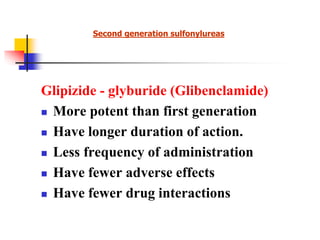
Glipizide - glyburide (Glibenclamide)
 More potent than first generation
 Have longer duration of action.
 Less frequency of administration
 Have fewer adverse effects
 Have fewer drug interactions
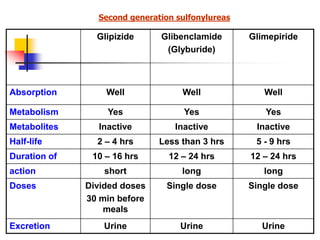
Second generation sulfonylureas
Glipizide Glibenclamide
(Glyburide)
Glimepiride
Absorption Well Well Well
Metabolism Yes Yes Yes
Metabolites Inactive Inactive Inactive
Half-life 2 – 4 hrs Less than 3 hrs 5 - 9 hrs
Duration of 10 – 16 hrs 12 – 24 hrs 12 – 24 hrs
action short long long
Doses Divided doses
30 min before
meals
Single dose Single dose
Excretion Urine Urine Urine
Second generation sulfonylureas
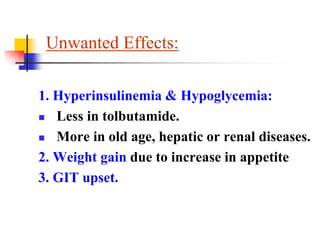
Unwanted Effects:
1. Hyperinsulinemia & Hypoglycemia:
 Less in tolbutamide.
 More in old age, hepatic or renal diseases.
2. Weight gain due to increase in appetite
3. GIT upset.
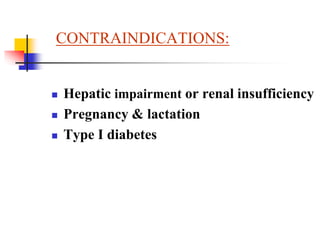
CONTRAINDICATIONS:
 Hepatic impairment or renal insufficiency
 Pregnancy & lactation
 Type I diabetes
Repaglinide/Nateglinide
are rapidly acting insulin secretagogues
Meglitinides (non
Sulphonylurea)
Mechanism of Action:
Stimulate insulin release from functioning β
cells via blocking ATP-sensitive K-channels
resulting in calcium influx and insulin
exocytosis.
Pharmacokinetics of meglitinides
 Orally, well absorbed.
 Very fast onset of action, peak 1 h.
 short duration of action (4 h).
 Metabolized in liver and excreted in bile.
 Taken just before each meal (3 times/day).
 Type II diabetes: monotherapy or combined with
metformin (better than monotherapy).
 Specific use in patients allergic to sulfur or
sulfonylureas.
 elderly patients in whom hypoglycaemia is a
concern
Uses of Meglitinides
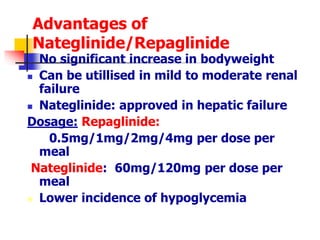
Advantages of
Nateglinide/Repaglinide
 No significant increase in bodyweight
 Can be utillised in mild to moderate renal
failure
 Nateglinide: approved in hepatic failure
Dosage: Repaglinide:
0.5mg/1mg/2mg/4mg per dose per
meal
Nateglinide: 60mg/120mg per dose per
meal
 Lower incidence of hypoglycemia
Disadvantages of Metaglinide
derivatives
Works predominantly in mild
hyperglycaemia
Less convincing with fasting
hyperglycaemia
 Hypoglycemia.
 Weight gain.
Adverse effects of Meglitinides
 Are drugs which increase the
sensitivity of target organs to insulin.
Include
 Biguanides
 Thiazolidinediones (Glitazones)
Insulin sensitizers
Metformin
By ADA and EASD guidelines
The primary drug of choice for
diabetes
Insulin sensitizers
Biguanides
 Does not require functioning B cells.
 Does not stimulate insulin release.
 Increases peripheral glucose utilization
(tissue glycolysis).
 Inhibits hepatic gluconeogenesis.
 Impairs glucose absorption from GIT.
 Reduces plasma glucagon level.
 LDL &VLDL.
  HDL
Mechanism of action of metformin
 orally.
 NOT bound to serum protein.
 NOT metabolized.
 t ½ 3 hours.
 Excreted unchanged in urine
Pharmacokinetics of metformin
 Type II diabetes particular, in overweight
and obese people (with insulin resistance).
Advantages:
 No risk of hyperinsulinemia or
hypoglycemia or weight gain (anorexia).
Uses of metformin
 GIT disturbances: nausea, vomiting,
diarrhea
 Long term use interferes with vitamin B12
absorption.
 Lactic acidosis: in patients with renal, liver,
pulmonary or cardiac diseases.
 Metallic taste in the mouth.
Adverse effects of metformin
 Renal disease.
 Liver disease.
 Alcoholism.
 Conditions predisposing to hypoxia as
cardiopulmonary dysfunction.
Contraindications of metformin
Initiate:
- after meals
- 250 to 500mg twice or thrice a day
- Increase gradually if required in 1 or 2 weeks
- mild loose stools in 10% initially, which
reduces gradually
-persistent loose stools in 5%
-Sustained released forms: more effective-
vehicle excreted in stool
Metformin:
Dosing from 500mg twice daily to
1 gramme thrice a day
Advantages:
Perpetuates weight loss
Can be combined with insulin
to reduce insulin requirements
Disadvantages:
Nausea, Vomiting and diarhorrea(5%)
Vitamin B12 Deficiency (0.5%)
Insulin sensitizers
Thiazolidinediones (glitazones)
 Pioglitazone (Actos)
 Rosiglitazone
 Troglitazone
Thiazolidinediones (TZDs)
They increase tissue insulin sensitivity but have
serious ADRs and the EMA recommended in
Sept (2010) that they be suspended from the
EU market:
- Rosiglitazone (Avandia)
has high cardiovascular risks.
- Pioglitazone causes bladder tumors.
- Troglitazone causes hepatitis.
Mechanism of action
 Activate PPAR- (peroxisome
proliferator-activated receptor -).
 Decrease insulin resistance.
 Increase sensitivity of target tissues to
insulin.
 Increase glucose uptake and utilization
in muscle and adipose tissue.
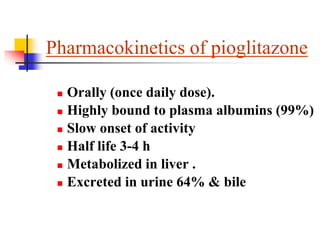
Pharmacokinetics of pioglitazone
 Orally (once daily dose).
 Highly bound to plasma albumins (99%)
 Slow onset of activity
 Half life 3-4 h
 Metabolized in liver .
 Excreted in urine 64% & bile
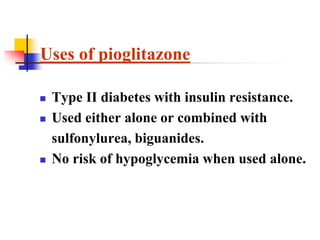
 Type II diabetes with insulin resistance.
 Used either alone or combined with
sulfonylurea, biguanides.
 No risk of hypoglycemia when used alone.
Uses of pioglitazone
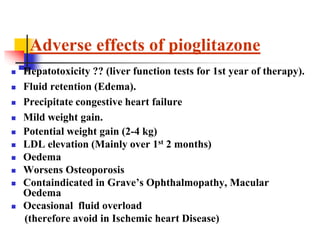
 Hepatotoxicity ?? (liver function tests for 1st year of therapy).
 Fluid retention (Edema).
 Precipitate congestive heart failure
 Mild weight gain.
 Potential weight gain (2-4 kg)
 LDL elevation (Mainly over 1st 2 months)
 Oedema
 Worsens Osteoporosis
 Containdicated in Grave’s Ophthalmopathy, Macular
Oedema
 Occasional fluid overload
(therefore avoid in Ischemic heart Disease)
Adverse effects of pioglitazone
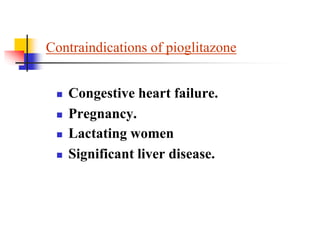
Contraindications of pioglitazone
 Congestive heart failure.
 Pregnancy.
 Lactating women
 Significant liver disease.
-Glucosidase inhibitors
 Acarbose
 Are reversible inhibitors of intestinal -glucosidases
in intestinal brush border that are responsible for
carbohydrate digestion.
 decrease carbohydrate digestion and glucose
absorption in small intestine.
 Acarbose (Precose) and miglitol (Glyset)
 Contraindicated in cirrhosis, malabsorption, severe
renal impairment
-Glucosidase inhibitors
 Decrease postprandial hyperglycemia.
 Taken just before meals.
 No hypoglycemia if used alone.
-Glucosidase inhibitors
Acarbose
 Given orally, poorly absorbed.
 Metabolized by intestinal bacteria.
 Excreted in stool and urine.
Kinetics of -glucosidase inhibitors
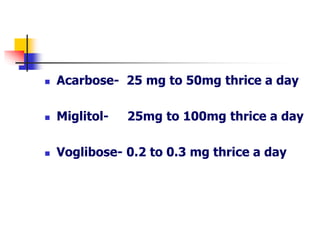
 Acarbose- 25 mg to 50mg thrice a day
 Miglitol- 25mg to 100mg thrice a day
 Voglibose- 0.2 to 0.3 mg thrice a day
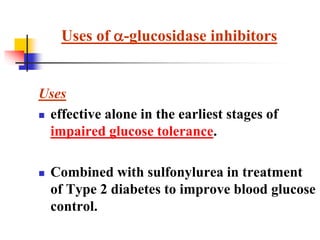
Uses
 effective alone in the earliest stages of
impaired glucose tolerance.
 Combined with sulfonylurea in treatment
of Type 2 diabetes to improve blood glucose
control.
Uses of -glucosidase inhibitors
 GIT: Flatulence, diarrhea, abdominal
pain
Adverse effects of -glucosidase
inhibitors
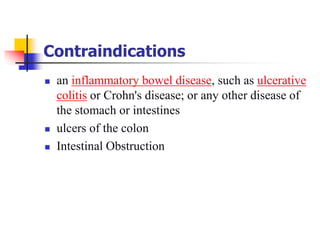
Contraindications
 an inflammatory bowel disease, such as ulcerative
colitis or Crohn's disease; or any other disease of
the stomach or intestines
 ulcers of the colon
 Intestinal Obstruction
Incretin concept
 Insulin secretion dynamics is
dependent on the method of
administration of glucose
 Intravenous glucose gives a marked
first and second phase response
 Oral glucose gives less marked first
and second phase insulin response, but
a prolonged and higher insulin
What are the incretins?
 GIP: Glucose-dependent insulinotrophic
polypeptide
Small effect in Type 2 diabetes.
 GLP-1(glucagon-like peptide 1)
augmented in the presence of
hyperglycaemia.
Action less at euglycaemia and in normal
subjects.
 Pituitary Adenylate Cyclase Activating
Peptide (PACAP)
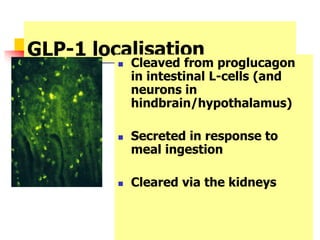
GLP-1 localisation
 Cleaved from proglucagon
in intestinal L-cells (and
neurons in
hindbrain/hypothalamus)
 Secreted in response to
meal ingestion
 Cleared via the kidneys
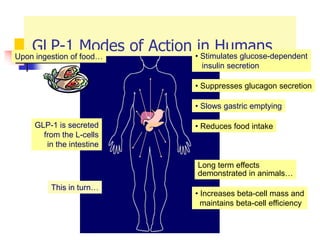
GLP-1 Modes of Action in Humans
GLP-1 is secreted
from the L-cells
in the intestine
This in turn…
• Stimulates glucose-dependent
insulin secretion
• Suppresses glucagon secretion
• Slows gastric emptying
Long term effects
demonstrated in animals…
• Increases beta-cell mass and
maintains beta-cell efficiency
• Reduces food intake
Upon ingestion of food…
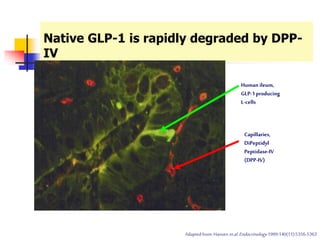
Native GLP-1 is rapidly degraded by DPP-
IV
Human ileum,
GLP-1producing
L-cells
Capillaries,
DiPeptidyl
Peptidase-IV
(DPP-IV)
Adaptedfrom:Hansenetal.Endocrinology1999:140(11):5356-5363
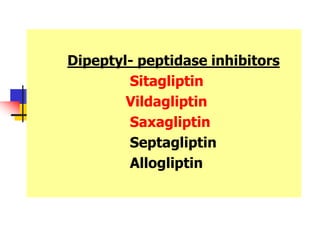
Dipeptyl- peptidase inhibitors
Sitagliptin
Vildagliptin
Saxagliptin
Septagliptin
Allogliptin
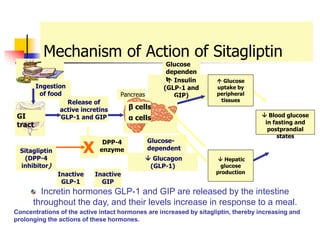
Mechanism of Action of Sitagliptin
Incretin hormones GLP-1 and GIP are released by the intestine
throughout the day, and their levels increase in response to a meal.
Concentrations of the active intact hormones are increased by sitagliptin, thereby increasing and
prolonging the actions of these hormones.
Release of
active incretins
GLP-1 and GIP  Blood glucose
in fasting and
postprandial
states
Ingestion
of food
 Glucagon
(GLP-1)
 Hepatic
glucose
production
GI
tract
DPP-4
enzyme
Inactive
GLP-1
X
Sitagliptin
(DPP-4
inhibitor)
 Insulin
(GLP-1 and
GIP)
Glucose-
dependent
Glucose
dependen
t
Pancreas
Inactive
GIP
β cells
α cells
 Glucose
uptake by
peripheral
tissues
30
Dipeptidyl peptidase-4 inhibitors
Dipeptidyl peptidase-4 inhibitors (DPP- 4
inhibitors) e.g. Sitagliptin, Vildagliptin
(DPP- 4 inhibitors)
Sitagliptin
 Orally
 Given once daily
 half life 8-14 h
 Dose is reduced in pts with renal
impairment
Mechanism of action of sitagliptin
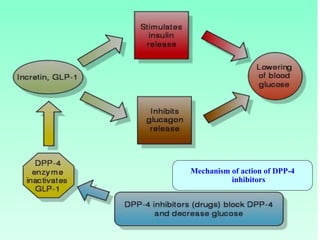
Inhibits DPP-4 enzyme, which metabolizes the
naturally occurring incretin hormones
thus increase incretin secretion (gastrointestinal
hormones secreted in response to food). Incretin
hormones decreases blood glucose level by :
 Increasing insulin secretion
 Decreasing glucagon secretion.
Mechanism of action of DPP-4
inhibitors
Clinical uses
 Type 2 diabetes mellitus as a monotherapy
or in combination with other oral
antidiabetic drugs when diet and exercise
are not enough.
Adverse effects
Nausea, abdominal pain, diarrhea.
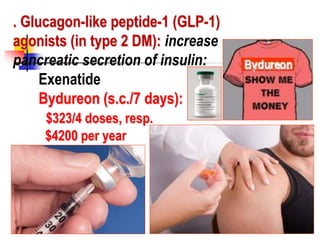
. Glucagon-like peptide-1 (GLP-1)
agonists (in type 2 DM): increase
pancreatic secretion of insulin:
Exenatide
Bydureon (s.c./7 days):
$323/4 doses, resp.
$4200 per year
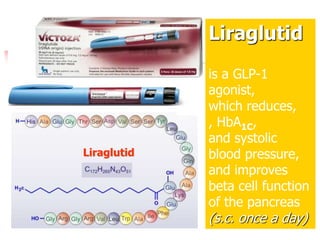
Liraglutid
Liraglutid
is a GLP-1
agonist,
which reduces,
, HbA1C,
and systolic
blood pressure,
and improves
beta cell function
of the pancreas
(s.c. once a day)
Inhibitors of reabsorption
of glucose (SGLT2 inhibitors): p.o.
•Canagliflozin blocks in renal proximal
tubule sodium / glucose co-transporter
protein 2 (SGLT2), which re-absorbed
90% of the filtrated glucose.
The result is increased glucosuria and
plasma glucose levels are lowered.
ADRs: Hypoglycaemia, vulvovaginal candidiasis
urinary tract infections, polyuria, frequent urination.
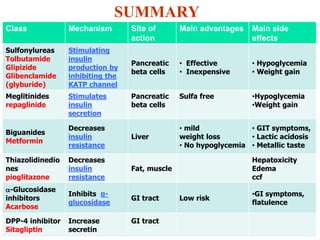
SUMMARY
Class Mechanism Site of
action
Main advantages Main side
effects
Sulfonylureas
Tolbutamide
Glipizide
Glibenclamide
(glyburide)
Stimulating
insulin
production by
inhibiting the
KATP channel
Pancreatic
beta cells
• Effective
• Inexpensive
• Hypoglycemia
• Weight gain
Meglitinides
repaglinide
Stimulates
insulin
secretion
Pancreatic
beta cells
Sulfa free •Hypoglycemia
•Weight gain
Biguanides
Metformin
Decreases
insulin
resistance
Liver
• mild
weight loss
• No hypoglycemia
• GIT symptoms,
• Lactic acidosis
• Metallic taste
Thiazolidinedio
nes
pioglitazone
Decreases
insulin
resistance
Fat, muscle
Hepatoxicity
Edema
ccf
-Glucosidase
inhibitors
Acarbose
Inhibits α-
glucosidase
GI tract Low risk
•GI symptoms,
flatulence
DPP-4 inhibitor
Sitagliptin
Increase
secretin
GI tract
Which is the appropriate oral
hypoglycaemic agent to use and
when?
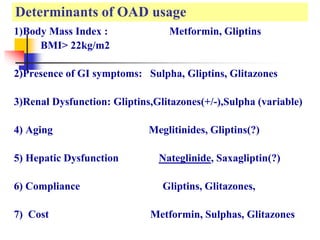
Determinants of OAD usage
1)Body Mass Index : Metformin, Gliptins
BMI> 22kg/m2
2)Presence of GI symptoms: Sulpha, Gliptins, Glitazones
3)Renal Dysfunction: Gliptins,Glitazones(+/-),Sulpha (variable)
4) Aging Meglitinides, Gliptins(?)
5) Hepatic Dysfunction Nateglinide, Saxagliptin(?)
6) Compliance Gliptins, Glitazones,
7) Cost Metformin, Sulphas, Glitazones
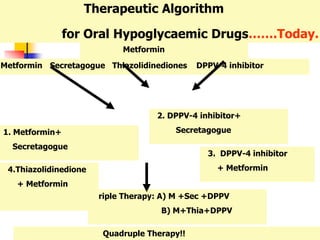
Therapeutic Algorithm
for Oral Hypoglycaemic Drugs…….Today.
Metformin Secretagogue Thiazolidinediones DPPV-4 inhibitor
1. Metformin+
Secretagogue
2. DPPV-4 inhibitor+
Secretagogue
Triple Therapy: A) M +Sec +DPPV
B) M+Thia+DPPV
Metformin
3. DPPV-4 inhibitor
+ Metformin
4.Thiazolidinedione
+ Metformin
Quadruple Therapy!!
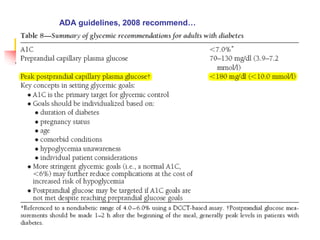
ADA guidelines, 2008 recommend…
Thank You
References
 Harrisons principle of internal medicine 19th Ed.
 Kumar & Clarks clinical medicine 7th Ed.
 Davidson's principles and practice of medicine 22nd Ed.
 Emergency Medicine Board Review Series. L Stead, Lippincott
Williams & Wilkins, 2000.
 Emergency Medicine, A comprehensive study guide. Tintinalli, 6th
edition, McGraw Hill, 2004.
 Medscape
Oral hypoglycemic 2018

Oral hypoglycemic 2018

  • 1.
    Oral hypoglycemic drugs Dr.Omozuapo Rebecca 2018
  • 2.
    Antidiabetic Drugs  Drugsused to control diabetes mellitus - a chronic disease that affects carbohydrate metabolism  2 groups of antidiabetic agents: Insulin & oral hypoglycemic agents - Oral hypoglycemic agents = synthetic preparations that stimulate insulin release or alter metabolic response to hyperglycemia - Insulin = a protein secreted from the beta cells of the pancreas - necessary for carbo metabolism & an important role in protein & fat metabolism
  • 3.
  • 4.
    •Metformin (Biguanides) •Glybenclemide, Glicliazide Glipizide,Glimepiride • Acarbose , Miglitol, Voglibose • Repaglinide, Nateglinide • Rosiglitazone , Pioglitazone • Sitagliptin, Vildagliptin, Saxagliptin Spectrum of Oral Hypoglycaemic Agents •Biguanides •Sulphonylureas •-Glucosidase inhibitors •Meglitinide analogues •Thiazolidinediones
  • 5.
    What is therole of an ideal oral hypoglycaemic agent? Conserve islet cell function - delay the subsequent use of insulin. Improve patient compliance- single daily dosing. Reduce the incidence of hypoglycaemic events
  • 6.
    Oral hypoglycemic drugs 1.Sulfonylurea drugs 2. Meglitinides 3. Biguanides 4. alpha-glucosidase inhibitors. 5. Thiazolidinediones. 6. Dipeptidyl peptidase-4 (DPP-4) inhibitors
  • 7.
    Insulin secretagogues  Sulfonylureadrugs  Meglitinides Insulin sensitizers  Biguanides  Thiazolidinediones Others  Alpha glucosidase inhibitors  Gastrointestinal hormones Oral hypoglycemic drugs
  • 8.
    Insulin secretagogues Are drugswhich increase the amount of insulin secreted by the pancreas Include: • Sulfonylureas • Meglitinides
  • 9.
     First generationare essentially obsolete  glipizide (Glucotrol), glyburide (Diabeta) and glimepiride (Amaryl)  Stimulate insulin release from functioning B cells by blocking of ATP-sensitive K channels which causes depolarization and opening of voltage- dependent calcium channels, which causes an increase in intracellular calcium in the beta cells, which stimulates insulin release. Mechanism of action of sulfonylureas:
  • 10.
    •displacement from proteinbinding sites – salicylates and sulphonamides •interference with hepatic metabolism – inducers: rifampicin, phenytoin – inhibitors: cimetidine •reduction of renal elimination – allopurinol, salicylates Sulfonylureas – important drug interactions:
  • 11.
  • 12.
    Classification of sulfonylureas TolbutamideAcetohexamide Tolazamide Chlorpropamide Glipizide glibenclamide (Glyburide) Glimepiride First generation Long acting Short acting second generation Short acting Intermediate acting Long acting
  • 13.
    Pharmacokinetics of sulfonylureas: Orally, well absorbed.  Reach peak concentration after 2-4 hr.  All are highly bound to plasma proteins.  Duration of action is variable.  Second generation has longer duration than first generation.
  • 14.
     Metabolized inliver  excreted in urine (elderly and renal disease) Pharmacokinetics of sulfonylureas:
  • 15.
    Tolbutamide short- acting Acetohexamide intermediate- acting Tolazamide intermediate -acting Chlorpropam ide long- acting Absorption WellWell Slow Well Metabolism Yes Yes Yes Yes Metabolites Inactive Active Active Inactive Half-life 4 - 5 hrs 6 – 8 hrs 7 hrs 24 – 40 hrs Duration of action Short (6 – 8 hrs) Intermediate (12 – 20 hrs) Intermediate (12 – 18 hrs) Long ( 20 – 60 hrs) Excretion Urine Urine Urine Urine First generation sulfonylureas
  • 16.
    Tolbutamide: safe for olddiabetic patients or pts with renal impairment. First generation sulfonylureas
  • 17.
    Glipizide - glyburide(Glibenclamide)  More potent than first generation  Have longer duration of action.  Less frequency of administration  Have fewer adverse effects  Have fewer drug interactions Second generation sulfonylureas
  • 18.
    Glipizide Glibenclamide (Glyburide) Glimepiride Absorption WellWell Well Metabolism Yes Yes Yes Metabolites Inactive Inactive Inactive Half-life 2 – 4 hrs Less than 3 hrs 5 - 9 hrs Duration of 10 – 16 hrs 12 – 24 hrs 12 – 24 hrs action short long long Doses Divided doses 30 min before meals Single dose Single dose Excretion Urine Urine Urine Second generation sulfonylureas
  • 19.
    Unwanted Effects: 1. Hyperinsulinemia& Hypoglycemia:  Less in tolbutamide.  More in old age, hepatic or renal diseases. 2. Weight gain due to increase in appetite 3. GIT upset.
  • 20.
    CONTRAINDICATIONS:  Hepatic impairmentor renal insufficiency  Pregnancy & lactation  Type I diabetes
  • 21.
    Repaglinide/Nateglinide are rapidly actinginsulin secretagogues Meglitinides (non Sulphonylurea)
  • 22.
    Mechanism of Action: Stimulateinsulin release from functioning β cells via blocking ATP-sensitive K-channels resulting in calcium influx and insulin exocytosis.
  • 23.
    Pharmacokinetics of meglitinides Orally, well absorbed.  Very fast onset of action, peak 1 h.  short duration of action (4 h).  Metabolized in liver and excreted in bile.  Taken just before each meal (3 times/day).
  • 24.
     Type IIdiabetes: monotherapy or combined with metformin (better than monotherapy).  Specific use in patients allergic to sulfur or sulfonylureas.  elderly patients in whom hypoglycaemia is a concern Uses of Meglitinides
  • 25.
    Advantages of Nateglinide/Repaglinide  Nosignificant increase in bodyweight  Can be utillised in mild to moderate renal failure  Nateglinide: approved in hepatic failure Dosage: Repaglinide: 0.5mg/1mg/2mg/4mg per dose per meal Nateglinide: 60mg/120mg per dose per meal  Lower incidence of hypoglycemia
  • 26.
    Disadvantages of Metaglinide derivatives Workspredominantly in mild hyperglycaemia Less convincing with fasting hyperglycaemia
  • 27.
     Hypoglycemia.  Weightgain. Adverse effects of Meglitinides
  • 28.
     Are drugswhich increase the sensitivity of target organs to insulin. Include  Biguanides  Thiazolidinediones (Glitazones) Insulin sensitizers
  • 29.
    Metformin By ADA andEASD guidelines The primary drug of choice for diabetes Insulin sensitizers Biguanides
  • 30.
     Does notrequire functioning B cells.  Does not stimulate insulin release.  Increases peripheral glucose utilization (tissue glycolysis).  Inhibits hepatic gluconeogenesis.  Impairs glucose absorption from GIT.  Reduces plasma glucagon level.  LDL &VLDL.   HDL Mechanism of action of metformin
  • 31.
     orally.  NOTbound to serum protein.  NOT metabolized.  t ½ 3 hours.  Excreted unchanged in urine Pharmacokinetics of metformin
  • 32.
     Type IIdiabetes particular, in overweight and obese people (with insulin resistance). Advantages:  No risk of hyperinsulinemia or hypoglycemia or weight gain (anorexia). Uses of metformin
  • 33.
     GIT disturbances:nausea, vomiting, diarrhea  Long term use interferes with vitamin B12 absorption.  Lactic acidosis: in patients with renal, liver, pulmonary or cardiac diseases.  Metallic taste in the mouth. Adverse effects of metformin
  • 34.
     Renal disease. Liver disease.  Alcoholism.  Conditions predisposing to hypoxia as cardiopulmonary dysfunction. Contraindications of metformin
  • 35.
    Initiate: - after meals -250 to 500mg twice or thrice a day - Increase gradually if required in 1 or 2 weeks - mild loose stools in 10% initially, which reduces gradually -persistent loose stools in 5% -Sustained released forms: more effective- vehicle excreted in stool
  • 36.
    Metformin: Dosing from 500mgtwice daily to 1 gramme thrice a day Advantages: Perpetuates weight loss Can be combined with insulin to reduce insulin requirements Disadvantages: Nausea, Vomiting and diarhorrea(5%) Vitamin B12 Deficiency (0.5%)
  • 37.
    Insulin sensitizers Thiazolidinediones (glitazones) Pioglitazone (Actos)  Rosiglitazone  Troglitazone
  • 38.
    Thiazolidinediones (TZDs) They increasetissue insulin sensitivity but have serious ADRs and the EMA recommended in Sept (2010) that they be suspended from the EU market: - Rosiglitazone (Avandia) has high cardiovascular risks. - Pioglitazone causes bladder tumors. - Troglitazone causes hepatitis.
  • 39.
    Mechanism of action Activate PPAR- (peroxisome proliferator-activated receptor -).  Decrease insulin resistance.  Increase sensitivity of target tissues to insulin.  Increase glucose uptake and utilization in muscle and adipose tissue.
  • 40.
    Pharmacokinetics of pioglitazone Orally (once daily dose).  Highly bound to plasma albumins (99%)  Slow onset of activity  Half life 3-4 h  Metabolized in liver .  Excreted in urine 64% & bile
  • 41.
     Type IIdiabetes with insulin resistance.  Used either alone or combined with sulfonylurea, biguanides.  No risk of hypoglycemia when used alone. Uses of pioglitazone
  • 42.
     Hepatotoxicity ??(liver function tests for 1st year of therapy).  Fluid retention (Edema).  Precipitate congestive heart failure  Mild weight gain.  Potential weight gain (2-4 kg)  LDL elevation (Mainly over 1st 2 months)  Oedema  Worsens Osteoporosis  Containdicated in Grave’s Ophthalmopathy, Macular Oedema  Occasional fluid overload (therefore avoid in Ischemic heart Disease) Adverse effects of pioglitazone
  • 43.
    Contraindications of pioglitazone Congestive heart failure.  Pregnancy.  Lactating women  Significant liver disease.
  • 44.
  • 45.
     Are reversibleinhibitors of intestinal -glucosidases in intestinal brush border that are responsible for carbohydrate digestion.  decrease carbohydrate digestion and glucose absorption in small intestine.  Acarbose (Precose) and miglitol (Glyset)  Contraindicated in cirrhosis, malabsorption, severe renal impairment -Glucosidase inhibitors
  • 46.
     Decrease postprandialhyperglycemia.  Taken just before meals.  No hypoglycemia if used alone. -Glucosidase inhibitors
  • 47.
    Acarbose  Given orally,poorly absorbed.  Metabolized by intestinal bacteria.  Excreted in stool and urine. Kinetics of -glucosidase inhibitors
  • 48.
     Acarbose- 25mg to 50mg thrice a day  Miglitol- 25mg to 100mg thrice a day  Voglibose- 0.2 to 0.3 mg thrice a day
  • 49.
    Uses  effective alonein the earliest stages of impaired glucose tolerance.  Combined with sulfonylurea in treatment of Type 2 diabetes to improve blood glucose control. Uses of -glucosidase inhibitors
  • 50.
     GIT: Flatulence,diarrhea, abdominal pain Adverse effects of -glucosidase inhibitors
  • 51.
    Contraindications  an inflammatorybowel disease, such as ulcerative colitis or Crohn's disease; or any other disease of the stomach or intestines  ulcers of the colon  Intestinal Obstruction
  • 52.
    Incretin concept  Insulinsecretion dynamics is dependent on the method of administration of glucose  Intravenous glucose gives a marked first and second phase response  Oral glucose gives less marked first and second phase insulin response, but a prolonged and higher insulin
  • 53.
    What are theincretins?  GIP: Glucose-dependent insulinotrophic polypeptide Small effect in Type 2 diabetes.  GLP-1(glucagon-like peptide 1) augmented in the presence of hyperglycaemia. Action less at euglycaemia and in normal subjects.  Pituitary Adenylate Cyclase Activating Peptide (PACAP)
  • 54.
    GLP-1 localisation  Cleavedfrom proglucagon in intestinal L-cells (and neurons in hindbrain/hypothalamus)  Secreted in response to meal ingestion  Cleared via the kidneys
  • 55.
    GLP-1 Modes ofAction in Humans GLP-1 is secreted from the L-cells in the intestine This in turn… • Stimulates glucose-dependent insulin secretion • Suppresses glucagon secretion • Slows gastric emptying Long term effects demonstrated in animals… • Increases beta-cell mass and maintains beta-cell efficiency • Reduces food intake Upon ingestion of food…
  • 56.
    Native GLP-1 israpidly degraded by DPP- IV Human ileum, GLP-1producing L-cells Capillaries, DiPeptidyl Peptidase-IV (DPP-IV) Adaptedfrom:Hansenetal.Endocrinology1999:140(11):5356-5363
  • 57.
  • 58.
    Mechanism of Actionof Sitagliptin Incretin hormones GLP-1 and GIP are released by the intestine throughout the day, and their levels increase in response to a meal. Concentrations of the active intact hormones are increased by sitagliptin, thereby increasing and prolonging the actions of these hormones. Release of active incretins GLP-1 and GIP  Blood glucose in fasting and postprandial states Ingestion of food  Glucagon (GLP-1)  Hepatic glucose production GI tract DPP-4 enzyme Inactive GLP-1 X Sitagliptin (DPP-4 inhibitor)  Insulin (GLP-1 and GIP) Glucose- dependent Glucose dependen t Pancreas Inactive GIP β cells α cells  Glucose uptake by peripheral tissues 30
  • 59.
    Dipeptidyl peptidase-4 inhibitors Dipeptidylpeptidase-4 inhibitors (DPP- 4 inhibitors) e.g. Sitagliptin, Vildagliptin
  • 60.
    (DPP- 4 inhibitors) Sitagliptin Orally  Given once daily  half life 8-14 h  Dose is reduced in pts with renal impairment
  • 61.
    Mechanism of actionof sitagliptin Inhibits DPP-4 enzyme, which metabolizes the naturally occurring incretin hormones thus increase incretin secretion (gastrointestinal hormones secreted in response to food). Incretin hormones decreases blood glucose level by :  Increasing insulin secretion  Decreasing glucagon secretion.
  • 62.
    Mechanism of actionof DPP-4 inhibitors
  • 63.
    Clinical uses  Type2 diabetes mellitus as a monotherapy or in combination with other oral antidiabetic drugs when diet and exercise are not enough. Adverse effects Nausea, abdominal pain, diarrhea.
  • 64.
    . Glucagon-like peptide-1(GLP-1) agonists (in type 2 DM): increase pancreatic secretion of insulin: Exenatide Bydureon (s.c./7 days): $323/4 doses, resp. $4200 per year
  • 65.
    Liraglutid Liraglutid is a GLP-1 agonist, whichreduces, , HbA1C, and systolic blood pressure, and improves beta cell function of the pancreas (s.c. once a day)
  • 66.
    Inhibitors of reabsorption ofglucose (SGLT2 inhibitors): p.o. •Canagliflozin blocks in renal proximal tubule sodium / glucose co-transporter protein 2 (SGLT2), which re-absorbed 90% of the filtrated glucose. The result is increased glucosuria and plasma glucose levels are lowered. ADRs: Hypoglycaemia, vulvovaginal candidiasis urinary tract infections, polyuria, frequent urination.
  • 67.
    SUMMARY Class Mechanism Siteof action Main advantages Main side effects Sulfonylureas Tolbutamide Glipizide Glibenclamide (glyburide) Stimulating insulin production by inhibiting the KATP channel Pancreatic beta cells • Effective • Inexpensive • Hypoglycemia • Weight gain Meglitinides repaglinide Stimulates insulin secretion Pancreatic beta cells Sulfa free •Hypoglycemia •Weight gain Biguanides Metformin Decreases insulin resistance Liver • mild weight loss • No hypoglycemia • GIT symptoms, • Lactic acidosis • Metallic taste Thiazolidinedio nes pioglitazone Decreases insulin resistance Fat, muscle Hepatoxicity Edema ccf -Glucosidase inhibitors Acarbose Inhibits α- glucosidase GI tract Low risk •GI symptoms, flatulence DPP-4 inhibitor Sitagliptin Increase secretin GI tract
  • 68.
    Which is theappropriate oral hypoglycaemic agent to use and when?
  • 69.
    Determinants of OADusage 1)Body Mass Index : Metformin, Gliptins BMI> 22kg/m2 2)Presence of GI symptoms: Sulpha, Gliptins, Glitazones 3)Renal Dysfunction: Gliptins,Glitazones(+/-),Sulpha (variable) 4) Aging Meglitinides, Gliptins(?) 5) Hepatic Dysfunction Nateglinide, Saxagliptin(?) 6) Compliance Gliptins, Glitazones, 7) Cost Metformin, Sulphas, Glitazones
  • 70.
    Therapeutic Algorithm for OralHypoglycaemic Drugs…….Today. Metformin Secretagogue Thiazolidinediones DPPV-4 inhibitor 1. Metformin+ Secretagogue 2. DPPV-4 inhibitor+ Secretagogue Triple Therapy: A) M +Sec +DPPV B) M+Thia+DPPV Metformin 3. DPPV-4 inhibitor + Metformin 4.Thiazolidinedione + Metformin Quadruple Therapy!!
  • 71.
  • 72.
  • 73.
    References  Harrisons principleof internal medicine 19th Ed.  Kumar & Clarks clinical medicine 7th Ed.  Davidson's principles and practice of medicine 22nd Ed.  Emergency Medicine Board Review Series. L Stead, Lippincott Williams & Wilkins, 2000.  Emergency Medicine, A comprehensive study guide. Tintinalli, 6th edition, McGraw Hill, 2004.  Medscape