Maharshi Dayanand University, Rohtak
Department of Pharmaceutical Sciences
Topic - Oral Hypoglycemic Drugs
Submitted To: Dr. Govind Singh Submitted By :Manish Yadav
Associate professor(P’Cology) Roll no : 4101
M. Pharm ( Pharmacology)
Second Semester
Oral Hypoglycemic Drugs
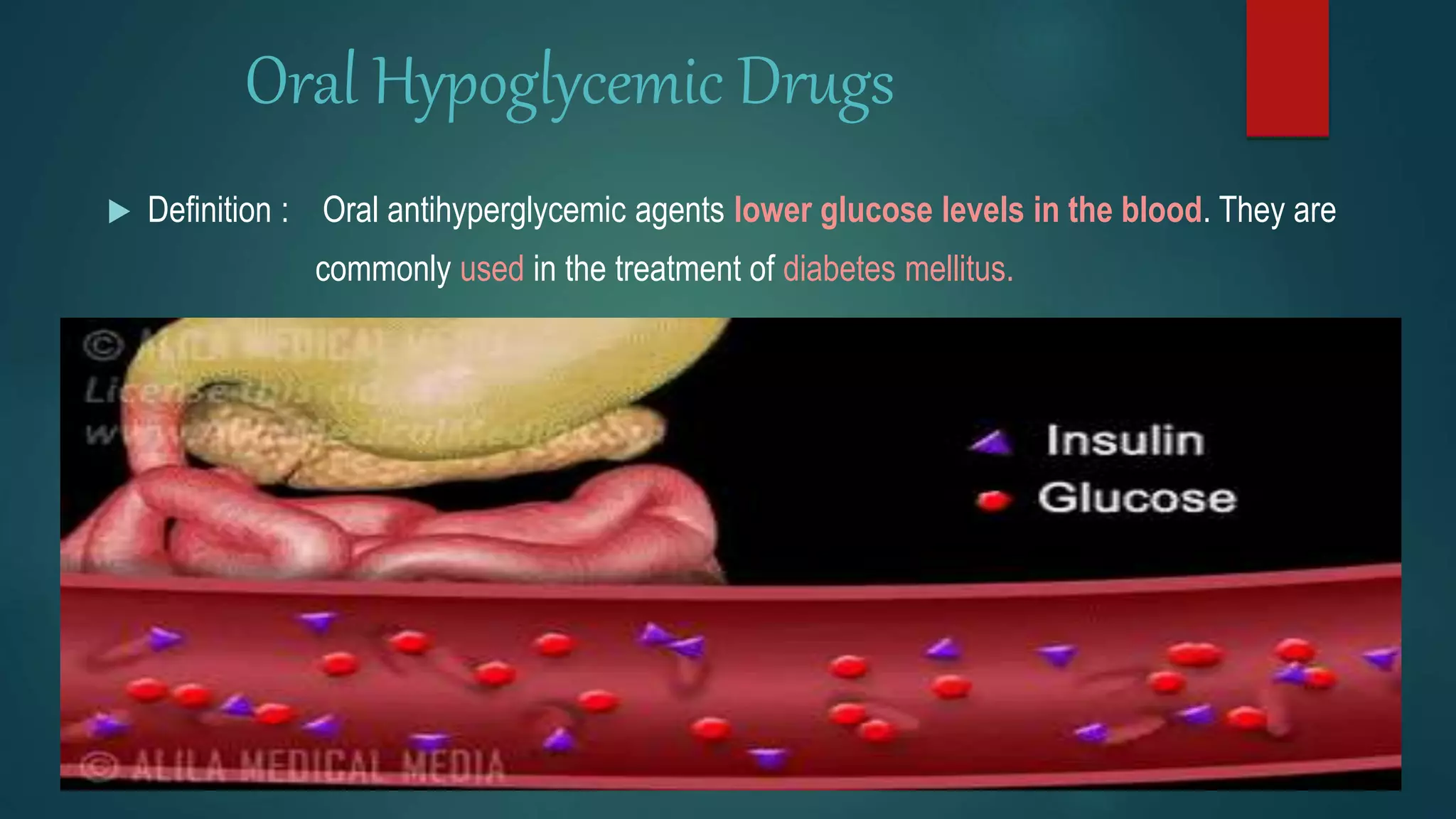
 Definition : Oral antihyperglycemic agents lower glucose levels in the blood. They are
commonly used in the treatment of diabetes mellitus.
Objectives:
 By the end of the lecture , you should know:
● Classify different categories of antidiabetic drugs.
● Identify mechanism of action, pharmacokinetics and pharmacodynamics of each class of
antidiabetic drugs.
● Identify the clinical uses of antidiabetic drugs
● Know the side effects, of each class of antidiabetic
drugs.
Types of diabetes mellitus
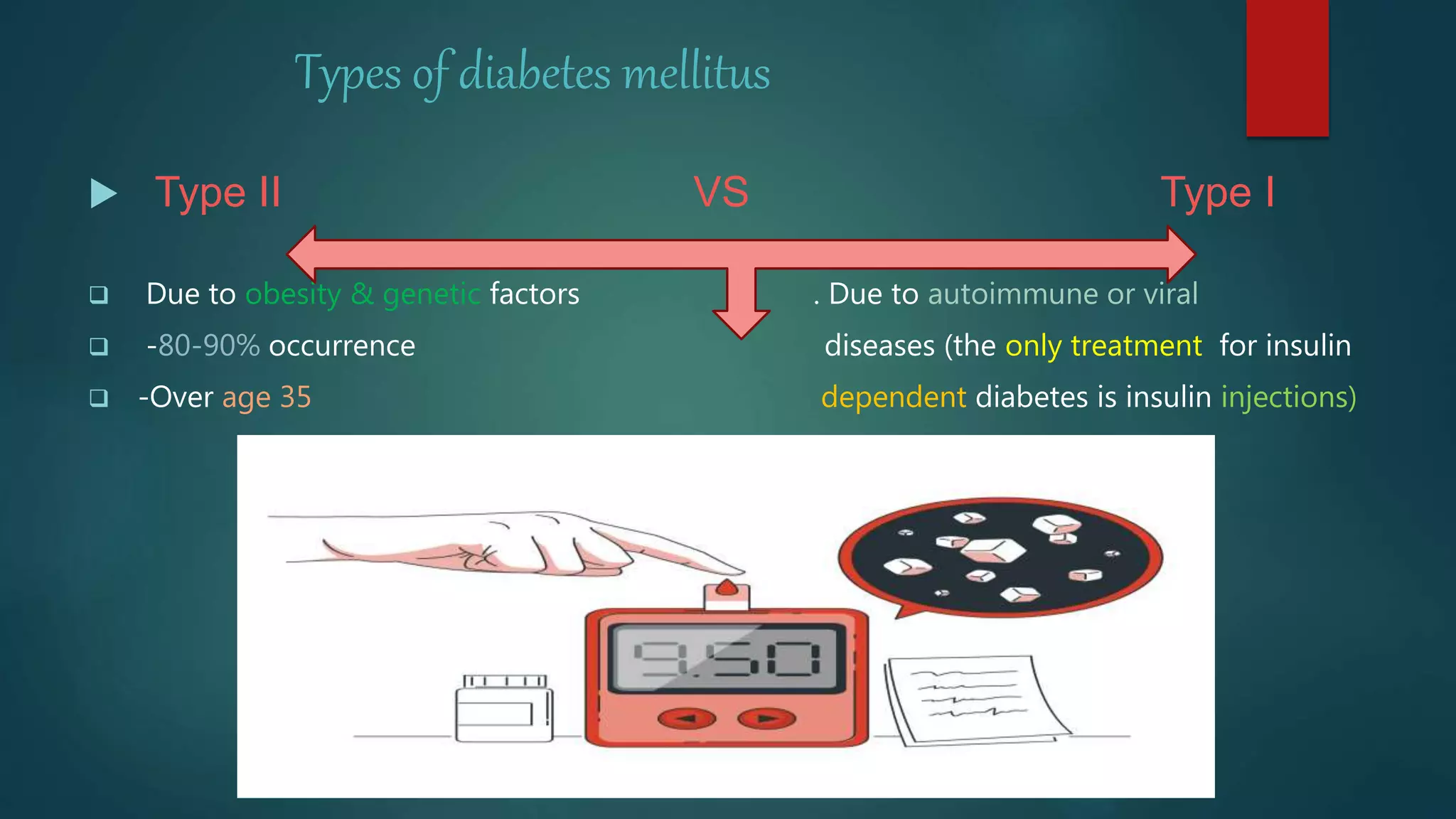
 Type II VS Type I
 Due to obesity & genetic factors . Due to autoimmune or viral
 -80-90% occurrence diseases (the only treatment for insulin
 -Over age 35 dependent diabetes is insulin injections)
ssss
Patients with Type II diabetes have two physiological
defects:
 1. Abnormal insulin secretion. (partial production of insulin)
 2. Resistance to insulin action in target tissues associated with decreased number of
insulin receptors.
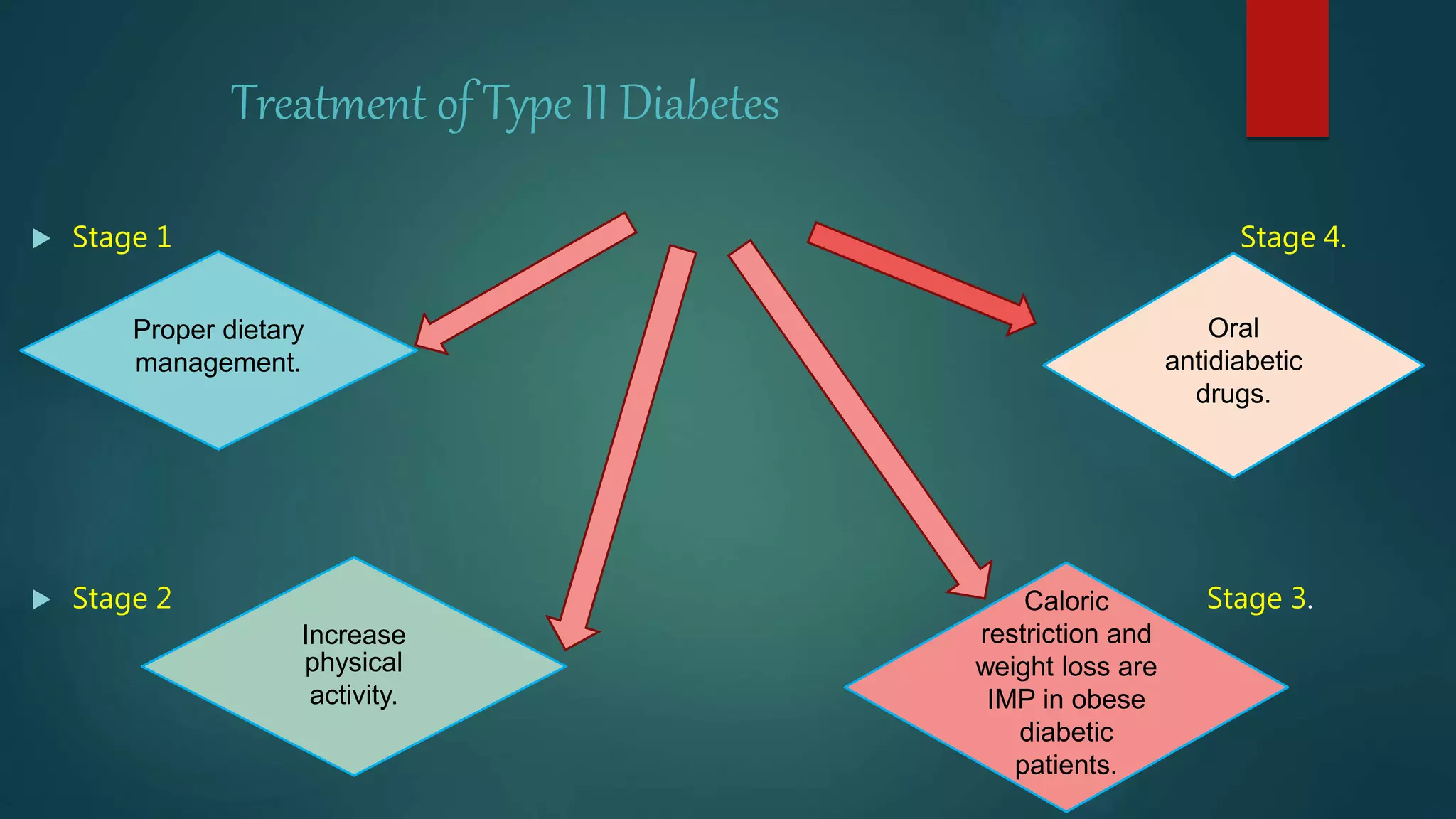
Treatment of Type II Diabetes
 Stage 1 Stage 4.
 Stage 2 Stage 3.
Proper dietary
management.
Increase
physical
activity.
Caloric
restriction and
weight loss are
IMP in obese
diabetic
patients.
Oral
antidiabetic
drugs.
Stage 1. Proper dietary management
2.Increase physical activity
Stage 3. Caloric restriction and weight loss are
IMP in obese diabetic patients
Stage 4: Oral antidiabetic drugs
General trick to manage
Type 2 diabetes is managed through a stepwise approach
 Step1. Starting with diet and exercise than .
 Step 2. followed by oral hypoglycemic drugs.
 Step 3. Then combination therapy if the patient is not responding to monotherapy of
oral hypoglycemics.
 Step 4. And finally in advanced severe cases insulin injections are used.
 Step 5. They increase the production of insulin.
 Step6 . They increase the sensitivity of peripheral tissues to insulin.
Oral hypoglycemic drugs
( Antidiabetic drugs )
 1: Insulin secretagogues 2. Insulin sensitizers :
1. Sulfonylurea drugs. 1. Biguanides
2. Meglitinides 2. Thiazolidinedione
 3. Agents that reduce 4 Agents that reduce glucose renal
reabsorption
carbohydrate absorption
(Increase glucose excretion):
1. Alpha glucosidase
inhibitor 1. Sodium/glucose cotransporter 2 (SGLT2)
inhibitors :
1.Insulin secretagogues
Definition :
 ● Are drugs which increase the amount of insulin secreted by the pancreas
 ★ Their action depends upon functioning pancreatic β-cells .
 ● It includes: a. Sulfonylureas
b. Meglitinides
( 1-1) sulfonylureas
 Class First generation (-amide) Second generation (-ride/ zide)

Drug -Acetohexamide - Tolbutamide - Glyburide (glibenclamide) - Gliclazide
- Glimepiride - Glipizide
-Chlorpropamide
Long acting Short acting Long acting (-ride) Short acting (-zide)
 P.K ● Orally -- well absorbed.
★ All are highly bound to -- plasma proteins.
● Excreted in-- urine .
★ Cross placenta, stimulate fetal β-cells to release insulin → fetal hypoglycemia at birth.
● Reach peak concentration after-- 2-4 hr
● Duration of action is variable
● Metabolized in-- liver
Uses ● Treatment of Type II diabetes-- monotherapy or in combination with other
antidiabetic drugs .
ADR 1. Hyperinsulinemia & Hypoglycemia:
○ More common in long acting sulfonylureas; particularly (glyburide, and glimepiride)
○ More in old age, hepatic or renal diseases.
2. Weight gain due to increase in appetite unless the diabetic diet and exercise program
are followed.
NOTE: 1. All hypoglycemic drugs are C.I during pregnancy, even if the patient was
diagnosed with type 2 diabetes.
2. The only treatments that is allowed during pregnancy is insulin.
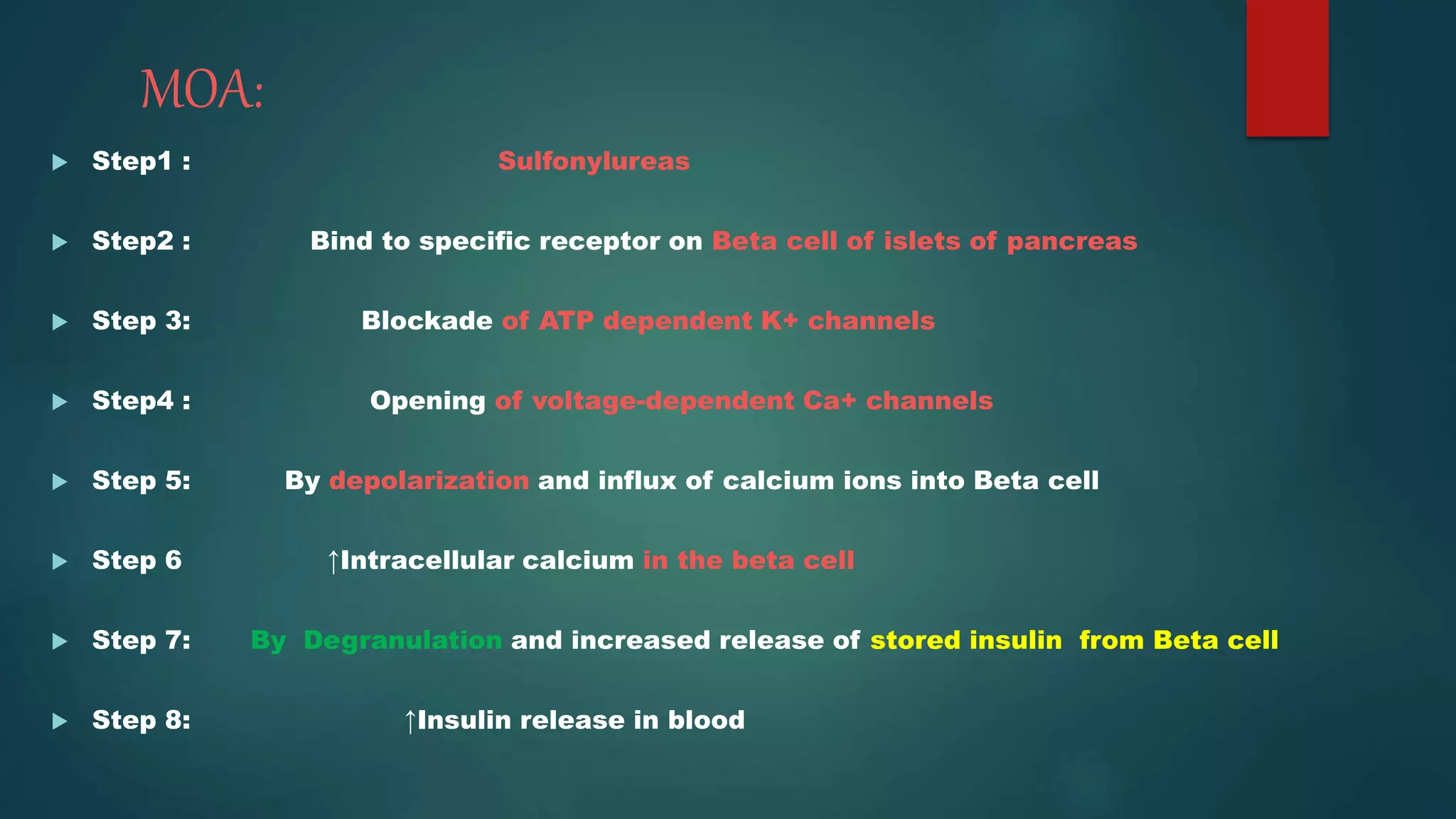
MOA:
 Step1 : Sulfonylureas
 Step2 : Bind to specific receptor on Beta cell of islets of pancreas
 Step 3: Blockade of ATP dependent K+ channels
 Step4 : Opening of voltage-dependent Ca+ channels
 Step 5: By depolarization and influx of calcium ions into Beta cell
 Step 6 ↑Intracellular calcium in the beta cell
 Step 7: By Degranulation and increased release of stored insulin from Beta cell
 Step 8: ↑Insulin release in blood
.
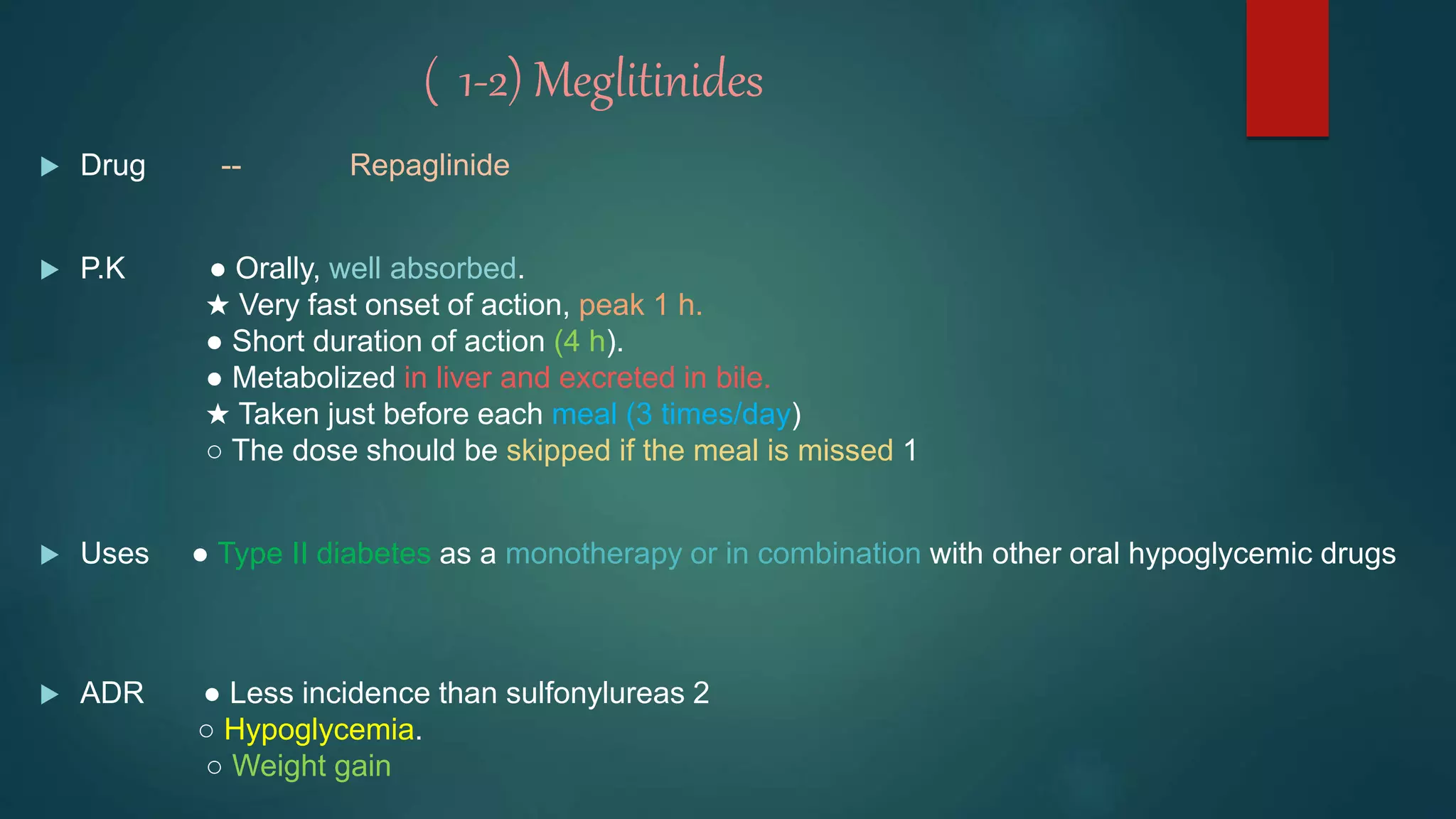
( 1-2) Meglitinides
 Drug -- Repaglinide
 P.K ● Orally, well absorbed.
★ Very fast onset of action, peak 1 h.
● Short duration of action (4 h).
● Metabolized in liver and excreted in bile.
★ Taken just before each meal (3 times/day)
○ The dose should be skipped if the meal is missed 1
 Uses ● Type II diabetes as a monotherapy or in combination with other oral hypoglycemic drugs
 ADR ● Less incidence than sulfonylureas 2
○ Hypoglycemia.
○ Weight gain
MOA : Meglitinides
,Meglitinides (glinides) are based on the sulfonylurea moiety of glibenclamide (called meglitinide).
They bind to the SUR1 receptor on the β-cell, although with lower affinity than sulfonylureas,
and stimulate insulin release in the same way.
Note : 1 Sulfonylurea monotherapy is associated with higher risk for all-cause mortality, major
hypoglycemic episodes, and cardiovascular events compared with metformin
2. Meglitinides are secretagogues like sulfonylureas, although not structurally related
.Note: Sulfonylureas and meglitinides
 Sulfonylureas and meglitinides directly stimulate release of insulin from
pancreatic beta cells and thereby lower blood glucose concentrations.
 Because they work by stimulating insulin secretion, they are useful only in
patients with some beta cell function
2- Insulin sensitizers
Definition:
Drugs that increase the sensitivity of peripheral target organs to insulin
 1. Biguanides 2. Thiazolidinediones
E.g. Metformin E .g Pioglitazone
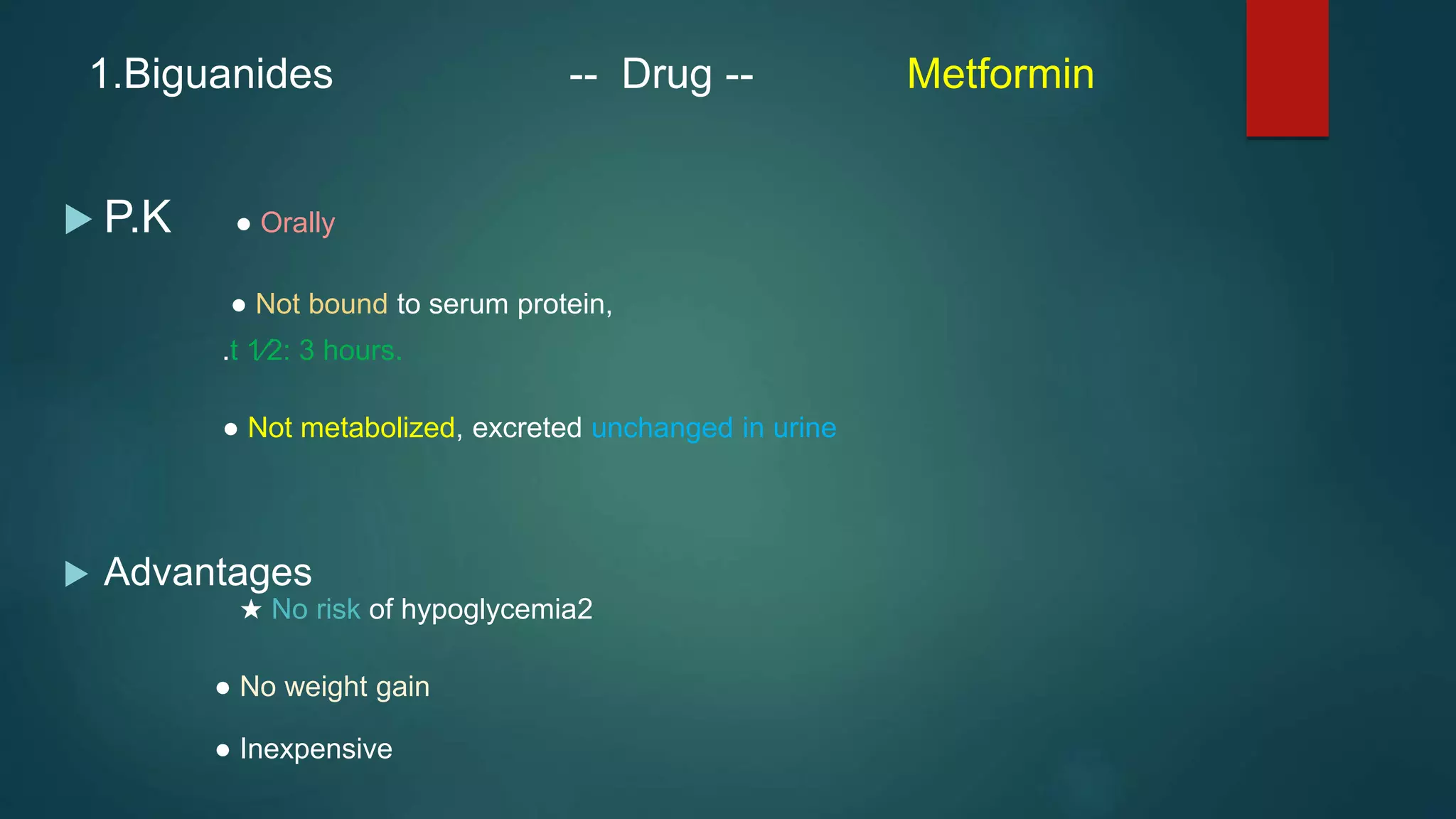
1.Biguanides -- Drug -- Metformin
 P.K ● Orally
● Not bound to serum protein,
.t 1⁄2: 3 hours.
● Not metabolized, excreted unchanged in urine
 Advantages
★ No risk of hypoglycemia2
● No weight gain
● Inexpensive
Uses
★ In patients with type 2 diabetes who are obese because it promotes
modest weight reduction (first-line therapy).
● Type 2 diabetes as monotherapy or in combination with other antidiabetics.
ADR
● GIT disturbances:
○ Metallic taste in the mouth, nausea, vomiting, diarrhea
○ Metformin should be taken with meals and should be started at a low dose to avoid
intestinal side effects then increase gradually.
★ Lactic acidosis 5 (very rare):
● In long term use: Interference with vitamin B12 absorption8
MOA : Metformin
• 1 . Decreases the liver's production of glucose via activation of AMP-activated protein kinase
(AMPK) Adenosine Monophosphate-Activated Protein Kinase
• 2. Other possible mechanism may contribute to its effects, and include:
• inhibiting the breakdown of fatty acids used to produce glucose
• at very high doses it may increase the removal of glucose from muscle, the liver, and other body tissues
where it is stored.
MOA: Metformin
( 2- 2) Thiazolidinediones
 Drug -- Pioglitazone & Rosiglitazone (-glitazone)
 P.K ● Orally (once daily dose).
● Highly bound to plasma albumins (99%)
● Slow onset of activity
● Half life 3-4 h 2
● Metabolized in the liver
● Excreted in bile and urine
 Uses ● Type II diabetes with insulin resistance.
● Used either alone or in combination with sulfonylurea, biguanides or insulin.
★ No risk of hypoglycemia when used alone
 ADR ● Hepatotoxicity (monitor liver function tests for 1st year of therapy).
★ Fluid retention (Edema)
★ Congestive heart failure3
● Mild weight gain
● Failure of estrogen-containing oral contraceptives
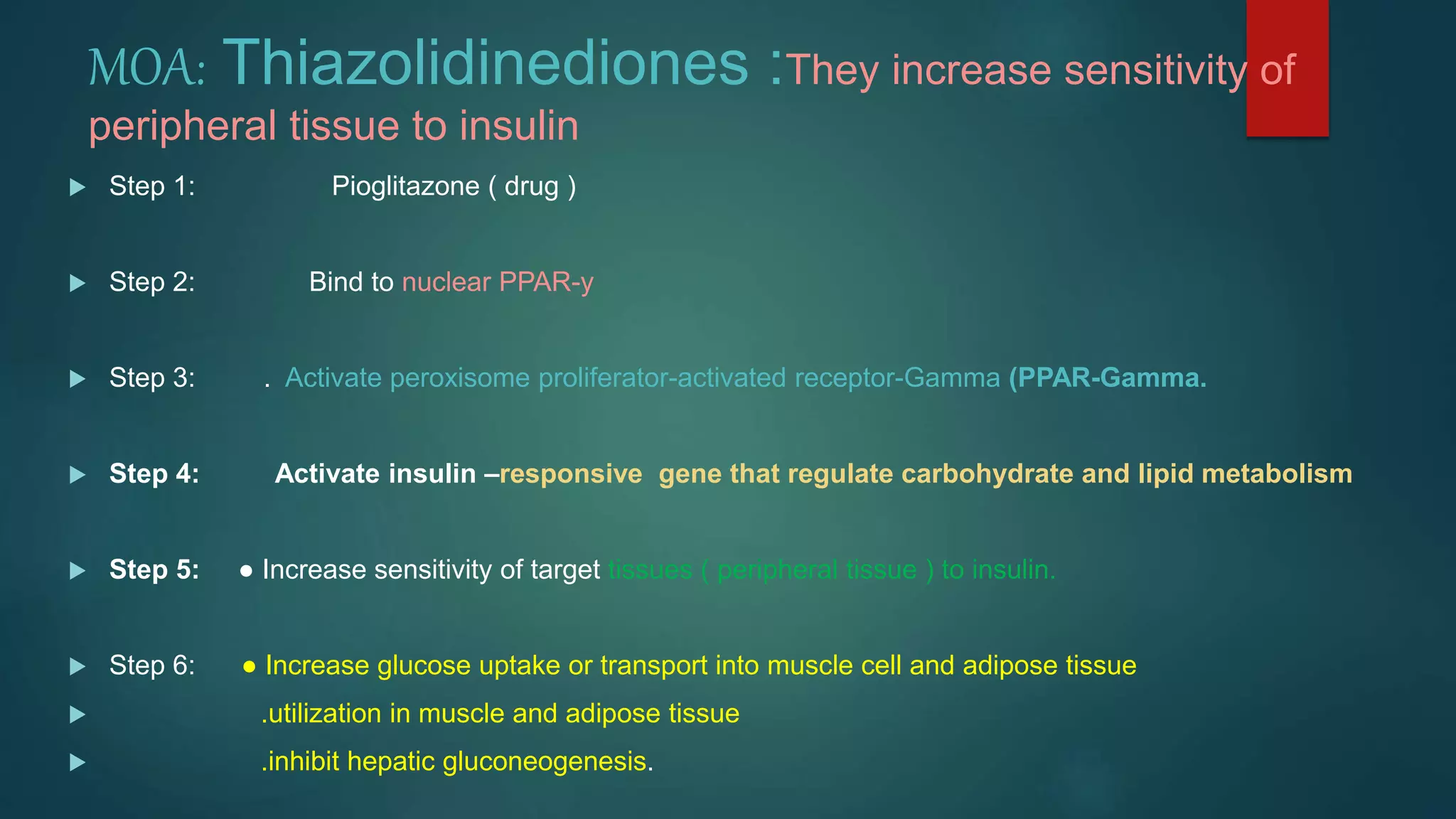
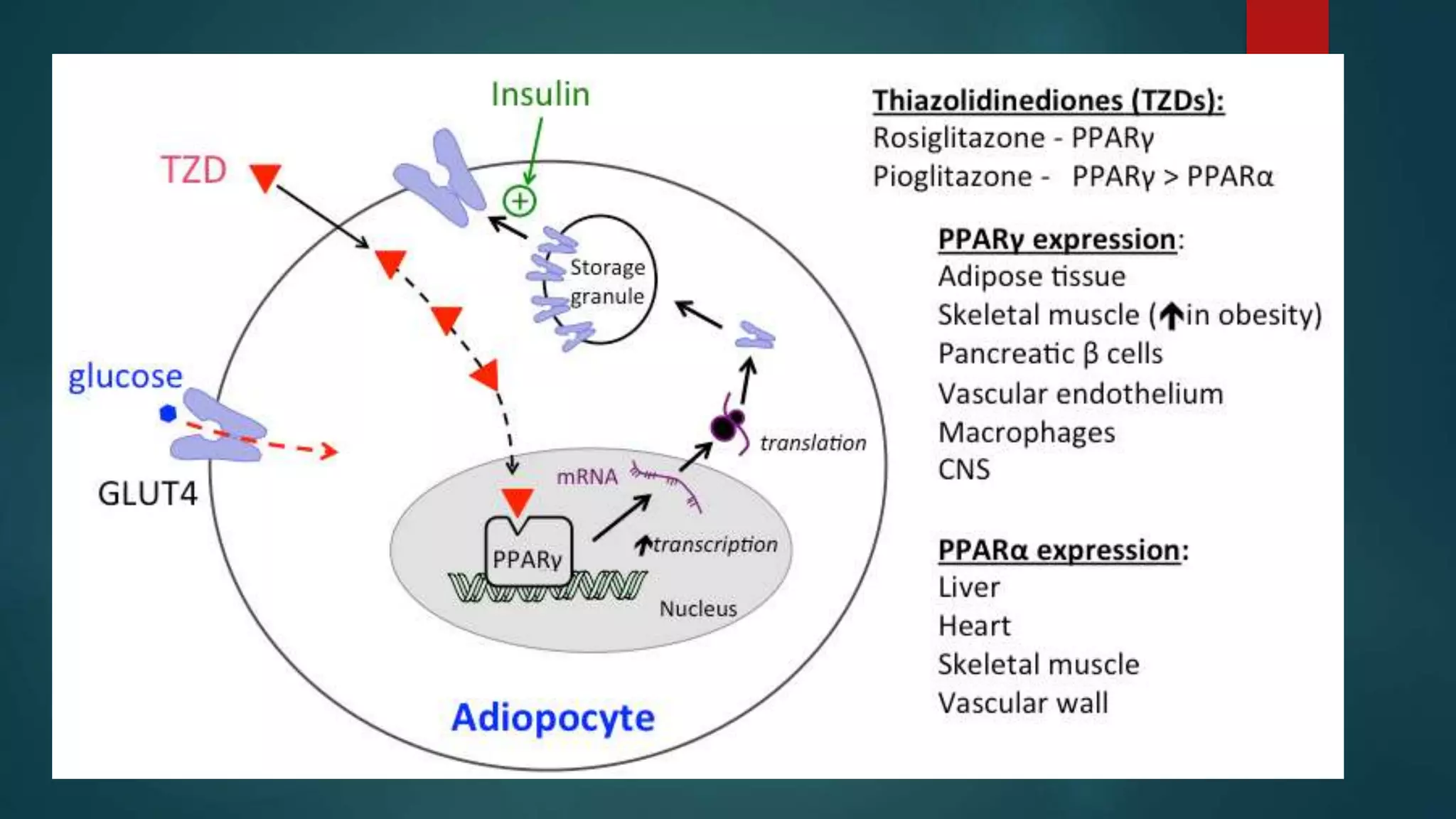
MOA: Thiazolidinediones :They increase sensitivity of
peripheral tissue to insulin
 Step 1: Pioglitazone ( drug )
 Step 2: Bind to nuclear PPAR-y
 Step 3: . Activate peroxisome proliferator-activated receptor-Gamma (PPAR-Gamma.
 Step 4: Activate insulin –responsive gene that regulate carbohydrate and lipid metabolism
 Step 5: ● Increase sensitivity of target tissues ( peripheral tissue ) to insulin.
 Step 6: ● Increase glucose uptake or transport into muscle cell and adipose tissue
 .utilization in muscle and adipose tissue
 .inhibit hepatic gluconeogenesis.
Class- 3. α-Glucosidase inhibitors
 Drug -- Acarbose , Miglitol
 P.K ● No hypoglycemia if used alone
● Given orally, not absorbed so taken just before meals.
 Uses ★ Are effective alone in the earliest stages of impaired glucose tolerance
● Are not recommended alone as therapy for moderate to severe hyperglycemia
○ Most useful in combination with other oral hypoglycemic drugs or with insulin.
 ADR ● GIT: Flatulence, bloating, diarrhea, abdominal pain.
MOA: . α-Glucosidase inhibitors
Acarbose
Reversible inhibitors of intestinal α-glucosidases in intestinal brush border cells
that are responsible for carbohydrate digestion.
● Decrease carbohydrate digestion and glucose absorption in small intestine
(lower postprandial glucose level).
Class 4. Sodium-glucose transporter 2 inhibitors
 Drug ---- Canagliflozin, Dapagliflozin, Empagliflozin (-gliflozin)
 Uses
● Used with diet and exercise to control high blood sugar in patients with type 2 diabetes.
● To reduce risk of major adverse cardiovascular events1 in adults with type 2
diabetes and established cardiovascular disease.
 ADR
★ Urinary tract infections.
★ Yeast infections2 (vagina or penis)
● Increased urination and dry mouth.
● Thirst
● Itching (vagina or penis)
● Fatigue
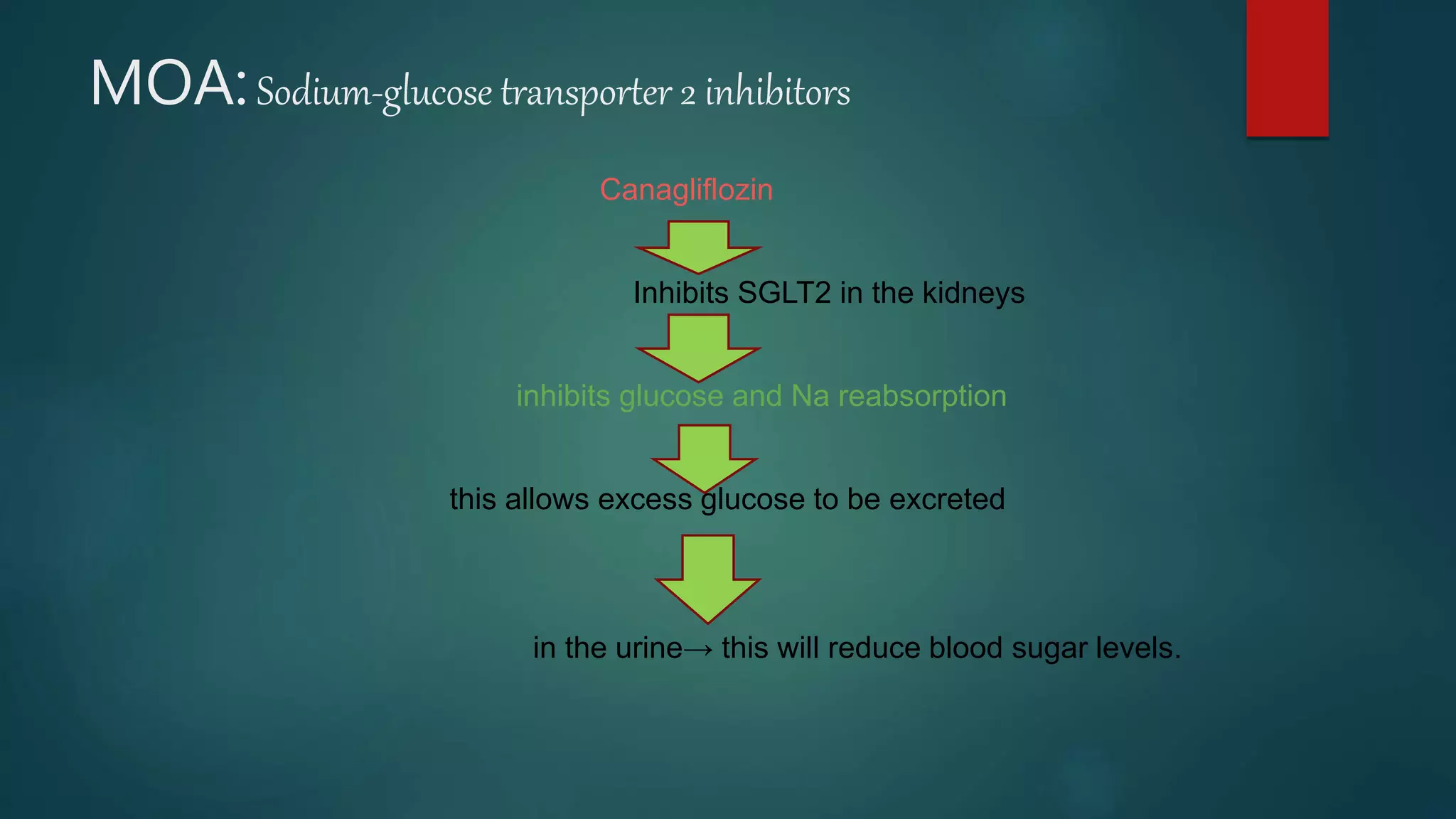
MOA:Sodium-glucose transporter 2 inhibitors
Canagliflozin
Inhibits SGLT2 in the kidneys
inhibits glucose and Na reabsorption
this allows excess glucose to be excreted
in the urine→ this will reduce blood sugar levels.
Summary
Reference
 Blau JE, Taylor SI (2018): Adverse effects of SGLT2 inhibitors on bone health. Nature Reviews
Nephrology. 14:473-474.
 Chang H-Y et al (2018): Association Between Sodium-Glucose Cotransporter 2 Inhibitors and Lower
Extremity Amputation Among Patients With Type 2 Diabetes. JAMA Intern Med. 178(9):1190-1198.
doi:10.1001/jamainternmed.2018.3034
 Das L et al (2018): Unmasking and aggravation of polycythemia vera by canagliflozin. Case Report.
Diabetic Medicine. 35(11): 1613-1616.
 Kuriyama C et al (2014): Analysis of the Effect of Canagliflozin on Renal Glucose Reabsorption and
Progression of Hyperglycemia in Zucker Diabetic Fatty Rats. J Pharmacol Exp Ther 351:423-431.
 McCulloch DK (2014): Management of persistent hyperglycemia in type 2 diabetes mellitus. In:
UpToDate, Basow, DS (Ed), Waltham, MA. Cited 6/16/14.
 Neal B et al (2017): Rationale, design and baseline characteristics of the CANagliflozin
cardioVascular Assessment Study-Renal (CANVAS-R): A randomized, placebo-controlled trial.
Diabetes Obes Metab.
Oral hypoglycemic agent

Oral hypoglycemic agent

  • 1.
    Maharshi Dayanand University,Rohtak Department of Pharmaceutical Sciences Topic - Oral Hypoglycemic Drugs Submitted To: Dr. Govind Singh Submitted By :Manish Yadav Associate professor(P’Cology) Roll no : 4101 M. Pharm ( Pharmacology) Second Semester
  • 2.
    Oral Hypoglycemic Drugs Definition : Oral antihyperglycemic agents lower glucose levels in the blood. They are commonly used in the treatment of diabetes mellitus.
  • 3.
    Objectives:  By theend of the lecture , you should know: ● Classify different categories of antidiabetic drugs. ● Identify mechanism of action, pharmacokinetics and pharmacodynamics of each class of antidiabetic drugs. ● Identify the clinical uses of antidiabetic drugs ● Know the side effects, of each class of antidiabetic drugs.
  • 4.
    Types of diabetesmellitus  Type II VS Type I  Due to obesity & genetic factors . Due to autoimmune or viral  -80-90% occurrence diseases (the only treatment for insulin  -Over age 35 dependent diabetes is insulin injections) ssss
  • 5.
    Patients with TypeII diabetes have two physiological defects:  1. Abnormal insulin secretion. (partial production of insulin)  2. Resistance to insulin action in target tissues associated with decreased number of insulin receptors.
  • 6.
    Treatment of TypeII Diabetes  Stage 1 Stage 4.  Stage 2 Stage 3. Proper dietary management. Increase physical activity. Caloric restriction and weight loss are IMP in obese diabetic patients. Oral antidiabetic drugs.
  • 7.
    Stage 1. Properdietary management
  • 8.
  • 9.
    Stage 3. Caloricrestriction and weight loss are IMP in obese diabetic patients
  • 10.
    Stage 4: Oralantidiabetic drugs
  • 11.
    General trick tomanage Type 2 diabetes is managed through a stepwise approach  Step1. Starting with diet and exercise than .  Step 2. followed by oral hypoglycemic drugs.  Step 3. Then combination therapy if the patient is not responding to monotherapy of oral hypoglycemics.  Step 4. And finally in advanced severe cases insulin injections are used.  Step 5. They increase the production of insulin.  Step6 . They increase the sensitivity of peripheral tissues to insulin.
  • 12.
    Oral hypoglycemic drugs (Antidiabetic drugs )  1: Insulin secretagogues 2. Insulin sensitizers : 1. Sulfonylurea drugs. 1. Biguanides 2. Meglitinides 2. Thiazolidinedione  3. Agents that reduce 4 Agents that reduce glucose renal reabsorption carbohydrate absorption (Increase glucose excretion): 1. Alpha glucosidase inhibitor 1. Sodium/glucose cotransporter 2 (SGLT2) inhibitors :
  • 13.
    1.Insulin secretagogues Definition : ● Are drugs which increase the amount of insulin secreted by the pancreas  ★ Their action depends upon functioning pancreatic β-cells .  ● It includes: a. Sulfonylureas b. Meglitinides
  • 14.
    ( 1-1) sulfonylureas Class First generation (-amide) Second generation (-ride/ zide)  Drug -Acetohexamide - Tolbutamide - Glyburide (glibenclamide) - Gliclazide - Glimepiride - Glipizide -Chlorpropamide Long acting Short acting Long acting (-ride) Short acting (-zide)  P.K ● Orally -- well absorbed. ★ All are highly bound to -- plasma proteins. ● Excreted in-- urine . ★ Cross placenta, stimulate fetal β-cells to release insulin → fetal hypoglycemia at birth. ● Reach peak concentration after-- 2-4 hr ● Duration of action is variable ● Metabolized in-- liver
  • 15.
    Uses ● Treatmentof Type II diabetes-- monotherapy or in combination with other antidiabetic drugs . ADR 1. Hyperinsulinemia & Hypoglycemia: ○ More common in long acting sulfonylureas; particularly (glyburide, and glimepiride) ○ More in old age, hepatic or renal diseases. 2. Weight gain due to increase in appetite unless the diabetic diet and exercise program are followed. NOTE: 1. All hypoglycemic drugs are C.I during pregnancy, even if the patient was diagnosed with type 2 diabetes. 2. The only treatments that is allowed during pregnancy is insulin.
  • 16.
    MOA:  Step1 :Sulfonylureas  Step2 : Bind to specific receptor on Beta cell of islets of pancreas  Step 3: Blockade of ATP dependent K+ channels  Step4 : Opening of voltage-dependent Ca+ channels  Step 5: By depolarization and influx of calcium ions into Beta cell  Step 6 ↑Intracellular calcium in the beta cell  Step 7: By Degranulation and increased release of stored insulin from Beta cell  Step 8: ↑Insulin release in blood
  • 17.
  • 18.
    ( 1-2) Meglitinides Drug -- Repaglinide  P.K ● Orally, well absorbed. ★ Very fast onset of action, peak 1 h. ● Short duration of action (4 h). ● Metabolized in liver and excreted in bile. ★ Taken just before each meal (3 times/day) ○ The dose should be skipped if the meal is missed 1  Uses ● Type II diabetes as a monotherapy or in combination with other oral hypoglycemic drugs  ADR ● Less incidence than sulfonylureas 2 ○ Hypoglycemia. ○ Weight gain
  • 19.
    MOA : Meglitinides ,Meglitinides(glinides) are based on the sulfonylurea moiety of glibenclamide (called meglitinide). They bind to the SUR1 receptor on the β-cell, although with lower affinity than sulfonylureas, and stimulate insulin release in the same way. Note : 1 Sulfonylurea monotherapy is associated with higher risk for all-cause mortality, major hypoglycemic episodes, and cardiovascular events compared with metformin 2. Meglitinides are secretagogues like sulfonylureas, although not structurally related
  • 20.
    .Note: Sulfonylureas andmeglitinides  Sulfonylureas and meglitinides directly stimulate release of insulin from pancreatic beta cells and thereby lower blood glucose concentrations.  Because they work by stimulating insulin secretion, they are useful only in patients with some beta cell function
  • 21.
    2- Insulin sensitizers Definition: Drugsthat increase the sensitivity of peripheral target organs to insulin  1. Biguanides 2. Thiazolidinediones E.g. Metformin E .g Pioglitazone
  • 22.
    1.Biguanides -- Drug-- Metformin  P.K ● Orally ● Not bound to serum protein, .t 1⁄2: 3 hours. ● Not metabolized, excreted unchanged in urine  Advantages ★ No risk of hypoglycemia2 ● No weight gain ● Inexpensive
  • 23.
    Uses ★ In patientswith type 2 diabetes who are obese because it promotes modest weight reduction (first-line therapy). ● Type 2 diabetes as monotherapy or in combination with other antidiabetics. ADR ● GIT disturbances: ○ Metallic taste in the mouth, nausea, vomiting, diarrhea ○ Metformin should be taken with meals and should be started at a low dose to avoid intestinal side effects then increase gradually. ★ Lactic acidosis 5 (very rare): ● In long term use: Interference with vitamin B12 absorption8
  • 24.
    MOA : Metformin •1 . Decreases the liver's production of glucose via activation of AMP-activated protein kinase (AMPK) Adenosine Monophosphate-Activated Protein Kinase • 2. Other possible mechanism may contribute to its effects, and include: • inhibiting the breakdown of fatty acids used to produce glucose • at very high doses it may increase the removal of glucose from muscle, the liver, and other body tissues where it is stored.
  • 25.
  • 26.
    ( 2- 2)Thiazolidinediones  Drug -- Pioglitazone & Rosiglitazone (-glitazone)  P.K ● Orally (once daily dose). ● Highly bound to plasma albumins (99%) ● Slow onset of activity ● Half life 3-4 h 2 ● Metabolized in the liver ● Excreted in bile and urine  Uses ● Type II diabetes with insulin resistance. ● Used either alone or in combination with sulfonylurea, biguanides or insulin. ★ No risk of hypoglycemia when used alone  ADR ● Hepatotoxicity (monitor liver function tests for 1st year of therapy). ★ Fluid retention (Edema) ★ Congestive heart failure3 ● Mild weight gain ● Failure of estrogen-containing oral contraceptives
  • 27.
    MOA: Thiazolidinediones :Theyincrease sensitivity of peripheral tissue to insulin  Step 1: Pioglitazone ( drug )  Step 2: Bind to nuclear PPAR-y  Step 3: . Activate peroxisome proliferator-activated receptor-Gamma (PPAR-Gamma.  Step 4: Activate insulin –responsive gene that regulate carbohydrate and lipid metabolism  Step 5: ● Increase sensitivity of target tissues ( peripheral tissue ) to insulin.  Step 6: ● Increase glucose uptake or transport into muscle cell and adipose tissue  .utilization in muscle and adipose tissue  .inhibit hepatic gluconeogenesis.
  • 29.
    Class- 3. α-Glucosidaseinhibitors  Drug -- Acarbose , Miglitol  P.K ● No hypoglycemia if used alone ● Given orally, not absorbed so taken just before meals.  Uses ★ Are effective alone in the earliest stages of impaired glucose tolerance ● Are not recommended alone as therapy for moderate to severe hyperglycemia ○ Most useful in combination with other oral hypoglycemic drugs or with insulin.  ADR ● GIT: Flatulence, bloating, diarrhea, abdominal pain.
  • 30.
    MOA: . α-Glucosidaseinhibitors Acarbose Reversible inhibitors of intestinal α-glucosidases in intestinal brush border cells that are responsible for carbohydrate digestion. ● Decrease carbohydrate digestion and glucose absorption in small intestine (lower postprandial glucose level).
  • 31.
    Class 4. Sodium-glucosetransporter 2 inhibitors  Drug ---- Canagliflozin, Dapagliflozin, Empagliflozin (-gliflozin)  Uses ● Used with diet and exercise to control high blood sugar in patients with type 2 diabetes. ● To reduce risk of major adverse cardiovascular events1 in adults with type 2 diabetes and established cardiovascular disease.  ADR ★ Urinary tract infections. ★ Yeast infections2 (vagina or penis) ● Increased urination and dry mouth. ● Thirst ● Itching (vagina or penis) ● Fatigue
  • 32.
    MOA:Sodium-glucose transporter 2inhibitors Canagliflozin Inhibits SGLT2 in the kidneys inhibits glucose and Na reabsorption this allows excess glucose to be excreted in the urine→ this will reduce blood sugar levels.
  • 33.
  • 34.
    Reference  Blau JE,Taylor SI (2018): Adverse effects of SGLT2 inhibitors on bone health. Nature Reviews Nephrology. 14:473-474.  Chang H-Y et al (2018): Association Between Sodium-Glucose Cotransporter 2 Inhibitors and Lower Extremity Amputation Among Patients With Type 2 Diabetes. JAMA Intern Med. 178(9):1190-1198. doi:10.1001/jamainternmed.2018.3034  Das L et al (2018): Unmasking and aggravation of polycythemia vera by canagliflozin. Case Report. Diabetic Medicine. 35(11): 1613-1616.  Kuriyama C et al (2014): Analysis of the Effect of Canagliflozin on Renal Glucose Reabsorption and Progression of Hyperglycemia in Zucker Diabetic Fatty Rats. J Pharmacol Exp Ther 351:423-431.  McCulloch DK (2014): Management of persistent hyperglycemia in type 2 diabetes mellitus. In: UpToDate, Basow, DS (Ed), Waltham, MA. Cited 6/16/14.  Neal B et al (2017): Rationale, design and baseline characteristics of the CANagliflozin cardioVascular Assessment Study-Renal (CANVAS-R): A randomized, placebo-controlled trial. Diabetes Obes Metab.