OPERATING SYSTEMS
What is operating system??

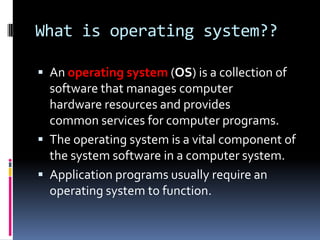
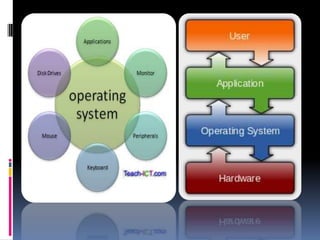
 An operating system (OS) is a collection of
  software that manages computer
  hardware resources and provides
  common services for computer programs.
 The operating system is a vital component of
  the system software in a computer system.
 Application programs usually require an
  operating system to function.
History
 Early computers were built to perform a
  series of single tasks, like a calculator.
  Operating systems did not exist in their
  modern and more complex forms until the
  early 1960s.
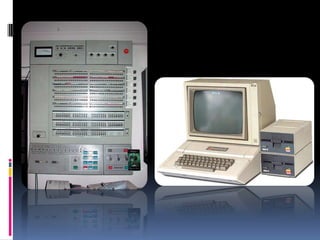
 In the 1940s, the earliest electronic digital
  systems had no operating systems. Electronic
  systems of this time were programmed on
  rows of mechanical switches or by jumper
  wires on plug boards.
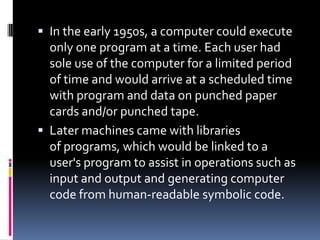
 In the early 1950s, a computer could execute
  only one program at a time. Each user had
  sole use of the computer for a limited period
  of time and would arrive at a scheduled time
  with program and data on punched paper
  cards and/or punched tape.
 Later machines came with libraries
  of programs, which would be linked to a
  user's program to assist in operations such as
  input and output and generating computer
  code from human-readable symbolic code.
Mainframes
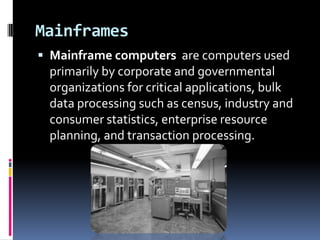
 Mainframe computers are computers used
 primarily by corporate and governmental
 organizations for critical applications, bulk
 data processing such as census, industry and
 consumer statistics, enterprise resource
 planning, and transaction processing.
 The term originally referred to the large
  cabinets that housed the central processing
  unit and main memory of early computers.
 Later, the term was used to distinguish high-
  end commercial machines from less powerful
  units. Most large-scale computer system
  architectures were established in the 1960s,
  but continue to evolve.
Microcomputers
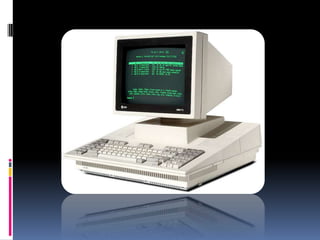
 The first microcomputers did not have the
  capacity or need for the elaborate operating
  systems that had been developed for
  mainframes and minis; minimalistic operating
  systems were developed, often loaded
  from ROM and known as monitors.
 One notable early disk operating system
  was CP/M, which was supported on many early
  microcomputers and was closely imitated
  by Microsoft's MS-DOS, which became wildly
  popular as the operating system chosen for
  the IBM PC.
 The introduction of the Intel 80386 CPU chip
  with 32bit architecture
  and paging capabilities, provided personal
  computers with the ability to run
  multitasking operating systems like those of
  earlier minicomputers and mainframes.
 Steve Jobs, a co-founder of Apple Inc.,
  started NeXT Computer Inc., which
  developed the NEXTSTEP operating system.
  NEXTSTEP would later be acquired by Apple
  Inc. and used, along with code
  from FreeBSD as the core of Mac OS X.
 The enormous investment in software for these
  systems made since 1960s caused most of the
  original computer manufacturers to continue to
  develop compatible operating systems along
  with the hardware. The notable supported
  mainframe operating systems include:
 Burroughs MCP – B5000, 1961
  to Unisys Clearpath/MCP, present.
 IBM OS/360 – IBM System/360, 1966 to
  IBM z/OS, present.
 IBM CP-67 – IBM System/360, 1967 to IBM z/VM,
  present.
 UNIVAC EXEC 8 – UNIVAC 1108, 1967, to OS
  2200 Unisys Clearpath Dorado, present.
Examples of operating
systems
 UNIX and UNIX-like operating systems
 Unix was originally written in assembly
  language. Ken Thompson wrote B, mainly
  based on BCPL, based on his experience in
  the MULTICS project. B was replaced by C,
  and Unix, rewriten in C, developed into a
  large, complex family of inter-related
  operating systems which have been
  influential in every modern operating system
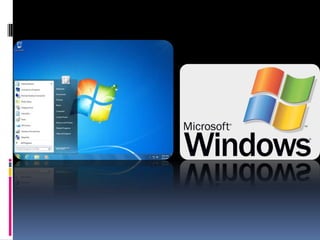
Microsoft Windows

 Microsoft Windows is a family
  of proprietary operating systems designed
  by Microsoft Corporation and primarily
  targeted to Intel architecture based
  computers, with an estimated 88.9 percent
  total usage share on Web connected
  computers. The newest version is Windows
  8 for workstations and Windows Server
  2012 for servers. Windows 7 recently overtook
  Windows XP as most used OS
OS X

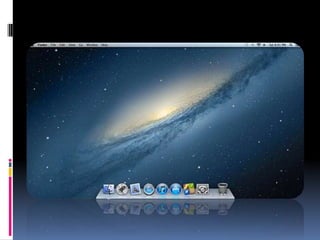
 OS X , previously Mac OS X, is a series
  of Unix-based graphical interface operating
  systems developed, marketed, and sold
  by Apple Inc. It is designed to run exclusively
  on Mac computers, having been pre-loaded
  on all Macs since 2002. It was the successor
  to Mac OS 9, released in 1999, the final
  release of the "classic" Mac OS, which had
  been Apple's primary operating system since
  1984.
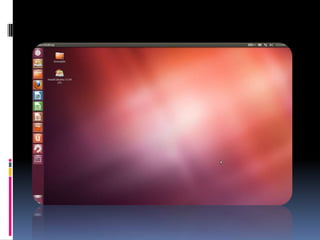
Linux and GNU

 Linux (or GNU/Linux) is a Unix-like operating system
  that was developed without any actual Unix code,
  unlike BSD and its variants.
 Linux can be used on a wide range of devices from
  supercomputers to wristwatches.
 The Linux kernel is released under an open source
  license, so anyone can read and modify its code. It
  has been modified to run on a large variety of
  electronics.
 Although estimates suggest that Linux is used on
  1.82% of all personal computers, it has been widely
  adopted for use in servers and embedded systems[
Android(operating systems)

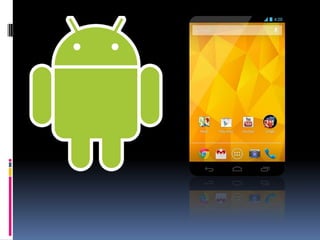
 Android is a Linux-based operating
  system designed primarily
  for touchscreen mobile devices such
  as smartphones and tablet computers.
  Initially developed by Android, Inc.,
  whom Google financially backed and later
  purchased in 2005.
 Android is open source and Google releases
  the code under the Apache License. This open
  source code and permissive licensing allows
  the software to be freely modified and
  distributed by device manufacturers, wireless
  carriers and enthusiast developers.
  Additionally, Android has a large community
  of developers writing applications that
  extend the functionality of devices, written
  primarily in a customized version of the Java
  programming language.
Apple iOS

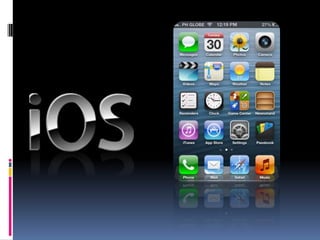
 iOS (previously iPhone OS) is a mobile
  operating system developed and distributed
  by Apple Inc. Originally released in 2007 for
  the iPhone and iPod Touch, it has been
  extended to support other Apple devices such
  as the iPad and Apple TV.
 The user interface of iOS is based on the
  concept of direct manipulation, using multi-
  touch gestures. Interface control elements
  consist of sliders, switches, and buttons.
  Interaction with the OS includes gestures
  such as swipe, tap, pinch, and reverse pinch, all
  of which have specific definitions within the
  context of the iOS operating system and its
  multi-touch interface.
 Internal accelerometers are used by some
  applications to respond to shaking the
  deviceor rotating it in three dimensions
The future of operating
systems.
 Operating systems have evolved through the
  past years in a rapid manner.
 As the most important component in
  computers, changes in the operating systems
  have great consequences for users of computers.
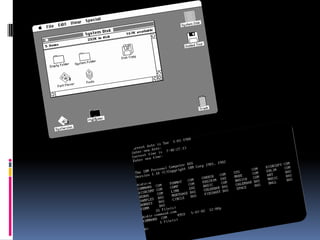
 With the past changes in operating systems like
  the giant rise from command-line interface to
  the current graphical user interface, many
  common tasks became easier for the computer
  users.
Something Special……
Thank You….

 Done By
 MAHARAJA MUKHERJEE
 IX-A

Operating systems

  • 1.
  • 2.
    What is operatingsystem??  An operating system (OS) is a collection of software that manages computer hardware resources and provides common services for computer programs.  The operating system is a vital component of the system software in a computer system.  Application programs usually require an operating system to function.
  • 4.
    History  Early computerswere built to perform a series of single tasks, like a calculator. Operating systems did not exist in their modern and more complex forms until the early 1960s.  In the 1940s, the earliest electronic digital systems had no operating systems. Electronic systems of this time were programmed on rows of mechanical switches or by jumper wires on plug boards.
  • 5.
     In theearly 1950s, a computer could execute only one program at a time. Each user had sole use of the computer for a limited period of time and would arrive at a scheduled time with program and data on punched paper cards and/or punched tape.  Later machines came with libraries of programs, which would be linked to a user's program to assist in operations such as input and output and generating computer code from human-readable symbolic code.
  • 7.
    Mainframes  Mainframe computersare computers used primarily by corporate and governmental organizations for critical applications, bulk data processing such as census, industry and consumer statistics, enterprise resource planning, and transaction processing.
  • 8.
     The termoriginally referred to the large cabinets that housed the central processing unit and main memory of early computers.  Later, the term was used to distinguish high- end commercial machines from less powerful units. Most large-scale computer system architectures were established in the 1960s, but continue to evolve.
  • 9.
    Microcomputers  The firstmicrocomputers did not have the capacity or need for the elaborate operating systems that had been developed for mainframes and minis; minimalistic operating systems were developed, often loaded from ROM and known as monitors.  One notable early disk operating system was CP/M, which was supported on many early microcomputers and was closely imitated by Microsoft's MS-DOS, which became wildly popular as the operating system chosen for the IBM PC.
  • 10.
     The introductionof the Intel 80386 CPU chip with 32bit architecture and paging capabilities, provided personal computers with the ability to run multitasking operating systems like those of earlier minicomputers and mainframes.  Steve Jobs, a co-founder of Apple Inc., started NeXT Computer Inc., which developed the NEXTSTEP operating system. NEXTSTEP would later be acquired by Apple Inc. and used, along with code from FreeBSD as the core of Mac OS X.
  • 11.
     The enormousinvestment in software for these systems made since 1960s caused most of the original computer manufacturers to continue to develop compatible operating systems along with the hardware. The notable supported mainframe operating systems include:  Burroughs MCP – B5000, 1961 to Unisys Clearpath/MCP, present.  IBM OS/360 – IBM System/360, 1966 to IBM z/OS, present.  IBM CP-67 – IBM System/360, 1967 to IBM z/VM, present.  UNIVAC EXEC 8 – UNIVAC 1108, 1967, to OS 2200 Unisys Clearpath Dorado, present.
  • 13.
    Examples of operating systems UNIX and UNIX-like operating systems  Unix was originally written in assembly language. Ken Thompson wrote B, mainly based on BCPL, based on his experience in the MULTICS project. B was replaced by C, and Unix, rewriten in C, developed into a large, complex family of inter-related operating systems which have been influential in every modern operating system
  • 15.
    Microsoft Windows  MicrosoftWindows is a family of proprietary operating systems designed by Microsoft Corporation and primarily targeted to Intel architecture based computers, with an estimated 88.9 percent total usage share on Web connected computers. The newest version is Windows 8 for workstations and Windows Server 2012 for servers. Windows 7 recently overtook Windows XP as most used OS
  • 17.
    OS X  OSX , previously Mac OS X, is a series of Unix-based graphical interface operating systems developed, marketed, and sold by Apple Inc. It is designed to run exclusively on Mac computers, having been pre-loaded on all Macs since 2002. It was the successor to Mac OS 9, released in 1999, the final release of the "classic" Mac OS, which had been Apple's primary operating system since 1984.
  • 19.
    Linux and GNU Linux (or GNU/Linux) is a Unix-like operating system that was developed without any actual Unix code, unlike BSD and its variants.  Linux can be used on a wide range of devices from supercomputers to wristwatches.  The Linux kernel is released under an open source license, so anyone can read and modify its code. It has been modified to run on a large variety of electronics.  Although estimates suggest that Linux is used on 1.82% of all personal computers, it has been widely adopted for use in servers and embedded systems[
  • 21.
    Android(operating systems)  Androidis a Linux-based operating system designed primarily for touchscreen mobile devices such as smartphones and tablet computers. Initially developed by Android, Inc., whom Google financially backed and later purchased in 2005.
  • 22.
     Android isopen source and Google releases the code under the Apache License. This open source code and permissive licensing allows the software to be freely modified and distributed by device manufacturers, wireless carriers and enthusiast developers. Additionally, Android has a large community of developers writing applications that extend the functionality of devices, written primarily in a customized version of the Java programming language.
  • 24.
    Apple iOS  iOS(previously iPhone OS) is a mobile operating system developed and distributed by Apple Inc. Originally released in 2007 for the iPhone and iPod Touch, it has been extended to support other Apple devices such as the iPad and Apple TV.
  • 25.
     The userinterface of iOS is based on the concept of direct manipulation, using multi- touch gestures. Interface control elements consist of sliders, switches, and buttons. Interaction with the OS includes gestures such as swipe, tap, pinch, and reverse pinch, all of which have specific definitions within the context of the iOS operating system and its multi-touch interface.  Internal accelerometers are used by some applications to respond to shaking the deviceor rotating it in three dimensions
  • 27.
    The future ofoperating systems.  Operating systems have evolved through the past years in a rapid manner.  As the most important component in computers, changes in the operating systems have great consequences for users of computers.  With the past changes in operating systems like the giant rise from command-line interface to the current graphical user interface, many common tasks became easier for the computer users.
  • 28.
  • 29.
    Thank You….  DoneBy  MAHARAJA MUKHERJEE  IX-A