OPEN
EDUCATIONAL
RESOURCES
JTCC | Januar y 3 r d , 2012


Richar d Sebastian, Ph.D. | Dir ector Of Teaching & Lear ning Technologies
V ir ginia Community Colle ge System | 804.819.4795 | r sebastian@vccs.edu
BLACKBOARD | SHARING

PEARSON | OPENCLASS
HB1941
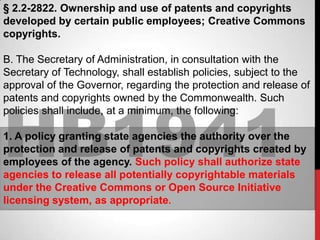
§ 2.2-2822. Ownership and use of patents and copyrights
developed by certain public employees; Creative Commons
copyrights.

B. The Secretary of Administration, in consultation with the
Secretary of Technology, shall establish policies, subject to the
approval of the Governor, regarding the protection and release of


HB1941
patents and copyrights owned by the Commonwealth. Such
policies shall include, at a minimum, the following:

1. A policy granting state agencies the authority over the
protection and release of patents and copyrights created by
employees of the agency. Such policy shall authorize state
agencies to release all potentially copyrightable materials
under the Creative Commons or Open Source Initiative
licensing system, as appropriate.
WHAT ARE OPEN
EDUCATIONAL
 RESOURCES (OER)
        &
WHY IS EVERYONE
TALKING ABOUT THEM?
AAKASH
LUX ARUMQUE
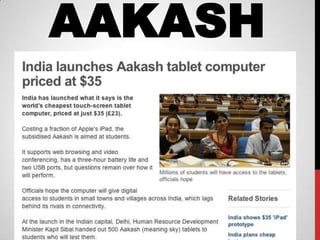
AAKASH
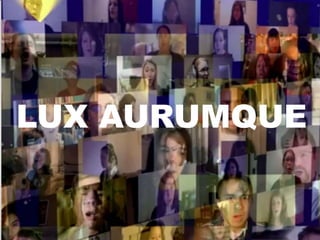
LUX AURUMQUE
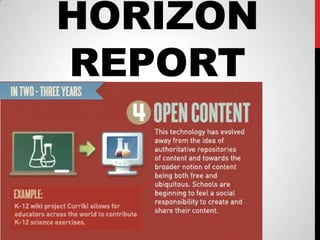
HORIZON
REPORT
WHAT ARE

OER?
THIS PRESENTATION
THIS IS NOT MY
PRESENTATION
                 ©
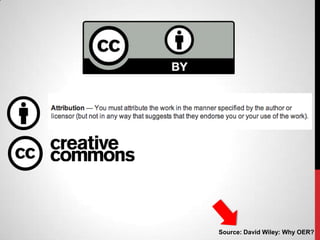
Source: David Wiley: Why OER?
©copyright
Use this to prevent sharing
Use this to enforce sharing
THIS IS NOT MY
PRESENTATION
WHAT ARE OER?
OPEN, ADJ.
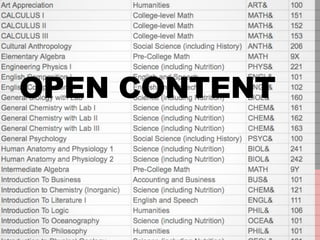
OPEN CONTENT
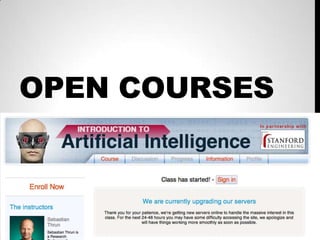
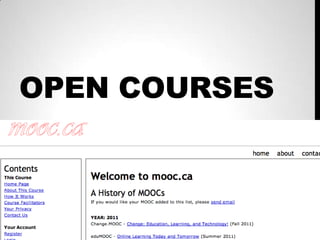
OPEN COURSES


      Image Source: Flickr CC, user Marc_Wathieu
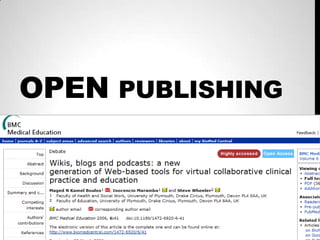
OPEN PUBLISHING


Image Source: Flickr CC, user edinburghcityofprint
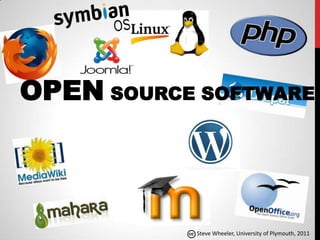
OPEN                       SOURCE SOFTWARE


Image Source: Flickr CC, user flattop341
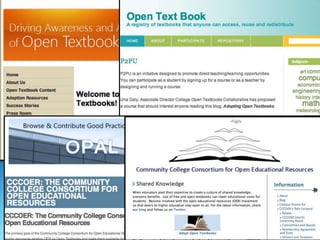
OPEN TEXTBOOKS


       Source: Flickr CC, user seo_gun
OPEN, ADJ.
Educational materials freely shared with
per missions to engage in the “4R” activities
THE 4RS
Reuse : Redistribute : Revise : Remix
OPEN, ADJ.
Openness is a philosophy, an aspect of
culture, a stance--
OPEN, ADJ.
Generous, sharing, giving
OPEN, ADJ.
Lear ning should be free
OPEN EDUCATIONAL RESOURCES
Open educational resources (OER) are teaching,
lear ning, and research resources that reside in
the public domain or have been released under
an intellectual proper ty license that per mits
their free use and repur posing by others.


                         Source: Cable Green, Creative Commons
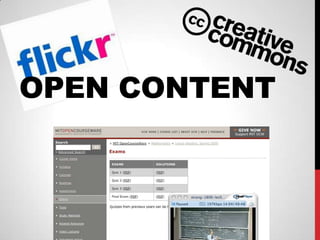
OPEN CONTENT
OPEN COURSES
OPEN COURSES
OPEN SOURCE SOFTWARE


            Steve Wheeler, University of Plymouth, 2011
OPEN PUBLISHING
OPEN LEARNING
OPEN TEXTBOOKS
WHY IS
EVERYONE
TALKING ABOUT

OER?
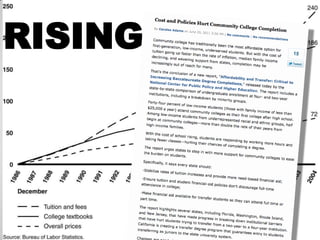
RISING COSTS
COMPETITION
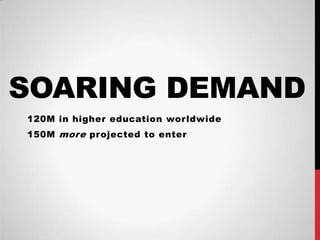
SOARING DEMAND
120M in higher education worldwide
150M more projected to enter
NETWORKED
DIGITAL
TECHNOLOGIES
Easy to create, collaborate, revise, distribute
OPENNESS = FUTURE
OPEN TEXTBOOKS
      &
   ACCESS
        Image Source: Flickr CC, user seo_gun
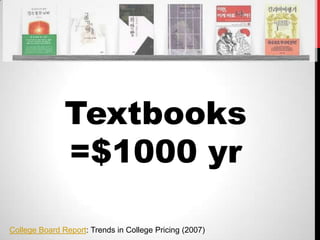
Textbooks
               =$1000 yr

College Board Report: Trends in College Pricing (2007)
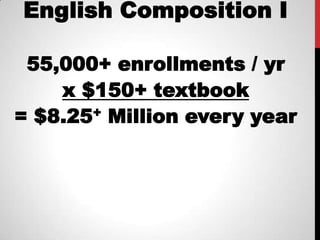
English Composition I

 55,000+ enrollments / yr
    x $150+ textbook
= $8.25 + Million every year
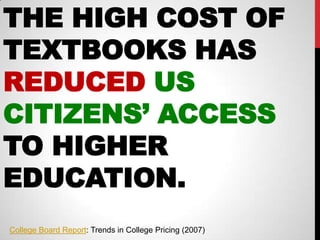
THE HIGH COST OF
TEXTBOOKS HAS
REDUCED US
CITIZENS’ ACCESS
TO HIGHER
EDUCATION.
College Board Report: Trends in College Pricing (2007)
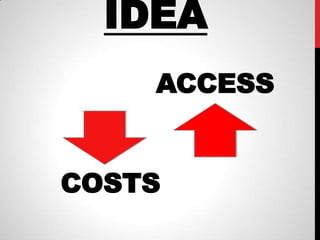
IDEA
    ACCESS


COSTS
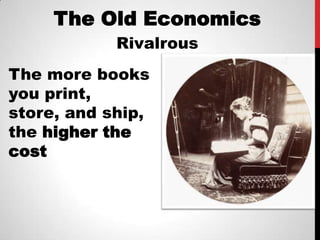
The Old Economics
            Rivalrous
The more books
you print,
store, and ship,
the higher the
cost
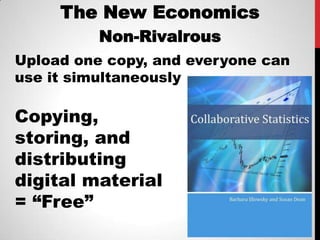
The New Economics
          Non-Rivalrous
Upload one copy, and everyone can
use it simultaneously

Copying,
storing, and
distributing
digital material
= “Free”
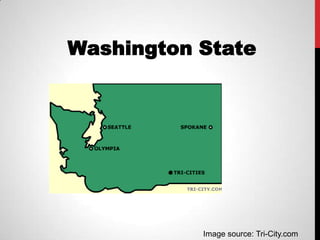
Washington State


           Image source: Tri-City.com
Student Advocacy


Top student issue three years
running…
(1) CUTTING TEXTBOOK COSTS


              Sources: Cable Green , Creative Commons
Policy
“All digital software, educational resources
and knowledge produced through
competitive grants, offered through and/or
managed by the Washington State Board
CTC will carry a Creative Commons
Attribution License.”


                     Sources: Cable Green , Creative Commons
Legislative Strategy

  Partner with legislators
     concerned about:
    (a) efficient use of state
           tax dollars

  (b) saving students money.

                Sources: Cable Green , Creative Commons
Importance of “Open”

Affordability: students can’t afford
textbooks
Choice: Faculty have new choices
when building learning spaces
Self-interest: Good things happen
when you share
Social justice: everyone should have
the right to access digital
knowledge.

                Sources: Cable Green , Creative Commons
TRANSFORM

   “Not invented here”
            to
 “Proudly borrowed from
         there”
        mindset

            Sources: Cable Green , Creative Commons
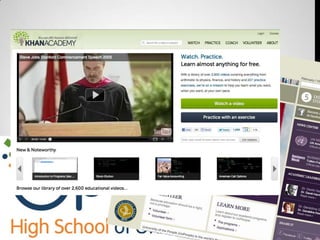
http://www.opencourselibrary.org
Designed 81 open, high enrollment, gatekeeper
courses
• face-to-face, hybrid and/or online delivery
• improve course completion rates
• lowers textbook costs for students (<$30)
• provides new resources for faculty to use in their
  courses
• allows college system to fully engage in the global
  open educational resources discussion.


                          Sources: Cable Green , Creative Commons
http://www.opencourselibrary.org
OCL will save students an average of $102 per
course
1.2 million for 2011-2012 in pilot courses
Exceeds 1.18 million needed to develop OCL


                 Source: State Board of Career and Technical Colleges
DISCUSSION


1. What do you see as the
  advantages/benefits of using
  OER in your course or
  department?
2. What are the disadvantages or
  barriers to using OER?
THANKS.
QUESTIONS?

rsebastian@vccs.edu | 804.819.4795

OER: JTCC

Editor's Notes

  • #3 At Educause 2011 there were two important announcements:Bb’s decision to Share content and support open licensingPearson’s announcement to offer a free LMS to share both proprietary &amp; open content
  • #4 In 2009, the VA legislature approved HB1941
  • #5 This is not my presentation both in terms of the contentas well as in terms of exclusive ownership—like copyright.Let me tell you what I mean..
  • #6 Here are the two questions I hope to answer for you today
  • #7 Let’s set up the context of where we are
  • #8 This is not an iPad. It may not be a very good product at all. But it throws down the gauntlet for making mobile tablet technology cheap and widely accessible.
  • #9 This project demonstrates the power of the Internet, of collaboration, of sharing.
  • #12 This is not my presentation both in terms of the contentas well as in terms of exclusive ownership—like copyright.Let me tell you what I mean..
  • #13 This is not my presentation both in terms of the contentas well as in terms of exclusive ownership—like copyright.Let me tell you what I mean..
  • #14 I adapted it presentation from another OER presentation by Dr. David Wiley, a professor at BYU and a leader in the OER movement. He knows much more about this issue than I do, so why not go straight to the source? But isn’t that plagiarism? No. Why--
  • #15 His work is licensed in a way that allows me to use it freely under specific conditions
  • #16 His work is licensed in a way that allows me to use it freely under specific conditions
  • #19 As long as I credit the original, I am free to use it however I want. I can also license it any way I want
  • #20 This is not my presentation both in terms of the contentas well as in terms of exclusive ownership—like copyright.Let me tell you what I mean..
  • #21 So, let’s define our terms
  • #26 An educational artifact
  • #29 Not everyone shares this philosophy. Think about the term Intellectual Property. Ex. Of professor copyrighting student workThis has to do with organizational culture. OER aren’t just objects, repositories, but exchanges. A new of of doing business.
  • #39 An educational artifact
  • #40 This is not my presentation both in terms of the contentas well as in terms of exclusive ownership—like copyright.Let me tell you what I mean..
  • #41 An educational artifact
  • #42 Who will step in to fill the need? InnovatorsWe may not know what the future holds, but education, particularly postsecondary, has never been at greater risk of being disrupted like other industries: Newspaper Music Entertainment
  • #43 How do we scale what we currently do to meet this need? Higher ed is not affordable for the majority who will demand it
  • #44 Especially, networked digital technologies have fundamentally changed the landscape of education. Think back to the YouTube video and a number of other examples. The Internet is a powerful tool and people are discovering they don’t necessarily NEED college to accomplish what they want to accomplish
  • #45 Do we accept and embrace this fact? If so, what does it fundamentally change what we do? If it isn’t about delivering content, or degrees, or even a social &amp; intellectual experience
  • #46 An educational artifact
  • #47 Full-time students spend approximately $1,000 on textbooks every year.
  • #49 Full-time students spend approximately $1,000 on textbooks every year.
  • #50 Full-time students spend approximately $1,000 on textbooks every year.