Occupational Lung Disease
- Prevention is better than cure
Mike Slater
BOHS President 2014/15
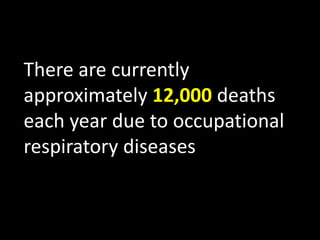
There are currently
approximately 12,000 deaths
each year due to occupational
respiratory diseases
12,000 people per year equates to 33 people per day
But we don’t hear anything about it in the news
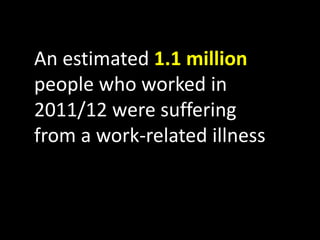
An estimated 1.1 million
people who worked in
2011/12 were suffering
from a work-related illness
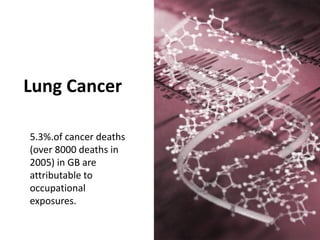
Lung Cancer
5.3%.of cancer deaths
(over 8000 deaths in
2005) in GB are
attributable to
occupational
exposures.
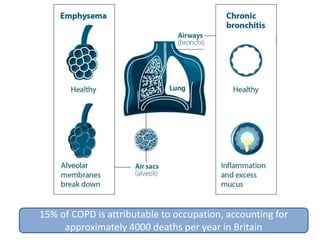
15% of COPD is attributable to occupation, accounting for
approximately 4000 deaths per year in Britain
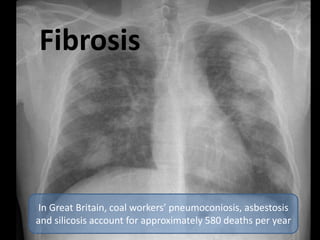
Fibrosis
In Great Britain, coal workers’ pneumoconiosis, asbestosis
and silicosis account for approximately 580 deaths per year
Many agents, particularly respiratory
sensitisers, can cause asthma
What are the main
causes of
occupational lung
disease in the UK?
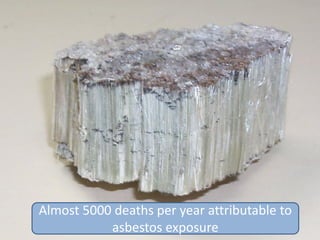
Almost 5000 deaths per year attributable to
asbestos exposure
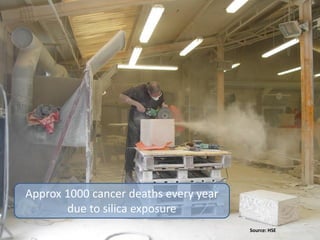
Silica released during stone cutting activities
Source: HSE
Approx 1000 cancer deaths every year
due to silica exposure
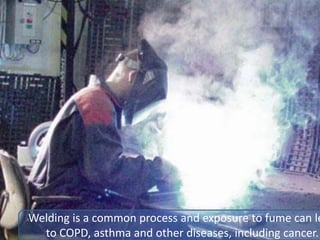
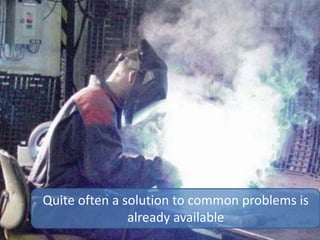
Welding is a common process and exposure to fume can le
to COPD, asthma and other diseases, including cancer.
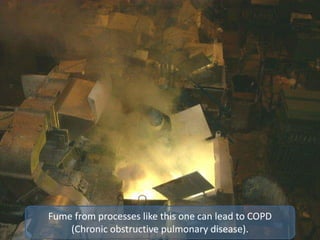
Fume from processes like this one can lead to COPD
(Chronic obstructive pulmonary disease).
Now you see it
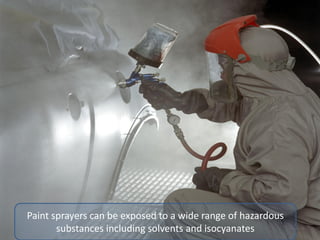
Paint sprayers can be exposed to a wide range of hazardous
substances including solvents and isocyanates
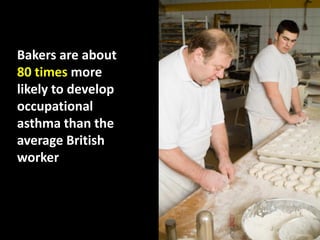
Bakers are about
80 times more
likely to develop
occupational
asthma than the
average British
worker
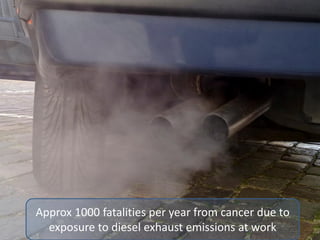
Approx 1000 fatalities per year from cancer due to
exposure to diesel exhaust emissions at work
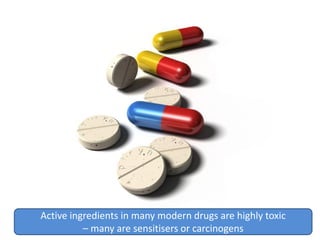
Active ingredients in many modern drugs are highly toxic
– many are sensitisers or carcinogens
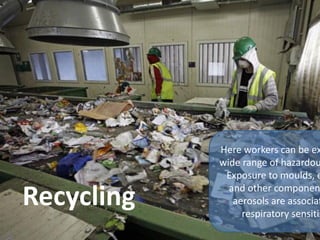
Recycling
Here workers can be ex
wide range of hazardou
Exposure to moulds, e
and other componen
aerosols are associat
respiratory sensitis
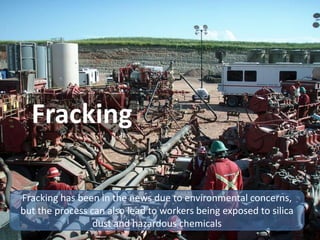
Fracking
Fracking has been in the news due to environmental concerns,
but the process can also lead to workers being exposed to silica
dust and hazardous chemicals
Prevention or cure?
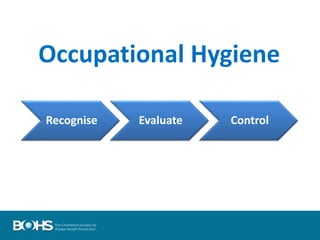
Recognise Evaluate Control
Occupational Hygiene
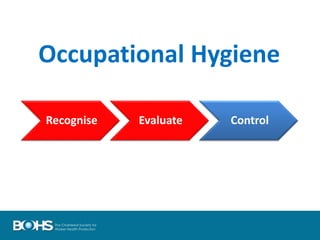
Recognise Evaluate Control
Occupational Hygiene
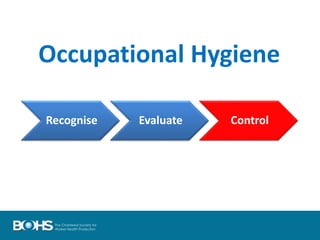
Recognise Evaluate Control
Occupational Hygiene
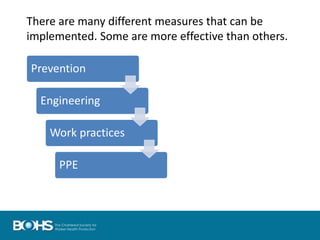
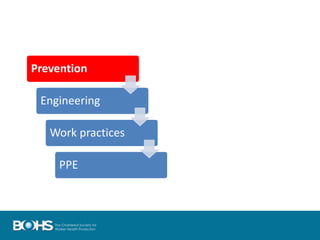
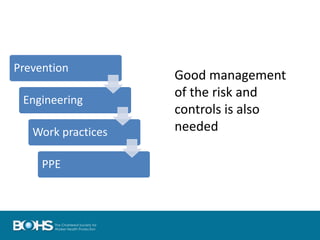
Prevention
Engineering
Work practices
PPE
There are many different measures that can be
implemented. Some are more effective than others.
Prevention
Engineering
Work practices
PPE
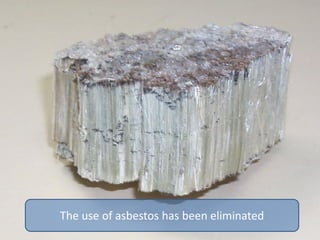
The use of asbestos has been eliminated
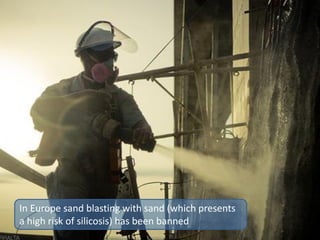
In Europe sand blasting with sand (which presents
a high risk of silicosis) has been banned
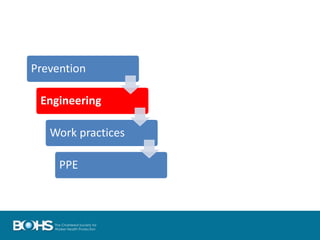
Prevention
Engineering
Work practices
PPE
Source: http://www.hse.gov.uk/copd/casestudies/wetcut.htm
Using water to minimise emissions of dust during
cutting of stone and concrete
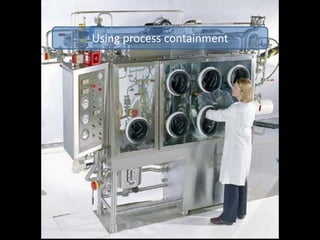
Using process containment
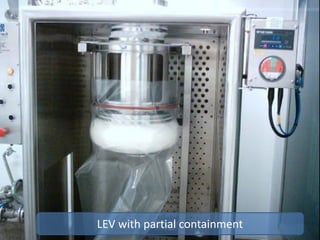
LEV with partial containment
On-tool extraction
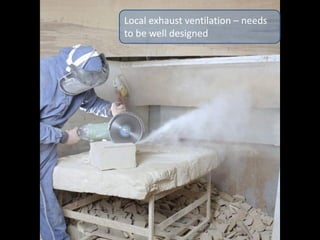
Local exhaust ventilation – needs
to be well designed
www.aessolutions.co.uk
Prevention
Engineering
Work practices
PPE
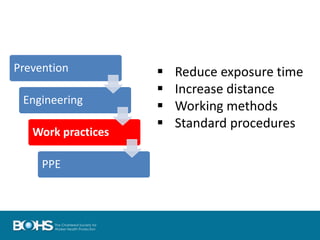
Prevention
Engineering
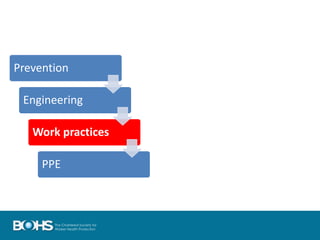
Work practices
PPE
 Reduce exposure time
 Increase distance
 Working methods
 Standard procedures
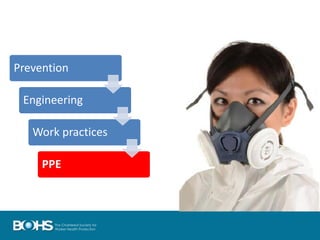
Prevention
Engineering
Work practices
PPE
Why is PPE the
last resort?
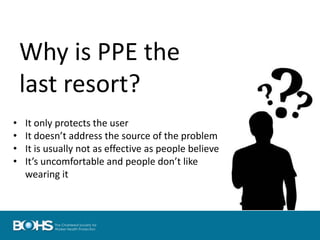
Why is PPE the
last resort?
• It only protects the user
• It doesn’t address the source of the problem
• It is usually not as effective as people believe
• It’s uncomfortable and people don’t like
wearing it
Prevention
Engineering
Work practices
PPE
Good management
of the risk and
controls is also
needed
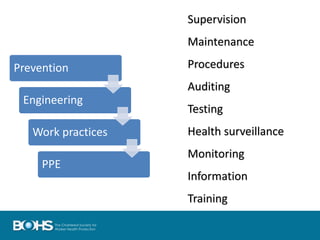
Prevention
Engineering
Work practices
PPE
Supervision
Maintenance
Procedures
Auditing
Testing
Health surveillance
Monitoring
Information
Training
Quite often a solution to common problems is
already available
Occupational Hygienists have
the knowledge and skills to help
employers find solutions
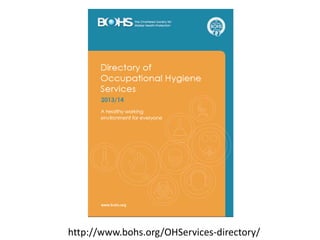
http://www.bohs.org/OHServices-directory/
http://www.youtube.com/channel/UC0pTnkODfIHad5s9dpuPrpw?feature=watch
President@bohs.org
http://www.bohs.org
Twitter: @bohsworld
http://www.slideshare.net/mikeslater

Ocupational lung disease prevention - for slideshare