
The nature of scienceThe nature of science
& science education& science education
Our agendaOur agenda
What is science?What is science?
Traditional answersTraditional answers
More recent answerMore recent answer
““Modern science”Modern science”
TruthTruth
RealityReality
NewtonNewton
Characteristics of modern scienceCharacteristics of modern science
Implications for science teachersImplications for science teachers
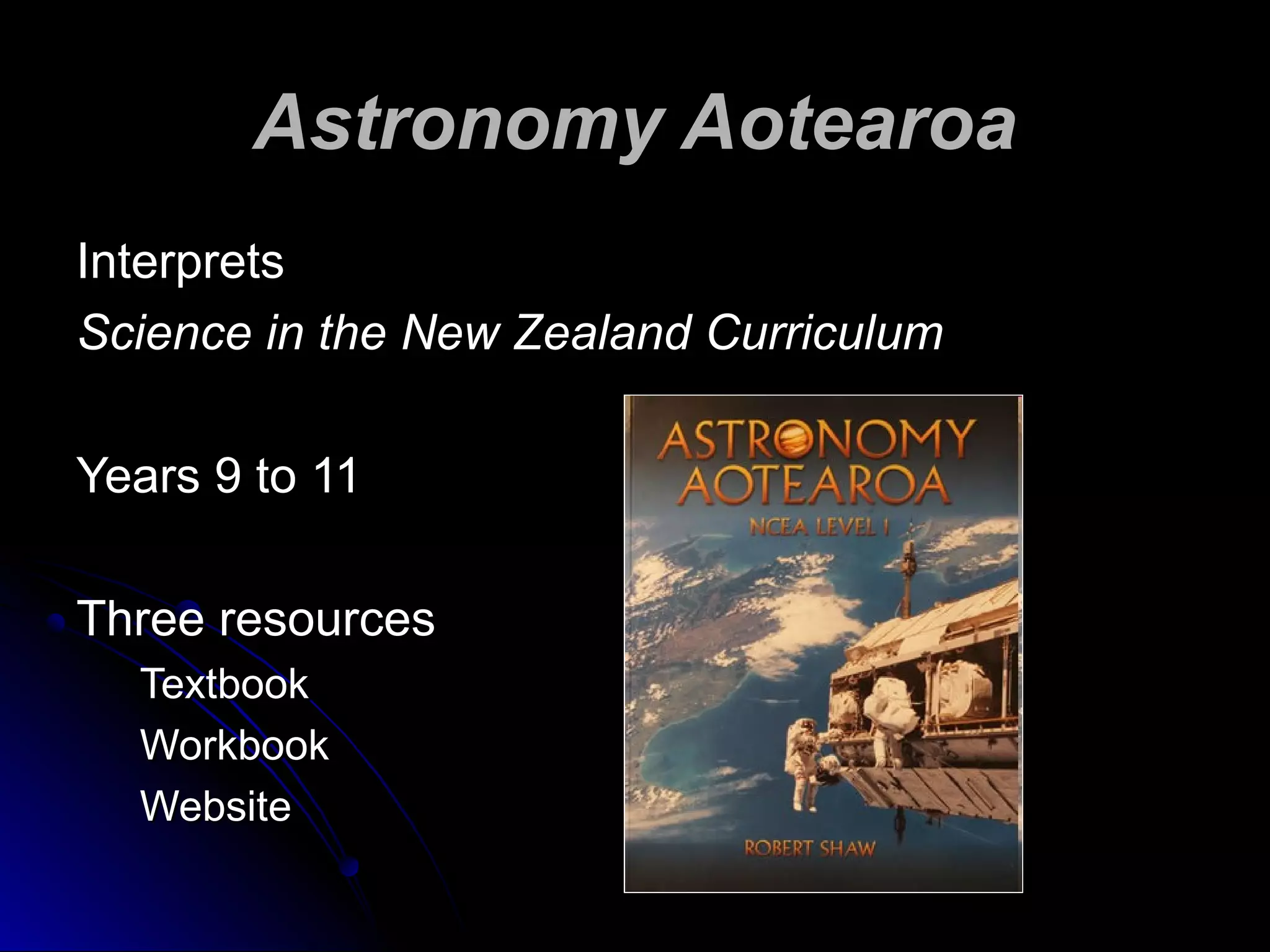
Astronomy AotearoaAstronomy Aotearoa
InterpretsInterprets
Science in the New Zealand CurriculumScience in the New Zealand Curriculum
Years 9 to 11Years 9 to 11
Three resourcesThree resources
TextbookTextbook
WorkbookWorkbook
WebsiteWebsite
What is science?What is science?
Traditional answersTraditional answers
Received viewReceived view
- ““Positivist science”Positivist science”
- TheoryTheory
- Mirror of realityMirror of reality
AlternativesAlternatives
- Human beingHuman being
- Without truthWithout truth
- With truthWith truth
Traditional answersTraditional answers
Received viewReceived view
- ““Positivist science”Positivist science”
- TheoryTheory
- Mirror of realityMirror of reality
AlternativesAlternatives
- Human beingHuman being
- Without truth – constructivist accountsWithout truth – constructivist accounts
- With truth –With truth – Hermeneutic philosophy of scienceHermeneutic philosophy of science
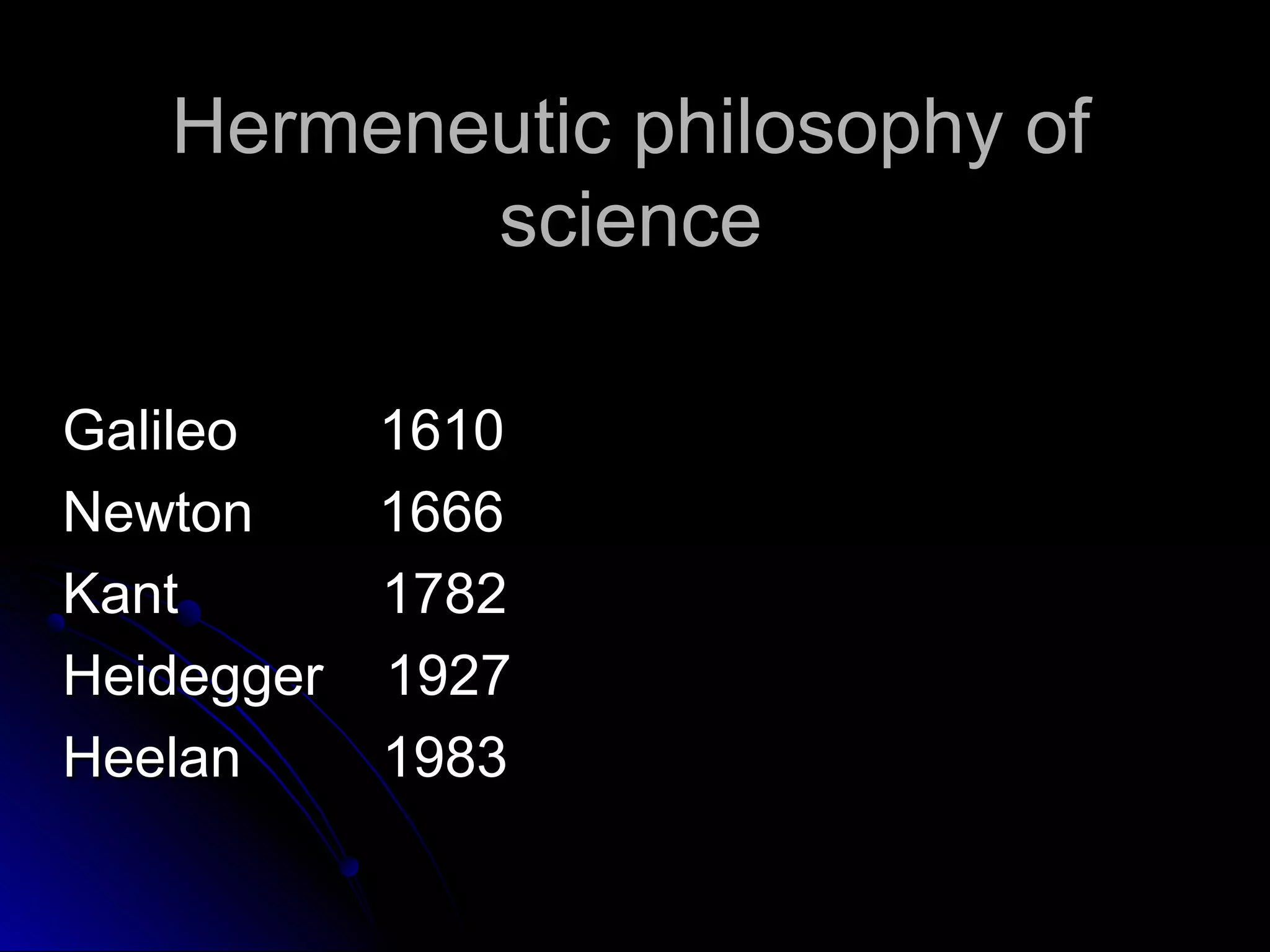
Hermeneutic philosophy ofHermeneutic philosophy of
sciencescience
Galileo 1610Galileo 1610
Newton 1666Newton 1666
Kant 1782Kant 1782
Heidegger 1927Heidegger 1927
Heelan 1983Heelan 1983
HermeneuticsHermeneutics
= Interpretation= Interpretation
TraditionalTraditional
Written textsWritten texts
Bible, law, literatureBible, law, literature
ModernModern
Verbal, non-verbalVerbal, non-verbal
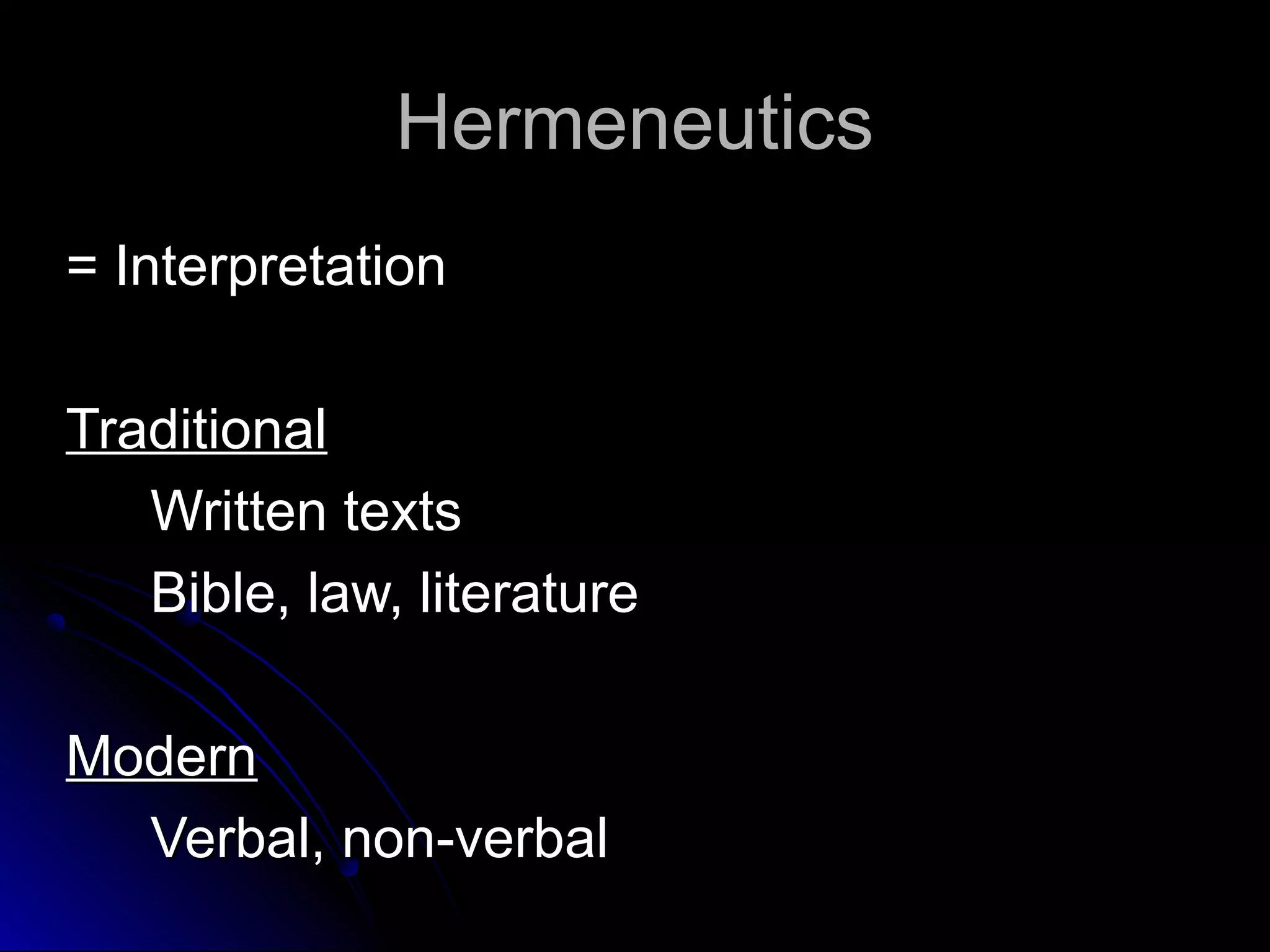
Modern scienceModern science
PhysicsPhysics
Paradigm for scienceParadigm for science
Physicists’ viewPhysicists’ view
Philosophers’ viewPhilosophers’ view
No progressionNo progression
Greek scienceGreek science
Medieval scienceMedieval science
Modern scienceModern science
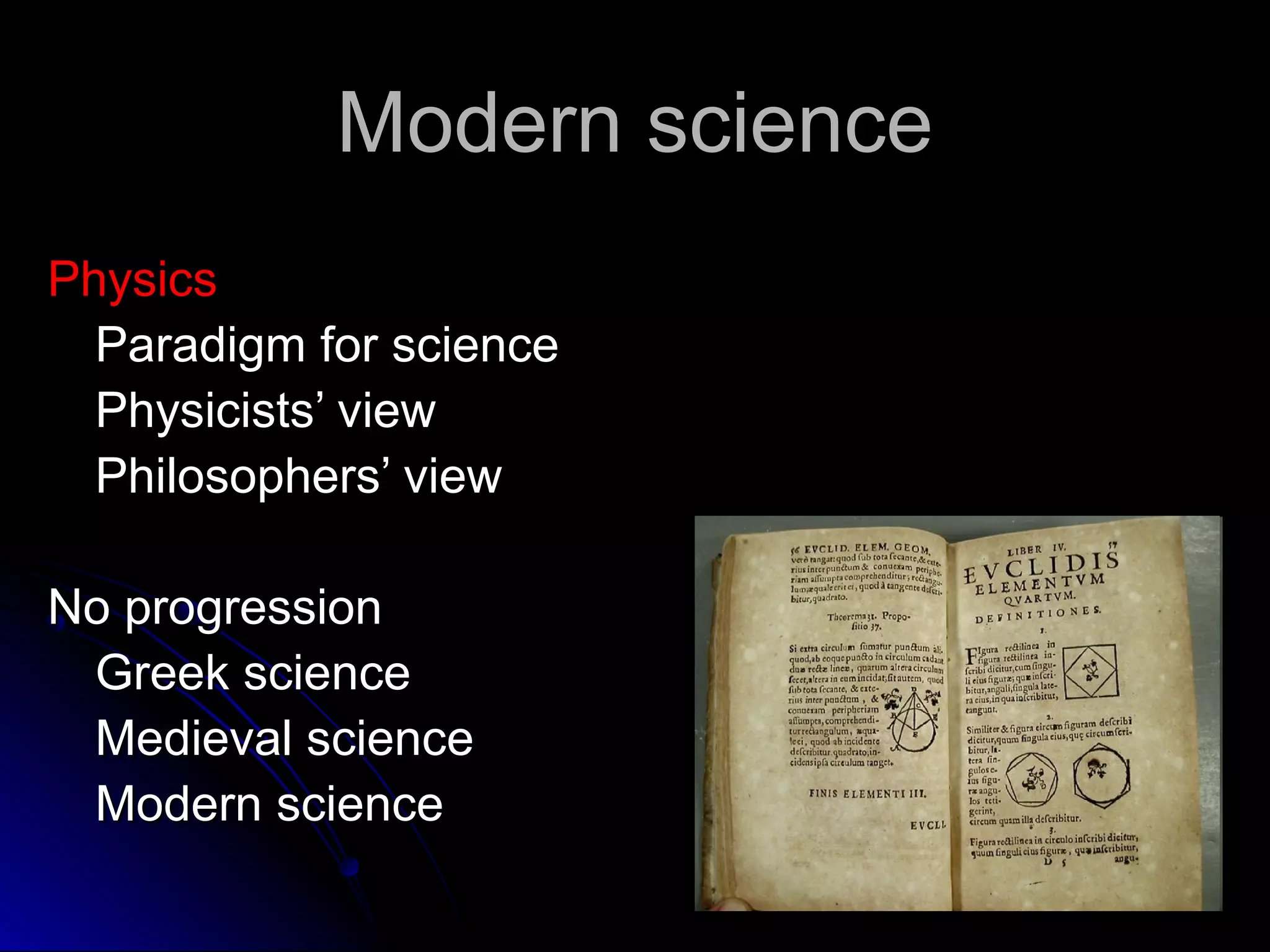
Immanuel KantImmanuel Kant
1724-18041724-1804
Prussian city ofPrussian city of
KönigsbergKönigsberg
Philosophy of modernPhilosophy of modern
sciencescience
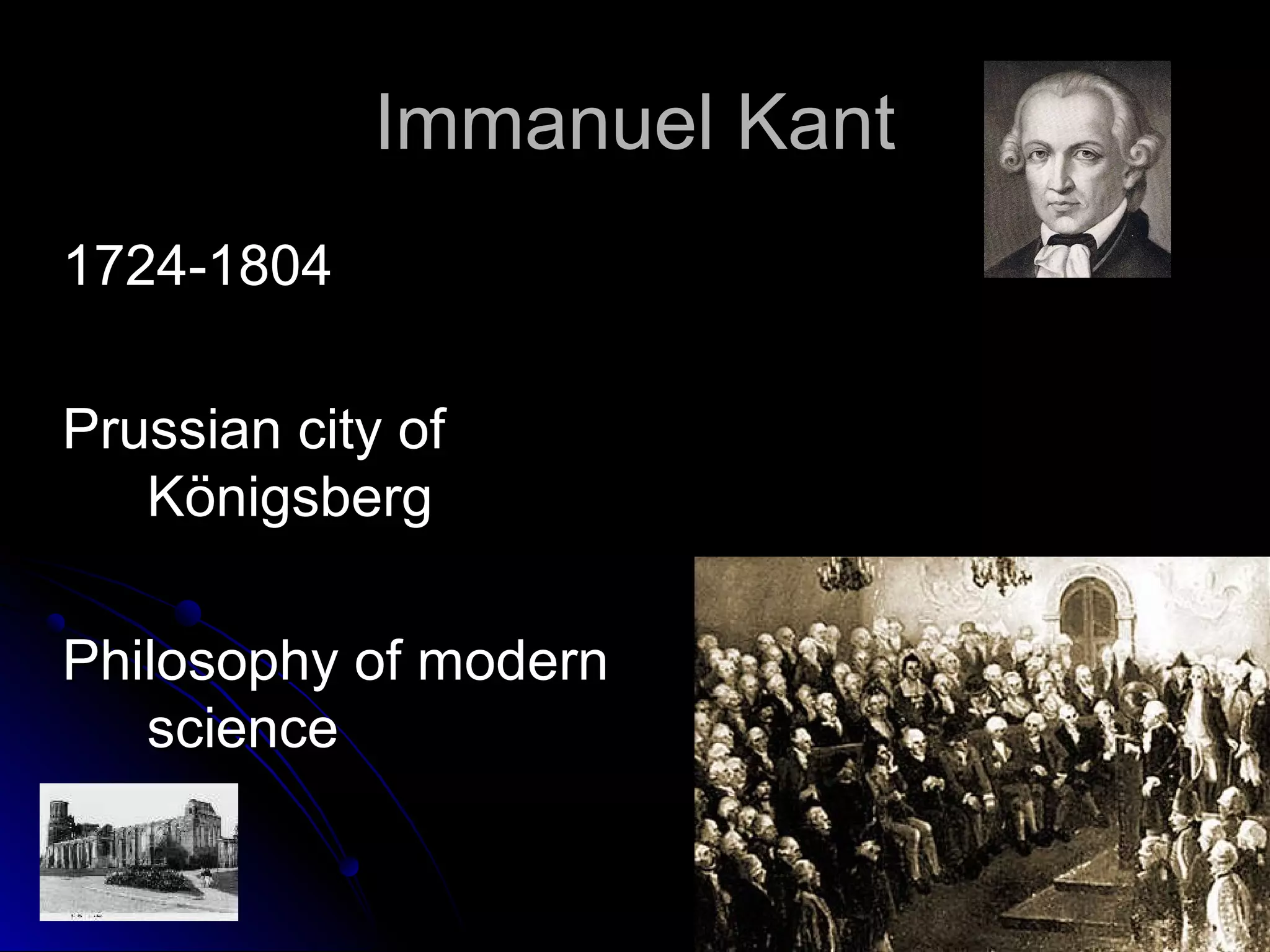
Martin Heidegger
1889-1976
South - West Germany
1909 Jesuit novice
1927 Being & Time
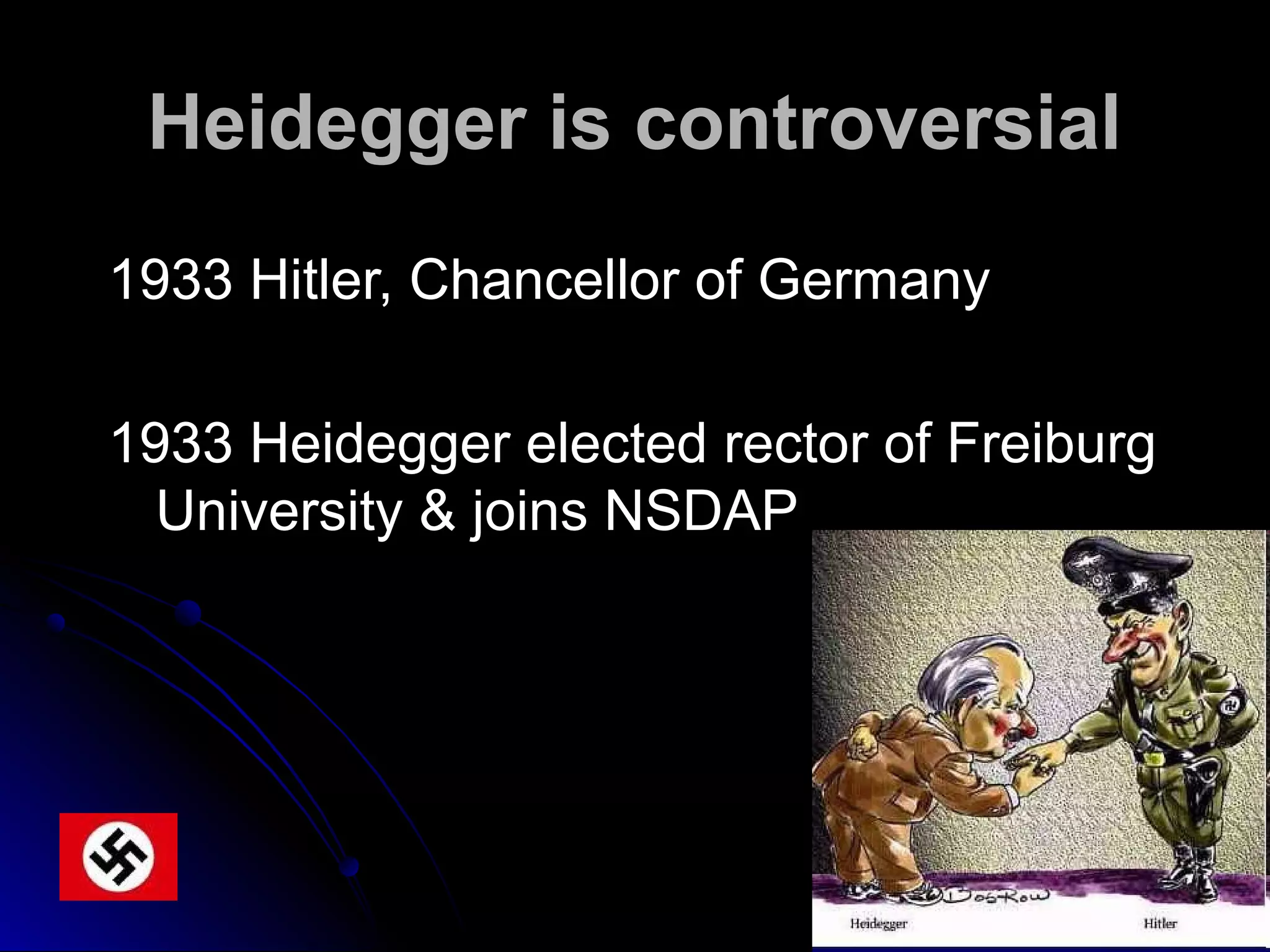
Heidegger is controversial
1933 Hitler, Chancellor of Germany
1933 Heidegger elected rector of Freiburg
University & joins NSDAP
What is truth?What is truth?
HeideggerHeidegger
Two notionsTwo notions
CorrespondenceCorrespondence
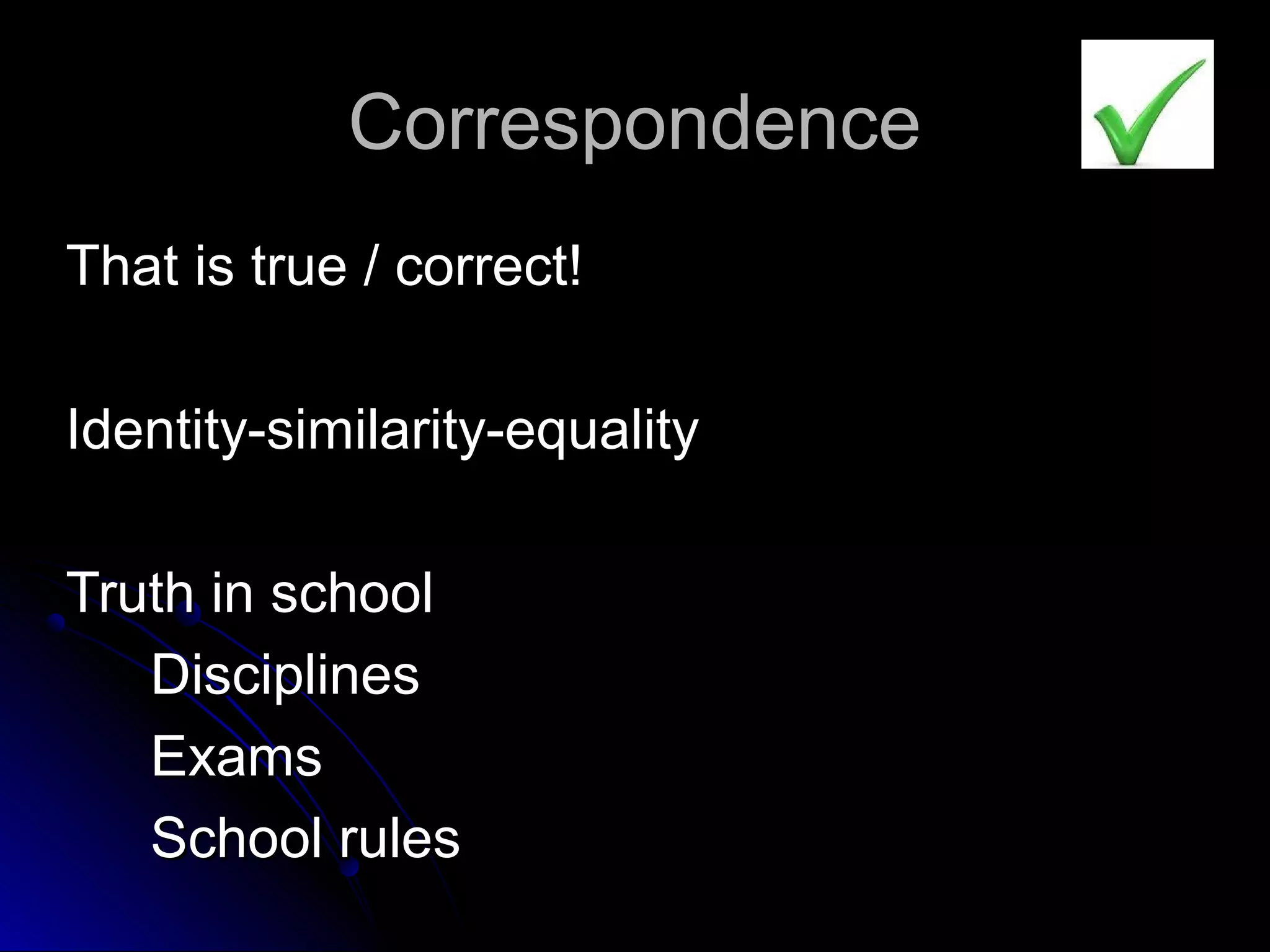
DisclosureDisclosure
CorrespondenceCorrespondence
That is true / correct!That is true / correct!
Identity-similarity-equalityIdentity-similarity-equality
Truth in schoolTruth in school
DisciplinesDisciplines
ExamsExams
School rulesSchool rules
DisclosureDisclosure
InsightInsight
Totality of a situationTotality of a situation
Moment of abidance – “in the truth”Moment of abidance – “in the truth”
I am hereI am here
This I knowThis I know
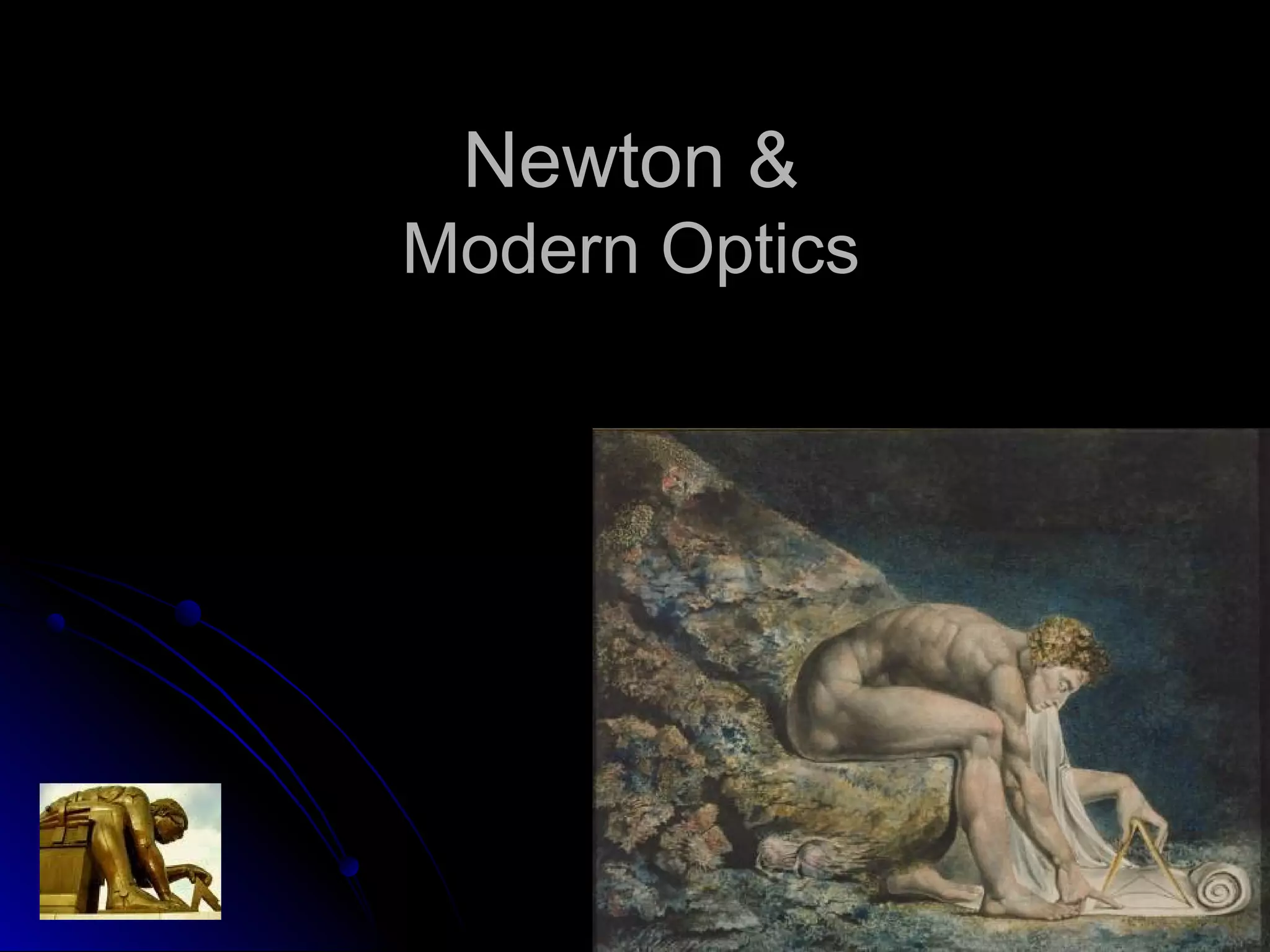
Newton &Newton &
Modern OpticsModern Optics
Newton & truthNewton & truth
1664, 22 years-old
Trinity College
Questiones quædam Philosophiæ
(Certain philosophical questions)
Amicus Plato amicus Aristoteles magis amica veritas
(Plato and Aristotle are my friends, but truth is a better friend)
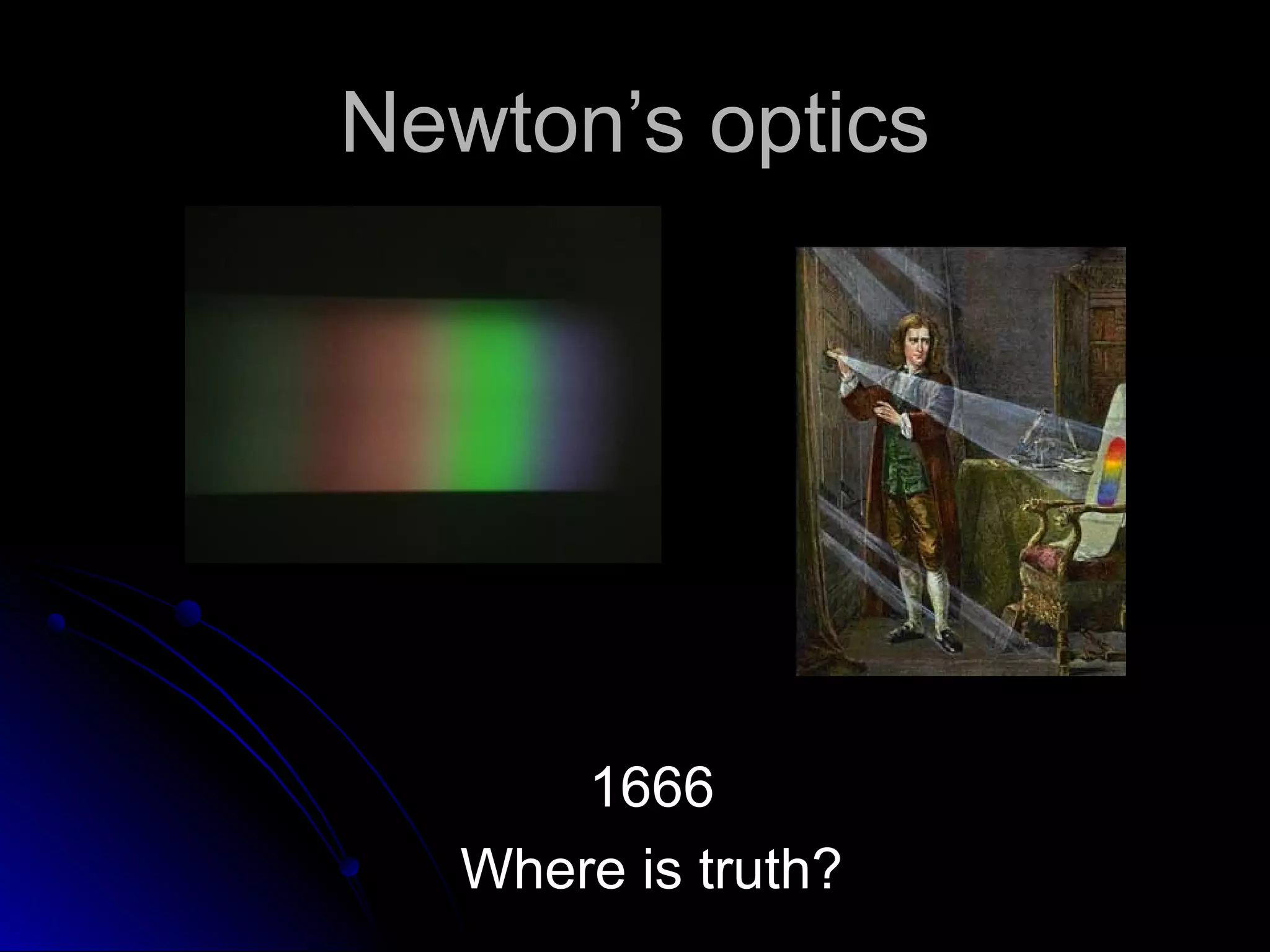
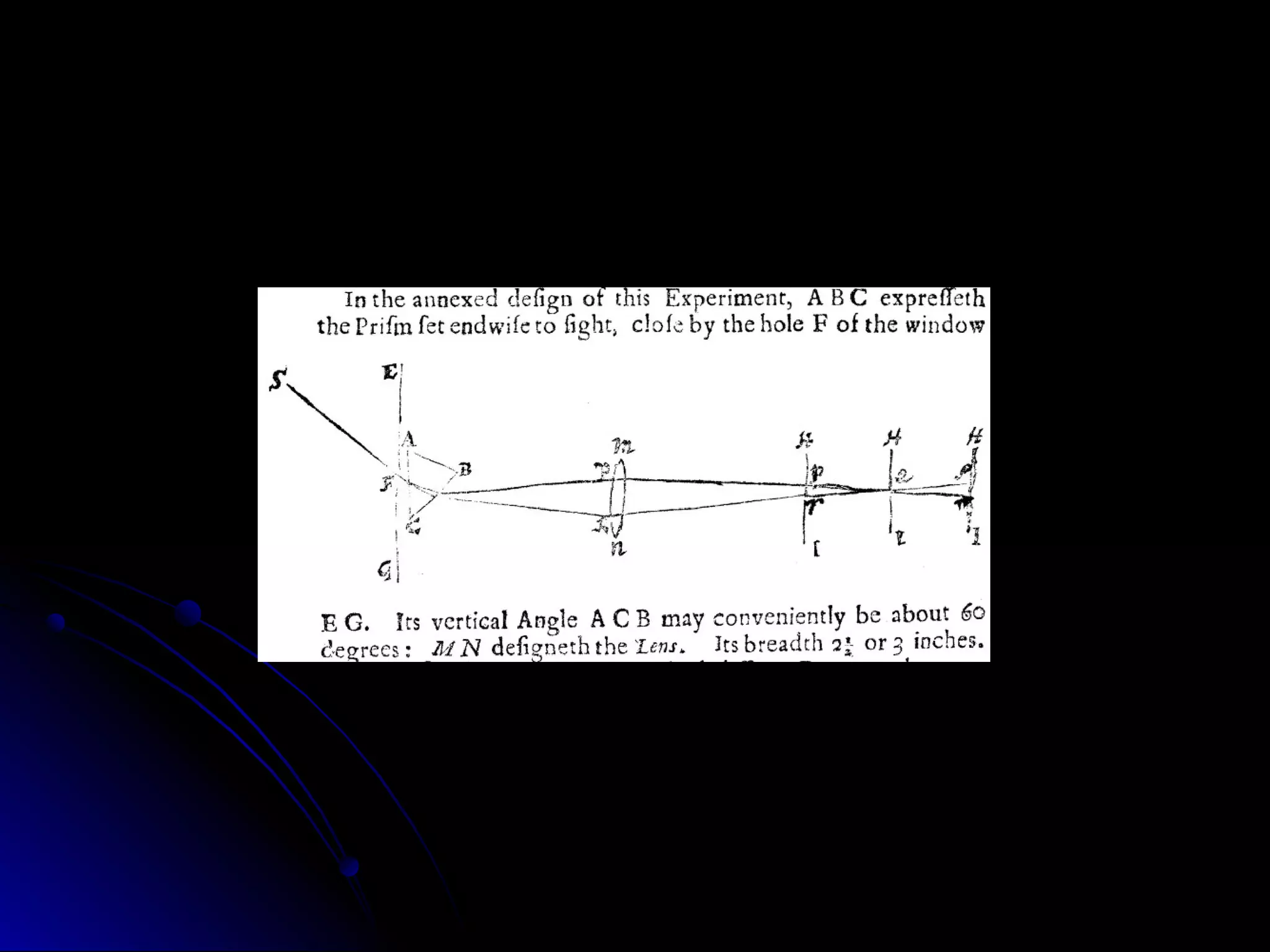
Newton’s opticsNewton’s optics
16661666
Where is truth?Where is truth?
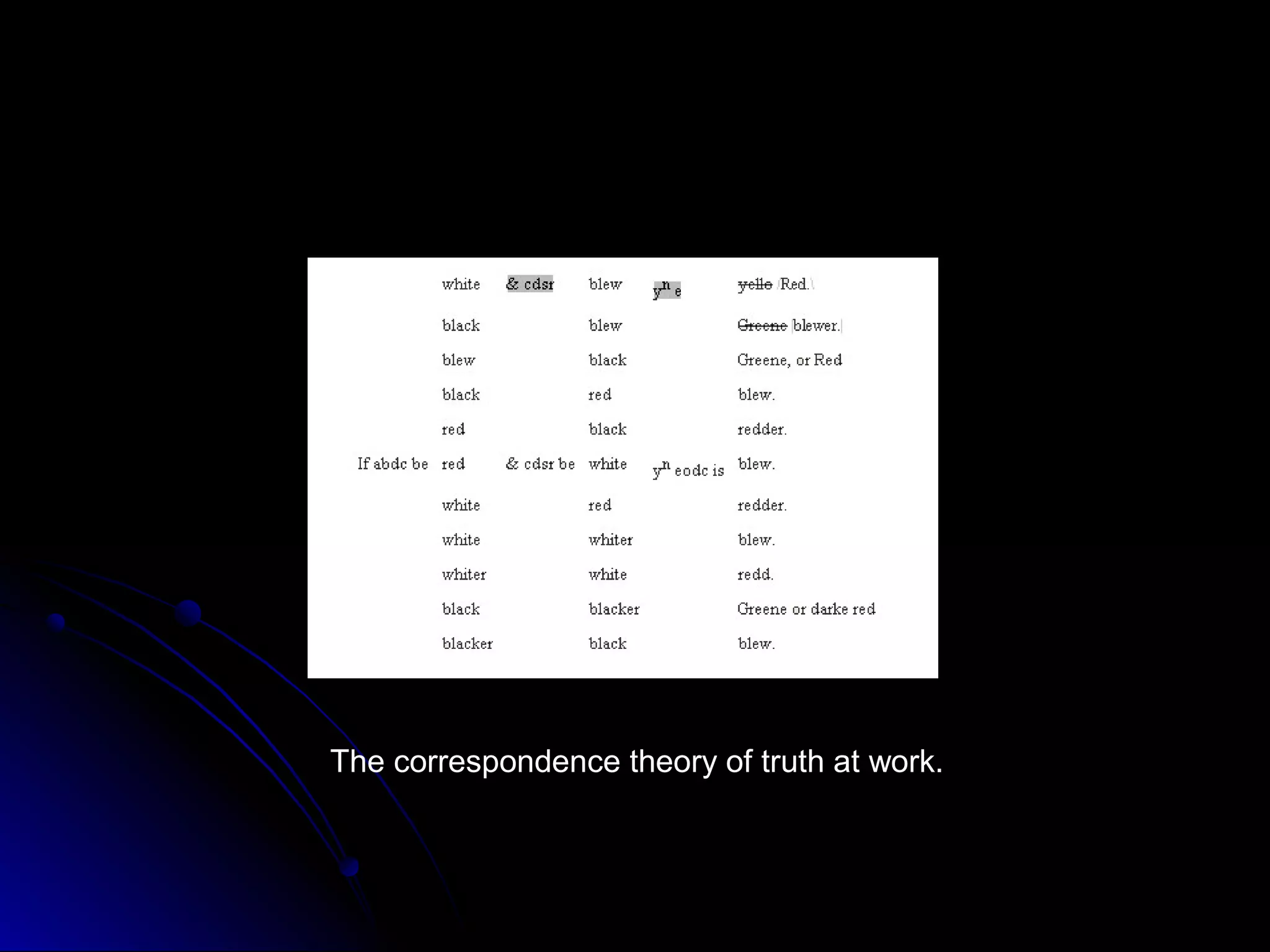
The correspondence theory of truth at work.
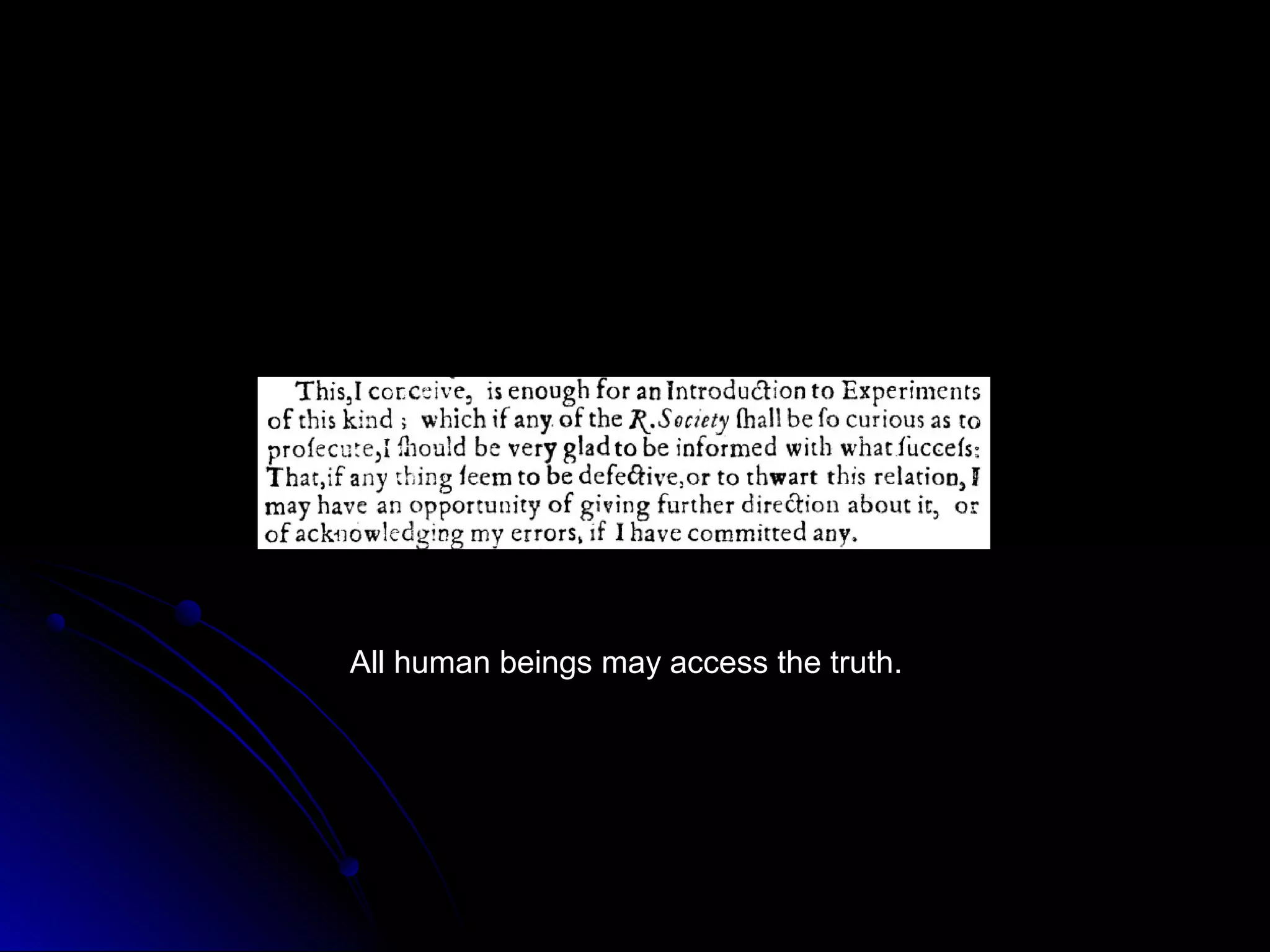
All human beings may access the truth.
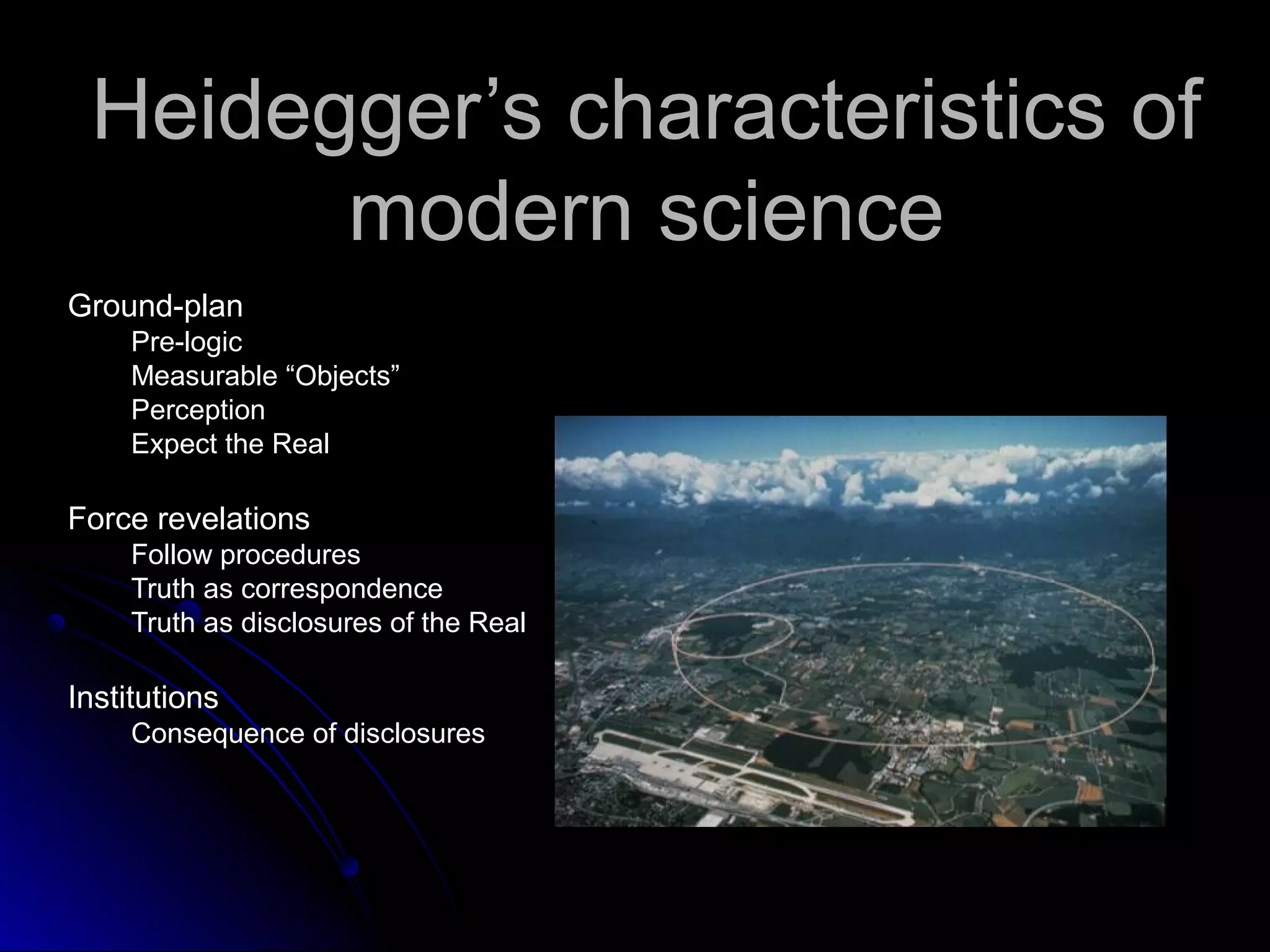
Heidegger’s characteristics ofHeidegger’s characteristics of
modern sciencemodern science
Ground-planGround-plan
Pre-logicPre-logic
Measurable “Objects”Measurable “Objects”
PerceptionPerception
Expect the RealExpect the Real
Force revelationsForce revelations
Follow proceduresFollow procedures
Truth as correspondenceTruth as correspondence
Truth as disclosures of the RealTruth as disclosures of the Real
InstitutionsInstitutions
Consequence of disclosuresConsequence of disclosures
Science EducationScience Education
AimAim
To have students experience disclosed truth
To teach students to force reality to reveal itself
MethodMethod
Preparations that involve truth as correspondence
Student demonstrations, not experiments
Science EducationScience Education
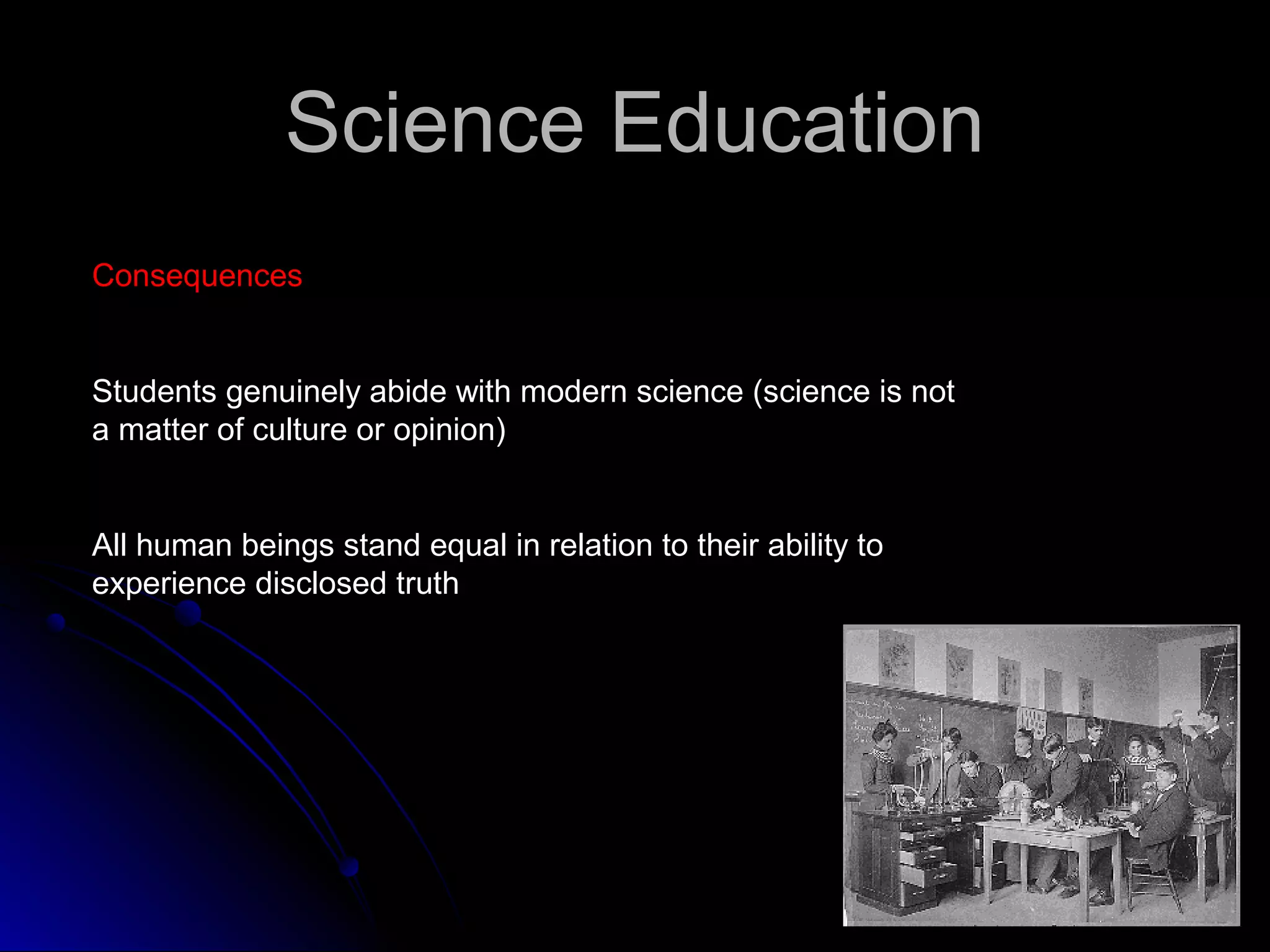
ConsequencesConsequences
Students genuinely abide with modern science (science is not
a matter of culture or opinion)
All human beings stand equal in relation to their ability to
experience disclosed truth
Science EducationScience Education
And societyAnd society
Disclosed truth in art, music, technology
Foil to modernity
Truth as correspondence dominates our age
Disclosed truth endures with humanity
Science EducationScience Education
Science teachersScience teachers
Enable students to experience truth
Essential for the perpetuation of science
Science EducationScience Education
Curriculum implicationsCurriculum implications
Curriculum structure
Identify truths of disclosure
Ensure experiences
Indicate why standards and procedures
(truth as correspondence) are important
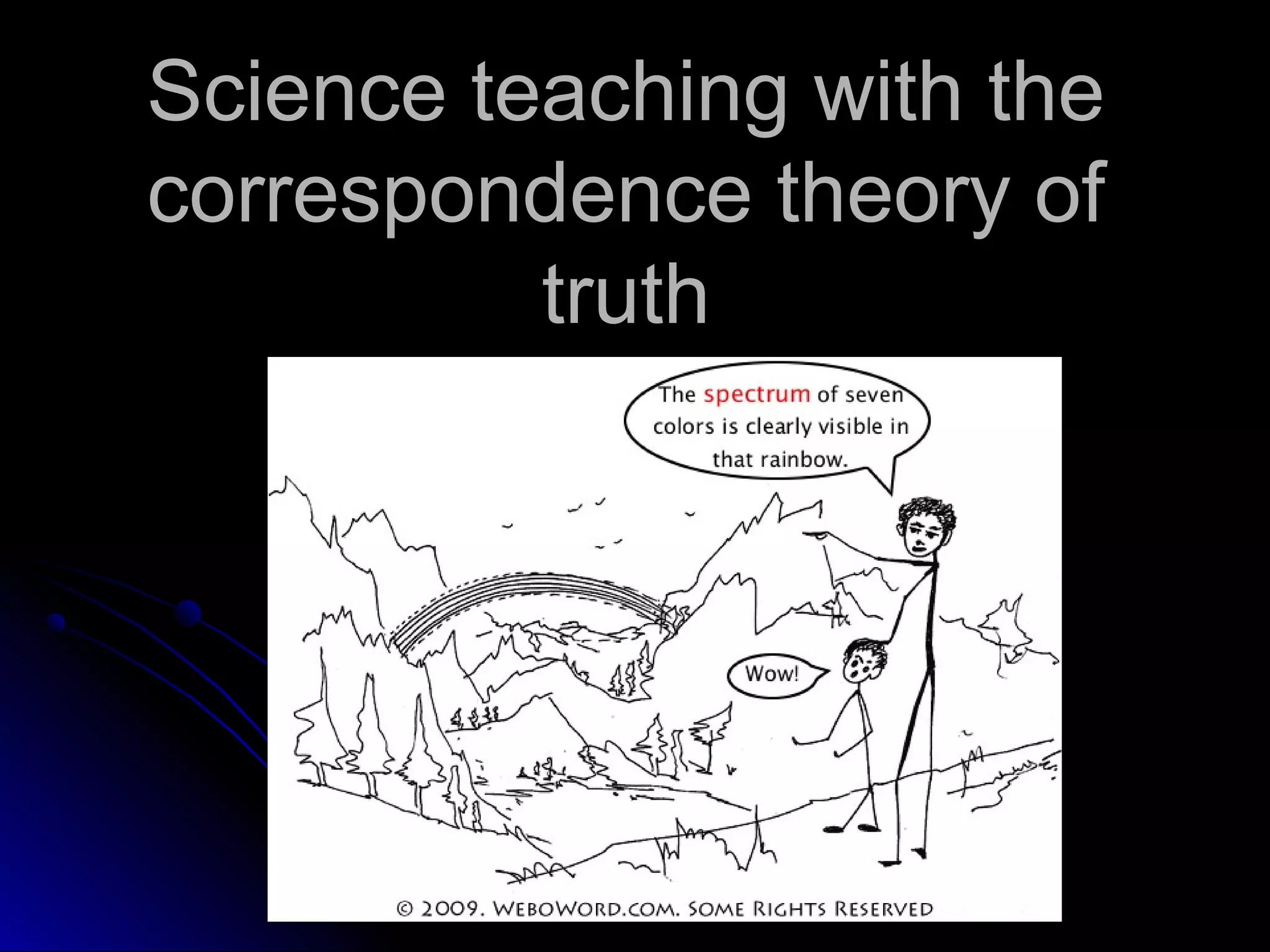
Science teaching with theScience teaching with the
correspondence theory ofcorrespondence theory of
truthtruth

Nature of Science and Science Education

Editor's Notes

  • #3 Modern physics: physicists: Heisenberg, quantum mechanics, Einstein relativity Heidegger: modern science – Galileo, Newton. Physics?Science independent of human kind. Reality independent of human kind.
  • #10 Science itself cannot answer this question about itself.
  • #11 Modern physics: physicists: Heisenberg, quantum mechanics, Einstein relativity Heidegger: modern science – Galileo, Newton. Physics?Science independent of human kind. Reality independent of human kind.
  • #12 Modern physics: physicists: Heisenberg, quantum mechanics, Einstein relativity Heidegger: modern science – Galileo, Newton. Physics?Science independent of human kind. Reality independent of human kind.
  • #13 Modern physics: physicists: Heisenberg, quantum mechanics, Einstein relativity Heidegger: modern science – Galileo, Newton. Physics?Science independent of human kind. Reality independent of human kind.
  • #14 Modern physics: physicists: Heisenberg, quantum mechanics, Einstein relativity Heidegger: modern science – Galileo, Newton. Physics?Science independent of human kind. Reality independent of human kind.
  • #16 Modern physics: physicists: Heisenberg, quantum mechanics, Einstein relativity Heidegger: modern science – Galileo, Newton. Physics?Science independent of human kind. Reality independent of human kind.
  • #19 Modern physics: physicists: Heisenberg, quantum mechanics, Einstein relativity Heidegger: modern science – Galileo, Newton. Physics?Science independent of human kind. Reality independent of human kind.
  • #20 Modern physics: physicists: Heisenberg, quantum mechanics, Einstein relativity Heidegger: modern science – Galileo, Newton. Physics?Science independent of human kind. Reality independent of human kind.
  • #21 Bound with certitude.
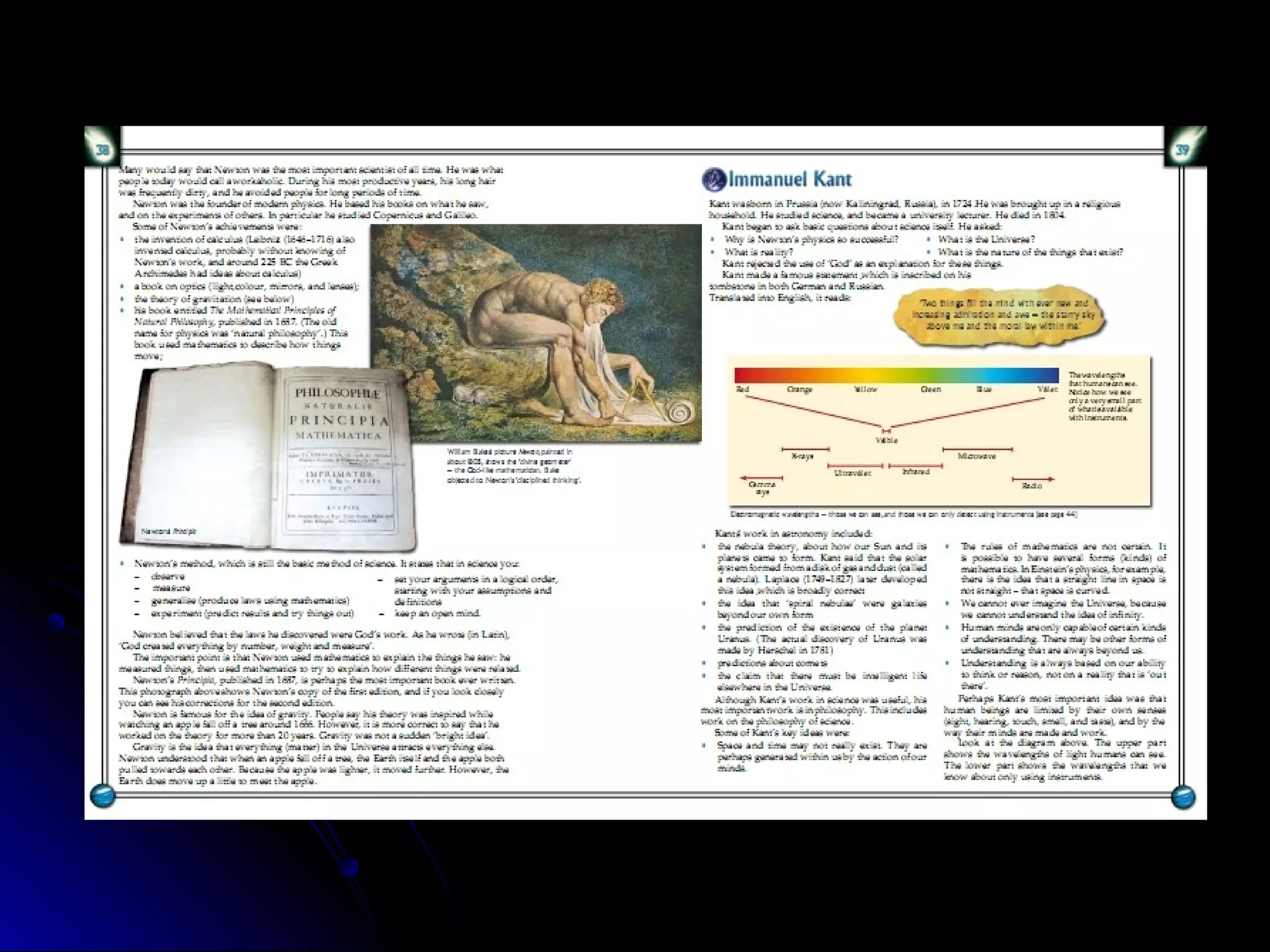
  • #22 William Blake’s picture 1804 Tate Gallery Blake is critical of Newton’s precision, The colours in the rock are to defy precise description. They also represent the supremacy of the creative imagination.
  • #23 William Blake’s picture 1804 Tate Gallery Blake is critical of Newton’s precision, The colours in the rock are to defy precise description. They also represent the supremacy of the creative imagination.
  • #25 Modern physics: physicists: Heisenberg, quantum mechanics, Einstein relativity Heidegger: modern science – Galileo, Newton. Physics?Science independent of human kind. Reality independent of human kind.