Why?
●A short history of military medicine
–Changing battlefields
–EBM, Better data sets
–Save before you can fix
–Resource constraints
●Drive to more efficient care
●Reduce Longterm dependancy
Goal
To perform the correct intervention at the correct
time in the continuum of Care to improve survival
and reduce morbidity.
In other words, a medically correct intervention
performed at the wrong time in the military
continuum of care may lead to further casualties or
worse outcomes
Factors influencing combat casualty
care
●Enemy Fire
●Medical Equipment Limitations
●Widely Variable Evacuation Time
●Tyranny of numbers
Principles of TCCC
• The three goals of Tactical Combat
Casualty Care (TCCC) are:
–1. Save preventable deaths
–2. Prevent additional casualties
–3. Complete the mission
Development
Physiology
Of trauma
Principles of
trauma care
Risk tolerance
Principles of
TCCC
Trauma registry
Care
pathway
How
Forensics
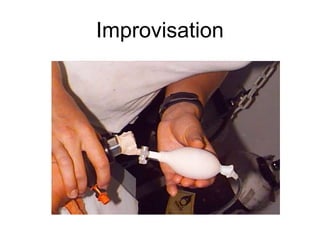
Improvisation
Mid tour christmas Party
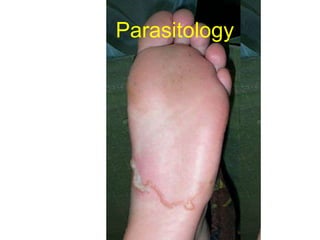
Parasitology
Ground Ambulance
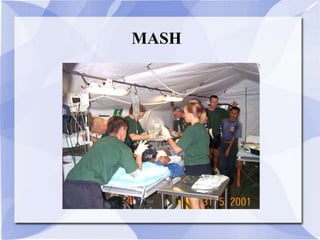
MASH
WHO?
●Changing patient
–The 90/10 rule
●WW1 90% mil 10% Civ,
●OIF/OEF 90% Civ 10% Mil
●Historically 90% non battle casualties (disease
predominantly)
●Modern conflicts 90% battle casualties
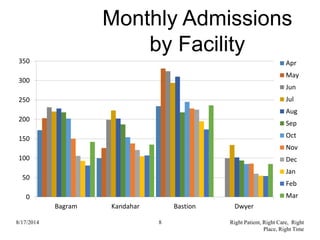
Monthly Admissions
by Facility
0
50
100
150
200
250
300
350
Bagram Kandahar Bastion Dwyer
Apr
May
Jun
Jul
Aug
Sep
Oct
Nov
Dec
Jan
Feb
Mar
8/17/2014 8 Right Patient, Right Care, Right
Place, Right Time
OEF Total Trauma Admissions
Battle vs. Non-Battle Injury
385
572
725 743 722
627 589
477
348 348 302
448
126
93
120 117 111
87
83
110
126 130
114
150
0
100
200
300
400
500
600
700
800
900
1000
Apr-
10
May-
10
Jun-
10
Jul-10 Aug-
10
Sep-
10
Oct-
10
Nov-
10
Dec-
10
Jan-
11
Feb-
11
Mar-
11
Battle vs. Non-Battle Injury – 1 Year
Non-Battle (25%) Battle (75%)
8/17/2014 12 Right Patient, Right Care, Right
Place, Right Time
How - Cause of Injury
Mar 2011
148
10
23
6
249
7
17
2
14
63
9
44
Bullet/GSW/Firearm
Burn
Fall
Hand Grenade
IED
Knife/Other Sharp Object
Machinery/Equipment
Mine/Landmine
Mortar/Rocket/Artillery Shell
MVC
RPG
Other
8/17/2014 36 Right Patient, Right Care, Right
Place, Right Time
ncludes both battle and non-battle injury
Trauma and The Lethal Triad
Acidosis Hypothermia
Coagulopathy
Death
Brohi, K, et al. J Trauma, 2003.
Combat Deaths
•KIA: 31% Penetrating head trauma
•KIA: 25% Surgically uncorrectable torso trauma
•KIA: 10% Potentially surgically correctable trauma
•KIA: 9% Hemorrhage from extremity wounds
•KIA: 7% Mutilating blast trauma
•KIA: 5% Tension pneumothorax
•KIA: 1% Airway problems
•12% Mostly from infections and complications of
shock
PREVENTABLE CAUSES OF
COMBAT DEATH
•60% Hemorrhage from extremity wounds
•33% Tension pneumothorax
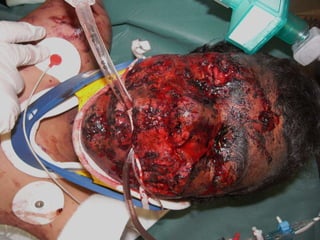
•6% Airway obstruction e.g., maxillofacial trauma
•* Data is extrapolated from Vietnam to present
day Iraq and Afghanistan
Survival
80% survive
70% survive at 1
hour
60% survive to 24
hours
50% survive to 72
hours
20% die immediately
10% die over the first
hour – Hg/Airway
Further 10% die by 6
hours – lethal triad
10% die over the
next 48 hours –
lethal triad and late
complications
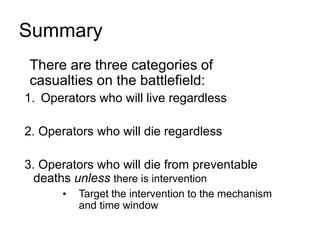
Summary
• There are three categories of
casualties on the battlefield:
1. Operators who will live regardless
2. Operators who will die regardless
3. Operators who will die from preventable
deaths unless there is intervention
• Target the intervention to the mechanism
and time window
CMAST 43
Injury severity
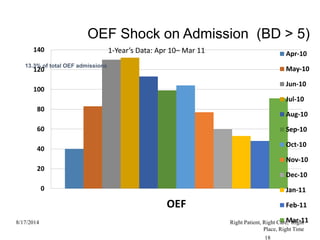
OEF Shock on Admission (BD > 5)
0
20
40
60
80
100
120
140
OEF
Apr-10
May-10
Jun-10
Jul-10
Aug-10
Sep-10
Oct-10
Nov-10
Dec-10
Jan-11
Feb-11
Mar-11
13.3% of total OEF admissions
8/17/2014
18
Right Patient, Right Care, Right
Place, Right Time
1-Year’s Data: Apr 10– Mar 11
OEF Hypothermia
Breakdown
7
2
27
0
5
10
15
20
25
30
35
40
US Military Coalition All Others
Admission Temperature < 96 F or < 35.5 C
Oct-10
Nov-10
Dec-10
Jan-11
Feb-11
Mar-11
1% of all US
admissions
.3% of all
Coalition
admissions
8/17/2014 17 Right Patient, Right Care, Right
Place, Right Time
4.5% of all
Others
admissions
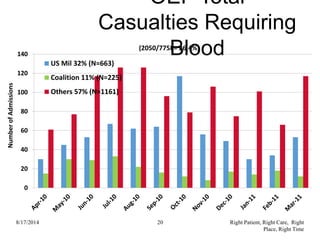
OEF Total
Casualties Requiring
Blood
0
20
40
60
80
100
120
140
NumberofAdmissions
(2050/7758= 26.4%)
US Mil 32% (N=663)
Coalition 11% (N=225)
Others 57% (N=1161)
8/17/2014 20 Right Patient, Right Care, Right
Place, Right Time
Massive Transfusion
Component Therapy
0
5
10
15
20
25
30
18.2 18.7
3.2 3.1
21
Mar 2011 MT Patients (N= 49)
Mean # units
transfused
Mean RBC Age
Platelets:
1 unit = 6 pk plts
8/17/2014 25 Right Patient, Right Care, Right
Place, Right Time
Total Units FWB: 0
Doses of Factor VII: 1
(Level III Only)
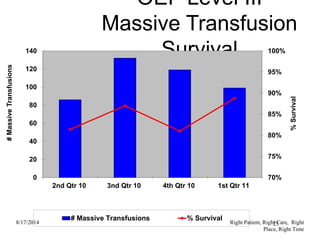
OEF Level III
Massive Transfusion
Survival
70%
75%
80%
85%
90%
95%
100%
0
20
40
60
80
100
120
140
2nd Qtr 10 3nd Qtr 10 4th Qtr 10 1st Qtr 11
%Survival
#MassiveTransfusions
# Massive Transfusions % Survival
8/17/2014 23Right Patient, Right Care, Right
Place, Right Time
OEF Massive Transfusion Survival
Long Term US Military Only
70%
75%
80%
85%
90%
95%
100%
0
10
20
30
40
50
60
70
2nd Qtr 10 3rd Qtr 10 4th Qtr 10 1st Qtr 11
%Survival
#MassiveTransfusions
# Massive Transfusions % Survival
8/17/2014 18 Right Patient, Right Care, Right
Place, Right Time
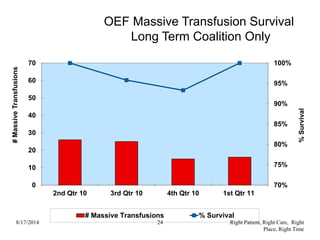
OEF Massive Transfusion Survival
Long Term Coalition Only
70%
75%
80%
85%
90%
95%
100%
0
10
20
30
40
50
60
70
2nd Qtr 10 3rd Qtr 10 4th Qtr 10 1st Qtr 11
%Survival
#MassiveTransfusions
# Massive Transfusions % Survival
8/17/2014 24 Right Patient, Right Care, Right
Place, Right Time
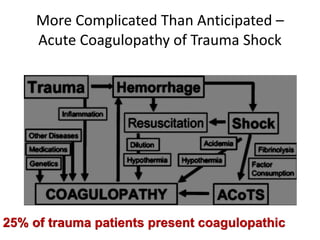
More Complicated Than Anticipated –
Acute Coagulopathy of Trauma Shock
25% of trauma patients present coagulopathic
WHERE
Platform agnostic
When is crucial to outcome, where is not.
Putting it all together
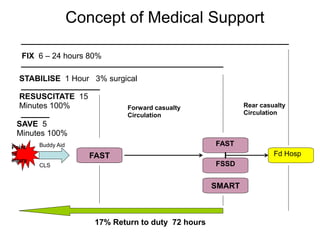
Concept of Medical Support
FAST
FIX 6 – 24 hours 80%
STABILISE 1 Hour 3% surgical
RESUSCITATE 15
Minutes 100%
SAVE 5
Minutes 100%
Fd Hosp
FSSD
FASTBuddy Aid
CLS
Point
of
injury
Forward casualty
Circulation
Rear casualty
Circulation
17% Return to duty 72 hours
SMART
Questions?

Military trauma

  • 1.
    Why? ●A short historyof military medicine –Changing battlefields –EBM, Better data sets –Save before you can fix –Resource constraints ●Drive to more efficient care ●Reduce Longterm dependancy
  • 2.
    Goal To perform thecorrect intervention at the correct time in the continuum of Care to improve survival and reduce morbidity. In other words, a medically correct intervention performed at the wrong time in the military continuum of care may lead to further casualties or worse outcomes
  • 3.
    Factors influencing combatcasualty care ●Enemy Fire ●Medical Equipment Limitations ●Widely Variable Evacuation Time ●Tyranny of numbers
  • 4.
    Principles of TCCC •The three goals of Tactical Combat Casualty Care (TCCC) are: –1. Save preventable deaths –2. Prevent additional casualties –3. Complete the mission
  • 5.
    Development Physiology Of trauma Principles of traumacare Risk tolerance Principles of TCCC Trauma registry Care pathway
  • 6.
  • 7.
  • 9.
  • 12.
  • 14.
  • 16.
  • 23.
  • 29.
    WHO? ●Changing patient –The 90/10rule ●WW1 90% mil 10% Civ, ●OIF/OEF 90% Civ 10% Mil ●Historically 90% non battle casualties (disease predominantly) ●Modern conflicts 90% battle casualties
  • 30.
    Monthly Admissions by Facility 0 50 100 150 200 250 300 350 BagramKandahar Bastion Dwyer Apr May Jun Jul Aug Sep Oct Nov Dec Jan Feb Mar 8/17/2014 8 Right Patient, Right Care, Right Place, Right Time
  • 31.
    OEF Total TraumaAdmissions Battle vs. Non-Battle Injury 385 572 725 743 722 627 589 477 348 348 302 448 126 93 120 117 111 87 83 110 126 130 114 150 0 100 200 300 400 500 600 700 800 900 1000 Apr- 10 May- 10 Jun- 10 Jul-10 Aug- 10 Sep- 10 Oct- 10 Nov- 10 Dec- 10 Jan- 11 Feb- 11 Mar- 11 Battle vs. Non-Battle Injury – 1 Year Non-Battle (25%) Battle (75%) 8/17/2014 12 Right Patient, Right Care, Right Place, Right Time
  • 33.
    How - Causeof Injury Mar 2011 148 10 23 6 249 7 17 2 14 63 9 44 Bullet/GSW/Firearm Burn Fall Hand Grenade IED Knife/Other Sharp Object Machinery/Equipment Mine/Landmine Mortar/Rocket/Artillery Shell MVC RPG Other 8/17/2014 36 Right Patient, Right Care, Right Place, Right Time ncludes both battle and non-battle injury
  • 36.
    Trauma and TheLethal Triad Acidosis Hypothermia Coagulopathy Death Brohi, K, et al. J Trauma, 2003.
  • 37.
    Combat Deaths •KIA: 31%Penetrating head trauma •KIA: 25% Surgically uncorrectable torso trauma •KIA: 10% Potentially surgically correctable trauma •KIA: 9% Hemorrhage from extremity wounds •KIA: 7% Mutilating blast trauma •KIA: 5% Tension pneumothorax •KIA: 1% Airway problems •12% Mostly from infections and complications of shock
  • 38.
    PREVENTABLE CAUSES OF COMBATDEATH •60% Hemorrhage from extremity wounds •33% Tension pneumothorax •6% Airway obstruction e.g., maxillofacial trauma •* Data is extrapolated from Vietnam to present day Iraq and Afghanistan
  • 39.
    Survival 80% survive 70% surviveat 1 hour 60% survive to 24 hours 50% survive to 72 hours 20% die immediately 10% die over the first hour – Hg/Airway Further 10% die by 6 hours – lethal triad 10% die over the next 48 hours – lethal triad and late complications
  • 40.
    Summary • There arethree categories of casualties on the battlefield: 1. Operators who will live regardless 2. Operators who will die regardless 3. Operators who will die from preventable deaths unless there is intervention • Target the intervention to the mechanism and time window
  • 41.
  • 44.
    OEF Shock onAdmission (BD > 5) 0 20 40 60 80 100 120 140 OEF Apr-10 May-10 Jun-10 Jul-10 Aug-10 Sep-10 Oct-10 Nov-10 Dec-10 Jan-11 Feb-11 Mar-11 13.3% of total OEF admissions 8/17/2014 18 Right Patient, Right Care, Right Place, Right Time 1-Year’s Data: Apr 10– Mar 11
  • 46.
    OEF Hypothermia Breakdown 7 2 27 0 5 10 15 20 25 30 35 40 US MilitaryCoalition All Others Admission Temperature < 96 F or < 35.5 C Oct-10 Nov-10 Dec-10 Jan-11 Feb-11 Mar-11 1% of all US admissions .3% of all Coalition admissions 8/17/2014 17 Right Patient, Right Care, Right Place, Right Time 4.5% of all Others admissions
  • 48.
    OEF Total Casualties Requiring Blood 0 20 40 60 80 100 120 140 NumberofAdmissions (2050/7758=26.4%) US Mil 32% (N=663) Coalition 11% (N=225) Others 57% (N=1161) 8/17/2014 20 Right Patient, Right Care, Right Place, Right Time
  • 49.
    Massive Transfusion Component Therapy 0 5 10 15 20 25 30 18.218.7 3.2 3.1 21 Mar 2011 MT Patients (N= 49) Mean # units transfused Mean RBC Age Platelets: 1 unit = 6 pk plts 8/17/2014 25 Right Patient, Right Care, Right Place, Right Time Total Units FWB: 0 Doses of Factor VII: 1 (Level III Only)
  • 50.
    OEF Level III MassiveTransfusion Survival 70% 75% 80% 85% 90% 95% 100% 0 20 40 60 80 100 120 140 2nd Qtr 10 3nd Qtr 10 4th Qtr 10 1st Qtr 11 %Survival #MassiveTransfusions # Massive Transfusions % Survival 8/17/2014 23Right Patient, Right Care, Right Place, Right Time
  • 51.
    OEF Massive TransfusionSurvival Long Term US Military Only 70% 75% 80% 85% 90% 95% 100% 0 10 20 30 40 50 60 70 2nd Qtr 10 3rd Qtr 10 4th Qtr 10 1st Qtr 11 %Survival #MassiveTransfusions # Massive Transfusions % Survival 8/17/2014 18 Right Patient, Right Care, Right Place, Right Time
  • 52.
    OEF Massive TransfusionSurvival Long Term Coalition Only 70% 75% 80% 85% 90% 95% 100% 0 10 20 30 40 50 60 70 2nd Qtr 10 3rd Qtr 10 4th Qtr 10 1st Qtr 11 %Survival #MassiveTransfusions # Massive Transfusions % Survival 8/17/2014 24 Right Patient, Right Care, Right Place, Right Time
  • 55.
    More Complicated ThanAnticipated – Acute Coagulopathy of Trauma Shock 25% of trauma patients present coagulopathic
  • 57.
    WHERE Platform agnostic When iscrucial to outcome, where is not.
  • 61.
  • 62.
    Concept of MedicalSupport FAST FIX 6 – 24 hours 80% STABILISE 1 Hour 3% surgical RESUSCITATE 15 Minutes 100% SAVE 5 Minutes 100% Fd Hosp FSSD FASTBuddy Aid CLS Point of injury Forward casualty Circulation Rear casualty Circulation 17% Return to duty 72 hours SMART
  • 63.