











Micro
Instructional Design
for Problem & Game-Based
Learning
LTMS

Andy Petroski
Director of Learning Technologies
Assistant Professor of Learning
Technologies
Harrisburg University
apetroski@harrisburgu.edu
@apetroski

Harrisburg
University

CAELT
who are you and what are you looking for?
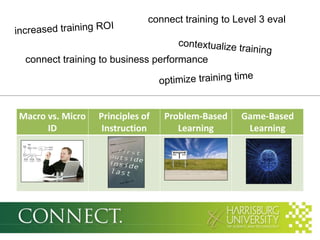
connect training to Level 3 eval

connect training to business performance

Macro vs. Micro
ID

Principles of
Instruction

Problem-Based
Learning

Game-Based
Learning
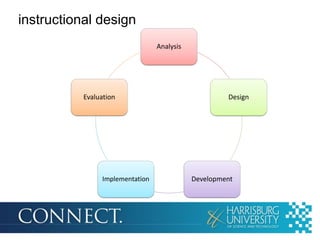
instructional design
Analysis

Evaluation

Implementation

Design

Development
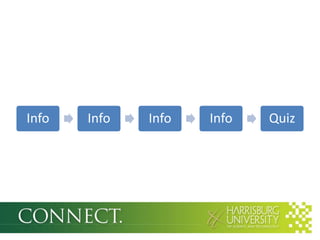
Info

Info

Info

Info

Quiz
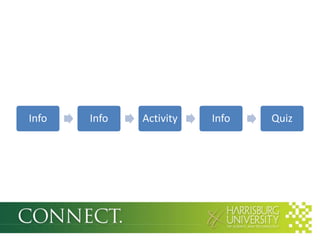
Info

Info

Activity

Info

Quiz
what is quality instruction?

effective
efficient
engaging
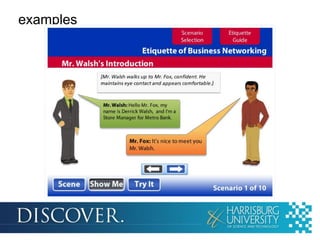
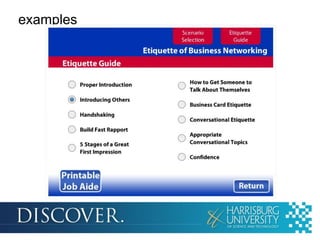
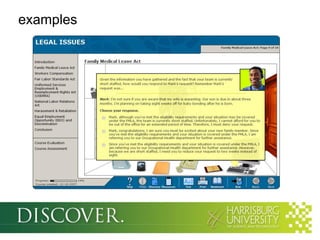
examples
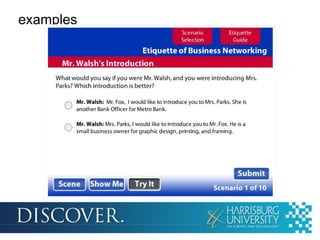
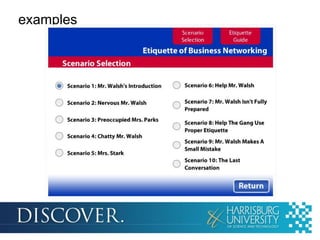
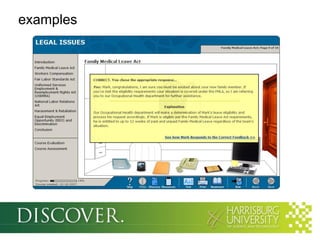
examples
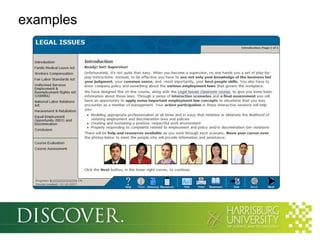
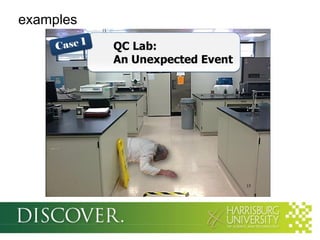
examples
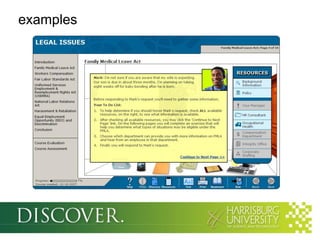
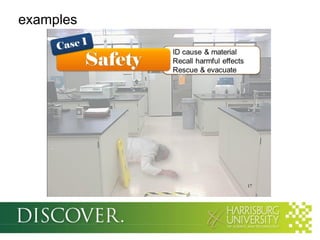
examples
examples
examples
examples
examples
examples
examples
examples
examples
examples
examples
economics
Macroeconomics is focused on the movement and trends in the
economy as a whole, while in microeconomics the focus is placed on
factors that affect the decisions made by firms and individuals. The
factors that are studied by macro and micro will often influence each
other, such as the current level of unemployment in the economy as
a whole will affect the supply of workers which an oil company can
hire from, for example.
http://www.investopedia.com/terms/m/macroeconomics.asp
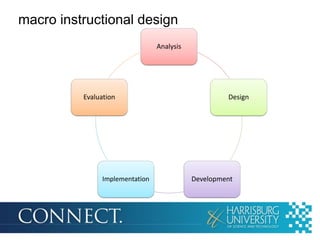
macro instructional design
Analysis

Evaluation

Implementation

Design

Development
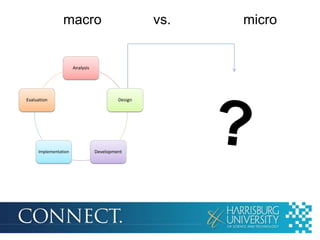
macro

vs.

Analysis

Evaluation

Implementation

Design

Development

micro
macro

vs.

micro

Analysis

Evaluation

Implementation

Design

Development

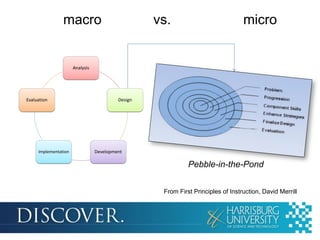
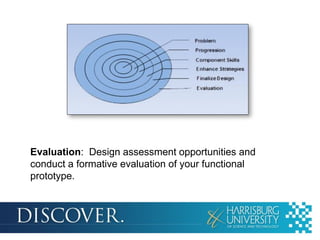
Pebble-in-the-Pond
From First Principles of Instruction, David Merrill
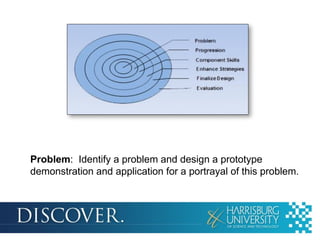
Problem: Identify a problem and design a prototype
demonstration and application for a portrayal of this problem.
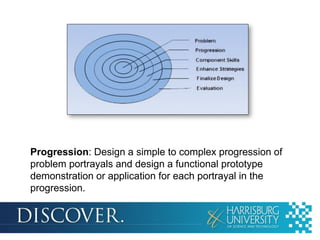
Progression: Design a simple to complex progression of
problem portrayals and design a functional prototype
demonstration or application for each portrayal in the
progression.
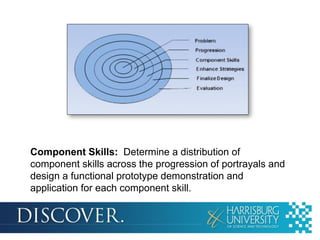
Component Skills: Determine a distribution of
component skills across the progression of portrayals and
design a functional prototype demonstration and
application for each component skill.
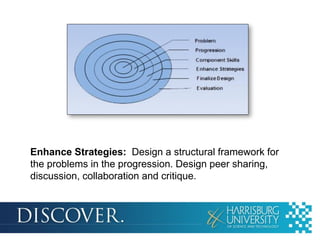
Enhance Strategies: Design a structural framework for
the problems in the progression. Design peer sharing,
discussion, collaboration and critique.
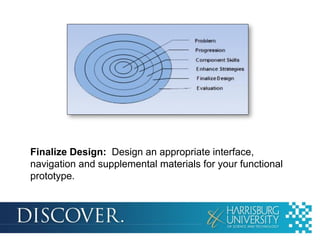
Finalize Design: Design an appropriate interface,
navigation and supplemental materials for your functional
prototype.
Evaluation: Design assessment opportunities and
conduct a formative evaluation of your functional
prototype.
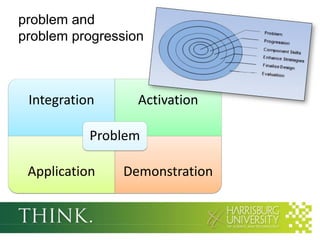
problem and
problem progression

Integration

Activation

Problem
Application

Demonstration
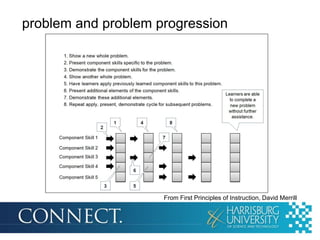
problem and problem progression

From First Principles of Instruction, David Merrill
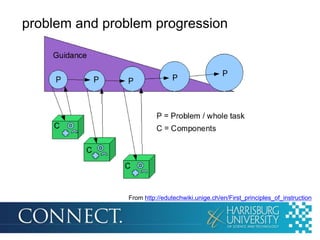
problem and problem progression

From http://edutechwiki.unige.ch/en/First_principles_of_instruction
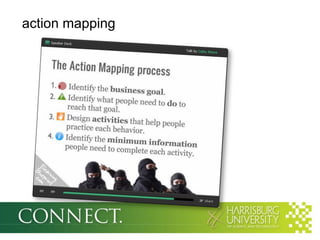
action mapping
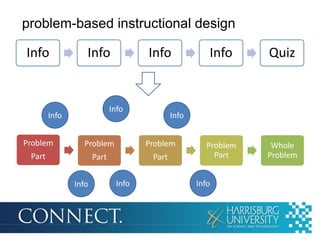
problem-based instructional design

Info

Info

Info

Info

Info

Problem

Problem

Part

Part

Part
Info

Quiz

Problem
Part

Whole
Problem

Info

Problem

Info

Info

Info
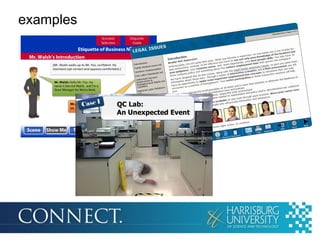
examples
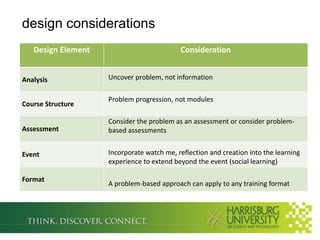
design considerations
Design Element
Analysis
Course Structure

Consideration
Uncover problem, not information
Problem progression, not modules

Assessment

Consider the problem as an assessment or consider problembased assessments

Event

Incorporate watch me, reflection and creation into the learning
experience to extend beyond the event (social learning)

Format

A problem-based approach can apply to any training format
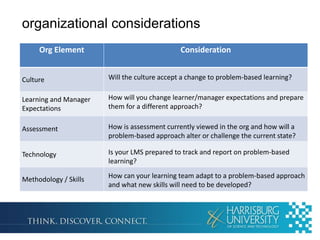
organizational considerations
Org Element

Consideration

Culture

Will the culture accept a change to problem-based learning?

Learning and Manager
Expectations

How will you change learner/manager expectations and prepare
them for a different approach?

Assessment

How is assessment currently viewed in the org and how will a
problem-based approach alter or challenge the current state?

Technology

Is your LMS prepared to track and report on problem-based
learning?

Methodology / Skills

How can your learning team adapt to a problem-based approach
and what new skills will need to be developed?
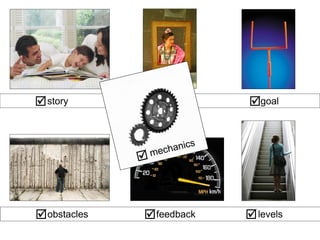
 story

obstacles

character

 feedback

goal

 levels
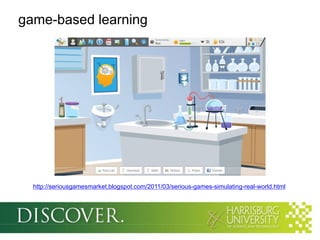
game-based learning

http://seriousgamesmarket.blogspot.com/2011/03/serious-games-simulating-real-world.html
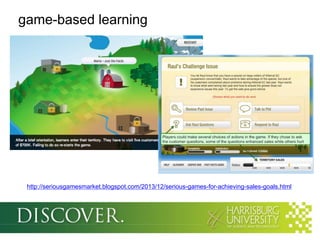
game-based learning

http://seriousgamesmarket.blogspot.com/2013/12/serious-games-for-achieving-sales-goals.html
questions & comments
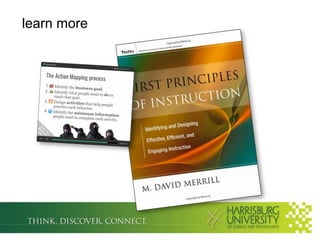
learn more
other opportunities

Graduate course

LTMS 636: Micro Instructional Design
Fall 2014

Workshop

Solve a Problem & Play a Game
January 28, 2014

More info: www.harrisburgu.edu/learningtechnologies
LTMS

Andy Petroski
Director of Learning Technologies
Assistant Professor of Learning
Technologies
Harrisburg University
apetroski@harrisburgu.edu
@apetroski

Harrisburg
University

CAELT
feedback

Micro Instructional Design for Problem-Based and Game-Based Learning