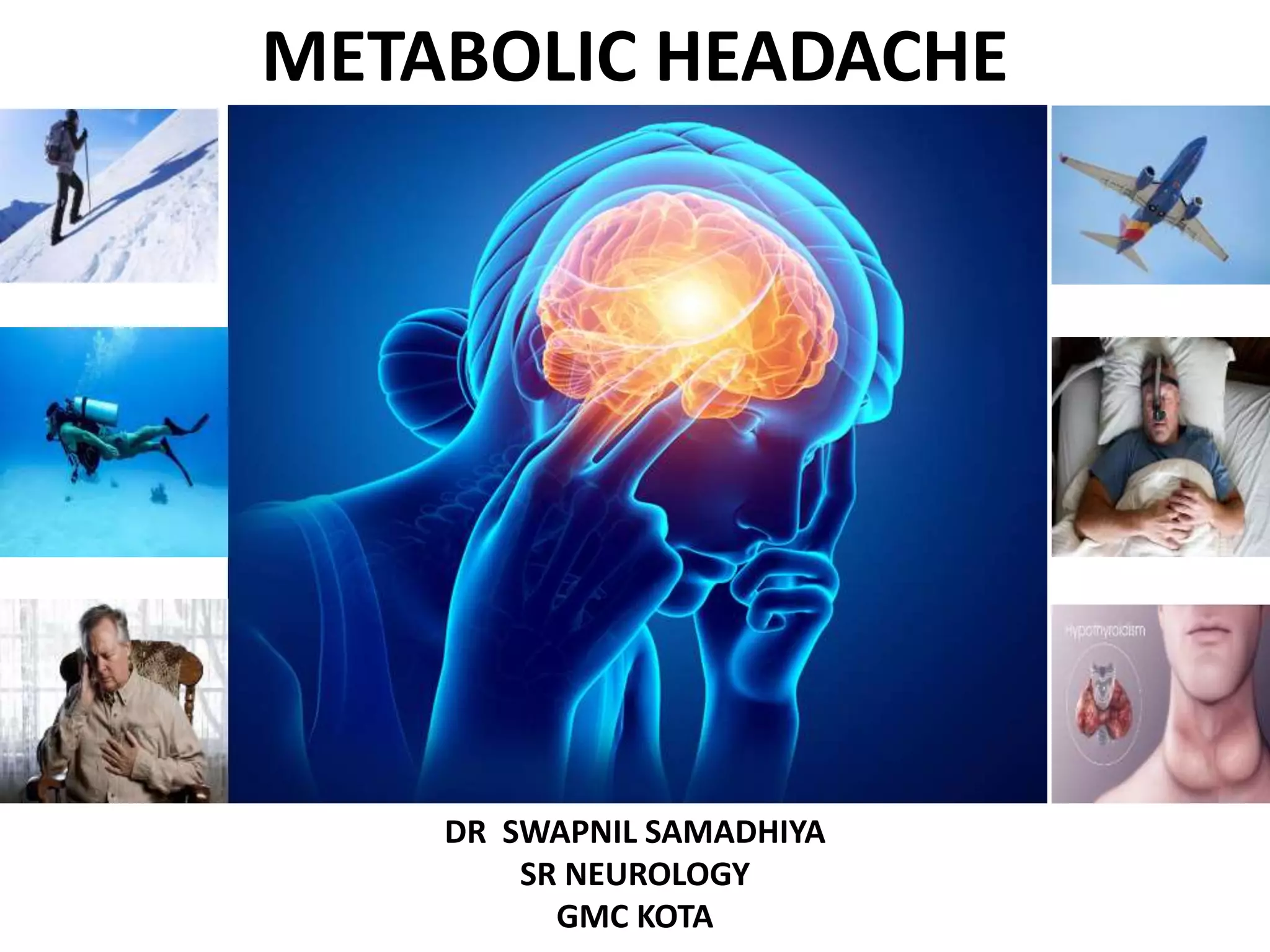
METABOLIC HEADACHE
DR SWAPNIL SAMADHIYA
SR NEUROLOGY
GMC KOTA
According to International Classification of Headache Disorders (ICHD)-1.
METABOLIC HEADACHE
“headaches associated with metabolic or systemic diseases”
Headache Classification Subcommittee of the International Headache Society: classification and diagnostic criteria for headache disorders,
cranial neuralgia, and facial pain. Cephalalgia 1988;8(Suppl 7):1–96.
Recent third edition the ICHD-3 (beta version)
headache occurs for the first time in close temporal relation to a
disorder of homeostasis, it is coded as a secondary headache
attributed to that disorder.
Headache Classification Subcommittee of the International Headache Society. The International classification of headache
disorders, 3rd edition beta version. Cephalalgia 2013;33(9):629–808
INCLUDES HEADACHE
(1) Hypoxia and/or Hypercapnia (high altitude, diving, and sleep apnea)
(2)Dialysis
(3)Arterial Hypertension (pheochromocytoma, hypertensive crisis without
hypertensive encephalopathy, hypertensive encephalopathy, preeclampsia or
eclampsia, and autonomic dysreflexia)
(4) Hypothyroidism
(5) Fasting
(6) Cardiac cephalalgia
Neurol Clin 32 (2014) 451–469http://dx.doi.org/10.1016/j.ncl.2013.11.011 neurologic.theclinics.com 0733-8619/14/$ – see front
matter 2014 Elsevier
HEADACHE ATTRIBUTED TO HYPOXIA OR HYPERCAPNIA
• Within 24 hours,acute onset,hypoxia,PaO2 less than 70
mm Hg or chronically hypoxic patients,PaO2
persistently at or below.
• Pulmonary diseases (asthma or chronic obstructive pulmonary
disease), Cardiac disease(congestive heart failure), or
Hematologic disorders (anemia).
• ICHD-3 beta 4 specific situations-
(1) High Altitude, (2) Airplane Travel, (3) Diving, and (4)
Sleep Apnea.
Headache Classification Subcommittee of the International Headache Society. The International classification of
headache disorders, 2nd edition. Cephalalgia 2004;24(Suppl 1):1–15
High-Altitude Headache
• In temporal relation to an ascent above 2500 m that worsens
during continued ascent and/or resolves within 24 hours after
descent to below 2500 m.
• Bilateral mostly, can be unilateral ,more often migraineurs
• most frequent symptom,incidence 73.3% to 86.7%.
• Ass/w nausea, photophobia, vertigo, poor concentration
Bian SZ, Zhang JH, Gao XB, et al. Risk factors for high-altitude headache upon acute high-altitude exposure at
3700 m in young Chinese men: a cohort study. J Headache Pain 2013;14:35.
• Severe cases, impaired judgment and signs
that suggest brain edema.
• Risk factors -
1. History of migraine
2. Low arterial oxygen saturation
3. High degree of exertion
4. Fluid intake less than 2 L in 24 hours
5. Insomnia
6. High heart rate
• Exact pathophysiologic still unknown.
• Hypoxia elicits neurohumoral and
hemodynamic responses that result in
overperfusion of microvascular beds,
increased hydrostatic capillary pressure,
capillary leakage, and consequent edema.
Hackett PH, Roach RC. High-altitude illness. N Engl J Med 2001;345:107–14
• Several neuroimaging studies have demonstrated mild
increase in brain volume associated with an increased
T2 relaxation time and apparent diffusion coefficient,
which were consistently associated with the severity of
neurologic symptoms.
• The investigators suggested that the brain edema is
predominantly vasogenic (with movement of fluid and
proteins out of the vascular compartment into
extracellular brain areas) rather than a cytotoxic edema
(due to cellular swelling).
Kallenberg K, Bailey DM, Christ S, et al. Magnetic resonance imaging evidence of cytotoxic cerebral edema in
acute mountain sickness. J Cereb Blood Flow Metab 2006;27:1064–71.
• Mild extracellular vasogenic edema
contributes to the generalized brain swelling
• Supported by the fact that elderly people have
fewer head-aches than younger people after
exposure to high altitude, probably due to a
certain degree of brain atrophy.
Medical Rx
• Paracetamol(acetaminophen) or ibuprofen
• Antiemetic agents
• Acetazolamide, at 125 mg to 250 mg twice daily, or
steroids (eg, dexamethasone).
Ba¨rtsch P, Swenson E. Acute high-altitude illnesses. N Engl J Med 2013; 368(24):2294–302.
• Acetylsalicylic acid at a dose of 320 mg taken 3
times at 4-hour intervals, starting 1 hour
before ascent,or ibuprofen at a dose of 600
mg 3 times per day, starting a few hours
before ascent to altitudes between 3480 m
and 4920 m.
• Nonpharmacologic –
2 days of acclimatization prior to engaging in
strenuous exercise at high altitudes, slow
ascent, liberal fluid intake, and avoidance of
alcohol.
Headache Attributed to Airplane Travel
• Recent addition to the ICHD-3 beta
• Often severe, usually unilateral and periocular,
and without autonomic symptoms, occurring
during and caused by airplane travel, and it
remits after landing.
Mainardi F, Maggioni F, Lisotto C, et al. Diagnosis and management of head-ache attributed to airplane
travel. CurrNeurolNeurosci Rep 2013;13:335.
• Short duration of the pain (lasting less than 30
minutes in up to 95% of the cases)
• Clear relationship with landing phase
• Male preponderance
• Absence of accompanying signs and/or
symptoms
• During landing in more than 85%
• Pathophysiology airplane headache remains unclear.
• Felt on aircraft descent,due to the squeeze effect on
the frontal sinus wall, when air trapped inside it
contracts, producing a negative pressure, leading to
mucosal edema,transudation, and intense pain.
Berilgen MS, Mu¨ngen B. A new type of headache, headache associated with airplane travel: preliminary
diagnostic criteria and possible mechanisms of aetiopathogenesis. Cephalalgia 2011;31(12):1266–73
• Another theory –
Temporary local inflammation caused by
hypoxia or dryness in the sinus mucosa or
sinus barotraumas
• Prophylactic therapy
1. Nonsteroidal antiinflammatory drugs (NSAIDs)
naproxen sodium (550 mg)
2. Antihistamines, like pseudoephedrine
3. Nasal decongestants 30 minutes to 1 hour prior
travel.
Mainardi F, Maggioni F, Lisotto C, et al. Diagnosis and management of head-ache attributed to airplane travel. CurrNeurolNeurosci
Rep 2013;13:335.
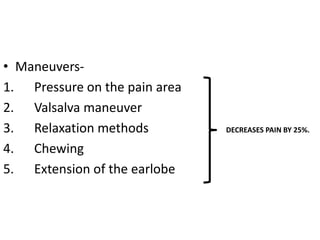
• Maneuvers-
1. Pressure on the pain area
2. Valsalva maneuver
3. Relaxation methods DECREASES PAIN BY 25%.
4. Chewing
5. Extension of the earlobe
Diving Headache
1. Diving below 10 m
2. Occurs during the dive,
3. Intensified on resurfacing,
4. Occurs in the absence of decompression illness.
5. Remits quickly with oxygen
6. Spontaneously within 3 days after the dive has ended.
Chesire WP. Headache and facial pain in scuba divers.Curr Pain Headache Rep 2004;8:315–20.
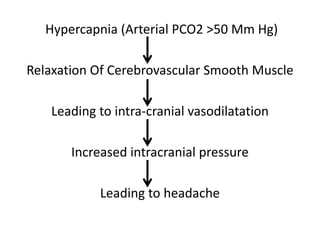
Hypercapnia (Arterial PCO2 >50 Mm Hg)
Relaxation Of Cerebrovascular Smooth Muscle
Leading to intra-cranial vasodilatation
Increased intracranial pressure
Leading to headache
• CO2 may accumulate in a diver who
intentionally holds his or her breath
intermittently (skip breathing) in a mistaken
attempt to conserve air or takes shallow
breaths to minimize buoyancy variations in
the narrow passages of a wreck or cave.
• Hypoventilate unintentionally
• Tight wetsuit or buoyancy compensator
jacket restricts chest wall expansion or when
ventilation is inadequate in response to
physical exertion.
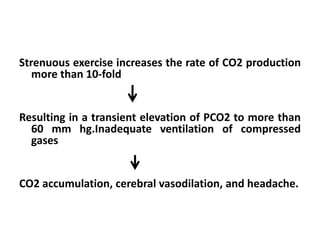
Strenuous exercise increases the rate of CO2 production
more than 10-fold
Resulting in a transient elevation of PCO2 to more than
60 mm hg.Inadequate ventilation of compressed
gases
CO2 accumulation, cerebral vasodilation, and headache.
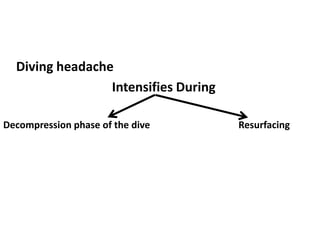
Diving headache
Intensifies During
Decompression phase of the dive Resurfacing
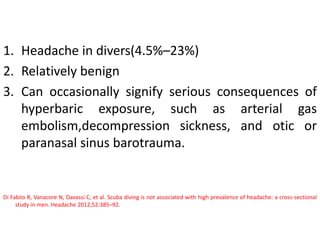
1. Headache in divers(4.5%–23%)
2. Relatively benign
3. Can occasionally signify serious consequences of
hyperbaric exposure, such as arterial gas
embolism,decompression sickness, and otic or
paranasal sinus barotrauma.
Di Fabiio R, Vanacore N, Davassi C, et al. Scuba diving is not associated with high prevalence of headache: a cross-sectional
study in men. Headache 2012;52:385–92.
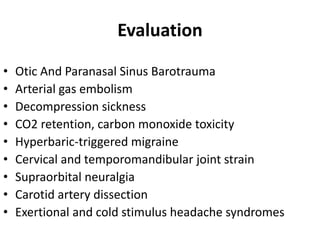
Evaluation
• Otic And Paranasal Sinus Barotrauma
• Arterial gas embolism
• Decompression sickness
• CO2 retention, carbon monoxide toxicity
• Hyperbaric-triggered migraine
• Cervical and temporomandibular joint strain
• Supraorbital neuralgia
• Carotid artery dissection
• Exertional and cold stimulus headache syndromes
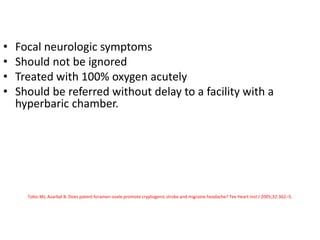
• Focal neurologic symptoms
• Should not be ignored
• Treated with 100% oxygen acutely
• Should be referred without delay to a facility with a
hyperbaric chamber.
Tobis MJ, Azarbal B. Does patent foramen ovale promote cryptogenic stroke and migraine headache? Tex Heart Inst J 2005;32:362–5.
Sleep apnea headache
• Recurrent morning headache
• Bilateral
• Duration of less than 4 hours
• Caused by sleep apnea (AHI) greater than or equal
to 5)
• Successful treatment resolves.
Loh NK, Dinner DS, Foldvary N, et al. Do patients with obstructive sleep apnea wake up with headaches? Arch Intern Med
1999;159:1765–8.
• Sleep disturbances may trigger migraine
• Snoring and other sleep disorders risk factors
migraine progression
• Sleep apnea risk factor cluster headache and
morning headaches
Chen PK, FUh JL, Lane HY, et al. Morning headache in habitual snorers: frequency, characteristics, predictors and
impacts. Cephalalgia 2011;31(7):829–36.
• Obstructive sleep apnea (OSA) (11.8% vs 4.6%)
than those without OSA
• Higher prevalence (27.2%–74%) of morning
headaches among patients with OSA
• Habitual snoring (23.5%)
• Insomnia (48%)
• Other predictors-female gender, history of
migraine, psychological distress, and obesity.
• The exact pathophysiology debatable.
• Possible mechanisms -hypoxia or oxygen
desaturation, hypercapnia,disturbance in
sleep architecture (ie, shorter rapid-eye-
movement sleep) as well as increase
intracranial pressure.
Alberti A, Mazzotta G, Gallinela E, et al. Headache characteristics in obstructive sleep apnea syndrome and insomnia.
ActaNeurolScand 2005;111:309–16
DIALYSIS HEADACHE
• No specific characteristics
• Resolves spontaneously within 72 hours
hemodialysis session ended
• May stop altogether successful kidney
transplantation ,termination of hemodialysis
• In 30% to 70% of patients receiving hemodialysis
Goksan B, Karaali-Savrun F, Ertan S, et al. Hemodialysis-related headache. Cephalalgia 2004;24:284–7.
• One-third of patients -- between the dialysis
sessions
• Headaches second half of the hemodialysis (86%)
• No consensus on pathophysiology of dialysis
headache
• Commonly occurs in hypotension and dialysis
disequilibrium syndrome
Antoniazzi AL, Corrado AP. Dialysis headache. Curr Pain Headache Rep 2007; 11:297–303
• Triggers
1. Arterial hypertension (38%)
2. Arterial hypotension (12%)
3. Changes in weight during the hemodialysis sessions
(6%)
4. Reduced serum osmolality
5. Low magnesium,high sodium levels (risk factors)
Prevented by changing dialysis parameters
• No specific treatment
• Acute treatment symptom
• Analgesics and NSAIDs during dialysis sessions
• Preventive medication improve headache burden
(evidence limited)
• Angiotensin-converting enzyme inhibitors (ie,
lisinopril and fosinopril)
Dahlke EL, Wilcke TS, Kra¨mer BK, et al. Improvement of dialysis headache after treatment with
ACE-inhibitors but not angiotensin II receptor blocker: a case report with pathophysiological
considerations. Cephalalgia 2004;25:71–4.
HEADACHE ATTRIBUTED TO HYPERTENSION
• Bilateral, pulsating
• Caused by arterial hypertension,acute rise in systolic (to
180 mm Hg) and/or dia-stolic (to 120 mm Hg) blood
pressure
• It remits after normalization of blood pressure.
Gus M, Fuchs FD, Pimentel M, et al. Behavior of ambulatory blood pressure sur-rounding
episodes of headache in mildly hypertensive patients. Arch Intern Med 2001;161:252–5.
• Mild (140–159/90–99 mm Hg) or moderate (160–
179/100–109 mm Hg) chronic arterial hypertension
does not cause headache.
• Mild and moderate hypertension has shown no
convincing relationship between blood pressure
fluctuations over a 24-hour period and presence or
absence of headache.
• Significant correlation between blood pressure
levels and headache
• Reduced headache frequency with treatment of
hypertension.
Dodick DW. Recurrent short-lasting headache associated with paroxysmal hypertension: a clonidine-responsive syndrome.
Cephalalgia 2000;20:509–14.
Documented association of headache
• Pheochromocytoma
• Hypertensive encephalopathy
• Preeclampsia and eclampsia
• Autonomic dysreflexia
• Proposed mechanism -failure of the normal
baroreceptor reflex
Thomas JE, Rooke ED, Kvale WF. The neurologists experience with pheochro-mocytoma. JAMA 1966;197:754–8.
Headache Attributed to Pheochromocytoma
• Headaches attributed to pheochromocytoma
severe,short duration (less than 1 hour)
• Headache attacks are accompanied by sweating,
palpitations, pallor, and/or anxiety
Lance JW, Hinterberger H. Symptom of pheochromocytoma with particular reference to
headache, correlated with catecho- lamine production. Arch Neurol 1976;33:281–8.
• Paroxysmal headache in 51% to 80%.
• Severe, frontal, or occipital
• Pulsating or constant in quality.
• Important feature short duration: less than 15
minutes in 50%, less than 1 hour in 70% of patients.
• Associated features –
1. Apprehension and/or anxiety
2. Often with a sense of impending death
3. Tremor
4. Visual disturbances
5. Abdominal or chest pain
6. Nausea, vomiting
7. Facial flushing
8. Occasionally paresthesia
• Diagnosis demonstration of increased excretion
of catecholamines or catecholamine metabolite
• Analysis of a single 24-hour urine sample
hypertensive or symptomatic
• Variable duration and intensity of the headache
correlates pressor and cranial vasoconstrictor
effects of the secreted amines
Headache Attributed to Hypertensive Crisis Without
Hypertensive Encephalopathy
• Bilateral
• Pulsating headache
• Paroxysmal rise of arterial hypertension
(systolic 180 mm Hg and/or diastolic 120 mm
Hg)
Zampaglione B, Pascale C, Marchisio M, et al. Hypertensive urgencies and emer-
gencies. Prevalence and clinical presentation. Hypertension 1996;27:144–7.
• Remits normalization of blood
• Failure of baroreceptor reflexes (after carotid
endarterectomy or subsequent to irradiation of the
neck) or in patients with enterochromaffin cell
tumors.
Headache Attributed to Hypertensive
Encephalopathy
• Bilateral and pulsating
• Persistent blood pressure elevation to 180/120 mm Hg or
above
• Symptoms -encephalopathy, confusion, lethargy, visual
disturbances, or seizures.
• Improves normalization of blood pressure.
• Hypertensive encephalopathy persistent elevation of blood
pressure to greater than or equal 180/120 mm Hg
• At least 2: confusion, reduced level of consciousness, visual
disturbances, including blindness, and seizures.
Vaughan CJ, Delanty N. Hypertensive emergencies. Lancet 2000;356:411–7.
• Most frequent signs (22%)
• Compensatory cerebrovascular vasoconstriction no
longer prevent cerebral hyperperfusion as blood
pressure rises.
• Normal cerebral autoregulation of blood flow is
overwhelmed, endothelial permeability increases
cerebral edema occurs.
Immink R, van den Born BJ, van Montfrans G, et al. Impaired cerebral autoregu-lation in patients with malignant
hypertension. Circulation 2004;110:2241–5.
• MRI most prominent changes parieto-occipital white matter.
• Hypertensive encephalopathy chronic arterial hypertension is
usually accompanied diastolic blood pressure of greater than
120 mm Hg and by grade III or IV hypertensive retinopathy
(Keith-Wagener-Barker classification)
• Previously normotensive may develop signs of
encephalopathy with blood pressures as low as 160/100 mm
Hg.
Amraoui F, van Montfrans GA, van den Born BJ. Value of retinal examination in hypertensive encephalopathy. J Hum Hypertens
2010;24:274–9.
Headache Attributed to Preeclampsia or Eclampsia
• Bilateral and pulsating headache
• Women during pregnancy or the immediate
puerperium with preeclampsia or eclampsia
Facchinetti F, Allais G, D’Amico R, et al. The relationship between headache and preeclampsia: a
case–control study. Eur J ObstetGynecolReprodBiol 2005; 121:143–8.
• It remits after resolution of the preeclampsia
or eclampsia.
• Preeclampsia and eclampsia seem to involve a
strong maternal inflammatory response, with
broad immunologic systemic activity.
• Preeclampsia and eclampsia multisystem disorders
• Hypertension (>140/90 mm hg) documented on 2
blood pressure readings at least 4 hours apart
• A rise in diastolic pressure of greater than or equal
to 15 mm Hg
• Systolic pressure of great than or equal to 30 mm
Hg, coupled with urinary protein excretion greater
than 0.3 g/24 h
• In addition, tissue edema, thrombocytopenia, and
abnormalities in liver function
• A case-control study found that headache was
significantly more frequent in patients with
preeclampsia (63%) than in controls (25%) (odds
ratio [OR] 4.95; 95% CI, 2.47–9.92)
Headache Attributed to Autonomic Dysreflexia
• Throbbing severe headache,
• Sudden onset,
• Patients with spinal cord injury (SCI) and autonomic
dysreflexia.
• Life threatening,
• Increased blood pressure, altered heart rate, and diaphoresis
cranial to the level of SCI.
Lindan R, Joiner E, Freehafer AA, et al. Incidence and clinical features of auto-nomicdysreflexia in patients
with spinal cord injury. Paraplegia 1980;18:285–92.
• Severe headaches occur in 56% to 85% .
Triggers
• Noxious or non-noxious stimuli, visceral origin
(bladder distension, urinary tract infection, bowel distension or
impaction, urologic procedures, gastric ulcer)
• Somatic origin (pressure ulcers, ingrown toenail, burns,
trauma, and surgical or invasive diagnostic procedures).
• The time to onset of autonomic dysreflexia after SCI is
variable and has been reported from 4 days to 15 years.
• The most important predictors of autonomic
dysreflexia are the level and severity of SCI.
• complete SCI greater risk,development of autonomic
dysreflexia,more susceptible to develop headaches.
Kewalramani LS. Autonomic dysreflexia in traumatic myelopathy. Am J Phys Med 1980;59:1–21.
• Little known mechanism headache attributed to
autonomic dysreflexia
• Suggested,headache,vasomotor nature passive dilation
of cerebral vessels or increased circulating
prostaglandin E2.
• Life-threatening condition,prompt recognition,
adequate management critical
• Primary treatment close monitoring of blood pressure
and heart rate -
(1) Sitting position
(2) Removal/loosening of clothing or constrictive
devices
(3) Scrutinizing for potential triggers (i.e bladder
distension and bowel impaction)
(4) Pharmacologic treatment with rapid-onset short-
duration antihypertensive agent (i.e Nifedipine or
Nitrates) for elevated systolic blood pressure 150 mm
Hg.
Furlan JC. Headache attributed to autonomic dysreflexia. Neurology 2011;77: 792–8.Metabolic Headaches469
HEADACHE ATTRIBUTED TO HYPOTHYROIDISM
• Important risk factor for new daily persistent
headache
• Hypothyroidism, headache can also be a
manifestation of pituitary adenoma.
Bigal ME, Sheftell FD, Tepper S. Chronic daily headache: identification of factors associated with induction and
transformation. Headache 2002;42:575–81.
HEADACHE ATTRIBUTED TO FASTING
• Diffuse nonmigrainous headache
• Nonpulsating
• Mild to moderate in intensity
• Begins during a fast of at least 8 hours
• Relieved after eating .
• Prior history of migraine the headache may resemble migraine
without aura.
Awada A, al Jumah M. The first-of-Ramadan headache. Headache 1999;39: 490–3.
• One of the most commonly reported migraine
triggers is hypoglycemia.
• Headache attributed to fasting is significantly more
common in people who have a prior history of
headache.
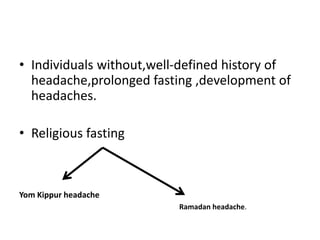
• Individuals without,well-defined history of
headache,prolonged fasting ,development of
headaches.
• Religious fasting
Yom Kippur headache
Ramadan headache.
• Fasting headache can occur, absence of
hypoglycemia, suggesting other factors play
important role (eg, caffeine withdrawal, duration of
sleep, and circadian factors).
• Likelihood of headache developing increases with
duration of the fast.
• Does not related to duration of sleep,caffeine
withdrawal,hypoglycemia.
• Headache may occur under conditions of
hypoglycemia induced brain dysfunction
• Treatment-
• Cyclooxygenase-2 (COX-2) inhibitor (Rofecoxib, 50
mg just before the onset of fasting) effective in
reducing headache
• NSAIDs or Long acting triptans
CARDIAC CEPHALALGIA
• Migraine-like headache
• Usually but not always aggravated by exercise
• Occurring during an episode of myocardial ischemia
that is relieved by nitroglycerin
• Rare and treatable form of exertional headache
Lipton RB, Lowenkopf T, Bajwa ZH, et al. Cardiac cephalgia: a treatable form of exertional headache.
Neurology 1997;49:813–6.
• Correlated with electrocardiogram changes
indicative of myocardial ischemia.
• Coronary angiography revealed 3-vessel disease
• Myocardial revascularization procedures complete
resolution of headaches.
• Diagnosis,careful documentation of headache,
simultaneous cardiac ischemia during treadmill or
nuclear cardiac stress testing.
• Cardiac cephalalgia may occur at rest.
Wei JH, Wang HF. Cardiac cephalalgia: case reports and review. Cephalalgia 2008;28:892–6.
• May be sole manifestation of myocardial ischemia.
• Failure to recognize, correctly cardiac cephalalgia
serious consequences.
• Distinguishing,migraine without aura crucial
importance, vasoconstrictor medications (eg,
triptans and ergots) treatment of migraine.
• Contraindicated ischemic heart disease.
• Both produce severe headache accompanied by
nausea,both triggered by exertion.
• Mechanisms cardiac cephalalgia unclear
• Related to neural convergence
• Including somatic and sympathetic impulses that
converge in the posterior horn of the spinal cord
• Mixing neural supply to cervical area and cranial
vessels
Wei JH, Wang HF. Cardiac cephalalgia: case reports and review. Cephalalgia 2008;28:892–6.
• Transient increases of intracardiac pressure
intracranial pressure elevation,severe headache
• Functioning ventricular pacemaker, can also
produce the headache.
SUMMARY
The metabolic headaches are secondary
headaches that appear as a consequence of
metabolic disturbances.
Treatment of the underlying disease is
associated with headache improvement
REFERENCES
• Bradley’s Neurology in clinical practice 7 th edition
• Uptodate.Com
• Headache classification subcommittee of the
International Headache society. The International
Classification of headache disorders, 3rd edition
beta version.
THANK YOU

Metabolic headache

  • 1.
    METABOLIC HEADACHE DR SWAPNILSAMADHIYA SR NEUROLOGY GMC KOTA
  • 2.
    According to InternationalClassification of Headache Disorders (ICHD)-1. METABOLIC HEADACHE “headaches associated with metabolic or systemic diseases” Headache Classification Subcommittee of the International Headache Society: classification and diagnostic criteria for headache disorders, cranial neuralgia, and facial pain. Cephalalgia 1988;8(Suppl 7):1–96.
  • 3.
    Recent third editionthe ICHD-3 (beta version) headache occurs for the first time in close temporal relation to a disorder of homeostasis, it is coded as a secondary headache attributed to that disorder. Headache Classification Subcommittee of the International Headache Society. The International classification of headache disorders, 3rd edition beta version. Cephalalgia 2013;33(9):629–808
  • 4.
    INCLUDES HEADACHE (1) Hypoxiaand/or Hypercapnia (high altitude, diving, and sleep apnea) (2)Dialysis (3)Arterial Hypertension (pheochromocytoma, hypertensive crisis without hypertensive encephalopathy, hypertensive encephalopathy, preeclampsia or eclampsia, and autonomic dysreflexia) (4) Hypothyroidism (5) Fasting (6) Cardiac cephalalgia Neurol Clin 32 (2014) 451–469http://dx.doi.org/10.1016/j.ncl.2013.11.011 neurologic.theclinics.com 0733-8619/14/$ – see front matter 2014 Elsevier
  • 5.
    HEADACHE ATTRIBUTED TOHYPOXIA OR HYPERCAPNIA • Within 24 hours,acute onset,hypoxia,PaO2 less than 70 mm Hg or chronically hypoxic patients,PaO2 persistently at or below. • Pulmonary diseases (asthma or chronic obstructive pulmonary disease), Cardiac disease(congestive heart failure), or Hematologic disorders (anemia). • ICHD-3 beta 4 specific situations- (1) High Altitude, (2) Airplane Travel, (3) Diving, and (4) Sleep Apnea. Headache Classification Subcommittee of the International Headache Society. The International classification of headache disorders, 2nd edition. Cephalalgia 2004;24(Suppl 1):1–15
  • 6.
    High-Altitude Headache • Intemporal relation to an ascent above 2500 m that worsens during continued ascent and/or resolves within 24 hours after descent to below 2500 m. • Bilateral mostly, can be unilateral ,more often migraineurs • most frequent symptom,incidence 73.3% to 86.7%. • Ass/w nausea, photophobia, vertigo, poor concentration Bian SZ, Zhang JH, Gao XB, et al. Risk factors for high-altitude headache upon acute high-altitude exposure at 3700 m in young Chinese men: a cohort study. J Headache Pain 2013;14:35.
  • 7.
    • Severe cases,impaired judgment and signs that suggest brain edema. • Risk factors - 1. History of migraine 2. Low arterial oxygen saturation 3. High degree of exertion 4. Fluid intake less than 2 L in 24 hours 5. Insomnia 6. High heart rate
  • 8.
    • Exact pathophysiologicstill unknown. • Hypoxia elicits neurohumoral and hemodynamic responses that result in overperfusion of microvascular beds, increased hydrostatic capillary pressure, capillary leakage, and consequent edema. Hackett PH, Roach RC. High-altitude illness. N Engl J Med 2001;345:107–14
  • 9.
    • Several neuroimagingstudies have demonstrated mild increase in brain volume associated with an increased T2 relaxation time and apparent diffusion coefficient, which were consistently associated with the severity of neurologic symptoms. • The investigators suggested that the brain edema is predominantly vasogenic (with movement of fluid and proteins out of the vascular compartment into extracellular brain areas) rather than a cytotoxic edema (due to cellular swelling). Kallenberg K, Bailey DM, Christ S, et al. Magnetic resonance imaging evidence of cytotoxic cerebral edema in acute mountain sickness. J Cereb Blood Flow Metab 2006;27:1064–71.
  • 10.
    • Mild extracellularvasogenic edema contributes to the generalized brain swelling • Supported by the fact that elderly people have fewer head-aches than younger people after exposure to high altitude, probably due to a certain degree of brain atrophy.
  • 11.
    Medical Rx • Paracetamol(acetaminophen)or ibuprofen • Antiemetic agents • Acetazolamide, at 125 mg to 250 mg twice daily, or steroids (eg, dexamethasone). Ba¨rtsch P, Swenson E. Acute high-altitude illnesses. N Engl J Med 2013; 368(24):2294–302.
  • 12.
    • Acetylsalicylic acidat a dose of 320 mg taken 3 times at 4-hour intervals, starting 1 hour before ascent,or ibuprofen at a dose of 600 mg 3 times per day, starting a few hours before ascent to altitudes between 3480 m and 4920 m.
  • 13.
    • Nonpharmacologic – 2days of acclimatization prior to engaging in strenuous exercise at high altitudes, slow ascent, liberal fluid intake, and avoidance of alcohol.
  • 14.
    Headache Attributed toAirplane Travel • Recent addition to the ICHD-3 beta • Often severe, usually unilateral and periocular, and without autonomic symptoms, occurring during and caused by airplane travel, and it remits after landing. Mainardi F, Maggioni F, Lisotto C, et al. Diagnosis and management of head-ache attributed to airplane travel. CurrNeurolNeurosci Rep 2013;13:335.
  • 15.
    • Short durationof the pain (lasting less than 30 minutes in up to 95% of the cases) • Clear relationship with landing phase • Male preponderance • Absence of accompanying signs and/or symptoms • During landing in more than 85%
  • 16.
    • Pathophysiology airplaneheadache remains unclear. • Felt on aircraft descent,due to the squeeze effect on the frontal sinus wall, when air trapped inside it contracts, producing a negative pressure, leading to mucosal edema,transudation, and intense pain. Berilgen MS, Mu¨ngen B. A new type of headache, headache associated with airplane travel: preliminary diagnostic criteria and possible mechanisms of aetiopathogenesis. Cephalalgia 2011;31(12):1266–73
  • 17.
    • Another theory– Temporary local inflammation caused by hypoxia or dryness in the sinus mucosa or sinus barotraumas
  • 18.
    • Prophylactic therapy 1.Nonsteroidal antiinflammatory drugs (NSAIDs) naproxen sodium (550 mg) 2. Antihistamines, like pseudoephedrine 3. Nasal decongestants 30 minutes to 1 hour prior travel. Mainardi F, Maggioni F, Lisotto C, et al. Diagnosis and management of head-ache attributed to airplane travel. CurrNeurolNeurosci Rep 2013;13:335.
  • 19.
    • Maneuvers- 1. Pressureon the pain area 2. Valsalva maneuver 3. Relaxation methods DECREASES PAIN BY 25%. 4. Chewing 5. Extension of the earlobe
  • 20.
    Diving Headache 1. Divingbelow 10 m 2. Occurs during the dive, 3. Intensified on resurfacing, 4. Occurs in the absence of decompression illness. 5. Remits quickly with oxygen 6. Spontaneously within 3 days after the dive has ended. Chesire WP. Headache and facial pain in scuba divers.Curr Pain Headache Rep 2004;8:315–20.
  • 21.
    Hypercapnia (Arterial PCO2>50 Mm Hg) Relaxation Of Cerebrovascular Smooth Muscle Leading to intra-cranial vasodilatation Increased intracranial pressure Leading to headache
  • 22.
    • CO2 mayaccumulate in a diver who intentionally holds his or her breath intermittently (skip breathing) in a mistaken attempt to conserve air or takes shallow breaths to minimize buoyancy variations in the narrow passages of a wreck or cave.
  • 23.
    • Hypoventilate unintentionally •Tight wetsuit or buoyancy compensator jacket restricts chest wall expansion or when ventilation is inadequate in response to physical exertion.
  • 24.
    Strenuous exercise increasesthe rate of CO2 production more than 10-fold Resulting in a transient elevation of PCO2 to more than 60 mm hg.Inadequate ventilation of compressed gases CO2 accumulation, cerebral vasodilation, and headache.
  • 25.
  • 26.
    1. Headache indivers(4.5%–23%) 2. Relatively benign 3. Can occasionally signify serious consequences of hyperbaric exposure, such as arterial gas embolism,decompression sickness, and otic or paranasal sinus barotrauma. Di Fabiio R, Vanacore N, Davassi C, et al. Scuba diving is not associated with high prevalence of headache: a cross-sectional study in men. Headache 2012;52:385–92.
  • 27.
    Evaluation • Otic AndParanasal Sinus Barotrauma • Arterial gas embolism • Decompression sickness • CO2 retention, carbon monoxide toxicity • Hyperbaric-triggered migraine • Cervical and temporomandibular joint strain • Supraorbital neuralgia • Carotid artery dissection • Exertional and cold stimulus headache syndromes
  • 28.
    • Focal neurologicsymptoms • Should not be ignored • Treated with 100% oxygen acutely • Should be referred without delay to a facility with a hyperbaric chamber. Tobis MJ, Azarbal B. Does patent foramen ovale promote cryptogenic stroke and migraine headache? Tex Heart Inst J 2005;32:362–5.
  • 29.
    Sleep apnea headache •Recurrent morning headache • Bilateral • Duration of less than 4 hours • Caused by sleep apnea (AHI) greater than or equal to 5) • Successful treatment resolves. Loh NK, Dinner DS, Foldvary N, et al. Do patients with obstructive sleep apnea wake up with headaches? Arch Intern Med 1999;159:1765–8.
  • 30.
    • Sleep disturbancesmay trigger migraine • Snoring and other sleep disorders risk factors migraine progression • Sleep apnea risk factor cluster headache and morning headaches Chen PK, FUh JL, Lane HY, et al. Morning headache in habitual snorers: frequency, characteristics, predictors and impacts. Cephalalgia 2011;31(7):829–36.
  • 31.
    • Obstructive sleepapnea (OSA) (11.8% vs 4.6%) than those without OSA • Higher prevalence (27.2%–74%) of morning headaches among patients with OSA • Habitual snoring (23.5%) • Insomnia (48%) • Other predictors-female gender, history of migraine, psychological distress, and obesity.
  • 32.
    • The exactpathophysiology debatable. • Possible mechanisms -hypoxia or oxygen desaturation, hypercapnia,disturbance in sleep architecture (ie, shorter rapid-eye- movement sleep) as well as increase intracranial pressure. Alberti A, Mazzotta G, Gallinela E, et al. Headache characteristics in obstructive sleep apnea syndrome and insomnia. ActaNeurolScand 2005;111:309–16
  • 33.
    DIALYSIS HEADACHE • Nospecific characteristics • Resolves spontaneously within 72 hours hemodialysis session ended • May stop altogether successful kidney transplantation ,termination of hemodialysis • In 30% to 70% of patients receiving hemodialysis Goksan B, Karaali-Savrun F, Ertan S, et al. Hemodialysis-related headache. Cephalalgia 2004;24:284–7.
  • 34.
    • One-third ofpatients -- between the dialysis sessions • Headaches second half of the hemodialysis (86%) • No consensus on pathophysiology of dialysis headache • Commonly occurs in hypotension and dialysis disequilibrium syndrome Antoniazzi AL, Corrado AP. Dialysis headache. Curr Pain Headache Rep 2007; 11:297–303
  • 35.
    • Triggers 1. Arterialhypertension (38%) 2. Arterial hypotension (12%) 3. Changes in weight during the hemodialysis sessions (6%) 4. Reduced serum osmolality 5. Low magnesium,high sodium levels (risk factors) Prevented by changing dialysis parameters
  • 36.
    • No specifictreatment • Acute treatment symptom • Analgesics and NSAIDs during dialysis sessions • Preventive medication improve headache burden (evidence limited) • Angiotensin-converting enzyme inhibitors (ie, lisinopril and fosinopril) Dahlke EL, Wilcke TS, Kra¨mer BK, et al. Improvement of dialysis headache after treatment with ACE-inhibitors but not angiotensin II receptor blocker: a case report with pathophysiological considerations. Cephalalgia 2004;25:71–4.
  • 37.
    HEADACHE ATTRIBUTED TOHYPERTENSION • Bilateral, pulsating • Caused by arterial hypertension,acute rise in systolic (to 180 mm Hg) and/or dia-stolic (to 120 mm Hg) blood pressure • It remits after normalization of blood pressure. Gus M, Fuchs FD, Pimentel M, et al. Behavior of ambulatory blood pressure sur-rounding episodes of headache in mildly hypertensive patients. Arch Intern Med 2001;161:252–5.
  • 38.
    • Mild (140–159/90–99mm Hg) or moderate (160– 179/100–109 mm Hg) chronic arterial hypertension does not cause headache. • Mild and moderate hypertension has shown no convincing relationship between blood pressure fluctuations over a 24-hour period and presence or absence of headache.
  • 39.
    • Significant correlationbetween blood pressure levels and headache • Reduced headache frequency with treatment of hypertension. Dodick DW. Recurrent short-lasting headache associated with paroxysmal hypertension: a clonidine-responsive syndrome. Cephalalgia 2000;20:509–14.
  • 40.
    Documented association ofheadache • Pheochromocytoma • Hypertensive encephalopathy • Preeclampsia and eclampsia • Autonomic dysreflexia • Proposed mechanism -failure of the normal baroreceptor reflex Thomas JE, Rooke ED, Kvale WF. The neurologists experience with pheochro-mocytoma. JAMA 1966;197:754–8.
  • 41.
    Headache Attributed toPheochromocytoma • Headaches attributed to pheochromocytoma severe,short duration (less than 1 hour) • Headache attacks are accompanied by sweating, palpitations, pallor, and/or anxiety Lance JW, Hinterberger H. Symptom of pheochromocytoma with particular reference to headache, correlated with catecho- lamine production. Arch Neurol 1976;33:281–8.
  • 42.
    • Paroxysmal headachein 51% to 80%. • Severe, frontal, or occipital • Pulsating or constant in quality. • Important feature short duration: less than 15 minutes in 50%, less than 1 hour in 70% of patients.
  • 43.
    • Associated features– 1. Apprehension and/or anxiety 2. Often with a sense of impending death 3. Tremor 4. Visual disturbances 5. Abdominal or chest pain 6. Nausea, vomiting 7. Facial flushing 8. Occasionally paresthesia
  • 44.
    • Diagnosis demonstrationof increased excretion of catecholamines or catecholamine metabolite • Analysis of a single 24-hour urine sample hypertensive or symptomatic • Variable duration and intensity of the headache correlates pressor and cranial vasoconstrictor effects of the secreted amines
  • 45.
    Headache Attributed toHypertensive Crisis Without Hypertensive Encephalopathy • Bilateral • Pulsating headache • Paroxysmal rise of arterial hypertension (systolic 180 mm Hg and/or diastolic 120 mm Hg) Zampaglione B, Pascale C, Marchisio M, et al. Hypertensive urgencies and emer- gencies. Prevalence and clinical presentation. Hypertension 1996;27:144–7.
  • 46.
    • Remits normalizationof blood • Failure of baroreceptor reflexes (after carotid endarterectomy or subsequent to irradiation of the neck) or in patients with enterochromaffin cell tumors.
  • 47.
    Headache Attributed toHypertensive Encephalopathy • Bilateral and pulsating • Persistent blood pressure elevation to 180/120 mm Hg or above • Symptoms -encephalopathy, confusion, lethargy, visual disturbances, or seizures. • Improves normalization of blood pressure. • Hypertensive encephalopathy persistent elevation of blood pressure to greater than or equal 180/120 mm Hg • At least 2: confusion, reduced level of consciousness, visual disturbances, including blindness, and seizures. Vaughan CJ, Delanty N. Hypertensive emergencies. Lancet 2000;356:411–7.
  • 48.
    • Most frequentsigns (22%) • Compensatory cerebrovascular vasoconstriction no longer prevent cerebral hyperperfusion as blood pressure rises. • Normal cerebral autoregulation of blood flow is overwhelmed, endothelial permeability increases cerebral edema occurs. Immink R, van den Born BJ, van Montfrans G, et al. Impaired cerebral autoregu-lation in patients with malignant hypertension. Circulation 2004;110:2241–5.
  • 49.
    • MRI mostprominent changes parieto-occipital white matter. • Hypertensive encephalopathy chronic arterial hypertension is usually accompanied diastolic blood pressure of greater than 120 mm Hg and by grade III or IV hypertensive retinopathy (Keith-Wagener-Barker classification) • Previously normotensive may develop signs of encephalopathy with blood pressures as low as 160/100 mm Hg. Amraoui F, van Montfrans GA, van den Born BJ. Value of retinal examination in hypertensive encephalopathy. J Hum Hypertens 2010;24:274–9.
  • 50.
    Headache Attributed toPreeclampsia or Eclampsia • Bilateral and pulsating headache • Women during pregnancy or the immediate puerperium with preeclampsia or eclampsia Facchinetti F, Allais G, D’Amico R, et al. The relationship between headache and preeclampsia: a case–control study. Eur J ObstetGynecolReprodBiol 2005; 121:143–8.
  • 51.
    • It remitsafter resolution of the preeclampsia or eclampsia. • Preeclampsia and eclampsia seem to involve a strong maternal inflammatory response, with broad immunologic systemic activity.
  • 52.
    • Preeclampsia andeclampsia multisystem disorders • Hypertension (>140/90 mm hg) documented on 2 blood pressure readings at least 4 hours apart • A rise in diastolic pressure of greater than or equal to 15 mm Hg • Systolic pressure of great than or equal to 30 mm Hg, coupled with urinary protein excretion greater than 0.3 g/24 h
  • 53.
    • In addition,tissue edema, thrombocytopenia, and abnormalities in liver function • A case-control study found that headache was significantly more frequent in patients with preeclampsia (63%) than in controls (25%) (odds ratio [OR] 4.95; 95% CI, 2.47–9.92)
  • 54.
    Headache Attributed toAutonomic Dysreflexia • Throbbing severe headache, • Sudden onset, • Patients with spinal cord injury (SCI) and autonomic dysreflexia. • Life threatening, • Increased blood pressure, altered heart rate, and diaphoresis cranial to the level of SCI. Lindan R, Joiner E, Freehafer AA, et al. Incidence and clinical features of auto-nomicdysreflexia in patients with spinal cord injury. Paraplegia 1980;18:285–92.
  • 55.
    • Severe headachesoccur in 56% to 85% . Triggers • Noxious or non-noxious stimuli, visceral origin (bladder distension, urinary tract infection, bowel distension or impaction, urologic procedures, gastric ulcer) • Somatic origin (pressure ulcers, ingrown toenail, burns, trauma, and surgical or invasive diagnostic procedures).
  • 56.
    • The timeto onset of autonomic dysreflexia after SCI is variable and has been reported from 4 days to 15 years. • The most important predictors of autonomic dysreflexia are the level and severity of SCI. • complete SCI greater risk,development of autonomic dysreflexia,more susceptible to develop headaches. Kewalramani LS. Autonomic dysreflexia in traumatic myelopathy. Am J Phys Med 1980;59:1–21.
  • 57.
    • Little knownmechanism headache attributed to autonomic dysreflexia • Suggested,headache,vasomotor nature passive dilation of cerebral vessels or increased circulating prostaglandin E2. • Life-threatening condition,prompt recognition, adequate management critical
  • 58.
    • Primary treatmentclose monitoring of blood pressure and heart rate - (1) Sitting position (2) Removal/loosening of clothing or constrictive devices (3) Scrutinizing for potential triggers (i.e bladder distension and bowel impaction) (4) Pharmacologic treatment with rapid-onset short- duration antihypertensive agent (i.e Nifedipine or Nitrates) for elevated systolic blood pressure 150 mm Hg. Furlan JC. Headache attributed to autonomic dysreflexia. Neurology 2011;77: 792–8.Metabolic Headaches469
  • 59.
    HEADACHE ATTRIBUTED TOHYPOTHYROIDISM • Important risk factor for new daily persistent headache • Hypothyroidism, headache can also be a manifestation of pituitary adenoma. Bigal ME, Sheftell FD, Tepper S. Chronic daily headache: identification of factors associated with induction and transformation. Headache 2002;42:575–81.
  • 60.
    HEADACHE ATTRIBUTED TOFASTING • Diffuse nonmigrainous headache • Nonpulsating • Mild to moderate in intensity • Begins during a fast of at least 8 hours • Relieved after eating . • Prior history of migraine the headache may resemble migraine without aura. Awada A, al Jumah M. The first-of-Ramadan headache. Headache 1999;39: 490–3.
  • 61.
    • One ofthe most commonly reported migraine triggers is hypoglycemia. • Headache attributed to fasting is significantly more common in people who have a prior history of headache.
  • 62.
    • Individuals without,well-definedhistory of headache,prolonged fasting ,development of headaches. • Religious fasting Yom Kippur headache Ramadan headache.
  • 63.
    • Fasting headachecan occur, absence of hypoglycemia, suggesting other factors play important role (eg, caffeine withdrawal, duration of sleep, and circadian factors). • Likelihood of headache developing increases with duration of the fast.
  • 64.
    • Does notrelated to duration of sleep,caffeine withdrawal,hypoglycemia. • Headache may occur under conditions of hypoglycemia induced brain dysfunction
  • 65.
    • Treatment- • Cyclooxygenase-2(COX-2) inhibitor (Rofecoxib, 50 mg just before the onset of fasting) effective in reducing headache • NSAIDs or Long acting triptans
  • 66.
    CARDIAC CEPHALALGIA • Migraine-likeheadache • Usually but not always aggravated by exercise • Occurring during an episode of myocardial ischemia that is relieved by nitroglycerin • Rare and treatable form of exertional headache Lipton RB, Lowenkopf T, Bajwa ZH, et al. Cardiac cephalgia: a treatable form of exertional headache. Neurology 1997;49:813–6.
  • 67.
    • Correlated withelectrocardiogram changes indicative of myocardial ischemia. • Coronary angiography revealed 3-vessel disease • Myocardial revascularization procedures complete resolution of headaches.
  • 68.
    • Diagnosis,careful documentationof headache, simultaneous cardiac ischemia during treadmill or nuclear cardiac stress testing. • Cardiac cephalalgia may occur at rest. Wei JH, Wang HF. Cardiac cephalalgia: case reports and review. Cephalalgia 2008;28:892–6.
  • 69.
    • May besole manifestation of myocardial ischemia. • Failure to recognize, correctly cardiac cephalalgia serious consequences.
  • 70.
    • Distinguishing,migraine withoutaura crucial importance, vasoconstrictor medications (eg, triptans and ergots) treatment of migraine. • Contraindicated ischemic heart disease. • Both produce severe headache accompanied by nausea,both triggered by exertion.
  • 71.
    • Mechanisms cardiaccephalalgia unclear • Related to neural convergence • Including somatic and sympathetic impulses that converge in the posterior horn of the spinal cord • Mixing neural supply to cervical area and cranial vessels Wei JH, Wang HF. Cardiac cephalalgia: case reports and review. Cephalalgia 2008;28:892–6.
  • 72.
    • Transient increasesof intracardiac pressure intracranial pressure elevation,severe headache • Functioning ventricular pacemaker, can also produce the headache.
  • 73.
    SUMMARY The metabolic headachesare secondary headaches that appear as a consequence of metabolic disturbances. Treatment of the underlying disease is associated with headache improvement
  • 74.
    REFERENCES • Bradley’s Neurologyin clinical practice 7 th edition • Uptodate.Com • Headache classification subcommittee of the International Headache society. The International Classification of headache disorders, 3rd edition beta version.
  • 75.