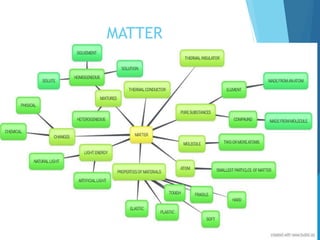
MIXTURES
HOMOGENEOUS WE CAN’T SEE THE SEPARATE SUBSTANCES
HETEROGENEOUS WE CAN SEE THE SEPARATE SUBSTANCES
IN A HOMOGENEOUS MIXTURE THERE ARE…
SOLUTION SOLVENT AND SOLUTE
ATOM
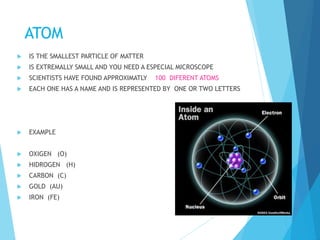
 IS THE SMALLEST PARTICLE OF MATTER
 IS EXTREMALLY SMALL AND YOU NEED A ESPECIAL MICROSCOPE
 SCIENTISTS HAVE FOUND APPROXIMATLY 100 DIFERENT ATOMS
 EACH ONE HAS A NAME AND IS REPRESENTED BY ONE OR TWO LETTERS
 EXAMPLE
 OXIGEN (O)
 HIDROGEN (H)
 CARBON (C)
 GOLD (AU)
 IRON (FE)
MOLECULE
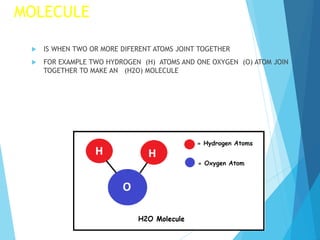
 IS WHEN TWO OR MORE DIFERENT ATOMS JOINT TOGETHER
 FOR EXAMPLE TWO HYDROGEN (H) ATOMS AND ONE OXYGEN (O) ATOM JOIN
TOGETHER TO MAKE AN (H2O) MOLECULE
PHISICAL CHANGES
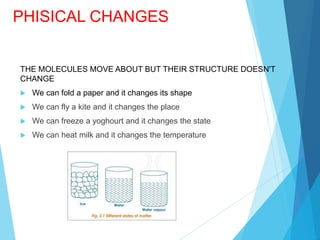
THE MOLECULES MOVE ABOUT BUT THEIR STRUCTURE DOESN'T
CHANGE
 We can fold a paper and it changes its shape
 We can fly a kite and it changes the place
 We can freeze a yoghourt and it changes the state
 We can heat milk and it changes the temperature
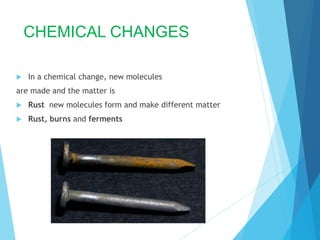
CHEMICAL CHANGES
 In a chemical change, new molecules
are made and the matter is
 Rust new molecules form and make different matter
 Rust, burns and ferments
PROPERTIES OF
MATERIAL
HARD Materials are very difficult to scratch or cut
SOFTmaterials are scratched or cut easily .
TOUGH materials are very difficult to break
FRAGILE break easily
 Plastic materials are easily to bend
 Elastic materials go back to their shape
PROPERTIES
Tough materials are very difficult to break
Fragile materials break easily
Plastic materials are easy to bend
Elastic materials go back to their shape after we squash or
stretch them
Examples:
Sponge is elastic
Glass is fragile
THERMAL INSULATOR AND
CONDUCTORS
 At low temperature, for
example in an ice cube, the
water molecule move very
slowly.
 At high temperature, for
example in a cup of tea, the
water molecules move quickly.
LIGHT ENERGY
 Light energy is the form of energy that allows us to
 See things because it bounces off objects and then
 Enter our eyes
LIGHT
Artificials light sources
A light bulb, a television
Screen,and a torch change electrical
energy
Into light energy
Natural light sources
Stars,a candle and a
Fire change chemical energy into
Light energy.all the earth`s naturals
light
Comes from the sun
SOLAR PANELS
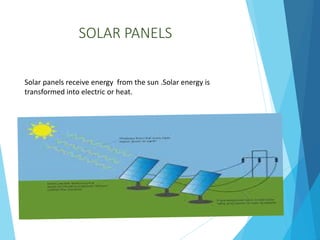
Solar panels receive energy from the sun .Solar energy is
transformed into electric or heat.
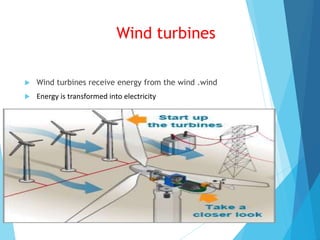
Wind turbines
 Wind turbines receive energy from the wind .wind
 Energy is transformed into electricity
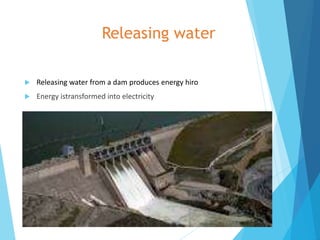
Releasing water
 Releasing water from a dam produces energy hiro
 Energy istransformed into electricity
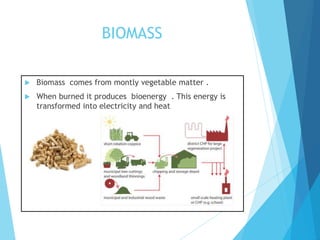
BIOMASS
 Biomass comes from montly vegetable matter .
 When burned it produces bioenergy . This energy is
transformed into electricity and heat
SOUND ENERGY
 SOUND is the form of energy that allows us to hear
things because it makes the air vibrations enter our
ears
 Sound vibrations travels in waves an in all directions
 Sound travels very fast but much slower than ligth
 Examples
 Wood
MATTER
VIDEO OF THE UNIT
 AMAYA NADIA MARCOS AND
DAVID
Mattergrupo 1 4 c

Mattergrupo 1 4 c

  • 2.
    MIXTURES HOMOGENEOUS WE CAN’TSEE THE SEPARATE SUBSTANCES HETEROGENEOUS WE CAN SEE THE SEPARATE SUBSTANCES IN A HOMOGENEOUS MIXTURE THERE ARE… SOLUTION SOLVENT AND SOLUTE
  • 3.
    ATOM  IS THESMALLEST PARTICLE OF MATTER  IS EXTREMALLY SMALL AND YOU NEED A ESPECIAL MICROSCOPE  SCIENTISTS HAVE FOUND APPROXIMATLY 100 DIFERENT ATOMS  EACH ONE HAS A NAME AND IS REPRESENTED BY ONE OR TWO LETTERS  EXAMPLE  OXIGEN (O)  HIDROGEN (H)  CARBON (C)  GOLD (AU)  IRON (FE)
  • 4.
    MOLECULE  IS WHENTWO OR MORE DIFERENT ATOMS JOINT TOGETHER  FOR EXAMPLE TWO HYDROGEN (H) ATOMS AND ONE OXYGEN (O) ATOM JOIN TOGETHER TO MAKE AN (H2O) MOLECULE
  • 5.
    PHISICAL CHANGES THE MOLECULESMOVE ABOUT BUT THEIR STRUCTURE DOESN'T CHANGE  We can fold a paper and it changes its shape  We can fly a kite and it changes the place  We can freeze a yoghourt and it changes the state  We can heat milk and it changes the temperature
  • 6.
    CHEMICAL CHANGES  Ina chemical change, new molecules are made and the matter is  Rust new molecules form and make different matter  Rust, burns and ferments
  • 7.
    PROPERTIES OF MATERIAL HARD Materialsare very difficult to scratch or cut SOFTmaterials are scratched or cut easily . TOUGH materials are very difficult to break FRAGILE break easily  Plastic materials are easily to bend  Elastic materials go back to their shape
  • 8.
    PROPERTIES Tough materials arevery difficult to break Fragile materials break easily Plastic materials are easy to bend Elastic materials go back to their shape after we squash or stretch them Examples: Sponge is elastic Glass is fragile
  • 9.
    THERMAL INSULATOR AND CONDUCTORS At low temperature, for example in an ice cube, the water molecule move very slowly.  At high temperature, for example in a cup of tea, the water molecules move quickly.
  • 10.
    LIGHT ENERGY  Lightenergy is the form of energy that allows us to  See things because it bounces off objects and then  Enter our eyes
  • 11.
    LIGHT Artificials light sources Alight bulb, a television Screen,and a torch change electrical energy Into light energy Natural light sources Stars,a candle and a Fire change chemical energy into Light energy.all the earth`s naturals light Comes from the sun
  • 13.
    SOLAR PANELS Solar panelsreceive energy from the sun .Solar energy is transformed into electric or heat.
  • 14.
    Wind turbines  Windturbines receive energy from the wind .wind  Energy is transformed into electricity
  • 15.
    Releasing water  Releasingwater from a dam produces energy hiro  Energy istransformed into electricity
  • 16.
    BIOMASS  Biomass comesfrom montly vegetable matter .  When burned it produces bioenergy . This energy is transformed into electricity and heat
  • 17.
    SOUND ENERGY  SOUNDis the form of energy that allows us to hear things because it makes the air vibrations enter our ears  Sound vibrations travels in waves an in all directions  Sound travels very fast but much slower than ligth  Examples  Wood
  • 18.
  • 19.
  • 20.
     AMAYA NADIAMARCOS AND DAVID