 To carry the blood of all the pàrts of the body
 Interuption The blood carry for the body
and many interuption
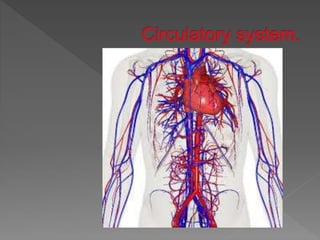
 Veins the blood goes to the veins
 Arteris move the blood to old the organs of
the body
 The blood vessels are the arteries veins
capillaries
 The heart pomps the blood to the
circulatory system
 Function is to expel toxic substances
 Kidneys are two organs in the abdomen
 The capillaries is where blood flows
 The ureters are two small tubes
 The bladder is like an elastic bag
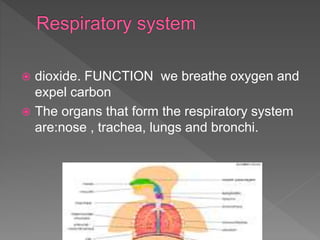
 dioxide. FUNCTION we breathe oxygen and
expel carbon
 The organs that form the respiratory system
are:nose , trachea, lungs and bronchi.
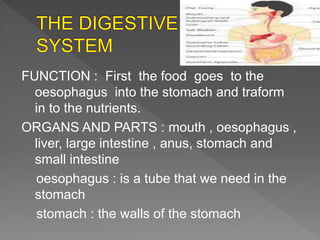
FUNCTION : First the food goes to the
oesophagus into the stomach and traform
in to the nutrients.
ORGANS AND PARTS : mouth , oesophagus ,
liver, large intestine , anus, stomach and
small intestine
oesophagus : is a tube that we need in the
stomach
stomach : the walls of the stomach
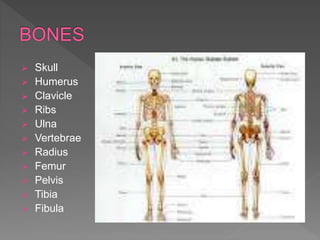
 Skull
 Humerus
 Clavicle
 Ribs
 Ulna
 Vertebrae
 Radius
 Femur
 Pelvis
 Tibia
 Fibula
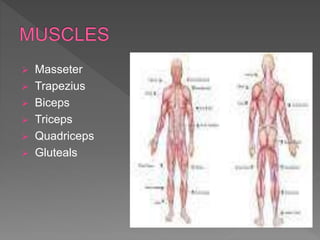
 Masseter
 Trapezius
 Biceps
 Triceps
 Quadriceps
 Gluteals
 To have babies.
 Reproduction: People need a men and a
woman to have children.
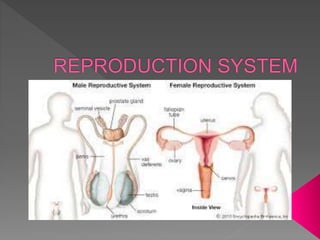
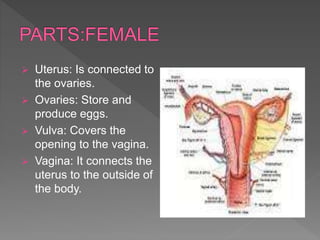
 Uterus: Is connected to
the ovaries.
 Ovaries: Store and
produce eggs.
 Vulva: Covers the
opening to the vagina.
 Vagina: It connects the
uterus to the outside of
the body.
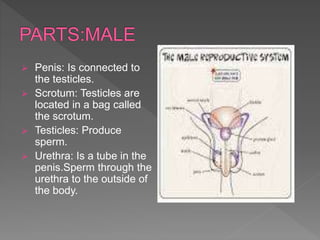
 Penis: Is connected to
the testicles.
 Scrotum: Testicles are
located in a bag called
the scrotum.
 Testicles: Produce
sperm.
 Urethra: Is a tube in the
penis.Sperm through the
urethra to the outside of
the body.

Manuel, sergio e iker

  • 3.
     To carrythe blood of all the pàrts of the body
  • 4.
     Interuption Theblood carry for the body and many interuption
  • 5.
     Veins theblood goes to the veins  Arteris move the blood to old the organs of the body  The blood vessels are the arteries veins capillaries  The heart pomps the blood to the circulatory system
  • 6.
     Function isto expel toxic substances
  • 7.
     Kidneys aretwo organs in the abdomen  The capillaries is where blood flows  The ureters are two small tubes  The bladder is like an elastic bag
  • 8.
     dioxide. FUNCTIONwe breathe oxygen and expel carbon  The organs that form the respiratory system are:nose , trachea, lungs and bronchi.
  • 9.
    FUNCTION : Firstthe food goes to the oesophagus into the stomach and traform in to the nutrients. ORGANS AND PARTS : mouth , oesophagus , liver, large intestine , anus, stomach and small intestine oesophagus : is a tube that we need in the stomach stomach : the walls of the stomach
  • 11.
     Skull  Humerus Clavicle  Ribs  Ulna  Vertebrae  Radius  Femur  Pelvis  Tibia  Fibula
  • 12.
     Masseter  Trapezius Biceps  Triceps  Quadriceps  Gluteals
  • 14.
     To havebabies.
  • 15.
     Reproduction: Peopleneed a men and a woman to have children.
  • 16.
     Uterus: Isconnected to the ovaries.  Ovaries: Store and produce eggs.  Vulva: Covers the opening to the vagina.  Vagina: It connects the uterus to the outside of the body.
  • 17.
     Penis: Isconnected to the testicles.  Scrotum: Testicles are located in a bag called the scrotum.  Testicles: Produce sperm.  Urethra: Is a tube in the penis.Sperm through the urethra to the outside of the body.