AUTOLYSIS IN FISH
• No doubtly ,fish is a very nutritious food. 
• It has also a charecteristic flavour which 
attract the consumer. 
• But when the fish is rotten than what???? 
• Every body know about the bad odor of fish. 
• Sometimes our mother use the lemon leaves 
to recover the bad odor of fish.
• Autolysis is the Self-digestion process 
• There are at least two types of fish spoilage 
– Bacterial 
– Enzymatic 
• In some species (squid, herring), the enzymatic changes precede 
and therefore predominate the spoilage of chilled fish. 
• In others, autolysis contributes to varying degrees to the overall 
quality loss in addition to microbially-mediated processes.
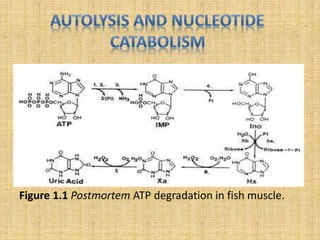
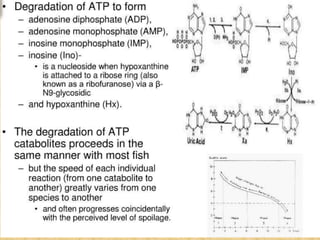
Figure 1.1 Postmortem ATP degradation in fish muscle.
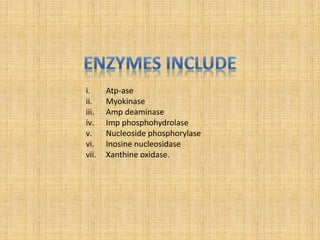
i. Atp-ase 
ii. Myokinase 
iii. Amp deaminase 
iv. Imp phosphohydrolase 
v. Nucleoside phosphorylase 
vi. Inosine nucleosidase 
vii. Xanthine oxidase.
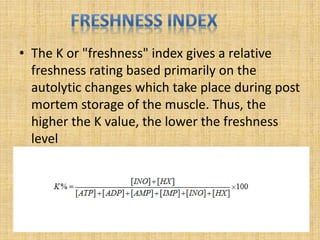
• The K or "freshness" index gives a relative 
freshness rating based primarily on the 
autolytic changes which take place during post 
mortem storage of the muscle. Thus, the 
higher the K value, the lower the freshness 
level
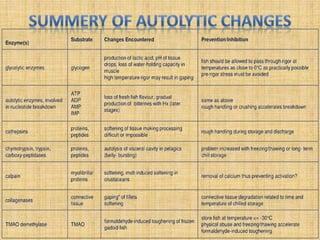
• Shortly after capture, chemical and biological 
changes take place in dead fish due to enzymatic 
breakdown of major fish molecules autolytic 
enzymes reduced textural quality during early 
stages of deterioration but did not produce the 
characteristic spoilage off-odors and off-flavors. 
• This indicates that autolytic degradation can limit 
shelf-life and product quality even with relatively 
low levels of spoilage organism
Mamun :AUTOLYSIS IN FISH

Mamun :AUTOLYSIS IN FISH

  • 1.
  • 2.
    • No doubtly,fish is a very nutritious food. • It has also a charecteristic flavour which attract the consumer. • But when the fish is rotten than what???? • Every body know about the bad odor of fish. • Sometimes our mother use the lemon leaves to recover the bad odor of fish.
  • 3.
    • Autolysis isthe Self-digestion process • There are at least two types of fish spoilage – Bacterial – Enzymatic • In some species (squid, herring), the enzymatic changes precede and therefore predominate the spoilage of chilled fish. • In others, autolysis contributes to varying degrees to the overall quality loss in addition to microbially-mediated processes.
  • 4.
    Figure 1.1 PostmortemATP degradation in fish muscle.
  • 5.
    i. Atp-ase ii.Myokinase iii. Amp deaminase iv. Imp phosphohydrolase v. Nucleoside phosphorylase vi. Inosine nucleosidase vii. Xanthine oxidase.
  • 7.
    • The Kor "freshness" index gives a relative freshness rating based primarily on the autolytic changes which take place during post mortem storage of the muscle. Thus, the higher the K value, the lower the freshness level
  • 9.
    • Shortly aftercapture, chemical and biological changes take place in dead fish due to enzymatic breakdown of major fish molecules autolytic enzymes reduced textural quality during early stages of deterioration but did not produce the characteristic spoilage off-odors and off-flavors. • This indicates that autolytic degradation can limit shelf-life and product quality even with relatively low levels of spoilage organism