Let’s talk about
inclusion
(and making UX more innovative)
Whitney Quesenbery
Taapsi Ramchandani
Maggie Ollove
NYC UCPA World Usability Day
#LetsTalkInclusion #WUD
@whitneyq @civicdesign @digitaldidi
inclusion /inˈklo͞ oZHən/
The act of including
The state of being included
Making someone part of something larger
Bringing together and harnessing diverse forces in a
way that is beneficial.
Inclusion is about living full lives, about learning to live together.
Inclusion is about our abilities – our gifts and how to share them.
Inclusion is about all of us.
It’s about change.
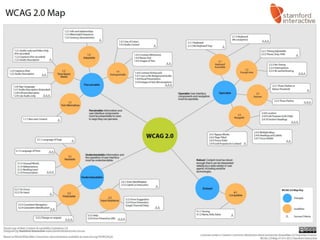
Map of WCAG
The outcome of the
interaction between a person with
an impairment and the barriers they
may face.
International Classification of Functioning (ICF)
Disability
The outcome of the
interaction between a person
and barriers.
International Classification of Functioning (ICF)
Disability
We create the future.
“Disability can produce a
radical new direction in
mainstream design.”
Graham Pullen
Design Meets Disability
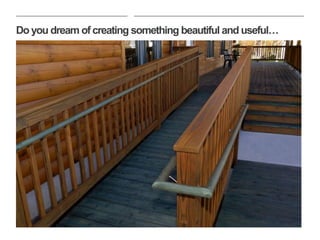
Do you dream of creating something beautiful and useful…
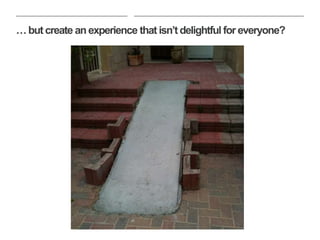
…but create an experience that isn’t delightful for everyone?
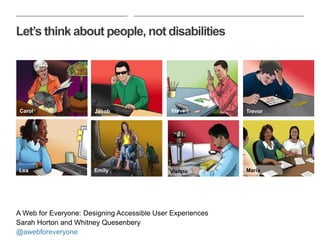
Let’s think about people, not disabilities
Carol Jacob
Lea Emily
Steven
Maria
Trevor
Vishnu
A Web for Everyone: Designing Accessible User Experiences
Sarah Horton and Whitney Quesenbery
@awebforeveryone
Stories from our
work
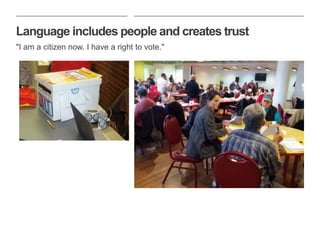
Language includes people and creates trust
"I am a citizen now. I have a right to vote."
How might we…Takeaway
become more aware of the
assumptions we make based on
cultural/language differences?
use language and framing to build
trust with our research groups?
I realized how important
language was in doing
research with immigrant
populations.
Fluency in English (or any
language) is not an indicator of
civic engagement.
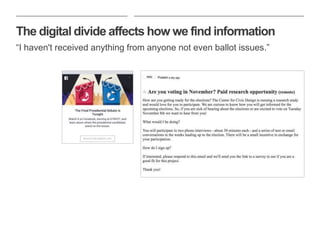
The digital divide affects how we find information
“I haven't received anything from anyone not even ballot issues.”
How might we…Takeaway
unlearn our assumptions about
using technology to learn more
about the problems we're trying to
solve?
Speaking with people very
different than us can uncover
powerful insights.
Design research reveals our
own assumptions.
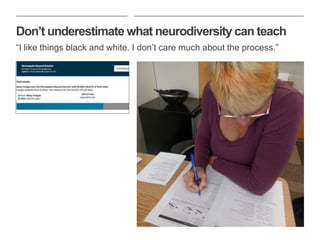
Don’t underestimate what neurodiversity can teach
“I like things black and white. I don’t care much about the process.”
How might we…Takeaway
actively include people with different
sensory or cognitive reactions to
better understand the rough spots,
annoyances, or other subtle
barriers in user experiences?
Don’t underestimate the
contributions participants can
make to your testing.
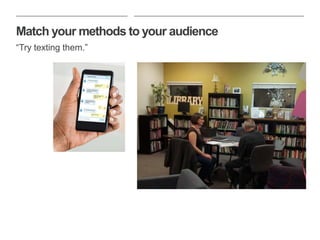
Match your methods to your audience
“Try texting them.”
How might we…Takeaway
design our methods to adapt to the
people we want to include?
The method and tool used
should match the people you
are asking to use them.
If one method doesn’t work, try
another cause it may have
different results.
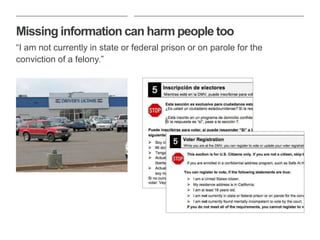
Missing information can harm people too
“I am not currently in state or federal prison or on parole for the
conviction of a felony.”
How might we…Takeaway
set aside time to do our ”homework”
on the people and place where we
want to do research?
avoid putting participants at risk
through misunderstandings or lost
opportunities to educate?
What people don’t know can
be as important to how we
learn about them as what they
do know.
Research can be an
opportunity to share knowledge
and educate.
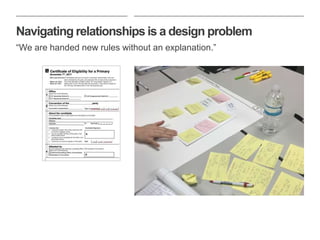
Navigating relationships is a design problem
“We are handed new rules without an explanation.”
How might we…Takeaway
build a collaborative process with
stakeholders to build trust and yield
a better outcome?
The context around research
and testing can be as insightful
as the research and testing
itself.
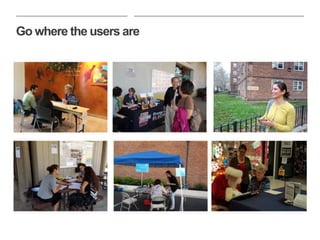
Go where the users are
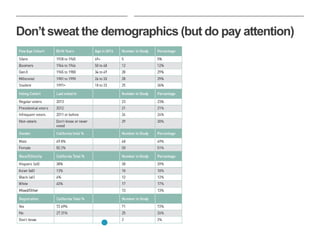
Don’t sweat the demographics (but do pay attention)
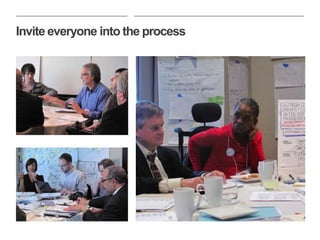
Invite everyone into the process
Let’s think about inclusion as
user experience for everyone.
Not rules, but thoughtful design
Not disability or difference, but experience
Not demographics to be met, but an invitation
to learn
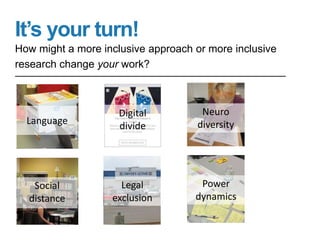
It’s your turn!
How might a more inclusive approach or more inclusive
research change your work?
Language
Neuro
diversity
Legal
exclusion
Social
distance
Digital
divide
Power
dynamics
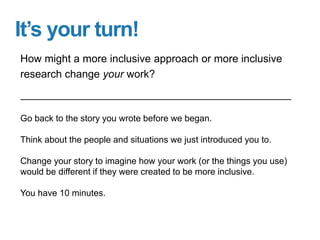
It’s your turn!
Go back to the story you wrote before we began.
Think about the people and situations we just introduced you to.
Change your story to imagine how your work (or the things you use)
would be different if they were created to be more inclusive.
You have 10 minutes.
How might a more inclusive approach or more inclusive
research change your work?
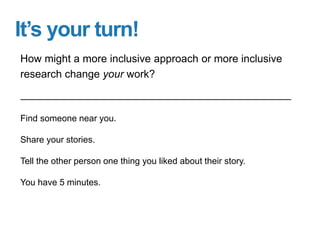
It’s your turn!
Find someone near you.
Share your stories.
Tell the other person one thing you liked about their story.
You have 5 minutes.
How might a more inclusive approach or more inclusive
research change your work?
Let’s talk about inclusion
Who heard a really great story?
Get in touch
Whitney Quesenbery
whitneyq@civicdesign.org
@civicdesign
Taapsi Ramchandani
taapsi@civicdesign.org
@digitaldidi
Maggie Ollove
maggie@civicdesign.org
A Web for Everyone
Rosenfeld Media
@awebforeveryone
Center for Civic Design
civicdesign.org
@civicdesign

Let's Talk Inclusion (and making UX more innovative)

  • 1.
    Let’s talk about inclusion (andmaking UX more innovative) Whitney Quesenbery Taapsi Ramchandani Maggie Ollove NYC UCPA World Usability Day #LetsTalkInclusion #WUD @whitneyq @civicdesign @digitaldidi
  • 2.
    inclusion /inˈklo͞ oZHən/ Theact of including The state of being included Making someone part of something larger Bringing together and harnessing diverse forces in a way that is beneficial. Inclusion is about living full lives, about learning to live together. Inclusion is about our abilities – our gifts and how to share them. Inclusion is about all of us. It’s about change.
  • 3.
  • 4.
    The outcome ofthe interaction between a person with an impairment and the barriers they may face. International Classification of Functioning (ICF) Disability
  • 5.
    The outcome ofthe interaction between a person and barriers. International Classification of Functioning (ICF) Disability
  • 6.
    We create thefuture. “Disability can produce a radical new direction in mainstream design.” Graham Pullen Design Meets Disability
  • 7.
    Do you dreamof creating something beautiful and useful…
  • 8.
    …but create anexperience that isn’t delightful for everyone?
  • 9.
    Let’s think aboutpeople, not disabilities Carol Jacob Lea Emily Steven Maria Trevor Vishnu A Web for Everyone: Designing Accessible User Experiences Sarah Horton and Whitney Quesenbery @awebforeveryone
  • 10.
  • 11.
    Language includes peopleand creates trust "I am a citizen now. I have a right to vote."
  • 12.
    How might we…Takeaway becomemore aware of the assumptions we make based on cultural/language differences? use language and framing to build trust with our research groups? I realized how important language was in doing research with immigrant populations. Fluency in English (or any language) is not an indicator of civic engagement.
  • 13.
    The digital divideaffects how we find information “I haven't received anything from anyone not even ballot issues.”
  • 14.
    How might we…Takeaway unlearnour assumptions about using technology to learn more about the problems we're trying to solve? Speaking with people very different than us can uncover powerful insights. Design research reveals our own assumptions.
  • 15.
    Don’t underestimate whatneurodiversity can teach “I like things black and white. I don’t care much about the process.”
  • 16.
    How might we…Takeaway activelyinclude people with different sensory or cognitive reactions to better understand the rough spots, annoyances, or other subtle barriers in user experiences? Don’t underestimate the contributions participants can make to your testing.
  • 17.
    Match your methodsto your audience “Try texting them.”
  • 18.
    How might we…Takeaway designour methods to adapt to the people we want to include? The method and tool used should match the people you are asking to use them. If one method doesn’t work, try another cause it may have different results.
  • 19.
    Missing information canharm people too “I am not currently in state or federal prison or on parole for the conviction of a felony.”
  • 20.
    How might we…Takeaway setaside time to do our ”homework” on the people and place where we want to do research? avoid putting participants at risk through misunderstandings or lost opportunities to educate? What people don’t know can be as important to how we learn about them as what they do know. Research can be an opportunity to share knowledge and educate.
  • 21.
    Navigating relationships isa design problem “We are handed new rules without an explanation.”
  • 22.
    How might we…Takeaway builda collaborative process with stakeholders to build trust and yield a better outcome? The context around research and testing can be as insightful as the research and testing itself.
  • 23.
    Go where theusers are
  • 24.
    Don’t sweat thedemographics (but do pay attention)
  • 25.
  • 26.
    Let’s think aboutinclusion as user experience for everyone. Not rules, but thoughtful design Not disability or difference, but experience Not demographics to be met, but an invitation to learn
  • 27.
    It’s your turn! Howmight a more inclusive approach or more inclusive research change your work? Language Neuro diversity Legal exclusion Social distance Digital divide Power dynamics
  • 28.
    It’s your turn! Goback to the story you wrote before we began. Think about the people and situations we just introduced you to. Change your story to imagine how your work (or the things you use) would be different if they were created to be more inclusive. You have 10 minutes. How might a more inclusive approach or more inclusive research change your work?
  • 29.
    It’s your turn! Findsomeone near you. Share your stories. Tell the other person one thing you liked about their story. You have 5 minutes. How might a more inclusive approach or more inclusive research change your work?
  • 30.
    Let’s talk aboutinclusion Who heard a really great story?
  • 31.
    Get in touch WhitneyQuesenbery whitneyq@civicdesign.org @civicdesign Taapsi Ramchandani taapsi@civicdesign.org @digitaldidi Maggie Ollove maggie@civicdesign.org A Web for Everyone Rosenfeld Media @awebforeveryone Center for Civic Design civicdesign.org @civicdesign

Editor's Notes

  • #3 Dictionary People centered Social centered http://www.diversityjournal.com/1471-moving-from-diversity-to-inclusion/ Poetic/empathetic http://www.inclusion.com/inclusion.html
  • #5 We can also create disability
  • #6 We can also create disability
  • #11 Instead of talking through rules or even principles, we’d like to share a few stories about things we’ve learned about inclusion. Most of these stories are from our work in civic design…There’s a lot of emphasis on inclusion in our work in policy. We work with advocates who want to make sure their community needs are met, and government agencies who often have a mission to meet those needs. Moving into designing in the civic space has challenged us to be creative in our approach to the UX research we do, and to think carefully about our relationship to the people we work with.
  • #24 Photos of field research Top row: lobby of a library, shopping center, housing project, Bottom row: community college, farmer’s market, shopping mall.
  • #27 Because too many experiences are bad ones. Or at least not very good ones.