LANGUAGE
LANGUAGE
introduction to
LANGUAGE
Hughes: “system of arbitrary symbols
by which thought is conveyed
from one human being to another”
LANGUAGE
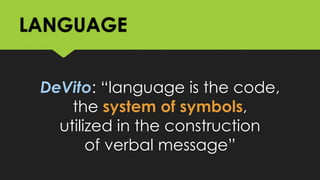
DeVito: “language is the code,
the system of symbols,
utilized in the construction
of verbal message”
LANGUAGE VERSUS SPEECH
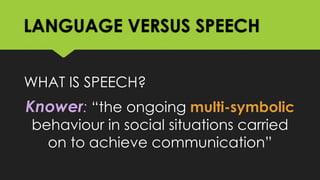
WHAT IS SPEECH?
Knower: “the ongoing multi-symbolic
behaviour in social situations carried
on to achieve communication”
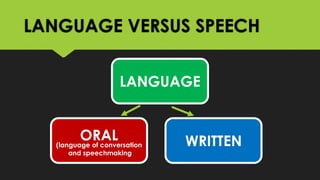
LANGUAGE VERSUS SPEECH
LANGUAGE
WRITTENORAL(language of conversation
and speechmaking
LANGUAGE
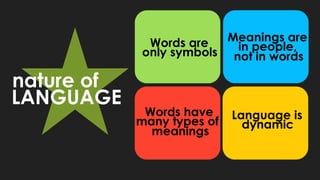
nature of
Words are
only symbols
Meanings are
in people,
not in words
Language is
dynamic
Words have
many types of
meanings
LANGUAGE
nature of
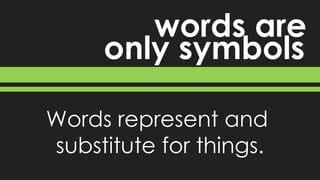
only symbols
words are
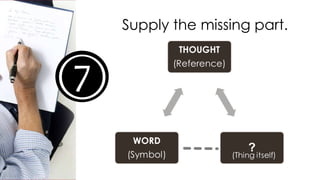
Words represent and
substitute for things.
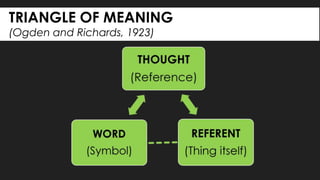
TRIANGLE OF MEANING
(Ogden and Richards, 1923)
people, not in words
meanings are in
You are the
communicator
Use words to create desired meanings
in your receiver
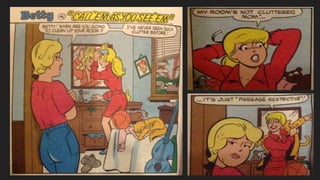
Words can be interpreted differently
by different people.
Meanings do not inhabit words,
they are set by the individual who
perceives the word
Task as communicators:
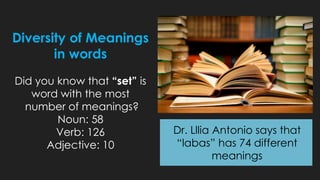
Diversity of Meanings
in words
Did you know that “set” is
word with the most
number of meanings?
Noun: 58
Verb: 126
Adjective: 10
Dr. Lllia Antonio says that
“labas” has 74 different
meanings
Because of this, you must
not only consider your
interpretation of the word,
but also the meaning the
communicator is trying to
get through
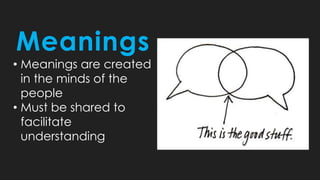
• Meanings are created
in the minds of the
people
• Must be shared to
facilitate
understanding
Meanings
is dynamic
language
Change is a fact
Some reasons for the growth and decline
of language:
• Changing societal needs
• Erosion of old customs
• Call for elegance
DynamicStaticWords: Meanings:
Some meanings of old words are
different from their meanings today
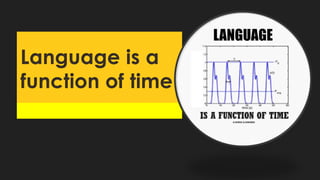
Language is a
function of time
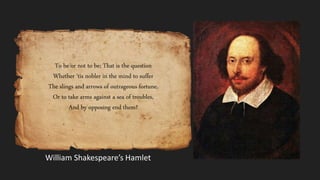
To be or not to be; That is the question
Whether ‘tis nobler in the mind to suffer
The slings and arrows of outrageous fortune,
Or to take arms against a sea of troubles,
And by opposing end them?
William Shakespeare’s Hamlet
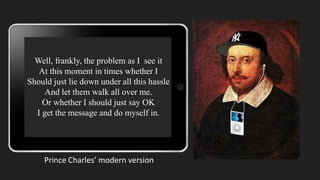
Well, frankly, the problem as I see it
At this moment in times whether I
Should just lie down under all this hassle
And let them walk all over me.
Or whether I should just say OK
I get the message and do myself in.
Prince Charles’ modern version
New situations create new meanings
• Biased, Sexist, or narrow-minded terms are
removed
• Place can affect how the listener processes the
words
• Communicators should be aware on how these
difference affect the word’s meaning
Language is a function of culture
types of meanings
words have many
Words are understood
how they were defined
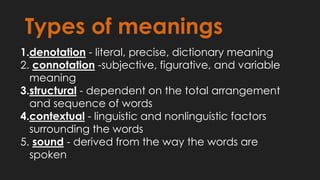
1.denotation - literal, precise, dictionary meaning
2. connotation -subjective, figurative, and variable
meaning
3.structural - dependent on the total arrangement
and sequence of words
4.contextual - linguistic and nonlinguistic factors
surrounding the words
5. sound - derived from the way the words are
spoken
Types of meanings
LANGUAGE
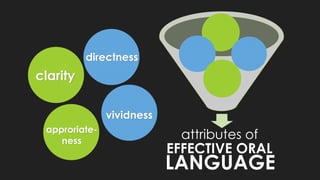
attributes of
EFFECTIVE ORAL
LANGUAGE
EFFECTIVE ORAL
clarity
directness
approriate-
ness
vividness
attributes of
LANGUAGE
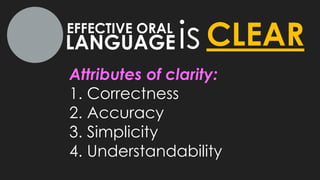
EFFECTIVE ORAL
isCLEAR
Attributes of clarity:
1. Correctness
2. Accuracy
3. Simplicity
4. Understandability
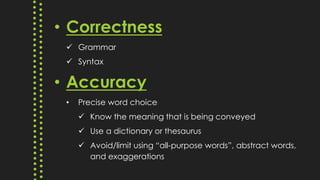
• Correctness
 Grammar
 Syntax
• Accuracy
• Precise word choice
 Know the meaning that is being conveyed
 Use a dictionary or thesaurus
 Avoid/limit using “all-purpose words”, abstract words,
and exaggerations
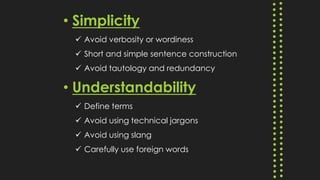
• Simplicity
 Avoid verbosity or wordiness
 Short and simple sentence construction
 Avoid tautology and redundancy
• Understandability
 Define terms
 Avoid using technical jargons
 Avoid using slang
 Carefully use foreign words
LANGUAGE
EFFECTIVE ORAL
isDIRECT
& CONVERSATIONAL
Speaking orally or delivering a speech
involves a live audience.
A speaker in such circumstances should
have a speech that is instantly intelligible.
Simple words should be used to enable your
audience to comprehend quickly, and easily.
Blankenship suggest that the language used
must be oral in style
Suggestions to achieve oral style:
1. Use shorter words, replacing polysyllabic words.
2. Use personal pronouns
3. Use contradictions that are abbreviated
4. Use shorter sentence length.
5. Use simple but graphic words.
6. Use direct and rhetorical questions.
7. Employ idiomatic expressions.
8. Use the active voice rather than the passive voice.
9. More repetitions and restatements must be used.
10.Confront your audience, and refer to them more
directly.
Suggestions to achieve oral style:
LANGUAGE
EFFECTIVE ORAL
is
APPROPRIATE
to the listeners (audience),
the occasion,
the speech purpose,
& speaker’s personality
1.EOL is appropriate to your audience.
ADAPT TO YOUR AUDIENCE.
a.Consider their needs, attitudes, interests, knowledge
b.Use words that they’ll understand
c.Audience analysis helps determine whether your
speech is informal or formal.
d.What comprises the age of your audience may affect
your language.
e.Be considerate of both your audience and the people
you talk about
f. Never use obscene language.
2. EOL is appropriate to the occasion. Measure
the degree of formality of the speech occasion
because situation and circumstances affect your
language style.
3. EOL must be appropriate to the speech
purpose. Shifting to a more appropriate language
style according to your purpose is the key.
4. EOL is appropriate to the speaker.
BE CAREFUL WITH YOUR CHOICE OF WORDS
The words you choose reflect your character
and attitude, as well as the background you
had. But use words you’re comfortable with
LANGUAGE
EFFECTIVE ORAL
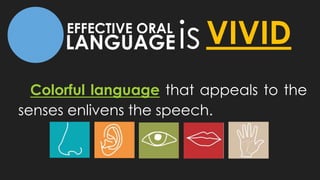
isVIVID
Colorful language that appeals to the
senses enlivens the speech.
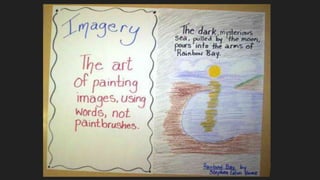
Vividness may be achieved through
the use of imagery.
These word pictures or images
produce powerful feelings in the
listeners’ mind.
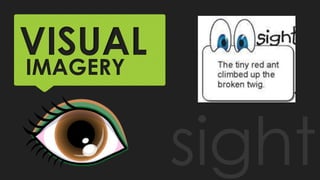
VISUAL
IMAGERY
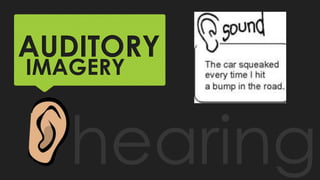
AUDITORY
IMAGERY
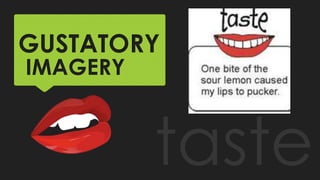
GUSTATORY
IMAGERY
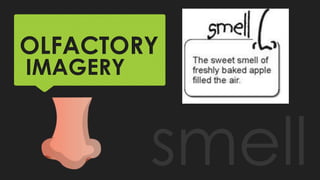
OLFACTORY
IMAGERY
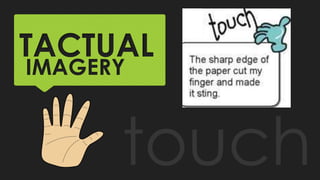
TACTUAL
IMAGERY
KINESTHETIC
IMAGERY
ORGANIC
IMAGERY
CONCLUSION
LANGUAGE
Language is an integral part of
culture and society.
It is the system of symbols human
beings utilize in the construction of
verbal messages
and
WHY STUDY LANGUAGE?
Language makes up the foundation
of the audience's understanding of
your speech.
The words you choose
(and not choose) and
how you deliver these
words is key in
speechmaking.
Strong language
skills are an asset
that will promote
a lifetime of
effective
communication.
Cabredo, Figueroa, Lioanag, Samson,Sare, Yu
GROUP 2
Source:
Practical Speech Fundamentals book
1
Fill in the Blank.
Effective Oral Language is
appropriate to the ______,
the listeners, the speech
purpose, and speaker’s
personality
2
True or False.
Contextual meaning is
meaning derived from the
way the words are spoken.
3
Identification.
It is an attribute of clarity
achieved by avoiding
wordiness and using short
common words instead of
a long and unfamiliar one
4
Give one
suggestion
to achieve oral
style.
4
Give one
characteristic
(nature) of
language
5
6
Multiple Choice.
Which among the statements is false
a. Both words and language are
dynamic
b. Language is a function of culture
c. Meanings are created in the
minds of the people
d. None of the above
7
Supply the missing part.
8
Describe in one sentence
any object using imagery.
Indicate the type
of imagery you used.
49
10
Give a denotative
and connotative
meaning of the word
“LANGUAGE”

Oral Language : Nature and Characteristics

  • 1.
  • 2.
  • 3.
    LANGUAGE Hughes: “system ofarbitrary symbols by which thought is conveyed from one human being to another”
  • 4.
    LANGUAGE DeVito: “language isthe code, the system of symbols, utilized in the construction of verbal message”
  • 5.
    LANGUAGE VERSUS SPEECH WHATIS SPEECH? Knower: “the ongoing multi-symbolic behaviour in social situations carried on to achieve communication”
  • 6.
  • 7.
  • 8.
    Words are only symbols Meaningsare in people, not in words Language is dynamic Words have many types of meanings LANGUAGE nature of
  • 9.
    only symbols words are Wordsrepresent and substitute for things.
  • 10.
    TRIANGLE OF MEANING (Ogdenand Richards, 1923)
  • 12.
    people, not inwords meanings are in You are the communicator
  • 13.
    Use words tocreate desired meanings in your receiver Words can be interpreted differently by different people. Meanings do not inhabit words, they are set by the individual who perceives the word Task as communicators:
  • 14.
    Diversity of Meanings inwords Did you know that “set” is word with the most number of meanings? Noun: 58 Verb: 126 Adjective: 10 Dr. Lllia Antonio says that “labas” has 74 different meanings
  • 15.
    Because of this,you must not only consider your interpretation of the word, but also the meaning the communicator is trying to get through
  • 16.
    • Meanings arecreated in the minds of the people • Must be shared to facilitate understanding Meanings
  • 17.
  • 18.
    Some reasons forthe growth and decline of language: • Changing societal needs • Erosion of old customs • Call for elegance DynamicStaticWords: Meanings: Some meanings of old words are different from their meanings today
  • 19.
  • 20.
    To be ornot to be; That is the question Whether ‘tis nobler in the mind to suffer The slings and arrows of outrageous fortune, Or to take arms against a sea of troubles, And by opposing end them? William Shakespeare’s Hamlet
  • 21.
    Well, frankly, theproblem as I see it At this moment in times whether I Should just lie down under all this hassle And let them walk all over me. Or whether I should just say OK I get the message and do myself in. Prince Charles’ modern version
  • 22.
    New situations createnew meanings • Biased, Sexist, or narrow-minded terms are removed • Place can affect how the listener processes the words • Communicators should be aware on how these difference affect the word’s meaning Language is a function of culture
  • 23.
    types of meanings wordshave many Words are understood how they were defined
  • 24.
    1.denotation - literal,precise, dictionary meaning 2. connotation -subjective, figurative, and variable meaning 3.structural - dependent on the total arrangement and sequence of words 4.contextual - linguistic and nonlinguistic factors surrounding the words 5. sound - derived from the way the words are spoken Types of meanings
  • 25.
  • 26.
  • 27.
    LANGUAGE EFFECTIVE ORAL isCLEAR Attributes ofclarity: 1. Correctness 2. Accuracy 3. Simplicity 4. Understandability
  • 28.
    • Correctness  Grammar Syntax • Accuracy • Precise word choice  Know the meaning that is being conveyed  Use a dictionary or thesaurus  Avoid/limit using “all-purpose words”, abstract words, and exaggerations
  • 29.
    • Simplicity  Avoidverbosity or wordiness  Short and simple sentence construction  Avoid tautology and redundancy • Understandability  Define terms  Avoid using technical jargons  Avoid using slang  Carefully use foreign words
  • 30.
    LANGUAGE EFFECTIVE ORAL isDIRECT & CONVERSATIONAL Speakingorally or delivering a speech involves a live audience.
  • 31.
    A speaker insuch circumstances should have a speech that is instantly intelligible. Simple words should be used to enable your audience to comprehend quickly, and easily.
  • 32.
    Blankenship suggest thatthe language used must be oral in style Suggestions to achieve oral style: 1. Use shorter words, replacing polysyllabic words. 2. Use personal pronouns 3. Use contradictions that are abbreviated 4. Use shorter sentence length. 5. Use simple but graphic words.
  • 33.
    6. Use directand rhetorical questions. 7. Employ idiomatic expressions. 8. Use the active voice rather than the passive voice. 9. More repetitions and restatements must be used. 10.Confront your audience, and refer to them more directly. Suggestions to achieve oral style:
  • 34.
    LANGUAGE EFFECTIVE ORAL is APPROPRIATE to thelisteners (audience), the occasion, the speech purpose, & speaker’s personality
  • 35.
    1.EOL is appropriateto your audience. ADAPT TO YOUR AUDIENCE. a.Consider their needs, attitudes, interests, knowledge b.Use words that they’ll understand c.Audience analysis helps determine whether your speech is informal or formal. d.What comprises the age of your audience may affect your language. e.Be considerate of both your audience and the people you talk about f. Never use obscene language.
  • 36.
    2. EOL isappropriate to the occasion. Measure the degree of formality of the speech occasion because situation and circumstances affect your language style. 3. EOL must be appropriate to the speech purpose. Shifting to a more appropriate language style according to your purpose is the key.
  • 37.
    4. EOL isappropriate to the speaker. BE CAREFUL WITH YOUR CHOICE OF WORDS The words you choose reflect your character and attitude, as well as the background you had. But use words you’re comfortable with
  • 38.
    LANGUAGE EFFECTIVE ORAL isVIVID Colorful languagethat appeals to the senses enlivens the speech.
  • 39.
    Vividness may beachieved through the use of imagery. These word pictures or images produce powerful feelings in the listeners’ mind.
  • 42.
  • 43.
  • 44.
  • 45.
  • 46.
  • 47.
  • 48.
  • 49.
  • 50.
    LANGUAGE Language is anintegral part of culture and society. It is the system of symbols human beings utilize in the construction of verbal messages
  • 51.
  • 52.
    WHY STUDY LANGUAGE? Languagemakes up the foundation of the audience's understanding of your speech.
  • 53.
    The words youchoose (and not choose) and how you deliver these words is key in speechmaking.
  • 54.
    Strong language skills arean asset that will promote a lifetime of effective communication.
  • 55.
    Cabredo, Figueroa, Lioanag,Samson,Sare, Yu GROUP 2 Source: Practical Speech Fundamentals book
  • 57.
    1 Fill in theBlank. Effective Oral Language is appropriate to the ______, the listeners, the speech purpose, and speaker’s personality
  • 58.
    2 True or False. Contextualmeaning is meaning derived from the way the words are spoken.
  • 59.
    3 Identification. It is anattribute of clarity achieved by avoiding wordiness and using short common words instead of a long and unfamiliar one
  • 60.
  • 61.
  • 62.
    6 Multiple Choice. Which amongthe statements is false a. Both words and language are dynamic b. Language is a function of culture c. Meanings are created in the minds of the people d. None of the above
  • 63.
  • 64.
    8 Describe in onesentence any object using imagery. Indicate the type of imagery you used.
  • 65.
    49 10 Give a denotative andconnotative meaning of the word “LANGUAGE”

Editor's Notes

  • #2 Cabredo, Francis; Figueroa, Acer ; Lioanag, Lem; Samson, Bea; Sare, Aitana; Yu, Drenzell