Downloaded 1,342 times
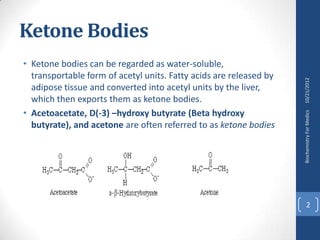
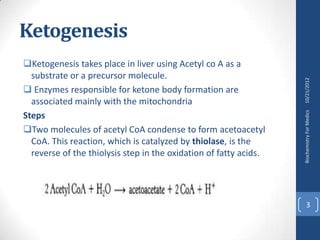
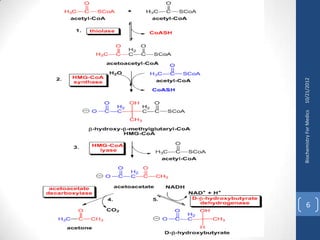
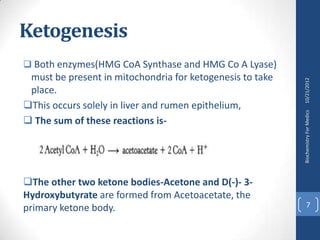
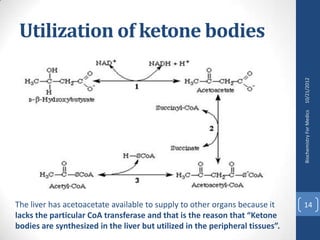
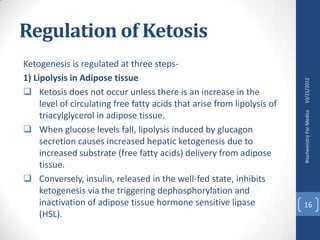
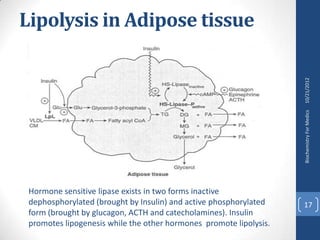
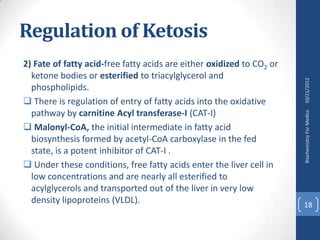
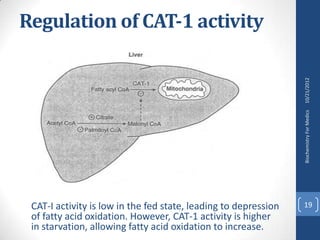
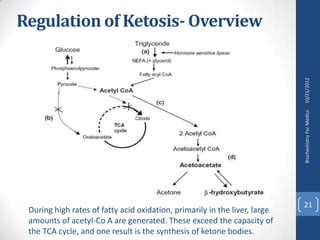
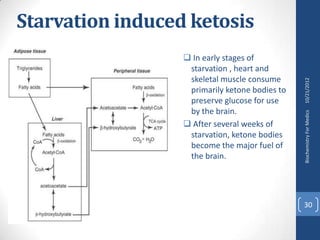
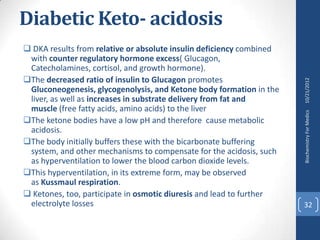
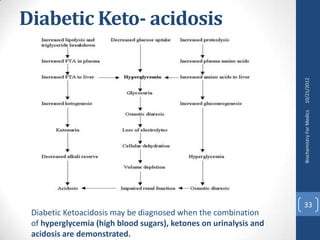
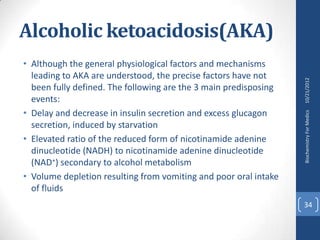
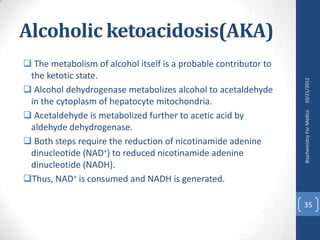

Ketosis occurs when the liver breaks down fatty acids into ketone bodies like acetoacetate and beta-hydroxybutyrate. This process (called ketogenesis) takes place in the liver and involves three enzymes that convert two acetyl-CoA molecules into acetoacetate. The liver then exports ketone bodies to other tissues as an alternative fuel when glucose levels are low, such as during prolonged fasting or starvation. Other tissues utilize ketone bodies by converting them back into acetyl-CoA to enter the TCA cycle, except for the liver which lacks an enzyme needed for this conversion.


