

Japan and WW2
Social Studies 2
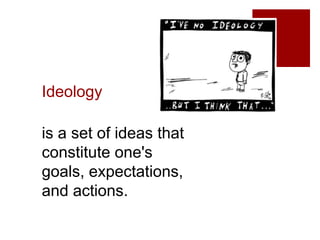
Ideology
is a set of ideas that
constitute one's
goals, expectations,
and actions.
Fascism
is a form of radical authoritarian
nationalism. Fascists seek to unify their
nation through a totalitarian state that seeks
the mass mobilization of the national
community through discipline,
indoctrination, and physical training
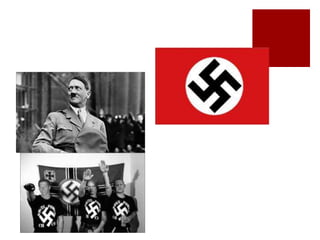
Nazism
It is a variety of
fascism that
incorporates
biological racism and
antisemitism.
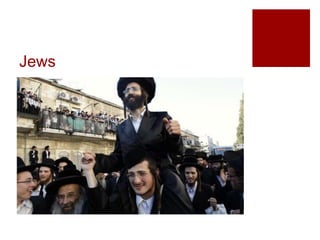
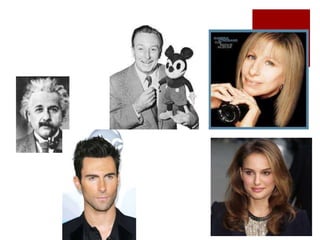
Jews
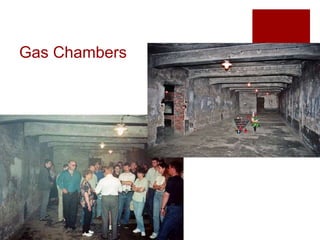
Gas Chambers
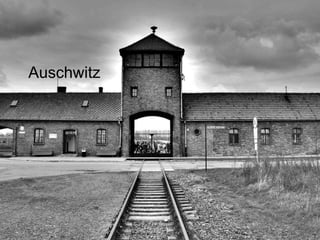
Auschwitz
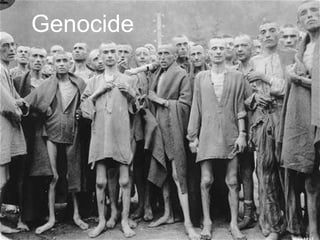
Genocide
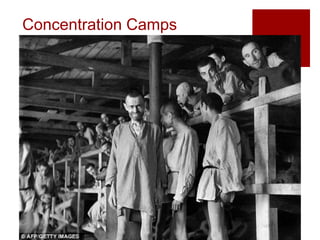
Concentration Camps
Democracy
Democracy is a form of government
in which all eligible citizens have
an equal say in the decisions that
affect their lives. Democracy allows
eligible citizens to participate
equally—either directly or through
elected representatives
EMOTIONS
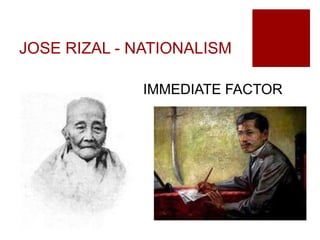
JOSE RIZAL - NATIONALISM
IMMEDIATE FACTOR
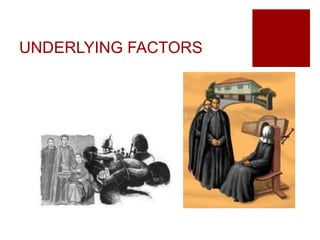
UNDERLYING FACTORS
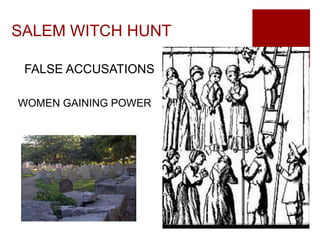
SALEM WITCH HUNT
FALSE ACCUSATIONS
WOMEN GAINING POWER
1 EVENT CAN TRIGGER AN
EMOTION/CAN CHANGE
HISTORY
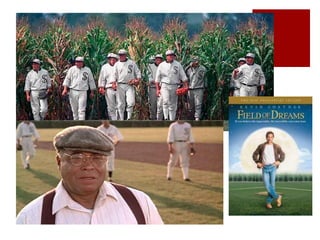
FIELD OF DREAMS
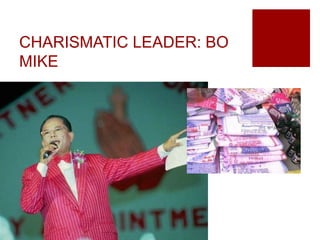
IDEOLOGY+CHARI
SMA
CHARISMATIC LEADER: BO
MIKE
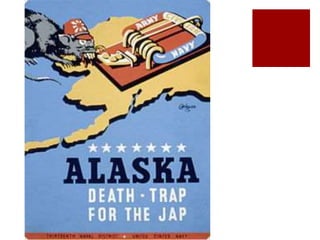
Propaganda
Propaganda is a form of
communication that is aimed
towards influencing the attitude of a
community toward some cause or
position by presenting only one
side of an argument.
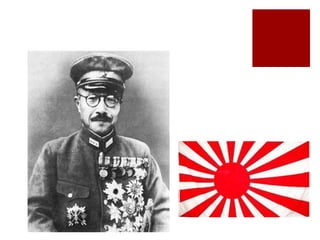
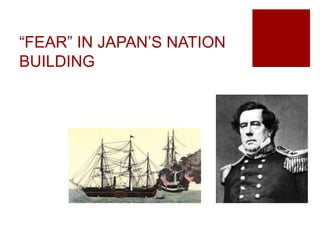
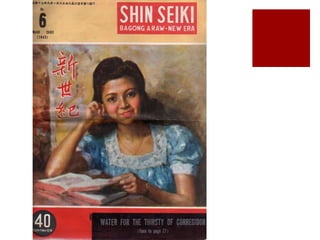
“FEAR” IN JAPAN’S NATION
BUILDING
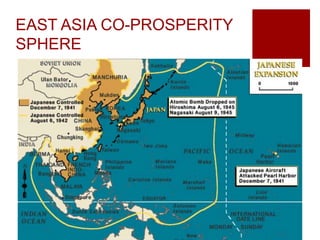
EAST ASIA CO-PROSPERITY
SPHERE
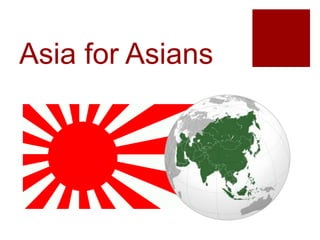
Asia for Asians
Evaluating a propaganda
JAPAN IS POOR IN NATURAL
RESOURCES
EMBARGO
BOYCOTT
INDUSTRY : CAR
Japanese Discipline
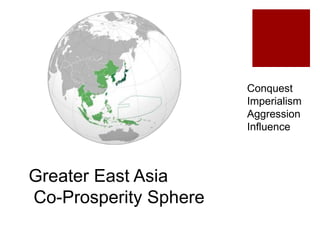
Greater East Asia
Co-Prosperity Sphere
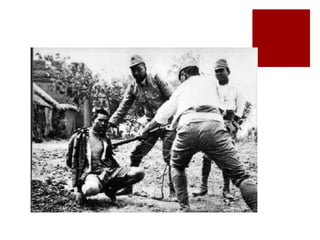
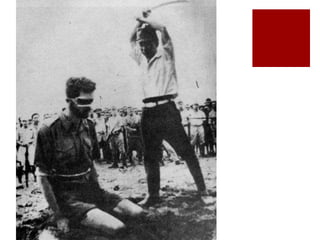
Conquest
Imperialism
Aggression
Influence
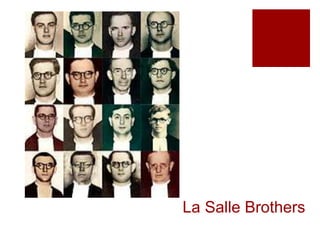
La Salle Brothers
Huks, Hukbalahap
(Hukbo ng Bayan Laban
sa Hapon)
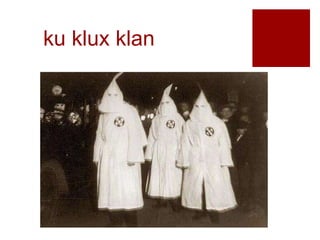
ku klux klan
Angst
a feeling of anxiety,
apprehension, or
insecurity
Intense Feelings. Overly Zealous.
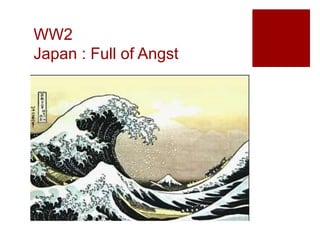
WW2
Japan : Full of Angst
Underlying reason for Japan
Practical : Economics
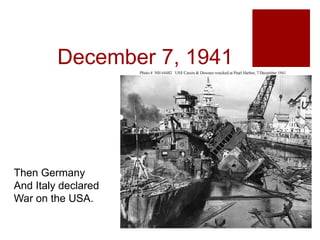
December 7, 1941
Then Germany
And Italy declared
War on the USA.
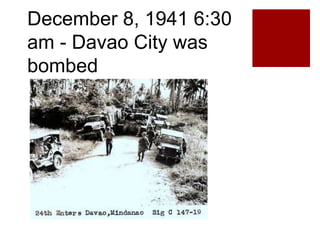
December 8, 1941 6:30
am - Davao City was
bombed
December 10, 1941 First
Invasion of the Philippines
by the Japanese
By a Burmese Nationalist
“We often told you the British
were sucking our blood out of
you. Well the Japanese are
here to suck the marrow out of
your bones.”
Natural Resources
Rubber – Malaysia
Oil – Dutch East Indies (Indonesia)
Tin – Burma
How about the Philippines?
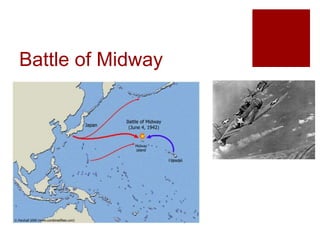
Battle of Midway
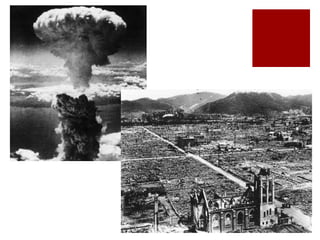
Bombing of Hiroshima
 August 6, 1945
 Pres. Truman ordered the bombing because he did
not want hundreds of thousands more Americans
killed.
 To end the war.
 The next day, because Japan did not reply to the
command of US for Unconditional Surrender, they
bombed NAGASAKI.
How did the bombing of
Nagasaki and Hiroshima
affect the world’s view of
atomic weapons?
Perhaps the greatest legacy of
Nagasaki and Hiroshima is that
nuclear weapons have never been
used again as weapons of war.
Japan and World War II

Japan and World War II