
Y376 International Political Economy February 3, 2011
Positive Contributions of MNCs to Host Countries Capital Technology Marketing Expertise Management Expertise Enhancing Domestic Competition Higher Pay for Skilled Workers
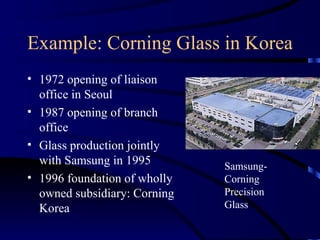
Example: Corning Glass in Korea 1972 opening of liaison office in Seoul 1987 opening of branch office Glass production jointly with Samsung in 1995 1996 foundation of wholly owned subsidiary: Corning Korea Samsung-Corning  Precision Glass
Criticisms of MNCS MNC industries are oligopolistic MNCS engage in anticompetitive behaviors FDI displaces domestic investment (instead of adding to it) FDI undermines domestic/local cultures MNCs exploit local workers FDI leads to technological dependence
What is an Oligopoly? A  monopoly  is when only one company exerts control over most of a market.  An  oligopoly  is similar except that there are at least two firms.   Source: Investopedia.com Few multinationals aspire to be monopolies. Monopolies attract government regulation and consumer anger (just ask Microsoft). Small oligopolies (such as Coke, Pepsi, and Cadbury-Schweppes) make plenty of money and avoid the constant attention of the regulators.    Source: Oligopolywatch.com
Why are Monopolies and Oligopolies Bad? Potential for monopoly pricing When unregulated monopoly exists When oligopolistic firms  collude on prices Unfair tendency of monopolies and oligopolies to defend their privileges against challengers by engaging in  predatory pricing .
Monopoly Pricing
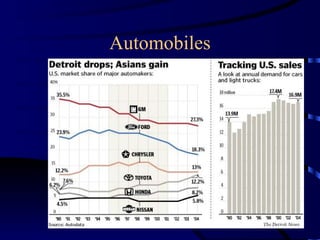
Examples of Oligopolies Motor vehicles (automobiles) Soft drinks Movie studios Music industry Pharmaceuticals Fast food industry Personal computers
Automobiles
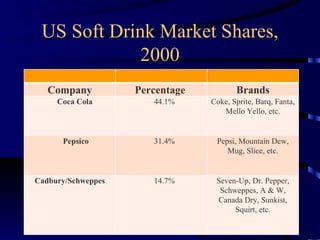
US Soft Drink Market Shares, 2000 Company Percentage  Brands Coca Cola 44.1% Coke, Sprite, Barq, Fanta, Mello Yello, etc. Pepsico 31.4% Pepsi, Mountain Dew, Mug, Slice, etc. Cadbury/Schweppes 14.7% Seven-Up, Dr. Pepper, Schweppes, A & W, Canada Dry, Sunkist, Squirt, etc.
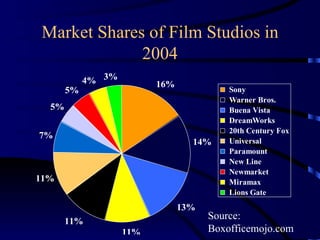
Market Shares of Film Studios in 2004 Source: Boxofficemojo.com
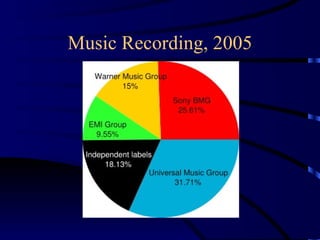
Music Recording, 2005
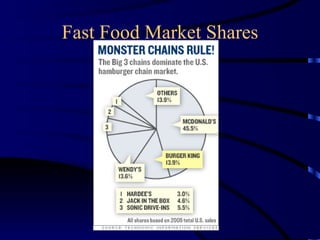
Fast Food Market Shares
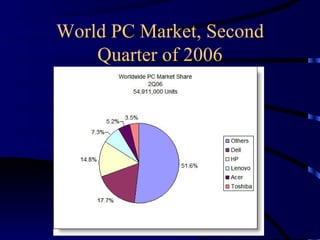
World PC Market, Second Quarter of 2006
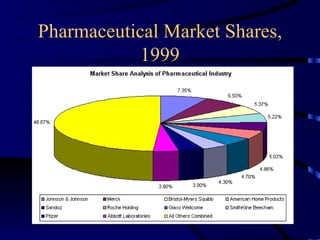
Pharmaceutical Market Shares, 1999
What Public Policies Can Reduce the Ill Effects of Monopoly/Oligopoly Competition? Antitrust and competition policies Fair trade laws Deregulation (where barriers to entry are created by regulation) Encouraging the establishment of competition through the introduction of new technologies (cell phones vs. wire-line phones)
How to do this internationally? Modify existing regimes to incorporate competition and anti-trust concerns Create a separate regime regarding competition/deregulation Use national/regional measures with regard to operations of firms within a particular territory

Ipe08

  • 1.
    Y376 International PoliticalEconomy February 3, 2011
  • 2.
    Positive Contributions ofMNCs to Host Countries Capital Technology Marketing Expertise Management Expertise Enhancing Domestic Competition Higher Pay for Skilled Workers
  • 3.
    Example: Corning Glassin Korea 1972 opening of liaison office in Seoul 1987 opening of branch office Glass production jointly with Samsung in 1995 1996 foundation of wholly owned subsidiary: Corning Korea Samsung-Corning Precision Glass
  • 4.
    Criticisms of MNCSMNC industries are oligopolistic MNCS engage in anticompetitive behaviors FDI displaces domestic investment (instead of adding to it) FDI undermines domestic/local cultures MNCs exploit local workers FDI leads to technological dependence
  • 5.
    What is anOligopoly? A monopoly is when only one company exerts control over most of a market. An oligopoly is similar except that there are at least two firms. Source: Investopedia.com Few multinationals aspire to be monopolies. Monopolies attract government regulation and consumer anger (just ask Microsoft). Small oligopolies (such as Coke, Pepsi, and Cadbury-Schweppes) make plenty of money and avoid the constant attention of the regulators.  Source: Oligopolywatch.com
  • 6.
    Why are Monopoliesand Oligopolies Bad? Potential for monopoly pricing When unregulated monopoly exists When oligopolistic firms collude on prices Unfair tendency of monopolies and oligopolies to defend their privileges against challengers by engaging in predatory pricing .
  • 7.
  • 8.
    Examples of OligopoliesMotor vehicles (automobiles) Soft drinks Movie studios Music industry Pharmaceuticals Fast food industry Personal computers
  • 9.
  • 10.
    US Soft DrinkMarket Shares, 2000 Company Percentage Brands Coca Cola 44.1% Coke, Sprite, Barq, Fanta, Mello Yello, etc. Pepsico 31.4% Pepsi, Mountain Dew, Mug, Slice, etc. Cadbury/Schweppes 14.7% Seven-Up, Dr. Pepper, Schweppes, A & W, Canada Dry, Sunkist, Squirt, etc.
  • 11.
    Market Shares ofFilm Studios in 2004 Source: Boxofficemojo.com
  • 12.
  • 13.
  • 14.
    World PC Market,Second Quarter of 2006
  • 15.
  • 16.
    What Public PoliciesCan Reduce the Ill Effects of Monopoly/Oligopoly Competition? Antitrust and competition policies Fair trade laws Deregulation (where barriers to entry are created by regulation) Encouraging the establishment of competition through the introduction of new technologies (cell phones vs. wire-line phones)
  • 17.
    How to dothis internationally? Modify existing regimes to incorporate competition and anti-trust concerns Create a separate regime regarding competition/deregulation Use national/regional measures with regard to operations of firms within a particular territory