Introduction to Apache Flink
A native Streaming Data Flow Engine
Stefan Papp
21.10.2015 – The day of Marty McFlys Arrival
2 #Streaming
Streaming is the biggest thing since Hadoop
3
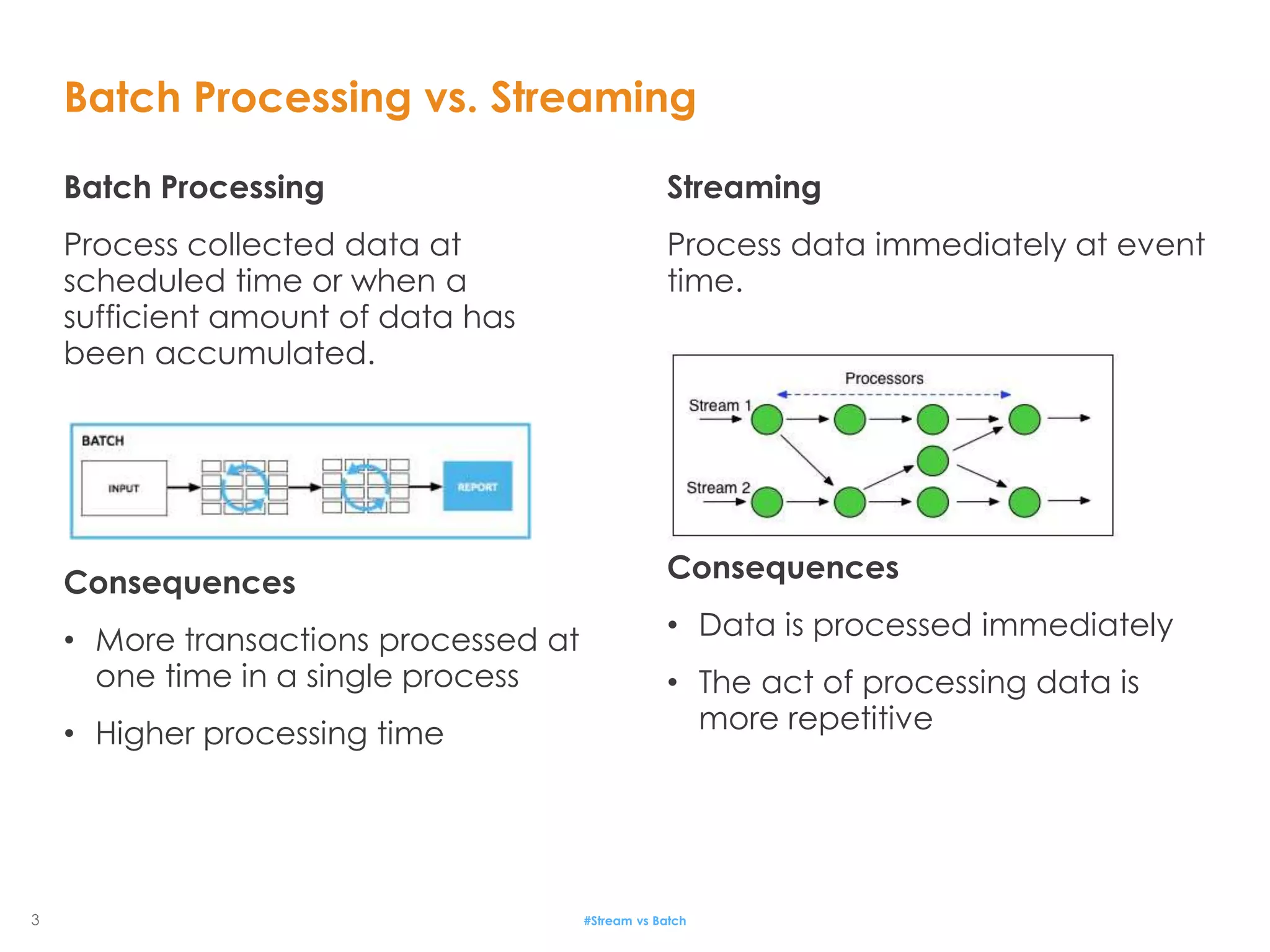
Streaming
Process data immediately at event
time.
Consequences
• Data is processed immediately
• The act of processing data is
more repetitive
Batch Processing
Process collected data at
scheduled time or when a
sufficient amount of data has
been accumulated.
Consequences
• More transactions processed at
one time in a single process
• Higher processing time
#Stream vs Batch
Batch Processing vs. Streaming
4
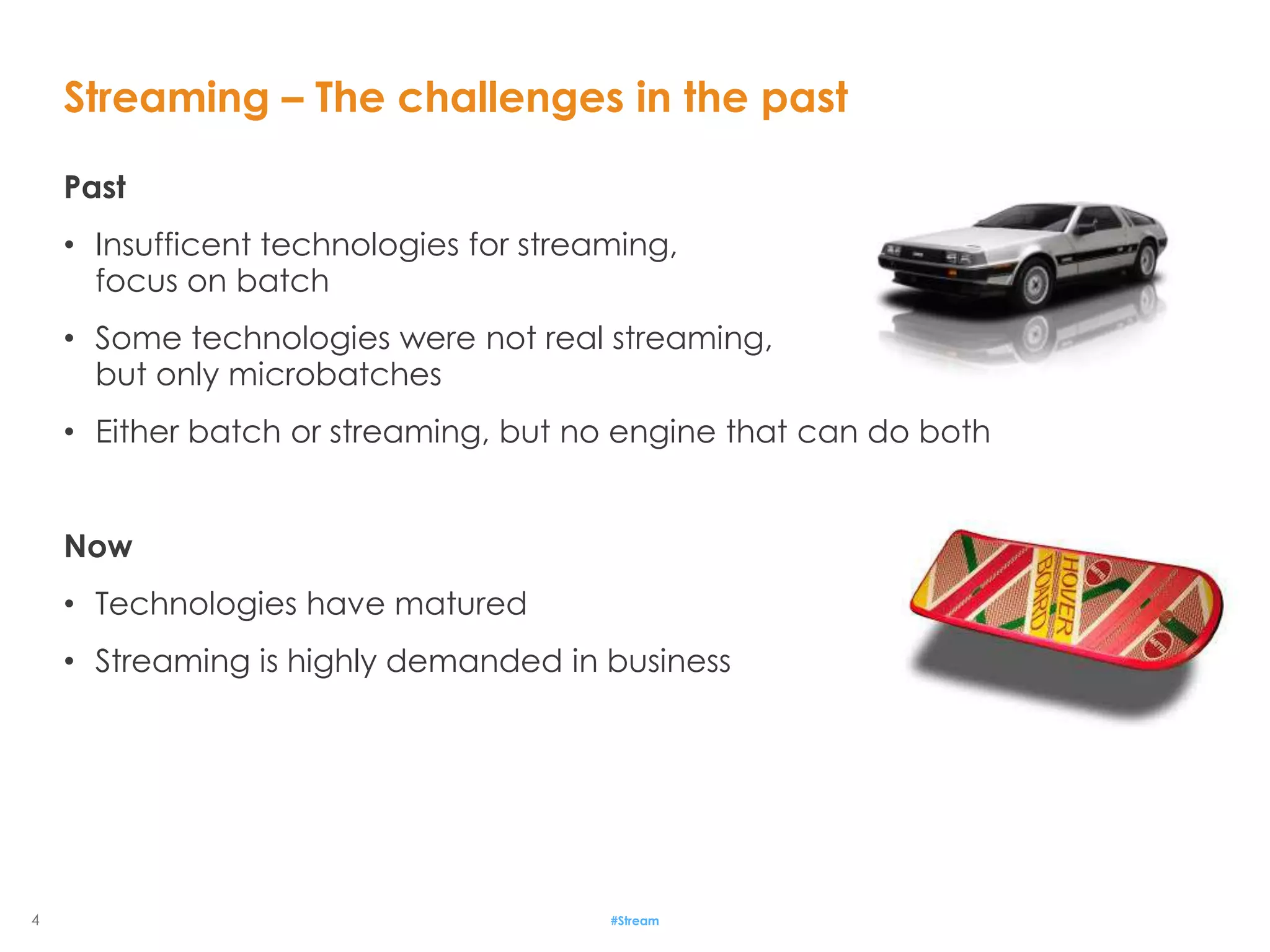
Past
• Insufficent technologies for streaming,
focus on batch
• Some technologies were not real streaming,
but only microbatches
• Either batch or streaming, but no engine that can do both
Now
• Technologies have matured
• Streaming is highly demanded in business
Streaming – The challenges in the past
#Stream
5
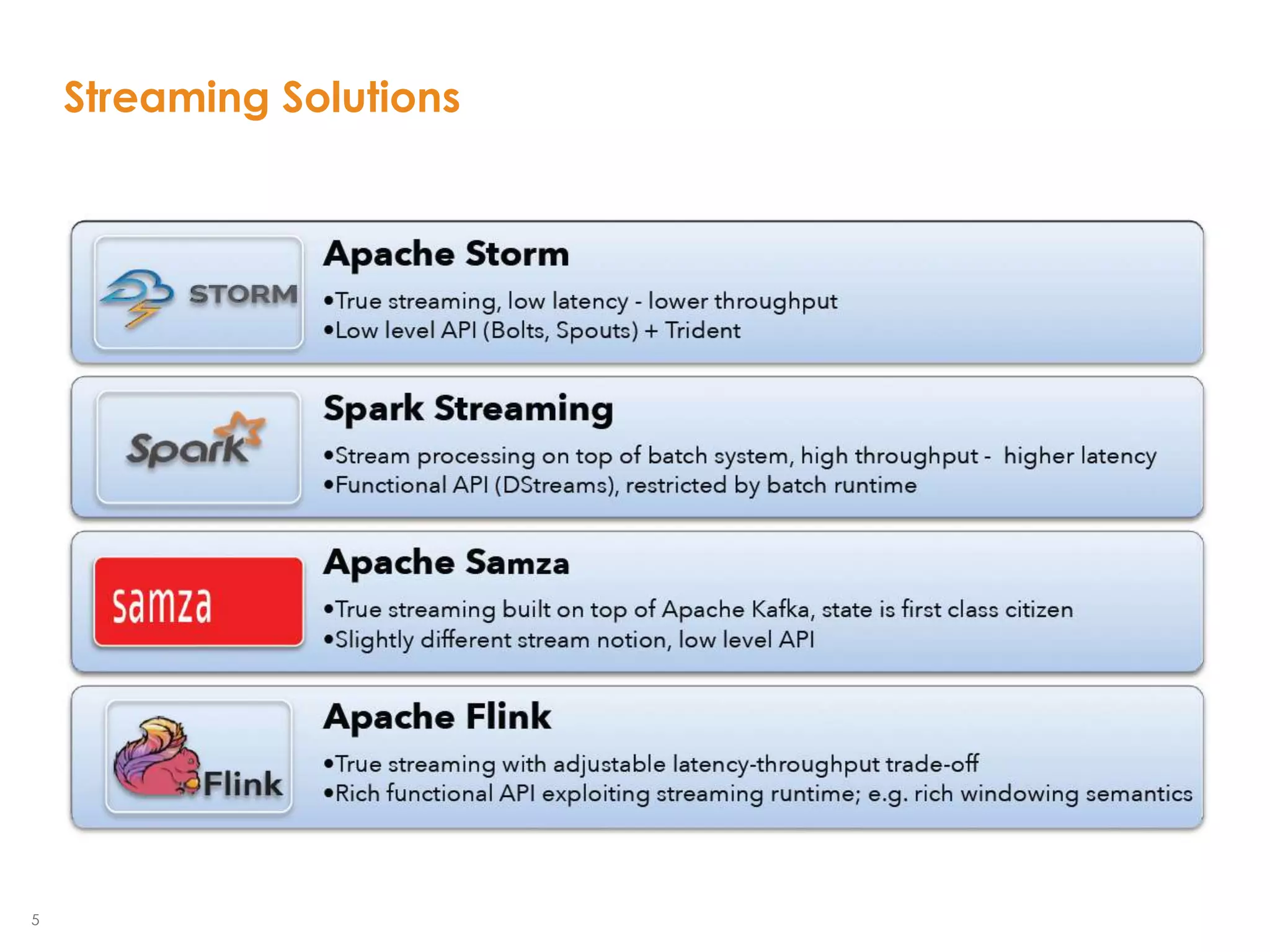
Streaming Solutions
6 #Streaming
The Focus moves from Storage to Processing
7
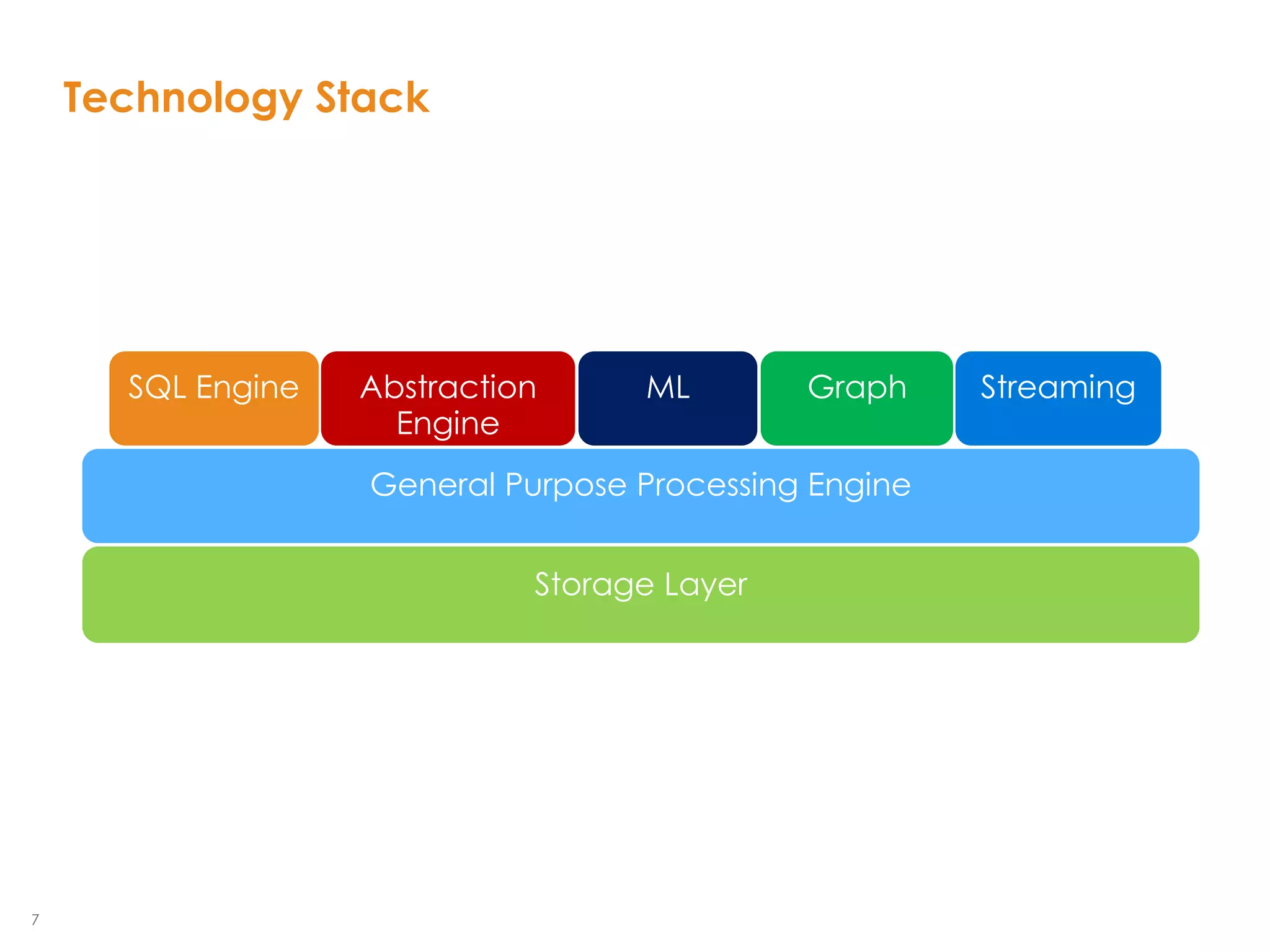
Technology Stack
Storage Layer
General Purpose Processing Engine
SQL Engine Abstraction
Engine
ML Graph Streaming
8
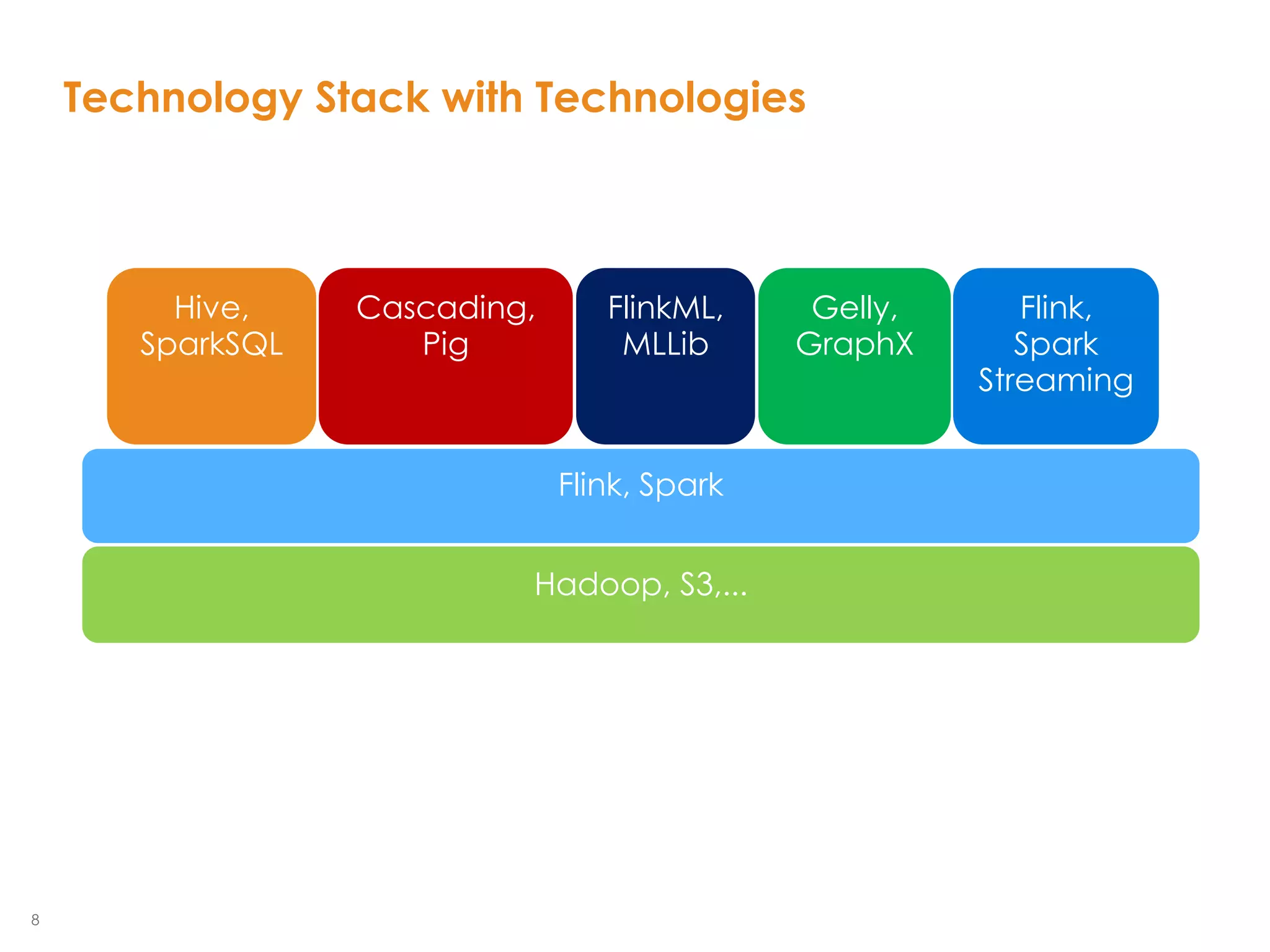
Technology Stack with Technologies
Hadoop, S3,...
Flink, Spark
Hive,
SparkSQL
Cascading,
Pig
FlinkML,
MLLib
Gelly,
GraphX
Flink,
Spark
Streaming
9
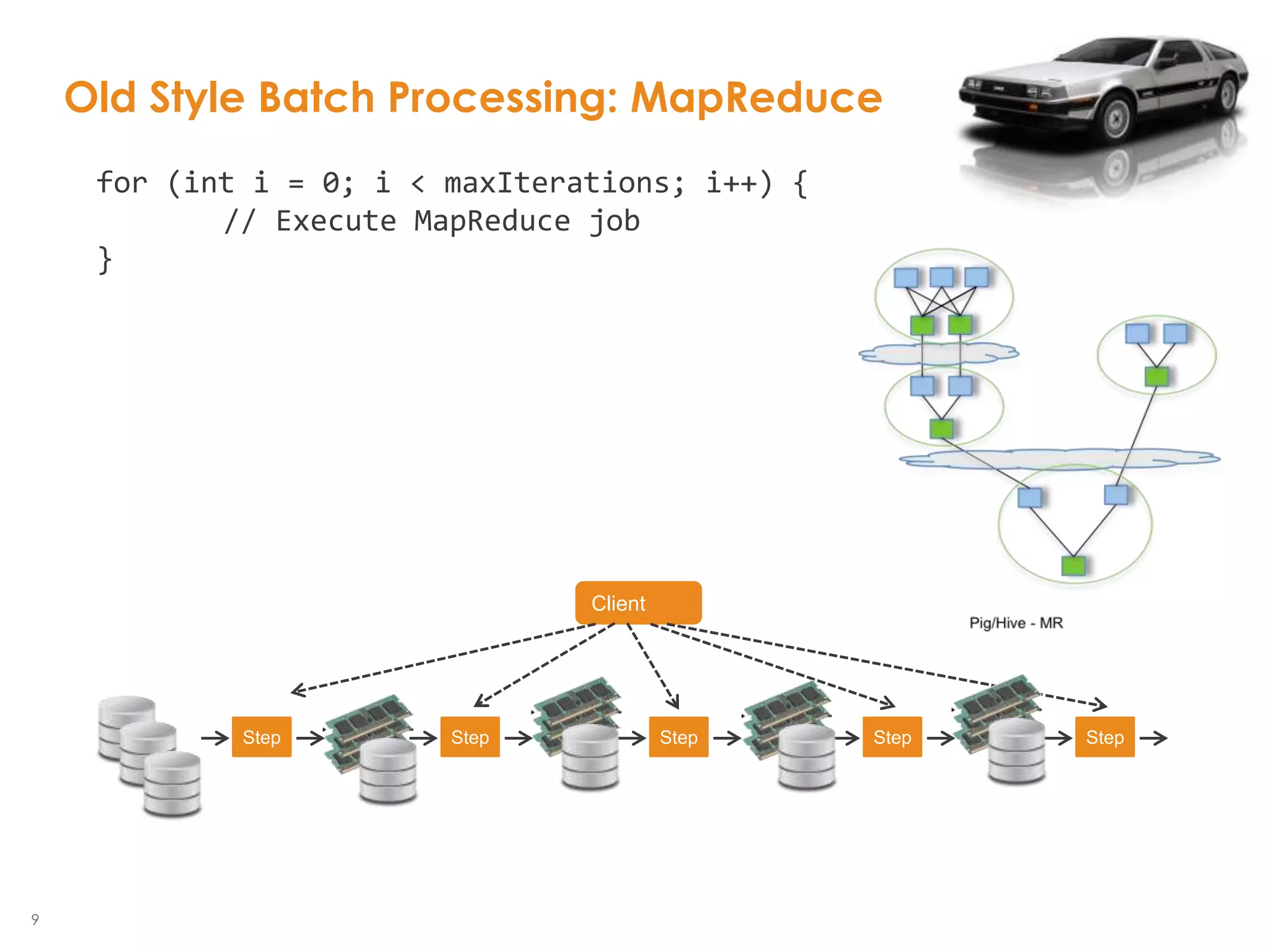
Old Style Batch Processing: MapReduce
Step Step Step Step Step
Client
for (int i = 0; i < maxIterations; i++) {
// Execute MapReduce job
}
10
Optimized Execution
case class Path (from: Long, to:
Long)
val tc = edges.iterate(10) {
paths: DataSet[Path] =>
val next = paths
.join(edges)
.where("to")
.equalTo("from") {
(path, edge) =>
Path(path.from, edge.to)
}
.union(paths)
.distinct()
next
}
Optimizer
Type extraction
stack
Task
scheduling
Dataflow
metadata
Pre-flight (Client)
Master
Worker
Data Source
orders.tbl
Filter
Map DataSource
lineitem.tbl
Join
Hybrid Hash
buildHT probe
hash-part [0] hash-part [0]
GroupRed
sort
forward
Program
Dataflow Graph
Independent of
batch or
streaming job
deploy
operators
track
intermediate
results
11
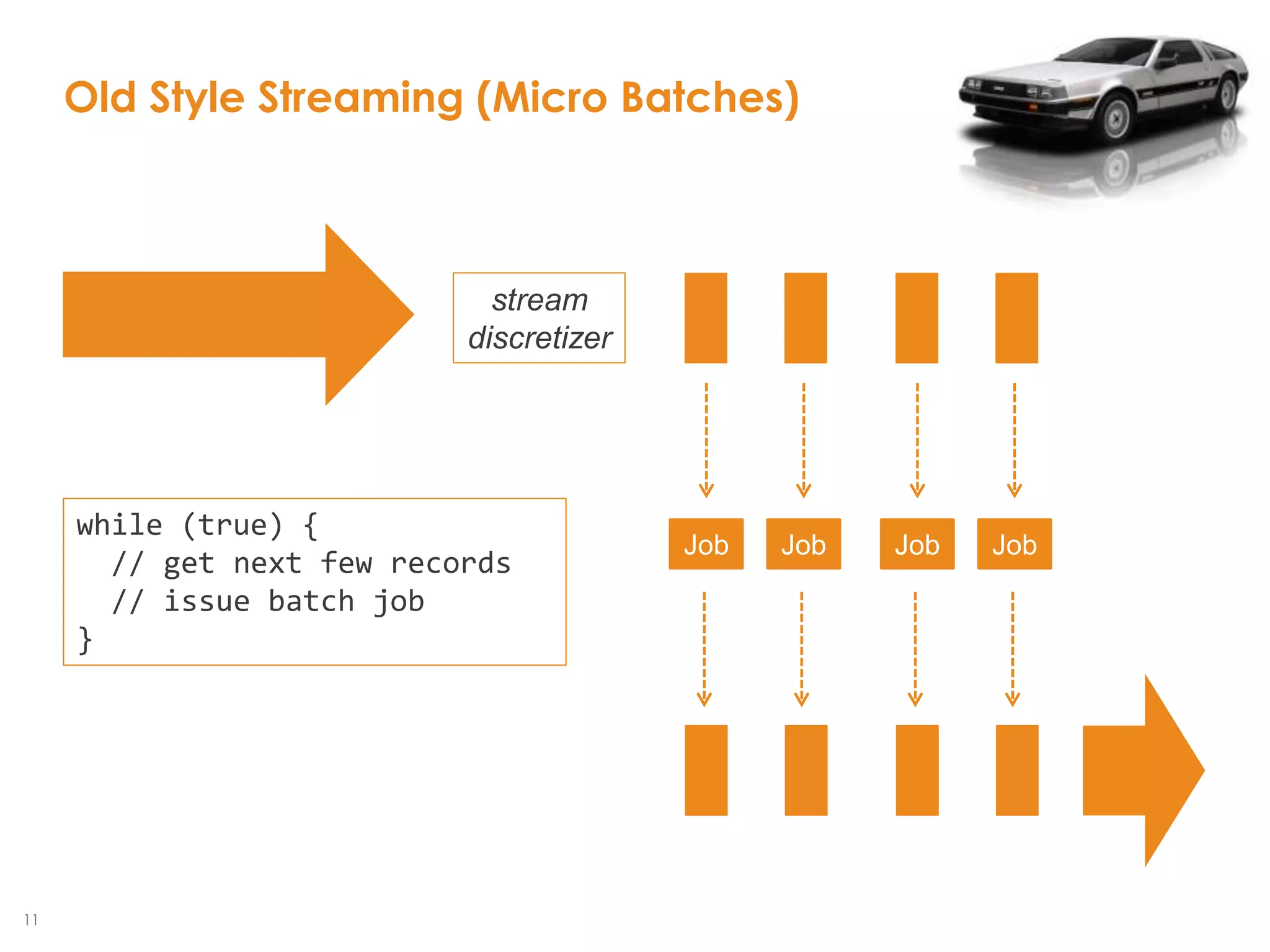
Old Style Streaming (Micro Batches)
stream
discretizer
Job Job Job Job
while (true) {
// get next few records
// issue batch job
}
12
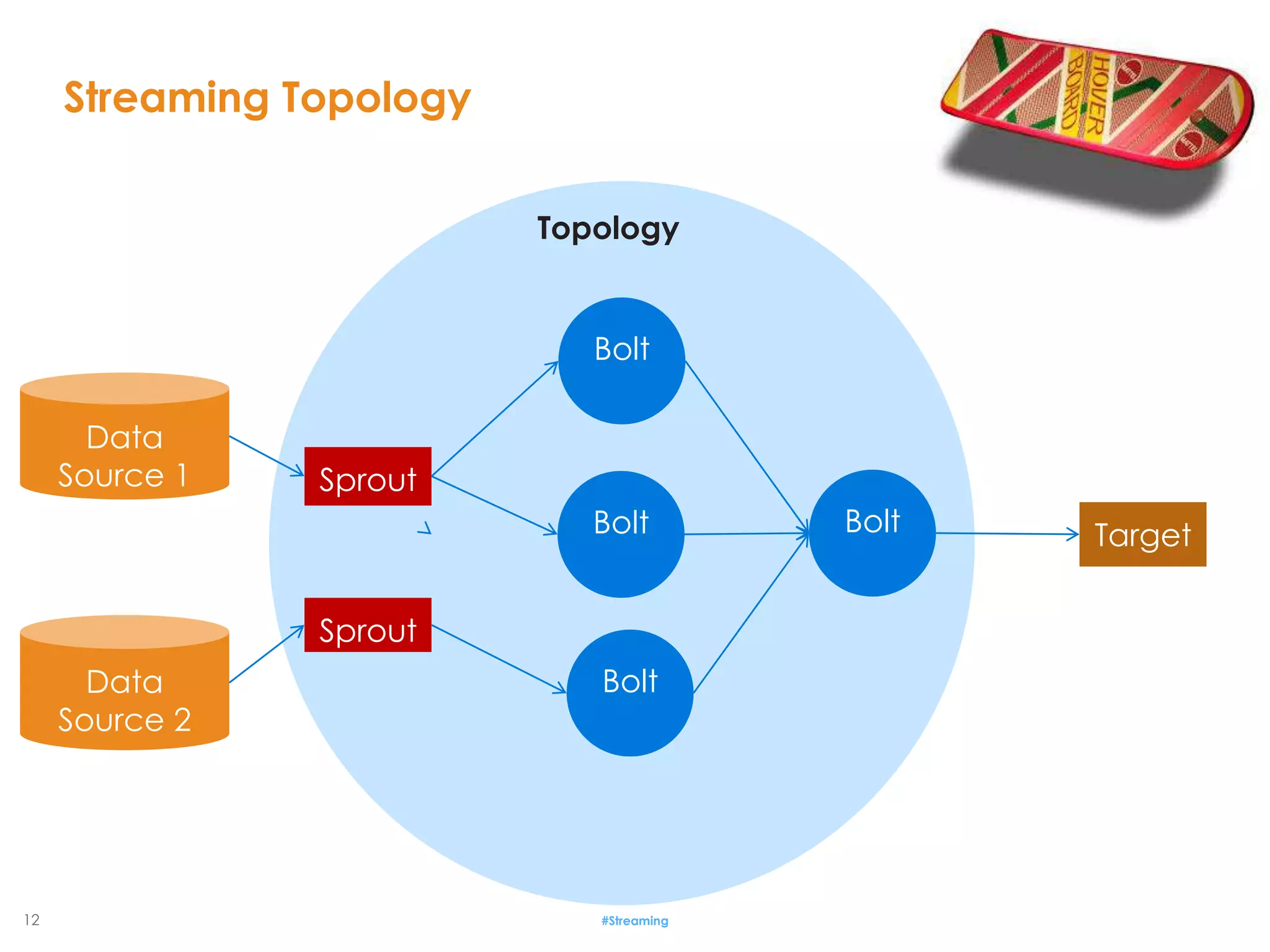
Streaming Topology
#Streaming
Data
Source 1
Data
Source 2
Sprout
Sprout
Bolt
BoltBolt
Bolt
Target
Topology
13 #Streaming
Apache Flink is a Native Streaming GPPE
14
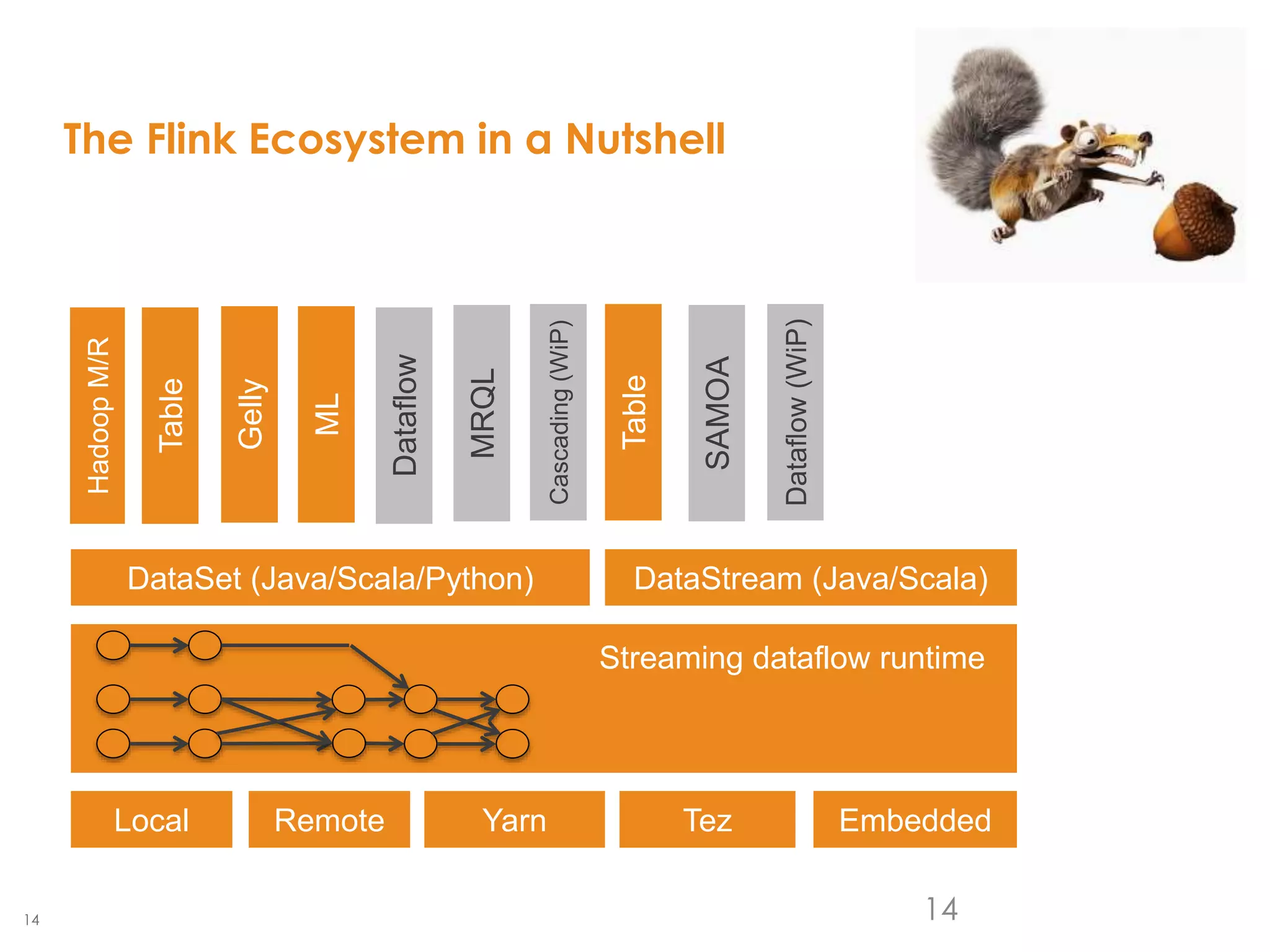
The Flink Ecosystem in a Nutshell
14
Gelly
Table
ML
SAMOA
DataSet (Java/Scala/Python) DataStream (Java/Scala)
HadoopM/R
Local Remote Yarn Tez Embedded
Dataflow
Dataflow(WiP)
MRQL
Table
Cascading(WiP)
Streaming dataflow runtime
15
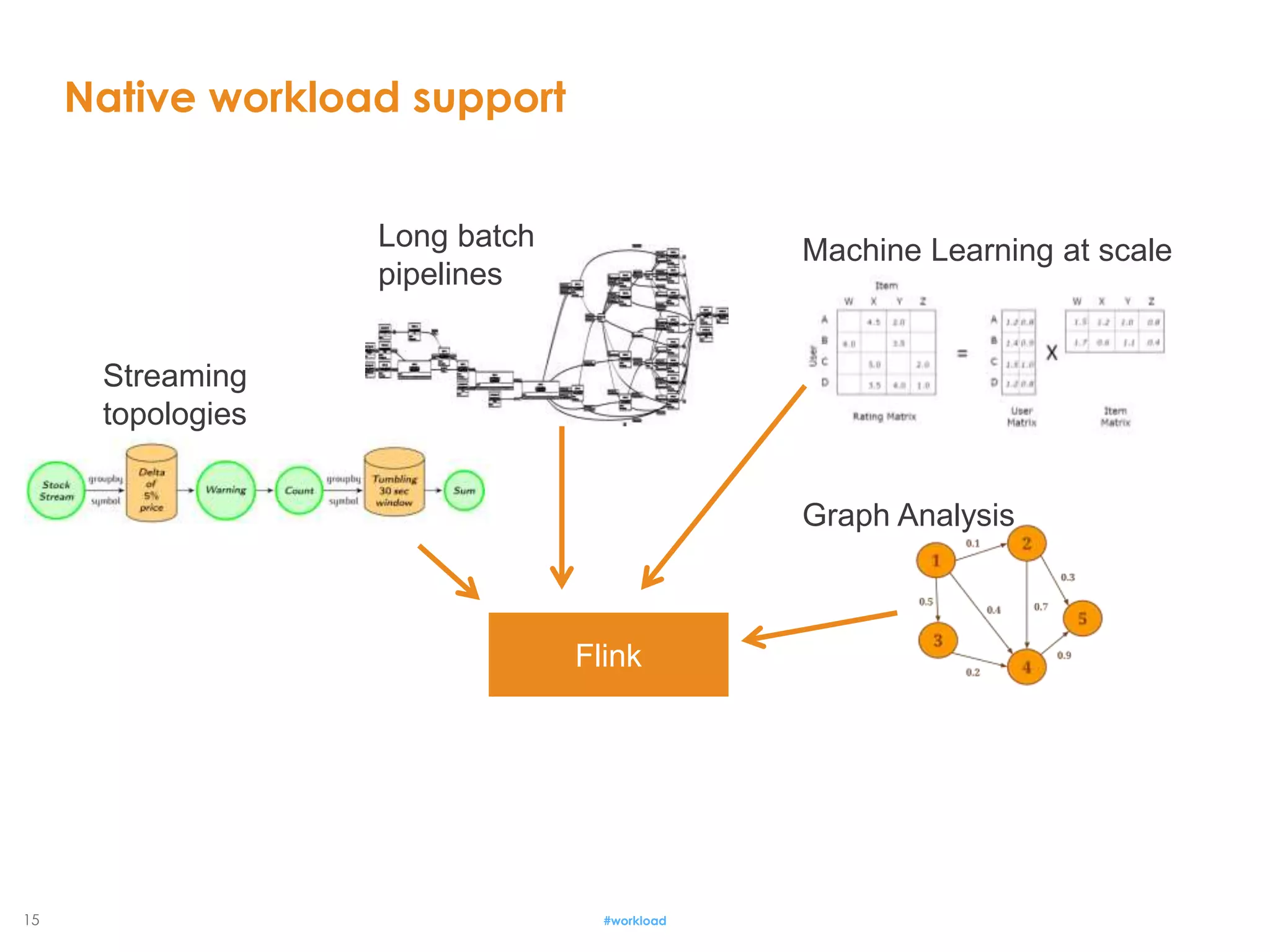
Native workload support
#workload
Flink
Streaming
topologies
Long batch
pipelines
Machine Learning at scale
Graph Analysis
16
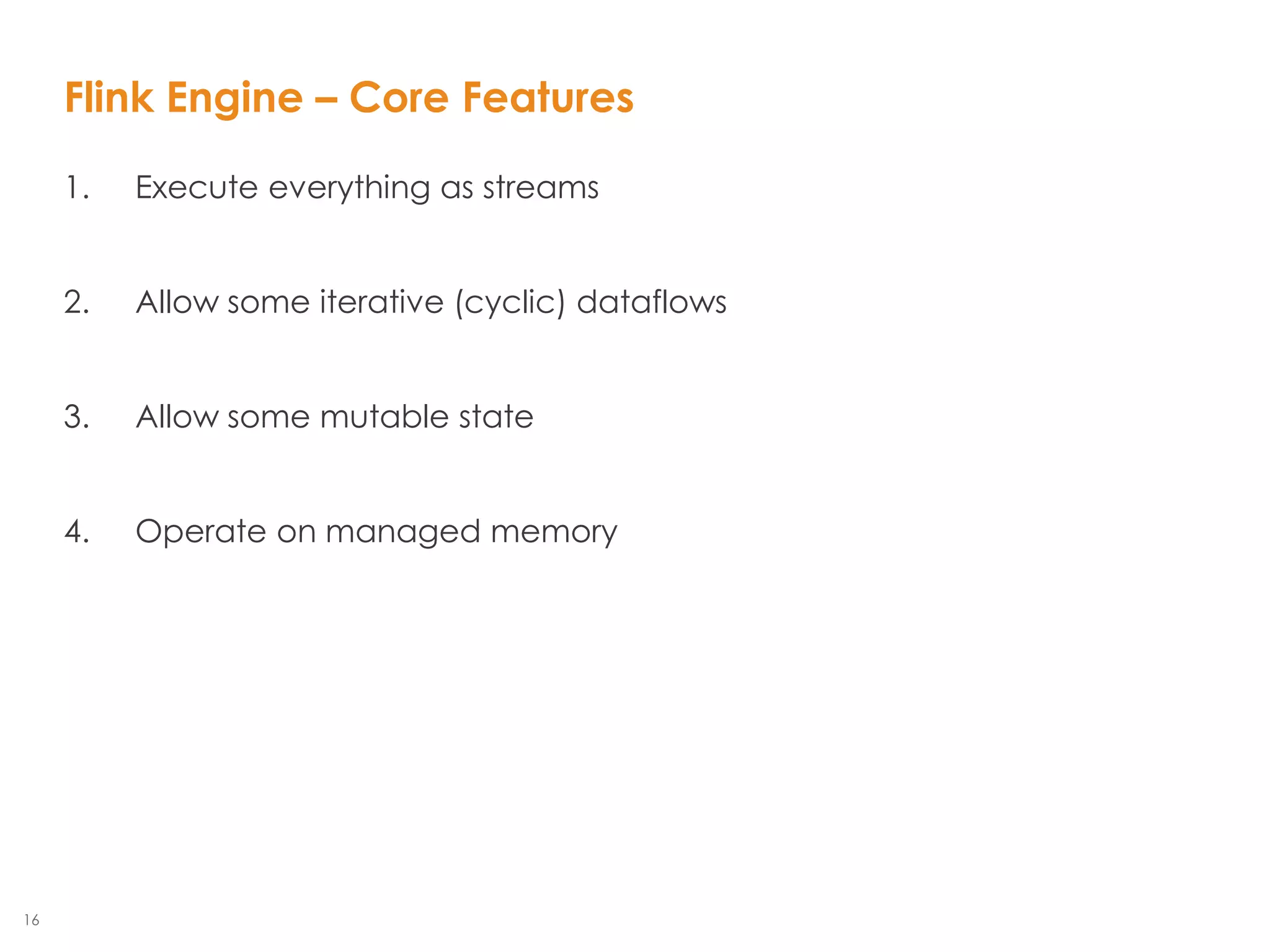
1. Execute everything as streams
2. Allow some iterative (cyclic) dataflows
3. Allow some mutable state
4. Operate on managed memory
Flink Engine – Core Features
17
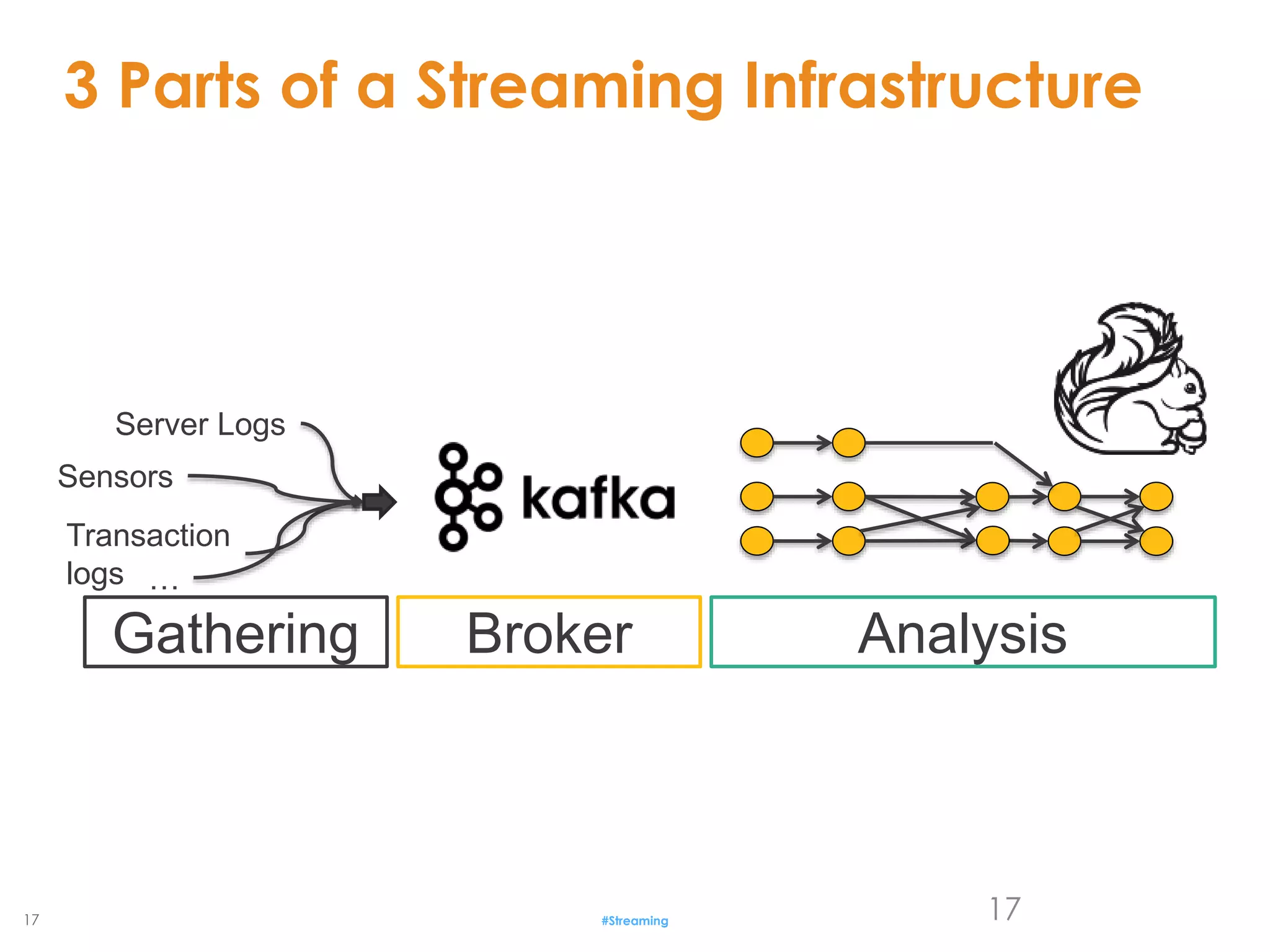
3 Parts of a Streaming Infrastructure
#Streaming 17
Gathering Broker Analysis
Sensors
Transaction
logs …
Server Logs
18
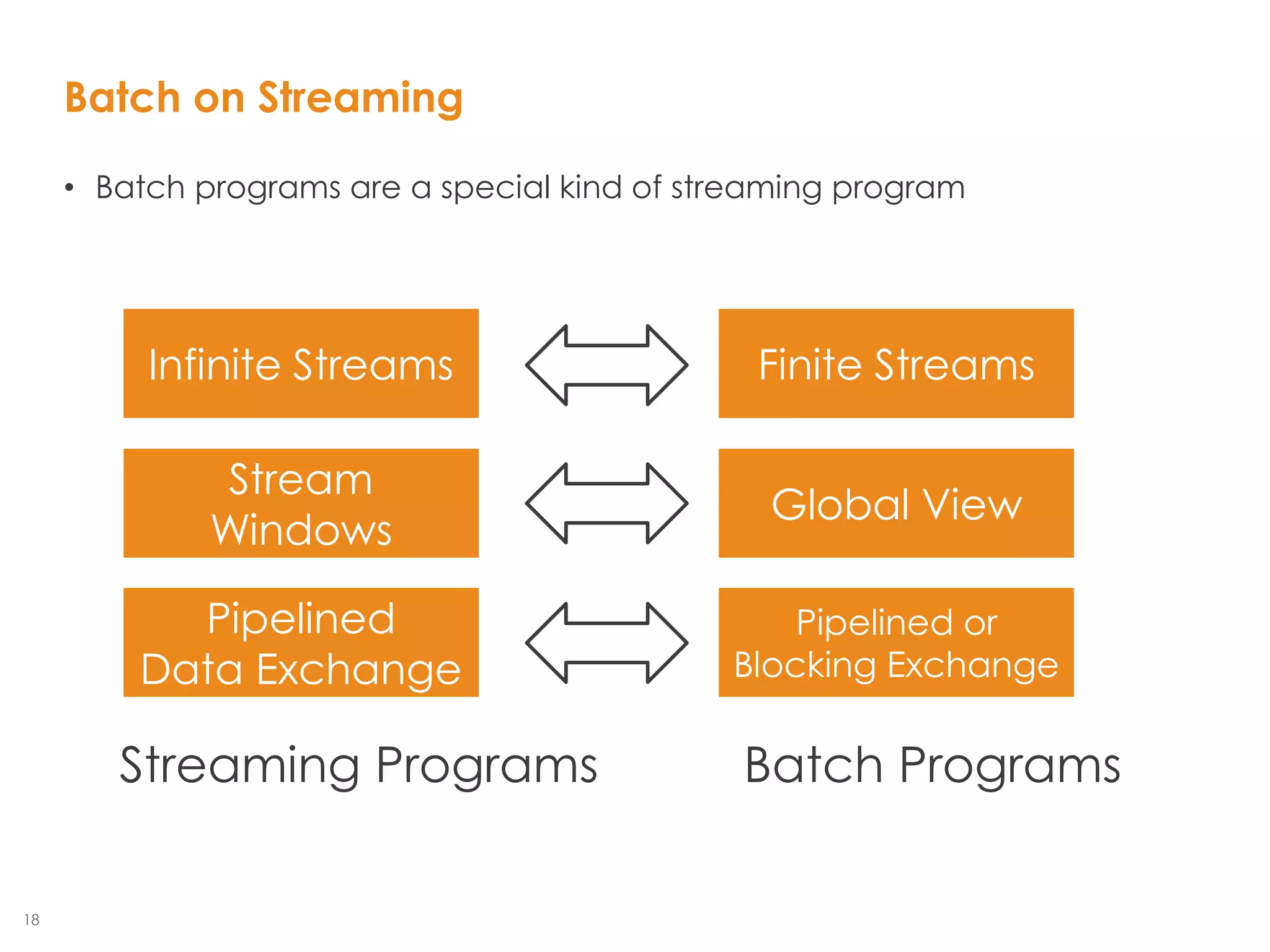
• Batch programs are a special kind of streaming program
Batch on Streaming
Infinite Streams Finite Streams
Stream
Windows
Global View
Pipelined
Data Exchange
Pipelined or
Blocking Exchange
Streaming Programs Batch Programs
19
Expressive APIs
19
case class Word (word: String, frequency: Int)
val lines: DataStream[String] = env.fromSocketStream(...)
lines.flatMap {line => line.split(" ")
.map(word => Word(word,1))}
.window(Time.of(5,SECONDS)).every(Time.of(1,SECONDS))
.groupBy("word").sum("frequency")
.print()
val lines: DataSet[String] = env.readTextFile(...)
lines.flatMap {line => line.split(" ")
.map(word => Word(word,1))}
.groupBy("word").sum("frequency")
.print()
DataSet API (batch):
DataStream API (streaming):
20
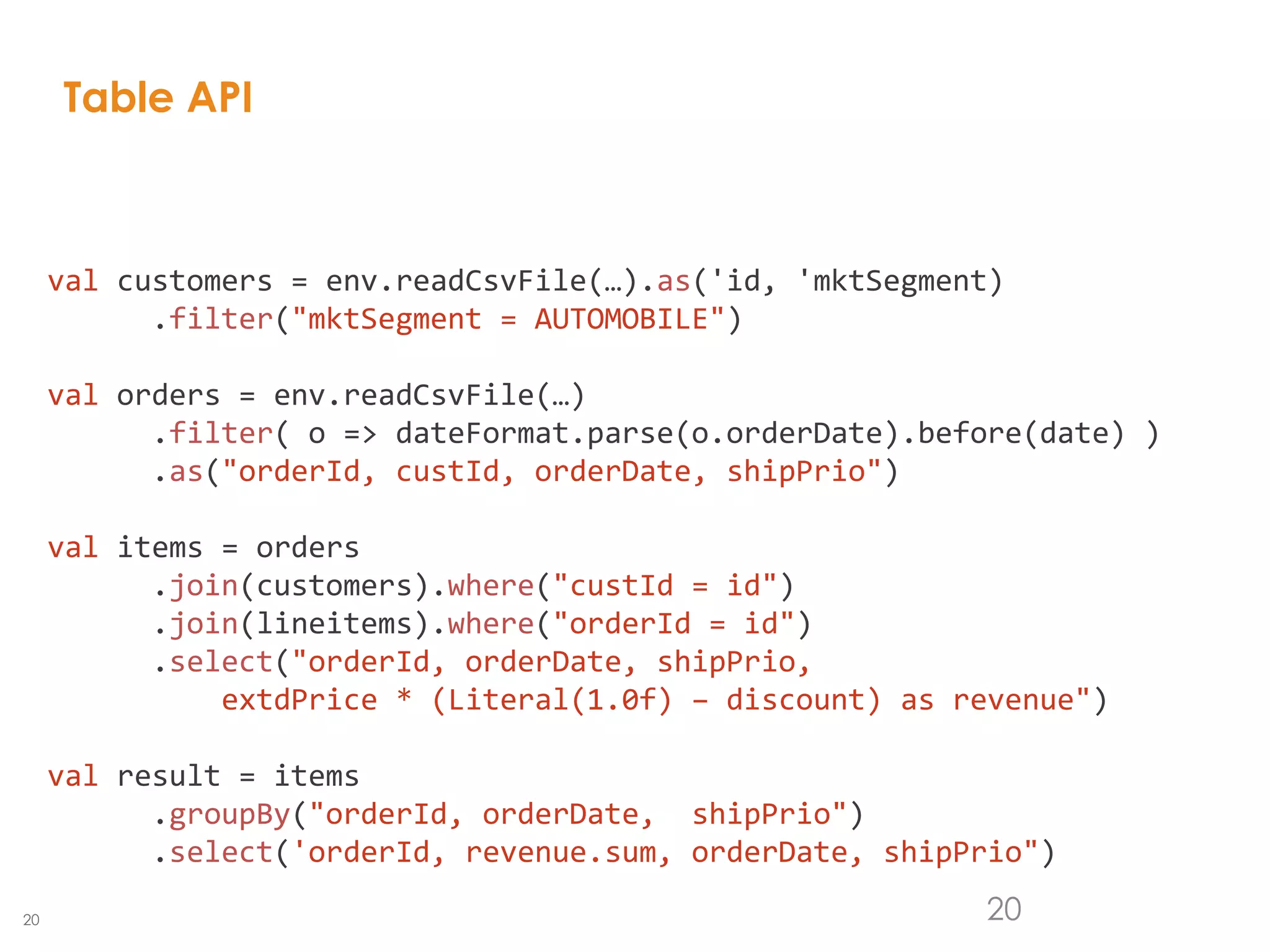
Table API
20
val customers = env.readCsvFile(…).as('id, 'mktSegment)
.filter("mktSegment = AUTOMOBILE")
val orders = env.readCsvFile(…)
.filter( o => dateFormat.parse(o.orderDate).before(date) )
.as("orderId, custId, orderDate, shipPrio")
val items = orders
.join(customers).where("custId = id")
.join(lineitems).where("orderId = id")
.select("orderId, orderDate, shipPrio,
extdPrice * (Literal(1.0f) – discount) as revenue")
val result = items
.groupBy("orderId, orderDate, shipPrio")
.select('orderId, revenue.sum, orderDate, shipPrio")
21
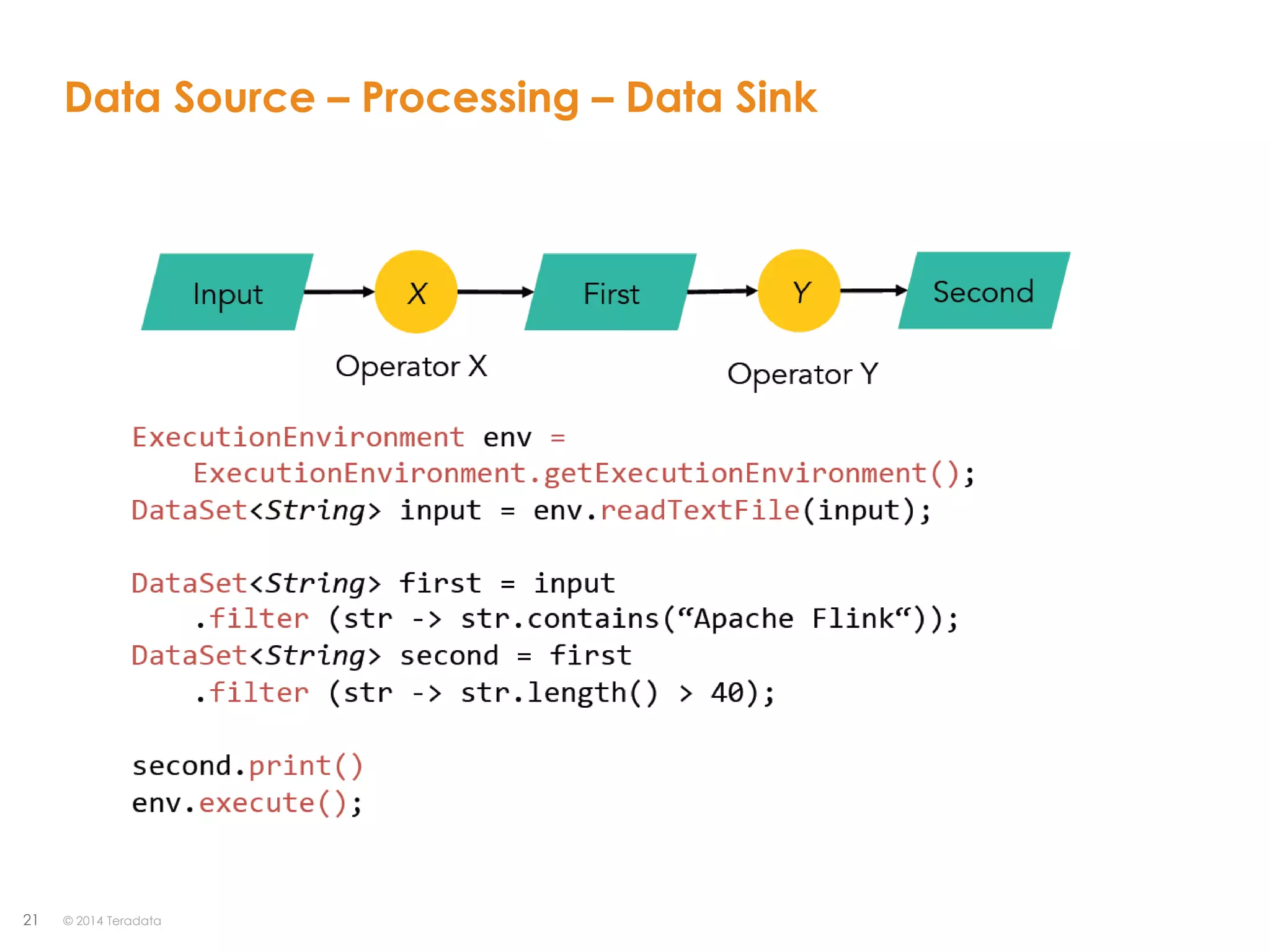
Data Source – Processing – Data Sink
© 2014 Teradata

Introduction to Apache Flink at Vienna Meet Up

  • 1.
    Introduction to ApacheFlink A native Streaming Data Flow Engine Stefan Papp 21.10.2015 – The day of Marty McFlys Arrival
  • 2.
    2 #Streaming Streaming isthe biggest thing since Hadoop
  • 3.
    3 Streaming Process data immediatelyat event time. Consequences • Data is processed immediately • The act of processing data is more repetitive Batch Processing Process collected data at scheduled time or when a sufficient amount of data has been accumulated. Consequences • More transactions processed at one time in a single process • Higher processing time #Stream vs Batch Batch Processing vs. Streaming
  • 4.
    4 Past • Insufficent technologiesfor streaming, focus on batch • Some technologies were not real streaming, but only microbatches • Either batch or streaming, but no engine that can do both Now • Technologies have matured • Streaming is highly demanded in business Streaming – The challenges in the past #Stream
  • 5.
  • 6.
    6 #Streaming The Focusmoves from Storage to Processing
  • 7.
    7 Technology Stack Storage Layer GeneralPurpose Processing Engine SQL Engine Abstraction Engine ML Graph Streaming
  • 8.
    8 Technology Stack withTechnologies Hadoop, S3,... Flink, Spark Hive, SparkSQL Cascading, Pig FlinkML, MLLib Gelly, GraphX Flink, Spark Streaming
  • 9.
    9 Old Style BatchProcessing: MapReduce Step Step Step Step Step Client for (int i = 0; i < maxIterations; i++) { // Execute MapReduce job }
  • 10.
    10 Optimized Execution case classPath (from: Long, to: Long) val tc = edges.iterate(10) { paths: DataSet[Path] => val next = paths .join(edges) .where("to") .equalTo("from") { (path, edge) => Path(path.from, edge.to) } .union(paths) .distinct() next } Optimizer Type extraction stack Task scheduling Dataflow metadata Pre-flight (Client) Master Worker Data Source orders.tbl Filter Map DataSource lineitem.tbl Join Hybrid Hash buildHT probe hash-part [0] hash-part [0] GroupRed sort forward Program Dataflow Graph Independent of batch or streaming job deploy operators track intermediate results
  • 11.
    11 Old Style Streaming(Micro Batches) stream discretizer Job Job Job Job while (true) { // get next few records // issue batch job }
  • 12.
    12 Streaming Topology #Streaming Data Source 1 Data Source2 Sprout Sprout Bolt BoltBolt Bolt Target Topology
  • 13.
    13 #Streaming Apache Flinkis a Native Streaming GPPE
  • 14.
    14 The Flink Ecosystemin a Nutshell 14 Gelly Table ML SAMOA DataSet (Java/Scala/Python) DataStream (Java/Scala) HadoopM/R Local Remote Yarn Tez Embedded Dataflow Dataflow(WiP) MRQL Table Cascading(WiP) Streaming dataflow runtime
  • 15.
    15 Native workload support #workload Flink Streaming topologies Longbatch pipelines Machine Learning at scale Graph Analysis
  • 16.
    16 1. Execute everythingas streams 2. Allow some iterative (cyclic) dataflows 3. Allow some mutable state 4. Operate on managed memory Flink Engine – Core Features
  • 17.
    17 3 Parts ofa Streaming Infrastructure #Streaming 17 Gathering Broker Analysis Sensors Transaction logs … Server Logs
  • 18.
    18 • Batch programsare a special kind of streaming program Batch on Streaming Infinite Streams Finite Streams Stream Windows Global View Pipelined Data Exchange Pipelined or Blocking Exchange Streaming Programs Batch Programs
  • 19.
    19 Expressive APIs 19 case classWord (word: String, frequency: Int) val lines: DataStream[String] = env.fromSocketStream(...) lines.flatMap {line => line.split(" ") .map(word => Word(word,1))} .window(Time.of(5,SECONDS)).every(Time.of(1,SECONDS)) .groupBy("word").sum("frequency") .print() val lines: DataSet[String] = env.readTextFile(...) lines.flatMap {line => line.split(" ") .map(word => Word(word,1))} .groupBy("word").sum("frequency") .print() DataSet API (batch): DataStream API (streaming):
  • 20.
    20 Table API 20 val customers= env.readCsvFile(…).as('id, 'mktSegment) .filter("mktSegment = AUTOMOBILE") val orders = env.readCsvFile(…) .filter( o => dateFormat.parse(o.orderDate).before(date) ) .as("orderId, custId, orderDate, shipPrio") val items = orders .join(customers).where("custId = id") .join(lineitems).where("orderId = id") .select("orderId, orderDate, shipPrio, extdPrice * (Literal(1.0f) – discount) as revenue") val result = items .groupBy("orderId, orderDate, shipPrio") .select('orderId, revenue.sum, orderDate, shipPrio")
  • 21.
    21 Data Source –Processing – Data Sink © 2014 Teradata

Editor's Notes

  • #11 toy program: native transitive closure type extraction: types that go in and out of each operator