INDUSTRIAL AUTOMATION
Industrial Automation
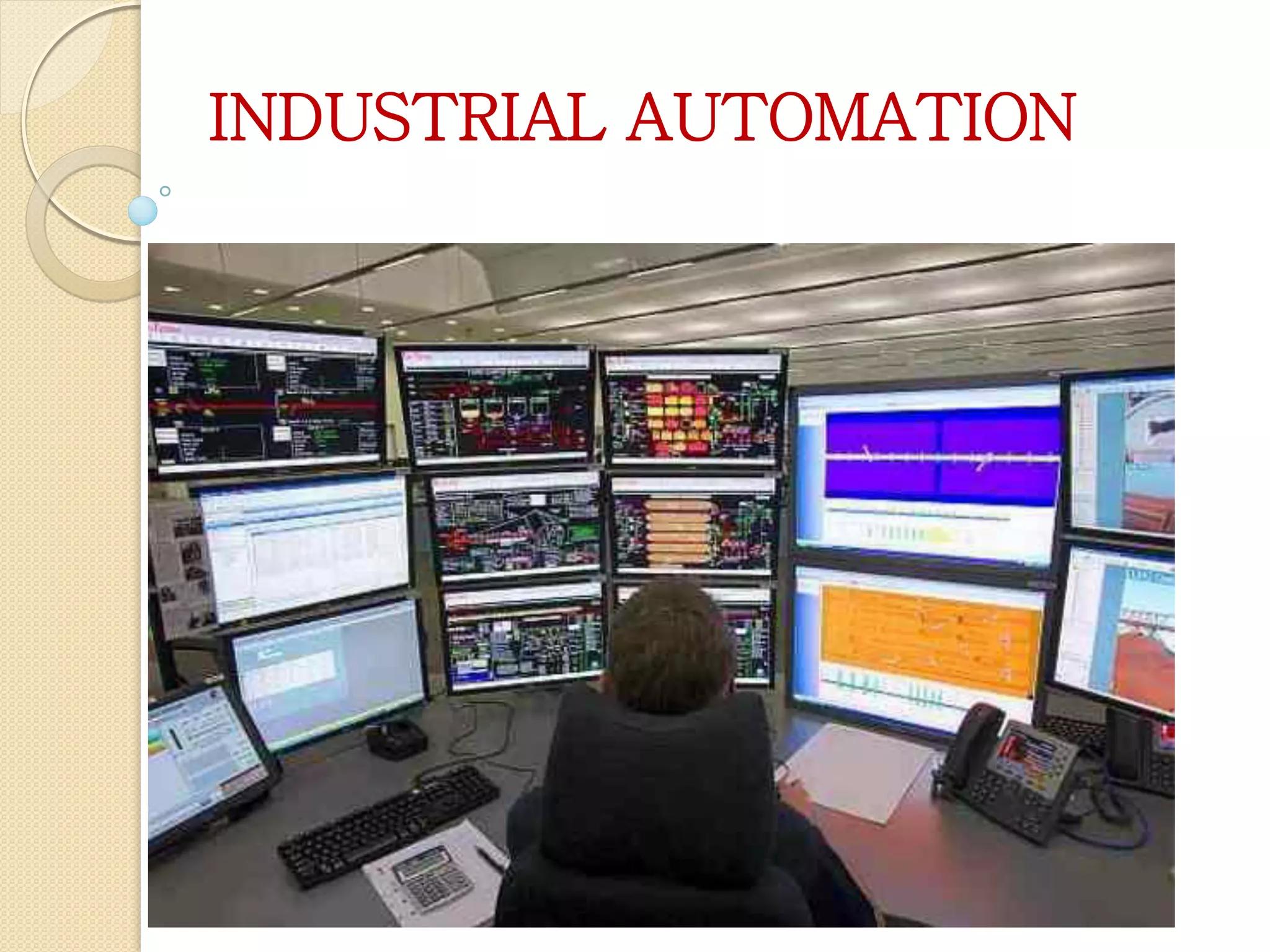
 A process control system is made up of a group
of electronic devices that provide stability,
accuracy and eliminate harmful transition
statuses in production processes.
 As technology quickly progresses, many complex
operational tasks have been solved by connecting
programmable logic controllers and a central
computer.
Industrial automation
 In an automated system, a PLC controller is
usually the central part of a process control
system.With the execution of a program stored
in program memory, PLC continuously monitors
status of the system through signals from input
devices.
 Based on the logic implemented in the program,
PLC determines which actions need to be
executed with output instruments.
History of Industrial automation
 Before the days of the PLC the only way to
control machinery was through the use of relays.
 Relays work by utilizing a coil that, when
energized, creates a magnetic force to effectively
pull a switch to the ON or OFF position.When
the relay is de-energized, the switch releases and
returns the device to its standard ON or OFF
position.
 So, for example, if I wanted to control whether a
motor was ON or OFF, I could attach a relay
between the power source and the motor.
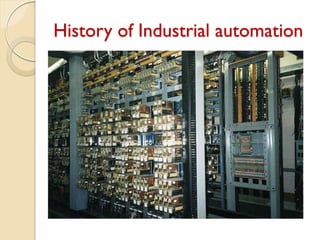
History of Industrial automation
 The relay based control systems, the electrical
enclosures to house the controls would typically be
six feet wide by four feet high, mounted near the
machinery.
 Disadvantages areToo much work required in
connecting wires, Difficulty with changes or
replacements
 Difficulty in finding errors; requiring skillful work
force
 When a problem occurs, holdup time is indefinite,
usually long.
Birth of the PLC Solution
 "General Motors" is among the first who
recognized a need to replace the system's
"wired" control board.
 Increased competition forced automakers to
improve production quality and productivity.
 Fortunately, at that time, the concept of
computer control had started to make its way
into conversations at large corporations such as
GM.According to Dick Morley, the undisputed
father of the PLC,“The programmable controller
was detailed on NewYear's Day, 1968.”
Need of automation in industries
 Effective process control is required to
maintain quality products and safe
operations.
 Faster production and cheaper labor
costs.
 Tasks in hazardous environments, such as
extreme temperatures, or atmospheres
 Repeat processes, easy to print.
 Replaces hard physical or monotonous
work.
Need of automation in industries
 Easily maintained and programmed in line with
the already accepted relay ladder logic way of
doing things.
 Easy exchange of components and expandability.
 The programming look of the PLC required that
it be easily understood and used by maintenance
electricians and plant engineers.
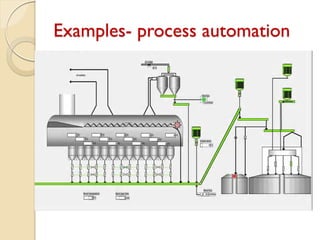
Examples- process automation
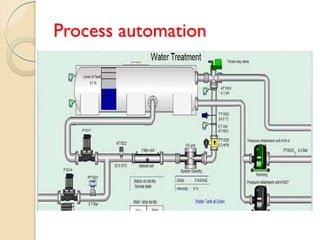
Process automation
Examples public transportation
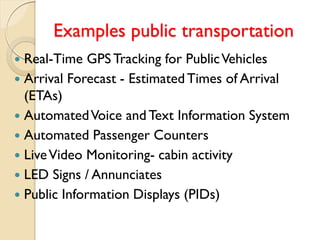
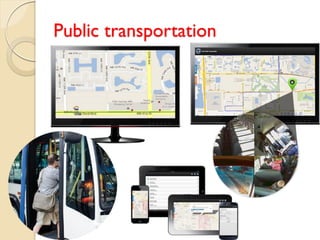
 Real-Time GPS Tracking for PublicVehicles
 Arrival Forecast - EstimatedTimes of Arrival
(ETAs)
 AutomatedVoice and Text Information System
 Automated Passenger Counters
 LiveVideo Monitoring- cabin activity
 LED Signs / Annunciates
 Public Information Displays (PIDs)
Public transportation
Examples- building automation
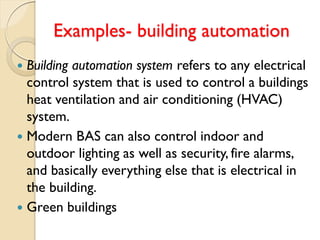
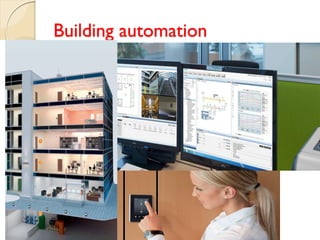
 Building automation system refers to any electrical
control system that is used to control a buildings
heat ventilation and air conditioning (HVAC)
system.
 Modern BAS can also control indoor and
outdoor lighting as well as security, fire alarms,
and basically everything else that is electrical in
the building.
 Green buildings
Building automation

Industrial Automation using PLC- Day 1

  • 1.
  • 2.
    Industrial Automation  Aprocess control system is made up of a group of electronic devices that provide stability, accuracy and eliminate harmful transition statuses in production processes.  As technology quickly progresses, many complex operational tasks have been solved by connecting programmable logic controllers and a central computer.
  • 3.
    Industrial automation  Inan automated system, a PLC controller is usually the central part of a process control system.With the execution of a program stored in program memory, PLC continuously monitors status of the system through signals from input devices.  Based on the logic implemented in the program, PLC determines which actions need to be executed with output instruments.
  • 4.
    History of Industrialautomation  Before the days of the PLC the only way to control machinery was through the use of relays.  Relays work by utilizing a coil that, when energized, creates a magnetic force to effectively pull a switch to the ON or OFF position.When the relay is de-energized, the switch releases and returns the device to its standard ON or OFF position.  So, for example, if I wanted to control whether a motor was ON or OFF, I could attach a relay between the power source and the motor.
  • 5.
  • 6.
    History of Industrialautomation  The relay based control systems, the electrical enclosures to house the controls would typically be six feet wide by four feet high, mounted near the machinery.  Disadvantages areToo much work required in connecting wires, Difficulty with changes or replacements  Difficulty in finding errors; requiring skillful work force  When a problem occurs, holdup time is indefinite, usually long.
  • 7.
    Birth of thePLC Solution  "General Motors" is among the first who recognized a need to replace the system's "wired" control board.  Increased competition forced automakers to improve production quality and productivity.  Fortunately, at that time, the concept of computer control had started to make its way into conversations at large corporations such as GM.According to Dick Morley, the undisputed father of the PLC,“The programmable controller was detailed on NewYear's Day, 1968.”
  • 8.
    Need of automationin industries  Effective process control is required to maintain quality products and safe operations.  Faster production and cheaper labor costs.  Tasks in hazardous environments, such as extreme temperatures, or atmospheres  Repeat processes, easy to print.  Replaces hard physical or monotonous work.
  • 9.
    Need of automationin industries  Easily maintained and programmed in line with the already accepted relay ladder logic way of doing things.  Easy exchange of components and expandability.  The programming look of the PLC required that it be easily understood and used by maintenance electricians and plant engineers.
  • 10.
  • 11.
  • 12.
    Examples public transportation Real-Time GPS Tracking for PublicVehicles  Arrival Forecast - EstimatedTimes of Arrival (ETAs)  AutomatedVoice and Text Information System  Automated Passenger Counters  LiveVideo Monitoring- cabin activity  LED Signs / Annunciates  Public Information Displays (PIDs)
  • 13.
  • 14.
    Examples- building automation Building automation system refers to any electrical control system that is used to control a buildings heat ventilation and air conditioning (HVAC) system.  Modern BAS can also control indoor and outdoor lighting as well as security, fire alarms, and basically everything else that is electrical in the building.  Green buildings
  • 15.