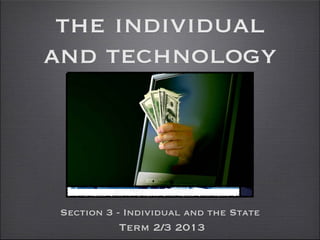
the individual
and technology
Section 3 - Individual and the State
Term 2/3 2013
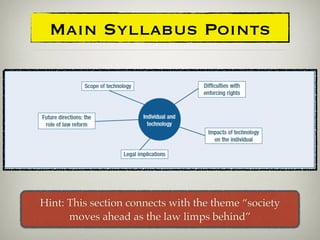
Main Syllabus Points
Hint: This section connects with the theme “society
moves ahead as the law limps behind”
impacts of technology on the
individual
• Technology is often at the cutting edge of
development which often comes first before
decisions are made on making law.
• The main force changing law is the creation of the
internet – Over 1.5billion users in the world.
• Increase use of technology will raise privacy
issues e.g Google Earth Streetview
• Use of CCTV may act as a deterrent for crime
but may impede on individual privacy rights
Technology and Privacy
Click Here
• Cyberspace is a global
interconnection of millions
of computers over the
internet.
• No government or court
can claim cyberspace as its
exclusive jurisdiction
(power)
‘cyberspace’
coined by
William
Gibson
Jurisdiction of
cyberspace
Positives Negatives
Borderless system allowing
freedom of association
Increased Fraudulent/Corrupt
activity
Breaking down barriers
throughout the world
Difficult to enforce laws (cross
countries)
Debate on Cyberspace
• Should the Australian Government
introduce censorship to the internet in
the form of filtering out websites?
Discussion Point
internet filtering in australia
internet censorship
• Three distinct features of cyberspaces and challenges for legal
regulation
• 1.It facilitates anonymity
• easy to hide your real identity, creating pseudonyms
(avatars)
• IP addresses can be used to identify a computer, software
programs can be used to encrypt internet activity
Legal Issues in Cyberspace
internet filtering
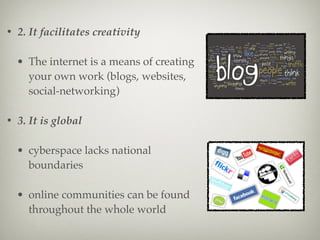
• 2. It facilitates creativity
• The internet is a means of creating
your own work (blogs, websites,
social-networking)
• 3. It is global
• cyberspace lacks national
boundaries
• online communities can be found
throughout the whole world
• Internet fraud is the use of
the internet to misrepresent
or conceal information to
betray, deceive or mislead
• Unsolicited Email
• Pyramid Selling
• Phishing
• Nigerian Scam
Internet Fraud
• Spam is an unsolicited commercial
electronic communication, including
junk emails, SMS or instant messaging.
Internet Spam
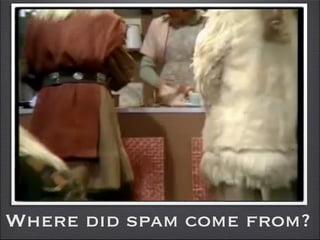
Where did spam come from?
• Intellectual property refers to the creations of the mind
that have commercial value.
• e.g inventions, literary works, artistic works, software
programs
• Intellectual property is protected under many international
treaties
• In order for it to be protected the idea has to be developed
into something tangible – software program, essay or cd
Intellectual Property
• An exclusive right to
publish, copy, publicly
perform, broadcast, or make
an adaption of certain forms
of expression, namely
sounds, words or visual
expression
• Copyright Act 1968 (Cth)
Copyright
copyright around the world
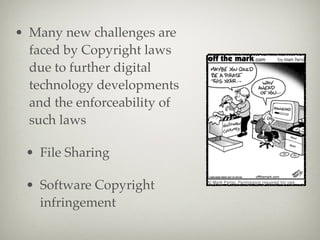
• Many new challenges are
faced by Copyright laws
due to further digital
technology developments
and the enforceability of
such laws
• File Sharing
• Software Copyright
infringement
metallica and napster
• Signs or symbols that give a person or
corporation the legal right to use, license or
sell the product or service for which it is
registered
Trademarks
four chord song
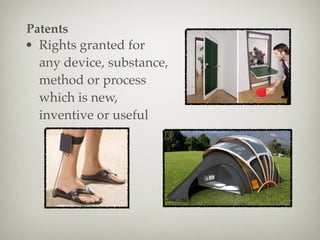
• Rights granted for
any device, substance,
method or process
which is new,
inventive or useful
Patents
• Should file sharing be
legal in Australia?
Discussion Point
iinet v afact
• There are a number of ways individuals are
vulnerable in cyberspace:
• cyberbullying
• cyberstalking
• racial hatred
• exposure to violent, disturbing and/or illegal
material
• exposure to adult material
• intrusions into privacy
Privacy, safety and censorship
• The tendency to say and do things in cyberspace
that the person wouldn’t ordinarily say or do in
the face-to-face world
• rude language, harsh personal criticism, or violent
online games, threats, cyberbullying or
cyberstalking, racial hatred
• The Racial Hatred Act 1995 (Cth) protects any
forms of racial online vilification
Disinhibition Effect
Microchip technology
• All the types of information
about a person that he or she
has put onto the internet,
held in multiple locations
• Individuals have little
control over how the most
powerful search engines use
their information
Digital Dossier
privacy concerns
• Relates to how businesses should collect,
store, use and disclose personal information
• The Privacy Act needs to align itself with
modern issues in protecting individuals
The Privacy Act 1988 (Cth)
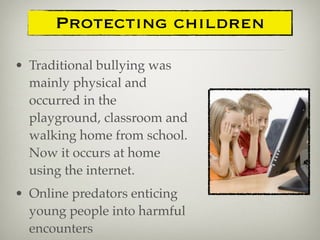
• Traditional bullying was
mainly physical and
occurred in the
playground, classroom and
walking home from school.
Now it occurs at home
using the internet.
• Online predators enticing
young people into harmful
encounters
Protecting children
cybercrime
• Currently the law can only set minimum
standards
• Protected under major international legislation
• Right to privacy
• Right to freedom of expression
• Certain limits are placed on domestic
enforcement of these rights
current legislation
• Crimes Act 1900 (NSW) –
crimes amendment
(computer offences) Act
2001 (NSW)
• Section 308 – computer
offences – hacking
• Spam Act 2003 (Cth)
Domestic Level
• Limited international treaties established
• The United Nations – Controls issues of
Intellectual Property through the agency World
Intellectual Property Organisation (WIPO)
• World Trade Organisation – Deals with issues
of intellectual property
• European Union – Convention on Cybercrime
(2001) – prevention of specific cybercrimes
International Level
• Governments are needed, to create an
environment where the rule of law prevails and
where law enforcement mechanisms will deter
those who break the law
• Governments who do not have regulated laws are
discouraging big business from operating in their
country
future directions
• Achieving perfect legal control is quite often just
too expensive
• Controlling content from internet service
providers
• Initiating financial intermediaries such as Paypal
• Making arrests of individuals suspected of
cybercrime
• Extraditing suspects from other countries
Strategies for Governments and Prosecution of
Individuals
internet revolution

Individual and Technology

  • 1.
    the individual and technology Section3 - Individual and the State Term 2/3 2013
  • 2.
    Main Syllabus Points Hint:This section connects with the theme “society moves ahead as the law limps behind”
  • 3.
    impacts of technologyon the individual • Technology is often at the cutting edge of development which often comes first before decisions are made on making law. • The main force changing law is the creation of the internet – Over 1.5billion users in the world.
  • 4.
    • Increase useof technology will raise privacy issues e.g Google Earth Streetview • Use of CCTV may act as a deterrent for crime but may impede on individual privacy rights Technology and Privacy Click Here
  • 5.
    • Cyberspace isa global interconnection of millions of computers over the internet. • No government or court can claim cyberspace as its exclusive jurisdiction (power) ‘cyberspace’ coined by William Gibson Jurisdiction of cyberspace
  • 6.
    Positives Negatives Borderless systemallowing freedom of association Increased Fraudulent/Corrupt activity Breaking down barriers throughout the world Difficult to enforce laws (cross countries) Debate on Cyberspace
  • 7.
    • Should theAustralian Government introduce censorship to the internet in the form of filtering out websites? Discussion Point
  • 8.
  • 9.
  • 10.
    • Three distinctfeatures of cyberspaces and challenges for legal regulation • 1.It facilitates anonymity • easy to hide your real identity, creating pseudonyms (avatars) • IP addresses can be used to identify a computer, software programs can be used to encrypt internet activity Legal Issues in Cyberspace
  • 11.
  • 12.
    • 2. Itfacilitates creativity • The internet is a means of creating your own work (blogs, websites, social-networking) • 3. It is global • cyberspace lacks national boundaries • online communities can be found throughout the whole world
  • 13.
    • Internet fraudis the use of the internet to misrepresent or conceal information to betray, deceive or mislead • Unsolicited Email • Pyramid Selling • Phishing • Nigerian Scam Internet Fraud
  • 14.
    • Spam isan unsolicited commercial electronic communication, including junk emails, SMS or instant messaging. Internet Spam
  • 15.
    Where did spamcome from?
  • 16.
    • Intellectual propertyrefers to the creations of the mind that have commercial value. • e.g inventions, literary works, artistic works, software programs • Intellectual property is protected under many international treaties • In order for it to be protected the idea has to be developed into something tangible – software program, essay or cd Intellectual Property
  • 17.
    • An exclusiveright to publish, copy, publicly perform, broadcast, or make an adaption of certain forms of expression, namely sounds, words or visual expression • Copyright Act 1968 (Cth) Copyright
  • 19.
  • 20.
    • Many newchallenges are faced by Copyright laws due to further digital technology developments and the enforceability of such laws • File Sharing • Software Copyright infringement
  • 21.
  • 22.
    • Signs orsymbols that give a person or corporation the legal right to use, license or sell the product or service for which it is registered Trademarks
  • 23.
  • 24.
    • Rights grantedfor any device, substance, method or process which is new, inventive or useful Patents
  • 25.
    • Should filesharing be legal in Australia? Discussion Point
  • 26.
  • 27.
    • There area number of ways individuals are vulnerable in cyberspace: • cyberbullying • cyberstalking • racial hatred • exposure to violent, disturbing and/or illegal material • exposure to adult material • intrusions into privacy Privacy, safety and censorship
  • 28.
    • The tendencyto say and do things in cyberspace that the person wouldn’t ordinarily say or do in the face-to-face world • rude language, harsh personal criticism, or violent online games, threats, cyberbullying or cyberstalking, racial hatred • The Racial Hatred Act 1995 (Cth) protects any forms of racial online vilification Disinhibition Effect
  • 29.
  • 30.
    • All thetypes of information about a person that he or she has put onto the internet, held in multiple locations • Individuals have little control over how the most powerful search engines use their information Digital Dossier privacy concerns
  • 31.
    • Relates tohow businesses should collect, store, use and disclose personal information • The Privacy Act needs to align itself with modern issues in protecting individuals The Privacy Act 1988 (Cth)
  • 32.
    • Traditional bullyingwas mainly physical and occurred in the playground, classroom and walking home from school. Now it occurs at home using the internet. • Online predators enticing young people into harmful encounters Protecting children
  • 33.
  • 34.
    • Currently thelaw can only set minimum standards • Protected under major international legislation • Right to privacy • Right to freedom of expression • Certain limits are placed on domestic enforcement of these rights current legislation
  • 35.
    • Crimes Act1900 (NSW) – crimes amendment (computer offences) Act 2001 (NSW) • Section 308 – computer offences – hacking • Spam Act 2003 (Cth) Domestic Level
  • 36.
    • Limited internationaltreaties established • The United Nations – Controls issues of Intellectual Property through the agency World Intellectual Property Organisation (WIPO) • World Trade Organisation – Deals with issues of intellectual property • European Union – Convention on Cybercrime (2001) – prevention of specific cybercrimes International Level
  • 37.
    • Governments areneeded, to create an environment where the rule of law prevails and where law enforcement mechanisms will deter those who break the law • Governments who do not have regulated laws are discouraging big business from operating in their country future directions
  • 38.
    • Achieving perfectlegal control is quite often just too expensive • Controlling content from internet service providers • Initiating financial intermediaries such as Paypal • Making arrests of individuals suspected of cybercrime • Extraditing suspects from other countries Strategies for Governments and Prosecution of Individuals
  • 39.