ACIDS ,
BASES
AND
SALTS
Chapter 2
Sumesh Parihar
One hundred and eighteen different chemical elements are known to us at
present. These elements combine to form a large number of compounds.
On the basis of their chemical properties, all the compounds can be classified
into three groups :
1. Acids, 2. Bases, and 3. Salts
In order to know whether a substance is an acid or a base, we should first know the
meaning of the term ‘acid-base indicator’ or just ‘indicator’.
Indicator
An indicator is a ‘dye’ that changes colour
when it is put into an acid or a base.An indicator gives different colours in acid
and base. Thus, an indicator tells us whether
the substance we are testing is an acid or a
base by change in its colour.
Natural
Syntheti
c
Olfactor
y
The three most common indicators to test for
acids and bases are : Litmus, Methyl orange
and Phenolphthalein.
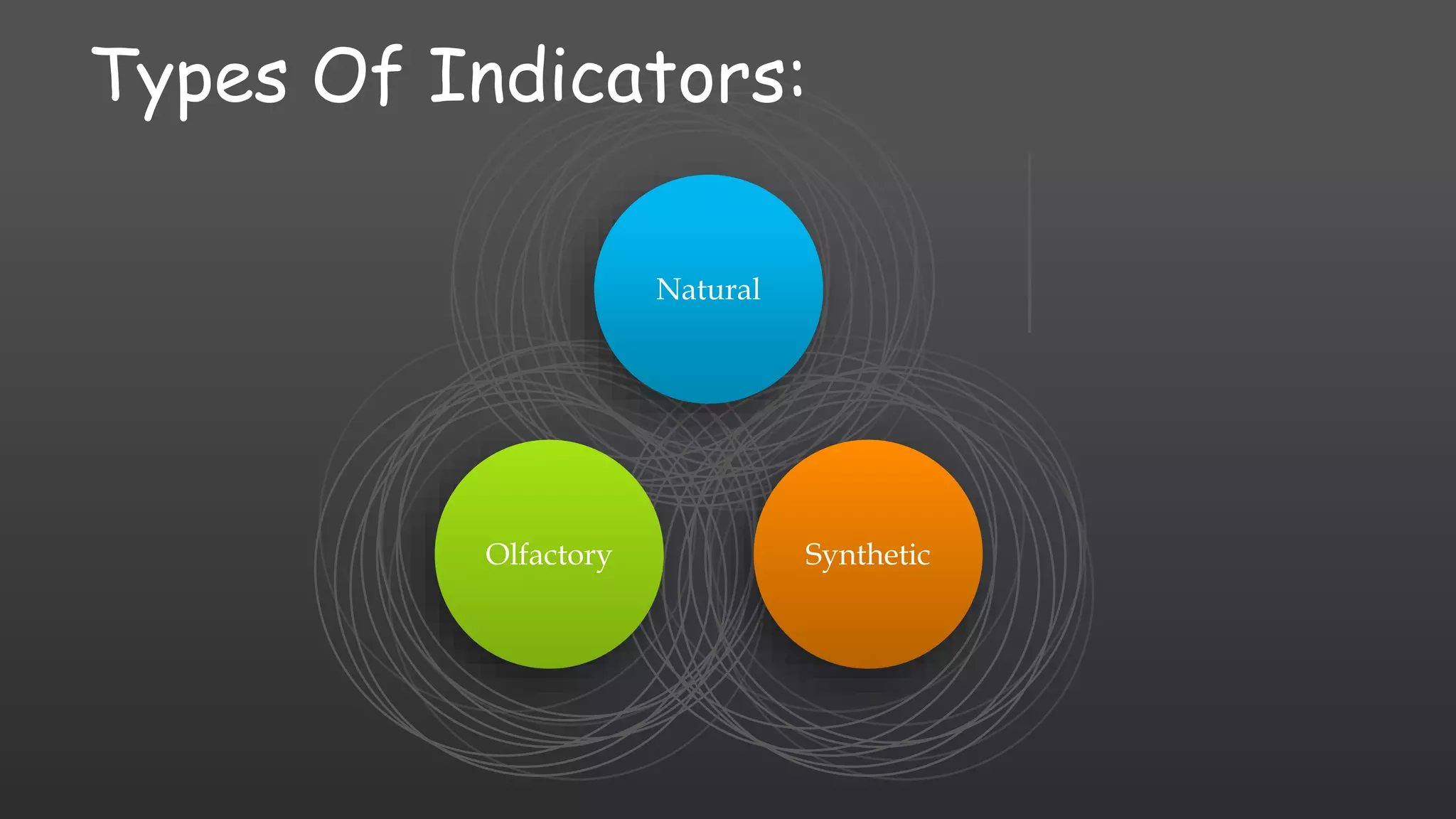
Natural
Olfactory Synthetic
Types Of Indicators:
Natural Indicators
Natural
(i) An acid turns blue litmus to red.
(ii) A base (or alkali) turns red litmus
to blue.
Litmus is a natural indicator.
Litmus solution is a purple dye which is
extracted from a type of plant
called ‘lichen’.
Turmeric is also a natural indicator. Turmeric
(haldi) contains a yellow dye. It turns red in basic
solutions.
Many times we have noticed that a yellow stain of
curry on a white cloth (which is due to the
presence of turmeric in curry) turns reddish-
brown when soap is scrubbed on it.
The red cabbage extract (obtained from red
cabbage leaves) is also a natural indicator. It is red
in colour. The red cabbage extract remains red in
acidic solutions but turns green on adding to basic
solutions.
Synthetic Indicators
Synthetic
Methyl orange and
phenolphthalein are synthetic
indicators.
The neutral colour of methyl orange is ‘orange’.
(i) Methyl orange indicator gives
red colour in acid solution.
(ii) Methyl orange indicator gives
yellow colour in basic solution.
The neutral colour of phenolphthalein is ‘colourless’.
(i) Phenolphthalein indicator is colourless
in acid solution.
(ii) Phenolphthalein indicator gives pink
colour in basic solution.
Olfactory Indicators
Olfactory
(i) Onion has a characteristic smell.
When a basic solution like sodium
hydroxide solution is added to a
cloth strip treated with onions (or
onion extract), then the onion smell
cannot be detected. An acidic solution
like hydrochloric acid, however, does
not destroy the smell of onions. This
can be used as a test for acids
and bases.
Those substances whose smell
(or odour) changes
in acidic or basic solutions are
called olfactory indicators.
(ii) Vanilla extract has a characteristic pleasant
smell. If a basic solution like sodium hydroxide
solution is added to vanilla extract, then we cannot
detect the characteristic smell of vanilla extract. An
acidic solution like hydrochloric acid, however,
does not destroy the smell of vanilla extract. This
can be used as a test for acids and bases.
For more presentations drop a mail on
sumeshparihar823@gmail.com

Indicators Class X

  • 1.
  • 2.
    One hundred andeighteen different chemical elements are known to us at present. These elements combine to form a large number of compounds. On the basis of their chemical properties, all the compounds can be classified into three groups : 1. Acids, 2. Bases, and 3. Salts In order to know whether a substance is an acid or a base, we should first know the meaning of the term ‘acid-base indicator’ or just ‘indicator’.
  • 3.
    Indicator An indicator isa ‘dye’ that changes colour when it is put into an acid or a base.An indicator gives different colours in acid and base. Thus, an indicator tells us whether the substance we are testing is an acid or a base by change in its colour. Natural Syntheti c Olfactor y The three most common indicators to test for acids and bases are : Litmus, Methyl orange and Phenolphthalein.
  • 4.
  • 5.
    Natural Indicators Natural (i) Anacid turns blue litmus to red. (ii) A base (or alkali) turns red litmus to blue. Litmus is a natural indicator. Litmus solution is a purple dye which is extracted from a type of plant called ‘lichen’. Turmeric is also a natural indicator. Turmeric (haldi) contains a yellow dye. It turns red in basic solutions. Many times we have noticed that a yellow stain of curry on a white cloth (which is due to the presence of turmeric in curry) turns reddish- brown when soap is scrubbed on it. The red cabbage extract (obtained from red cabbage leaves) is also a natural indicator. It is red in colour. The red cabbage extract remains red in acidic solutions but turns green on adding to basic solutions.
  • 6.
    Synthetic Indicators Synthetic Methyl orangeand phenolphthalein are synthetic indicators. The neutral colour of methyl orange is ‘orange’. (i) Methyl orange indicator gives red colour in acid solution. (ii) Methyl orange indicator gives yellow colour in basic solution. The neutral colour of phenolphthalein is ‘colourless’. (i) Phenolphthalein indicator is colourless in acid solution. (ii) Phenolphthalein indicator gives pink colour in basic solution.
  • 7.
    Olfactory Indicators Olfactory (i) Onionhas a characteristic smell. When a basic solution like sodium hydroxide solution is added to a cloth strip treated with onions (or onion extract), then the onion smell cannot be detected. An acidic solution like hydrochloric acid, however, does not destroy the smell of onions. This can be used as a test for acids and bases. Those substances whose smell (or odour) changes in acidic or basic solutions are called olfactory indicators. (ii) Vanilla extract has a characteristic pleasant smell. If a basic solution like sodium hydroxide solution is added to vanilla extract, then we cannot detect the characteristic smell of vanilla extract. An acidic solution like hydrochloric acid, however, does not destroy the smell of vanilla extract. This can be used as a test for acids and bases.
  • 8.
    For more presentationsdrop a mail on sumeshparihar823@gmail.com