IMMUNOMETABOLISM
AND REGULATION
SOUSAN
A274153121006
HG&MM
INTRODUCTION
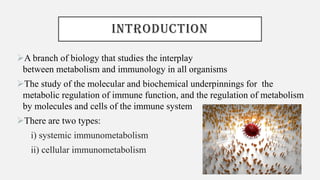
➢A branch of biology that studies the interplay
between metabolism and immunology in all organisms
➢The study of the molecular and biochemical underpinnings for the
metabolic regulation of immune function, and the regulation of metabolism
by molecules and cells of the immune system
➢There are two types:
i) systemic immunometabolism
ii) cellular immunometabolism
IMMUNOMETABOLISM
➢Immunometabolism describes the changes that occur in intracellular metabolic
pathways in immune cells during activation
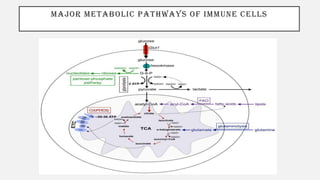
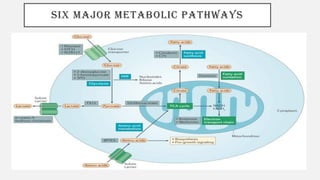
➢Six major pathways have been studied in immune cells in detail: glycolysis,
the tricarboxylic acid (TCA) cycle, the pentose phosphate pathway, fatty acid
oxidation, fatty acid synthesis ,and amino acid metabolism
➢Glycolysis and fatty acid synthesis are key features of lipopolysaccharide
(LPS)-activated macrophages; by contrast, interleukin-4 (IL-4)-activated
macrophages mainly use oxidative phosphorylation and fatty acid oxidation to
generate energy
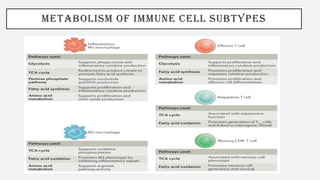
➢Effector T cells are highly glycolytic whereas memory T cells have an
oxidative metabolism
➢Metabolites, such as succinate and citrate, and enzymes, such as pyruvate
kinase isoenzyme M2 (PKM2), glyceraldehyde 3-phosphate dehydrogenase
(GAPDH), and enolase, have roles outside of metabolism that promote
specific events during immune cell activation
➢Small molecules can target metabolic pathways and alter the phenotype of
immune cells, raising the possibility of therapeutic intervention
REGULATION FOR IMMUNE RESPONSES
➢Metabolism fuels all biological programs, ranging from development, proliferation,
differentiation, and the effector functions performed by cells and tissues in an adult
organism
➢In metazoans, these metabolic adaptations are largely controlled by extracellular signals,
which direct the uptake, storage, and utilization of substrates (glucose, amino acids, and
fatty acids)
➢For example, insulin is the primary signal that mediates the uptake, storage, mobilization,
and utilization of fuels in non-immune target cells, such as adipocytes, hepatocytes, and
myocytes
➢The immune system continually senses and responds to environmental threats, a process
that carries a considerable bioenergetic cost
➢ For example, the sensing of a pathogen or environmental insult results in the secretion of
cytokines, chemokines, and inflammatory mediators by the innate immune cells, and the
clonal expansion of adaptive immune cells
➢Immune cells lack significant stores of nutrients, the
effector responses can only be sustained if immune cells
can dramatically increase the uptake of glucose, amino
acids, and fatty acids from their microenvironment
➢These are two significant roles:
I. It provides the substrates for ATP synthesis to sustain the
various cellular programs of activated immune cells
II. It provides the building blocks for the synthesis of
macromolecules, such as RNA, DNA, proteins, and
membranes, which are necessary for the proliferation and
activation of immune cells
MAJOR METABOLIC PATHWAYS OF IMMUNE CELLS
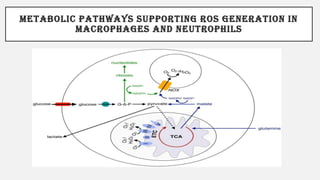
METABOLIC PATHWAYS SUPPORTING ROS GENERATION IN
MACROPHAGES AND NEUTROPHILS
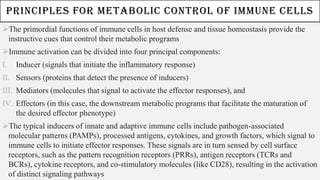
PRINCIPLES FOR METABOLIC CONTROL OF IMMUNE CELLS
➢The primordial functions of immune cells in host defense and tissue homeostasis provide the
instructive cues that control their metabolic programs
➢Immune activation can be divided into four principal components:
I. Inducer (signals that initiate the inflammatory response)
II. Sensors (proteins that detect the presence of inducers)
III. Mediators (molecules that signal to activate the effector responses), and
IV. Effectors (in this case, the downstream metabolic programs that facilitate the maturation of
the desired effector phenotype)
➢The typical inducers of innate and adaptive immune cells include pathogen-associated
molecular patterns (PAMPs), processed antigens, cytokines, and growth factors, which signal to
immune cells to initiate effector responses. These signals are in turn sensed by cell surface
receptors, such as the pattern recognition receptors (PRRs), antigen receptors (TCRs and
BCRs), cytokine receptors, and co-stimulatory molecules (like CD28), resulting in the activation
of distinct signaling pathways
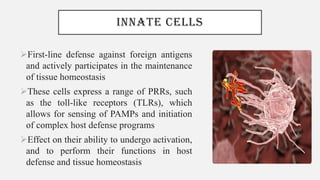
INNATE CELLS
➢First-line defense against foreign antigens
and actively participates in the maintenance
of tissue homeostasis
➢These cells express a range of PRRs, such
as the toll-like receptors (TLRs), which
allows for sensing of PAMPs and initiation
of complex host defense programs
➢Effect on their ability to undergo activation,
and to perform their functions in host
defense and tissue homeostasis
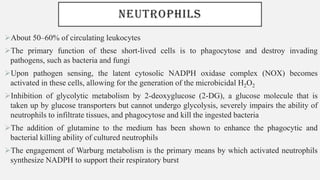
NEUTROPHILS
➢About 50–60% of circulating leukocytes
➢The primary function of these short-lived cells is to phagocytose and destroy invading
pathogens, such as bacteria and fungi
➢Upon pathogen sensing, the latent cytosolic NADPH oxidase complex (NOX) becomes
activated in these cells, allowing for the generation of the microbicidal H2O2
➢Inhibition of glycolytic metabolism by 2-deoxyglucose (2-DG), a glucose molecule that is
taken up by glucose transporters but cannot undergo glycolysis, severely impairs the ability of
neutrophils to infiltrate tissues, and phagocytose and kill the ingested bacteria
➢The addition of glutamine to the medium has been shown to enhance the phagocytic and
bacterial killing ability of cultured neutrophils
➢The engagement of Warburg metabolism is the primary means by which activated neutrophils
synthesize NADPH to support their respiratory burst
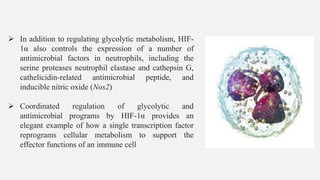
➢ In addition to regulating glycolytic metabolism, HIF-
1α also controls the expression of a number of
antimicrobial factors in neutrophils, including the
serine proteases neutrophil elastase and cathepsin G,
cathelicidin-related antimicrobial peptide, and
inducible nitric oxide (Nos2)
➢ Coordinated regulation of glycolytic and
antimicrobial programs by HIF-1α provides an
elegant example of how a single transcription factor
reprograms cellular metabolism to support the
effector functions of an immune cell
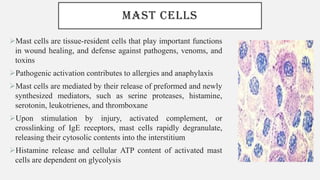
MAST CELLS
➢Mast cells are tissue-resident cells that play important functions
in wound healing, and defense against pathogens, venoms, and
toxins
➢Pathogenic activation contributes to allergies and anaphylaxis
➢Mast cells are mediated by their release of preformed and newly
synthesized mediators, such as serine proteases, histamine,
serotonin, leukotrienes, and thromboxane
➢Upon stimulation by injury, activated complement, or
crosslinking of IgE receptors, mast cells rapidly degranulate,
releasing their cytosolic contents into the interstitium
➢Histamine release and cellular ATP content of activated mast
cells are dependent on glycolysis
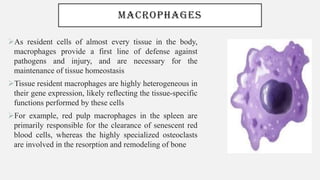
MACROPHAGES
➢As resident cells of almost every tissue in the body,
macrophages provide a first line of defense against
pathogens and injury, and are necessary for the
maintenance of tissue homeostasis
➢Tissue resident macrophages are highly heterogeneous in
their gene expression, likely reflecting the tissue-specific
functions performed by these cells
➢For example, red pulp macrophages in the spleen are
primarily responsible for the clearance of senescent red
blood cells, whereas the highly specialized osteoclasts
are involved in the resorption and remodeling of bone
➢ Resident and recruited macrophages can undergo distinct activation programs
in response to pathogen-derived cues
➢ Classical (M1) and alternative (M2) are two of the best-characterized states of
macrophage activation, both in terms of their functions in host defense and the
regulatory cascades that control their effector responses
➢ Alternatively activated macrophages (AAMs) participate in host defense
against parasitic infections by modulating innate and adaptive immune
responses, and facilitating the formation of granulation or scar tissue
CLASSICALLY ACTIVATED
MACROPHAGES (M1)
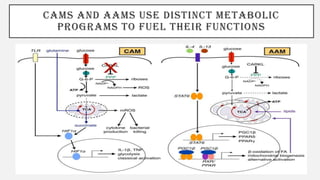
➢Activated macrophages had high rates of glucose and glutamine uptake and lactic
acid production
➢Neutrophils, HIF-1α has emerged as the primary regulator of glycolytic metabolism
in CAMs
➢Deletion of HIF-1α in myeloid cells dramatically reduces expression of the glucose
transporter Glut1 and the glycolytic enzyme phosphoglyceratekinase (PGK) under
both normoxic and hypoxic conditions
CAMS AND AAMS USE DISTINCT METABOLIC
PROGRAMS TO FUEL THEIR FUNCTIONS
ALTERNATIVELY ACTIVATED MACROPHAGES
(M2)
➢Induced by type 2 cytokines and participate in the host defense against parasites
➢AAMs had higher rates of fatty acid oxidation, mitochondrial mass, and mitochondrial
respiration
➢The preferential reliance of CAMs on glycolysis and AAMs on oxidative metabolism is
reminiscent of the fuel preferences of fast (type II) and slow twitch (type I) muscle fibers
➢For example, type II muscle fibers rely on anaerobic glycolysis to fuel their short and rapid
bursts of high-intensity contractions (similar to CAMs), whereas type I muscle fibers
oxidize fatty acids in their mitochondria to sustain low-intensity contractions for long
periods of time (similar to AAMs)
➢Stimulation of macrophages with type 2 cytokines, IL-4 or IL-13, initiates a transcriptional
cascade that controls and sustains their cellular program of oxidative metabolism
DENDRITIC CELLS
➢For initiating antigen-specific adaptive immune responses and
for promoting tolerance
➢Tissue resident DCs exhibit great heterogeneity in gene and
cell surface marker expression, which reflects their distinct
capabilities for antigen processing and engagement of effector
lymphocytes
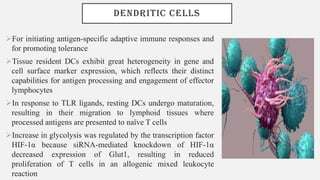
➢In response to TLR ligands, resting DCs undergo maturation,
resulting in their migration to lymphoid tissues where
processed antigens are presented to naïve T cells
➢Increase in glycolysis was regulated by the transcription factor
HIF-1α because siRNA-mediated knockdown of HIF-1α
decreased expression of Glut1, resulting in reduced
proliferation of T cells in an allogenic mixed leukocyte
reaction
ADAPTIVE CELLS
➢Cytokine and Chemokine production
➢Two additional functions that must be bioenergetically supported by cataplerotic and
anaplerotic reactions of cellular metabolism:
I. Antigen-specific activation of adaptive immune cells results in their clonal proliferation,
requiring macromolecules for the synthesis of DNA, proteins, and membranes, and for
organelle biogenesis
II. Upon successful completion of the immune response, a subset of antigen-specific
lymphocytes become quiescent, establishing a pool of memory cells.
➢Since the bioenergetic demands of activated lymphocytes and memory cells are likely to be
distinct, the metabolic pathways that fuel these effector functions ought to be different.
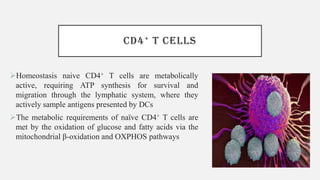
CD4+ T CELLS
➢Homeostasis naive CD4+ T cells are metabolically
active, requiring ATP synthesis for survival and
migration through the lymphatic system, where they
actively sample antigens presented by DCs
➢The metabolic requirements of naïve CD4+ T cells are
met by the oxidation of glucose and fatty acids via the
mitochondrial β-oxidation and OXPHOS pathways
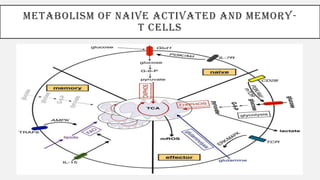
METABOLISM OF NAIVE ACTIVATED AND MEMORY-
T CELLS
CD4+ T CELLS: ACTIVATION
➢Stimulation of lymphocytes by potent the mitogenic lectins, such as concanavalin A
or phytohemagglutinin, dramatically increased the cellular uptake of glucose and
glutamine
➢The notion that activated T cells simply require glycolysis to support their
proliferation
CD8+ T CELLS AND THE
GENERATION OF MEMORY
➢Memory T cells, which are antigen-specific, can be rapidly activated when the
appropriate antigen or pathogen is re-encountered, resulting in a faster and stronger
immune response
➢Formation of memory T cells is exquisitely dependent on fatty acid oxidation and
mitochondrial oxidative metabolism, whereas the effector T cell responses require
glycolysis and glutaminolysis
➢ Memory T cells play a critical role in protective vaccination, pharmacological
manipulation of their metabolic state might be a useful means of improving the clinical
efficacy of vaccines
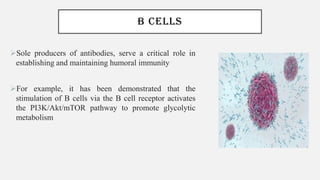
B CELLS
➢Sole producers of antibodies, serve a critical role in
establishing and maintaining humoral immunity
➢For example, it has been demonstrated that the
stimulation of B cells via the B cell receptor activates
the PI3K/Akt/mTOR pathway to promote glycolytic
metabolism
AN OVERVIEW OF METABOLIC PATHWAY
➢Cell intrinsic and extrinsic signals regulate the activity of metabolic pathways to couple the
growth and survival needs of the cell
➢Specific alterations in metabolic pathways coupled to immune effector functions, most
notably in the production of distinct sets of cytokines
➢Immune cells with different functions use several different metabolic pathways to generate
adequate levels of energy stores to support survival and to produce numerous biosynthetic
intermediates to allow for cellular growth and proliferation
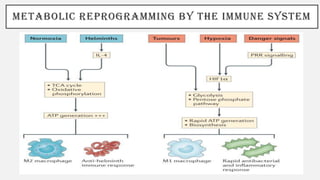
METABOLIC REPROGRAMMING BY THE IMMUNE SYSTEM
SIX MAJOR METABOLIC PATHWAYS
GLYCOLYSIS IN IMMUNITY
➢ Glycolysis has been shown to be involved in a number of immune processes
➢Both activated macrophages and T cells have a various appetites for glucose
➢The capacity of high rates of glycolysis to provide biosynthetic intermediates to
support rapid cell growth
➢Activating signals such as growth factors strongly promotes increased glucose uptake
and glycolysis, which supplies ATP, supports the TCA cycle, and donates
intermediates for the PPP, glycosylation reactions and synthesis of key biomass
constituents, including serine, glycine, alanine, and acetyl-CoA for lipid synthesis
➢Enhanced glycolysis occurs in lipopolysaccharide (LPS)-activated macrophages and
DCs, in activated natural killer (NK) cells, in activated effector T cells, and in
activated B cells
➢Effector T cell subsets all show an increase in glycolysis following activation, most
notably T helper 17 (TH17) cells, TH1 and TH2 cells, and activated effector CD8+ T
cells
➢Enhanced glycolysis enables the immune cell to generate sufficient ATP and
biosynthetic intermediates to carry out its particular effector functions
➢For macrophages this includes phagocytosis and inflammatory cytokine production,
for DCs this includes antigen presentation and for T cells this includes the production
of effector cytokines (such as IL-17 in the case of TH17 cells)
➢Molecular insights into the signaling pathways that trigger glycolysis during immune
cell activation
➢For example, LPS induces activation of hypoxia-inducible factor 1α (HIF1α), a
transcription factor that is crucial for the induction of several enzymes involved in
glycolysis
➢A key mechanism for the enhanced glycolysis in LPS-activated macrophages is the
induction of pyruvate kinase isoenzyme M2 (PKM2)
➢ A pro-inflammatory role for PKM2 in inflammatory monocytes and macrophages has also
been demonstrated in human atherosclerotic coronary artery disease, further emphasizing the
contribution of this glycolytic enzyme to inflammation
➢Glycolysis in immune cell reprogramming has been reported in TH17 cells, in which
inhibition of glycolysis with 2-deoxyglucose converted TH17 cells into Treg cells
➢Another interesting aspect of glycolysis induction in activated immune cells is the role of the
glycolytic enzyme glyceraldehyde 3-phosphate dehydrogenase (GAPDH). In TH1 cells it has
been shown that GAPDH binds to mRNA that encodes interferon-γ (IFNγ), repressing its
translation
➢In macrophages, another glycolytic enzyme, hexokinase 1, an NLRP3 (NOD-, LRR- and
pyrin domain-containing 3) regulator.
➢The NLRP3 inflammasome is a crucial regulator of caspase 1, which generates mature IL-1β,
as well as active IL-18, and induces a type of cell death called pyroptosis.
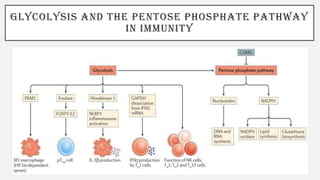
GLYCOLYSIS AND THE PENTOSE PHOSPHATE PATHWAY
IN IMMUNITY
THE PENTOSE PHOSPHATE PATHWAY IN IMMUNITY
➢ Nucleotide production (which happens during cell proliferation) and NADPH production
➢It is used by the NADPH oxidase to generate reactive oxygen species (ROS) during the
respiratory burst, but as a counter-balance, it is also used to generate glutathione and
another antioxidant
➢During an infection, macrophages and neutrophils probably require both of these NADPH-
dependent functions —rapid ROS production to clear the infectious agent followed by
induction of antioxidants to prevent excessive tissue damage
➢DCs also use NADPH and lipid synthesis to support endoplasmic reticulum synthesis,
which is necessary for DC activation and cytokine secretion
➢The pentose phosphate pathway has been shown to be elevated in LPS-activated
macrophages
➢ A key control point is the enzyme carbohydrate kinase-like protein (CARKL; also
known as SHK), which is a sedoheptulose kinase. This enzyme limits the flux
through the pentose phosphate pathway, and it has been shown to be highly
expressed in M2 macrophages
➢Nucleotide generation by the pentose phosphate pathway is elevated in M1
macrophages is a mystery, as these cells show low proliferative capacity
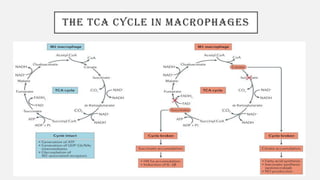
THE TCA CYCLE IN IMMUNITY
➢The TCA cycle is very prominent in memory CD8+ T cells
➢In M2 macrophages, there is an intact TCA cycle that is coupled to oxidative phosphorylation
➢The generation of UDP-GlcNAc intermediates that are necessary for the glycosylation of
M2-associated receptors, such as the mannose receptor
➢The citrate that accumulates in M1 macrophages has been shown to be exported from the
mitochondria via the citrate transporter
➢This broken TCA cycle is also seen in activated DCs and seems to be especially important for
their function, as these cells require substantial membrane production to support antigen
presentation
➢Excess citrate can also feed into pathways that generate nitric oxide and
prostaglandins, which are key effector molecules made by macrophages
➢ Metabolite generated from citrate is itaconic acid
➢ Succcinate that accumulates in M1 macrophages as a consequence of a broken TCA
cycle has a direct impact on macrophage cytokine production
➢ Inhibition of prolyl hydroxylases by succinate, leading to the stabilization of HIF1α
and the sustained production of IL-1β
➢ The alterations in the TCA cycle that occur in M1 macrophages lead to the
mitochondrial accumulation of metabolites that can promote their immune functions
THE TCA CYCLE IN MACROPHAGES
FATTY ACID OXIDATION AND IMMUNE FUNCTION
➢Fatty acid oxidation has key roles in the regulation of adaptive and innate immune
responses
➢Aerobic glycolysis that is often observed in inflammatory and rapidly proliferating
immune cells
➢Fatty acid oxidation has been observed in many immune cells that are not
inflammatory in nature and exhibit increased cellular lifespans, including M2
macrophages, Treg cells, and memory T cells
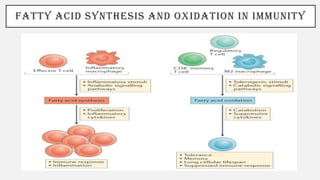
FATTY ACID SYNTHESIS AND OXIDATION IN IMMUNITY
FATTY ACID OXIDATION AND MACROPHAGE FUNCTION
➢To modulate the inflammatory functions of macrophages
➢Increased intracellular levels of unsaturated fatty acids (including oleic acid, linoleic
acid, and arachidonic acid), but not saturated fatty acids, stimulates the production of
IL-1α in foam cells, leading to increased inflammation in vivo.
➢Promoting fatty acid oxidation in inflammatory macrophages may be one approach to
reducing their inflammatory potential
➢Fatty acid oxidation has also been found to have a key role in macrophage
differentiation
FATTY ACID OXIDATION AND T CELL RESPONSES
➢Fatty acid oxidation also has an important role in regulating T cell responses.
➢Fatty acid oxidation has been observed to regulate the balance between inflammatory
effector T cells and suppressive Treg cells and to promote long-lived memory T cells
➢Regulating the balance between effector T cells and Treg cells, it has been shown that
Treg cells exhibit increased fatty acid oxidation relative to TH1, TH2, and TH17 cells and that
fatty acid oxidation promotes the generation of Treg cells while inhibiting effector T cell
polarization
➢ Treg cells have increased expression of genes involved in fatty acid oxidation,
including Cpt1a when compared to TH17 cells
➢ Effector T cells have been shown to downregulate fatty acid oxidation during the
activation process
➢ Fatty acid oxidation inhibiting effector T cell function and promoting tolerance,
ligation of the inhibitory programmed death 1 (PD1) receptor on T cells resulted in
increased expression of CPT1A and elevated fatty acid oxidation
➢ Fatty acid oxidation also plays an important role in the generation and maintenance of
long-lived memory CD8+ T cells
➢ Memory CD8+ T cells, which slowly proliferate under steady-state conditions but
allow for a rapid innate immune response to previously encountered antigens, appear
to require fatty acid oxidation to respond to antigen stimulation in a timely manner
➢ Stimulation of memory CD8+ T cells with IL-15 increases their expression of
CPT1A and promotes fatty acid oxidation, resulting in increased cell survival
FATTY ACID SYNTHESIS AND IMMUNE FUNCTION
➢Fatty acid synthesis seems to positively regulate the generation and function of pro-
inflammatory immune cells of both the innate and adaptive immune systems
➢Inflammatory stimuli such as LPS and cytokines trigger an increase in fatty acid synthesis in
macrophages
➢Fatty acid synthesis provides a link between innate and adaptive immunity through the
regulation of DC function
➢Fatty acid synthesis was found to be upregulated during Toll-like receptor (TLR)-mediated
DC activation, and this increased fatty acid synthesis was necessary for DC activation and
their stimulation of CD8+ T cell responses
➢Fatty acid synthesis is also key to the cell-intrinsic function of T cells and B cells; synthesis
of fatty acids and sterols has been shown to be necessary for cell proliferation after the
activation of these cells through their antigen receptors
➢T cell-specific deletion of acetyl-CoA carboxylase 1 (ACC1) — the rate-limiting
enzyme in fatty acid synthesis — results in reduced blasting efficacy and lower
accumulation of antigen-specific CD8+ T cells. These defects could be overcome by
supplementing ACC1-deficient T cells with exogenous fatty acids
➢Pharmacological or genetic inhibition of ACC1 in CD4+ T cell subsets showed that fatty
acid synthesis is required for proper TH17 cell differentiation but not for Treg cell
generation and function
➢A protein termed CD5 antigen-like (CD5L) is expressed in so-called ‘non-pathogenic’
TH17 cells
➢Fatty acid oxidation and fatty acid synthesis have opposing roles in the immune
system, with fatty acid oxidation being preferentially used by non-inflammatory
and tolerogenic immune cells, whereas fatty acid synthesis is characteristic of
inflammatory responses in the innate and adaptive immune systems
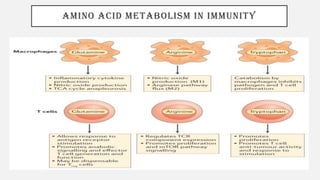
AMINO ACID METABOLISM IN IMMUNITY
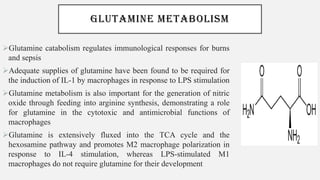
GLUTAMINE METABOLISM
➢Glutamine catabolism regulates immunological responses for burns
and sepsis
➢Adequate supplies of glutamine have been found to be required for
the induction of IL-1 by macrophages in response to LPS stimulation
➢Glutamine metabolism is also important for the generation of nitric
oxide through feeding into arginine synthesis, demonstrating a role
for glutamine in the cytotoxic and antimicrobial functions of
macrophages
➢Glutamine is extensively fluxed into the TCA cycle and the
hexosamine pathway and promotes M2 macrophage polarization in
response to IL-4 stimulation, whereas LPS-stimulated M1
macrophages do not require glutamine for their development
➢ T cell and B cell responses are also regulated by glutamine metabolism
➢ Glutamine usage increases markedly upon both T cell and B cell activation, and
both populations require glutamine to respond to antigen receptor stimulation
➢ Glutamine metabolism also appears to regulate the balance between effector T cells
and Treg cells, as the genetic loss of the transporter protein ASCT2 (which is
responsible for the uptake of neutral amino acids such as glutamine and leucine) in
T cells resulted in impaired generation and function of TH1 and TH17 cells, whereas
Treg cell generation was not altered
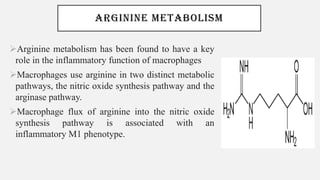
ARGININE METABOLISM
➢Arginine metabolism has been found to have a key
role in the inflammatory function of macrophages
➢Macrophages use arginine in two distinct metabolic
pathways, the nitric oxide synthesis pathway and the
arginase pathway.
➢Macrophage flux of arginine into the nitric oxide
synthesis pathway is associated with an
inflammatory M1 phenotype.
➢When macrophages direct arginine into this pathway, arginine (via citrulline) is
converted into nitric oxide, a process mediated by inducible nitric oxide synthase
(iNOS). It has been known for some time that iNOS expression is itself required for
inflammatory macrophage function, as macrophages derived from iNOS-deficient
mice show defective killing of bacteria and tumor cells in vitro
➢Arginine flux through the arginase pathway is associated with a more tolerant
immune response, often associated with wound healing
➢Arginase expression in macrophages limits the inflammatory potential of effector T
cells and is positively correlated with the disease severity of both visceral
leishmaniasis and HIV infection
➢Immunoregulatory role for arginine metabolism beyond macrophages, arginine has
been found to regulate the expression of components of the T cell receptor and to
promote the proliferation of human T cells
TRYPTOPHAN METABOLISM
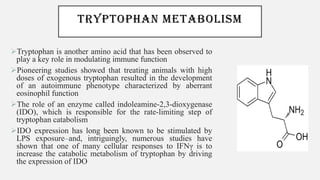
➢Tryptophan is another amino acid that has been observed to
play a key role in modulating immune function
➢Pioneering studies showed that treating animals with high
doses of exogenous tryptophan resulted in the development
of an autoimmune phenotype characterized by aberrant
eosinophil function
➢The role of an enzyme called indoleamine-2,3-dioxygenase
(IDO), which is responsible for the rate-limiting step of
tryptophan catabolism
➢IDO expression has long been known to be stimulated by
LPS exposure and, intriguingly, numerous studies have
shown that one of many cellular responses to IFNγ is to
increase the catabolic metabolism of tryptophan by driving
the expression of IDO
➢ Tryptophan catabolism in host cells may prevent the growth of bacterial and parasitic
pathogens by denying them a necessary substrate for anabolic growth, suggesting that
tryptophan metabolism may play an important role as a component of the immune response to
pathogens
➢ The role of tryptophan metabolism in the immune system, it was shown that T cells require
tryptophan to proliferate in vitro, and driving IDO expression and tryptophan catabolism in
antigen-presenting cells blunts T cell stimulation
➢ Tryptophan insufficiency can lead to an accumulation of charged tRNAs and activation of the
unfolded protein response protein GCN2
➢The role of tryptophan metabolism in immune function has recently become an area of intense
study as it relates to the propensity of tumor cells to evade immune cell responses
➢In many types of tumors, IDO expression is seen in both tumor cells and in tumor-associated
stromal cells and increased IDO expression levels have been correlated with a poor prognosis
in some cancer types
METABOLISM OF IMMUNE CELL SUBTYPES
THANK YOU

IMMUNOMETABOLISM AND REGULATION.pdf

  • 1.
  • 2.
    INTRODUCTION ➢A branch ofbiology that studies the interplay between metabolism and immunology in all organisms ➢The study of the molecular and biochemical underpinnings for the metabolic regulation of immune function, and the regulation of metabolism by molecules and cells of the immune system ➢There are two types: i) systemic immunometabolism ii) cellular immunometabolism
  • 3.
    IMMUNOMETABOLISM ➢Immunometabolism describes thechanges that occur in intracellular metabolic pathways in immune cells during activation ➢Six major pathways have been studied in immune cells in detail: glycolysis, the tricarboxylic acid (TCA) cycle, the pentose phosphate pathway, fatty acid oxidation, fatty acid synthesis ,and amino acid metabolism ➢Glycolysis and fatty acid synthesis are key features of lipopolysaccharide (LPS)-activated macrophages; by contrast, interleukin-4 (IL-4)-activated macrophages mainly use oxidative phosphorylation and fatty acid oxidation to generate energy
  • 4.
    ➢Effector T cellsare highly glycolytic whereas memory T cells have an oxidative metabolism ➢Metabolites, such as succinate and citrate, and enzymes, such as pyruvate kinase isoenzyme M2 (PKM2), glyceraldehyde 3-phosphate dehydrogenase (GAPDH), and enolase, have roles outside of metabolism that promote specific events during immune cell activation ➢Small molecules can target metabolic pathways and alter the phenotype of immune cells, raising the possibility of therapeutic intervention
  • 5.
    REGULATION FOR IMMUNERESPONSES ➢Metabolism fuels all biological programs, ranging from development, proliferation, differentiation, and the effector functions performed by cells and tissues in an adult organism ➢In metazoans, these metabolic adaptations are largely controlled by extracellular signals, which direct the uptake, storage, and utilization of substrates (glucose, amino acids, and fatty acids) ➢For example, insulin is the primary signal that mediates the uptake, storage, mobilization, and utilization of fuels in non-immune target cells, such as adipocytes, hepatocytes, and myocytes ➢The immune system continually senses and responds to environmental threats, a process that carries a considerable bioenergetic cost ➢ For example, the sensing of a pathogen or environmental insult results in the secretion of cytokines, chemokines, and inflammatory mediators by the innate immune cells, and the clonal expansion of adaptive immune cells
  • 6.
    ➢Immune cells lacksignificant stores of nutrients, the effector responses can only be sustained if immune cells can dramatically increase the uptake of glucose, amino acids, and fatty acids from their microenvironment ➢These are two significant roles: I. It provides the substrates for ATP synthesis to sustain the various cellular programs of activated immune cells II. It provides the building blocks for the synthesis of macromolecules, such as RNA, DNA, proteins, and membranes, which are necessary for the proliferation and activation of immune cells
  • 7.
    MAJOR METABOLIC PATHWAYSOF IMMUNE CELLS
  • 8.
    METABOLIC PATHWAYS SUPPORTINGROS GENERATION IN MACROPHAGES AND NEUTROPHILS
  • 9.
    PRINCIPLES FOR METABOLICCONTROL OF IMMUNE CELLS ➢The primordial functions of immune cells in host defense and tissue homeostasis provide the instructive cues that control their metabolic programs ➢Immune activation can be divided into four principal components: I. Inducer (signals that initiate the inflammatory response) II. Sensors (proteins that detect the presence of inducers) III. Mediators (molecules that signal to activate the effector responses), and IV. Effectors (in this case, the downstream metabolic programs that facilitate the maturation of the desired effector phenotype) ➢The typical inducers of innate and adaptive immune cells include pathogen-associated molecular patterns (PAMPs), processed antigens, cytokines, and growth factors, which signal to immune cells to initiate effector responses. These signals are in turn sensed by cell surface receptors, such as the pattern recognition receptors (PRRs), antigen receptors (TCRs and BCRs), cytokine receptors, and co-stimulatory molecules (like CD28), resulting in the activation of distinct signaling pathways
  • 10.
    INNATE CELLS ➢First-line defenseagainst foreign antigens and actively participates in the maintenance of tissue homeostasis ➢These cells express a range of PRRs, such as the toll-like receptors (TLRs), which allows for sensing of PAMPs and initiation of complex host defense programs ➢Effect on their ability to undergo activation, and to perform their functions in host defense and tissue homeostasis
  • 11.
    NEUTROPHILS ➢About 50–60% ofcirculating leukocytes ➢The primary function of these short-lived cells is to phagocytose and destroy invading pathogens, such as bacteria and fungi ➢Upon pathogen sensing, the latent cytosolic NADPH oxidase complex (NOX) becomes activated in these cells, allowing for the generation of the microbicidal H2O2 ➢Inhibition of glycolytic metabolism by 2-deoxyglucose (2-DG), a glucose molecule that is taken up by glucose transporters but cannot undergo glycolysis, severely impairs the ability of neutrophils to infiltrate tissues, and phagocytose and kill the ingested bacteria ➢The addition of glutamine to the medium has been shown to enhance the phagocytic and bacterial killing ability of cultured neutrophils ➢The engagement of Warburg metabolism is the primary means by which activated neutrophils synthesize NADPH to support their respiratory burst
  • 12.
    ➢ In additionto regulating glycolytic metabolism, HIF- 1α also controls the expression of a number of antimicrobial factors in neutrophils, including the serine proteases neutrophil elastase and cathepsin G, cathelicidin-related antimicrobial peptide, and inducible nitric oxide (Nos2) ➢ Coordinated regulation of glycolytic and antimicrobial programs by HIF-1α provides an elegant example of how a single transcription factor reprograms cellular metabolism to support the effector functions of an immune cell
  • 13.
    MAST CELLS ➢Mast cellsare tissue-resident cells that play important functions in wound healing, and defense against pathogens, venoms, and toxins ➢Pathogenic activation contributes to allergies and anaphylaxis ➢Mast cells are mediated by their release of preformed and newly synthesized mediators, such as serine proteases, histamine, serotonin, leukotrienes, and thromboxane ➢Upon stimulation by injury, activated complement, or crosslinking of IgE receptors, mast cells rapidly degranulate, releasing their cytosolic contents into the interstitium ➢Histamine release and cellular ATP content of activated mast cells are dependent on glycolysis
  • 14.
    MACROPHAGES ➢As resident cellsof almost every tissue in the body, macrophages provide a first line of defense against pathogens and injury, and are necessary for the maintenance of tissue homeostasis ➢Tissue resident macrophages are highly heterogeneous in their gene expression, likely reflecting the tissue-specific functions performed by these cells ➢For example, red pulp macrophages in the spleen are primarily responsible for the clearance of senescent red blood cells, whereas the highly specialized osteoclasts are involved in the resorption and remodeling of bone
  • 15.
    ➢ Resident andrecruited macrophages can undergo distinct activation programs in response to pathogen-derived cues ➢ Classical (M1) and alternative (M2) are two of the best-characterized states of macrophage activation, both in terms of their functions in host defense and the regulatory cascades that control their effector responses ➢ Alternatively activated macrophages (AAMs) participate in host defense against parasitic infections by modulating innate and adaptive immune responses, and facilitating the formation of granulation or scar tissue
  • 16.
    CLASSICALLY ACTIVATED MACROPHAGES (M1) ➢Activatedmacrophages had high rates of glucose and glutamine uptake and lactic acid production ➢Neutrophils, HIF-1α has emerged as the primary regulator of glycolytic metabolism in CAMs ➢Deletion of HIF-1α in myeloid cells dramatically reduces expression of the glucose transporter Glut1 and the glycolytic enzyme phosphoglyceratekinase (PGK) under both normoxic and hypoxic conditions
  • 17.
    CAMS AND AAMSUSE DISTINCT METABOLIC PROGRAMS TO FUEL THEIR FUNCTIONS
  • 18.
    ALTERNATIVELY ACTIVATED MACROPHAGES (M2) ➢Inducedby type 2 cytokines and participate in the host defense against parasites ➢AAMs had higher rates of fatty acid oxidation, mitochondrial mass, and mitochondrial respiration ➢The preferential reliance of CAMs on glycolysis and AAMs on oxidative metabolism is reminiscent of the fuel preferences of fast (type II) and slow twitch (type I) muscle fibers ➢For example, type II muscle fibers rely on anaerobic glycolysis to fuel their short and rapid bursts of high-intensity contractions (similar to CAMs), whereas type I muscle fibers oxidize fatty acids in their mitochondria to sustain low-intensity contractions for long periods of time (similar to AAMs) ➢Stimulation of macrophages with type 2 cytokines, IL-4 or IL-13, initiates a transcriptional cascade that controls and sustains their cellular program of oxidative metabolism
  • 19.
    DENDRITIC CELLS ➢For initiatingantigen-specific adaptive immune responses and for promoting tolerance ➢Tissue resident DCs exhibit great heterogeneity in gene and cell surface marker expression, which reflects their distinct capabilities for antigen processing and engagement of effector lymphocytes ➢In response to TLR ligands, resting DCs undergo maturation, resulting in their migration to lymphoid tissues where processed antigens are presented to naïve T cells ➢Increase in glycolysis was regulated by the transcription factor HIF-1α because siRNA-mediated knockdown of HIF-1α decreased expression of Glut1, resulting in reduced proliferation of T cells in an allogenic mixed leukocyte reaction
  • 20.
    ADAPTIVE CELLS ➢Cytokine andChemokine production ➢Two additional functions that must be bioenergetically supported by cataplerotic and anaplerotic reactions of cellular metabolism: I. Antigen-specific activation of adaptive immune cells results in their clonal proliferation, requiring macromolecules for the synthesis of DNA, proteins, and membranes, and for organelle biogenesis II. Upon successful completion of the immune response, a subset of antigen-specific lymphocytes become quiescent, establishing a pool of memory cells. ➢Since the bioenergetic demands of activated lymphocytes and memory cells are likely to be distinct, the metabolic pathways that fuel these effector functions ought to be different.
  • 21.
    CD4+ T CELLS ➢Homeostasisnaive CD4+ T cells are metabolically active, requiring ATP synthesis for survival and migration through the lymphatic system, where they actively sample antigens presented by DCs ➢The metabolic requirements of naïve CD4+ T cells are met by the oxidation of glucose and fatty acids via the mitochondrial β-oxidation and OXPHOS pathways
  • 22.
    METABOLISM OF NAIVEACTIVATED AND MEMORY- T CELLS
  • 23.
    CD4+ T CELLS:ACTIVATION ➢Stimulation of lymphocytes by potent the mitogenic lectins, such as concanavalin A or phytohemagglutinin, dramatically increased the cellular uptake of glucose and glutamine ➢The notion that activated T cells simply require glycolysis to support their proliferation
  • 24.
    CD8+ T CELLSAND THE GENERATION OF MEMORY ➢Memory T cells, which are antigen-specific, can be rapidly activated when the appropriate antigen or pathogen is re-encountered, resulting in a faster and stronger immune response ➢Formation of memory T cells is exquisitely dependent on fatty acid oxidation and mitochondrial oxidative metabolism, whereas the effector T cell responses require glycolysis and glutaminolysis ➢ Memory T cells play a critical role in protective vaccination, pharmacological manipulation of their metabolic state might be a useful means of improving the clinical efficacy of vaccines
  • 25.
    B CELLS ➢Sole producersof antibodies, serve a critical role in establishing and maintaining humoral immunity ➢For example, it has been demonstrated that the stimulation of B cells via the B cell receptor activates the PI3K/Akt/mTOR pathway to promote glycolytic metabolism
  • 26.
    AN OVERVIEW OFMETABOLIC PATHWAY ➢Cell intrinsic and extrinsic signals regulate the activity of metabolic pathways to couple the growth and survival needs of the cell ➢Specific alterations in metabolic pathways coupled to immune effector functions, most notably in the production of distinct sets of cytokines ➢Immune cells with different functions use several different metabolic pathways to generate adequate levels of energy stores to support survival and to produce numerous biosynthetic intermediates to allow for cellular growth and proliferation
  • 27.
    METABOLIC REPROGRAMMING BYTHE IMMUNE SYSTEM
  • 28.
  • 29.
    GLYCOLYSIS IN IMMUNITY ➢Glycolysis has been shown to be involved in a number of immune processes ➢Both activated macrophages and T cells have a various appetites for glucose ➢The capacity of high rates of glycolysis to provide biosynthetic intermediates to support rapid cell growth ➢Activating signals such as growth factors strongly promotes increased glucose uptake and glycolysis, which supplies ATP, supports the TCA cycle, and donates intermediates for the PPP, glycosylation reactions and synthesis of key biomass constituents, including serine, glycine, alanine, and acetyl-CoA for lipid synthesis ➢Enhanced glycolysis occurs in lipopolysaccharide (LPS)-activated macrophages and DCs, in activated natural killer (NK) cells, in activated effector T cells, and in activated B cells
  • 30.
    ➢Effector T cellsubsets all show an increase in glycolysis following activation, most notably T helper 17 (TH17) cells, TH1 and TH2 cells, and activated effector CD8+ T cells ➢Enhanced glycolysis enables the immune cell to generate sufficient ATP and biosynthetic intermediates to carry out its particular effector functions ➢For macrophages this includes phagocytosis and inflammatory cytokine production, for DCs this includes antigen presentation and for T cells this includes the production of effector cytokines (such as IL-17 in the case of TH17 cells) ➢Molecular insights into the signaling pathways that trigger glycolysis during immune cell activation ➢For example, LPS induces activation of hypoxia-inducible factor 1α (HIF1α), a transcription factor that is crucial for the induction of several enzymes involved in glycolysis ➢A key mechanism for the enhanced glycolysis in LPS-activated macrophages is the induction of pyruvate kinase isoenzyme M2 (PKM2)
  • 31.
    ➢ A pro-inflammatoryrole for PKM2 in inflammatory monocytes and macrophages has also been demonstrated in human atherosclerotic coronary artery disease, further emphasizing the contribution of this glycolytic enzyme to inflammation ➢Glycolysis in immune cell reprogramming has been reported in TH17 cells, in which inhibition of glycolysis with 2-deoxyglucose converted TH17 cells into Treg cells ➢Another interesting aspect of glycolysis induction in activated immune cells is the role of the glycolytic enzyme glyceraldehyde 3-phosphate dehydrogenase (GAPDH). In TH1 cells it has been shown that GAPDH binds to mRNA that encodes interferon-γ (IFNγ), repressing its translation ➢In macrophages, another glycolytic enzyme, hexokinase 1, an NLRP3 (NOD-, LRR- and pyrin domain-containing 3) regulator. ➢The NLRP3 inflammasome is a crucial regulator of caspase 1, which generates mature IL-1β, as well as active IL-18, and induces a type of cell death called pyroptosis.
  • 32.
    GLYCOLYSIS AND THEPENTOSE PHOSPHATE PATHWAY IN IMMUNITY
  • 33.
    THE PENTOSE PHOSPHATEPATHWAY IN IMMUNITY ➢ Nucleotide production (which happens during cell proliferation) and NADPH production ➢It is used by the NADPH oxidase to generate reactive oxygen species (ROS) during the respiratory burst, but as a counter-balance, it is also used to generate glutathione and another antioxidant ➢During an infection, macrophages and neutrophils probably require both of these NADPH- dependent functions —rapid ROS production to clear the infectious agent followed by induction of antioxidants to prevent excessive tissue damage ➢DCs also use NADPH and lipid synthesis to support endoplasmic reticulum synthesis, which is necessary for DC activation and cytokine secretion
  • 34.
    ➢The pentose phosphatepathway has been shown to be elevated in LPS-activated macrophages ➢ A key control point is the enzyme carbohydrate kinase-like protein (CARKL; also known as SHK), which is a sedoheptulose kinase. This enzyme limits the flux through the pentose phosphate pathway, and it has been shown to be highly expressed in M2 macrophages ➢Nucleotide generation by the pentose phosphate pathway is elevated in M1 macrophages is a mystery, as these cells show low proliferative capacity
  • 35.
    THE TCA CYCLEIN IMMUNITY ➢The TCA cycle is very prominent in memory CD8+ T cells ➢In M2 macrophages, there is an intact TCA cycle that is coupled to oxidative phosphorylation ➢The generation of UDP-GlcNAc intermediates that are necessary for the glycosylation of M2-associated receptors, such as the mannose receptor ➢The citrate that accumulates in M1 macrophages has been shown to be exported from the mitochondria via the citrate transporter ➢This broken TCA cycle is also seen in activated DCs and seems to be especially important for their function, as these cells require substantial membrane production to support antigen presentation
  • 36.
    ➢Excess citrate canalso feed into pathways that generate nitric oxide and prostaglandins, which are key effector molecules made by macrophages ➢ Metabolite generated from citrate is itaconic acid ➢ Succcinate that accumulates in M1 macrophages as a consequence of a broken TCA cycle has a direct impact on macrophage cytokine production ➢ Inhibition of prolyl hydroxylases by succinate, leading to the stabilization of HIF1α and the sustained production of IL-1β ➢ The alterations in the TCA cycle that occur in M1 macrophages lead to the mitochondrial accumulation of metabolites that can promote their immune functions
  • 37.
    THE TCA CYCLEIN MACROPHAGES
  • 38.
    FATTY ACID OXIDATIONAND IMMUNE FUNCTION ➢Fatty acid oxidation has key roles in the regulation of adaptive and innate immune responses ➢Aerobic glycolysis that is often observed in inflammatory and rapidly proliferating immune cells ➢Fatty acid oxidation has been observed in many immune cells that are not inflammatory in nature and exhibit increased cellular lifespans, including M2 macrophages, Treg cells, and memory T cells
  • 39.
    FATTY ACID SYNTHESISAND OXIDATION IN IMMUNITY
  • 40.
    FATTY ACID OXIDATIONAND MACROPHAGE FUNCTION ➢To modulate the inflammatory functions of macrophages ➢Increased intracellular levels of unsaturated fatty acids (including oleic acid, linoleic acid, and arachidonic acid), but not saturated fatty acids, stimulates the production of IL-1α in foam cells, leading to increased inflammation in vivo. ➢Promoting fatty acid oxidation in inflammatory macrophages may be one approach to reducing their inflammatory potential ➢Fatty acid oxidation has also been found to have a key role in macrophage differentiation
  • 41.
    FATTY ACID OXIDATIONAND T CELL RESPONSES ➢Fatty acid oxidation also has an important role in regulating T cell responses. ➢Fatty acid oxidation has been observed to regulate the balance between inflammatory effector T cells and suppressive Treg cells and to promote long-lived memory T cells ➢Regulating the balance between effector T cells and Treg cells, it has been shown that Treg cells exhibit increased fatty acid oxidation relative to TH1, TH2, and TH17 cells and that fatty acid oxidation promotes the generation of Treg cells while inhibiting effector T cell polarization ➢ Treg cells have increased expression of genes involved in fatty acid oxidation, including Cpt1a when compared to TH17 cells
  • 42.
    ➢ Effector Tcells have been shown to downregulate fatty acid oxidation during the activation process ➢ Fatty acid oxidation inhibiting effector T cell function and promoting tolerance, ligation of the inhibitory programmed death 1 (PD1) receptor on T cells resulted in increased expression of CPT1A and elevated fatty acid oxidation ➢ Fatty acid oxidation also plays an important role in the generation and maintenance of long-lived memory CD8+ T cells ➢ Memory CD8+ T cells, which slowly proliferate under steady-state conditions but allow for a rapid innate immune response to previously encountered antigens, appear to require fatty acid oxidation to respond to antigen stimulation in a timely manner ➢ Stimulation of memory CD8+ T cells with IL-15 increases their expression of CPT1A and promotes fatty acid oxidation, resulting in increased cell survival
  • 43.
    FATTY ACID SYNTHESISAND IMMUNE FUNCTION ➢Fatty acid synthesis seems to positively regulate the generation and function of pro- inflammatory immune cells of both the innate and adaptive immune systems ➢Inflammatory stimuli such as LPS and cytokines trigger an increase in fatty acid synthesis in macrophages ➢Fatty acid synthesis provides a link between innate and adaptive immunity through the regulation of DC function ➢Fatty acid synthesis was found to be upregulated during Toll-like receptor (TLR)-mediated DC activation, and this increased fatty acid synthesis was necessary for DC activation and their stimulation of CD8+ T cell responses ➢Fatty acid synthesis is also key to the cell-intrinsic function of T cells and B cells; synthesis of fatty acids and sterols has been shown to be necessary for cell proliferation after the activation of these cells through their antigen receptors
  • 44.
    ➢T cell-specific deletionof acetyl-CoA carboxylase 1 (ACC1) — the rate-limiting enzyme in fatty acid synthesis — results in reduced blasting efficacy and lower accumulation of antigen-specific CD8+ T cells. These defects could be overcome by supplementing ACC1-deficient T cells with exogenous fatty acids ➢Pharmacological or genetic inhibition of ACC1 in CD4+ T cell subsets showed that fatty acid synthesis is required for proper TH17 cell differentiation but not for Treg cell generation and function ➢A protein termed CD5 antigen-like (CD5L) is expressed in so-called ‘non-pathogenic’ TH17 cells ➢Fatty acid oxidation and fatty acid synthesis have opposing roles in the immune system, with fatty acid oxidation being preferentially used by non-inflammatory and tolerogenic immune cells, whereas fatty acid synthesis is characteristic of inflammatory responses in the innate and adaptive immune systems
  • 45.
  • 46.
    GLUTAMINE METABOLISM ➢Glutamine catabolismregulates immunological responses for burns and sepsis ➢Adequate supplies of glutamine have been found to be required for the induction of IL-1 by macrophages in response to LPS stimulation ➢Glutamine metabolism is also important for the generation of nitric oxide through feeding into arginine synthesis, demonstrating a role for glutamine in the cytotoxic and antimicrobial functions of macrophages ➢Glutamine is extensively fluxed into the TCA cycle and the hexosamine pathway and promotes M2 macrophage polarization in response to IL-4 stimulation, whereas LPS-stimulated M1 macrophages do not require glutamine for their development
  • 47.
    ➢ T celland B cell responses are also regulated by glutamine metabolism ➢ Glutamine usage increases markedly upon both T cell and B cell activation, and both populations require glutamine to respond to antigen receptor stimulation ➢ Glutamine metabolism also appears to regulate the balance between effector T cells and Treg cells, as the genetic loss of the transporter protein ASCT2 (which is responsible for the uptake of neutral amino acids such as glutamine and leucine) in T cells resulted in impaired generation and function of TH1 and TH17 cells, whereas Treg cell generation was not altered
  • 48.
    ARGININE METABOLISM ➢Arginine metabolismhas been found to have a key role in the inflammatory function of macrophages ➢Macrophages use arginine in two distinct metabolic pathways, the nitric oxide synthesis pathway and the arginase pathway. ➢Macrophage flux of arginine into the nitric oxide synthesis pathway is associated with an inflammatory M1 phenotype.
  • 49.
    ➢When macrophages directarginine into this pathway, arginine (via citrulline) is converted into nitric oxide, a process mediated by inducible nitric oxide synthase (iNOS). It has been known for some time that iNOS expression is itself required for inflammatory macrophage function, as macrophages derived from iNOS-deficient mice show defective killing of bacteria and tumor cells in vitro ➢Arginine flux through the arginase pathway is associated with a more tolerant immune response, often associated with wound healing ➢Arginase expression in macrophages limits the inflammatory potential of effector T cells and is positively correlated with the disease severity of both visceral leishmaniasis and HIV infection ➢Immunoregulatory role for arginine metabolism beyond macrophages, arginine has been found to regulate the expression of components of the T cell receptor and to promote the proliferation of human T cells
  • 50.
    TRYPTOPHAN METABOLISM ➢Tryptophan isanother amino acid that has been observed to play a key role in modulating immune function ➢Pioneering studies showed that treating animals with high doses of exogenous tryptophan resulted in the development of an autoimmune phenotype characterized by aberrant eosinophil function ➢The role of an enzyme called indoleamine-2,3-dioxygenase (IDO), which is responsible for the rate-limiting step of tryptophan catabolism ➢IDO expression has long been known to be stimulated by LPS exposure and, intriguingly, numerous studies have shown that one of many cellular responses to IFNγ is to increase the catabolic metabolism of tryptophan by driving the expression of IDO
  • 51.
    ➢ Tryptophan catabolismin host cells may prevent the growth of bacterial and parasitic pathogens by denying them a necessary substrate for anabolic growth, suggesting that tryptophan metabolism may play an important role as a component of the immune response to pathogens ➢ The role of tryptophan metabolism in the immune system, it was shown that T cells require tryptophan to proliferate in vitro, and driving IDO expression and tryptophan catabolism in antigen-presenting cells blunts T cell stimulation ➢ Tryptophan insufficiency can lead to an accumulation of charged tRNAs and activation of the unfolded protein response protein GCN2 ➢The role of tryptophan metabolism in immune function has recently become an area of intense study as it relates to the propensity of tumor cells to evade immune cell responses ➢In many types of tumors, IDO expression is seen in both tumor cells and in tumor-associated stromal cells and increased IDO expression levels have been correlated with a poor prognosis in some cancer types
  • 52.
    METABOLISM OF IMMUNECELL SUBTYPES
  • 53.