Downloaded 459 times
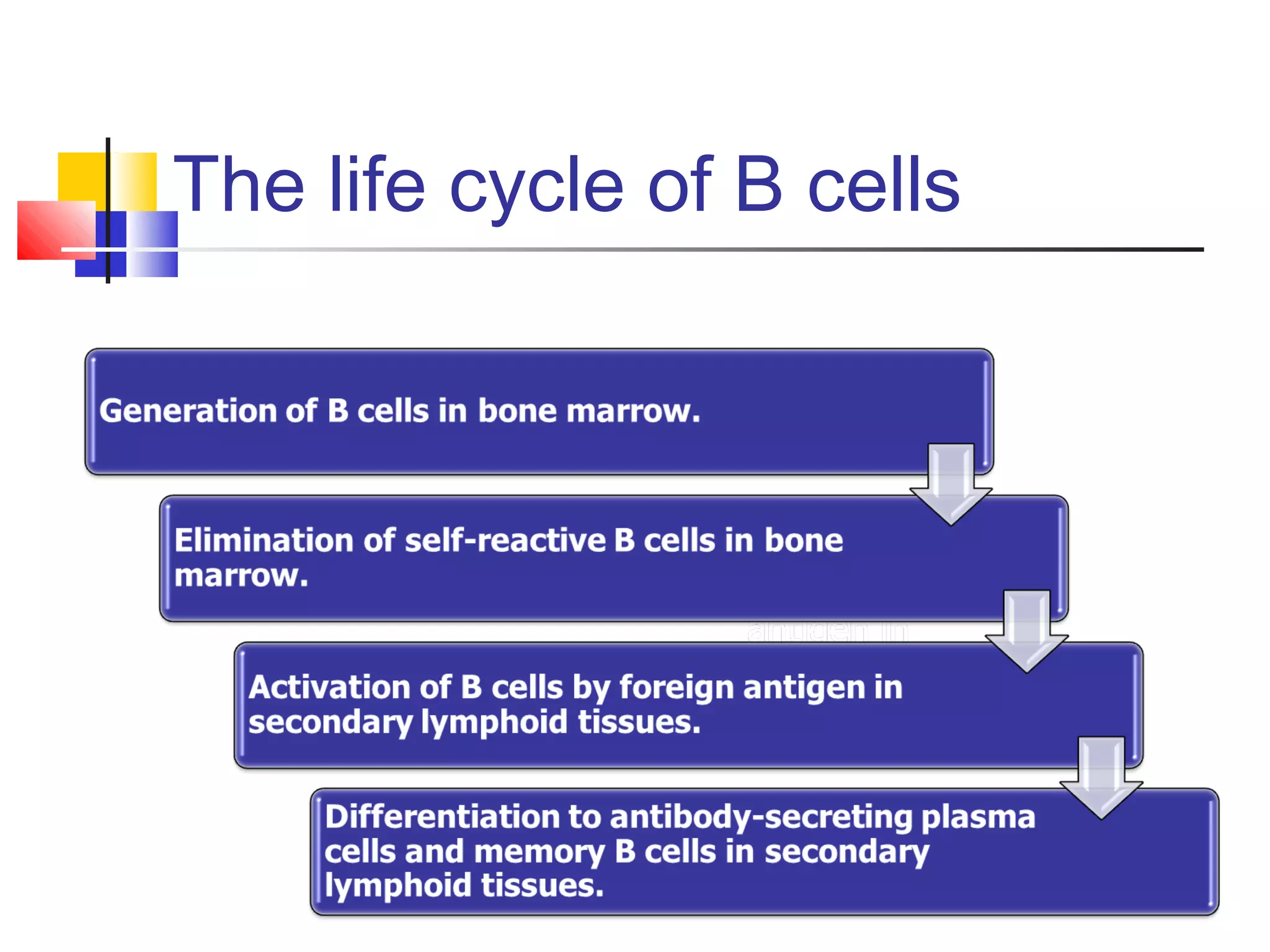
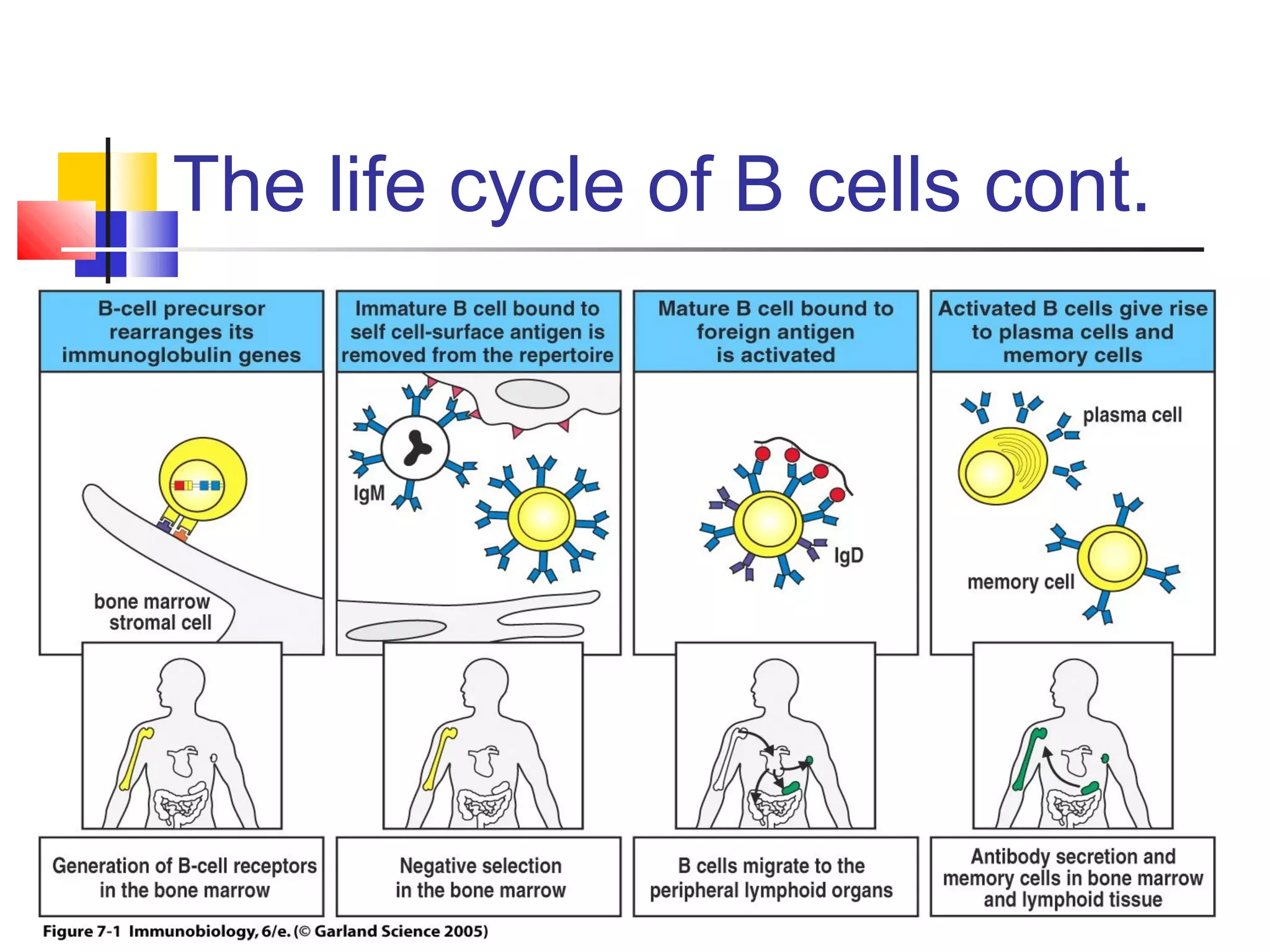
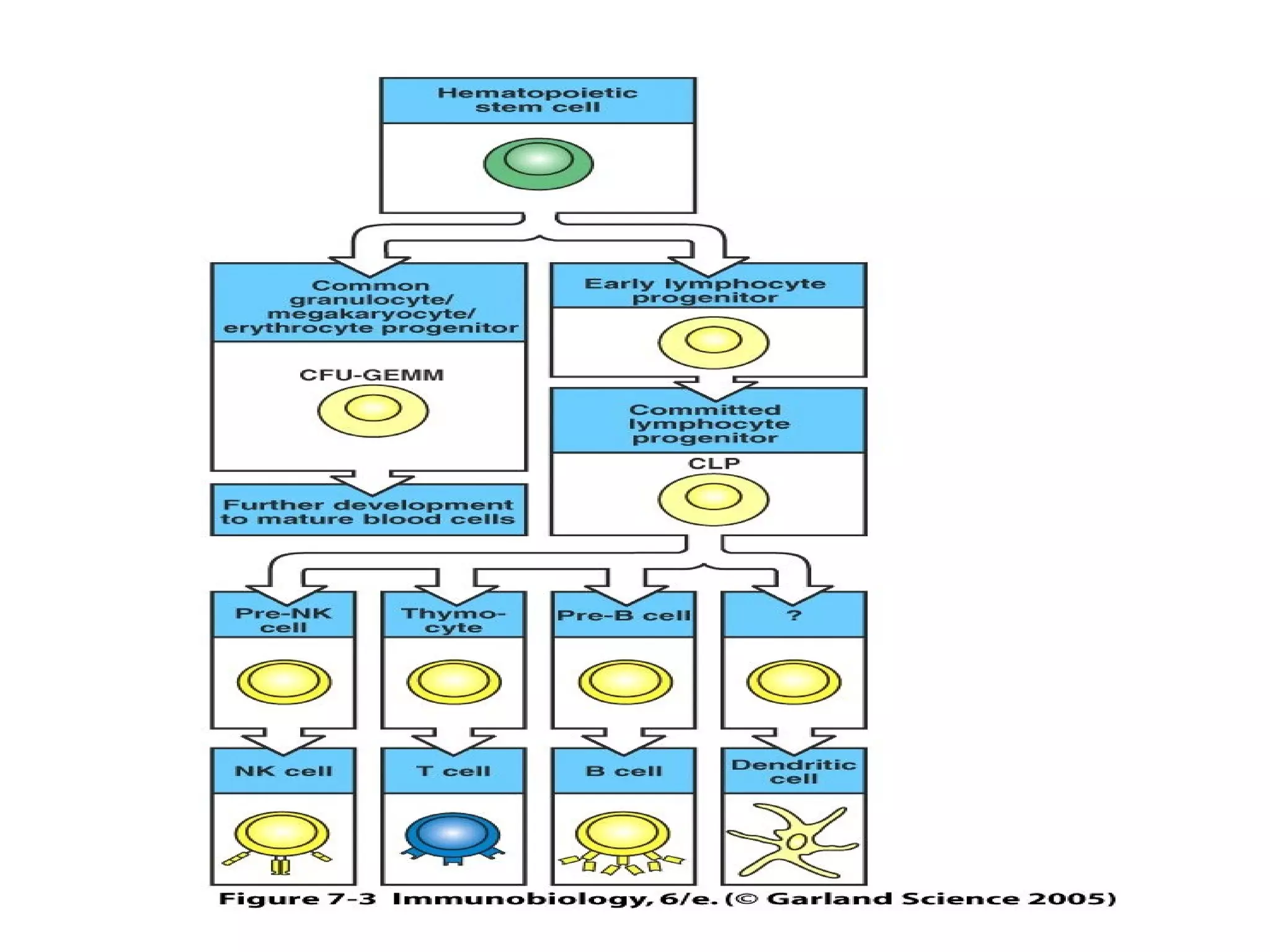
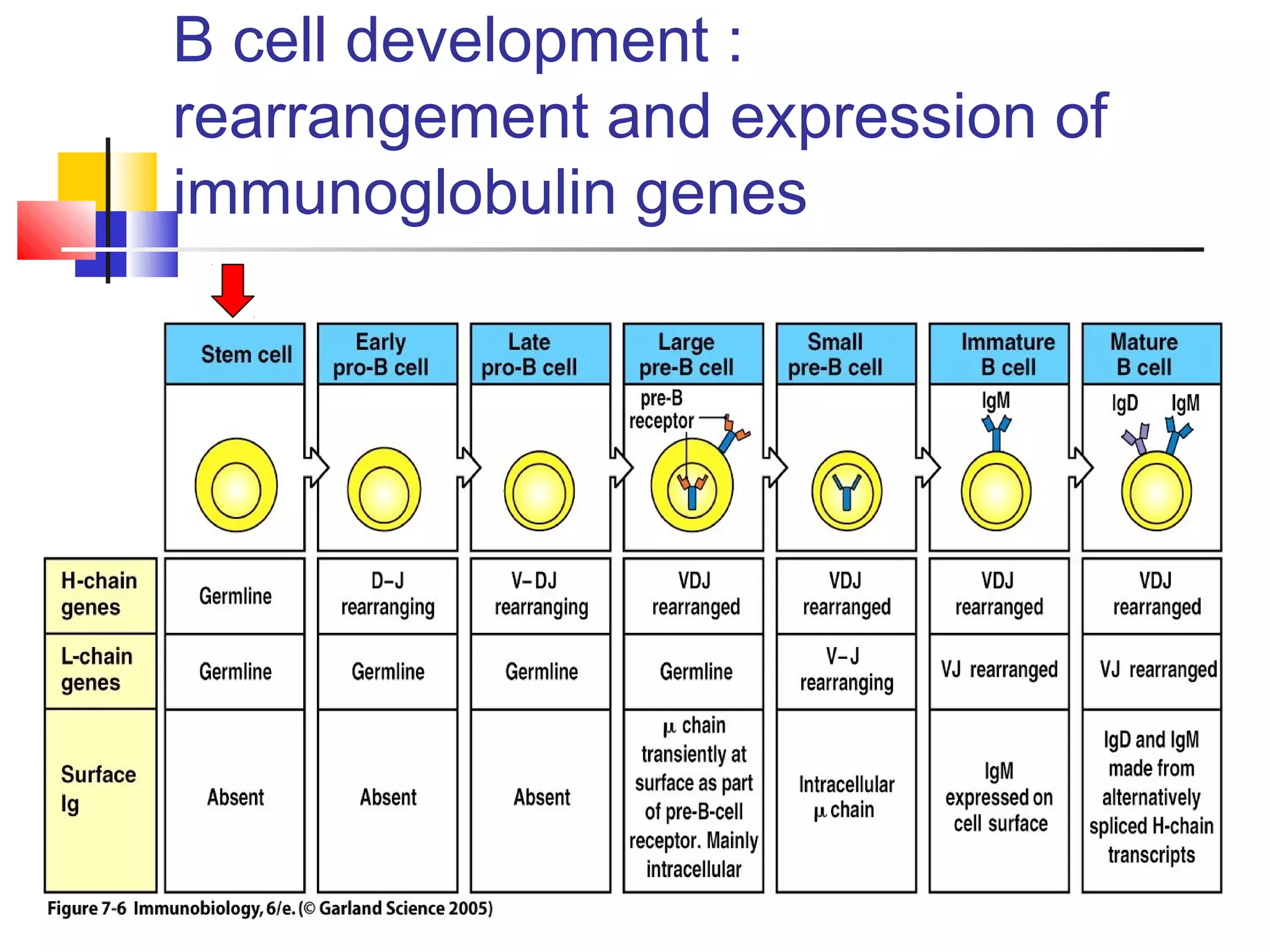
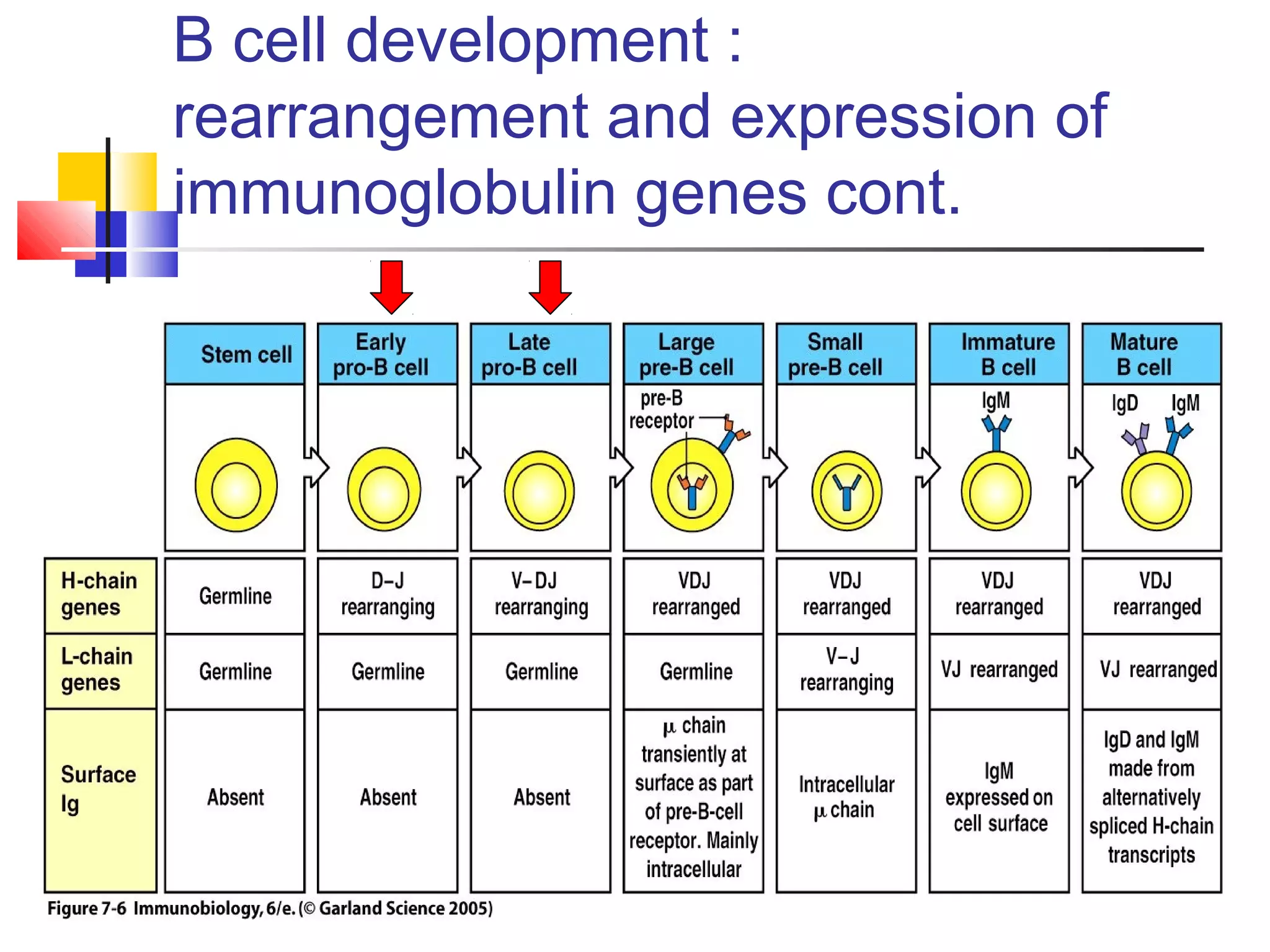
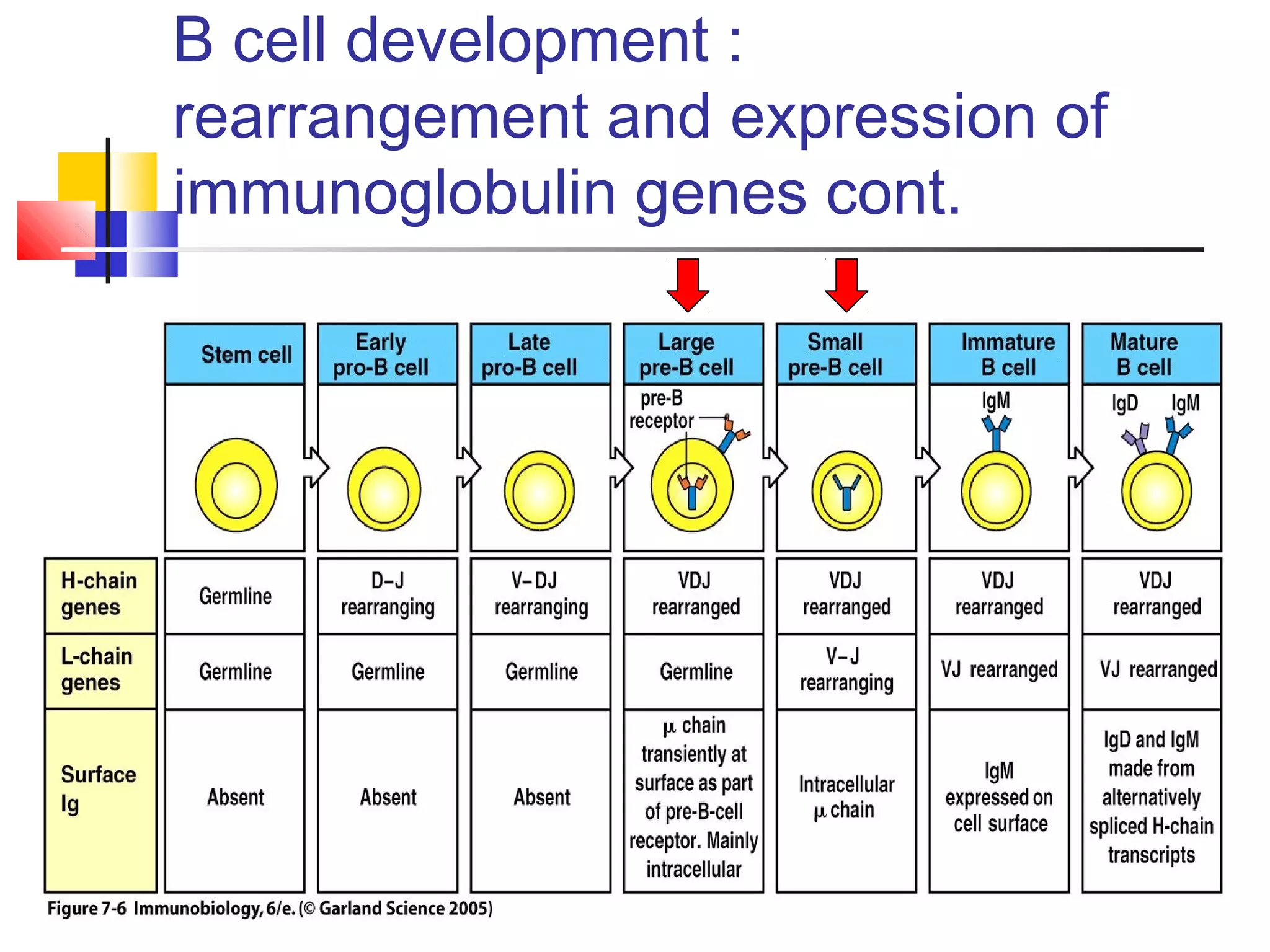
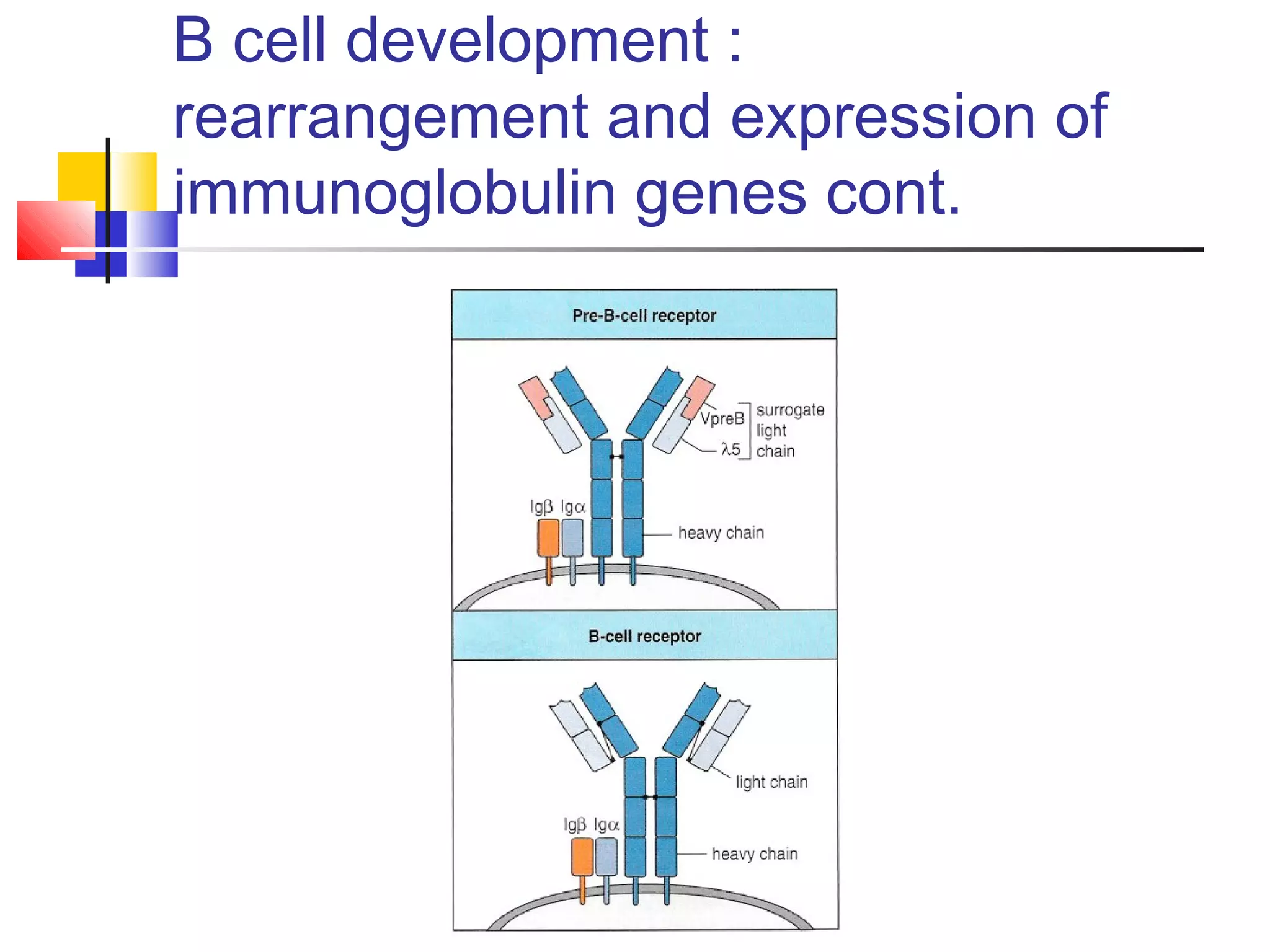
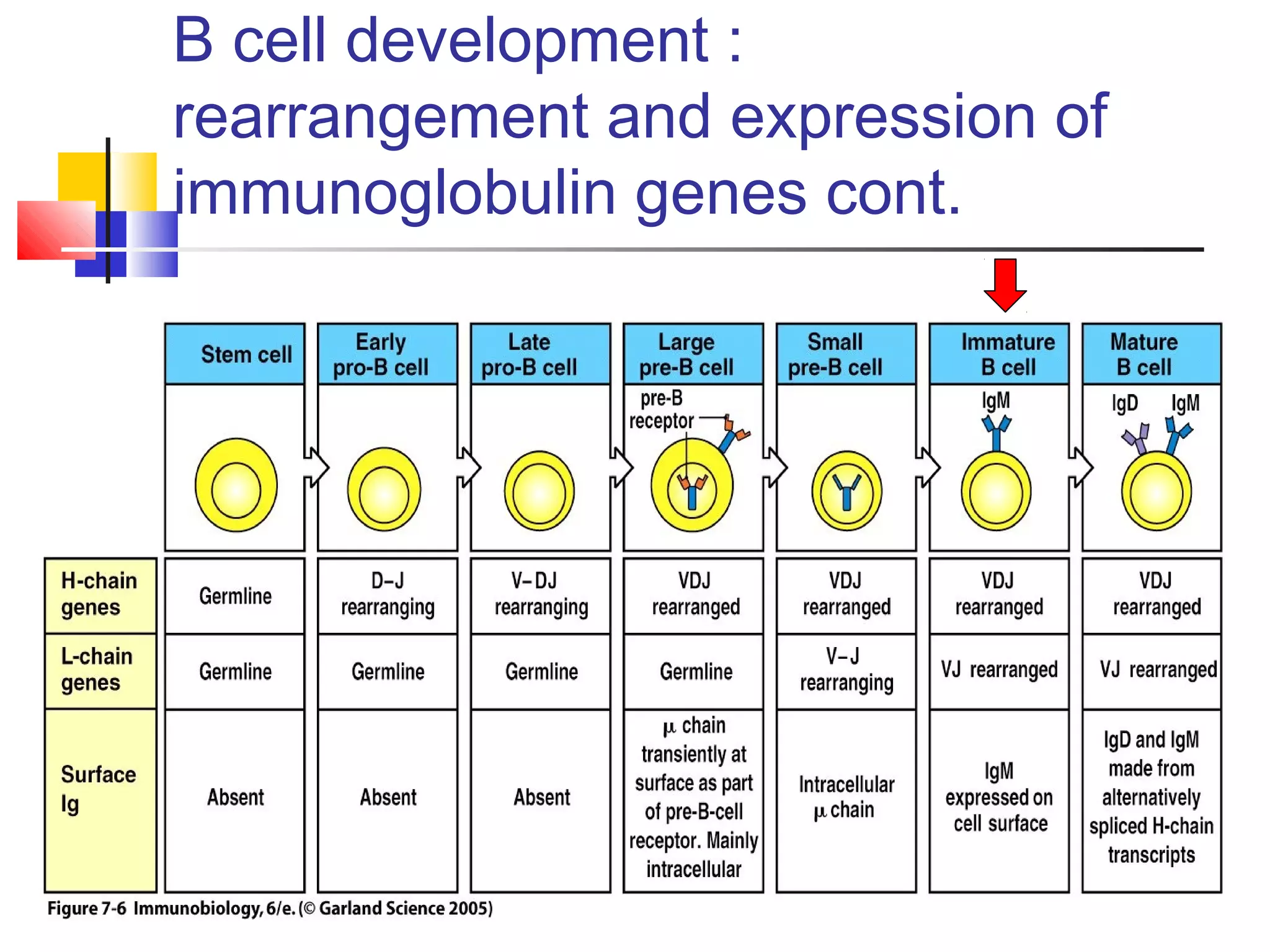
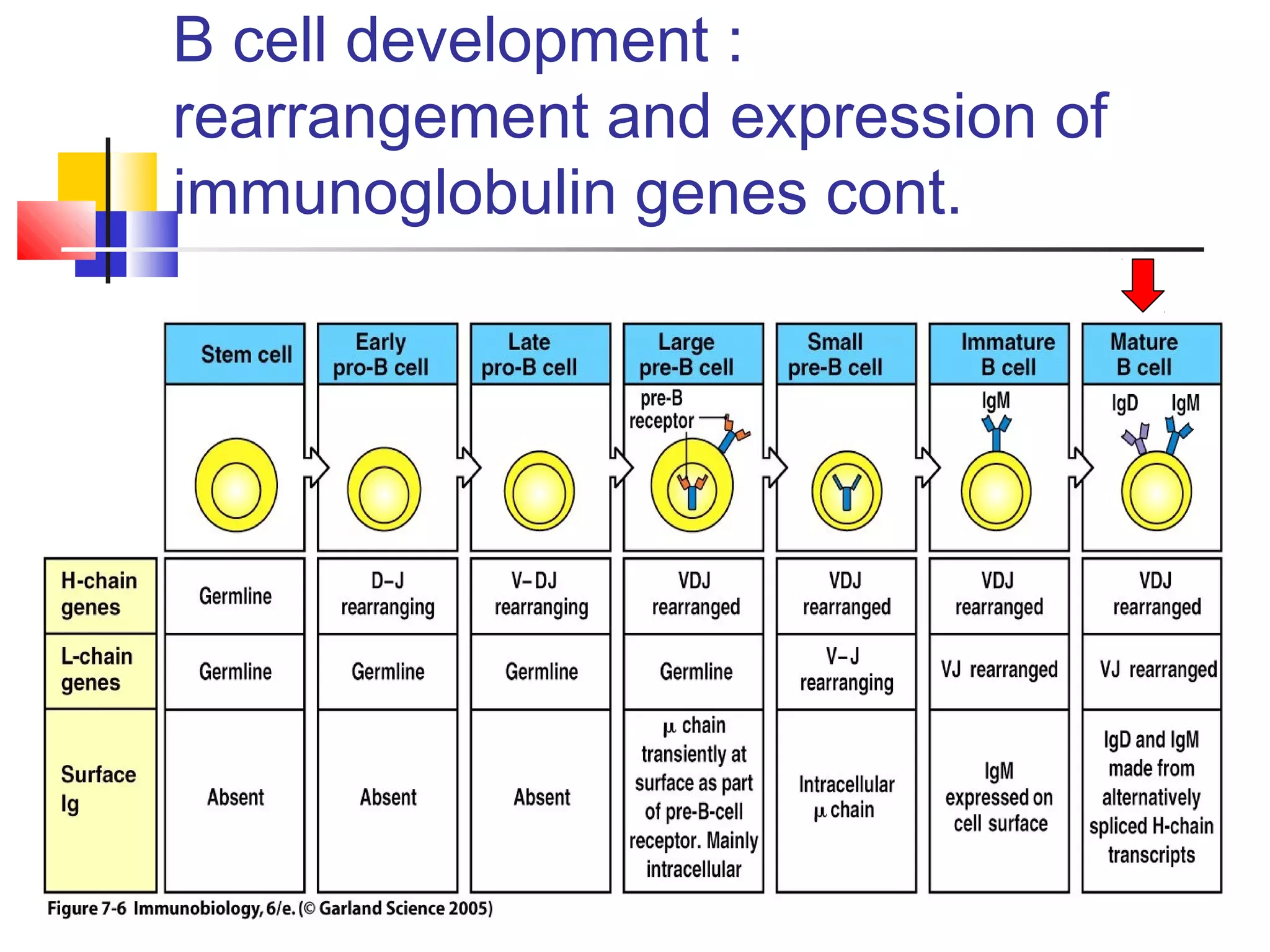
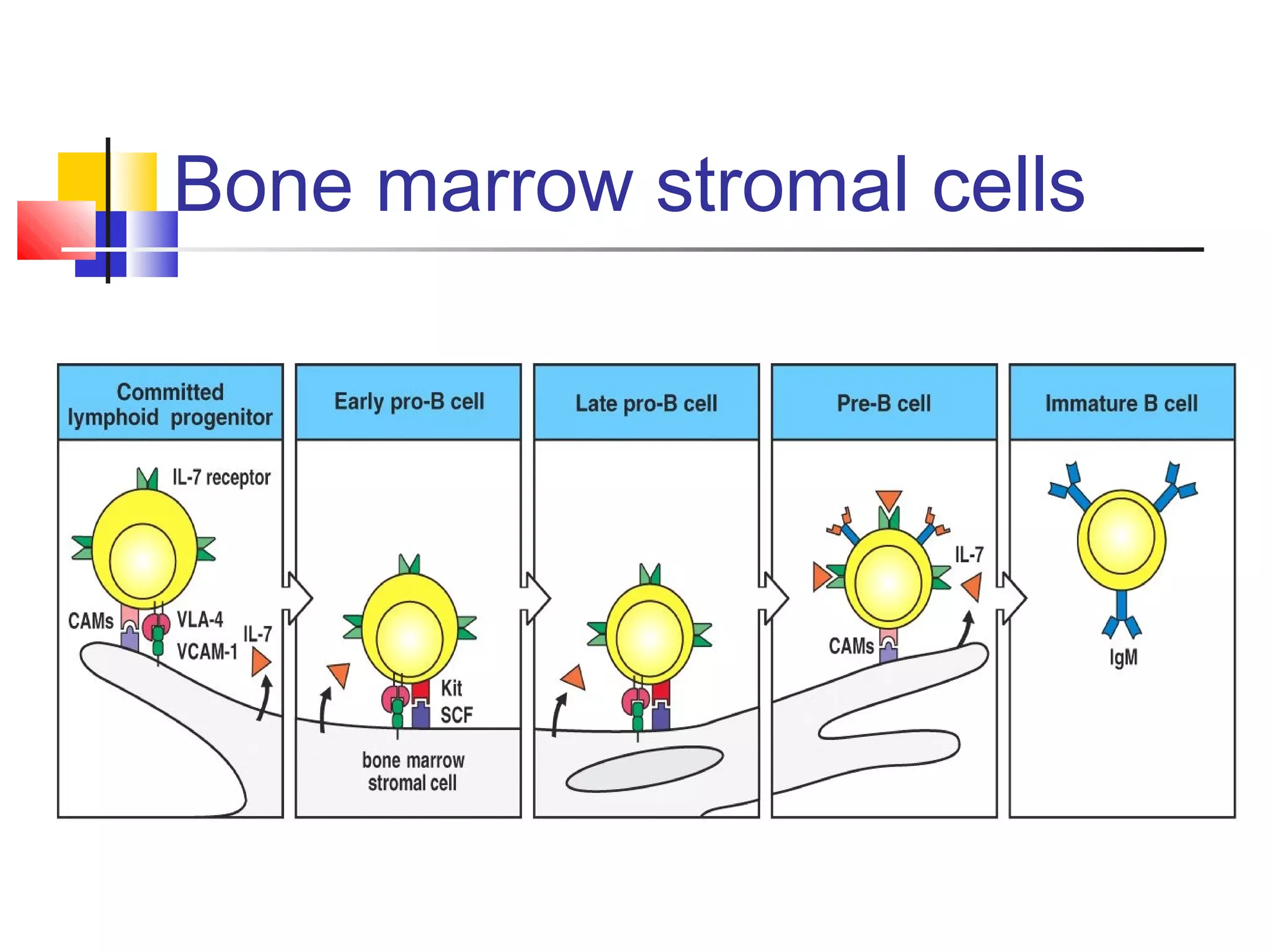
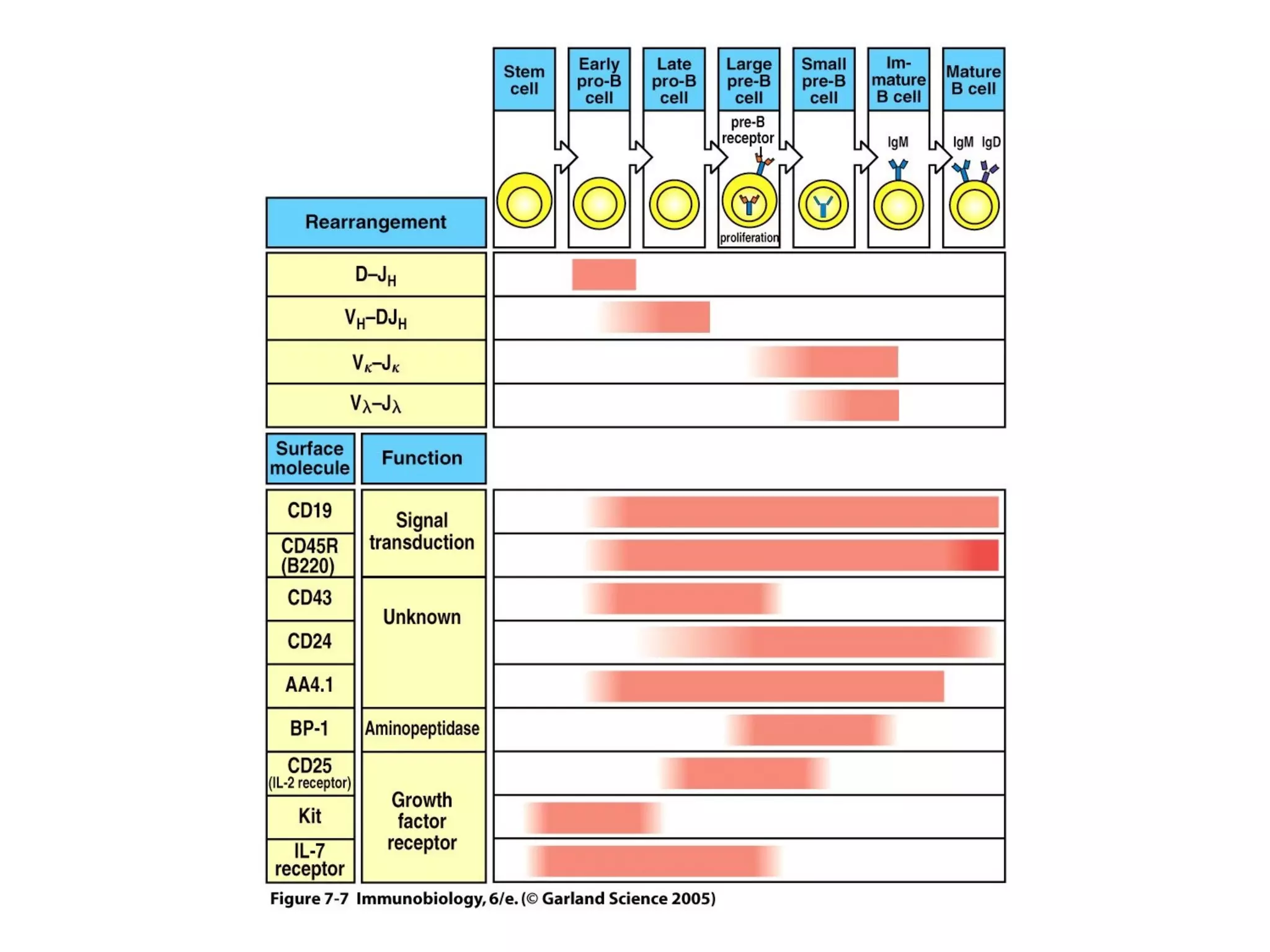
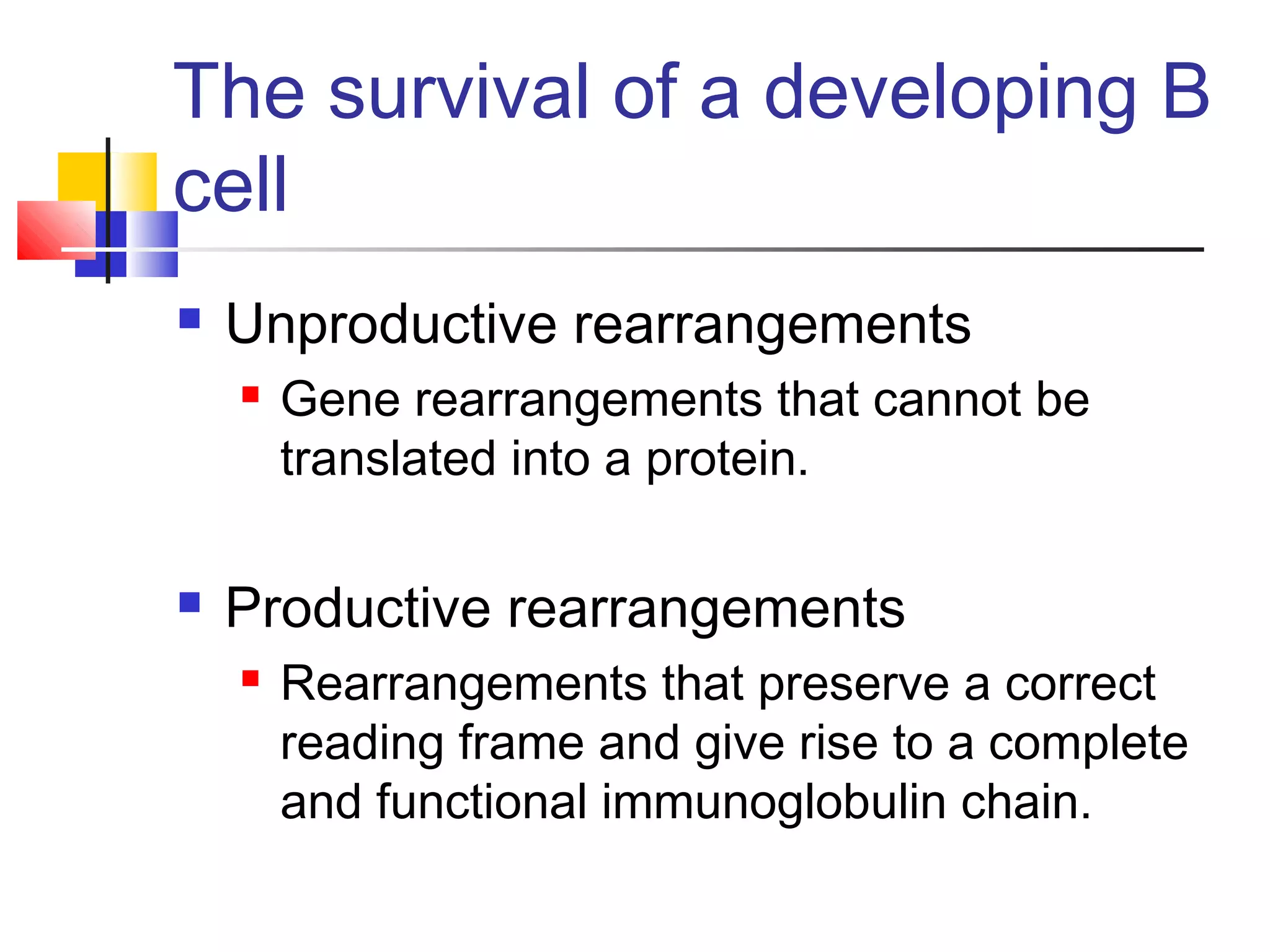
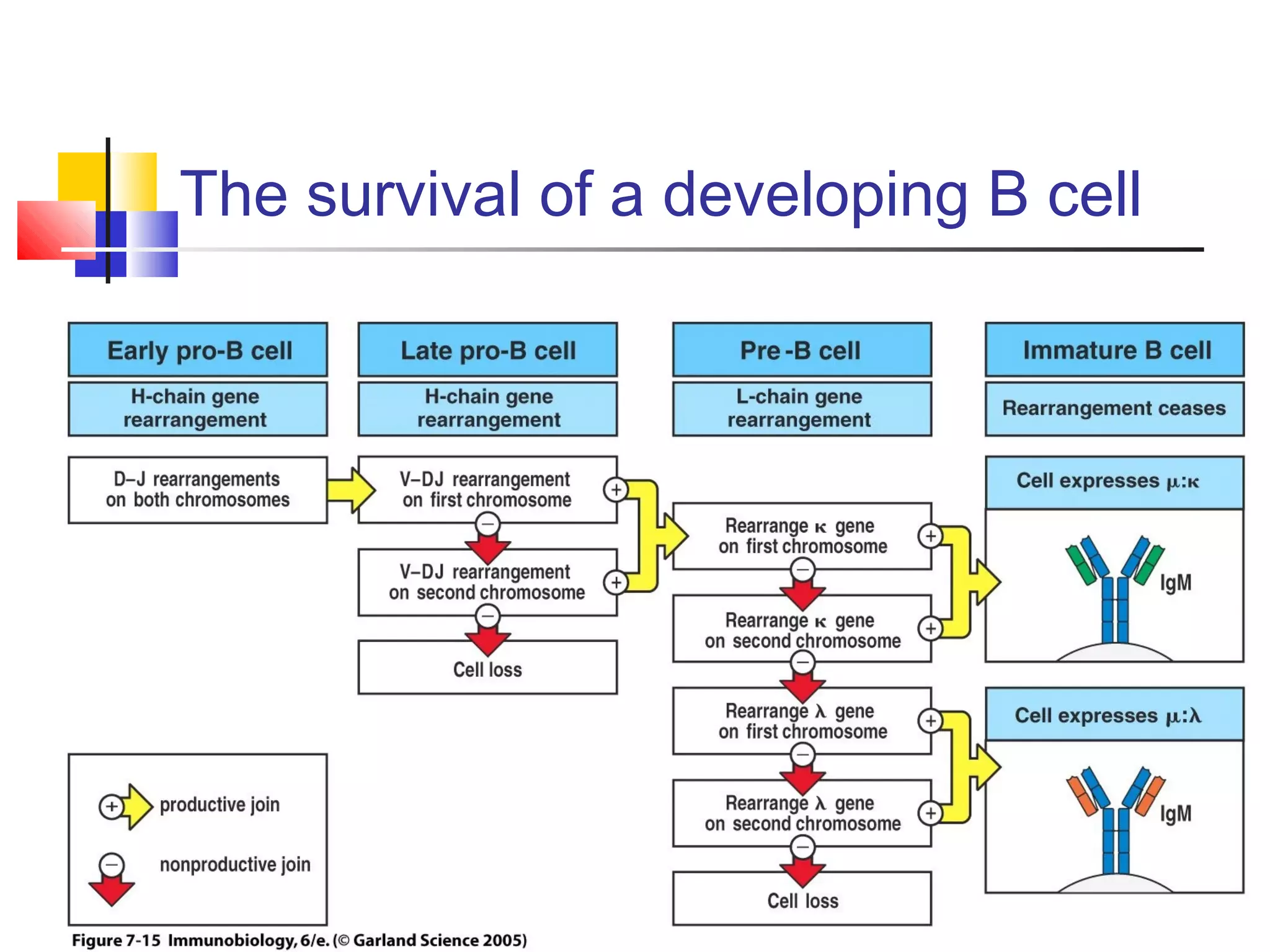
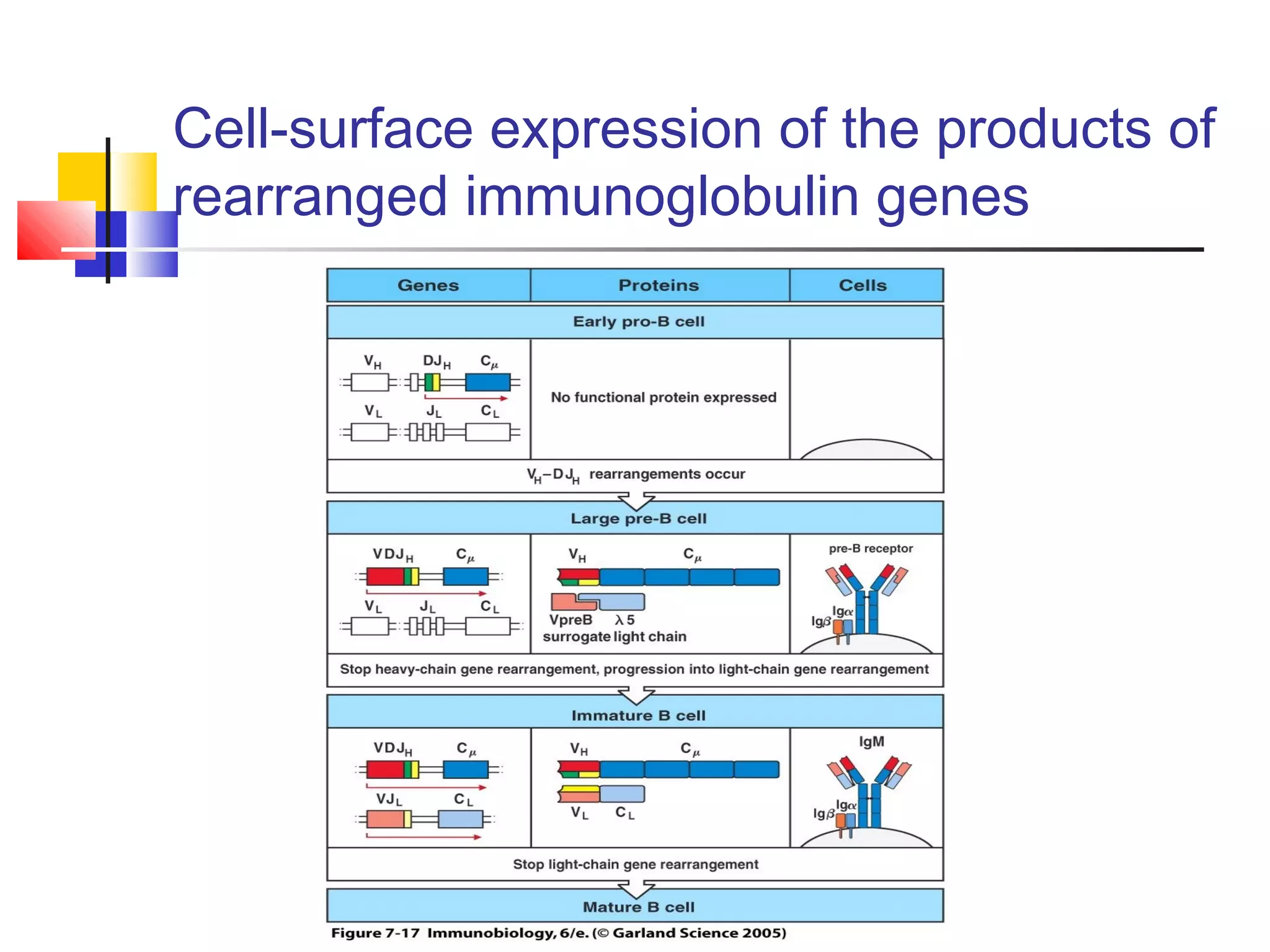
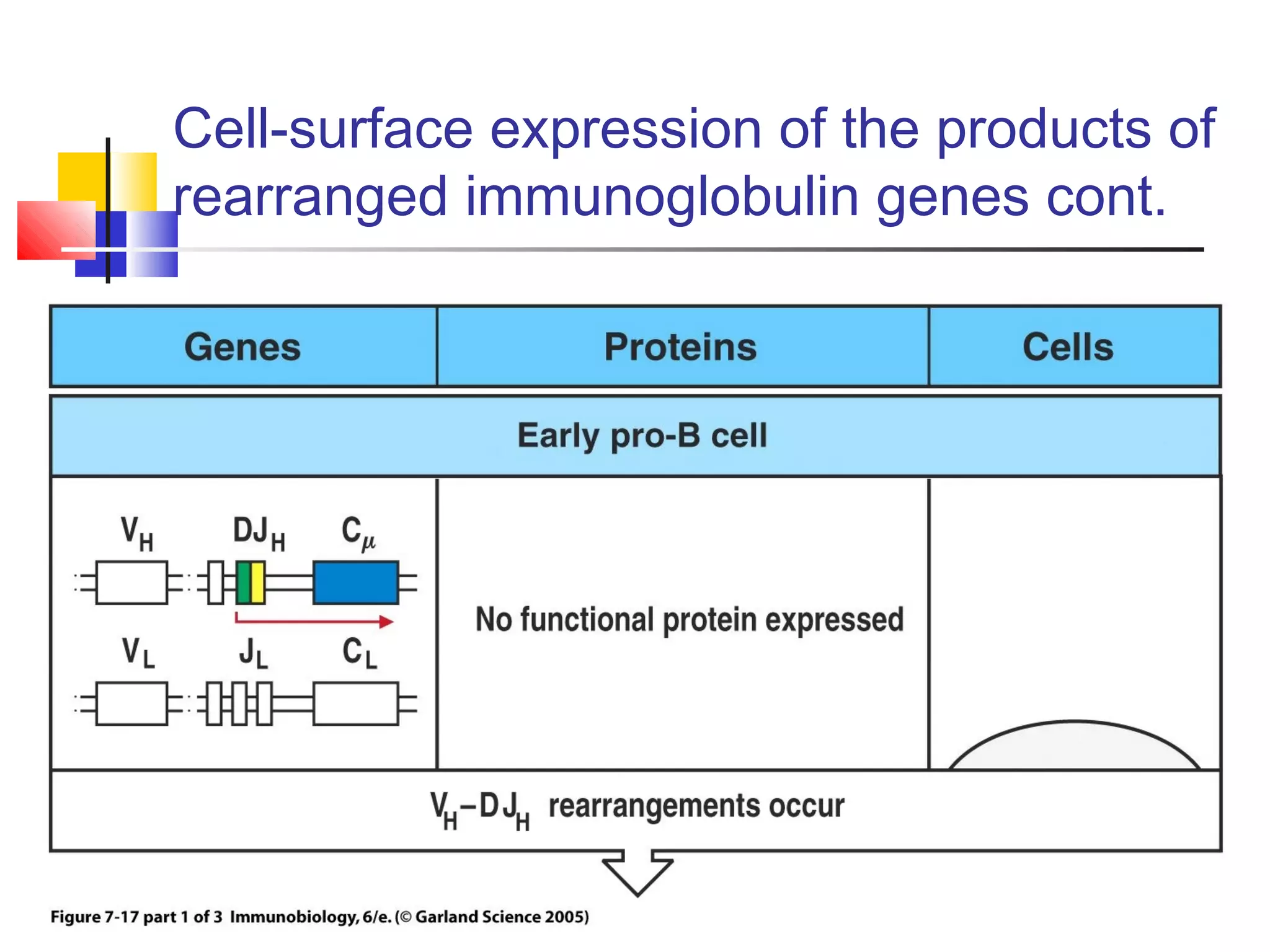
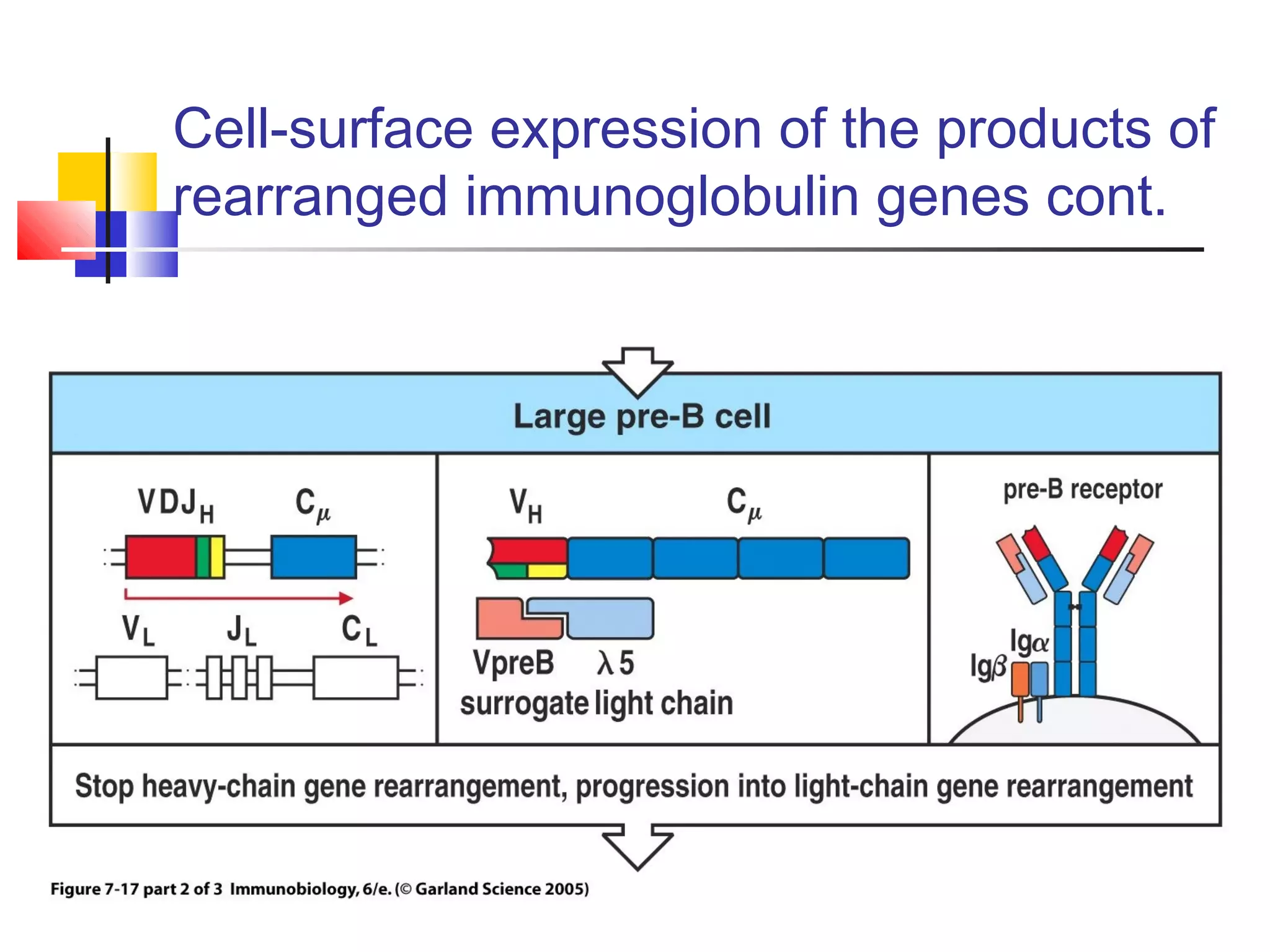
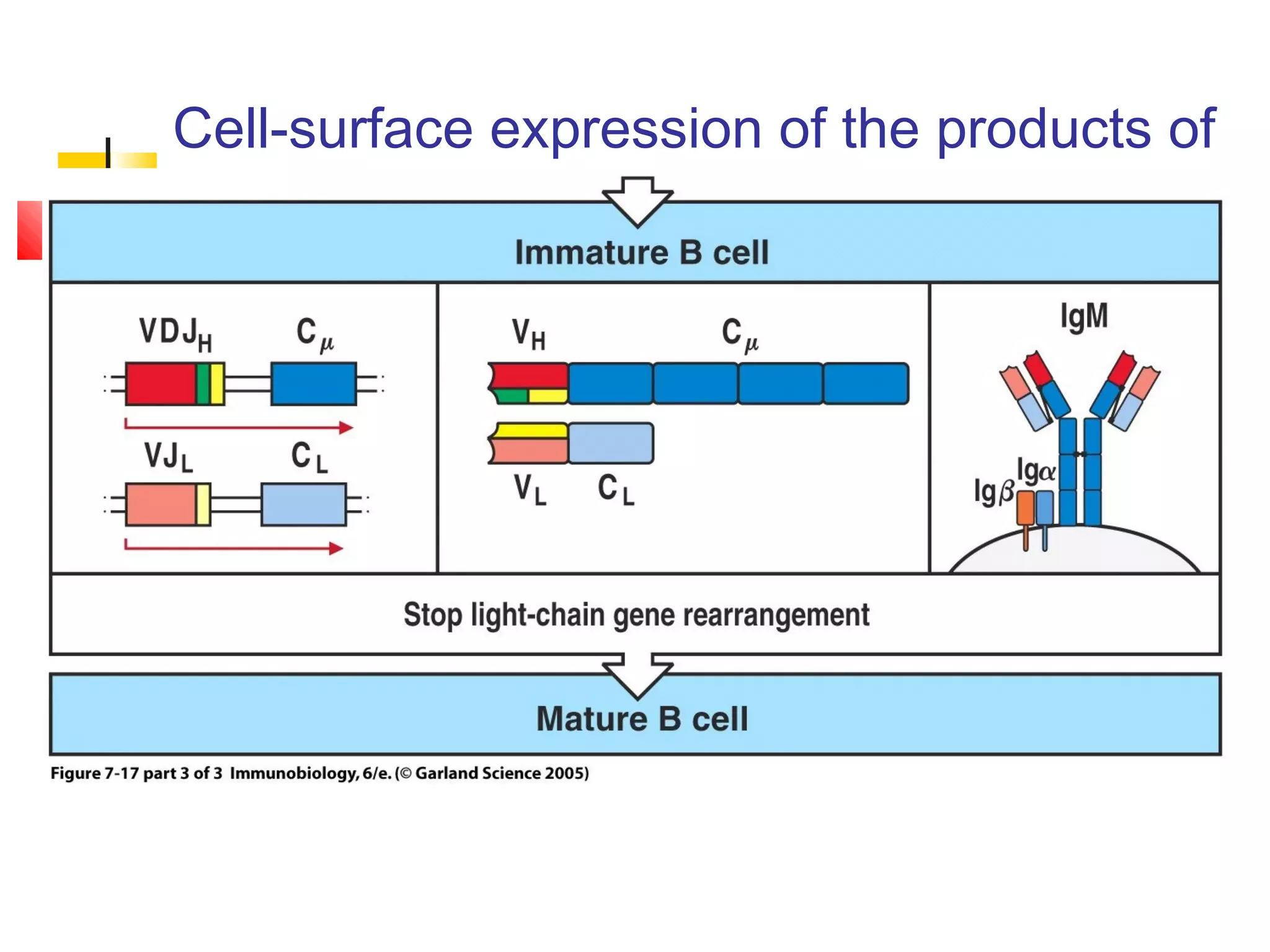
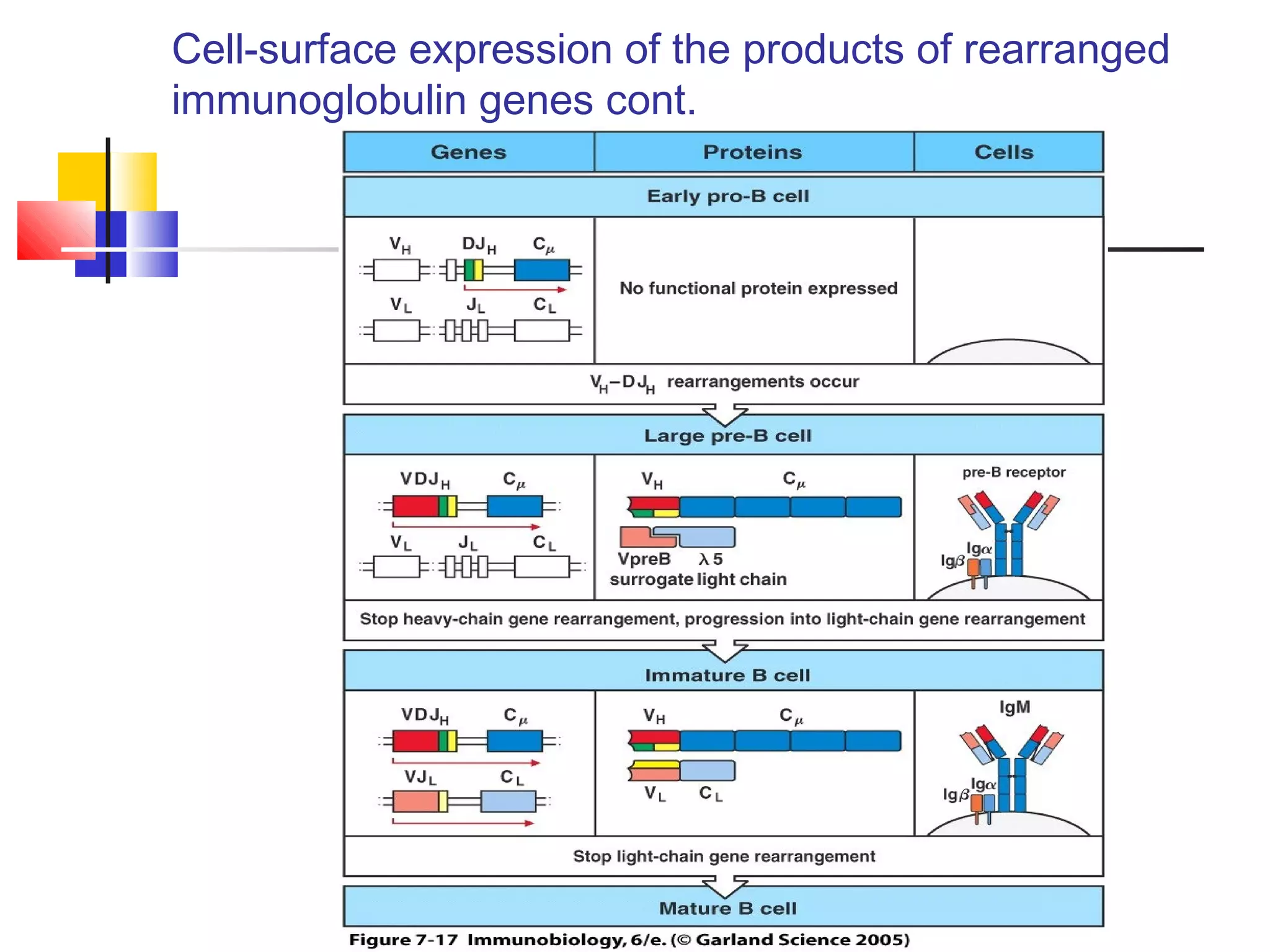
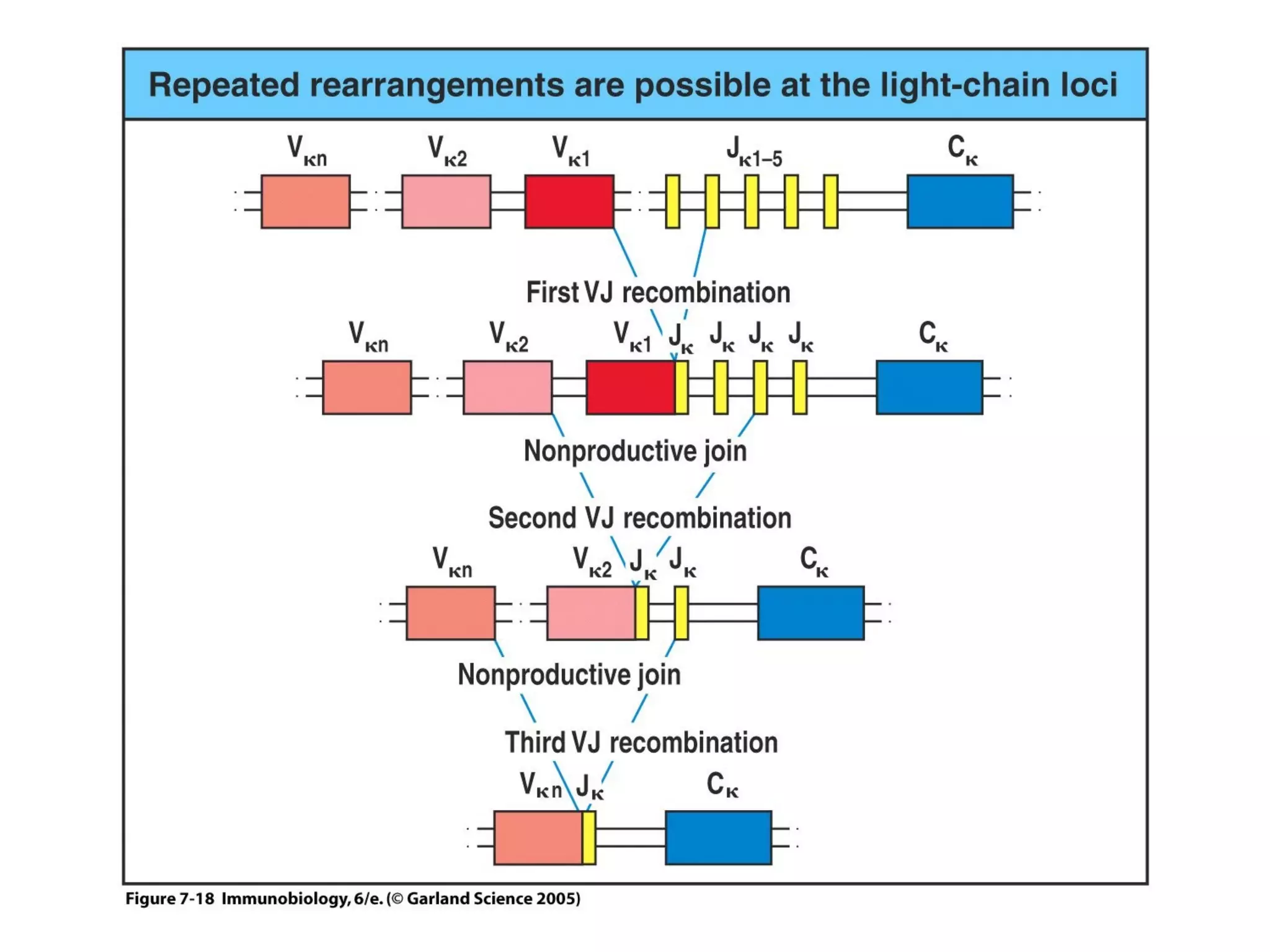
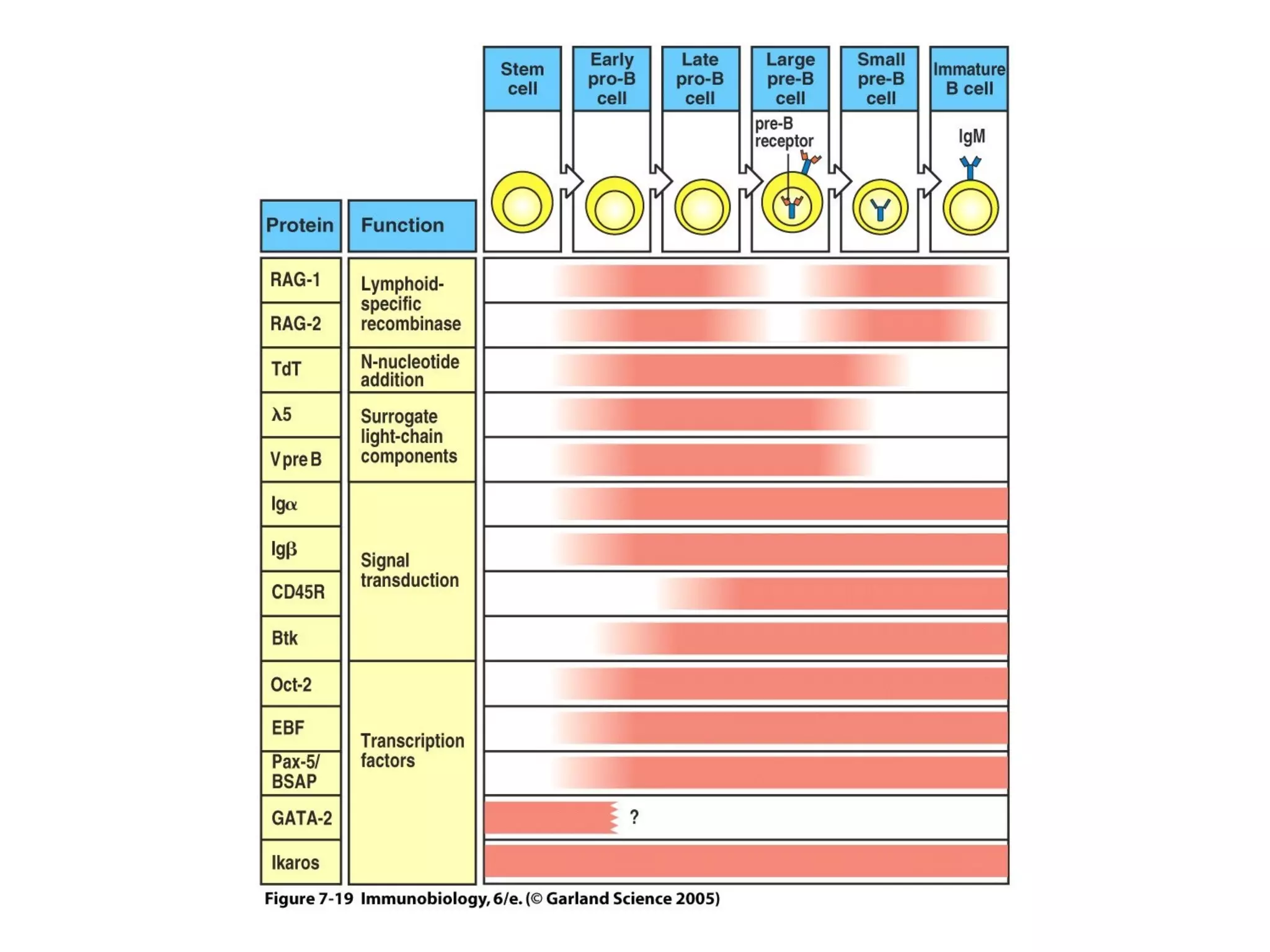
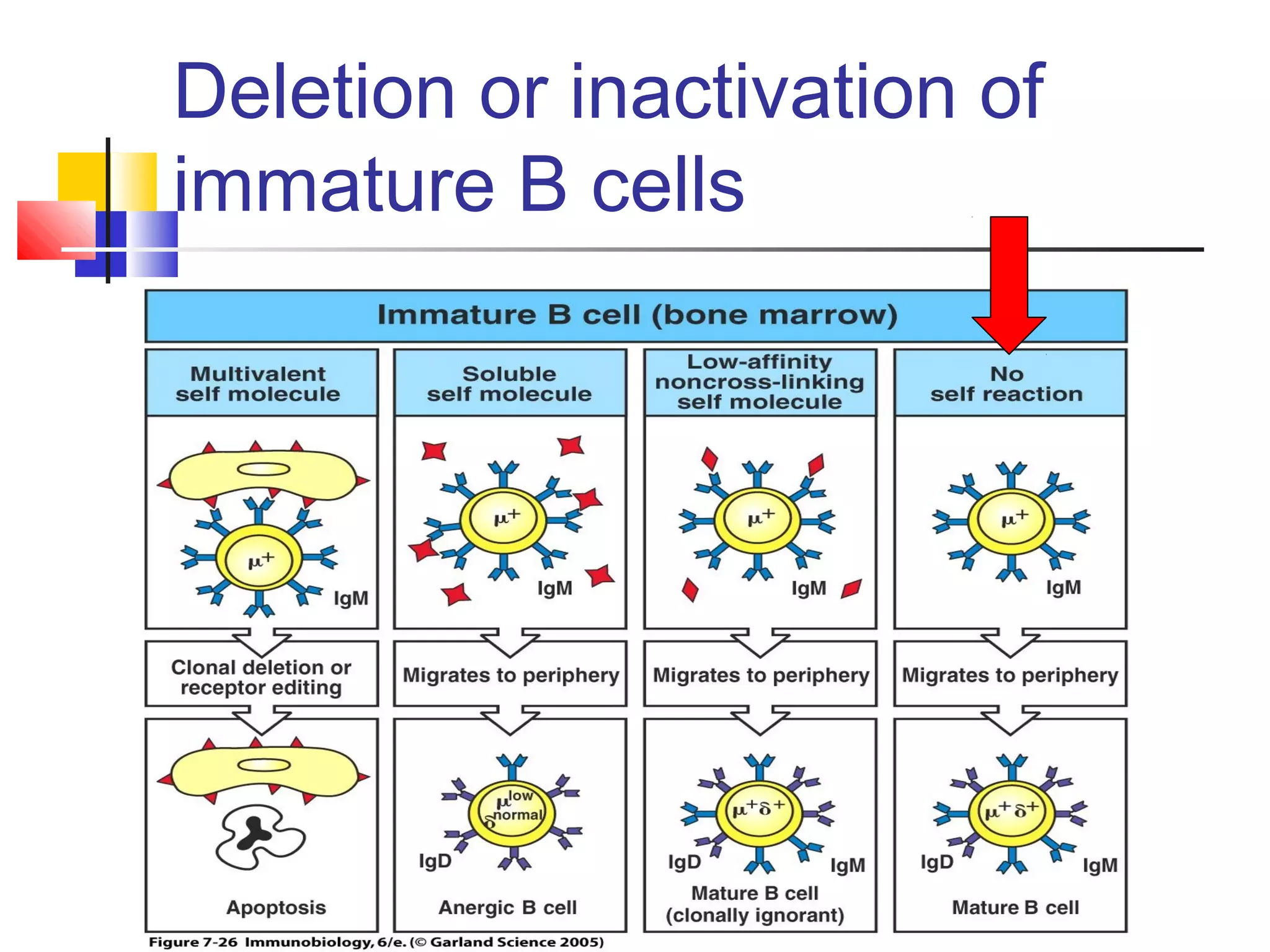
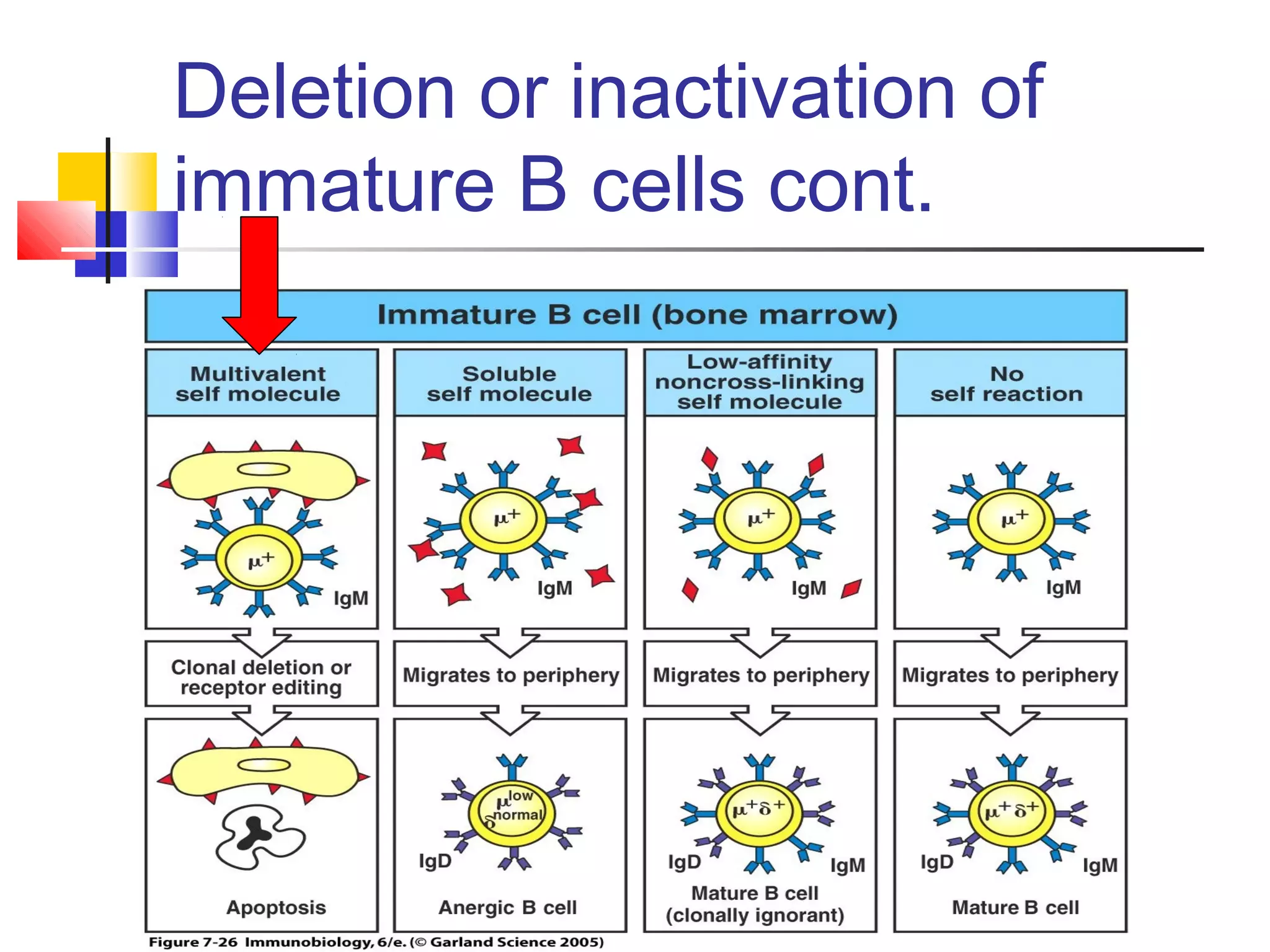
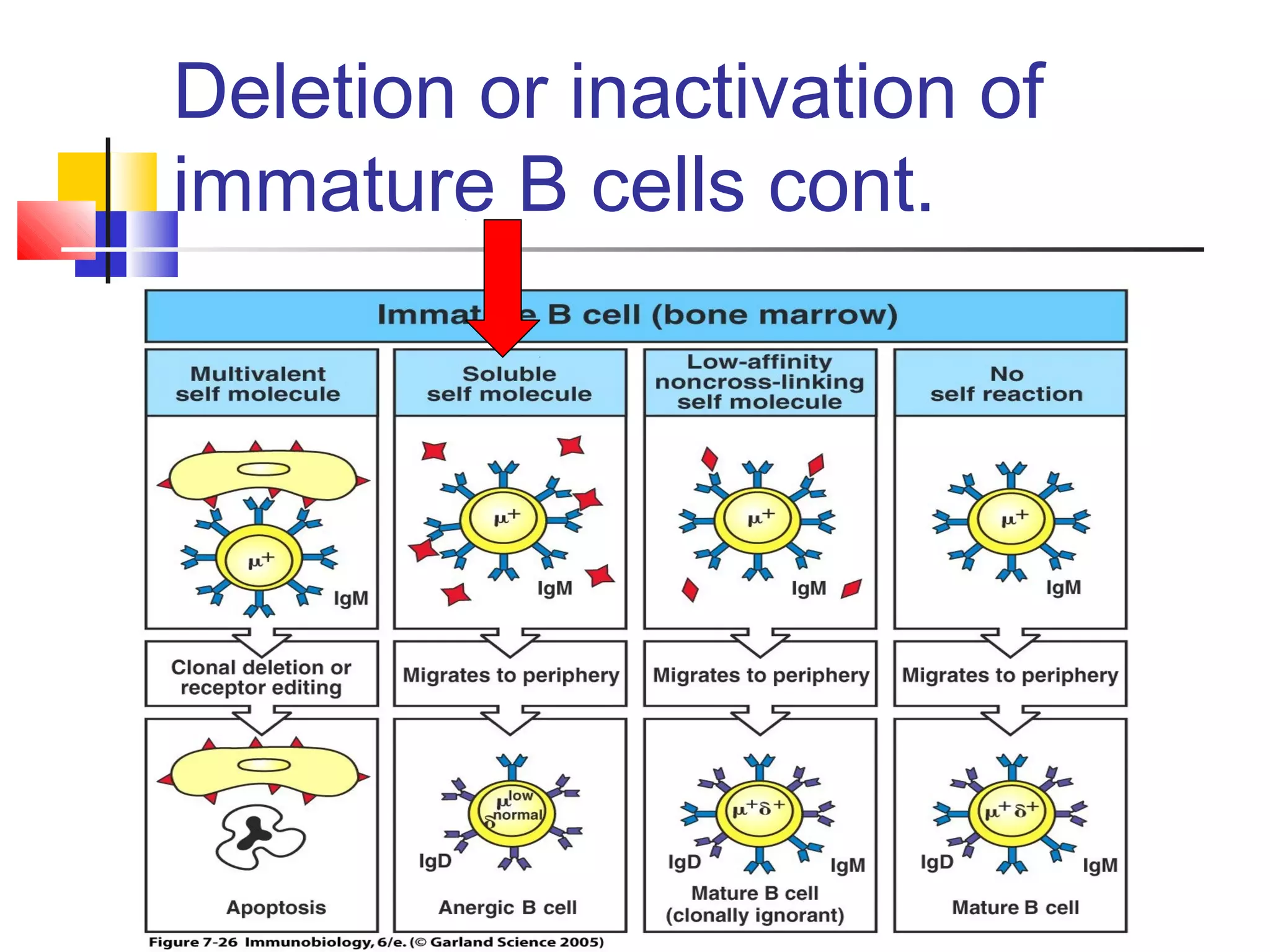
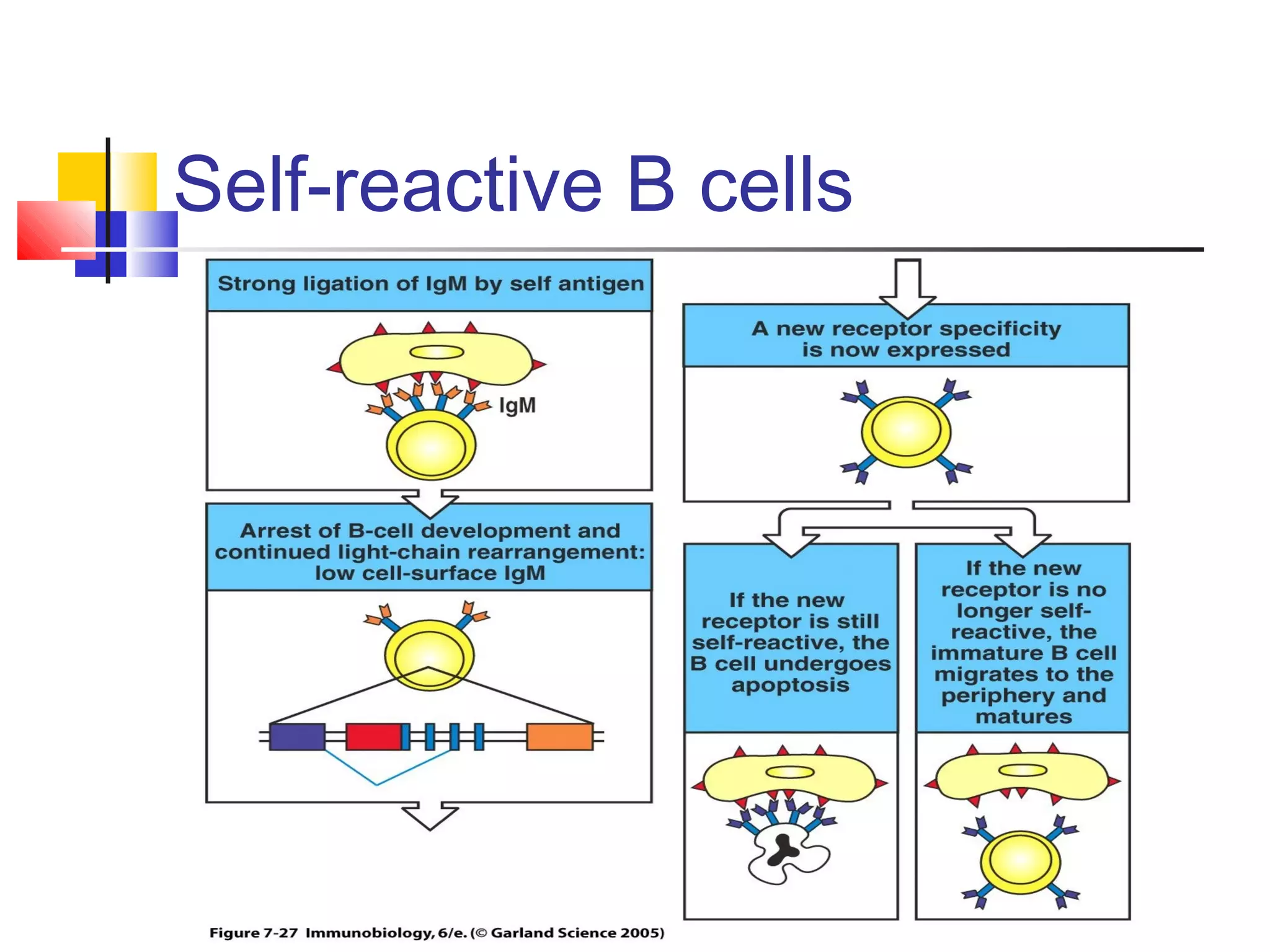
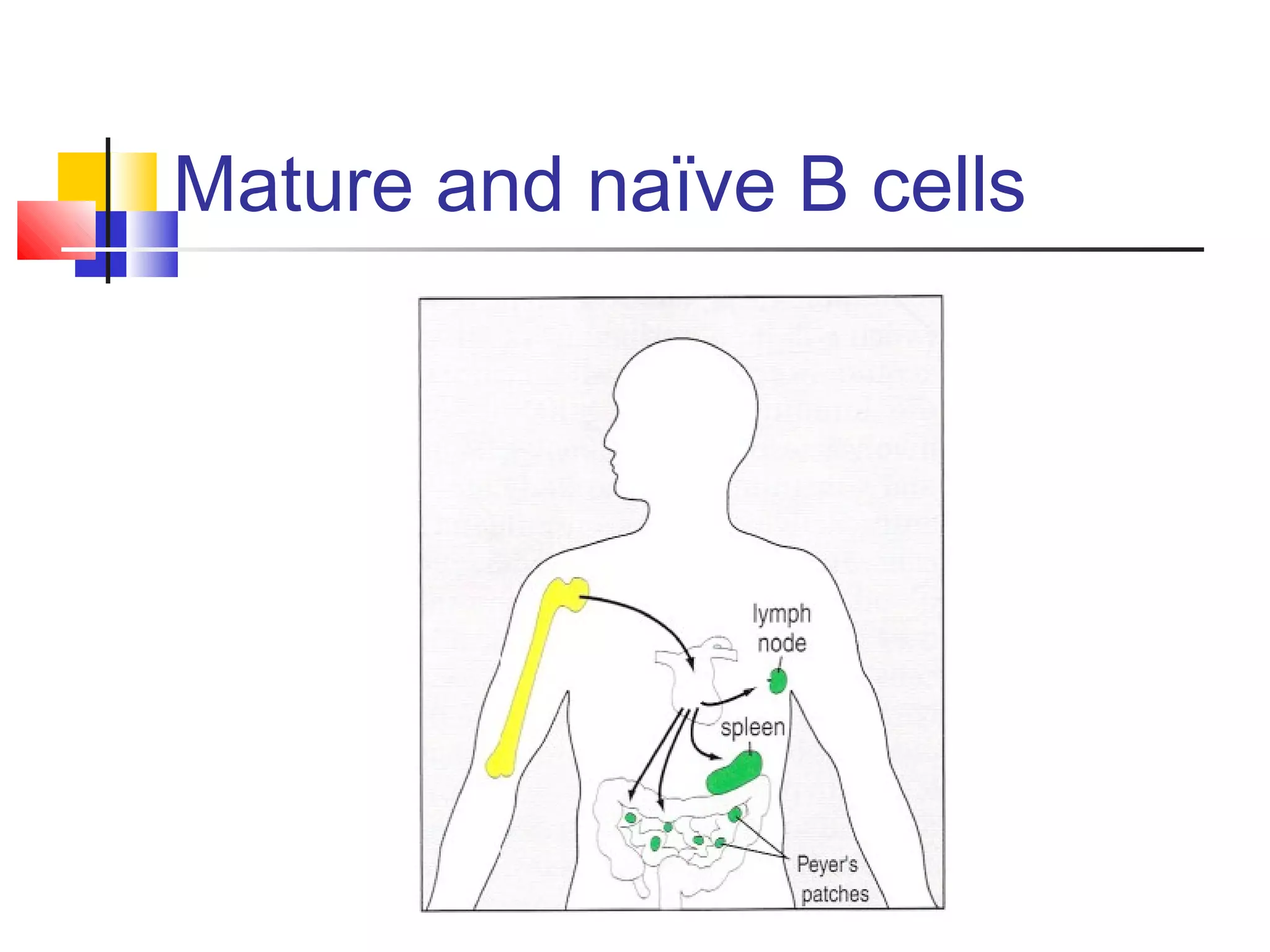
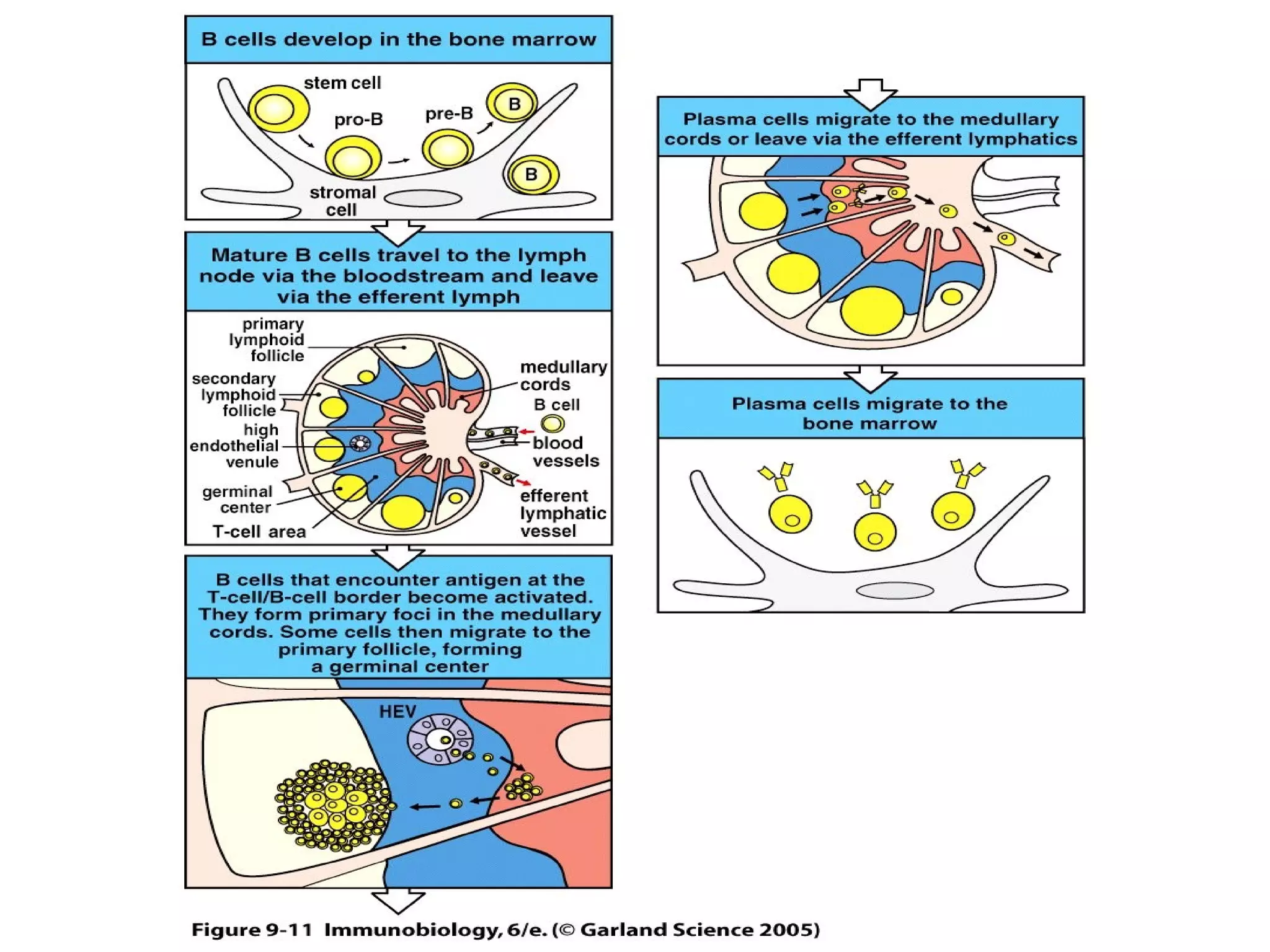
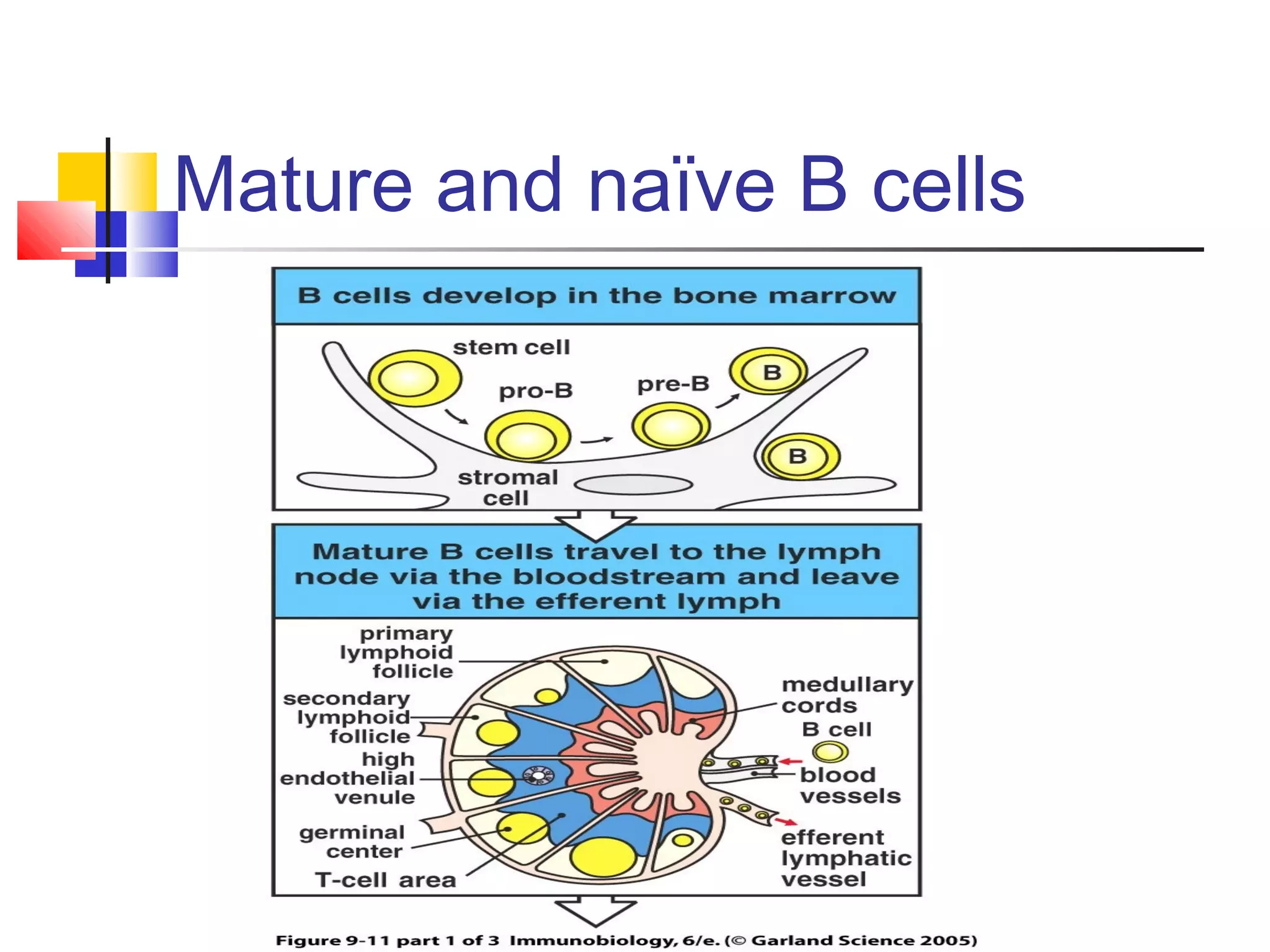
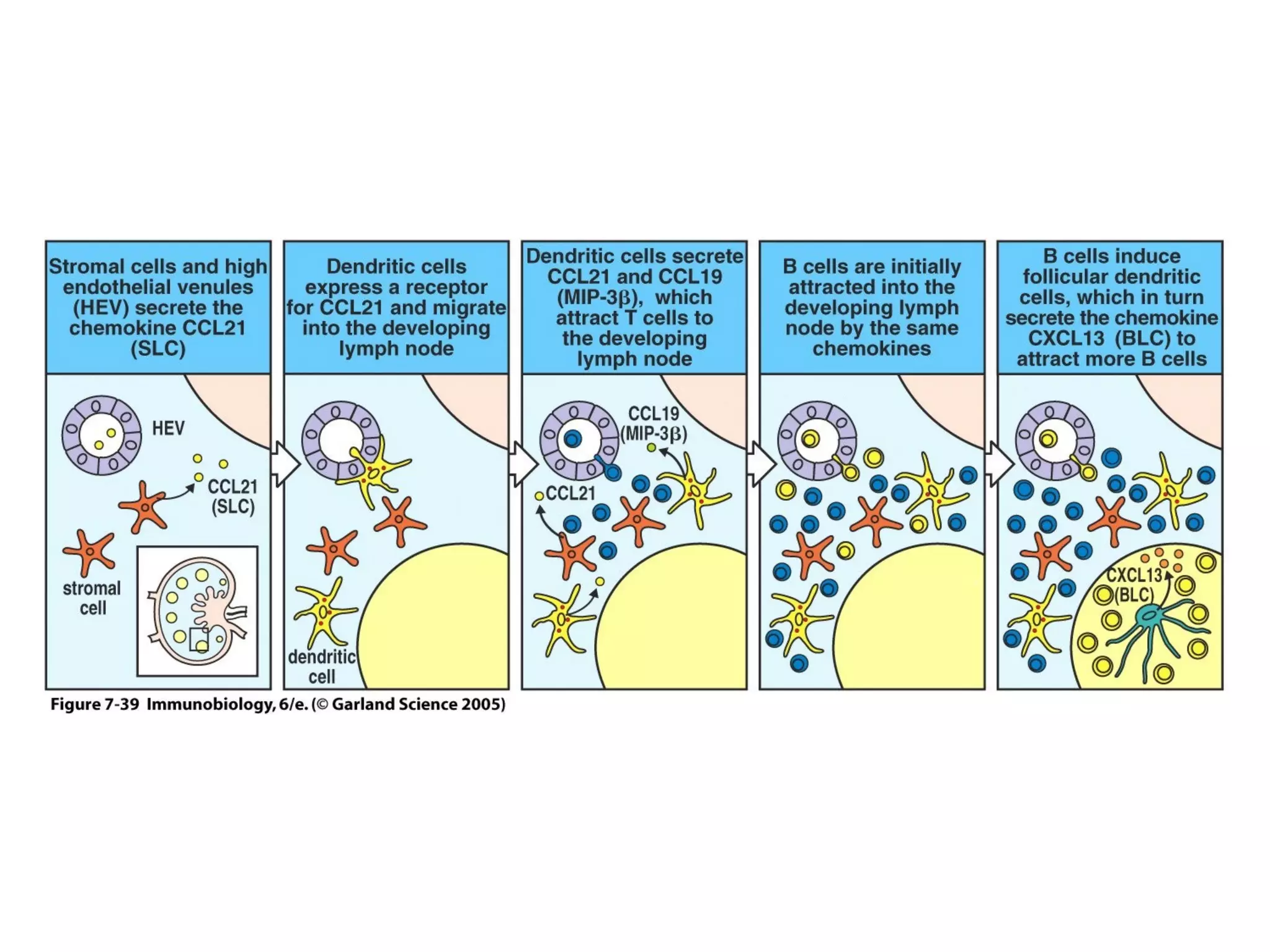

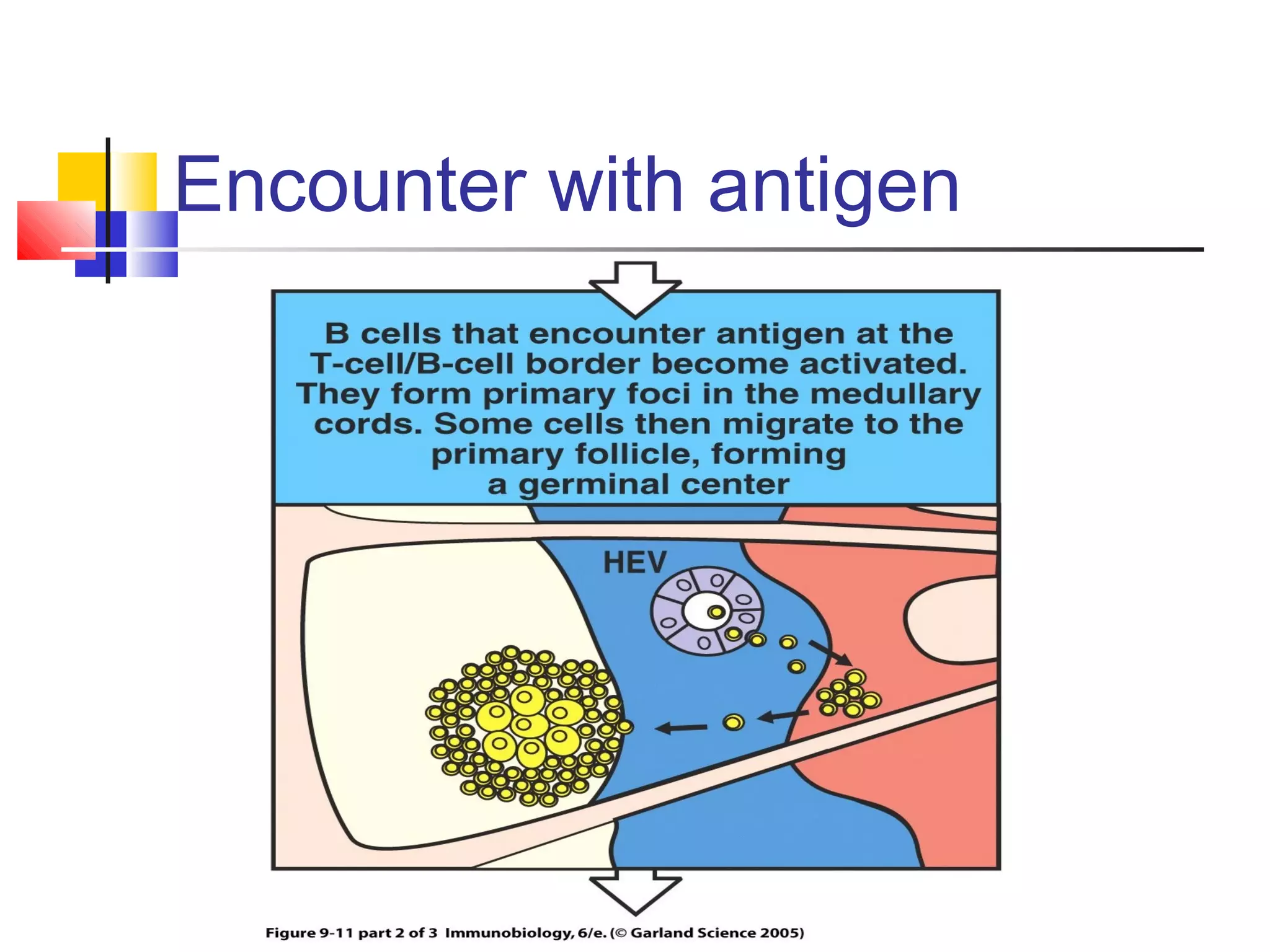
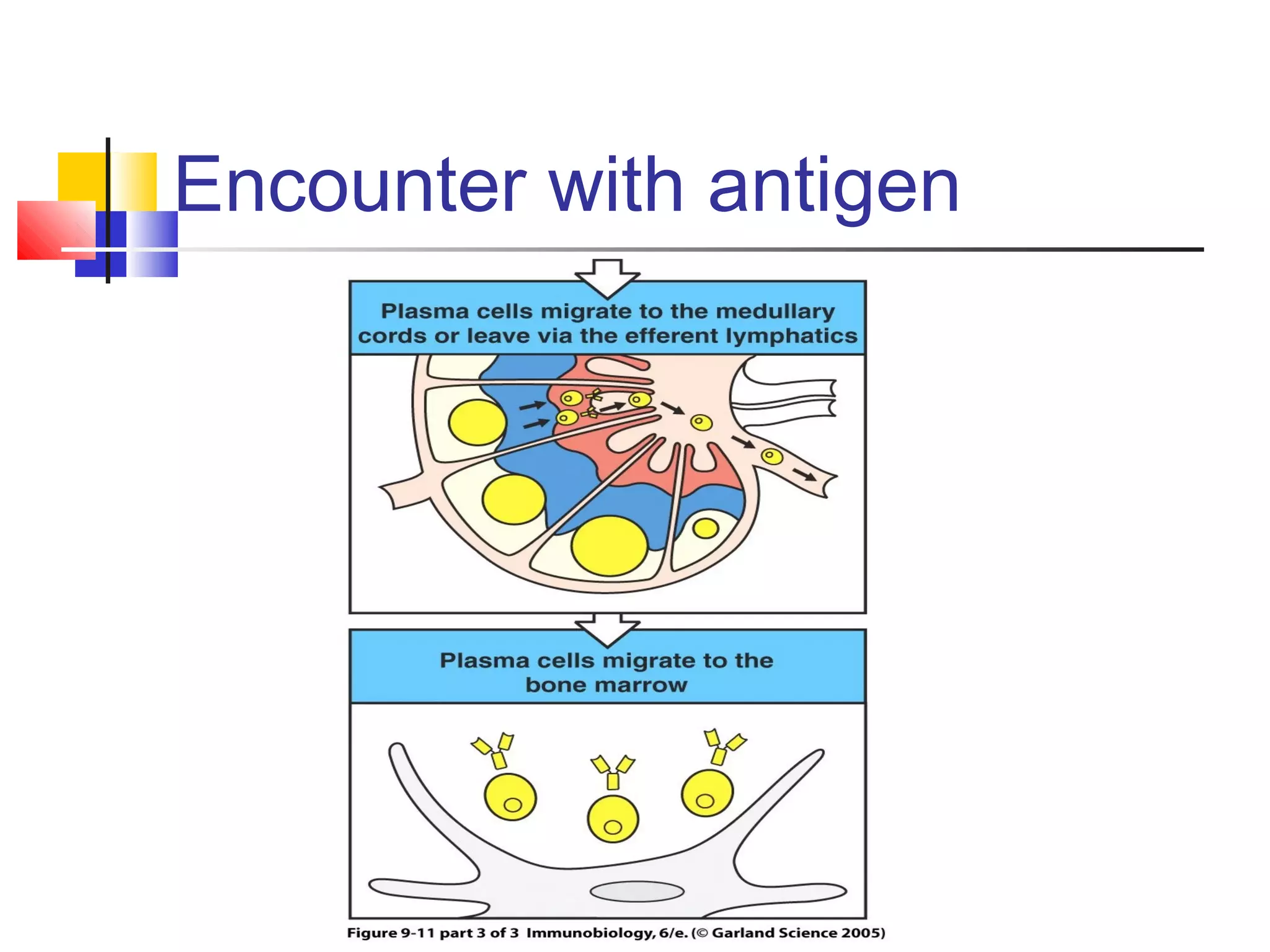
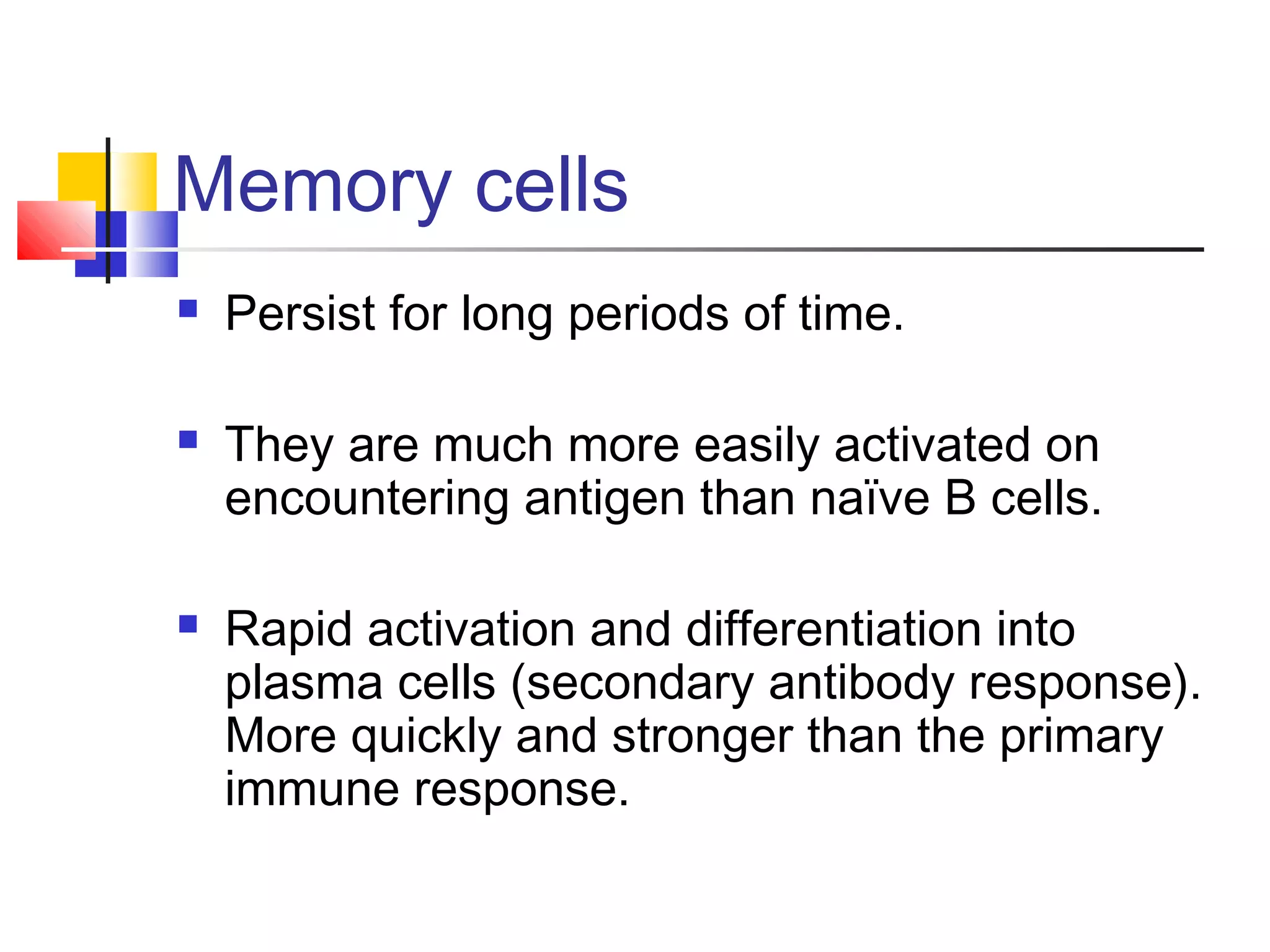
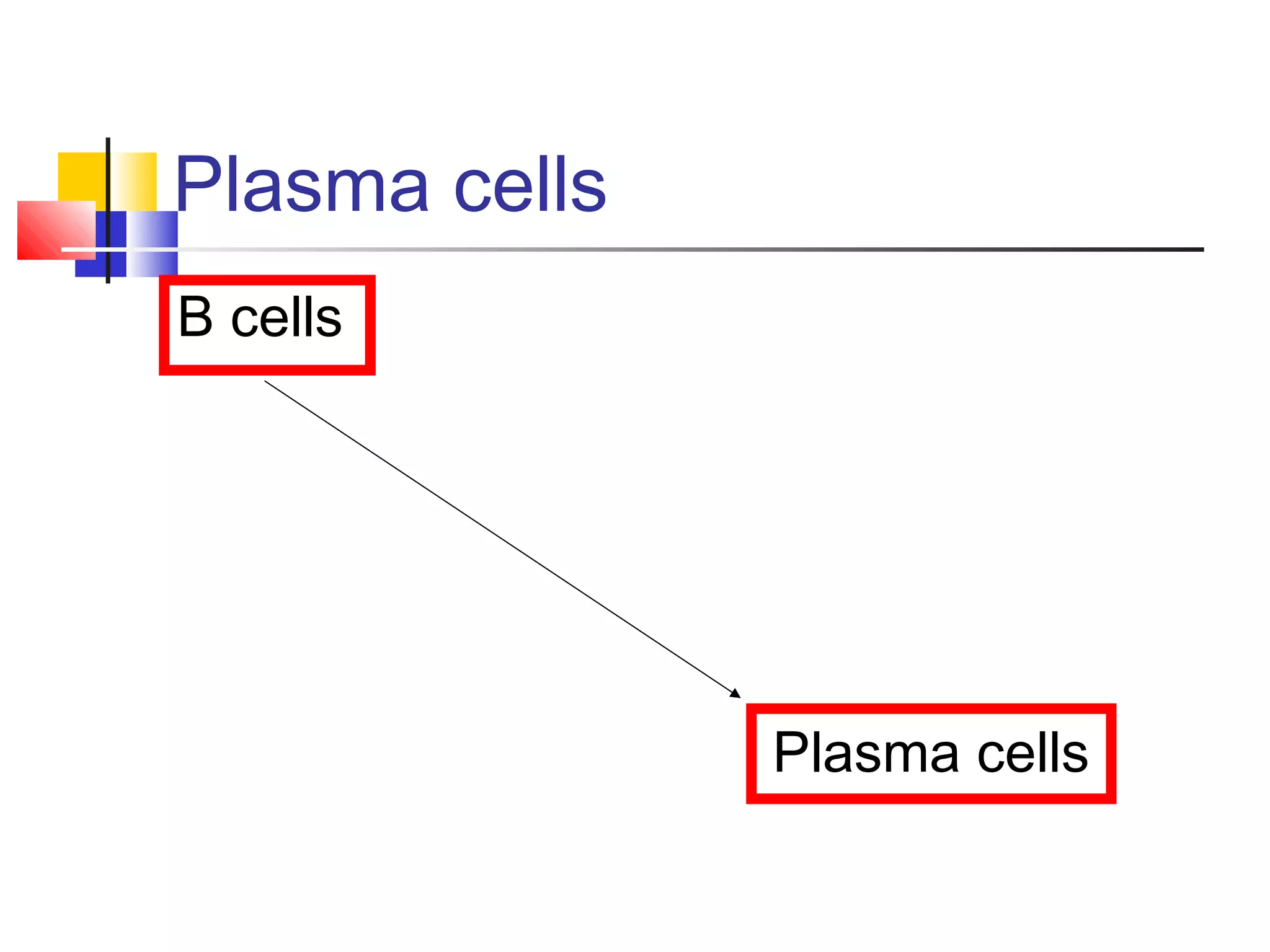
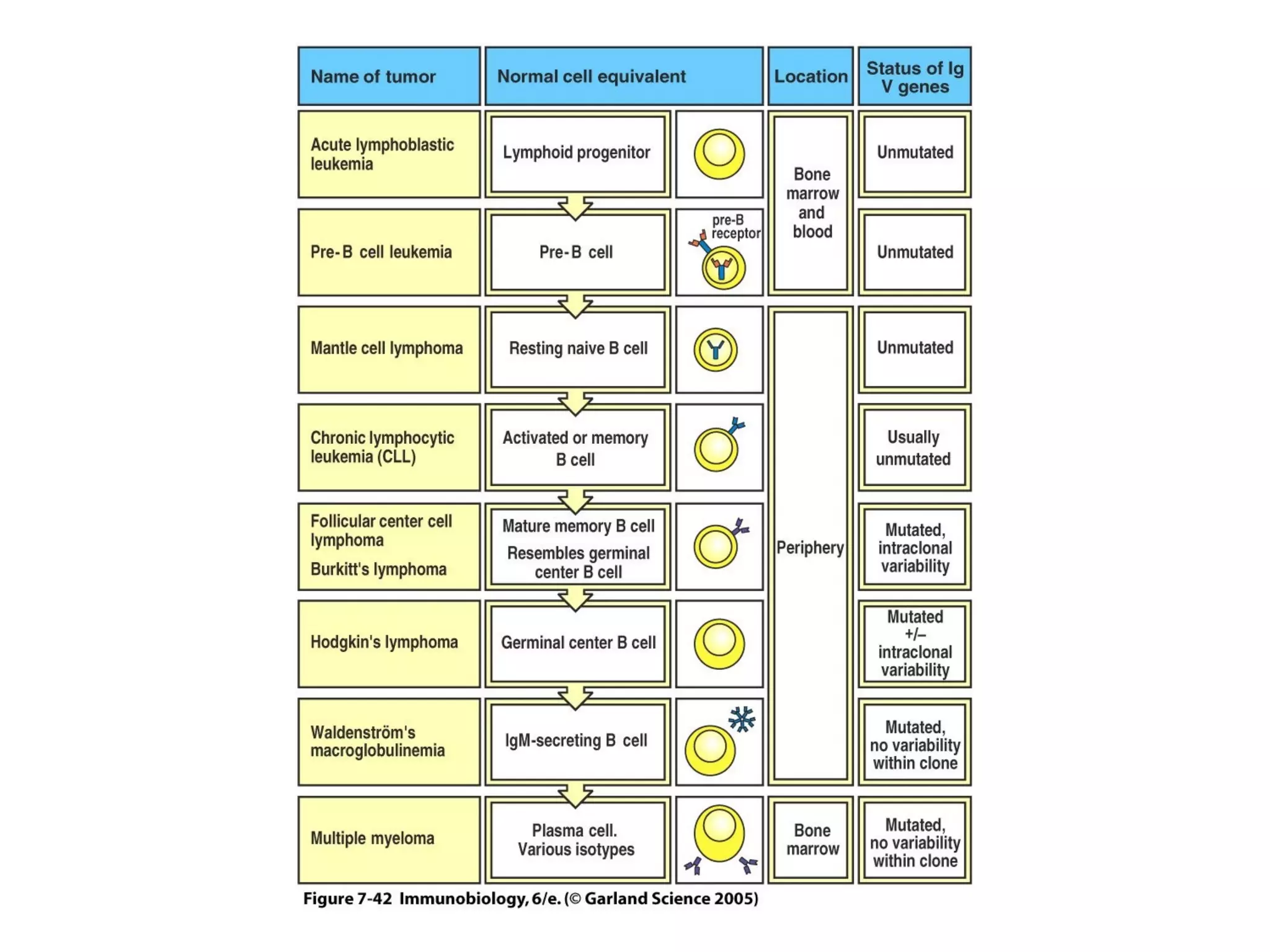

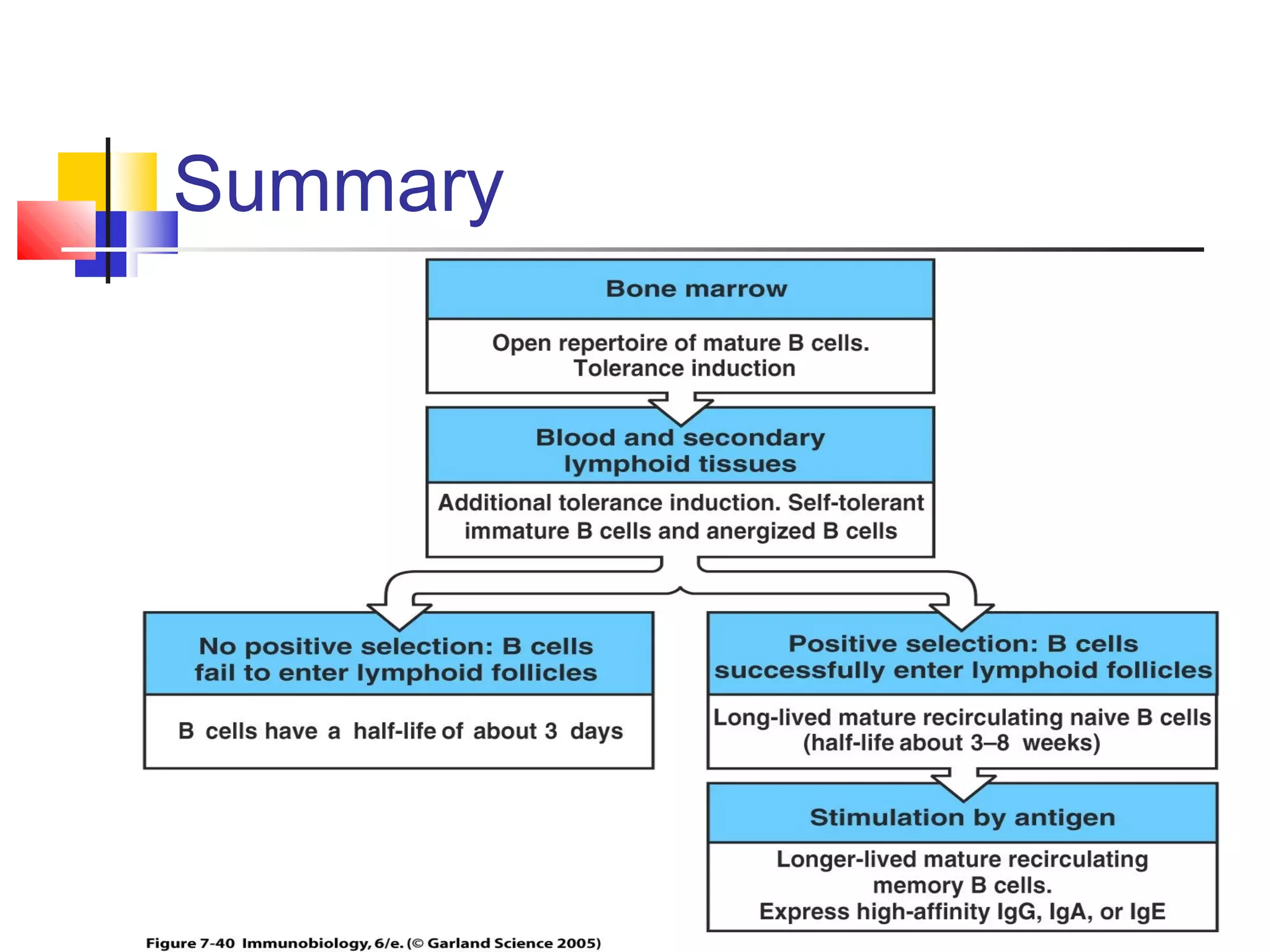
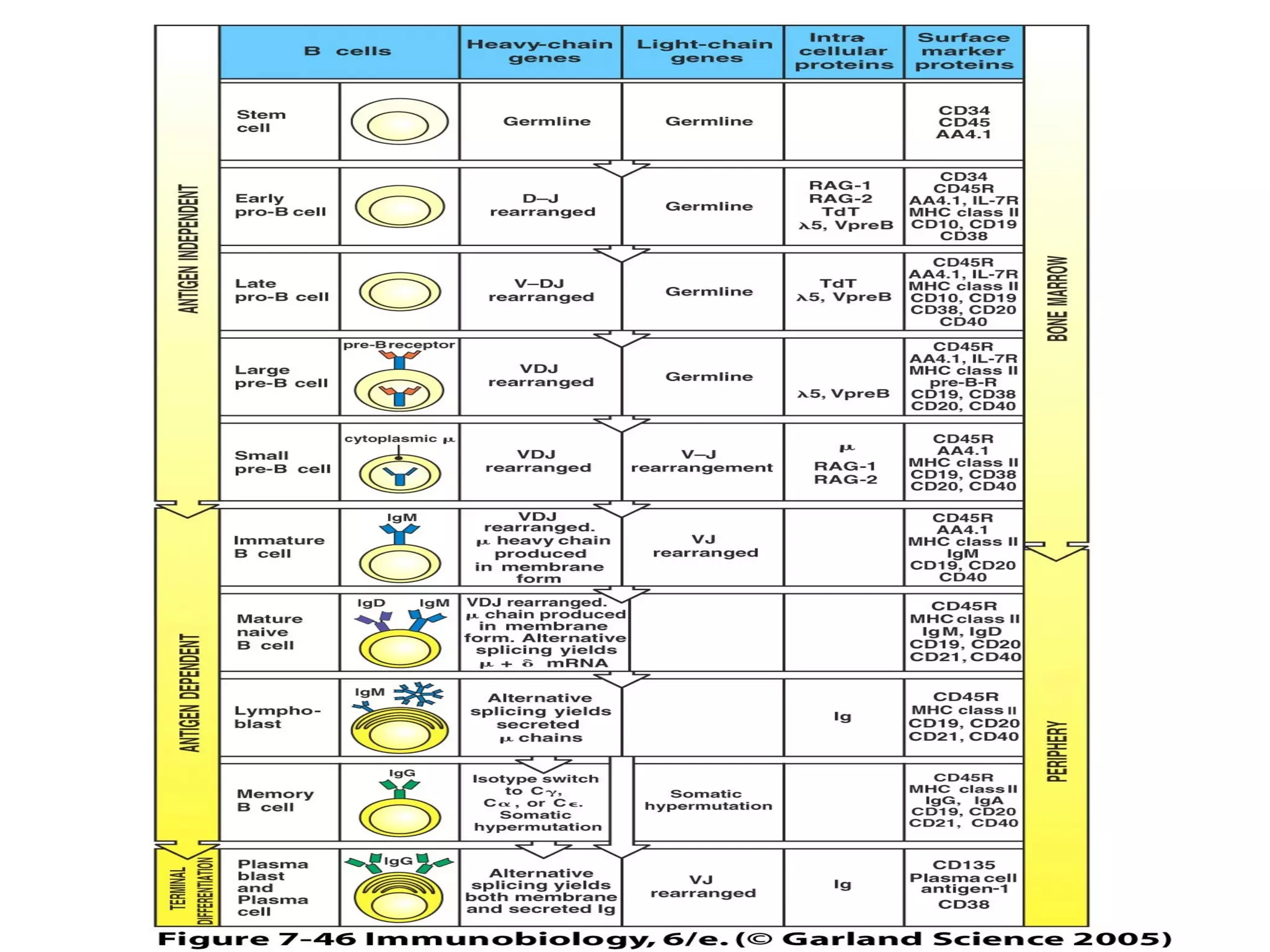
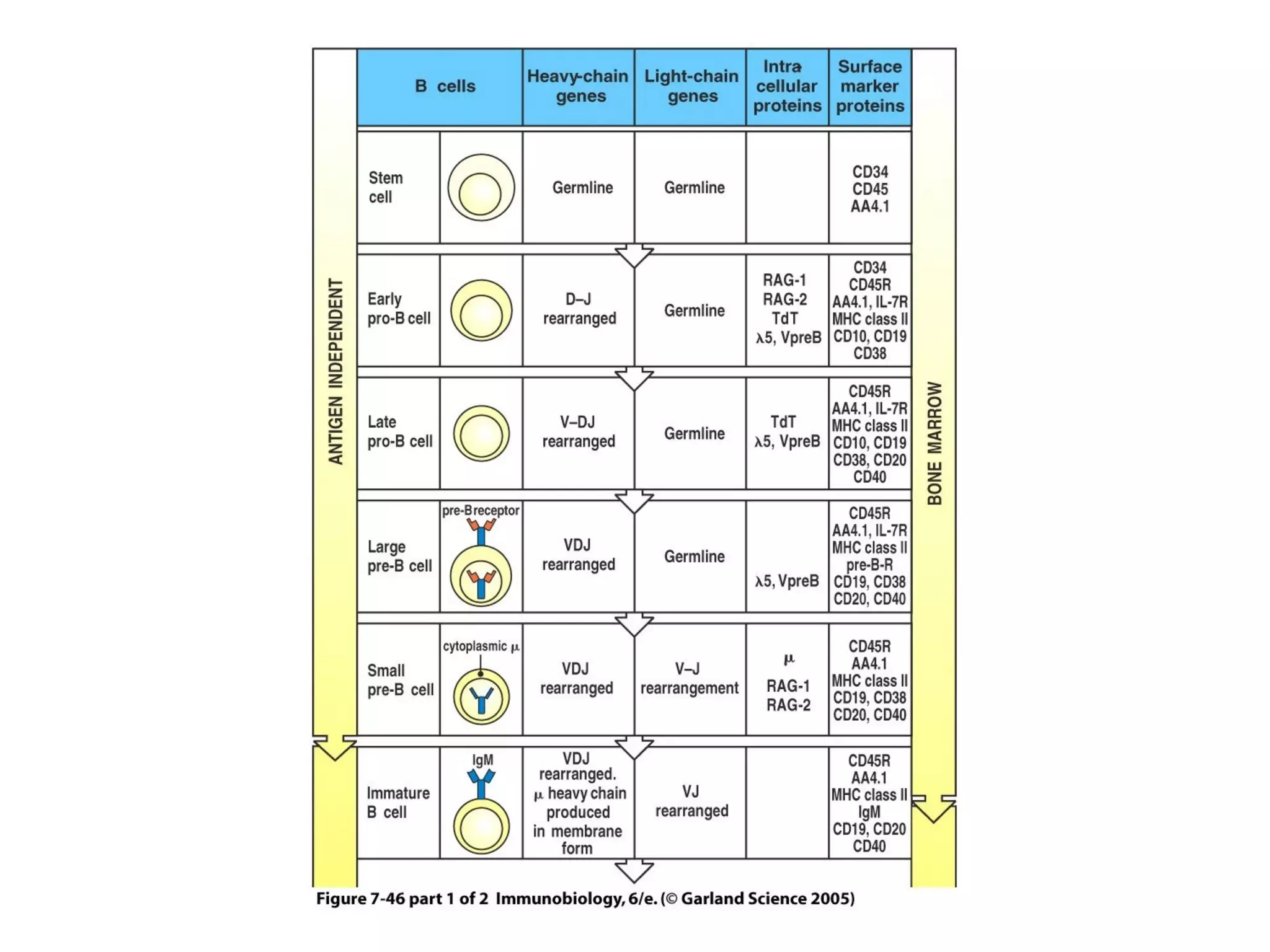
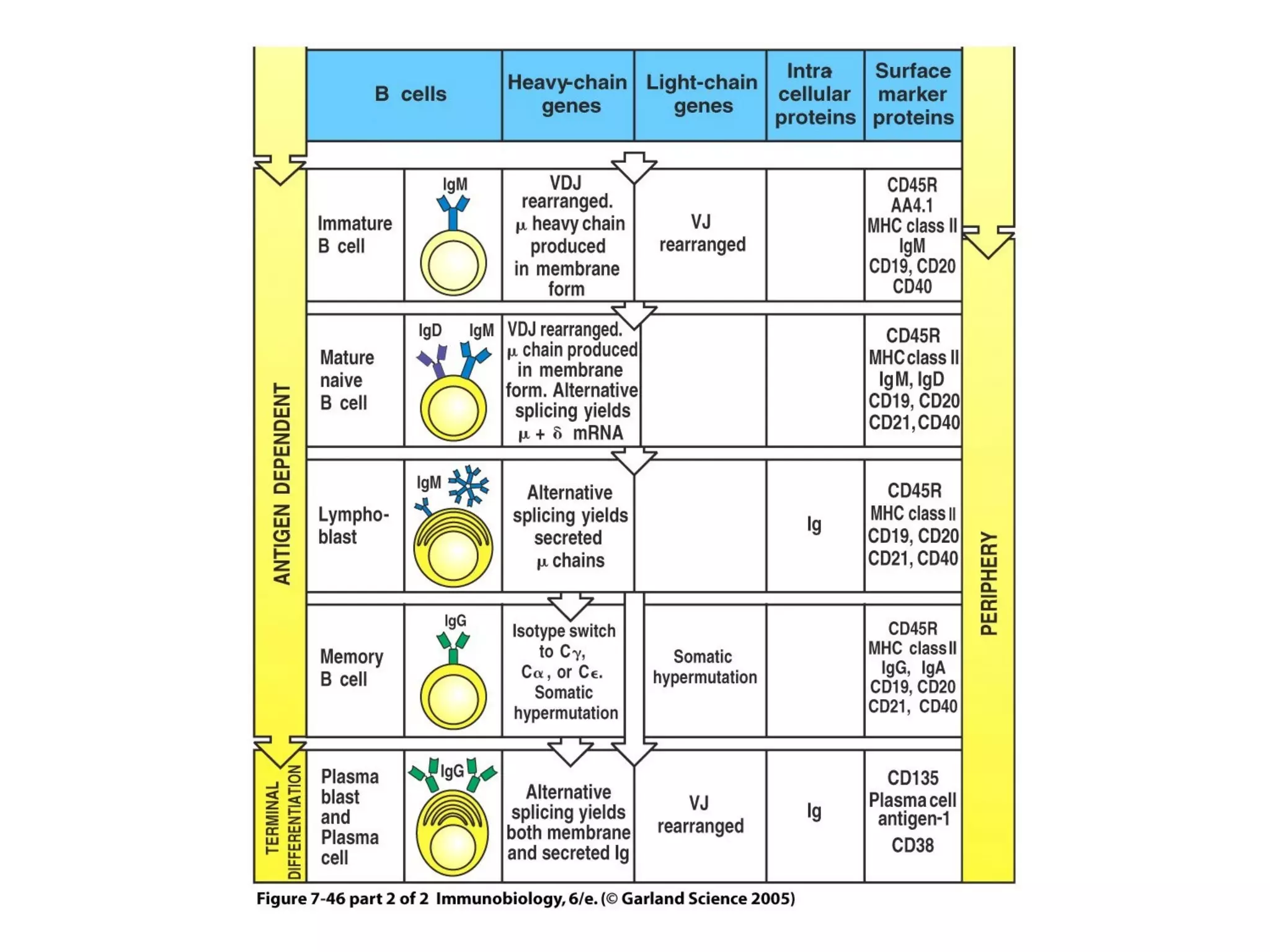

B cell development begins with stem cells in the bone marrow that undergo VDJ recombination and rearrangement of immunoglobulin genes. B cells that produce a functional antibody are selected to mature, while those that bind self-antigens undergo deletion or anergy. Mature naive B cells circulate until they encounter antigen, then proliferate and differentiate into either plasma cells that secrete antibody or memory B cells that mount a stronger secondary response. This process ensures B cells produce a diverse repertoire of antibodies while avoiding autoimmunity.


