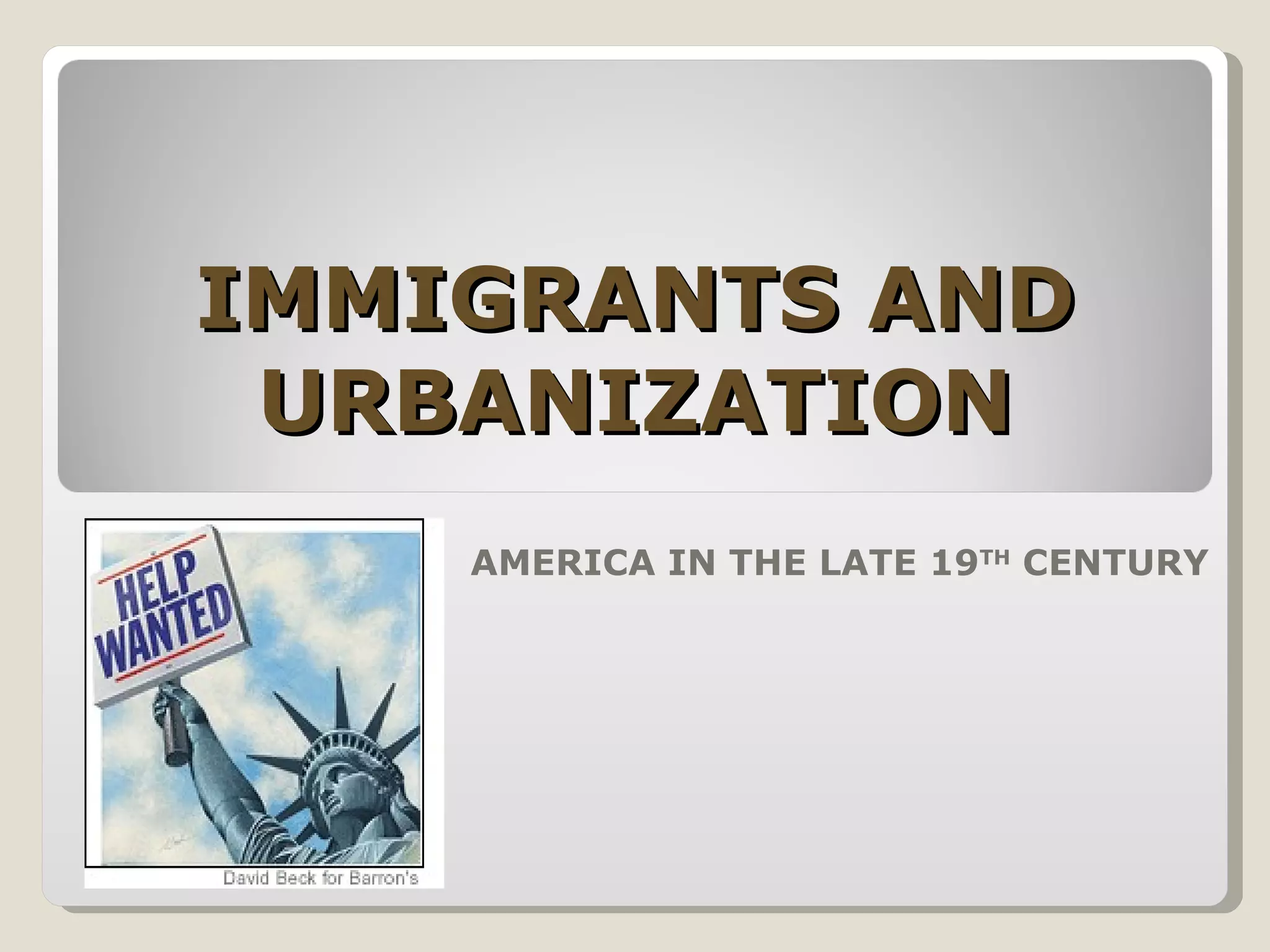
IMMIGRANTS AND URBANIZATION AMERICA IN THE LATE 19 TH  CENTURY
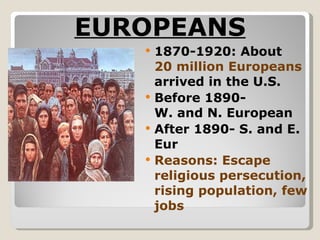
EUROPEANS 1870-1920: About  20 million Europeans  arrived in the U.S. Before 1890-  W. and N. European After 1890- S. and E. Eur Reasons: Escape religious persecution, rising population, few jobs
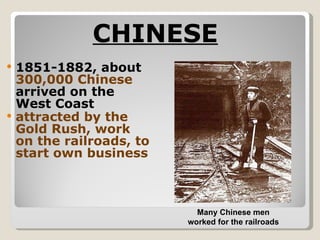
CHINESE   1851-1882, about  300,000 Chinese  arrived on the West Coast attracted by the Gold Rush, work on the railroads, to start own business Many Chinese men worked for the railroads
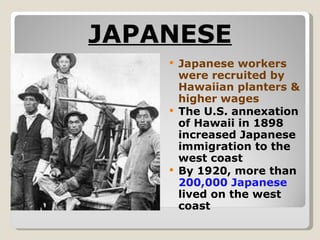
JAPANESE Japanese workers were recruited by Hawaiian planters & higher wages The U.S. annexation of Hawaii in 1898 increased Japanese immigration to the west coast By 1920, more than  200,000 Japanese  lived on the west coast
Left Side Activity Push Factors What are they? Pull Factors What are they?
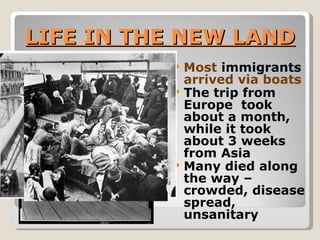
LIFE IN THE NEW LAND Most  immigrants  arrived via boats The trip from Europe  took about a month, while it took about 3 weeks  from Asia Many died along the way – crowded, disease spread, unsanitary
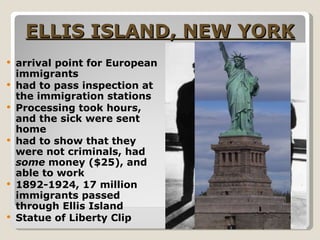
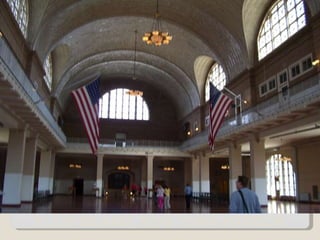
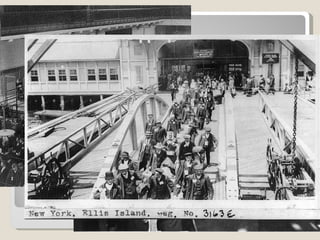
ELLIS ISLAND, NEW YORK arrival point for European immigrants had to pass inspection at the immigration stations Processing took hours, and the sick were sent home had to show that they were not criminals, had  some  money ($25), and able to work 1892-1924, 17 million immigrants passed through Ellis Island Statue of Liberty Clip
ELLIS ISLAND, NEW YORK HARBOR
 
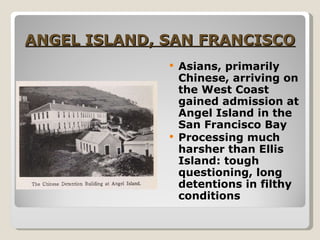
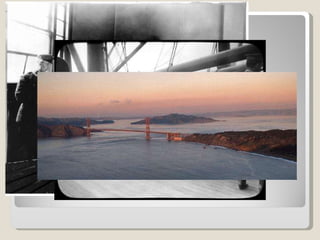
ANGEL ISLAND, SAN FRANCISCO Asians, primarily Chinese, arriving on the West Coast gained admission at Angel Island in the San Francisco Bay Processing much harsher than Ellis Island: tough questioning, long detentions in filthy conditions
 
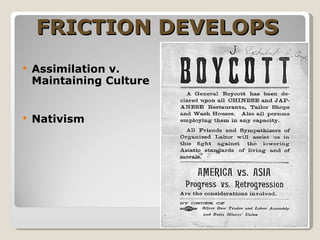
FRICTION DEVELOPS   Assimilation v. Maintaining Culture Nativism Chinatowns found in many major cities
In 1882 - Chinese Exclusion Act Gentlemen’s Agreement – Japan would limit immigration of unskilled workers – U.S. agreed not to segregate schools in San Francisco
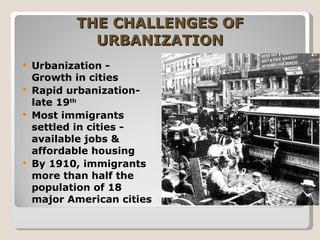
THE CHALLENGES OF URBANIZATION Urbanization -  Growth in cities Rapid urbanization-late 19 th Most immigrants settled in cities - available jobs & affordable housing By 1910, immigrants more than half the population of 18 major American cities
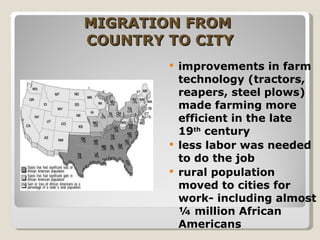
MIGRATION FROM  COUNTRY TO CITY improvements in farm technology (tractors, reapers, steel plows) made farming more efficient in the late 19 th  century less labor was needed to do the job rural population moved to cities for work- including almost ¼ million African Americans
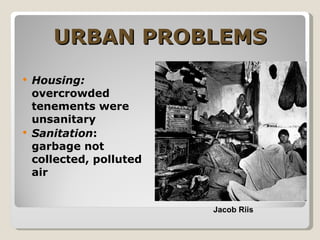
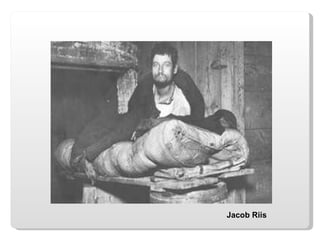
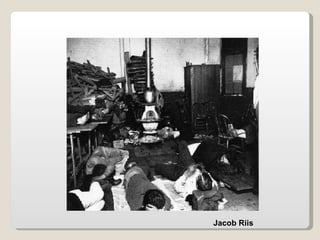
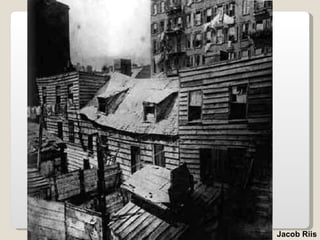
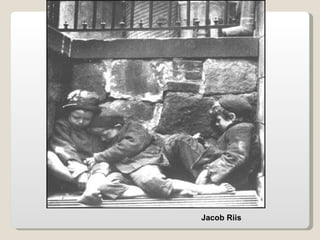
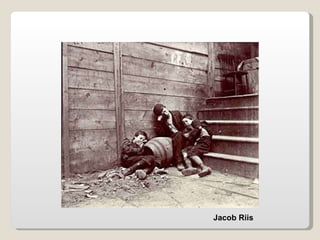
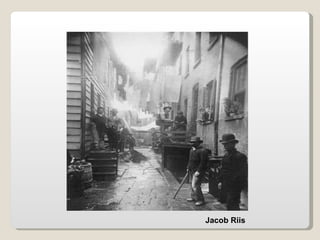
URBAN PROBLEMS Housing:  overcrowded tenements were unsanitary Sanitation : garbage not collected, polluted air  Jacob Riis
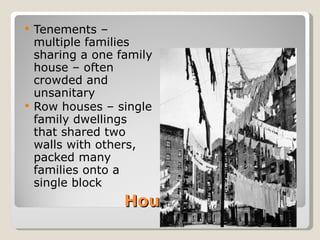
Housing Tenements – multiple families sharing a one family house – often crowded and unsanitary Row houses – single family dwellings that shared two walls with others, packed many families onto a single block
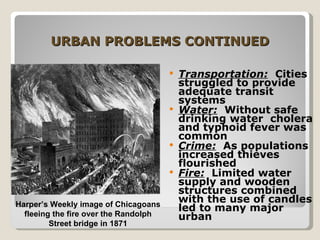
URBAN PROBLEMS CONTINUED Transportation:   Cities struggled to provide adequate transit systems Water:   Without safe drinking water  cholera and typhoid fever was common Crime:   As populations increased thieves flourished Fire:   Limited water supply and wooden structures combined with the use of candles led to many major urban Harper’s Weekly image of Chicagoans fleeing the fire over the Randolph Street bridge in 1871
Jacob Riis
Jacob Riis
Jacob Riis
Jacob Riis
Jacob Riis
Jacob Riis
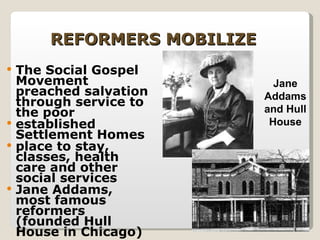
REFORMERS MOBILIZE The Social Gospel Movement preached salvation through service to the poor established Settlement Homes  place to stay, classes, health care and other social services Jane Addams, most famous reformers (founded Hull House in Chicago) Jane Addams and Hull House

Immigrants and cities

  • 1.
    IMMIGRANTS AND URBANIZATIONAMERICA IN THE LATE 19 TH CENTURY
  • 2.
    EUROPEANS 1870-1920: About 20 million Europeans arrived in the U.S. Before 1890- W. and N. European After 1890- S. and E. Eur Reasons: Escape religious persecution, rising population, few jobs
  • 3.
    CHINESE 1851-1882, about 300,000 Chinese arrived on the West Coast attracted by the Gold Rush, work on the railroads, to start own business Many Chinese men worked for the railroads
  • 4.
    JAPANESE Japanese workerswere recruited by Hawaiian planters & higher wages The U.S. annexation of Hawaii in 1898 increased Japanese immigration to the west coast By 1920, more than 200,000 Japanese lived on the west coast
  • 5.
    Left Side ActivityPush Factors What are they? Pull Factors What are they?
  • 6.
    LIFE IN THENEW LAND Most immigrants arrived via boats The trip from Europe took about a month, while it took about 3 weeks from Asia Many died along the way – crowded, disease spread, unsanitary
  • 7.
    ELLIS ISLAND, NEWYORK arrival point for European immigrants had to pass inspection at the immigration stations Processing took hours, and the sick were sent home had to show that they were not criminals, had some money ($25), and able to work 1892-1924, 17 million immigrants passed through Ellis Island Statue of Liberty Clip
  • 8.
    ELLIS ISLAND, NEWYORK HARBOR
  • 9.
  • 10.
    ANGEL ISLAND, SANFRANCISCO Asians, primarily Chinese, arriving on the West Coast gained admission at Angel Island in the San Francisco Bay Processing much harsher than Ellis Island: tough questioning, long detentions in filthy conditions
  • 11.
  • 12.
    FRICTION DEVELOPS Assimilation v. Maintaining Culture Nativism Chinatowns found in many major cities
  • 13.
    In 1882 -Chinese Exclusion Act Gentlemen’s Agreement – Japan would limit immigration of unskilled workers – U.S. agreed not to segregate schools in San Francisco
  • 14.
    THE CHALLENGES OFURBANIZATION Urbanization - Growth in cities Rapid urbanization-late 19 th Most immigrants settled in cities - available jobs & affordable housing By 1910, immigrants more than half the population of 18 major American cities
  • 15.
    MIGRATION FROM COUNTRY TO CITY improvements in farm technology (tractors, reapers, steel plows) made farming more efficient in the late 19 th century less labor was needed to do the job rural population moved to cities for work- including almost ¼ million African Americans
  • 16.
    URBAN PROBLEMS Housing: overcrowded tenements were unsanitary Sanitation : garbage not collected, polluted air Jacob Riis
  • 17.
    Housing Tenements –multiple families sharing a one family house – often crowded and unsanitary Row houses – single family dwellings that shared two walls with others, packed many families onto a single block
  • 18.
    URBAN PROBLEMS CONTINUEDTransportation: Cities struggled to provide adequate transit systems Water: Without safe drinking water cholera and typhoid fever was common Crime: As populations increased thieves flourished Fire: Limited water supply and wooden structures combined with the use of candles led to many major urban Harper’s Weekly image of Chicagoans fleeing the fire over the Randolph Street bridge in 1871
  • 19.
  • 20.
  • 21.
  • 22.
  • 23.
  • 24.
  • 25.
    REFORMERS MOBILIZE TheSocial Gospel Movement preached salvation through service to the poor established Settlement Homes place to stay, classes, health care and other social services Jane Addams, most famous reformers (founded Hull House in Chicago) Jane Addams and Hull House