By: Azhar Manzoor
Overview
 The thyroid gland is one of the largest endocrine gland
in the body. It consists of two connected lobes. It is
found in the anterior of the neck below the laryngeal
prominence (Adam’s Apple)
Hyperthyroidism
 Hyperthyroidism is the hyperactivity of the thyroid
gland with the increase in synthesis and release of
thyroid hormones.
CAUSES
 Infection
 Emotional shock
 Stress
 Thyroiditis
 Excessive ingestion of thyroid hormones
 Excessive iodine intake
 Graves disease
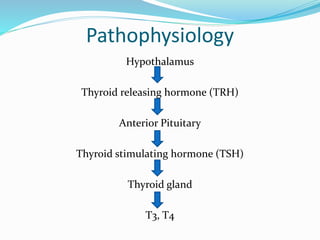
Pathophysiology
Hypothalamus
Thyroid releasing hormone (TRH)
Anterior Pituitary
Thyroid stimulating hormone (TSH)
Thyroid gland
T3, T4
Clinical menifestations
 Increased sweating
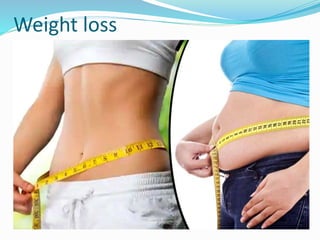
 Weight loss
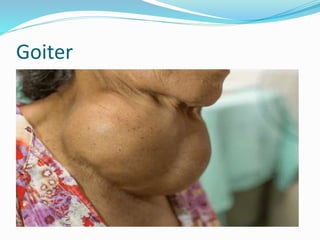
 Goiter
 Increased appetite
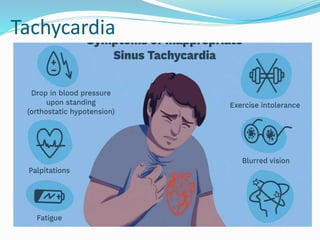
 Tachycardia
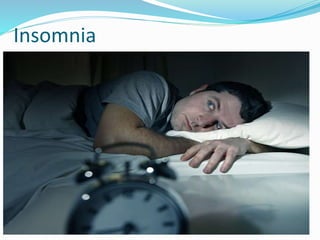
 Insomnia
 Nervousness
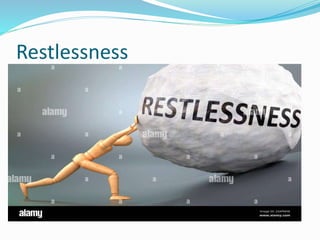
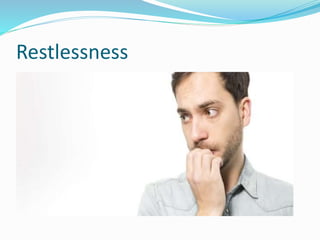
 Restlessness
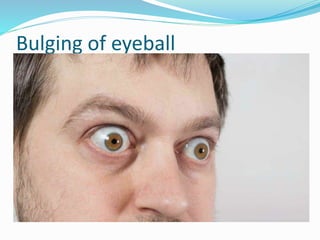
 Bulging of eyeballs
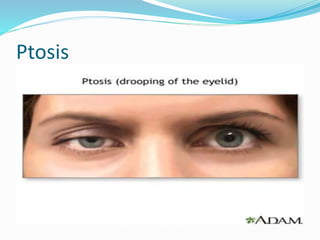
 Drooping of eyelids
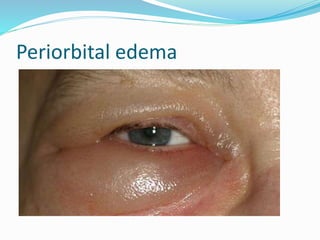
 Periorbital edema
Weight loss
Tachycardia
Periorbital edema
Goiter
Ptosis
Insomnia
Restlessness
Bulging of eyeball
Restlessness
Diagnosis
 History taking
 Physical examination
 Elevated serum T3 & T4 levels
 Low TSH level
 Radionuclide scanning of thyroid gland
 Thyroid scan
Management
 Pharmacological therapy
ANTITHYROID DRUGS
 Presently three thiourylene drugs sre used
 Propylthiouracil (PTU), Methimazole & Carbimazole.
 Dosage
 5-10mg/kg in three divided doses.
 Adjunctive therapy
 Saturated solution of potassium iodide (1-2 drops
thrice daily)
 Beta adrenergic blockers for relieving symptoms of
restlessness. Tachycardia and tremors,
Radioiodine treatment
 Adminstration of radioactive iodine-131 dissolved in
water or capsule.
Surgical management
 When other modes of treatment fail, thyriodectomy is
performed.
 Hypothyroidism, hypoparathyroidism and laryngeal
nerve injury may occur as complications of surgery
Nursing Diagnosis
 Diagnose 1
 Fear and anxiety related to medical or surgical intervention of
hyperthyroidism.
 Diagnosis 2
 Risk for imbalanced nutrition less than body requirements
related to increased metabolism (increased appetite)
 Diagnosis 3
 Risk of infection related to surgical intervention.
Summary and Conclusion
 Overview of thyroid gland.
 Definition of Hyperthyroidism
 Pathophysiology
 Causes
 Clinical menifestations
 Diagnosis
 management
Hyperthyroidism

Hyperthyroidism