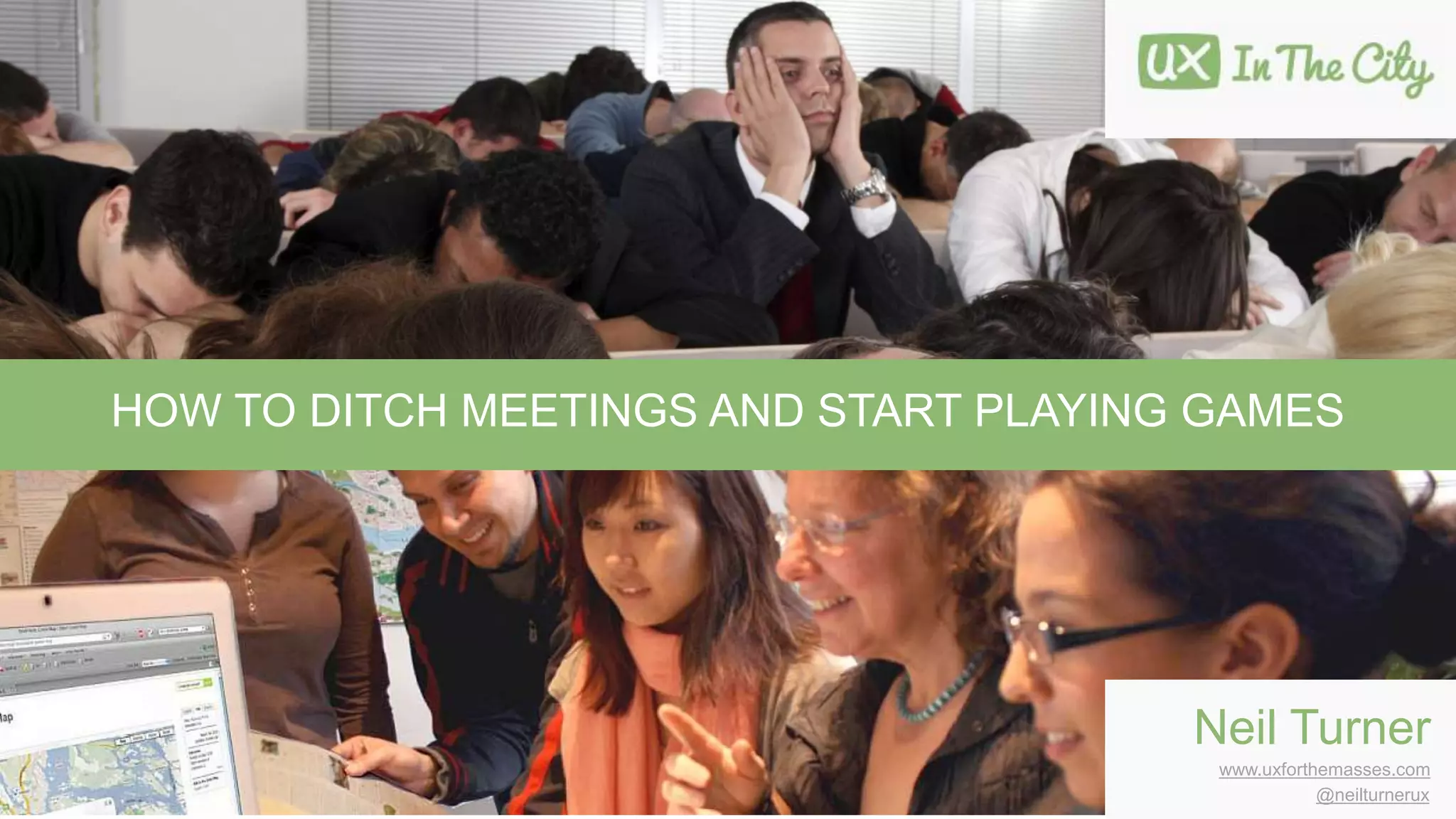






HOW TO DITCH MEETINGS AND START PLAYING GAMES
Neil Turner
www.uxforthemasses.com
@neilturnerux
UX lead at AstraZeneca
3 quite interesting things about me…
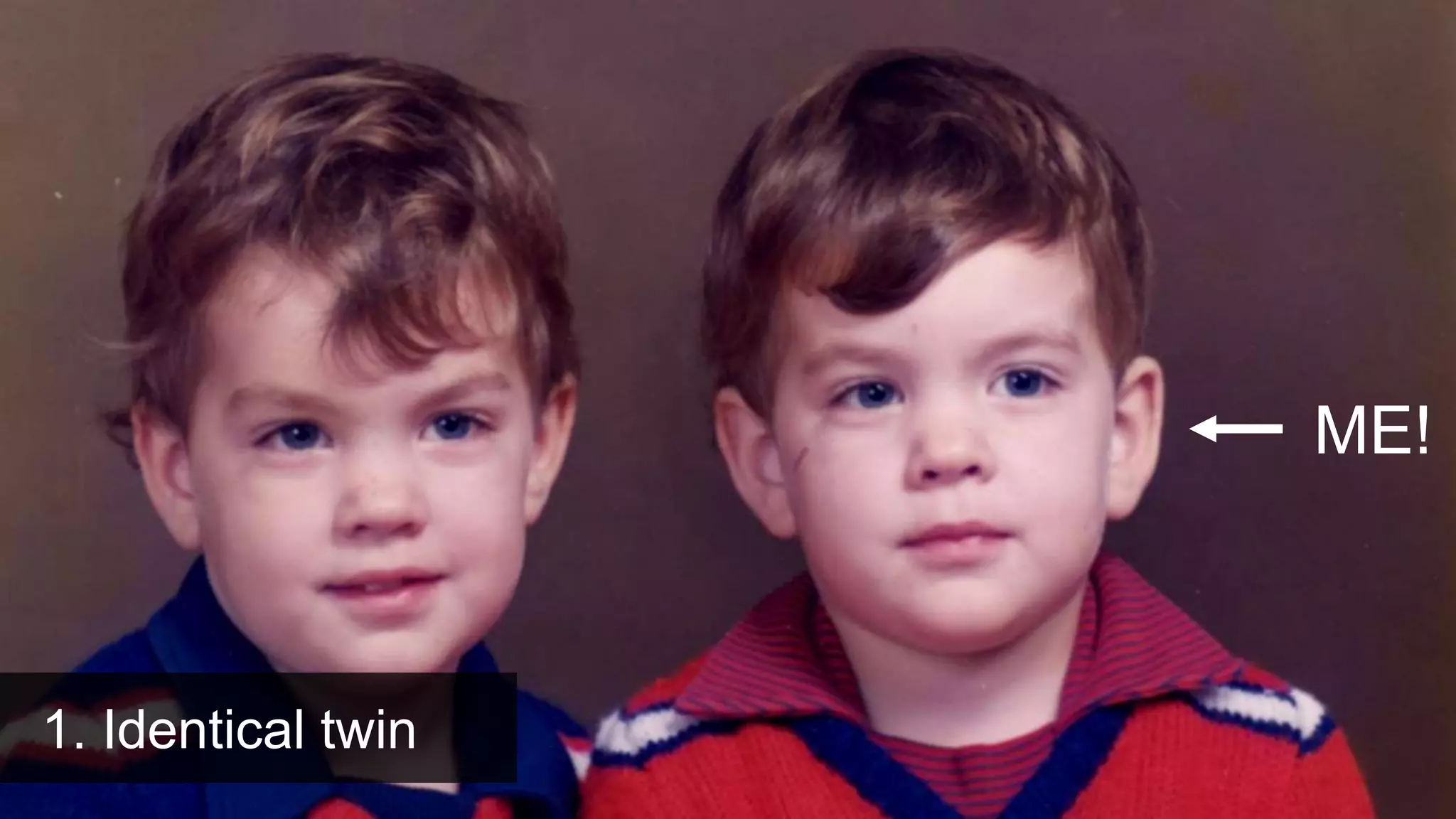
1. Identical twin
ME!
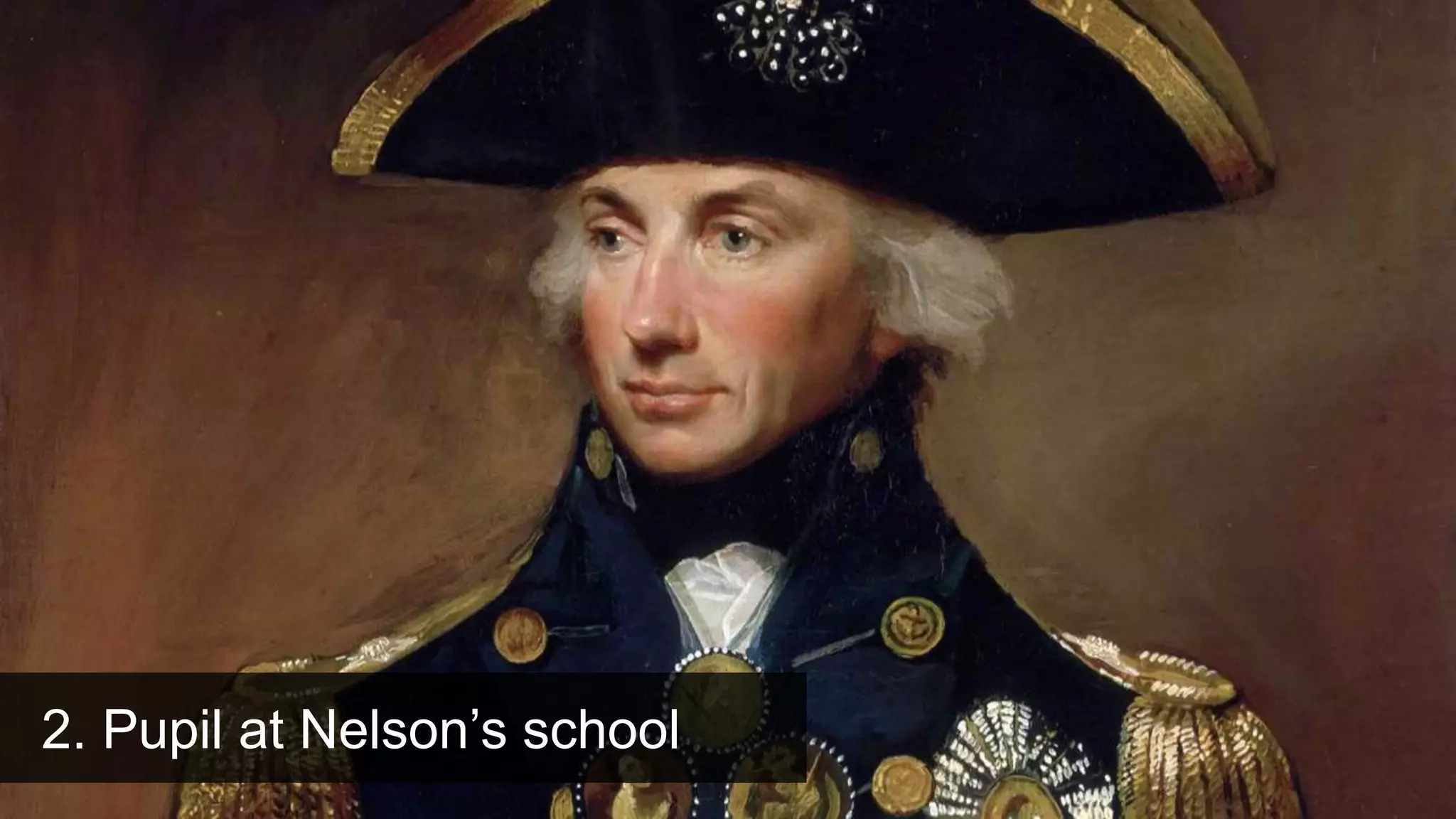
2. Pupil at Nelson’s school
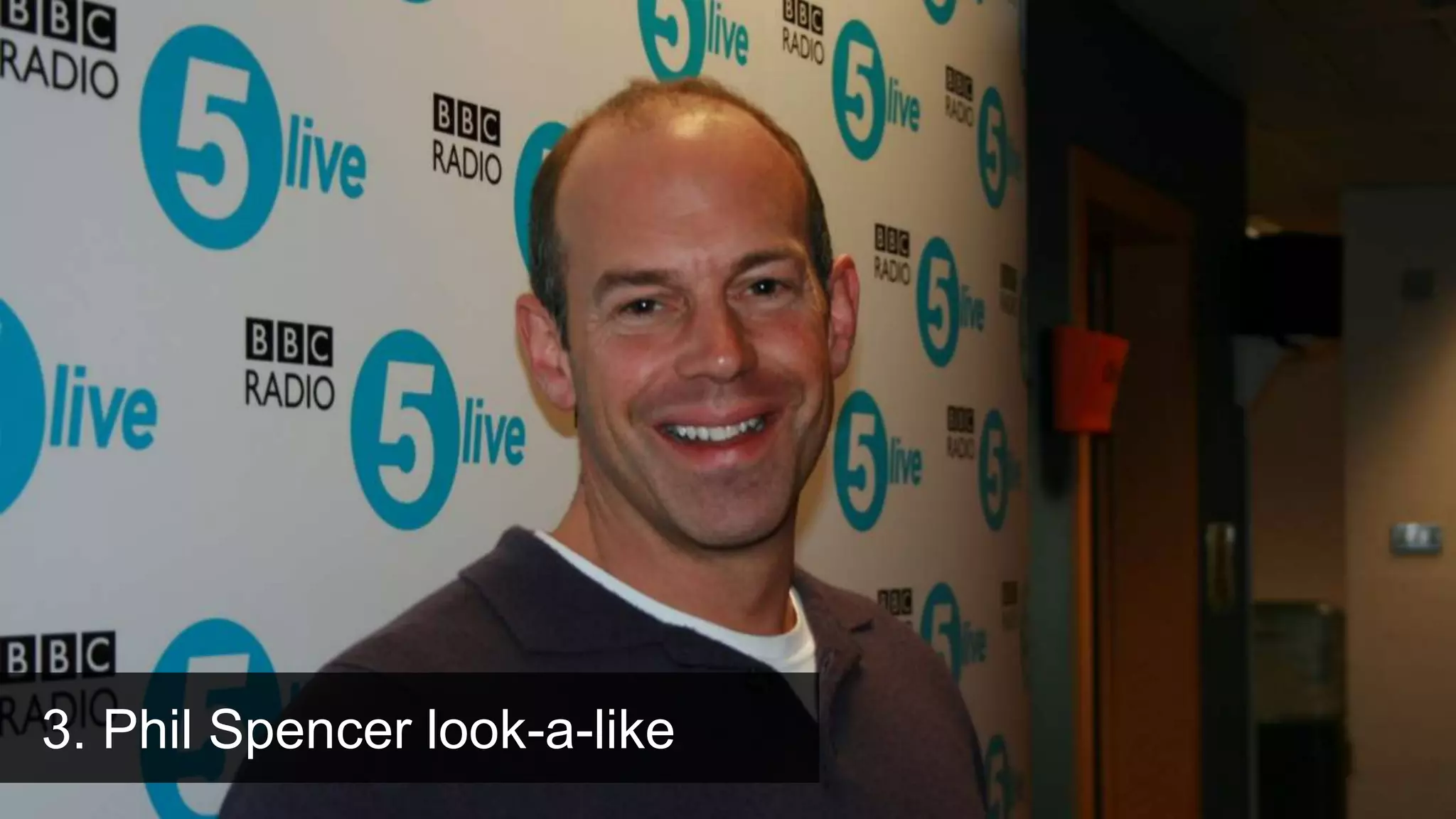
3. Phil Spencer look-a-like
• What are design games?
• Why use them?
• When to use them?
• 4 games to try out
• Game time!
• Where to find out more
WHAT WILL WE COVER?
What’s wrong with a good ol’ fashioned meeting?
https://www.youtube.com/watch?v=U0j8M4hlXcw
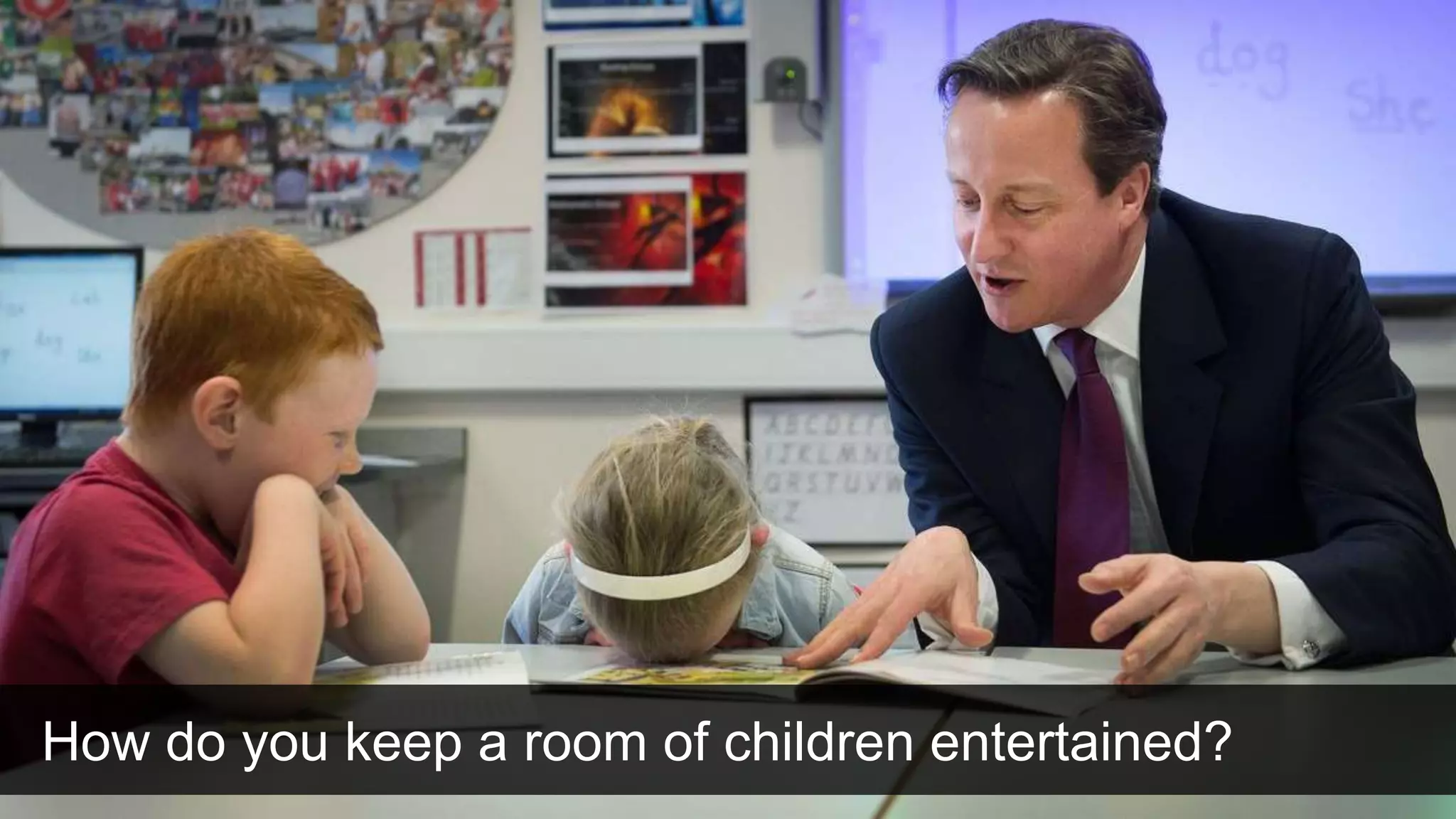
How do you keep a room of children entertained?
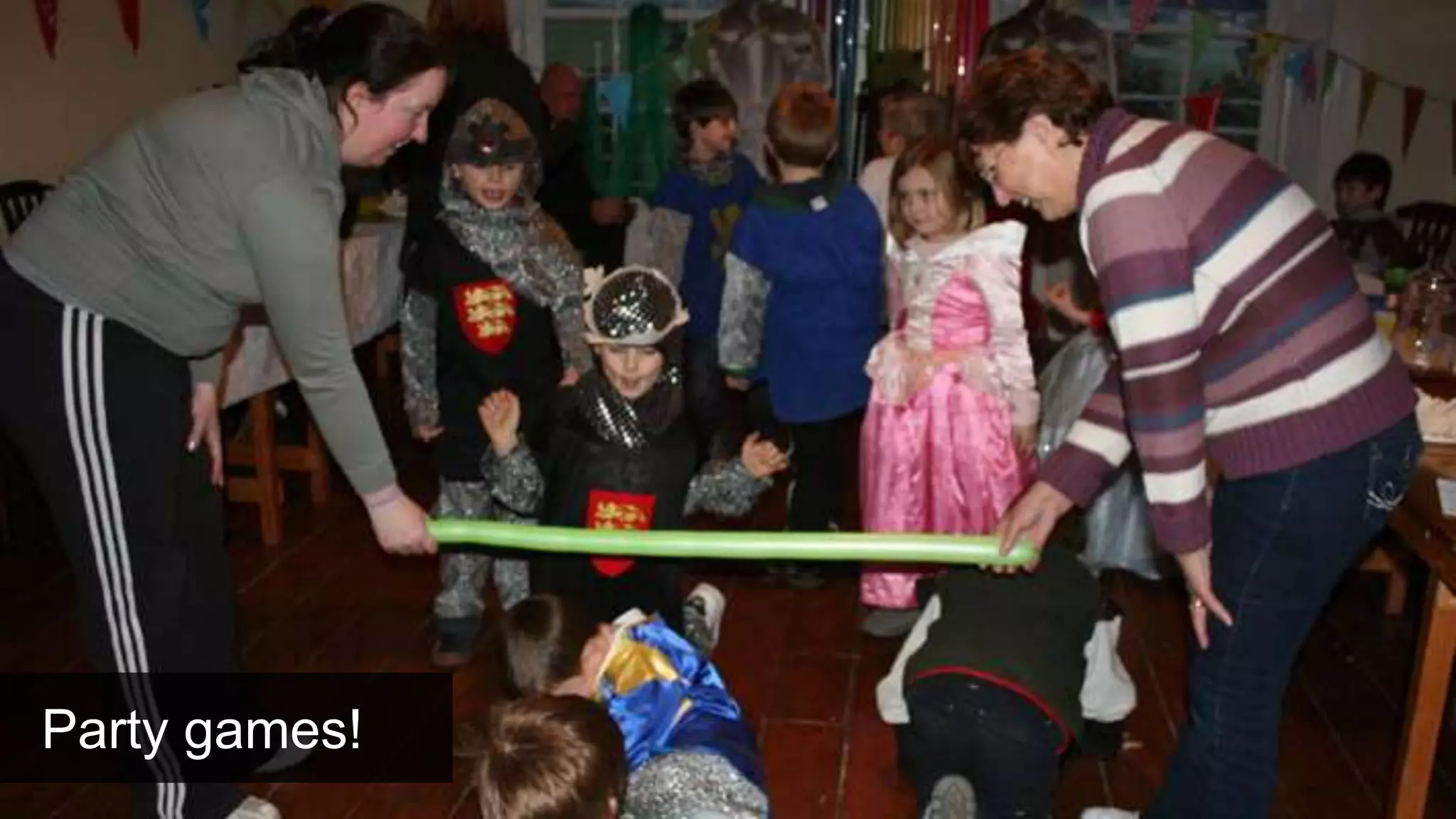
Party games!
Lets have a quick game…
• Take it in turns to draw
• Pick a card from the pack
• Quickly draw what’s on the card
• No words, symbols or ‘sounds like’
• Other players must guess the answer
HOW TO PLAY
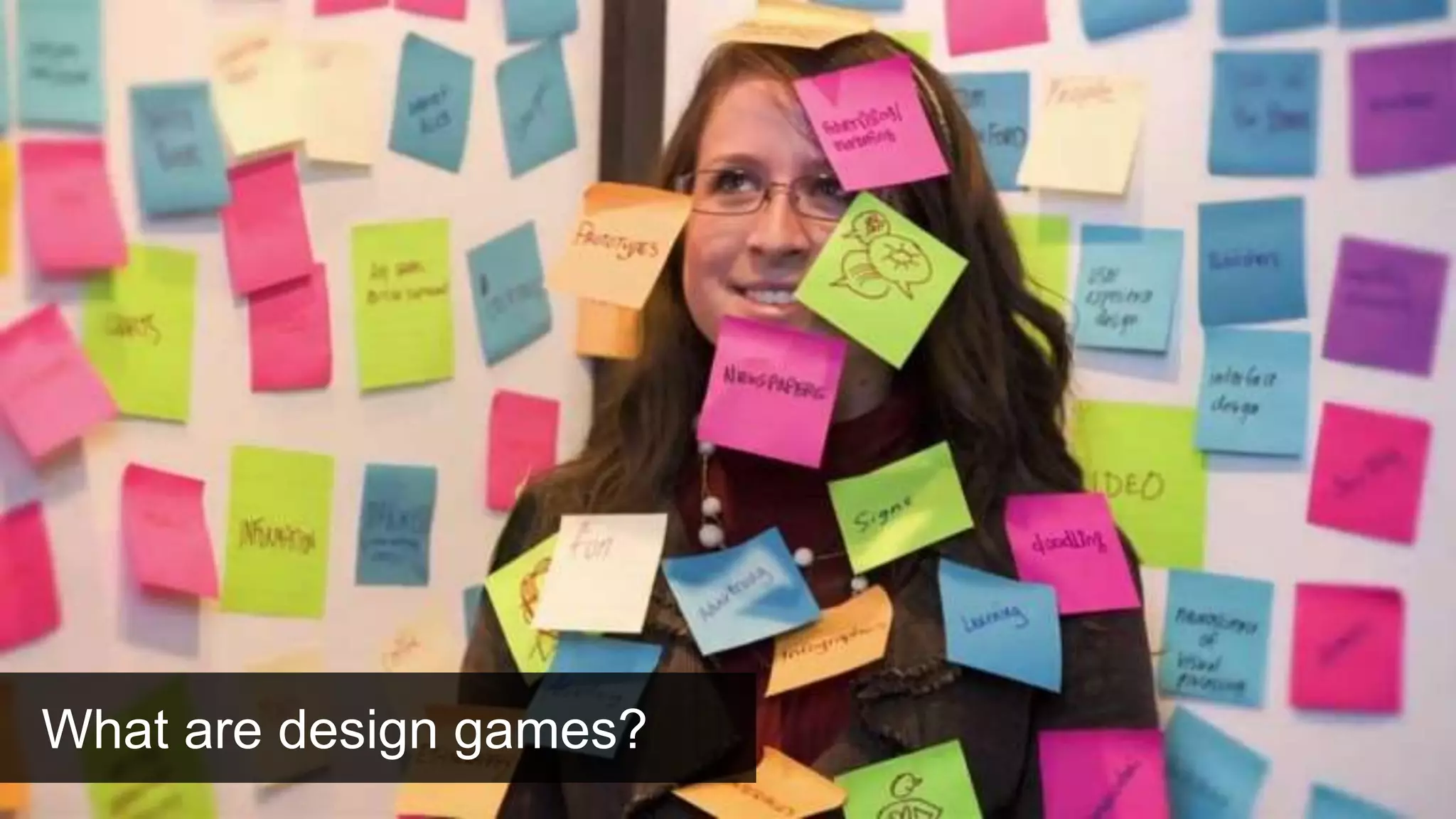
What are design games?
Games, only without the kit, and fewer balls
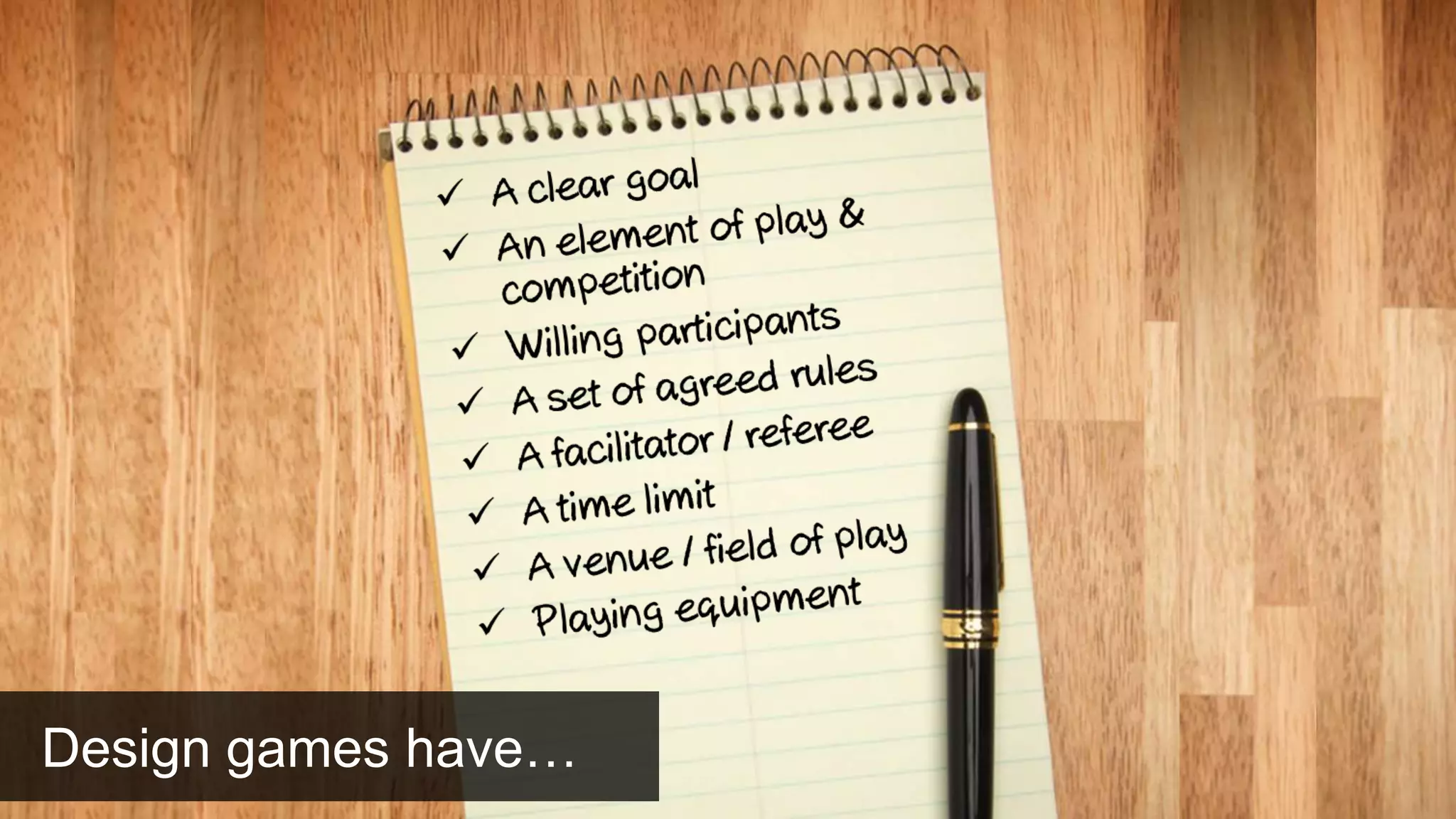
Design games have…
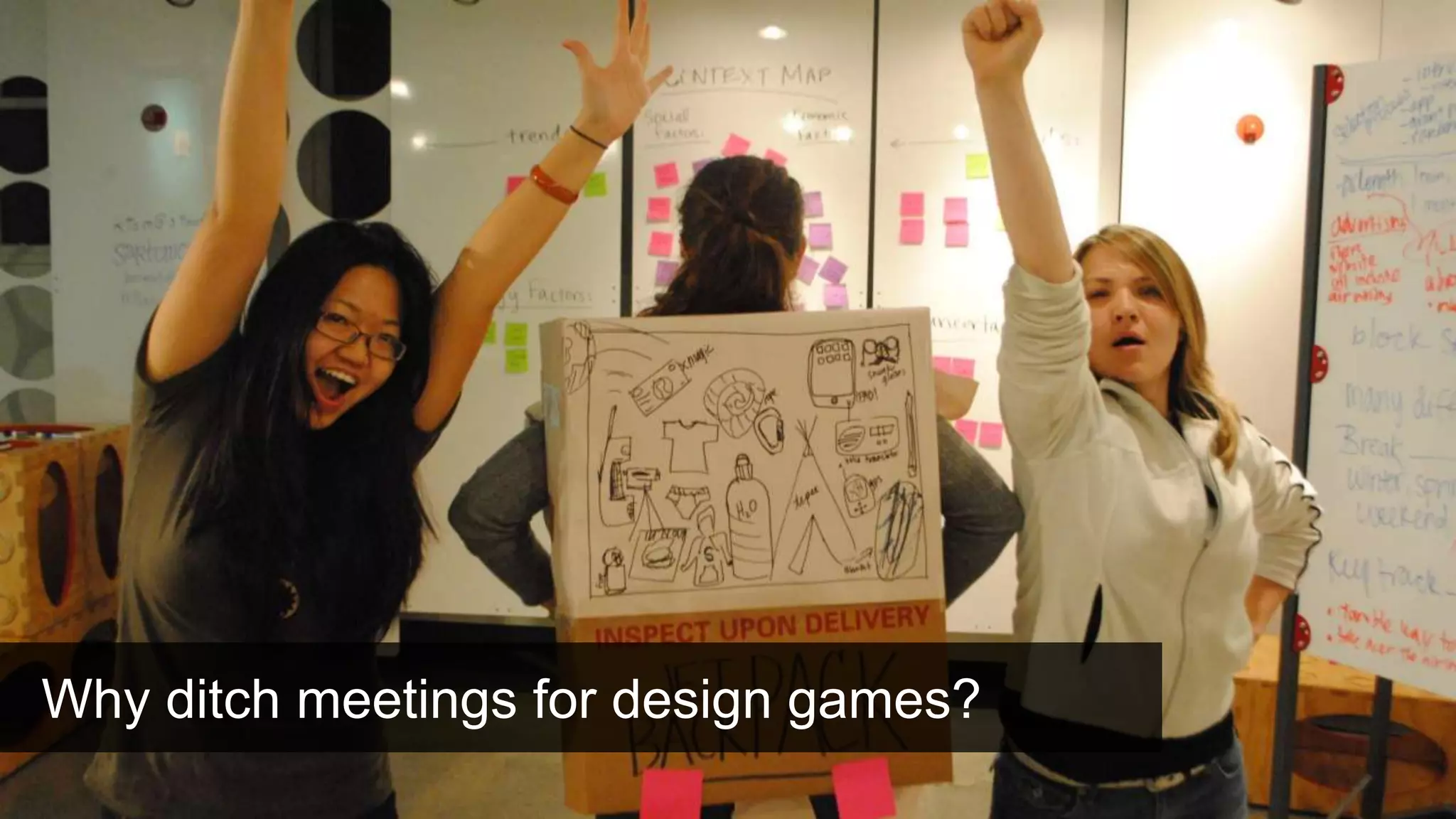
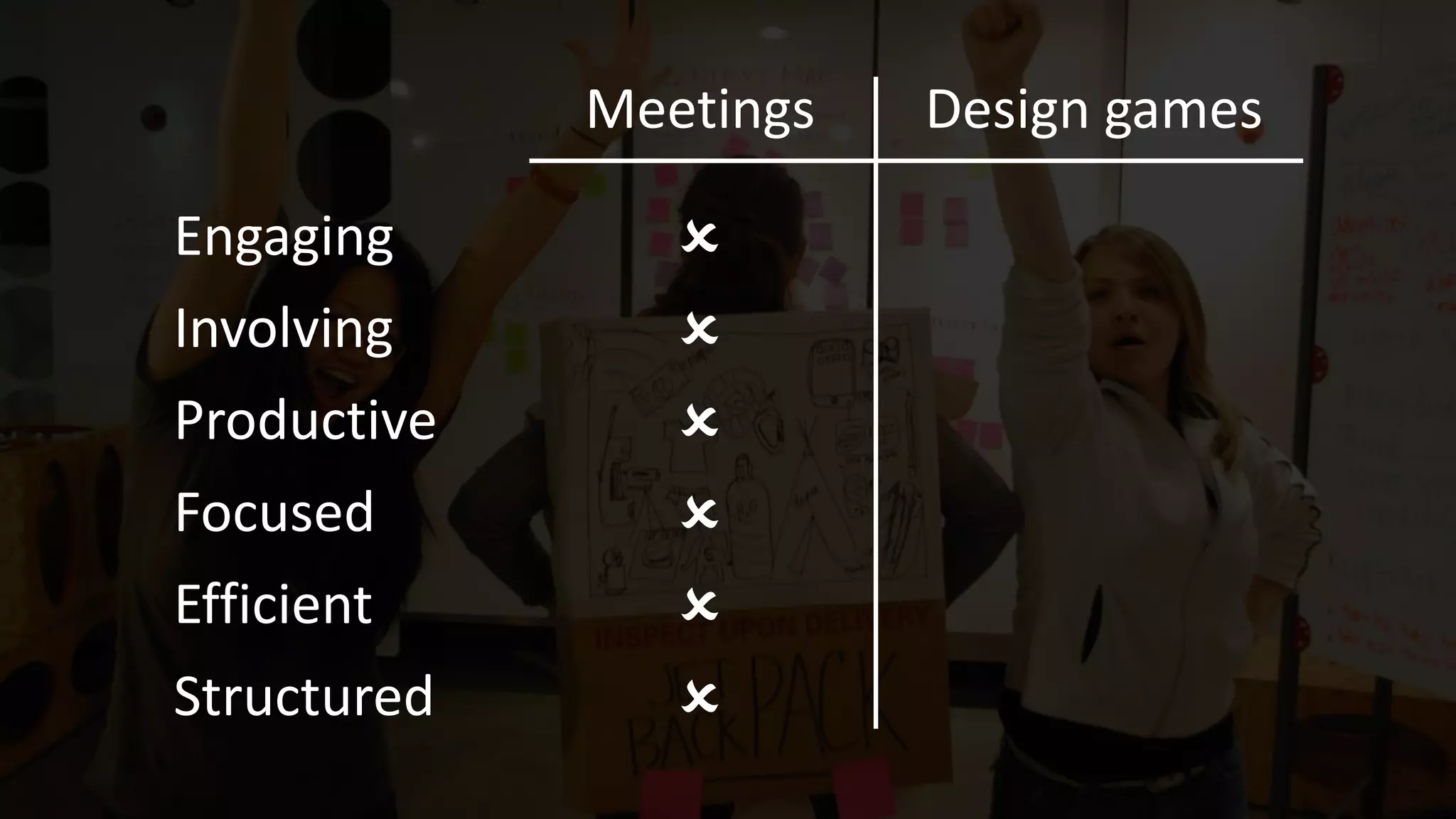
Why ditch meetings for design games?
Meetings Design games
Engaging O
Involving O
Productive O
Focused O
Efficient O
Structured O
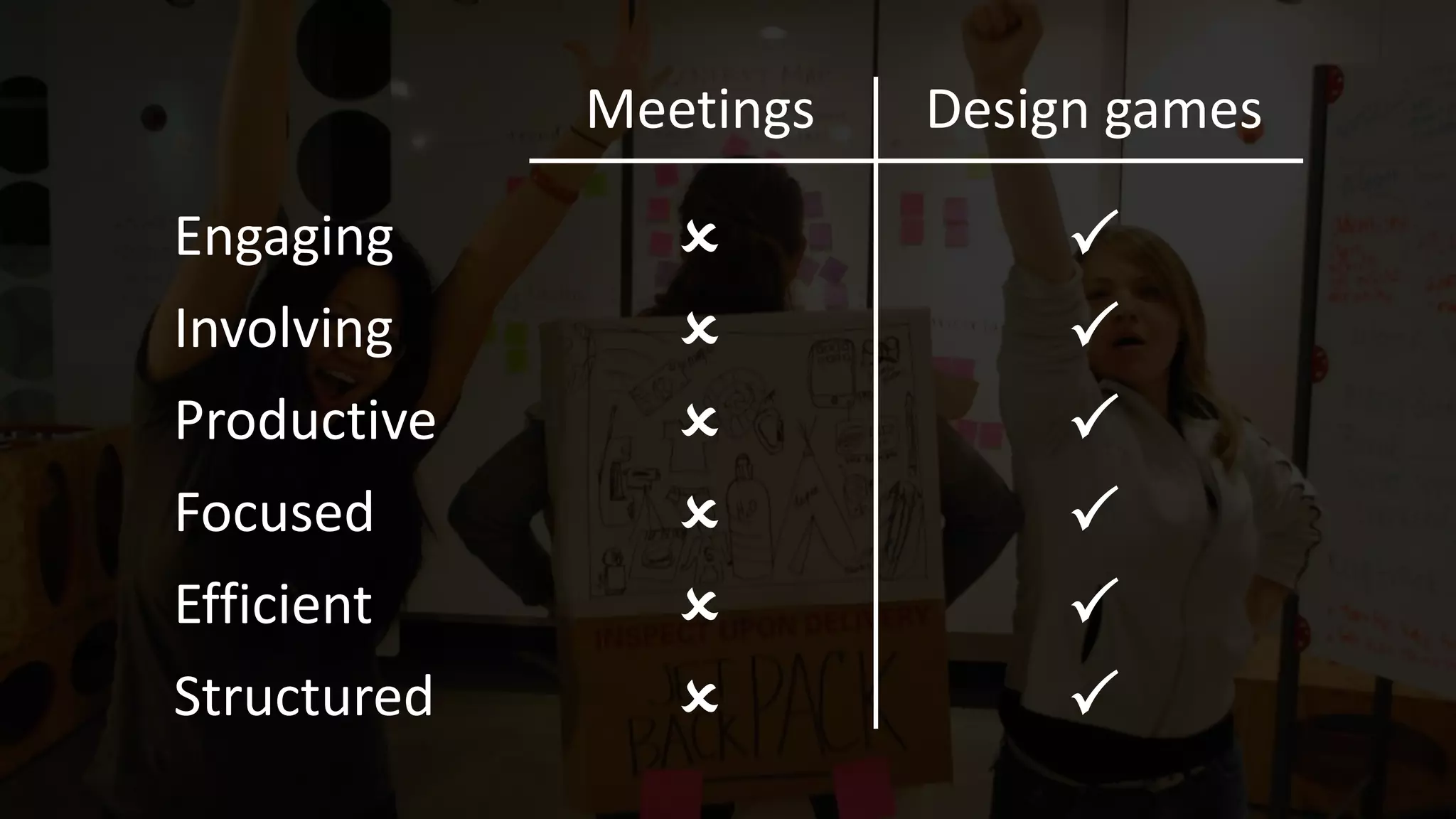
Meetings Design games
Engaging O P
Involving O P
Productive O P
Focused O P
Efficient O P
Structured O P
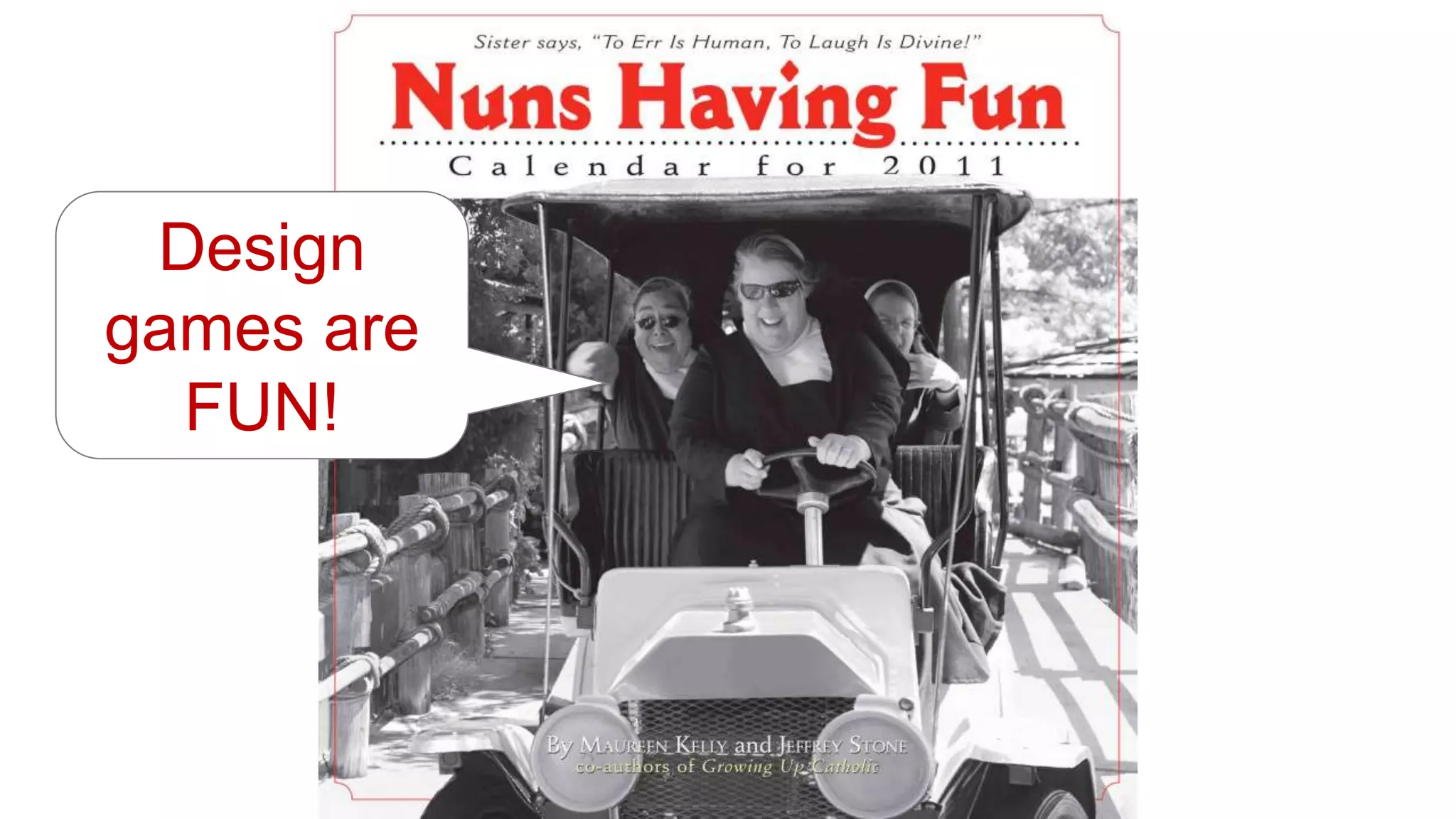
Design
games are
FUN!
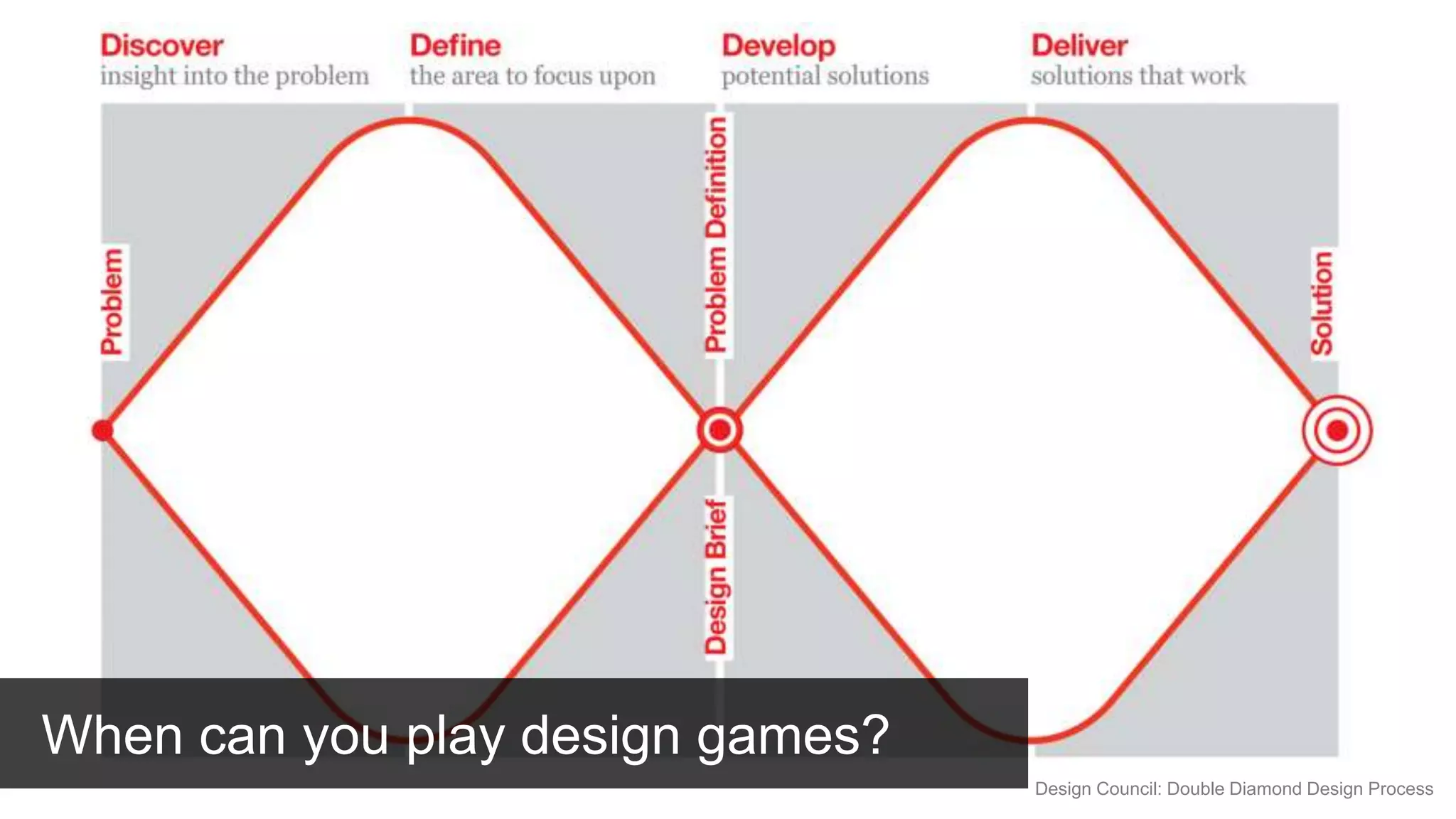
When can you play design games?
Design Council: Double Diamond Design Process
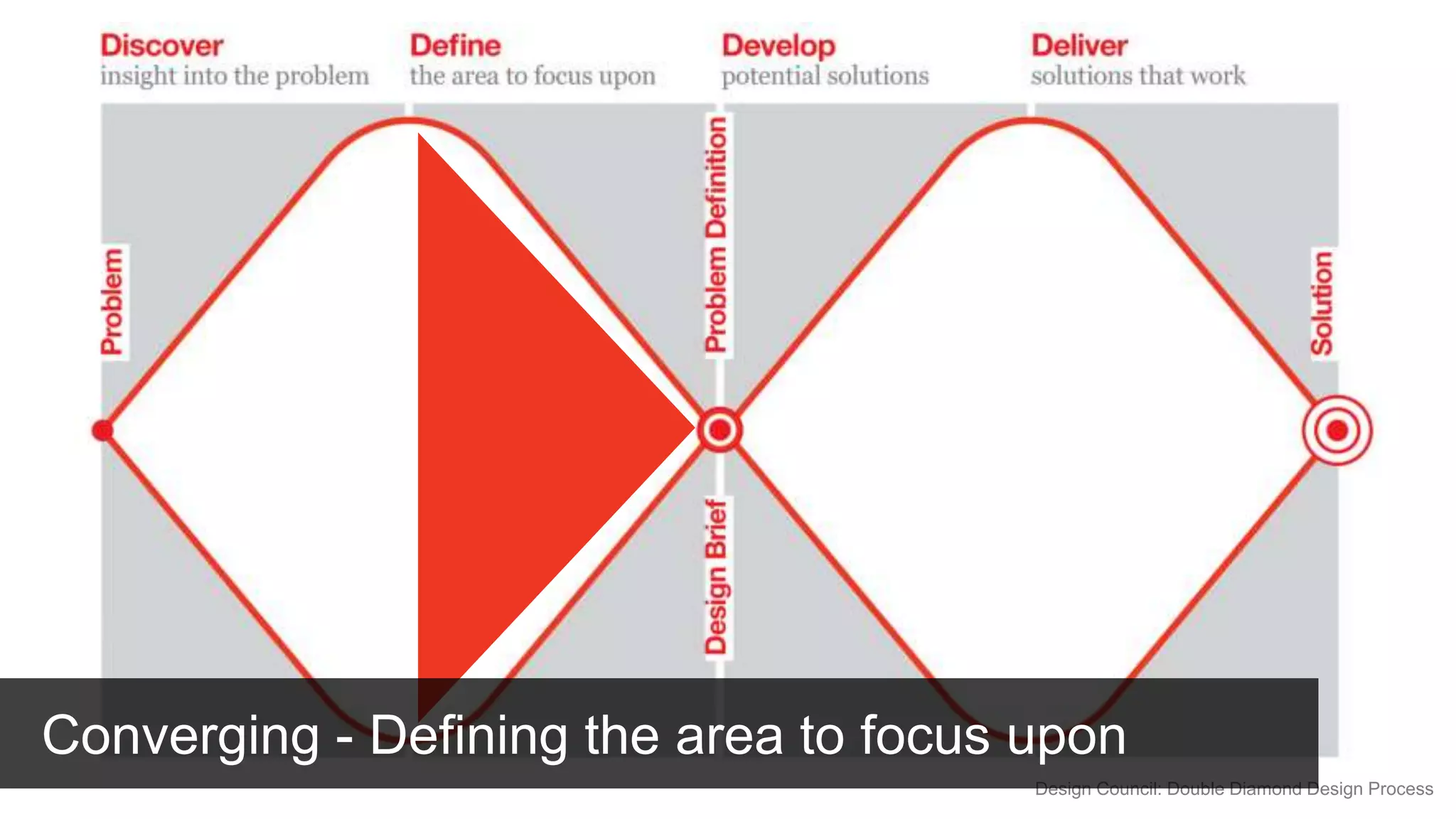
Converging - Defining the area to focus upon
Design Council: Double Diamond Design Process
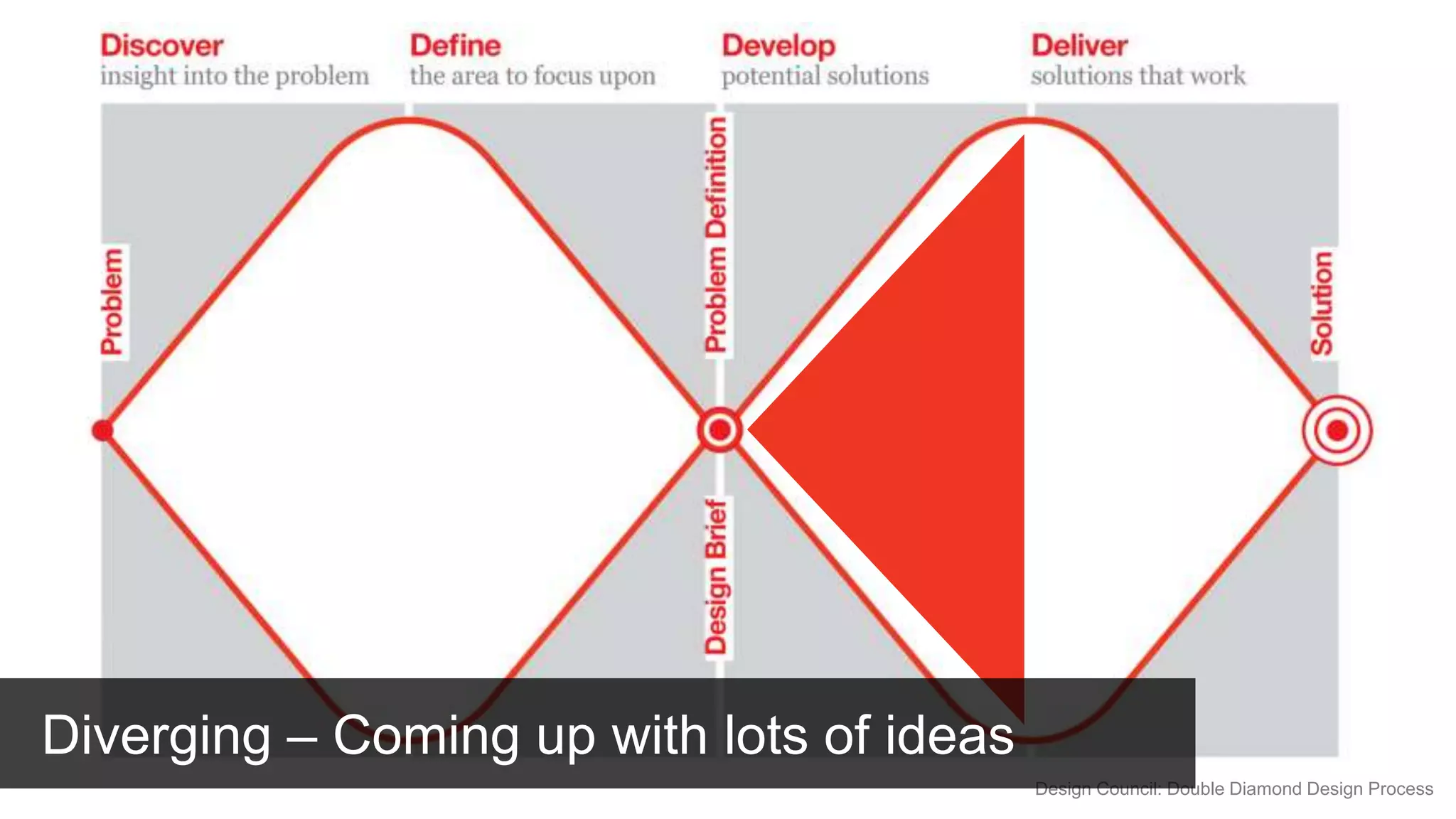
Diverging – Coming up with lots of ideas
Games, games, games…
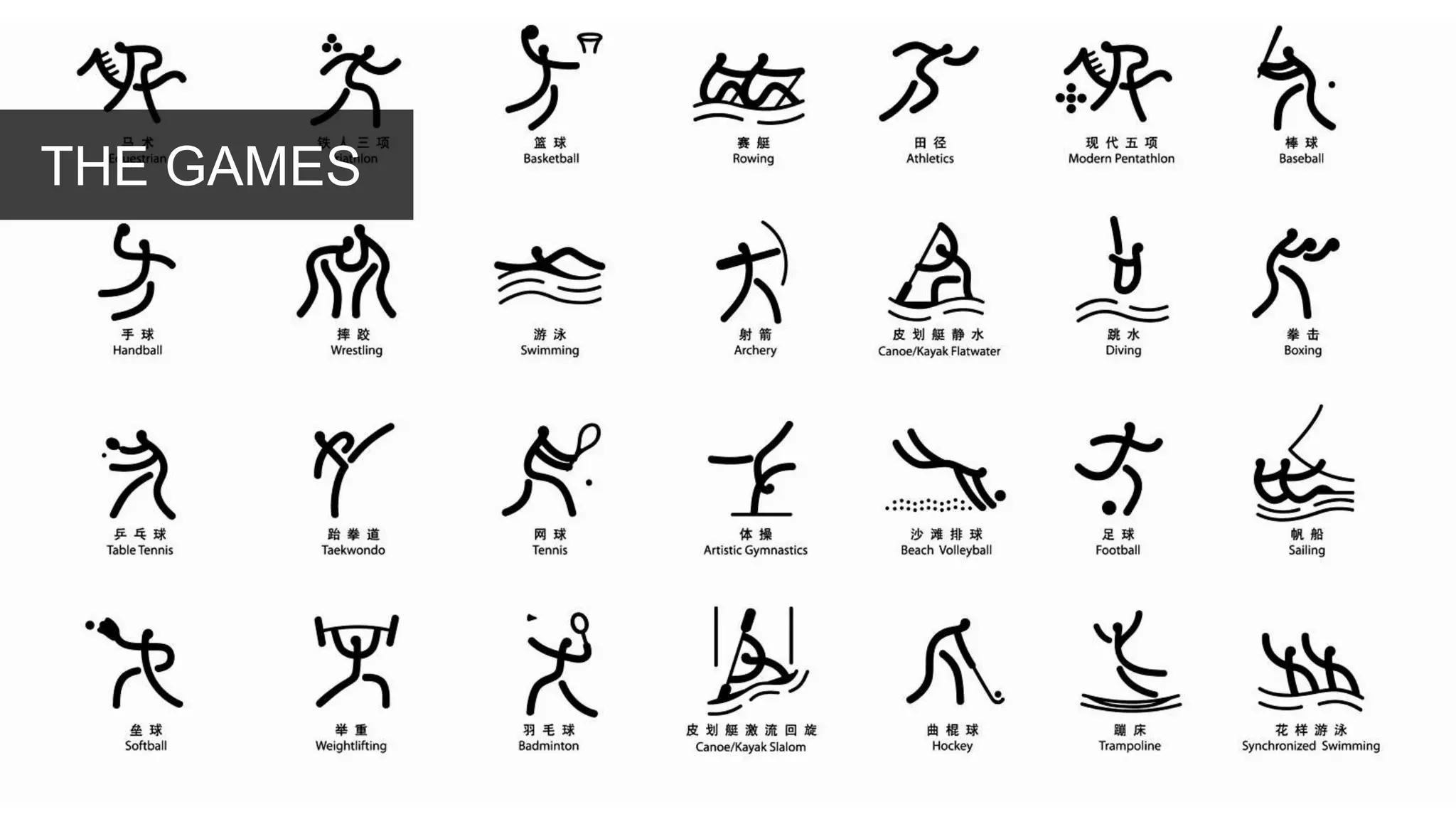
THE GAMES
PRIORITY POKER
Who’s up for a bit of Poker?
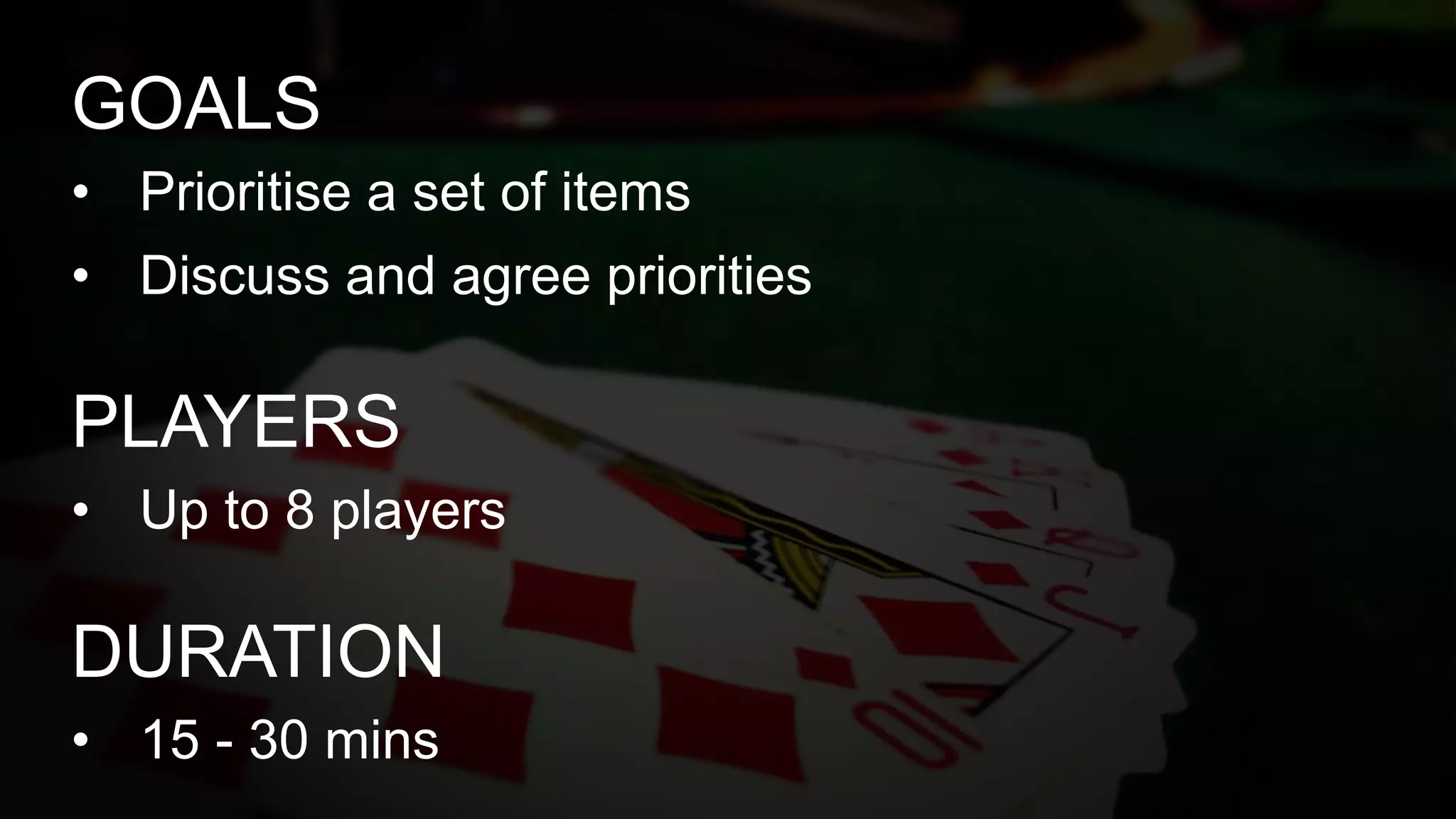
• Prioritise a set of items
• Discuss and agree priorities
GOALS
• Up to 8 players
PLAYERS
• 15 - 30 mins
DURATION
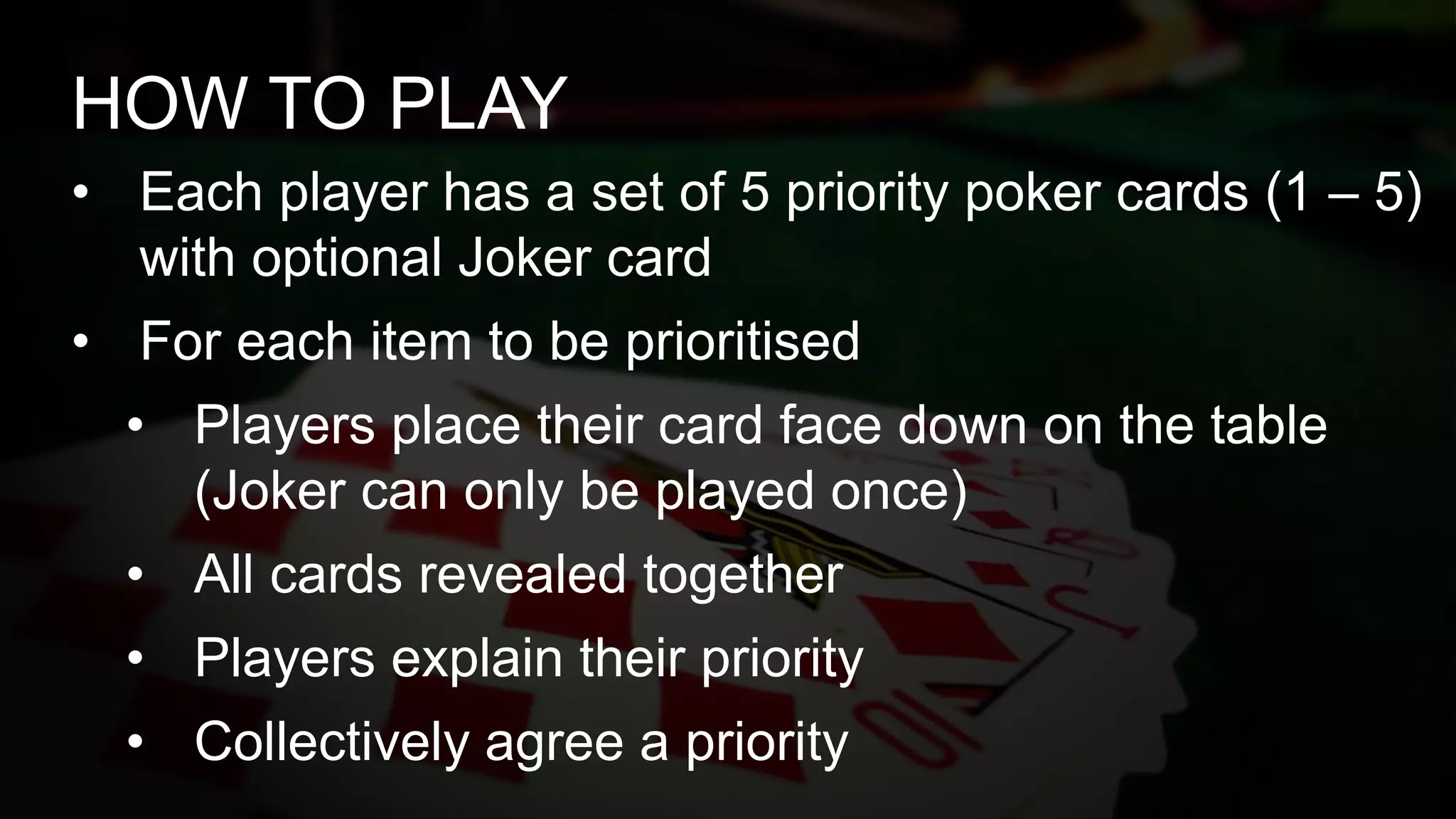
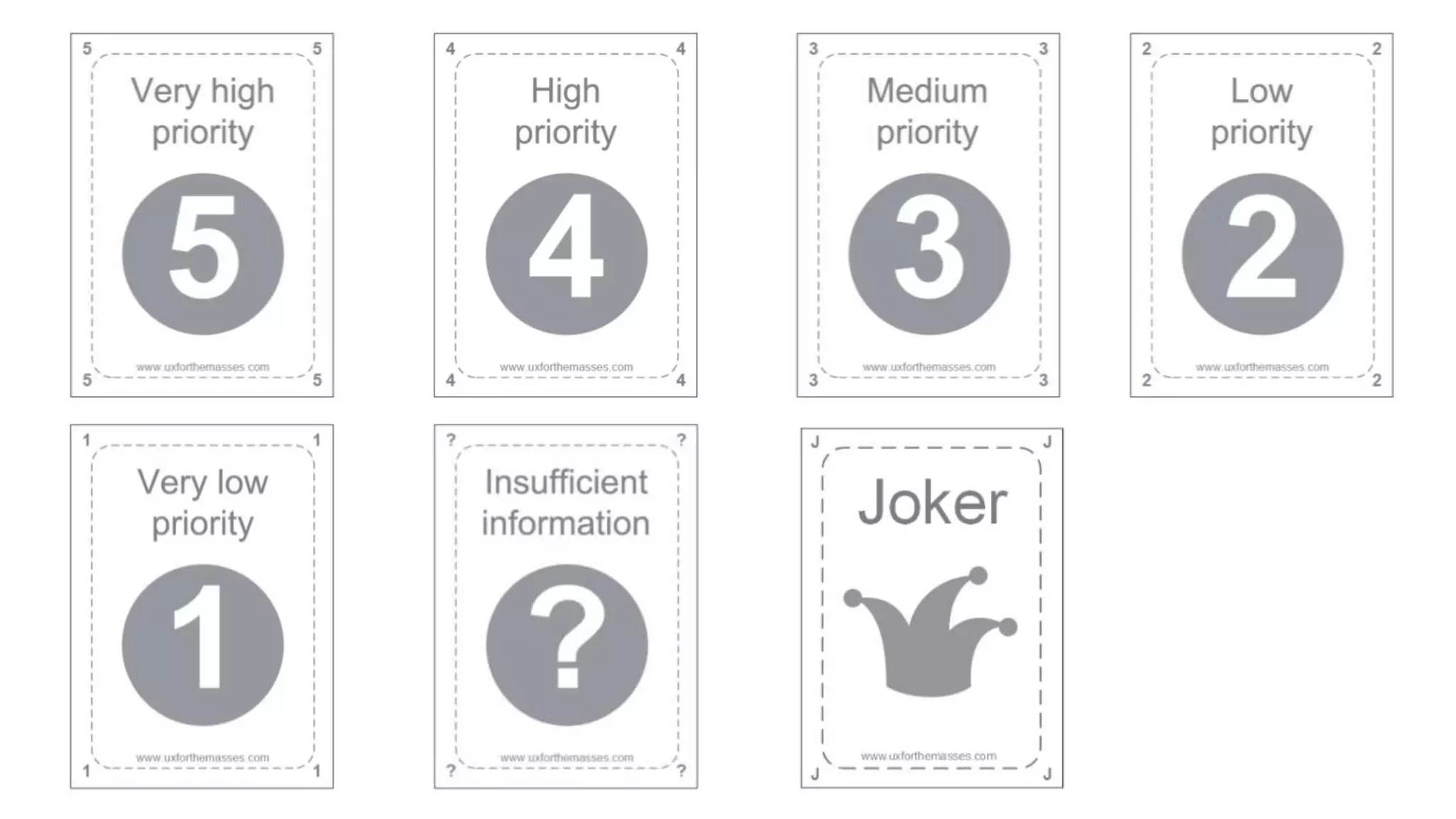
• Each player has a set of 5 priority poker cards (1 – 5)
with optional Joker card
• For each item to be prioritised
• Players place their card face down on the table
(Joker can only be played once)
• All cards revealed together
• Players explain their priority
• Collectively agree a priority
HOW TO PLAY
HOW TO PLAY
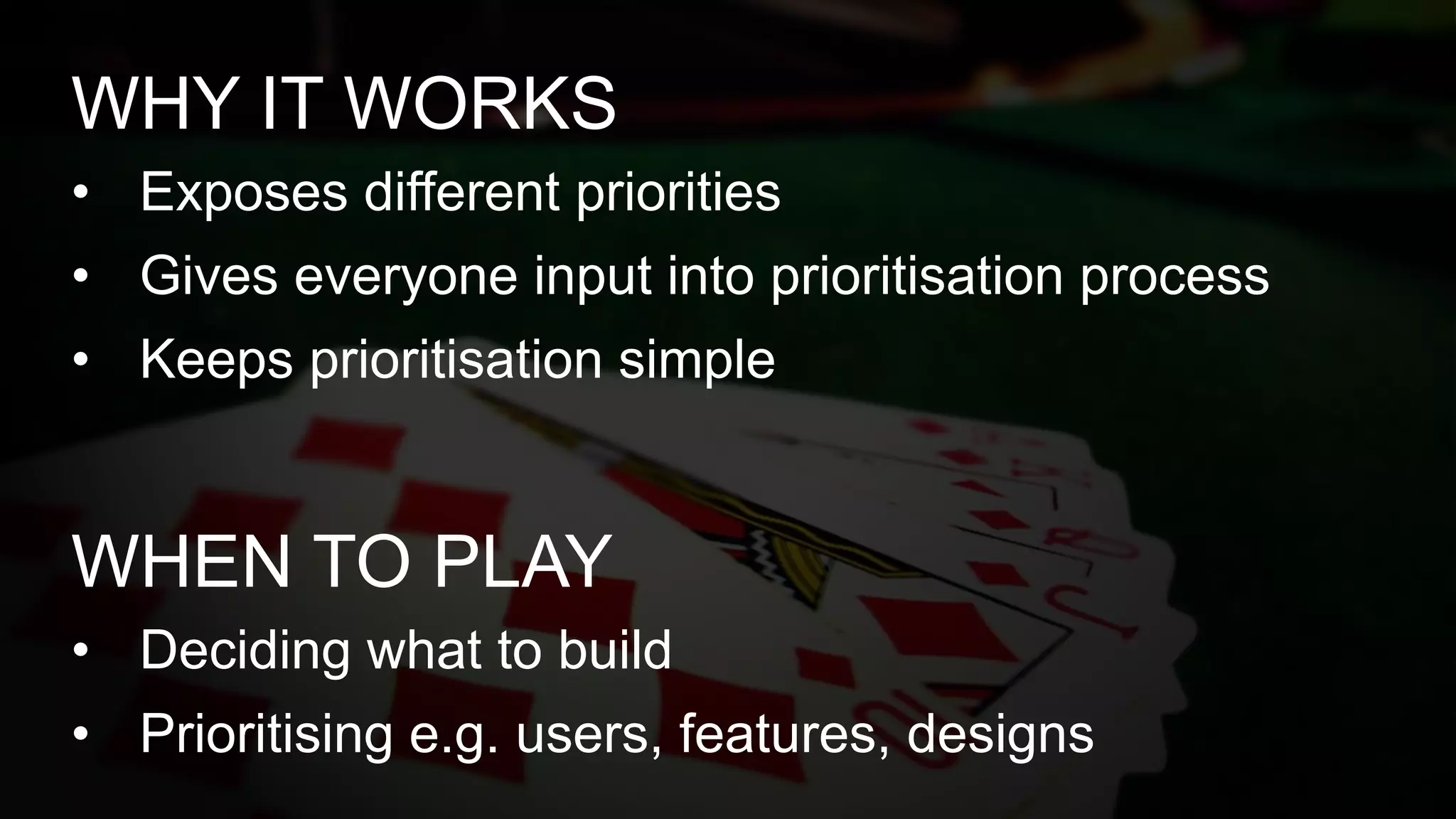
• Exposes different priorities
• Gives everyone input into prioritisation process
• Keeps prioritisation simple
WHY IT WORKS
• Deciding what to build
• Prioritising e.g. users, features, designs
WHEN TO PLAY
FANTASY FEATURES
Which features to provide?
• Prioritise and decide on features
• Explore not just ‘what’, but ‘why’
GOALS
• Up to 3 players
PLAYERS
• 10 -20 mins per game
DURATION
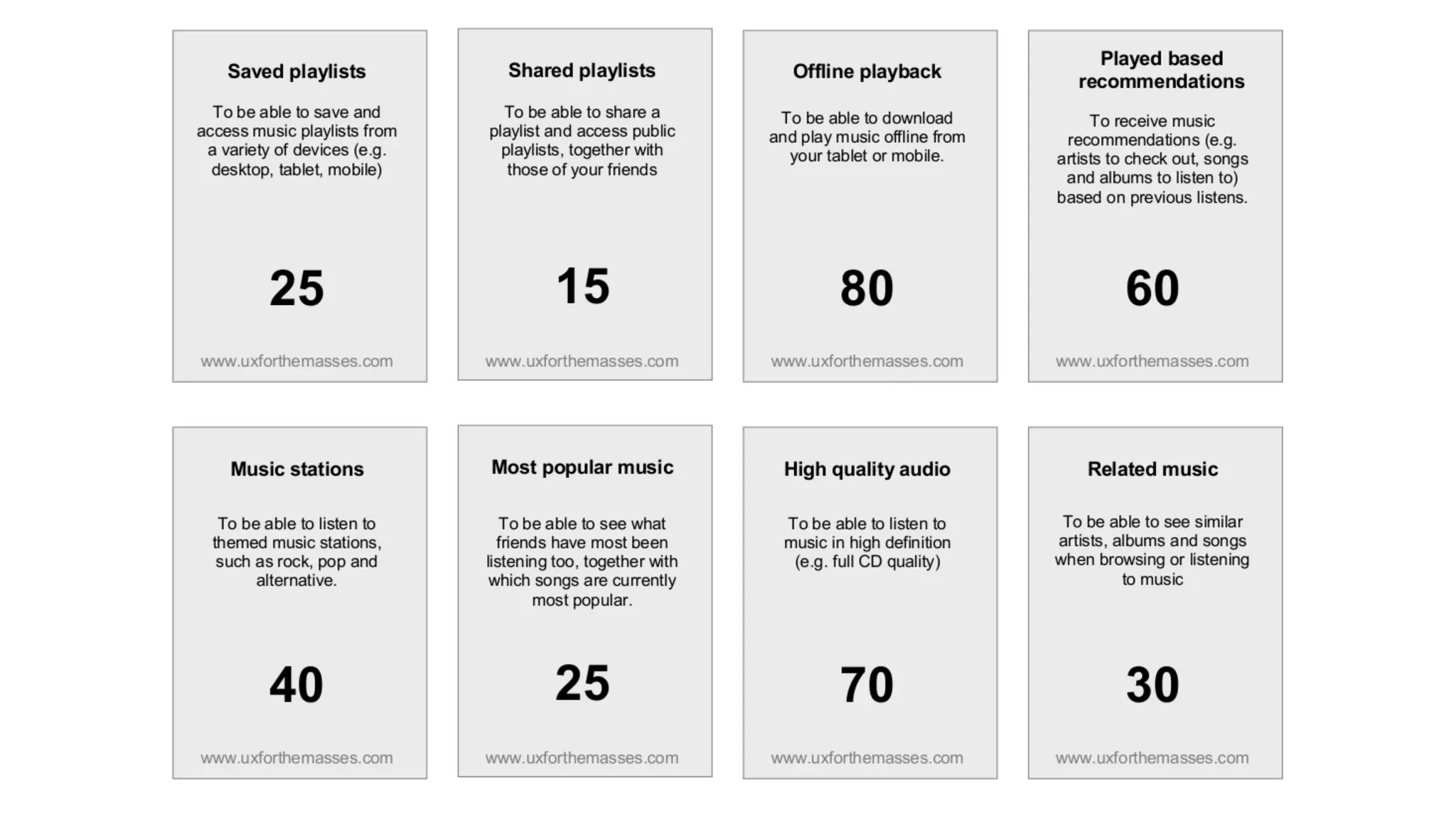
• Create a card for each feature
• Give each feature a cost (based on estimate)
• Give players a limited budget to spend
• What makes it to their fantasy feature list?
• Why have these features been chosen?
HOW TO PLAY
• Familiar concept
• Forces feature trade offs
• Considers and communicates complexity of
features
WHY IT WORKS
• Deciding what to build e.g. backlog
• Players can be users, or stakeholders
WHEN TO PLAY
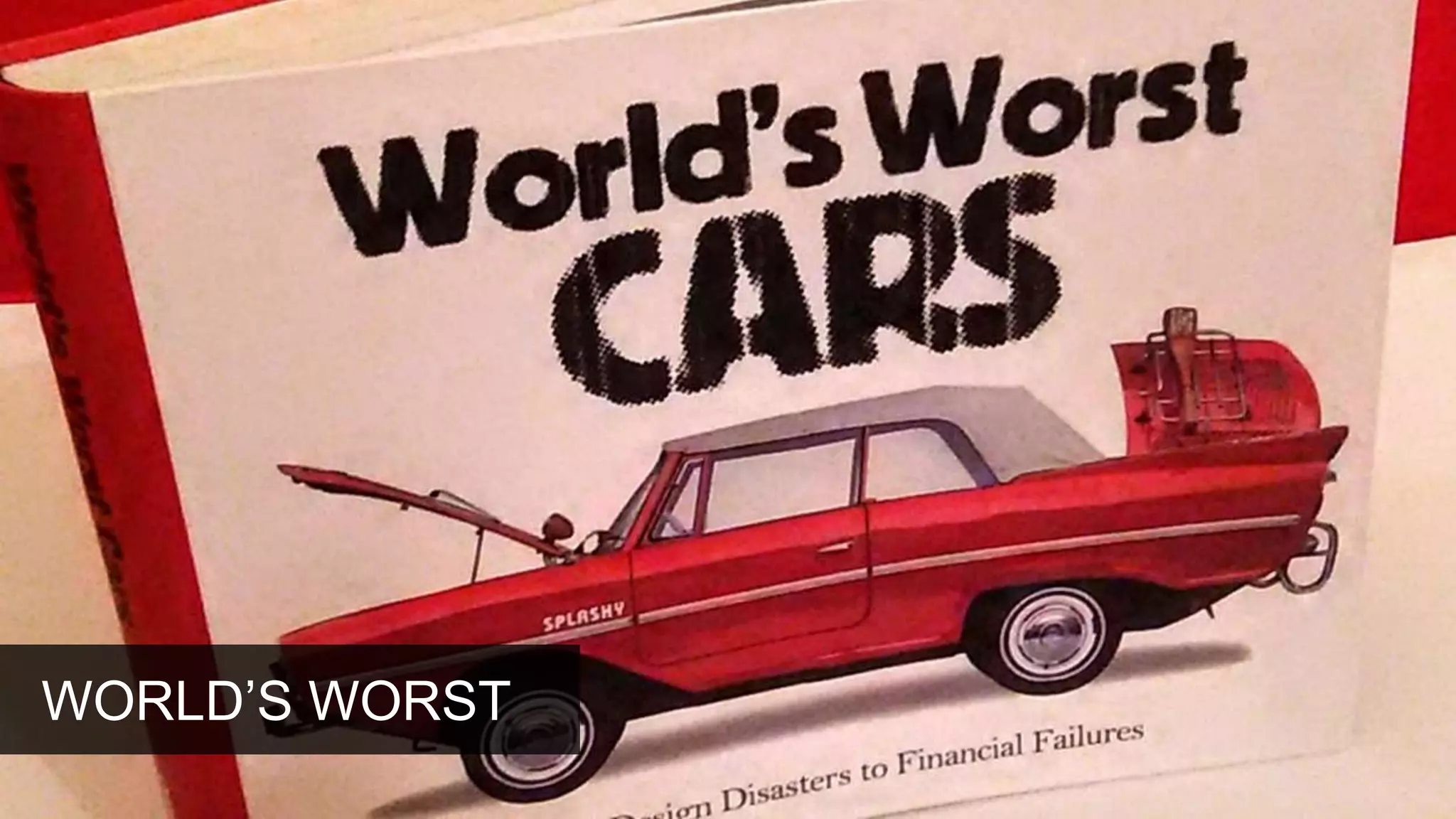
WORLD’S WORST
https://www.youtube.com/watch?v=6kLZg8yuFo8&t=3s
World’s worst?
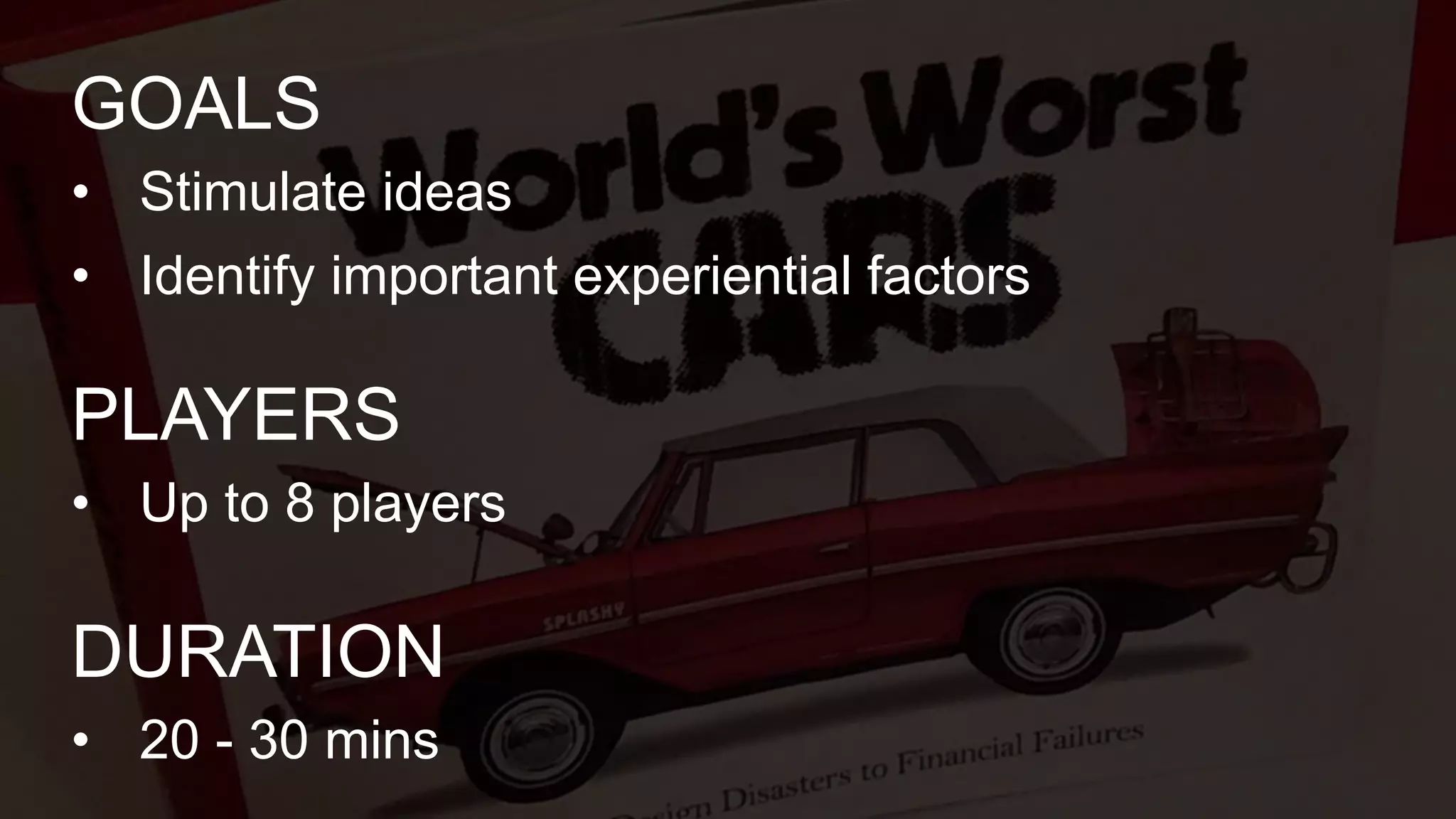
• Stimulate ideas
• Identify important experiential factors
GOALS
• Up to 8 players
PLAYERS
• 20 - 30 mins
DURATION
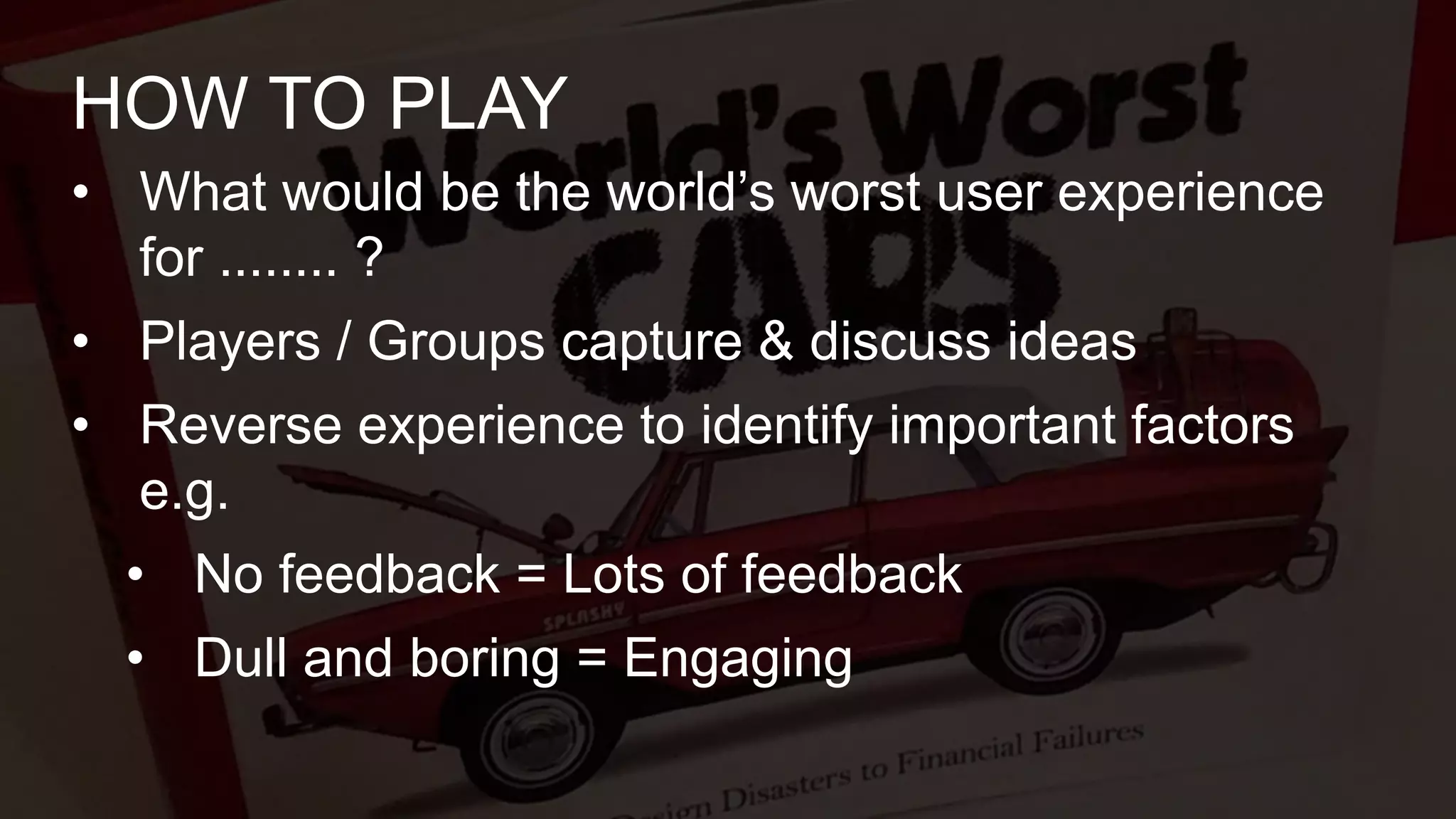
• What would be the world’s worst user experience
for ........ ?
• Players / Groups capture & discuss ideas
• Reverse experience to identify important factors
e.g.
• No feedback = Lots of feedback
• Dull and boring = Engaging
HOW TO PLAY
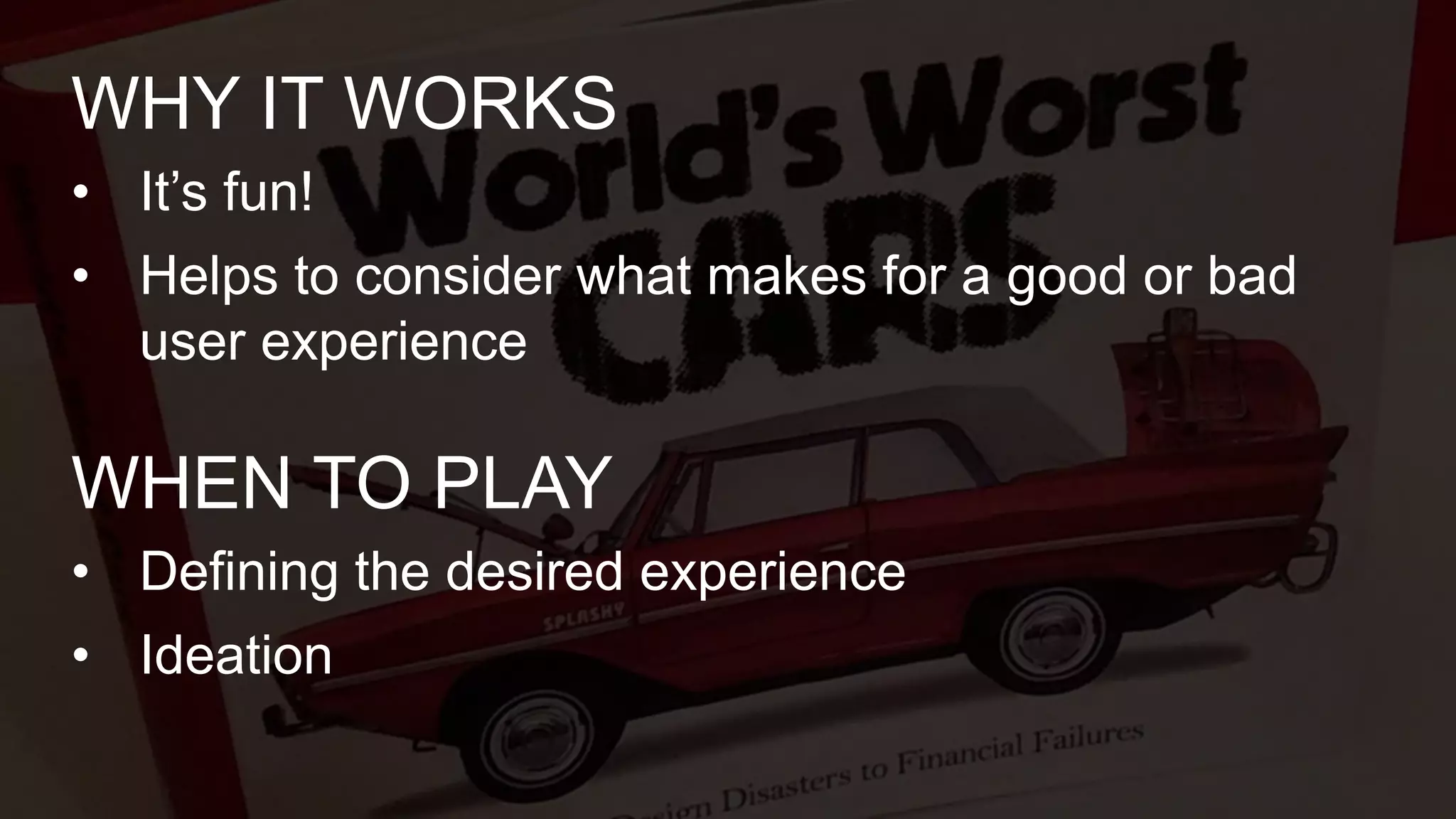
• It’s fun!
• Helps to consider what makes for a good or bad
user experience
WHY IT WORKS
• Defining the desired experience
• Ideation
WHEN TO PLAY
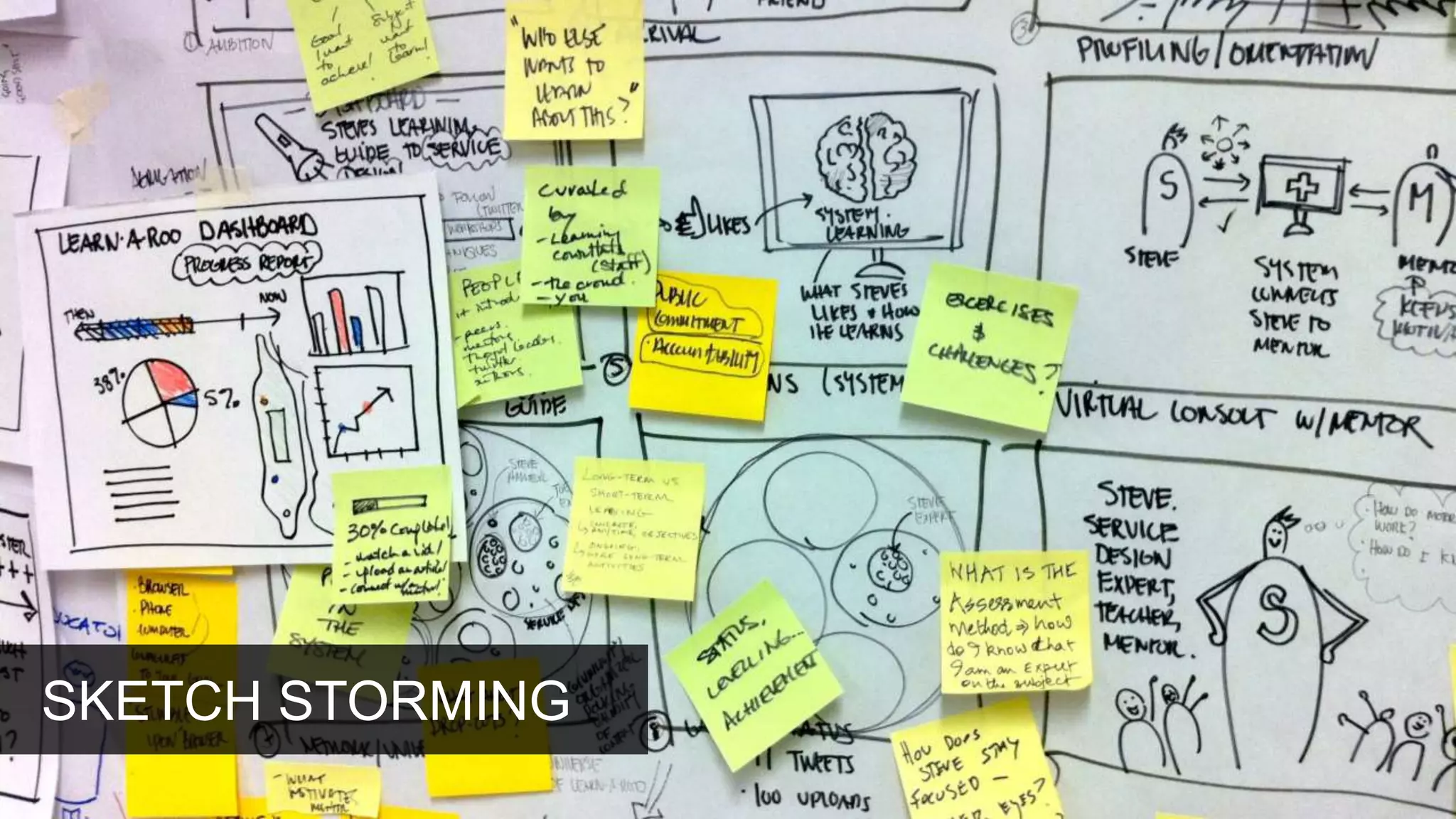
SKETCH STORMING
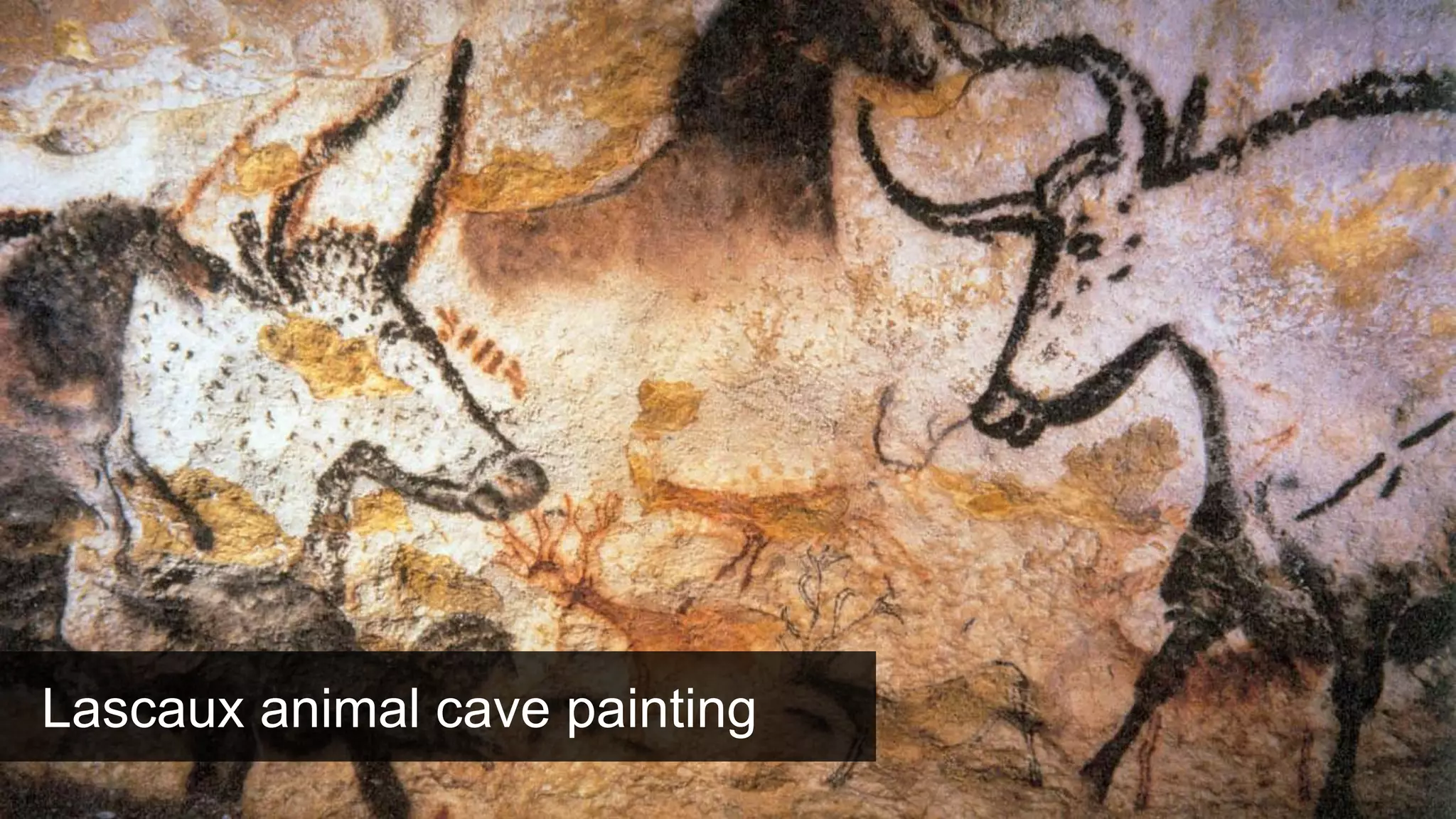
Lascaux animal cave painting
We’re all sketchers
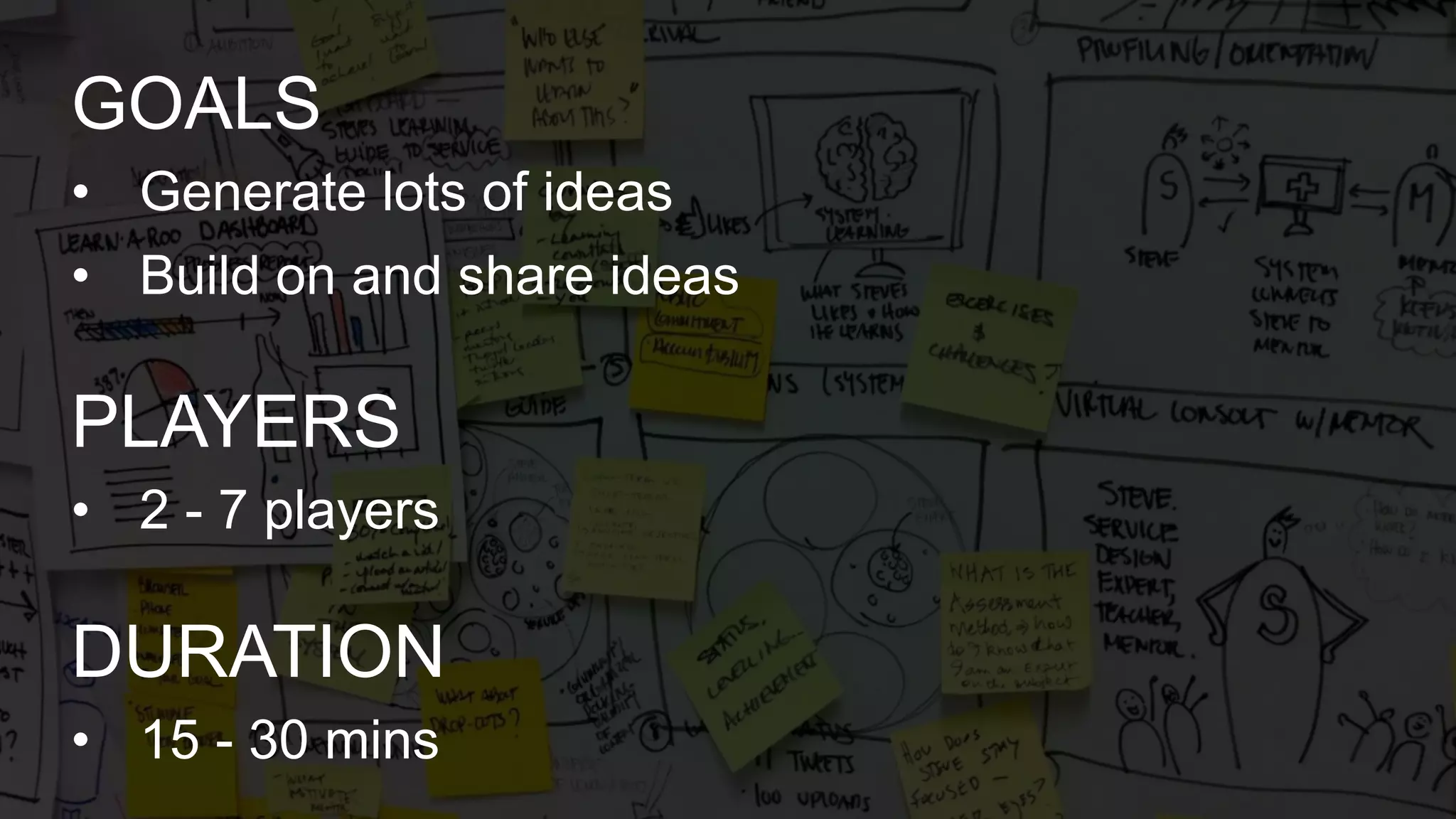
• Generate lots of ideas
• Build on and share ideas
GOALS
• 2 - 7 players
PLAYERS
• 15 - 30 mins
DURATION
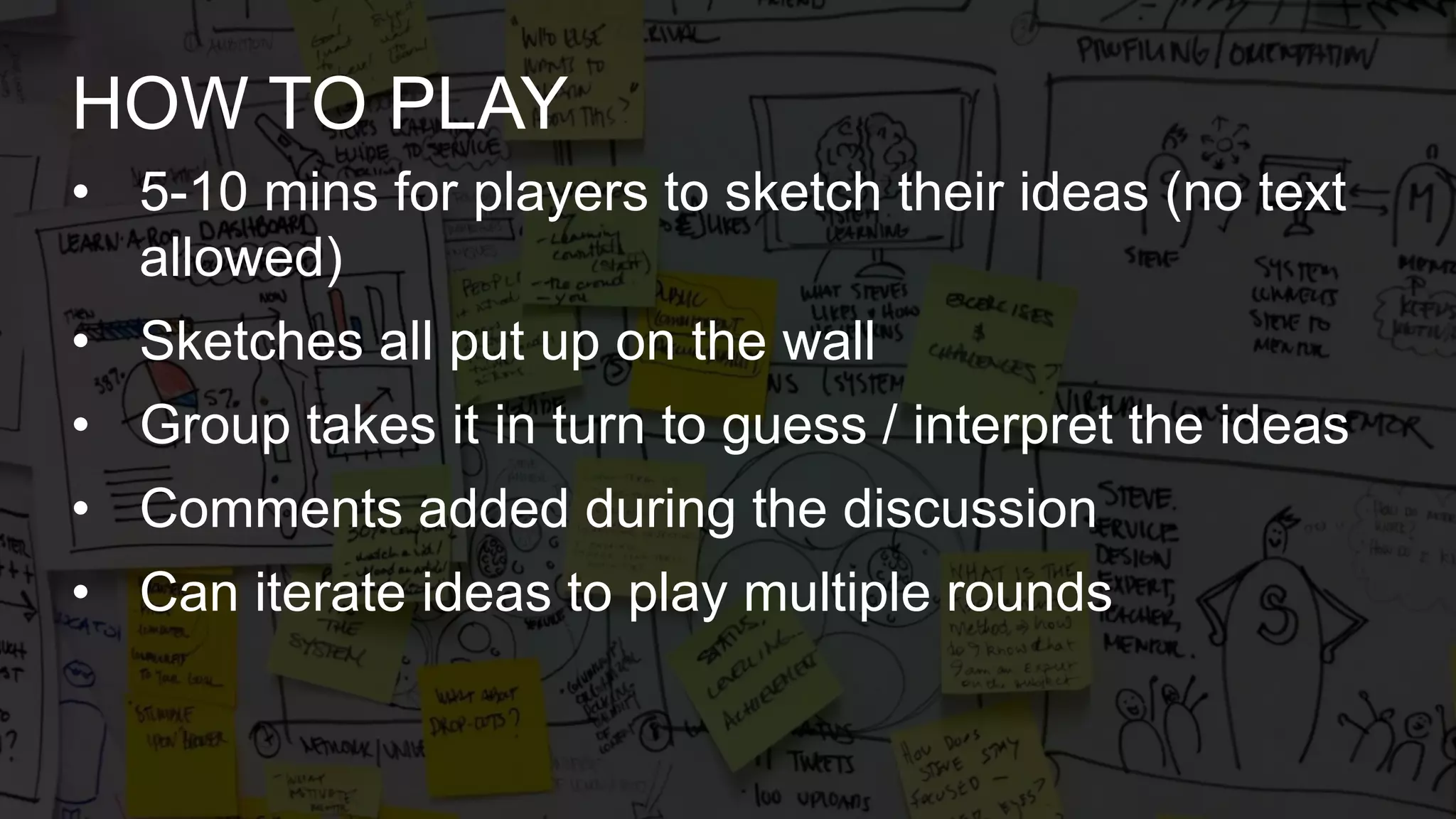
• 5-10 mins for players to sketch their ideas (no text
allowed)
• Sketches all put up on the wall
• Group takes it in turn to guess / interpret the ideas
• Comments added during the discussion
• Can iterate ideas to play multiple rounds
HOW TO PLAY
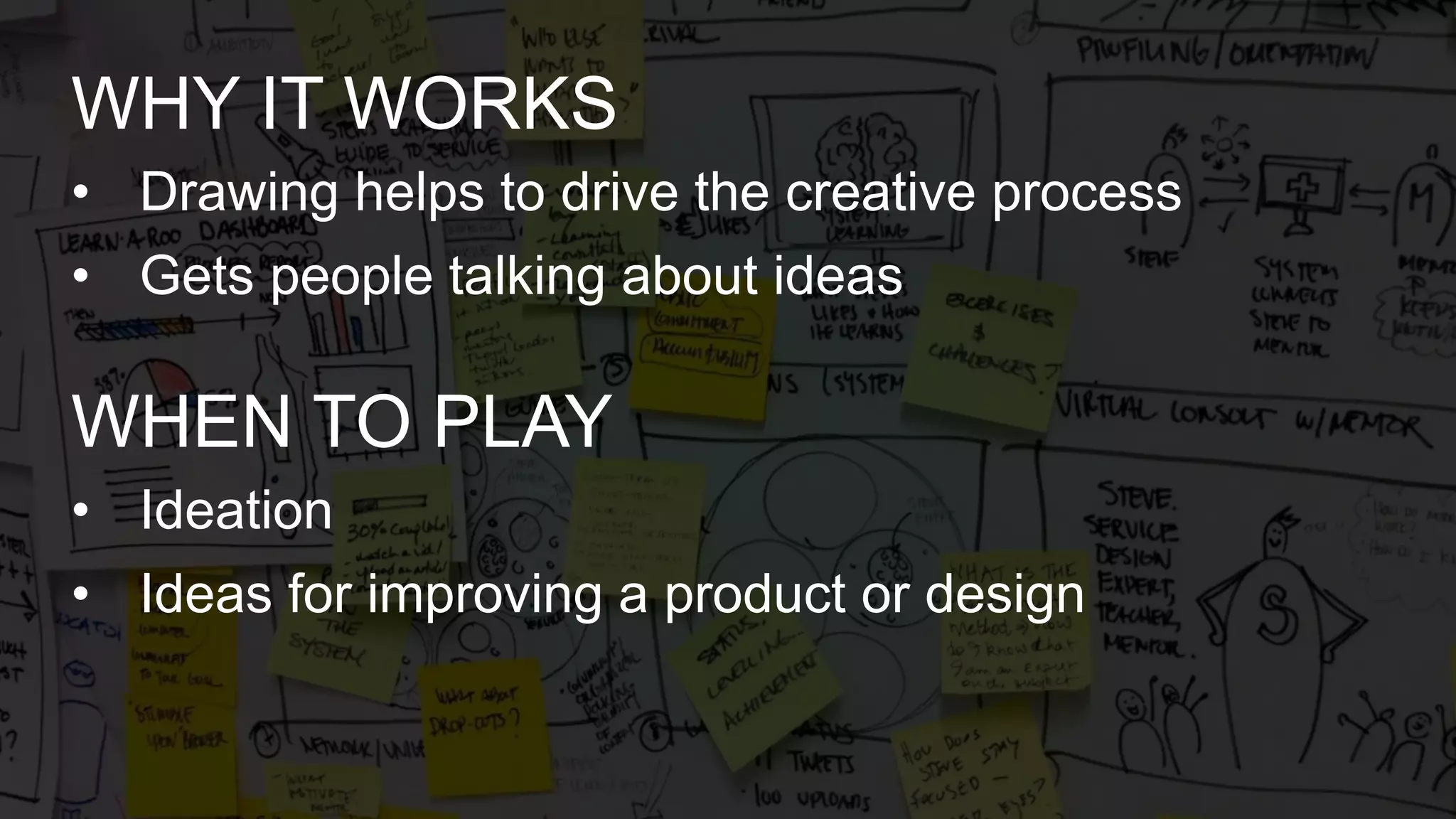
• Drawing helps to drive the creative process
• Gets people talking about ideas
WHY IT WORKS
• Ideation
• Ideas for improving a product or design
WHEN TO PLAY
(No, that’s not me!)
Any questions?
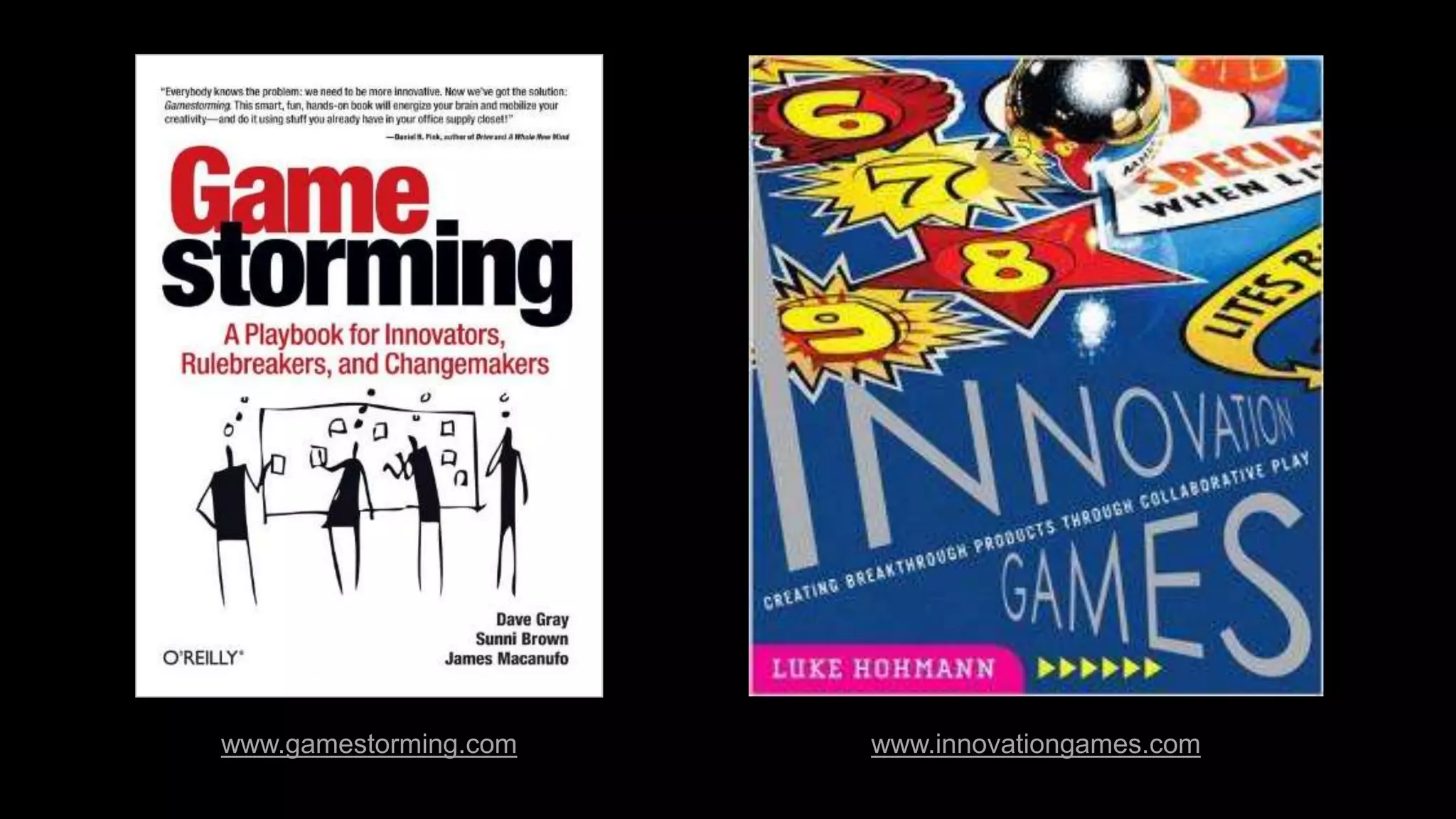
www.gamestorming.com www.innovationgames.com
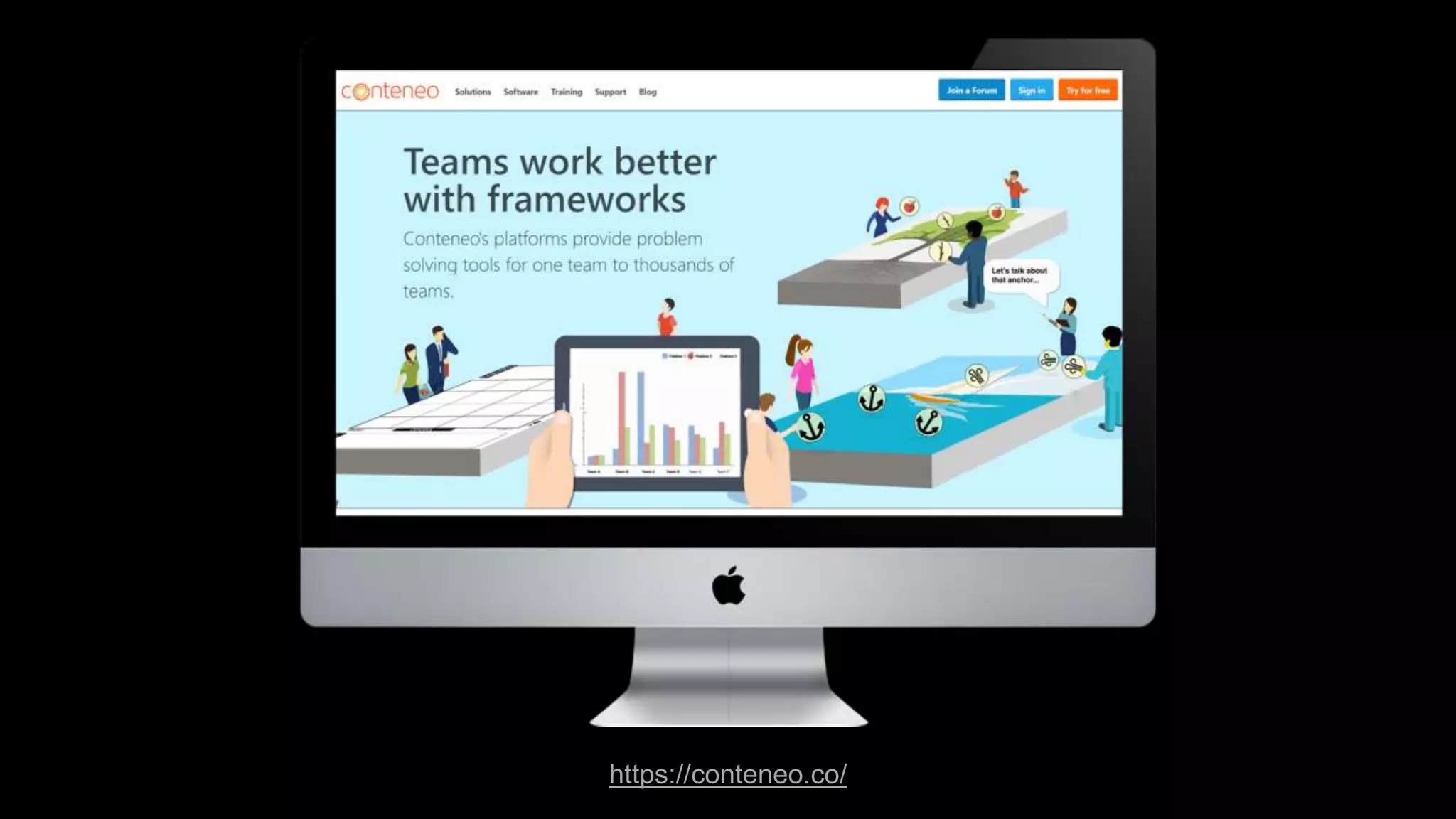
https://conteneo.co/
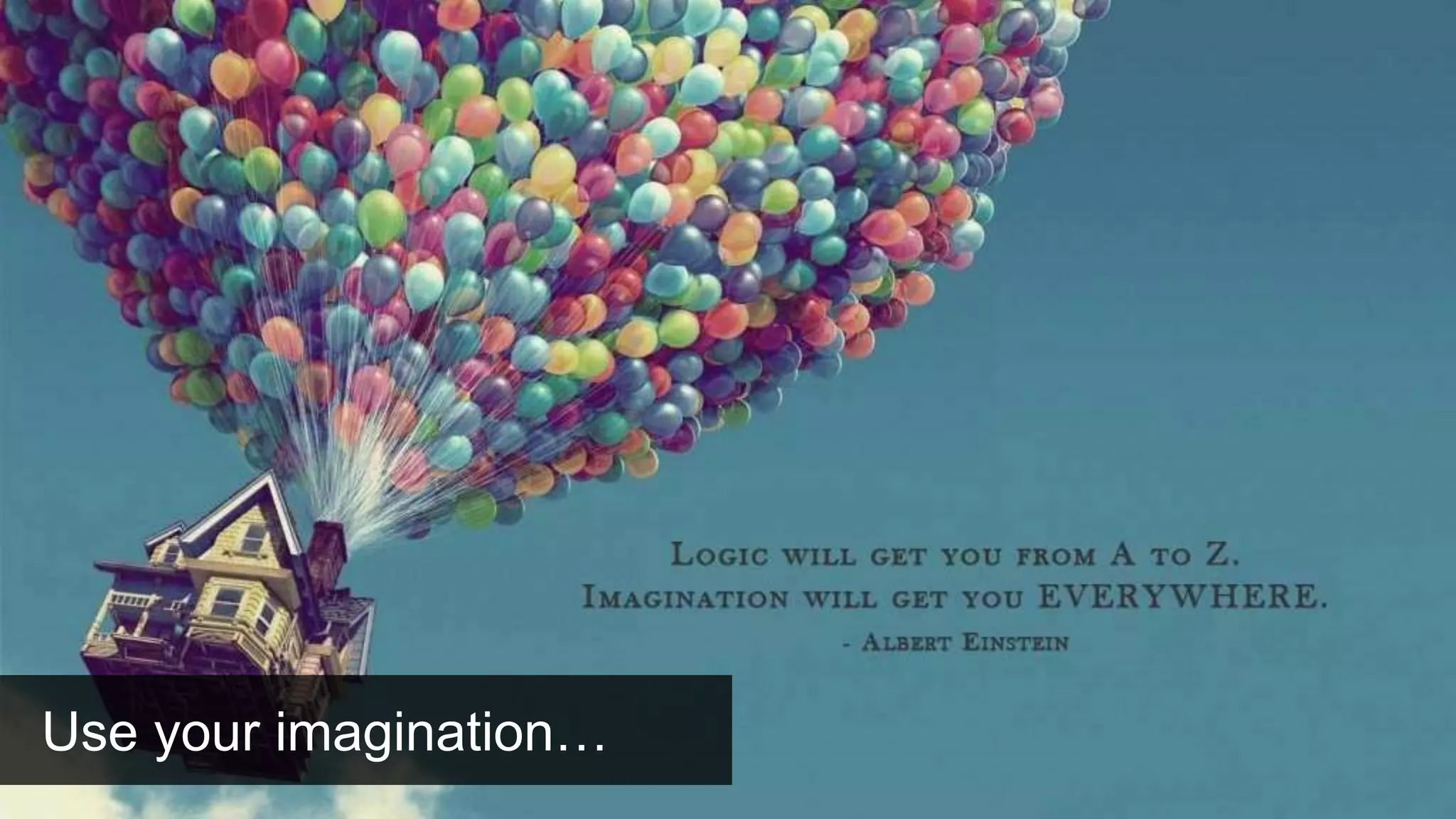
Use your imagination…
www.uxforthemasses.com
THANK YOU :-)
@neilturnerux
slideshare.net/neiljamesturner

How to ditch meetings and start playing games (UX in the City - Manchester 2017)

Editor's Notes

  • #3 I think it’s always useful to know a little bit about your presenter Currently working in Cambridge for AstraZeneca A global pharmaceutical and life sciences company
  • #4 Here are 3 quite interesting things about me
  • #5 And identical twin I’m the one of the right (in the red)
  • #6 If Nelson hadn’t been born in the 18th century, we might have been class mates Both attended Paston college in Norfolk
  • #7 And a Phil Spencer look-a-like Sadly with there’s not much demand for my services
  • #8 Will have the opportunity to play some design games
  • #9 Hands up who loves business meetings?
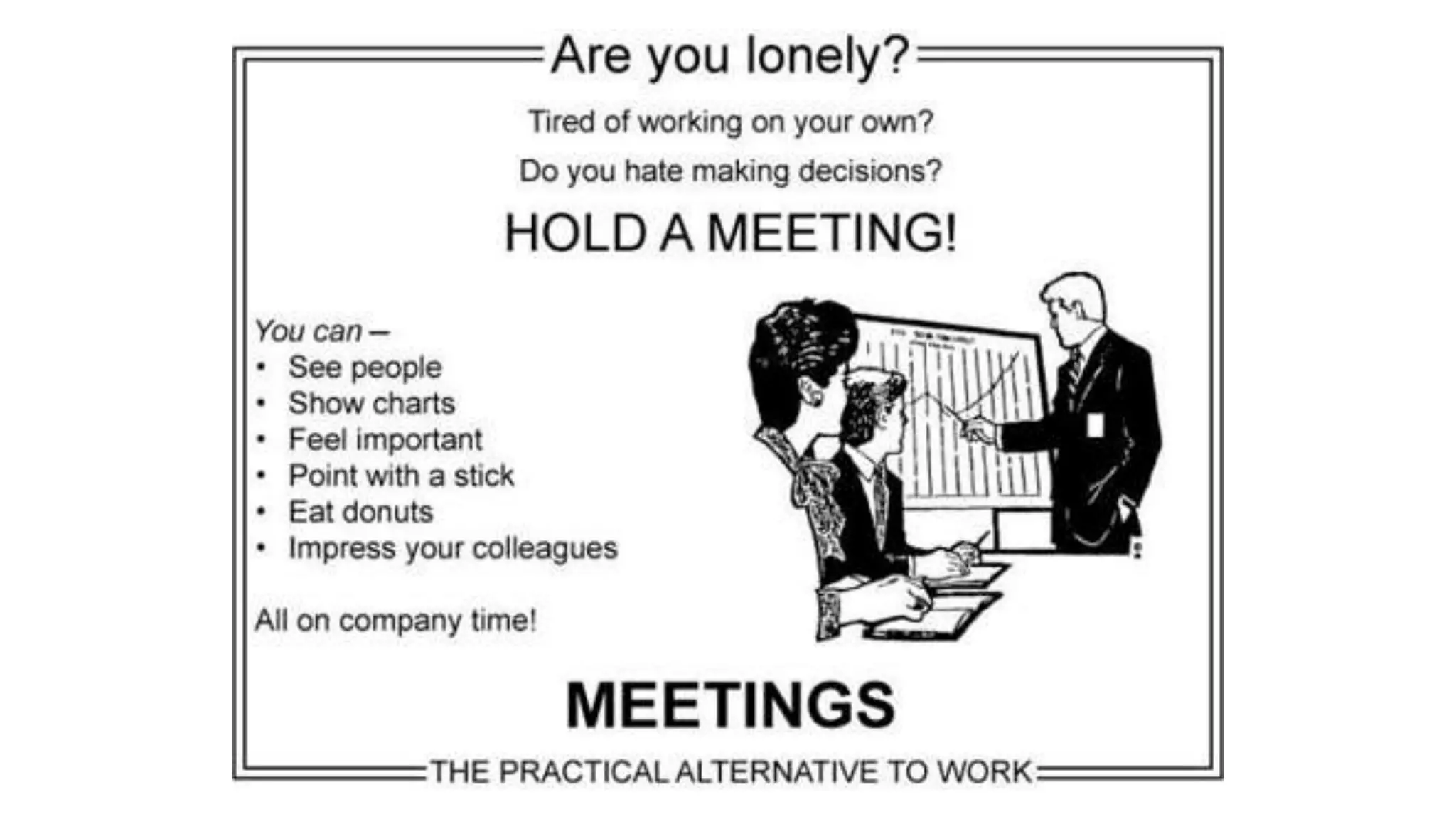
  • #10 Business meetings are great! Meetings are the practical alternative to work… But, they are not generally a great way to engage people I wonder, has this happened to anyone?
  • #11 Clip is about 30 secs long
  • #12 How do you keep a room of children entertained You don’t tell them why they should become members of the Conservative party No…
  • #13 You play party games As anyone who has experience a children’s birthday party will know, games are a great way to engage people
  • #14 Lets have a quick game of Pictionary – the game of quick draw
  • #15 If you’ve not played Pictionary before, this is how you play
  • #16 Some we’ve seen that games can be fun, but what are design games? And why should you use design games, rather than the usual run of the mill business meeting?
  • #17 Design games are really just games, but played in a meeting room, rather than a field or pitch, And with no need for a fancy kit, or sporting equipment They are structured game type exercises to assist with the design process
  • #18 Like sports games, or even board games, design games have…
  • #19 So why use design games? Well you wouldn’t replace every meeting with a design game, but they are great for engaging people and getting their input into the design process
  • #20 If you think about your typical business meeting: Usually not very engaging Not everyone is involved Not always very productive Not always very focused Not an efficient use of everyone’s time and energy Not always very well strucutred
  • #21 Design games are typically more engaging They are a great way to make sure that everyone is involved Can be very productive and efficient as you can quickly get through lots of things The game format provides more focus and structure
  • #22 And importantly, design games are FUN!
  • #23 Before I introduce you to some design games, I want to discuss the main different types of games Hands up who has seen this double diamond diagram before? It outlines 4 key stages of the design process: Discover, Define, Develop, Deliver Most design games are used in the middle two of those stages and fall into 2 main categories
  • #24 Games to converge and define the area to focus on What are the priorities? Which problems should we be tackling? Which users should we be focussing on? These are games that help define the problem, and the design brief I’ll cover 2 games (Priority poker and Fantasy features) for converging
  • #25 Games to diverge – to come up with lots of potential solutions Games to help people to think outside the box, to help generate and discuss ideas I’ll cover 2 games (World’s worst & Sketch storming) for diverging
  • #26 I’ll only be covering 4 games today – just the tip of the iceberg There are lots of other games out there, which can be used throughout the design process Will provide some places to go to find more design games to try out
  • #28 First game is priority poker
  • #29 Hands up who has played poker? Well priority poker gives you the opportunity to play a bit of poker at work
  • #30 Priority poker is great for helping to prioritise a set of items Could be features, like a product backlog Could be users Could be designs or ideas for improving a design It’s quite similar to estimation poker, which is sometimes used by Agile teams
  • #32 These are the sorts of cards you might use You can of course have more than 5 cards, but I’ve found that 5 priorities is a good number to use Good idea to have a question mark card for when someone doesn’t know, or needs more information
  • #33 Helps to unearth not just what the priorities are, but why Also gives everyone a voice by having the priorities initially hidden
  • #34 Second game is fantasy features Sometimes also called ‘Buy a feature’
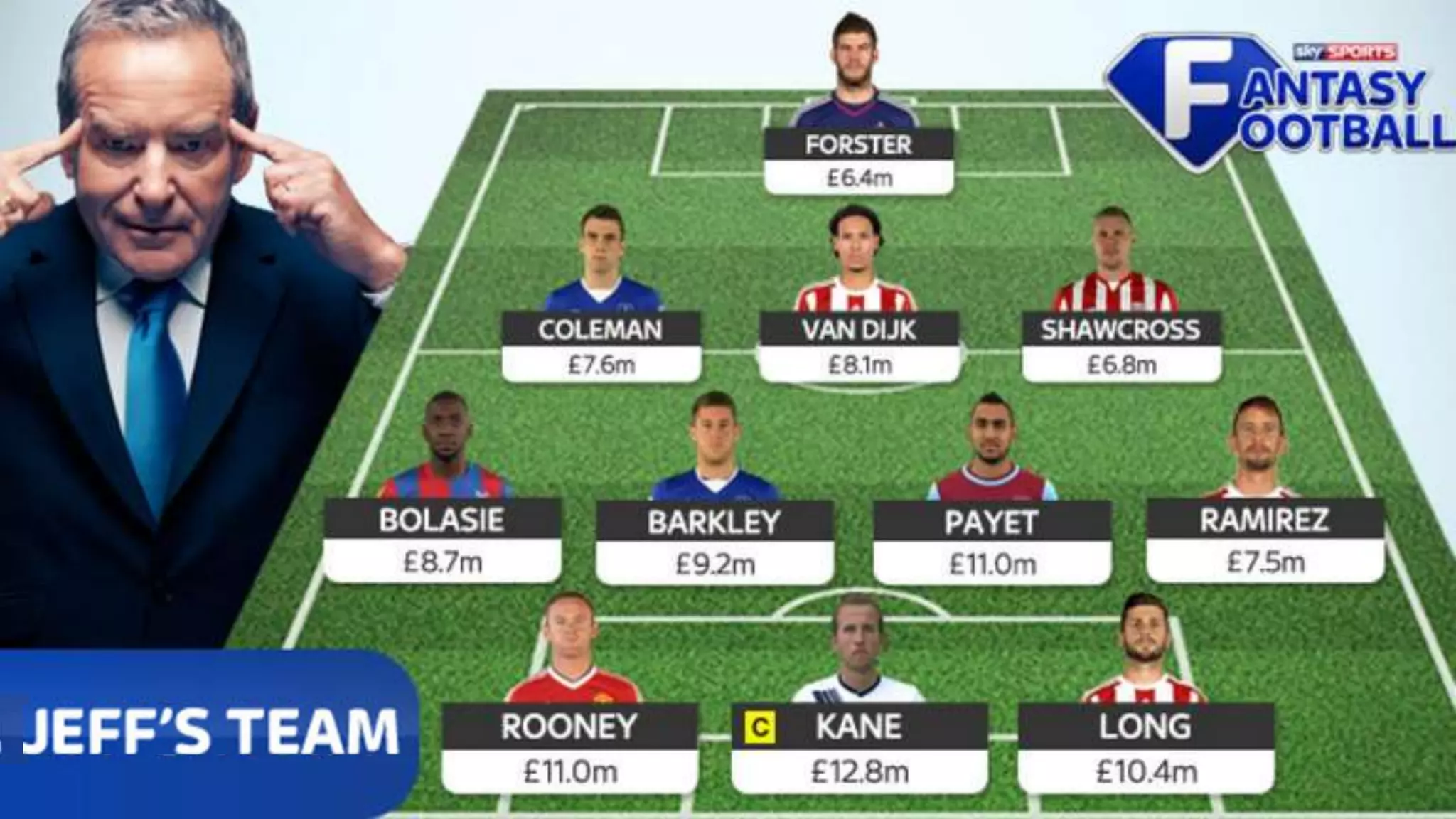
  • #35 Hands up who has played fantasy football before For those that haven’t played: Have a set budget Spend budget on players Score points based on performance e.g. goals for strikers, clean sheets for goal keepers, assists for midfield Avoid the Man City and Chelsea problem – simply being able to buy the best of everything
  • #36 Rather than buying players, for fantasy features buying features Can be played with users, or stakeholders
  • #37 Best played individually, or in small groups of 2 or 3
  • #39 Cost should be based on estimates e.g. Agile points
  • #41 World’s worst is a great game for helping with ideation If anyone remembers ‘Who’s line is it anyway on Channel 4, might remember the world’s worst game” For those unfamiliar, the game goes a bit like this…
  • #42 Clip is 50 seconds
  • #43 Of course now we know who the world’s worst President is…
  • #44 World’s worst is a great way to get people to approach a problem from a different perspective Can help to identify important experiential factors – what is key to the UX? Both good or bad
  • #45 Can capture and playback ideas using post-it notes, sketches or even role playing
  • #46 Can be a great way to help define important UX factors Fun exercise – good to get people thinking outside the box
  • #47 Final game is also great for ideation
  • #48 People have been using pictures and sketches to communicate an idea or concept for thousands of years For example these are the famous Lascaux (laskow) cave paintings, discovered in the 1940 in a cave in South Western France They show mostly hunting scenes and are thought to be up to 20,000 years old!
  • #49 In face we’re all natural sketchers If you have kids, you’ll know that the first thing they do with a pen or pencil, after trying to eat it, is to draw and sketch Sketch storming can help to bring out the creative child in all of us by encouraging lots of sketching
  • #53 Now it’s game time… We’ll spend 40 mins playing the games, so you have 10 mins per game I’ll sound a buzzer once the 10 mins are up Games are clustered around the room, so move around until you’ve had the opportunity to play each game Instructions and game playing equipment are all provided If you have any questions, come and grab me
  • #54 So, any questions about the design games we’ve covered? What was your favourite game? Which games can you see yourself using for a future project?
  • #55 I said that there are lots more games out there The game storming book, and innovation games books are both great references Each also has an accompanying website which outline some games to try
  • #56 The Conteneo website also has some games you can try out For example, there is an online version of the buy a feature game
  • #57 You course don’t be afraid to make your own games up Use your imagination Take a game and give it a different slant Experiment to find out what works well
  • #58 Thank you once again for coming along, I hope that you enjoyed it I’ll upload the slides over the next few days to both my website and to slideshare Any final questions?