Featured Article
High-Fidelity Simulation: Descriptive Analysis of
Student Learning Styles
Naomi Tutticci, RN, BN, MEd Studies, AFHEAa,*, Fiona Coyer, RN, PGCEA, MN, PhDb
,
Peter A. Lewis, BN, CertCC, MNEd, PhDa
, Mary Ryan, DipT, BEd, MEd, PhD, PFHEAc
a
Faculty of Health, School of Nursing, Queensland University of Technology, Kelvin Grove, Queensland 4059, Australia
b
Professor of Nursing, Faculty of Health, School of Nursing, Queensland University of Technology and Intensive Care
Services, Royal Brisbane and Women’s Hospital, Kelvin Grove, Queensland 4059, Australia
c
Professor, Assistant Dean, Research, Faculty of Education, Queensland University of Technology, Kelvin Grove, Queensland
4059, Australia
KEYWORDS
active learning;
education;
high-fidelity simulation;
learning styles;
satisfaction;
undergraduate nursing
Abstract
Background: Nurse educators need to be responsive to and understand individual learning styles and
characteristics. This responsiveness will contribute to a satisfying and effective high-fidelity simulation.
Method: A descriptive post-test design was employed as part of a larger randomized controlled interven-
tion study.
Results: The majority of third-year nursing students were divergers (29.8%), and the highest mean score
for learning characteristics was for active experimentation. Participants were highly satisfied and agreed
effective teaching, and learning strategies were evident in and important for simulation.
Conclusions: High-fidelity simulation is valued by third-year nursing students, irrespective of their
learning styles and is particularly suited to millennial students. The implementation and design of simu-
lation requires further examination to ensure that it consistently assists students in preparation for pro-
fessional practice.
Cite this article:
Tutticci, N., Coyer, F., Lewis, P. A., & Ryan, M. (2016, November). High-fidelity simulation: Descriptive
analysis of student learning styles. Clinical Simulation in Nursing, 12(11), 511-521. http://dx.doi.org/
10.1016/j.ecns.2016.07.008.
Ó 2016 International Nursing Association for Clinical Simulation and Learning. Published by Elsevier
Inc. All rights reserved.
Nurse educators are encouraged to assess students’
learning styles and preferences and to develop appropriate
learning experiences leading them to critically think
(Fountain & Alfred, 2009). Critical thinking is a key
outcome of simulation pedagogy (O’Brien, Hagler, &
Thompson, 2015). To critically think, one must possess
the metacognitive skill of critical reflection (An & Yoo,
2008). Reflection and its impact on a persons’ behavior
and world view is a difficult concept to quantify (Hatton
& Smith, 1995). In simulation, there are few existing reli-
able and valid instruments to measure learning outcomes
from simulation (Adamson, Kardong-Edgren, & Willhaus,
2013; Doolen et al., 2016). The evaluation of student
learning styles and satisfaction with simulation pedagogy
can inform educators about the quality and depth of student
Clinical Simulation in Nursing (2016) 12, 511-521
www.elsevier.com/locate/ecsn
* Corresponding author: naomi.tutticci@qut.edu.au (N. Tutticci).
1876-1399/$ - see front matter Ó 2016 International Nursing Association for Clinical Simulation and Learning. Published by Elsevier Inc. All rights reserved.
http://dx.doi.org/10.1016/j.ecns.2016.07.008
learning and reflection. Evaluation of reaction and learning
is low level (Adamson et al., 2013) and is subject to bias
and social desirability. To move the science of simulation
forward an evaluation of how simulation affects metacogni-
tion and behavioral responses is required. Understanding in-
dividual learning styles and
how they respond to and
interact with simulation is
an important step in vali-
dating simulation as a
pedagogy. The successful
transition to professional
nursing practice is depen-
dent on: reflective thinking
(Lasater, 2007; Najjar,
Lyman, & Miehl, 2015);
identifying, developing, and
implementing strategies to
effect change (Smith, 2011;
Teixeira et al., 2014); and
being an agile practitioner
(Rooney, Hopwood, Boud,
& Kelly, 2015).
Simulation can be
defined as a pedagogy using
one or more typologies to
assist with the nurses’ pro-
gression along a developmental continuum from novice to
expert (Meakim et al., 2013). High-fidelity simulation
(HFS) is characterized by routines involving prebriefing,
simulation, and debriefing (Dieckmann, Friis, Lippert &
Østergaard, 2012). It adheres to adult learning principles
and is becoming standardized to ensure best practice
(International Nursing Association for Clinical Simulation
and Learning, 2013). Simulation is designed to optimize
transference of knowledge to practice (Richardson &
Claman, 2014). Recent dialog challenges the notion simu-
lations’ primary purpose is to produce practitioners capable
of undertaking prespecified tasks and roles (Rooney et al.,
2015). The aim of undergraduate education is to develop
an agile practitioner. Agile practitioners value professional
practice and react within this sphere, sometimes in surpris-
ing ways, to achieve the goal of learning or relearning
(Rooney et al., 2015). Nurse educators have a responsibility
to model this agility in how they employ teaching and
learning strategies in simulation. Nurse educators need to
adapt simulation standard practice without compromising
best practice to provide meaningful learning experiences.
Fountain and Alfred (2009) positively correlated both soli-
tary and social learning styles with HFS satisfaction. Ele-
ments of HFS appeal to these disparate learning styles.
The social learner can benefit from knowledge construction
within this small group activity, and the solitary learner can
reflect when observing participants’ practice. No further
research has been undertaken to identify how the study of
learning styles informs simulation pedagogy.
Engaging the student in the simulation experience is of
utmost importance (Doolen et al., 2016). To engage the stu-
dent, learning styles and characteristics must be known and
responded to within nursing programs. Evidence suggests
learning is enhanced when students actively engage in gain-
ing knowledge through experience (Lestander, Lehto, &
Engstr€om, 2016) with problem solving and decision-
making. Active reflection is integral to this learning process
(Dewey, 1933; Kolb, 1984). Kolb (1984) experiential
learning theory posits that the learner has to be actively
involved in the experience and reflect on the experience
during, as well as after (Clapper, 2010). It is not surprising
that experiential learning in the simulation context is espe-
cially adaptable to adult learners. Simulation provides the
student with an opportunity to immerse themselves in a
realistic, dynamic, and complex situation which requires
problem solving without harm to the patient (McCaughey
& Traynor, 2010). Kolb’s experiential learning theory pro-
vides a framework for simulation. Learners are able to
apply their nursing knowledge to the care of a simulated pa-
tient within a safe environment, leading to the improved
acquisition of knowledge (Howard, Englert, Kameg, &
Perozzi, 2011). Students using reflective thinking after
any lived experience, whether clinical or simulated, should
result in improved critical thinking, a more satisfied nurse,
and better patient care in the long term (Sanford, 2010).
Nursing students, particularly those from the millennial
generation (1982-2002), favor active learning approaches.
They are familiar with the technology, predisposing them to
comfort with the HFS experience. The pedagogical
response to the influx of students from the millennial
generation into higher education (McCurry & Martins,
2010) is to adopt active learning pedagogies. This approach
to simulation design is guided by seven principles of active
learning by Chickering and Gamson (1987). These students
work best in small, rather than large groups and prefer
learning via the use of technology (DiLullo, McGee, &
Kriebel, 2011). Although millennial students’ expectations,
habits, preferences, and beliefs are shaped by their environ-
ment, analysis of research data suggests that these students
may not differ from other generations in the fundamental
process of learning (DiLullo et al., 2011). Kolb acknowl-
edged that learning styles were not the only factor influ-
encing how people learned. Kolb also accepted that a
range of variables, including: age (Milanese, Gordon, &
Pellatt, 2013), gender (D’Amore, James, & Mitchell,
2012), heredity, previous experiences, and present everyday
demands can influence learning as well (An & Yoo, 2008).
Learning is a social process as described by Vygotsky
(1978). Vygotsky, a social constructivist theorized novices
who perform a range of tasks (which they cannot accomplish
on their own) in collaboration with an expert are more likely
to achieve them. The emphasis of this social exchange is on
the collaboration and shared understanding which develops
between the expert and the novice. Vygotsky (1978) argued
for social interaction facilitated by experts, which helps to
Key Points
 A preference by third
year nursing students
foractiveexperimenta-
tion and reflection
meshes well with
simulation as a type of
experiential learning.
 Third year nursing
students prefer to
learn by experiencing
a situation rather
than from a theoret-
ical perspective.
 Nurse educators and
simulation pedagogy
needtorespondtoindi-
vidual learning styles.
High-Fidelity Simulation 512
pp 511-521  Clinical Simulation in Nursing  Volume 12  Issue 11
mediate the exchange between new information and the
learner’s existing cognitive schema. Participating with other
students in a facilitated debrief could enhance learning
within this reflective activity.
Simulation is a favorable learning strategy which allows
students to be active rather than passive recipients within
their learning experience (Hope, Garside,  Prescott,
2011). Active engagement in simulated practice can be
enhanced by understanding learning styles and generational
preferences for learning. Simulation has become even more
crucial as clinical practicum time diminishes (Murray,
Grant, Howarth,  Leigh, 2008; Richardson  Claman,
2014). This study aimed to describe and illuminate the in-
dividual learning styles and characteristics of third-year un-
dergraduate nursing students and evaluate their satisfaction
with the key elements of HFS pedagogy. Due to the scarcity
of literature on simulation and individual learning styles,
this study will address the following research questions:
1. Does the pedagogy of simulation accommodate indi-
vidual learning styles and characteristics?
2. Does HFS incorporate key elements of sound simula-
tion pedagogy (debrief and reflection; clinical
reasoning; and clinical learning) to satisfy third-year
undergraduate nursing students?
Method
A descriptive post-test cohort design was employed. This
article reports findings as part of a larger study which
explored the impact of student and academic-led facilita-
tion of HFS debrief on the reflective thinking of third-year
undergraduate nursing students.
Setting and Sample
A school of nursing at a metropolitan Australian university
with approximately 2,500 undergraduate nursing students
offering a Bachelor of Nursing (BN) program was the
setting for this study, with HFS laboratories located onsite.
The study was conducted across March and April 2015. A
cohort of 654 undergraduate third-year nursing students
enrolled in their final clinical subject comprised this
convenience sample. Repeating students were not excluded
from the study.
Instruments
The survey was comprised of three instruments: the Edu-
cation Practices in Simulation Scale (EPSS), Satisfaction
with Simulation Experience Scale (SSES), and Kolb
Learning Style Inventory (LSI) v 3.1. Demographic ques-
tions were also included.
The EPSS is a 16-item instrument designed by Jeffries
and Rizzolo (2006) for novice nurses. This instrument uses
a five-point Likert scale with a not applicable column scored
as a ‘‘6’’. The EPSS scores range from 16 to 96, with 96
indicating the highest possible score. The scale measures
four educational practices (active learning, collaboration,
diverse ways of learning, and high expectations) within
simulation from two perspectives: the perceived presence
of educational practices and the importance of each practice
to the learner (Jeffries  Rizzolo, 2006; Swanson et al.,
2011). The content validity of the EPSS scale was estab-
lished through a review by nine nurse experts (Franklin,
Burns,  Lee, 2014). This instrument has been previously
reported as reliable using Cronbach’s alpha (a ¼ 0.86 for
the presence of specific practices and a ¼ 0.91 for the
importance of specific practices) (Jeffries  Rizzolo, 2006)
as a measure of internal consistency.
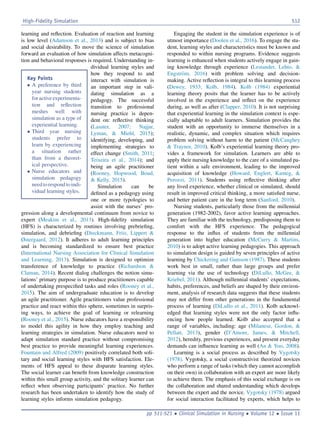
Table 1 Kolb’s Learning Characteristics and Style
Learning
Orientation Characteristic
Concrete experience (CE) Experiencing
Reflective observation (RO) Reflecting
Abstract conceptualization
(AC)
Thinking
Active experimentation (AE) Doing
Combination score (AC-CE) Preference for abstractness
over concreteness
Combination score (AE-RO) Preference for action over
reflection
Learning Style Characteristic(s)
ConvergerdAC and AE as
dominant learning
abilities
Convergers prefer to deal
with technical tasks and
problems rather than on
social or interpersonal
issues. In formal learning
situations, students with
this style favor
experimenting with new
ideas, simulations, and
practical applications.
DivergerdCE and RO as
dominant learning
abilities
Divergers are best at
viewing concrete
situations from different
perspectives and have a
strong imagination.
AssimilatorsdAC and RO as
dominant learning
abilities
Assimilators possess a
robust ability to create
theoretical ideas and like
to reason inductively.
AccommodatorsdAC and AE
as dominant learning
abilities
Accommodators learn
primarily through ‘‘hands-
on’’ experience. They like
to actively engage in new
experiences and perform
well when required to
adapt quickly to changing
circumstances.
High-Fidelity Simulation 513
pp 511-521  Clinical Simulation in Nursing  Volume 12  Issue 11
The SSES developed by Levett-Jones et al. (2011) for
nursing students consists of 18 items on a five-point Lik-
ert scale and an open-ended question. Items are grouped
in three subscales: debrief and reflection, clinical
reasoning, and clinical learning (Levett-Jones et al.,
2011; Liaw, Zhou, Lau, Siau,  Chan, 2014). The
SSES scores range from 18 to 90, with 90 indicating
the highest possible score. The survey includes an
open-ended question to seek comments on the simulation
experience. Content validity for the SSES was estab-
lished using an expert panel (Levett-Jones et al., 2011).
The SSES has been reported as reliable using Cronbach’s
alpha (a ¼ 0.776) and reliability of each subscale was re-
ported as: debriefing and reflection subscale (a ¼ 0.935),
clinical reasoning subscale (a ¼ 0.855), and clinical
learning subscale (a ¼ 0.850) (Levett-Jones et al., 2011).
The Kolb LSI v3.1 consists of 12 items asking
participants to rank four sentence endings to match four
learning orientations (Kolb  Kolb, 2005). This instrument
also characterizes individuals into one of four main
learning styles: converger, diverger, assimilator, and
accommodator (D’Amore et al., 2012) (Table 1). The
Kolb LSI v3.1 has been shown to be both a reliable and
valid instrument using the LSI v3.1 total normative group
(D’Amore et al., 2012).
Procedure
While completion of an HFS was required for the final clinical
subject, participation in this study was voluntary. Following
institutional review board approval, students were recruited to
the study through announcements, a three-minute vodcast
shown on the learning management system platform and
emails.Consenttoparticipateinthestudywasimpliedthrough
survey completion. Student attendance at, and participation in,
the HFS was a compulsory requirement of the clinical subject.
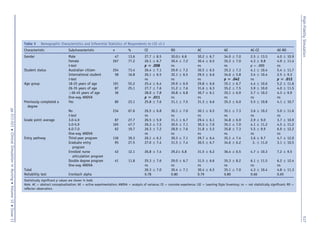
Table 2 Educational PracticesdPerceived Perception Survey Results: Mean, Median, and Interquartile Range Values for Each Subscale
Scale/Subscales Mean Æ SD Median
IQ Range
(IQ 3-IQ 1)
Active learning
Q1: I had the opportunity during the simulation activity to discuss the ideas and
concepts taught in the course with the facilitator and other students
4.2 Æ 0.9 4.0 1.0
Q2: I actively participated in the debriefing session after simulation 4.5 Æ 0.7 5.0 1.0
Q3: I had the opportunity to put more thought into my comments during the debriefing
session
4.2 Æ 0.9 4.0 1.0
Q4: There were enough opportunities in the simulation to find out if I clearly
understood the material
4.0 Æ 0.9 4.0 1.0
Q5: I learned from the comments made by the facilitator before, during, and after the
simulation
4.6 Æ 0.7 5.0 1.0
Q6: I received cues during the simulation in a timely manner 4.1 Æ 0.9 4.0 1.0
Q7: I had the chance to discuss the simulation objectives with my facilitator 4.0 Æ 1.0 4.0 1.0
Q8: I had the opportunity to discuss ideas and concepts taught in the simulation with
my facilitator
4.1 Æ 0.9 4.0 1.0
Q9: The facilitator was able to respond to the individual needs of the learners during
the simulation
4.0 Æ 1.1 4.0 2.0
Q10: Using simulation activities made my learning time more productive 4.4 Æ 0.8 5.0 1.0
Cronbach’s alpha 0.85
Collaboration
Q11: I had the chance to work with my peers during simulation 4.6 Æ 0.7 5.0 1.0
Q12: During simulation my peers and I had to work on the clinical situation together 4.7 Æ 0.7 5.0 1.0
Cronbach’s alpha 0.73
Learning diversity
Q13: The simulation offered a variety of ways in which to learn the material 4.2 Æ 0.9 4.0 1.0
Q14: This simulation offered a variety of ways of assessing my learning 4.3 Æ 0.8 4.0 1.0
Cronbach’s alpha 0.74
High expectation
Q15: The objectives for the simulation experience were clear and easy to understand 4.3 Æ 0.8 4.0 1.0
Q16: My facilitator communicated the goals and expectations to accomplish during the
simulation
4.2 Æ 0.9 4.0 1.0
Cronbach’s alpha 0.71
Note. IQ ¼ interquartile range; SD ¼ standard deviation.
High-Fidelity Simulation 514
pp 511-521  Clinical Simulation in Nursing  Volume 12  Issue 11
The hour-long HFS was comprised of three sections: prebrief,
simulation, and debrief. The simulation in this study was
defined as the use of a high-fidelity manikin to mimic a patient
with chest trauma after a motor vehicle accident. Students
demonstrated clinical assessment and implementation of
immediate nursing interventions, followed by a debrief ses-
sion. Post HFS debrief, the online survey (Key Survey version
8.6) was available to complete immediately after simulation
and remained open for two weeks.
Data Analysis
Data were entered into IBM Statistical Package for Social
Sciences (SPSS) (version 22.0, Chicago, IL). Cross-checking
of data for accuracy and consistency was undertaken by a
random selection of a minimum of 10% of the data.
Descriptive statistics, frequencies, means, and standard de-
viations, where appropriate, were used to analyze the
demographic characteristics of the sample and outcome
variables. Statistical significance was set at a ¼ 0.05. The
internal consistency of each scale and subscale was assessed
using Cronbach’s alpha coefficient with an acceptable
a  0.75 (Cronbach, 1951). Alphas for subscales were
used to determine internal consistency due to their measure
of unidimensionality. Qualitative data generated from an
open-ended question were analyzed through verbatim com-
ments being allocated to groups based on the similarity of
their content, and the groups were named accordingly.
Results
From a cohort of 654 third-year undergraduate nursing
students enrolled in this final-year clinical subject, 346
(53%) completed the survey. Most of the sample were
female (85.5%, n ¼ 297), resident (Australian citizens)
students (80.1%, n ¼ 277), between the ages of 18 and
25 years (63.6%, n ¼ 220), and had a grade point average
(GPA) of 5-5.9 out of 7.0 (50.9%, n ¼ 176).
The mean scores from the EPSS ranged from 4.0 (agree)
to 4.7 (strongly agree), indicating a high level of perceived
Table 3 Educational PracticesdImportance Survey Results: Mean, Median, and Interquartile Range Values for Each Subscale
Scale/Subscales Mean Æ SD Median
IQ Range
(IQ 3-IQ 1)
Active learning
Q1: I had the opportunity during the simulation activity to discuss the ideas and
concepts taught in the course with the facilitator and other students
4.1 Æ 0.8 4.0 1.0
Q2: I actively participated in the debriefing session after simulation 4.3 Æ 0.7 4.0 1.0
Q3: I had the opportunity to put more thought into my comments during the debriefing
session
4.0 Æ 0.7 4.0 0.0
Q4: There were enough opportunities in the simulation to find out if I clearly
understood the material
4.2 Æ 0.7 4.0 1.0
Q5: I learned from the comments made by the facilitator before, during, and after the
simulation
4.4 Æ 0.6 4.0 1.0
Q6: I received cues during the simulation in a timely manner 4.0 Æ 0.8 4.0 1.0
Q7: I had the chance to discuss the simulation objectives with my facilitator 4.0 Æ 0.8 4.0 0.0
Q8: I had the opportunity to discuss ideas and concepts taught in the simulation with
my facilitator
4.1 Æ 0.7 4.0 1.0
Q9: The facilitator was able to respond to the individual needs of the learners during
the simulation
4.0 Æ 0.8 4.0 1.0
Q10: Using simulation activities made my learning time more productive 4.2 Æ 0.8 4.0 1.0
Cronbach’s alpha 0.86
Collaboration
Q11: I had the chance to work with my peers during simulation 4.3 Æ 0.7 4.0 1.0
Q12: During simulation my peers and I had to work on the clinical situation together 4.4 Æ 0.7 4.0 1.0
Cronbach’s alpha 0.85
Learning diversity
Q13: The simulation offered a variety of ways in which to learn the material 4.1 Æ 0.7 4.0 1.0
Q14: This simulation offered a variety of ways of assessing my learning
Cronbach’s alpha 0.67
High expectation
Q15: The objectives for the simulation experience were clear and easy to understand 4.2 Æ 0.7 4.0 1.0
Q16: My facilitator communicated the goals and expectations to accomplish during the
simulation
4.1 Æ 0.7 4.0 1.0
Cronbach’s alpha 0.77
Note. IQ ¼ interquartile range; SD ¼ standard deviation.
High-Fidelity Simulation 515
pp 511-521  Clinical Simulation in Nursing  Volume 12  Issue 11
presence for active learning, collaboration, learning di-
versity, and high expectations. Table 2 presents mean, me-
dian, and interquartile range values for each subscale for
the perceived presence scale within the EPSS. The overall
EPSS (perceived perception) Cronbach’s alpha was 0.89,
indicating good internal consistency.
Students indicated that all four educational practices
were important to their learning (Table 3). Means ranged
from 4.0 to 4.4 across the whole scale. Median values
were consistent at 4.000 (important), and the interquartile
range was from 0.0 to 1.0. Overall internal consistency
was very good (0.91) for the EPSS (importance).
Mean SSES scores for each item ranged from 4.2 to 4.5
(Table 4), all within close proximity to a high mean score
(mean ¼ 4.4). The median ranged between 4.0 and 5.0,
with a consistent interquartile range of 1.0. Cronbach’s
alpha for the overall SSES was 0.94.
Of the 364 participants, n ¼ 81 (23%) commented on their
simulation experience as part of the SSES. The responses
were collated and allocated into three groups: simulation
experience, simulation implementation, and simulation
design. The participant response groups are presented and
supported by verbatim quotes.
Participants’ responses regarding the simulation expe-
rience were constructively positive, offering either a
rationale for their comment or a solution to the problem
identified. They described the HFS as ‘‘valuable,’’
‘‘fantastic,’’ and ‘‘helpful’’ recognition of its positive
impact on learning and preparation for clinical place-
ment. The most frequent comments were regarding the
simulation experience.
I think being ‘put in the deep end’ really enhances my
reflective practice on what I could do better or what I
could have done. I don’t like the pressure but I really do
feellikeitisoneofthe bestwaystolearn,thesescenarios.
dParticipant # 18
Simulations allow students to experience a realistic
clinical scenario in a safe, risk-free environment. In the
simulation implementation section, participants recommen-
ded more simulations to help them prepare for and feel
confident undertaking clinical practice.
More simulations would definitely help everybody
feel more confident before going to prac.
dParticipant # 26
Table 4 Satisfaction With Simulation Experience Scale: Mean, Standard Deviation, Medians, and Interquartile Values
Scale/Subscales Mean Æ SD Median
IQ Range
(IQ 3-IQ 1)
Debrief and reflection subscale
Q1: The facilitator provided constructive criticism during the debriefing 4.5 Æ 0.6 5.0 1.0
Q2: The facilitator summarized important issues during the debriefing 4.5 Æ 0.6 5.0 1.0
Q3: I had the opportunity to reflect on and discuss my performance during the
debriefing
4.3 Æ 0.7 4.0 1.0
Q4: The debriefing provided an opportunity to ask questions 4.3 Æ 0.8 4.0 1.0
Q5: The facilitator provided feedback that helped me to develop my clinical reasoning
skills
4.3 Æ 0.7 4.0 1.0
Q6: Reflection on and discussing the simulation enhanced my learning 4.4 Æ 0.6 4.0 1.0
Q7: The facilitator’s questions helped me to learn 4.3 Æ 0.7 4.0 1.0
Q8: I received feedback during the debriefing that helped me to learn 4.3 Æ 0.7 4.0 1.0
Q9: The facilitator made me feel comfortable and at ease during the debriefing 4.5 Æ 0.6 5.0 1.0
Cronbach’s alpha 0.92
Clinical reasoning
Q10: The simulation developed my clinical reasoning skills 4.2 Æ 0.7 4.0 1.0
Q11: The simulation developed my clinical decision-making ability 4.3 Æ 0.7 4.0 1.0
Q12: The simulation enabled me to demonstrate clinical reasoning skills 4.2 Æ 0.7 4.0 1.0
Q13: The simulation helped me to recognize patient deterioration early 4.2 Æ 0.7 4.0 1.0
Q14: This was a valuable learning experience 4.4 Æ 0.7 5.0 1.0
Cronbach’s alpha 0.89
Clinical learning
Q15: The simulation caused me to reflect on my clinical ability 4.4 Æ 0.6 4.0 1.0
Q16: The simulation tested my clinical ability 4.3 Æ 0.7 4.0 1.0
Q17: The simulation helped me apply what I had learned from the case study 4.2 Æ 0.8 4.0 1.0
Q18: The simulation helped me to recognize my clinical strengths and weaknesses 4.3 Æ 0.7 4.0 1.0
Cronbach’s alpha 0.86
Note. IQ ¼ interquartile range; SD ¼ standard deviation.
High-Fidelity Simulation 516
pp 511-521  Clinical Simulation in Nursing  Volume 12  Issue 11
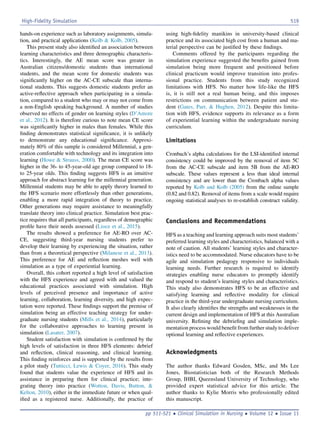
Table 5 Demographic Characteristics and Inferential Statistics of Respondents to LSI v3.1
Characteristic Subcharacteristic n % CE RO AC AE AC-CE AE-RO
Gender Male 47 13.6 27.7 Æ 8.5 30.0Æ 6.8 30.2 Æ 6.7 34.0 Æ 7.0 2.5 Æ 13.5 4.0 Æ 10.9
Female 267 77.2 26.1 Æ 6.7 30.4 Æ 7.2 30.4 Æ 6.5 35.3 Æ 7.0 4.3 Æ 9.8 4.9 Æ 11.4
t-test p [ .008 ns ns ns p ¼ .000 ns
Student status Australian citizen 254 73.4 26.4 Æ 7.1 29.9 Æ 7.2 30.5 Æ 6.5 35.3 Æ 7.3 4.1 Æ 10.4 5.4 Æ 11.7
International student 58 16.8 26.1 Æ 6.5 32.1 Æ 6.5 29.5 Æ 6.6 34.6 Æ 5.8 3.4 Æ 10.4 2.5 Æ 9.3
t-test ns ns ns p [ .042 ns p [ .012
Age group 18-25 years of age 191 55.2 25.4 Æ 6.4 29.9 Æ 6.9 29.8 Æ 6.6 35.1 Æ 6.7 4.4 Æ 10.6 5.2 Æ 11.6
26-35 years of age 87 25.1 27.7 Æ 7.6 31.2 Æ 7.6 31.6 Æ 6.3 35.2 Æ 7.5 3.9 Æ 10.0 4.0 Æ 11.5
36-45 years of age 36 28.0 Æ 7.8 30.8 Æ 6.8 30.7 Æ 6.1 35.1 Æ 6.9 2.7 Æ 10.2 4.3 Æ 9.9
One-way ANOVA p [ .011 ns ns ns ns ns
Previously completed a
degree
Yes 80 23.1 25.8 Æ 7.6 31.1 Æ 7.5 31.3 Æ 6.6 35.3 Æ 6.0 5.5 Æ 10.8 4.1 Æ 10.7
No 234 67.6 26.5 Æ 6.8 30.1 Æ 7.0 30.1 Æ 6.5 35.1 Æ 7.3 3.6 Æ 10.2 5.0 Æ 11.6
t-test ns ns ns ns ns ns
Grade point average 3.0-4.9 87 27.7 26.5 Æ 5.9 31.1 Æ 6.7 29.4 Æ 6.1 34.8 Æ 6.9 2.9 Æ 9.0 3.7 Æ 10.9
5.0-5.9 165 47.7 26.3 Æ 7.5 30.5 Æ 7.1 30.3 Æ 7.0 35.1 Æ 7.0 4.1 Æ 11.2 4.5 Æ 11.2
6.0-7.0 62 19.7 26.3 Æ 7.2 28.9 Æ 7.6 31.8 Æ 5.5 35.8 Æ 7.3 5.5 Æ 9.9 6.9 Æ 12.2
One-way ANOVA ns ns ns ns ns ns
Entry pathway Third-year program 136 39.3 26.1 Æ 6.3 30.3 Æ 7.1 29.7 Æ 6.4 35.1 Æ 7.4 3.6 Æ 9.7 4.7 Æ 12.0
Graduate entry
program
95 27.5 27.0 Æ 7.4 31.5 Æ 7.4 30.5 Æ 6.7 34.6 Æ 6.2 3. Æ 11.0 3.1 Æ 10.5
Enrolled nurse
articulation program
42 12.1 26.8 Æ 7.4 29.2Æ 6.8 31.5 Æ 6.2 36.4 Æ 6.5 4.7 Æ 10.3 7.2 Æ 9.5
Double degree program 41 11.8 25.3 Æ 7.6 29.0 Æ 6.7 31.5 Æ 6.6 35.3 Æ 8.2 6.1 Æ 11.5 6.2 Æ 12.4
One-way ANOVA ns ns ns ns ns ns
Total 26.3 Æ 7.0 30.4 Æ 7.1 30.4 Æ 6.5 35.1 Æ 7.0 4.3 Æ 10.4 4.8 Æ 11.3
Reliability test Cronbach alpha 0.78 0.80 0.79 0.80 0.66 0.65
Statistically significant p values are shown in bold.
Note. AC ¼ abstract conceptualization; AE ¼ active experimentation; ANOVA ¼ analysis of variance; CE ¼ concrete experience; LSI ¼ Learning Style Inventory; ns ¼ not statistically significant; RO ¼
reflector observation.
High-FidelitySimulation517
pp511-521ClinicalSimulationinNursingVolume12Issue11
More simulations would be beneficial in applying our
understanding and prioritising patient needs.
dParticipant #27
There should be more simulations that aren’t neces-
sarily marked as an assessment but allows us more
opportunities to practice to different scenarios.
dParticipant # 60
Participants believed increasing the frequency of simu-
lations would better equip them to prioritize patient needs
and assist them to experience a diverse range of clinical
scenarios. Simulation design included comments on the
high ratio of participant to manikin (4:1) and its negative
impact on the simulation experience.
I believe that 4 student participants is too much, and
can hinder other students learning experience in the
simulation.
dParticipant # 2.
The challenges in treating a manikin like a real person
rather than using student volunteers as the patient to
improve the fidelity of the simulation and the negative
impact of the reduced length of debrief on learning were
also hindrances to learning.
The response rate for the Reflective Thinking and Simu-
lation survey was 346; however, n ¼ 32 (9.3%) participant
questionnaires were excluded from the study due to incom-
plete or incorrect responses, resulting in analysis of 314
participant Kolb LSI v 3.1 surveys. Most participants who
responded to the LSI v 3.1 were female n ¼ 267 (77.2%) and
between the ages of 18 and 25 years (n ¼ 191, 55.2%). Almost
74% of respondents were domestic students (Australian
citizens) (Table 5). Sixty-seven percent of participants had
not previously completed a degree and just under half
(47.7%) of the participants had a GPA ranging from 5.0 to 5.9.
LSI: Learning Characteristics
The mean concrete experience [CE] total score was lower
(26.3) than the other three learning characteristics (reflector
observation [RO] ¼ 30.4; abstract conceptualization
[AC] ¼ 30.4; and active experimentation [AE] ¼ 35.1).
When compared to the Kolb LSI v3.1 total normative group
(Kolb  Kolb, 2005), the results of this study are similar,
with small differences in RO (30.4/28.2) and AC (30.4/
32.2). The mean CE score was significantly greater in
male students compared to female students (Table 5). The
mean AE score was greater in Australian citizen/domestic
students compared to international students. The mean
score for CE was significantly greater in the 36- to 45-
year-old age group, compared to the 18- to 25-year-old
age category (p ¼ .027). The analysis of the mean AE score
revealed no significant differences for participants who had
completed a previous degree, GPA between 6.0 and 7.0 and
whose entry pathway was via enrolled nurse articulation.
The overall mean score for the AE-RO scale was 4.8 and
4.3 for the AC-CE scale. Internal consistency was good
(0.80) for the CE total score. Cronbach’s alpha improved to
0.81 if item 11.1 was removed. The RO subscale demon-
strated a good internal consistency with a Cronbach’s alpha
of 0.8. An increase in this value to 0.81 was achieved with
the removal of item 5.2. Both AC and AE displayed good
internal consistency, with Cronbach alphas of 0.79 and 0.80,
respectively. An increase in Cronbach’s alpha for AE
resulted with the removal of item 3 (0.80). These values
are similar to those previously reported by Kolb and Kolb
(2005) in the norm subsample of online LSI users
(n ¼ 5,023). Reliability of AC-CE and AE-RO subscales
were 0.66 and 0.65, respectively. Removal of items 5C
from the AC-CE subscale and item 5B from the AE-RO sub-
scale resulted in an increase in the Cronbach’s alpha values
to 0.68 and 0.67, respectively.
LSI: Learning Styles
The learning styles of the third-year undergraduate nursing
students were diverging (n ¼ 103; 29.8%), followed by
accommodating (n ¼ 87; 25.1%), then assimilating
(n ¼ 67; 19.4%), closely followed by converging
(n ¼ 57; 16.5%). A chi-square test for independence
indicated no significant association between gender and
learning styles and age and learning styles (Table 6).
Discussion
The subscale AE was the highest mean score compared to
CE as the lowest mean score. This suggests that simulation is
a good fit for third-year undergraduate nursing students.
Students with this type of preferred learning characteristic
have learning skills for success in technology careers such as
nursing and medicine (Shinnick  Woo, 2013). It identified
that these students have the ability to learn from primarily
Table 6 Chi-Square Analysis of Learning Styles for Gender and Age (n ¼ 314)
Demographics Accommodating Diverging Converging Assimilating
Gender c2
(1) ¼ 0.03, p ¼ .866 c2
(1) ¼ 0.10, p ¼ .757 c2
(1) ¼ 1.55, p ¼ .213 c2
(1) ¼ 1.80, p ¼ .180
Age c2
(2) ¼ 0.32, p ¼ .854 c2
(2) ¼ 4.62, p ¼ .099 c2
(2) ¼ 1.70, p ¼ .427 c2
(2) ¼ 0.40, p ¼ .818
High-Fidelity Simulation 518
pp 511-521  Clinical Simulation in Nursing  Volume 12  Issue 11
hands-on experience such as laboratory assignments, simula-
tion, and practical applications (Kolb  Kolb, 2005).
This present study also identified an association between
learning characteristics and three demographic characteris-
tics. Interestingly, the AE mean score was greater in
Australian citizens/domestic students than international
students, and the mean score for domestic students was
significantly higher on the AC-CE subscale than interna-
tional students. This suggests domestic students prefer an
active-reflective approach when participating in a simula-
tion, compared to a student who may or may not come from
a non-English speaking background. A number of studies
observed no effects of gender on learning styles (D’Amore
et al., 2012). It is therefore curious to note mean CE score
was significantly higher in males than females. While this
finding demonstrates statistical significance, it is unlikely
to demonstrate any educational significance. Approxi-
mately 80% of this sample is considered Millennial, a gen-
eration comfortable with technology and its integration into
learning (Howe  Strauss, 2000). The mean CE score was
higher in the 36- to 45-year-old age group compared to 18-
to 25-year olds. This finding suggests HFS is an intuitive
approach for abstract learning for the millennial generation.
Millennial students may be able to apply theory learned to
the HFS scenario more effortlessly than other generations,
enabling a more rapid integration of theory to practice.
Other generations may require assistance to meaningfully
translate theory into clinical practice. Simulation best prac-
tice requires that all participants, regardless of demographic
profile have their needs assessed (Lioce et al., 2015).
The results showed a preference for AE-RO over AC-
CE, suggesting third-year nursing students prefer to
develop their learning by experiencing the situation, rather
than from a theoretical perspective (Milanese et al., 2013).
This preference for AE and reflection meshes well with
simulation as a type of experiential learning.
Overall, this cohort reported a high level of satisfaction
with the HFS experience and agreed with and valued the
educational practices associated with simulation. High
levels of perceived presence and importance of active
learning, collaboration, learning diversity, and high expec-
tation were reported. These findings support the premise of
simulation being an effective teaching strategy for under-
graduate nursing students (Mills et al., 2014), particularly
for the collaborative approaches to learning present in
simulation (Lasater, 2007).
Student satisfaction with simulation is confirmed by the
high levels of satisfaction in three HFS elements: debrief
and reflection, clinical reasoning, and clinical learning.
This finding reinforces and is supported by the results from
a pilot study (Tutticci, Lewis  Coyer, 2016). This study
found that students value the experience of HFS and its
assistance in preparing them for clinical practice; inte-
grating theory into practice (Wotton, Davis, Button, 
Kelton, 2010), either in the immediate future or when qual-
ified as a registered nurse. Additionally, the practice of
using high-fidelity manikins in university-based clinical
practice and its associated high cost from a human and ma-
terial perspective can be justified by these findings.
Comments offered by the participants regarding the
simulation experience suggested the benefits gained from
simulation being more frequent and positioned before
clinical practicum would improve transition into profes-
sional practice. Students from this study recognized
limitations with HFS. No matter how life-like the HFS
is, it is still not a real human being, and this imposes
restrictions on communication between patient and stu-
dent (Gates, Parr,  Hughen, 2012). Despite this limita-
tion with HFS, evidence supports its relevance as a form
of experiential learning within the undergraduate nursing
curriculum.
Limitations
Cronbach’s alpha calculations for the LSI-identified internal
consistency could be improved by the removal of item 5C
from the AC-CE subscale and item 5B from the AE-RO
subscale. These values represent a less than ideal internal
consistency and are lower than the Cronbach alpha values
reported by Kolb and Kolb (2005) from the online sample
(0.82 and 0.82). Removal of items from a scale would require
ongoing statistical analyses to re-establish construct validity.
Conclusions and Recommendations
HFS as a teaching and learning approach suits most students’
preferred learning styles and characteristics, balanced with a
note of caution. All students’ learning styles and character-
istics need to be accommodated. Nurse educators have to be
agile and simulation pedagogy responsive to individuals
learning needs. Further research is required to identify
strategies enabling nurse educators to promptly identify
and respond to student’s learning styles and characteristics.
This study also demonstrates HFS to be an effective and
satisfying learning and reflective modality for clinical
practice in the third-year undergraduate nursing curriculum.
It also clearly identifies the strengths and weaknesses in the
current design and implementation of HFS at this Australian
university. Refining the debriefing and simulation imple-
mentation process would benefit from further study to deliver
optional learning and reflective experiences.
Acknowledgments
The author thanks Edward Gosden, MSc, and Ms Lee
Jones, Biostatistician both of the Research Methods
Group, IHBI, Queensland University of Technology, who
provided expert statistical advice for this article. The
author thanks to Kylie Morris who professionally edited
this manuscript.
High-Fidelity Simulation 519
pp 511-521  Clinical Simulation in Nursing  Volume 12  Issue 11
References
Adamson, K. A., Kardong-Edgren, S.,  Willhaus, J. (2013). An updated
review of published simulation evaluation instruments. Clinical Simula-
tion in Nursing, 9(9), e393-e400.
An, G. J.,  Yoo, M. S. (2008). Critical thinking and learning styles of
nursing students at the baccalaureate nursing program in Korea.
Contemporary Nurse: A Journal for the Australian Nursing Profession,
29(1), 100-109. Retrieved from http://search.proquest.com/docview/
203160643?accountid¼13380.
Chickering, A. W.,  Gamson, Z. F. (1987). Seven principles for good
practice in undergraduate education. AAHE Bulletin3-7. Retrieved
from http://search.proquest.com/docview/63263975?accountid¼13380.
Clapper, T. C. (2010). Beyond Knowles: What those conducting simula-
tions need to know about Adult Learning Theory. Clinical Simulation
in Nursing, 6(1), e7-e14. http://dx.doi.org/10.1016/j.ecns.2009.07.003.
Cronbach, L. J. (1951). Coefficient alpha and the internal structure of tests.
Psychometrika, 16(3), 297-334.
D’Amore, A., James, S.,  Mitchell, E. K. L. (2012). Learning styles of
first-year undergraduate nursing and midwifery students: A cross-
sectional survey utilising the Kolb Learning Style Inventory. Nurse Ed-
ucation Today, 32(5), 506-515.
Dewey, J. (1933). How we think: A restatement of the relation of reflective
thinking to the educative process. Boston: D. C. Heath  Co. Publishers.
Dieckmann, P., Friis, S. M., Lippert, A.,  Østergaard, D. (2012). Goals,
success factors, and barriers for simulation-based learning: A qualitative
interview study in health care. Simulation  Gaming, 43(5), 627-647,
http://dx.doi.org/10.1177/1046878112439649.
DiLullo, C., McGee, P.,  Kriebel, R. M. (2011). Demystifying the Millen-
nial student: A reassessment in measures of character and engagement
in professional education. Anatomical Sciences Education, 4, 214-226.
Doolen, J., Mariani, B., Atz, T., Horsley, T. L., O’Rourke, J., McAfee, K.,
 Cross, C. L. (2016). High-fidelity simulation in undergraduate nursing
education: A review of simulation reviews. Clinical Simulation in
Nursing, 12(7), 290-302.
Fountain, R. A.,  Alfred, D. (2009). Student satisfaction with high-
fidelity simulation: Does it correlate with learning styles? Nursing Edu-
cation Perspectives, 30(2), 96-98.
Franklin, A. E., Burns, P.,  Lee, C. S. (2014). Psychometric testing on the
NLN student satisfaction and self-confidence in learning, simulation
design scale, and educational practices questionnaire using a sample of
pre-licensure novice nurses. Nurse Education Today, 34(10), 1298-1304.
Gates, M. G., Parr, M.,  Hughen, J. E. (2012). Enhancing nursing knowl-
edge using high-fidelity simulation. Journal of Nursing Education,
51(1), 9-15. http://dx.doi.org/10.3928/01484834-20111116-01.
Hatton, N.,  Smith, D. (1995). Reflection in teacher education: Towards
definition and implementation. Teaching and Teacher Education, 11(1),
33-49.
Hope, A., Garside, J.,  Prescott, S. (2011). Rethinking theory and prac-
tice: Pre-registration student nurses experiences of simulation teaching
and learning in the acquisition of clinical skills in preparation for prac-
tice. Nurse Education Today, 31(7), 711-715.
Howard, V. M., Englert, N., Kameg, K.,  Perozzi, K. (2011). Integration
of simulation across the undergraduate curriculum: Student and faculty
perspectives. Clinical Simulation in Nursing, 7, e1-e10. http://dx.doi.
org/10.1016/j.ecns.2009.10.004.
Howe, N.,  Strauss, W. (2000). Millennials rising: The next great gener-
ation. New York: Vintage Books.
International Nursing Association for Clinical Simulation and Learning.
(2013). Standards of best practice: Simulation. Retrieved from http://
www.inacsl.org/files/journal/Complete%202013%20Standards.pdf.
Jeffries, P. R.,  Rizzolo, M. A. (2006). Designing and implementing
models for the innovative use of simulation to teach nursing care of
ill adults and children: A national, multi-site, multi-method study.
New York: National League for Nursing.
Kolb, D. (1984). Experiential learning: Experience as the source of
learning and development. Upper Saddle River, NJ: Prentice Hall.
Kolb, A. Y.,  Kolb, D. A. (2005). The Kolb learning style inventorydversion
3.1 2005 technical specifications. Boston, MA: Hay Resource Direct, 200.
Lasater, K. (2007). High-fidelity simulation and the development of clin-
ical judgment: Students’ experiences. Journal of Nursing Education,
46(6), 269-276. Retrieved from http://search.proquest.com/docview/
203965988?accountid¼13380.
Lestander, €O., Lehto, N.,  Engstr€om, A. (2016). Nursing students’ per-
ceptions of learning after high fidelity simulation: Effects of a three-
step post-simulation reflection model. Nurse Education Today, 40,
219-224.
Levett-Jones, T., McCoy, M., Lapkin, S., Noble, D., Hoffman, K.,
Dempsey, J., .,  Roche, J. (2011). The development and
psychometric testing of the satisfaction with simulation experience
scale. Nurse Education Today, 31(7), 705-710. http://dx.doi.org/10.
1016/j.nedt.2011.01.004.
Liaw, S. Y., Zhou, W. T., Lau, T. C., Siau, C.,  Chan, S. W. (2014). An
interprofessional communication training using simulation to enhance
safe care for a deteriorating patient. Nurse Education Today, 34(2),
259-264. http://dx.doi.org/10.1016/j.nedt.2013.02.019.
Lioce, L., Meakim, C. H., Fey, M. K., Chmil, J. V., Mariani, B., 
Alinier, G. (2015). Standards of best practice: Simulation standard
IX: Simulation design. Clinical Simulation in Nursing, 11(6),
309-315.
McCaughey, C. S.,  Traynor, M. K. (2010). The role of simulation in
nurse education. Nurse Education Today, 30(8), 827-832.
McCurry, M. K.,  Martins, D. C. (2010). Teaching undergraduate nursing
research: A comparison of traditional and innovative approaches for suc-
cess with millennial learners. Journal of Nursing Education, 49(5),
276-279.
Meakim, C., Boese, T., Decker, S., Franklin, A. E., Gloe, D., Lioce, L., .,
 Borum, J. C. (2013). Standards of best practice: Simulation standard
I: Terminology. Clinical Simulation in Nursing, 9(6), S3-S11.
Milanese, S., Gordon, S.,  Pellatt, A. (2013). Profiling physiotherapy stu-
dent preferred learning styles within a clinical education context. Phys-
iotherapy (United Kingdom), 99(2), 146-152. http://dx.doi.org/10.
1016/j.physio.2012.05.004.
Mills, J., West, C., Langtree, T., Usher, K., Henry, R., Chamberlain-
Salaun, J.,  Mason, M. (2014). ‘Putting it together’: Unfolding case
studies and high-fidelity simulation in the first-year of an undergraduate
nursing curriculum. Nurse Education in Practice, 14(1), 12-17. http://
dx.doi.org/10.1016/j.nepr.2013.06.003.
Murray, C., Grant, M. J., Howarth, M. L.,  Leigh, J. (2008). The use of
simulation as a teaching and learning approach to support practice
learning. Nurse Education in Practice, 8(1), 5-8.
Najjar, R. H., Lyman, B.,  Miehl, N. (2015). Nursing students’ experi-
ences with high-fidelity simulation. International Journal of Nursing
Education Scholarship, 12(1), 1-9.
O’Brien, J. E., Hagler, D.,  Thompson, M. S. (2015). Designing simula-
tion scenarios to support performance assessment validity. The Journal
of Continuing Education in Nursing, 46(11), 492-498.
Richardson, K. J.,  Claman, F. (2014). High-fidelity simulation in nursing
education: A change in clinical practice. Nursing Education Perspec-
tives, 35(2), 125-127. Retrieved from http://search.proquest.com/docv
iew/1510500884?accountid¼13380.
Rooney, D., Hopwood, N., Boud, D.,  Kelly, M. (2015). The role of
simulation in pedagogies of higher education for the health profes-
sions: Through a practice-based lens. Vocations and Learning, 8(3),
269-285.
Sanford, P. G. (2010). Simulation in nursing education: A review of the
research. The Qualitative Report, 15(4), 1006-1011. Retrieved from
http://search.proquest.com/docview/757175213?accountid¼13380.
Shinnick, M. A.,  Woo, M. A. (2013). The effect of human patient simu-
lation on critical thinking and its predictors in prelicensure nursing stu-
dents. Nurse Education Today, 33(9), 1062-1067, ISSN 0260-6917.
High-Fidelity Simulation 520
pp 511-521  Clinical Simulation in Nursing  Volume 12  Issue 11
http://dx.doi.org/10.1016/j.nedt.2012.04.004. Retrieved from http://
www.sciencedirect.com/science/article/pii/S0260691712001098.
Smith E. (2011). Teaching critical reflection. Teaching in higher educa-
tion [serial online]. Ipswich, MA: Academic Search Elite;16(2):
211-223.
Swanson, E. A., Nicholson, A. C., Boese, T. A., Cram, E., Stineman, A. M., 
Tew, K. (2011). Comparison of selected teaching strategies incorporating
simulation and student outcomes. Clinical Simulation in Nursing, 7(3),
e81-e90, ISSN 1876-1399. http://dx.doi.org/10.1016/j.ecns.2009.12.011.
Teixeira, C. R. d. S., Kusumota, L., Pereira, M. C. A., Braga, F. T. M. M.,
Gaioso, V. P., Zamarioli, C. M.,  de Carvalho, E. C. (2014). Anxiety
and performance of nursing students in regard to assessment via clinical
simulations in the classroom versus filmed assessments. Investigacion
y Educacion En Enfermerıa, 32(2), 270-279, Retrieved from http://
search.proquest.com/docview/1552719984?accountid¼13380.
Tutticci, N., Lewis, P. A.,  Coyer, F. (2016). Measuring third year under-
graduate nursing students’ reflective thinking skills and critical reflec-
tion self-efficacy following high fidelity simulation: A pilot study.
Nurse Education in Practice, 18(5), 52-59.
Vygotsky, L. (1978). Interaction between learning and development.
In: Vygotsky, L. (Ed.), Mind and Society. Cambridge, MA: Har-
vard University Press. (pp. 79-91).
Wotton, K., Davis, J., Button, D.,  Kelton, M. (2010). Third-year under-
graduate nursing students’ perceptions of high-fidelity simulation. Jour-
nal of Nursing Education, 49(11), 632-639. http://dx.doi.org/10.3928/
01484834-20100831-01.
High-Fidelity Simulation 521
pp 511-521  Clinical Simulation in Nursing  Volume 12  Issue 11

High-fidelity simulation_Descriptive analysis of student learning styles_CSN

  • 1.
    Featured Article High-Fidelity Simulation:Descriptive Analysis of Student Learning Styles Naomi Tutticci, RN, BN, MEd Studies, AFHEAa,*, Fiona Coyer, RN, PGCEA, MN, PhDb , Peter A. Lewis, BN, CertCC, MNEd, PhDa , Mary Ryan, DipT, BEd, MEd, PhD, PFHEAc a Faculty of Health, School of Nursing, Queensland University of Technology, Kelvin Grove, Queensland 4059, Australia b Professor of Nursing, Faculty of Health, School of Nursing, Queensland University of Technology and Intensive Care Services, Royal Brisbane and Women’s Hospital, Kelvin Grove, Queensland 4059, Australia c Professor, Assistant Dean, Research, Faculty of Education, Queensland University of Technology, Kelvin Grove, Queensland 4059, Australia KEYWORDS active learning; education; high-fidelity simulation; learning styles; satisfaction; undergraduate nursing Abstract Background: Nurse educators need to be responsive to and understand individual learning styles and characteristics. This responsiveness will contribute to a satisfying and effective high-fidelity simulation. Method: A descriptive post-test design was employed as part of a larger randomized controlled interven- tion study. Results: The majority of third-year nursing students were divergers (29.8%), and the highest mean score for learning characteristics was for active experimentation. Participants were highly satisfied and agreed effective teaching, and learning strategies were evident in and important for simulation. Conclusions: High-fidelity simulation is valued by third-year nursing students, irrespective of their learning styles and is particularly suited to millennial students. The implementation and design of simu- lation requires further examination to ensure that it consistently assists students in preparation for pro- fessional practice. Cite this article: Tutticci, N., Coyer, F., Lewis, P. A., & Ryan, M. (2016, November). High-fidelity simulation: Descriptive analysis of student learning styles. Clinical Simulation in Nursing, 12(11), 511-521. http://dx.doi.org/ 10.1016/j.ecns.2016.07.008. Ó 2016 International Nursing Association for Clinical Simulation and Learning. Published by Elsevier Inc. All rights reserved. Nurse educators are encouraged to assess students’ learning styles and preferences and to develop appropriate learning experiences leading them to critically think (Fountain & Alfred, 2009). Critical thinking is a key outcome of simulation pedagogy (O’Brien, Hagler, & Thompson, 2015). To critically think, one must possess the metacognitive skill of critical reflection (An & Yoo, 2008). Reflection and its impact on a persons’ behavior and world view is a difficult concept to quantify (Hatton & Smith, 1995). In simulation, there are few existing reli- able and valid instruments to measure learning outcomes from simulation (Adamson, Kardong-Edgren, & Willhaus, 2013; Doolen et al., 2016). The evaluation of student learning styles and satisfaction with simulation pedagogy can inform educators about the quality and depth of student Clinical Simulation in Nursing (2016) 12, 511-521 www.elsevier.com/locate/ecsn * Corresponding author: naomi.tutticci@qut.edu.au (N. Tutticci). 1876-1399/$ - see front matter Ó 2016 International Nursing Association for Clinical Simulation and Learning. Published by Elsevier Inc. All rights reserved. http://dx.doi.org/10.1016/j.ecns.2016.07.008
  • 2.
    learning and reflection.Evaluation of reaction and learning is low level (Adamson et al., 2013) and is subject to bias and social desirability. To move the science of simulation forward an evaluation of how simulation affects metacogni- tion and behavioral responses is required. Understanding in- dividual learning styles and how they respond to and interact with simulation is an important step in vali- dating simulation as a pedagogy. The successful transition to professional nursing practice is depen- dent on: reflective thinking (Lasater, 2007; Najjar, Lyman, & Miehl, 2015); identifying, developing, and implementing strategies to effect change (Smith, 2011; Teixeira et al., 2014); and being an agile practitioner (Rooney, Hopwood, Boud, & Kelly, 2015). Simulation can be defined as a pedagogy using one or more typologies to assist with the nurses’ pro- gression along a developmental continuum from novice to expert (Meakim et al., 2013). High-fidelity simulation (HFS) is characterized by routines involving prebriefing, simulation, and debriefing (Dieckmann, Friis, Lippert & Østergaard, 2012). It adheres to adult learning principles and is becoming standardized to ensure best practice (International Nursing Association for Clinical Simulation and Learning, 2013). Simulation is designed to optimize transference of knowledge to practice (Richardson & Claman, 2014). Recent dialog challenges the notion simu- lations’ primary purpose is to produce practitioners capable of undertaking prespecified tasks and roles (Rooney et al., 2015). The aim of undergraduate education is to develop an agile practitioner. Agile practitioners value professional practice and react within this sphere, sometimes in surpris- ing ways, to achieve the goal of learning or relearning (Rooney et al., 2015). Nurse educators have a responsibility to model this agility in how they employ teaching and learning strategies in simulation. Nurse educators need to adapt simulation standard practice without compromising best practice to provide meaningful learning experiences. Fountain and Alfred (2009) positively correlated both soli- tary and social learning styles with HFS satisfaction. Ele- ments of HFS appeal to these disparate learning styles. The social learner can benefit from knowledge construction within this small group activity, and the solitary learner can reflect when observing participants’ practice. No further research has been undertaken to identify how the study of learning styles informs simulation pedagogy. Engaging the student in the simulation experience is of utmost importance (Doolen et al., 2016). To engage the stu- dent, learning styles and characteristics must be known and responded to within nursing programs. Evidence suggests learning is enhanced when students actively engage in gain- ing knowledge through experience (Lestander, Lehto, & Engstr€om, 2016) with problem solving and decision- making. Active reflection is integral to this learning process (Dewey, 1933; Kolb, 1984). Kolb (1984) experiential learning theory posits that the learner has to be actively involved in the experience and reflect on the experience during, as well as after (Clapper, 2010). It is not surprising that experiential learning in the simulation context is espe- cially adaptable to adult learners. Simulation provides the student with an opportunity to immerse themselves in a realistic, dynamic, and complex situation which requires problem solving without harm to the patient (McCaughey & Traynor, 2010). Kolb’s experiential learning theory pro- vides a framework for simulation. Learners are able to apply their nursing knowledge to the care of a simulated pa- tient within a safe environment, leading to the improved acquisition of knowledge (Howard, Englert, Kameg, & Perozzi, 2011). Students using reflective thinking after any lived experience, whether clinical or simulated, should result in improved critical thinking, a more satisfied nurse, and better patient care in the long term (Sanford, 2010). Nursing students, particularly those from the millennial generation (1982-2002), favor active learning approaches. They are familiar with the technology, predisposing them to comfort with the HFS experience. The pedagogical response to the influx of students from the millennial generation into higher education (McCurry & Martins, 2010) is to adopt active learning pedagogies. This approach to simulation design is guided by seven principles of active learning by Chickering and Gamson (1987). These students work best in small, rather than large groups and prefer learning via the use of technology (DiLullo, McGee, & Kriebel, 2011). Although millennial students’ expectations, habits, preferences, and beliefs are shaped by their environ- ment, analysis of research data suggests that these students may not differ from other generations in the fundamental process of learning (DiLullo et al., 2011). Kolb acknowl- edged that learning styles were not the only factor influ- encing how people learned. Kolb also accepted that a range of variables, including: age (Milanese, Gordon, & Pellatt, 2013), gender (D’Amore, James, & Mitchell, 2012), heredity, previous experiences, and present everyday demands can influence learning as well (An & Yoo, 2008). Learning is a social process as described by Vygotsky (1978). Vygotsky, a social constructivist theorized novices who perform a range of tasks (which they cannot accomplish on their own) in collaboration with an expert are more likely to achieve them. The emphasis of this social exchange is on the collaboration and shared understanding which develops between the expert and the novice. Vygotsky (1978) argued for social interaction facilitated by experts, which helps to Key Points A preference by third year nursing students foractiveexperimenta- tion and reflection meshes well with simulation as a type of experiential learning. Third year nursing students prefer to learn by experiencing a situation rather than from a theoret- ical perspective. Nurse educators and simulation pedagogy needtorespondtoindi- vidual learning styles. High-Fidelity Simulation 512 pp 511-521 Clinical Simulation in Nursing Volume 12 Issue 11
  • 3.
    mediate the exchangebetween new information and the learner’s existing cognitive schema. Participating with other students in a facilitated debrief could enhance learning within this reflective activity. Simulation is a favorable learning strategy which allows students to be active rather than passive recipients within their learning experience (Hope, Garside, Prescott, 2011). Active engagement in simulated practice can be enhanced by understanding learning styles and generational preferences for learning. Simulation has become even more crucial as clinical practicum time diminishes (Murray, Grant, Howarth, Leigh, 2008; Richardson Claman, 2014). This study aimed to describe and illuminate the in- dividual learning styles and characteristics of third-year un- dergraduate nursing students and evaluate their satisfaction with the key elements of HFS pedagogy. Due to the scarcity of literature on simulation and individual learning styles, this study will address the following research questions: 1. Does the pedagogy of simulation accommodate indi- vidual learning styles and characteristics? 2. Does HFS incorporate key elements of sound simula- tion pedagogy (debrief and reflection; clinical reasoning; and clinical learning) to satisfy third-year undergraduate nursing students? Method A descriptive post-test cohort design was employed. This article reports findings as part of a larger study which explored the impact of student and academic-led facilita- tion of HFS debrief on the reflective thinking of third-year undergraduate nursing students. Setting and Sample A school of nursing at a metropolitan Australian university with approximately 2,500 undergraduate nursing students offering a Bachelor of Nursing (BN) program was the setting for this study, with HFS laboratories located onsite. The study was conducted across March and April 2015. A cohort of 654 undergraduate third-year nursing students enrolled in their final clinical subject comprised this convenience sample. Repeating students were not excluded from the study. Instruments The survey was comprised of three instruments: the Edu- cation Practices in Simulation Scale (EPSS), Satisfaction with Simulation Experience Scale (SSES), and Kolb Learning Style Inventory (LSI) v 3.1. Demographic ques- tions were also included. The EPSS is a 16-item instrument designed by Jeffries and Rizzolo (2006) for novice nurses. This instrument uses a five-point Likert scale with a not applicable column scored as a ‘‘6’’. The EPSS scores range from 16 to 96, with 96 indicating the highest possible score. The scale measures four educational practices (active learning, collaboration, diverse ways of learning, and high expectations) within simulation from two perspectives: the perceived presence of educational practices and the importance of each practice to the learner (Jeffries Rizzolo, 2006; Swanson et al., 2011). The content validity of the EPSS scale was estab- lished through a review by nine nurse experts (Franklin, Burns, Lee, 2014). This instrument has been previously reported as reliable using Cronbach’s alpha (a ¼ 0.86 for the presence of specific practices and a ¼ 0.91 for the importance of specific practices) (Jeffries Rizzolo, 2006) as a measure of internal consistency. Table 1 Kolb’s Learning Characteristics and Style Learning Orientation Characteristic Concrete experience (CE) Experiencing Reflective observation (RO) Reflecting Abstract conceptualization (AC) Thinking Active experimentation (AE) Doing Combination score (AC-CE) Preference for abstractness over concreteness Combination score (AE-RO) Preference for action over reflection Learning Style Characteristic(s) ConvergerdAC and AE as dominant learning abilities Convergers prefer to deal with technical tasks and problems rather than on social or interpersonal issues. In formal learning situations, students with this style favor experimenting with new ideas, simulations, and practical applications. DivergerdCE and RO as dominant learning abilities Divergers are best at viewing concrete situations from different perspectives and have a strong imagination. AssimilatorsdAC and RO as dominant learning abilities Assimilators possess a robust ability to create theoretical ideas and like to reason inductively. AccommodatorsdAC and AE as dominant learning abilities Accommodators learn primarily through ‘‘hands- on’’ experience. They like to actively engage in new experiences and perform well when required to adapt quickly to changing circumstances. High-Fidelity Simulation 513 pp 511-521 Clinical Simulation in Nursing Volume 12 Issue 11
  • 4.
    The SSES developedby Levett-Jones et al. (2011) for nursing students consists of 18 items on a five-point Lik- ert scale and an open-ended question. Items are grouped in three subscales: debrief and reflection, clinical reasoning, and clinical learning (Levett-Jones et al., 2011; Liaw, Zhou, Lau, Siau, Chan, 2014). The SSES scores range from 18 to 90, with 90 indicating the highest possible score. The survey includes an open-ended question to seek comments on the simulation experience. Content validity for the SSES was estab- lished using an expert panel (Levett-Jones et al., 2011). The SSES has been reported as reliable using Cronbach’s alpha (a ¼ 0.776) and reliability of each subscale was re- ported as: debriefing and reflection subscale (a ¼ 0.935), clinical reasoning subscale (a ¼ 0.855), and clinical learning subscale (a ¼ 0.850) (Levett-Jones et al., 2011). The Kolb LSI v3.1 consists of 12 items asking participants to rank four sentence endings to match four learning orientations (Kolb Kolb, 2005). This instrument also characterizes individuals into one of four main learning styles: converger, diverger, assimilator, and accommodator (D’Amore et al., 2012) (Table 1). The Kolb LSI v3.1 has been shown to be both a reliable and valid instrument using the LSI v3.1 total normative group (D’Amore et al., 2012). Procedure While completion of an HFS was required for the final clinical subject, participation in this study was voluntary. Following institutional review board approval, students were recruited to the study through announcements, a three-minute vodcast shown on the learning management system platform and emails.Consenttoparticipateinthestudywasimpliedthrough survey completion. Student attendance at, and participation in, the HFS was a compulsory requirement of the clinical subject. Table 2 Educational PracticesdPerceived Perception Survey Results: Mean, Median, and Interquartile Range Values for Each Subscale Scale/Subscales Mean Æ SD Median IQ Range (IQ 3-IQ 1) Active learning Q1: I had the opportunity during the simulation activity to discuss the ideas and concepts taught in the course with the facilitator and other students 4.2 Æ 0.9 4.0 1.0 Q2: I actively participated in the debriefing session after simulation 4.5 Æ 0.7 5.0 1.0 Q3: I had the opportunity to put more thought into my comments during the debriefing session 4.2 Æ 0.9 4.0 1.0 Q4: There were enough opportunities in the simulation to find out if I clearly understood the material 4.0 Æ 0.9 4.0 1.0 Q5: I learned from the comments made by the facilitator before, during, and after the simulation 4.6 Æ 0.7 5.0 1.0 Q6: I received cues during the simulation in a timely manner 4.1 Æ 0.9 4.0 1.0 Q7: I had the chance to discuss the simulation objectives with my facilitator 4.0 Æ 1.0 4.0 1.0 Q8: I had the opportunity to discuss ideas and concepts taught in the simulation with my facilitator 4.1 Æ 0.9 4.0 1.0 Q9: The facilitator was able to respond to the individual needs of the learners during the simulation 4.0 Æ 1.1 4.0 2.0 Q10: Using simulation activities made my learning time more productive 4.4 Æ 0.8 5.0 1.0 Cronbach’s alpha 0.85 Collaboration Q11: I had the chance to work with my peers during simulation 4.6 Æ 0.7 5.0 1.0 Q12: During simulation my peers and I had to work on the clinical situation together 4.7 Æ 0.7 5.0 1.0 Cronbach’s alpha 0.73 Learning diversity Q13: The simulation offered a variety of ways in which to learn the material 4.2 Æ 0.9 4.0 1.0 Q14: This simulation offered a variety of ways of assessing my learning 4.3 Æ 0.8 4.0 1.0 Cronbach’s alpha 0.74 High expectation Q15: The objectives for the simulation experience were clear and easy to understand 4.3 Æ 0.8 4.0 1.0 Q16: My facilitator communicated the goals and expectations to accomplish during the simulation 4.2 Æ 0.9 4.0 1.0 Cronbach’s alpha 0.71 Note. IQ ¼ interquartile range; SD ¼ standard deviation. High-Fidelity Simulation 514 pp 511-521 Clinical Simulation in Nursing Volume 12 Issue 11
  • 5.
    The hour-long HFSwas comprised of three sections: prebrief, simulation, and debrief. The simulation in this study was defined as the use of a high-fidelity manikin to mimic a patient with chest trauma after a motor vehicle accident. Students demonstrated clinical assessment and implementation of immediate nursing interventions, followed by a debrief ses- sion. Post HFS debrief, the online survey (Key Survey version 8.6) was available to complete immediately after simulation and remained open for two weeks. Data Analysis Data were entered into IBM Statistical Package for Social Sciences (SPSS) (version 22.0, Chicago, IL). Cross-checking of data for accuracy and consistency was undertaken by a random selection of a minimum of 10% of the data. Descriptive statistics, frequencies, means, and standard de- viations, where appropriate, were used to analyze the demographic characteristics of the sample and outcome variables. Statistical significance was set at a ¼ 0.05. The internal consistency of each scale and subscale was assessed using Cronbach’s alpha coefficient with an acceptable a 0.75 (Cronbach, 1951). Alphas for subscales were used to determine internal consistency due to their measure of unidimensionality. Qualitative data generated from an open-ended question were analyzed through verbatim com- ments being allocated to groups based on the similarity of their content, and the groups were named accordingly. Results From a cohort of 654 third-year undergraduate nursing students enrolled in this final-year clinical subject, 346 (53%) completed the survey. Most of the sample were female (85.5%, n ¼ 297), resident (Australian citizens) students (80.1%, n ¼ 277), between the ages of 18 and 25 years (63.6%, n ¼ 220), and had a grade point average (GPA) of 5-5.9 out of 7.0 (50.9%, n ¼ 176). The mean scores from the EPSS ranged from 4.0 (agree) to 4.7 (strongly agree), indicating a high level of perceived Table 3 Educational PracticesdImportance Survey Results: Mean, Median, and Interquartile Range Values for Each Subscale Scale/Subscales Mean Æ SD Median IQ Range (IQ 3-IQ 1) Active learning Q1: I had the opportunity during the simulation activity to discuss the ideas and concepts taught in the course with the facilitator and other students 4.1 Æ 0.8 4.0 1.0 Q2: I actively participated in the debriefing session after simulation 4.3 Æ 0.7 4.0 1.0 Q3: I had the opportunity to put more thought into my comments during the debriefing session 4.0 Æ 0.7 4.0 0.0 Q4: There were enough opportunities in the simulation to find out if I clearly understood the material 4.2 Æ 0.7 4.0 1.0 Q5: I learned from the comments made by the facilitator before, during, and after the simulation 4.4 Æ 0.6 4.0 1.0 Q6: I received cues during the simulation in a timely manner 4.0 Æ 0.8 4.0 1.0 Q7: I had the chance to discuss the simulation objectives with my facilitator 4.0 Æ 0.8 4.0 0.0 Q8: I had the opportunity to discuss ideas and concepts taught in the simulation with my facilitator 4.1 Æ 0.7 4.0 1.0 Q9: The facilitator was able to respond to the individual needs of the learners during the simulation 4.0 Æ 0.8 4.0 1.0 Q10: Using simulation activities made my learning time more productive 4.2 Æ 0.8 4.0 1.0 Cronbach’s alpha 0.86 Collaboration Q11: I had the chance to work with my peers during simulation 4.3 Æ 0.7 4.0 1.0 Q12: During simulation my peers and I had to work on the clinical situation together 4.4 Æ 0.7 4.0 1.0 Cronbach’s alpha 0.85 Learning diversity Q13: The simulation offered a variety of ways in which to learn the material 4.1 Æ 0.7 4.0 1.0 Q14: This simulation offered a variety of ways of assessing my learning Cronbach’s alpha 0.67 High expectation Q15: The objectives for the simulation experience were clear and easy to understand 4.2 Æ 0.7 4.0 1.0 Q16: My facilitator communicated the goals and expectations to accomplish during the simulation 4.1 Æ 0.7 4.0 1.0 Cronbach’s alpha 0.77 Note. IQ ¼ interquartile range; SD ¼ standard deviation. High-Fidelity Simulation 515 pp 511-521 Clinical Simulation in Nursing Volume 12 Issue 11
  • 6.
    presence for activelearning, collaboration, learning di- versity, and high expectations. Table 2 presents mean, me- dian, and interquartile range values for each subscale for the perceived presence scale within the EPSS. The overall EPSS (perceived perception) Cronbach’s alpha was 0.89, indicating good internal consistency. Students indicated that all four educational practices were important to their learning (Table 3). Means ranged from 4.0 to 4.4 across the whole scale. Median values were consistent at 4.000 (important), and the interquartile range was from 0.0 to 1.0. Overall internal consistency was very good (0.91) for the EPSS (importance). Mean SSES scores for each item ranged from 4.2 to 4.5 (Table 4), all within close proximity to a high mean score (mean ¼ 4.4). The median ranged between 4.0 and 5.0, with a consistent interquartile range of 1.0. Cronbach’s alpha for the overall SSES was 0.94. Of the 364 participants, n ¼ 81 (23%) commented on their simulation experience as part of the SSES. The responses were collated and allocated into three groups: simulation experience, simulation implementation, and simulation design. The participant response groups are presented and supported by verbatim quotes. Participants’ responses regarding the simulation expe- rience were constructively positive, offering either a rationale for their comment or a solution to the problem identified. They described the HFS as ‘‘valuable,’’ ‘‘fantastic,’’ and ‘‘helpful’’ recognition of its positive impact on learning and preparation for clinical place- ment. The most frequent comments were regarding the simulation experience. I think being ‘put in the deep end’ really enhances my reflective practice on what I could do better or what I could have done. I don’t like the pressure but I really do feellikeitisoneofthe bestwaystolearn,thesescenarios. dParticipant # 18 Simulations allow students to experience a realistic clinical scenario in a safe, risk-free environment. In the simulation implementation section, participants recommen- ded more simulations to help them prepare for and feel confident undertaking clinical practice. More simulations would definitely help everybody feel more confident before going to prac. dParticipant # 26 Table 4 Satisfaction With Simulation Experience Scale: Mean, Standard Deviation, Medians, and Interquartile Values Scale/Subscales Mean Æ SD Median IQ Range (IQ 3-IQ 1) Debrief and reflection subscale Q1: The facilitator provided constructive criticism during the debriefing 4.5 Æ 0.6 5.0 1.0 Q2: The facilitator summarized important issues during the debriefing 4.5 Æ 0.6 5.0 1.0 Q3: I had the opportunity to reflect on and discuss my performance during the debriefing 4.3 Æ 0.7 4.0 1.0 Q4: The debriefing provided an opportunity to ask questions 4.3 Æ 0.8 4.0 1.0 Q5: The facilitator provided feedback that helped me to develop my clinical reasoning skills 4.3 Æ 0.7 4.0 1.0 Q6: Reflection on and discussing the simulation enhanced my learning 4.4 Æ 0.6 4.0 1.0 Q7: The facilitator’s questions helped me to learn 4.3 Æ 0.7 4.0 1.0 Q8: I received feedback during the debriefing that helped me to learn 4.3 Æ 0.7 4.0 1.0 Q9: The facilitator made me feel comfortable and at ease during the debriefing 4.5 Æ 0.6 5.0 1.0 Cronbach’s alpha 0.92 Clinical reasoning Q10: The simulation developed my clinical reasoning skills 4.2 Æ 0.7 4.0 1.0 Q11: The simulation developed my clinical decision-making ability 4.3 Æ 0.7 4.0 1.0 Q12: The simulation enabled me to demonstrate clinical reasoning skills 4.2 Æ 0.7 4.0 1.0 Q13: The simulation helped me to recognize patient deterioration early 4.2 Æ 0.7 4.0 1.0 Q14: This was a valuable learning experience 4.4 Æ 0.7 5.0 1.0 Cronbach’s alpha 0.89 Clinical learning Q15: The simulation caused me to reflect on my clinical ability 4.4 Æ 0.6 4.0 1.0 Q16: The simulation tested my clinical ability 4.3 Æ 0.7 4.0 1.0 Q17: The simulation helped me apply what I had learned from the case study 4.2 Æ 0.8 4.0 1.0 Q18: The simulation helped me to recognize my clinical strengths and weaknesses 4.3 Æ 0.7 4.0 1.0 Cronbach’s alpha 0.86 Note. IQ ¼ interquartile range; SD ¼ standard deviation. High-Fidelity Simulation 516 pp 511-521 Clinical Simulation in Nursing Volume 12 Issue 11
  • 7.
    Table 5 DemographicCharacteristics and Inferential Statistics of Respondents to LSI v3.1 Characteristic Subcharacteristic n % CE RO AC AE AC-CE AE-RO Gender Male 47 13.6 27.7 Æ 8.5 30.0Æ 6.8 30.2 Æ 6.7 34.0 Æ 7.0 2.5 Æ 13.5 4.0 Æ 10.9 Female 267 77.2 26.1 Æ 6.7 30.4 Æ 7.2 30.4 Æ 6.5 35.3 Æ 7.0 4.3 Æ 9.8 4.9 Æ 11.4 t-test p [ .008 ns ns ns p ¼ .000 ns Student status Australian citizen 254 73.4 26.4 Æ 7.1 29.9 Æ 7.2 30.5 Æ 6.5 35.3 Æ 7.3 4.1 Æ 10.4 5.4 Æ 11.7 International student 58 16.8 26.1 Æ 6.5 32.1 Æ 6.5 29.5 Æ 6.6 34.6 Æ 5.8 3.4 Æ 10.4 2.5 Æ 9.3 t-test ns ns ns p [ .042 ns p [ .012 Age group 18-25 years of age 191 55.2 25.4 Æ 6.4 29.9 Æ 6.9 29.8 Æ 6.6 35.1 Æ 6.7 4.4 Æ 10.6 5.2 Æ 11.6 26-35 years of age 87 25.1 27.7 Æ 7.6 31.2 Æ 7.6 31.6 Æ 6.3 35.2 Æ 7.5 3.9 Æ 10.0 4.0 Æ 11.5 36-45 years of age 36 28.0 Æ 7.8 30.8 Æ 6.8 30.7 Æ 6.1 35.1 Æ 6.9 2.7 Æ 10.2 4.3 Æ 9.9 One-way ANOVA p [ .011 ns ns ns ns ns Previously completed a degree Yes 80 23.1 25.8 Æ 7.6 31.1 Æ 7.5 31.3 Æ 6.6 35.3 Æ 6.0 5.5 Æ 10.8 4.1 Æ 10.7 No 234 67.6 26.5 Æ 6.8 30.1 Æ 7.0 30.1 Æ 6.5 35.1 Æ 7.3 3.6 Æ 10.2 5.0 Æ 11.6 t-test ns ns ns ns ns ns Grade point average 3.0-4.9 87 27.7 26.5 Æ 5.9 31.1 Æ 6.7 29.4 Æ 6.1 34.8 Æ 6.9 2.9 Æ 9.0 3.7 Æ 10.9 5.0-5.9 165 47.7 26.3 Æ 7.5 30.5 Æ 7.1 30.3 Æ 7.0 35.1 Æ 7.0 4.1 Æ 11.2 4.5 Æ 11.2 6.0-7.0 62 19.7 26.3 Æ 7.2 28.9 Æ 7.6 31.8 Æ 5.5 35.8 Æ 7.3 5.5 Æ 9.9 6.9 Æ 12.2 One-way ANOVA ns ns ns ns ns ns Entry pathway Third-year program 136 39.3 26.1 Æ 6.3 30.3 Æ 7.1 29.7 Æ 6.4 35.1 Æ 7.4 3.6 Æ 9.7 4.7 Æ 12.0 Graduate entry program 95 27.5 27.0 Æ 7.4 31.5 Æ 7.4 30.5 Æ 6.7 34.6 Æ 6.2 3. Æ 11.0 3.1 Æ 10.5 Enrolled nurse articulation program 42 12.1 26.8 Æ 7.4 29.2Æ 6.8 31.5 Æ 6.2 36.4 Æ 6.5 4.7 Æ 10.3 7.2 Æ 9.5 Double degree program 41 11.8 25.3 Æ 7.6 29.0 Æ 6.7 31.5 Æ 6.6 35.3 Æ 8.2 6.1 Æ 11.5 6.2 Æ 12.4 One-way ANOVA ns ns ns ns ns ns Total 26.3 Æ 7.0 30.4 Æ 7.1 30.4 Æ 6.5 35.1 Æ 7.0 4.3 Æ 10.4 4.8 Æ 11.3 Reliability test Cronbach alpha 0.78 0.80 0.79 0.80 0.66 0.65 Statistically significant p values are shown in bold. Note. AC ¼ abstract conceptualization; AE ¼ active experimentation; ANOVA ¼ analysis of variance; CE ¼ concrete experience; LSI ¼ Learning Style Inventory; ns ¼ not statistically significant; RO ¼ reflector observation. High-FidelitySimulation517 pp511-521ClinicalSimulationinNursingVolume12Issue11
  • 8.
    More simulations wouldbe beneficial in applying our understanding and prioritising patient needs. dParticipant #27 There should be more simulations that aren’t neces- sarily marked as an assessment but allows us more opportunities to practice to different scenarios. dParticipant # 60 Participants believed increasing the frequency of simu- lations would better equip them to prioritize patient needs and assist them to experience a diverse range of clinical scenarios. Simulation design included comments on the high ratio of participant to manikin (4:1) and its negative impact on the simulation experience. I believe that 4 student participants is too much, and can hinder other students learning experience in the simulation. dParticipant # 2. The challenges in treating a manikin like a real person rather than using student volunteers as the patient to improve the fidelity of the simulation and the negative impact of the reduced length of debrief on learning were also hindrances to learning. The response rate for the Reflective Thinking and Simu- lation survey was 346; however, n ¼ 32 (9.3%) participant questionnaires were excluded from the study due to incom- plete or incorrect responses, resulting in analysis of 314 participant Kolb LSI v 3.1 surveys. Most participants who responded to the LSI v 3.1 were female n ¼ 267 (77.2%) and between the ages of 18 and 25 years (n ¼ 191, 55.2%). Almost 74% of respondents were domestic students (Australian citizens) (Table 5). Sixty-seven percent of participants had not previously completed a degree and just under half (47.7%) of the participants had a GPA ranging from 5.0 to 5.9. LSI: Learning Characteristics The mean concrete experience [CE] total score was lower (26.3) than the other three learning characteristics (reflector observation [RO] ¼ 30.4; abstract conceptualization [AC] ¼ 30.4; and active experimentation [AE] ¼ 35.1). When compared to the Kolb LSI v3.1 total normative group (Kolb Kolb, 2005), the results of this study are similar, with small differences in RO (30.4/28.2) and AC (30.4/ 32.2). The mean CE score was significantly greater in male students compared to female students (Table 5). The mean AE score was greater in Australian citizen/domestic students compared to international students. The mean score for CE was significantly greater in the 36- to 45- year-old age group, compared to the 18- to 25-year-old age category (p ¼ .027). The analysis of the mean AE score revealed no significant differences for participants who had completed a previous degree, GPA between 6.0 and 7.0 and whose entry pathway was via enrolled nurse articulation. The overall mean score for the AE-RO scale was 4.8 and 4.3 for the AC-CE scale. Internal consistency was good (0.80) for the CE total score. Cronbach’s alpha improved to 0.81 if item 11.1 was removed. The RO subscale demon- strated a good internal consistency with a Cronbach’s alpha of 0.8. An increase in this value to 0.81 was achieved with the removal of item 5.2. Both AC and AE displayed good internal consistency, with Cronbach alphas of 0.79 and 0.80, respectively. An increase in Cronbach’s alpha for AE resulted with the removal of item 3 (0.80). These values are similar to those previously reported by Kolb and Kolb (2005) in the norm subsample of online LSI users (n ¼ 5,023). Reliability of AC-CE and AE-RO subscales were 0.66 and 0.65, respectively. Removal of items 5C from the AC-CE subscale and item 5B from the AE-RO sub- scale resulted in an increase in the Cronbach’s alpha values to 0.68 and 0.67, respectively. LSI: Learning Styles The learning styles of the third-year undergraduate nursing students were diverging (n ¼ 103; 29.8%), followed by accommodating (n ¼ 87; 25.1%), then assimilating (n ¼ 67; 19.4%), closely followed by converging (n ¼ 57; 16.5%). A chi-square test for independence indicated no significant association between gender and learning styles and age and learning styles (Table 6). Discussion The subscale AE was the highest mean score compared to CE as the lowest mean score. This suggests that simulation is a good fit for third-year undergraduate nursing students. Students with this type of preferred learning characteristic have learning skills for success in technology careers such as nursing and medicine (Shinnick Woo, 2013). It identified that these students have the ability to learn from primarily Table 6 Chi-Square Analysis of Learning Styles for Gender and Age (n ¼ 314) Demographics Accommodating Diverging Converging Assimilating Gender c2 (1) ¼ 0.03, p ¼ .866 c2 (1) ¼ 0.10, p ¼ .757 c2 (1) ¼ 1.55, p ¼ .213 c2 (1) ¼ 1.80, p ¼ .180 Age c2 (2) ¼ 0.32, p ¼ .854 c2 (2) ¼ 4.62, p ¼ .099 c2 (2) ¼ 1.70, p ¼ .427 c2 (2) ¼ 0.40, p ¼ .818 High-Fidelity Simulation 518 pp 511-521 Clinical Simulation in Nursing Volume 12 Issue 11
  • 9.
    hands-on experience suchas laboratory assignments, simula- tion, and practical applications (Kolb Kolb, 2005). This present study also identified an association between learning characteristics and three demographic characteris- tics. Interestingly, the AE mean score was greater in Australian citizens/domestic students than international students, and the mean score for domestic students was significantly higher on the AC-CE subscale than interna- tional students. This suggests domestic students prefer an active-reflective approach when participating in a simula- tion, compared to a student who may or may not come from a non-English speaking background. A number of studies observed no effects of gender on learning styles (D’Amore et al., 2012). It is therefore curious to note mean CE score was significantly higher in males than females. While this finding demonstrates statistical significance, it is unlikely to demonstrate any educational significance. Approxi- mately 80% of this sample is considered Millennial, a gen- eration comfortable with technology and its integration into learning (Howe Strauss, 2000). The mean CE score was higher in the 36- to 45-year-old age group compared to 18- to 25-year olds. This finding suggests HFS is an intuitive approach for abstract learning for the millennial generation. Millennial students may be able to apply theory learned to the HFS scenario more effortlessly than other generations, enabling a more rapid integration of theory to practice. Other generations may require assistance to meaningfully translate theory into clinical practice. Simulation best prac- tice requires that all participants, regardless of demographic profile have their needs assessed (Lioce et al., 2015). The results showed a preference for AE-RO over AC- CE, suggesting third-year nursing students prefer to develop their learning by experiencing the situation, rather than from a theoretical perspective (Milanese et al., 2013). This preference for AE and reflection meshes well with simulation as a type of experiential learning. Overall, this cohort reported a high level of satisfaction with the HFS experience and agreed with and valued the educational practices associated with simulation. High levels of perceived presence and importance of active learning, collaboration, learning diversity, and high expec- tation were reported. These findings support the premise of simulation being an effective teaching strategy for under- graduate nursing students (Mills et al., 2014), particularly for the collaborative approaches to learning present in simulation (Lasater, 2007). Student satisfaction with simulation is confirmed by the high levels of satisfaction in three HFS elements: debrief and reflection, clinical reasoning, and clinical learning. This finding reinforces and is supported by the results from a pilot study (Tutticci, Lewis Coyer, 2016). This study found that students value the experience of HFS and its assistance in preparing them for clinical practice; inte- grating theory into practice (Wotton, Davis, Button, Kelton, 2010), either in the immediate future or when qual- ified as a registered nurse. Additionally, the practice of using high-fidelity manikins in university-based clinical practice and its associated high cost from a human and ma- terial perspective can be justified by these findings. Comments offered by the participants regarding the simulation experience suggested the benefits gained from simulation being more frequent and positioned before clinical practicum would improve transition into profes- sional practice. Students from this study recognized limitations with HFS. No matter how life-like the HFS is, it is still not a real human being, and this imposes restrictions on communication between patient and stu- dent (Gates, Parr, Hughen, 2012). Despite this limita- tion with HFS, evidence supports its relevance as a form of experiential learning within the undergraduate nursing curriculum. Limitations Cronbach’s alpha calculations for the LSI-identified internal consistency could be improved by the removal of item 5C from the AC-CE subscale and item 5B from the AE-RO subscale. These values represent a less than ideal internal consistency and are lower than the Cronbach alpha values reported by Kolb and Kolb (2005) from the online sample (0.82 and 0.82). Removal of items from a scale would require ongoing statistical analyses to re-establish construct validity. Conclusions and Recommendations HFS as a teaching and learning approach suits most students’ preferred learning styles and characteristics, balanced with a note of caution. All students’ learning styles and character- istics need to be accommodated. Nurse educators have to be agile and simulation pedagogy responsive to individuals learning needs. Further research is required to identify strategies enabling nurse educators to promptly identify and respond to student’s learning styles and characteristics. This study also demonstrates HFS to be an effective and satisfying learning and reflective modality for clinical practice in the third-year undergraduate nursing curriculum. It also clearly identifies the strengths and weaknesses in the current design and implementation of HFS at this Australian university. Refining the debriefing and simulation imple- mentation process would benefit from further study to deliver optional learning and reflective experiences. Acknowledgments The author thanks Edward Gosden, MSc, and Ms Lee Jones, Biostatistician both of the Research Methods Group, IHBI, Queensland University of Technology, who provided expert statistical advice for this article. The author thanks to Kylie Morris who professionally edited this manuscript. High-Fidelity Simulation 519 pp 511-521 Clinical Simulation in Nursing Volume 12 Issue 11
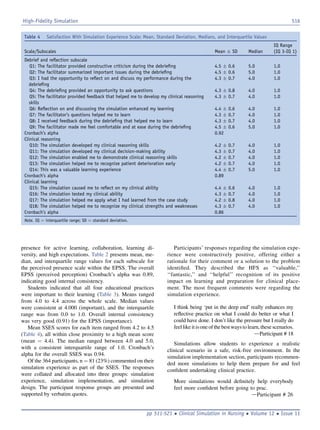
  • 10.
    References Adamson, K. A.,Kardong-Edgren, S., Willhaus, J. (2013). An updated review of published simulation evaluation instruments. Clinical Simula- tion in Nursing, 9(9), e393-e400. An, G. J., Yoo, M. S. (2008). Critical thinking and learning styles of nursing students at the baccalaureate nursing program in Korea. Contemporary Nurse: A Journal for the Australian Nursing Profession, 29(1), 100-109. Retrieved from http://search.proquest.com/docview/ 203160643?accountid¼13380. Chickering, A. W., Gamson, Z. F. (1987). Seven principles for good practice in undergraduate education. AAHE Bulletin3-7. Retrieved from http://search.proquest.com/docview/63263975?accountid¼13380. Clapper, T. C. (2010). Beyond Knowles: What those conducting simula- tions need to know about Adult Learning Theory. Clinical Simulation in Nursing, 6(1), e7-e14. http://dx.doi.org/10.1016/j.ecns.2009.07.003. Cronbach, L. J. (1951). Coefficient alpha and the internal structure of tests. Psychometrika, 16(3), 297-334. D’Amore, A., James, S., Mitchell, E. K. L. (2012). Learning styles of first-year undergraduate nursing and midwifery students: A cross- sectional survey utilising the Kolb Learning Style Inventory. Nurse Ed- ucation Today, 32(5), 506-515. Dewey, J. (1933). How we think: A restatement of the relation of reflective thinking to the educative process. Boston: D. C. Heath Co. Publishers. Dieckmann, P., Friis, S. M., Lippert, A., Østergaard, D. (2012). Goals, success factors, and barriers for simulation-based learning: A qualitative interview study in health care. Simulation Gaming, 43(5), 627-647, http://dx.doi.org/10.1177/1046878112439649. DiLullo, C., McGee, P., Kriebel, R. M. (2011). Demystifying the Millen- nial student: A reassessment in measures of character and engagement in professional education. Anatomical Sciences Education, 4, 214-226. Doolen, J., Mariani, B., Atz, T., Horsley, T. L., O’Rourke, J., McAfee, K., Cross, C. L. (2016). High-fidelity simulation in undergraduate nursing education: A review of simulation reviews. Clinical Simulation in Nursing, 12(7), 290-302. Fountain, R. A., Alfred, D. (2009). Student satisfaction with high- fidelity simulation: Does it correlate with learning styles? Nursing Edu- cation Perspectives, 30(2), 96-98. Franklin, A. E., Burns, P., Lee, C. S. (2014). Psychometric testing on the NLN student satisfaction and self-confidence in learning, simulation design scale, and educational practices questionnaire using a sample of pre-licensure novice nurses. Nurse Education Today, 34(10), 1298-1304. Gates, M. G., Parr, M., Hughen, J. E. (2012). Enhancing nursing knowl- edge using high-fidelity simulation. Journal of Nursing Education, 51(1), 9-15. http://dx.doi.org/10.3928/01484834-20111116-01. Hatton, N., Smith, D. (1995). Reflection in teacher education: Towards definition and implementation. Teaching and Teacher Education, 11(1), 33-49. Hope, A., Garside, J., Prescott, S. (2011). Rethinking theory and prac- tice: Pre-registration student nurses experiences of simulation teaching and learning in the acquisition of clinical skills in preparation for prac- tice. Nurse Education Today, 31(7), 711-715. Howard, V. M., Englert, N., Kameg, K., Perozzi, K. (2011). Integration of simulation across the undergraduate curriculum: Student and faculty perspectives. Clinical Simulation in Nursing, 7, e1-e10. http://dx.doi. org/10.1016/j.ecns.2009.10.004. Howe, N., Strauss, W. (2000). Millennials rising: The next great gener- ation. New York: Vintage Books. International Nursing Association for Clinical Simulation and Learning. (2013). Standards of best practice: Simulation. Retrieved from http:// www.inacsl.org/files/journal/Complete%202013%20Standards.pdf. Jeffries, P. R., Rizzolo, M. A. (2006). Designing and implementing models for the innovative use of simulation to teach nursing care of ill adults and children: A national, multi-site, multi-method study. New York: National League for Nursing. Kolb, D. (1984). Experiential learning: Experience as the source of learning and development. Upper Saddle River, NJ: Prentice Hall. Kolb, A. Y., Kolb, D. A. (2005). The Kolb learning style inventorydversion 3.1 2005 technical specifications. Boston, MA: Hay Resource Direct, 200. Lasater, K. (2007). High-fidelity simulation and the development of clin- ical judgment: Students’ experiences. Journal of Nursing Education, 46(6), 269-276. Retrieved from http://search.proquest.com/docview/ 203965988?accountid¼13380. Lestander, €O., Lehto, N., Engstr€om, A. (2016). Nursing students’ per- ceptions of learning after high fidelity simulation: Effects of a three- step post-simulation reflection model. Nurse Education Today, 40, 219-224. Levett-Jones, T., McCoy, M., Lapkin, S., Noble, D., Hoffman, K., Dempsey, J., ., Roche, J. (2011). The development and psychometric testing of the satisfaction with simulation experience scale. Nurse Education Today, 31(7), 705-710. http://dx.doi.org/10. 1016/j.nedt.2011.01.004. Liaw, S. Y., Zhou, W. T., Lau, T. C., Siau, C., Chan, S. W. (2014). An interprofessional communication training using simulation to enhance safe care for a deteriorating patient. Nurse Education Today, 34(2), 259-264. http://dx.doi.org/10.1016/j.nedt.2013.02.019. Lioce, L., Meakim, C. H., Fey, M. K., Chmil, J. V., Mariani, B., Alinier, G. (2015). Standards of best practice: Simulation standard IX: Simulation design. Clinical Simulation in Nursing, 11(6), 309-315. McCaughey, C. S., Traynor, M. K. (2010). The role of simulation in nurse education. Nurse Education Today, 30(8), 827-832. McCurry, M. K., Martins, D. C. (2010). Teaching undergraduate nursing research: A comparison of traditional and innovative approaches for suc- cess with millennial learners. Journal of Nursing Education, 49(5), 276-279. Meakim, C., Boese, T., Decker, S., Franklin, A. E., Gloe, D., Lioce, L., ., Borum, J. C. (2013). Standards of best practice: Simulation standard I: Terminology. Clinical Simulation in Nursing, 9(6), S3-S11. Milanese, S., Gordon, S., Pellatt, A. (2013). Profiling physiotherapy stu- dent preferred learning styles within a clinical education context. Phys- iotherapy (United Kingdom), 99(2), 146-152. http://dx.doi.org/10. 1016/j.physio.2012.05.004. Mills, J., West, C., Langtree, T., Usher, K., Henry, R., Chamberlain- Salaun, J., Mason, M. (2014). ‘Putting it together’: Unfolding case studies and high-fidelity simulation in the first-year of an undergraduate nursing curriculum. Nurse Education in Practice, 14(1), 12-17. http:// dx.doi.org/10.1016/j.nepr.2013.06.003. Murray, C., Grant, M. J., Howarth, M. L., Leigh, J. (2008). The use of simulation as a teaching and learning approach to support practice learning. Nurse Education in Practice, 8(1), 5-8. Najjar, R. H., Lyman, B., Miehl, N. (2015). Nursing students’ experi- ences with high-fidelity simulation. International Journal of Nursing Education Scholarship, 12(1), 1-9. O’Brien, J. E., Hagler, D., Thompson, M. S. (2015). Designing simula- tion scenarios to support performance assessment validity. The Journal of Continuing Education in Nursing, 46(11), 492-498. Richardson, K. J., Claman, F. (2014). High-fidelity simulation in nursing education: A change in clinical practice. Nursing Education Perspec- tives, 35(2), 125-127. Retrieved from http://search.proquest.com/docv iew/1510500884?accountid¼13380. Rooney, D., Hopwood, N., Boud, D., Kelly, M. (2015). The role of simulation in pedagogies of higher education for the health profes- sions: Through a practice-based lens. Vocations and Learning, 8(3), 269-285. Sanford, P. G. (2010). Simulation in nursing education: A review of the research. The Qualitative Report, 15(4), 1006-1011. Retrieved from http://search.proquest.com/docview/757175213?accountid¼13380. Shinnick, M. A., Woo, M. A. (2013). The effect of human patient simu- lation on critical thinking and its predictors in prelicensure nursing stu- dents. Nurse Education Today, 33(9), 1062-1067, ISSN 0260-6917. High-Fidelity Simulation 520 pp 511-521 Clinical Simulation in Nursing Volume 12 Issue 11
  • 11.
    http://dx.doi.org/10.1016/j.nedt.2012.04.004. Retrieved fromhttp:// www.sciencedirect.com/science/article/pii/S0260691712001098. Smith E. (2011). Teaching critical reflection. Teaching in higher educa- tion [serial online]. Ipswich, MA: Academic Search Elite;16(2): 211-223. Swanson, E. A., Nicholson, A. C., Boese, T. A., Cram, E., Stineman, A. M., Tew, K. (2011). Comparison of selected teaching strategies incorporating simulation and student outcomes. Clinical Simulation in Nursing, 7(3), e81-e90, ISSN 1876-1399. http://dx.doi.org/10.1016/j.ecns.2009.12.011. Teixeira, C. R. d. S., Kusumota, L., Pereira, M. C. A., Braga, F. T. M. M., Gaioso, V. P., Zamarioli, C. M., de Carvalho, E. C. (2014). Anxiety and performance of nursing students in regard to assessment via clinical simulations in the classroom versus filmed assessments. Investigacion y Educacion En Enfermerıa, 32(2), 270-279, Retrieved from http:// search.proquest.com/docview/1552719984?accountid¼13380. Tutticci, N., Lewis, P. A., Coyer, F. (2016). Measuring third year under- graduate nursing students’ reflective thinking skills and critical reflec- tion self-efficacy following high fidelity simulation: A pilot study. Nurse Education in Practice, 18(5), 52-59. Vygotsky, L. (1978). Interaction between learning and development. In: Vygotsky, L. (Ed.), Mind and Society. Cambridge, MA: Har- vard University Press. (pp. 79-91). Wotton, K., Davis, J., Button, D., Kelton, M. (2010). Third-year under- graduate nursing students’ perceptions of high-fidelity simulation. Jour- nal of Nursing Education, 49(11), 632-639. http://dx.doi.org/10.3928/ 01484834-20100831-01. High-Fidelity Simulation 521 pp 511-521 Clinical Simulation in Nursing Volume 12 Issue 11