FOUNDATIONS OF INDIVIDUALFOUNDATIONS OF INDIVIDUAL
BEHAVIOURBEHAVIOUR
 ATTITUDE
 PERSONALITY
 PERCEPTIONS
 LEARNING
 MOTIVATION
ATTITUDESATTITUDES
Definition
Attitude is the mental state of readiness,
learned and organized through experience,
exerting a specific influence on person’s response to
people, object and situations with which it is
related.
Attitudes are learned predispositions towards aspects
of our environment. They may be positively or
negatively directed towards certain people, service or
institutions.
Characteristics of AttitudesCharacteristics of Attitudes
 Attitudes are learned
 Attitudes are predispositions to respond to a set
of facts
 Attitudes are evaluative statements.
 Everybody, irrespective of age or social status,
hold attitudes.
Components of AttitudeComponents of Attitude
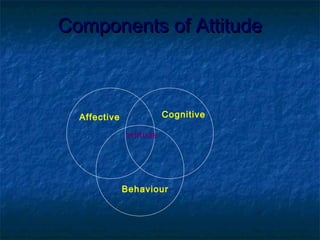
Affective Cognitive
Behaviour
attitude
ABC ModelABC Model
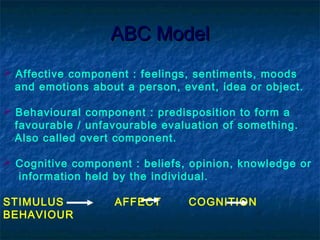
 Affective component : feelings, sentiments, moods
and emotions about a person, event, idea or object.
 Behavioural component : predisposition to form a
favourable / unfavourable evaluation of something.
Also called overt component.
 Cognitive component : beliefs, opinion, knowledge or
information held by the individual.
STIMULUS AFFECT COGNITION
BEHAVIOUR
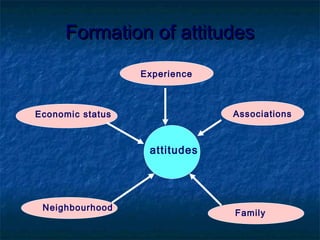
Formation of attitudesFormation of attitudes
attitudes
Experience
AssociationsEconomic status
Family
Neighbourhood
Influence of AttitudesInfluence of Attitudes
 Influence perceptions
 Job- satisfaction
 Job involvement
 Organizational commitment
Attitudes Vs ValuesAttitudes Vs Values
 Values : represent long lasting beliefs about
what is important.
 Evaluative standards that help us define what is
right or wrong.
 General beliefs about life, and stands in relation
to some custom / cultural practice or norms.
 Enduring and resistant to change.
VALUES LAY THE FOUNDATION FOR
ATTITUDES AND MOTIVATION
PERCEPTIONSPERCEPTIONS
Definition
It is the intellectual process by which a person
acquires information from the environment ,
organizes it and obtains meaning from it.
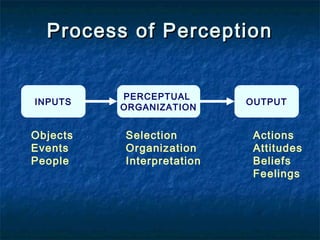
Process of PerceptionProcess of Perception
PERCEPTUAL
ORGANIZATION
INPUTS OUTPUT
Objects
Events
People
Selection
Organization
Interpretation
Actions
Attitudes
Beliefs
Feelings
SelectionSelection
Selective perception involves two psychological
principles :
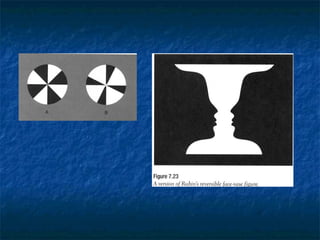
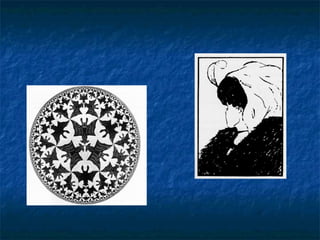
 Figure ground principle
 Relevancy
OrganizationOrganization
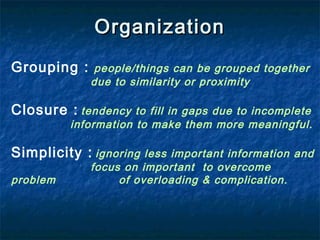
Grouping : people/things can be grouped together
due to similarity or proximity
Closure : tendency to fill in gaps due to incomplete
information to make them more meaningful.
Simplicity : ignoring less important information and
focus on important to overcome
problem of overloading & complication.
InterpretationInterpretation
Interpretation is a subjective and judgmental process.
this process is influenced by :
 Halo effect
 Stereotyping
 Attribution
 Projection
Factors influencingFactors influencing
PerceptionPerception
Internal factors :
Needs & desires
Personality
Experience
External
factors :
Size
Intensity
Frequency
Status
Contrast
Foundations of individual behaviour

Foundations of individual behaviour

  • 1.
    FOUNDATIONS OF INDIVIDUALFOUNDATIONSOF INDIVIDUAL BEHAVIOURBEHAVIOUR  ATTITUDE  PERSONALITY  PERCEPTIONS  LEARNING  MOTIVATION
  • 2.
    ATTITUDESATTITUDES Definition Attitude is themental state of readiness, learned and organized through experience, exerting a specific influence on person’s response to people, object and situations with which it is related. Attitudes are learned predispositions towards aspects of our environment. They may be positively or negatively directed towards certain people, service or institutions.
  • 3.
    Characteristics of AttitudesCharacteristicsof Attitudes  Attitudes are learned  Attitudes are predispositions to respond to a set of facts  Attitudes are evaluative statements.  Everybody, irrespective of age or social status, hold attitudes.
  • 4.
    Components of AttitudeComponentsof Attitude Affective Cognitive Behaviour attitude
  • 5.
    ABC ModelABC Model Affective component : feelings, sentiments, moods and emotions about a person, event, idea or object.  Behavioural component : predisposition to form a favourable / unfavourable evaluation of something. Also called overt component.  Cognitive component : beliefs, opinion, knowledge or information held by the individual. STIMULUS AFFECT COGNITION BEHAVIOUR
  • 6.
    Formation of attitudesFormationof attitudes attitudes Experience AssociationsEconomic status Family Neighbourhood
  • 7.
    Influence of AttitudesInfluenceof Attitudes  Influence perceptions  Job- satisfaction  Job involvement  Organizational commitment
  • 8.
    Attitudes Vs ValuesAttitudesVs Values  Values : represent long lasting beliefs about what is important.  Evaluative standards that help us define what is right or wrong.  General beliefs about life, and stands in relation to some custom / cultural practice or norms.  Enduring and resistant to change. VALUES LAY THE FOUNDATION FOR ATTITUDES AND MOTIVATION
  • 9.
    PERCEPTIONSPERCEPTIONS Definition It is theintellectual process by which a person acquires information from the environment , organizes it and obtains meaning from it.
  • 10.
    Process of PerceptionProcessof Perception PERCEPTUAL ORGANIZATION INPUTS OUTPUT Objects Events People Selection Organization Interpretation Actions Attitudes Beliefs Feelings
  • 11.
    SelectionSelection Selective perception involvestwo psychological principles :  Figure ground principle  Relevancy
  • 14.
    OrganizationOrganization Grouping : people/thingscan be grouped together due to similarity or proximity Closure : tendency to fill in gaps due to incomplete information to make them more meaningful. Simplicity : ignoring less important information and focus on important to overcome problem of overloading & complication.
  • 15.
    InterpretationInterpretation Interpretation is asubjective and judgmental process. this process is influenced by :  Halo effect  Stereotyping  Attribution  Projection
  • 16.
    Factors influencingFactors influencing PerceptionPerception Internalfactors : Needs & desires Personality Experience External factors : Size Intensity Frequency Status Contrast