Endocrinology
Objectives
• Understand the basic functions of the
  endocrine system, including the endocrine
  glands and the hormones they stimulate
  or are stimulated by
• Identify the main diseases and disorders
  caused by any malfunctioning of the
  endocrine system that relate to the hair
  removal specialist
• The endocrine system is important to us
  because it is the system that regulates /
  stimulates hair growth

• Understanding the endocrine system is
  key to the requirement of referring a
  patient to a physician.
• The endocrine system relates to the
  glands that secrete hormones into the
  lymph or bloodstream
Hormones
• Substances produced by the endocrine
  glands which have a regulatory function
  – Growth
  – Sexual Development
  – Digestive System
  – Metabolism
  – Overall Health
Glands of the Endocrine System
• There are two types
  – Exocrine (secrete through a duct)
  – Endocrine (directly into bloodstream)
Exocrine Glands
• Sebaceous Glands
• Mammary Glands
• Excrete waste material
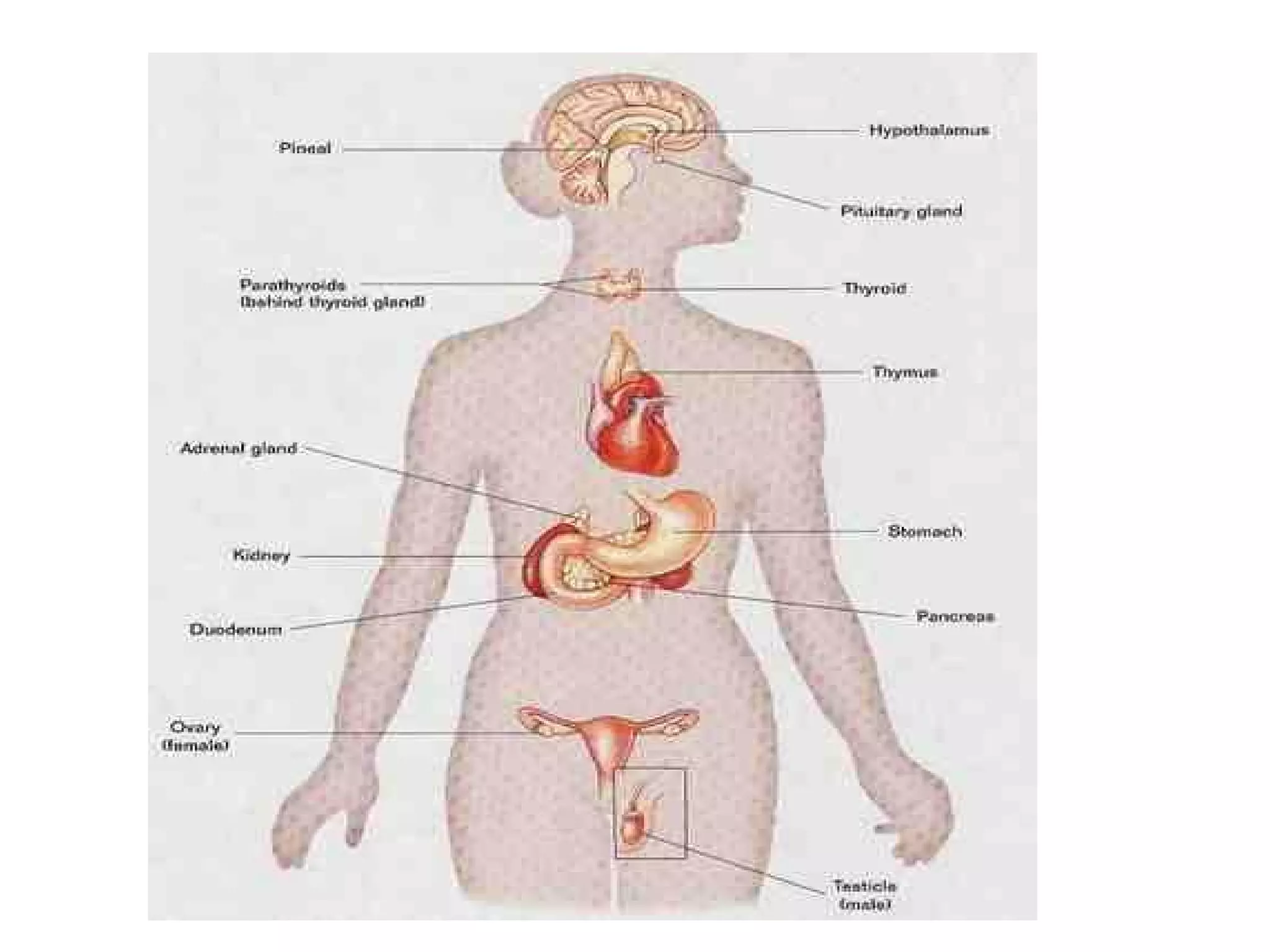
Endocrine Glands
• Secrete hormones into the bloodstream to
  either stimulate the target organ or inhibit
  the organ.
• These hormones can be called chemical
  messangers
The Brain
• Hypothalamus
• Pituitary Gland
  – Neurohypophysis (posterior lobe)
  – Adenohypophysis (anterior lobe)
• Pineal Gland
What’s Important????
• Hypothalamus - The hypothalamus links our
  endocrine and nervous systems together. The
  hypothalamus drives the endocrine system.
• Pituitary gland - The pituitary gland receives
  signals from the hypothalamus. This gland has
  two lobes, the posterior and anterior lobes. The
  posterior lobe secretes hormones that are made
  by the hypothalamus. The anterior lobe
  produces its own hormones, several of which act
  on other endocrine glands.
Posterior Lobe
• Secretes two hormones
  – Oxytocin – stimulates muscles of the uterus to
    contract during childbirth and to expel milk
    during lactation
  – ADH (antidiuretic hormone) – causes water
    retention which concentrates urine
    *diabetes insipidus
Anterior Lobe
•    “Master Gland”
•    Produces 7 Hormones
    1.   ACTH
    2.   TSH
    3.   GH
    4.   MSH
    5.   FSH
    6.   LH
    7.   LTH
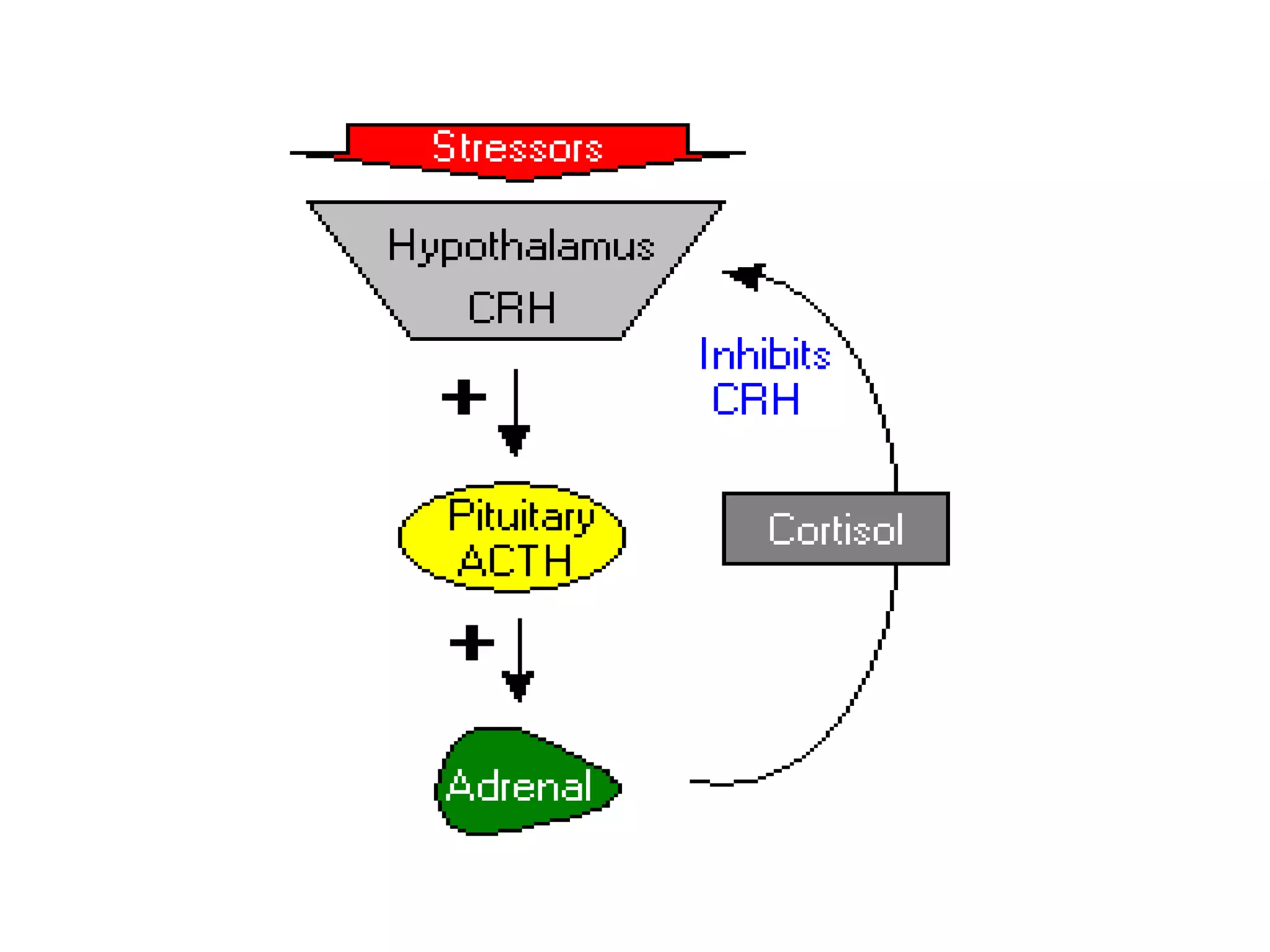
ACTH
• Adrenocorticotropic hormone, as its name
  implies, stimulates the adrenal cortex.
  More specifically, it stimulates secretion of
  glucocorticoids such as cortisol, and has
  little control over secretion of aldosterone,
  the other major steroid hormone from the
  adrenal cortex
TSH
• Thyroid Stimulating Hormone
  – Controls the thyroid gland
GH
• Growth Hormone
  – Affects skeletal development
MSH
• Melanocyte Stimulating Hormone
  – Stimulates melanocyte production in the
    epidermis
FSH
• Follicle Stimulating Hormone
  – Affects the ovarian follicles in women and
    seminiferous tissue in men
LH
• Luteinizing Hormone
  – Stimulates ovulation
LTH
• Lactogenic Hormone
  – Causes mammary glands to produce milk
Thryoid Gland
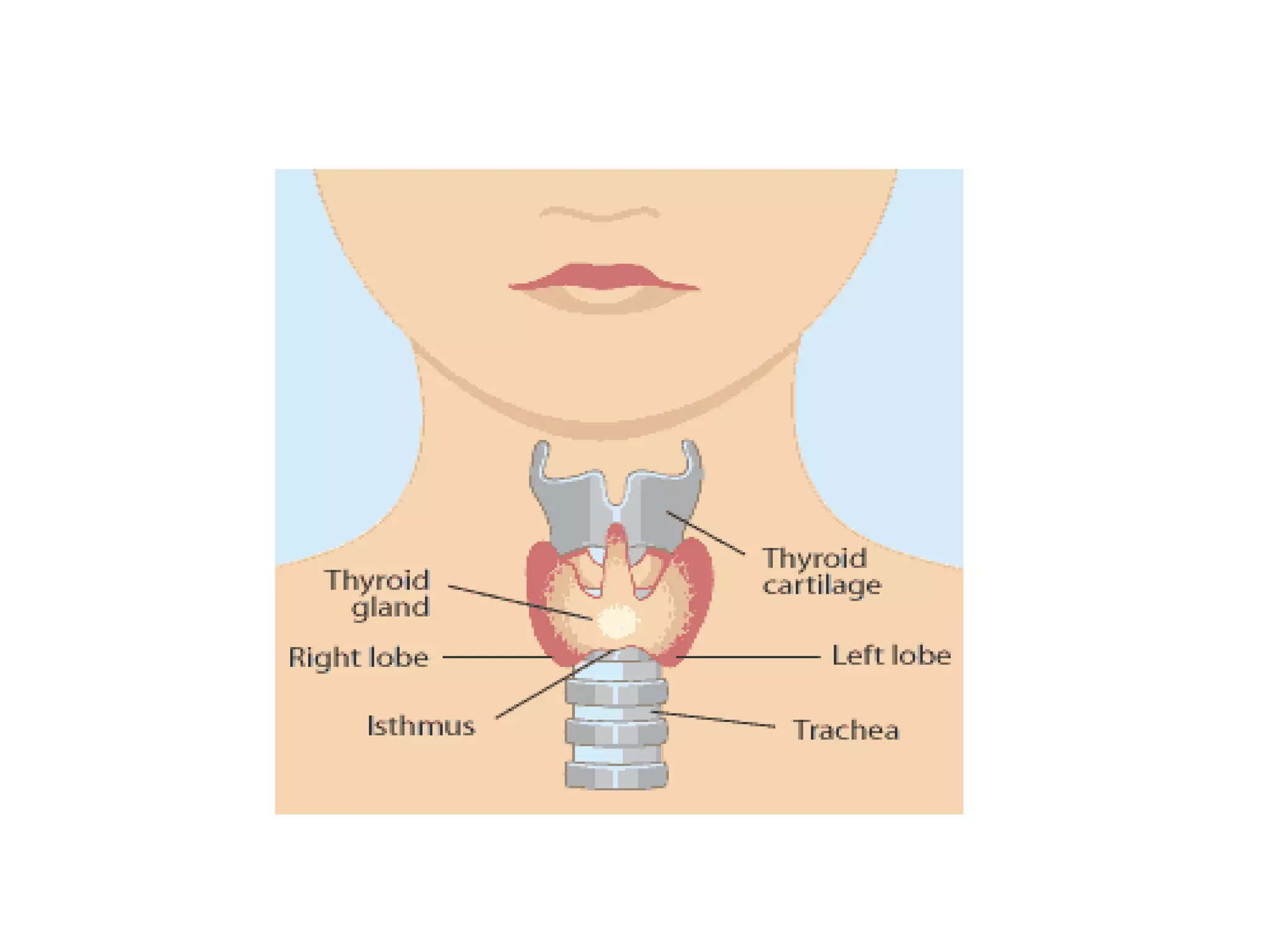
• The thyroid gland is a soft, butterfly
  shaped gland that lies wrapped around
  the windpipe below the Adam's Apple. Its
  job is to secrete thyroid hormones that
  help regulate metabolism – in other words,
  the many chemical processes that keep
  our bodies ticking over.
• The thyroid gland manufactures two essential hormones
  – thyroxine (also referred to as T4) and tri-iodothyronine
  (also referred to as T3)
• There's not much difference between T3 and T4. The
  numbers refer to the amount of atoms of iodine
  contained in the hormones. T3 is the more powerful
  while T4 is released by the thyroid in larger amounts, but
  is mostly converted to T3 in the liver and kidneys.
• The effect of T3 and T4 is to
   – increase the basal metabolic rate of almost all the cells in the
     body
   – increase the fat and carbohydrate metabolism
   – boost protein synthesis
   – increase heart rate and blood flow to other organs.
Hyperthyroidism
• Hyperthyroidism is when the thyroid becomes overactive
  and releases too much T3 and T4 into the blood.
  Another name for it is thyrotoxicosis. A person with too
  much circulating thyroid hormone finds they are living
  with a metabolism that is continually 'revved up'. That
  person notices the following symptoms:
   –   weight loss, despite an increased appetite
   –   nervousness, agitation and anxiety
   –   tiredness
   –   rapid pulse
   –   tremor (shaking) of the hands
   –   sweating and sensitivity to heat
   –   diarrhea.
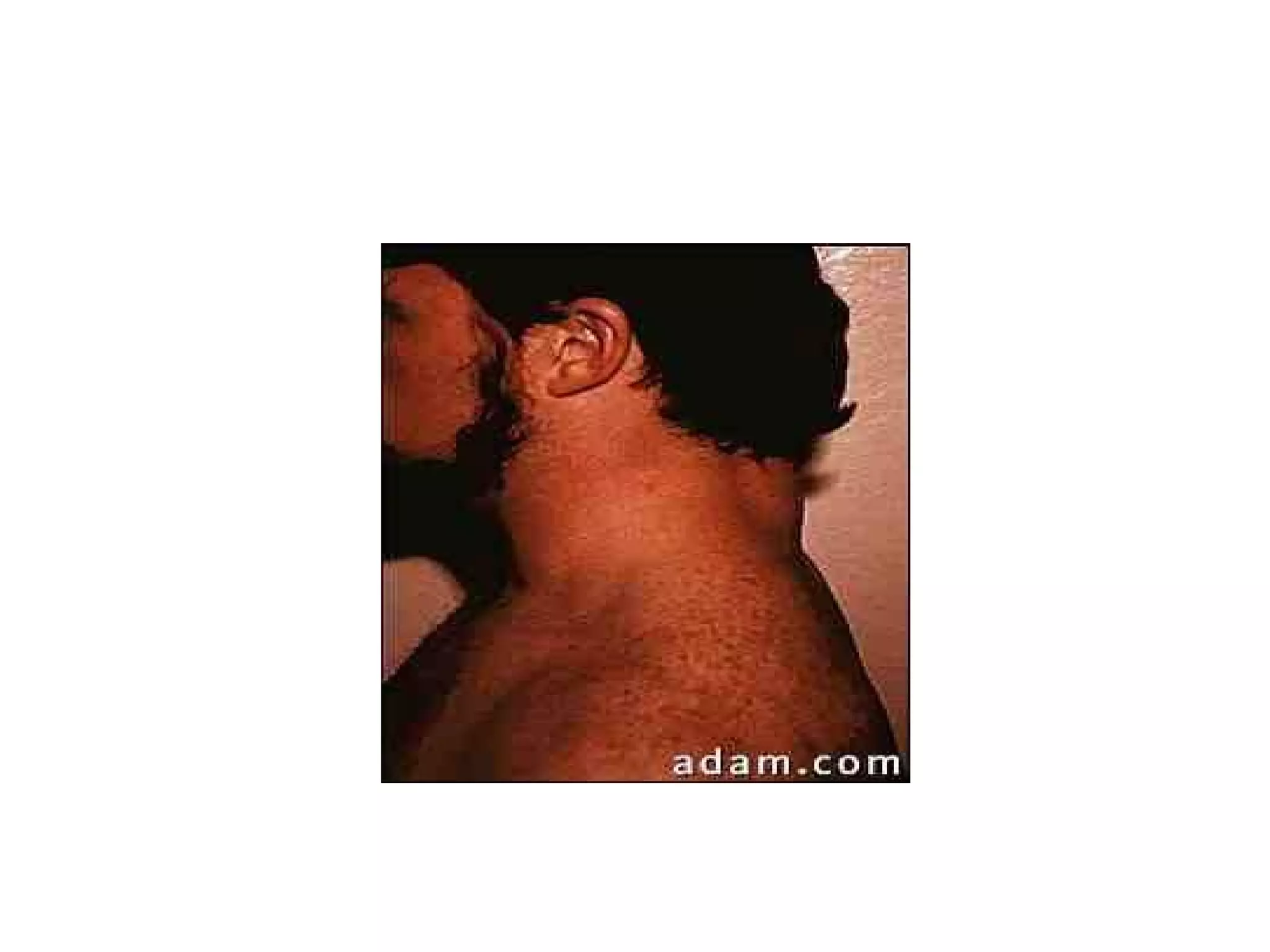
Goiter
• A goiter is a descriptive term rather than an actual
  condition. It refers to the enlargement of the thyroid.
• Someone with Graves' or Hashimoto's disease may
  have a diffuse goiter, which is one that has spread
  throughout the thyroid gland. A goiter can also be a
  localized lump or nodule, caused by a single thyroid
  nodule or a cancer (although cancers are rare in the
  thyroid). And the term multinodular goiter is used when
  many lumps have spread throughout the gland.
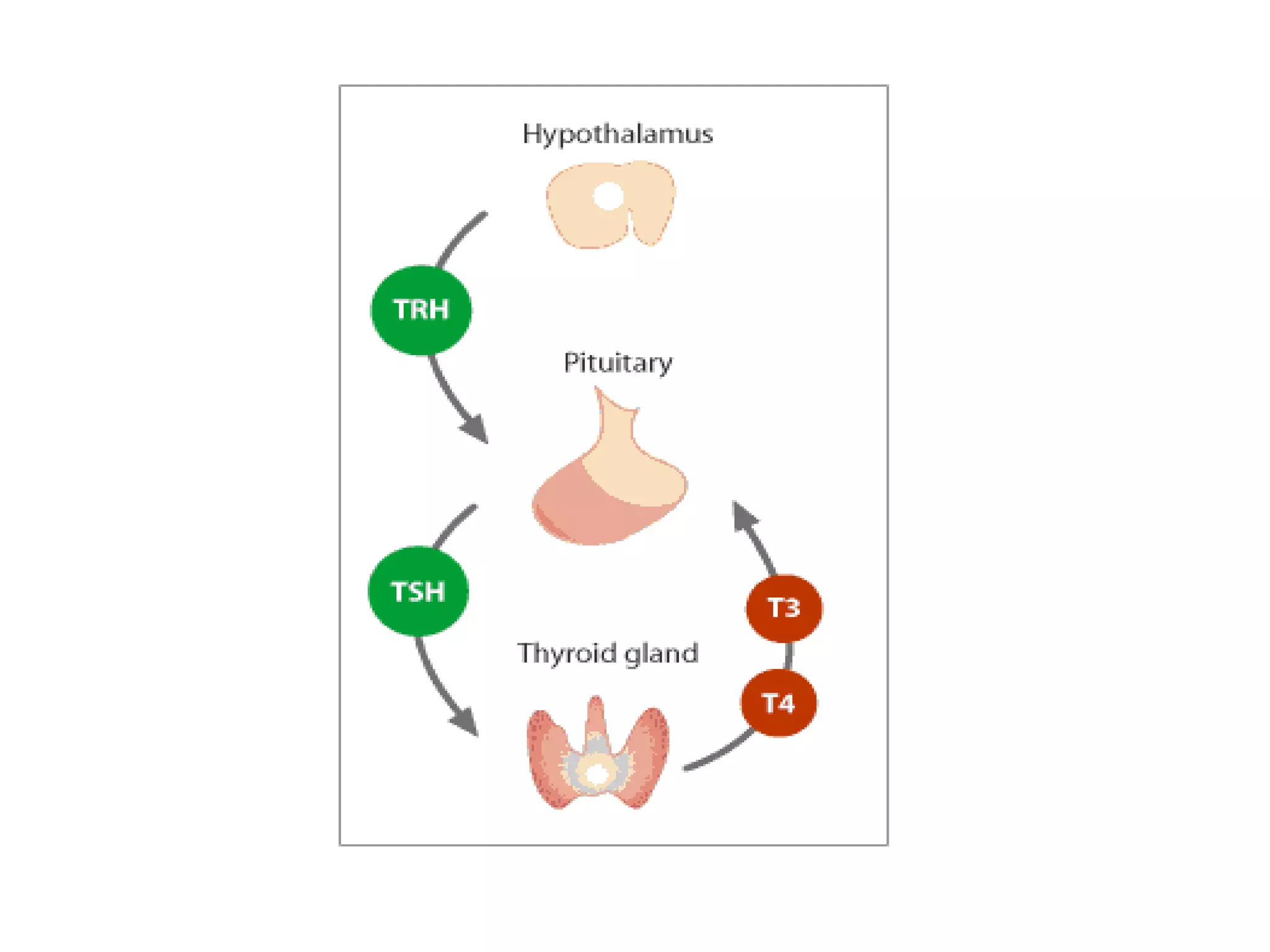
• Another cause of a diffuse goiter is a shortage of iodine
  in the diet. Too little iodine means that the thyroid can't
  make enough thyroid hormone. In response, the
  hypothalamus and pituitary release TRH and TSH, and
  as a consequence of stimulation, the size of the gland
  increases. If the gland still can't make enough thyroid
  hormone, goiter and hypothyroidism are the result.
Hypothyroidism
• Hypothyroidism is the opposite condition. In
  hypothyroidism, the thyroid fails to make and release
  enough T3 and T4 into the bloodstream and the
  metabolism slows to a crawl. This produces a range of
  physical and emotional changes, including:
   –   lethargy and tiredness
   –   feeling cold (even on warm days)
   –   difficulty concentrating
   –   unusual weight gain
   –   depression
   –   puffiness of the face
   –   hair loss
   –   dry skin
   –   constipation
• Cretinism - hypothyroidism in children
  (physical stunting and mental retardation)

• Myxedema – hypothyroidism in adults
  (sluggishness and/or weight gain)
Parathyroid Glands
• Embedded in the thyroid gland
• Secrete para-thormone or PTH
  (parathyroid hormone)
• PTH maintains the calcium level in the
  blood by acting on the bones, intestines
  and kidneys
Thymus
• Its located in the chest
• Importance: before birth it is major source
  of lymphocytes
• Involved with the development of immune
  system cells
Adrenal Glands
• Sit on top of kidneys
• Two Sections
  – Adrenal Cortex
  – Adrenal Medulla
Adrenal Cortex
• Produce more than 50 adrenal cortical
  hormones – STEROIDS
  – Mineralocorticoids
  – Glucocorticoids
  – Sex Steroids
Adrenal Medulla
• Secretes two substances

  – Epinephrine
  – Norepinephrine
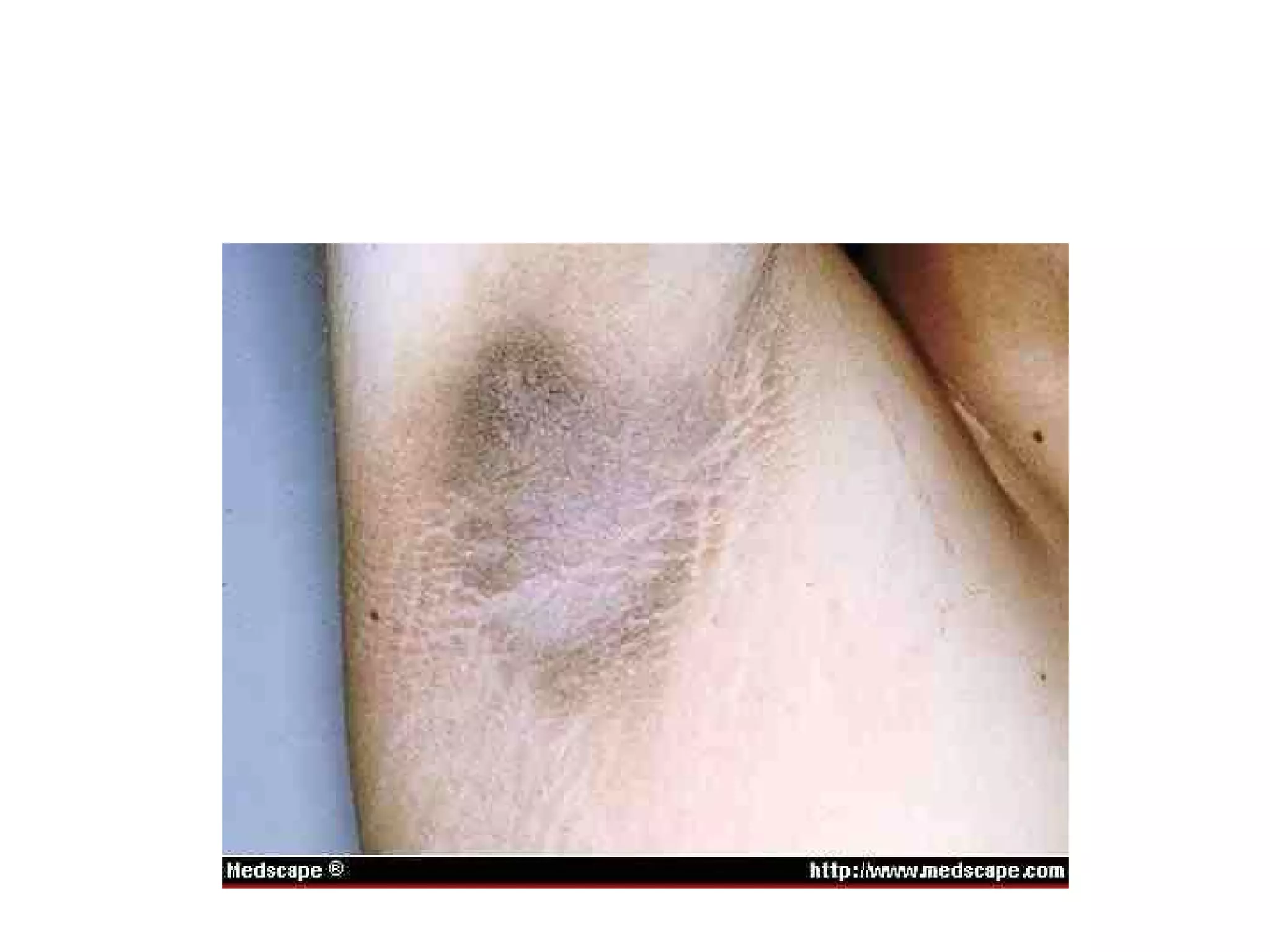
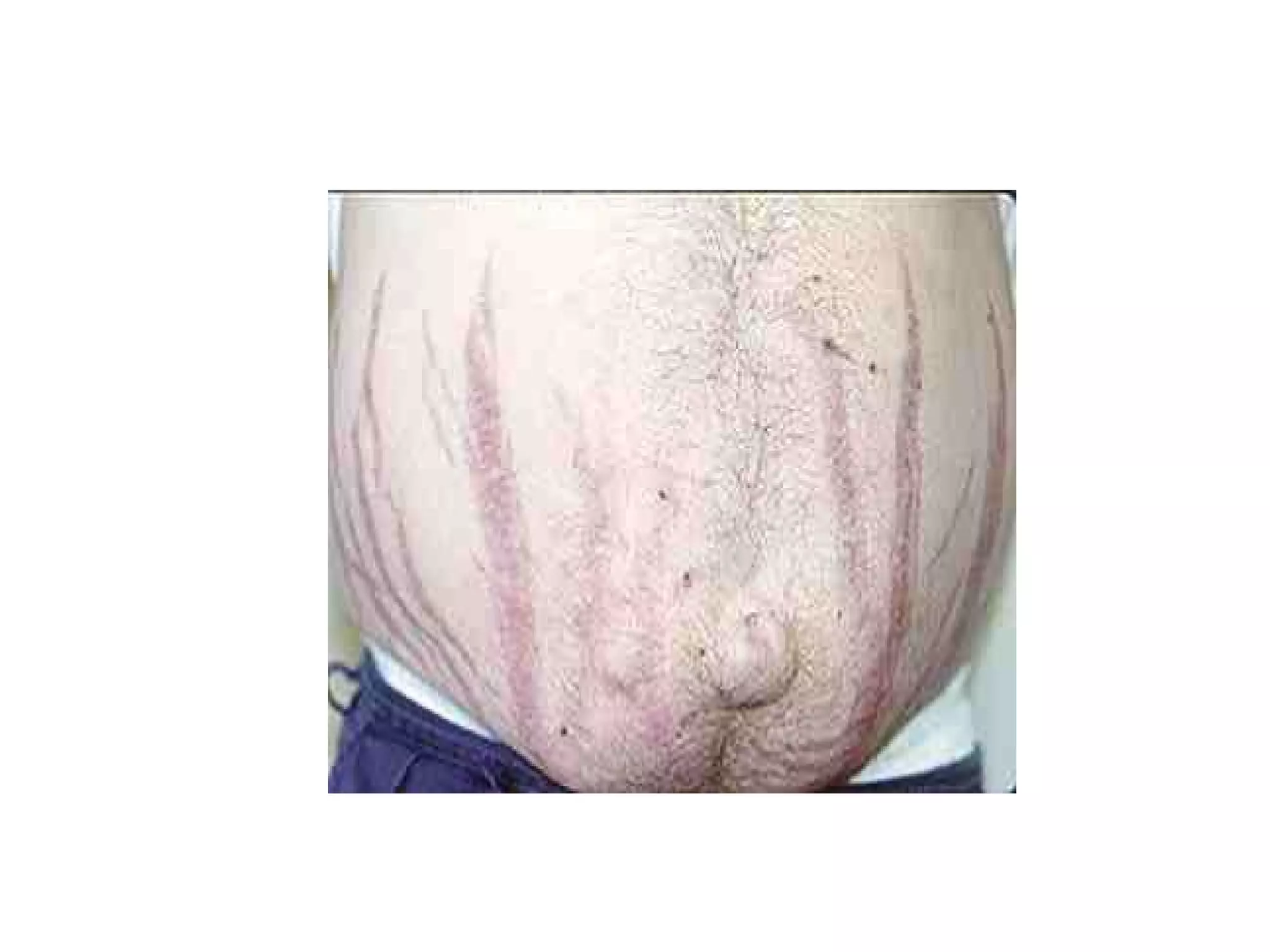
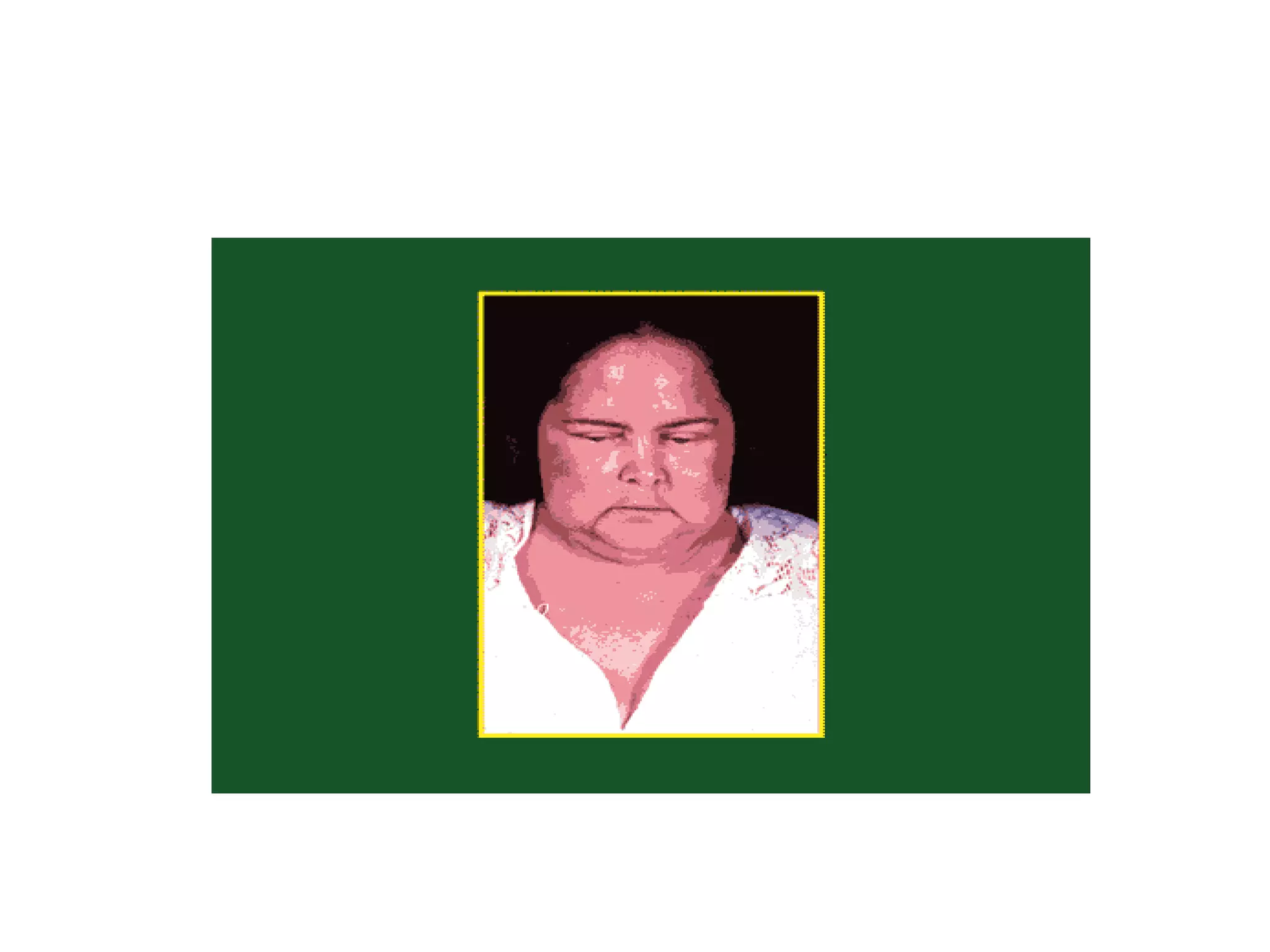
Cushings Syndrome
• An excess of cortisol is released.
• Often caused by a tumor on the adrenal
  cortex.
• Results in muscle weakness, puffy face,
  obesity, hirtuism, and Diabetes
The Pancreas
• Lies behind the stomach
• Contains Islets of Langerhans
  – Secrete insulin and glucagons

  Insulin lowers blood sugar
  Glucagon raises blood sugar

  *Diabetes – lack of insulin
The Female Gonads
• The ovaries secrete sex steroids known as
  estrogen and progesterone
• Females produce androgens as well but in
  lesser quantities
The Male Gonads
• The hypothalmus releases GnRH which
  stimulates the pituitary to produce FSH
  and LH which stimulate their targets in the
  testes.
• FSH stimulates seminiferous tubules
• LH stimulates Leydig Cells to secrete
  testosterone
DISCUSSION
• 1. Difference between an exocrine gland and an
  endocrine gland
• 2. Which gland is known as the master gland?
• 3. Hypothyroidism causes what condition in
  adults?
• 4. Which two main substances does the
  adrenal medulla secrete?
• 5. Does FSH cause the hair follicles to produce
  terminal hair?
Hirsuitism and Hypertrichosis
Learning Objectives
• Identify the basic causes of hirsutism
• Explain the basic causes of hypertrichosis
• Differentiate between the two conditions of
  hypertrichosis
• Recognize when a condition may signal
  the need for further medical evaluation
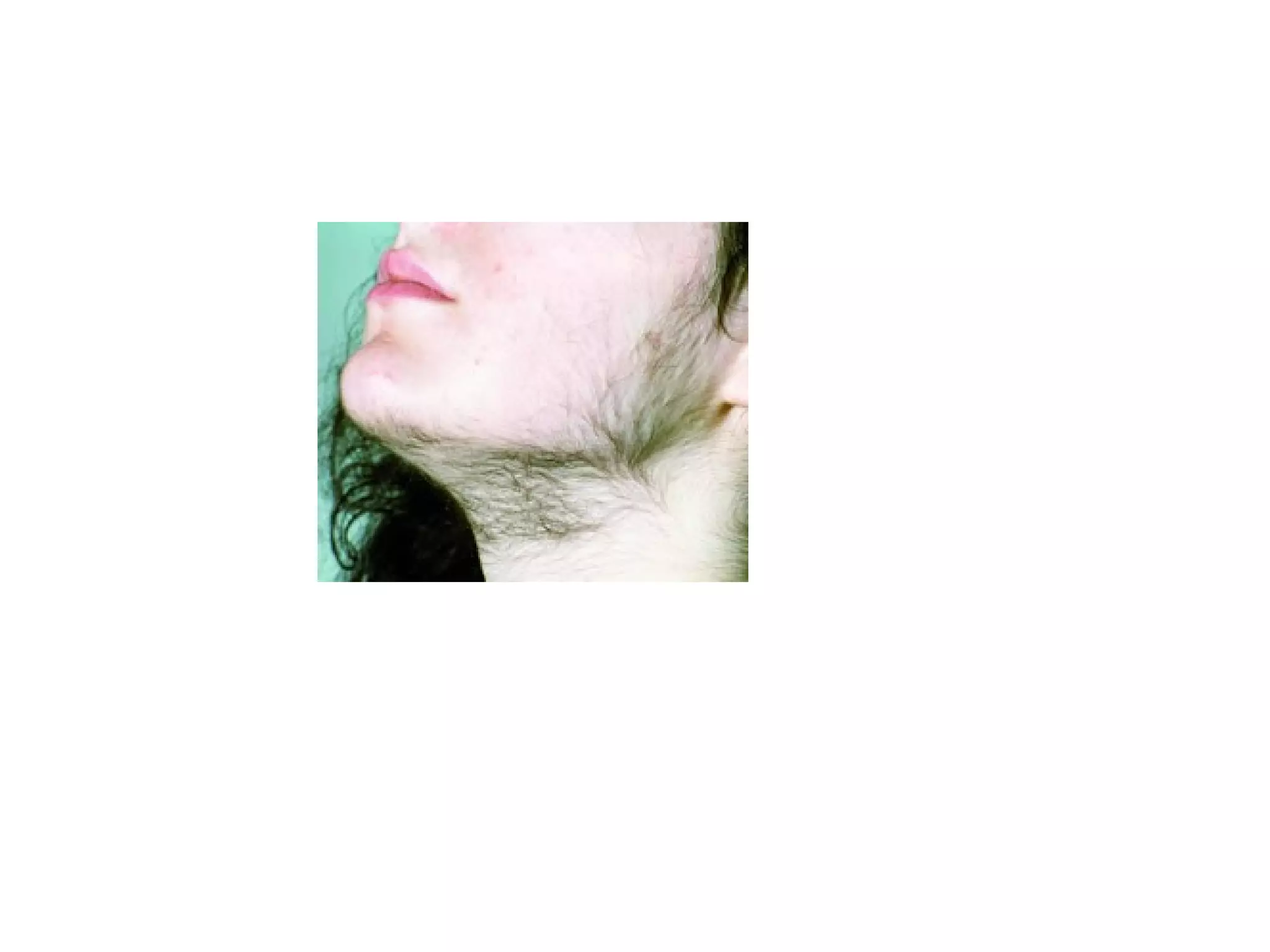
Hypertrichosis
• Excessive hair growth on any part of the
  body that is abnormal for the age, sex,
  race and culture of the individual
• This type of hair is usually terminal and is
  not associated with stimulated male
  androgens and does not follow male hair
  growth pattern.
Causes
•   Genetic
•   Natural Occurrences
•   Reactions to medical procedures
•   Resulting of some cancer treatments
•   Reaction to certain medications
• Severe hypertrichosis is quite rare, almost
  certainly due to unknown genetic defects,
  and can result in excessive or animal-like
  hair on both face and body. Some of these
  people have been displayed in carnival
  sideshows with names such as "dog-boy"
  or the "bearded lady." Fedor Jeftichew,
  Stephan Bibrowski and Annie Jones are
  well known examples
Hirsutism
• Terminal hair growth in women that is
  caused by excessive male androgens in
  the blood.
• Hair does grow in adult male hair growth
  pattern.
Causes
• Stimulation of male androgens at puberty
• Drugs affecting the endocrine system,
  increasing the % of male androgens
• Diseases and disorders of the endocrine
  system
Hair Growth Diseases, Disorders,
            and Syndromes
•   Acromegaly
•   Adrenogenital Syndrome
•   Archard-Thiers Syndrome
•   Cushings Syndrome
•   Stein-Leventhal Syndrome
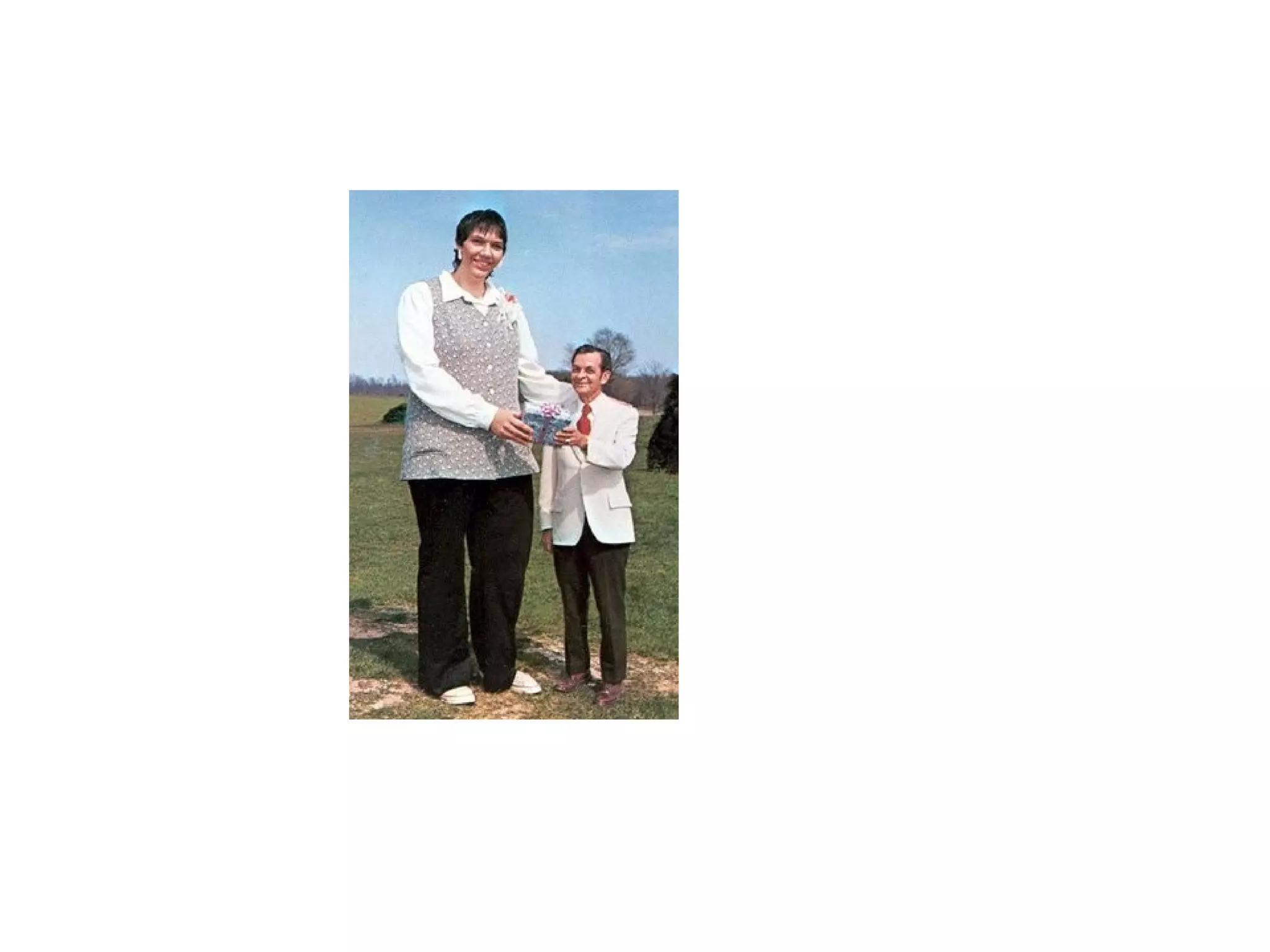
Acromegaly
• Caused by excessive GH
• In Children it can cause gigantism
• In adults can result in enlarged hands, feet
  and face, and excessive androgen
  production resulting in hirsutism
Adrenogenital Syndrome
• aka “virilism”
• Results from a blockage of cortisol at the
  adrenal cortex resulting in overproduction
  of androgens causing outward signs of
  overdevelopment of sex organs, deep
  voices, and excessive hair growth.
Archard-Thiers Syndrome
• Rare condition
• Combination of Cushings and
  Adrenogenital Syndrome
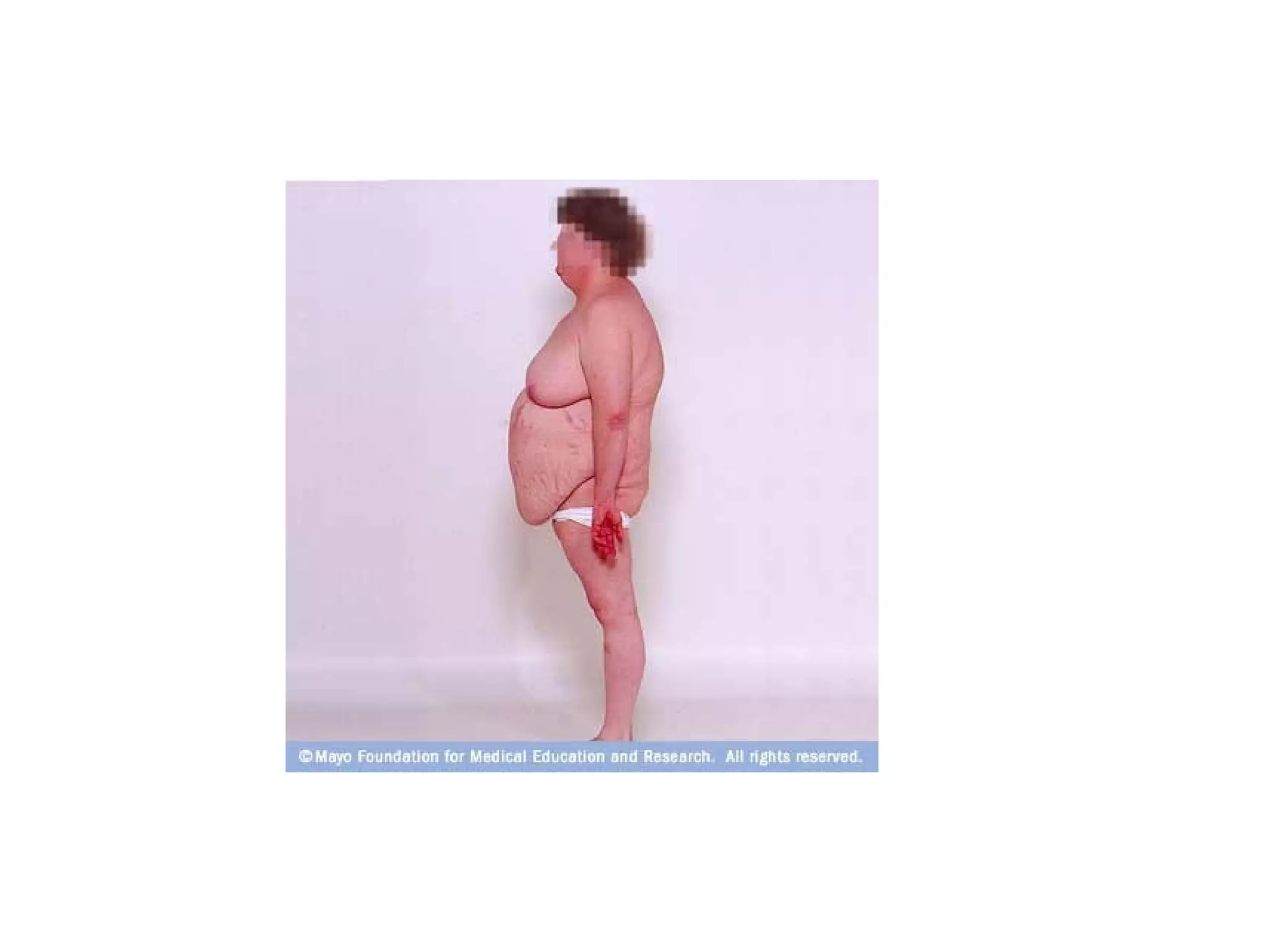
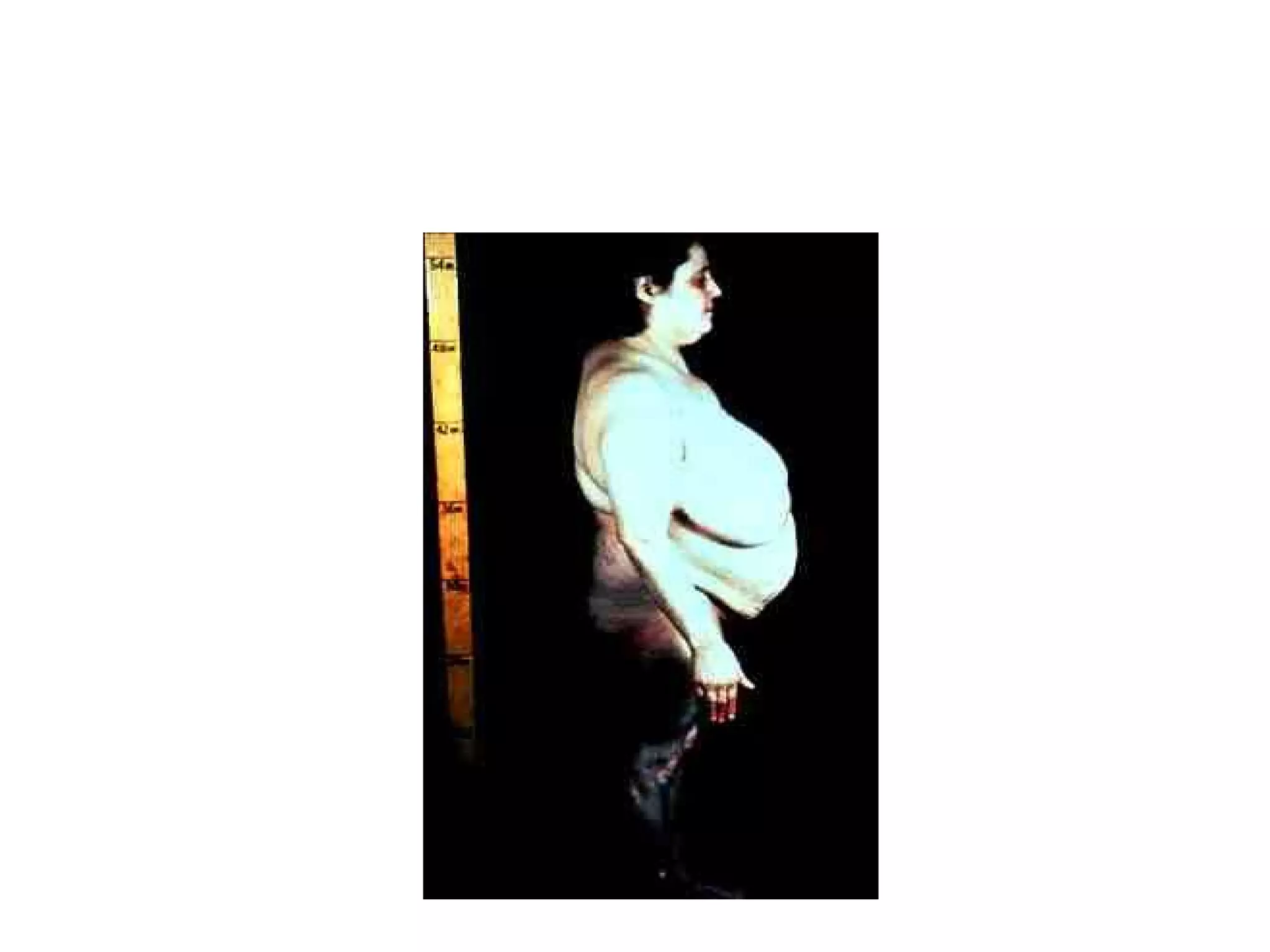
Cushings Syndrome
• Chronic excess of adrenocortical
  androgens or glucocorticoid hormones
  which raise the blood sugar level resulting
  in hyperglycemia.
• Physical Signs
  – “moon face”
  – Rounded abdomen
  – Striae
  – hirsutism
Stein-Leventhal Syndrome
• Now known as Polycystic Ovary
  Syndrome (PCOS)
• Secrete excess androgens
• Signs : irregular or absent menstruation
• Physical Signs: small breasts, sometimes
  obesity, and often hirsutism of face, neck,
  chest, and thighs.
Discussion
• 1. Three causes of hypertrichosis
• 2. Two main causes of hirsutism
• 3. Three common syndromes that cause
  hirsutism
• 4. What is the more common name for
  Stein-Leventhal Syndrome?
• 5. List 3 inward and 2 outward signs of
  PCOS

F 2 the endocrine system

  • 1.
  • 2.
    Objectives • Understand thebasic functions of the endocrine system, including the endocrine glands and the hormones they stimulate or are stimulated by • Identify the main diseases and disorders caused by any malfunctioning of the endocrine system that relate to the hair removal specialist
  • 3.
    • The endocrinesystem is important to us because it is the system that regulates / stimulates hair growth • Understanding the endocrine system is key to the requirement of referring a patient to a physician.
  • 4.
    • The endocrinesystem relates to the glands that secrete hormones into the lymph or bloodstream
  • 5.
    Hormones • Substances producedby the endocrine glands which have a regulatory function – Growth – Sexual Development – Digestive System – Metabolism – Overall Health
  • 6.
    Glands of theEndocrine System • There are two types – Exocrine (secrete through a duct) – Endocrine (directly into bloodstream)
  • 7.
    Exocrine Glands • SebaceousGlands • Mammary Glands • Excrete waste material
  • 8.
    Endocrine Glands • Secretehormones into the bloodstream to either stimulate the target organ or inhibit the organ. • These hormones can be called chemical messangers
  • 10.
    The Brain • Hypothalamus •Pituitary Gland – Neurohypophysis (posterior lobe) – Adenohypophysis (anterior lobe) • Pineal Gland
  • 11.
    What’s Important???? • Hypothalamus- The hypothalamus links our endocrine and nervous systems together. The hypothalamus drives the endocrine system. • Pituitary gland - The pituitary gland receives signals from the hypothalamus. This gland has two lobes, the posterior and anterior lobes. The posterior lobe secretes hormones that are made by the hypothalamus. The anterior lobe produces its own hormones, several of which act on other endocrine glands.
  • 12.
    Posterior Lobe • Secretestwo hormones – Oxytocin – stimulates muscles of the uterus to contract during childbirth and to expel milk during lactation – ADH (antidiuretic hormone) – causes water retention which concentrates urine *diabetes insipidus
  • 13.
    Anterior Lobe • “Master Gland” • Produces 7 Hormones 1. ACTH 2. TSH 3. GH 4. MSH 5. FSH 6. LH 7. LTH
  • 14.
    ACTH • Adrenocorticotropic hormone,as its name implies, stimulates the adrenal cortex. More specifically, it stimulates secretion of glucocorticoids such as cortisol, and has little control over secretion of aldosterone, the other major steroid hormone from the adrenal cortex
  • 16.
    TSH • Thyroid StimulatingHormone – Controls the thyroid gland
  • 17.
    GH • Growth Hormone – Affects skeletal development
  • 18.
    MSH • Melanocyte StimulatingHormone – Stimulates melanocyte production in the epidermis
  • 19.
    FSH • Follicle StimulatingHormone – Affects the ovarian follicles in women and seminiferous tissue in men
  • 20.
    LH • Luteinizing Hormone – Stimulates ovulation
  • 21.
    LTH • Lactogenic Hormone – Causes mammary glands to produce milk
  • 23.
    Thryoid Gland • Thethyroid gland is a soft, butterfly shaped gland that lies wrapped around the windpipe below the Adam's Apple. Its job is to secrete thyroid hormones that help regulate metabolism – in other words, the many chemical processes that keep our bodies ticking over.
  • 24.
    • The thyroidgland manufactures two essential hormones – thyroxine (also referred to as T4) and tri-iodothyronine (also referred to as T3) • There's not much difference between T3 and T4. The numbers refer to the amount of atoms of iodine contained in the hormones. T3 is the more powerful while T4 is released by the thyroid in larger amounts, but is mostly converted to T3 in the liver and kidneys. • The effect of T3 and T4 is to – increase the basal metabolic rate of almost all the cells in the body – increase the fat and carbohydrate metabolism – boost protein synthesis – increase heart rate and blood flow to other organs.
  • 25.
    Hyperthyroidism • Hyperthyroidism iswhen the thyroid becomes overactive and releases too much T3 and T4 into the blood. Another name for it is thyrotoxicosis. A person with too much circulating thyroid hormone finds they are living with a metabolism that is continually 'revved up'. That person notices the following symptoms: – weight loss, despite an increased appetite – nervousness, agitation and anxiety – tiredness – rapid pulse – tremor (shaking) of the hands – sweating and sensitivity to heat – diarrhea.
  • 26.
    Goiter • A goiteris a descriptive term rather than an actual condition. It refers to the enlargement of the thyroid. • Someone with Graves' or Hashimoto's disease may have a diffuse goiter, which is one that has spread throughout the thyroid gland. A goiter can also be a localized lump or nodule, caused by a single thyroid nodule or a cancer (although cancers are rare in the thyroid). And the term multinodular goiter is used when many lumps have spread throughout the gland. • Another cause of a diffuse goiter is a shortage of iodine in the diet. Too little iodine means that the thyroid can't make enough thyroid hormone. In response, the hypothalamus and pituitary release TRH and TSH, and as a consequence of stimulation, the size of the gland increases. If the gland still can't make enough thyroid hormone, goiter and hypothyroidism are the result.
  • 27.
    Hypothyroidism • Hypothyroidism isthe opposite condition. In hypothyroidism, the thyroid fails to make and release enough T3 and T4 into the bloodstream and the metabolism slows to a crawl. This produces a range of physical and emotional changes, including: – lethargy and tiredness – feeling cold (even on warm days) – difficulty concentrating – unusual weight gain – depression – puffiness of the face – hair loss – dry skin – constipation
  • 28.
    • Cretinism -hypothyroidism in children (physical stunting and mental retardation) • Myxedema – hypothyroidism in adults (sluggishness and/or weight gain)
  • 29.
    Parathyroid Glands • Embeddedin the thyroid gland • Secrete para-thormone or PTH (parathyroid hormone) • PTH maintains the calcium level in the blood by acting on the bones, intestines and kidneys
  • 31.
    Thymus • Its locatedin the chest • Importance: before birth it is major source of lymphocytes • Involved with the development of immune system cells
  • 32.
    Adrenal Glands • Siton top of kidneys • Two Sections – Adrenal Cortex – Adrenal Medulla
  • 33.
    Adrenal Cortex • Producemore than 50 adrenal cortical hormones – STEROIDS – Mineralocorticoids – Glucocorticoids – Sex Steroids
  • 34.
    Adrenal Medulla • Secretestwo substances – Epinephrine – Norepinephrine
  • 35.
    Cushings Syndrome • Anexcess of cortisol is released. • Often caused by a tumor on the adrenal cortex. • Results in muscle weakness, puffy face, obesity, hirtuism, and Diabetes
  • 41.
    The Pancreas • Liesbehind the stomach • Contains Islets of Langerhans – Secrete insulin and glucagons Insulin lowers blood sugar Glucagon raises blood sugar *Diabetes – lack of insulin
  • 42.
    The Female Gonads •The ovaries secrete sex steroids known as estrogen and progesterone • Females produce androgens as well but in lesser quantities
  • 43.
    The Male Gonads •The hypothalmus releases GnRH which stimulates the pituitary to produce FSH and LH which stimulate their targets in the testes. • FSH stimulates seminiferous tubules • LH stimulates Leydig Cells to secrete testosterone
  • 44.
    DISCUSSION • 1. Differencebetween an exocrine gland and an endocrine gland • 2. Which gland is known as the master gland? • 3. Hypothyroidism causes what condition in adults? • 4. Which two main substances does the adrenal medulla secrete? • 5. Does FSH cause the hair follicles to produce terminal hair?
  • 45.
  • 46.
    Learning Objectives • Identifythe basic causes of hirsutism • Explain the basic causes of hypertrichosis • Differentiate between the two conditions of hypertrichosis • Recognize when a condition may signal the need for further medical evaluation
  • 47.
    Hypertrichosis • Excessive hairgrowth on any part of the body that is abnormal for the age, sex, race and culture of the individual • This type of hair is usually terminal and is not associated with stimulated male androgens and does not follow male hair growth pattern.
  • 48.
    Causes • Genetic • Natural Occurrences • Reactions to medical procedures • Resulting of some cancer treatments • Reaction to certain medications
  • 50.
    • Severe hypertrichosisis quite rare, almost certainly due to unknown genetic defects, and can result in excessive or animal-like hair on both face and body. Some of these people have been displayed in carnival sideshows with names such as "dog-boy" or the "bearded lady." Fedor Jeftichew, Stephan Bibrowski and Annie Jones are well known examples
  • 51.
    Hirsutism • Terminal hairgrowth in women that is caused by excessive male androgens in the blood. • Hair does grow in adult male hair growth pattern.
  • 52.
    Causes • Stimulation ofmale androgens at puberty • Drugs affecting the endocrine system, increasing the % of male androgens • Diseases and disorders of the endocrine system
  • 53.
    Hair Growth Diseases,Disorders, and Syndromes • Acromegaly • Adrenogenital Syndrome • Archard-Thiers Syndrome • Cushings Syndrome • Stein-Leventhal Syndrome
  • 54.
    Acromegaly • Caused byexcessive GH • In Children it can cause gigantism • In adults can result in enlarged hands, feet and face, and excessive androgen production resulting in hirsutism
  • 56.
    Adrenogenital Syndrome • aka“virilism” • Results from a blockage of cortisol at the adrenal cortex resulting in overproduction of androgens causing outward signs of overdevelopment of sex organs, deep voices, and excessive hair growth.
  • 57.
    Archard-Thiers Syndrome • Rarecondition • Combination of Cushings and Adrenogenital Syndrome
  • 58.
    Cushings Syndrome • Chronicexcess of adrenocortical androgens or glucocorticoid hormones which raise the blood sugar level resulting in hyperglycemia. • Physical Signs – “moon face” – Rounded abdomen – Striae – hirsutism
  • 60.
    Stein-Leventhal Syndrome • Nowknown as Polycystic Ovary Syndrome (PCOS) • Secrete excess androgens • Signs : irregular or absent menstruation • Physical Signs: small breasts, sometimes obesity, and often hirsutism of face, neck, chest, and thighs.
  • 61.
    Discussion • 1. Threecauses of hypertrichosis • 2. Two main causes of hirsutism • 3. Three common syndromes that cause hirsutism • 4. What is the more common name for Stein-Leventhal Syndrome? • 5. List 3 inward and 2 outward signs of PCOS