Extended Spectrum  Beta Lactamases (ESBL):  From Petri Dish to Patient Dr. Ashok Rattan, Super Religare Laboratories, India
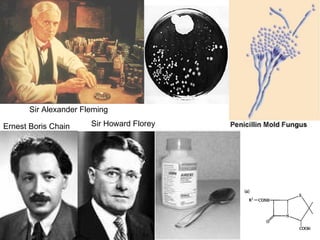
Sir Alexander Fleming Ernest Boris Chain Sir Howard Florey
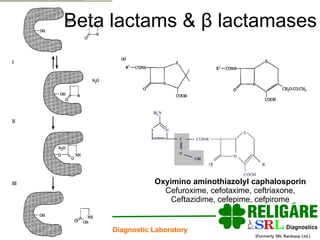
Beta lactams &  β  lactamases Oxyimino aminothiazolyl caphalosporin Cefuroxime, cefotaxime, ceftriaxone, Ceftazidime, cefepime, cefpirome
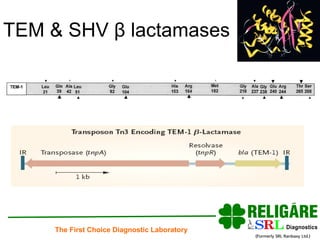
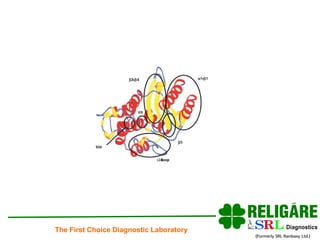
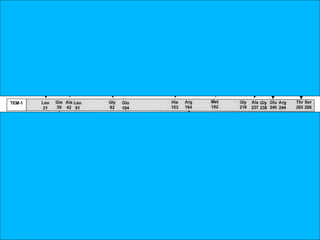
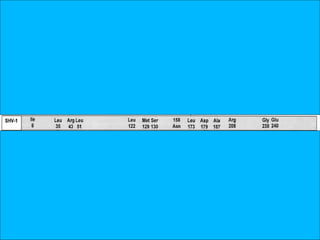
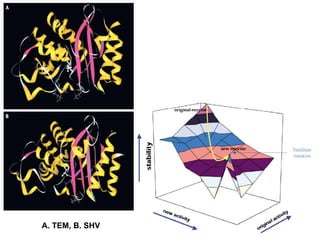
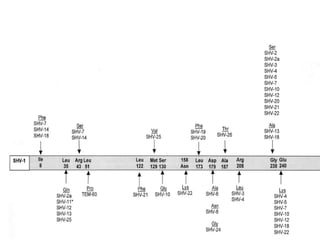
TEM & SHV  β  lactamases


ESBL An ESBL is any  β  lactamase, ordinarily acquired and not inherent to a species, that can rapidly hydrolyse or confer resistance to oxyimino cephalosporins David Liverpool 2008
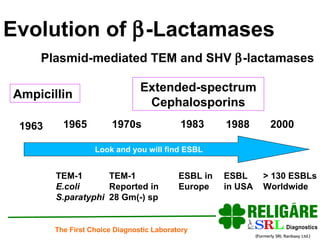
Plasmid-mediated TEM and SHV   -lactamases Ampicillin 1965 TEM-1 E.coli S.paratyphi 1970s TEM-1 Reported in  28 Gm(-) sp 1983 ESBL in  Europe 1988 ESBL  in USA 2000 > 130 ESBLs Worldwide Extended-spectrum Cephalosporins 1963 Evolution of   -Lactamases Look and you will find ESBL
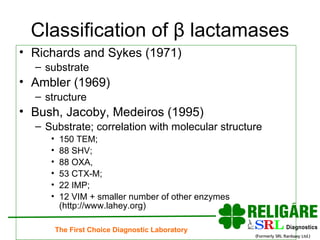
Classification of  β  lactamases Richards and Sykes (1971) substrate Ambler (1969) structure Bush, Jacoby, Medeiros (1995) Substrate; correlation with molecular structure 150 TEM;  88 SHV;  88 OXA,  53 CTX-M;  22 IMP;  12 VIM + smaller number of other enzymes (http://www.lahey.org)
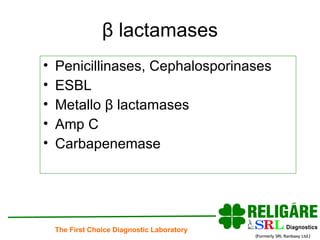
β  lactamases Penicillinases, Cephalosporinases ESBL Metallo  β  lactamases Amp C Carbapenemase
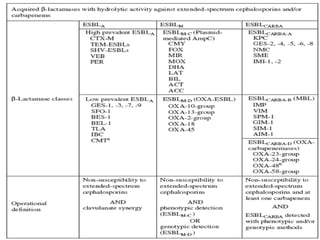
Redefining ESBL Balancing science and clinical need ESBL  A ESBL  M ESBL  M-C ESBL  M-D ESBL  CARBA
 
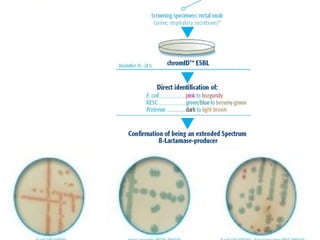
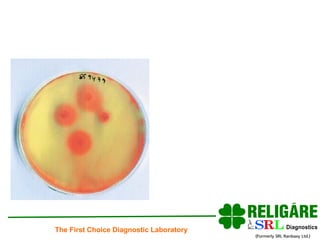
Laboratory Detection of  ESBL Phenotypic Methods Screening methods Confirmatory Methods Genotypic Methods
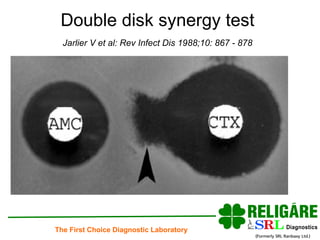
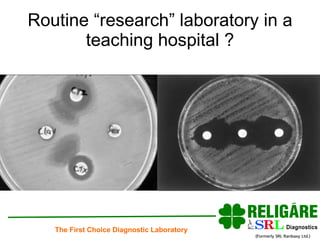
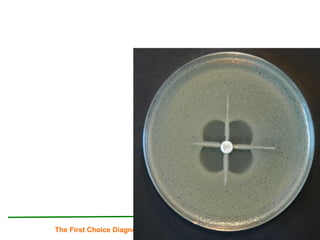
Double disk synergy test  Jarlier V et al: Rev Infect Dis 1988;10: 867 - 878
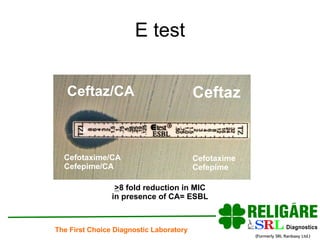
E test Ceftaz/CA Ceftaz > 8 fold reduction in MIC in presence of CA= ESBL Cefotaxime/CA Cefepime/CA Cefotaxime Cefepime
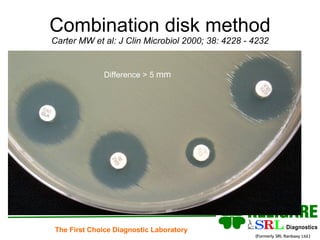
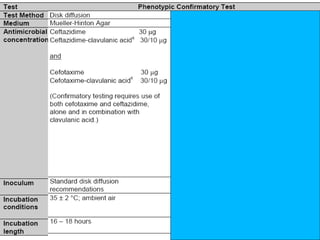
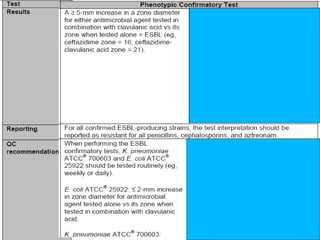
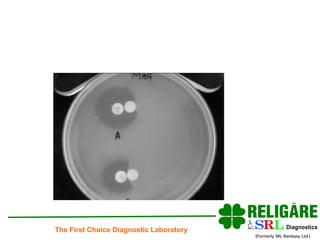
Combination disk method Carter MW et al: J Clin Microbiol 2000; 38: 4228 - 4232 Difference > 5  mm


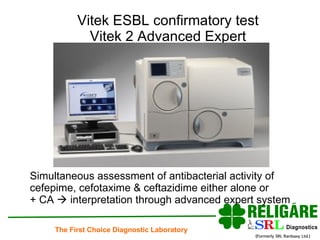
Vitek ESBL confirmatory test Vitek 2 Advanced Expert Simultaneous assessment of antibacterial activity of  cefepime, cefotaxime & ceftazidime either alone or + CA    interpretation through advanced expert system
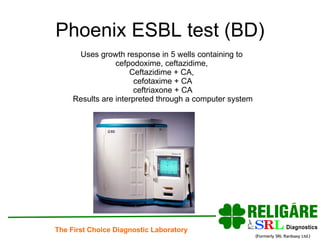
Phoenix ESBL test (BD) Uses growth response in 5 wells containing to  cefpodoxime, ceftazidime,  Ceftazidime + CA,   cefotaxime + CA ceftriaxone   + CA Results are interpreted through a computer system
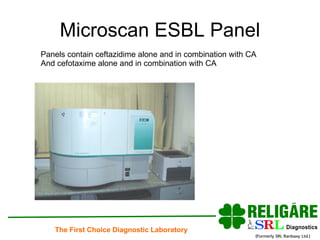
Microscan ESBL Panel Panels contain ceftazidime alone and in combination with CA And cefotaxime alone and in combination with CA
Routine “research” laboratory in a teaching hospital ?
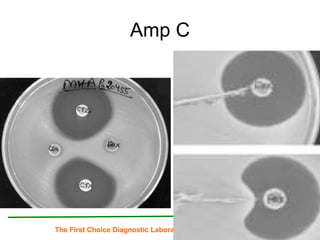
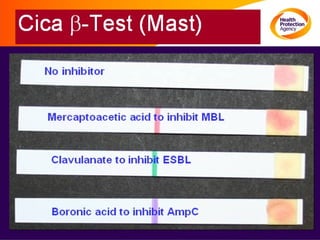
Amp C


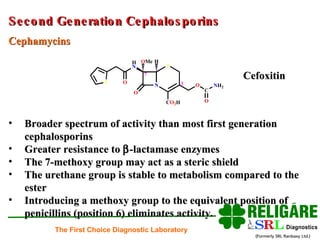
Cefoxitin Broader spectrum of activity than most first generation cephalosporins Greater resistance to   -lactamase enzymes The 7-methoxy group may act as a steric shield The urethane group is stable to metabolism compared to the ester Introducing a methoxy group to the equivalent position of penicillins (position 6) eliminates activity. Cephamycins Second Generation Cephalosporins
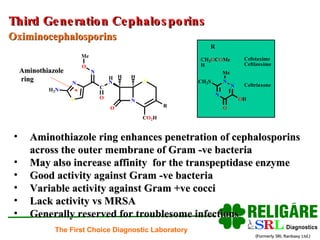
Aminothiazole ring enhances penetration of cephalosporins across the outer membrane of Gram -ve bacteria May also increase affinity  for the transpeptidase enzyme Good activity against Gram -ve bacteria Variable activity against Gram +ve cocci Lack activity vs MRSA Generally reserved for troublesome infections Third Generation Cephalosporins   Oximinocephalosporins   R Aminothiazole ring


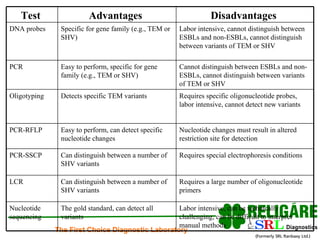
Labor intensive, can be technically challenging, can be difficult to interpret manual methods  The gold standard, can detect all variants  Nucleotide sequencing  Requires a large number of oligonucleotide primers  Can distinguish between a number of SHV variants  LCR  Requires special electrophoresis conditions  Can distinguish between a number of SHV variants  PCR-SSCP  Nucleotide changes must result in altered restriction site for detection  Easy to perform, can detect specific nucleotide changes  PCR-RFLP  Requires specific oligonucleotide probes, labor intensive, cannot detect new variants  Detects specific TEM variants  Oligotyping  Cannot distinguish between ESBLs and non-ESBLs, cannot distinguish between variants of TEM or SHV  Easy to perform, specific for gene family (e.g., TEM or SHV)  PCR  Labor intensive, cannot distinguish between ESBLs and non-ESBLs, cannot distinguish between variants of TEM or SHV  Specific for gene family (e.g., TEM or SHV)  DNA probes  Disadvantages  Advantages  Test


A. TEM, B. SHV
Clinical implications It is important to identify ESBL producing isolates ? No !  particularly if there is no indication of such organisms in the hospital in question K Bush: Eur J Clin Microbiol Infect Dis 1996, 15: 361 – 364
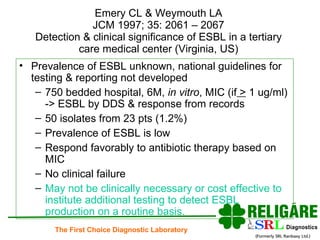
Emery CL & Weymouth LA JCM 1997; 35: 2061 – 2067 Detection & clinical significance of ESBL in a tertiary care medical center (Virginia, US) Prevalence of ESBL unknown, national guidelines for testing & reporting not developed 750 bedded hospital, 6M,  in vitro , MIC (if  >  1 ug/ml) -> ESBL by DDS & response from records 50 isolates from 23 pts (1.2%) Prevalence of ESBL is low Respond favorably to antibiotic therapy based on MIC No clinical failure May not be clinically necessary or cost effective to institute additional testing to detect ESBL production on a routine basis.
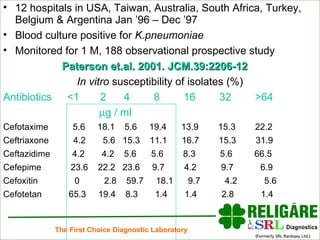
12 hospitals in USA, Taiwan, Australia, South Africa, Turkey, Belgium & Argentina Jan ’96 – Dec ’97 Blood culture positive for  K.pneumoniae Monitored for 1 M, 188 observational prospective study In vitro  susceptibility of isolates (%) Antibiotics <1  2  4  8  16  32  >64  g / ml Cefotaxime  5.6  18.1  5.6  19.4  13.9  15.3  22.2 Ceftriaxone  4.2  5.6  15.3  11.1  16.7  15.3  31.9 Ceftazidime  4.2  4.2  5.6  5.6  8.3  5.6  66.5 Cefepime  23.6  22.2  23.6  9.7  4.2  9.7  6.9 Cefoxitin  0  2.8  59.7  18.1  9.7  4.2  5.6 Cefotetan  65.3  19.4  8.3  1.4  1.4  2.8  1.4 Paterson et.al. 2001. JCM.39:2206-12
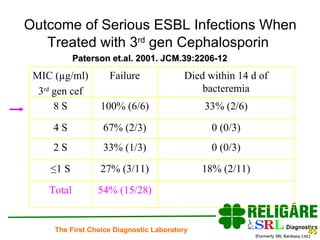
Outcome of Serious ESBL Infections When Treated with 3 rd  gen Cephalosporin   Paterson et.al. 2001. JCM.39:2206-12 54% (15/28) Total 18% (2/11) 27% (3/11) ≤ 1 S 0 (0/3) 67% (2/3) 4 S 0 (0/3) 33% (1/3) 2 S 33% (2/6) 100% (6/6) 8 S Died within 14 d of bacteremia Failure MIC ( µ g/ml) 3 rd  gen cef
 
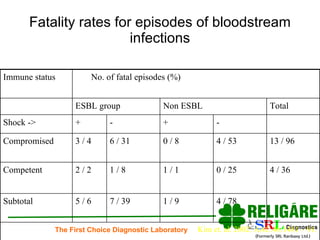
Fatality rates for episodes of bloodstream infections Kim et. al. 2002. AAC.46:1481 – 91. 4 / 78 1 / 9 7 / 39 5 / 6 Subtotal 4 / 36 0 / 25 1 / 1 1 / 8 2 / 2 Competent 13 / 96 4 / 53 0 / 8 6 / 31 3 / 4 Compromised - + - + Shock -> Total Non ESBL ESBL group No. of fatal episodes (%) Immune status
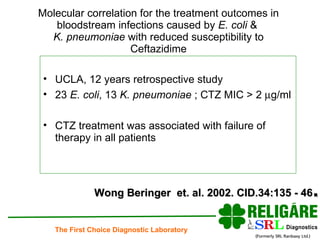
Molecular correlation for the treatment outcomes in bloodstream infections caused by  E. coli  &  K. pneumoniae  with reduced susceptibility to Ceftazidime UCLA, 12 years retrospective study 23  E. coli , 13  K. pneumoniae  ; CTZ MIC > 2   g/ml CTZ treatment was associated with failure of therapy in all patients Wong Beringer  et. al. 2002. CID.34:135 - 46 .
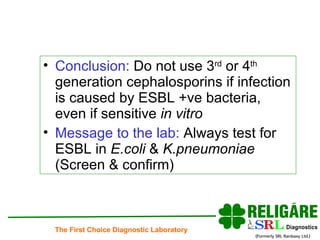
Conclusion:  Do not use 3 rd  or 4 th  generation cephalosporins if infection is caused by ESBL +ve bacteria, even if sensitive  in vitro Message to the lab:  Always test for ESBL in  E.coli  &  K.pneumoniae  (Screen & confirm)
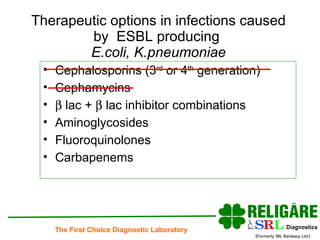
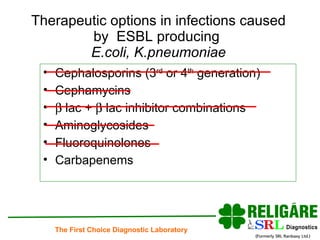
Therapeutic options in infections caused by  ESBL producing  E.coli, K.pneumoniae Cephalosporins (3 rd  or 4 th  generation) Cephamycins    lac +    lac inhibitor combinations Aminoglycosides Fluoroquinolones Carbapenems
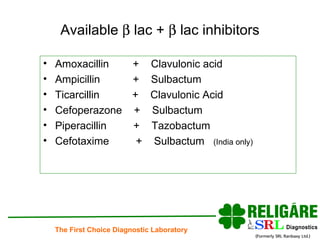
Available    lac +    lac inhibitors Amoxacillin  +  Clavulonic acid Ampicillin  +  Sulbactum Ticarcillin  +  Clavulonic Acid Cefoperazone  +  Sulbactum Piperacillin  +  Tazobactum Cefotaxime  +  Sulbactum  (India only)
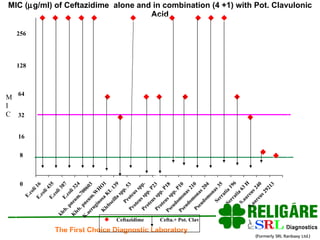
MIC (  g/ml) of Ceftazidime  alone and in combination (4 +1) with Pot. Clavulonic Acid MIC E.coli 16 E.coli 435 E.coli 387 E.coli 324 kleb. pneum.700603 Kleb. pneum.WHO1 K.aeruginosa KL 139 Klebseilla spp. 53 Proteus spp.  Proteus spp. P23 Proteus spp. P18 Proteus spp. P10 Pseudomonas 210 Pseudomonas 204 Pseudomonas 35 Serratia 196 Serratia 63 H S.aureus 240 S.aureus 29213 Ceftazidime Cefta.+ Pot. Clav 32 8 16 0 64 128 256
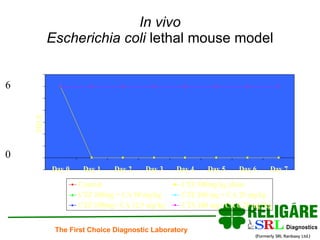
In vivo Escherichia coli  lethal mouse model 0 6
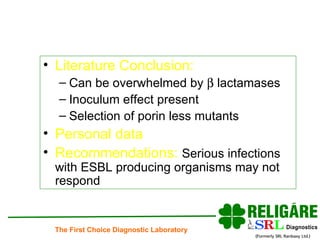
Literature Conclusion:   Can be overwhelmed by    lactamases Inoculum effect present Selection of porin less mutants Personal data Recommendations:  Serious infections with ESBL producing organisms may not respond
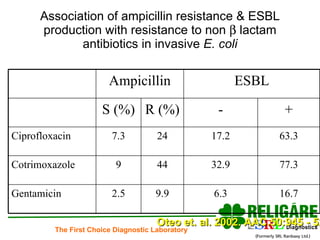
Association of ampicillin resistance & ESBL production with resistance to non    lactam antibiotics in invasive  E. coli Oteo et. al. 2002. AAC.50:945 - 52 16.7 6.3 9.9 2.5 Gentamicin 77.3 32.9 44 9 Cotrimoxazole 63.3 17.2 24 7.3 Ciprofloxacin + - R (%) S (%) ESBL Ampicillin
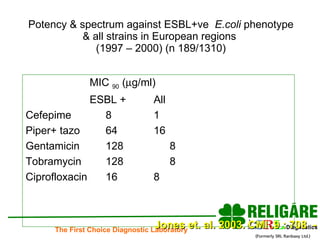
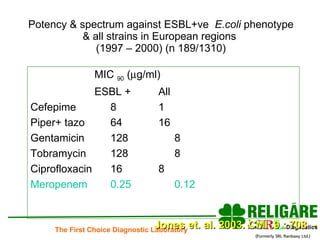
Potency & spectrum against ESBL+ve  E.coli  phenotype & all strains in European regions  (1997 – 2000) (n 189/1310) MIC  90  (  g/ml) ESBL + All Cefepime 8 1 Piper+ tazo 64 16 Gentamicin 128 8 Tobramycin 128 8 Ciprofloxacin 16 8 Jones et. al. 2003. CMI .9 : 708  - 12
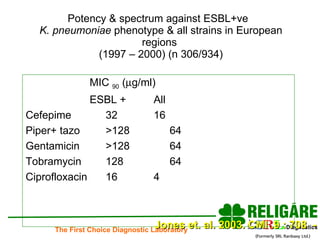
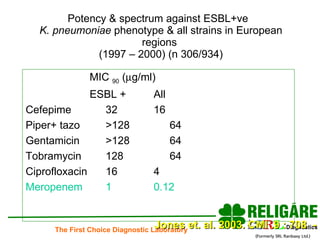
Potency & spectrum against ESBL+ve  K. pneumoniae  phenotype & all strains in European regions  (1997 – 2000) (n 306/934) MIC  90  (  g/ml) ESBL + All Cefepime 32 16 Piper+ tazo >128 64 Gentamicin >128 64 Tobramycin 128 64 Ciprofloxacin 16 4 Jones et. al. 2003. CMI .9 : 708  - 12
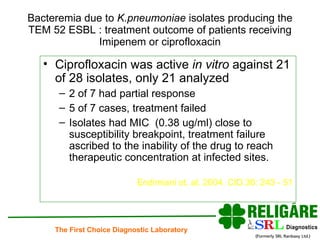
Ciprofloxacin was active  in vitro  against 21 of 28 isolates, only 21 analyzed 2 of 7 had partial response 5 of 7 cases, treatment failed Isolates had MIC  (0.38 ug/ml) close to susceptibility breakpoint, treatment failure ascribed to the inability of the drug to reach therapeutic concentration at infected sites. Endimiani et. al. 2004. CID.38: 243 - 51 Bacteremia due to  K.pneumoniae  isolates producing the TEM 52 ESBL : treatment outcome of patients receiving Imipenem or ciprofloxacin
Therapeutic options in infections caused by  ESBL producing  E.coli, K.pneumoniae Cephalosporins (3 rd  or 4 th  generation) Cephamycins    lac +    lac inhibitor combinations Aminoglycosides Fluoroquinolones Carbapenems
Potency & spectrum against ESBL+ve  E.coli  phenotype & all strains in European regions  (1997 – 2000) (n 189/1310) MIC  90  (  g/ml) ESBL + All Cefepime 8 1 Piper+ tazo 64 16 Gentamicin 128 8 Tobramycin 128 8 Ciprofloxacin 16 8 Meropenem 0.25 0.12 Jones et. al. 2003. CMI .9 : 708  - 12
Potency & spectrum against ESBL+ve  K. pneumoniae  phenotype & all strains in European regions  (1997 – 2000) (n 306/934) MIC  90  (  g/ml) ESBL + All Cefepime 32 16 Piper+ tazo >128 64 Gentamicin >128 64 Tobramycin 128 64 Ciprofloxacin 16 4 Meropenem 1 0.12 Jones et. al. 2003. CMI .9 : 708  - 12
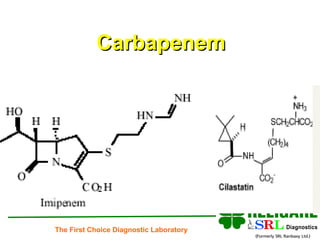
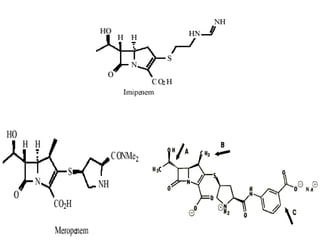
Carbapenem
 
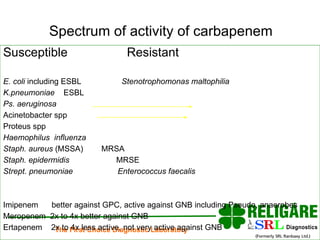
Spectrum of activity of carbapenem Susceptible   Resistant E. coli  including ESBL  Stenotrophomonas maltophilia K.pneumoniae   ESBL Ps. aeruginosa Acinetobacter spp Proteus spp Haemophilus  influenza Staph. aureus  (MSSA)  MRSA Staph. epidermidis   MRSE Strept. pneumoniae  Enterococcus faecalis Imipenem  better against GPC, active against GNB including Pseudo, anaerobes Meropenem  2x to 4x better against GNB Ertapenem  2x to 4x less active, not very active against GNB
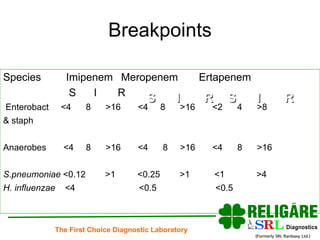
Breakpoints Species   Imipenem   Meropenem  Ertapenem S  I  R  Enterobact  <4  8  >16  <4  8  >16  <2  4  >8 & staph Anaerobes  <4  8  >16  <4  8  >16  <4  8  >16 S.pneumoniae  <0.12  >1  <0.25  >1  <1  >4 H. influenzae   <4  <0.5  <0.5 S  I  R S  I  R
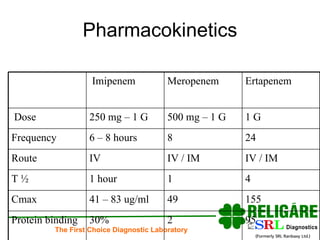
Pharmacokinetics 95 2 30% Protein binding 155 49 41 – 83 ug/ml Cmax 4 1 1 hour T ½ IV / IM IV / IM IV Route 24 8 6 – 8 hours Frequency 1 G 500 mg – 1 G 250 mg – 1 G Dose Ertapenem Meropenem Imipenem
Carbapenem in clinical practice Suitable for Initial empirical &/or definitive mono-therapy of Febrile neutropenia  ICU infections Intra abdominal infections Serious lower respiratory tract infections Pediatric meningitis
Infection control Transmitted through contact ICU is hot spot Hands of HCW, thermometer, ultrasound gel, Tag records Education  Contact precautions Transfer between wards & hospitals
Take home message Detect and report ESBL+ bacteria Use the most appropriate antibiotic Implement effective infection control measures
Thank you for your attention

ESBL: From petri dish to patient

  • 1.
    Extended Spectrum Beta Lactamases (ESBL): From Petri Dish to Patient Dr. Ashok Rattan, Super Religare Laboratories, India
  • 2.
    Sir Alexander FlemingErnest Boris Chain Sir Howard Florey
  • 3.
    Beta lactams & β lactamases Oxyimino aminothiazolyl caphalosporin Cefuroxime, cefotaxime, ceftriaxone, Ceftazidime, cefepime, cefpirome
  • 4.
    TEM & SHV β lactamases
  • 5.
  • 6.
  • 7.
  • 8.
    ESBL An ESBLis any β lactamase, ordinarily acquired and not inherent to a species, that can rapidly hydrolyse or confer resistance to oxyimino cephalosporins David Liverpool 2008
  • 9.
    Plasmid-mediated TEM andSHV  -lactamases Ampicillin 1965 TEM-1 E.coli S.paratyphi 1970s TEM-1 Reported in 28 Gm(-) sp 1983 ESBL in Europe 1988 ESBL in USA 2000 > 130 ESBLs Worldwide Extended-spectrum Cephalosporins 1963 Evolution of  -Lactamases Look and you will find ESBL
  • 10.
    Classification of β lactamases Richards and Sykes (1971) substrate Ambler (1969) structure Bush, Jacoby, Medeiros (1995) Substrate; correlation with molecular structure 150 TEM; 88 SHV; 88 OXA, 53 CTX-M; 22 IMP; 12 VIM + smaller number of other enzymes (http://www.lahey.org)
  • 11.
    β lactamasesPenicillinases, Cephalosporinases ESBL Metallo β lactamases Amp C Carbapenemase
  • 12.
    Redefining ESBL Balancingscience and clinical need ESBL A ESBL M ESBL M-C ESBL M-D ESBL CARBA
  • 13.
  • 14.
    Laboratory Detection of ESBL Phenotypic Methods Screening methods Confirmatory Methods Genotypic Methods
  • 15.
    Double disk synergytest Jarlier V et al: Rev Infect Dis 1988;10: 867 - 878
  • 16.
    E test Ceftaz/CACeftaz > 8 fold reduction in MIC in presence of CA= ESBL Cefotaxime/CA Cefepime/CA Cefotaxime Cefepime
  • 17.
    Combination disk methodCarter MW et al: J Clin Microbiol 2000; 38: 4228 - 4232 Difference > 5 mm
  • 18.
  • 19.
  • 20.
  • 21.
  • 22.
    Vitek ESBL confirmatorytest Vitek 2 Advanced Expert Simultaneous assessment of antibacterial activity of cefepime, cefotaxime & ceftazidime either alone or + CA  interpretation through advanced expert system
  • 23.
    Phoenix ESBL test(BD) Uses growth response in 5 wells containing to cefpodoxime, ceftazidime, Ceftazidime + CA, cefotaxime + CA ceftriaxone + CA Results are interpreted through a computer system
  • 24.
    Microscan ESBL PanelPanels contain ceftazidime alone and in combination with CA And cefotaxime alone and in combination with CA
  • 25.
    Routine “research” laboratoryin a teaching hospital ?
  • 26.
  • 27.
  • 28.
  • 29.
  • 30.
    Cefoxitin Broader spectrumof activity than most first generation cephalosporins Greater resistance to  -lactamase enzymes The 7-methoxy group may act as a steric shield The urethane group is stable to metabolism compared to the ester Introducing a methoxy group to the equivalent position of penicillins (position 6) eliminates activity. Cephamycins Second Generation Cephalosporins
  • 31.
    Aminothiazole ring enhancespenetration of cephalosporins across the outer membrane of Gram -ve bacteria May also increase affinity for the transpeptidase enzyme Good activity against Gram -ve bacteria Variable activity against Gram +ve cocci Lack activity vs MRSA Generally reserved for troublesome infections Third Generation Cephalosporins Oximinocephalosporins R Aminothiazole ring
  • 32.
  • 33.
  • 34.
  • 35.
    Labor intensive, canbe technically challenging, can be difficult to interpret manual methods The gold standard, can detect all variants Nucleotide sequencing Requires a large number of oligonucleotide primers Can distinguish between a number of SHV variants LCR Requires special electrophoresis conditions Can distinguish between a number of SHV variants PCR-SSCP Nucleotide changes must result in altered restriction site for detection Easy to perform, can detect specific nucleotide changes PCR-RFLP Requires specific oligonucleotide probes, labor intensive, cannot detect new variants Detects specific TEM variants Oligotyping Cannot distinguish between ESBLs and non-ESBLs, cannot distinguish between variants of TEM or SHV Easy to perform, specific for gene family (e.g., TEM or SHV) PCR Labor intensive, cannot distinguish between ESBLs and non-ESBLs, cannot distinguish between variants of TEM or SHV Specific for gene family (e.g., TEM or SHV) DNA probes Disadvantages Advantages Test
  • 36.
  • 37.
  • 38.
  • 39.
  • 40.
  • 41.
  • 42.
    Clinical implications Itis important to identify ESBL producing isolates ? No ! particularly if there is no indication of such organisms in the hospital in question K Bush: Eur J Clin Microbiol Infect Dis 1996, 15: 361 – 364
  • 43.
    Emery CL &Weymouth LA JCM 1997; 35: 2061 – 2067 Detection & clinical significance of ESBL in a tertiary care medical center (Virginia, US) Prevalence of ESBL unknown, national guidelines for testing & reporting not developed 750 bedded hospital, 6M, in vitro , MIC (if > 1 ug/ml) -> ESBL by DDS & response from records 50 isolates from 23 pts (1.2%) Prevalence of ESBL is low Respond favorably to antibiotic therapy based on MIC No clinical failure May not be clinically necessary or cost effective to institute additional testing to detect ESBL production on a routine basis.
  • 44.
    12 hospitals inUSA, Taiwan, Australia, South Africa, Turkey, Belgium & Argentina Jan ’96 – Dec ’97 Blood culture positive for K.pneumoniae Monitored for 1 M, 188 observational prospective study In vitro susceptibility of isolates (%) Antibiotics <1 2 4 8 16 32 >64  g / ml Cefotaxime 5.6 18.1 5.6 19.4 13.9 15.3 22.2 Ceftriaxone 4.2 5.6 15.3 11.1 16.7 15.3 31.9 Ceftazidime 4.2 4.2 5.6 5.6 8.3 5.6 66.5 Cefepime 23.6 22.2 23.6 9.7 4.2 9.7 6.9 Cefoxitin 0 2.8 59.7 18.1 9.7 4.2 5.6 Cefotetan 65.3 19.4 8.3 1.4 1.4 2.8 1.4 Paterson et.al. 2001. JCM.39:2206-12
  • 45.
    Outcome of SeriousESBL Infections When Treated with 3 rd gen Cephalosporin Paterson et.al. 2001. JCM.39:2206-12 54% (15/28) Total 18% (2/11) 27% (3/11) ≤ 1 S 0 (0/3) 67% (2/3) 4 S 0 (0/3) 33% (1/3) 2 S 33% (2/6) 100% (6/6) 8 S Died within 14 d of bacteremia Failure MIC ( µ g/ml) 3 rd gen cef
  • 46.
  • 47.
    Fatality rates forepisodes of bloodstream infections Kim et. al. 2002. AAC.46:1481 – 91. 4 / 78 1 / 9 7 / 39 5 / 6 Subtotal 4 / 36 0 / 25 1 / 1 1 / 8 2 / 2 Competent 13 / 96 4 / 53 0 / 8 6 / 31 3 / 4 Compromised - + - + Shock -> Total Non ESBL ESBL group No. of fatal episodes (%) Immune status
  • 48.
    Molecular correlation forthe treatment outcomes in bloodstream infections caused by E. coli & K. pneumoniae with reduced susceptibility to Ceftazidime UCLA, 12 years retrospective study 23 E. coli , 13 K. pneumoniae ; CTZ MIC > 2  g/ml CTZ treatment was associated with failure of therapy in all patients Wong Beringer et. al. 2002. CID.34:135 - 46 .
  • 49.
    Conclusion: Donot use 3 rd or 4 th generation cephalosporins if infection is caused by ESBL +ve bacteria, even if sensitive in vitro Message to the lab: Always test for ESBL in E.coli & K.pneumoniae (Screen & confirm)
  • 50.
    Therapeutic options ininfections caused by ESBL producing E.coli, K.pneumoniae Cephalosporins (3 rd or 4 th generation) Cephamycins  lac +  lac inhibitor combinations Aminoglycosides Fluoroquinolones Carbapenems
  • 51.
    Available  lac +  lac inhibitors Amoxacillin + Clavulonic acid Ampicillin + Sulbactum Ticarcillin + Clavulonic Acid Cefoperazone + Sulbactum Piperacillin + Tazobactum Cefotaxime + Sulbactum (India only)
  • 52.
    MIC ( g/ml) of Ceftazidime alone and in combination (4 +1) with Pot. Clavulonic Acid MIC E.coli 16 E.coli 435 E.coli 387 E.coli 324 kleb. pneum.700603 Kleb. pneum.WHO1 K.aeruginosa KL 139 Klebseilla spp. 53 Proteus spp. Proteus spp. P23 Proteus spp. P18 Proteus spp. P10 Pseudomonas 210 Pseudomonas 204 Pseudomonas 35 Serratia 196 Serratia 63 H S.aureus 240 S.aureus 29213 Ceftazidime Cefta.+ Pot. Clav 32 8 16 0 64 128 256
  • 53.
    In vivo Escherichiacoli lethal mouse model 0 6
  • 54.
    Literature Conclusion: Can be overwhelmed by  lactamases Inoculum effect present Selection of porin less mutants Personal data Recommendations: Serious infections with ESBL producing organisms may not respond
  • 55.
    Association of ampicillinresistance & ESBL production with resistance to non  lactam antibiotics in invasive E. coli Oteo et. al. 2002. AAC.50:945 - 52 16.7 6.3 9.9 2.5 Gentamicin 77.3 32.9 44 9 Cotrimoxazole 63.3 17.2 24 7.3 Ciprofloxacin + - R (%) S (%) ESBL Ampicillin
  • 56.
    Potency & spectrumagainst ESBL+ve E.coli phenotype & all strains in European regions (1997 – 2000) (n 189/1310) MIC 90 (  g/ml) ESBL + All Cefepime 8 1 Piper+ tazo 64 16 Gentamicin 128 8 Tobramycin 128 8 Ciprofloxacin 16 8 Jones et. al. 2003. CMI .9 : 708 - 12
  • 57.
    Potency & spectrumagainst ESBL+ve K. pneumoniae phenotype & all strains in European regions (1997 – 2000) (n 306/934) MIC 90 (  g/ml) ESBL + All Cefepime 32 16 Piper+ tazo >128 64 Gentamicin >128 64 Tobramycin 128 64 Ciprofloxacin 16 4 Jones et. al. 2003. CMI .9 : 708 - 12
  • 58.
    Ciprofloxacin was active in vitro against 21 of 28 isolates, only 21 analyzed 2 of 7 had partial response 5 of 7 cases, treatment failed Isolates had MIC (0.38 ug/ml) close to susceptibility breakpoint, treatment failure ascribed to the inability of the drug to reach therapeutic concentration at infected sites. Endimiani et. al. 2004. CID.38: 243 - 51 Bacteremia due to K.pneumoniae isolates producing the TEM 52 ESBL : treatment outcome of patients receiving Imipenem or ciprofloxacin
  • 59.
    Therapeutic options ininfections caused by ESBL producing E.coli, K.pneumoniae Cephalosporins (3 rd or 4 th generation) Cephamycins  lac +  lac inhibitor combinations Aminoglycosides Fluoroquinolones Carbapenems
  • 60.
    Potency & spectrumagainst ESBL+ve E.coli phenotype & all strains in European regions (1997 – 2000) (n 189/1310) MIC 90 (  g/ml) ESBL + All Cefepime 8 1 Piper+ tazo 64 16 Gentamicin 128 8 Tobramycin 128 8 Ciprofloxacin 16 8 Meropenem 0.25 0.12 Jones et. al. 2003. CMI .9 : 708 - 12
  • 61.
    Potency & spectrumagainst ESBL+ve K. pneumoniae phenotype & all strains in European regions (1997 – 2000) (n 306/934) MIC 90 (  g/ml) ESBL + All Cefepime 32 16 Piper+ tazo >128 64 Gentamicin >128 64 Tobramycin 128 64 Ciprofloxacin 16 4 Meropenem 1 0.12 Jones et. al. 2003. CMI .9 : 708 - 12
  • 62.
  • 63.
  • 64.
    Spectrum of activityof carbapenem Susceptible Resistant E. coli including ESBL Stenotrophomonas maltophilia K.pneumoniae ESBL Ps. aeruginosa Acinetobacter spp Proteus spp Haemophilus influenza Staph. aureus (MSSA) MRSA Staph. epidermidis MRSE Strept. pneumoniae Enterococcus faecalis Imipenem better against GPC, active against GNB including Pseudo, anaerobes Meropenem 2x to 4x better against GNB Ertapenem 2x to 4x less active, not very active against GNB
  • 65.
    Breakpoints Species Imipenem Meropenem Ertapenem S I R Enterobact <4 8 >16 <4 8 >16 <2 4 >8 & staph Anaerobes <4 8 >16 <4 8 >16 <4 8 >16 S.pneumoniae <0.12 >1 <0.25 >1 <1 >4 H. influenzae <4 <0.5 <0.5 S I R S I R
  • 66.
    Pharmacokinetics 95 230% Protein binding 155 49 41 – 83 ug/ml Cmax 4 1 1 hour T ½ IV / IM IV / IM IV Route 24 8 6 – 8 hours Frequency 1 G 500 mg – 1 G 250 mg – 1 G Dose Ertapenem Meropenem Imipenem
  • 67.
    Carbapenem in clinicalpractice Suitable for Initial empirical &/or definitive mono-therapy of Febrile neutropenia ICU infections Intra abdominal infections Serious lower respiratory tract infections Pediatric meningitis
  • 68.
    Infection control Transmittedthrough contact ICU is hot spot Hands of HCW, thermometer, ultrasound gel, Tag records Education Contact precautions Transfer between wards & hospitals
  • 69.
    Take home messageDetect and report ESBL+ bacteria Use the most appropriate antibiotic Implement effective infection control measures
  • 70.
    Thank you foryour attention