EPA Perspective on Nutrient Pollution


               Al Basile

           U.S. EPA Region 8
              Denver, CO
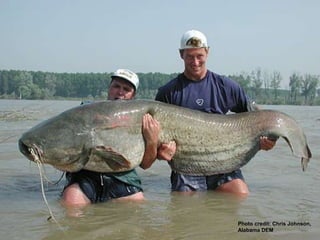
Photo credit: Chris Johnson,
Alabama DEM
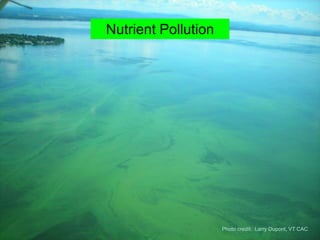
Nutrient Pollution


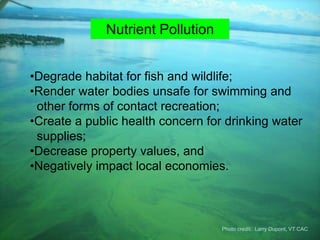
•Degrade habitat for fish and wildlife;
•Render water bodies unsafe for swimming and
 other forms of contact recreation;
•Create a public health concern for drinking water
 supplies;
•Decrease property values, and
•Negatively impact local economies.


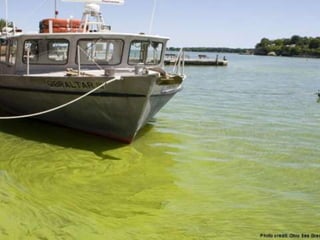
                                   Photo credit: Larry Dupont, VT CAC
Nutrient Pollution


                     Photo credit: Larry Dupont, VT CAC
National Scope of Nutrient Pollution

•   More than 45% of streams have medium to high levels
    of nutrients;
•   Approximately 4 million lake acres identified as
    threatened or impaired;
•   Approximately 78% of assessed coastal areas exhibit
    signs of eutrophication;
•   The occurrence and severity of nuisance algal blooms
    is on the rise; and
•   Algal toxins have potentially serious human health and
    ecological effects.
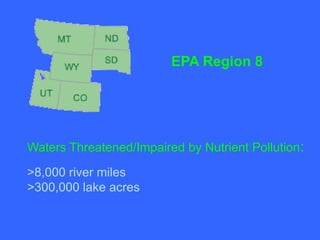
EPA Region 8


Waters Threatened/Impaired by Nutrient Pollution:

>8,000 river miles
>300,000 lake acres
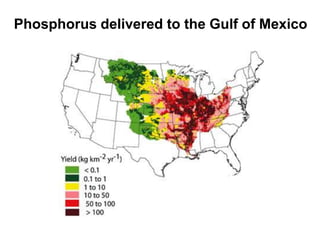
Phosphorus delivered to the Gulf of Mexico
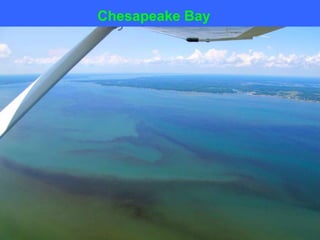
Chesapeake Bay
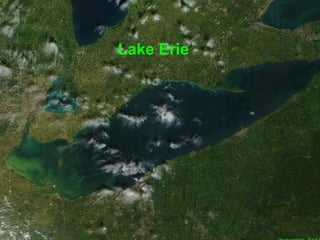
Lake Erie
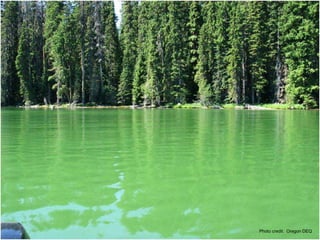
Photo credit: Oregon DEQ
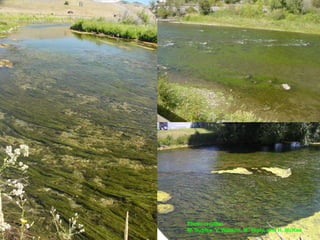
Photo credits:
M. Suplee, V. Watson, M. Teply, and H. McKee
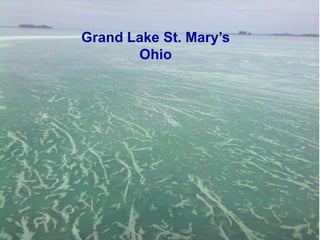
Grand Lake St. Mary’s
       Ohio
What is EPA doing to help address
 nutrient pollution?

1. Providing states with technical assistance and
   other resources to help develop water quality
   criteria for N and P;
2. Working with states to identify waters impaired
   by nutrients and developing restoration plans;
3. Awarding grants to states to address pollution
   from nonpoint sources, such as agriculture and
   storm water runoff;
What is EPA doing to help address
 nutrient pollution?

4. Administering a permit program designed to
   reduce the amount of N and P discharged to
   the environment from point sources;
5. Providing funding for the construction and
   upgrade of municipal wastewater treatment
   plants;
6. Working with states to reduce nitrogen oxide
   emissions from air sources;
What is EPA doing to help address
 nutrient pollution?

7. Conducting and supporting extensive research
   on the causes, impacts, and best approaches
   to reduce nutrient pollution; and
8. Improving collaboration with other federal
   partners (e.g., USDA) and stakeholders.
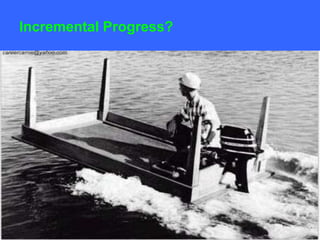
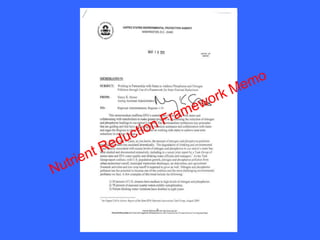
Incremental Progress?
EPA is working on the following actions
with the Agriculture Community:

-Continue to improve dialogue between EPA, states,
and the agriculture community;
-Continue to build partnerships;
-Continue to improve data utilization; and
-Collaborate with USDA and the agriculture community
to facilitate forums on best available and emerging
technologies.
Collaboration – a few examples

-National Water Quality Initiative (NWQI)
-Hypoxia Task Force
-Gulf of Mexico Initiative (GOMI)
-Mississippi River Basin Initiative (MRBI)
-Chesapeake Bay Watershed Initiative
-Conservation Effects Assessment Project (CEAP)
-EPA AgSTAR Program
-National Air Emissions Monitoring Study
-ND nutrient management plan development
We value your input!


As we continue to move forward, please let us know
what else we can do to help the agriculture industry
reduce its environmental impact?
www.epa.gov/nutrientpollution

EPA Perspective on Nutrient Pollution

  • 1.
    EPA Perspective onNutrient Pollution Al Basile U.S. EPA Region 8 Denver, CO
  • 2.
    Photo credit: ChrisJohnson, Alabama DEM
  • 3.
    Nutrient Pollution •Degrade habitatfor fish and wildlife; •Render water bodies unsafe for swimming and other forms of contact recreation; •Create a public health concern for drinking water supplies; •Decrease property values, and •Negatively impact local economies. Photo credit: Larry Dupont, VT CAC
  • 4.
    Nutrient Pollution Photo credit: Larry Dupont, VT CAC
  • 5.
    National Scope ofNutrient Pollution • More than 45% of streams have medium to high levels of nutrients; • Approximately 4 million lake acres identified as threatened or impaired; • Approximately 78% of assessed coastal areas exhibit signs of eutrophication; • The occurrence and severity of nuisance algal blooms is on the rise; and • Algal toxins have potentially serious human health and ecological effects.
  • 6.
    EPA Region 8 WatersThreatened/Impaired by Nutrient Pollution: >8,000 river miles >300,000 lake acres
  • 7.
    Phosphorus delivered tothe Gulf of Mexico
  • 8.
  • 9.
  • 11.
  • 12.
    Photo credits: M. Suplee,V. Watson, M. Teply, and H. McKee
  • 13.
    Grand Lake St.Mary’s Ohio
  • 14.
    What is EPAdoing to help address nutrient pollution? 1. Providing states with technical assistance and other resources to help develop water quality criteria for N and P; 2. Working with states to identify waters impaired by nutrients and developing restoration plans; 3. Awarding grants to states to address pollution from nonpoint sources, such as agriculture and storm water runoff;
  • 15.
    What is EPAdoing to help address nutrient pollution? 4. Administering a permit program designed to reduce the amount of N and P discharged to the environment from point sources; 5. Providing funding for the construction and upgrade of municipal wastewater treatment plants; 6. Working with states to reduce nitrogen oxide emissions from air sources;
  • 16.
    What is EPAdoing to help address nutrient pollution? 7. Conducting and supporting extensive research on the causes, impacts, and best approaches to reduce nutrient pollution; and 8. Improving collaboration with other federal partners (e.g., USDA) and stakeholders.
  • 17.
  • 19.
    EPA is workingon the following actions with the Agriculture Community: -Continue to improve dialogue between EPA, states, and the agriculture community; -Continue to build partnerships; -Continue to improve data utilization; and -Collaborate with USDA and the agriculture community to facilitate forums on best available and emerging technologies.
  • 20.
    Collaboration – afew examples -National Water Quality Initiative (NWQI) -Hypoxia Task Force -Gulf of Mexico Initiative (GOMI) -Mississippi River Basin Initiative (MRBI) -Chesapeake Bay Watershed Initiative -Conservation Effects Assessment Project (CEAP) -EPA AgSTAR Program -National Air Emissions Monitoring Study -ND nutrient management plan development
  • 21.
    We value yourinput! As we continue to move forward, please let us know what else we can do to help the agriculture industry reduce its environmental impact?
  • 22.

Editor's Notes

  • #23 We certainly can’t do this alone and appreciate any help you could provide in reducing nutrient pollution. For more information please visit EPA’s nutrient pollution website at epa.gov/nutrientpollution.Thank you very much for inviting me to speak today.