
OUTLINES
 Definition (Energy and Energy Conservation)
 Conservation Vs Efficiency
 Why energy conservation?
 How to conserve energy?
 Case-Study of a Manufacturing Industry
 Energy Conservation Management Principles
 References
What is Energy?
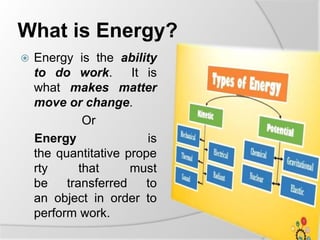
 Energy is the ability
to do work. It is
what makes matter
move or change.
Or
Energy is
the quantitative prope
rty that must
be transferred to
an object in order to
perform work.
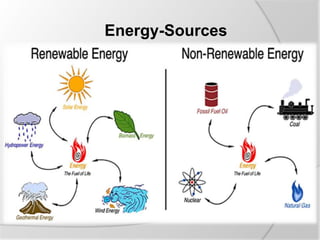
Energy-Sources
Definition of Energy
Conservation
Energy conservation is the decision and
practice of using less energy.
Or
Energy conservation is the effort made
to reduce the consumption of energy by
using less of an energy service.
Energy Conservation vs.
Energy Efficiency
 Energy conservation and efficiency may be
related, but they have distinct definitions in the
energy world.
 Energy conservation involves using less
energy by adjusting your behaviors and habits.
 Energy efficiency, on the other hand, involves
using technology that requires less energy to
perform the same function.
Why Energy
Conservation?
The two main reasons people conserve
energy are-
1. To gain more control over their energy
bill and
2. To reduce the demand on the earth’s
natural resources.
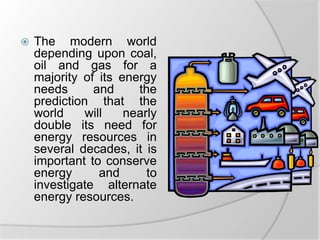
 The modern world
depending upon coal,
oil and gas for a
majority of its energy
needs and the
prediction that the
world will nearly
double its need for
energy resources in
several decades, it is
important to conserve
energy and to
investigate alternate
energy resources.
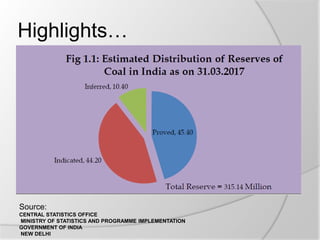
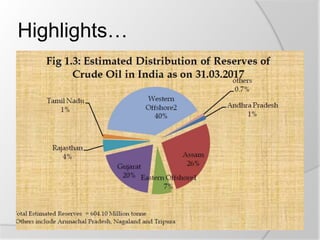
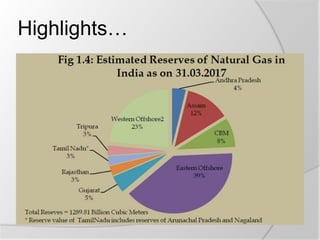
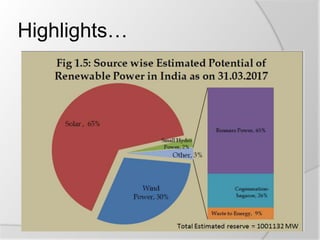
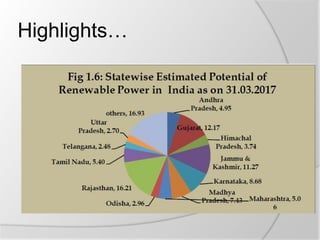
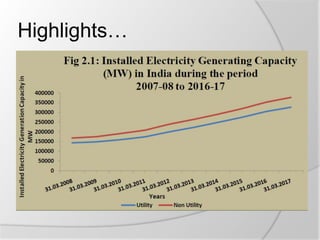
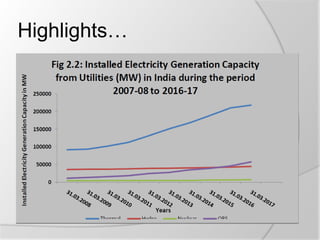
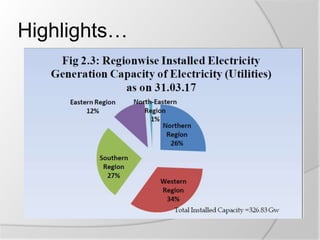
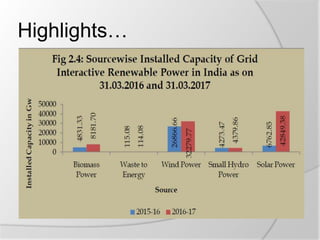
Highlights…
Source:
CENTRAL STATISTICS OFFICE
MINISTRY OF STATISTICS AND PROGRAMME IMPLEMENTATION
GOVERNMENT OF INDIA
NEW DELHI
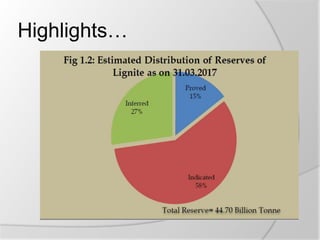
Highlights…
Highlights…
Highlights…
Highlights…
Highlights…
Highlights…
Highlights…
Highlights…
Highlights…
The highlights are enough to understand why
each and everyone should think about
energy conservation…
“More energy we waste, more the
preserved energy sources are wasted”
• “We do not inherit the
earth from our parents,
we borrow it from our
children” –
Chief Seattle
Chief Seattle(1786-1866) was a
Suquamish and Duwamish
chief.
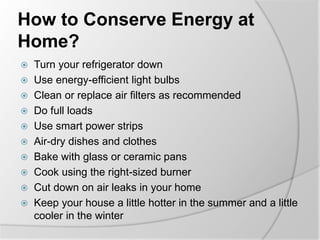
How to Conserve Energy at
Home?
 Turn your refrigerator down
 Use energy-efficient light bulbs
 Clean or replace air filters as recommended
 Do full loads
 Use smart power strips
 Air-dry dishes and clothes
 Bake with glass or ceramic pans
 Cook using the right-sized burner
 Cut down on air leaks in your home
 Keep your house a little hotter in the summer and a little
cooler in the winter
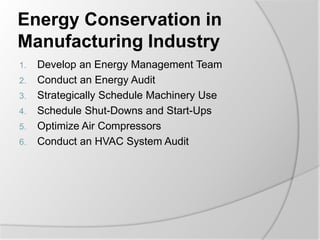
Energy Conservation in
Manufacturing Industry
1. Develop an Energy Management Team
2. Conduct an Energy Audit
3. Strategically Schedule Machinery Use
4. Schedule Shut-Downs and Start-Ups
5. Optimize Air Compressors
6. Conduct an HVAC System Audit
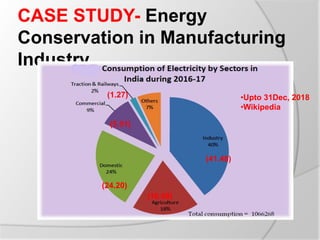
CASE STUDY- Energy
Conservation in Manufacturing
Industry
(41.48)
(18.08)
•Upto 31Dec, 2018
•Wikipedia
(5.51)
(1.27)
(24.20)
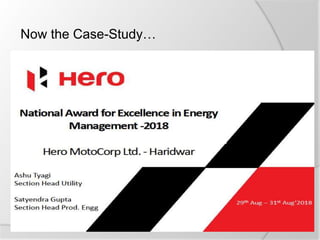
 This case-study is of Hero MotoCorp Ltd.,
Haridwar.
 They won national award for excellence in
Energy Management.
 As this case study covers both the
topics, so will be shown in the last.
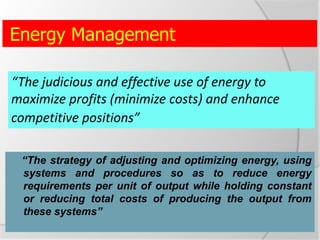
Energy Management
“The strategy of adjusting and optimizing energy, using
systems and procedures so as to reduce energy
requirements per unit of output while holding constant
or reducing total costs of producing the output from
these systems”
“The judicious and effective use of energy to
maximize profits (minimize costs) and enhance
competitive positions”
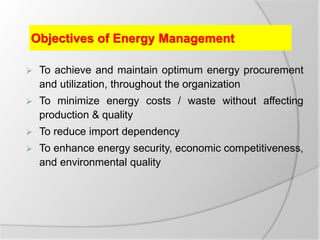
Objectives of Energy Management
 To achieve and maintain optimum energy procurement
and utilization, throughout the organization
 To minimize energy costs / waste without affecting
production & quality
 To reduce import dependency
 To enhance energy security, economic competitiveness,
and environmental quality
Standard for Energy Mgmt
 ISO 50001- the International Standard for Energy
Management Systems (EnMS)
• Reduce energy bills
• Make manufacturing more sustainable
• Promotes energy efficiency throughout the supply chain
• Helps in meeting National GHG reduction targets
• ISO 50001 is based on the Plan - Do - Check - Act (PDCA)
• ISO 50001 implementation is expected to address what the
organization does to effectively manage energy resources and
performance that is relevant to global standards.
Principles of Energy
Management
‘The basic principle of energy management is to
control the cost by reducing consumption of
energy.’
There are 7 principles of Energy Management-
1. Identifying and tracking energy use patterns
2. Controlling a system’s use than by installing more
efficient components
3. Managed and maintained facilities
4. Good maintenance practices and good energy
management
5. Replace the obsolete and old parts that consume more
energy
6. Energy Management staffing
7. Proper HVAC systems
Energy Management can be successfully done
by following methods-
 Energy Planning
 Energy Staffing
 Energy Organization
 Energy Requirement
 Energy Costing
 Energy Budgeting
 Energy Monitoring
 Energy Consciousness
Now the Case-Study…

Energy conservation

  • 2.
    OUTLINES  Definition (Energyand Energy Conservation)  Conservation Vs Efficiency  Why energy conservation?  How to conserve energy?  Case-Study of a Manufacturing Industry  Energy Conservation Management Principles  References
  • 4.
    What is Energy? Energy is the ability to do work. It is what makes matter move or change. Or Energy is the quantitative prope rty that must be transferred to an object in order to perform work.
  • 5.
  • 6.
    Definition of Energy Conservation Energyconservation is the decision and practice of using less energy. Or Energy conservation is the effort made to reduce the consumption of energy by using less of an energy service.
  • 7.
    Energy Conservation vs. EnergyEfficiency  Energy conservation and efficiency may be related, but they have distinct definitions in the energy world.  Energy conservation involves using less energy by adjusting your behaviors and habits.  Energy efficiency, on the other hand, involves using technology that requires less energy to perform the same function.
  • 8.
    Why Energy Conservation? The twomain reasons people conserve energy are- 1. To gain more control over their energy bill and 2. To reduce the demand on the earth’s natural resources.
  • 9.
     The modernworld depending upon coal, oil and gas for a majority of its energy needs and the prediction that the world will nearly double its need for energy resources in several decades, it is important to conserve energy and to investigate alternate energy resources.
  • 10.
    Highlights… Source: CENTRAL STATISTICS OFFICE MINISTRYOF STATISTICS AND PROGRAMME IMPLEMENTATION GOVERNMENT OF INDIA NEW DELHI
  • 11.
  • 12.
  • 13.
  • 14.
  • 15.
  • 16.
  • 17.
  • 18.
  • 19.
  • 20.
    The highlights areenough to understand why each and everyone should think about energy conservation… “More energy we waste, more the preserved energy sources are wasted”
  • 21.
    • “We donot inherit the earth from our parents, we borrow it from our children” – Chief Seattle Chief Seattle(1786-1866) was a Suquamish and Duwamish chief.
  • 22.
    How to ConserveEnergy at Home?  Turn your refrigerator down  Use energy-efficient light bulbs  Clean or replace air filters as recommended  Do full loads  Use smart power strips  Air-dry dishes and clothes  Bake with glass or ceramic pans  Cook using the right-sized burner  Cut down on air leaks in your home  Keep your house a little hotter in the summer and a little cooler in the winter
  • 23.
    Energy Conservation in ManufacturingIndustry 1. Develop an Energy Management Team 2. Conduct an Energy Audit 3. Strategically Schedule Machinery Use 4. Schedule Shut-Downs and Start-Ups 5. Optimize Air Compressors 6. Conduct an HVAC System Audit
  • 24.
    CASE STUDY- Energy Conservationin Manufacturing Industry (41.48) (18.08) •Upto 31Dec, 2018 •Wikipedia (5.51) (1.27) (24.20)
  • 25.
     This case-studyis of Hero MotoCorp Ltd., Haridwar.  They won national award for excellence in Energy Management.  As this case study covers both the topics, so will be shown in the last.
  • 27.
    Energy Management “The strategyof adjusting and optimizing energy, using systems and procedures so as to reduce energy requirements per unit of output while holding constant or reducing total costs of producing the output from these systems” “The judicious and effective use of energy to maximize profits (minimize costs) and enhance competitive positions”
  • 28.
    Objectives of EnergyManagement  To achieve and maintain optimum energy procurement and utilization, throughout the organization  To minimize energy costs / waste without affecting production & quality  To reduce import dependency  To enhance energy security, economic competitiveness, and environmental quality
  • 29.
    Standard for EnergyMgmt  ISO 50001- the International Standard for Energy Management Systems (EnMS) • Reduce energy bills • Make manufacturing more sustainable • Promotes energy efficiency throughout the supply chain • Helps in meeting National GHG reduction targets • ISO 50001 is based on the Plan - Do - Check - Act (PDCA) • ISO 50001 implementation is expected to address what the organization does to effectively manage energy resources and performance that is relevant to global standards.
  • 30.
    Principles of Energy Management ‘Thebasic principle of energy management is to control the cost by reducing consumption of energy.’ There are 7 principles of Energy Management- 1. Identifying and tracking energy use patterns 2. Controlling a system’s use than by installing more efficient components 3. Managed and maintained facilities 4. Good maintenance practices and good energy management 5. Replace the obsolete and old parts that consume more energy 6. Energy Management staffing 7. Proper HVAC systems
  • 31.
    Energy Management canbe successfully done by following methods-  Energy Planning  Energy Staffing  Energy Organization  Energy Requirement  Energy Costing  Energy Budgeting  Energy Monitoring  Energy Consciousness
  • 32.