Elements:
 The Elements and Principles are essential to understanding,
interpreting and talking about art.
As you read the following definitions and view examples of how
they are used in art work, follow along on your scanning sheet
to see how each of the Elements and Principles contribute to a
work of Art.
The Elements of Design are the building blocks of art. Artists
use the elements to express their ideas, just as a writer words
to express ideas. uses. The Elements of Design are
sometimes called Sensory Properties because the viewer can
see and touch them with their senses. You will be using these
Elements in your first scanning sheet page.
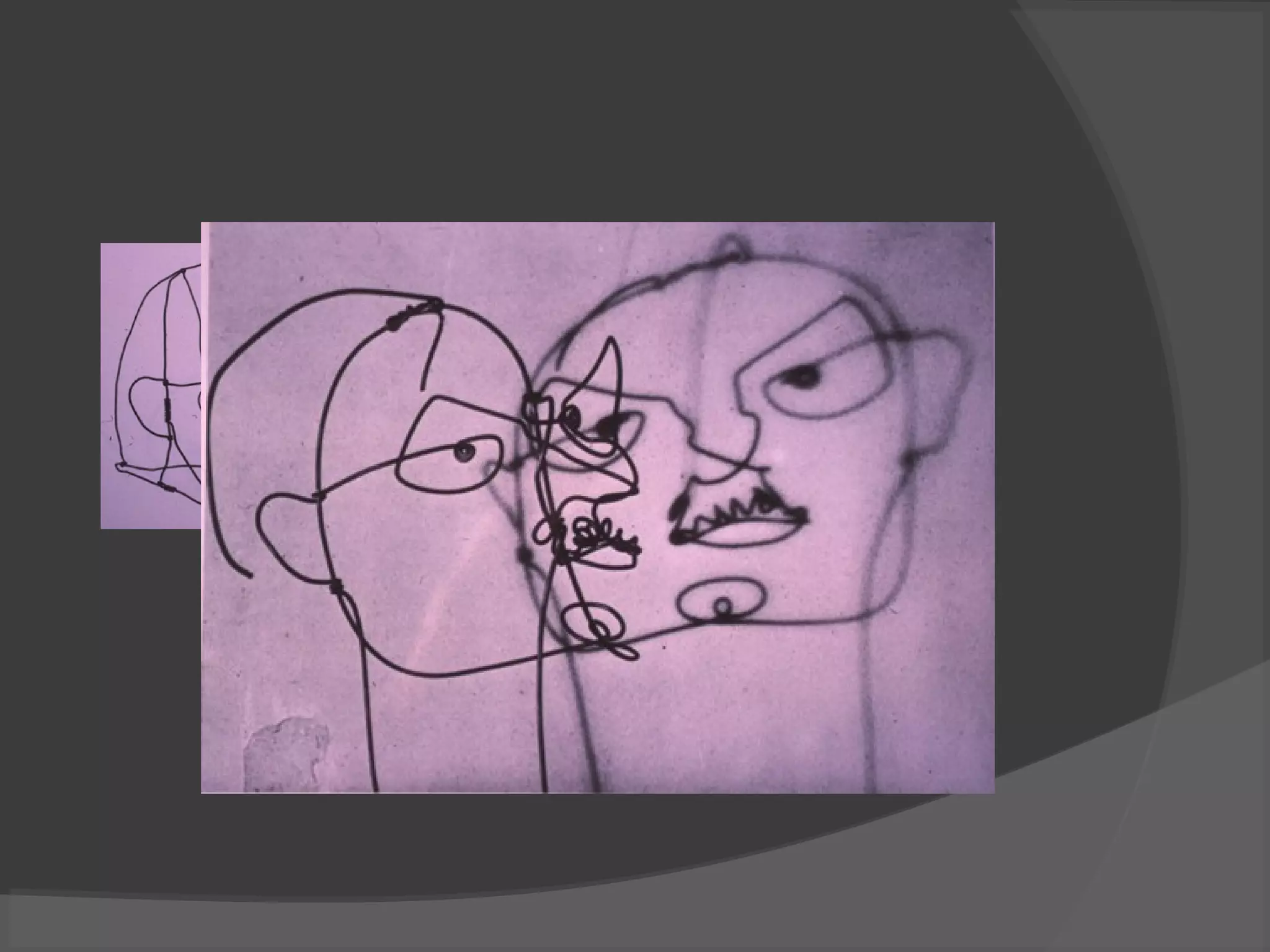
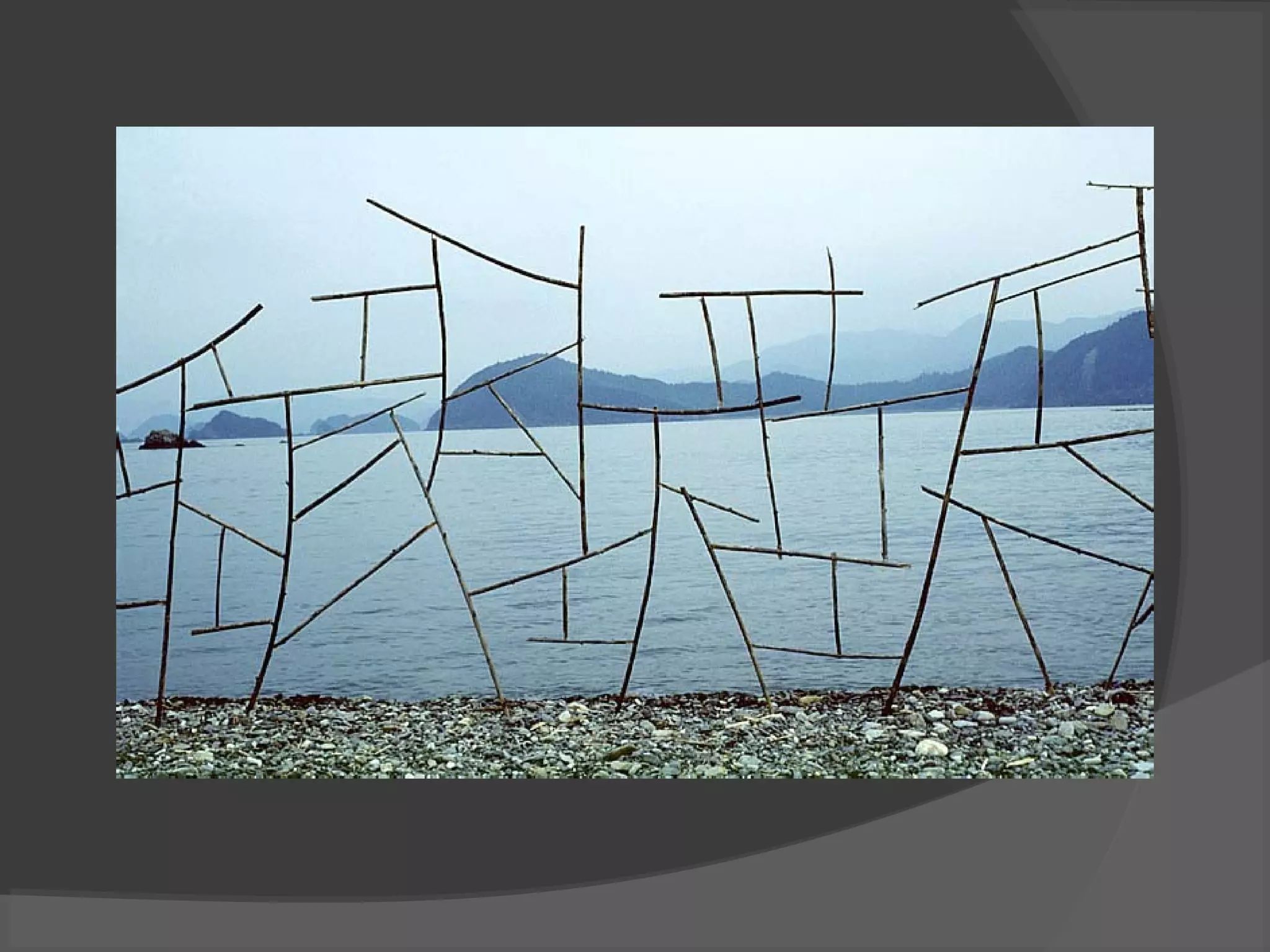
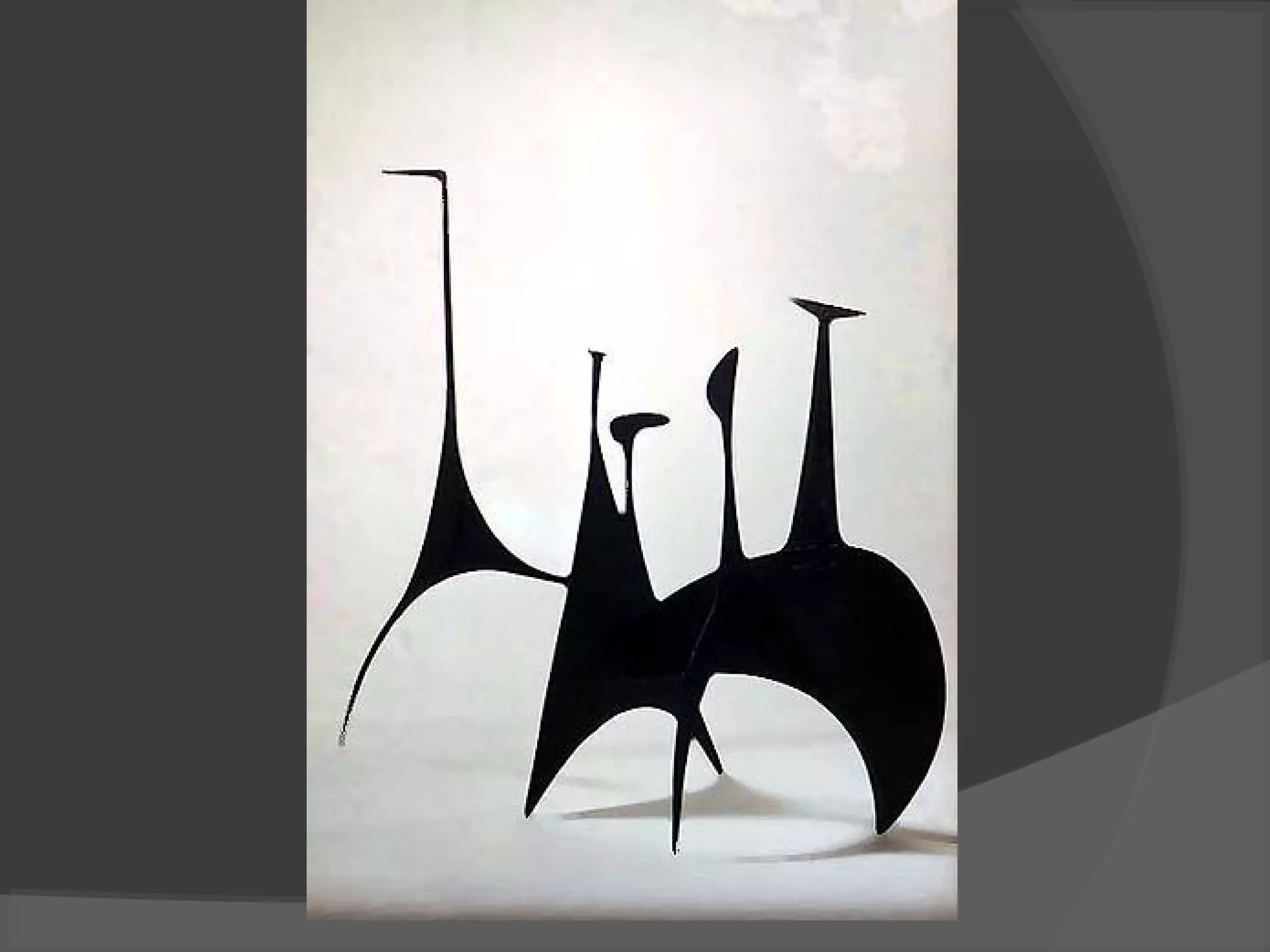
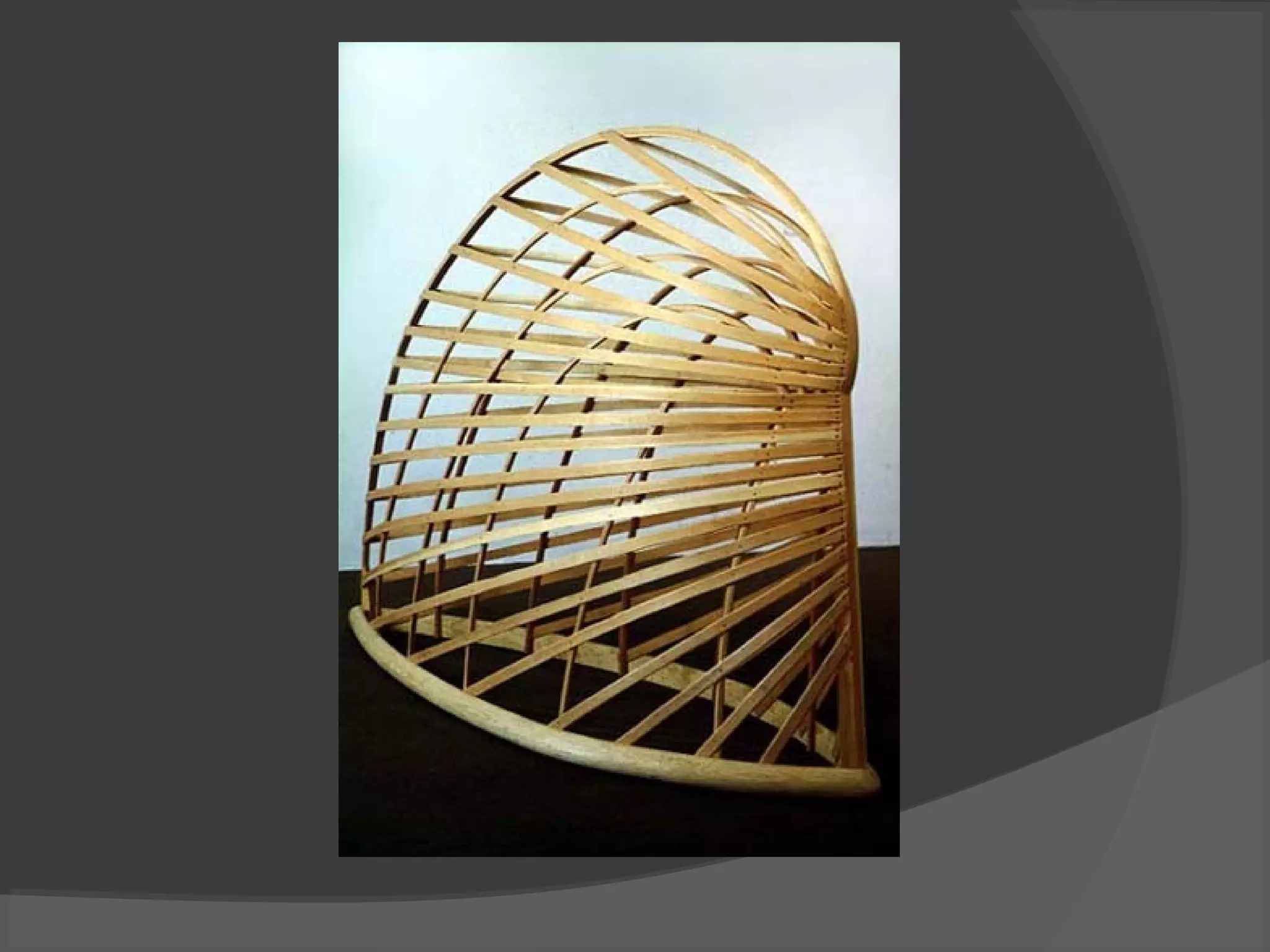
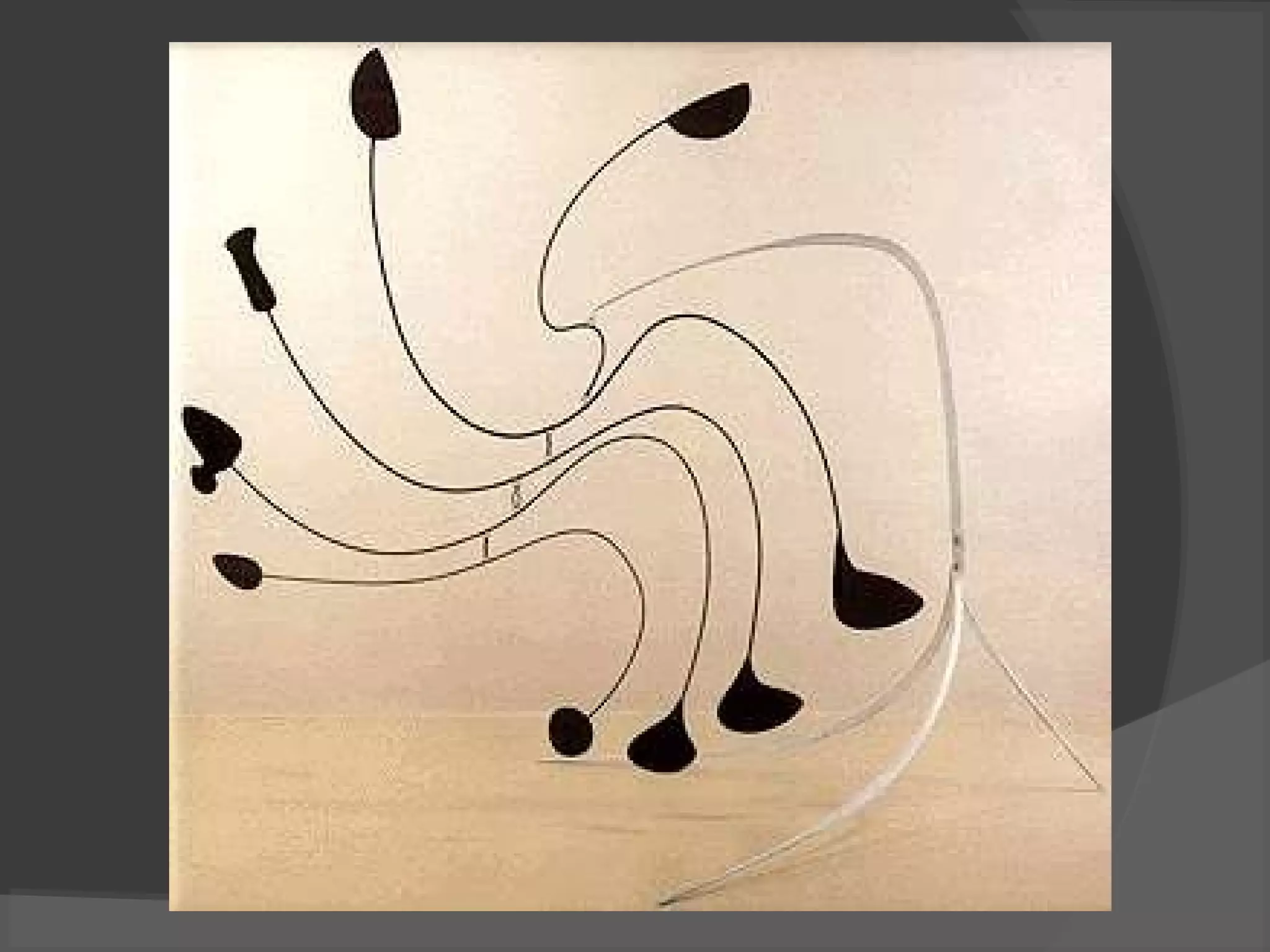
Line
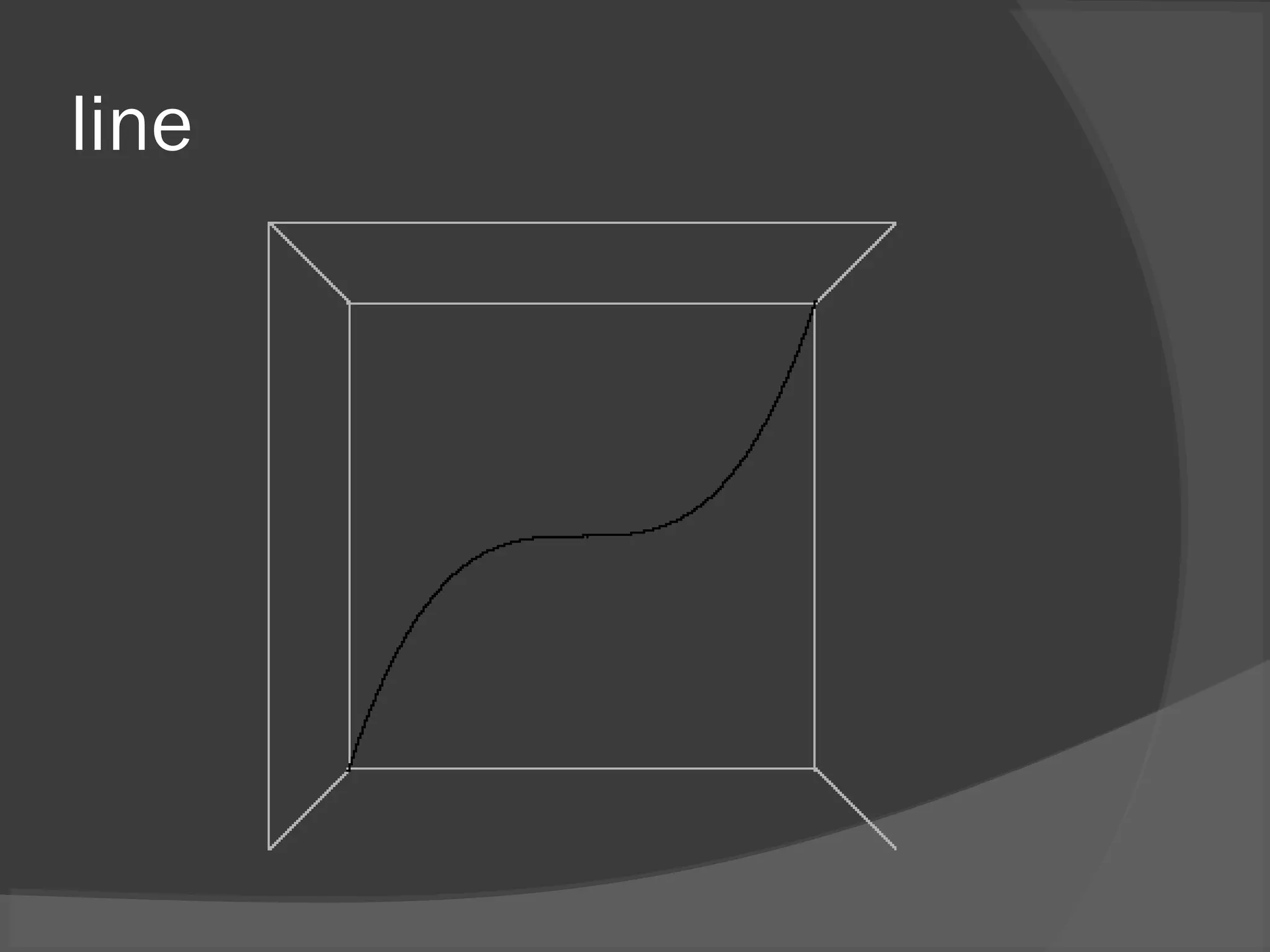
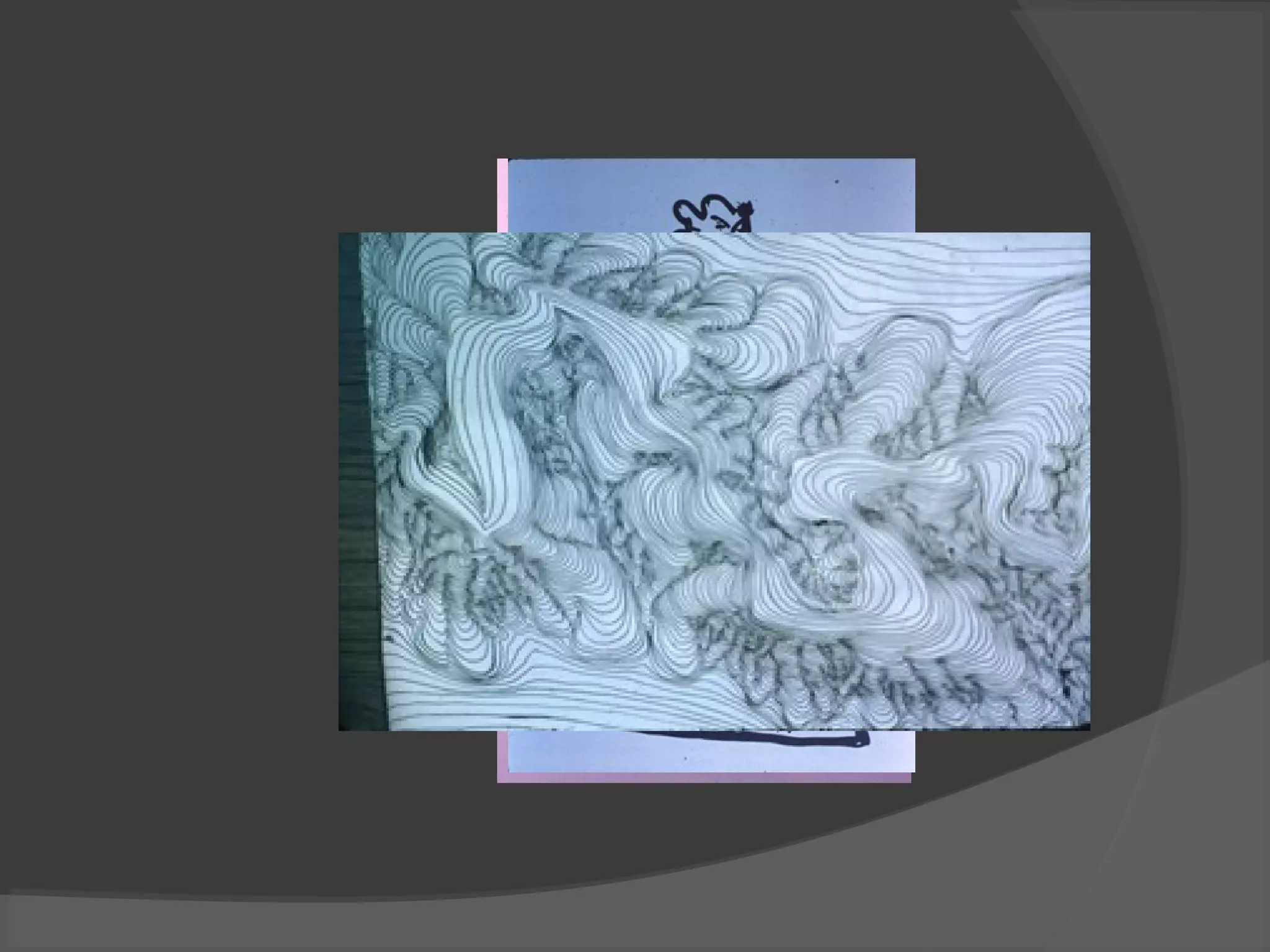
 a mark, or stroke that is longer then it is wide. It is the path of a
point moving in space. Objects and things are perceived by the
line that describes them.
Characteristics of line include:
 Width - thick, thin, tapering, uneven
 Length - long, short, continuous, broken
 Direction - horizontal, vertical, diagonal, curving, perpendicular,
oblique, parallel, radial, zig-zag
 Focus - sharp, blurry, fuzzy, choppy
 Feeling - sharp, jagged, graceful, smooth
 Direction - horizontal, vertical, diagonal, curving, perpendicular,
oblique, parallel, radial, zig-zag
 Focus - sharp, blurry, fuzzy, choppy
 Feeling - sharp, jagged, graceful, smooth ...
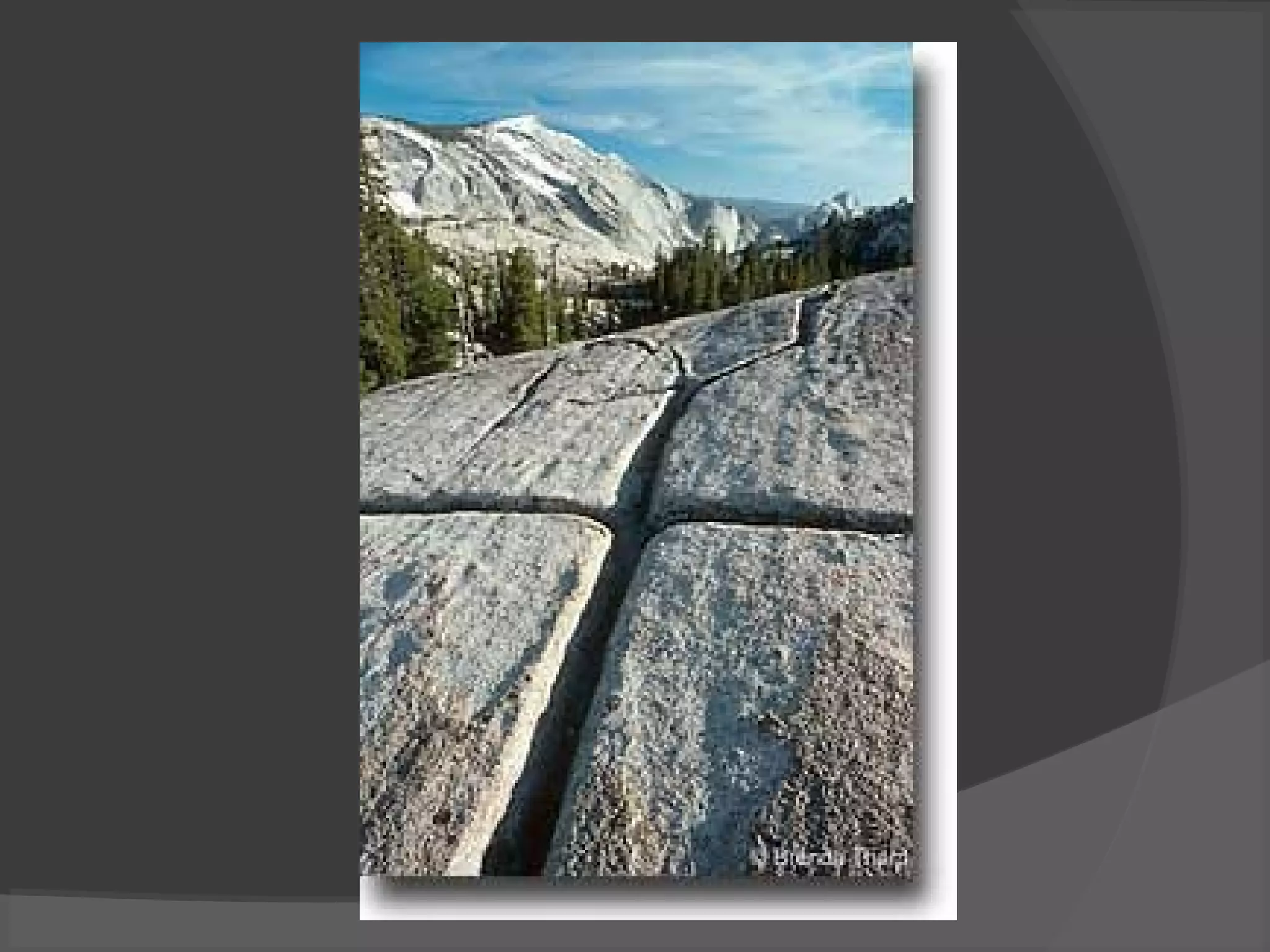
line
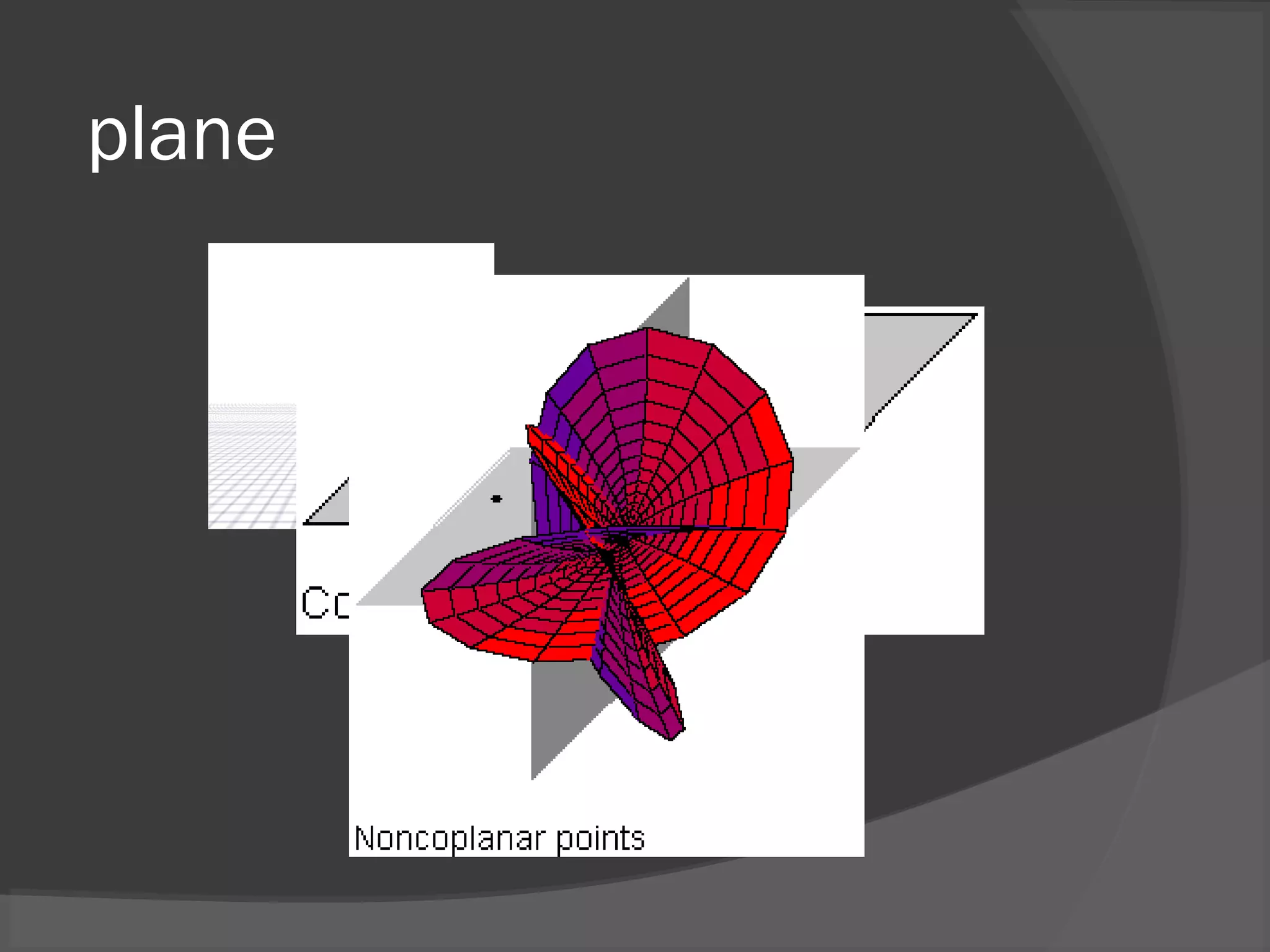
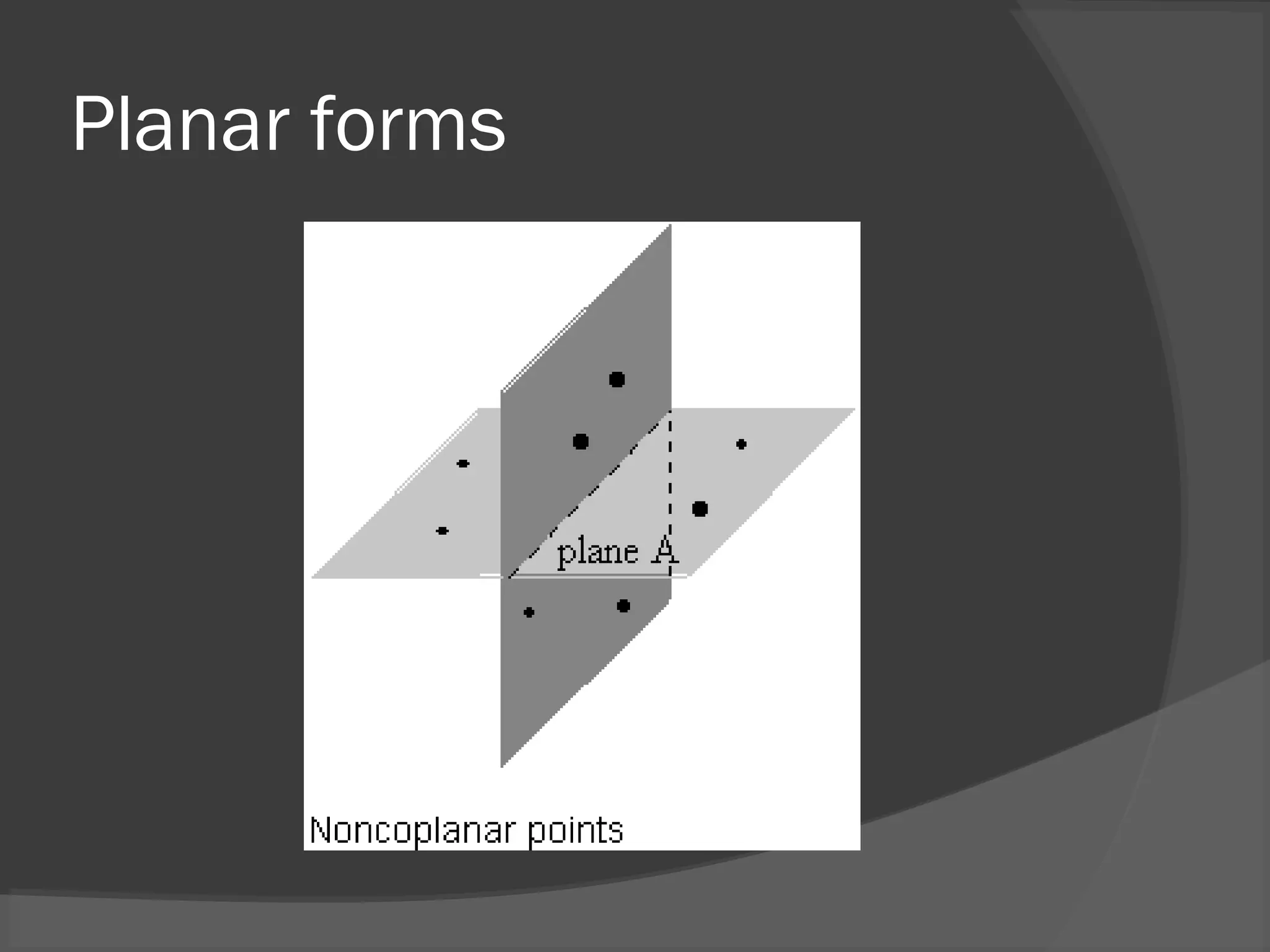
plane
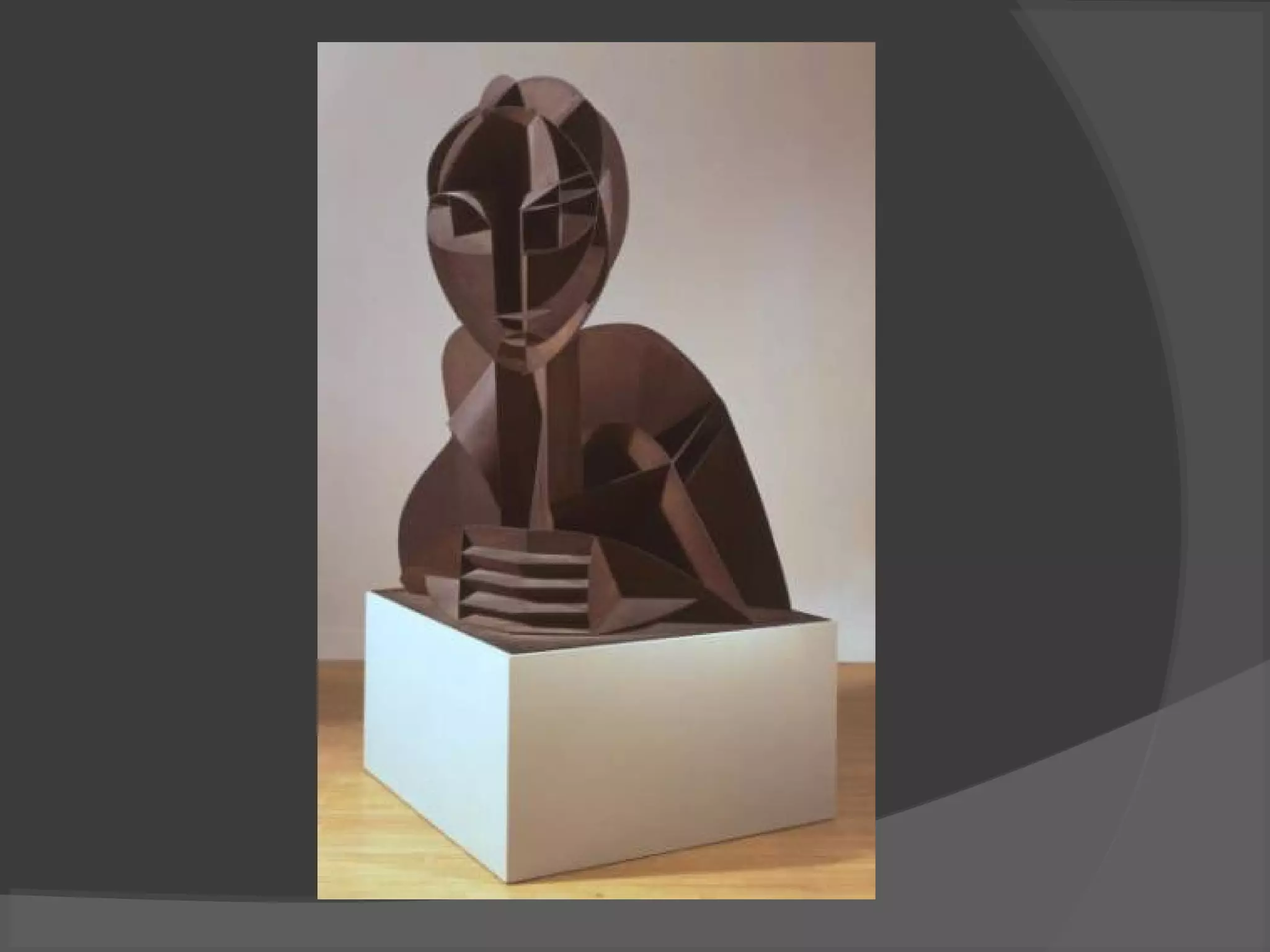
Shape/Form
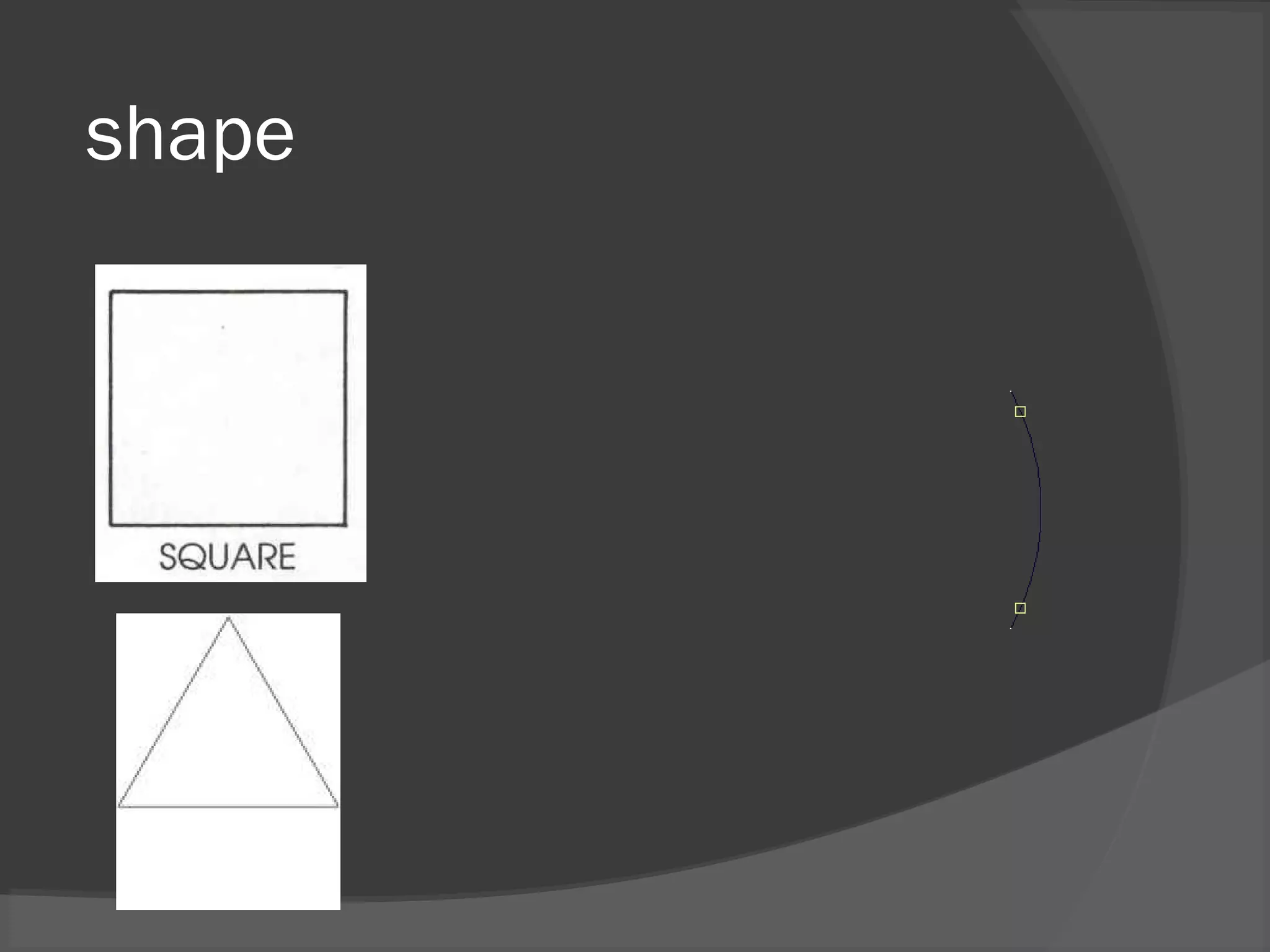
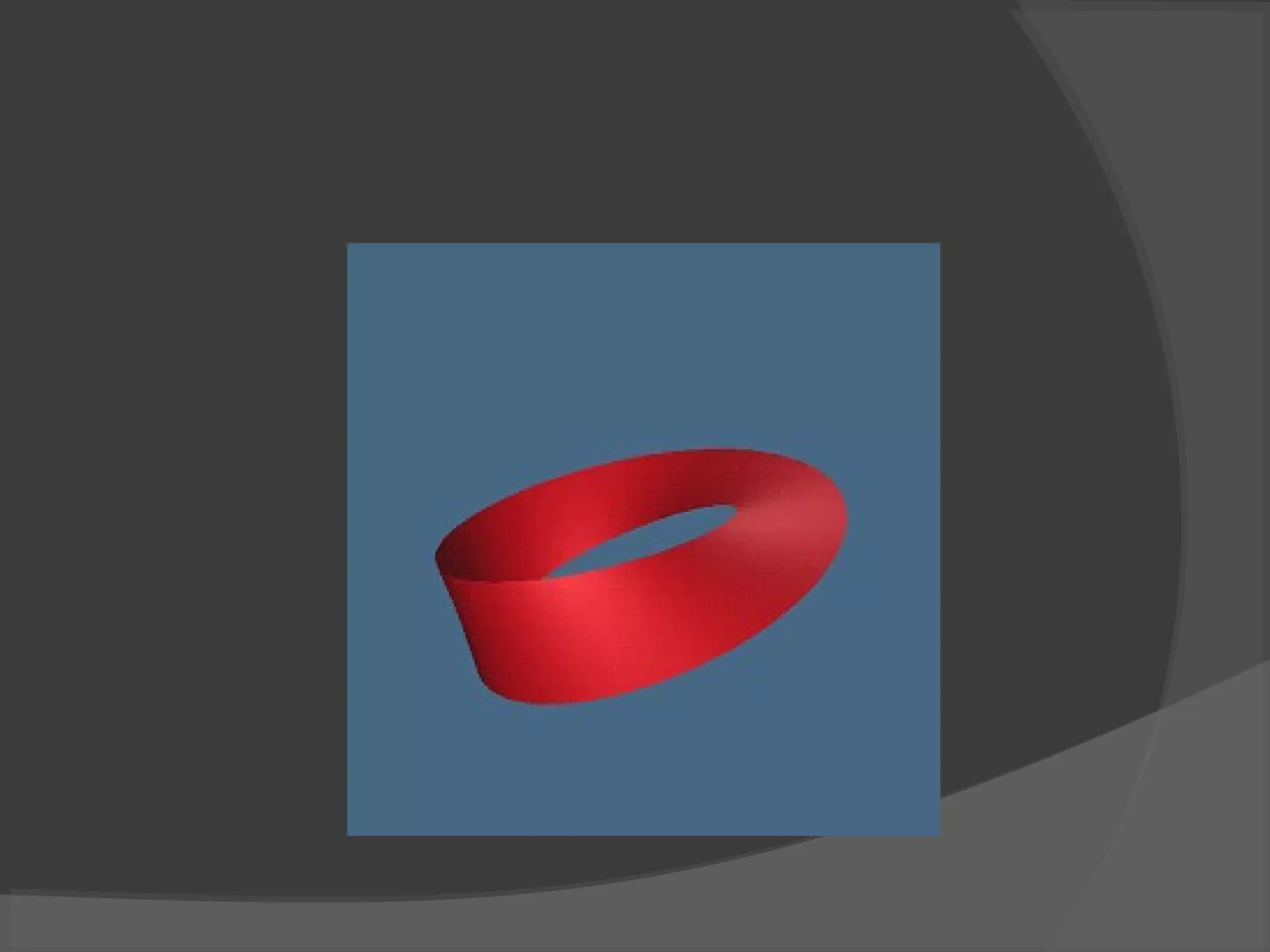
 Shape is the external outline of an object. It is two-dimensional.
Form is a shape that is three-dimensional.
Various types and characteristics of shape include:
 Organic - natural, living form.
 Inorganic or geometric - man-made, non-living forms.
 Open-forms - forms that can be looked into.
 Closed-forms - self-contained.
 Geometric Shape - circle, square, rectangle, triangle,
pentagon, octagon, other polygons.
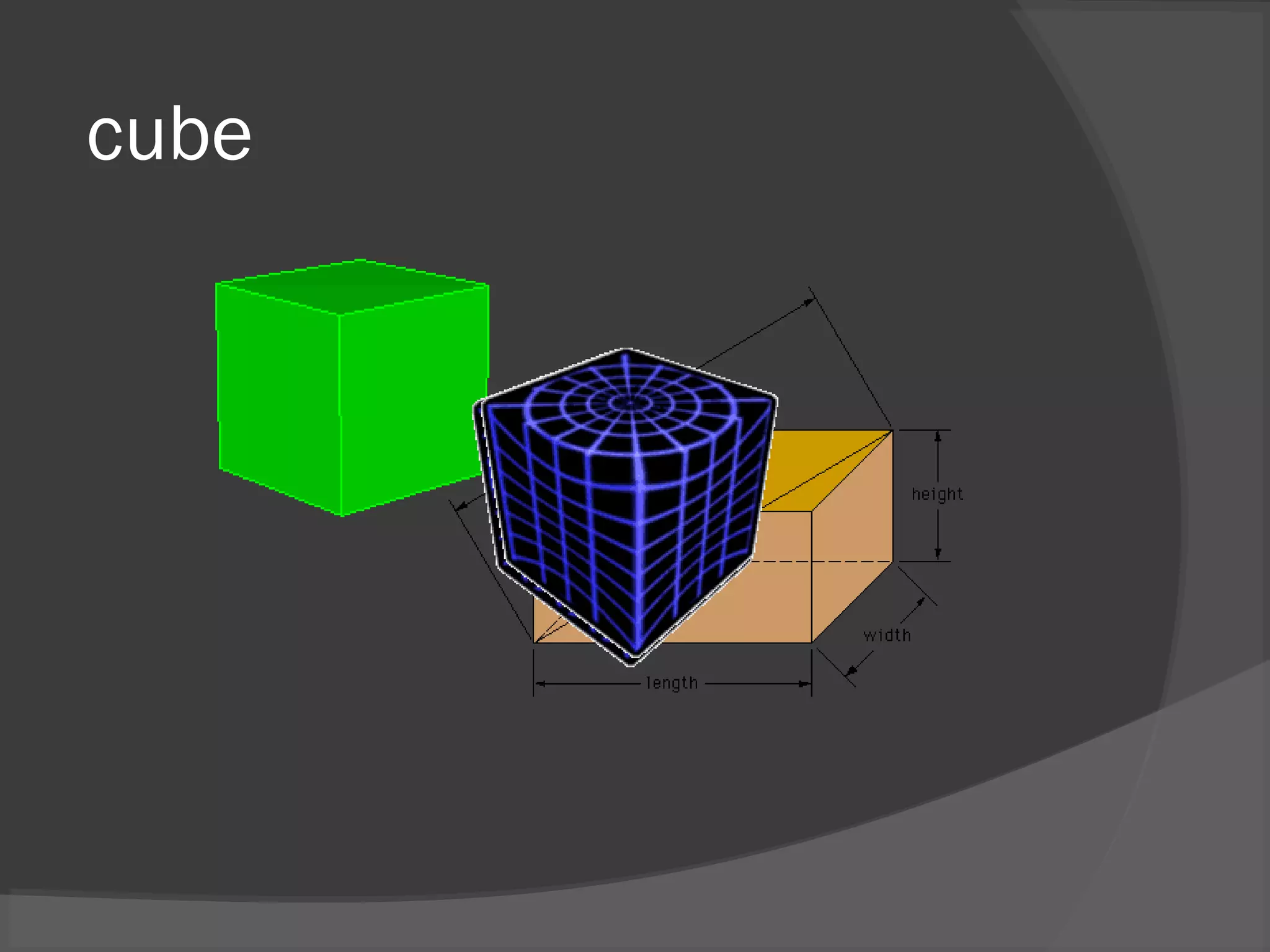
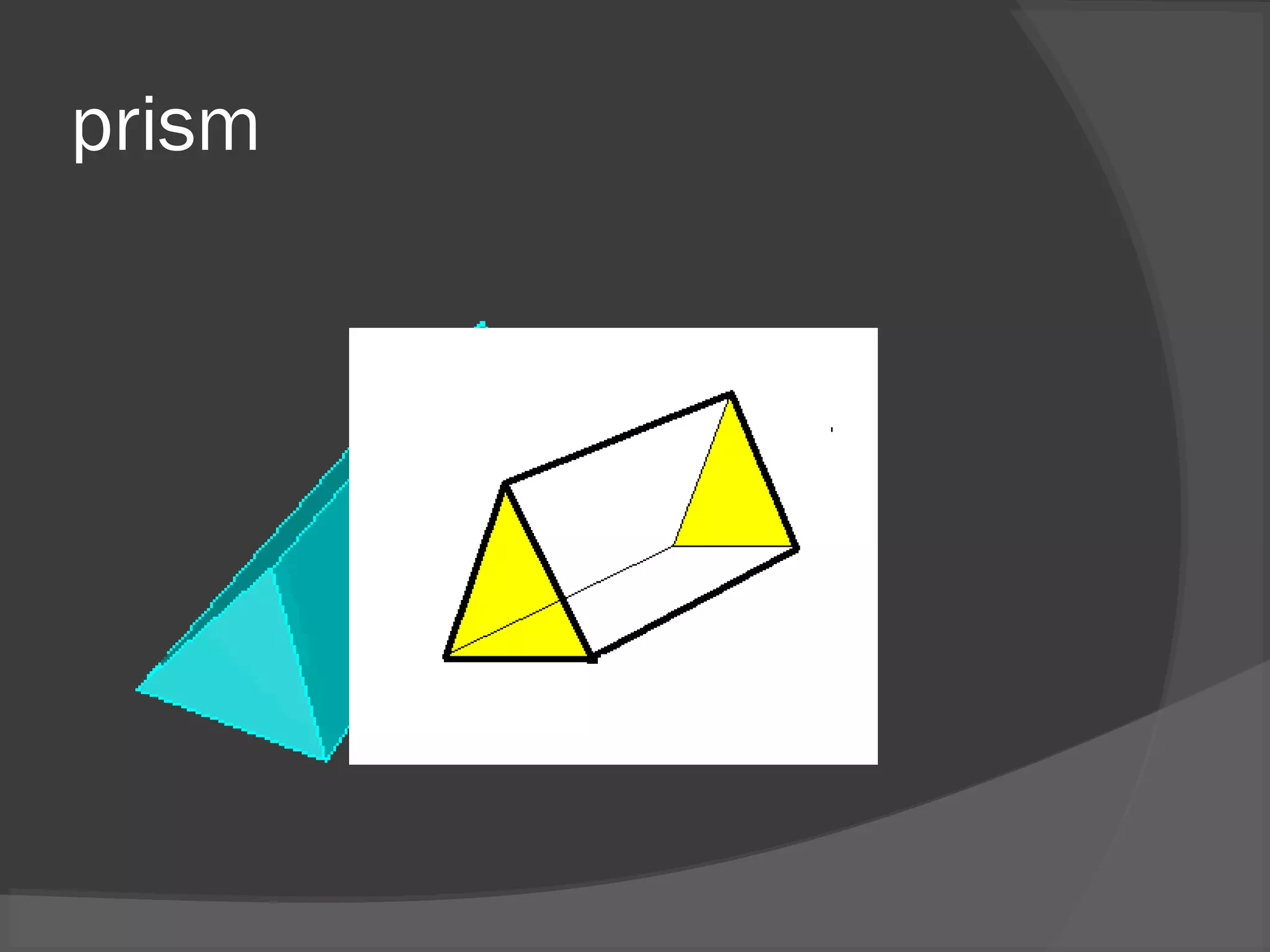
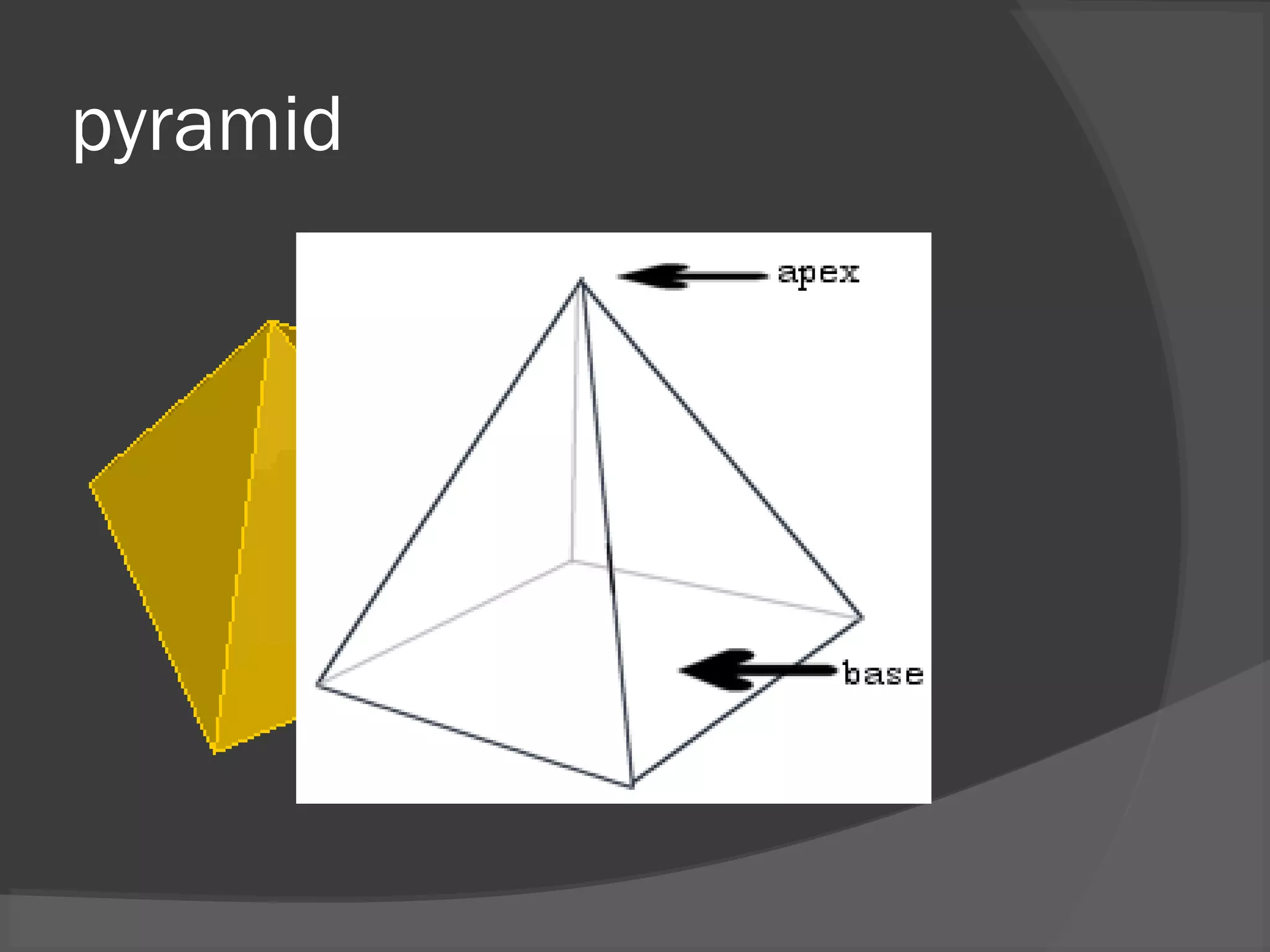
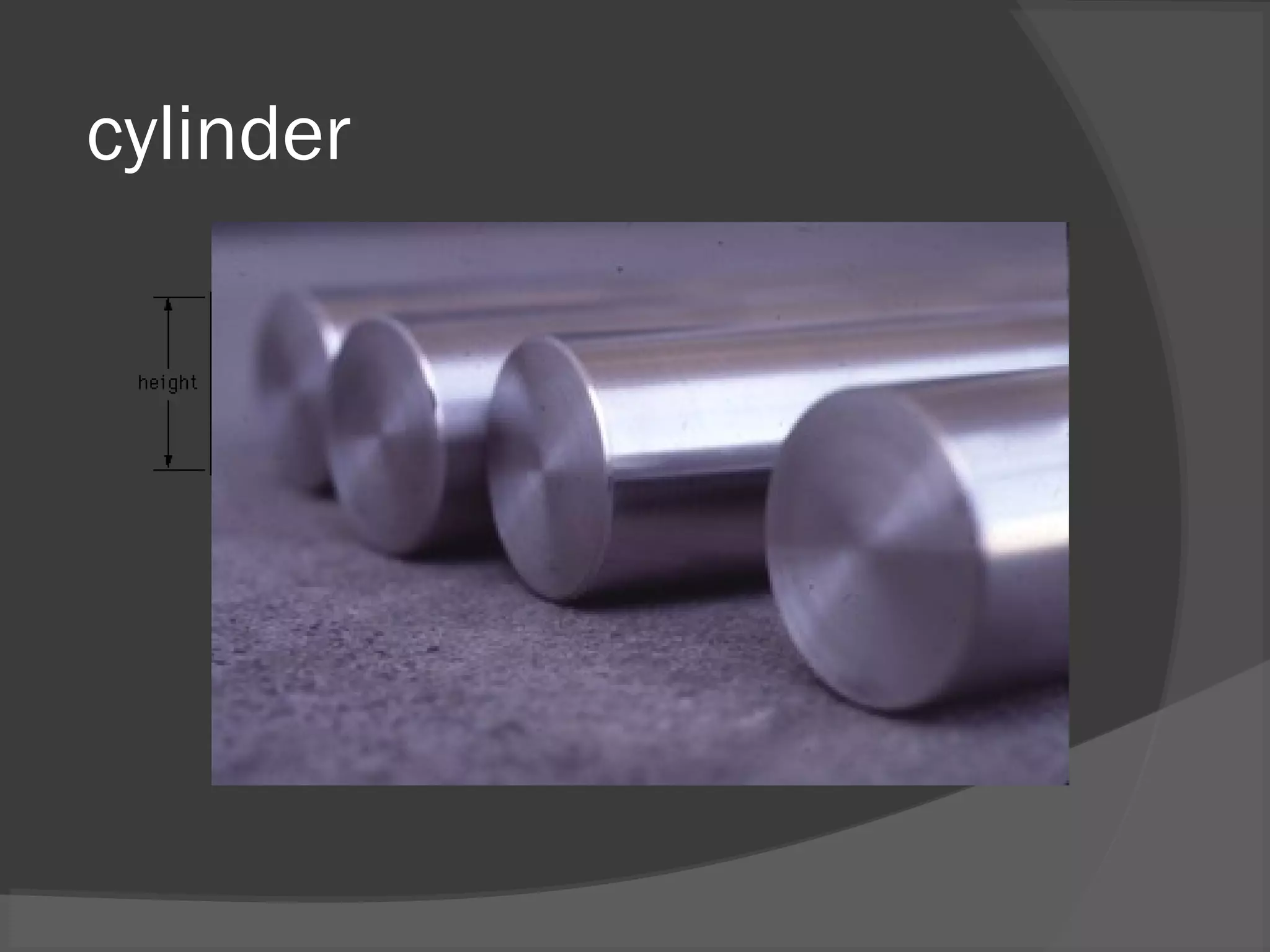
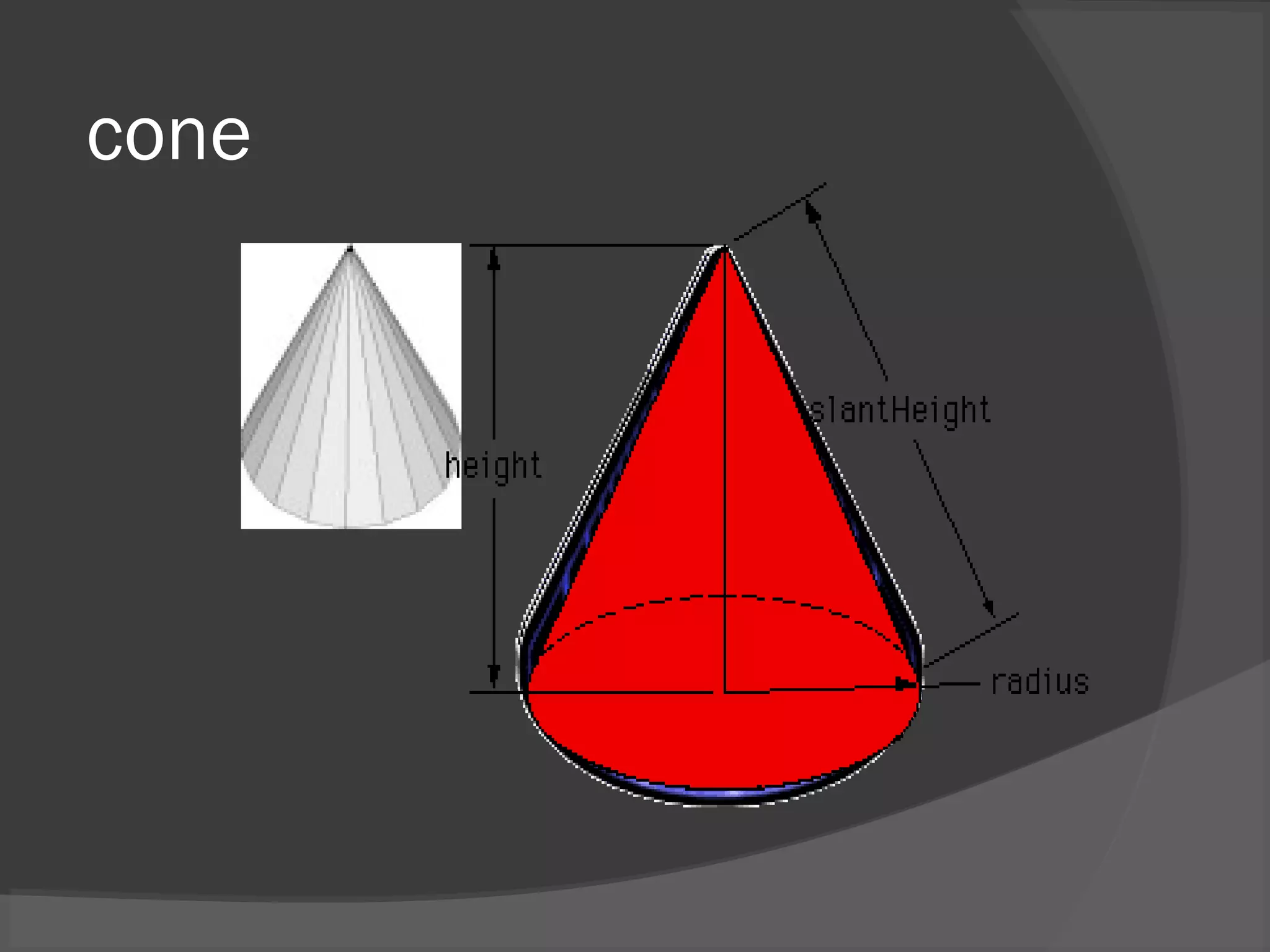
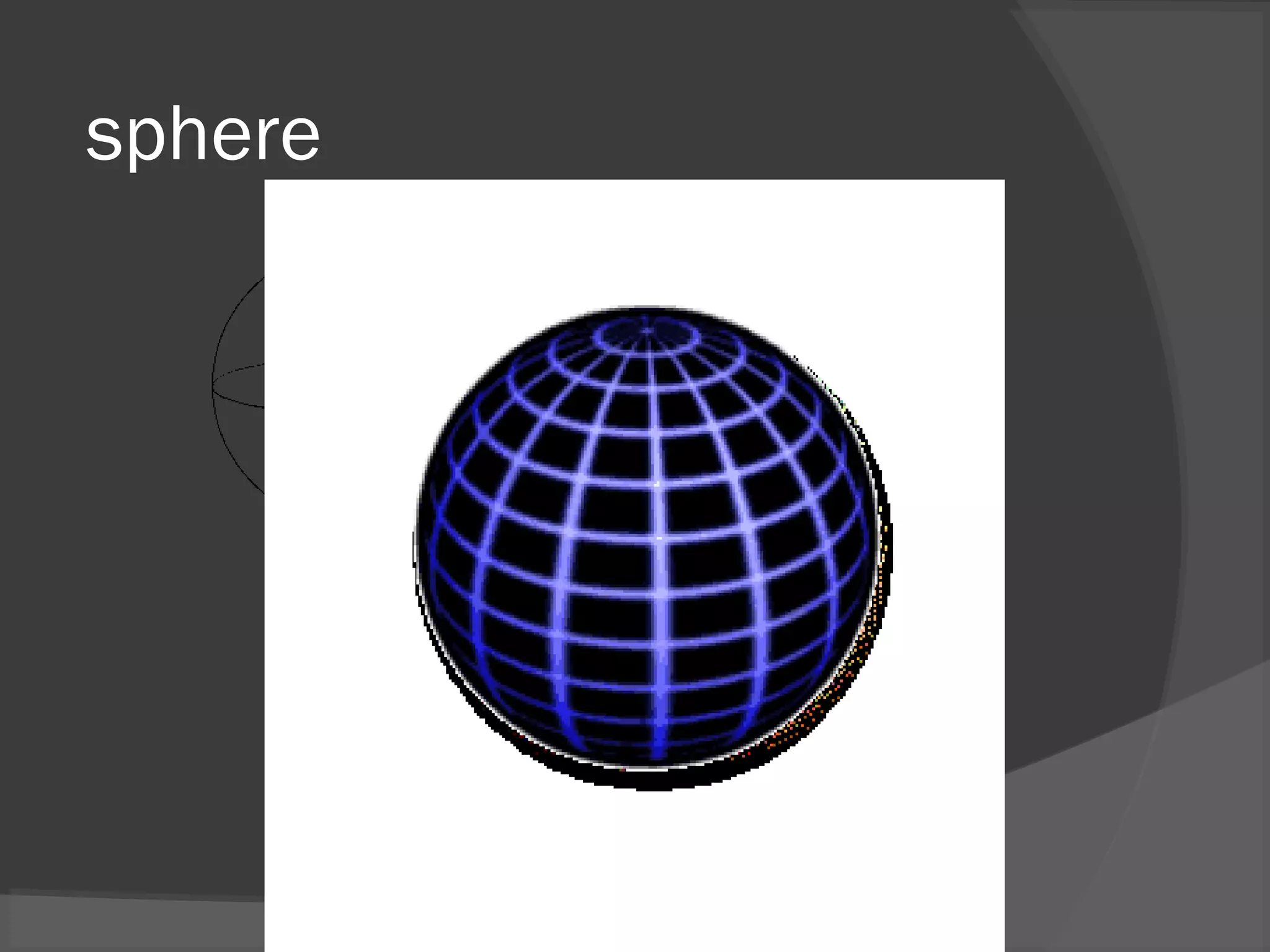
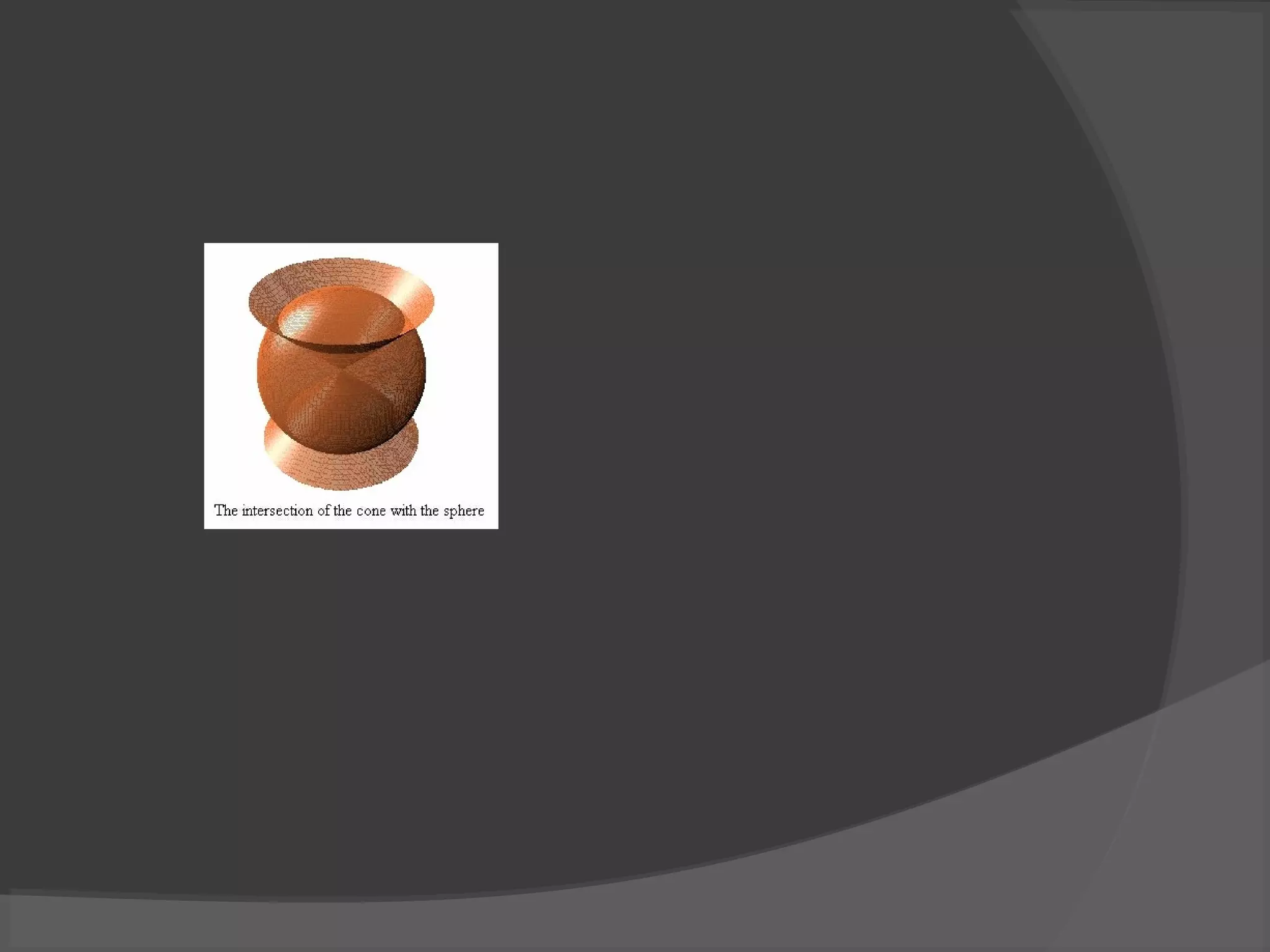
 Geometric Form - sphere, cube, pyramid, cone, cylinder.
 Free-Form - any non-geometric shape: irregular, amorphic
shape
Planar forms
cube
prism
pyramid
cylinder
cone
sphere
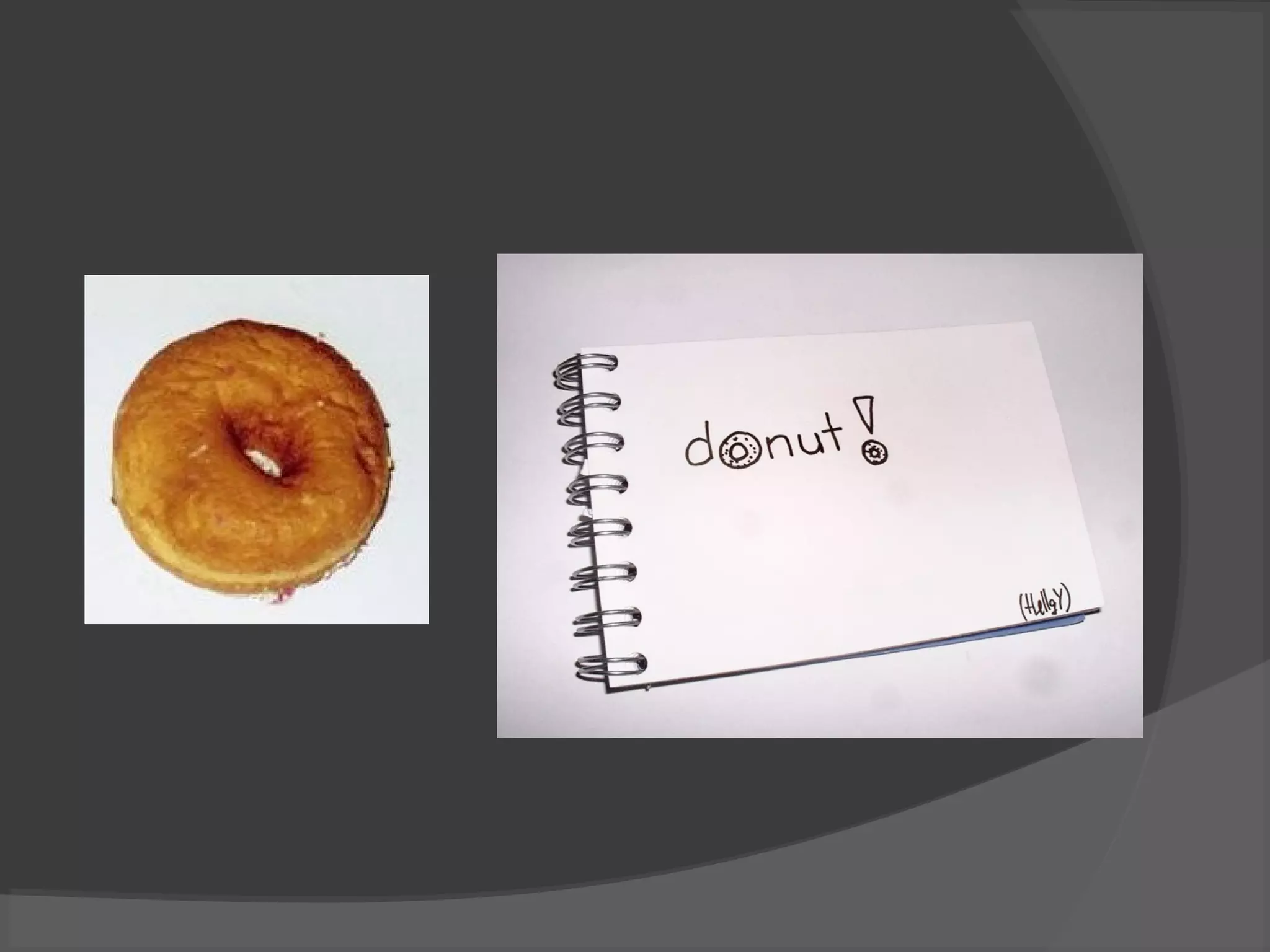
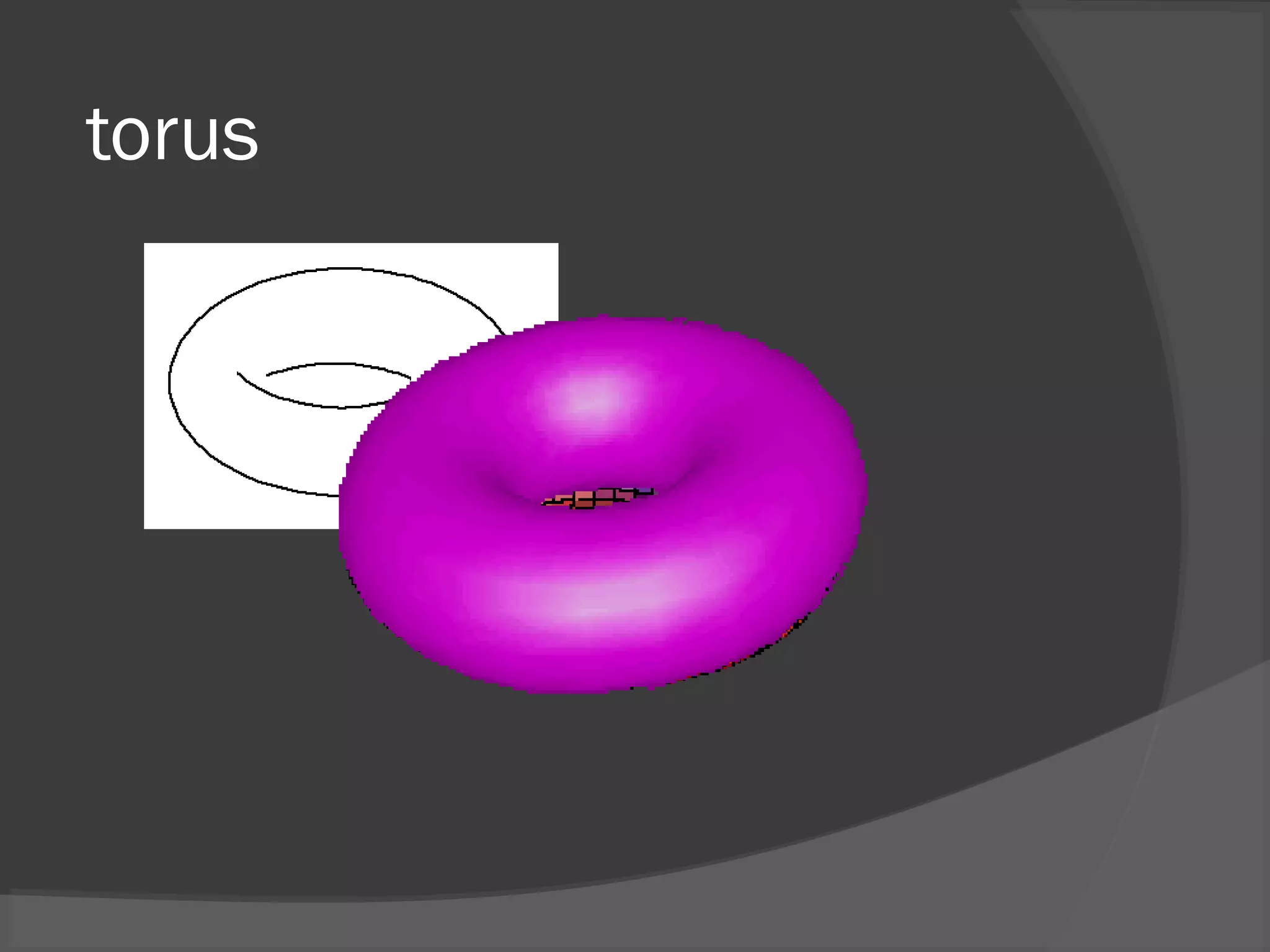
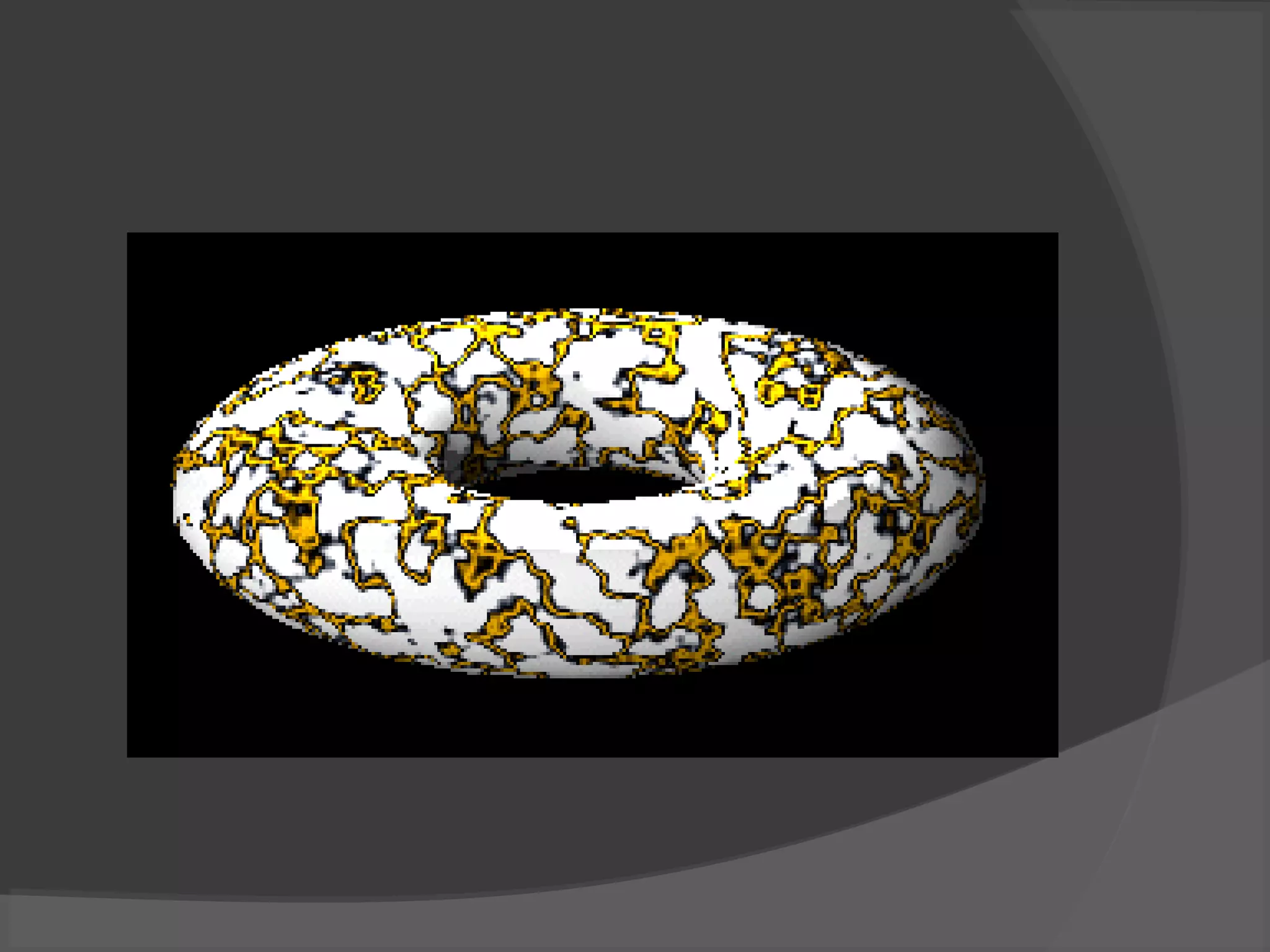
torus
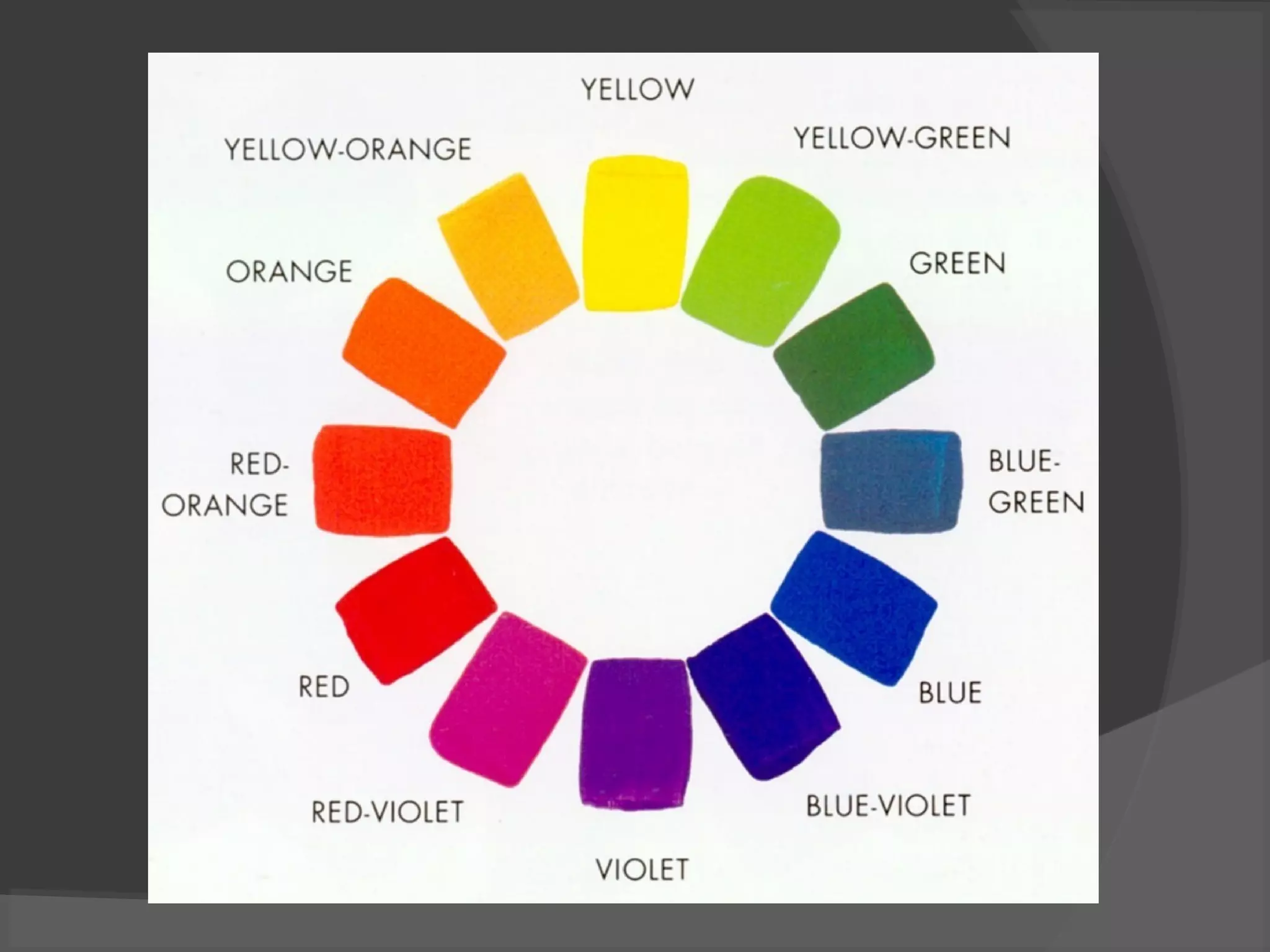
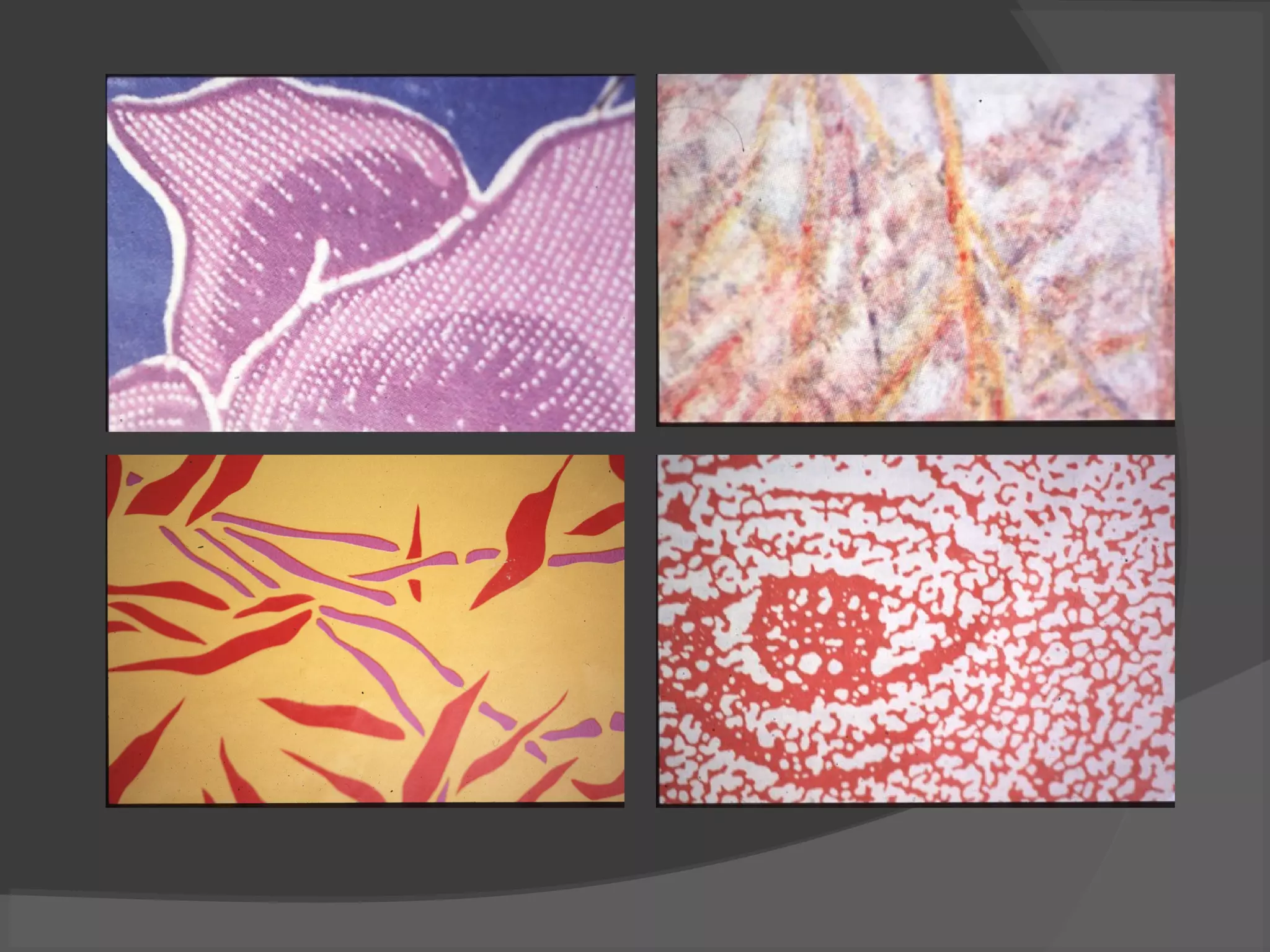
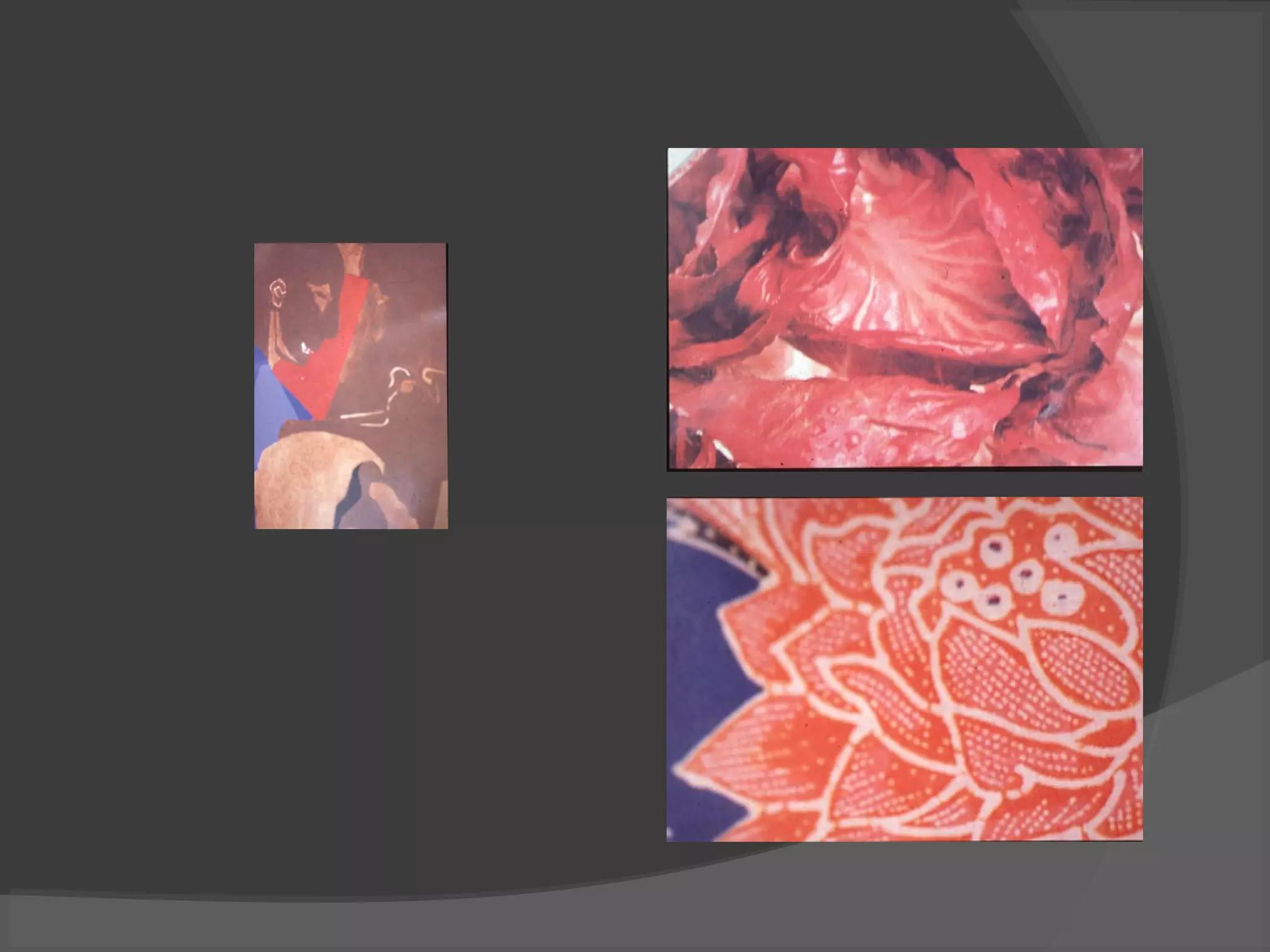
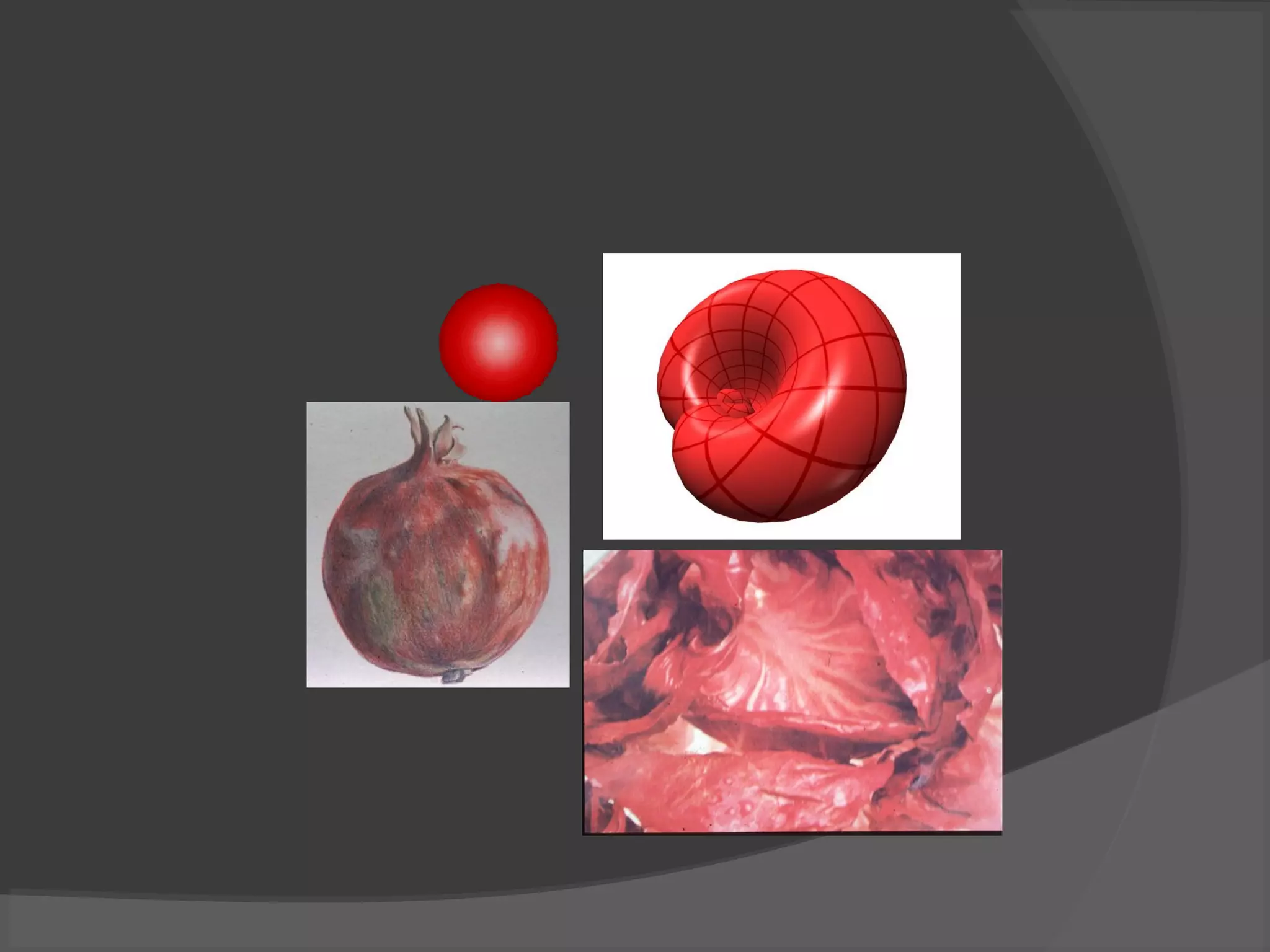
Color
 the sensation resulting from reflection or absorption of light by a
surface. Hue is another name for color.
Primary colors are hues from which all other colors can be made: red,
yellow, blue. Secondary colors are made from mixing equal parts of the
Primary colors: orange, green, violet.
Tertiary colors are those colors between Primary and Secondary
colors: yellow-orange, red-orange, etc.
Complementary colors are colors that are opposite each other on the
color wheel: red-green, orange-blue, yellow-violet.
Analogous colors are colors that are adjacent (side by side) to each
other on the color wheel.
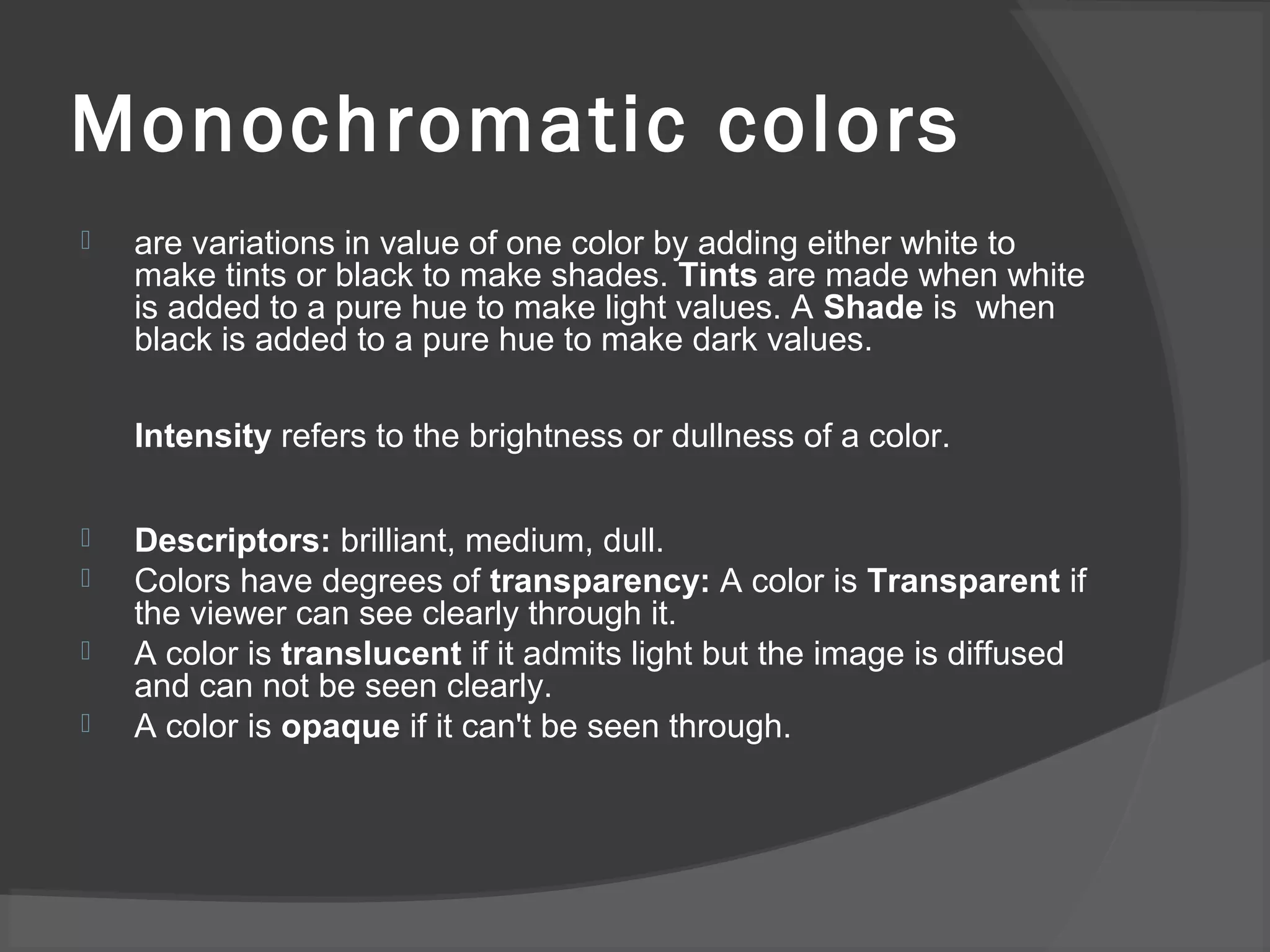
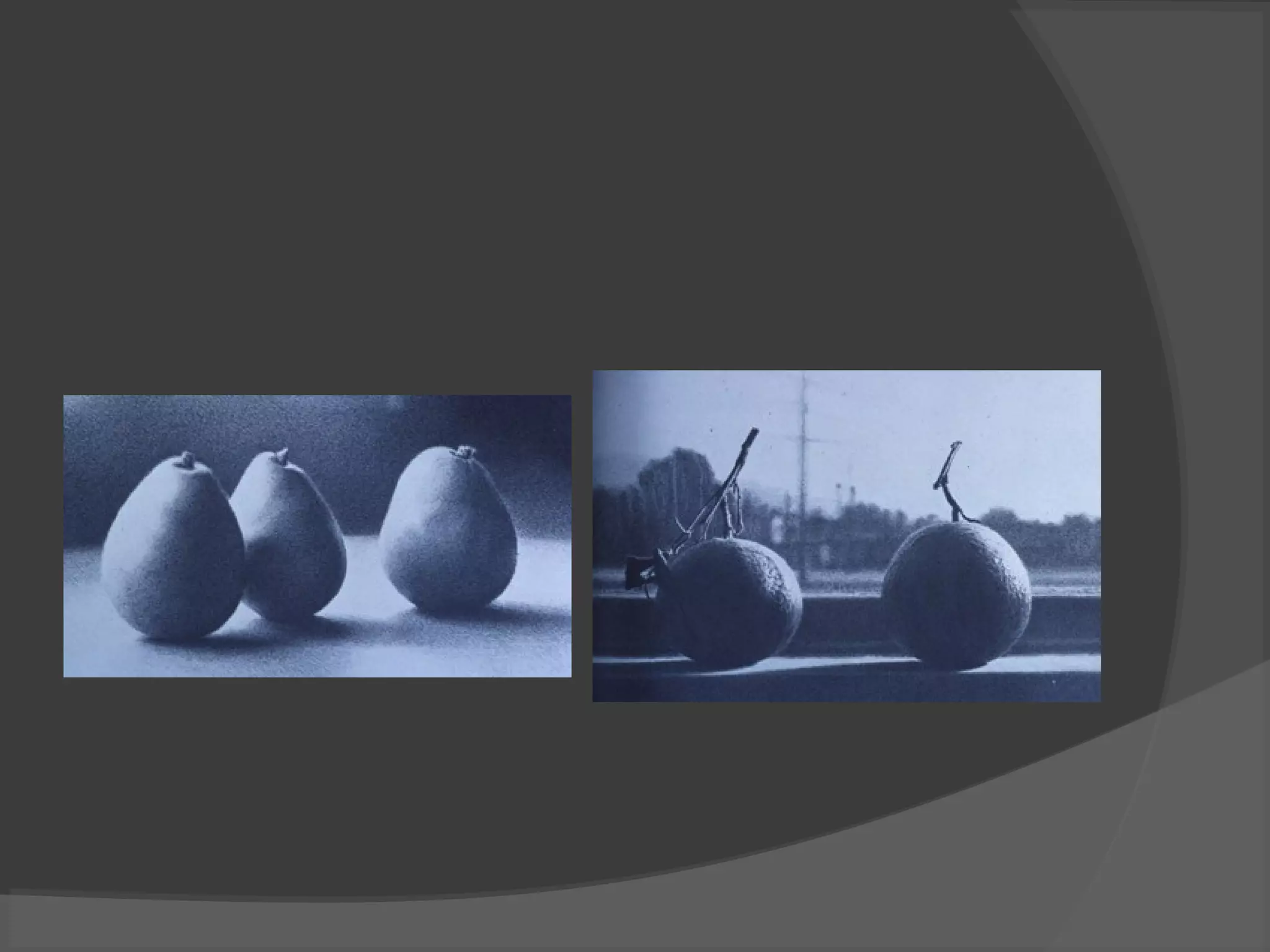
Monochromatic colors
 are variations in value of one color by adding either white to
make tints or black to make shades. Tints are made when white
is added to a pure hue to make light values. A Shade is when
black is added to a pure hue to make dark values.
Intensity refers to the brightness or dullness of a color.
 Descriptors: brilliant, medium, dull.
 Colors have degrees of transparency: A color is Transparent if
the viewer can see clearly through it.
 A color is translucent if it admits light but the image is diffused
and can not be seen clearly.
 A color is opaque if it can't be seen through.
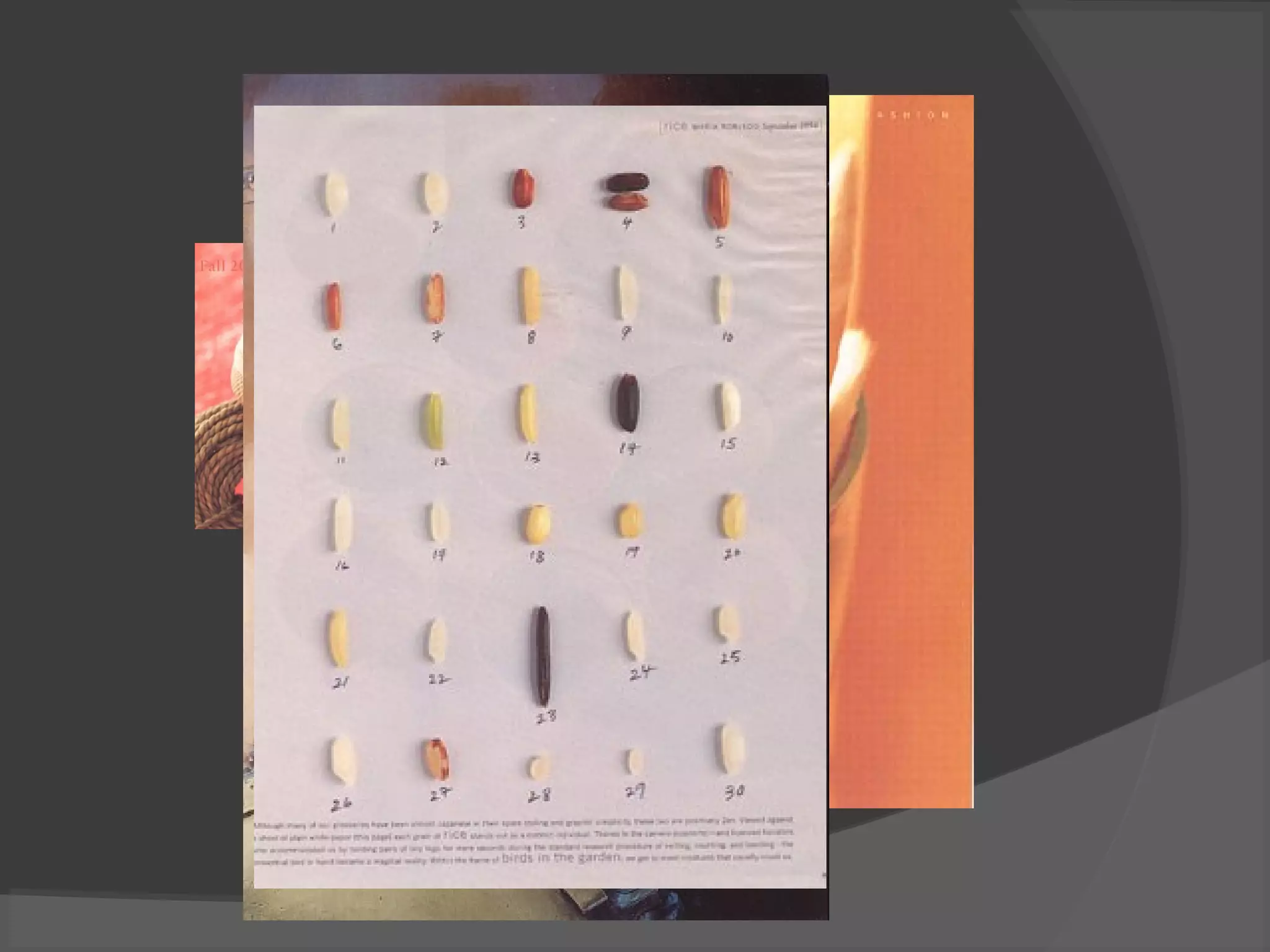
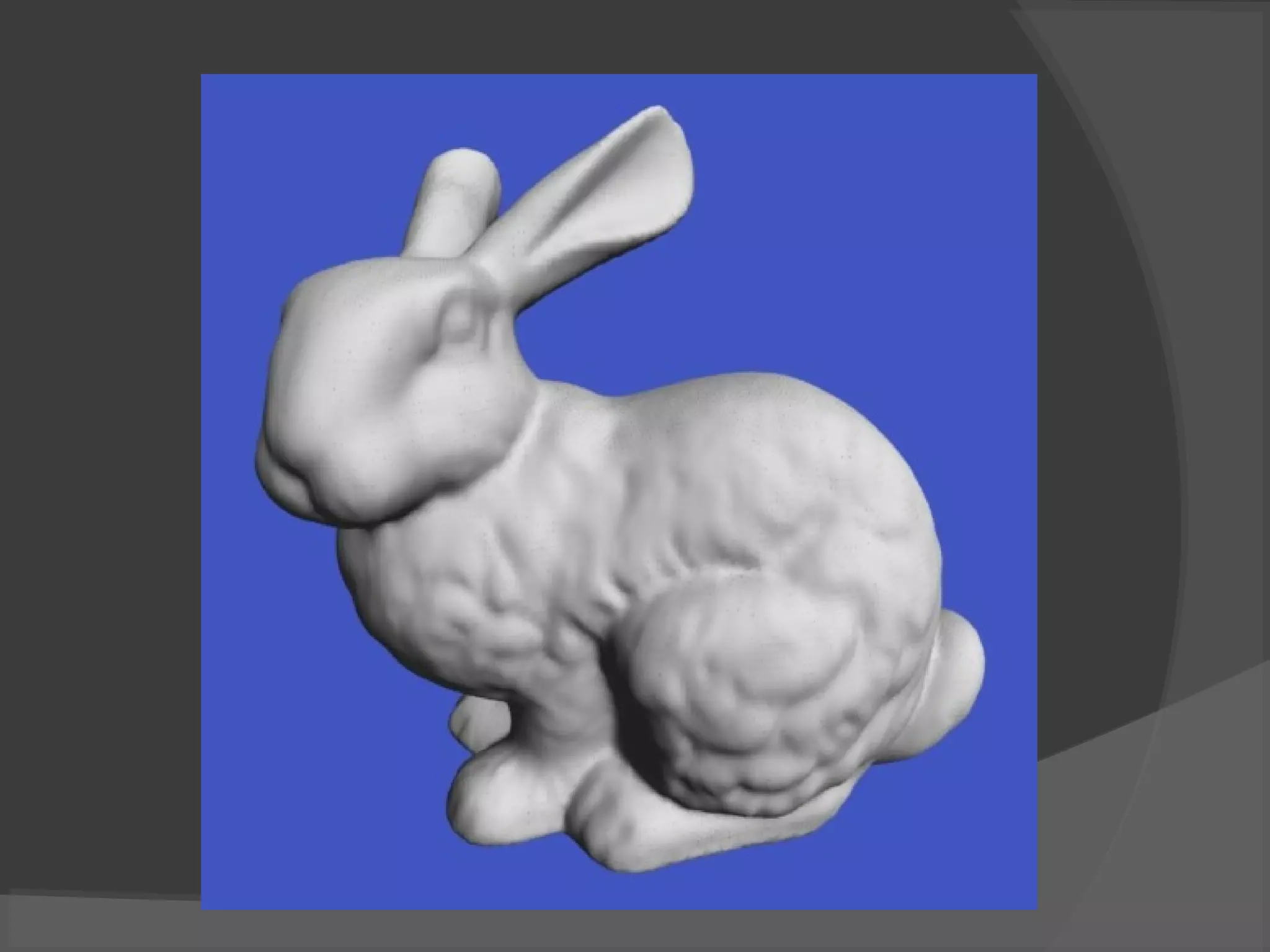
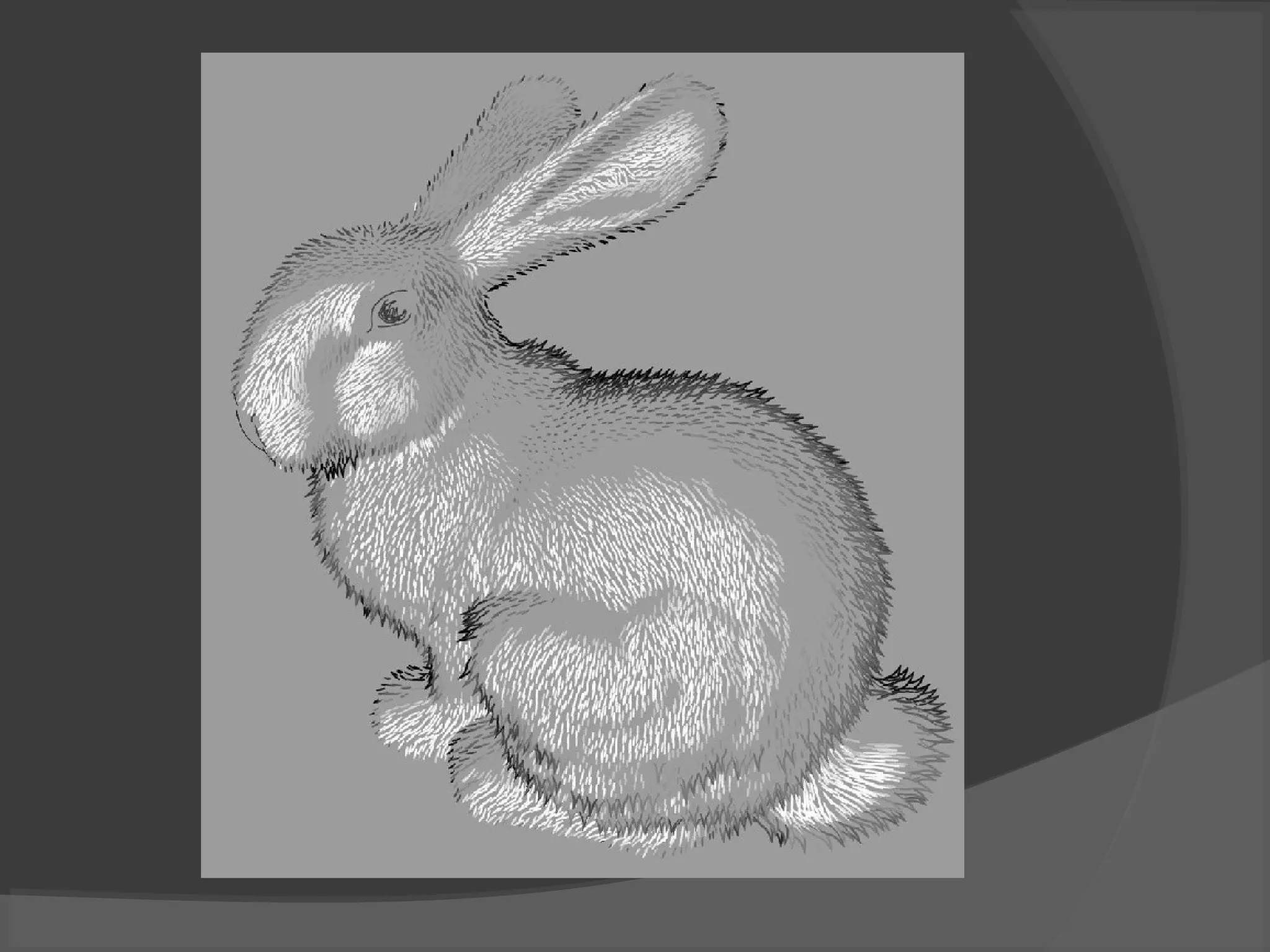
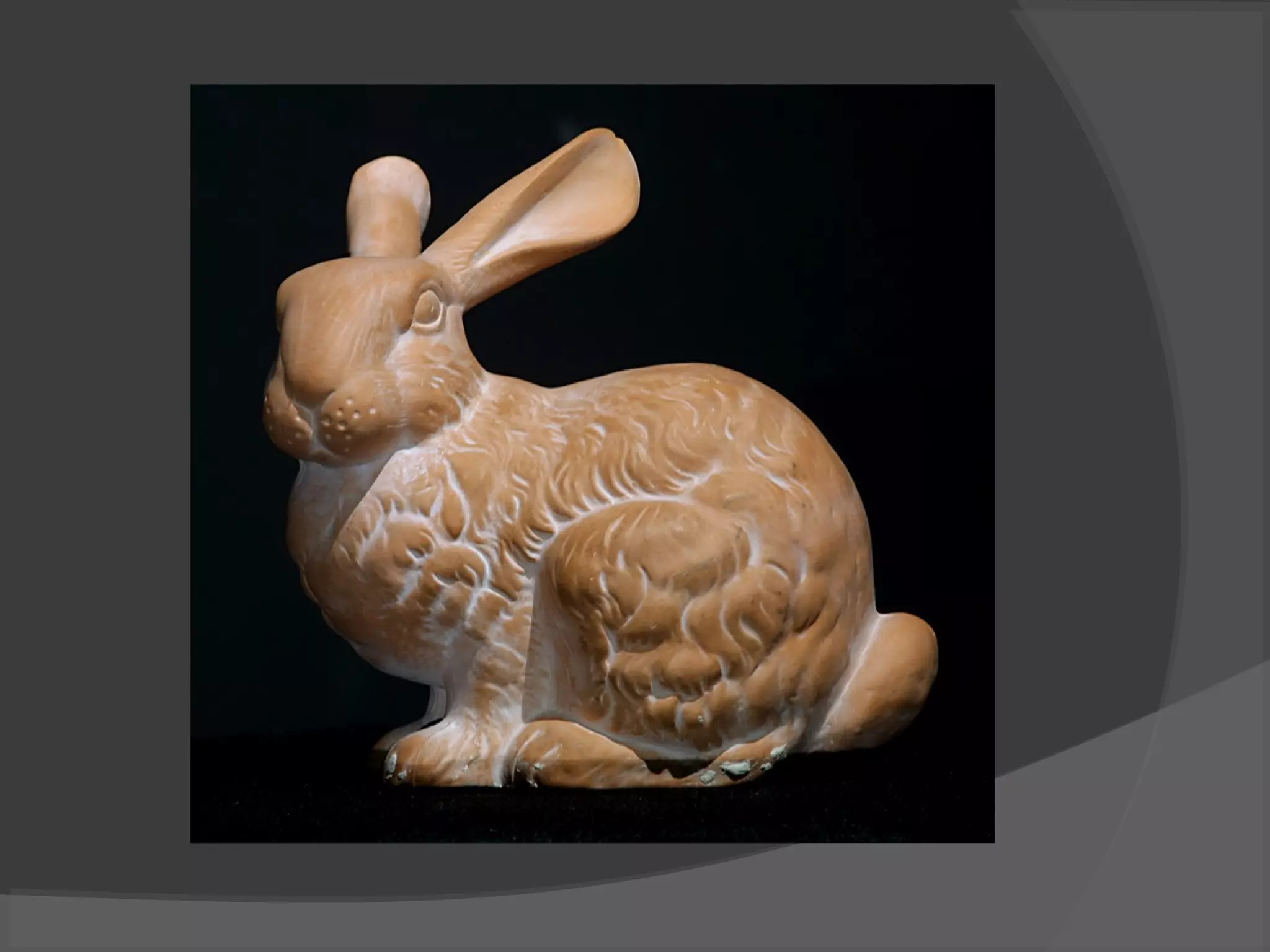
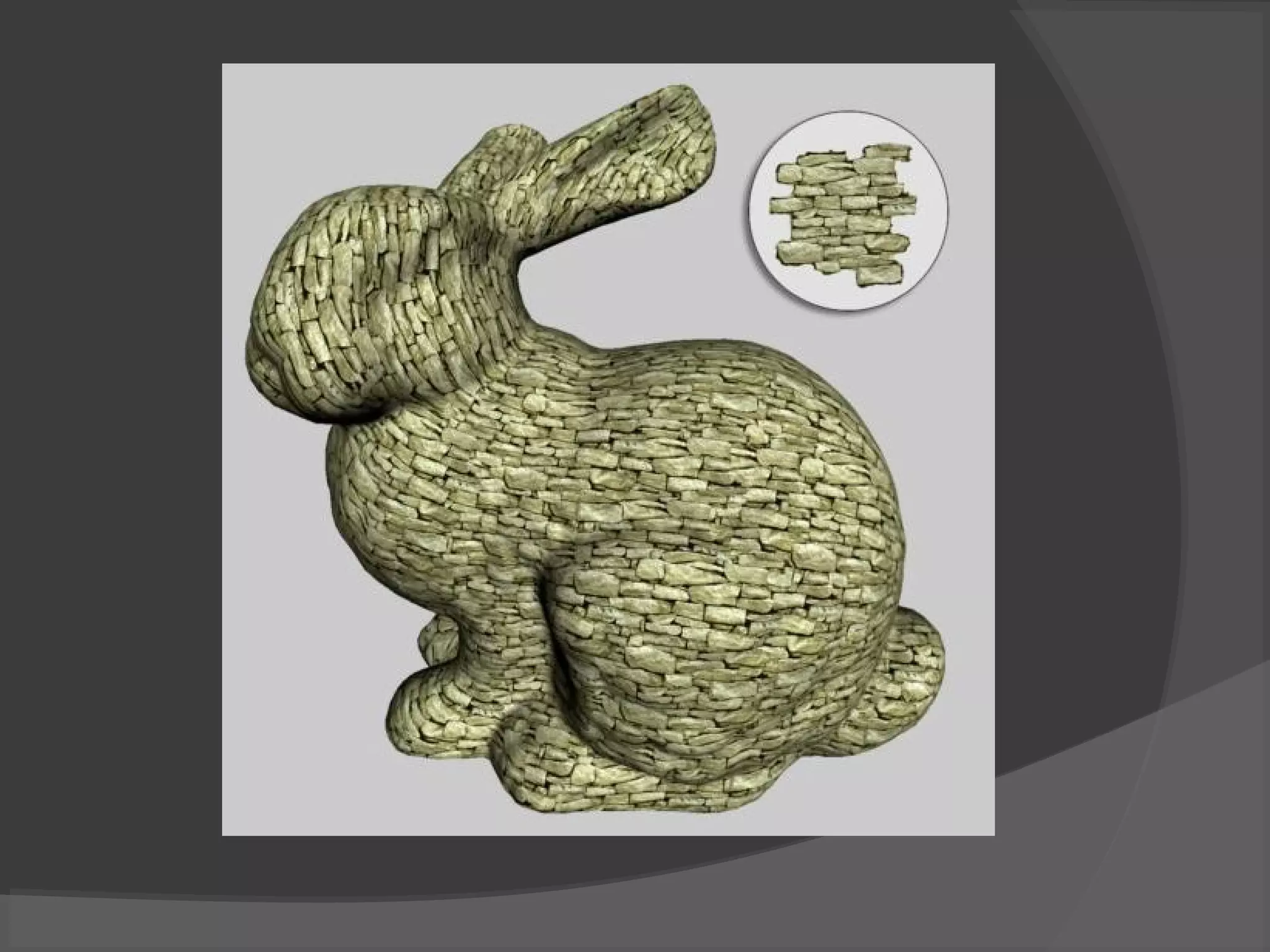
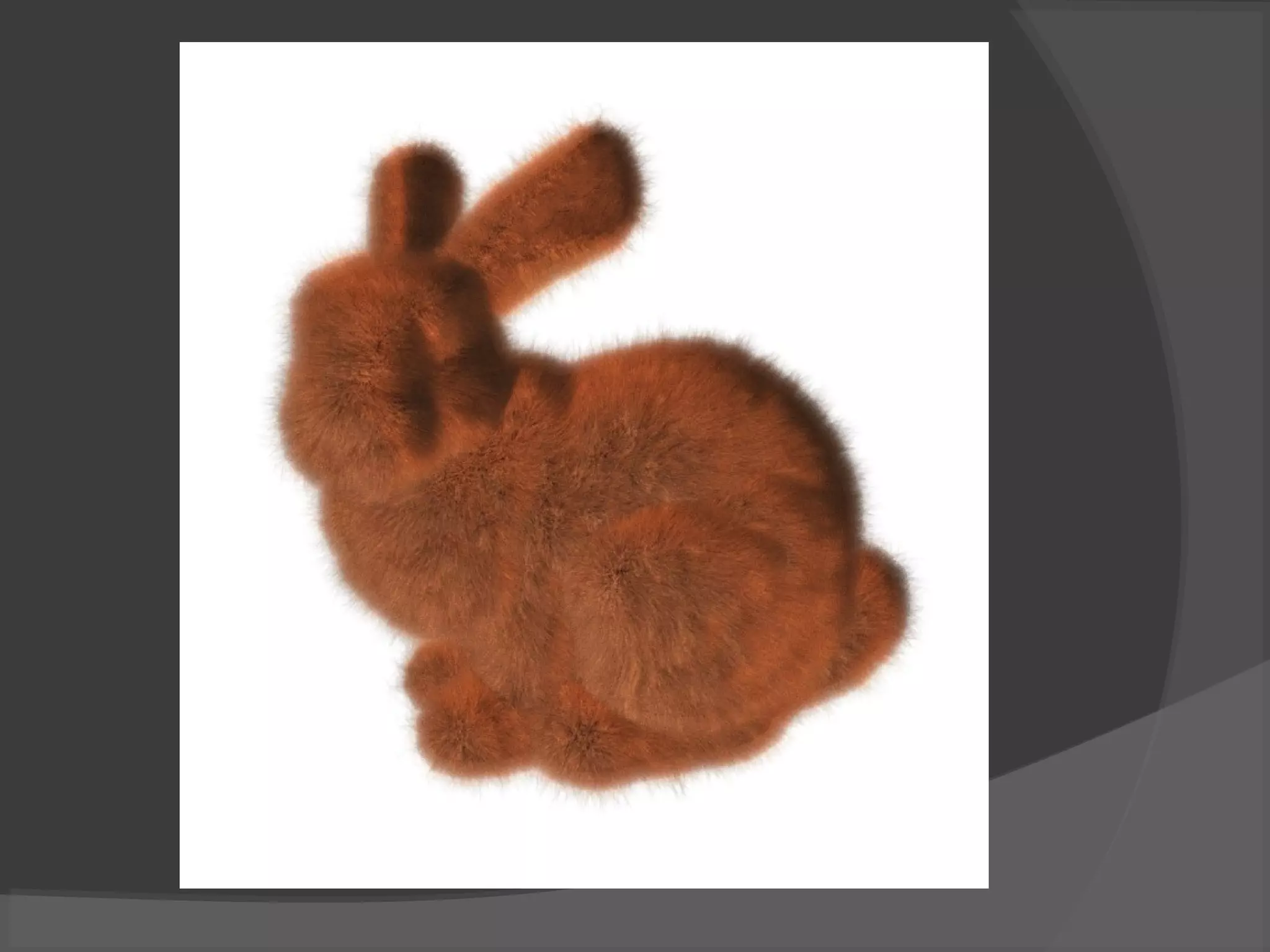
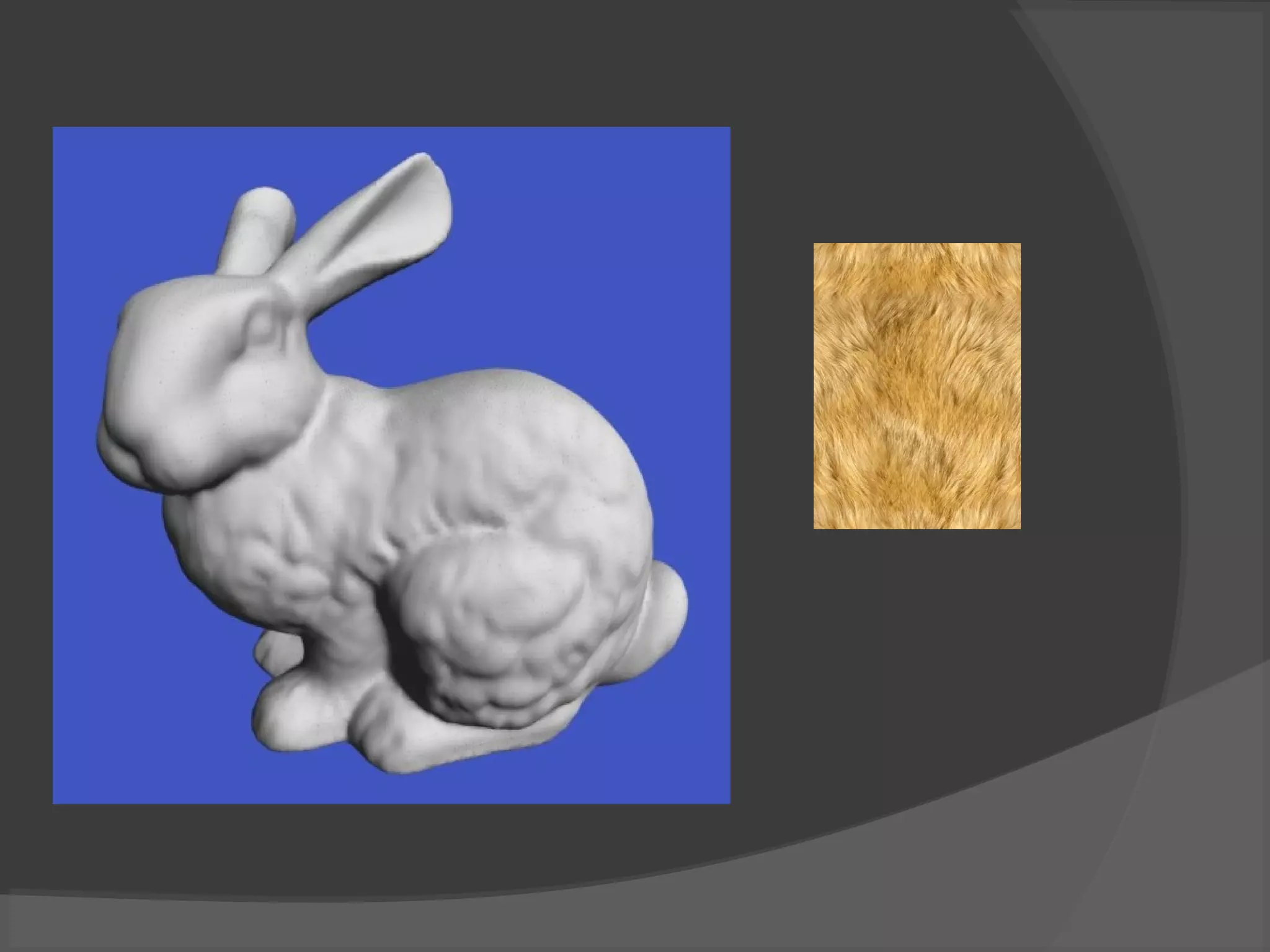
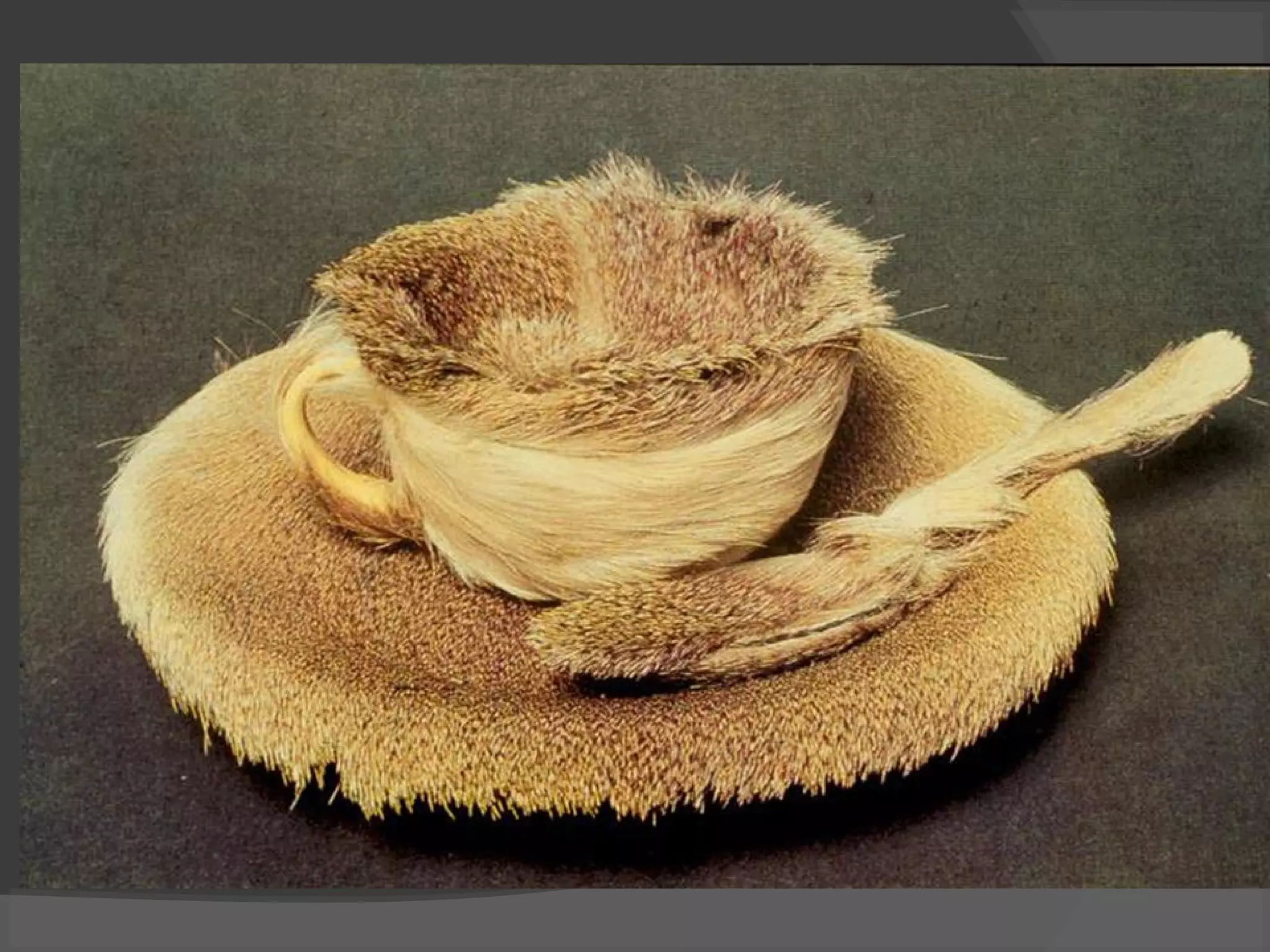
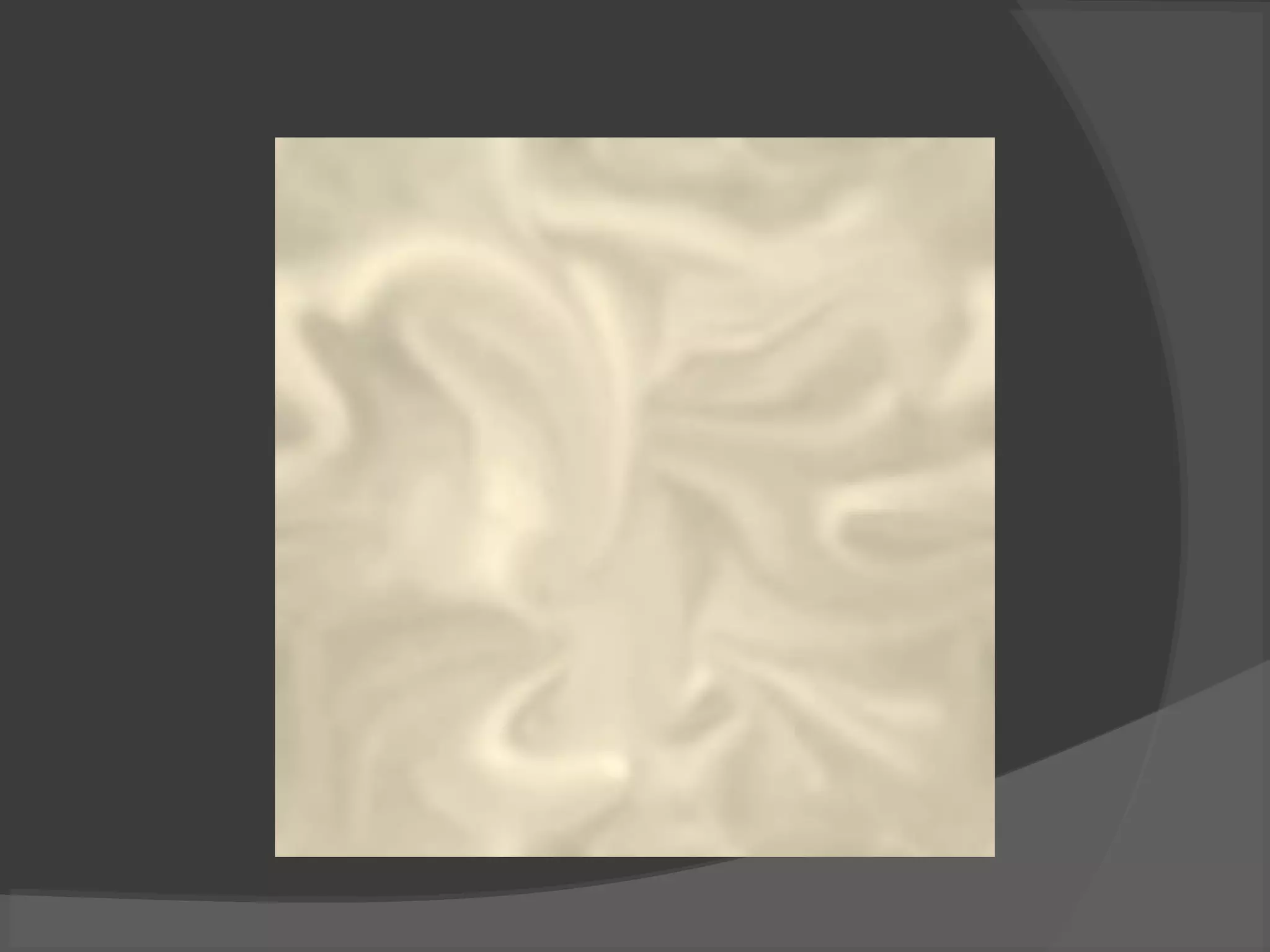
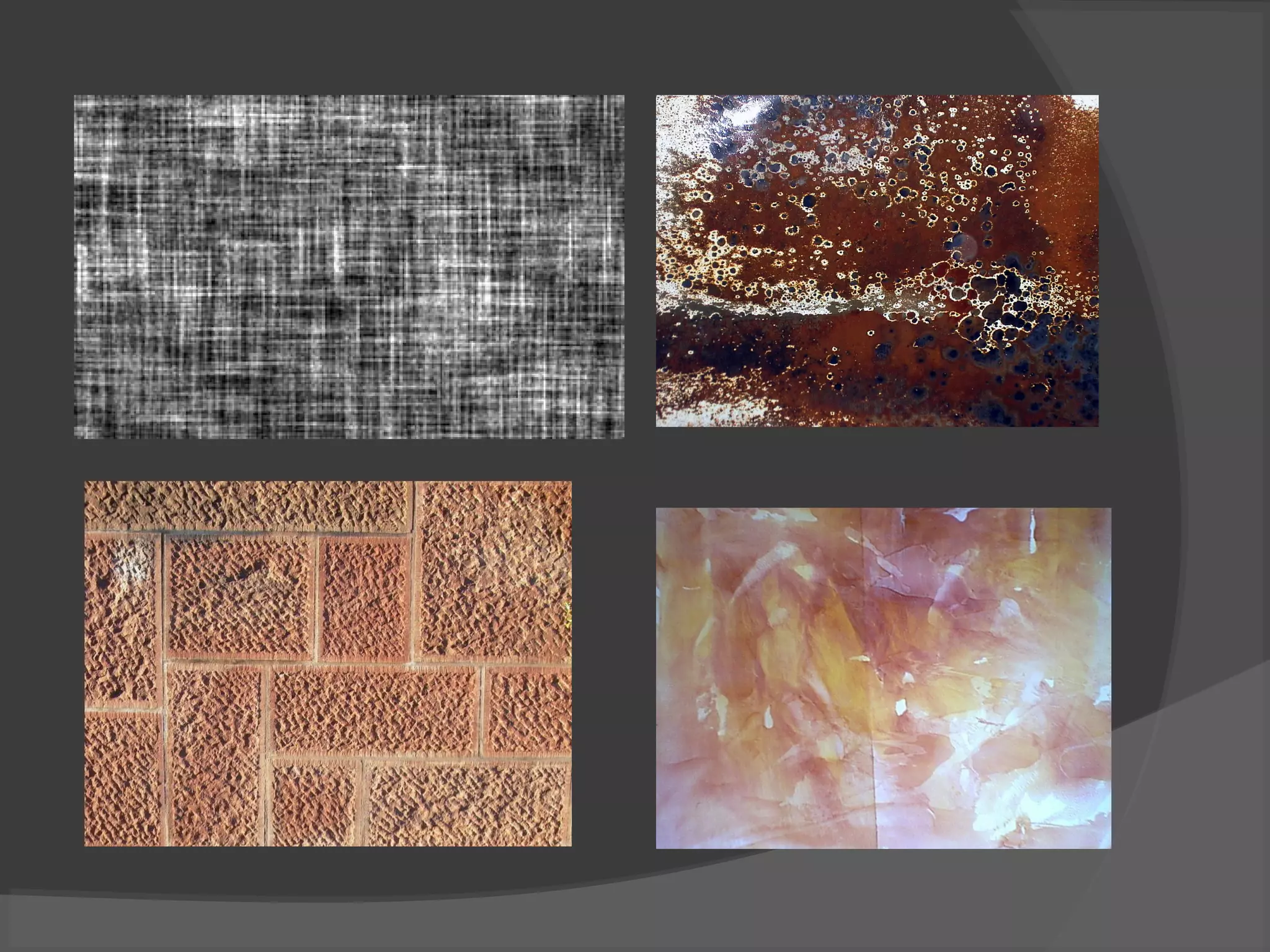
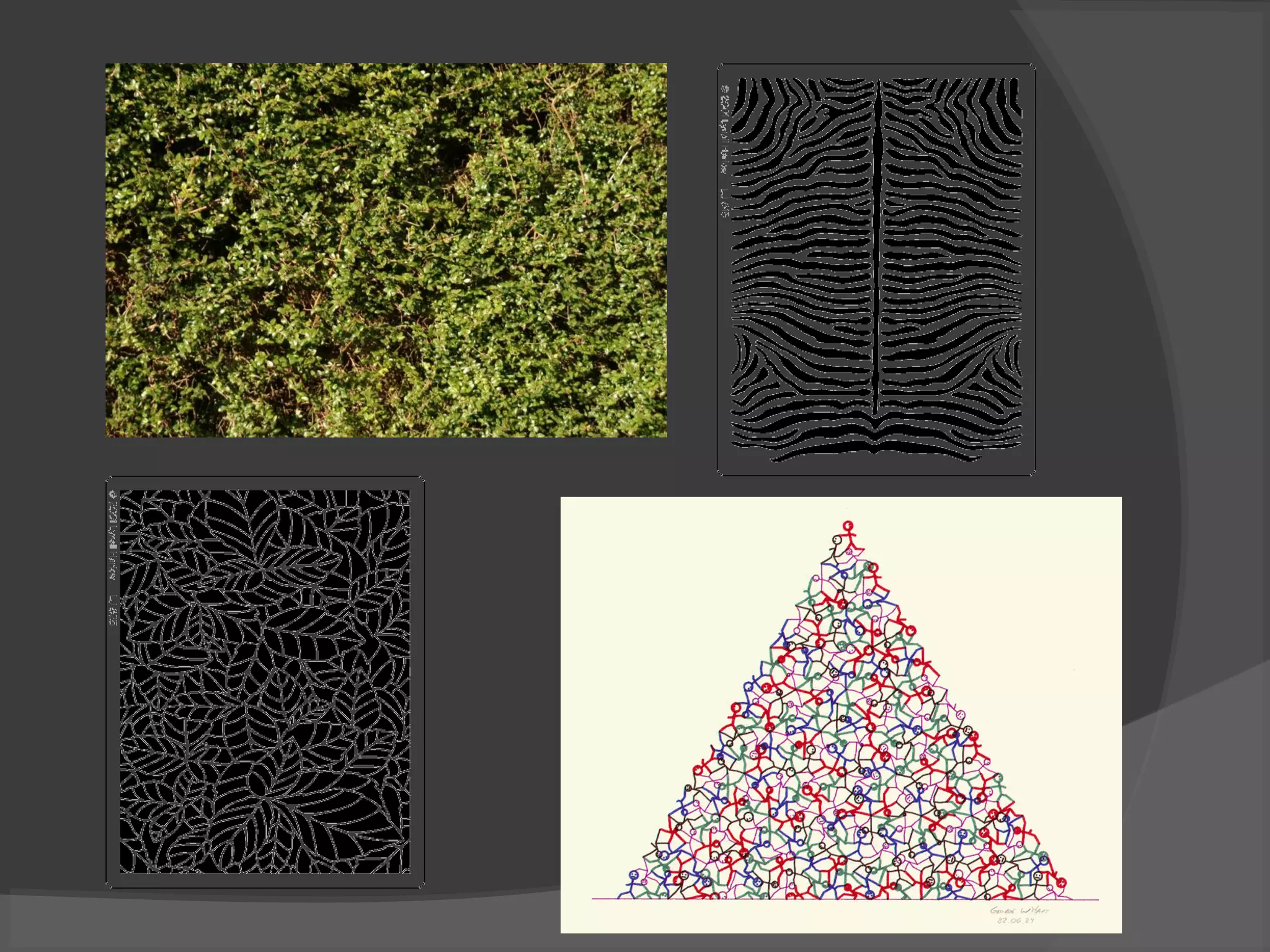
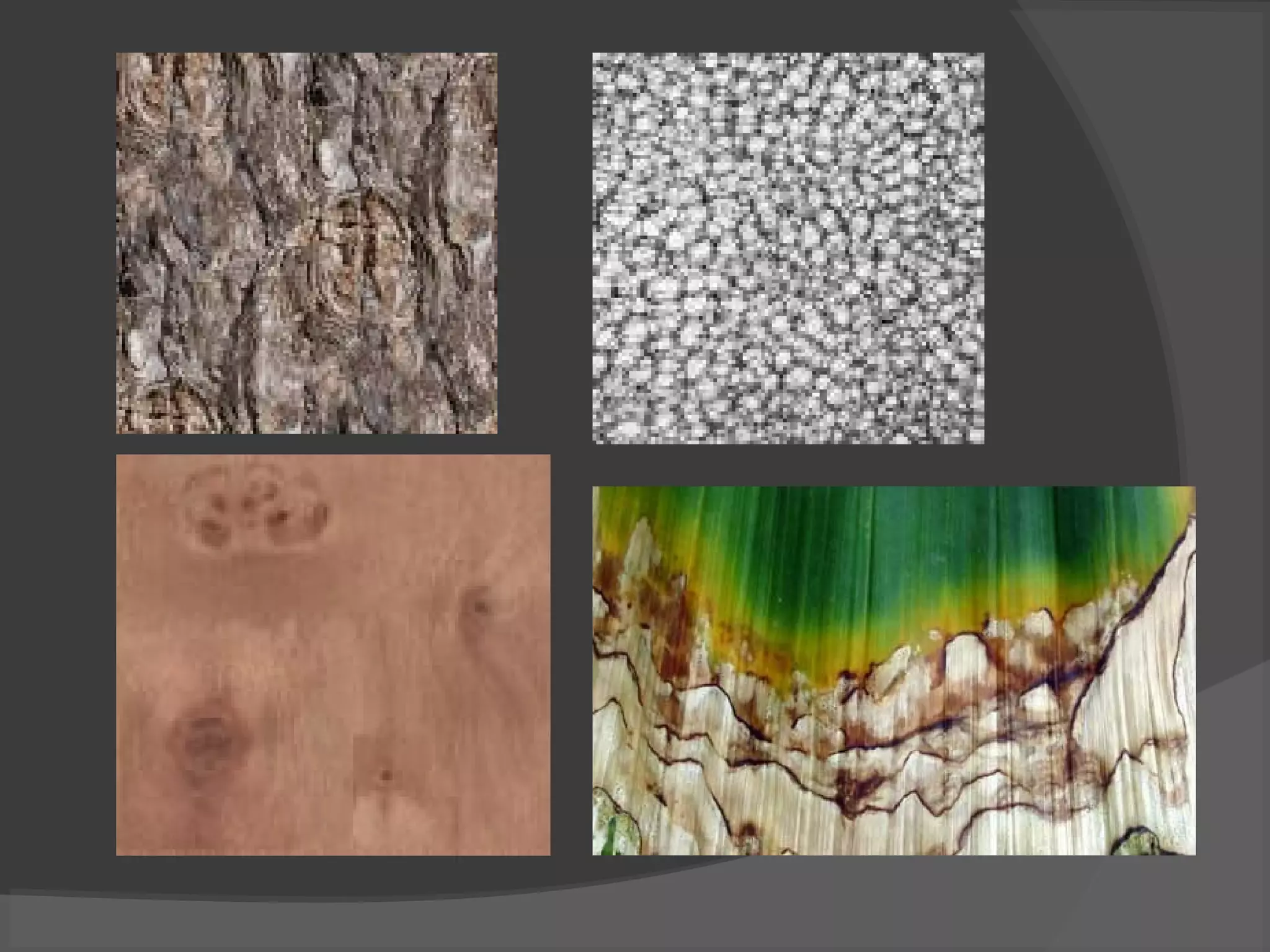
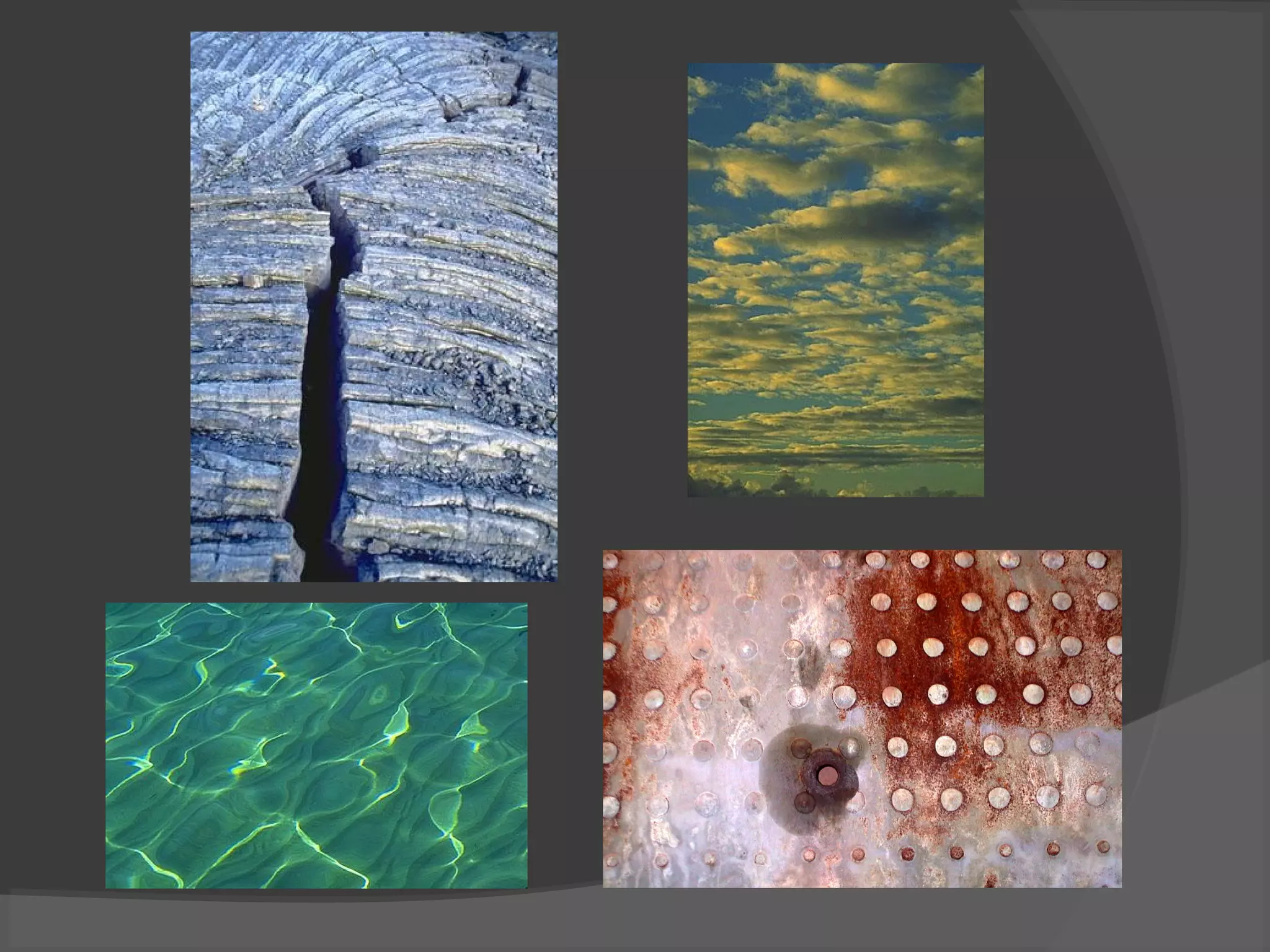
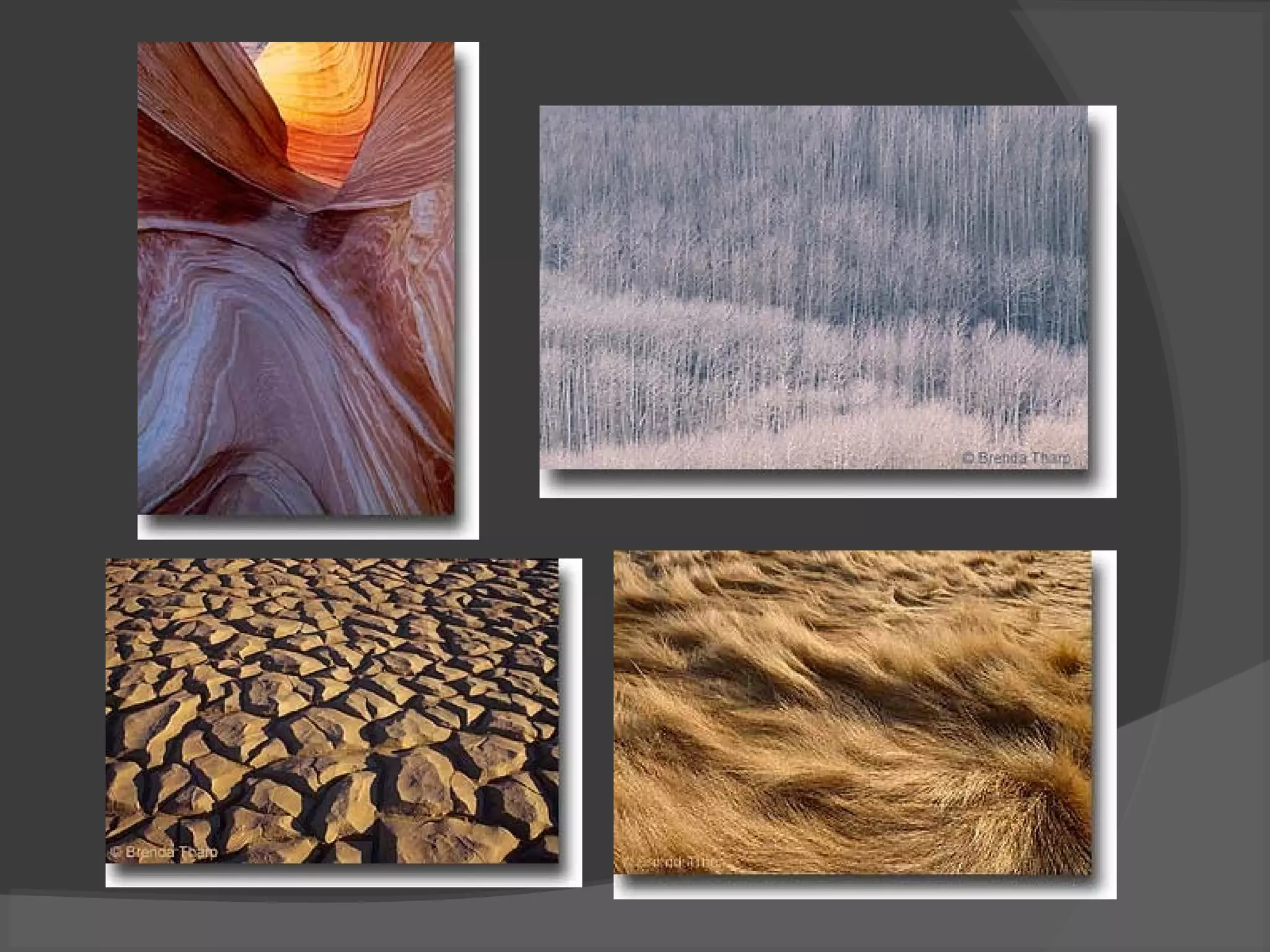
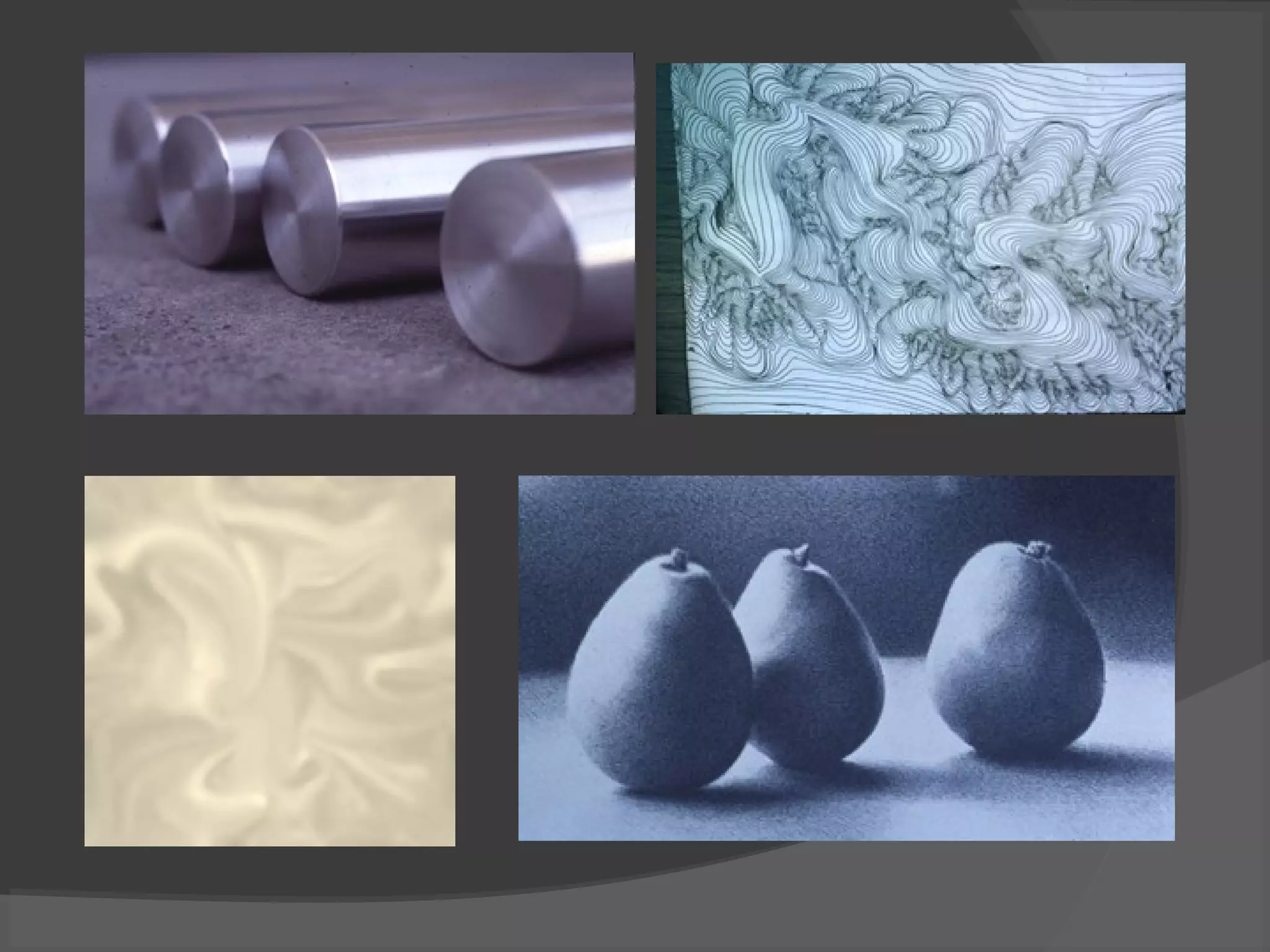
Texture
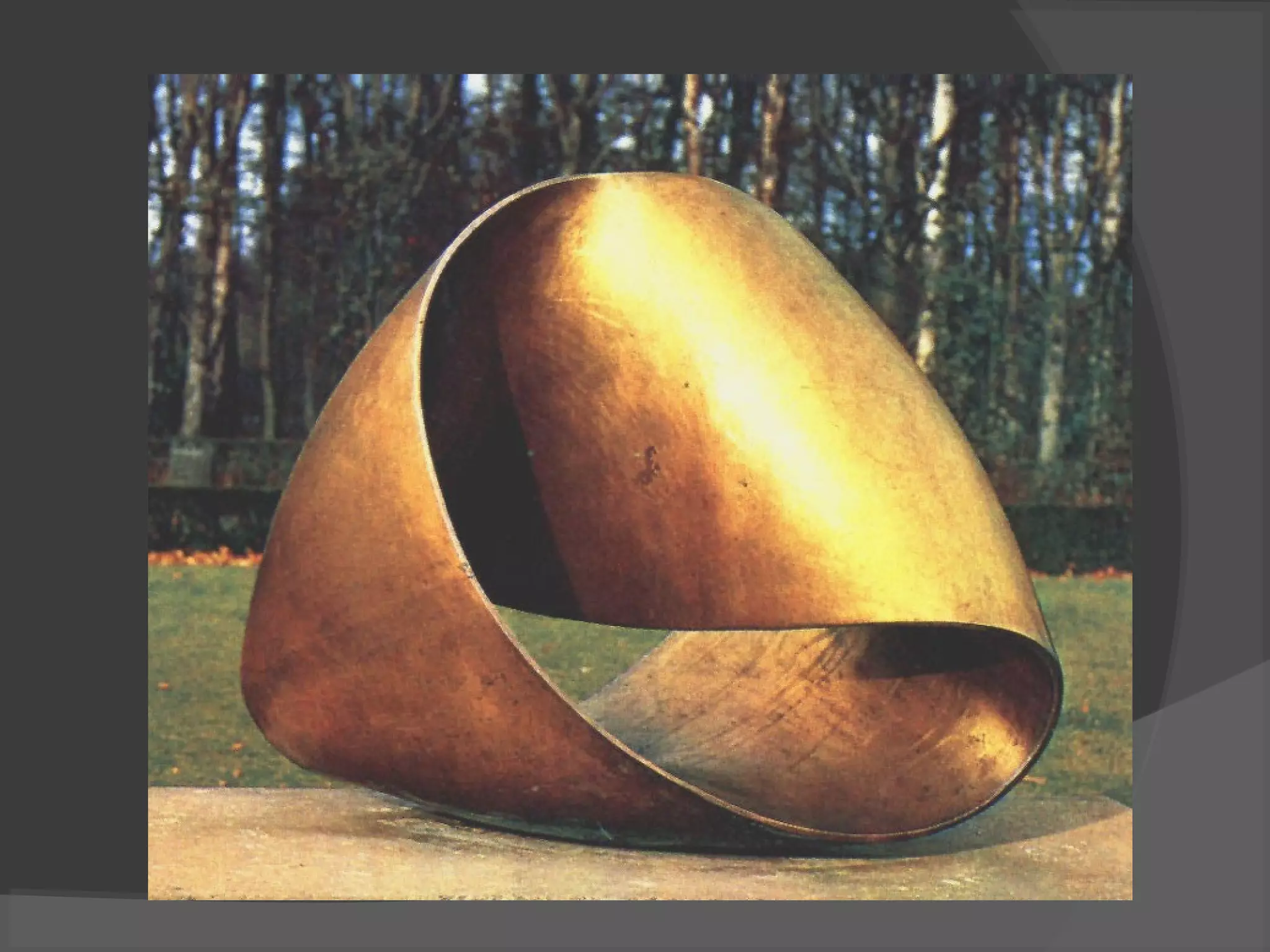
 is the surface quality or appearance of an
object. Visual texture is a quality of the
surface that you can ‘see’, but not necessarily
‘felt’. Actual texture is a quality of the surface
that you can both ‘see’ and ‘feel’.
 Descriptors are: rough/smooth, wet/dry,
hard/soft, shiny/matte (dull), slick/sticky,
slippery/abrasive, coarse/porous ...
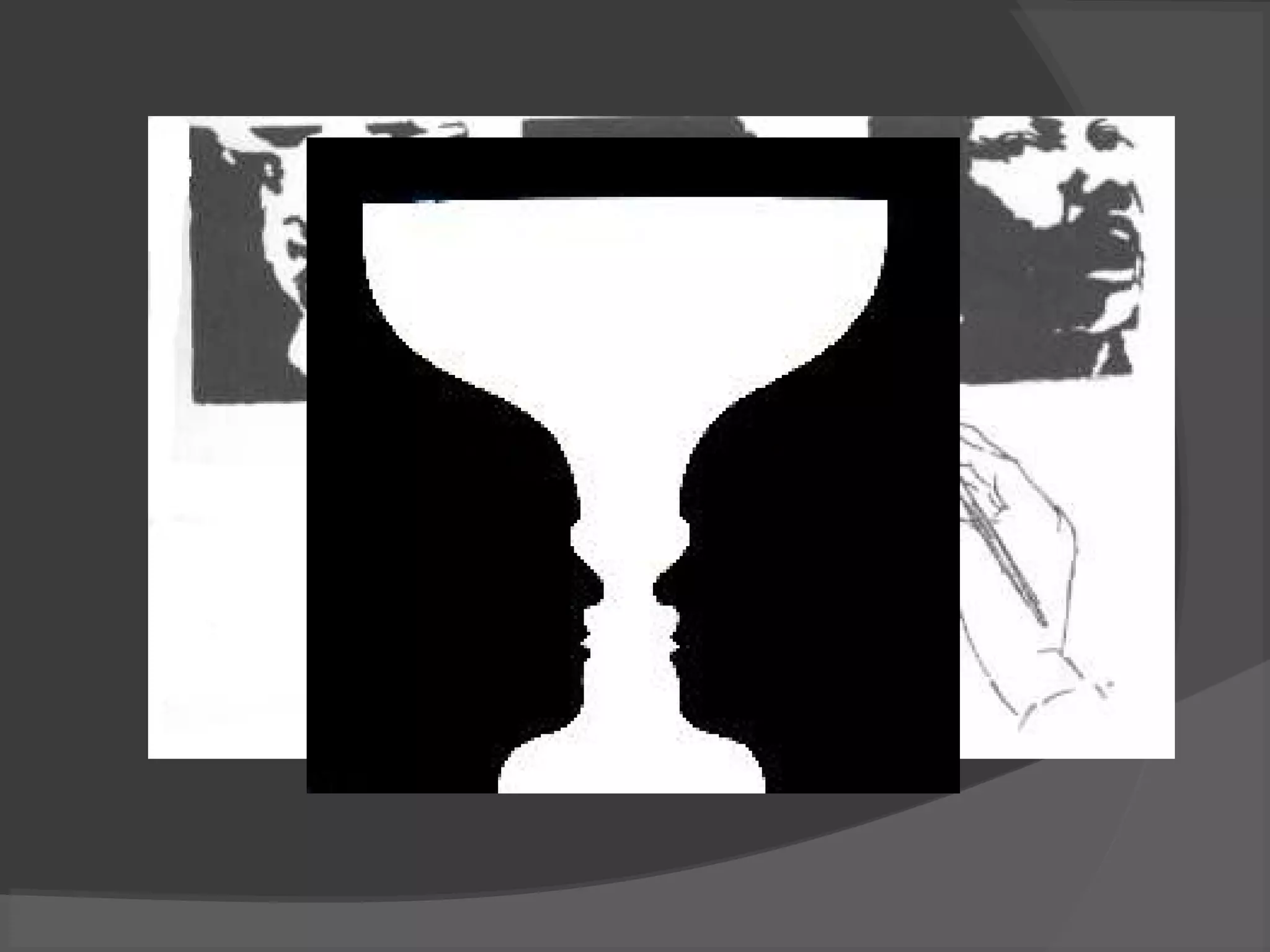
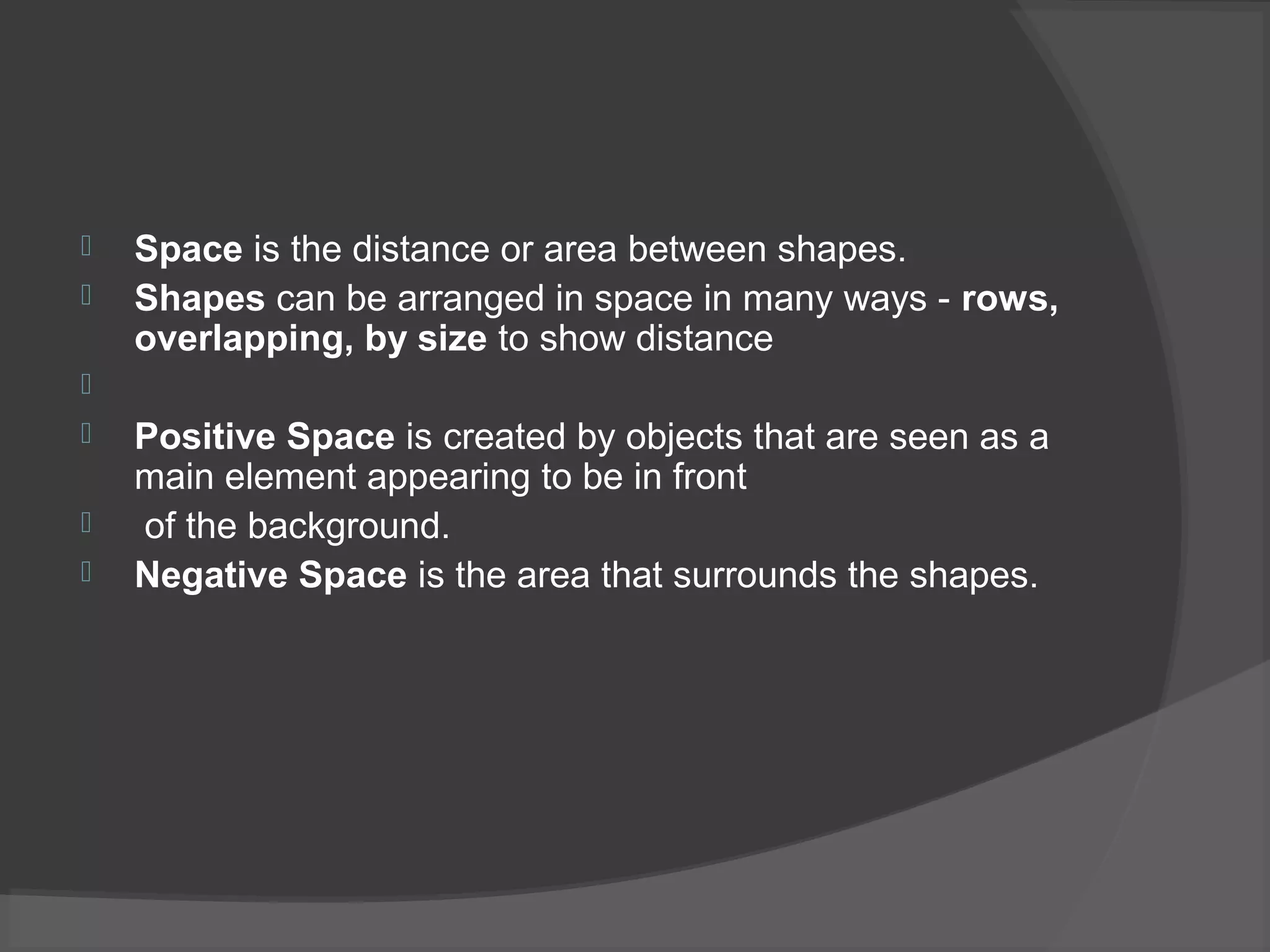
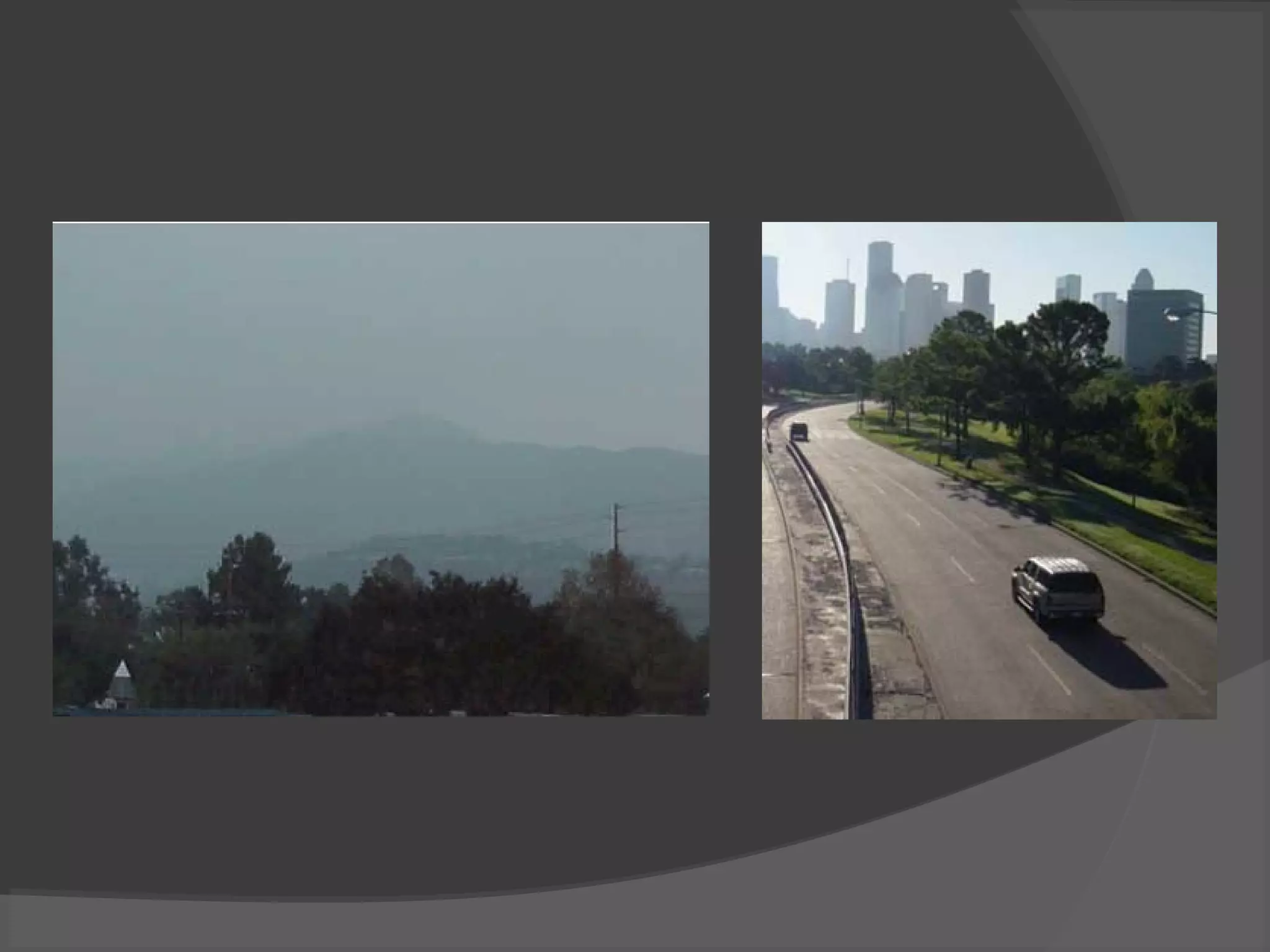
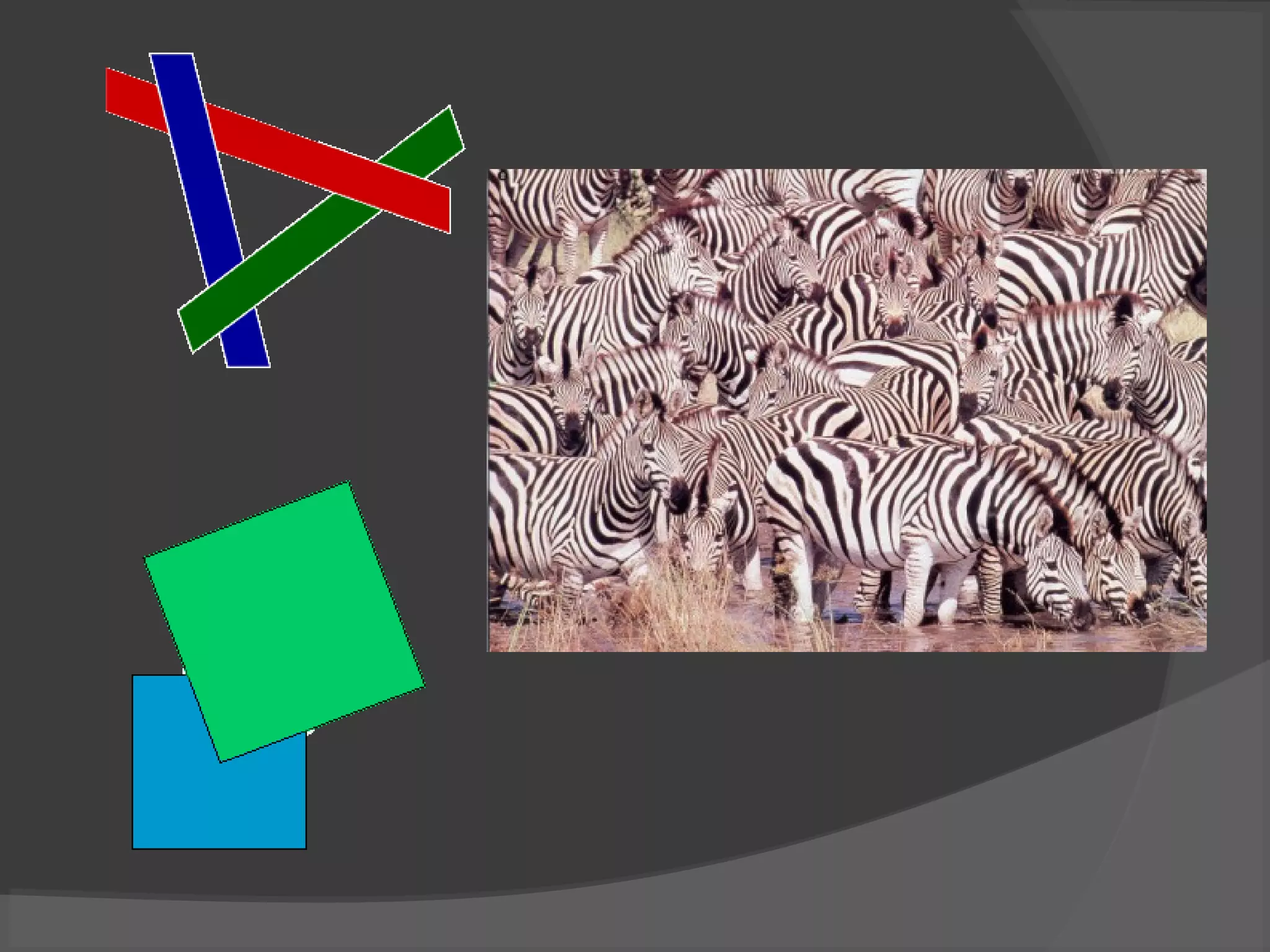
 Space is the distance or area between shapes.
 Shapes can be arranged in space in many ways - rows,
overlapping, by size to show distance

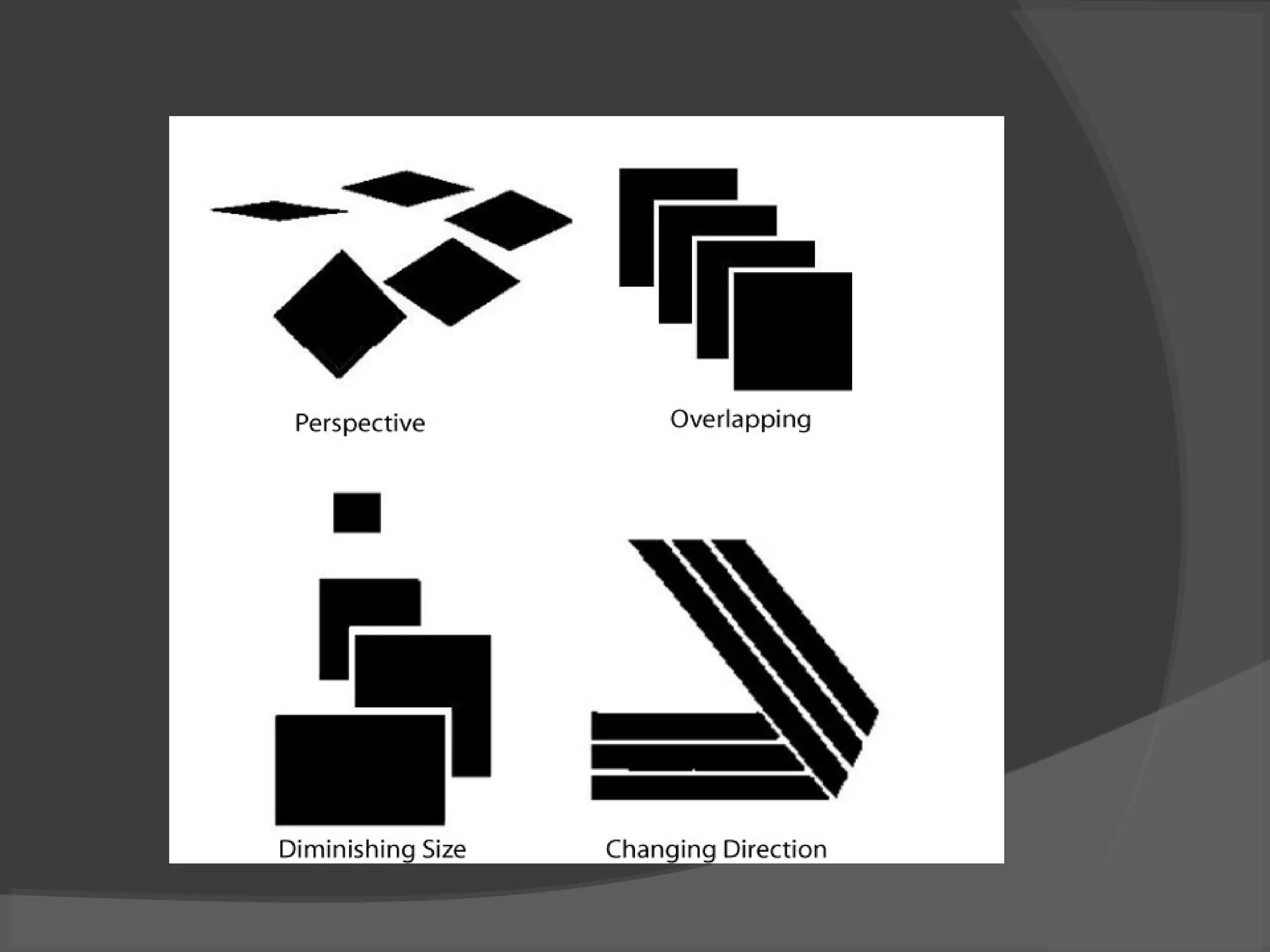
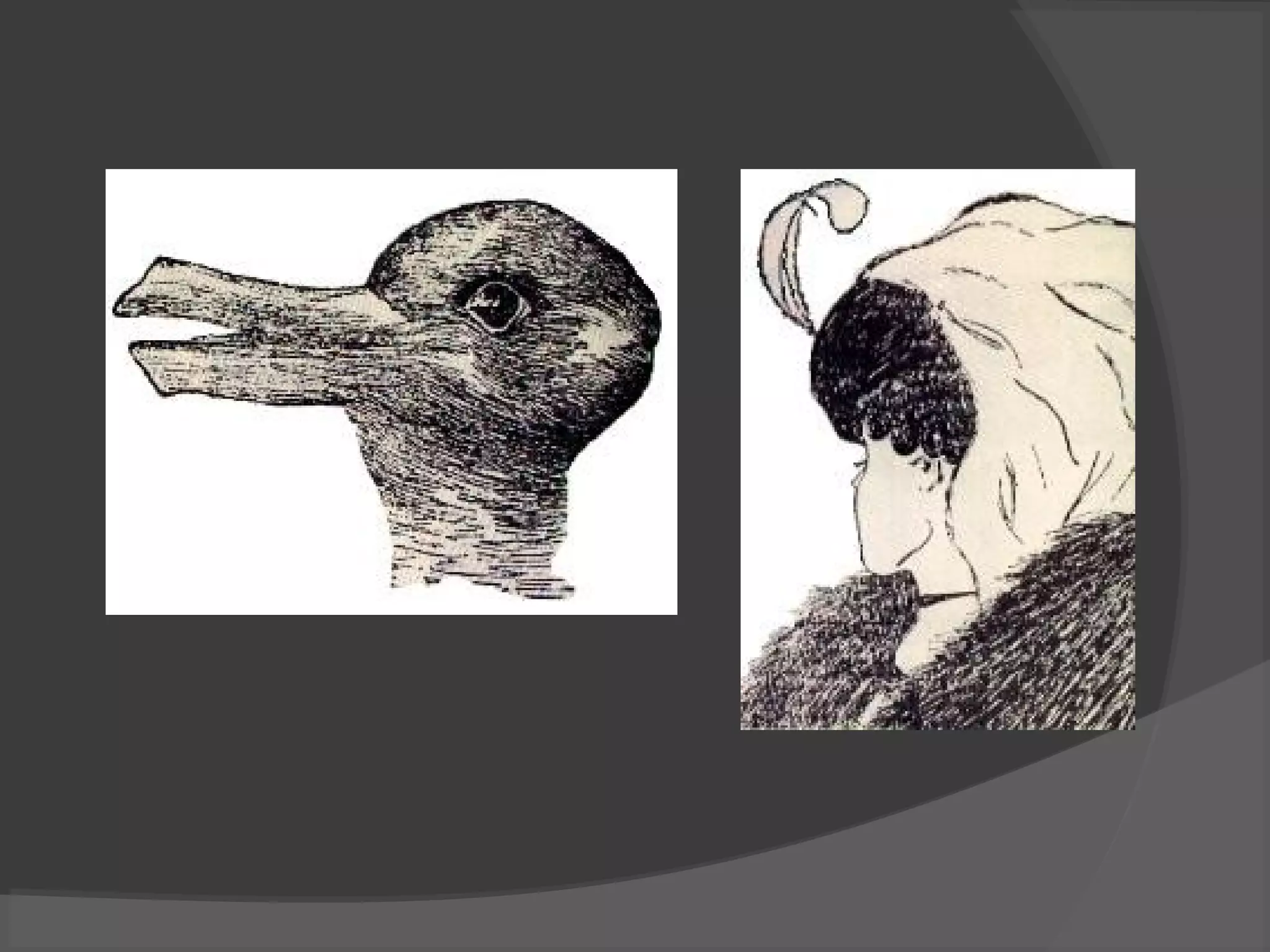
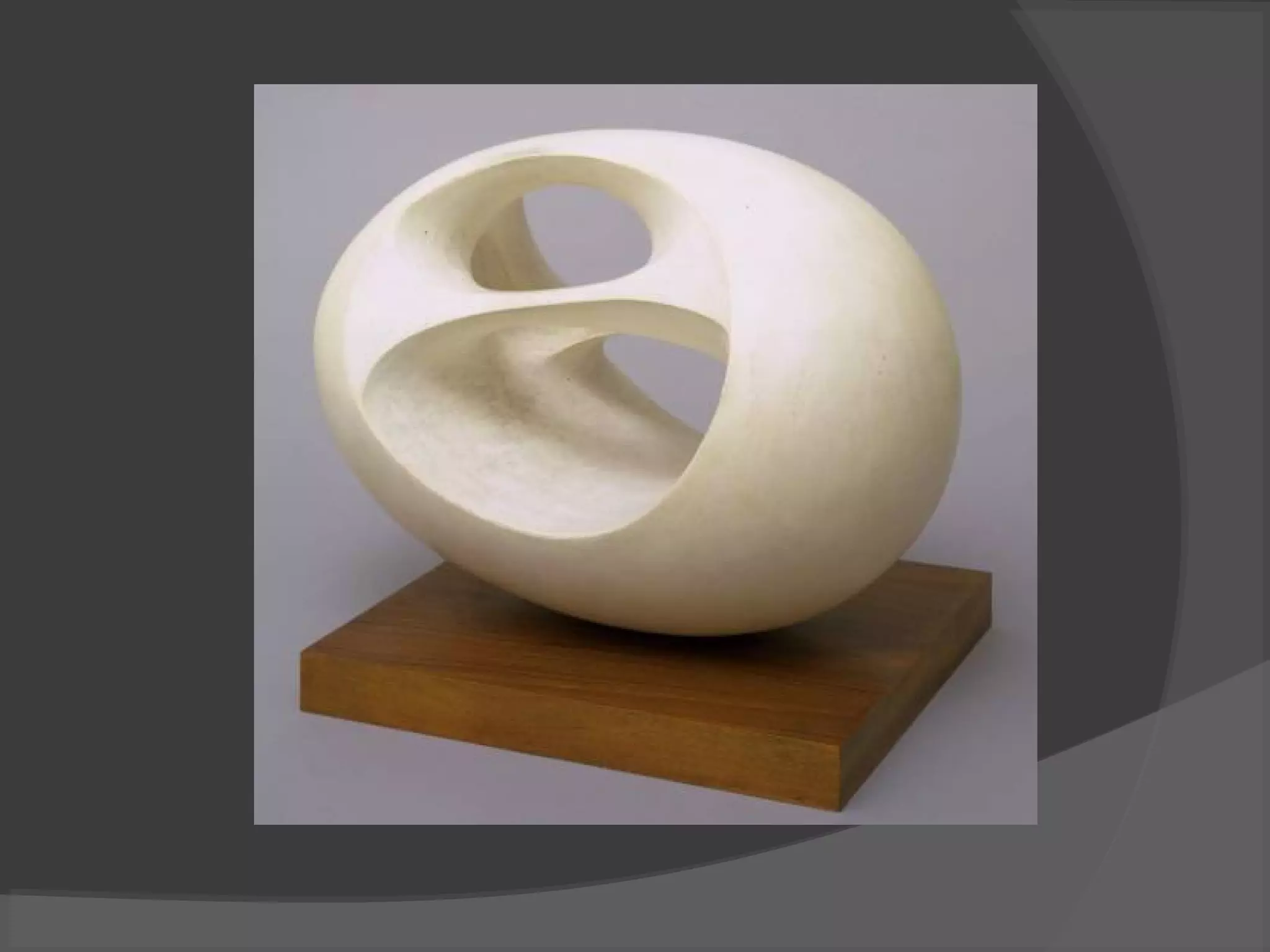
 Positive Space is created by objects that are seen as a
main element appearing to be in front
 of the background.
 Negative Space is the area that surrounds the shapes.
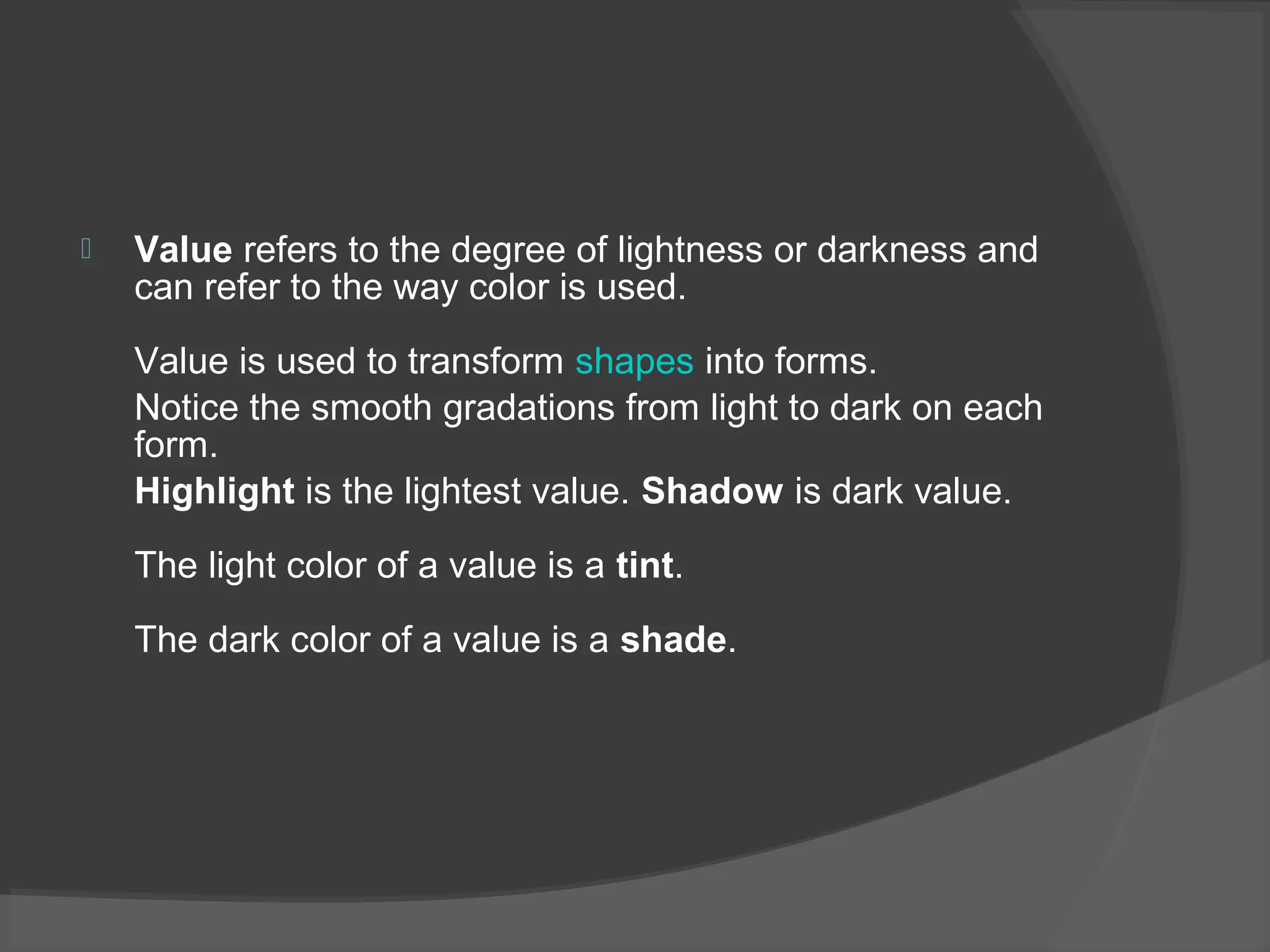
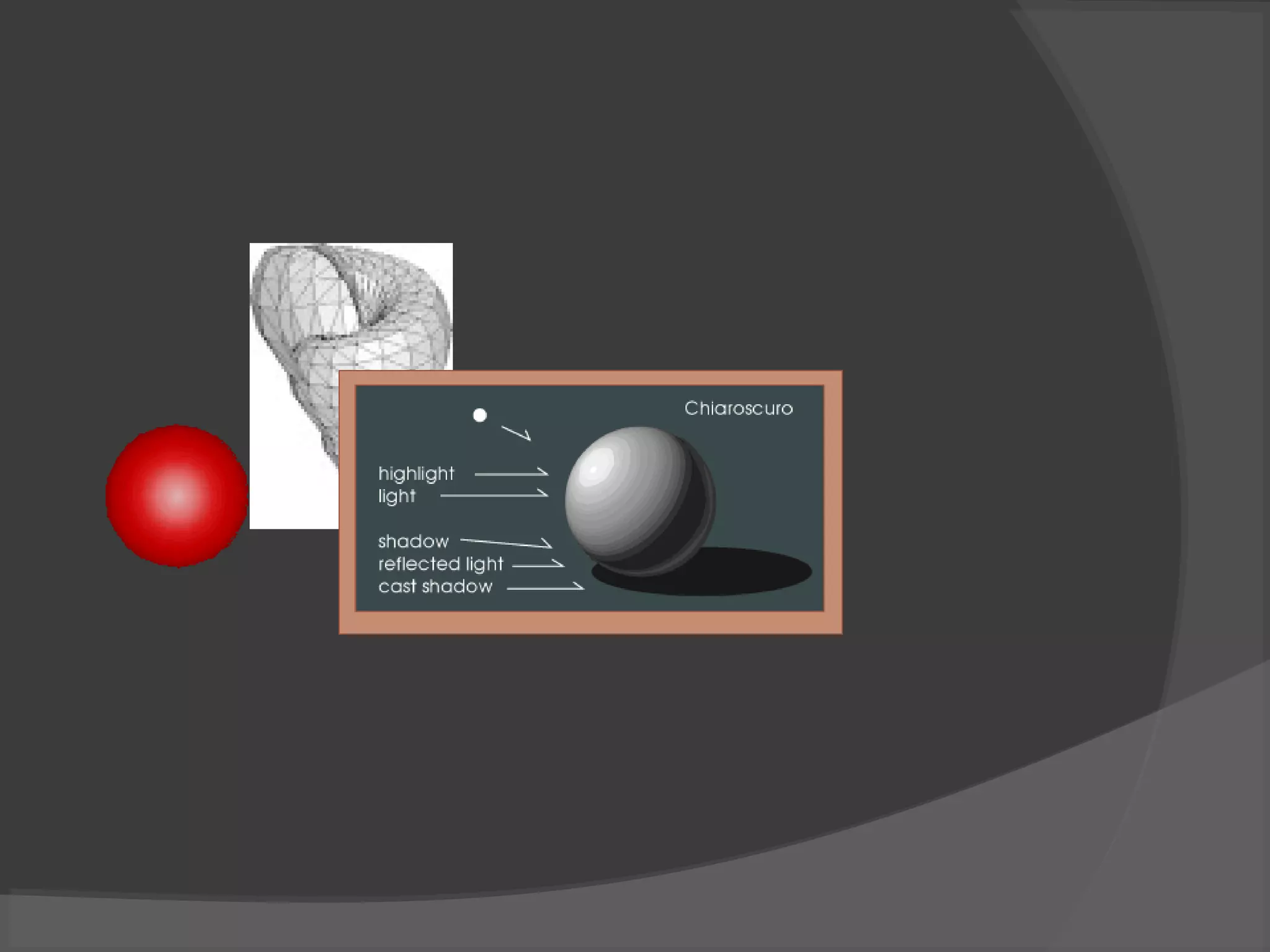
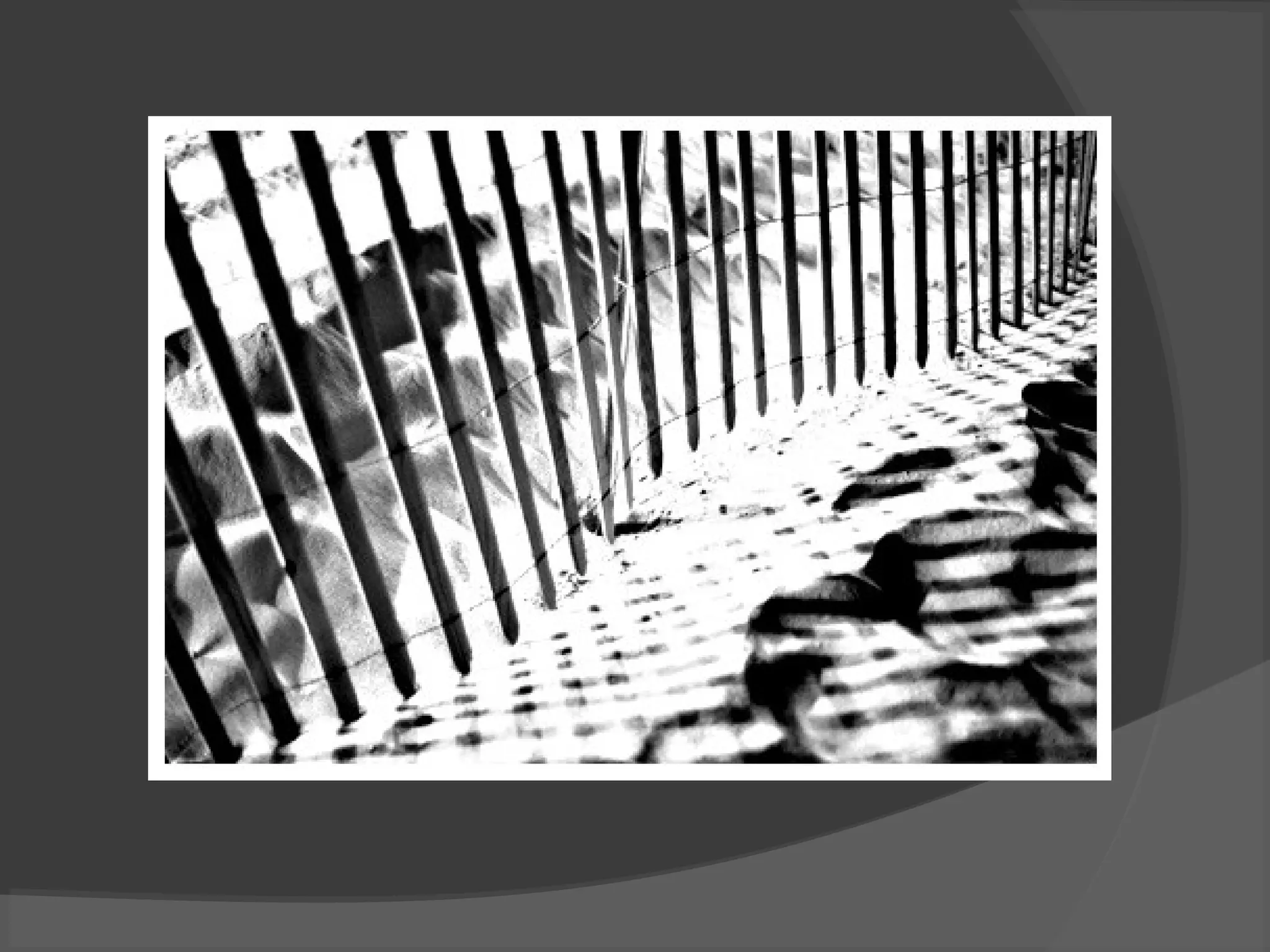
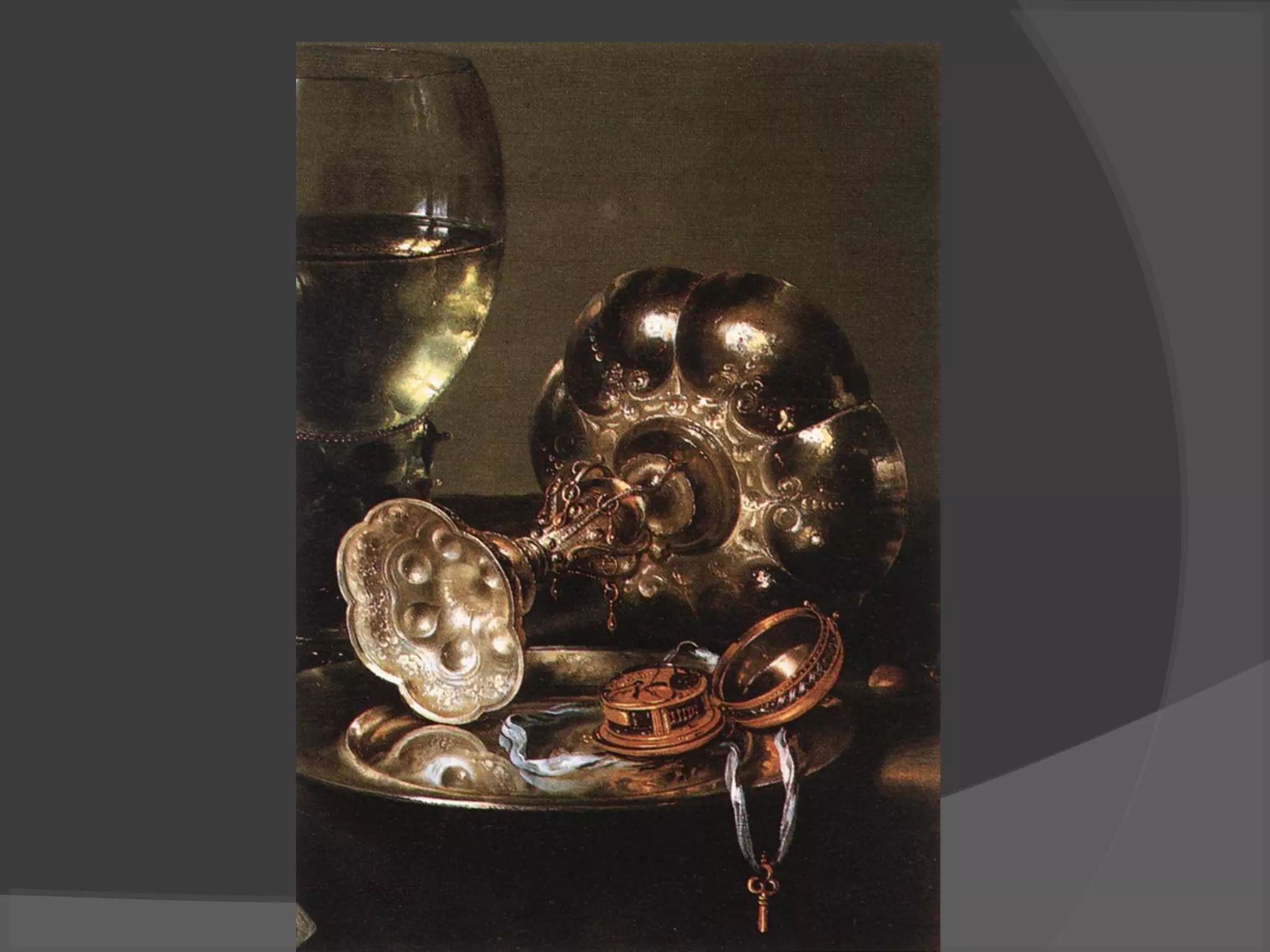
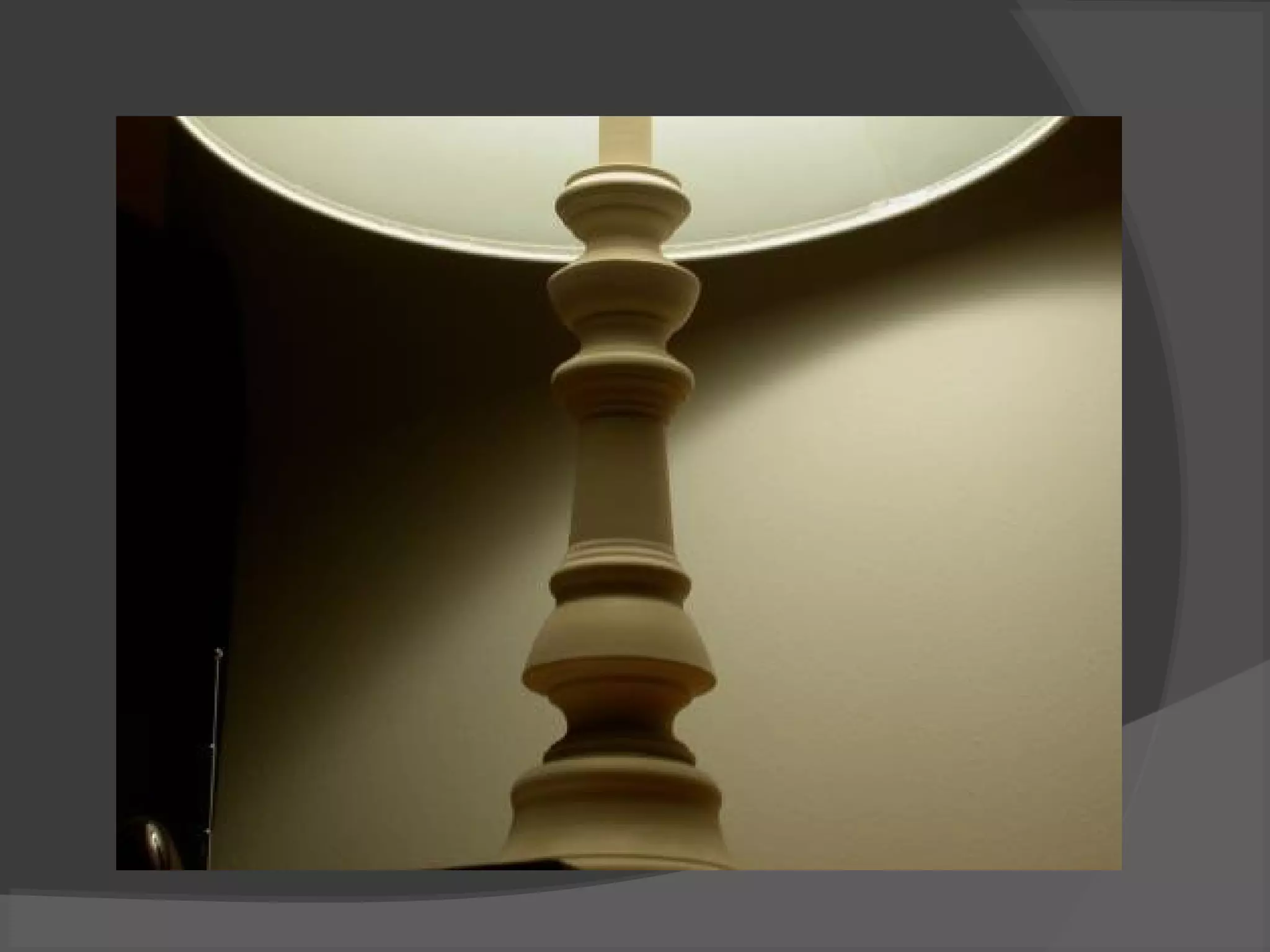
 Value refers to the degree of lightness or darkness and
can refer to the way color is used.
Value is used to transform shapes into forms.
Notice the smooth gradations from light to dark on each
form.
Highlight is the lightest value. Shadow is dark value.
The light color of a value is a tint.
The dark color of a value is a shade.
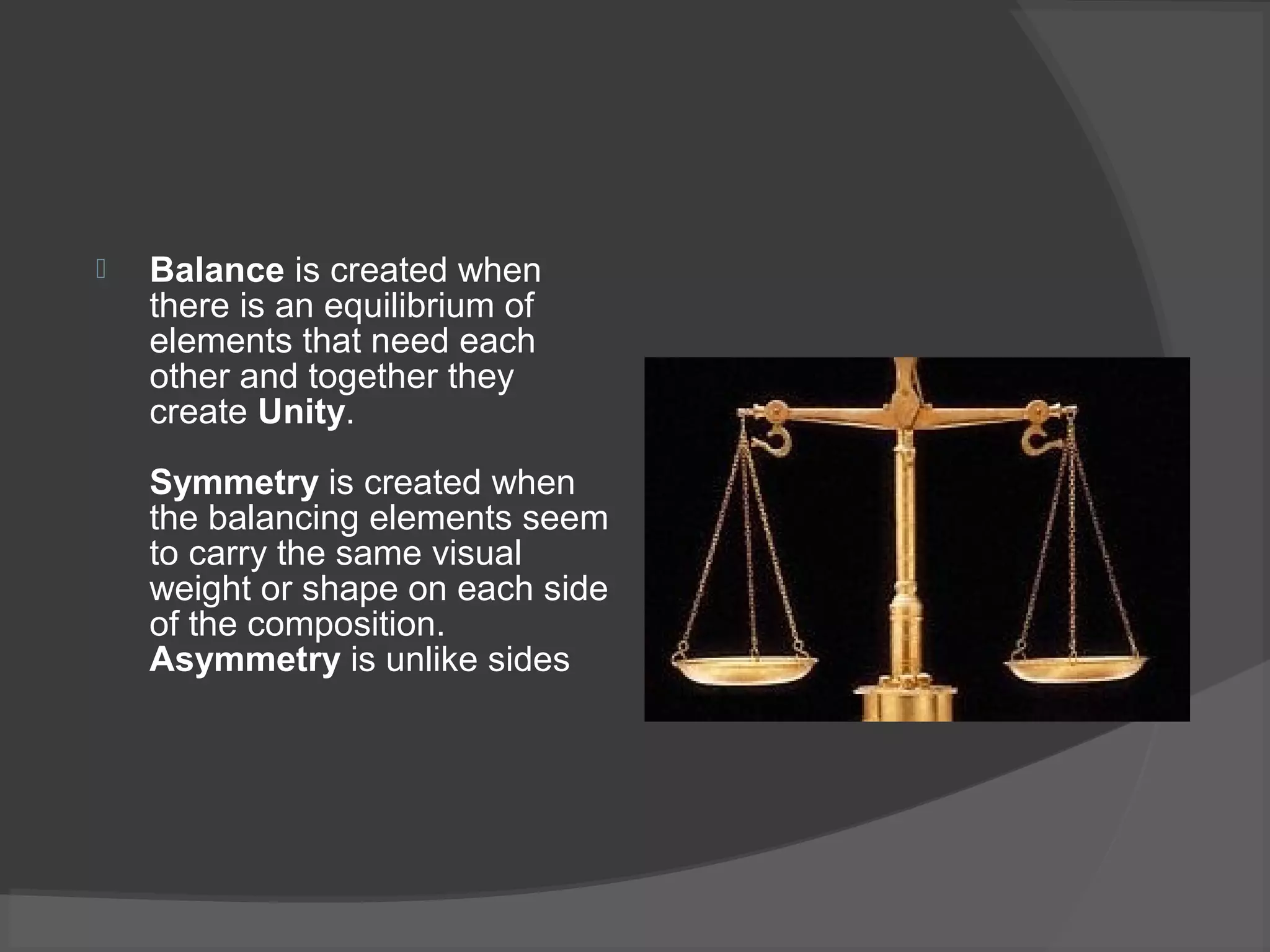
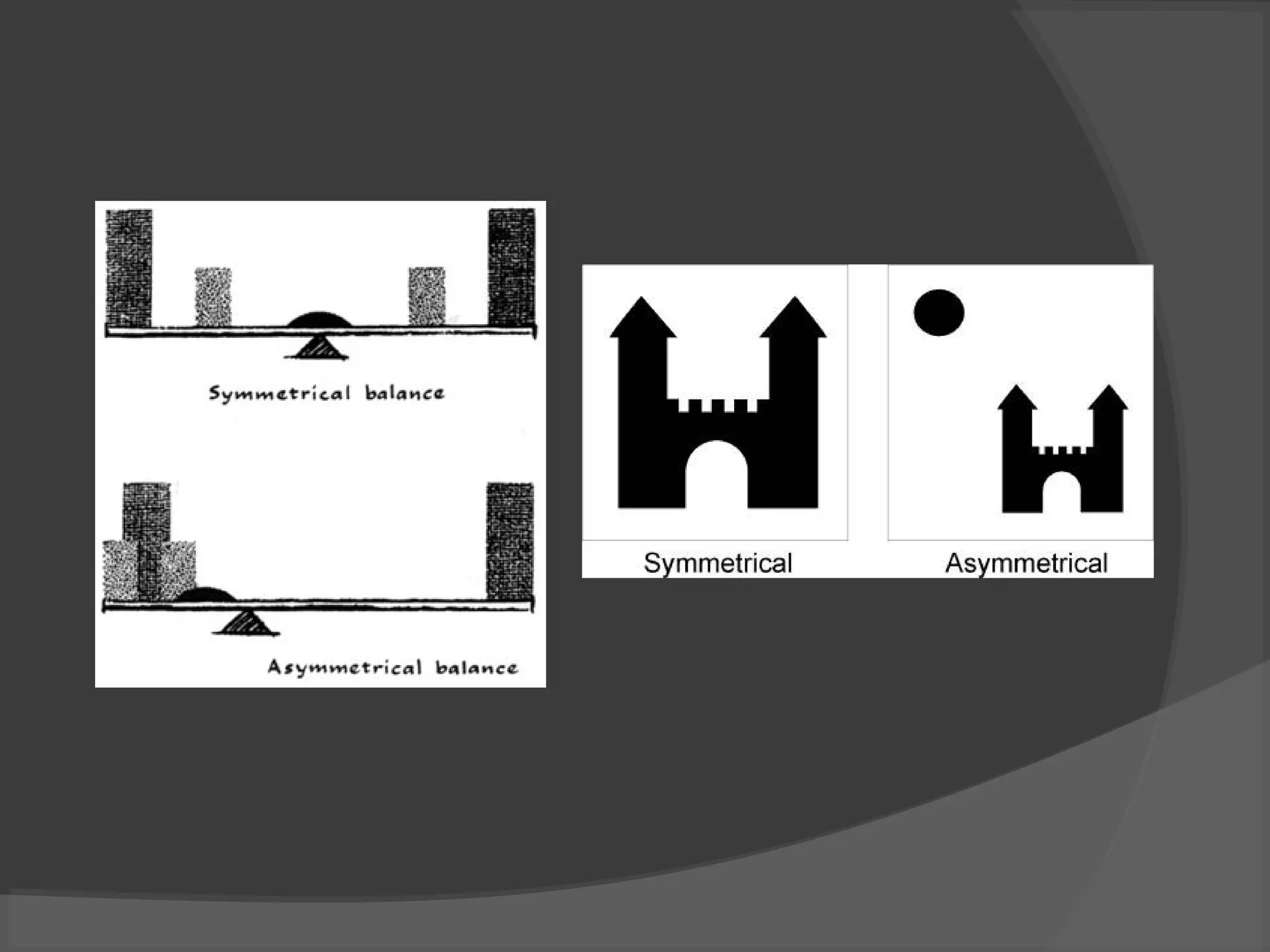
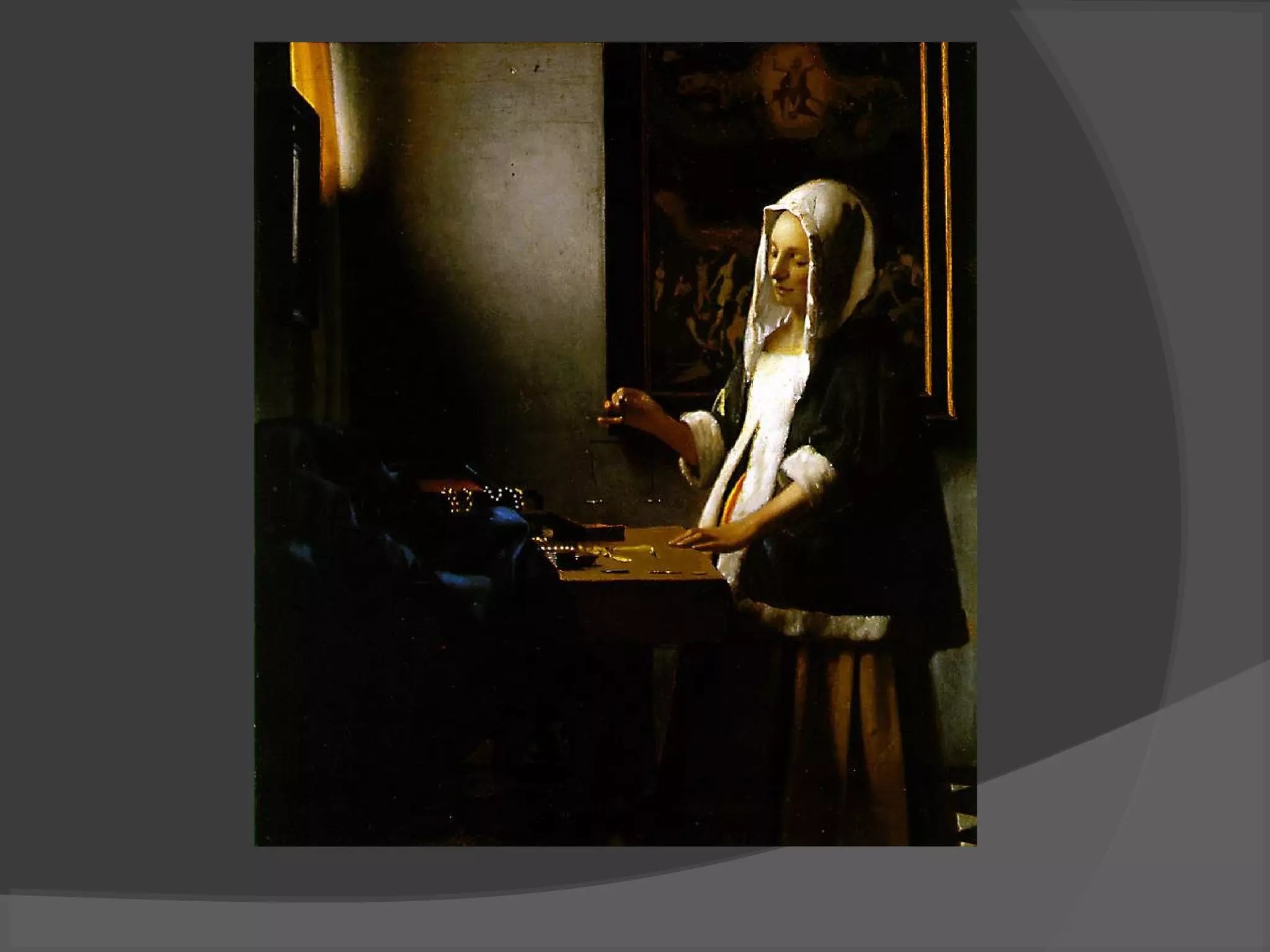
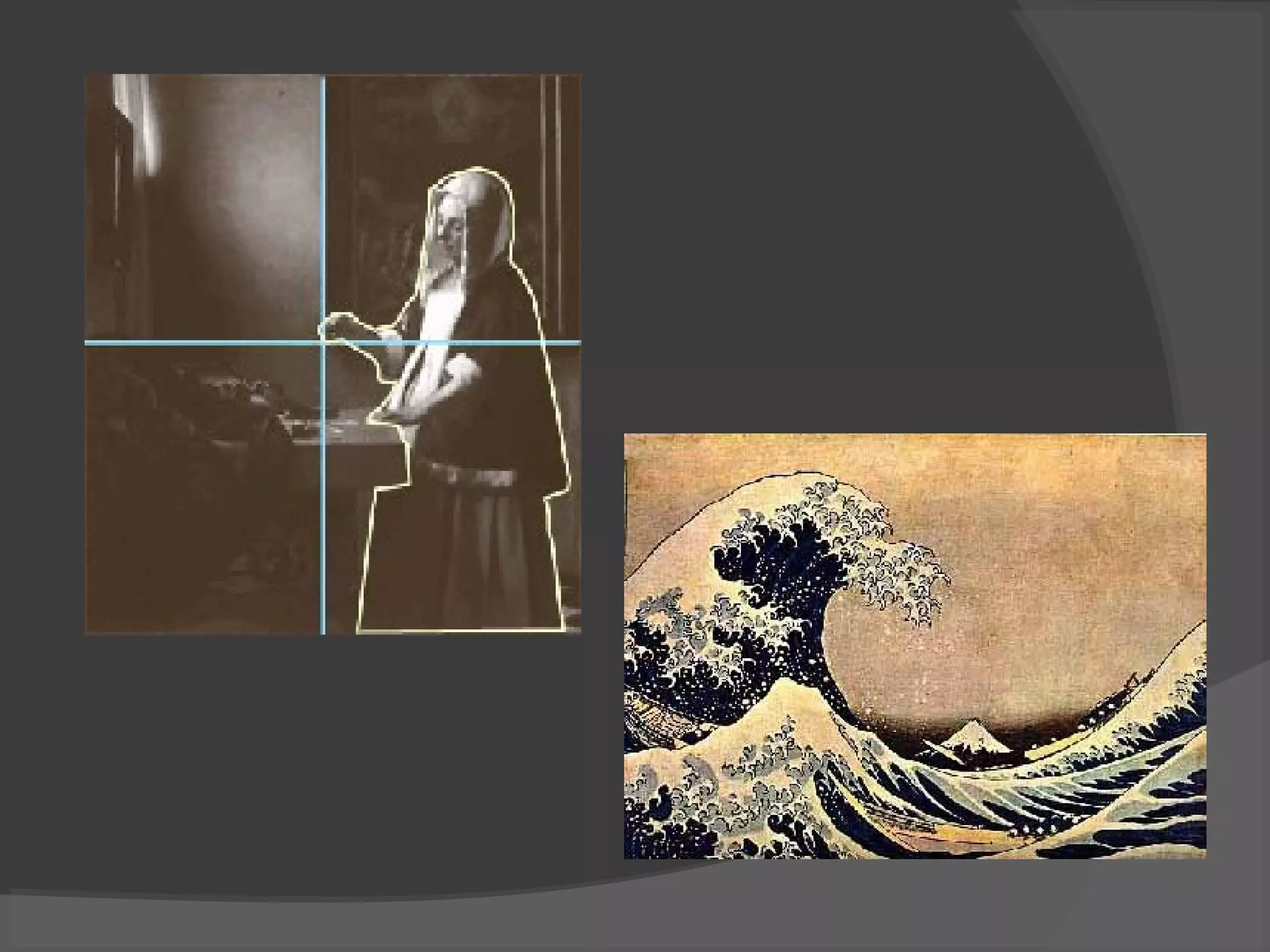
 Balance is created when
there is an equilibrium of
elements that need each
other and together they
create Unity.
Symmetry is created when
the balancing elements seem
to carry the same visual
weight or shape on each side
of the composition.
Asymmetry is unlike sides
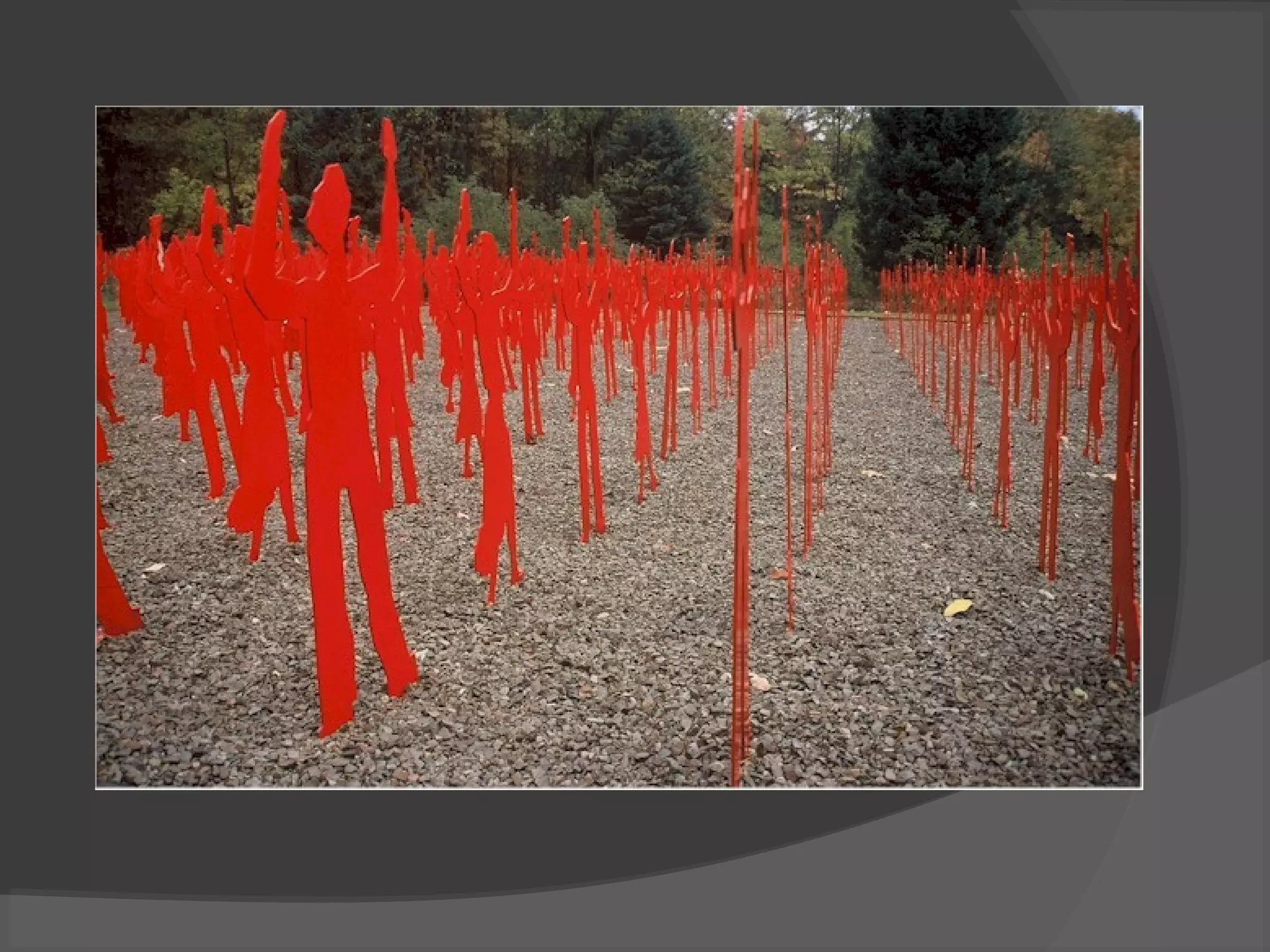
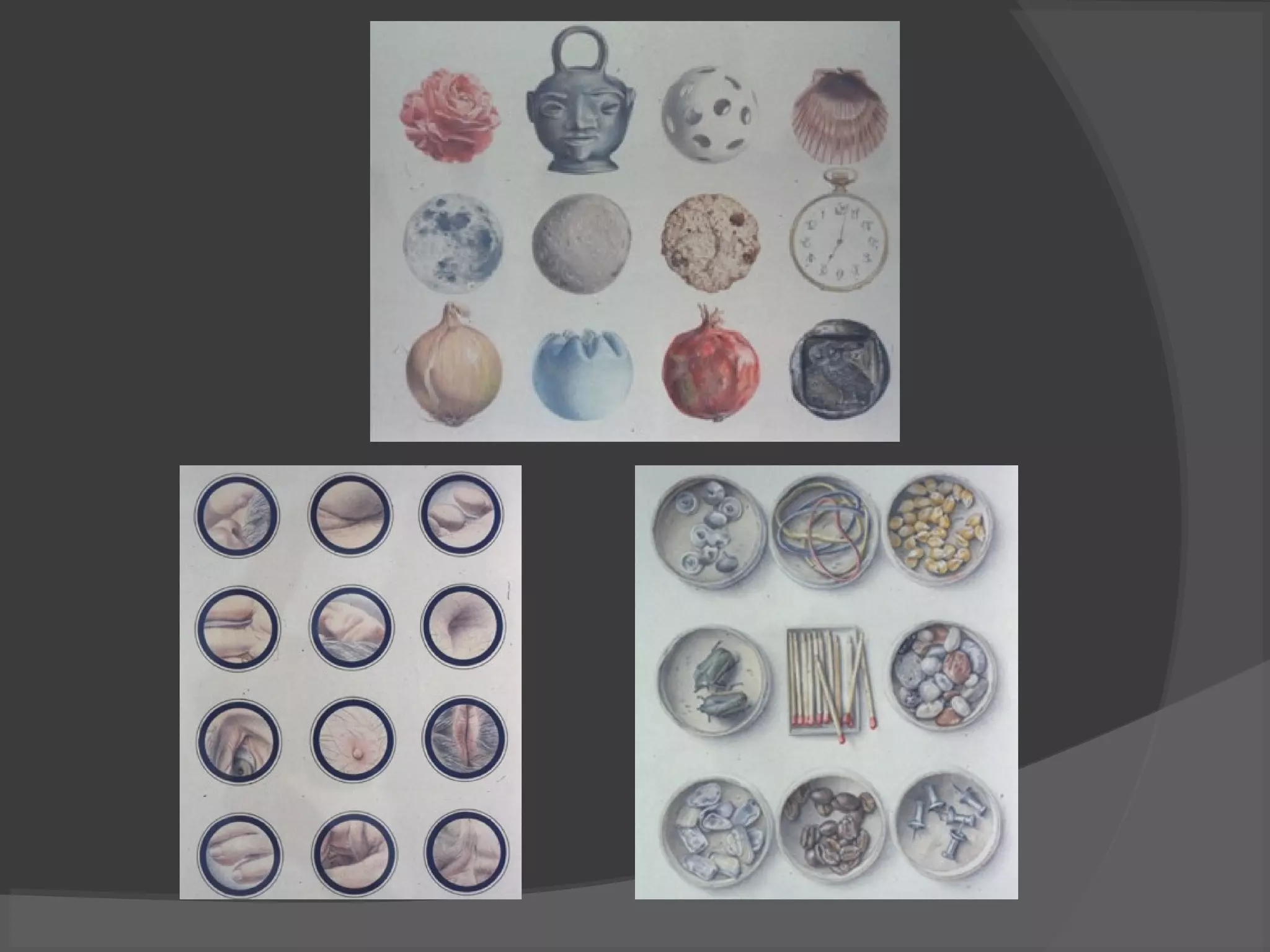
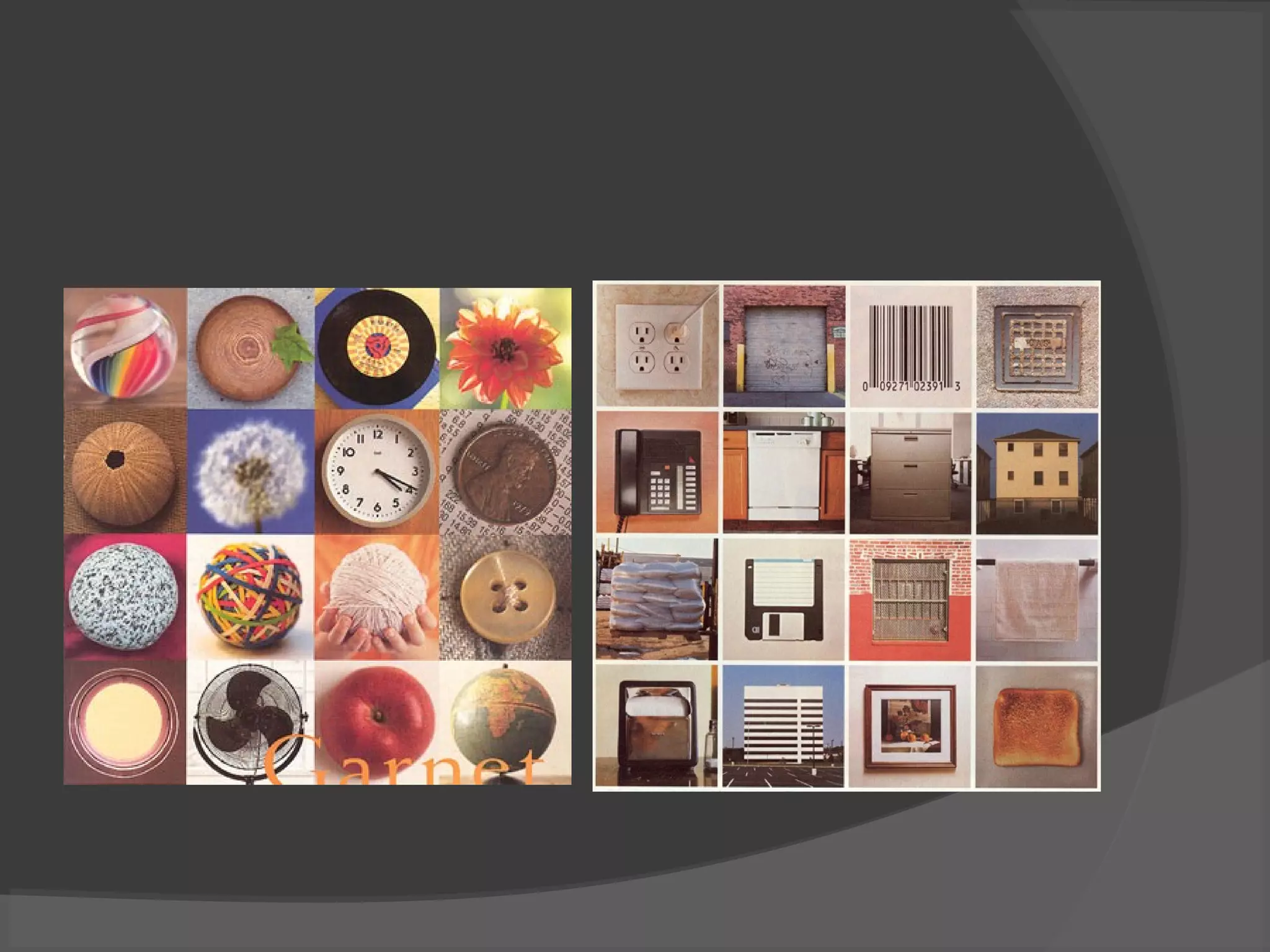
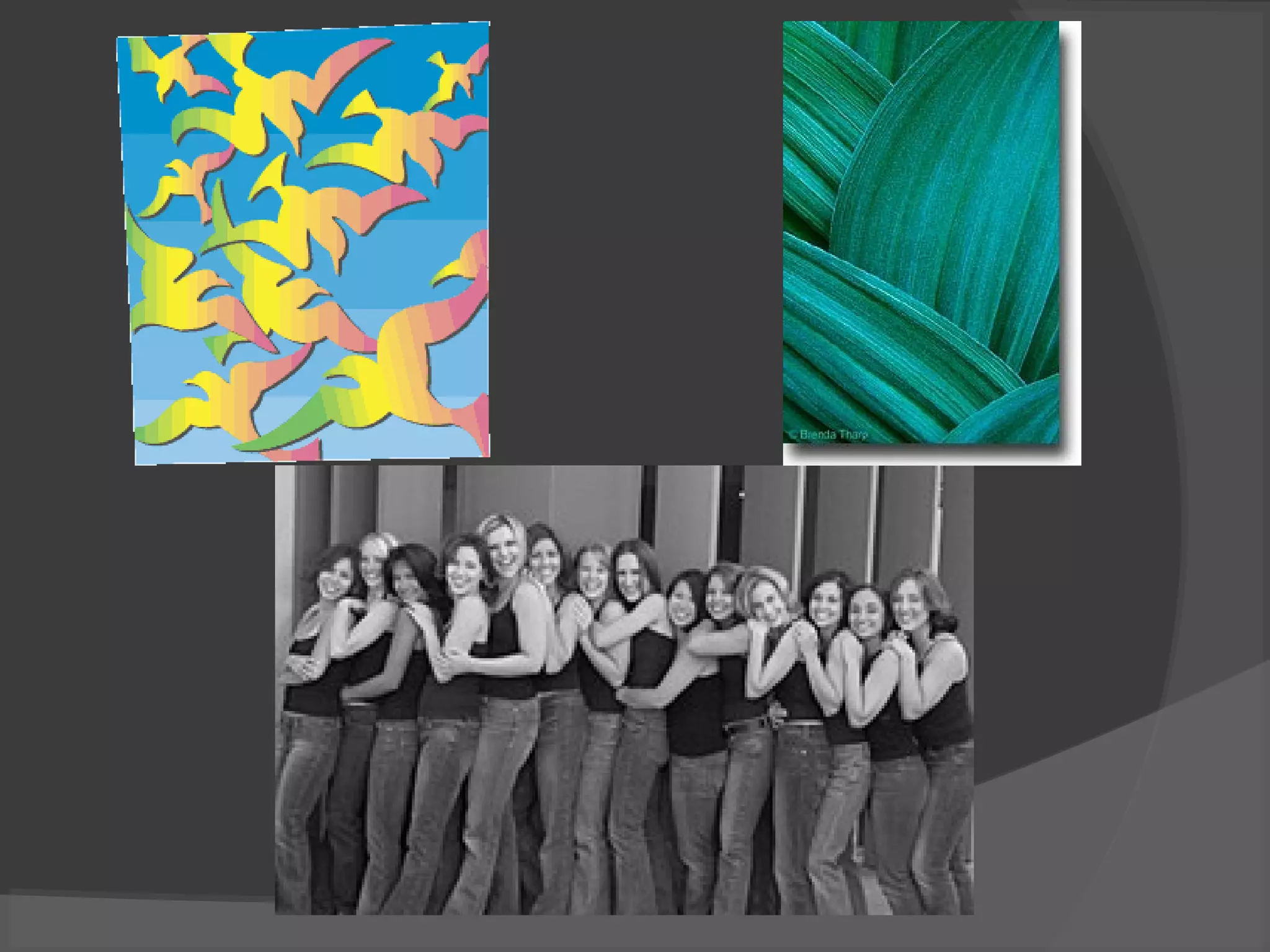
 Repetition is created when one of the
Elements of Design are repeated at
regular intervals.
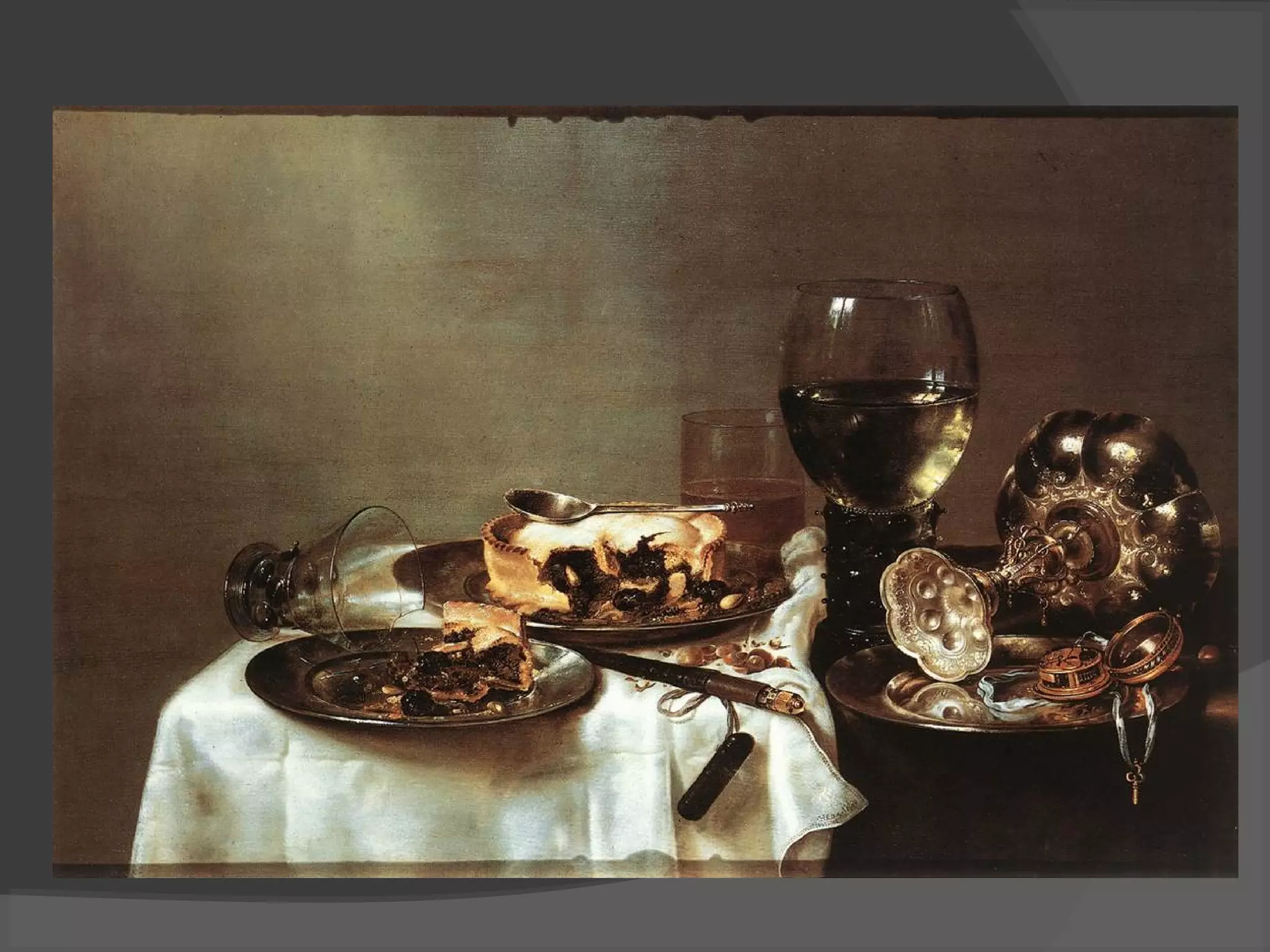
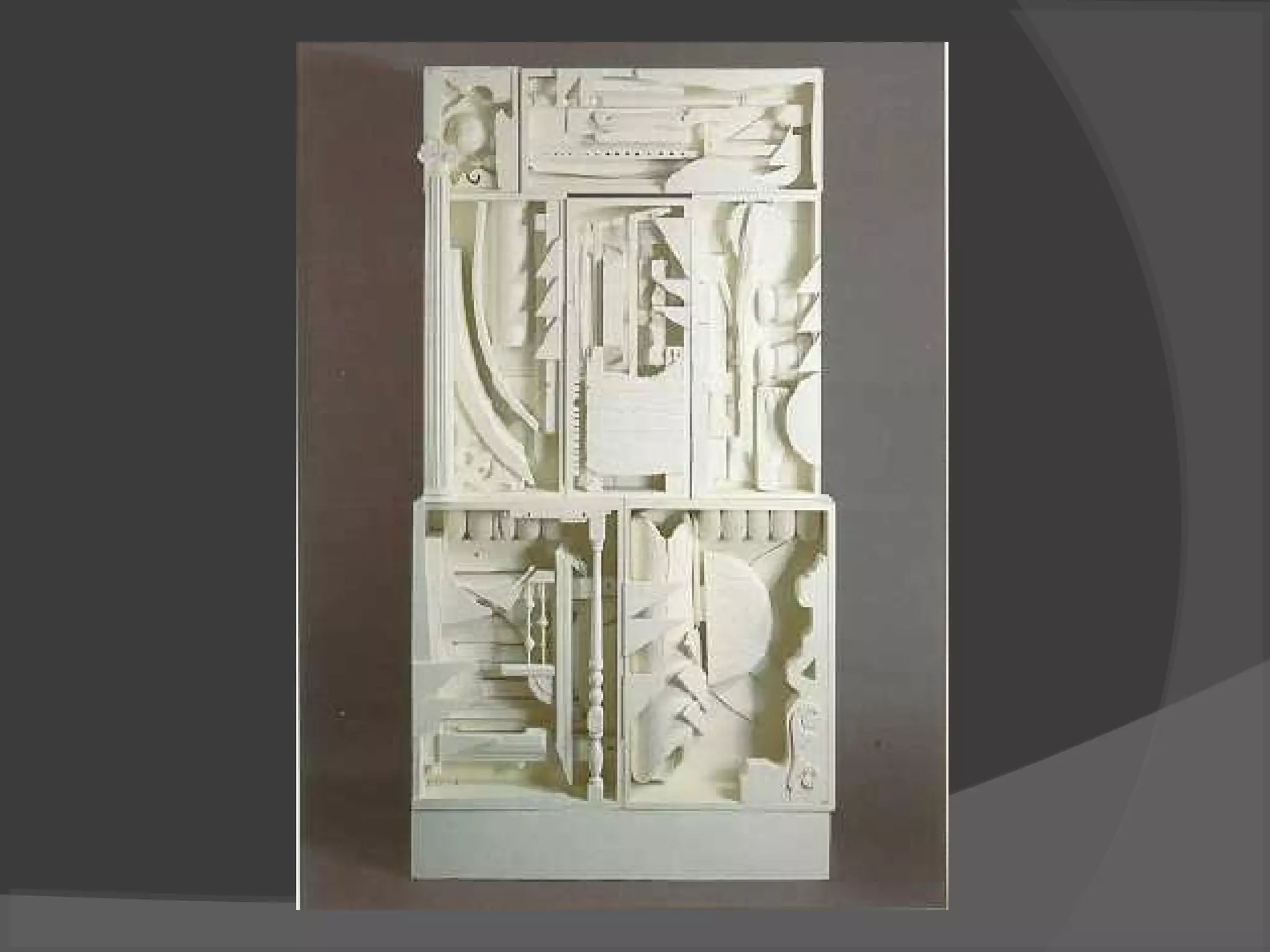
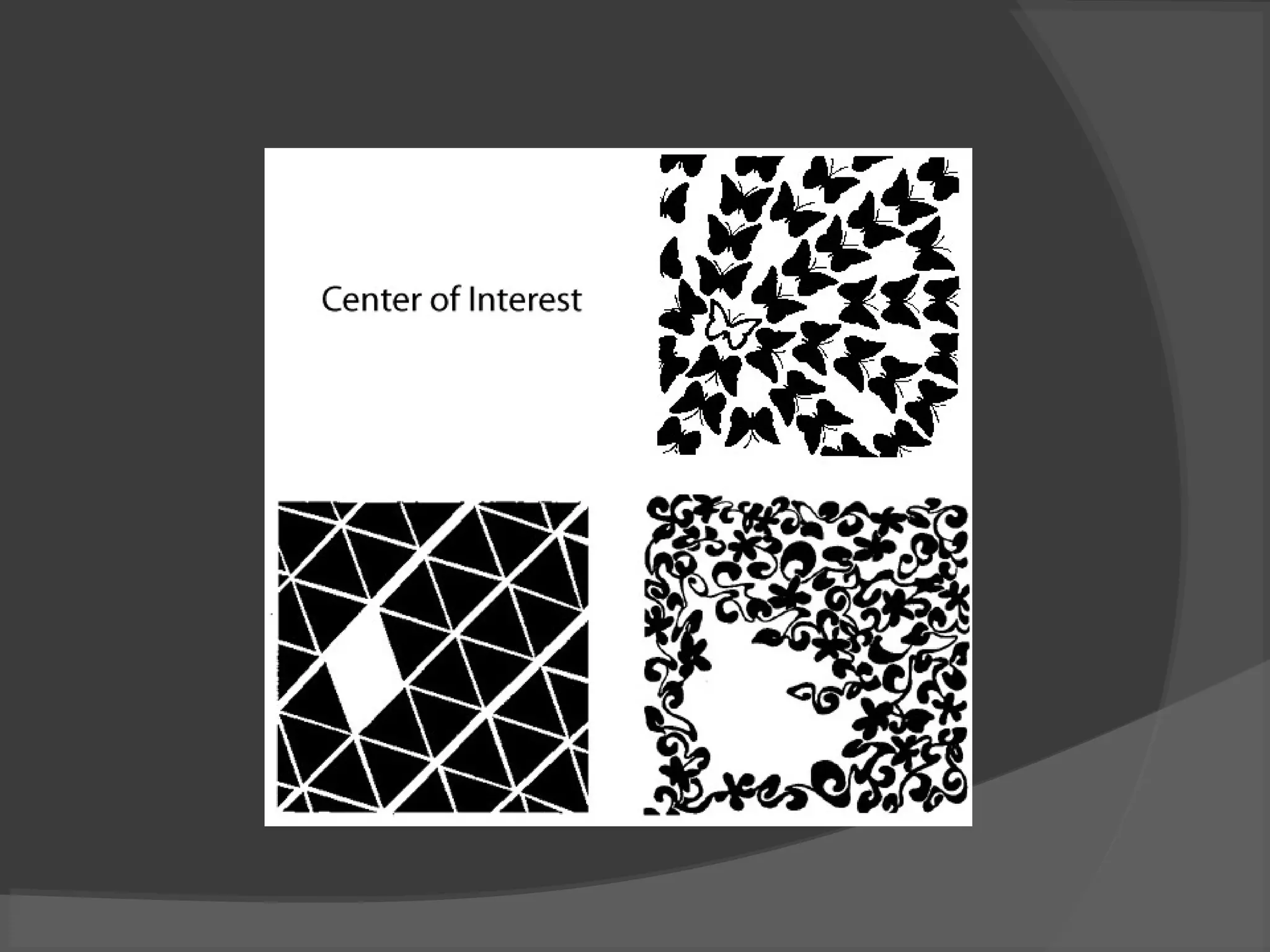
 Unity is created when objects seem to
belong to each other so that each
contributes something to the whole
composition. Nothing can be left out
without changing the composition
 Theme/Variation is the dominant
feature that is repeated to give the work
its character.
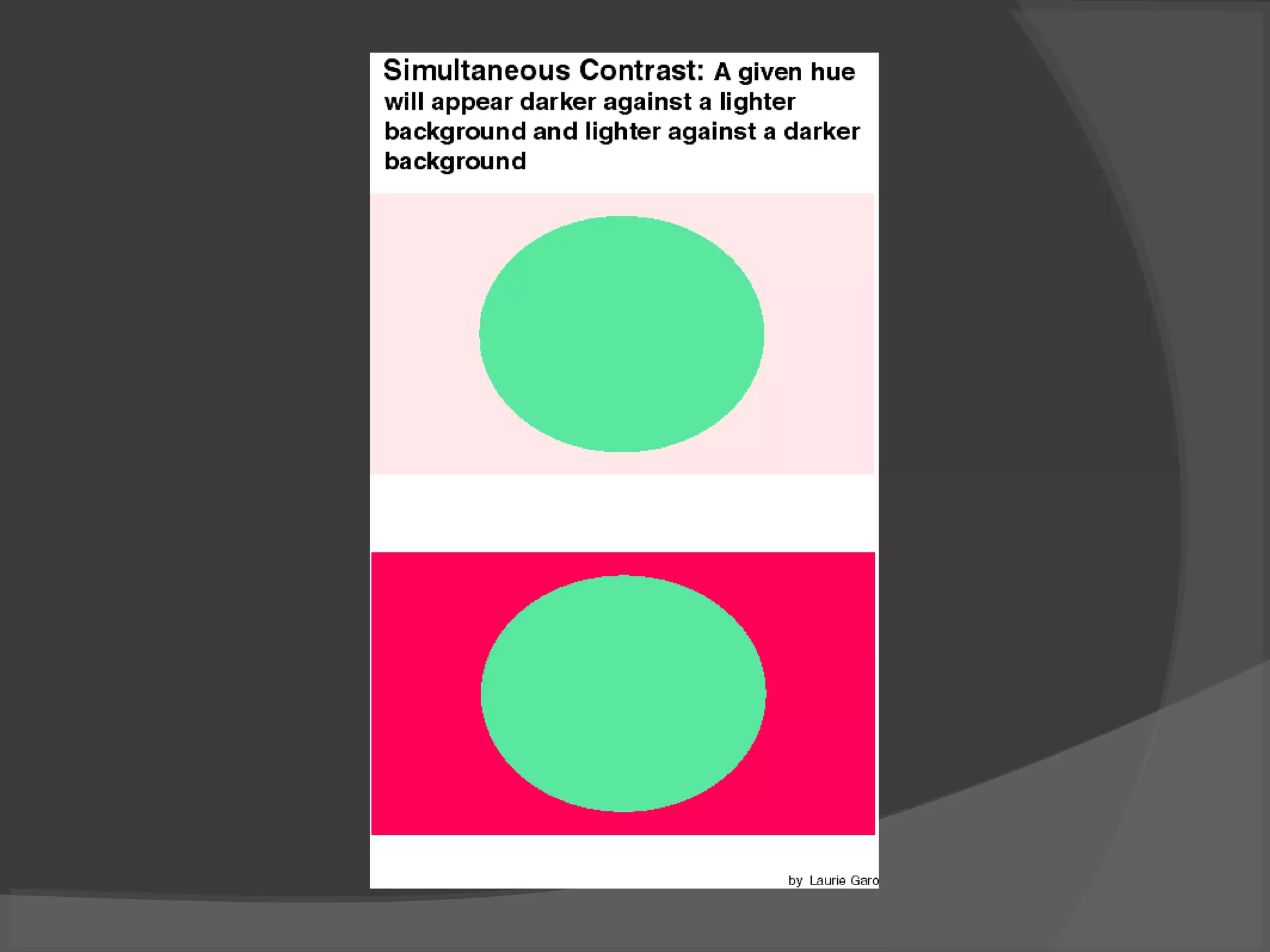
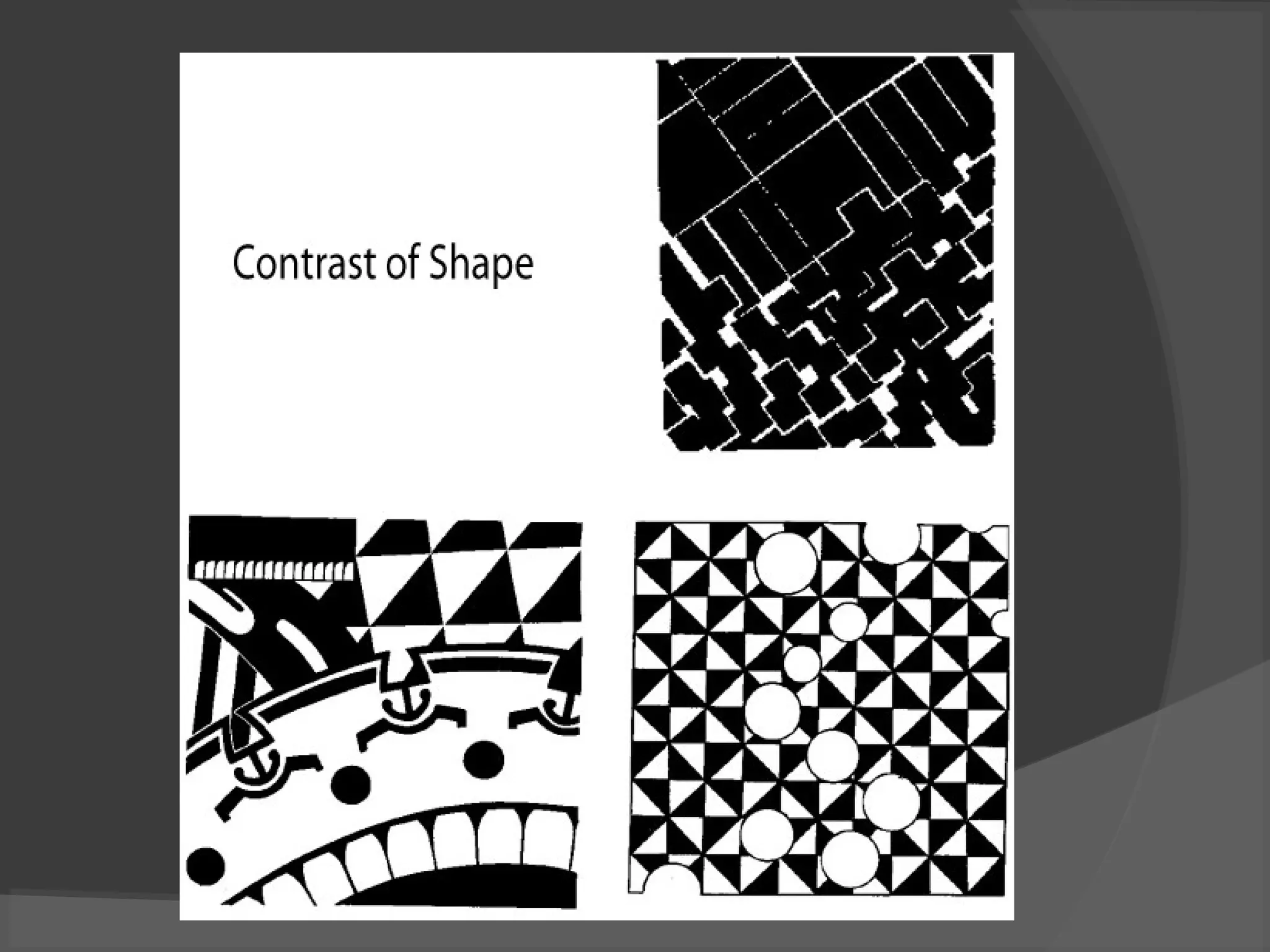
 Contrast is created when opposites are
used in close proximity such as light and
dark colors, or large and small shapes
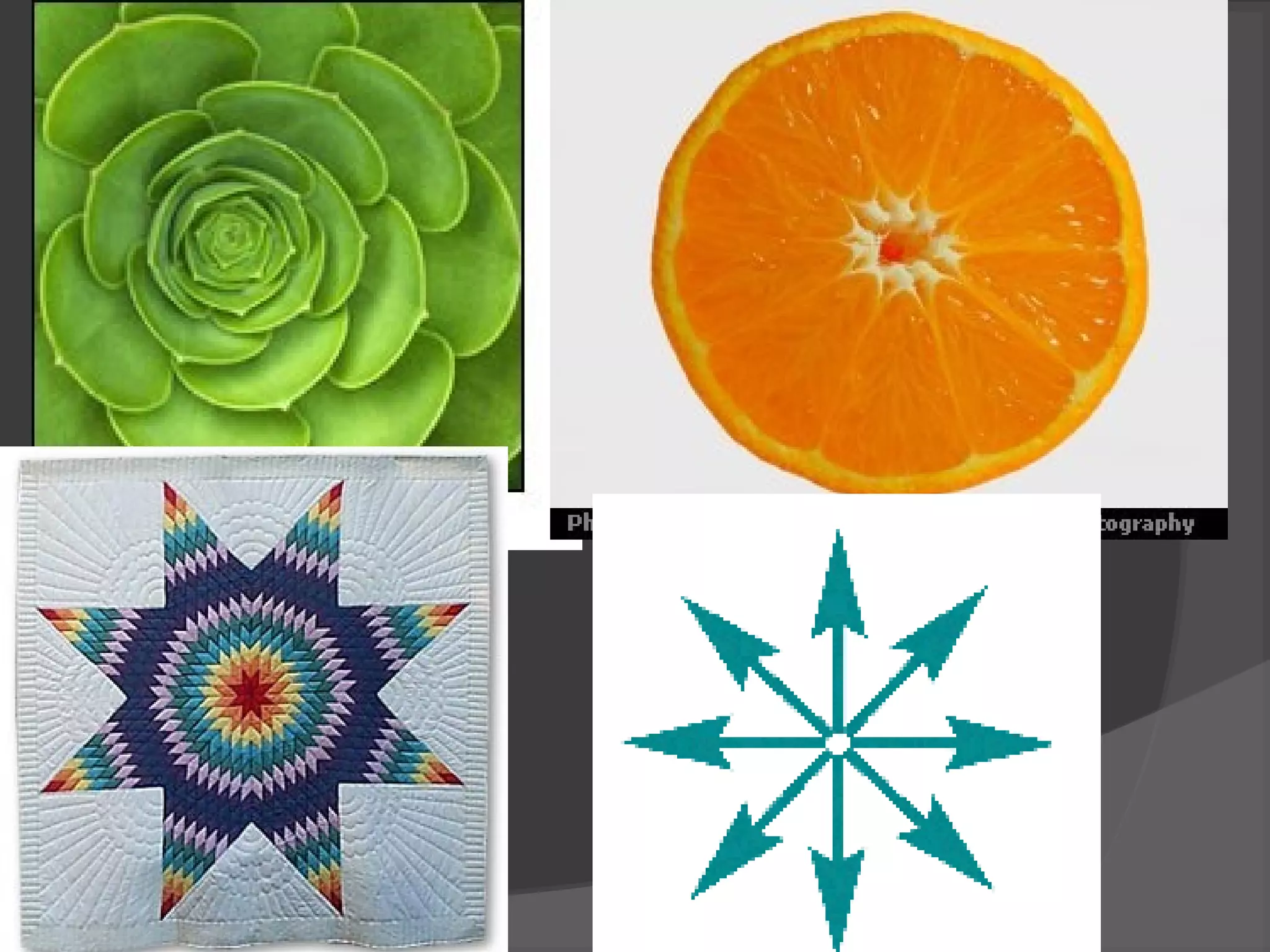
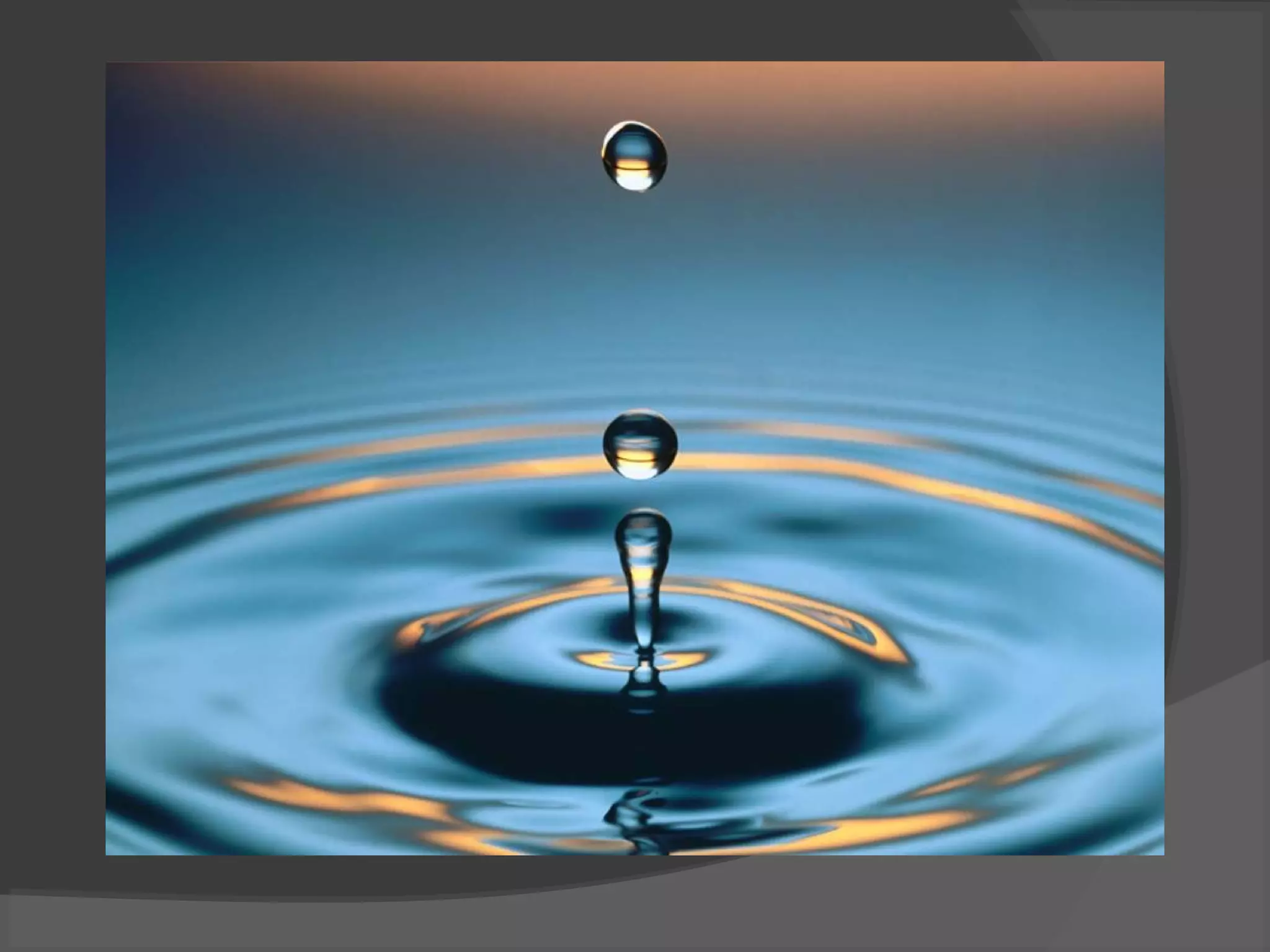
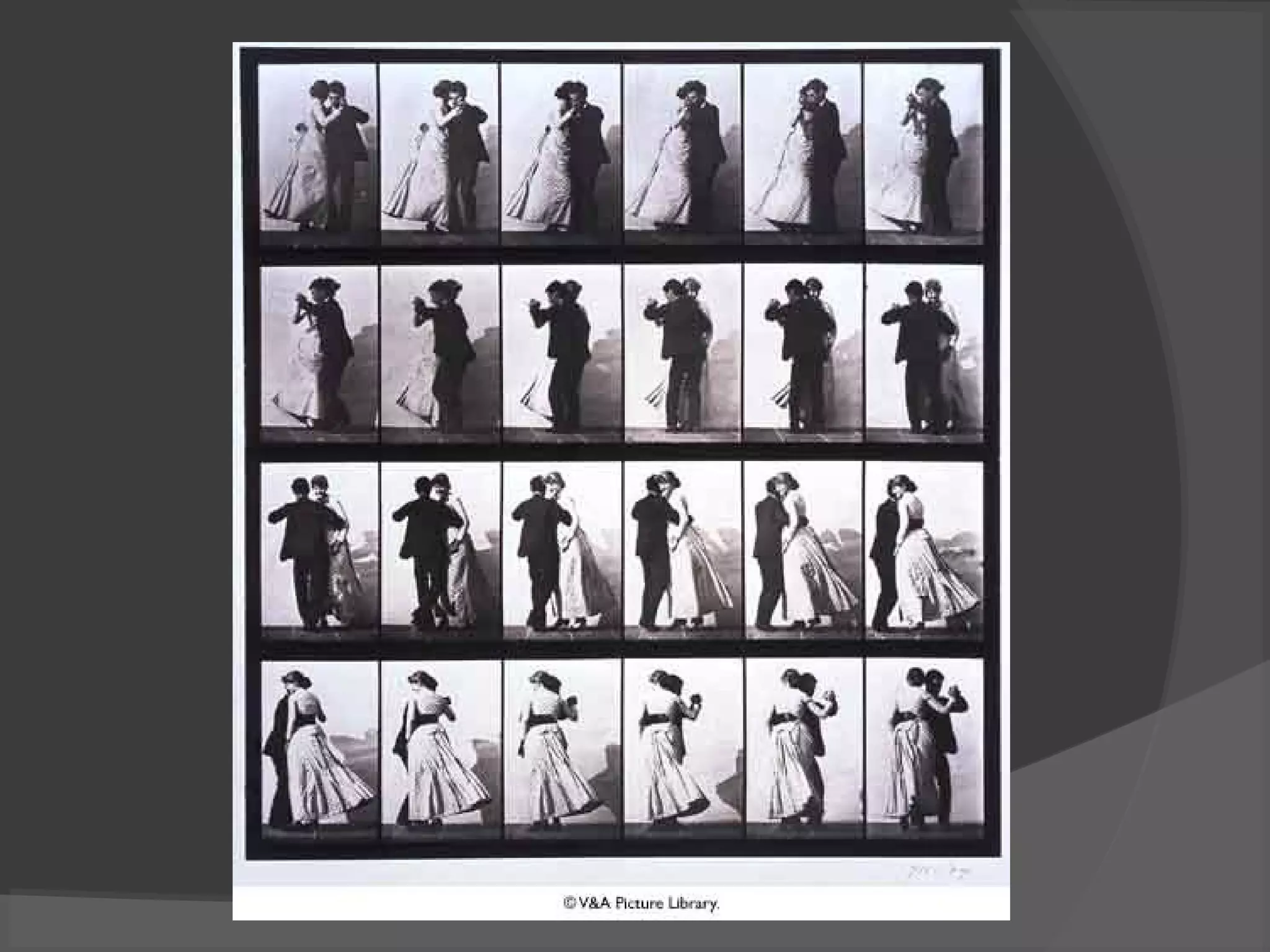
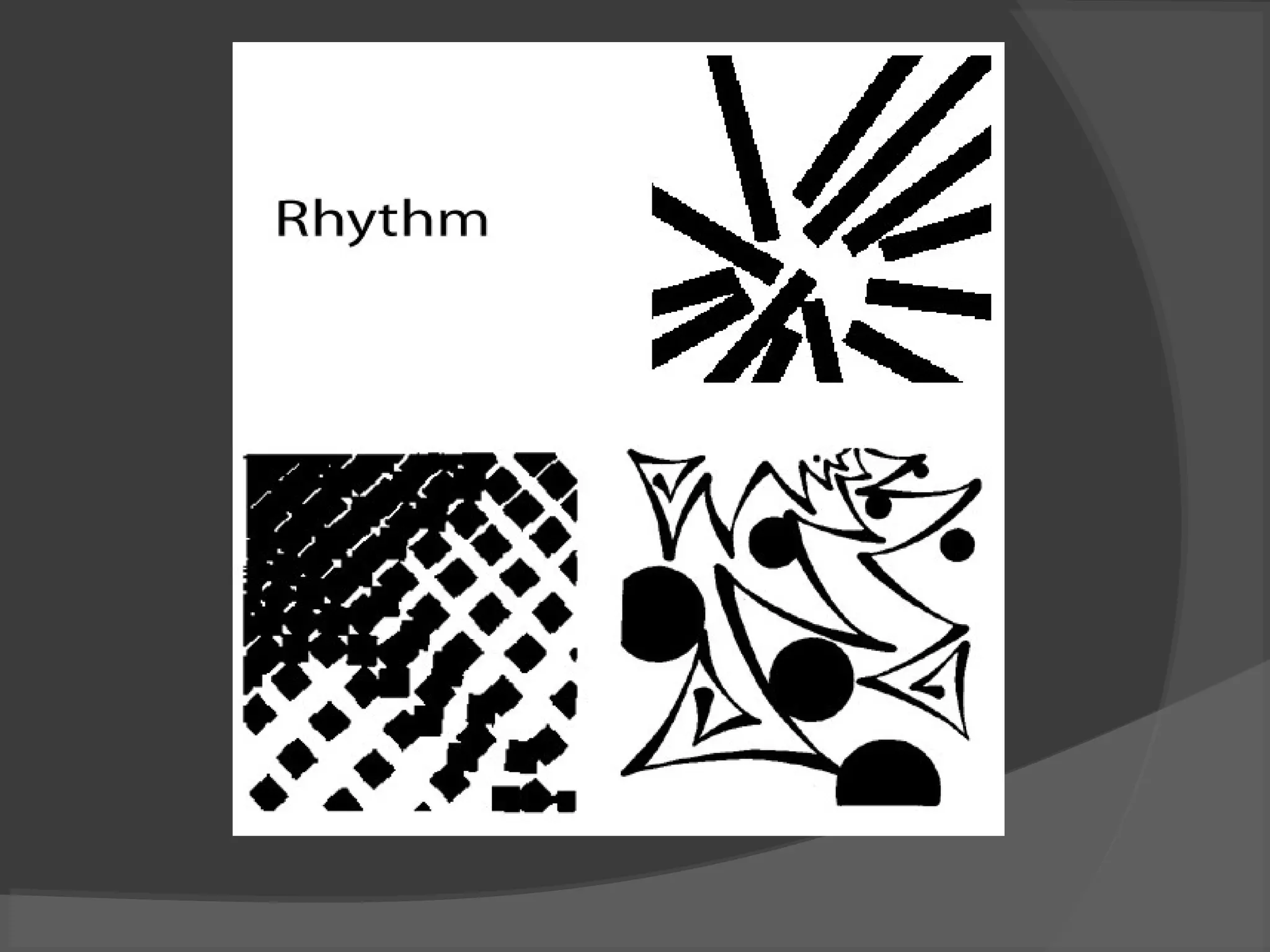
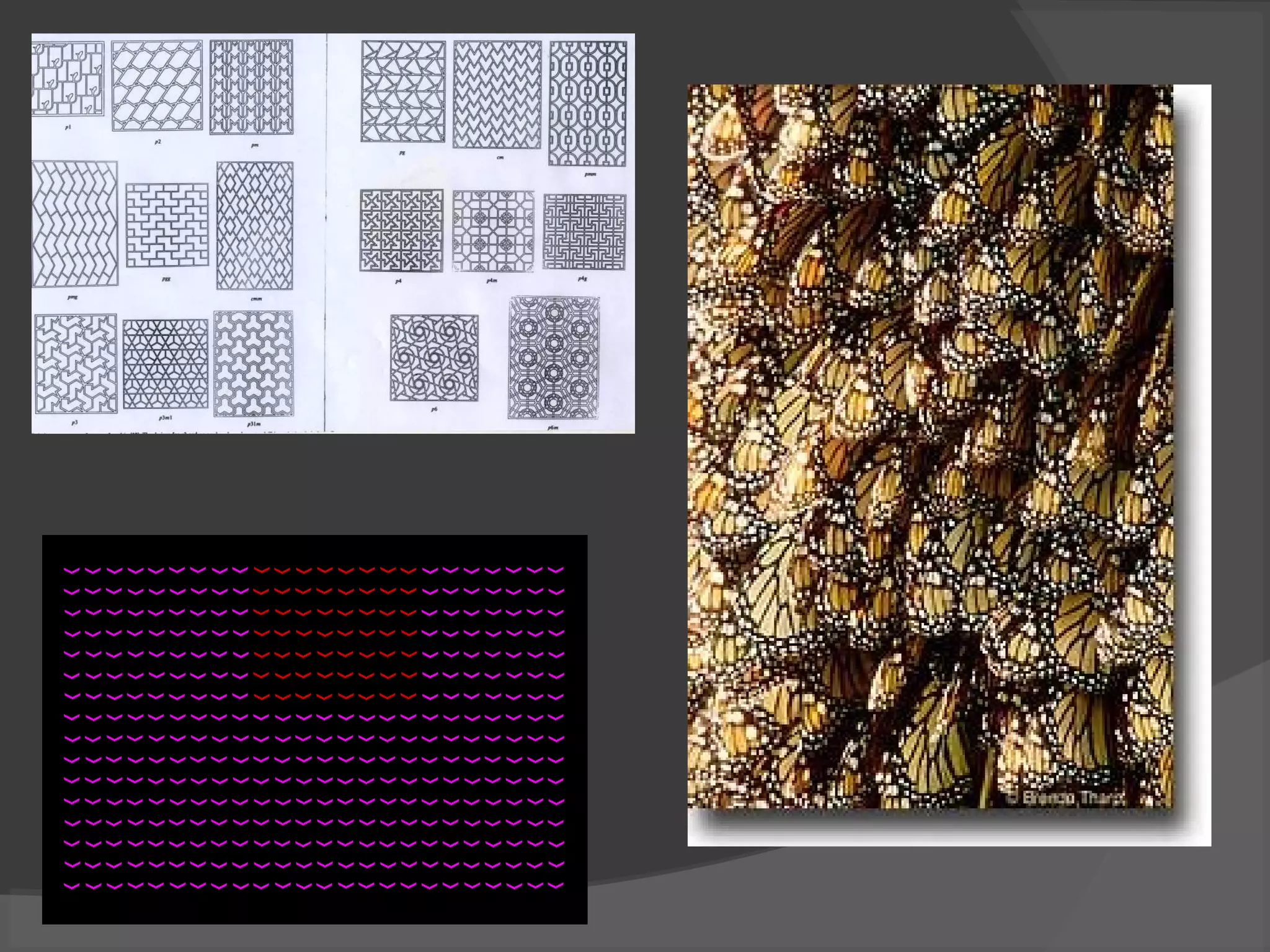
 Rhythm is the regular repetition of a
particular element(s). It suggests a
motion by patterns of recurrent
elements.
Rhythm is created when there is a
regular repetition of particular forms, it
shows a pattern of movement.
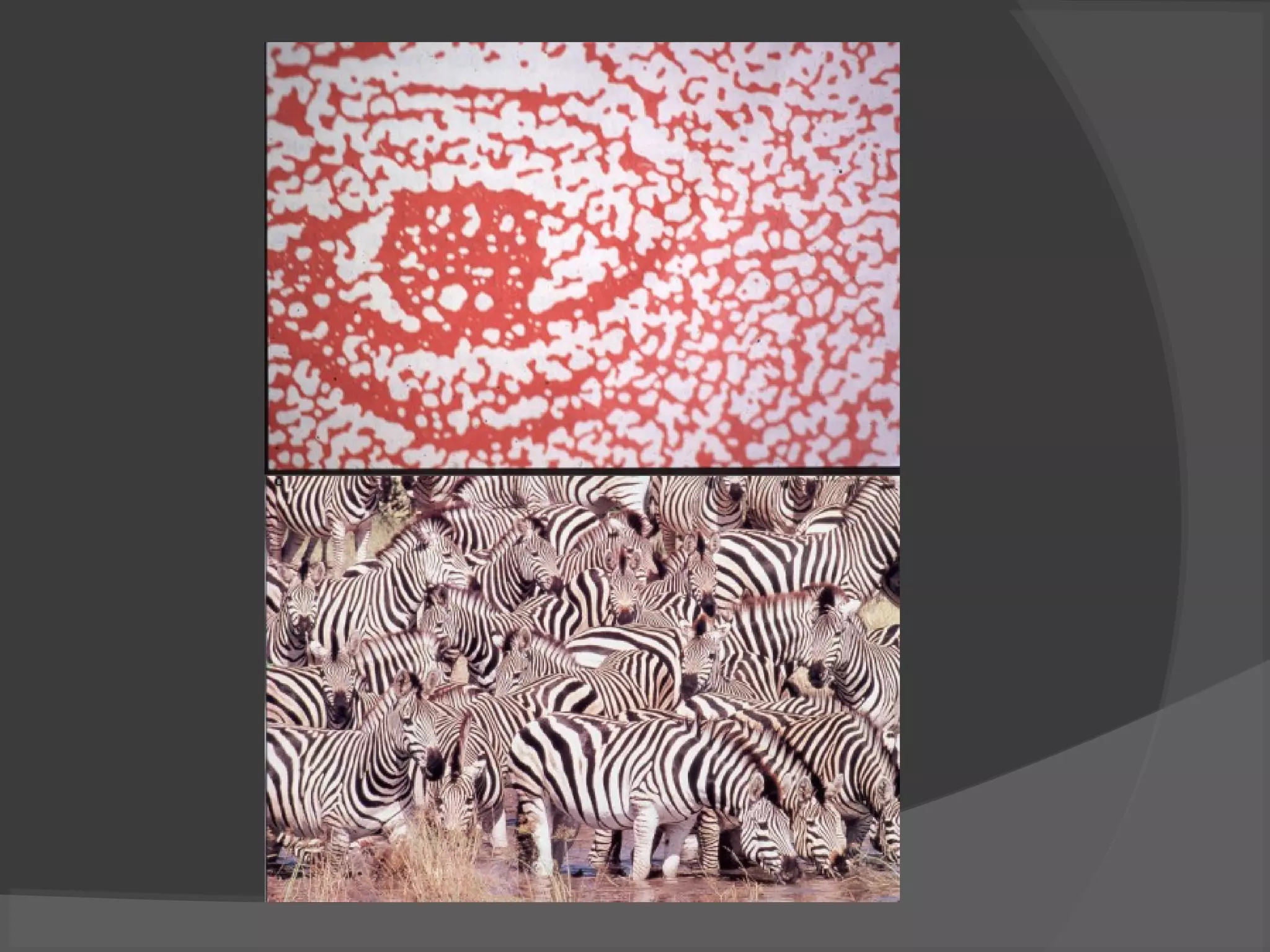
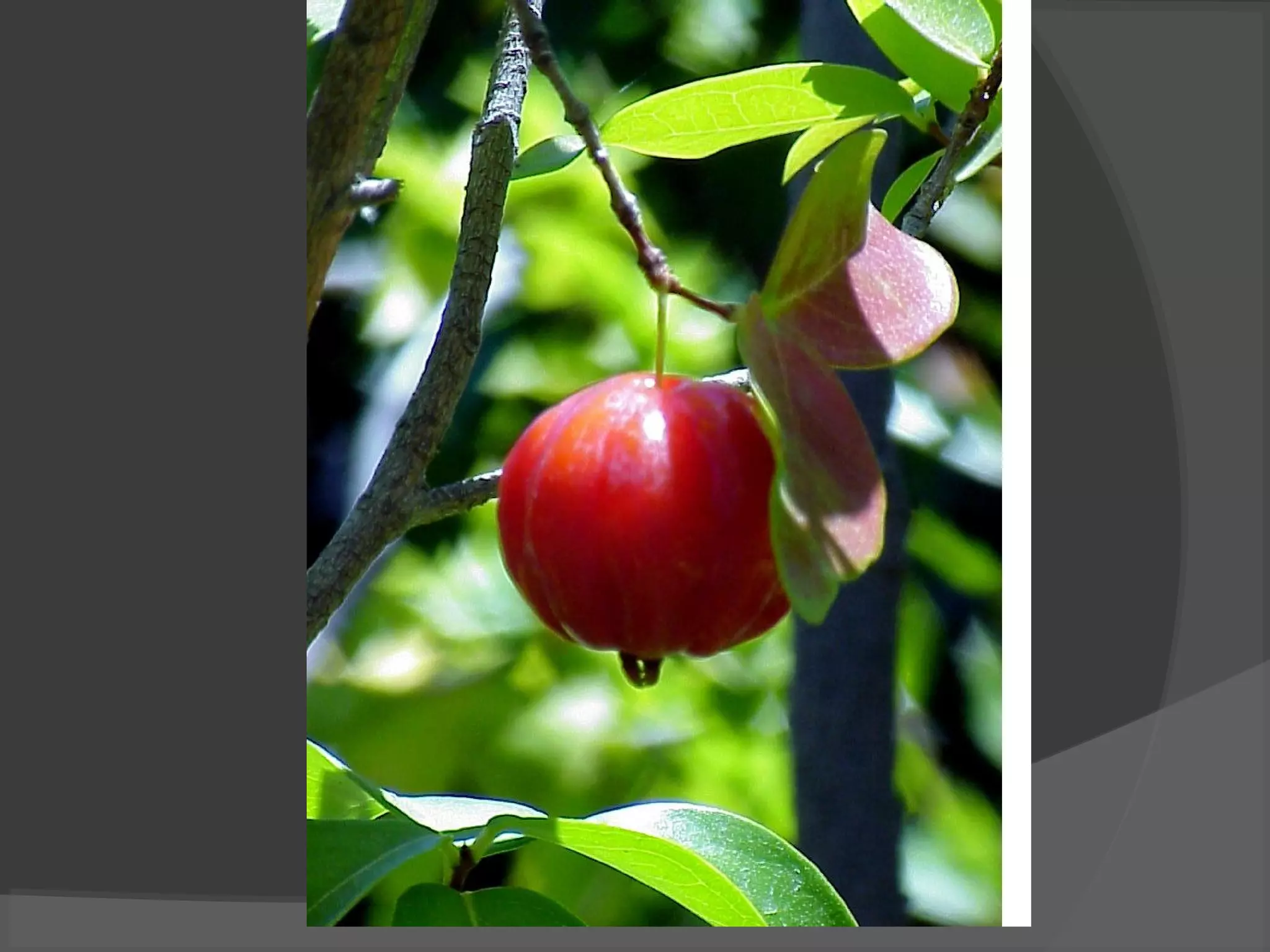
 Dominance is created when one part is
given more importance than any other
part of the work
 Technical Properties:
 Technical Properties are important to understanding a
work of art. The artists’ skill and use of a particular art
media and tools gives the viewer a closer look at the
relationship between the artist and the quality of the work
of art. Identifying art media used by an artist is the first
step. Techniques for using art media are varied. Each one
has a particular characteristic, and the effect the artist is
trying to achieve will depend on which medium is chosen.
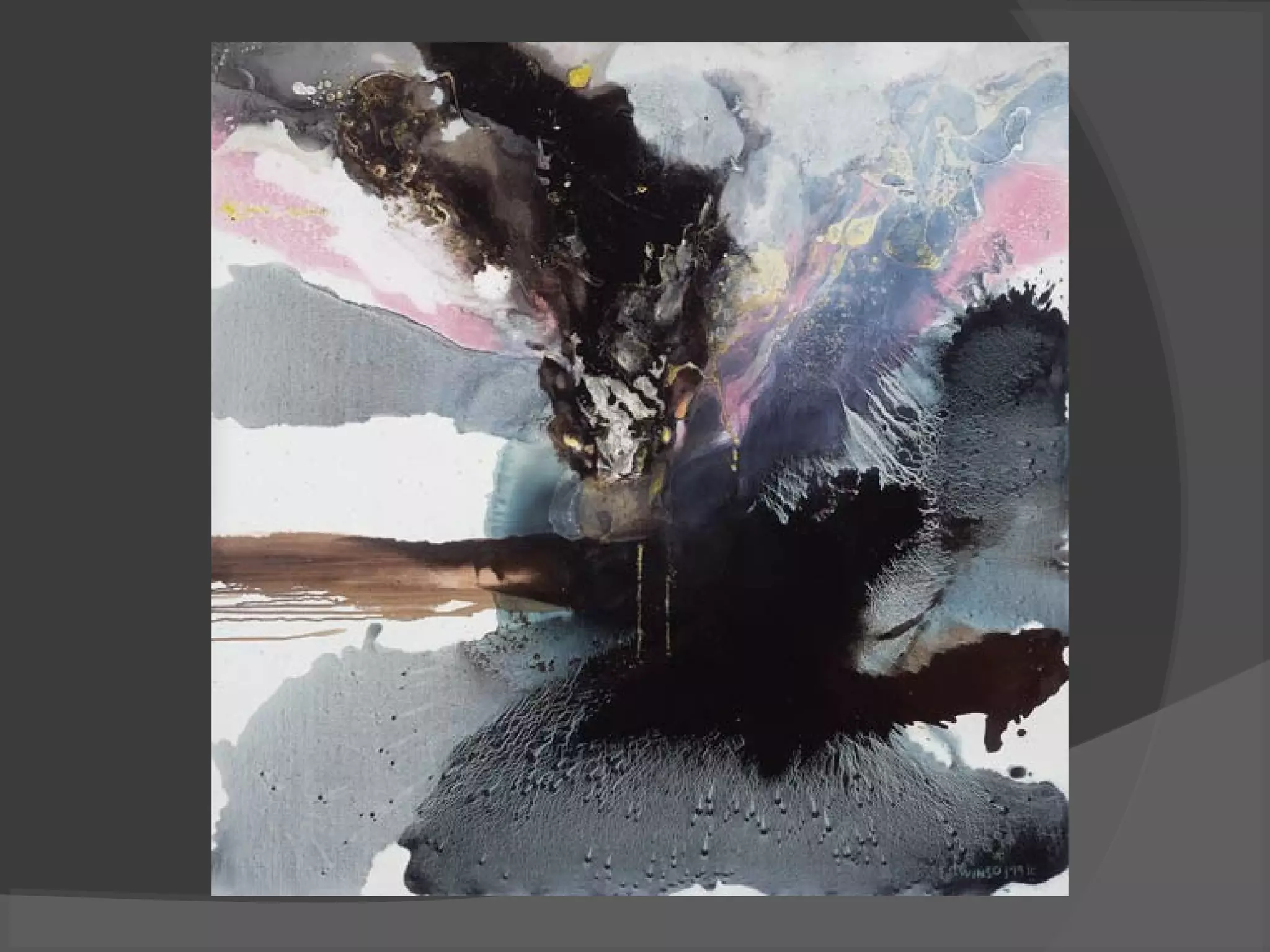
 The Expressive Properties:
 Expressive Properties are the emotional or aesthetic
responses one receives from interacting with a work of art. A
work of Art usually has a message, a response that it wants to
give to the viewer.
The Expressive Properties are described in three categories:
 Mood Language ... How does the artwork made you ‘feel’? -
witty, whimsical, joyous, playful, mysterious, loving, quiet,
reflective, dreamy
 Dynamic States refer to forms that express a sense of tension.-
suspense, unexpected, power, exciting.
 The Idea or Ideal Language offers a description of a quality of
perfection: nobility, courage, wisdom, truth, honor, heroism,
bravery, innocence, compassion, majesty, resistance,
fearlessness.

Elements

  • 1.
    Elements:  The Elementsand Principles are essential to understanding, interpreting and talking about art. As you read the following definitions and view examples of how they are used in art work, follow along on your scanning sheet to see how each of the Elements and Principles contribute to a work of Art. The Elements of Design are the building blocks of art. Artists use the elements to express their ideas, just as a writer words to express ideas. uses. The Elements of Design are sometimes called Sensory Properties because the viewer can see and touch them with their senses. You will be using these Elements in your first scanning sheet page.
  • 2.
    Line  a mark,or stroke that is longer then it is wide. It is the path of a point moving in space. Objects and things are perceived by the line that describes them. Characteristics of line include:  Width - thick, thin, tapering, uneven  Length - long, short, continuous, broken  Direction - horizontal, vertical, diagonal, curving, perpendicular, oblique, parallel, radial, zig-zag  Focus - sharp, blurry, fuzzy, choppy  Feeling - sharp, jagged, graceful, smooth  Direction - horizontal, vertical, diagonal, curving, perpendicular, oblique, parallel, radial, zig-zag  Focus - sharp, blurry, fuzzy, choppy  Feeling - sharp, jagged, graceful, smooth ...
  • 3.
  • 10.
  • 14.
    Shape/Form  Shape isthe external outline of an object. It is two-dimensional. Form is a shape that is three-dimensional. Various types and characteristics of shape include:  Organic - natural, living form.  Inorganic or geometric - man-made, non-living forms.  Open-forms - forms that can be looked into.  Closed-forms - self-contained.  Geometric Shape - circle, square, rectangle, triangle, pentagon, octagon, other polygons.  Geometric Form - sphere, cube, pyramid, cone, cylinder.  Free-Form - any non-geometric shape: irregular, amorphic
  • 15.
  • 19.
  • 20.
  • 21.
  • 22.
  • 23.
  • 24.
  • 25.
  • 30.
  • 32.
    Color  the sensationresulting from reflection or absorption of light by a surface. Hue is another name for color. Primary colors are hues from which all other colors can be made: red, yellow, blue. Secondary colors are made from mixing equal parts of the Primary colors: orange, green, violet. Tertiary colors are those colors between Primary and Secondary colors: yellow-orange, red-orange, etc. Complementary colors are colors that are opposite each other on the color wheel: red-green, orange-blue, yellow-violet. Analogous colors are colors that are adjacent (side by side) to each other on the color wheel.
  • 39.
    Monochromatic colors  arevariations in value of one color by adding either white to make tints or black to make shades. Tints are made when white is added to a pure hue to make light values. A Shade is when black is added to a pure hue to make dark values. Intensity refers to the brightness or dullness of a color.  Descriptors: brilliant, medium, dull.  Colors have degrees of transparency: A color is Transparent if the viewer can see clearly through it.  A color is translucent if it admits light but the image is diffused and can not be seen clearly.  A color is opaque if it can't be seen through.
  • 43.
    Texture  is thesurface quality or appearance of an object. Visual texture is a quality of the surface that you can ‘see’, but not necessarily ‘felt’. Actual texture is a quality of the surface that you can both ‘see’ and ‘feel’.  Descriptors are: rough/smooth, wet/dry, hard/soft, shiny/matte (dull), slick/sticky, slippery/abrasive, coarse/porous ...
  • 57.
     Space isthe distance or area between shapes.  Shapes can be arranged in space in many ways - rows, overlapping, by size to show distance   Positive Space is created by objects that are seen as a main element appearing to be in front  of the background.  Negative Space is the area that surrounds the shapes.
  • 68.
     Value refersto the degree of lightness or darkness and can refer to the way color is used. Value is used to transform shapes into forms. Notice the smooth gradations from light to dark on each form. Highlight is the lightest value. Shadow is dark value. The light color of a value is a tint. The dark color of a value is a shade.
  • 75.
     Balance iscreated when there is an equilibrium of elements that need each other and together they create Unity. Symmetry is created when the balancing elements seem to carry the same visual weight or shape on each side of the composition. Asymmetry is unlike sides
  • 83.
     Repetition iscreated when one of the Elements of Design are repeated at regular intervals.
  • 85.
     Unity iscreated when objects seem to belong to each other so that each contributes something to the whole composition. Nothing can be left out without changing the composition
  • 88.
     Theme/Variation isthe dominant feature that is repeated to give the work its character.
  • 92.
     Contrast iscreated when opposites are used in close proximity such as light and dark colors, or large and small shapes
  • 99.
     Rhythm isthe regular repetition of a particular element(s). It suggests a motion by patterns of recurrent elements. Rhythm is created when there is a regular repetition of particular forms, it shows a pattern of movement.
  • 104.
     Dominance iscreated when one part is given more importance than any other part of the work
  • 108.
     Technical Properties: Technical Properties are important to understanding a work of art. The artists’ skill and use of a particular art media and tools gives the viewer a closer look at the relationship between the artist and the quality of the work of art. Identifying art media used by an artist is the first step. Techniques for using art media are varied. Each one has a particular characteristic, and the effect the artist is trying to achieve will depend on which medium is chosen.
  • 109.
     The ExpressiveProperties:  Expressive Properties are the emotional or aesthetic responses one receives from interacting with a work of art. A work of Art usually has a message, a response that it wants to give to the viewer. The Expressive Properties are described in three categories:  Mood Language ... How does the artwork made you ‘feel’? - witty, whimsical, joyous, playful, mysterious, loving, quiet, reflective, dreamy  Dynamic States refer to forms that express a sense of tension.- suspense, unexpected, power, exciting.  The Idea or Ideal Language offers a description of a quality of perfection: nobility, courage, wisdom, truth, honor, heroism, bravery, innocence, compassion, majesty, resistance, fearlessness.