
Supervising the Art and Science of Teaching
Effective teachers are made not born.
Even small increments in teacher effectiveness can have a positive effect on student achievement.
The purpose of supervision should be the enhancement of teachers’ pedagogical skills
Student Achievement Teacher Pedagogical Skill
Student Achievement Teacher Pedagogical Skill Supervision
What must a district or school do?
What must a district or school do? Develop a common language of teaching Provide opportunities for focused feedback and practice Provide opportunities for observing and discussing effective teaching Require individual teacher growth and development plans on a yearly basis
Four Domains for a Common Language of Teaching Domain 1: Classroom strategies and behaviors Domain 2: Planning and preparing Domain 3: Reflecting on teaching Domain 4: Collegiality and professionalism
 
The Art & Science of Teaching  is a designed as a comprehensive framework that puts together other works into a unified whole.
At the level of teacher planning,  The Art & Science of Teaching  involves 10 “design questions” teachers ask of themselves as they plan a unit of instruction.
If you don’t like this one create your own… but it should be at least as complex
Q1: What will I do to establish and communicate learning goals, track student progress, and celebrate success?
Q1: What will I do to establish and communicate learning goals, track student progress, and celebrate success? Q2: What will I do to help students effectively interact with new knowledge?
Q1: What will I do to establish and communicate learning goals, track student progress, and celebrate success? Q2: What will I do to help students effectively interact with new knowledge? Q3: What will I do to help students practice and deepen their understanding of new knowledge?
Q1: What will I do to establish and communicate learning goals, track student progress, and celebrate success? Q2: What will I do to help students effectively interact with new knowledge? Q3: What will I do to help students practice and deepen their understanding of new knowledge? Q4: What will I do to help students generate and test hypotheses about new knowledge?
Q1: What will I do to establish and communicate learning goals, track student progress, and celebrate success? Q2: What will I do to help students effectively interact with new knowledge? Q3: What will I do to help students practice and deepen their understanding of new knowledge? Q4: What will I do to help students generate and test hypotheses about new knowledge? Q5: What will I do to engage students?
Q6: What will I do to establish or maintain classroom  rules and procedures?
Q6: What will I do to establish or maintain classroom  rules and procedures?   Q7: What will I do to recognize and acknowledge adherence to and lack of adherence to classroom rules and procedures?
Q6: What will I do to establish or maintain classroom  rules and procedures?   Q7: What will I do to recognize and acknowledge adherence to and lack of adherence to classroom rules and procedures? Q8: What will I do to establish and maintain effective relationships with students?
Q6: What will I do to establish or maintain classroom  rules and procedures?   Q7: What will I do to recognize and acknowledge adherence to and lack of adherence to classroom rules and procedures? Q8: What will I do to establish and maintain effective relationships with students? Q9: What will I do to communicate high expectations for all students?
Q6: What will I do to establish or maintain classroom  rules and procedures?   Q7: What will I do to recognize and acknowledge adherence to and lack of adherence to classroom rules and procedures? Q8: What will I do to establish and maintain effective relationships with students? Q9: What will I do to communicate high expectations for all students? Q10: What will I do to develop effective lessons organized into a cohesive unit?
At the level of teacher observation,  The Art & Science of Teaching  sheds light on three fundamental segments of classroom instruction.
Learning Goals and Feedback Interacting with New Knowledge Practicing and Deepening Generating and Testing Hypotheses Student Engagement Establishing Rules and Procedures Adherence to Rules and Procedures Teacher-Student Relationships High Expectations Supervising The Art and Science of Teaching
Fundamental Segments of a Classroom Instruction Segments that are routine components of every lesson Content specific lesson segments Segments that must be enacted on the spot
ROUTINE SEGMENTS SEGMENTS ENACTED ON THE SPOT Supervising  The Art and Science of Teaching CONTENT SPECIFIC SEGMENTS
Learning Goals and Feedback Rules and Procedures INVOLVES ROUTINES ENACTED ON THE SPOT Generating/ Testing Hypotheses Practicing and Deepening Interacting with New Knowledge Supervising  The Art and Science of Teaching ADDRESSES CONTENT IN SPECIFIC WAYS Student Engagement High Expectations Teacher/Student Relationships Adherence to Rules and Procedures
Observing a lesson looks very different from the perspective of  The Art and Science of Teaching .
The fundamental question any supervisor/observer must ask: What am I looking at right now? Segment that is a routine component of every lesson? Content specific lesson segment? Segment that must be enacted on the spot?
Fundamental Segments of Classroom Instruction Segments that are routine components of every lesson Content specific lesson segments Segments that must be enacted on the spot
Learning Goals and Feedback Rules and Procedures INVOLVES ROUTINES Supervising  The Art and Science of Teaching
Rules and procedures (Q 6) Communicating learning goals (Q1) Tracking student progress (Q1) Celebrating success (Q1)
What do you look for as routine components of every lesson?
What do you look for as routine components of every lesson? Reviewing important rules and procedures Reviewing learning goals Reviewing student progress Celebrating success
Fundamental Segments of Classroom Instruction Segments that are routine components of every lesson Content specific lesson segments Segments that must be enacted on the spot
Learning Goals and Feedback Rules and Procedures INVOLVES ROUTINES Generating/ Testing Hypotheses Practicing and Deepening Interacting with New Knowledge Supervising  The Art and Science of Teaching ADDRESSES CONTENT IN SPECIFIC WAYS
Interacting with new knowledge (Critical input experiences) (Q2) Knowledge practice and deepening activities (Q3) Hypothesis generation and testing tasks (Q4)
What type of content segment am I observing? Does this segment involve new knowledge (Q2) ? Does this segment involve knowledge practice and deepening activities (Q3) ? Does this segment involve hypothesis generation and testing tasks (Q4) ?
Learning Goals and Feedback Rules and Procedures INVOLVES ROUTINES Interacting with New Knowledge Supervising  The Art and Science of Teaching ADDRESSES CONTENT IN SPECIFIC WAYS
If the segment involves new knowledge what do you expect to see?
If the segment involves new knowledge what do you expect to see? Previewing activities Info presented in small chunks Students processing each chunk in small groups Students summarizing and taking notes after content has been introduced Students reflecting on their learning
Learning Goals and Feedback Rules and Procedures INVOLVES ROUTINES Practicing and Deepening Interacting with New Knowledge Supervising  The Art and Science of Teaching ADDRESSES CONTENT IN SPECIFIC WAYS
If the segment involves knowledge practice and deepening activities what do you expect to see?
If the segment involves knowledge practice and deepening activities what do you expect to see? Brief review of content Activities involving similarities and differences Activities involving identifying errors in thinking Activities involving massed and distributed practice Homework possibly used as an extension of these activities
Learning Goals and Feedback Rules and Procedures INVOLVES ROUTINES Generating/ Testing Hypotheses Practicing and Deepening Interacting with New Knowledge Supervising  The Art and Science of Teaching ADDRESSES CONTENT IN SPECIFIC WAYS
If the segment involves hypothesis generating and testing tasks what do you expect to see?
If the segment involves hypothesis generating and testing tasks what do you expect to see? Brief review of content Students working individually or in groups on long term tasks Teacher acting as facilitator and resource provider
Different Lessons/Different Expected Behaviors New Knowledge Hypothesis Generate/Test
Different Lessons/Different Expected Behaviors New Knowledge Preview Small chunks Students process chunks Summarize/take notes Students reflect Hypothesis Generate/Test
Different Lessons/Different Expected Behaviors New Knowledge Preview Small chunks Students process chunks Summarize/take notes Students reflect Hypothesis Generate/Test Brief review Students work individually/groups applying content Teacher as facilitator/resource provider
Fundamental Segments of Classroom Instruction Segments that are routine components of every lesson Content specific lesson segments Segments that must be enacted on the spot
Learning Goals and Feedback Rules and Procedures INVOLVES ROUTINES ENACTED ON THE SPOT Generating/ Testing Hypotheses Practicing and Deepening Interacting with New Knowledge Supervising  The Art and Science of Teaching ADDRESSES CONTENT IN SPECIFIC WAYS Student Engagement High Expectations Teacher/Student Relationships Adherence to Rules and Procedures
Engagement activities (Q5) Consequences regarding rules and procedures (Q7) Relationships (Q8) Expectations (Q9)
What do you look for regarding segments that must be enacted on the spot?
What do you look for regarding segments that must be enacted on the spot? Engagement activities when student lose focus Acknowledge of rules and procedures being followed or not being followed Behaviors that forge positive relationships with students Attention to behaviors that communicate high expectations for all students
What must a district or school do? Develop a common language of teaching Provide opportunities for focused feedback and practice Provide opportunities for observing and discussing effective teaching Individual teacher growth and development plans on a yearly basis
A Hierarchy of Data Types Teacher self-perception data Teacher self-observation data Observation data from peers, instructional coaches, supervisors
Teachers score themselves on a rubric or scale for the various components of the model
Innovat-ing 4 Applying 3 Develop-ing 2 Beginning 1 Not Using 0 New strategies are created to meet needs of specific students or class as a whole Strategy is used and monitored to see if it has desired effect Strategy is used but in a mechanis-tic way Strategy is used but pieces are missing Strategy is called for, but not used.
Graph of Progress on Growth Continuum
A Hierarchy of Data Types Teacher self-perception data Teacher self-observation data Observation data from peers, instructional coaches, supervisors
Teachers score a video-tape of their own lesson
Graph of Progress on Growth Continuum
A Hierarchy of Data Types Teacher self-perception data Teacher self-observation data Observation data from peers, instructional coaches, supervisors
Observation data from peers, instructional coaches, supervisors Walk-throughs (mini-observations) Comprehensive observations Cueing teaching Student surveys
Walk-Throughs
( Arguably ) Walk-Throughs Are the Most Common Form of Feedback to Teachers
( Some ) Basic Assumptions Underlying Walk-Throughs Frequent feedback is beneficial to teachers Identification of “high-yield” strategies has made it possible to identify effective teaching more easily
(The Problem with)  Basic Assumptions Underlying Walk-Throughs Frequent feedback is beneficial to teachers .  Yes, but feedback must accurately reflect the complexity of the teaching/learning process
(The Problem with)  Basic Assumptions Underlying Walk-Throughs Frequent feedback is beneficial to teachers .  Yes, but feedback must accurately reflect the complexity of the teaching/learning process Currently we are on the verge of misusing the research on instructional strategies in the same way we misused Hunter’s fine work.
(Some) Basic Assumptions Underlying Walk-Throughs Frequent feedback is beneficial to teachers Identification of “high-yield” strategies has made it possible to identify effective teaching more easily
(The Problem with)  Basic Assumptions Underlying Walk-Throughs Frequent feedback is beneficial to teachers . Identification of “high-yield” strategies has made it possible to identify effective teaching more easily.  There are no such things as “high yield” strategies. There are only “high probability” strategies.
What is clearly needed is a robust model of teaching as the basis of feedback to teachers… that does not simply assume all research-based instructional strategies should  be present in every lesson.
Walk-Throughs (Mini-Observations) 3-5 minute tour through classroom Good for 30,000 foot view of teachers as a whole Must include the context in which mini-observation took place Routines Content lesson On the spot
Observation data from peers, instructional coaches, supervisors Walk-throughs (mini-observations) Comprehensive observations Cueing teaching Student surveys
Comprehensive  Observations Set up with a preconference Focus on specific elements of effective teaching Last the entire period or majority of it Good for feedback regarding deliberate practice
Observation data from peers, instructional coaches, supervisors Walk-throughs (mini-observations) Comprehensive observations Cueing teaching Student surveys
Cueing Teaching Focus on struggling teachers Specific areas of needed improvement Preconference-Cueing-Postconfernce
Observation data from peers, instructional coaches, supervisors Walk-throughs (mini-observations) Comprehensive observations Cueing teaching Student surveys
What is the role of student feedback regarding effective instruction?
Students complete surveys regarding the use of specific instructional strategies and their effecftiveness
What must a district or school do? Develop a common language of teaching Provide opportunities for focused feedback and practice Provide opportunities for observing and discussing effective teaching Individual teacher growth and development plans on a yearly basis
Opportunities to Observe and Discuss Effective Teaching Instructional rounds Expert coaches Expert videos Teacher-led PD Virtual communities
Instructional Rounds Teams of teachers led by lead teacher Can be short or long in duration Primary focus is for observers to compare and contrast their practice with observed practice May or may not be used to provide feedback to observed
Opportunities to Observe and Discuss Effective Teaching Instructional rounds Expert coaches Expert videos Teacher-led PD Virtual communities
What must a district or school do? Develop a common language of teaching Provide opportunities for focused feedback and practice Provide opportunities for observing and discussing effective teaching Requiring individual teacher growth and development plans on a yearly basis
What must a district or school do? Develop a common language of teaching Provide opportunities for focused feedback and practice Provide opportunities for observing and discussing effective teaching Require individual teacher growth and development plans on a yearly basis
Primary Goals for Student Achievement and Classroom Strategies & Behaviors Each year teachers set growth goals regarding Domain 1: Classroom Strategies and Behaviors
Innovat-ing 4 Applying 3 Develop-ing 2 Beginning 1 Not Using 0 New strategies are created to meet needs of specific students or class as a whole Strategy is used and monitored to see if it has desired effect Strategy is used but in a mechanis-tic way Strategy is used but pieces are missing Strategy is called for, but not used.
Graph of Progress on Growth Continuum
Primary Goals for Student Achievement and Classroom Strategies & Behaviors Each year teachers set growth goals regarding Domain 1: Classroom Strategies and Behaviors Each year teachers set growth goals regarding student value-added achievement
Printable Student Achievement Profile
Teacher Feedback Profile as Dashboard
Secondary Goals for Domains 2, 3 & 4 Domain 2: Planning and Preparing Domain 3: Reflecting on Teaching Domain 4: Collegiality and Professionalism
Domain Goal Type Value-Added Achievement Primary Domain 1: Class Strats & Behaviors Primary Domain 2: Planning & Preparing Secondary Domain 3: Reflecting on Teaching Secondary Domain 4: Collegiality & Professionalism Secondary
Domain 2: Planning and Preparing Planning and preparing for lessons and units Planning and preparing for use of materials and technology Planning and preparing for special needs of students
Innovat-ing 4 Applying 3 Develop-ing 2 Beginning 1 Not Using 0 Is a recognized leader regarding the activity Performs the activity completely with no errors or omissions Performs the activity but with minor errors or omissions Attempts to perform this activity but does not actually complete or follow through with these attempts Makes no attempt to perform this activity
Domain 3: Reflecting on Teaching Evaluating personal performance Developing and implementing a professional growth plan
Domain 4: Collegiality and Professionalism Promoting a positive environment Promoting exchange of ideas and strategies Promoting district and school development
Stages of Teacher Development Initial Status Teacher Professional Teacher Mentor Teacher Expert Teacher
Initial Status Teacher Bottom one-third of distribution of value added achievement Minimum scores of 1 on all elements of Domain 1
Professional Teacher Between 34 th  and 84 th  percentile on value-added achievement Minimum scores of 2 and a majority of scores of 3 on Domain 1
Mentor Teacher Above 84 th  percentile on value-added achievement Scores of 4 on selected elements of Domain 1 and minimum scores of 3 on all other elements Leads instructional rounds Serves as an expert coach
Master Teacher Above 98 th  percentile on value-added achievement Scores of 4 on selected elements of Domain 1 and minimum scores of 3 on all other elements Leads instructional rounds Serves as an expert coach Is involved in teacher evaluation policy and practice
 
Leadership  for Incremental Change Emphasize relationships. Establish strong lines of communication. Be an advocate for the school. Provide resources. Maintain visibility. Protect teachers from distractions. Create culture of collaboration. Look for and celebrate successes.
High above the hushed crowd, Rex tried to remain focused.  Still, he couldn’t shake one nagging thought:  He was an old dog and this was a new trick.
Leadership  for Second Order Change Shake up the status quo. Expect some things to seem worse. Propose new ideas. Operate from strong beliefs. Tolerate ambiguity and dissent. Talk research and theory. Create explicit goals for change. Define success in terms of goals.
 
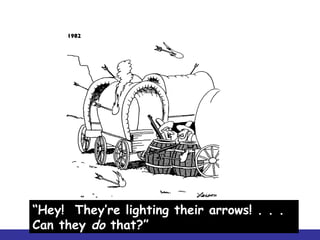
“ Hey!  They’re lighting their arrows! . . . Can they  do  that?”
 

Effective supervision

  • 1.
    Supervising the Artand Science of Teaching
  • 2.
    Effective teachers aremade not born.
  • 3.
    Even small incrementsin teacher effectiveness can have a positive effect on student achievement.
  • 4.
    The purpose ofsupervision should be the enhancement of teachers’ pedagogical skills
  • 5.
    Student Achievement TeacherPedagogical Skill
  • 6.
    Student Achievement TeacherPedagogical Skill Supervision
  • 7.
    What must adistrict or school do?
  • 8.
    What must adistrict or school do? Develop a common language of teaching Provide opportunities for focused feedback and practice Provide opportunities for observing and discussing effective teaching Require individual teacher growth and development plans on a yearly basis
  • 9.
    What must adistrict or school do? Develop a common language of teaching Provide opportunities for focused feedback and practice Provide opportunities for observing and discussing effective teaching Require individual teacher growth and development plans on a yearly basis
  • 10.
    Four Domains fora Common Language of Teaching Domain 1: Classroom strategies and behaviors Domain 2: Planning and preparing Domain 3: Reflecting on teaching Domain 4: Collegiality and professionalism
  • 11.
    Four Domains fora Common Language of Teaching Domain 1: Classroom strategies and behaviors Domain 2: Planning and preparing Domain 3: Reflecting on teaching Domain 4: Collegiality and professionalism
  • 12.
  • 13.
    The Art &Science of Teaching is a designed as a comprehensive framework that puts together other works into a unified whole.
  • 14.
    At the levelof teacher planning, The Art & Science of Teaching involves 10 “design questions” teachers ask of themselves as they plan a unit of instruction.
  • 15.
    If you don’tlike this one create your own… but it should be at least as complex
  • 16.
    Q1: What willI do to establish and communicate learning goals, track student progress, and celebrate success?
  • 17.
    Q1: What willI do to establish and communicate learning goals, track student progress, and celebrate success? Q2: What will I do to help students effectively interact with new knowledge?
  • 18.
    Q1: What willI do to establish and communicate learning goals, track student progress, and celebrate success? Q2: What will I do to help students effectively interact with new knowledge? Q3: What will I do to help students practice and deepen their understanding of new knowledge?
  • 19.
    Q1: What willI do to establish and communicate learning goals, track student progress, and celebrate success? Q2: What will I do to help students effectively interact with new knowledge? Q3: What will I do to help students practice and deepen their understanding of new knowledge? Q4: What will I do to help students generate and test hypotheses about new knowledge?
  • 20.
    Q1: What willI do to establish and communicate learning goals, track student progress, and celebrate success? Q2: What will I do to help students effectively interact with new knowledge? Q3: What will I do to help students practice and deepen their understanding of new knowledge? Q4: What will I do to help students generate and test hypotheses about new knowledge? Q5: What will I do to engage students?
  • 21.
    Q6: What willI do to establish or maintain classroom rules and procedures?
  • 22.
    Q6: What willI do to establish or maintain classroom rules and procedures? Q7: What will I do to recognize and acknowledge adherence to and lack of adherence to classroom rules and procedures?
  • 23.
    Q6: What willI do to establish or maintain classroom rules and procedures? Q7: What will I do to recognize and acknowledge adherence to and lack of adherence to classroom rules and procedures? Q8: What will I do to establish and maintain effective relationships with students?
  • 24.
    Q6: What willI do to establish or maintain classroom rules and procedures? Q7: What will I do to recognize and acknowledge adherence to and lack of adherence to classroom rules and procedures? Q8: What will I do to establish and maintain effective relationships with students? Q9: What will I do to communicate high expectations for all students?
  • 25.
    Q6: What willI do to establish or maintain classroom rules and procedures? Q7: What will I do to recognize and acknowledge adherence to and lack of adherence to classroom rules and procedures? Q8: What will I do to establish and maintain effective relationships with students? Q9: What will I do to communicate high expectations for all students? Q10: What will I do to develop effective lessons organized into a cohesive unit?
  • 26.
    At the levelof teacher observation, The Art & Science of Teaching sheds light on three fundamental segments of classroom instruction.
  • 27.
    Learning Goals andFeedback Interacting with New Knowledge Practicing and Deepening Generating and Testing Hypotheses Student Engagement Establishing Rules and Procedures Adherence to Rules and Procedures Teacher-Student Relationships High Expectations Supervising The Art and Science of Teaching
  • 28.
    Fundamental Segments ofa Classroom Instruction Segments that are routine components of every lesson Content specific lesson segments Segments that must be enacted on the spot
  • 29.
    ROUTINE SEGMENTS SEGMENTSENACTED ON THE SPOT Supervising The Art and Science of Teaching CONTENT SPECIFIC SEGMENTS
  • 30.
    Learning Goals andFeedback Rules and Procedures INVOLVES ROUTINES ENACTED ON THE SPOT Generating/ Testing Hypotheses Practicing and Deepening Interacting with New Knowledge Supervising The Art and Science of Teaching ADDRESSES CONTENT IN SPECIFIC WAYS Student Engagement High Expectations Teacher/Student Relationships Adherence to Rules and Procedures
  • 31.
    Observing a lessonlooks very different from the perspective of The Art and Science of Teaching .
  • 32.
    The fundamental questionany supervisor/observer must ask: What am I looking at right now? Segment that is a routine component of every lesson? Content specific lesson segment? Segment that must be enacted on the spot?
  • 33.
    Fundamental Segments ofClassroom Instruction Segments that are routine components of every lesson Content specific lesson segments Segments that must be enacted on the spot
  • 34.
    Learning Goals andFeedback Rules and Procedures INVOLVES ROUTINES Supervising The Art and Science of Teaching
  • 35.
    Rules and procedures(Q 6) Communicating learning goals (Q1) Tracking student progress (Q1) Celebrating success (Q1)
  • 36.
    What do youlook for as routine components of every lesson?
  • 37.
    What do youlook for as routine components of every lesson? Reviewing important rules and procedures Reviewing learning goals Reviewing student progress Celebrating success
  • 38.
    Fundamental Segments ofClassroom Instruction Segments that are routine components of every lesson Content specific lesson segments Segments that must be enacted on the spot
  • 39.
    Learning Goals andFeedback Rules and Procedures INVOLVES ROUTINES Generating/ Testing Hypotheses Practicing and Deepening Interacting with New Knowledge Supervising The Art and Science of Teaching ADDRESSES CONTENT IN SPECIFIC WAYS
  • 40.
    Interacting with newknowledge (Critical input experiences) (Q2) Knowledge practice and deepening activities (Q3) Hypothesis generation and testing tasks (Q4)
  • 41.
    What type ofcontent segment am I observing? Does this segment involve new knowledge (Q2) ? Does this segment involve knowledge practice and deepening activities (Q3) ? Does this segment involve hypothesis generation and testing tasks (Q4) ?
  • 42.
    Learning Goals andFeedback Rules and Procedures INVOLVES ROUTINES Interacting with New Knowledge Supervising The Art and Science of Teaching ADDRESSES CONTENT IN SPECIFIC WAYS
  • 43.
    If the segmentinvolves new knowledge what do you expect to see?
  • 44.
    If the segmentinvolves new knowledge what do you expect to see? Previewing activities Info presented in small chunks Students processing each chunk in small groups Students summarizing and taking notes after content has been introduced Students reflecting on their learning
  • 45.
    Learning Goals andFeedback Rules and Procedures INVOLVES ROUTINES Practicing and Deepening Interacting with New Knowledge Supervising The Art and Science of Teaching ADDRESSES CONTENT IN SPECIFIC WAYS
  • 46.
    If the segmentinvolves knowledge practice and deepening activities what do you expect to see?
  • 47.
    If the segmentinvolves knowledge practice and deepening activities what do you expect to see? Brief review of content Activities involving similarities and differences Activities involving identifying errors in thinking Activities involving massed and distributed practice Homework possibly used as an extension of these activities
  • 48.
    Learning Goals andFeedback Rules and Procedures INVOLVES ROUTINES Generating/ Testing Hypotheses Practicing and Deepening Interacting with New Knowledge Supervising The Art and Science of Teaching ADDRESSES CONTENT IN SPECIFIC WAYS
  • 49.
    If the segmentinvolves hypothesis generating and testing tasks what do you expect to see?
  • 50.
    If the segmentinvolves hypothesis generating and testing tasks what do you expect to see? Brief review of content Students working individually or in groups on long term tasks Teacher acting as facilitator and resource provider
  • 51.
    Different Lessons/Different ExpectedBehaviors New Knowledge Hypothesis Generate/Test
  • 52.
    Different Lessons/Different ExpectedBehaviors New Knowledge Preview Small chunks Students process chunks Summarize/take notes Students reflect Hypothesis Generate/Test
  • 53.
    Different Lessons/Different ExpectedBehaviors New Knowledge Preview Small chunks Students process chunks Summarize/take notes Students reflect Hypothesis Generate/Test Brief review Students work individually/groups applying content Teacher as facilitator/resource provider
  • 54.
    Fundamental Segments ofClassroom Instruction Segments that are routine components of every lesson Content specific lesson segments Segments that must be enacted on the spot
  • 55.
    Learning Goals andFeedback Rules and Procedures INVOLVES ROUTINES ENACTED ON THE SPOT Generating/ Testing Hypotheses Practicing and Deepening Interacting with New Knowledge Supervising The Art and Science of Teaching ADDRESSES CONTENT IN SPECIFIC WAYS Student Engagement High Expectations Teacher/Student Relationships Adherence to Rules and Procedures
  • 56.
    Engagement activities (Q5)Consequences regarding rules and procedures (Q7) Relationships (Q8) Expectations (Q9)
  • 57.
    What do youlook for regarding segments that must be enacted on the spot?
  • 58.
    What do youlook for regarding segments that must be enacted on the spot? Engagement activities when student lose focus Acknowledge of rules and procedures being followed or not being followed Behaviors that forge positive relationships with students Attention to behaviors that communicate high expectations for all students
  • 59.
    What must adistrict or school do? Develop a common language of teaching Provide opportunities for focused feedback and practice Provide opportunities for observing and discussing effective teaching Individual teacher growth and development plans on a yearly basis
  • 60.
    What must adistrict or school do? Develop a common language of teaching Provide opportunities for focused feedback and practice Provide opportunities for observing and discussing effective teaching Individual teacher growth and development plans on a yearly basis
  • 61.
    A Hierarchy ofData Types Teacher self-perception data Teacher self-observation data Observation data from peers, instructional coaches, supervisors
  • 62.
    A Hierarchy ofData Types Teacher self-perception data Teacher self-observation data Observation data from peers, instructional coaches, supervisors
  • 63.
    Teachers score themselveson a rubric or scale for the various components of the model
  • 64.
    Innovat-ing 4 Applying3 Develop-ing 2 Beginning 1 Not Using 0 New strategies are created to meet needs of specific students or class as a whole Strategy is used and monitored to see if it has desired effect Strategy is used but in a mechanis-tic way Strategy is used but pieces are missing Strategy is called for, but not used.
  • 65.
    Graph of Progresson Growth Continuum
  • 66.
    A Hierarchy ofData Types Teacher self-perception data Teacher self-observation data Observation data from peers, instructional coaches, supervisors
  • 67.
    Teachers score avideo-tape of their own lesson
  • 68.
    Graph of Progresson Growth Continuum
  • 69.
    A Hierarchy ofData Types Teacher self-perception data Teacher self-observation data Observation data from peers, instructional coaches, supervisors
  • 70.
    Observation data frompeers, instructional coaches, supervisors Walk-throughs (mini-observations) Comprehensive observations Cueing teaching Student surveys
  • 71.
  • 72.
    ( Arguably )Walk-Throughs Are the Most Common Form of Feedback to Teachers
  • 73.
    ( Some )Basic Assumptions Underlying Walk-Throughs Frequent feedback is beneficial to teachers Identification of “high-yield” strategies has made it possible to identify effective teaching more easily
  • 74.
    (The Problem with) Basic Assumptions Underlying Walk-Throughs Frequent feedback is beneficial to teachers . Yes, but feedback must accurately reflect the complexity of the teaching/learning process
  • 75.
    (The Problem with) Basic Assumptions Underlying Walk-Throughs Frequent feedback is beneficial to teachers . Yes, but feedback must accurately reflect the complexity of the teaching/learning process Currently we are on the verge of misusing the research on instructional strategies in the same way we misused Hunter’s fine work.
  • 76.
    (Some) Basic AssumptionsUnderlying Walk-Throughs Frequent feedback is beneficial to teachers Identification of “high-yield” strategies has made it possible to identify effective teaching more easily
  • 77.
    (The Problem with) Basic Assumptions Underlying Walk-Throughs Frequent feedback is beneficial to teachers . Identification of “high-yield” strategies has made it possible to identify effective teaching more easily. There are no such things as “high yield” strategies. There are only “high probability” strategies.
  • 78.
    What is clearlyneeded is a robust model of teaching as the basis of feedback to teachers… that does not simply assume all research-based instructional strategies should be present in every lesson.
  • 79.
    Walk-Throughs (Mini-Observations) 3-5minute tour through classroom Good for 30,000 foot view of teachers as a whole Must include the context in which mini-observation took place Routines Content lesson On the spot
  • 80.
    Observation data frompeers, instructional coaches, supervisors Walk-throughs (mini-observations) Comprehensive observations Cueing teaching Student surveys
  • 81.
    Comprehensive ObservationsSet up with a preconference Focus on specific elements of effective teaching Last the entire period or majority of it Good for feedback regarding deliberate practice
  • 82.
    Observation data frompeers, instructional coaches, supervisors Walk-throughs (mini-observations) Comprehensive observations Cueing teaching Student surveys
  • 83.
    Cueing Teaching Focuson struggling teachers Specific areas of needed improvement Preconference-Cueing-Postconfernce
  • 84.
    Observation data frompeers, instructional coaches, supervisors Walk-throughs (mini-observations) Comprehensive observations Cueing teaching Student surveys
  • 85.
    What is therole of student feedback regarding effective instruction?
  • 86.
    Students complete surveysregarding the use of specific instructional strategies and their effecftiveness
  • 87.
    What must adistrict or school do? Develop a common language of teaching Provide opportunities for focused feedback and practice Provide opportunities for observing and discussing effective teaching Individual teacher growth and development plans on a yearly basis
  • 88.
    What must adistrict or school do? Develop a common language of teaching Provide opportunities for focused feedback and practice Provide opportunities for observing and discussing effective teaching Individual teacher growth and development plans on a yearly basis
  • 89.
    Opportunities to Observeand Discuss Effective Teaching Instructional rounds Expert coaches Expert videos Teacher-led PD Virtual communities
  • 90.
    Opportunities to Observeand Discuss Effective Teaching Instructional rounds Expert coaches Expert videos Teacher-led PD Virtual communities
  • 91.
    Instructional Rounds Teamsof teachers led by lead teacher Can be short or long in duration Primary focus is for observers to compare and contrast their practice with observed practice May or may not be used to provide feedback to observed
  • 92.
    Opportunities to Observeand Discuss Effective Teaching Instructional rounds Expert coaches Expert videos Teacher-led PD Virtual communities
  • 93.
    Opportunities to Observeand Discuss Effective Teaching Instructional rounds Expert coaches Expert videos Teacher-led PD Virtual communities
  • 94.
    What must adistrict or school do? Develop a common language of teaching Provide opportunities for focused feedback and practice Provide opportunities for observing and discussing effective teaching Requiring individual teacher growth and development plans on a yearly basis
  • 95.
    What must adistrict or school do? Develop a common language of teaching Provide opportunities for focused feedback and practice Provide opportunities for observing and discussing effective teaching Require individual teacher growth and development plans on a yearly basis
  • 96.
    Primary Goals forStudent Achievement and Classroom Strategies & Behaviors Each year teachers set growth goals regarding Domain 1: Classroom Strategies and Behaviors
  • 97.
    Innovat-ing 4 Applying3 Develop-ing 2 Beginning 1 Not Using 0 New strategies are created to meet needs of specific students or class as a whole Strategy is used and monitored to see if it has desired effect Strategy is used but in a mechanis-tic way Strategy is used but pieces are missing Strategy is called for, but not used.
  • 98.
    Graph of Progresson Growth Continuum
  • 99.
    Primary Goals forStudent Achievement and Classroom Strategies & Behaviors Each year teachers set growth goals regarding Domain 1: Classroom Strategies and Behaviors Each year teachers set growth goals regarding student value-added achievement
  • 100.
  • 101.
  • 102.
    Secondary Goals forDomains 2, 3 & 4 Domain 2: Planning and Preparing Domain 3: Reflecting on Teaching Domain 4: Collegiality and Professionalism
  • 103.
    Domain Goal TypeValue-Added Achievement Primary Domain 1: Class Strats & Behaviors Primary Domain 2: Planning & Preparing Secondary Domain 3: Reflecting on Teaching Secondary Domain 4: Collegiality & Professionalism Secondary
  • 104.
    Domain 2: Planningand Preparing Planning and preparing for lessons and units Planning and preparing for use of materials and technology Planning and preparing for special needs of students
  • 105.
    Innovat-ing 4 Applying3 Develop-ing 2 Beginning 1 Not Using 0 Is a recognized leader regarding the activity Performs the activity completely with no errors or omissions Performs the activity but with minor errors or omissions Attempts to perform this activity but does not actually complete or follow through with these attempts Makes no attempt to perform this activity
  • 106.
    Domain 3: Reflectingon Teaching Evaluating personal performance Developing and implementing a professional growth plan
  • 107.
    Domain 4: Collegialityand Professionalism Promoting a positive environment Promoting exchange of ideas and strategies Promoting district and school development
  • 108.
    Stages of TeacherDevelopment Initial Status Teacher Professional Teacher Mentor Teacher Expert Teacher
  • 109.
    Initial Status TeacherBottom one-third of distribution of value added achievement Minimum scores of 1 on all elements of Domain 1
  • 110.
    Professional Teacher Between34 th and 84 th percentile on value-added achievement Minimum scores of 2 and a majority of scores of 3 on Domain 1
  • 111.
    Mentor Teacher Above84 th percentile on value-added achievement Scores of 4 on selected elements of Domain 1 and minimum scores of 3 on all other elements Leads instructional rounds Serves as an expert coach
  • 112.
    Master Teacher Above98 th percentile on value-added achievement Scores of 4 on selected elements of Domain 1 and minimum scores of 3 on all other elements Leads instructional rounds Serves as an expert coach Is involved in teacher evaluation policy and practice
  • 113.
  • 114.
    Leadership forIncremental Change Emphasize relationships. Establish strong lines of communication. Be an advocate for the school. Provide resources. Maintain visibility. Protect teachers from distractions. Create culture of collaboration. Look for and celebrate successes.
  • 115.
    High above thehushed crowd, Rex tried to remain focused. Still, he couldn’t shake one nagging thought: He was an old dog and this was a new trick.
  • 116.
    Leadership forSecond Order Change Shake up the status quo. Expect some things to seem worse. Propose new ideas. Operate from strong beliefs. Tolerate ambiguity and dissent. Talk research and theory. Create explicit goals for change. Define success in terms of goals.
  • 117.
  • 118.
    “ Hey! They’re lighting their arrows! . . . Can they do that?”
  • 119.