EFFECTIVE PROJECT 
EXECUTION 
ssenthilkumar@gmail.com
OBJECTIVE 
 To understand the importance 
 Learning the Possible steps involved 
 How to reap its benefits 
 And More, How to make it effective??
WHY 
To apply the 
knowledge 
gained 
Problem 
solving 
Opportunity 
to learn new 
Tools 
Door to gain 
practical 
experience 
Learning 
Team work 
and Helping 
other
PROBLEM SELECTION 
First Step 
• Loop holes the existing solution 
• Features 
• Performance 
• Brand new 
Identify a 
problem 
that is worth 
enough to 
solve
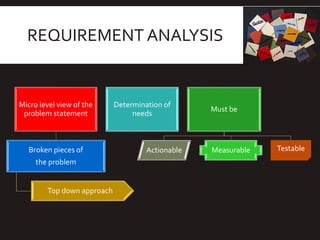
REQUIREMENT ANALYSIS 
Micro level view of the 
problem statement 
Broken pieces of 
the problem 
Top down approach 
Determination of 
needs 
Must be 
Actionable Measurable Testable
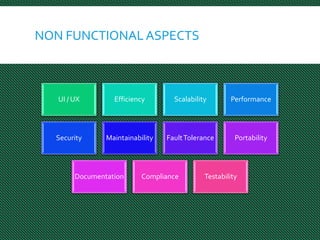
NON FUNCTIONAL ASPECTS 
UI / UX Efficiency Scalability Performance 
Security Maintainability Fault Tolerance Portability 
Documentation Compliance Testability
DESIGN 
Solution to the problem 
There could be 
more that one 
solution 
High Level Design 
Over all 
Architecture of the 
system or of the 
solution 
Modules and Sub- 
Module Details 
Low Level Design 
Data Structure 
Functions and APIs 
Algorithm & Logic
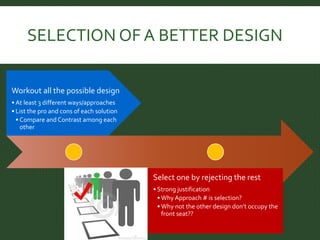
SELECTION OF A BETTER DESIGN 
Workout all the possible design 
•At least 3 different ways/approaches 
• List the pro and cons of each solution 
• Compare and Contrast among each 
other 
Select one by rejecting the rest 
• Strong justification 
• Why Approach # is selection? 
• Why not the other design don’t occupy the 
front seat??
IMPLEMENTATION 
Realization of design 
Follow coding discipline 
and convention 
Should take the advantage 
of the language 
Self documenting code 
Highly Portable 
Perform self and peer 
review of the code
TESTING 
To ensure that solution 
developed is meeting its 
requirements in all the 
possible scenarios 
Generation and 
execution of test 
items/cases 
Types 
• Unit Testing 
• Integration Testing 
Verification of the 
Implementation 
Validation of the 
solution with 
respect to its 
requirement
DEFECT HANDLING 
Bug in my code, 
oops!! 
Collect as much 
information as 
possible 
•Precondition, 
Input, Output, 
Sequence of steps 
Try reproducing 
Analyze the 
data 
Identify the 
problematic 
area 
Do a quality fix 
and verify 
•Impact Analysis 
•Change could be in 
multiple places 
•Similar places 
needs the medicine
TOOL USAGE
BENCH MARKING 
Going one step ahead 
Measure the performance 
• CPU Cycles 
• Memory Usage 
• RAM, Image, Storage 
• Number of Network message sent to realize a service 
• Number of active and passive entities 
• Breaking point of your solution 
• Limitations
STANDARD COMPLIANCE 
Against the compliance test 
Validate the solution against the test suite 
Test with other vendor implementation 
Derive a compliance report
FUTURE WORK 
Taking the 
solution to the 
next stage 
What is the part 
of the 
requirement 
left out 
Which part of 
the solution can 
be further 
improvised
REPORT GENERATION
TEAM 
Two or more 
person 
• One can be the Anchor 
• Mixed interest 
• Mixed skill sets 
• Difference in thinking 
Every body should 
contribute 
• Your contribution to 
the project adds value 
to yourself 
Listen more than 
you speak 
Motivate and 
energize your 
fellow team 
player!!
VCS LOOKS FOR 
Be read VC pitch…Any time!
PROJECT AND THE RESUME
PARTY 
Feeling proud 
and pride 
You all had 
done it

Effective Project Execution

  • 1.
    EFFECTIVE PROJECT EXECUTION ssenthilkumar@gmail.com
  • 2.
    OBJECTIVE  Tounderstand the importance  Learning the Possible steps involved  How to reap its benefits  And More, How to make it effective??
  • 3.
    WHY To applythe knowledge gained Problem solving Opportunity to learn new Tools Door to gain practical experience Learning Team work and Helping other
  • 4.
    PROBLEM SELECTION FirstStep • Loop holes the existing solution • Features • Performance • Brand new Identify a problem that is worth enough to solve
  • 5.
    REQUIREMENT ANALYSIS Microlevel view of the problem statement Broken pieces of the problem Top down approach Determination of needs Must be Actionable Measurable Testable
  • 6.
    NON FUNCTIONAL ASPECTS UI / UX Efficiency Scalability Performance Security Maintainability Fault Tolerance Portability Documentation Compliance Testability
  • 7.
    DESIGN Solution tothe problem There could be more that one solution High Level Design Over all Architecture of the system or of the solution Modules and Sub- Module Details Low Level Design Data Structure Functions and APIs Algorithm & Logic
  • 8.
    SELECTION OF ABETTER DESIGN Workout all the possible design •At least 3 different ways/approaches • List the pro and cons of each solution • Compare and Contrast among each other Select one by rejecting the rest • Strong justification • Why Approach # is selection? • Why not the other design don’t occupy the front seat??
  • 9.
    IMPLEMENTATION Realization ofdesign Follow coding discipline and convention Should take the advantage of the language Self documenting code Highly Portable Perform self and peer review of the code
  • 10.
    TESTING To ensurethat solution developed is meeting its requirements in all the possible scenarios Generation and execution of test items/cases Types • Unit Testing • Integration Testing Verification of the Implementation Validation of the solution with respect to its requirement
  • 11.
    DEFECT HANDLING Bugin my code, oops!! Collect as much information as possible •Precondition, Input, Output, Sequence of steps Try reproducing Analyze the data Identify the problematic area Do a quality fix and verify •Impact Analysis •Change could be in multiple places •Similar places needs the medicine
  • 12.
  • 13.
    BENCH MARKING Goingone step ahead Measure the performance • CPU Cycles • Memory Usage • RAM, Image, Storage • Number of Network message sent to realize a service • Number of active and passive entities • Breaking point of your solution • Limitations
  • 14.
    STANDARD COMPLIANCE Againstthe compliance test Validate the solution against the test suite Test with other vendor implementation Derive a compliance report
  • 15.
    FUTURE WORK Takingthe solution to the next stage What is the part of the requirement left out Which part of the solution can be further improvised
  • 16.
  • 17.
    TEAM Two ormore person • One can be the Anchor • Mixed interest • Mixed skill sets • Difference in thinking Every body should contribute • Your contribution to the project adds value to yourself Listen more than you speak Motivate and energize your fellow team player!!
  • 18.
    VCS LOOKS FOR Be read VC pitch…Any time!
  • 19.
  • 20.
    PARTY Feeling proud and pride You all had done it