Biosafety-Disinfectants & Sterilization Methods Page 1 of 20 rev.09302013
ENVIRONMENTAL HEALTH & SAFETY
GUIDANCE DOCUMENT FOR
DISINFECTANTS AND STERILIZATION METHODS
Disinfectants & Sterilization Methods Page 2 of 20 rev.09302013
Table Of Contents
Disinfectants and Sterilization …………………………………………………………….………….. 3
Introduction …………………………………………………………………………………………. 3
Definitions ……………………………………………………………………………………………3
A. Disinfectants ……………………………………………………………..…………………...... 4
1. Chemical Disinfectant Groups
a. Aldehydes: (Formaldehyde, Paraformaldehyde, Glutaraldehyde) ……………… 5
b. Halogen-Based Biocides: (Chlorine Compounds & Iodophores) …………………5
c. Quaternary Ammonium Compounds (Zephirin, CDQ, A-3) ……………………… 6
d. Phenolics: (O-phenophenoate-base Compounds)..………………………..……… 6
e. Acids/Alkalis ……………………………………………………………….………….. 7
f. Heavy Metals………………………………………………………………...………... 7
g. Alcohols ………………………………………………………………………….…….. 7
B. Sterilization ……………..……………………………………………………...…...…….....….7
1. Steam Autoclave ………………………………………………………………..………….7
a. Chemical Indicators …………………………………………………………..………. 8
b. Biological Indicators ………………………………………………………...………… 9
2. Dry Heat …………………………………………………………………………….……… 9
3. Radiation …………………………………………………………………………………… 9
4. Vapors and Gases ………………………………………………………………………… 10
C. Useful Dilutions of Wescodyne and Common Household Bleach ……………………….. 10
1. Standard Wescodyne Solution ………………………………………………………….. 10
2. Bleach Solutions ………………………………………………………………………….. 10
D. Inactivation of Creutzfeldt-Jacobs Disease (CJD) Agent ………………………………… 10
Table 1 - Summary of Practical Disinfectants ………………………………………………………. 12
Table 2 - Important Characteristics of Practical Disinfectants ……………………………………. 13
Table 3 - Potential Application of Practical Disinfectants………………………………………….. 14
Table 4 - Examples of Proprietary Disinfectants... …………………………………………………. 15
Table 5 - Chemical Inactivation of Certain Toxins………………………………………………….. 16
Table 6 - Autoclave Inactivation of Certain Toxins………………………………………………….. 17
References……………………………………………………………………………………………… 18
Additional Resources ………………………………………………………………………………….. 19
Disinfectants & Sterilization Methods Page 3 of 20 rev.09302013
Disinfectants and Sterilization (1 - 9)
Introduction
The purpose of this Guidance Document for Disinfectants and Sterilization Methods is to assist lab
personnel in their decisions involving the judicious selection and proper use of specific disinfectants and
sterilization methods. For information concerning the proper disposal of all disinfected or sterilized waste,
please refer to the Regulated Medical Waste Management Plan at:
http://www.ucdenver.edu/academics/research/AboutUs/health-
safety/Documents/pdf/Regulated%20Medical%20Waste%20Plan%20Rev%20October%202012.pdf
Definitions
Antisepsis: A process involving the destruction or inhibition of mico-organisms in living tissue thereby
limiting or preventing the harmful effects of infection.
Antiseptic: Typically an antiseptic is a chemical agent that is applied to living tissue to kill microbes.
Note that not all disinfectants are antiseptics because an antiseptic additionally must not be so harsh that
it damages living tissue. Antiseptics are less toxic than disinfectants used on inanimate objects. Due to
the lower toxicity, antiseptics can be less active in the destruction of normal and any pathogenic flora
present.
Autoclave: An autoclave is a high pressure device used to allow the application of moist heat above the
normal-atmosphere boiling point of water.
Biocidal: Active substances and preparations which serve to repel, render harmless or destroy
chemically or biologically harmful organisms.
Biocide: Substance or chemical that kills biological organisms.
Decontamination: The killing of organisms or removal of contamination after use, with no quantitative
implication, generally referring to procedures for making items safe before disposal.
Disinfectant: A germicide that inactivates virtually all recognized pathogenic microorganisms but not
necessarily all microbial forms. They may not be effective against bacterial spores.
Disinfection: A procedure of treatment that eliminates many or all pathogenic microorganisms with the
exception of bacterial spores.
Germicide: An agent that destroys microorganisms, particularly pathogenic microorganisms.
Pathogenic: A microbe or other organism that causes disease.
Sanitization: The process of reducing microbial contamination to an acceptable “safe” level. The
process of cleaning objects without necessarily going through sterilization.
Steam Sterilization: Autoclave, the process of sterilization by the use of heated steam under pressure
to kill vegetative microorganisms and directly exposed spores. Common temperature and pressure for
Disinfectants & Sterilization Methods Page 4 of 20 rev.09302013
being effective is 121°C (250°F) at 20 psi (pounds per square inch) over pressure for 30-60 minutes.
Special cases may require a variation of the steam temperature and pressure used.
Sterilization: The complete elimination or destruction of all forms of life by a chemical or physical
means. This is an absolute not a relative term.
A. Disinfectants
The information presented in this section will provide a general guideline for selecting a particular
disinfectant for use with a given agent.
The best way of ascertaining the suitability of a disinfectant against a particular agent is to challenge that
agent with the disinfectant at the manufacturer’s recommended concentration. A brief description of the
mode of action of each class of chemical disinfectant is given below.
Although physical methods are often superior to chemical disinfection / sterilization, it is not practical to
autoclave or subject many items to high heat, especially if the items can be damaged through repeated
exposure to heat. Treatment of inert surfaces and heat labile materials can be accomplished through the
use of disinfectants, provided that the following factors are considered:
 type and level of microbial contamination
 concentration of active ingredient
 duration of contact between disinfectant and item to be disinfected
 pH
 temperature
 humidity
 presence of organic matter or soil load
The interplay of these factors will determine the degree of success in accomplishing either disinfection or
sterilization. In all situations, review the manufacturer’s recommendations for correct formulation and
use. Do not attempt to use a chemical disinfectant for a purpose it was not designed for.
Most Environmental Protection Agency (EPA)-registered disinfectants have a 10-minute label claim.
However, multiple investigators have demonstrated the effectiveness of these disinfectants against
vegetative bacteria (e.g., Listeria, Escherichia coli, Salmonella, vancomycin-resistant Enterococci,
methicillin-resistant Staphylococcus aureus), yeasts (e.g., Candida), mycobacteria (e.g., Mycobacterium
tuberculosis), and viruses (e.g. poliovirus) at exposure times of 30–60 seconds. Federal law requires all
applicable label instructions on EPA-registered products to be followed (e.g., use-dilution, shelf life,
storage, material compatibility, safe use, and disposal).
EPA’s Registered Sterilizers, Tuberculocides, and Antimicrobial Products Against Certain Human Public
Health Bacteria and Viruses can be found at http://www.epa.gov/oppad001/chemregindex.htm
Disinfectants & Sterilization Methods Page 5 of 20 rev.09302013
Microbial Resistance to Chemical Disinfectants:
1. Chemical Disinfectant Groups
a. Aldehydes: (Formaldehyde, Paraformaldehyde, Glutaraldehyde)
Formaldehyde - and its polymerized solid paraformaldehyde have broad-spectrum
biocidal activity and are both effective for surface and space decontamination. As a liquid
(5% concentration), formaldehyde is an effective liquid decontaminant. Its biocidal action
is through alkylation of carboxyl, hydroxyl and sulfhydryl groups on proteins and the ring
nitrogen atoms of purine bases. Formaldehyde’s drawbacks are reduction in efficacy at
refrigeration temperature, its pungent, irritating odor, and several safety concerns.
Formaldehyde is presently considered to be a carcinogen or a cancer-suspect agent
according to several regulatory agencies. The OSHA 8-hour time-weighted exposure limit
is 0.75 ppm.
Paraformaldehyde - is a solid polymer of formaldehyde. Paraformaldehyde generates
formaldehyde gas when it is depolymerized by heating to 232 to 246°C (450 to 475°F);
the depolymerized material reacts with the moisture in the air to form formaldehyde gas.
This process is used for the decontamination of large spaced and laminar-flow biological
safety cabinets when maintenance work or filter changes require access to the sealed
portion of the cabinet. A neutralization step, heating ammonium carbonate, is required
prior to ventilation of the space. Formaldehyde gas can react violently or explosively (7.0 –
73% v/v in air), when exposed to incompatibles, therefore Environmental Health and
Safety must be notified for approval of a qualified vendor to provide this service.
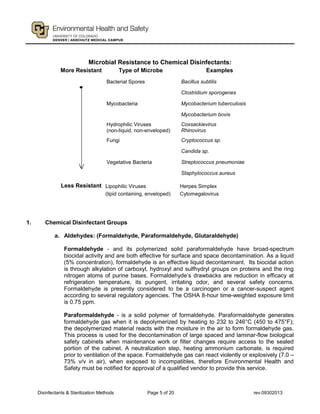
More Resistant Type of Microbe Examples
Bacterial Spores
Mycobacteria
Hydrophilic Viruses
(non-liquid, non-enveloped)
Fungi
Vegetative Bacteria
Bacillus subtilis
Clostridium sporogenes
Mycobacterium tuberculosis
Mycobacterium bovis
Coxsackievirus
Rhinovirus
Cryptococcus sp.
Candida sp.
Streptococcus pneumoniae
Staphylococcus aureus
Less Resistant Lipophilic Viruses
(lipid containing, enveloped)
Herpes Simplex
Cytomegalovirus
Disinfectants & Sterilization Methods Page 6 of 20 rev.09302013
Glutaraldehyde - is a colorless liquid and has the sharp, pungent odor typical of all
aldehydes, with an odor threshold of 0.04 parts per million (ppm). It is capable of
sterilizing equipment, though to effect sterilization often requires many hours of exposure.
Two percent solutions of glutaraldehyde exhibit very good activity against vegetative
bacteria, spores and viruses. It is ten times more effective than formaldehyde and less
toxic. However, it must be limited and controlled because of its toxic properties and
hazards. It is important to avoid skin contact with glutaraldehyde as it has been
documented to cause skin sensitization. Glutaraldehyde is also an inhalation hazard. The
NIOSH ceiling threshold limit value is 0.2 ppm.
Cidex, a commercially prepared glutaraldehyde disinfectant is used routinely for cold
surface sterilization of clinical instruments. Glutaraldehyde disinfectants should always be
used in accordance with the manufacturer’s directions.
b. Halogen-Based Biocides: (Chlorine Compounds and Iodophores)
1. Chlorine Compounds
Chlorine compounds are good disinfectants on clean surfaces, but are quickly
inactivated by organic matter and thus reducing the biocidal activity. They have a
broad spectrum of antimicrobial activity and are inexpensive and fast acting.
Hypochlorites, the most widely used of the chlorine disinfectants, are available in liquid
(e.g., Sodium hypochlorite), household bleach and solid (e.g., calcium hypochlorite,
sodium dichloroisocyanurate) forms. Household bleach has an available chlorine
content of 5.25%, or 52,500 ppm. Because of its oxidizing power, it loses potency
quickly and should be made fresh and used within the same day it is prepared. The
free available chlorine levels of hypochlorite solutions in both opened and closed
polyethylene containers are reduced to 40% to 50% of the original concentration over
a period of one month at room temperature.
There are two potential occupational exposure hazards when using hypochlorite
solutions. The first is the production of the carcinogen bis-chloromethyl ether when
hypochlorite solutions come in contact with formaldehyde. The second is the rapid
production of chlorine gas when hypochlorite solutions are mixed with an acid. Care
must also be exercised in using chlorine – based disinfectants which can corrode or
damage metal, rubber, and other susceptible surfaces. Bleached articles should never
be autoclaved without reducing the bleach with sodium thiosulfate or sodium bisulfate.
Chloramine T which is prepared from sodium hypochlorite and p-toluenesulfonamide
is a more stable, odorless, less corrosive form of chlorine but has decreased biocidal
activity in comparison to bleach.
2. Iodophors
Iodophors are used both as antiseptics and disinfectants. An iodophor is a
combination of iodine and a solubilizing agent or carrier; the resulting complex
provides a sustained-release reservoir of iodine and releases small amounts of free
iodine in aqueous solution. Antiseptic iodophors are not suitable for use as hard-
surface disinfectants because they contain significantly less free iodine than do those
formulated as disinfectants.
Disinfectants & Sterilization Methods Page 7 of 20 rev.09302013
Wescodyne, Betadyne, Povidone-Iodine and other iodophors are commercially
available Iodine-based disinfectants, which give good control when the manufacturer’s
instructions for formulation and application are followed. Both bleach and iodophors
should be made up in cold water in order to prevent breakdown of the
disinfectant.
c. Quaternary Ammonium Compounds: (Zephirin, CDQ, A-3)
Quaternary ammonium compounds are generally odorless, colorless, nonirritating, and
deodorizing. They also have some detergent action, and they are good disinfectants.
However, some quaternary ammonium compounds activity is reduced in the presence of
some soaps or soap residues, detergents, acids and heavy organic matter loads. They
are generally ineffective against viruses, spores and Mycobacterium tuberculosis.
Basically these compounds are not suitable for any type of terminal disinfection.
The mode of action of these compounds is through inactivation of energy producing
enzymes, denaturation of essential cell proteins, and disruption of the cell membrane.
Many of these compounds are better used in water baths, incubators, and other
applications where halide or phenolic residues are not desired.
d. Phenolics: (O-phenophenoate-base Compounds)
Phenolics are phenol (carbolic acid) derivatives. These biocides act through membrane
damage and are effective against enveloped viruses, rickettsiae, fungi and vegetative
bacteria. They also retain more activity in the presence of organic material than other
disinfectants. Cresols, hexachlorophene, alkyl- and chloro derivatives and diphenyls are
more active than phenol itself. Available commercial products are Lysol, Pine-Sol,
Amphyl, O-syl, Tergisyl, Vesphene, L- Phase and Expose.
e. Acids/Alkalis:
Strong mineral acids and alkalis have disinfectant properties proportional to the extent of
their dissociation in solution. Some hydroxides are more effective than would be predicted
from their values. In general acids are better disinfectants than alkalis. Mode of action is
attributed to an increase of H+
and OH-
species in solutions which interfere with certain
microbial functions, however the total effect is not only dependent on pH alone. Weak
organic acids are more potent than inorganic acids despite low dissociation rates in
solution. Action is attributed to the disruption of 2o
and 3o
conformation of enzymes and
structural proteins.
f. Heavy Metals:
Soluble salts of mercury, silver lactate, mercuric chloride and mercurous chloride are
efficient bactericidal agents. Silver nitrate and mercuric chloride are commonly used as
1:1000 aqueous solutions. Action is through attack on protein sulfhydryl groups and
disruption of enzyme functions. Organic matter can reverse the disinfectant properties of
mercurials.
Disinfectants & Sterilization Methods Page 8 of 20 rev.09302013
Caution: You must consult with EH&S’s Chemical Waste Management group prior to
using heavy metals because many of these must be disposed of as a hazardous waste.
Specifically, disposal of elemental mercury and salts of mercury are very costly.
g. Alcohols:
Alcohols work through the disruption of cellular membranes, solubilization of lipids, and
denaturation of proteins by acting directly on S-H functional groups. Ethyl and isopropyl
alcohols are the two most widely used alcohols for their biocidal activity. These alcohols
are effective against lipid-containing viruses and a broad spectrum of bacterial species,
but ineffective against spore-forming bacteria. They evaporate rapidly, which makes
extended contact times difficult to achieve unless the items are immersed.
The optimum bactericidal concentration for ethanol and isopropanol is in the range of 60%
to 90% by volume. Their cidal activity drops sharply when diluted below 50%
concentration. Absolute alcohol is also not very effective. They are used to clean
instruments and wipe down interior of Biological Safety Cabinets and bottles, etc. to be
put into Biological Safety Cabinets. Alcohols are generally regarded as being non-
corrosive.
B. Sterilization
1. Steam Autoclave:
Always consult with the Autoclave Manufacturer and/or Operators Manual for proper
temperature, pressure, and time because these may be different that what is specified in
this document.
EH&S must be notified if any EH&S registered autoclave has been removed from service, or does
not pass either the spore test or maintenance service. A sign must be posted on the autoclave to
note “Autoclave Out Of Service”. Do not resume using autoclave until it has been successfully
repaired to meet all manufacturers’ requirements for effective disinfection. Please inform EH&S
when there are changes in the autoclaves and/or their uses.
Autoclaving at a temperature of 121o
C (250○
F), at 15 to 20 psi is one of the most convenient and
effective means of sterilization available. The time is measured after the temperature of the
material being sterilized reaches 121ºC (250ºF). Care must be taken to ensure that the steam
can circulate around articles in order to provide even heat distribution. The success of the
sterilization is very time-dependent in liquid media, with large volumes requiring longer periods of
time to reach the effective temperature within the media itself. Additionally, there should be no
void spaces in the load that could insulate against the steam – this condition could prevent the
transference of heat to the vessels resulting in no sterilization of the contents.
In dry loads small amounts of water should be included inside the autoclave bag to ensure
sufficient moisture content within the load to allow for heat transference and distribution.
Autoclave tape can be used for routine runs where glassware or sterile media are prepared
before use.
a. Chemical Indicators
Disinfectants & Sterilization Methods Page 9 of 20 rev.09302013
1. Chemical Color Change Indicators
Chemical indicators for steam autoclaving change colors after being exposed for a few
minutes to normal autoclave operating temperatures of 121ºC (250ºF). Hence,
chemical indicators can give a quick visual reference for heat penetration inside the
autoclave. Chemical indicators should be positioned near the center of each load, and
toward the bottom front of the autoclave.
Caution: Most chemical indicators can only be used to verify that your autoclave has
reached normal operating temperatures for decontamination; they have no time factor.
Chemical indicators alone are not designed to prove that organisms are actually killed
during a decontamination cycle.
2. Tape Indicators
Tape indicators are adhesive backed paper tape with heat sensitive, chemical
indicator markings. Commonly used heat sensitive markings include diagonal stripes
(autoclave tape), and/or the word “sterile”. These markings only appear when the tape
has been exposed for a few minutes to normal autoclave decontamination
temperatures.
Caution: Tape indicators can only be used to verify that your autoclave has reached
normal operating temperatures for decontamination; they have no time factor. Tape
indicators alone are not designed to verify that organisms are actually killed during a
decontamination cycle.
b. Biological Indicators
Biological indicators are designed to demonstrate that an autoclave is capable of killing
microorganisms. EH&S recommends the use of commercially available such as
Geobacillus stearothermophilus spores to monitor the effectiveness of steam autoclaves.
Follow the manufacturer’s instructions for the spore test. This test should be performed at
least every 90 days.
2. Dry Heat:
Ovens operating at 160o
– 170o
C for periods of 2-4 hours are efficient for sterilizing
glassware, or other non-porous heat conductive materials. It is unsatisfactory for organic and
inorganic materials that can act as insulation and is also unsuitable for heat labile materials.
Incineration is a very effective means of final sterilization and disposal, and is also used for “spot”
sterilization of inoculating needles and loops as well as flaming glassware during microbiological
culturing procedures. Care has to be exercised when flaming “charged” items, since this practice
can release infectious micro-aerosols through spattering.
3. Radiation:
Ionizing radiation is not used for general laboratory sterilization, however ultraviolet radiation
(U.V.) is used to control airborne microorganisms and environmental surface decontamination.
Ultraviolet sources are used in biological safety cabinets for partial contamination control and
should be turned on only when cabinets or enclosures are not in use. This form of control is
Disinfectants & Sterilization Methods Page 10 of 20 rev.09302013
extremely limited due to its poor penetrating power, susceptibility to air movement, requirement
for long contact time periods, and has not been documented as an effective control method.
The eyes and skin should not be exposed to direct or strongly reflecting UV radiation.
Adequate eye and skin protection must be worn when working in an UV-irradiated area. Special
safety glasses with side shields or goggles with solid side pieces should be worn. Skin protection
is afforded by face shields, caps, gloves, gowns, etc.
4. Vapors and Gases:
From a practical point of view, formaldehyde, beta-propiolactone and ethylene oxide are not
routinely used in laboratory sterilization practices. These sterilants are used in hospitals and
commercial facilities where closed systems controlling temperature, humidity, and concentration
are required to achieve sterilization using these agents.
Of the sterilants listed above, Ethylene Oxide (ETO) has wide use as an alkyl acting agent with
very broad biocide activity including spores and viruses. It is believed that the oxide ring reacts
with free amino, sulfhydryl and hydroxyl groups on proteins. ETO is highly flammable and needs
an inerting agent when used in a sterilizer. It is also toxic, mutagenic, and a suspected
carcinogen. Additionally, beta propiolactone behaves similarly to ETO.
C. Useful Dilutions of Wescodyne and Common Household Bleach
1. Standard Wescodyne Solution:
3 ounces = 90 cc; 1.2 cc / 5 gallons = 1 ppm solution
90cc = 36cc = 18cc = 2.37cc = 75 ppm available iodine
5 gal 2 gal 1 gal 500ml
180cc = 72cc = 36cc = 4.8cc = 150 ppm available iodine
5 gal 2 gal 1 gal 500ml
1800cc = 720cc = 360cc = 48cc = 1500 ppm available iodine
5 gal 2 gal 1 gal 500ml
2. Bleach Solutions:
1/100 dilution of 5.25% bleach = 525 ppm
1/10 dilution of 5.25% bleach = 5,250 ppm
1.0 straight 5.25% bleach = 52,500 ppm
1/8 dilution of 5.25% bleach (Dakin Solution) = 562.5 ppm
D. Inactivation of Prions
Transmissible spongiform encephalopathies (TSEs), also known as prion diseases, are fatal
degenerative brain diseases that occur in humans and certain animal species. They are
characterized by microscopic vacuoles and the deposition of amyloid (prion) protein in the grey
matter of the brain. All forms of TSE are experimentally transmissible.
Disinfectants & Sterilization Methods Page 11 of 20 rev.09302013
Human TSEs occur in sporadic, familial, and acquired forms. The most common form, sporadic
Creutzfeldt-Jakob disease (CJD), has a worldwide death rate of about 1 case per million people
each year, and typically affects people between 55 and 75 years of age. The only infectious
agent that requires unique decontamination recommendations is the prion CJD and its new
variants or subpopulation of prions, vCJD’s. Infectivity is tissue dependent with the brain, spinal
cord, and eye suspected to have the highest infectivity. These prions exhibit an unusual
resistance to conventional chemical and physical decontamination methods. They are not
adequately inactivated by most common disinfectants, or by most tissue fixatives, and some
infectivity may persist under standard autoclaving conditions (e.g. 121°C for 15 minutes). They
are also extremely resistant to high doses of ionizing and ultra-violet irradiation and some residual
activity has been shown to survive for long periods in the environment.
TABLE 1 - Tissue Preparation for Human CJD and Related Prion Diseases1
1. Histology technicians wear gloves, apron, laboratory coat, and face protection.
2. Adequate fixation of small tissue samples (e.g. biopsies) from a patient with suspected prion disease
can be followed by post-fixation in 96% absolute formic acid for 30 minutes, followed by 45 hours in
fresh formalin.
3. Liquid waste is collected in a 4L waste bottle initially containing 600 ml 6N NaOH.
4. Gloves, embedding molds, and all handling materials are disposed as regulated medical waste.
5. Tissue cassettes are processed manually to prevent contamination of tissue processors.
6. Tissues are embedded in a disposable embedding mold. If used, forceps are
decontaminated as in Table 2, below.
7. In preparing sections, gloves are worn, section waste is collected and disposed in a
regulated medical waste receptacle, The knife stage is wiped with 2N NaOH, and the knife
used is discarded immediately in a sharps container. Slides are labeled with “CJD
Precautions”. The section block is sealed with paraffin.
8. Routine staining:
a. slides are processed by hand;
b. reagents are prepared in 100 ml disposable specimen cups;
c. after placing the cover slip on, slides are decontaminated by soaking them for 1 hour in 2N
NaOH;
d. slides are labeled as “Infectious – CJD”.
9. Other suggestions:
a. disposable specimen cups or slide mailers may be used for reagents;
b. slides for immunocytochemistry may be processed in disposable Petri dishes;
c. equipment is decontaminated as described above or disposed as regulated medical
waste.
TABLE 2 – Prion Inactivation Methods for reusable Instruments and Surfaces
1. Immerse in 1N NaOH, heat in a gravity displacement autoclave at 121
0
C for 30 minutes, Clean and
sterilize by conventional means.
2. Immerse in 1N NaOH or sodium hypochlorite (20,000 ppm) for 1 hour. Transfer into water and
autoclave (gravity displacement) at 121
0
C for 1 hour. Clean and sterilize by conventional means.
3. Immerse in 1N NaOH or sodium hypochlorite (20,000 ppm) for 1 hour. Rinse instruments with water,
transfer to open pan and autoclave at 121
0
C (gravity displacement) or 134
0
C (porous load) for 1 hour.
Clean and sterilize by conventional means.
4. Surfaces or heat-sensitive instruments can be treated with 2N NaOH or sodium hypochlorite (20,000
ppm) for 1 hour. Ensure surfaces remain wet for entire period, the rinse well with water. Before
chemical treatment, it is strongly recommended that gross contamination of surfaces be reduced
because the presence of excess organic material will reduce the strength of either NaOH or sodium
hypochlorite solutions.
5. Environ LpH (EPA Reg. No. 1043-118) may be used on washable, hard, non-porous surfaces ( such
as floors, tables, equipment, and counters), items (such as non-disposable instruments, sharps, and
sharp containers), and/or laboratory waste solutions (such as formalin or other liquids).
Disinfectants & Sterilization Methods Page 12 of 20 rev.09302013
Contaminated skin surfaces are washed with 1.0N NaOH or 10% bleach for 2-3 minutes, followed
by rinsing with copious amounts of water. Splashes to the eye or mouth are rinsed with copious
amounts of water or saline. In both instances, inform PI or lab manager of the incident, consult
with a healthcare provider and complete an Employee’s Injury Report form and returned to Risk
Management. The form is available at - https://www.cu.edu/content/fileclaim
Disinfectants & Sterilization Methods Page 13 of 20 rev.09302013
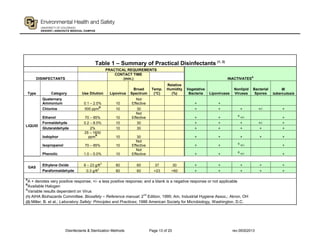
Table 1 – Summary of Practical Disinfectants (1, 2)
PRACTICAL REQUIREMENTS
INACTIVATES
A
DISINFECTANTS
CONTACT TIME
(min.)
Type Category Use Dilution Lipovirus
Broad
Spectrum
Temp.
(°C)
Relative
Humidity
(%)
Vegetative
Bacteria Lipoviruses
Nonlipid
Viruses
Bacterial
Spores
M.
tuberculosis
LIQUID
Quaternary
Ammonium 0.1 – 2.0% 10
Not
Effective + +
Chlorine 500 ppm
B
10 30 + + + +/- +
Ethanol 70 – 85% 10
Not
Effective + +
C
+/- +
Formaldehyde 0.2 – 8.0% 10 30 + + + +/- +
Glutaraldehyde 2% 10 30 + + + + +
Iodophor
25 – 1600
ppm
B
10 30 + + + + +
Isopropanol 70 – 85% 10
Not
Effective + +
C
+/- +
Phenolic 1.0 – 5.0% 10
Not
Effective + +
C
+/- +
GAS
Ethylene Oxide 8 – 23 g/ft
3
60 60 37 30 + + + + +
Paraformaldehyde 0.3 g/ft
3
60 60 >23 >60 + + + + +
A
A + denotes very positive response; +/- a less positive response; and a blank is a negative response or not applicable
B
Available Halogen
C
Variable results dependent on Virus
(1) AIHA Biohazards Committee; Biosafety – Reference manual; 2
nd
Edition, 1995; Am. Industrial Hygiene Assoc.; Akron, OH
(2) Miller, B. et al.; Laboratory Safety: Principles and Practices; 1986 American Society for Microbiology, Washington, D.C.
Disinfectants & Sterilization Methods Page 14 of 20 rev.09302013
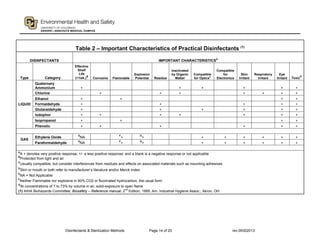
Table 2 – Important Characteristics of Practical Disinfectants (1)
DISINFECTANTS IMPORTANT CHARACTERISTICS
A
Type Category
Effective
Shelf
Life
(>1wk.)
B
Corrosive Flammable
Explosion
Potential Residue
Inactivated
by Organic
Matter
Compatible
for OpticsC
Compatible
for
Electronics
Skin
Irritant
Respiratory
Irritant
Eye
Irritant Toxic
D
LIQUID
Quaternary
Ammonium + + + + + +
Chlorine + + + + + + +
Ethanol + + + +
Formaldehyde + + + + +
Glutaraldehyde + + + + + +
Iodophor + + + + + + +
Isopropanol + + + +
Phenolic + + + + + +
GAS
Ethylene Oxide
E
NA
F
+
G
+ + + + + + +
Paraformaldehyde
E
NA
F
+
G
+ + + + + + +
A
A + denotes very positive response; +/- a less positive response; and a blank is a negative response or not applicable
B
Protected from light and air
C
Usually compatible, but consider interferences from residues and effects on associated materials such as mounting adhesives
D
Skin or mouth or both refer to manufacturer’s literature and/or Merck Index
E
NA = Not Applicable
F
Neither Flammable nor explosive in 90% CO2 or fluorinated hydrocarbon, the usual form
G
At concentrations of 7 to 73% by volume in air, solid-exposure to open flame
(1) AIHA Biohazards Committee; Biosafety – Reference manual; 2
nd
Edition, 1995; Am. Industrial Hygiene Assoc.; Akron, OH
Disinfectants & Sterilization Methods Page 15 of 20 rev.09302013
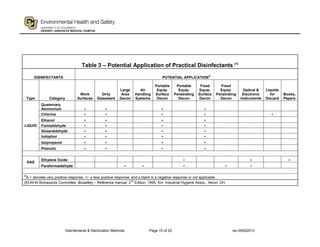
Table 3 – Potential Application of Practical Disinfectants (1)
DISINFECTANTS POTENTIAL APPLICATION
A
Type Category
Work
Surfaces
Dirty
Glassware
Large
Area
Decon
Air
Handling
Systems
Portable
Equip.
Surface
Decon
Portable
Equip.
Penetrating
Decon
Fixed
Equip.
Surface
Decon
Fixed
Equip.
Penetrating
Decon
Optical &
Electronic
Instruments
Liquids
for
Discard
Books,
Papers
LIQUID
Quaternary
Ammonium + + + +
Chlorine + + + + +
Ethanol + + + +
Formaldehyde + + + +
Glutaraldehyde + + + +
Iodophor + + + +
Isopropanol + + + +
Phenolic + + + +
GAS
Ethylene Oxide + + +
Paraformaldehyde + + + + +
A
A + denotes very positive response; +/- a less positive response; and a blank is a negative response or not applicable
(1) AIHA Biohazards Committee; Biosafety – Reference manual; 2
nd
Edition, 1995; Am. Industrial Hygiene Assoc.; Akron, OH
Disinfectants & Sterilization Methods Page 16 of 20 rev.09302013
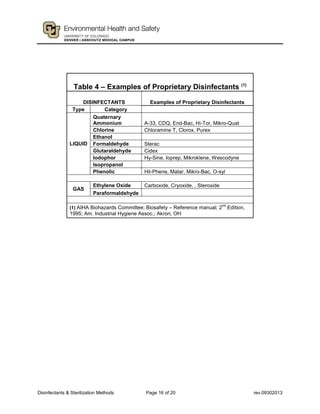
Table 4 – Examples of Proprietary Disinfectants (1)
DISINFECTANTS Examples of Proprietary Disinfectants
Type Category
LIQUID
Quaternary
Ammonium A-33, CDQ, End-Bac, Hi-Tor, Mikro-Quat
Chlorine Chloramine T, Clorox, Purex
Ethanol
Formaldehyde Sterac
Glutaraldehyde Cidex
Iodophor Hy-Sine, Ioprep, Mikroklene, Wescodyne
Isopropanol
Phenolic Hil-Phene, Matar, Mikro-Bac, O-syl
GAS
Ethylene Oxide Carboxide, Cryoxide, , Steroxide
Paraformaldehyde
(1) AIHA Biohazards Committee; Biosafety – Reference manual; 2
nd
Edition,
1995; Am. Industrial Hygiene Assoc.; Akron, OH
Disinfectants & Sterilization Methods Page 17 of 20 rev.09302013
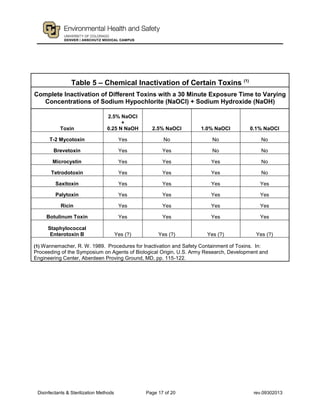
Table 5 – Chemical Inactivation of Certain Toxins (1)
Complete Inactivation of Different Toxins with a 30 Minute Exposure Time to Varying
Concentrations of Sodium Hypochlorite (NaOCl) + Sodium Hydroxide (NaOH)
Toxin
2.5% NaOCl
+
0.25 N NaOH 2.5% NaOCl 1.0% NaOCl 0.1% NaOCl
T-2 Mycotoxin Yes No No No
Brevetoxin Yes Yes No No
Microcystin Yes Yes Yes No
Tetrodotoxin Yes Yes Yes No
Saxitoxin Yes Yes Yes Yes
Palytoxin Yes Yes Yes Yes
Ricin Yes Yes Yes Yes
Botulinum Toxin Yes Yes Yes Yes
Staphylococcal
Enterotoxin B Yes (?) Yes (?) Yes (?) Yes (?)
(1) Wannemacher, R. W. 1989. Procedures for Inactivation and Safety Containment of Toxins. In:
Proceeding of the Symposium on Agents of Biological Origin, U.S. Army Research, Development and
Engineering Center, Aberdeen Proving Ground, MD, pp. 115-122.
Disinfectants & Sterilization Methods Page 18 of 20 rev.09302013
Inactivation by Incineration
Animal carcasses from animals treated with biological toxins at the Anschutz Medical
Campus or at the Downtown Campus must be sent for at an approved regulated medical waste
incinerator. All biological toxin wastes segregated for incineration, to include potentially contaminated
animal bedding shall be incinerated at temperatures in excess of 1500°F (815°C), in a Regulated
Medical Waste incinerator.
Additional Toxin-Specific Inactivation Information
Conotoxins10
:
Conotoxin11
inactivation depends on the presence or absence of disulfide bonds.
i. For conotoxins with disulfide bonds, incubate with an excess of dithiothreitol (DTT) - usually
10-20mM buffered solution, pH8.7-for at least 1 hour at room temperature or 30 minutes at
50°C. Add an equal volume of 50-100mM solution of iodoacetamide (buffered solution,
pH8.7) and incubate for 1 hour at room temperature.
ii. For conotoxins without disulfide bonds, incubate in a fume hood in a closed glass vial with
6N HCl for 24 hours at 90-110°C.
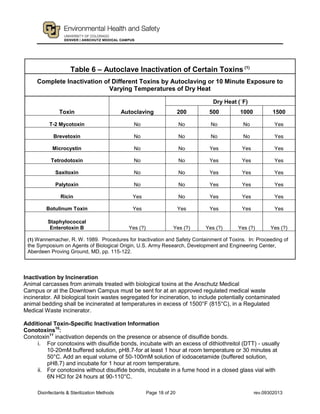
Table 6 – Autoclave Inactivation of Certain Toxins (1)
Complete Inactivation of Different Toxins by Autoclaving or 10 Minute Exposure to
Varying Temperatures of Dry Heat
Toxin Autoclaving
Dry Heat (○
F)
200 500 1000 1500
T-2 Mycotoxin No No No No Yes
Brevetoxin No No No No Yes
Microcystin No No Yes Yes Yes
Tetrodotoxin No No Yes Yes Yes
Saxitoxin No No Yes Yes Yes
Palytoxin No No Yes Yes Yes
Ricin Yes No Yes Yes Yes
Botulinum Toxin Yes Yes Yes Yes Yes
Staphylococcal
Enterotoxin B Yes (?) Yes (?) Yes (?) Yes (?) Yes (?)
(1) Wannemacher, R. W. 1989. Procedures for Inactivation and Safety Containment of Toxins. In: Proceeding of
the Symposium on Agents of Biological Origin, U.S. Army Research, Development and Engineering Center,
Aberdeen Proving Ground, MD, pp. 115-122.
Disinfectants & Sterilization Methods Page 19 of 20 rev.09302013
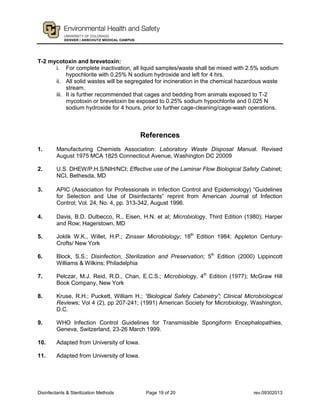
T-2 mycotoxin and brevetoxin:
i. For complete inactivation, all liquid samples/waste shall be mixed with 2.5% sodium
hypochlorite with 0.25% N sodium hydroxide and left for 4 hrs.
ii. All solid wastes will be segregated for incineration in the chemical hazardous waste
stream.
iii. It is further recommended that cages and bedding from animals exposed to T-2
mycotoxin or brevetoxin be exposed to 0.25% sodium hypochlorite and 0.025 N
sodium hydroxide for 4 hours, prior to further cage-cleaning/cage-wash operations.
References
1. Manufacturing Chemists Association: Laboratory Waste Disposal Manual. Revised
August 1975 MCA 1825 Connecticut Avenue, Washington DC 20009
2. U.S. DHEW/P.H.S/NIH/NCI; Effective use of the Laminar Flow Biological Safety Cabinet;
NCI, Bethesda, MD
3. APIC (Association for Professionals in Infection Control and Epidemiology) “Guidelines
for Selection and Use of Disinfectants” reprint from American Journal of Infection
Control; Vol. 24, No. 4, pp. 313-342, August 1996.
4. Davis, B.D. Dulbecco, R., Eisen, H.N. et al; Microbiology, Third Edition (1980); Harper
and Row; Hagerstown, MD
5. Joklik W.K., Willet, H.P.; Zinsser Microbiology; 18th
Edition 1984; Appleton Century-
Crofts/ New York
6. Block, S.S.; Disinfection, Sterilization and Preservation; 5th
Edition (2000) Lippincott
Williams & Wilkins; Philadelphia
7. Pelczar, M.J. Reid, R.D., Chan, E.C.S.; Microbiology, 4th
Edition (1977); McGraw Hill
Book Company, New York
8. Kruse, R.H.; Puckett, William H.; “Biological Safety Cabinetry”; Clinical Microbiological
Reviews; Vol 4 (2), pp 207-241; (1991) American Society for Microbiology, Washington,
D.C.
9. WHO Infection Control Guidelines for Transmissible Spongiform Encephalopathies,
Geneva, Switzerland, 23-26 March 1999.
10. Adapted from University of Iowa.
11. Adapted from University of Iowa.
Disinfectants & Sterilization Methods Page 20 of 20 rev.09302013
Additional Resources
Guideline for Disinfection and Sterilization in Healthcare Facilities, 2008
http://www.cdc.gov/hicpac/pdf/guidelines/Disinfection_Nov_2008.pdf
Regulations (Standards - 29 CFR) : Bloodborne pathogens. - 1910.1030
http://www.osha.gov/pls/oshaweb/owadisp.show_document?p_table=STANDARDS&p_id=1005
1
EPA Antimicrobial Chemical/Registration Number Indexes
http://www.epa.gov/oppad001/chemregindex.htm
These are listings of EPA's registered antimicrobial products effective against certain blood
borne/body fluid pathogens, Mycobacteria spp (tubercle bacteria), human HIV-1 virus, Hepatitis
B or Hepatitis C virus as well as products classified as sterilizers and products used for medical
wastes. The lists are organized alphabetically by product names and by numerical order of their
EPA Reg#. Information is current as of October 22, 2012.
 List A: EPA’s Registered Antimicrobial Products as Sterilants.
 List B: EPA Registered Tuberculocide Products Effective Against Mycobacterium spp.
 List C: EPA’s Registered Antimicrobial Products Effective Against Human HIV-1 Virus
 List D: EPA’s Registered Antimicrobial Products Effective Against Human HIV-1 and Hepatitis
B virus
 List E: EPA’s Registered Antimicrobial Products Effective Against Mycobacterium spp,
Human HIV-1 and Hepatitis B virus
 List F: EPA’s Registered Antimicrobial Products Against Hepatitis C Virus
 List G: EPA’s Registered Antimicrobial Products Effective Against Norovirus
 List H: EPA’s Registered Antimicrobial Products Effective Against Methicillin Resistant
Staphylococcus aureus (MRSA) and Vancomycin Resistant Enterococcus faecalis or faecium
(VRE) (PDF)
 List J: EPA’s Registered Antimicrobial Products for Medical Waste Treatment (PDF)
 List K: EPA’s Registered Antimicrobial Products Effective Against Clostridium difficile Spores
(PDF)
FDA-Cleared Sterilants and High Level Disinfectants with General Claims for Processing
Reusable Medical and Dental Devices - March 2009
http://www.fda.gov/MedicalDevices/DeviceRegulationandGuidance/ReprocessingofSingle-
UseDevices/ucm133514.htm?utm_source=fdaSearch&utm_medium=website&utm_term=disinfe
ctants&utm_content=3

Disinfectants and sterilization methods. rev.09302013

  • 1.
    Biosafety-Disinfectants & SterilizationMethods Page 1 of 20 rev.09302013 ENVIRONMENTAL HEALTH & SAFETY GUIDANCE DOCUMENT FOR DISINFECTANTS AND STERILIZATION METHODS
  • 2.
    Disinfectants & SterilizationMethods Page 2 of 20 rev.09302013 Table Of Contents Disinfectants and Sterilization …………………………………………………………….………….. 3 Introduction …………………………………………………………………………………………. 3 Definitions ……………………………………………………………………………………………3 A. Disinfectants ……………………………………………………………..…………………...... 4 1. Chemical Disinfectant Groups a. Aldehydes: (Formaldehyde, Paraformaldehyde, Glutaraldehyde) ……………… 5 b. Halogen-Based Biocides: (Chlorine Compounds & Iodophores) …………………5 c. Quaternary Ammonium Compounds (Zephirin, CDQ, A-3) ……………………… 6 d. Phenolics: (O-phenophenoate-base Compounds)..………………………..……… 6 e. Acids/Alkalis ……………………………………………………………….………….. 7 f. Heavy Metals………………………………………………………………...………... 7 g. Alcohols ………………………………………………………………………….…….. 7 B. Sterilization ……………..……………………………………………………...…...…….....….7 1. Steam Autoclave ………………………………………………………………..………….7 a. Chemical Indicators …………………………………………………………..………. 8 b. Biological Indicators ………………………………………………………...………… 9 2. Dry Heat …………………………………………………………………………….……… 9 3. Radiation …………………………………………………………………………………… 9 4. Vapors and Gases ………………………………………………………………………… 10 C. Useful Dilutions of Wescodyne and Common Household Bleach ……………………….. 10 1. Standard Wescodyne Solution ………………………………………………………….. 10 2. Bleach Solutions ………………………………………………………………………….. 10 D. Inactivation of Creutzfeldt-Jacobs Disease (CJD) Agent ………………………………… 10 Table 1 - Summary of Practical Disinfectants ………………………………………………………. 12 Table 2 - Important Characteristics of Practical Disinfectants ……………………………………. 13 Table 3 - Potential Application of Practical Disinfectants………………………………………….. 14 Table 4 - Examples of Proprietary Disinfectants... …………………………………………………. 15 Table 5 - Chemical Inactivation of Certain Toxins………………………………………………….. 16 Table 6 - Autoclave Inactivation of Certain Toxins………………………………………………….. 17 References……………………………………………………………………………………………… 18 Additional Resources ………………………………………………………………………………….. 19
  • 3.
    Disinfectants & SterilizationMethods Page 3 of 20 rev.09302013 Disinfectants and Sterilization (1 - 9) Introduction The purpose of this Guidance Document for Disinfectants and Sterilization Methods is to assist lab personnel in their decisions involving the judicious selection and proper use of specific disinfectants and sterilization methods. For information concerning the proper disposal of all disinfected or sterilized waste, please refer to the Regulated Medical Waste Management Plan at: http://www.ucdenver.edu/academics/research/AboutUs/health- safety/Documents/pdf/Regulated%20Medical%20Waste%20Plan%20Rev%20October%202012.pdf Definitions Antisepsis: A process involving the destruction or inhibition of mico-organisms in living tissue thereby limiting or preventing the harmful effects of infection. Antiseptic: Typically an antiseptic is a chemical agent that is applied to living tissue to kill microbes. Note that not all disinfectants are antiseptics because an antiseptic additionally must not be so harsh that it damages living tissue. Antiseptics are less toxic than disinfectants used on inanimate objects. Due to the lower toxicity, antiseptics can be less active in the destruction of normal and any pathogenic flora present. Autoclave: An autoclave is a high pressure device used to allow the application of moist heat above the normal-atmosphere boiling point of water. Biocidal: Active substances and preparations which serve to repel, render harmless or destroy chemically or biologically harmful organisms. Biocide: Substance or chemical that kills biological organisms. Decontamination: The killing of organisms or removal of contamination after use, with no quantitative implication, generally referring to procedures for making items safe before disposal. Disinfectant: A germicide that inactivates virtually all recognized pathogenic microorganisms but not necessarily all microbial forms. They may not be effective against bacterial spores. Disinfection: A procedure of treatment that eliminates many or all pathogenic microorganisms with the exception of bacterial spores. Germicide: An agent that destroys microorganisms, particularly pathogenic microorganisms. Pathogenic: A microbe or other organism that causes disease. Sanitization: The process of reducing microbial contamination to an acceptable “safe” level. The process of cleaning objects without necessarily going through sterilization. Steam Sterilization: Autoclave, the process of sterilization by the use of heated steam under pressure to kill vegetative microorganisms and directly exposed spores. Common temperature and pressure for
  • 4.
    Disinfectants & SterilizationMethods Page 4 of 20 rev.09302013 being effective is 121°C (250°F) at 20 psi (pounds per square inch) over pressure for 30-60 minutes. Special cases may require a variation of the steam temperature and pressure used. Sterilization: The complete elimination or destruction of all forms of life by a chemical or physical means. This is an absolute not a relative term. A. Disinfectants The information presented in this section will provide a general guideline for selecting a particular disinfectant for use with a given agent. The best way of ascertaining the suitability of a disinfectant against a particular agent is to challenge that agent with the disinfectant at the manufacturer’s recommended concentration. A brief description of the mode of action of each class of chemical disinfectant is given below. Although physical methods are often superior to chemical disinfection / sterilization, it is not practical to autoclave or subject many items to high heat, especially if the items can be damaged through repeated exposure to heat. Treatment of inert surfaces and heat labile materials can be accomplished through the use of disinfectants, provided that the following factors are considered:  type and level of microbial contamination  concentration of active ingredient  duration of contact between disinfectant and item to be disinfected  pH  temperature  humidity  presence of organic matter or soil load The interplay of these factors will determine the degree of success in accomplishing either disinfection or sterilization. In all situations, review the manufacturer’s recommendations for correct formulation and use. Do not attempt to use a chemical disinfectant for a purpose it was not designed for. Most Environmental Protection Agency (EPA)-registered disinfectants have a 10-minute label claim. However, multiple investigators have demonstrated the effectiveness of these disinfectants against vegetative bacteria (e.g., Listeria, Escherichia coli, Salmonella, vancomycin-resistant Enterococci, methicillin-resistant Staphylococcus aureus), yeasts (e.g., Candida), mycobacteria (e.g., Mycobacterium tuberculosis), and viruses (e.g. poliovirus) at exposure times of 30–60 seconds. Federal law requires all applicable label instructions on EPA-registered products to be followed (e.g., use-dilution, shelf life, storage, material compatibility, safe use, and disposal). EPA’s Registered Sterilizers, Tuberculocides, and Antimicrobial Products Against Certain Human Public Health Bacteria and Viruses can be found at http://www.epa.gov/oppad001/chemregindex.htm
  • 5.
    Disinfectants & SterilizationMethods Page 5 of 20 rev.09302013 Microbial Resistance to Chemical Disinfectants: 1. Chemical Disinfectant Groups a. Aldehydes: (Formaldehyde, Paraformaldehyde, Glutaraldehyde) Formaldehyde - and its polymerized solid paraformaldehyde have broad-spectrum biocidal activity and are both effective for surface and space decontamination. As a liquid (5% concentration), formaldehyde is an effective liquid decontaminant. Its biocidal action is through alkylation of carboxyl, hydroxyl and sulfhydryl groups on proteins and the ring nitrogen atoms of purine bases. Formaldehyde’s drawbacks are reduction in efficacy at refrigeration temperature, its pungent, irritating odor, and several safety concerns. Formaldehyde is presently considered to be a carcinogen or a cancer-suspect agent according to several regulatory agencies. The OSHA 8-hour time-weighted exposure limit is 0.75 ppm. Paraformaldehyde - is a solid polymer of formaldehyde. Paraformaldehyde generates formaldehyde gas when it is depolymerized by heating to 232 to 246°C (450 to 475°F); the depolymerized material reacts with the moisture in the air to form formaldehyde gas. This process is used for the decontamination of large spaced and laminar-flow biological safety cabinets when maintenance work or filter changes require access to the sealed portion of the cabinet. A neutralization step, heating ammonium carbonate, is required prior to ventilation of the space. Formaldehyde gas can react violently or explosively (7.0 – 73% v/v in air), when exposed to incompatibles, therefore Environmental Health and Safety must be notified for approval of a qualified vendor to provide this service. More Resistant Type of Microbe Examples Bacterial Spores Mycobacteria Hydrophilic Viruses (non-liquid, non-enveloped) Fungi Vegetative Bacteria Bacillus subtilis Clostridium sporogenes Mycobacterium tuberculosis Mycobacterium bovis Coxsackievirus Rhinovirus Cryptococcus sp. Candida sp. Streptococcus pneumoniae Staphylococcus aureus Less Resistant Lipophilic Viruses (lipid containing, enveloped) Herpes Simplex Cytomegalovirus
  • 6.
    Disinfectants & SterilizationMethods Page 6 of 20 rev.09302013 Glutaraldehyde - is a colorless liquid and has the sharp, pungent odor typical of all aldehydes, with an odor threshold of 0.04 parts per million (ppm). It is capable of sterilizing equipment, though to effect sterilization often requires many hours of exposure. Two percent solutions of glutaraldehyde exhibit very good activity against vegetative bacteria, spores and viruses. It is ten times more effective than formaldehyde and less toxic. However, it must be limited and controlled because of its toxic properties and hazards. It is important to avoid skin contact with glutaraldehyde as it has been documented to cause skin sensitization. Glutaraldehyde is also an inhalation hazard. The NIOSH ceiling threshold limit value is 0.2 ppm. Cidex, a commercially prepared glutaraldehyde disinfectant is used routinely for cold surface sterilization of clinical instruments. Glutaraldehyde disinfectants should always be used in accordance with the manufacturer’s directions. b. Halogen-Based Biocides: (Chlorine Compounds and Iodophores) 1. Chlorine Compounds Chlorine compounds are good disinfectants on clean surfaces, but are quickly inactivated by organic matter and thus reducing the biocidal activity. They have a broad spectrum of antimicrobial activity and are inexpensive and fast acting. Hypochlorites, the most widely used of the chlorine disinfectants, are available in liquid (e.g., Sodium hypochlorite), household bleach and solid (e.g., calcium hypochlorite, sodium dichloroisocyanurate) forms. Household bleach has an available chlorine content of 5.25%, or 52,500 ppm. Because of its oxidizing power, it loses potency quickly and should be made fresh and used within the same day it is prepared. The free available chlorine levels of hypochlorite solutions in both opened and closed polyethylene containers are reduced to 40% to 50% of the original concentration over a period of one month at room temperature. There are two potential occupational exposure hazards when using hypochlorite solutions. The first is the production of the carcinogen bis-chloromethyl ether when hypochlorite solutions come in contact with formaldehyde. The second is the rapid production of chlorine gas when hypochlorite solutions are mixed with an acid. Care must also be exercised in using chlorine – based disinfectants which can corrode or damage metal, rubber, and other susceptible surfaces. Bleached articles should never be autoclaved without reducing the bleach with sodium thiosulfate or sodium bisulfate. Chloramine T which is prepared from sodium hypochlorite and p-toluenesulfonamide is a more stable, odorless, less corrosive form of chlorine but has decreased biocidal activity in comparison to bleach. 2. Iodophors Iodophors are used both as antiseptics and disinfectants. An iodophor is a combination of iodine and a solubilizing agent or carrier; the resulting complex provides a sustained-release reservoir of iodine and releases small amounts of free iodine in aqueous solution. Antiseptic iodophors are not suitable for use as hard- surface disinfectants because they contain significantly less free iodine than do those formulated as disinfectants.
  • 7.
    Disinfectants & SterilizationMethods Page 7 of 20 rev.09302013 Wescodyne, Betadyne, Povidone-Iodine and other iodophors are commercially available Iodine-based disinfectants, which give good control when the manufacturer’s instructions for formulation and application are followed. Both bleach and iodophors should be made up in cold water in order to prevent breakdown of the disinfectant. c. Quaternary Ammonium Compounds: (Zephirin, CDQ, A-3) Quaternary ammonium compounds are generally odorless, colorless, nonirritating, and deodorizing. They also have some detergent action, and they are good disinfectants. However, some quaternary ammonium compounds activity is reduced in the presence of some soaps or soap residues, detergents, acids and heavy organic matter loads. They are generally ineffective against viruses, spores and Mycobacterium tuberculosis. Basically these compounds are not suitable for any type of terminal disinfection. The mode of action of these compounds is through inactivation of energy producing enzymes, denaturation of essential cell proteins, and disruption of the cell membrane. Many of these compounds are better used in water baths, incubators, and other applications where halide or phenolic residues are not desired. d. Phenolics: (O-phenophenoate-base Compounds) Phenolics are phenol (carbolic acid) derivatives. These biocides act through membrane damage and are effective against enveloped viruses, rickettsiae, fungi and vegetative bacteria. They also retain more activity in the presence of organic material than other disinfectants. Cresols, hexachlorophene, alkyl- and chloro derivatives and diphenyls are more active than phenol itself. Available commercial products are Lysol, Pine-Sol, Amphyl, O-syl, Tergisyl, Vesphene, L- Phase and Expose. e. Acids/Alkalis: Strong mineral acids and alkalis have disinfectant properties proportional to the extent of their dissociation in solution. Some hydroxides are more effective than would be predicted from their values. In general acids are better disinfectants than alkalis. Mode of action is attributed to an increase of H+ and OH- species in solutions which interfere with certain microbial functions, however the total effect is not only dependent on pH alone. Weak organic acids are more potent than inorganic acids despite low dissociation rates in solution. Action is attributed to the disruption of 2o and 3o conformation of enzymes and structural proteins. f. Heavy Metals: Soluble salts of mercury, silver lactate, mercuric chloride and mercurous chloride are efficient bactericidal agents. Silver nitrate and mercuric chloride are commonly used as 1:1000 aqueous solutions. Action is through attack on protein sulfhydryl groups and disruption of enzyme functions. Organic matter can reverse the disinfectant properties of mercurials.
  • 8.
    Disinfectants & SterilizationMethods Page 8 of 20 rev.09302013 Caution: You must consult with EH&S’s Chemical Waste Management group prior to using heavy metals because many of these must be disposed of as a hazardous waste. Specifically, disposal of elemental mercury and salts of mercury are very costly. g. Alcohols: Alcohols work through the disruption of cellular membranes, solubilization of lipids, and denaturation of proteins by acting directly on S-H functional groups. Ethyl and isopropyl alcohols are the two most widely used alcohols for their biocidal activity. These alcohols are effective against lipid-containing viruses and a broad spectrum of bacterial species, but ineffective against spore-forming bacteria. They evaporate rapidly, which makes extended contact times difficult to achieve unless the items are immersed. The optimum bactericidal concentration for ethanol and isopropanol is in the range of 60% to 90% by volume. Their cidal activity drops sharply when diluted below 50% concentration. Absolute alcohol is also not very effective. They are used to clean instruments and wipe down interior of Biological Safety Cabinets and bottles, etc. to be put into Biological Safety Cabinets. Alcohols are generally regarded as being non- corrosive. B. Sterilization 1. Steam Autoclave: Always consult with the Autoclave Manufacturer and/or Operators Manual for proper temperature, pressure, and time because these may be different that what is specified in this document. EH&S must be notified if any EH&S registered autoclave has been removed from service, or does not pass either the spore test or maintenance service. A sign must be posted on the autoclave to note “Autoclave Out Of Service”. Do not resume using autoclave until it has been successfully repaired to meet all manufacturers’ requirements for effective disinfection. Please inform EH&S when there are changes in the autoclaves and/or their uses. Autoclaving at a temperature of 121o C (250○ F), at 15 to 20 psi is one of the most convenient and effective means of sterilization available. The time is measured after the temperature of the material being sterilized reaches 121ºC (250ºF). Care must be taken to ensure that the steam can circulate around articles in order to provide even heat distribution. The success of the sterilization is very time-dependent in liquid media, with large volumes requiring longer periods of time to reach the effective temperature within the media itself. Additionally, there should be no void spaces in the load that could insulate against the steam – this condition could prevent the transference of heat to the vessels resulting in no sterilization of the contents. In dry loads small amounts of water should be included inside the autoclave bag to ensure sufficient moisture content within the load to allow for heat transference and distribution. Autoclave tape can be used for routine runs where glassware or sterile media are prepared before use. a. Chemical Indicators
  • 9.
    Disinfectants & SterilizationMethods Page 9 of 20 rev.09302013 1. Chemical Color Change Indicators Chemical indicators for steam autoclaving change colors after being exposed for a few minutes to normal autoclave operating temperatures of 121ºC (250ºF). Hence, chemical indicators can give a quick visual reference for heat penetration inside the autoclave. Chemical indicators should be positioned near the center of each load, and toward the bottom front of the autoclave. Caution: Most chemical indicators can only be used to verify that your autoclave has reached normal operating temperatures for decontamination; they have no time factor. Chemical indicators alone are not designed to prove that organisms are actually killed during a decontamination cycle. 2. Tape Indicators Tape indicators are adhesive backed paper tape with heat sensitive, chemical indicator markings. Commonly used heat sensitive markings include diagonal stripes (autoclave tape), and/or the word “sterile”. These markings only appear when the tape has been exposed for a few minutes to normal autoclave decontamination temperatures. Caution: Tape indicators can only be used to verify that your autoclave has reached normal operating temperatures for decontamination; they have no time factor. Tape indicators alone are not designed to verify that organisms are actually killed during a decontamination cycle. b. Biological Indicators Biological indicators are designed to demonstrate that an autoclave is capable of killing microorganisms. EH&S recommends the use of commercially available such as Geobacillus stearothermophilus spores to monitor the effectiveness of steam autoclaves. Follow the manufacturer’s instructions for the spore test. This test should be performed at least every 90 days. 2. Dry Heat: Ovens operating at 160o – 170o C for periods of 2-4 hours are efficient for sterilizing glassware, or other non-porous heat conductive materials. It is unsatisfactory for organic and inorganic materials that can act as insulation and is also unsuitable for heat labile materials. Incineration is a very effective means of final sterilization and disposal, and is also used for “spot” sterilization of inoculating needles and loops as well as flaming glassware during microbiological culturing procedures. Care has to be exercised when flaming “charged” items, since this practice can release infectious micro-aerosols through spattering. 3. Radiation: Ionizing radiation is not used for general laboratory sterilization, however ultraviolet radiation (U.V.) is used to control airborne microorganisms and environmental surface decontamination. Ultraviolet sources are used in biological safety cabinets for partial contamination control and should be turned on only when cabinets or enclosures are not in use. This form of control is
  • 10.
    Disinfectants & SterilizationMethods Page 10 of 20 rev.09302013 extremely limited due to its poor penetrating power, susceptibility to air movement, requirement for long contact time periods, and has not been documented as an effective control method. The eyes and skin should not be exposed to direct or strongly reflecting UV radiation. Adequate eye and skin protection must be worn when working in an UV-irradiated area. Special safety glasses with side shields or goggles with solid side pieces should be worn. Skin protection is afforded by face shields, caps, gloves, gowns, etc. 4. Vapors and Gases: From a practical point of view, formaldehyde, beta-propiolactone and ethylene oxide are not routinely used in laboratory sterilization practices. These sterilants are used in hospitals and commercial facilities where closed systems controlling temperature, humidity, and concentration are required to achieve sterilization using these agents. Of the sterilants listed above, Ethylene Oxide (ETO) has wide use as an alkyl acting agent with very broad biocide activity including spores and viruses. It is believed that the oxide ring reacts with free amino, sulfhydryl and hydroxyl groups on proteins. ETO is highly flammable and needs an inerting agent when used in a sterilizer. It is also toxic, mutagenic, and a suspected carcinogen. Additionally, beta propiolactone behaves similarly to ETO. C. Useful Dilutions of Wescodyne and Common Household Bleach 1. Standard Wescodyne Solution: 3 ounces = 90 cc; 1.2 cc / 5 gallons = 1 ppm solution 90cc = 36cc = 18cc = 2.37cc = 75 ppm available iodine 5 gal 2 gal 1 gal 500ml 180cc = 72cc = 36cc = 4.8cc = 150 ppm available iodine 5 gal 2 gal 1 gal 500ml 1800cc = 720cc = 360cc = 48cc = 1500 ppm available iodine 5 gal 2 gal 1 gal 500ml 2. Bleach Solutions: 1/100 dilution of 5.25% bleach = 525 ppm 1/10 dilution of 5.25% bleach = 5,250 ppm 1.0 straight 5.25% bleach = 52,500 ppm 1/8 dilution of 5.25% bleach (Dakin Solution) = 562.5 ppm D. Inactivation of Prions Transmissible spongiform encephalopathies (TSEs), also known as prion diseases, are fatal degenerative brain diseases that occur in humans and certain animal species. They are characterized by microscopic vacuoles and the deposition of amyloid (prion) protein in the grey matter of the brain. All forms of TSE are experimentally transmissible.
  • 11.
    Disinfectants & SterilizationMethods Page 11 of 20 rev.09302013 Human TSEs occur in sporadic, familial, and acquired forms. The most common form, sporadic Creutzfeldt-Jakob disease (CJD), has a worldwide death rate of about 1 case per million people each year, and typically affects people between 55 and 75 years of age. The only infectious agent that requires unique decontamination recommendations is the prion CJD and its new variants or subpopulation of prions, vCJD’s. Infectivity is tissue dependent with the brain, spinal cord, and eye suspected to have the highest infectivity. These prions exhibit an unusual resistance to conventional chemical and physical decontamination methods. They are not adequately inactivated by most common disinfectants, or by most tissue fixatives, and some infectivity may persist under standard autoclaving conditions (e.g. 121°C for 15 minutes). They are also extremely resistant to high doses of ionizing and ultra-violet irradiation and some residual activity has been shown to survive for long periods in the environment. TABLE 1 - Tissue Preparation for Human CJD and Related Prion Diseases1 1. Histology technicians wear gloves, apron, laboratory coat, and face protection. 2. Adequate fixation of small tissue samples (e.g. biopsies) from a patient with suspected prion disease can be followed by post-fixation in 96% absolute formic acid for 30 minutes, followed by 45 hours in fresh formalin. 3. Liquid waste is collected in a 4L waste bottle initially containing 600 ml 6N NaOH. 4. Gloves, embedding molds, and all handling materials are disposed as regulated medical waste. 5. Tissue cassettes are processed manually to prevent contamination of tissue processors. 6. Tissues are embedded in a disposable embedding mold. If used, forceps are decontaminated as in Table 2, below. 7. In preparing sections, gloves are worn, section waste is collected and disposed in a regulated medical waste receptacle, The knife stage is wiped with 2N NaOH, and the knife used is discarded immediately in a sharps container. Slides are labeled with “CJD Precautions”. The section block is sealed with paraffin. 8. Routine staining: a. slides are processed by hand; b. reagents are prepared in 100 ml disposable specimen cups; c. after placing the cover slip on, slides are decontaminated by soaking them for 1 hour in 2N NaOH; d. slides are labeled as “Infectious – CJD”. 9. Other suggestions: a. disposable specimen cups or slide mailers may be used for reagents; b. slides for immunocytochemistry may be processed in disposable Petri dishes; c. equipment is decontaminated as described above or disposed as regulated medical waste. TABLE 2 – Prion Inactivation Methods for reusable Instruments and Surfaces 1. Immerse in 1N NaOH, heat in a gravity displacement autoclave at 121 0 C for 30 minutes, Clean and sterilize by conventional means. 2. Immerse in 1N NaOH or sodium hypochlorite (20,000 ppm) for 1 hour. Transfer into water and autoclave (gravity displacement) at 121 0 C for 1 hour. Clean and sterilize by conventional means. 3. Immerse in 1N NaOH or sodium hypochlorite (20,000 ppm) for 1 hour. Rinse instruments with water, transfer to open pan and autoclave at 121 0 C (gravity displacement) or 134 0 C (porous load) for 1 hour. Clean and sterilize by conventional means. 4. Surfaces or heat-sensitive instruments can be treated with 2N NaOH or sodium hypochlorite (20,000 ppm) for 1 hour. Ensure surfaces remain wet for entire period, the rinse well with water. Before chemical treatment, it is strongly recommended that gross contamination of surfaces be reduced because the presence of excess organic material will reduce the strength of either NaOH or sodium hypochlorite solutions. 5. Environ LpH (EPA Reg. No. 1043-118) may be used on washable, hard, non-porous surfaces ( such as floors, tables, equipment, and counters), items (such as non-disposable instruments, sharps, and sharp containers), and/or laboratory waste solutions (such as formalin or other liquids).
  • 12.
    Disinfectants & SterilizationMethods Page 12 of 20 rev.09302013 Contaminated skin surfaces are washed with 1.0N NaOH or 10% bleach for 2-3 minutes, followed by rinsing with copious amounts of water. Splashes to the eye or mouth are rinsed with copious amounts of water or saline. In both instances, inform PI or lab manager of the incident, consult with a healthcare provider and complete an Employee’s Injury Report form and returned to Risk Management. The form is available at - https://www.cu.edu/content/fileclaim
  • 13.
    Disinfectants & SterilizationMethods Page 13 of 20 rev.09302013 Table 1 – Summary of Practical Disinfectants (1, 2) PRACTICAL REQUIREMENTS INACTIVATES A DISINFECTANTS CONTACT TIME (min.) Type Category Use Dilution Lipovirus Broad Spectrum Temp. (°C) Relative Humidity (%) Vegetative Bacteria Lipoviruses Nonlipid Viruses Bacterial Spores M. tuberculosis LIQUID Quaternary Ammonium 0.1 – 2.0% 10 Not Effective + + Chlorine 500 ppm B 10 30 + + + +/- + Ethanol 70 – 85% 10 Not Effective + + C +/- + Formaldehyde 0.2 – 8.0% 10 30 + + + +/- + Glutaraldehyde 2% 10 30 + + + + + Iodophor 25 – 1600 ppm B 10 30 + + + + + Isopropanol 70 – 85% 10 Not Effective + + C +/- + Phenolic 1.0 – 5.0% 10 Not Effective + + C +/- + GAS Ethylene Oxide 8 – 23 g/ft 3 60 60 37 30 + + + + + Paraformaldehyde 0.3 g/ft 3 60 60 >23 >60 + + + + + A A + denotes very positive response; +/- a less positive response; and a blank is a negative response or not applicable B Available Halogen C Variable results dependent on Virus (1) AIHA Biohazards Committee; Biosafety – Reference manual; 2 nd Edition, 1995; Am. Industrial Hygiene Assoc.; Akron, OH (2) Miller, B. et al.; Laboratory Safety: Principles and Practices; 1986 American Society for Microbiology, Washington, D.C.
  • 14.
    Disinfectants & SterilizationMethods Page 14 of 20 rev.09302013 Table 2 – Important Characteristics of Practical Disinfectants (1) DISINFECTANTS IMPORTANT CHARACTERISTICS A Type Category Effective Shelf Life (>1wk.) B Corrosive Flammable Explosion Potential Residue Inactivated by Organic Matter Compatible for OpticsC Compatible for Electronics Skin Irritant Respiratory Irritant Eye Irritant Toxic D LIQUID Quaternary Ammonium + + + + + + Chlorine + + + + + + + Ethanol + + + + Formaldehyde + + + + + Glutaraldehyde + + + + + + Iodophor + + + + + + + Isopropanol + + + + Phenolic + + + + + + GAS Ethylene Oxide E NA F + G + + + + + + + Paraformaldehyde E NA F + G + + + + + + + A A + denotes very positive response; +/- a less positive response; and a blank is a negative response or not applicable B Protected from light and air C Usually compatible, but consider interferences from residues and effects on associated materials such as mounting adhesives D Skin or mouth or both refer to manufacturer’s literature and/or Merck Index E NA = Not Applicable F Neither Flammable nor explosive in 90% CO2 or fluorinated hydrocarbon, the usual form G At concentrations of 7 to 73% by volume in air, solid-exposure to open flame (1) AIHA Biohazards Committee; Biosafety – Reference manual; 2 nd Edition, 1995; Am. Industrial Hygiene Assoc.; Akron, OH
  • 15.
    Disinfectants & SterilizationMethods Page 15 of 20 rev.09302013 Table 3 – Potential Application of Practical Disinfectants (1) DISINFECTANTS POTENTIAL APPLICATION A Type Category Work Surfaces Dirty Glassware Large Area Decon Air Handling Systems Portable Equip. Surface Decon Portable Equip. Penetrating Decon Fixed Equip. Surface Decon Fixed Equip. Penetrating Decon Optical & Electronic Instruments Liquids for Discard Books, Papers LIQUID Quaternary Ammonium + + + + Chlorine + + + + + Ethanol + + + + Formaldehyde + + + + Glutaraldehyde + + + + Iodophor + + + + Isopropanol + + + + Phenolic + + + + GAS Ethylene Oxide + + + Paraformaldehyde + + + + + A A + denotes very positive response; +/- a less positive response; and a blank is a negative response or not applicable (1) AIHA Biohazards Committee; Biosafety – Reference manual; 2 nd Edition, 1995; Am. Industrial Hygiene Assoc.; Akron, OH
  • 16.
    Disinfectants & SterilizationMethods Page 16 of 20 rev.09302013 Table 4 – Examples of Proprietary Disinfectants (1) DISINFECTANTS Examples of Proprietary Disinfectants Type Category LIQUID Quaternary Ammonium A-33, CDQ, End-Bac, Hi-Tor, Mikro-Quat Chlorine Chloramine T, Clorox, Purex Ethanol Formaldehyde Sterac Glutaraldehyde Cidex Iodophor Hy-Sine, Ioprep, Mikroklene, Wescodyne Isopropanol Phenolic Hil-Phene, Matar, Mikro-Bac, O-syl GAS Ethylene Oxide Carboxide, Cryoxide, , Steroxide Paraformaldehyde (1) AIHA Biohazards Committee; Biosafety – Reference manual; 2 nd Edition, 1995; Am. Industrial Hygiene Assoc.; Akron, OH
  • 17.
    Disinfectants & SterilizationMethods Page 17 of 20 rev.09302013 Table 5 – Chemical Inactivation of Certain Toxins (1) Complete Inactivation of Different Toxins with a 30 Minute Exposure Time to Varying Concentrations of Sodium Hypochlorite (NaOCl) + Sodium Hydroxide (NaOH) Toxin 2.5% NaOCl + 0.25 N NaOH 2.5% NaOCl 1.0% NaOCl 0.1% NaOCl T-2 Mycotoxin Yes No No No Brevetoxin Yes Yes No No Microcystin Yes Yes Yes No Tetrodotoxin Yes Yes Yes No Saxitoxin Yes Yes Yes Yes Palytoxin Yes Yes Yes Yes Ricin Yes Yes Yes Yes Botulinum Toxin Yes Yes Yes Yes Staphylococcal Enterotoxin B Yes (?) Yes (?) Yes (?) Yes (?) (1) Wannemacher, R. W. 1989. Procedures for Inactivation and Safety Containment of Toxins. In: Proceeding of the Symposium on Agents of Biological Origin, U.S. Army Research, Development and Engineering Center, Aberdeen Proving Ground, MD, pp. 115-122.
  • 18.
    Disinfectants & SterilizationMethods Page 18 of 20 rev.09302013 Inactivation by Incineration Animal carcasses from animals treated with biological toxins at the Anschutz Medical Campus or at the Downtown Campus must be sent for at an approved regulated medical waste incinerator. All biological toxin wastes segregated for incineration, to include potentially contaminated animal bedding shall be incinerated at temperatures in excess of 1500°F (815°C), in a Regulated Medical Waste incinerator. Additional Toxin-Specific Inactivation Information Conotoxins10 : Conotoxin11 inactivation depends on the presence or absence of disulfide bonds. i. For conotoxins with disulfide bonds, incubate with an excess of dithiothreitol (DTT) - usually 10-20mM buffered solution, pH8.7-for at least 1 hour at room temperature or 30 minutes at 50°C. Add an equal volume of 50-100mM solution of iodoacetamide (buffered solution, pH8.7) and incubate for 1 hour at room temperature. ii. For conotoxins without disulfide bonds, incubate in a fume hood in a closed glass vial with 6N HCl for 24 hours at 90-110°C. Table 6 – Autoclave Inactivation of Certain Toxins (1) Complete Inactivation of Different Toxins by Autoclaving or 10 Minute Exposure to Varying Temperatures of Dry Heat Toxin Autoclaving Dry Heat (○ F) 200 500 1000 1500 T-2 Mycotoxin No No No No Yes Brevetoxin No No No No Yes Microcystin No No Yes Yes Yes Tetrodotoxin No No Yes Yes Yes Saxitoxin No No Yes Yes Yes Palytoxin No No Yes Yes Yes Ricin Yes No Yes Yes Yes Botulinum Toxin Yes Yes Yes Yes Yes Staphylococcal Enterotoxin B Yes (?) Yes (?) Yes (?) Yes (?) Yes (?) (1) Wannemacher, R. W. 1989. Procedures for Inactivation and Safety Containment of Toxins. In: Proceeding of the Symposium on Agents of Biological Origin, U.S. Army Research, Development and Engineering Center, Aberdeen Proving Ground, MD, pp. 115-122.
  • 19.
    Disinfectants & SterilizationMethods Page 19 of 20 rev.09302013 T-2 mycotoxin and brevetoxin: i. For complete inactivation, all liquid samples/waste shall be mixed with 2.5% sodium hypochlorite with 0.25% N sodium hydroxide and left for 4 hrs. ii. All solid wastes will be segregated for incineration in the chemical hazardous waste stream. iii. It is further recommended that cages and bedding from animals exposed to T-2 mycotoxin or brevetoxin be exposed to 0.25% sodium hypochlorite and 0.025 N sodium hydroxide for 4 hours, prior to further cage-cleaning/cage-wash operations. References 1. Manufacturing Chemists Association: Laboratory Waste Disposal Manual. Revised August 1975 MCA 1825 Connecticut Avenue, Washington DC 20009 2. U.S. DHEW/P.H.S/NIH/NCI; Effective use of the Laminar Flow Biological Safety Cabinet; NCI, Bethesda, MD 3. APIC (Association for Professionals in Infection Control and Epidemiology) “Guidelines for Selection and Use of Disinfectants” reprint from American Journal of Infection Control; Vol. 24, No. 4, pp. 313-342, August 1996. 4. Davis, B.D. Dulbecco, R., Eisen, H.N. et al; Microbiology, Third Edition (1980); Harper and Row; Hagerstown, MD 5. Joklik W.K., Willet, H.P.; Zinsser Microbiology; 18th Edition 1984; Appleton Century- Crofts/ New York 6. Block, S.S.; Disinfection, Sterilization and Preservation; 5th Edition (2000) Lippincott Williams & Wilkins; Philadelphia 7. Pelczar, M.J. Reid, R.D., Chan, E.C.S.; Microbiology, 4th Edition (1977); McGraw Hill Book Company, New York 8. Kruse, R.H.; Puckett, William H.; “Biological Safety Cabinetry”; Clinical Microbiological Reviews; Vol 4 (2), pp 207-241; (1991) American Society for Microbiology, Washington, D.C. 9. WHO Infection Control Guidelines for Transmissible Spongiform Encephalopathies, Geneva, Switzerland, 23-26 March 1999. 10. Adapted from University of Iowa. 11. Adapted from University of Iowa.
  • 20.
    Disinfectants & SterilizationMethods Page 20 of 20 rev.09302013 Additional Resources Guideline for Disinfection and Sterilization in Healthcare Facilities, 2008 http://www.cdc.gov/hicpac/pdf/guidelines/Disinfection_Nov_2008.pdf Regulations (Standards - 29 CFR) : Bloodborne pathogens. - 1910.1030 http://www.osha.gov/pls/oshaweb/owadisp.show_document?p_table=STANDARDS&p_id=1005 1 EPA Antimicrobial Chemical/Registration Number Indexes http://www.epa.gov/oppad001/chemregindex.htm These are listings of EPA's registered antimicrobial products effective against certain blood borne/body fluid pathogens, Mycobacteria spp (tubercle bacteria), human HIV-1 virus, Hepatitis B or Hepatitis C virus as well as products classified as sterilizers and products used for medical wastes. The lists are organized alphabetically by product names and by numerical order of their EPA Reg#. Information is current as of October 22, 2012.  List A: EPA’s Registered Antimicrobial Products as Sterilants.  List B: EPA Registered Tuberculocide Products Effective Against Mycobacterium spp.  List C: EPA’s Registered Antimicrobial Products Effective Against Human HIV-1 Virus  List D: EPA’s Registered Antimicrobial Products Effective Against Human HIV-1 and Hepatitis B virus  List E: EPA’s Registered Antimicrobial Products Effective Against Mycobacterium spp, Human HIV-1 and Hepatitis B virus  List F: EPA’s Registered Antimicrobial Products Against Hepatitis C Virus  List G: EPA’s Registered Antimicrobial Products Effective Against Norovirus  List H: EPA’s Registered Antimicrobial Products Effective Against Methicillin Resistant Staphylococcus aureus (MRSA) and Vancomycin Resistant Enterococcus faecalis or faecium (VRE) (PDF)  List J: EPA’s Registered Antimicrobial Products for Medical Waste Treatment (PDF)  List K: EPA’s Registered Antimicrobial Products Effective Against Clostridium difficile Spores (PDF) FDA-Cleared Sterilants and High Level Disinfectants with General Claims for Processing Reusable Medical and Dental Devices - March 2009 http://www.fda.gov/MedicalDevices/DeviceRegulationandGuidance/ReprocessingofSingle- UseDevices/ucm133514.htm?utm_source=fdaSearch&utm_medium=website&utm_term=disinfe ctants&utm_content=3