

Digital Social JusticeDigital Social JusticeDigital Social JusticeDigital Social JusticeDigital Social JusticeDigital Social JusticeDigital Social Justice
Digital Social Justice
with Vernon Wall and Paul Brown
Injustice
anywhere is
a threat to
justice
everywhere.
The
power of
social
media is it
forces
necessary
change.
-Erik Qualman
Your online and offline lives
are inextricable intertwined.
Understand six key
concepts of social
justice and how they
may play out online
and off.
What makes you unique?
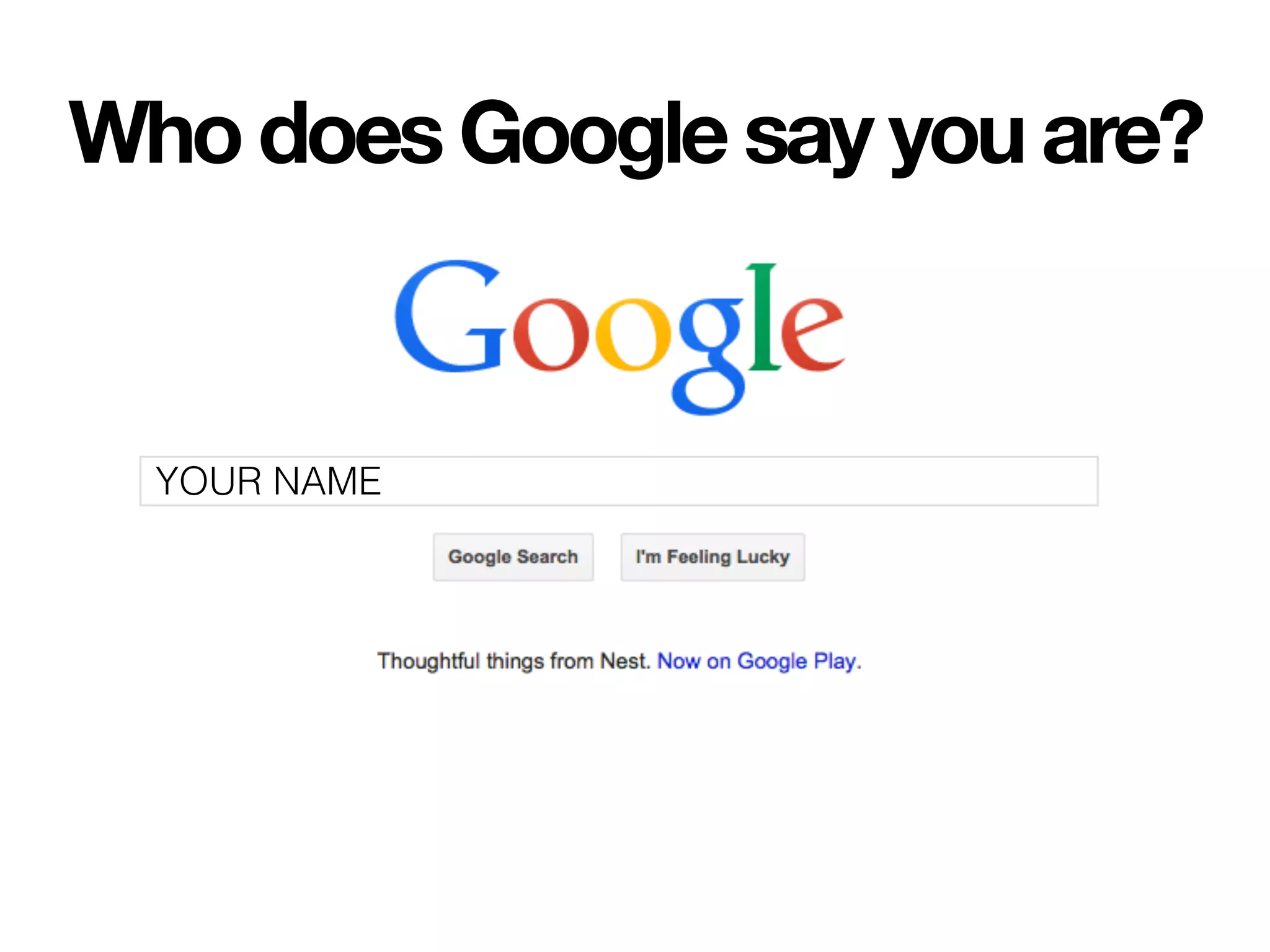
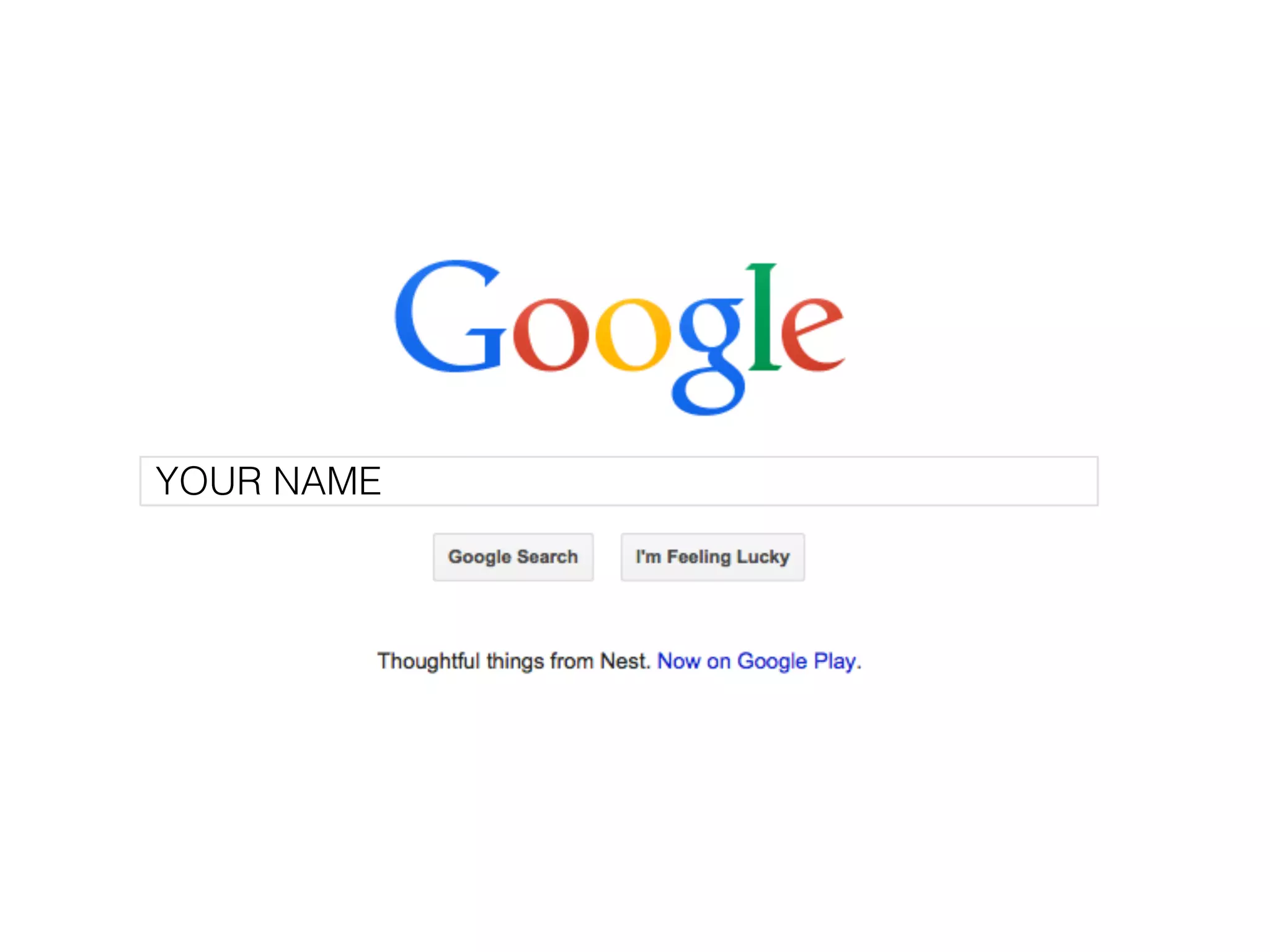
YOUR NAME
Who does Google say you are?
What does Instagram say about you?
Are your online
and offline
lives…
The same?
Different?
What do you think makes
you unique?
Think of a time
when you were
treated “less than”
because of who
you were/are.
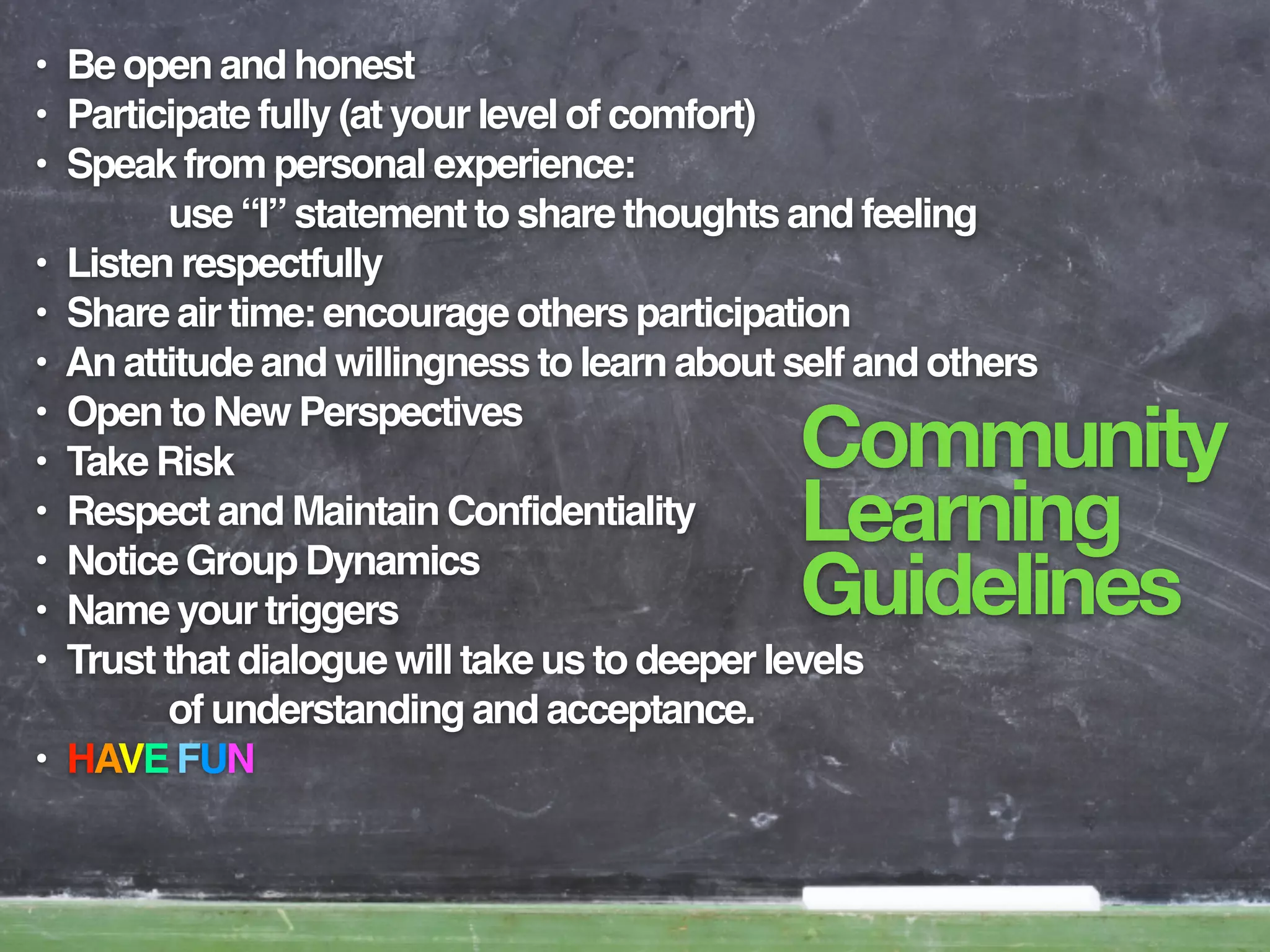
• Be open and honest
• Participate fully (at your level of comfort)
• Speak from personal experience:
use “I” statement to share thoughts and feeling
• Listen respectfully
• Share air time: encourage others participation
• An attitude and willingness to learn about self and others
• Open to New Perspectives
• Take Risk
• Respect and Maintain Confidentiality
• Notice Group Dynamics
• Name your triggers
• Trust that dialogue will take us to deeper levels
of understanding and acceptance.
• HAVE FUN
Community
Learning
Guidelines
What is Social Justice?
A Process and A Goal
"The goal of social justice education is full and
equal participation of all groups in a society
that is mutually shaped to meet their needs.
Social justice includes a vision of society that is
equitable and all members are physically and
psychologically safe and secure."
Teaching for Diversity and Social Justice: A Sourcebook. Edited by Maurianne Adams, Lee Anne Bell, and Pat Griffin.
What is Social Media?
A Tool and A Context
TOOL
CONTEXT
key concepts…
Individual Identity
and Group Membership
YOUR NAME
digital stamp.
digital footprints
follow us.
FROM THE WOMB!
We even have digital stamps
you can be
whomever you
want to be.
online
Privileged and Marginalized Groups
Nationality
Gender
Race
Religion
Sexual
Orientation
Class
Ableness
Age
Others
BIG 8
Identities I’m most
conscious of…
Identities I’m least
conscious of…
Identities I show/hide
to others online/
offline…Nationality
Gender
Race
Religion
Sexual
Orientation
Class
Ableness
Age
Others
P + P = O
Privilege
+ Prejudice
Oppression
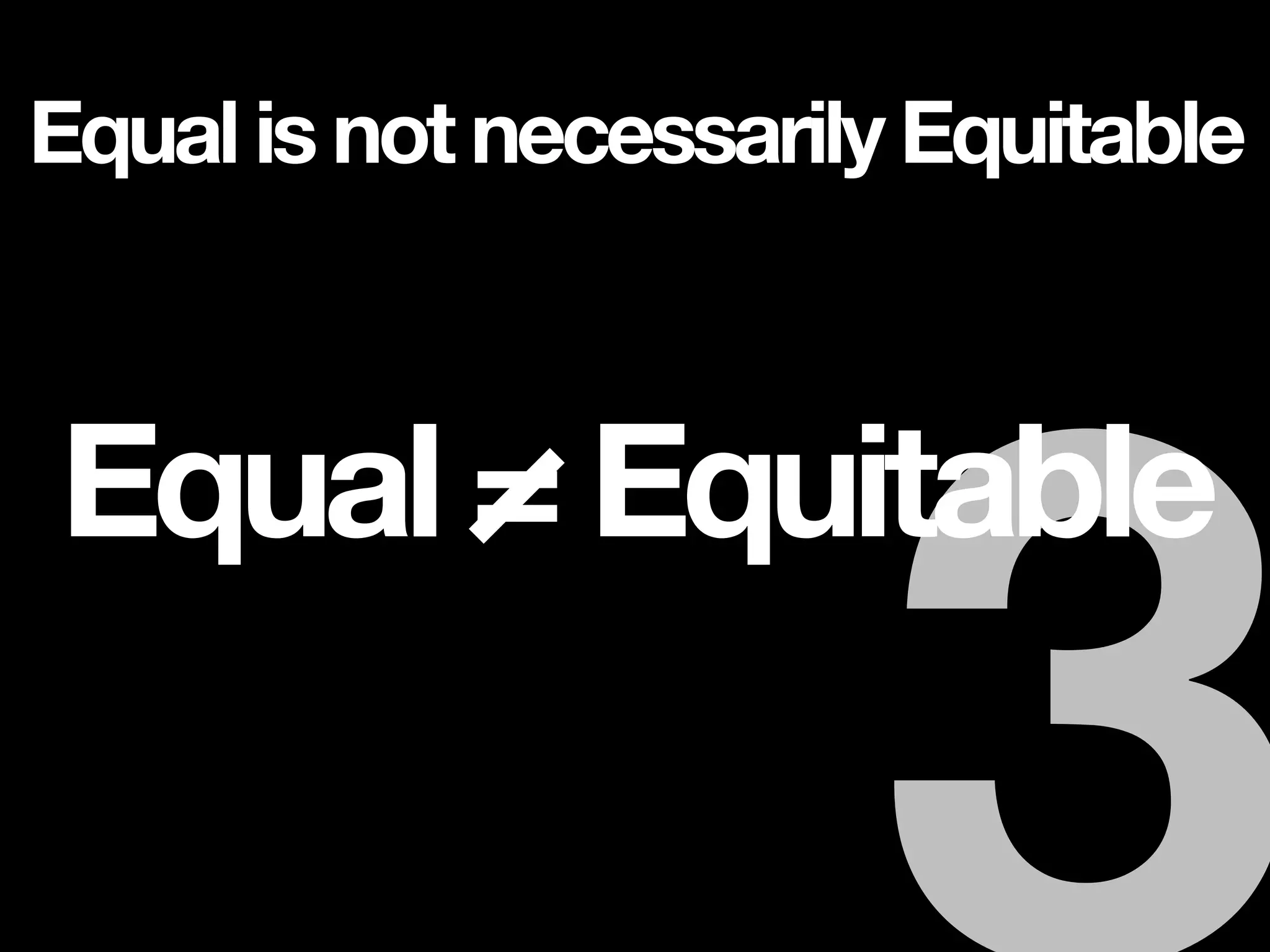
Equal = Equitable
Equal is not necessarily Equitable
Be about
“true service”
#Slacktivism
“Ally” is an adjective/verb
not a noun…
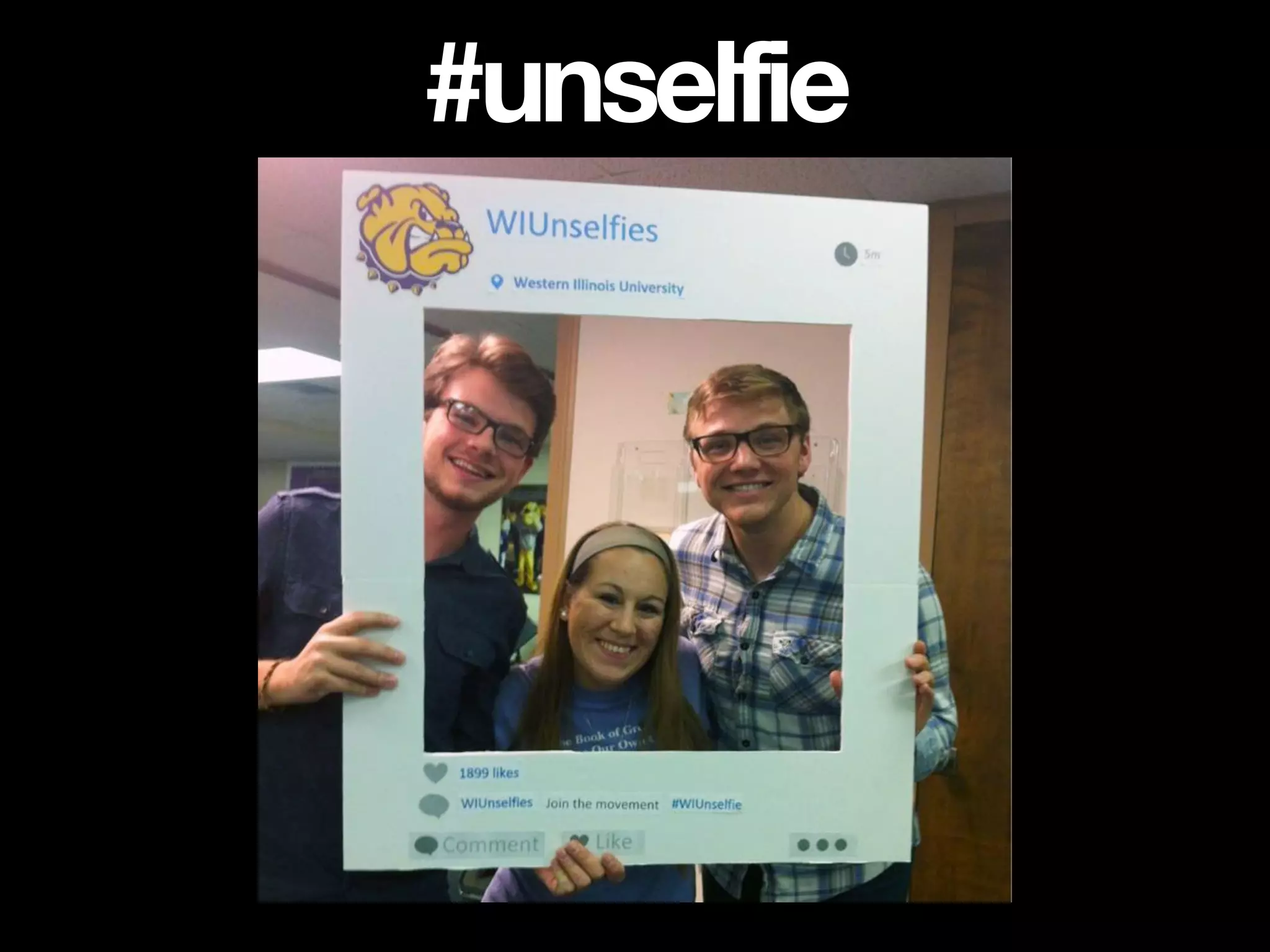
#unselfie
we are all born bias-free
• Individual Identity and group membership are always
present.
• Think about who you want to be online. Know how
others may try to define you.
• We all have dominant and subordinated identity groups.
We also have multiple group memberships.
• Think about social media as both a tool and a context.
You are entering into communities.
• Equal is not necessarily equitable.
Review
• Be about “true service.”
• Balance slacktivism with activism.
• The word “ally” is an adjective/verb - not a noun.
• Spread love liberally online.
• We are all born completely “bias free.”
• Be charitable but principled when interacting
online.
Review
• Communities are built through building relationships of trust and commitment.
• We all are doing the best we can (most of the time)
• We don’t know all there is to know.
• Just because you are, doesn’t mean you understand.
• Oppression is pervasive and impacts us all.
• Not our faults, but we must accept responsibility.
• Conflict and discomfort are often part of growth.
• Seek first to understand, then to be understood.
• Practice some forgiveness and letting go.
• Self-work, healing and self love are necessary for acceptance of others.
• There are no quick fixes.
• Individuals and communities do grow and change.
• There is HOPE!
Rev. Jamie Washington, Ph.D. 2003
Diverse Community
Foundations
The
power of
social
media is it
forces
necessary
change.
-Erik Qualman
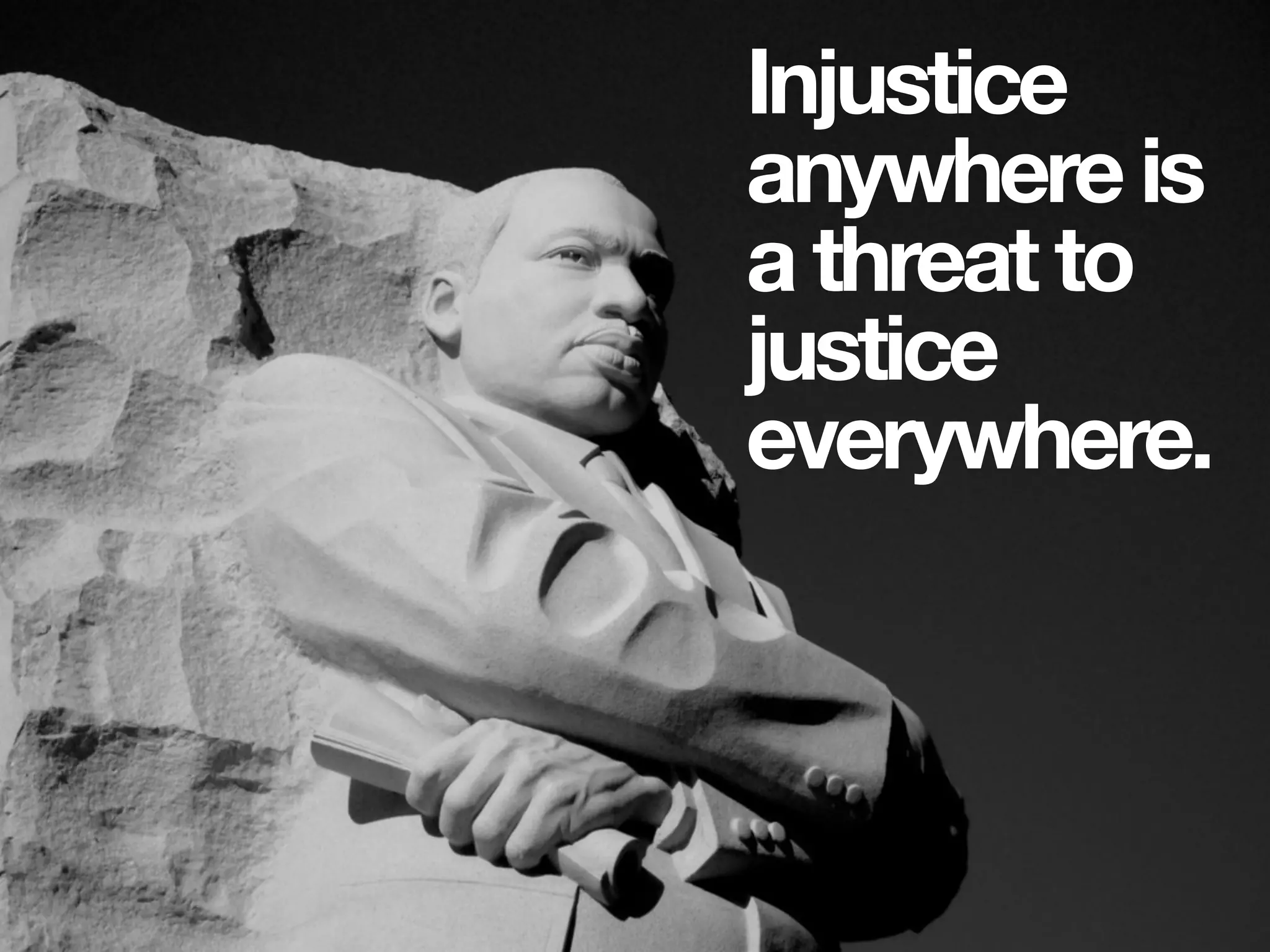
Injustice
anywhere is
a threat to
justice
everywhere.
Digital Social JusticeDigital Social JusticeDigital Social JusticeDigital Social JusticeDigital Social JusticeDigital Social JusticeDigital Social JusticeDigital Social Justice
vernon.wall@gmail.com
www.sjti.org
www.vernonwall.org
@vernonAwall
paulgordonbrown@gmail.com
www.paulgordonbrown.com
@paulgordonbrown

Digital Social Justice

  • 1.
    Digital Social JusticeDigitalSocial JusticeDigital Social JusticeDigital Social JusticeDigital Social JusticeDigital Social JusticeDigital Social Justice Digital Social Justice with Vernon Wall and Paul Brown
  • 2.
    Injustice anywhere is a threatto justice everywhere.
  • 3.
    The power of social media isit forces necessary change. -Erik Qualman
  • 4.
    Your online andoffline lives are inextricable intertwined.
  • 5.
    Understand six key conceptsof social justice and how they may play out online and off.
  • 6.
  • 7.
    YOUR NAME Who doesGoogle say you are?
  • 8.
    What does Instagramsay about you?
  • 9.
    Are your online andoffline lives… The same? Different?
  • 10.
    What do youthink makes you unique?
  • 11.
    Think of atime when you were treated “less than” because of who you were/are.
  • 12.
    • Be openand honest • Participate fully (at your level of comfort) • Speak from personal experience: use “I” statement to share thoughts and feeling • Listen respectfully • Share air time: encourage others participation • An attitude and willingness to learn about self and others • Open to New Perspectives • Take Risk • Respect and Maintain Confidentiality • Notice Group Dynamics • Name your triggers • Trust that dialogue will take us to deeper levels of understanding and acceptance. • HAVE FUN Community Learning Guidelines
  • 13.
  • 14.
    A Process andA Goal "The goal of social justice education is full and equal participation of all groups in a society that is mutually shaped to meet their needs. Social justice includes a vision of society that is equitable and all members are physically and psychologically safe and secure." Teaching for Diversity and Social Justice: A Sourcebook. Edited by Maurianne Adams, Lee Anne Bell, and Pat Griffin.
  • 15.
  • 16.
    A Tool andA Context
  • 17.
  • 18.
  • 19.
  • 20.
  • 21.
  • 22.
  • 23.
  • 24.
    FROM THE WOMB! Weeven have digital stamps
  • 25.
    you can be whomeveryou want to be. online
  • 26.
    Privileged and MarginalizedGroups Nationality Gender Race Religion Sexual Orientation Class Ableness Age Others BIG 8
  • 27.
    Identities I’m most consciousof… Identities I’m least conscious of… Identities I show/hide to others online/ offline…Nationality Gender Race Religion Sexual Orientation Class Ableness Age Others
  • 28.
    P + P= O
  • 29.
  • 30.
    Equal = Equitable Equalis not necessarily Equitable
  • 31.
  • 32.
  • 33.
    “Ally” is anadjective/verb not a noun…
  • 34.
  • 35.
    we are allborn bias-free
  • 37.
    • Individual Identityand group membership are always present. • Think about who you want to be online. Know how others may try to define you. • We all have dominant and subordinated identity groups. We also have multiple group memberships. • Think about social media as both a tool and a context. You are entering into communities. • Equal is not necessarily equitable. Review
  • 38.
    • Be about“true service.” • Balance slacktivism with activism. • The word “ally” is an adjective/verb - not a noun. • Spread love liberally online. • We are all born completely “bias free.” • Be charitable but principled when interacting online. Review
  • 39.
    • Communities arebuilt through building relationships of trust and commitment. • We all are doing the best we can (most of the time) • We don’t know all there is to know. • Just because you are, doesn’t mean you understand. • Oppression is pervasive and impacts us all. • Not our faults, but we must accept responsibility. • Conflict and discomfort are often part of growth. • Seek first to understand, then to be understood. • Practice some forgiveness and letting go. • Self-work, healing and self love are necessary for acceptance of others. • There are no quick fixes. • Individuals and communities do grow and change. • There is HOPE! Rev. Jamie Washington, Ph.D. 2003 Diverse Community Foundations
  • 40.
    The power of social media isit forces necessary change. -Erik Qualman
  • 41.
    Injustice anywhere is a threatto justice everywhere.
  • 42.
    Digital Social JusticeDigitalSocial JusticeDigital Social JusticeDigital Social JusticeDigital Social JusticeDigital Social JusticeDigital Social JusticeDigital Social Justice vernon.wall@gmail.com www.sjti.org www.vernonwall.org @vernonAwall paulgordonbrown@gmail.com www.paulgordonbrown.com @paulgordonbrown