Aaron Johannes and Douglas Tennant
introductions
Aaron Johannes, Director, Spectrum Consulting
Email: aaron@spectrumsociety.org
Website: www.spectrumsociety.org
Facebook: search “spectrum society”
Blog: www.imagineacircle.com
Twitter: @imagineacircle
Hashtag: #imagineacircle
•#101friendsBC
Douglas Tennant, Executive Director, Semiahmoo House Society
Email: d.tennant@shsbc.ca
Website: www.semi-house-society.com
Facebook: http://www.facebook.com/SemiahmooHouseSociety
Blog: www.paradigmswivel.com
Twitter: @DouglasRTennant
Early drafts of this presentation were done by Jules Andre Brown and myself.
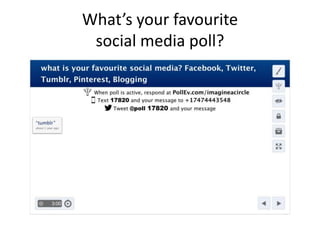
What’s your favourite
social media poll?
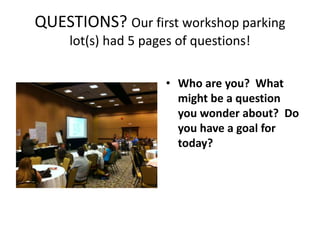
QUESTIONS? Our first workshop parking
lot(s) had 5 pages of questions!
• Who are you? What
might be a question
you wonder about? Do
you have a goal for
today?
Learning Objectives
 Learn why social media matters to marginalised people and
those who support them
 Identify various kinds of social media and the strengths and
capacities of each, and how multi-platform tools like
Hootsuite can help us get our message out.
 Think together about how individuals can interact to deliver
messages about themselves, the groups they are part of
and the causes they care about.
 Internet safety
 Create a basic media plan
For us as individuals
For us as part of organizations
As a social justice movement
https://www.diigo.com/list/imagineaci
rcle/SMSG101
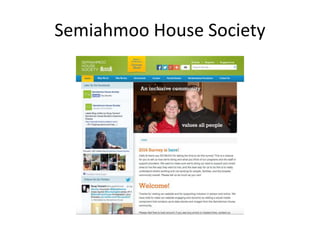
Semiahmoo House Society
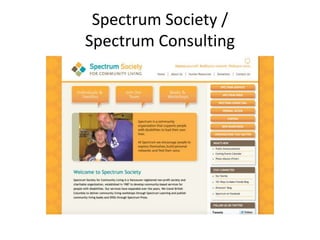
Spectrum Society /
Spectrum Consulting
Social Media Icons
- how would you use each platform?
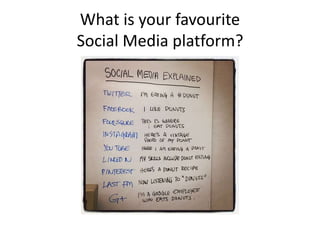
What is your favourite
Social Media platform?
www.polleverywhere.com
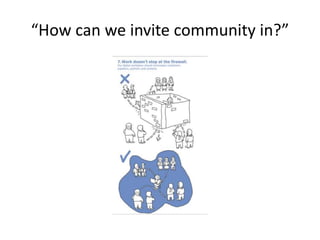
“How can we invite community in?”
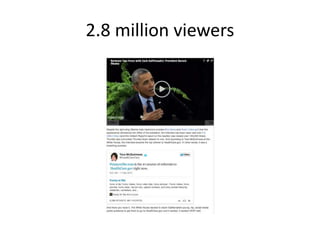
2.8 million viewers
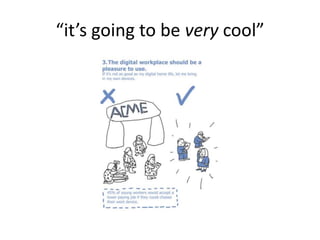
“it’s going to be very cool”
15
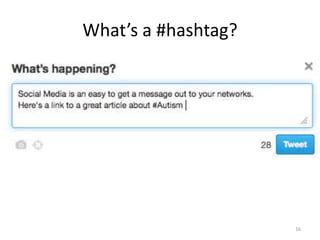
What’s a #hashtag?
16
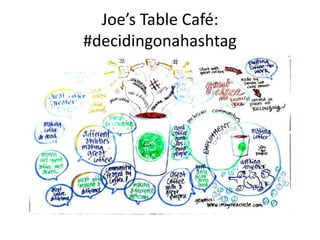
Joe’s Table Café:
#decidingonahashtag
#GreatCoffeeGreaterPurpose.
Why Is This Important?
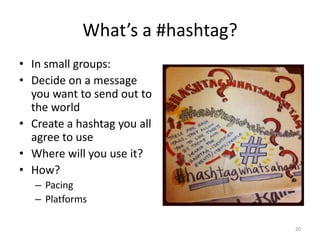
What’s a #hashtag?
• In small groups:
• Decide on a message
you want to send out to
the world
• Create a hashtag you all
agree to use
• Where will you use it?
• How?
– Pacing
– Platforms
20
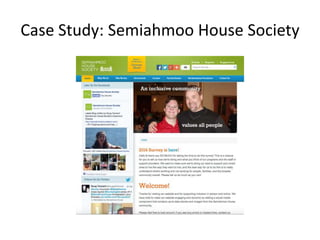
Case Study: Semiahmoo House Society
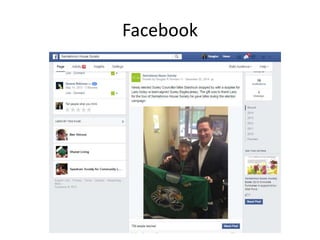
Facebook
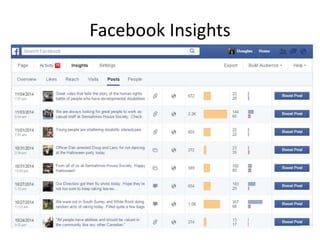
Facebook Insights
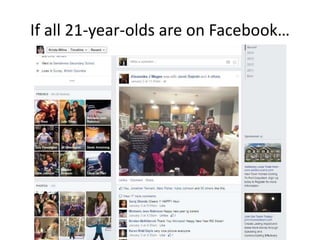
If all 21-year-olds are on Facebook…
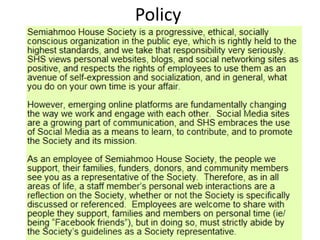
Policy
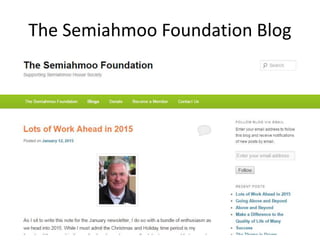
The Semiahmoo Foundation Blog
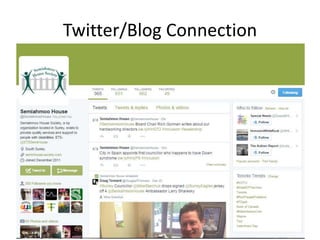
Twitter/Blog Connection
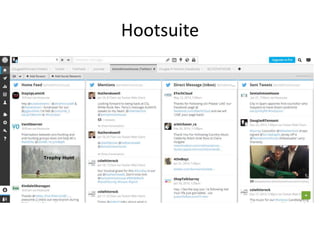
Hootsuite
Where are people with disabilities on
the internet?
www.tweetlevels.com
What are they talking about?
What do actual people with disabilities
(self advocates) want to talk about?
• jobs
• Supports
• Equality
• Relationships
• community
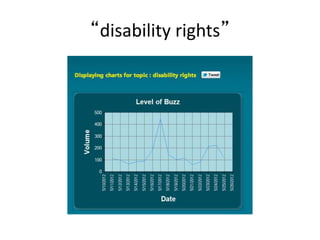
“disability rights”
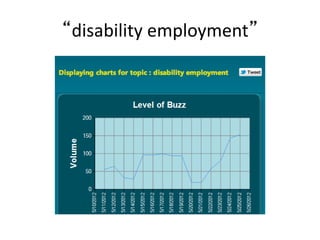
“disability employment”
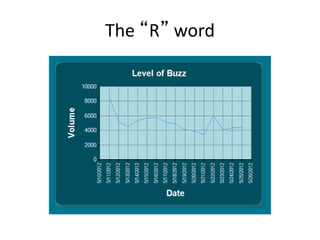
The “R” word
“people first self advocacy”
Case Study: Spectrum Society /
Spectrum Consulting
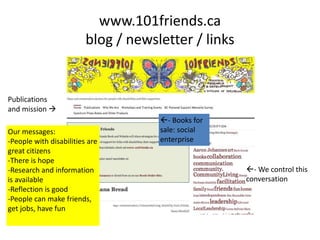
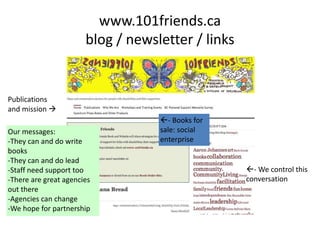
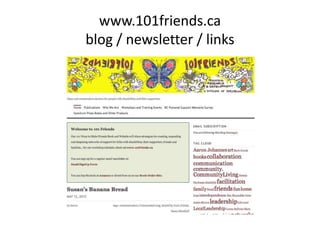
www.101friends.ca
blog / newsletter / links
www.101friends.ca
blog / newsletter / links
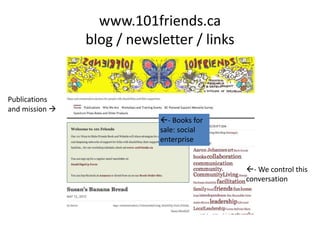
Publications
and mission 
- Books for
sale: social
enterprise
- We control this
conversation
www.101friends.ca
blog / newsletter / links
Publications
and mission 
- Books for
sale: social
enterprise
- We control this
conversation
Our messages:
-People with disabilities are
great citizens
-There is hope
-Research and information
is available
-Reflection is good
-People can make friends,
get jobs, have fun
www.101friends.ca
blog / newsletter / links
Publications
and mission 
- Books for
sale: social
enterprise
- We control this
conversation
Our messages:
-They can and do write
books
-They can and do lead
-Staff need support too
-There are great agencies
out there
-Agencies can change
-We hope for partnership
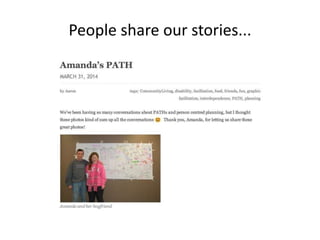
People share our stories...
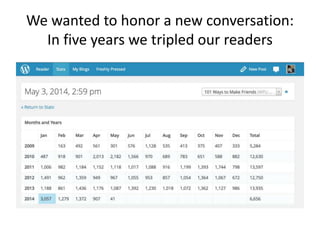
We wanted to honor a new conversation:
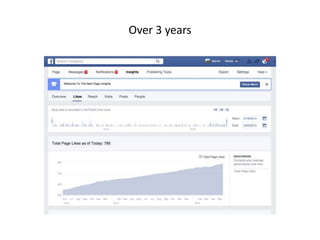
In five years we tripled our readers
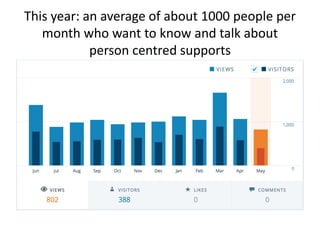
This year: an average of about 1000 people per
month who want to know and talk about
person centred supports
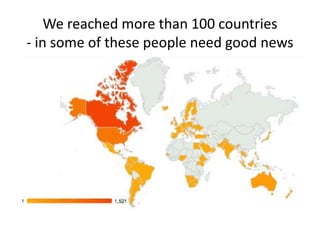
We reached more than 100 countries
- in some of these people need good news
Over 3 years
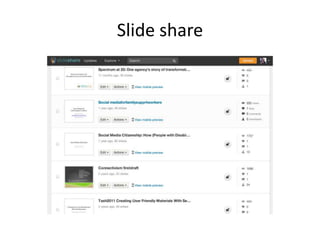
Slide share
Hopeful Messages
• Blog
• Enewsletter (Mail Chimp)
• Facebook
• Twitter
• Slideshare
• www.spectrumpress.ca
Caveats:
it’s not really a popularity contest
• Do you have a budget for social media?
– NO
• Do you have someone with dedicated time to spend on
this?
– NO it’s off the side of our desks by interested people.
• Have you hired a firm to take on your social media?
– NO
• Are you trying to communicate with everyone
everywhere about everything? (Who are your peeps?)
– NO we only want to talk about individualised approaches
with people who want to talk about that.
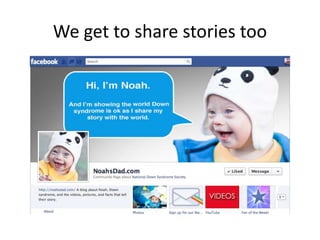
We get to share stories too
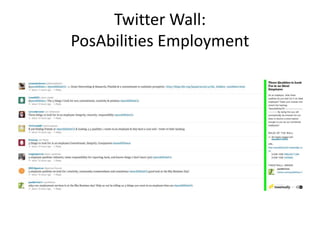
Twitter Wall:
PosAbilities Employment
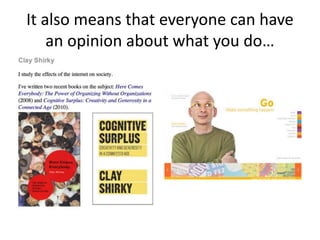
It also means that everyone can have
an opinion about what you do…
Online Education
and Staff Training
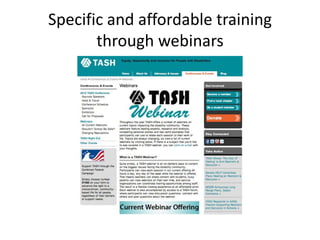
Specific and affordable training
through webinars
advocacy
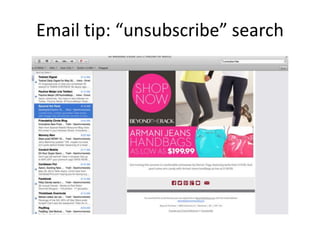
Email tip: “unsubscribe” search
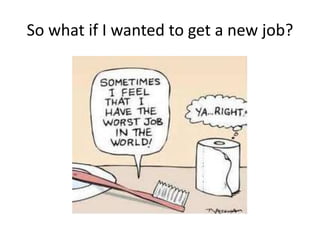
So what if I wanted to get a new job?
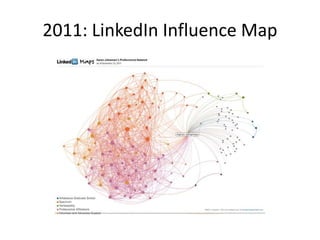
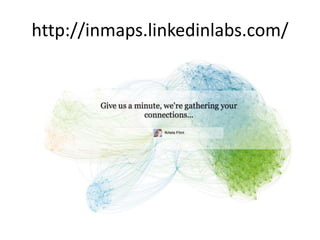
2011: LinkedIn Influence Map
http://inmaps.linkedinlabs.com/
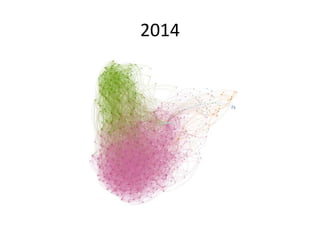
2014
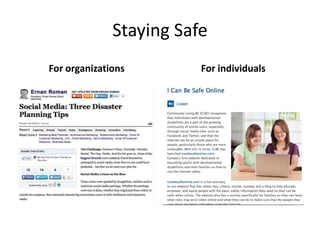
Staying Safe
For organizations For individuals
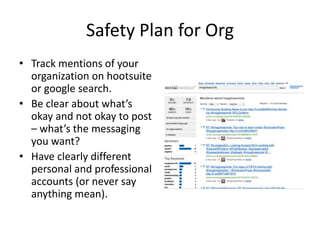
Safety Plan for Org
• Track mentions of your
organization on hootsuite
or google search.
• Be clear about what’s
okay and not okay to post
– what’s the messaging
you want?
• Have clearly different
personal and professional
accounts (or never say
anything mean).
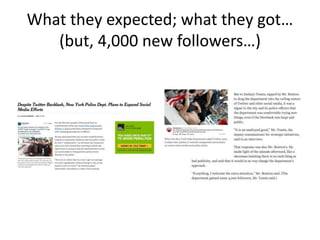
What they expected; what they got…
(but, 4,000 new followers…)
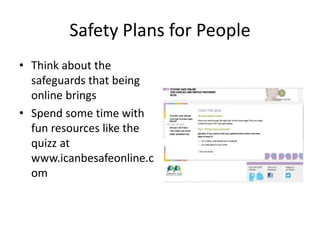
Safety Plans for People
• Think about the
safeguards that being
online brings
• Spend some time with
fun resources like the
quizz at
www.icanbesafeonline.c
om
What will you learn next?
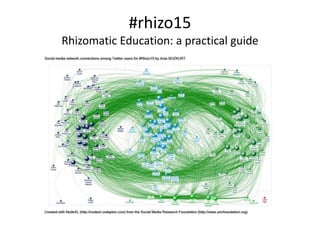
#rhizo15
Rhizomatic Education: a practical guide
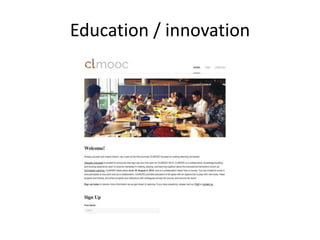
Education / innovation
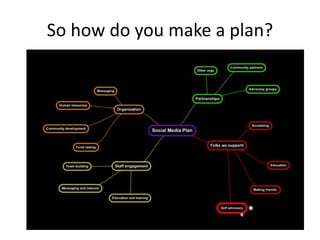
So how do you make a plan?
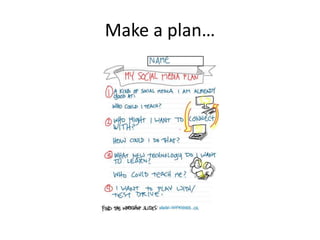
Make a plan…
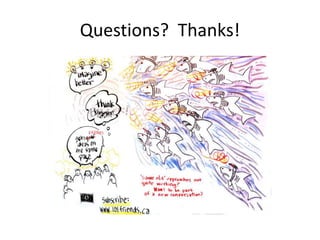
Questions? Thanks!

Smsg with doug2015

Editor's Notes

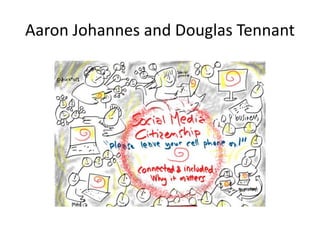
  • #2 Social Media Citizenship “Please leave your cell phone on!” Connected and Included: why it matters Aaron Johannes www.imagineacircle.com www.101friends.ca
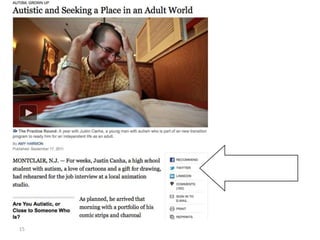
  • #16 This is an example of a great article you might want to share
  • #17 This is how you might share it
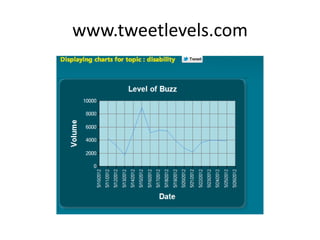
  • #31 www.tweetlevels.com is an online site where you can see who is tweeting about what topics… this is important because we get to see how visible the folks we care about are. We have come to a place where it’s not at all odd to meet someone with a disability in public, or in a workplace, but are we having the same experience online? On the busiest day here more than 8000 people are tweeting something about “disability”
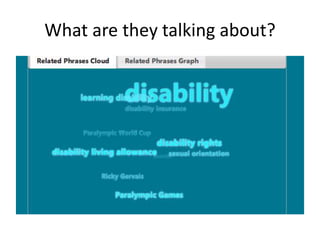
  • #32 We can look at the word cloud to see what kinds of things they are saying…. The bigger the words, the more people are talking about it
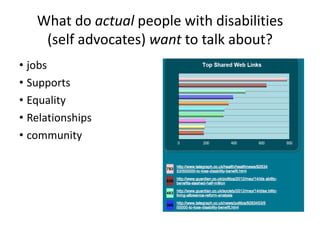
  • #33 At the bottom of the tweetlevels site we can see where the most popular conversations are happening – here, we see that most of the conversations are about disability benefits – they are reactive conversations. What people with disabilties tell us they want to talk about in our workshops are jobs, supports that work for them, equality, relationships and community… we can identify any of these by turning them into hashtags
  • #34 Hardly anyone is talking about disability rights
  • #35 Or employment
  • #36 But about 6000 people a day are using the “R” word in tweets
  • #37 And no one is talking about people first self advocacy. We can change this.
  • #39 Our project blog is one of the ways that we use social media….
  • #40 It gives people some concrete information about our products, our mission, our understanding of how people with disabilities might be supported, and it’s a conversation that we control and up out into the world -
  • #41 We send out several messages
  • #42 Our messages assume that these things are true, and we offer resources to support these ideas
  • #43 Whenever we post something on our blog, others who agree with it or find it interesting re-post our blog articles…
  • #44 14,650 views in 2014; predicted 20,000 views in 2015.
  • #49 So our social media plan has the blog, which a program called mail chimp collects every month and sends out to subscribers (people can also subscribe just to the blog); the blog goes out to facebook, which goes to twitter, and presentations we do go up on slideshare, while our social enterprise site collects people from all of the above and sends them back again…
  • #51 We are not just the receivers of information, but we can create it. www.noahsdad.com has quickly become a great site that is inspiring and full of good information. An interested aspect of it on facebook is the number of parents sharing photos of their (gorgeous) kids with disabiliites in ways they might not previously have been able to.
  • #52 More good examples. Totally positive message; an invitation to participate; focused on what’s shared rather than differences / disabilities…
  • #53 It lets those people take action. Communicating, clarifying, connecting are all ways to take action… from those actions can come a landslide of action
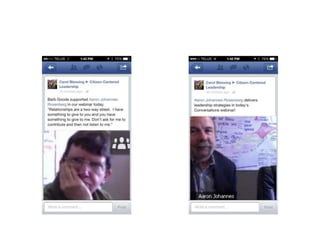
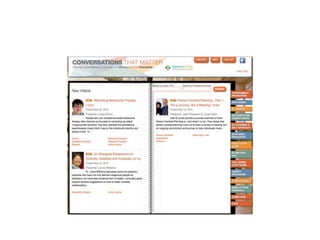
  • #54 Social media can be a great staff training tool. At it’s simplest, it’s using twitter and facebook to keep staff informed and up to date. At it’s more complicated it’s the creation of and involvement in online training and education.
  • #60 Say I decided I wanted a new job…
  • #61 It has never been more important – or easier – to be connected. This is a “map” of aaron’s connections on linkedin.
  • #64 People want to talk about safety, and we can make these talks fun and interesting. One of the best sites for online citizens with disabilities is I Can Be Safe Online, created and hosted by CLBC.
  • #71 The Social Media part of your plan needs to be congruent with everything else you’re doing. This is a really quick, down and dirty mind map that looks at how social media might be used within the organization, with community partners, with the folks we support and to engage staff. It’s just a few ideas to get started, out of which more conversations can come.