Design the Team you
Need to Succeed
Christina Wodtke
Author of Radical Focus and more
Associate Professor at California College of the Arts and Stanford
Continuing Education
Never take the package deal
In our field
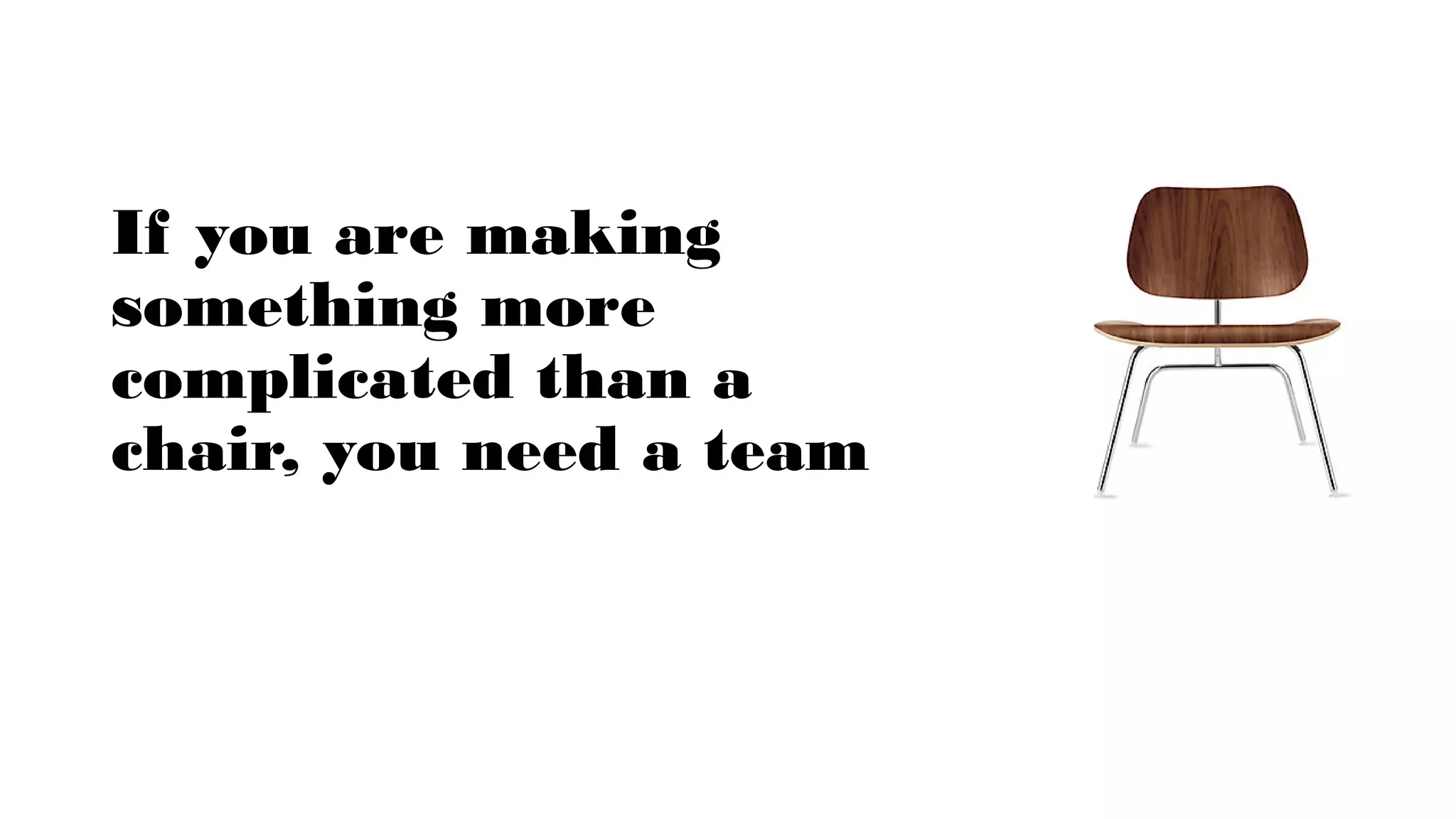
If you are making
something more
complicated than a
chair, you need a team
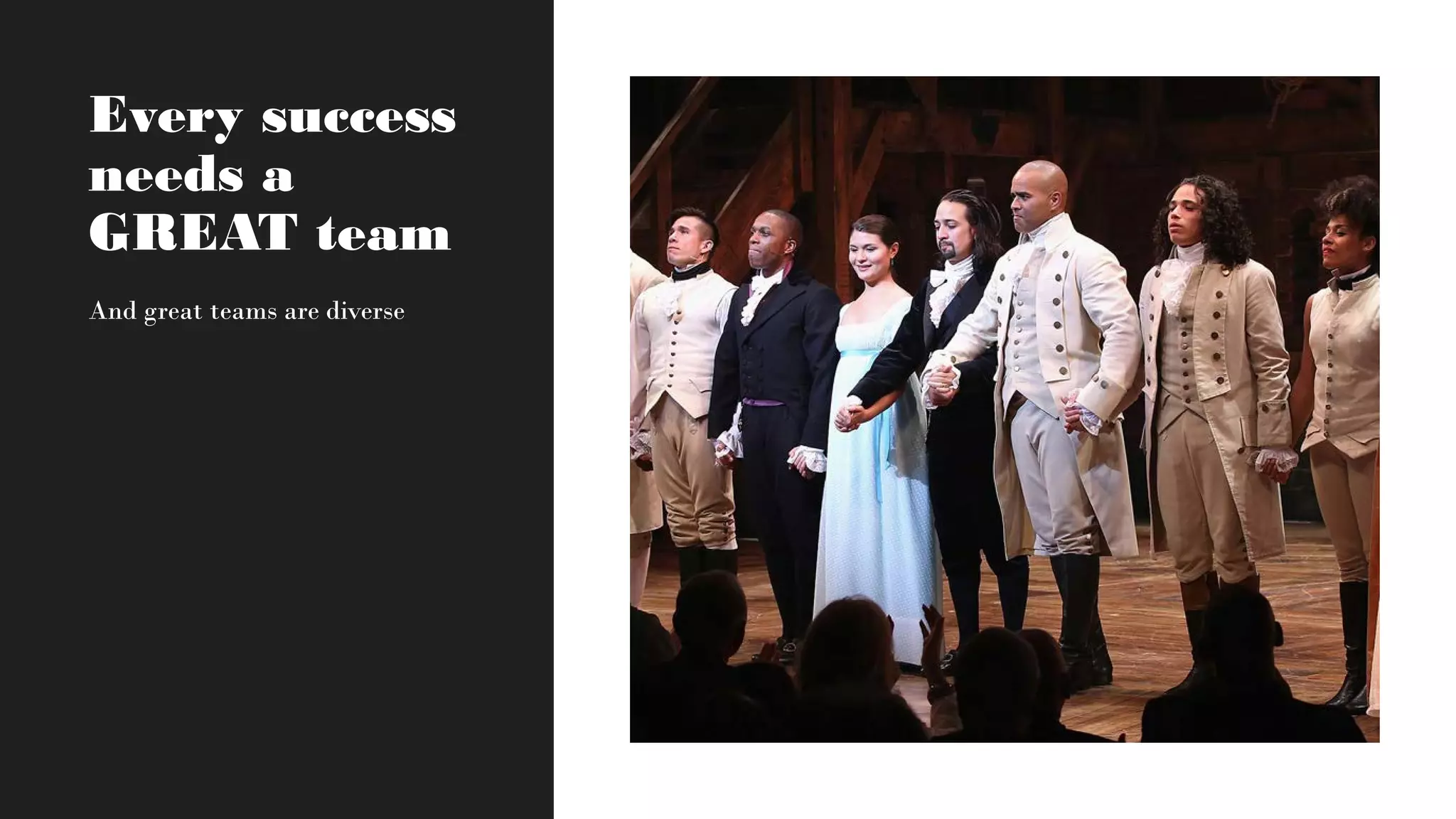
Every success
needs a
GREAT team
And great teams are diverse
If you don’t design, you default.
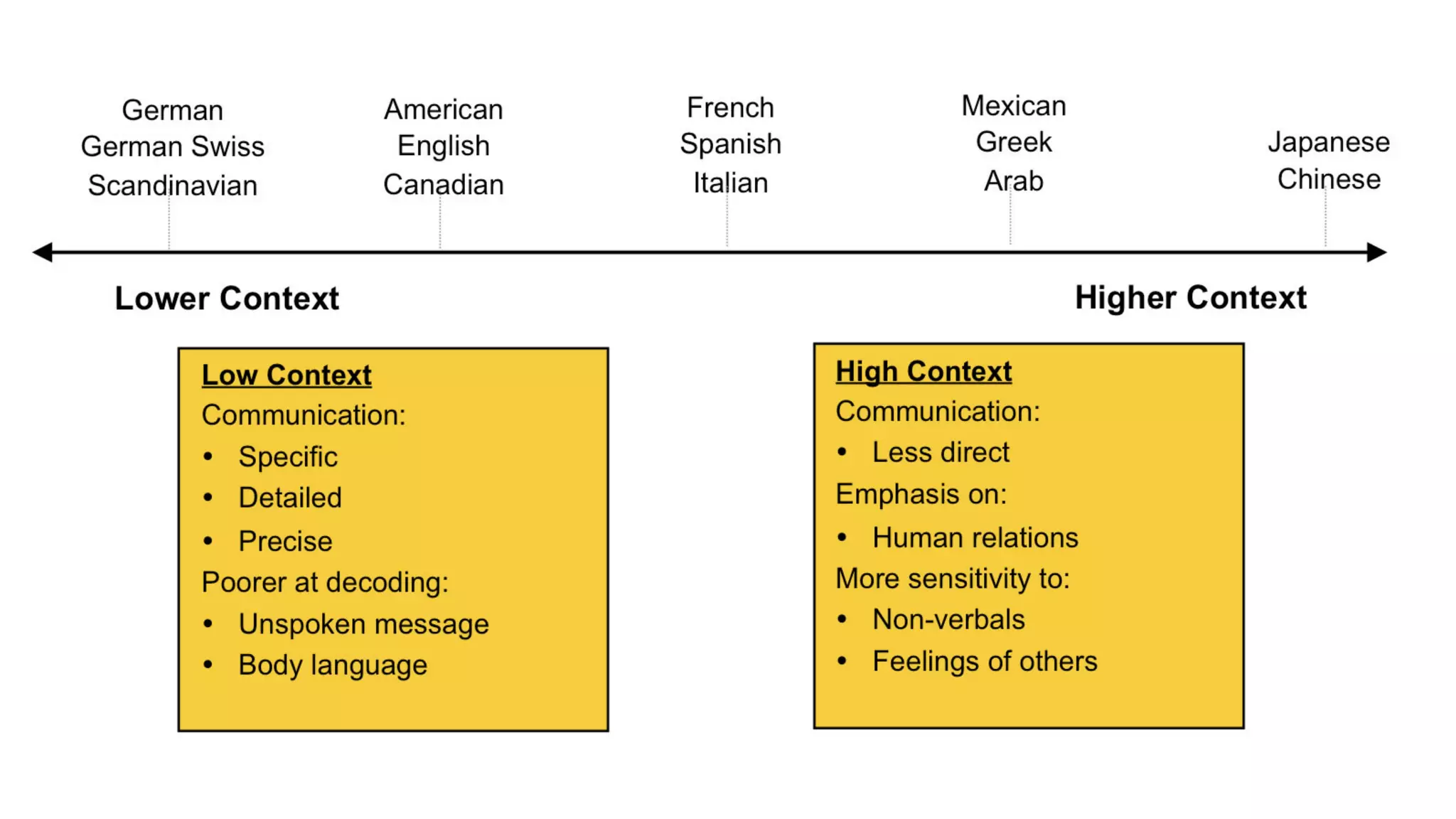
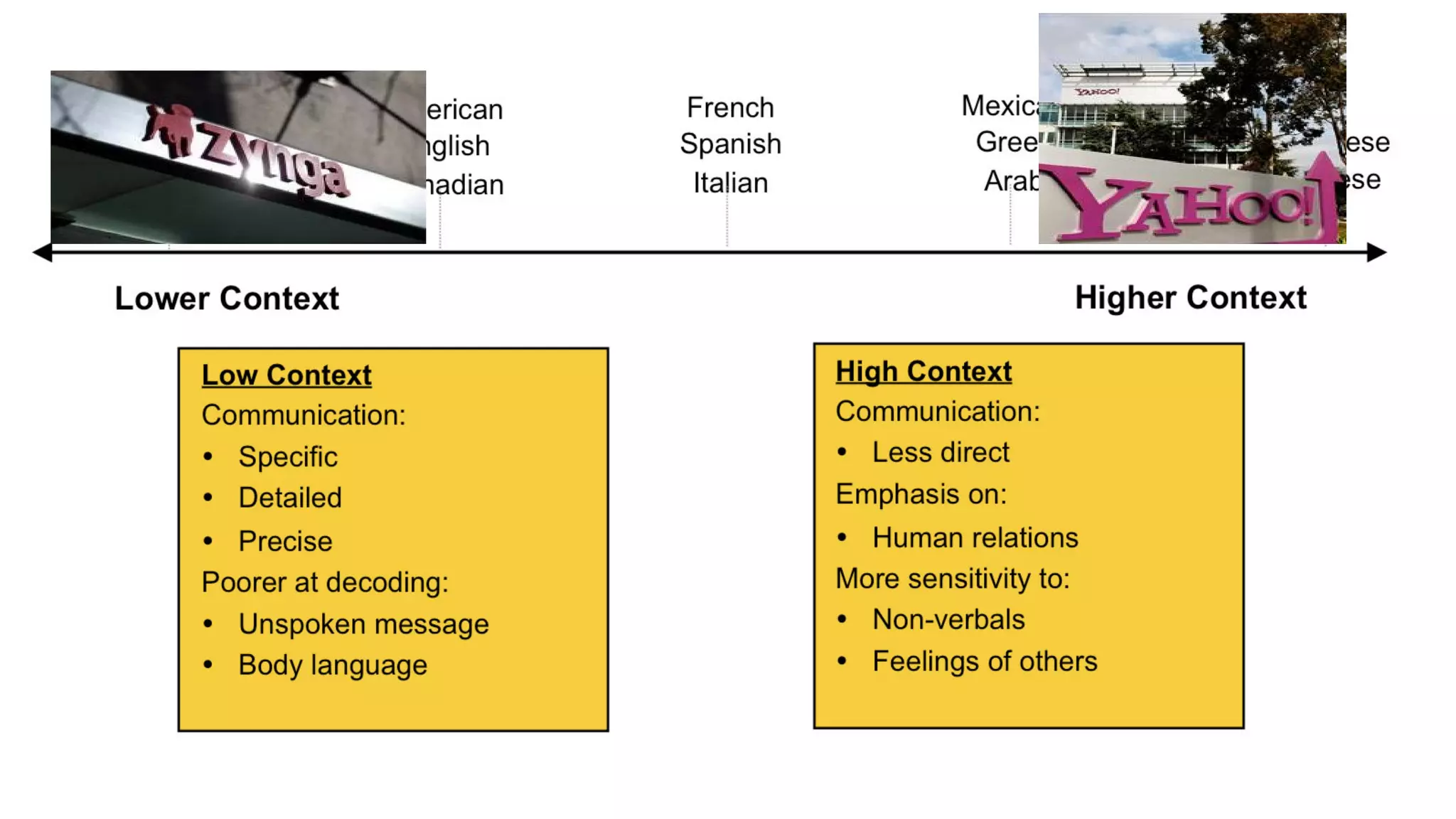
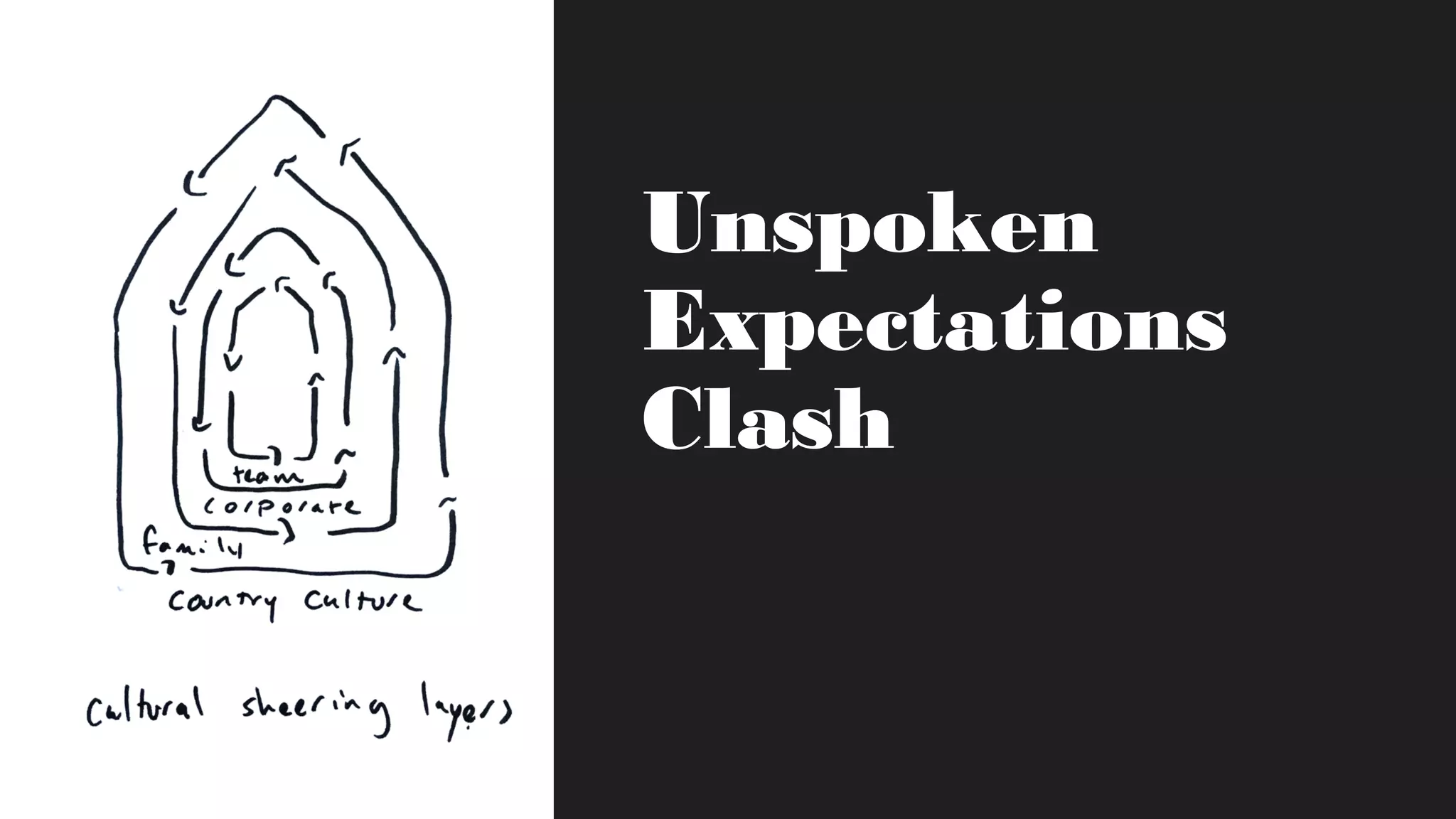
Unspoken
Expectations
Clash
If you don’t design, you default.
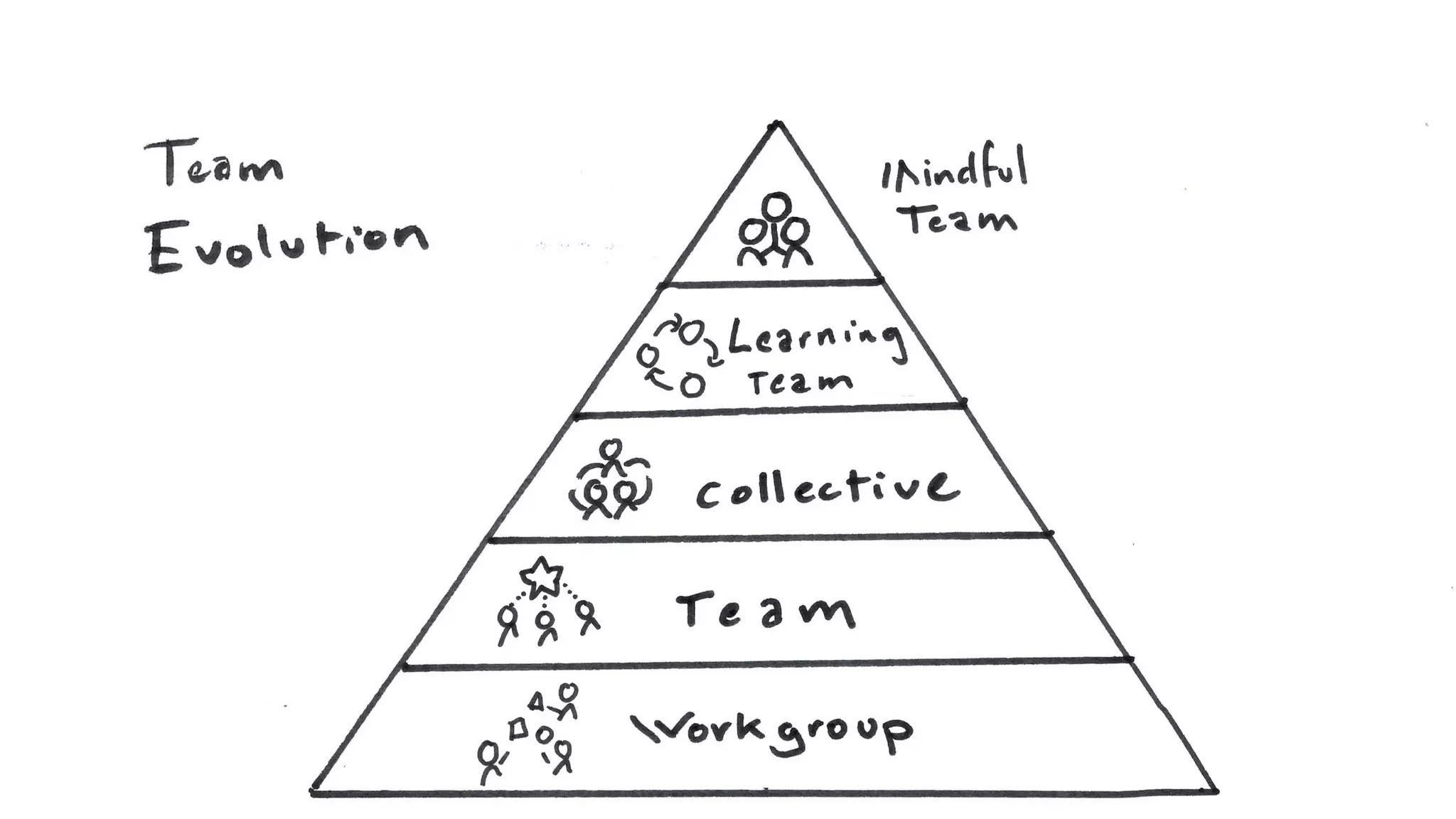
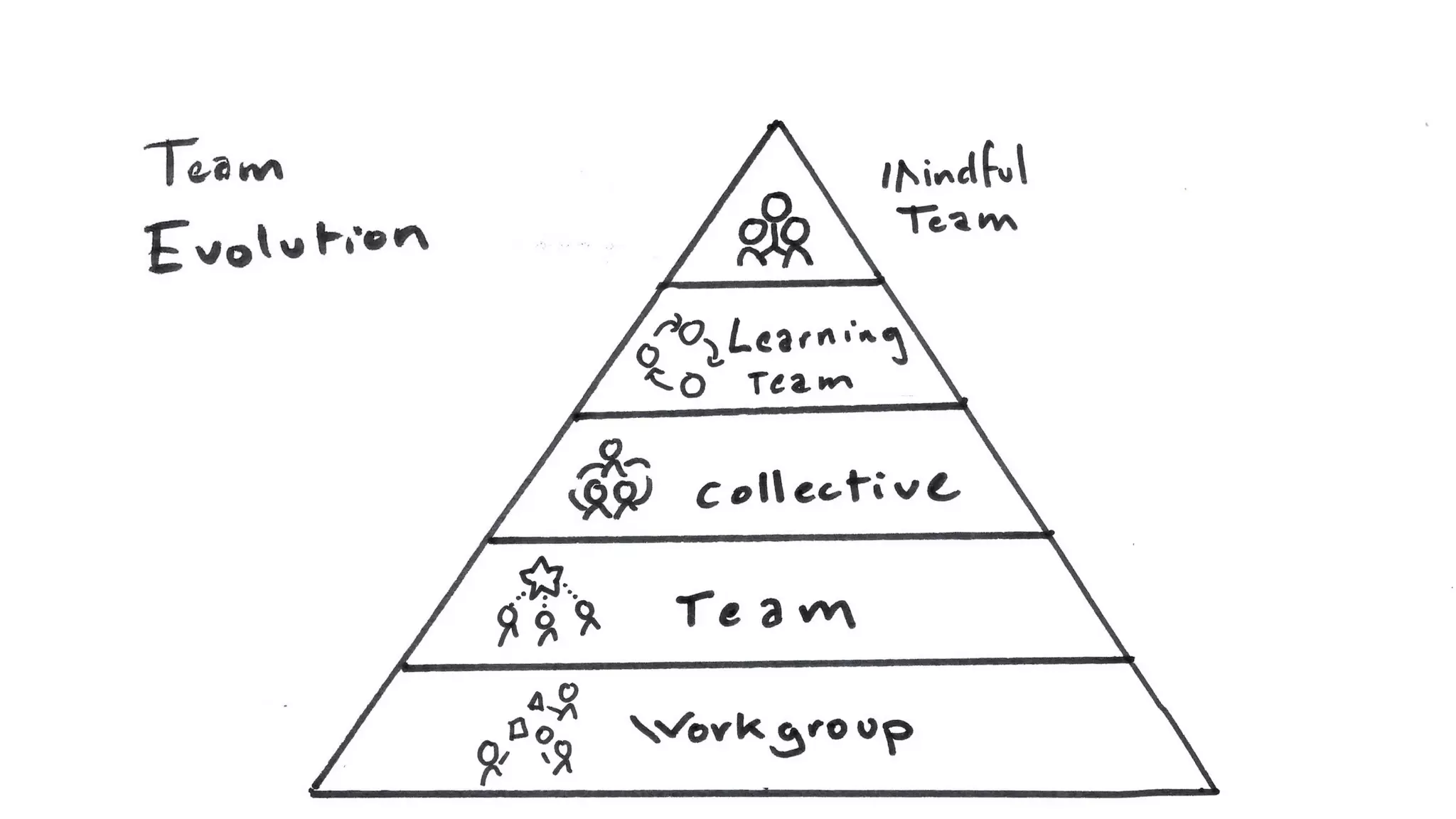
Workgroup
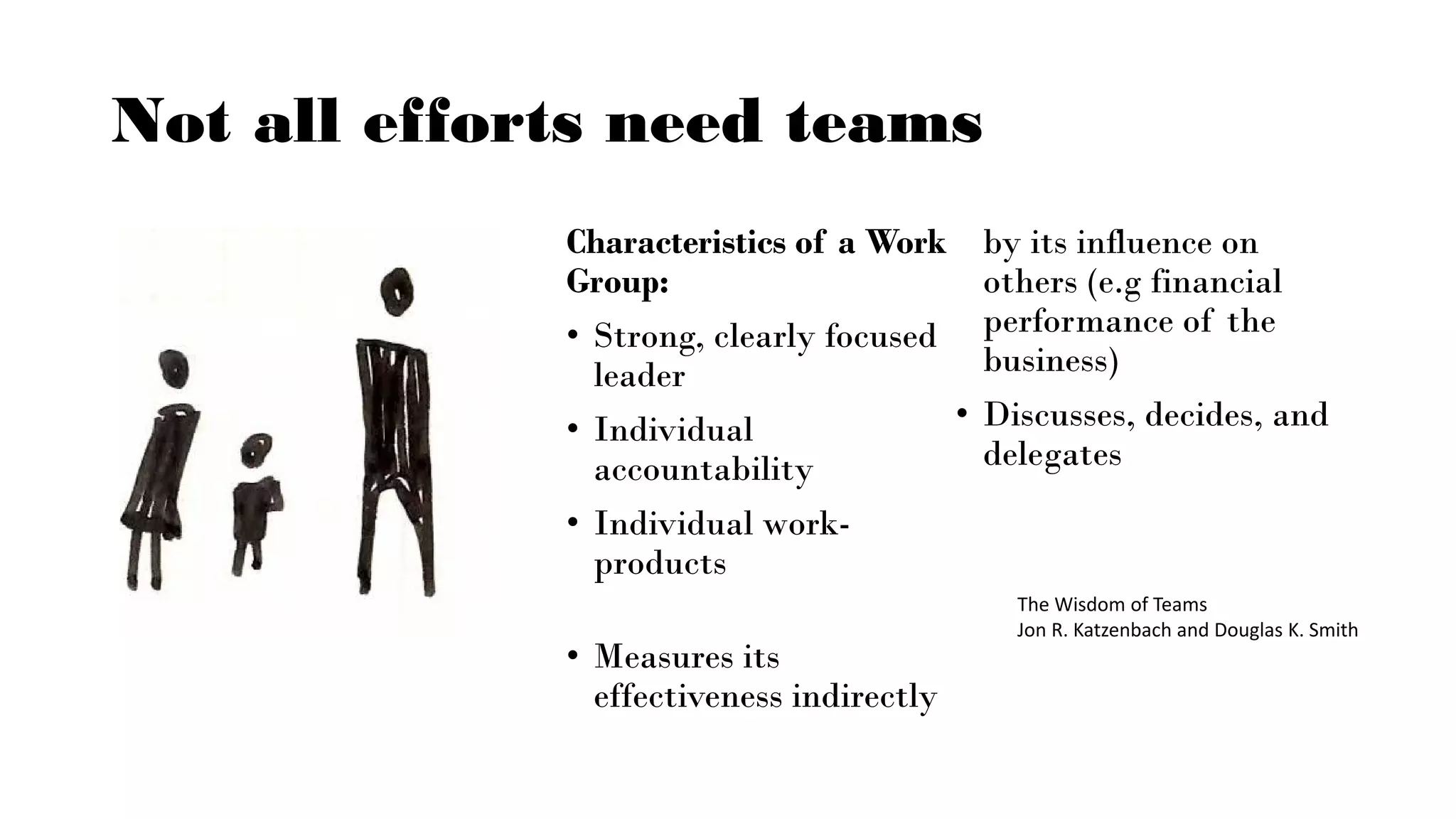
Not all efforts need teams
Characteristics of a Work
Group:
• Strong, clearly focused
leader
• Individual
accountability
• Individual work-
products
• Measures its
effectiveness indirectly
by its influence on
others (e.g financial
performance of the
business)
• Discusses, decides, and
delegates
The Wisdom of Teams
Jon R. Katzenbach and Douglas K. Smith
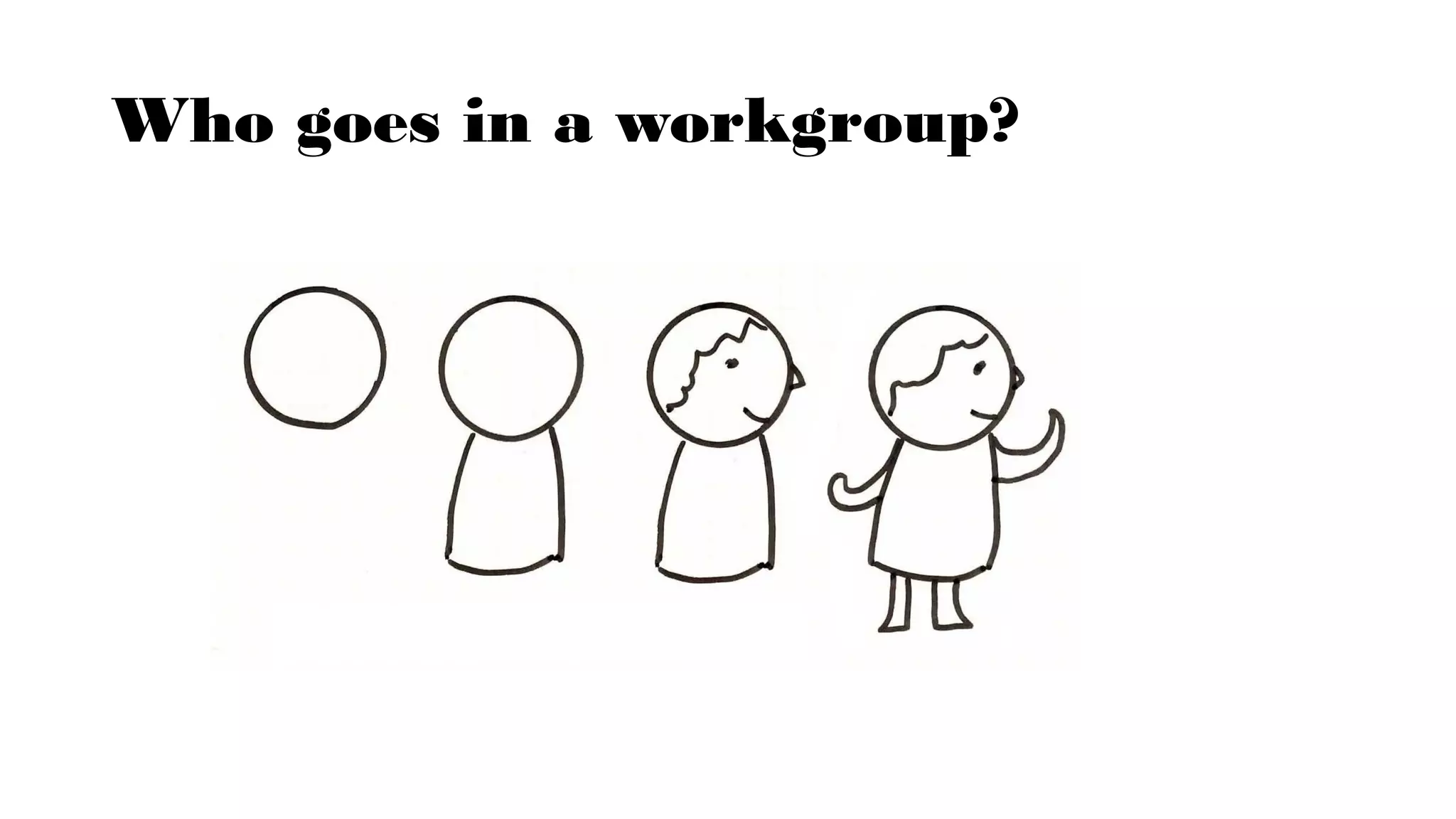
Who goes in a workgroup?
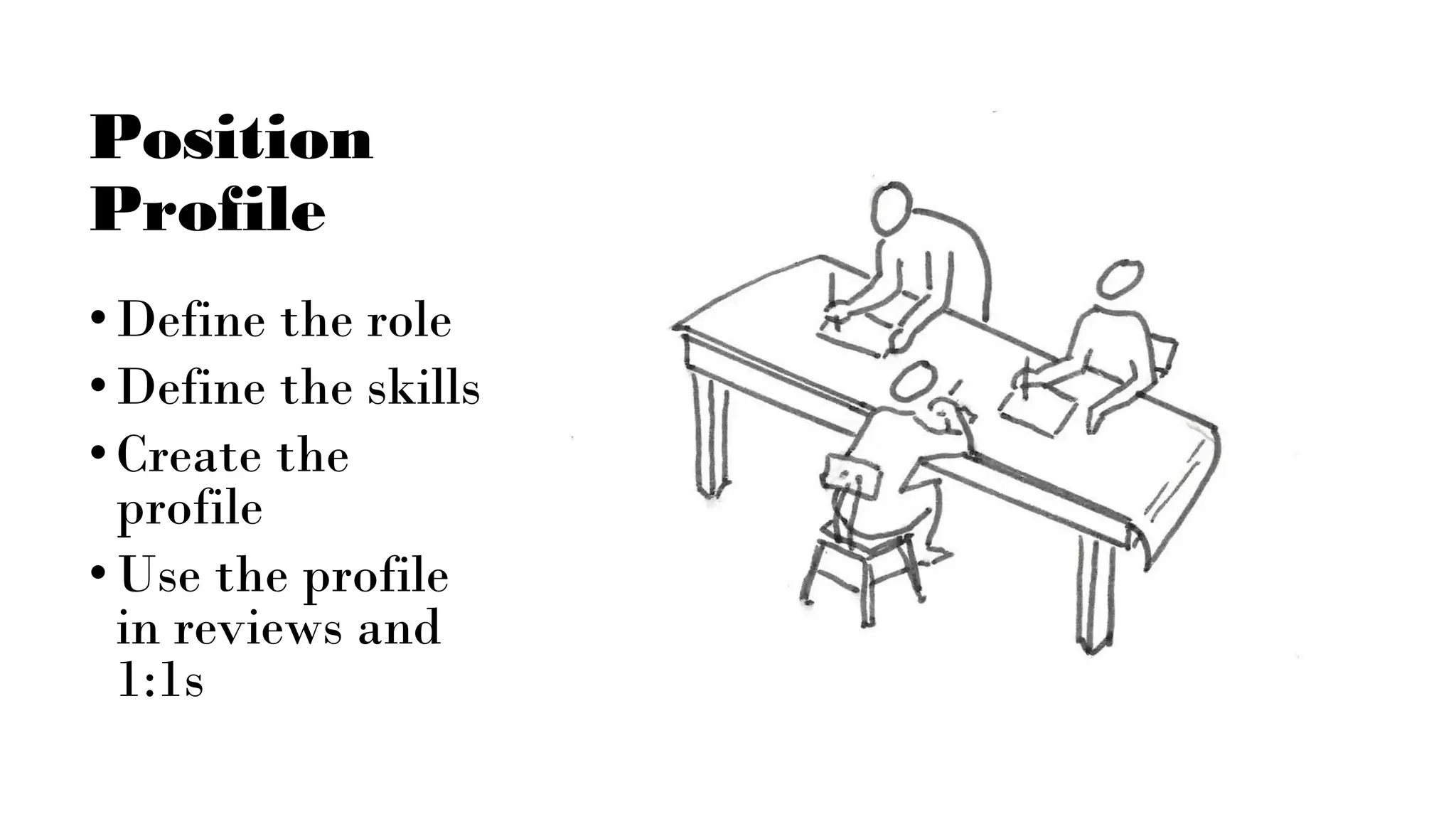
Position
Profile
•Define the role
•Define the skills
•Create the
profile
•Use the profile
in reviews and
1:1s
If you don’t design, you default.
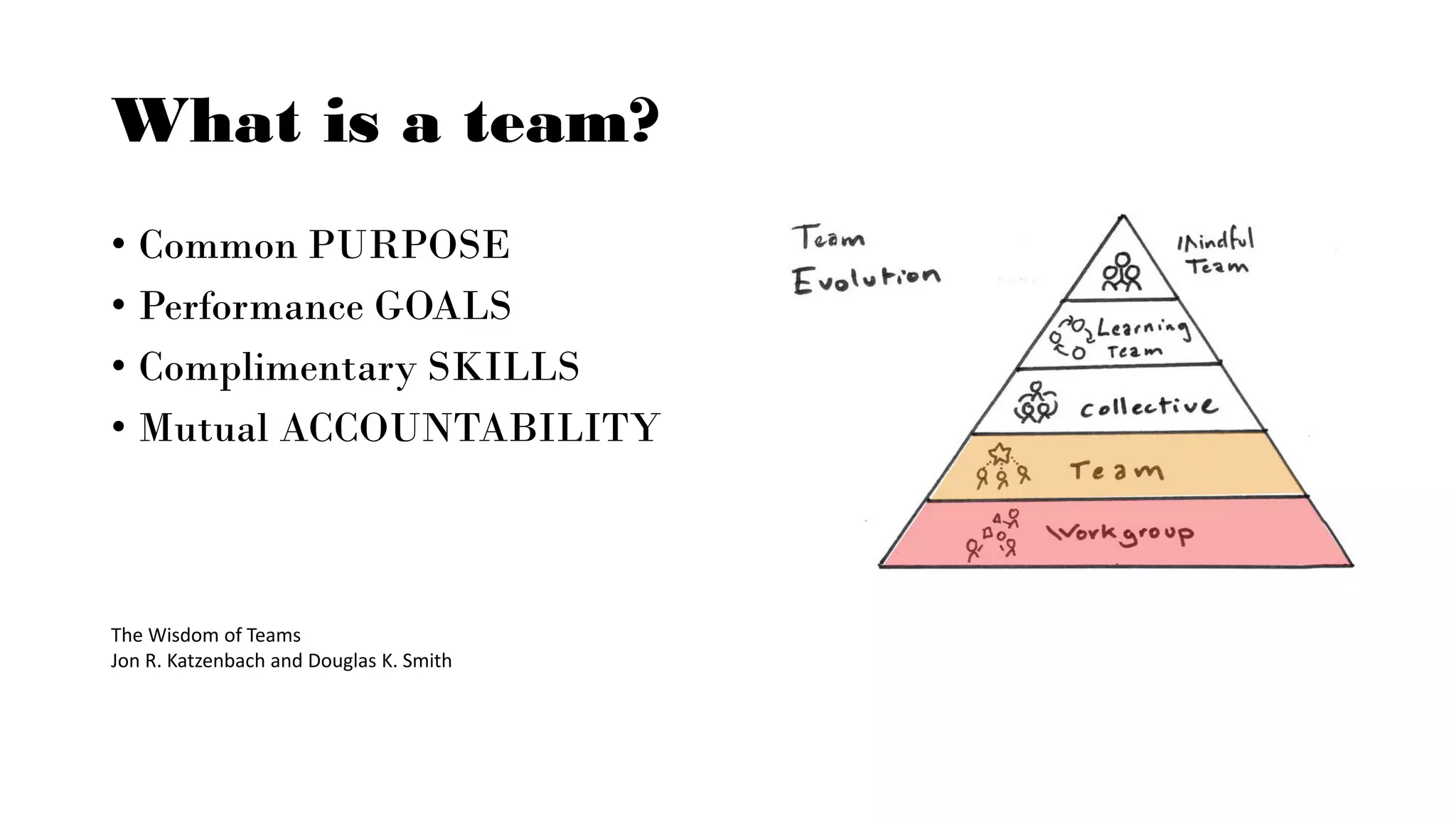
What is a team?
• Common PURPOSE
• Performance GOALS
• Complimentary SKILLS
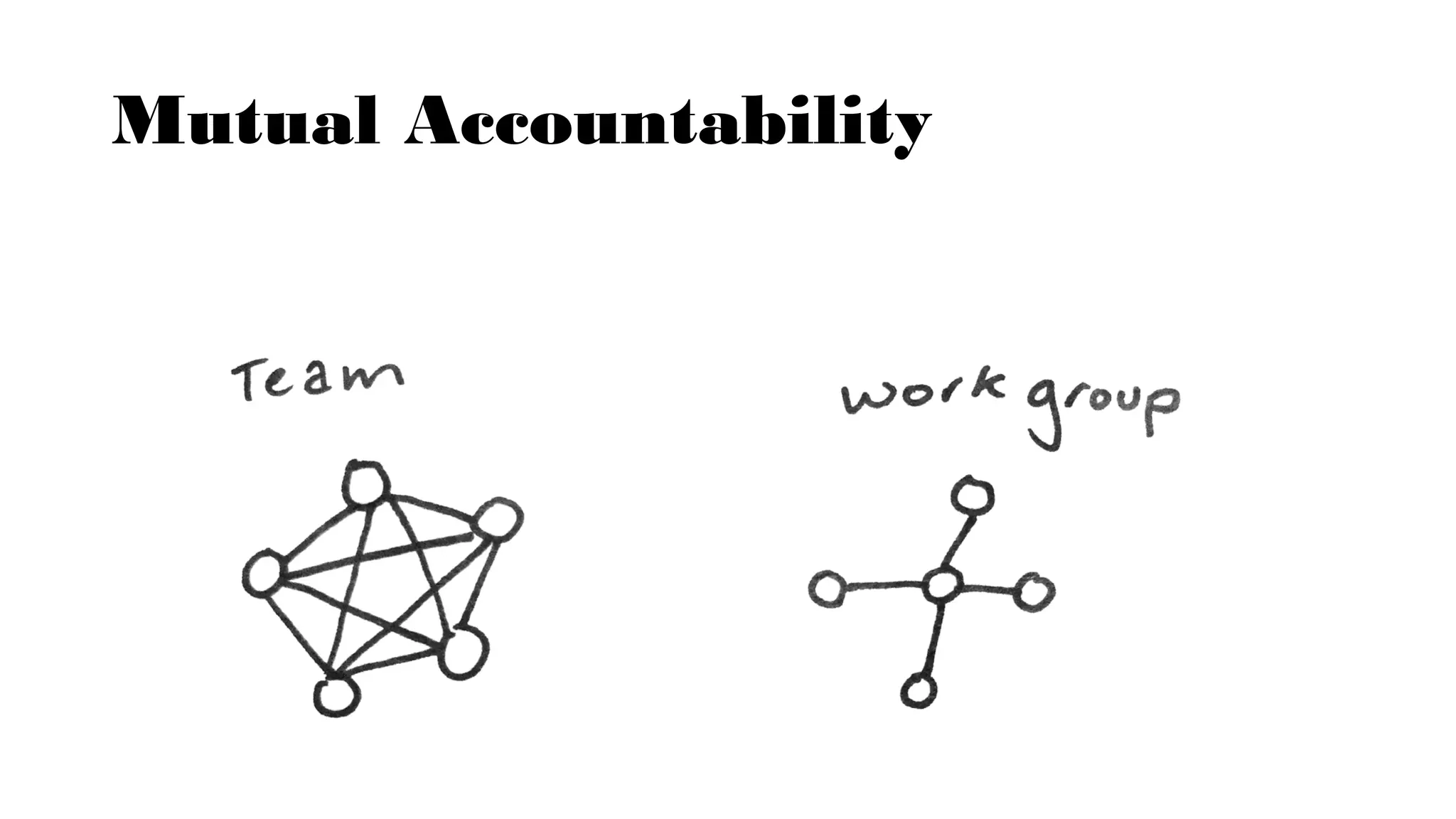
• Mutual ACCOUNTABILITY
The Wisdom of Teams
Jon R. Katzenbach and Douglas K. Smith
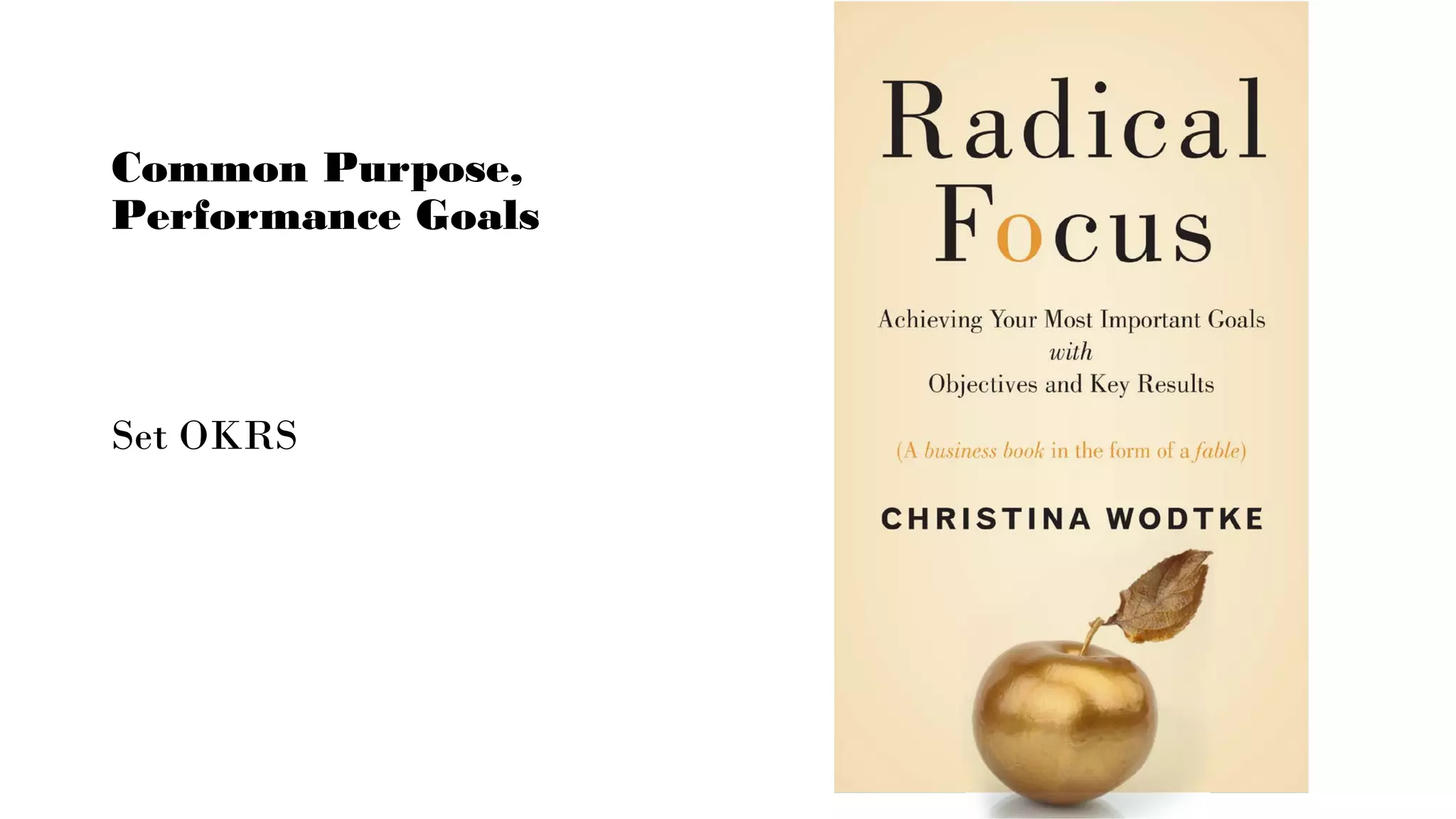
Common Purpose,
Performance Goals
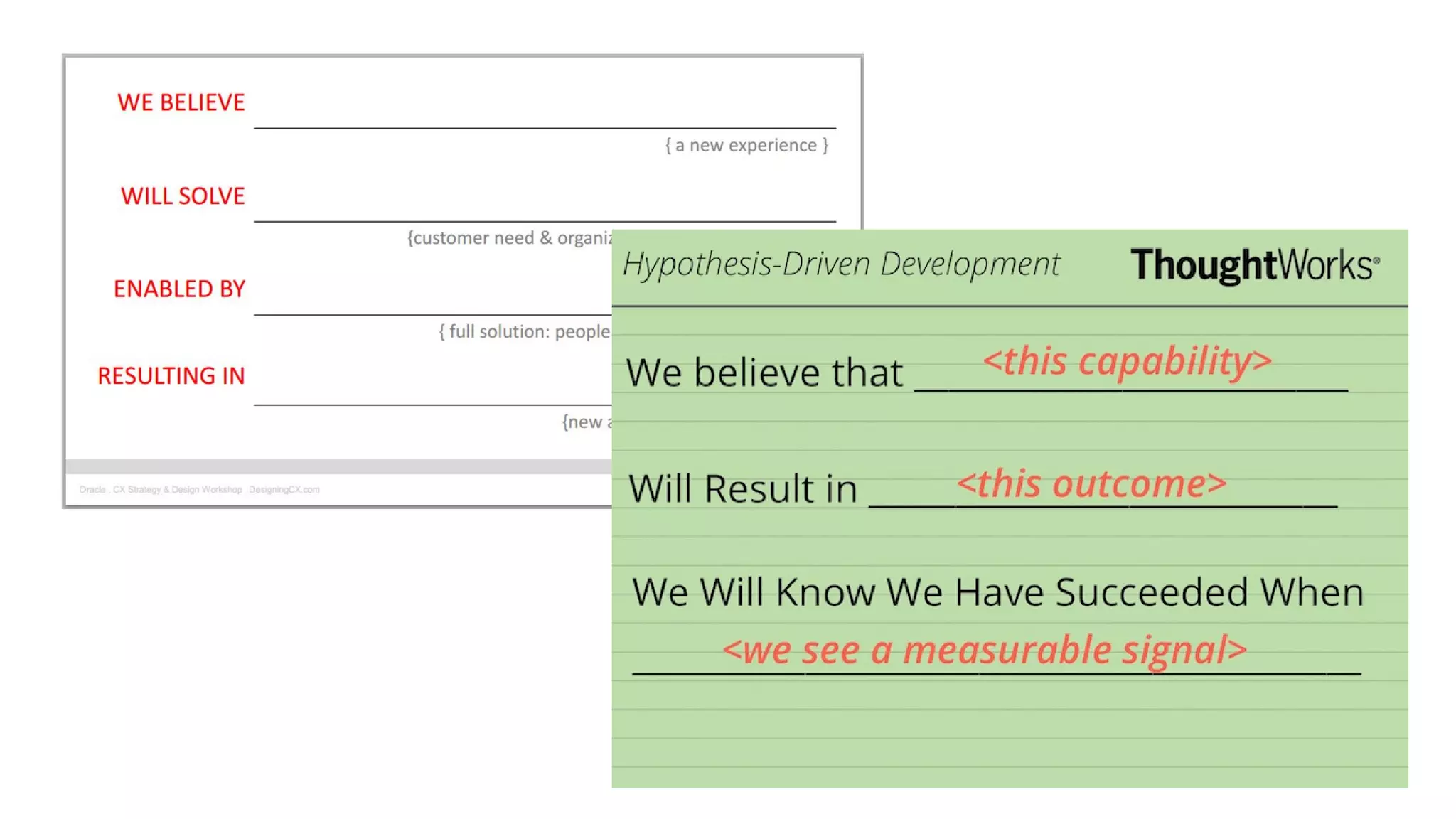
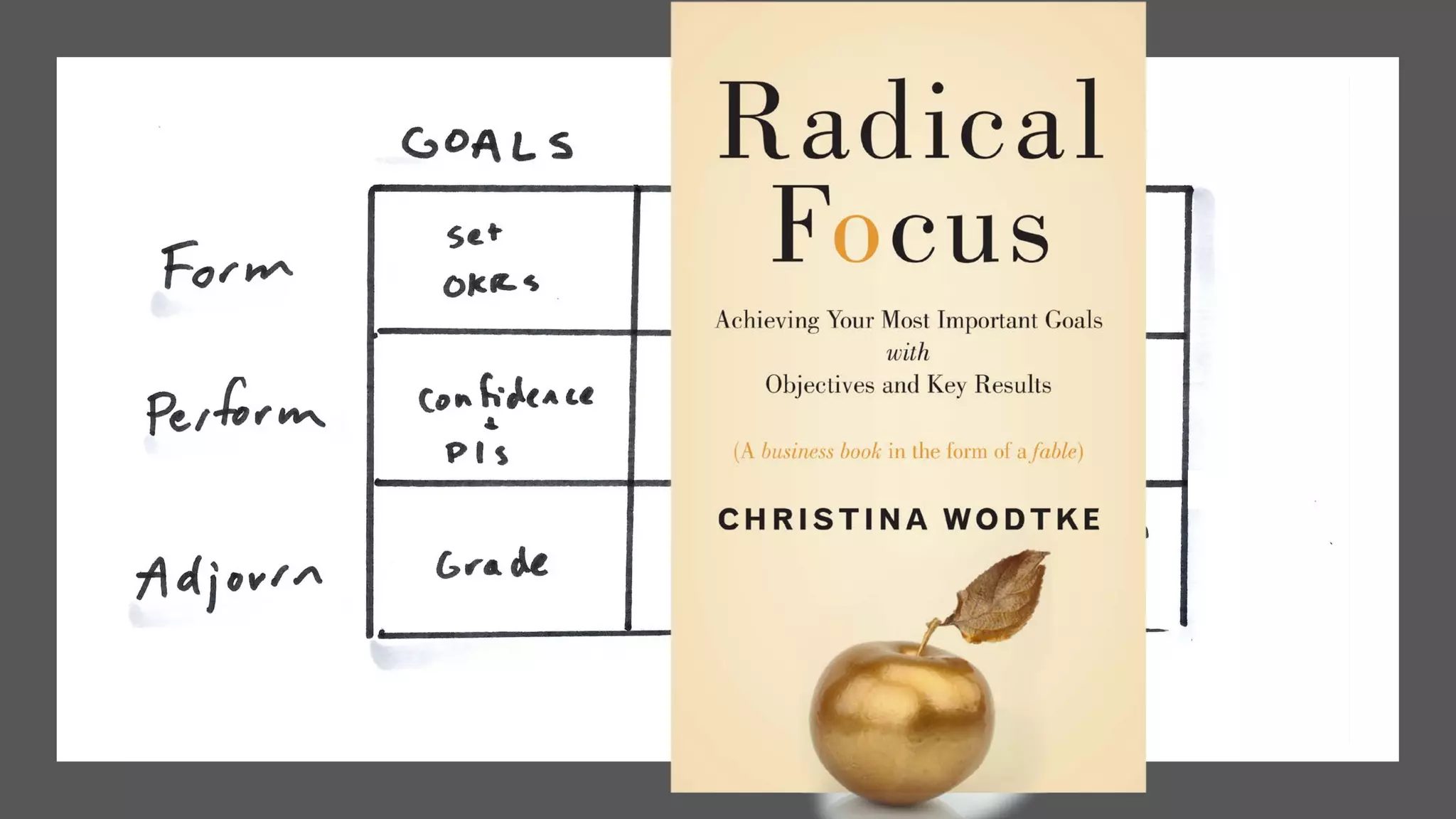
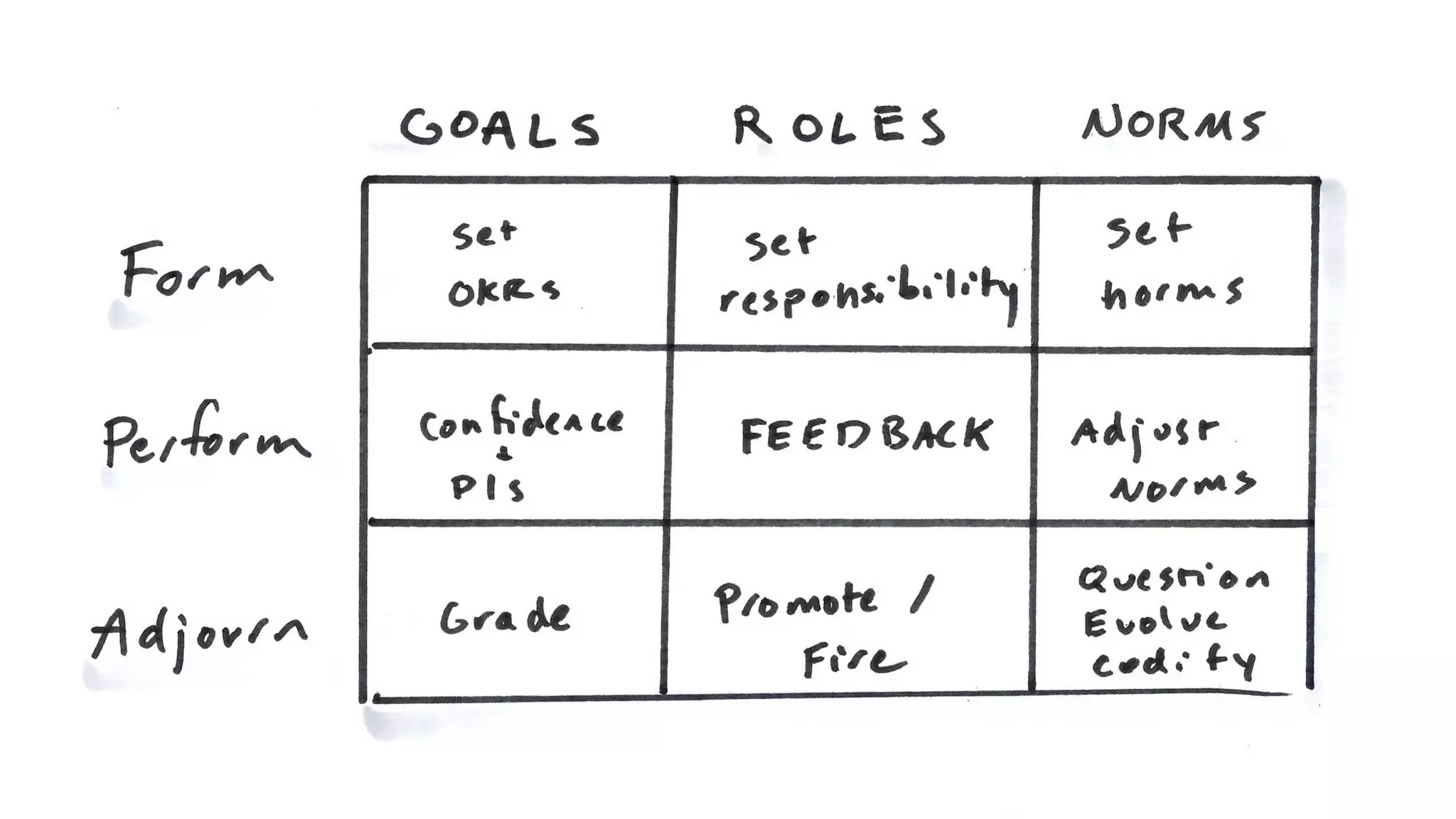
Set OKRS
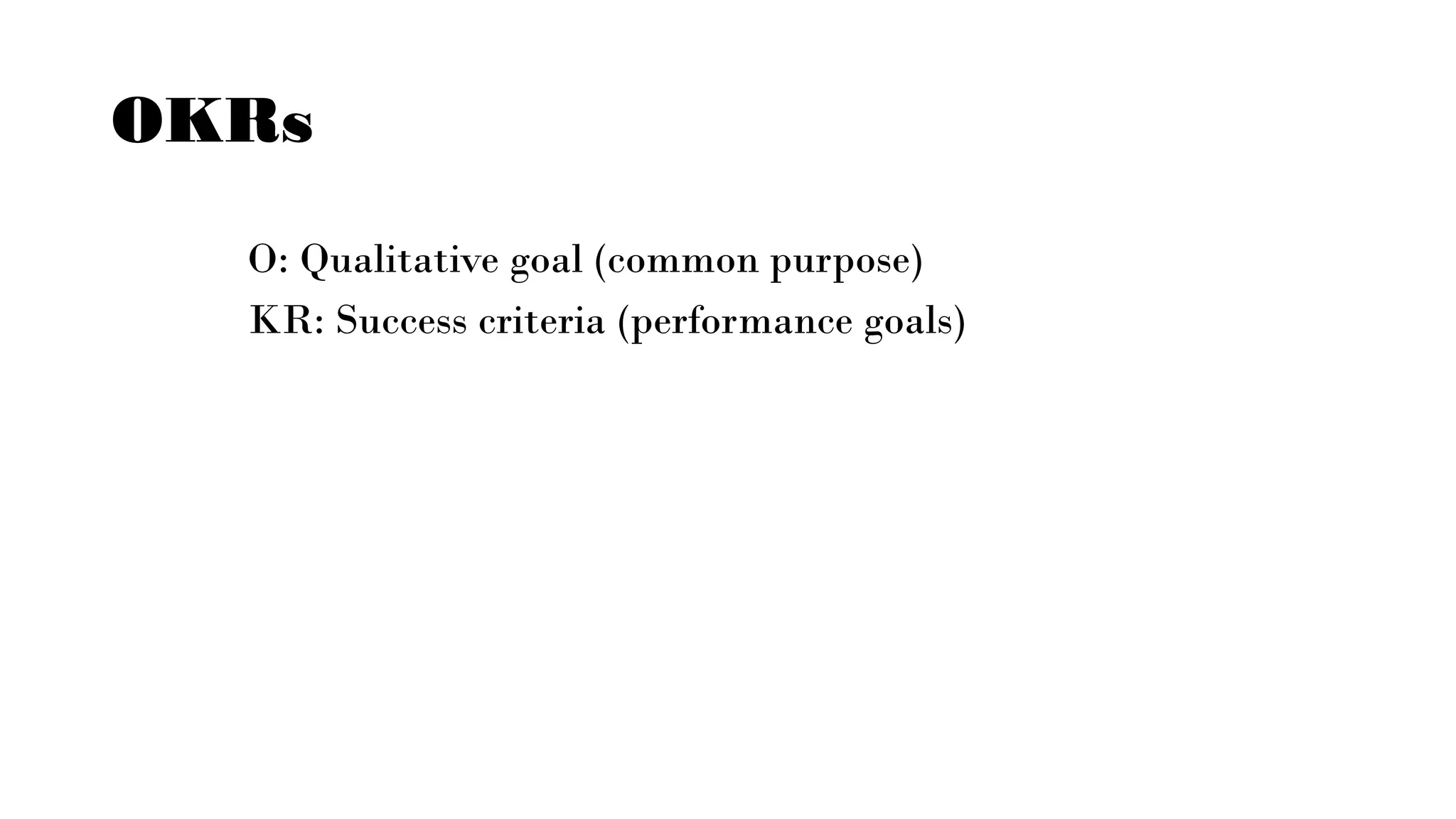
OKRs
O: Qualitative goal (common purpose)
KR: Success criteria (performance goals)
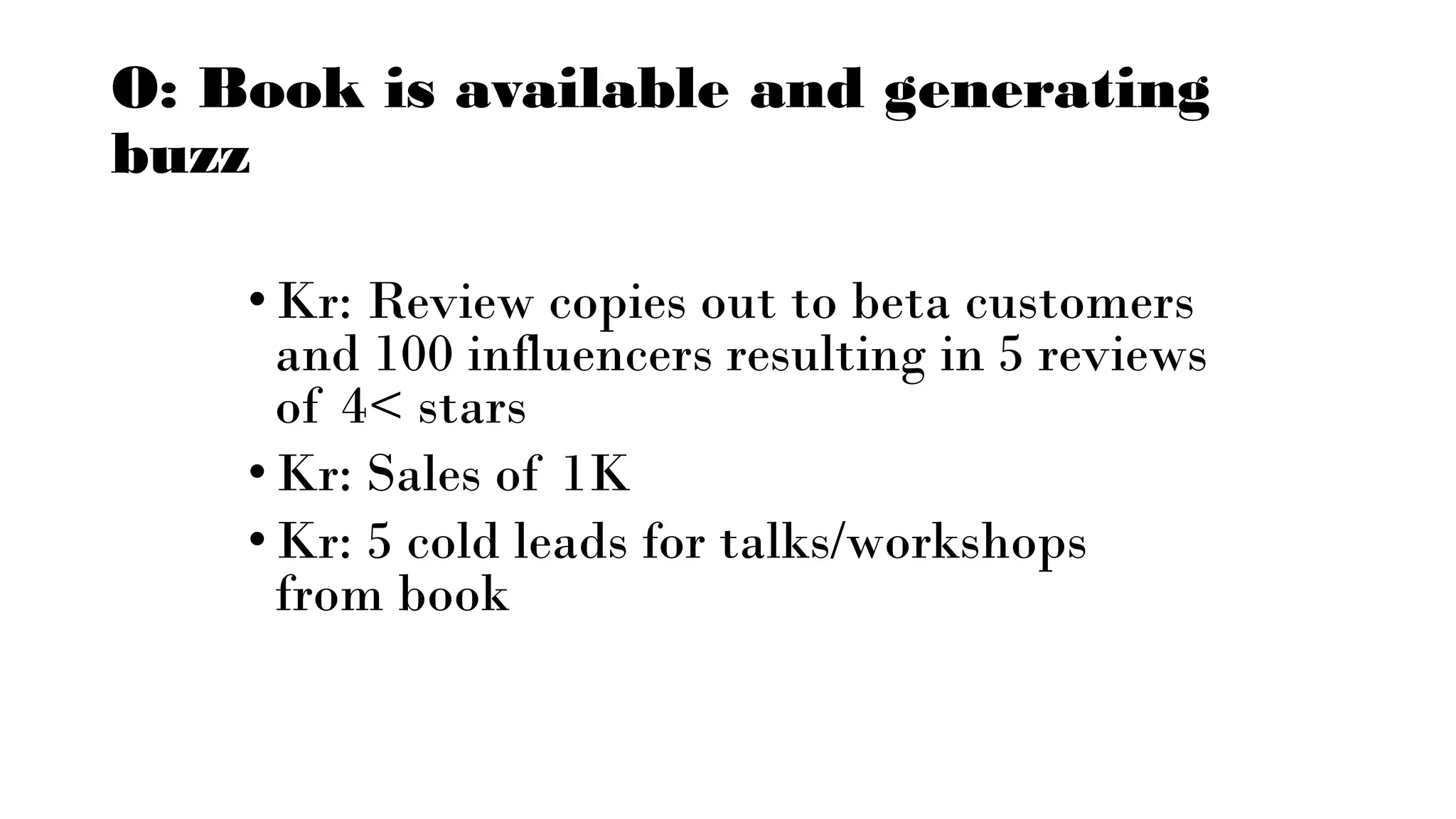
O: Book is available and generating
buzz
•Kr: Review copies out to beta customers
and 100 influencers resulting in 5 reviews
of 4< stars
•Kr: Sales of 1K
•Kr: 5 cold leads for talks/workshops
from book
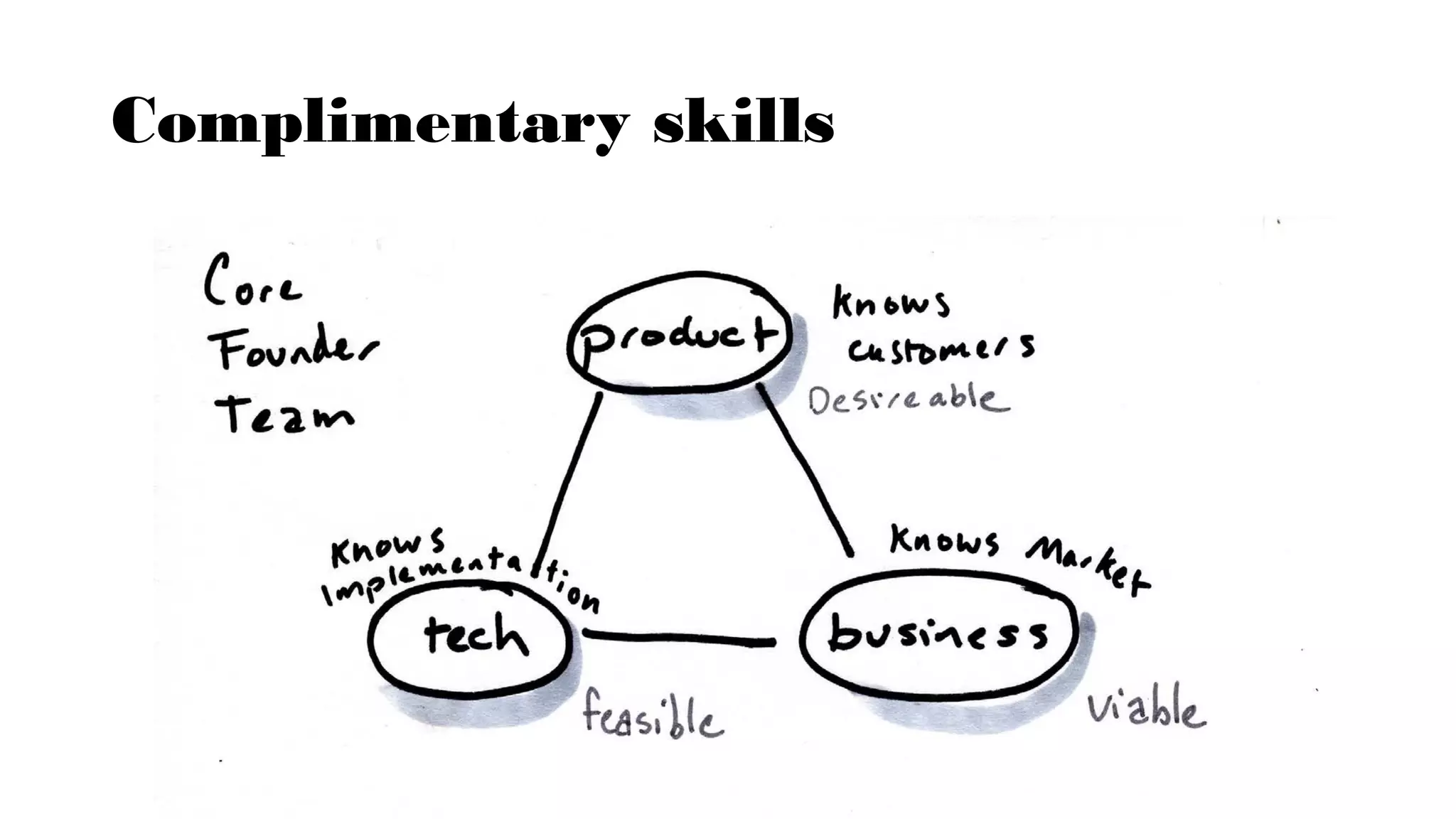
Complimentary skills
Mutual Accountability
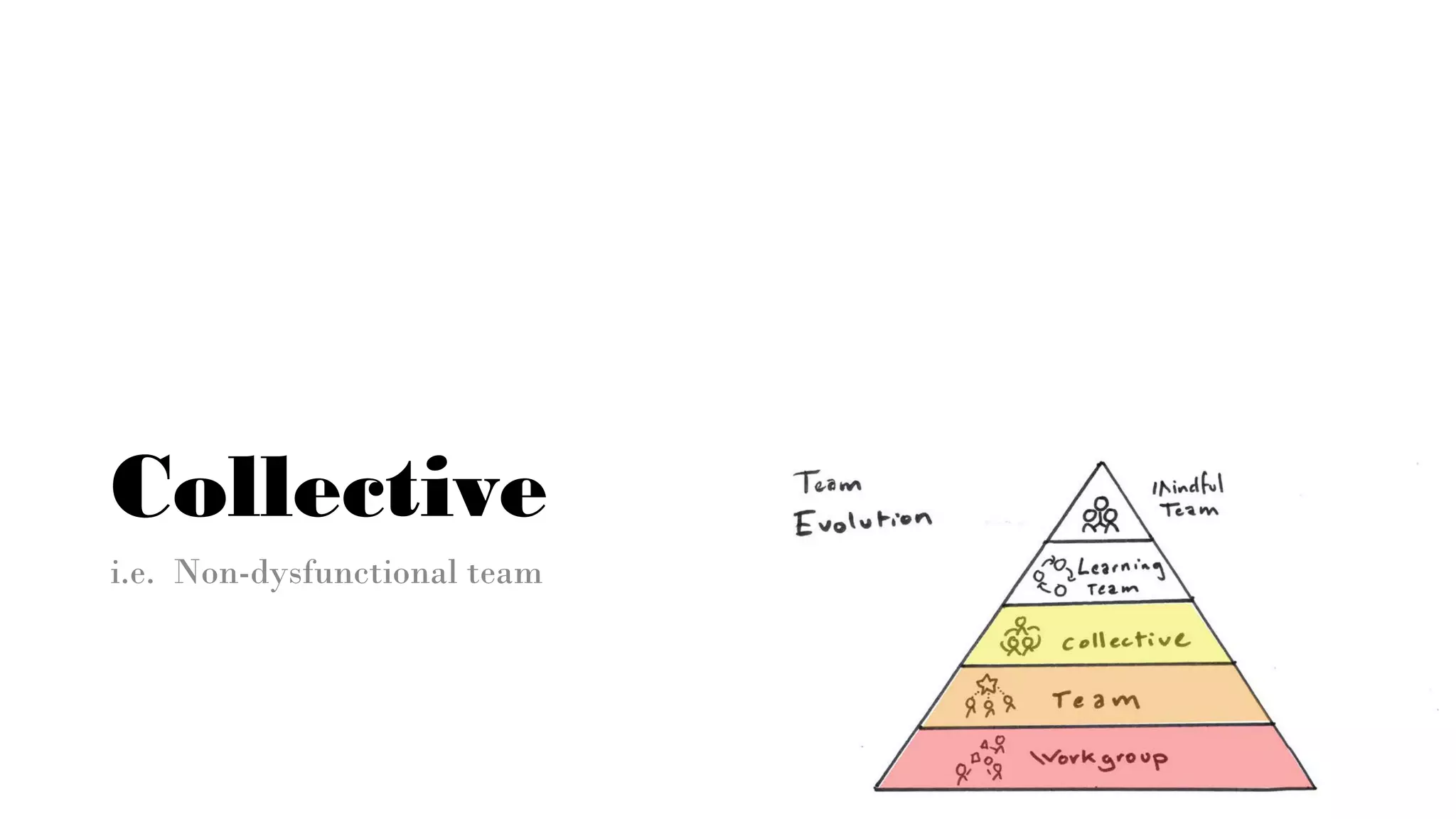
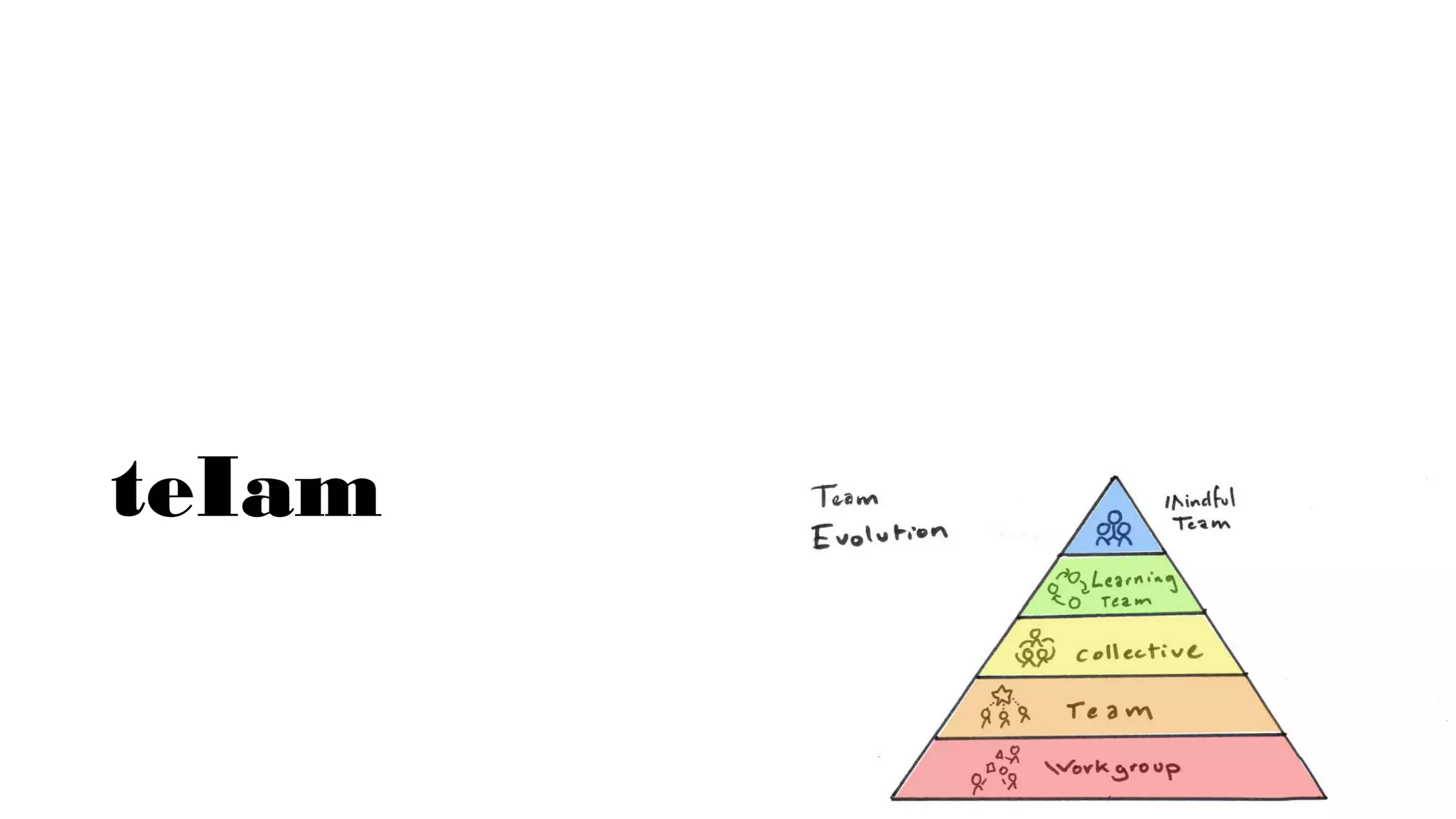
Collective
i.e. Non-dysfunctional team
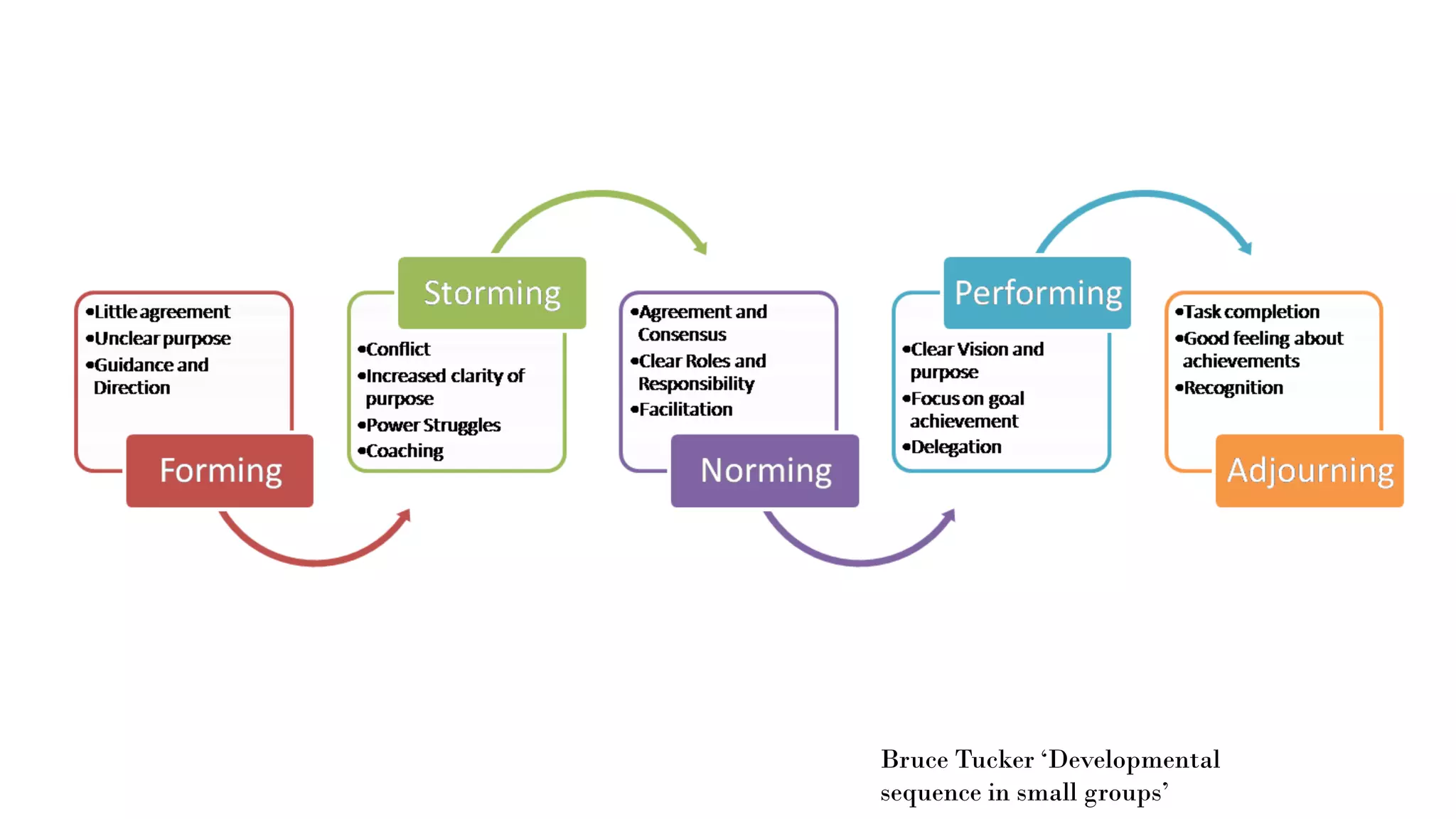
Bruce Tucker ‘Developmental
sequence in small groups’
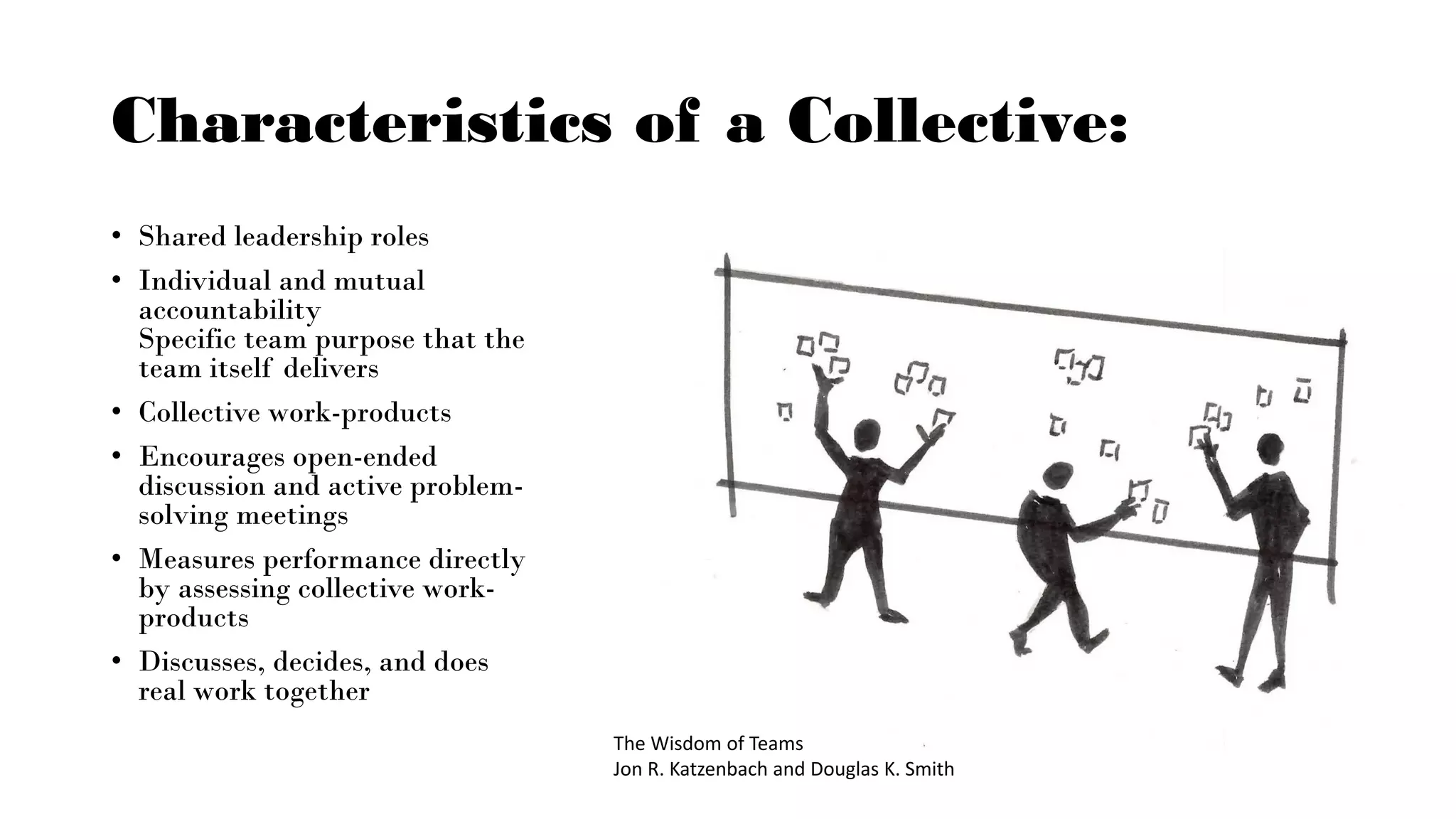
Characteristics of a Collective:
• Shared leadership roles
• Individual and mutual
accountability
Specific team purpose that the
team itself delivers
• Collective work-products
• Encourages open-ended
discussion and active problem-
solving meetings
• Measures performance directly
by assessing collective work-
products
• Discusses, decides, and does
real work together
The Wisdom of Teams
Jon R. Katzenbach and Douglas K. Smith
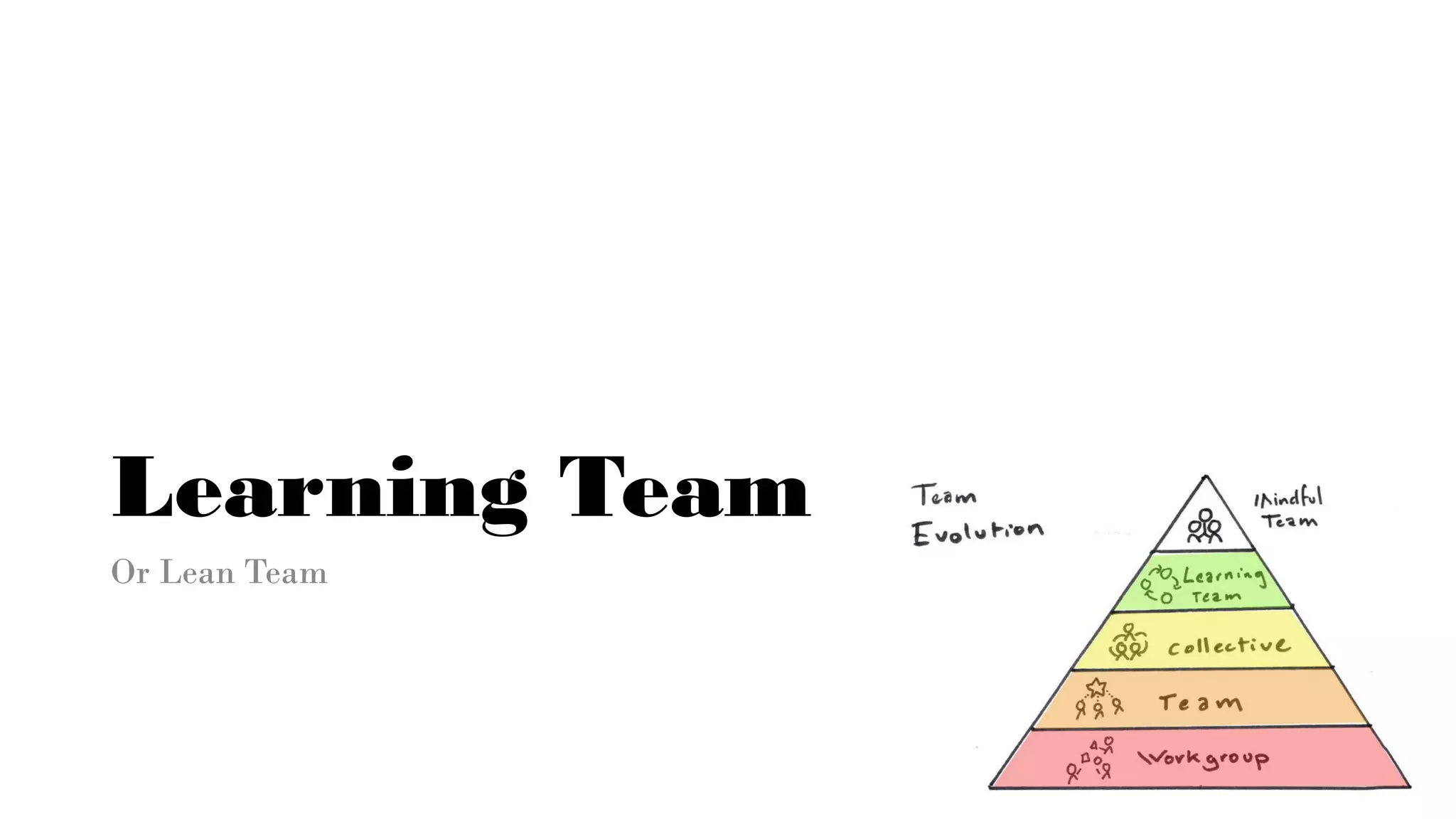
Learning Team
Or Lean Team
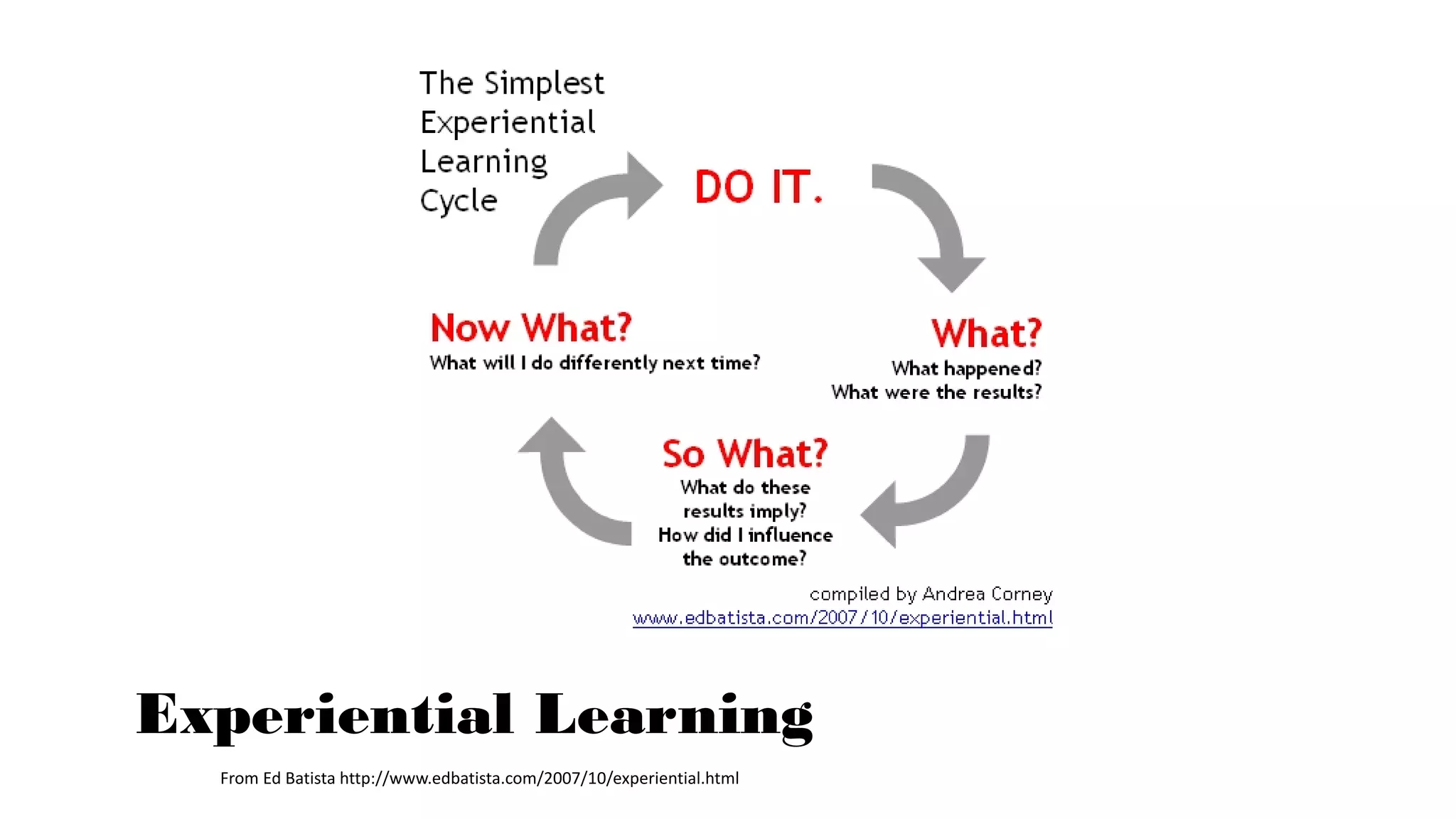
Experiential Learning
From Ed Batista http://www.edbatista.com/2007/10/experiential.html
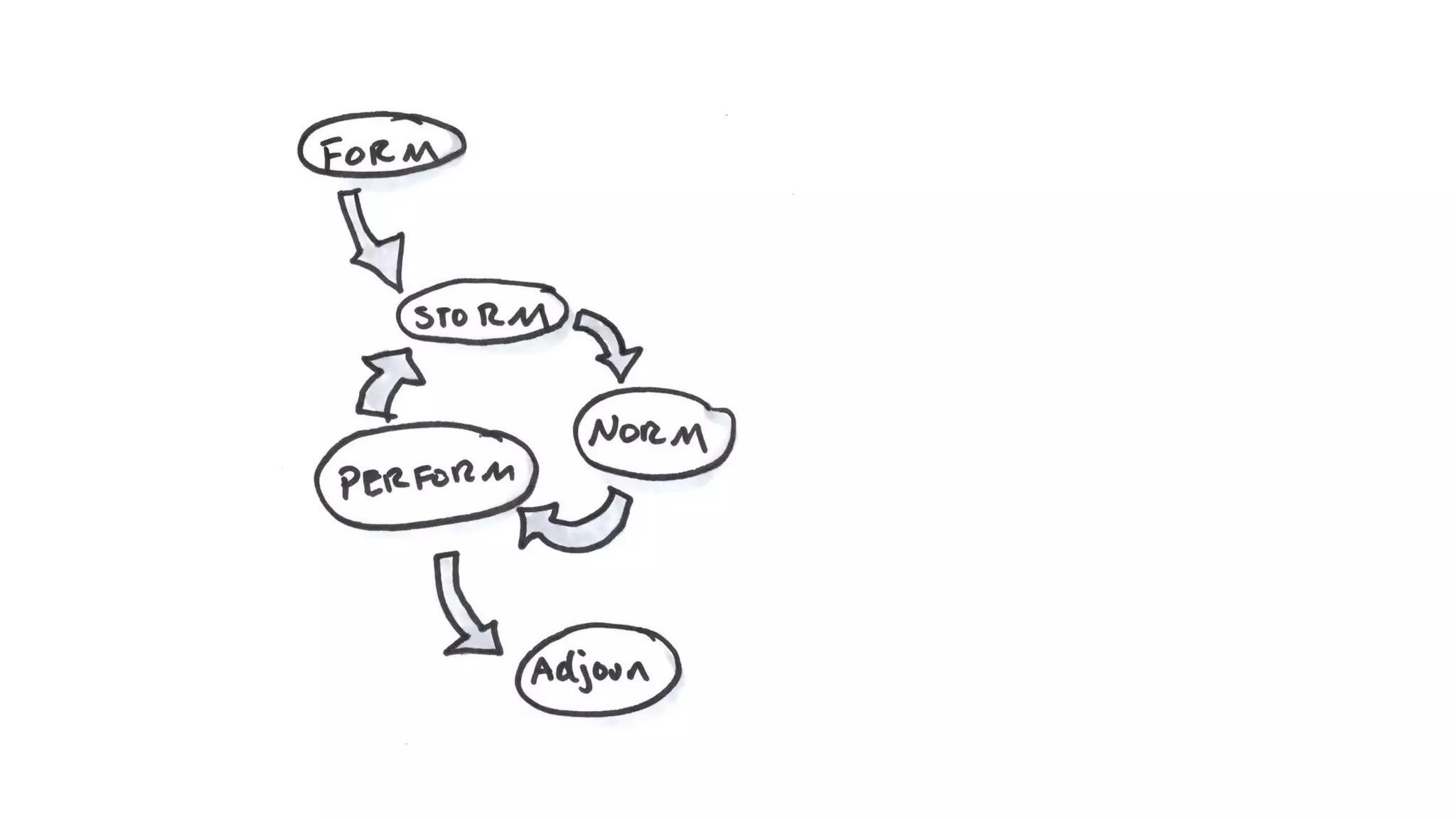
teIam
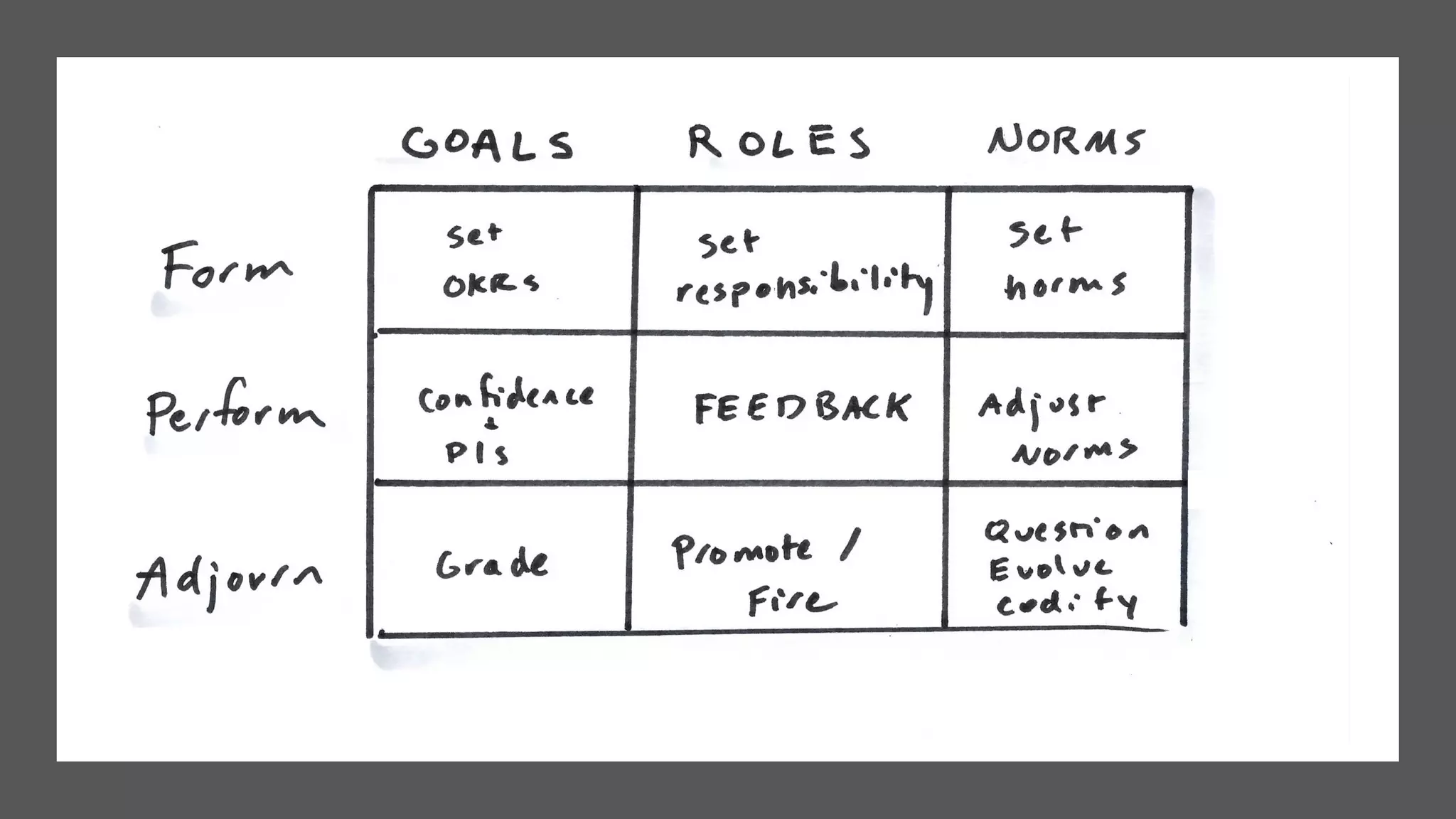
Stages of
Team
building
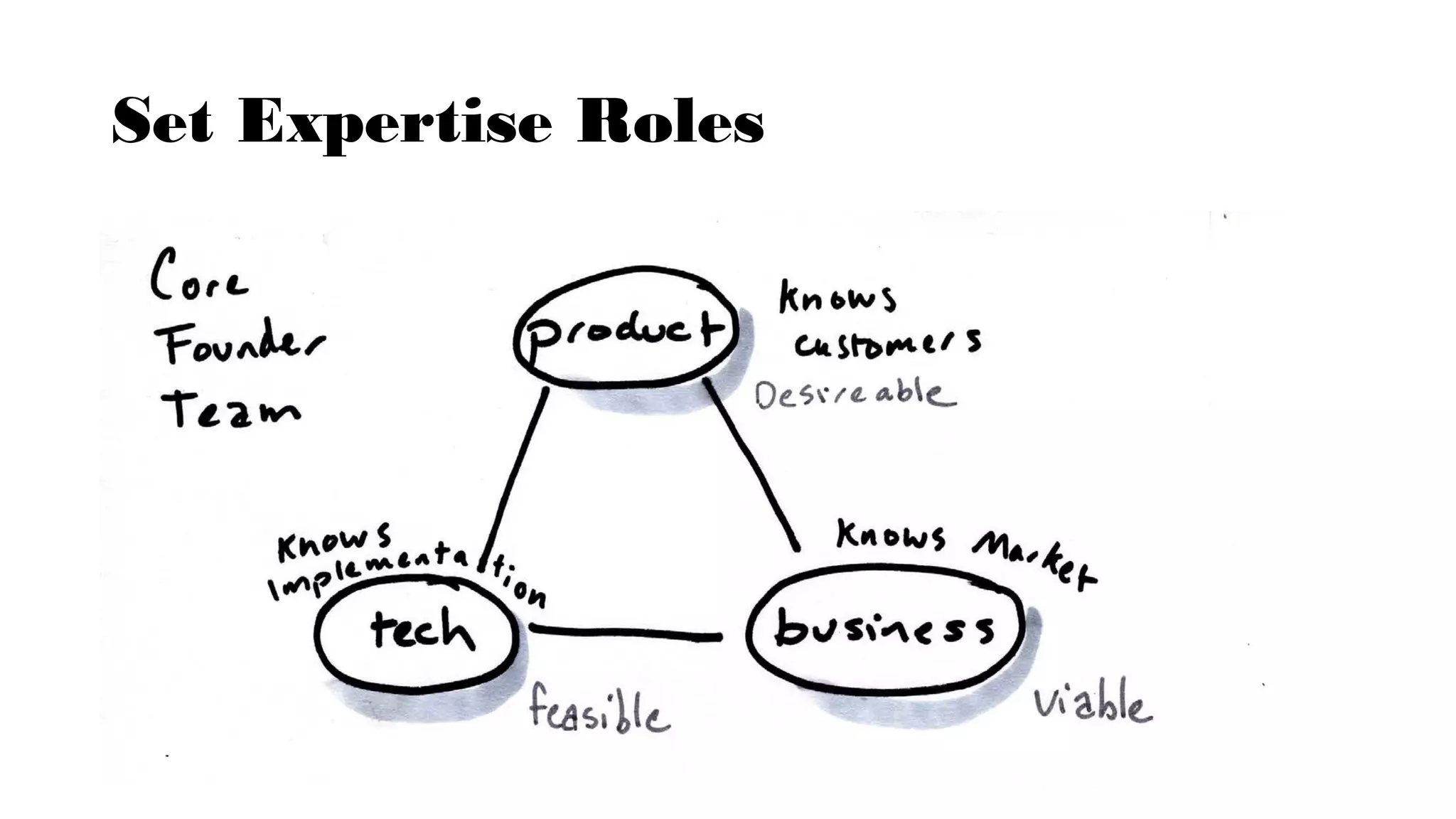
Set Expertise Roles
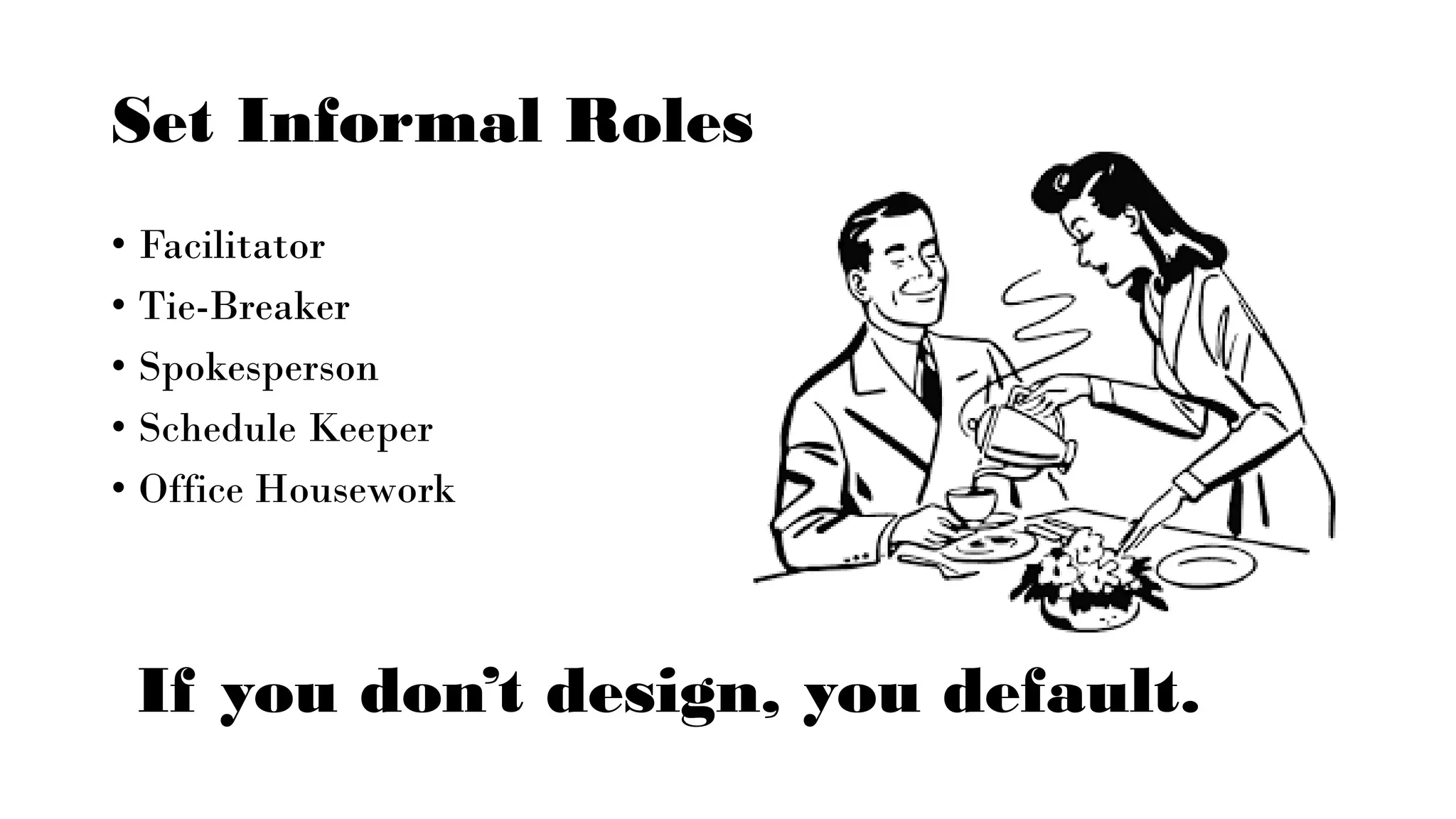
Set Informal Roles
• Facilitator
• Tie-Breaker
• Spokesperson
• Schedule Keeper
• Office Housework
If you don’t design, you default.
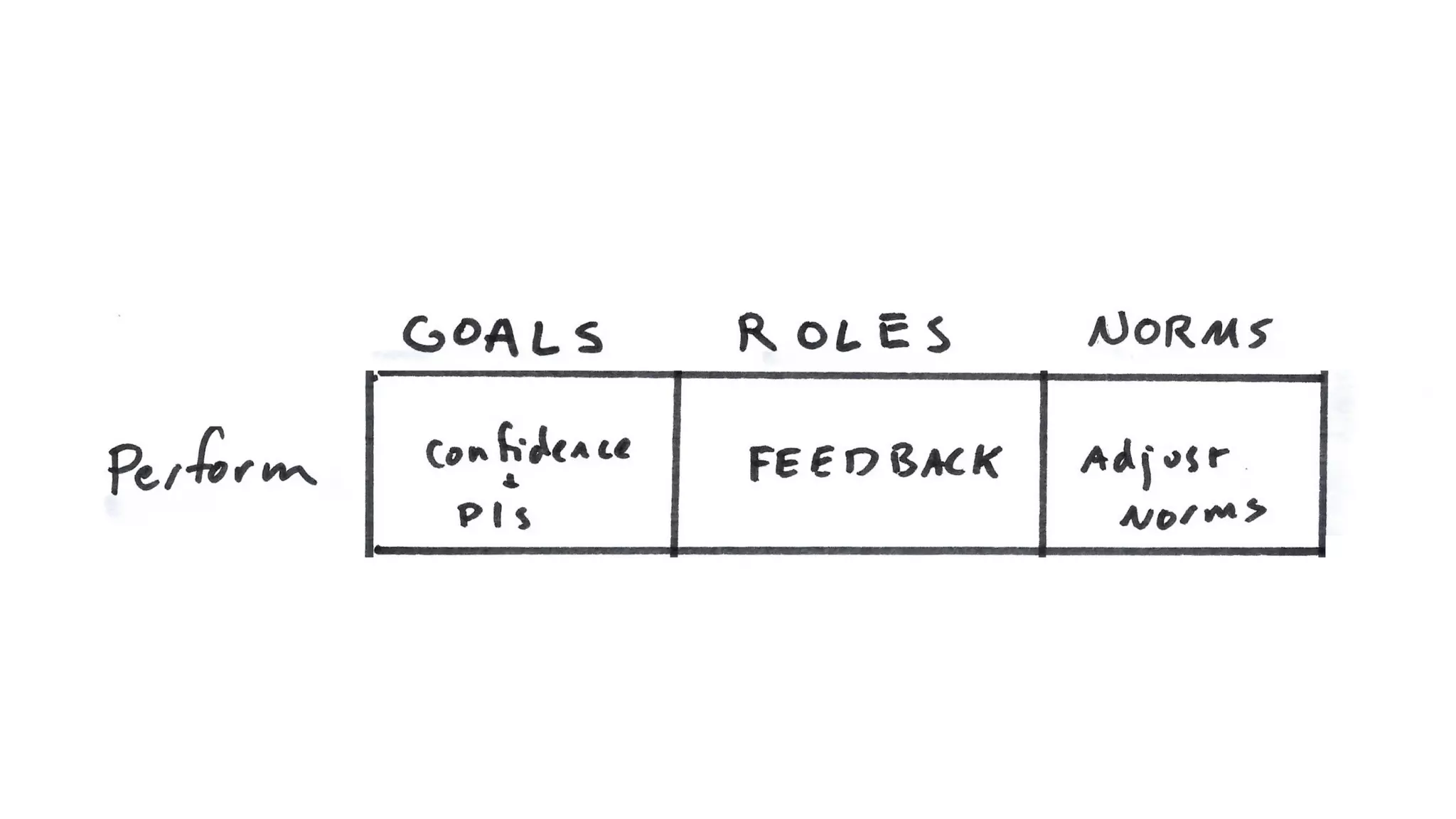
Design Norms
If you don’t design, you default
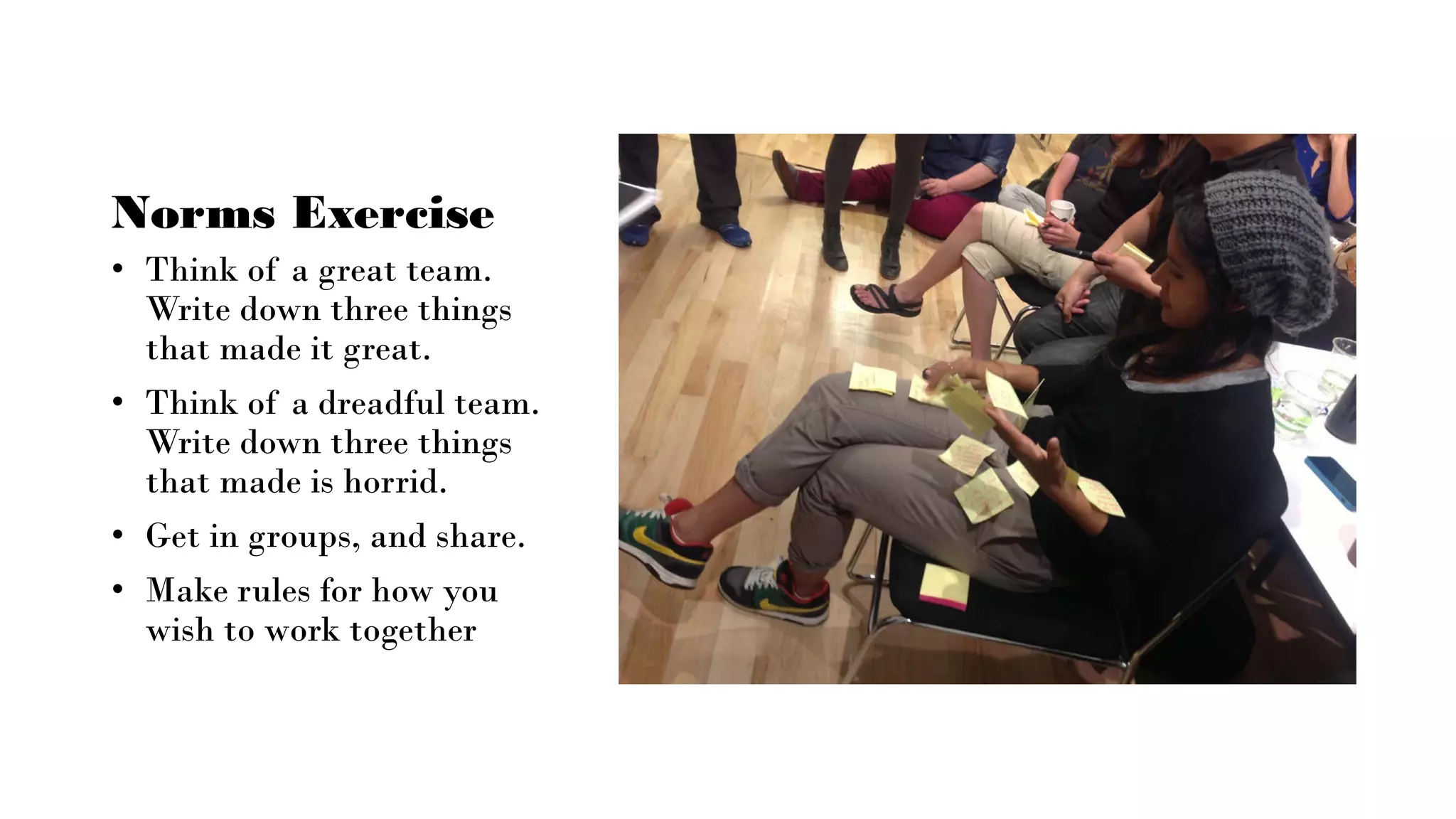
Norms Exercise
• Think of a great team.
Write down three things
that made it great.
• Think of a dreadful team.
Write down three things
that made is horrid.
• Get in groups, and share.
• Make rules for how you
wish to work together
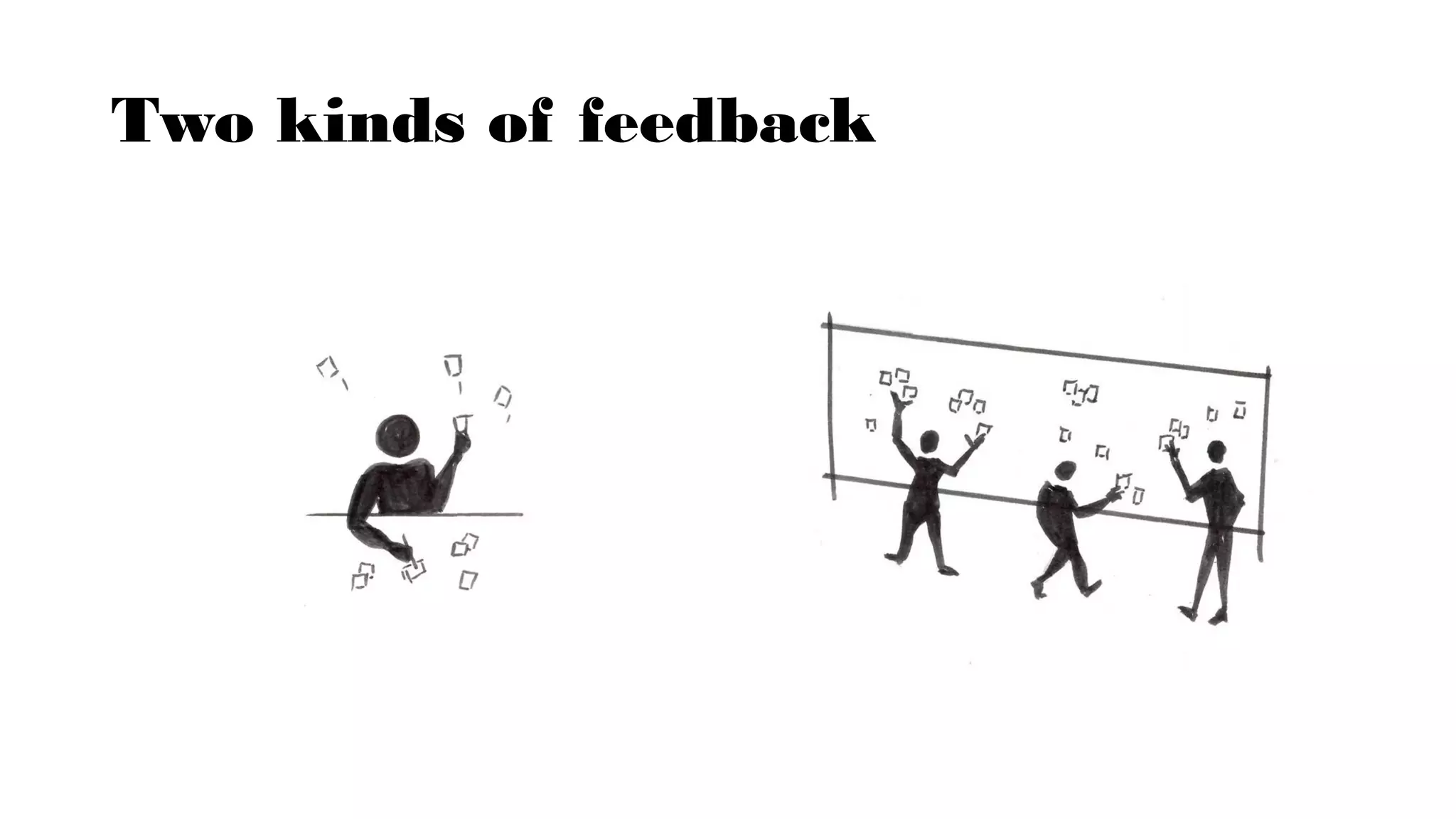
Two kinds of feedback
Fast Feedback
But not too fast
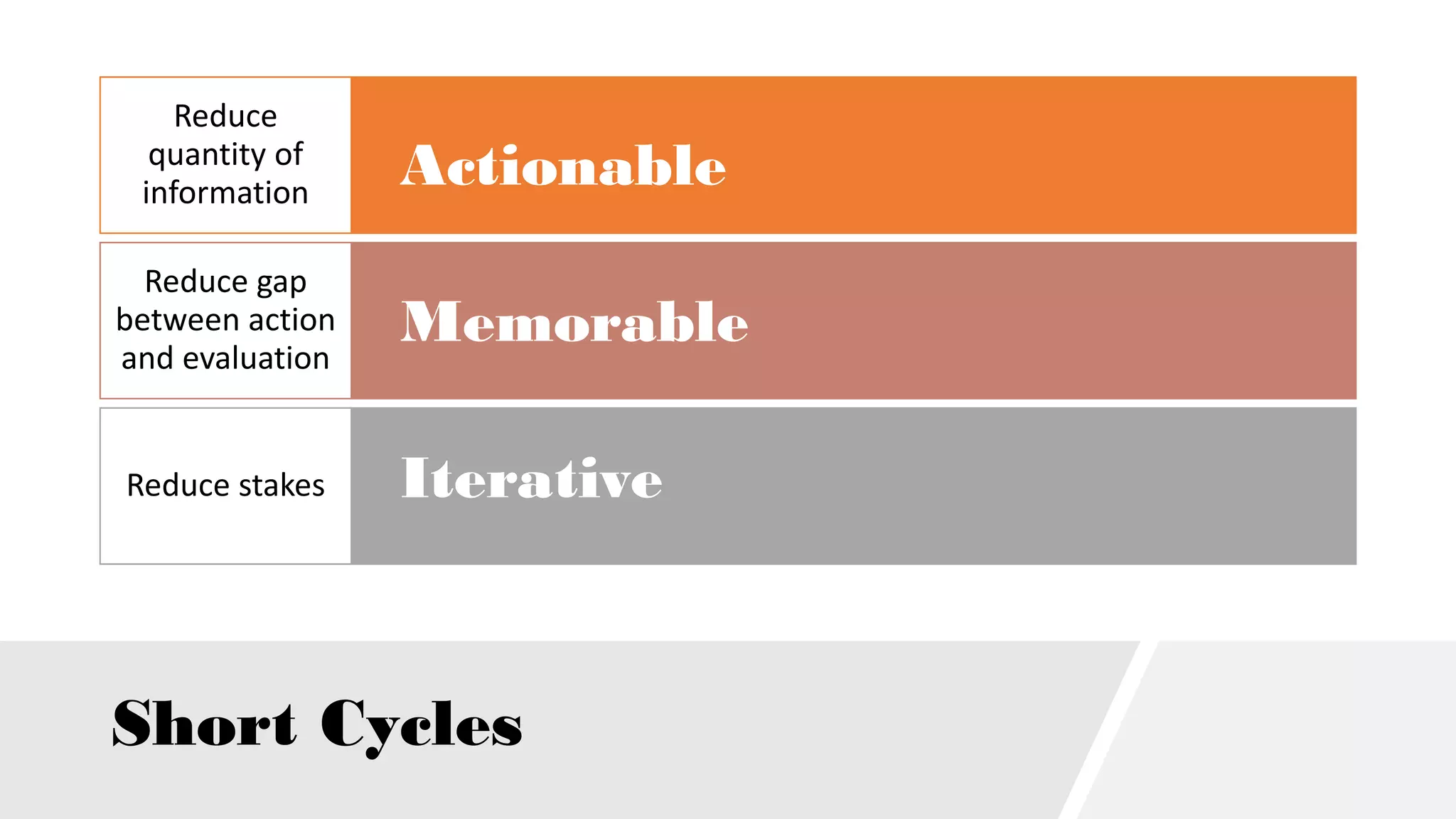
Short Cycles
Reduce
quantity of
information
Reduce gap
between action
and evaluation
Reduce stakes
Actionable
Memorable
Iterative
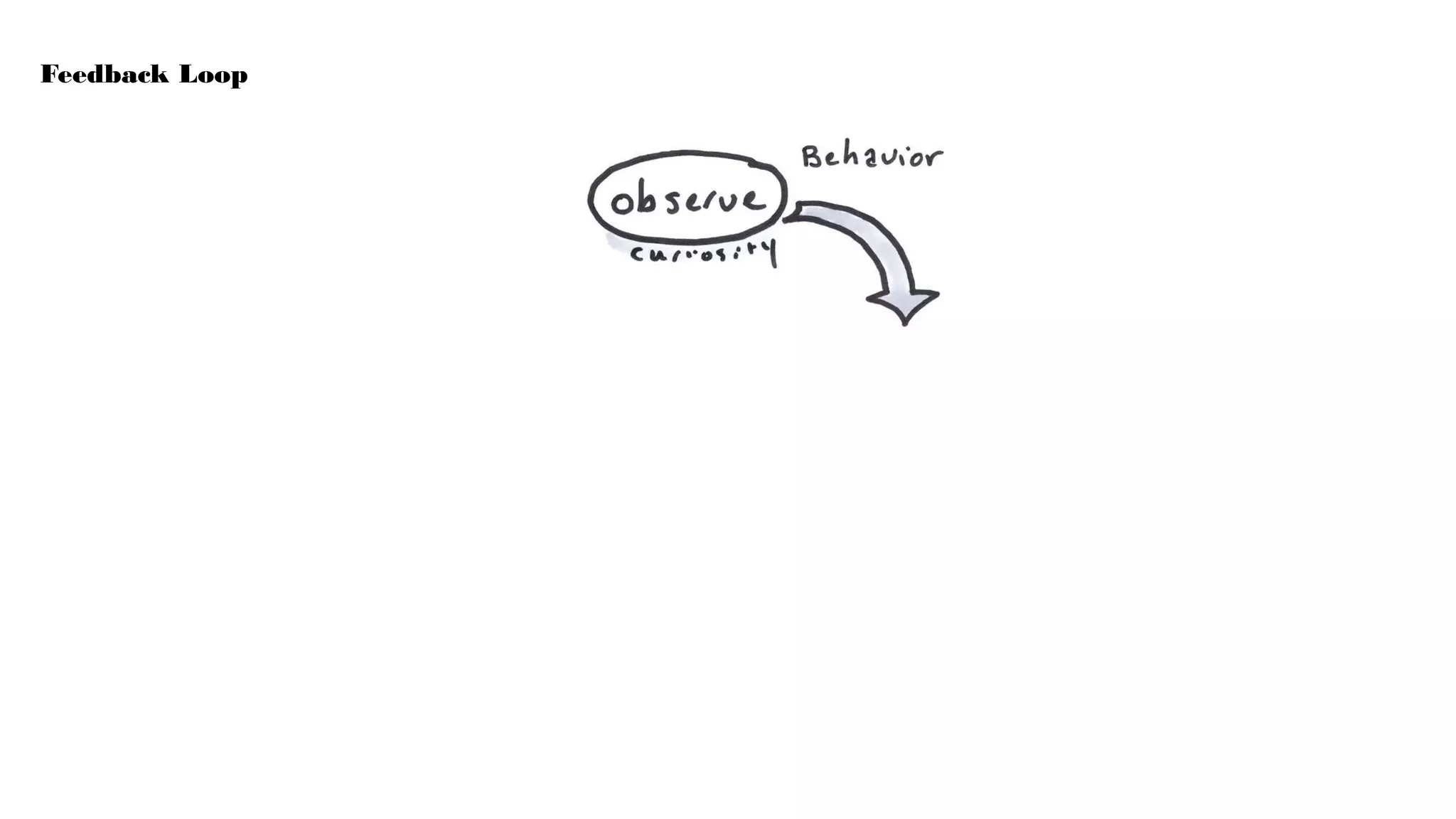
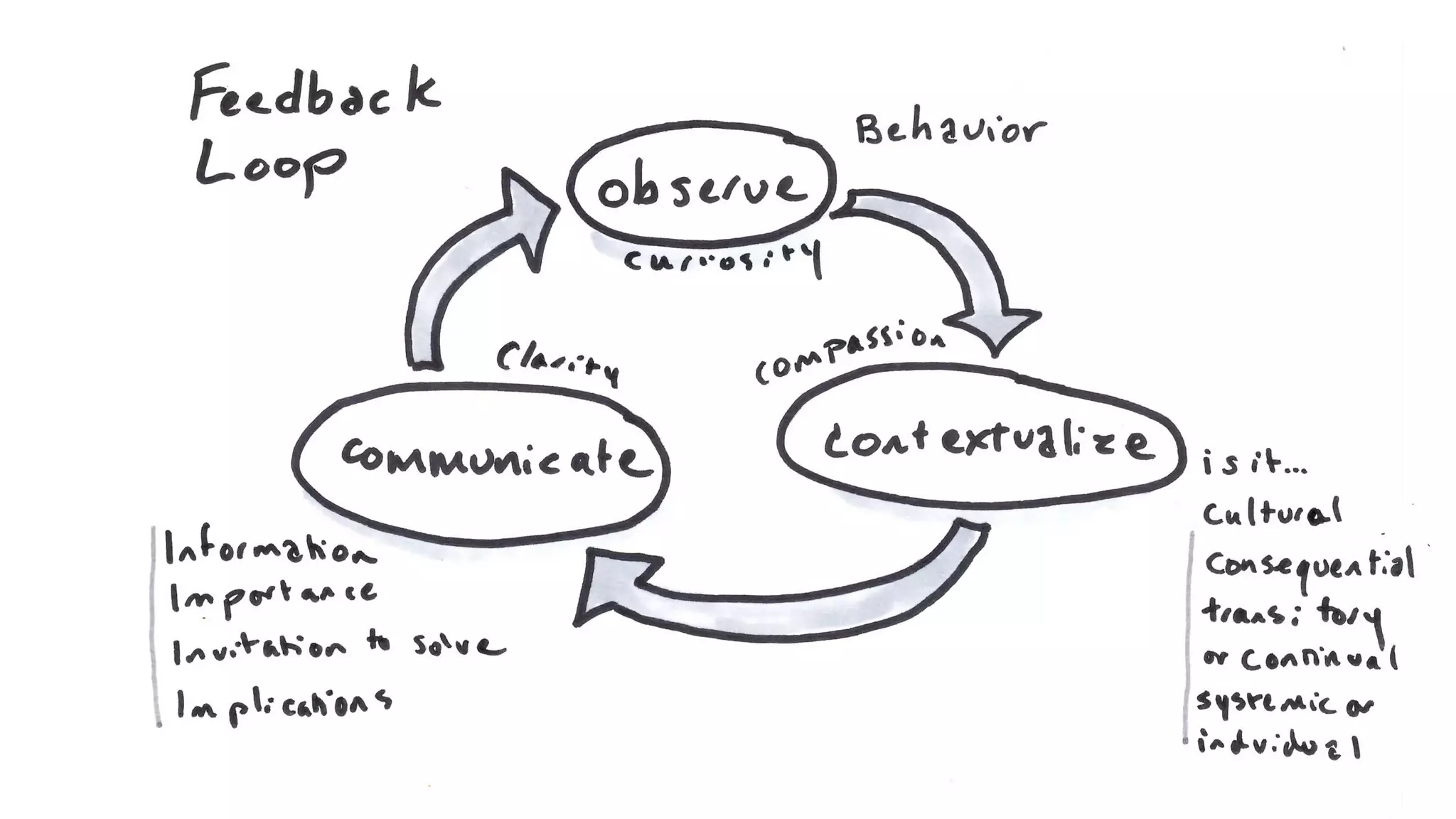
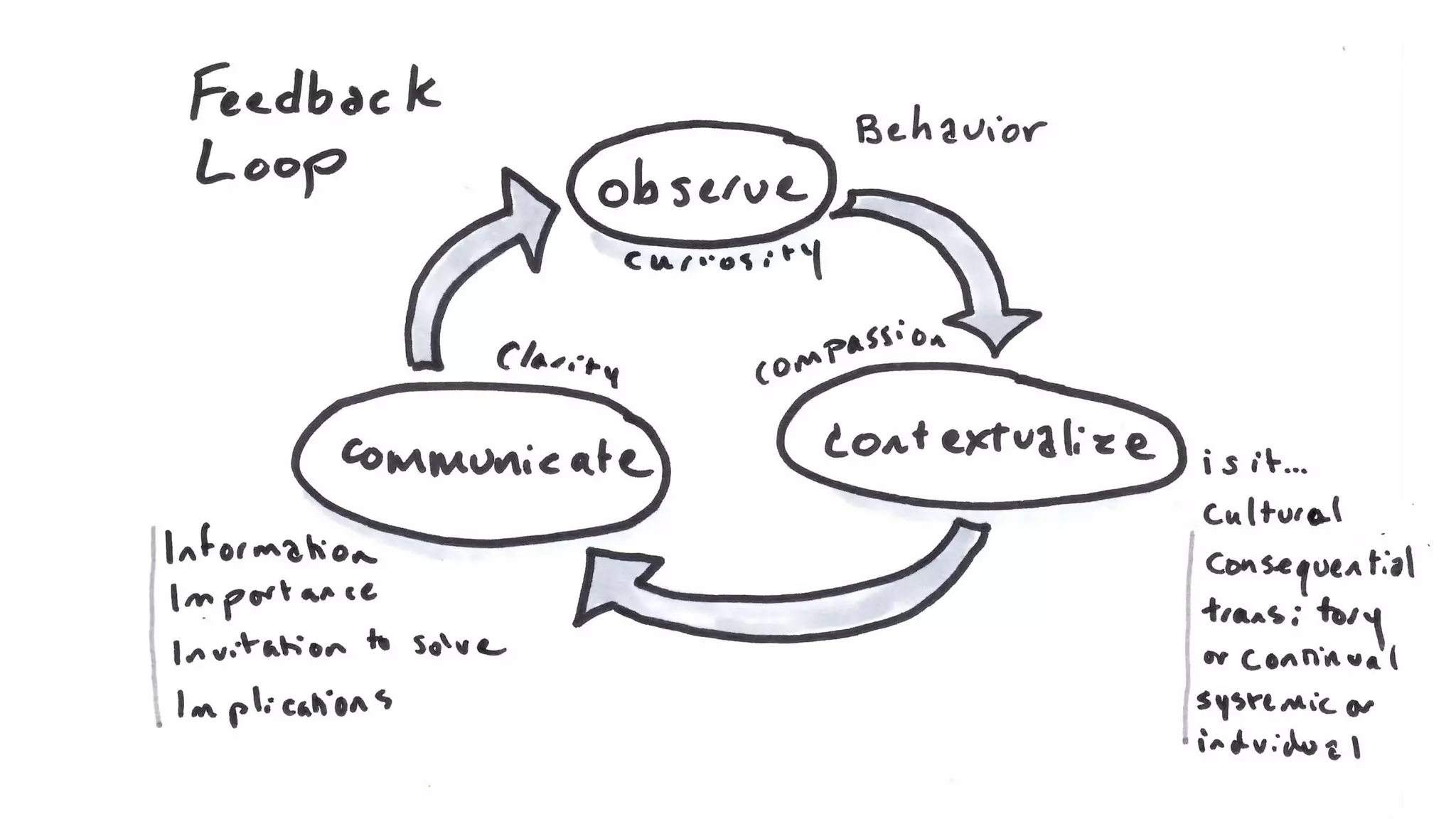
Feedback Loop
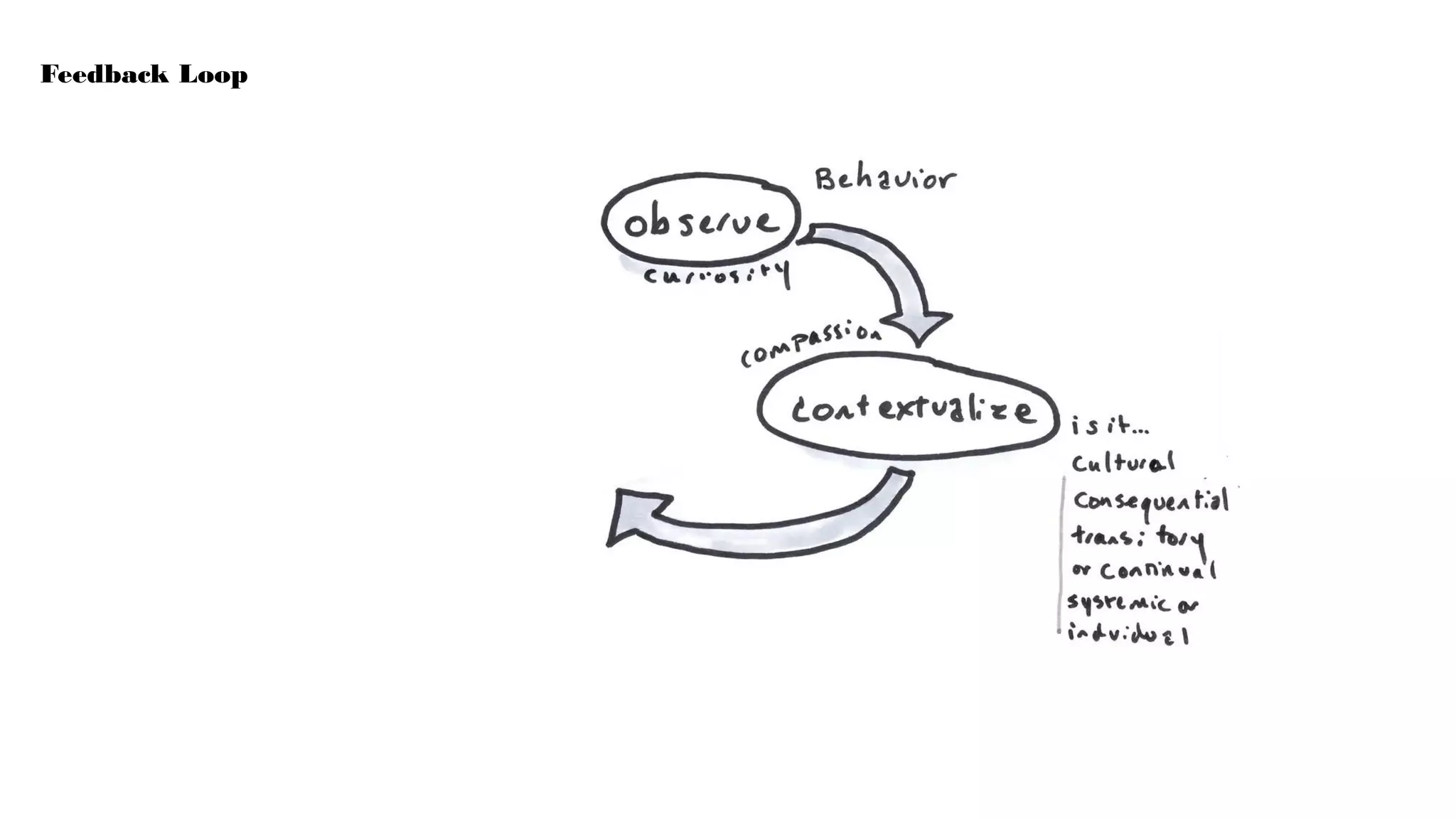
Feedback Loop
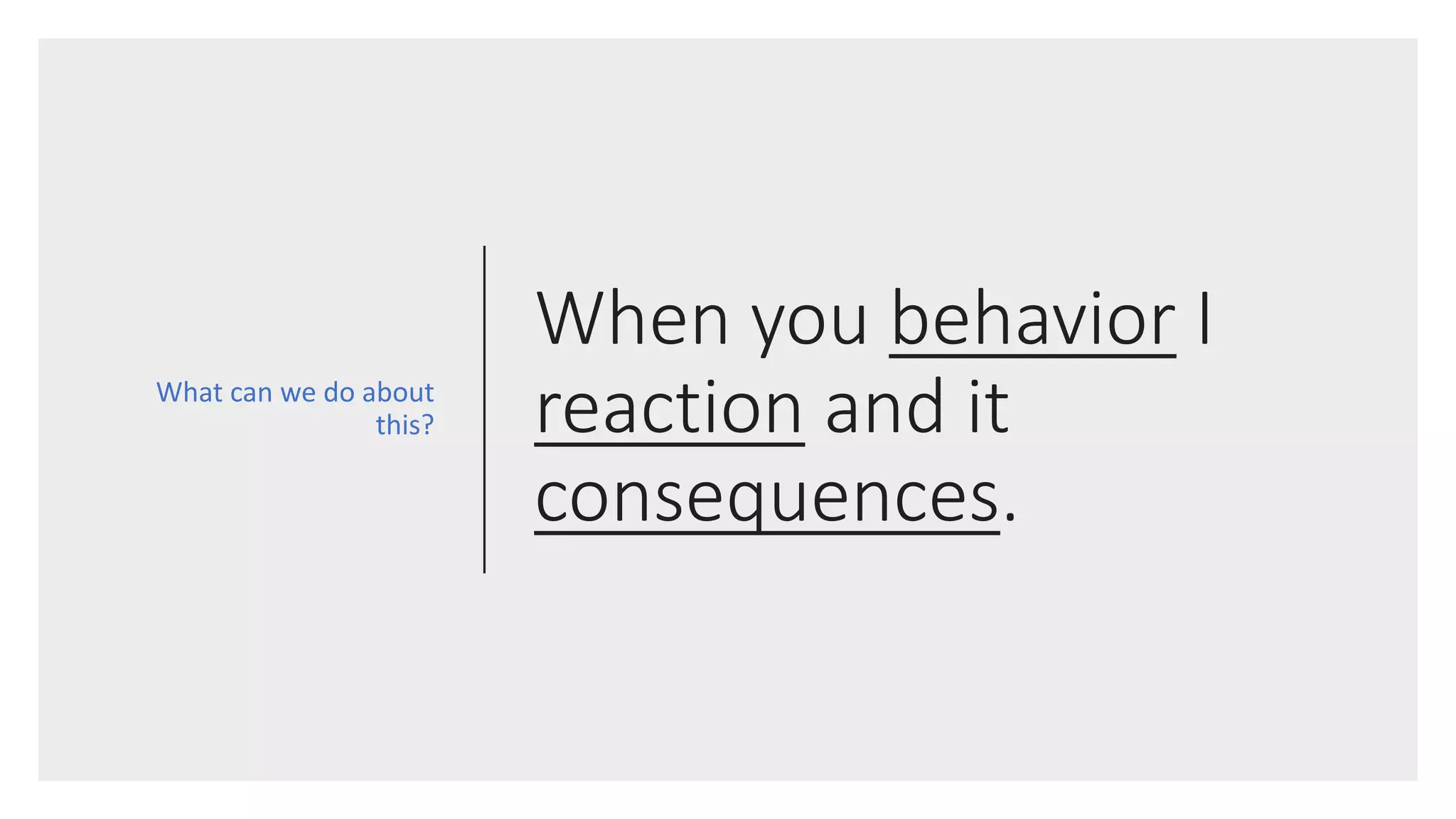
When you behavior I
reaction and it
consequences.
What can we do about
this?
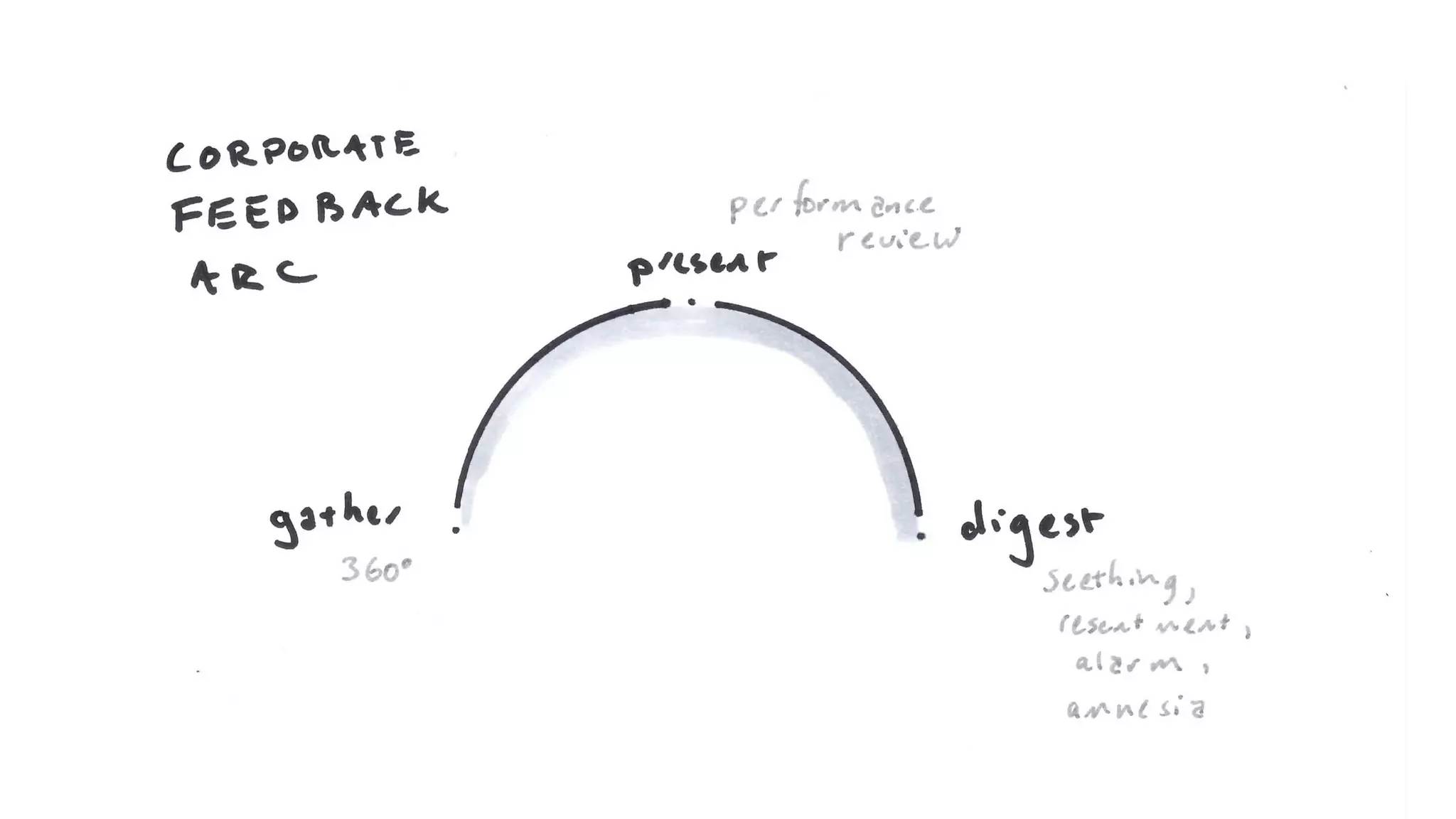
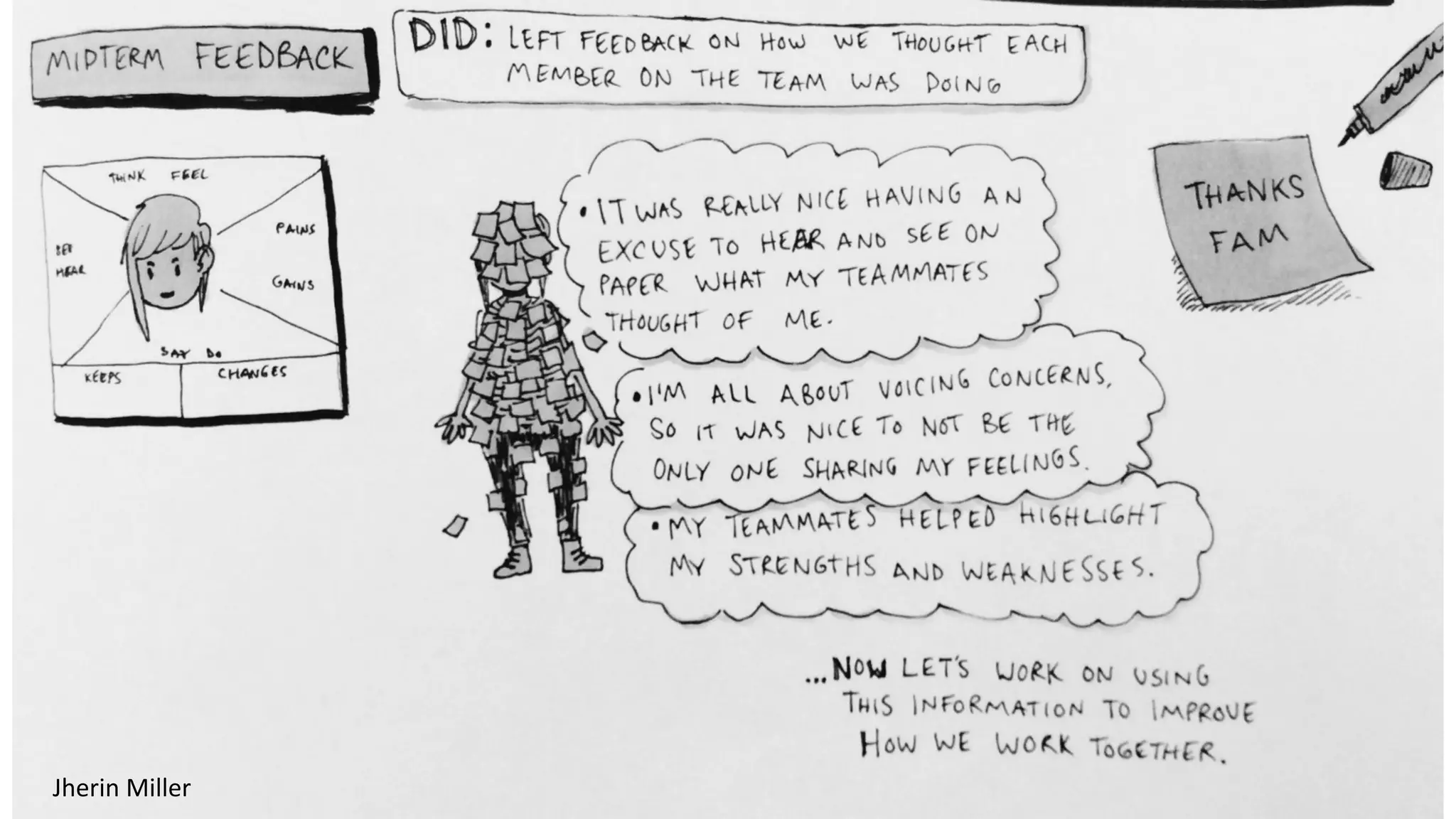
Team Feedback
Feedback fast and slow
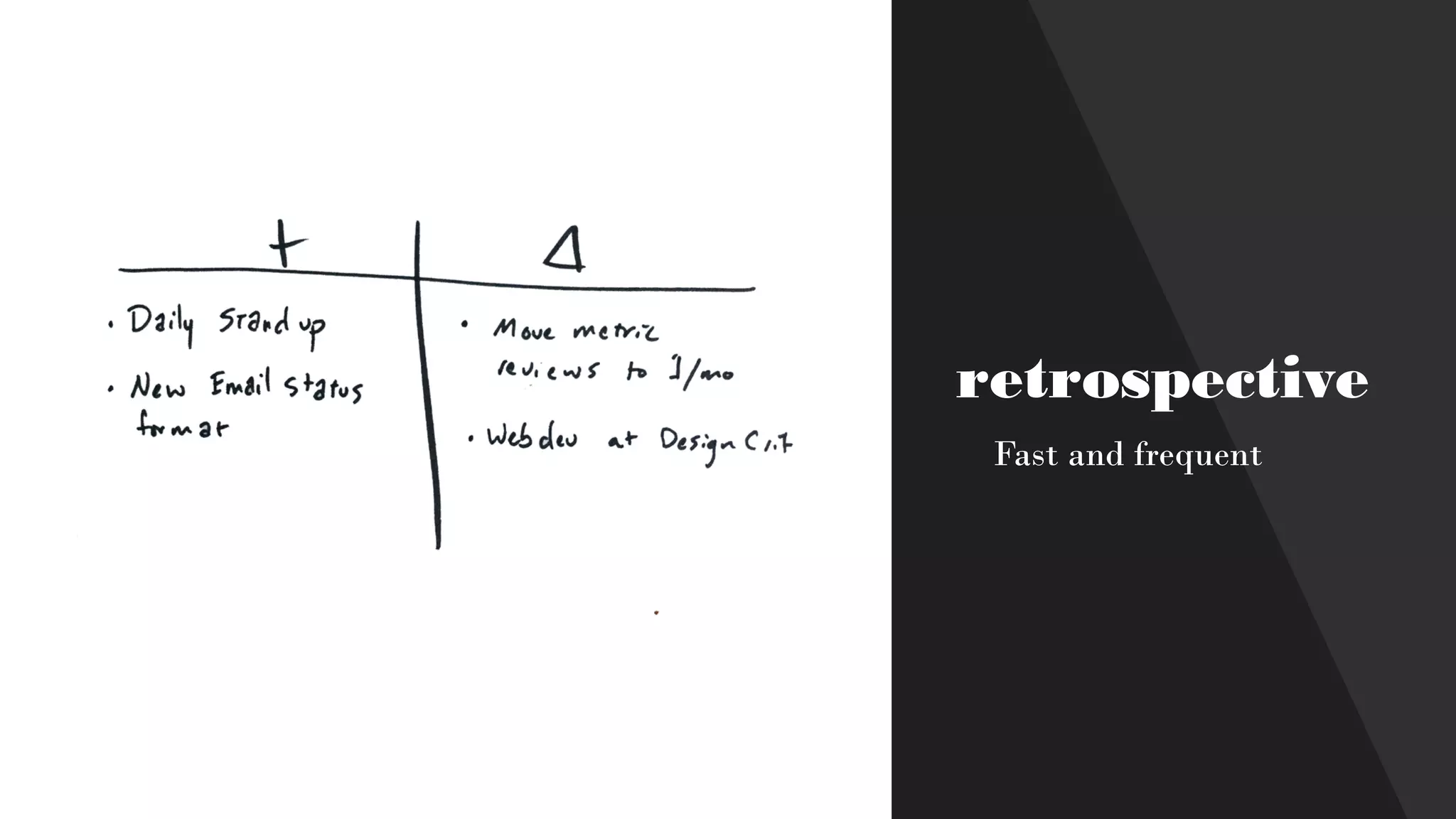
retrospective
Fast and frequent
Team Check In
Every 1-3 months
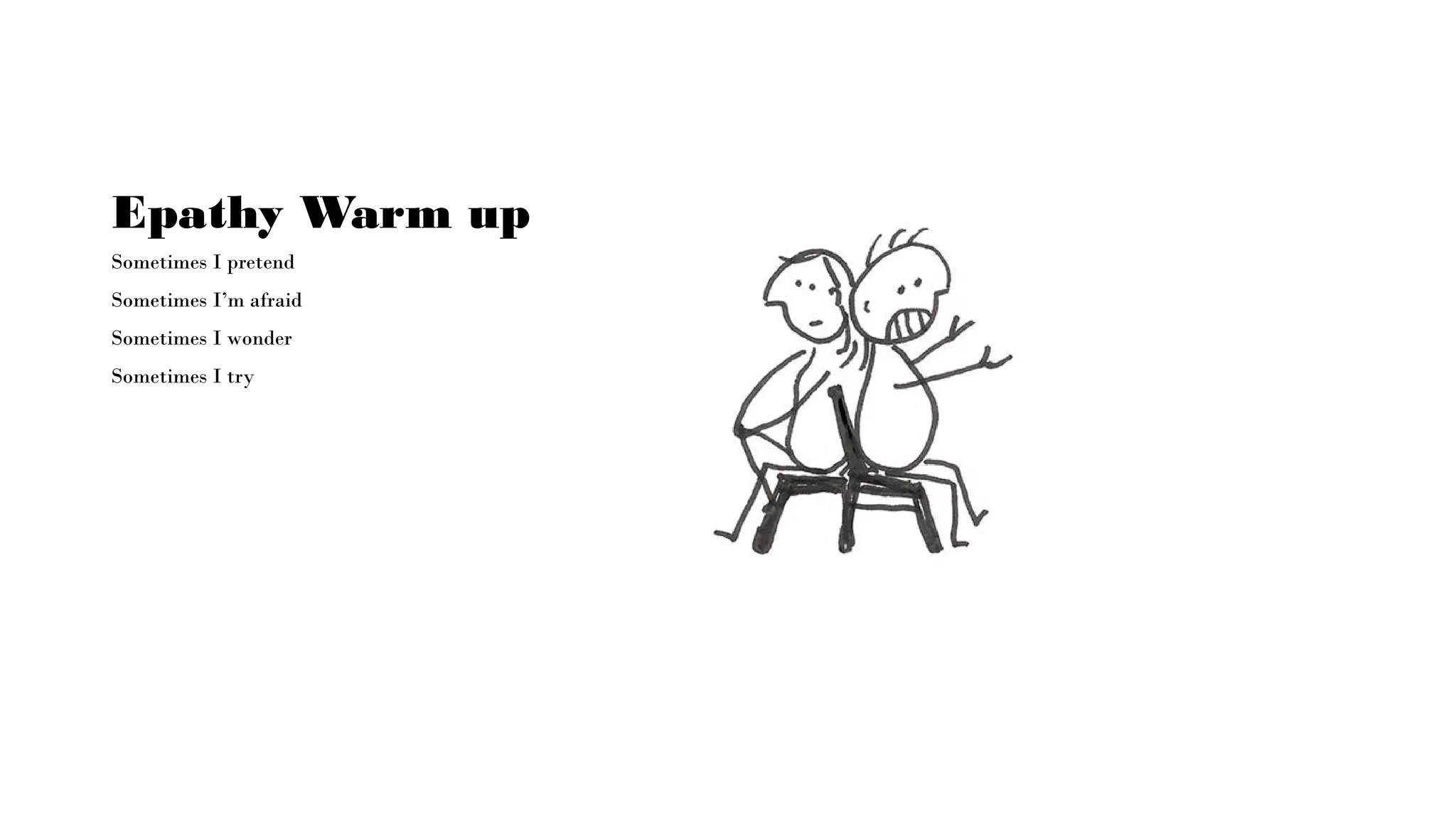
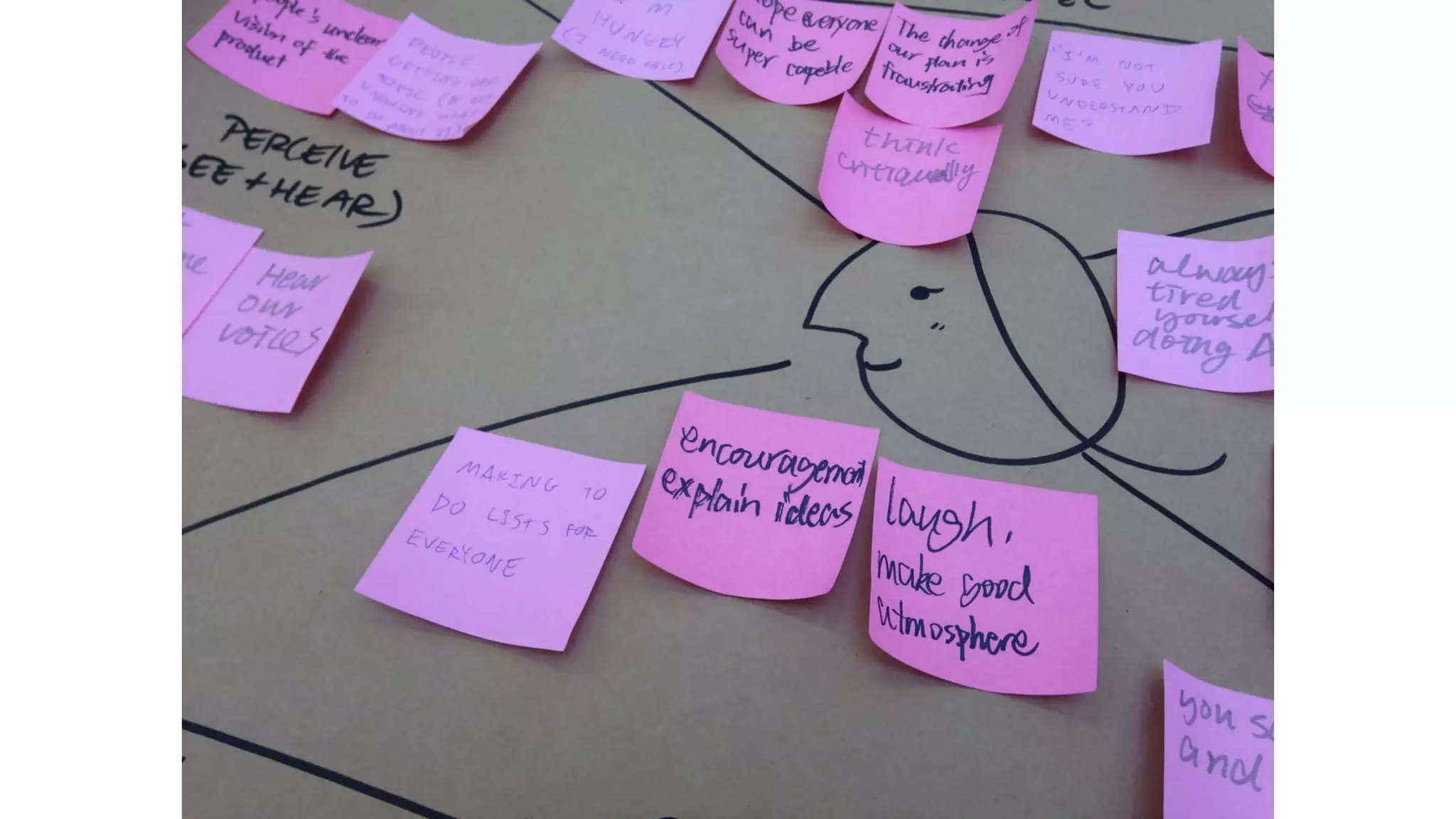
Epathy Warm up
Sometimes I pretend
Sometimes I’m afraid
Sometimes I wonder
Sometimes I try
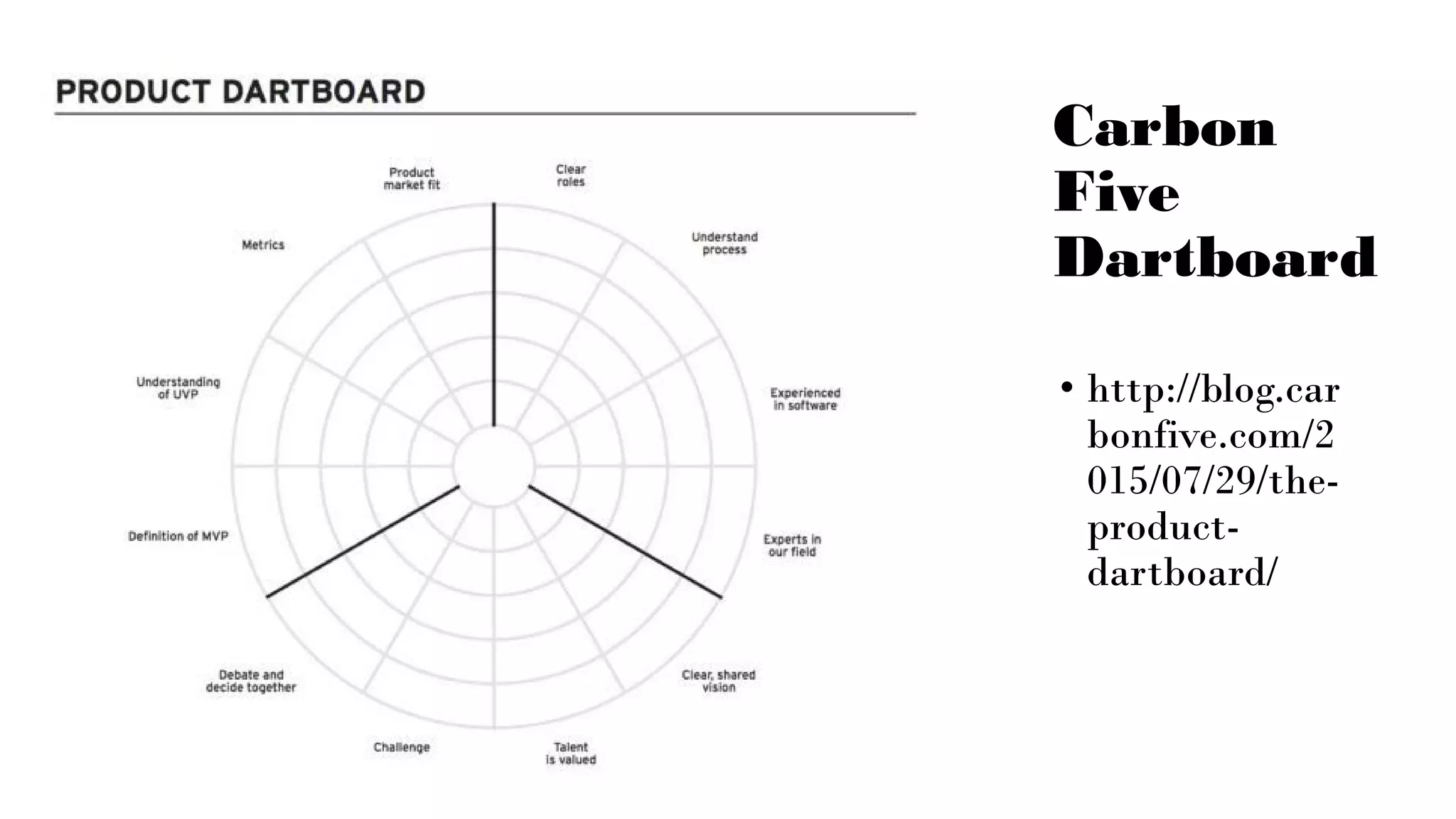
Carbon
Five
Dartboard
• http://blog.car
bonfive.com/2
015/07/29/the-
product-
dartboard/
Jherin Miller
Thank
You
@cwodtke | me@cwodtke.com
www.cwodtke.com
CHRISTINA WODTKE

Design the team you need to succeed