



Dr Tim Baker
tim@winnersatwork.com.au
www.winnersatwork.com.au
Characteristics of High
Performing Teams
Unit 1—Characteristics of
High Performing Teams
Unit 2—The Four Stages of
Team Development
Unit 3—Tools for Leading
Teams
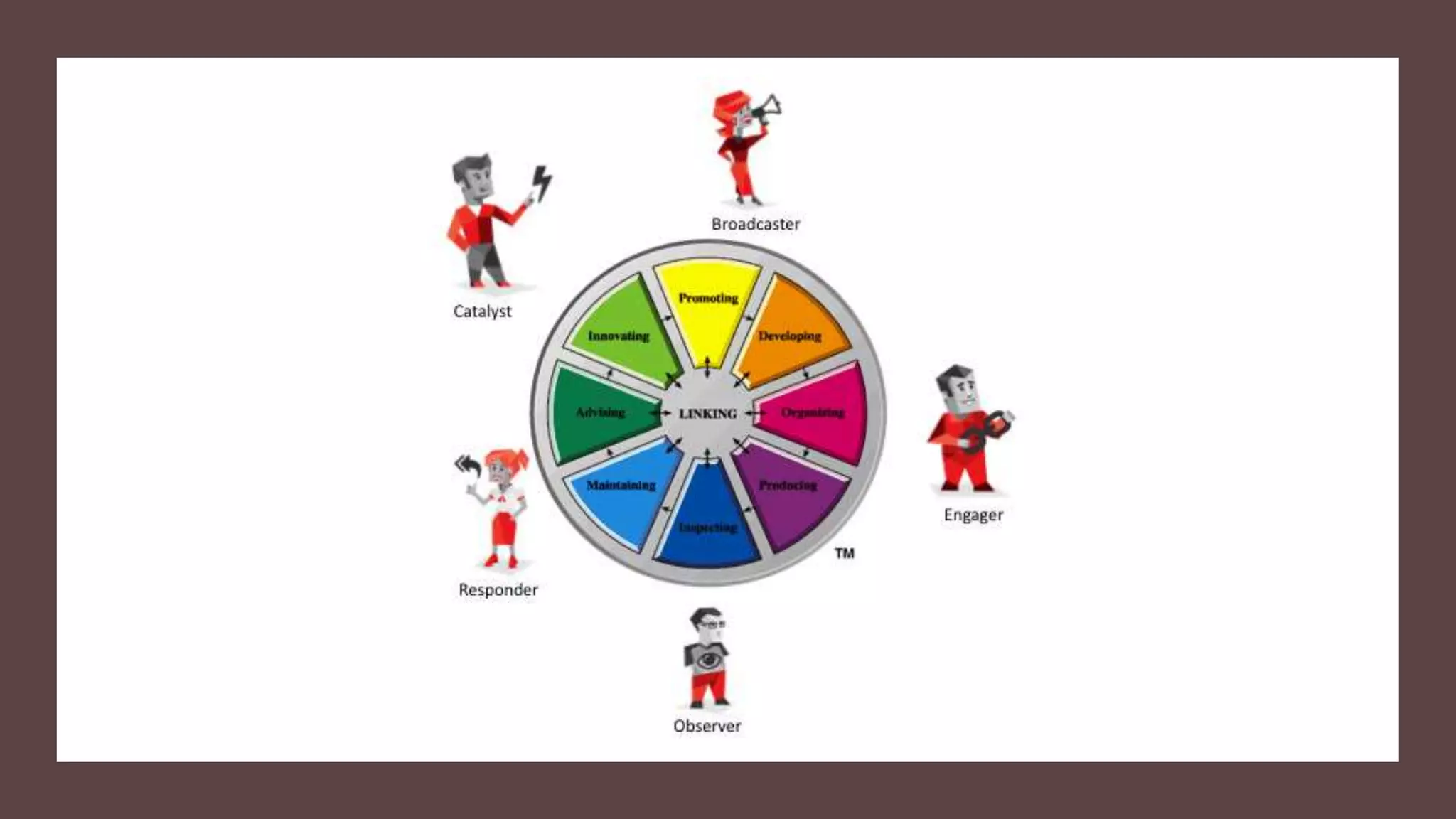
Unit 4—The Roles People Play
in Teams
Unit 5—Managing Team
Conflict and Negotiations
Unit 6—Developing Team
Culture
What are the eight
characteristics of
HPTs?
Tools for creating
HPTs.
Examples of HPTs
What are some examples of high performing teams on the world of sport?
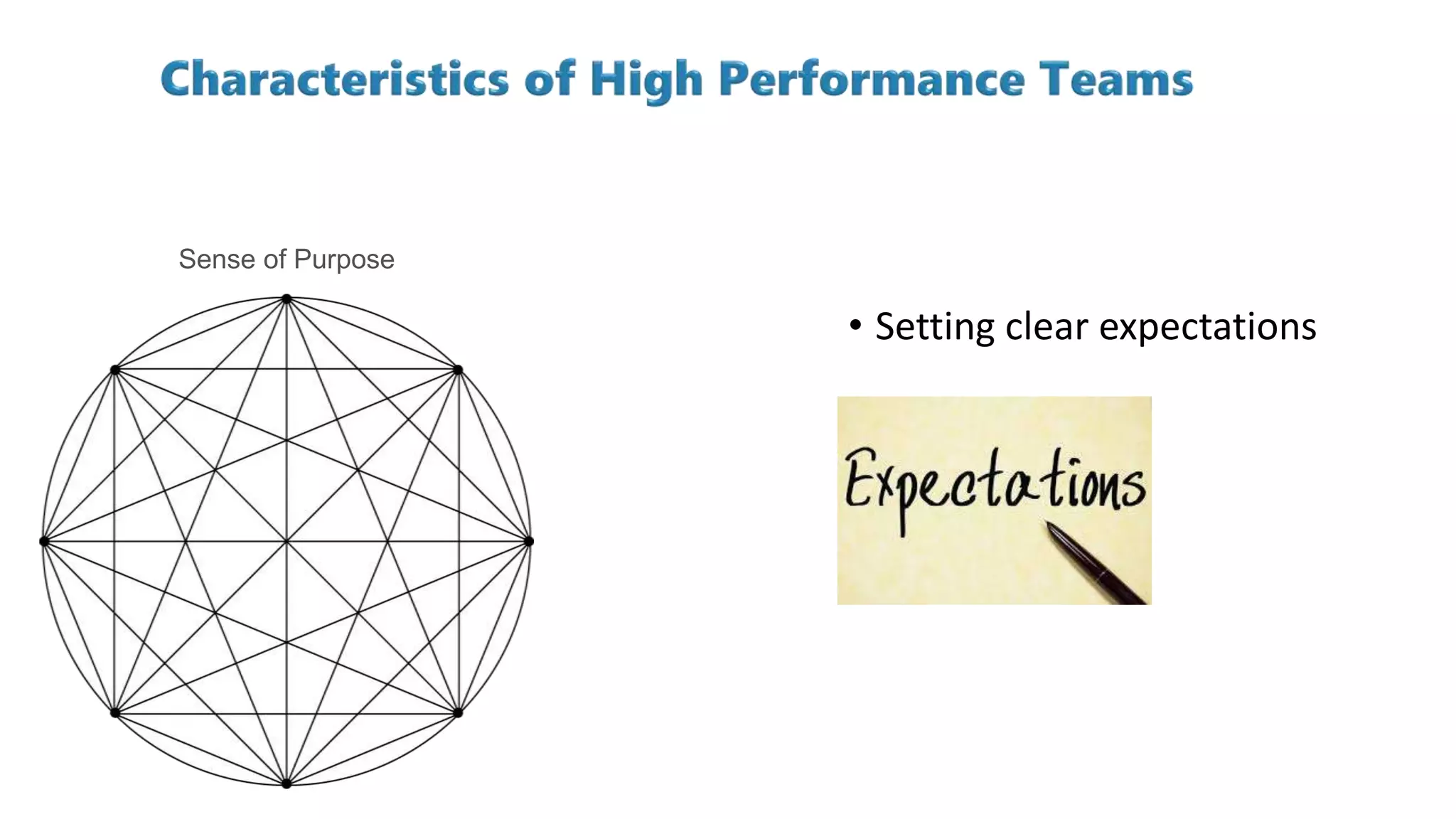
Sense of Purpose
• Setting clear expectations
1. What are my expectations as the leader?
2. Have I communicated these expectations to my team?
3. Do my team understand my expectations?
4. Do my team members accept my expectations?
5. Are my team members committed to meeting those expectations?
6. Do my team members know how they are performing against those expectations?
7. Am I supporting my team members to achieve those expectations?
Open
Communication
• Regular conversations
The five conversations framework
Baker, T. (2013). The End of the Performance Review: A New Approach to Appraising Employee Performance
Trust and
Mutual
Respect
• Characteristics of trust
Shared
Leadership
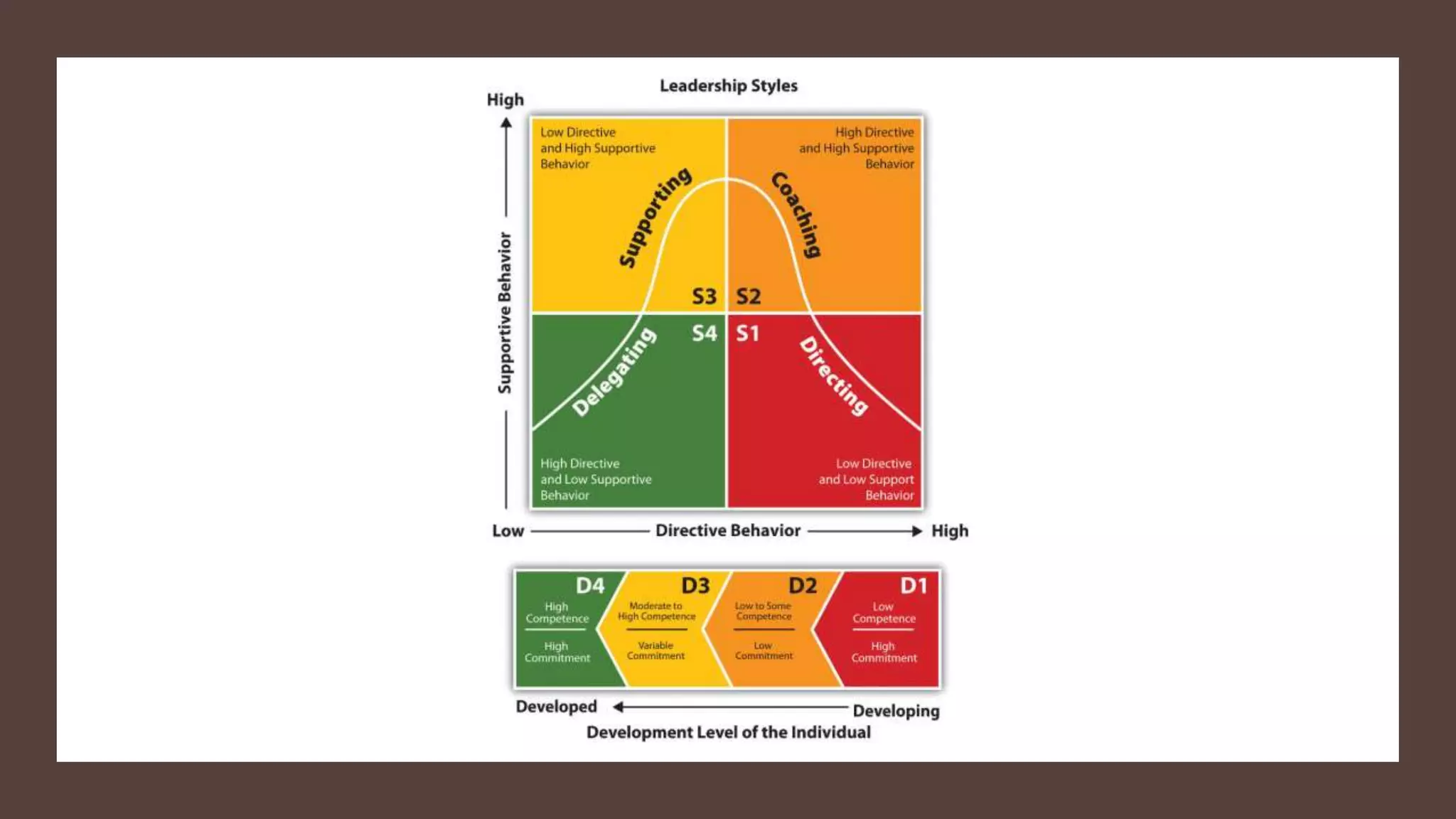
• Situational Leadership
Effective Working Procedures
• Dimensions of innovation &
continuous improvement
8 Dimensions
of Innovation
& Continuous
Improvement
qualityImproving
timeReducing
costsReducing
outputIncreasing
safetyIncreasing
deadlinesMeeting
interpersonal cooperationEnhancing
systems and processesStreamlining
Building on
Differences
• Strengths-based leadership
Flexibility
and
Adaptability
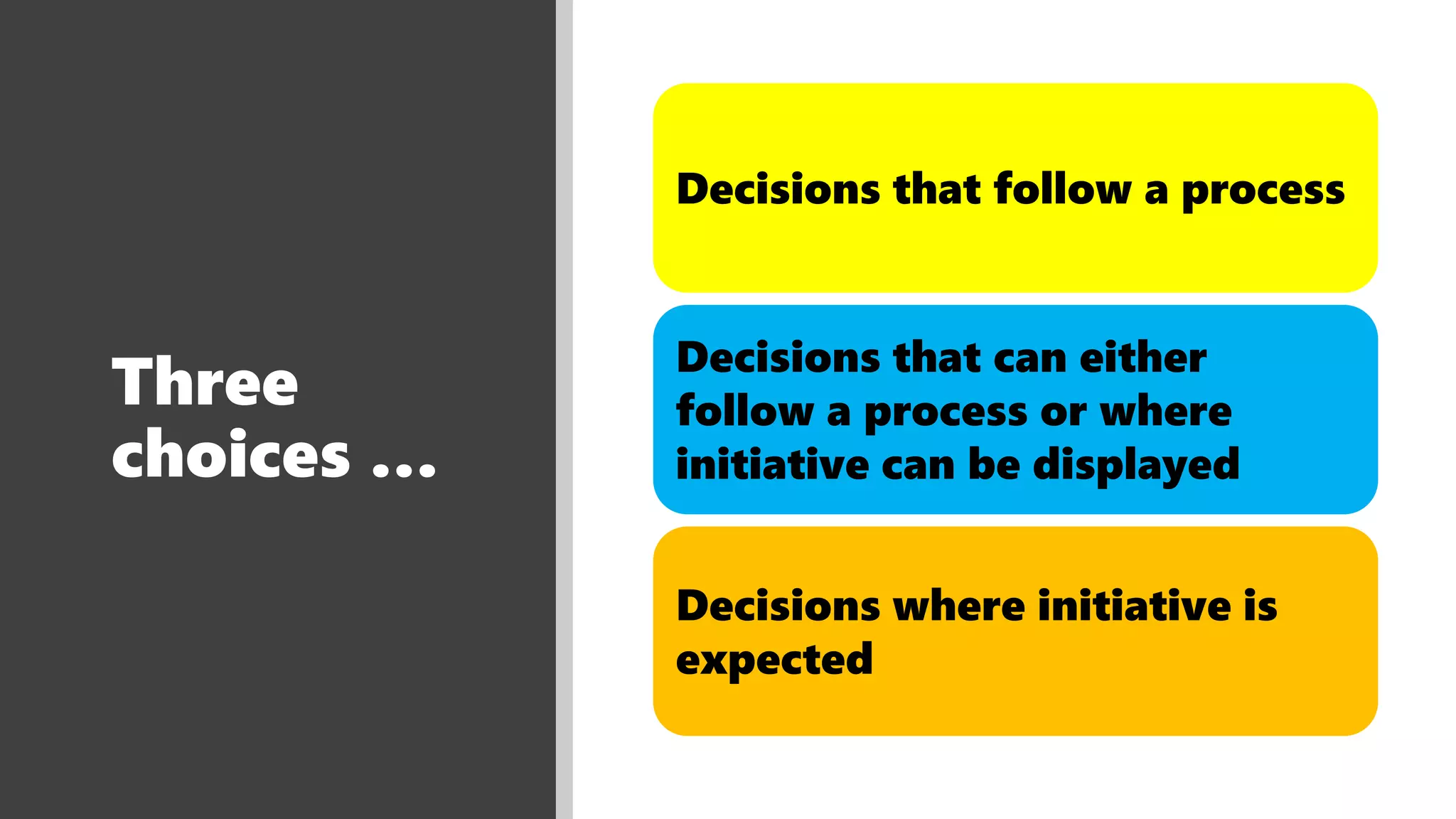
• Decision-making
Three
choices …
Decisions that follow a process
Decisions that can either
follow a process or where
initiative can be displayed
Decisions where initiative is
expected
After Action Review (AAR)
 What did you do well?
 What was not done well?
 What will you do differently next time?
“The Army's After Action Review (AAR) is arguably one of the most successful
organizational learning methods yet devised. Yet, most every corporate
effort to graft this truly innovative practices into their culture has failed
because, again and again, people reduce the living practice of AAR's to a
sterile technique.” (Senge, 1999)
[i
Your homework
Take one characteristic from today that
sparked an interest & take some action.
Unit 1—Characteristics of
High Performing Teams
Unit 2—The Four Stages of
Team Development
Unit 3—Tools for Leading
Teams
Unit 4—The Roles People Play
in Teams
Unit 5—Managing Team
Conflict and Negotiations
Unit 6—Developing Team
Culture

Characteristics of High Performing Teams